Why ancient cultures treated certain trees as family
Trees have always been more than just a source of wood and shade. To ancient cultures, they represented life, wisdom, and the divine. This connection spanned continents, from the towering sequoias revered by Native Americans to the sacred fig trees in Asia.
Each culture, with its unique set of beliefs, found something mystical in the gentle sway of branches and the rustle of leaves. The relationship was not just practical but also deeply spiritual, forming a bond that has persisted through the ages.
Trees as Sacred Symbols Across Different Civilizations

In ancient Egypt, the sycamore was considered sacred, associated with the goddess Hathor, who was believed to offer sustenance and protection. Similarly, the Norse mythology revered Yggdrasil, the immense ash tree connecting the nine worlds.
These trees were not merely flora; they were embodiments of the civilizations’ spiritual beliefs. Across the globe, trees stood as symbols of strength, resilience, and the eternal cycle of life and death.
The Mythical World of Tree Worship in Ancient Societies
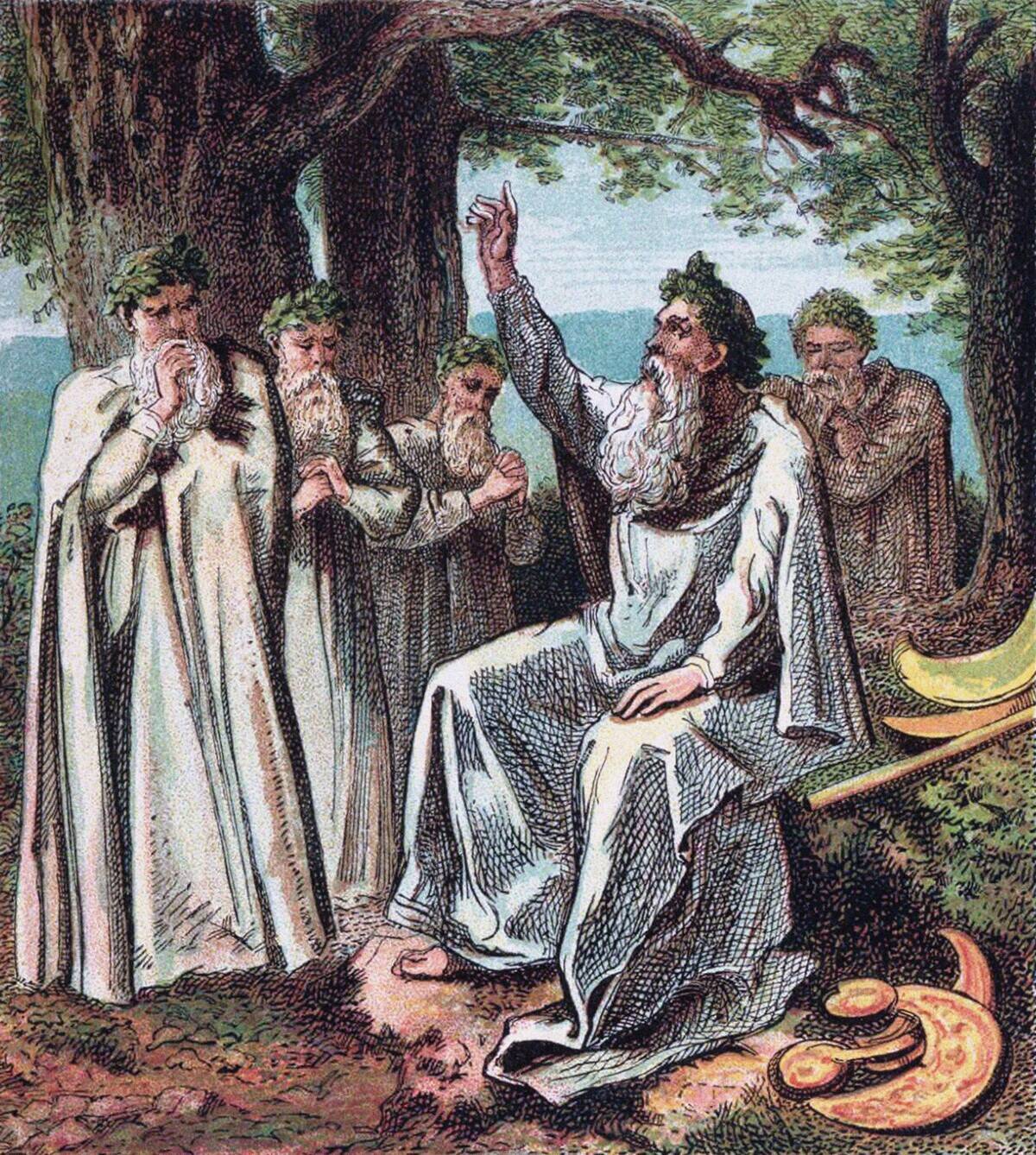
Tree worship was a common practice among early societies. The Celts, for instance, held trees in high spiritual regard, believing that different tree species possessed distinct symbolic and mystical qualities.
The Druids, Celtic priests, often held ceremonies in sacred groves, believing the trees were conduits to the divine. These rituals were not just acts of reverence but an acknowledgment of the trees’ integral role in their spiritual and everyday lives.
The Role of Trees in Ancient Folklore and Legends
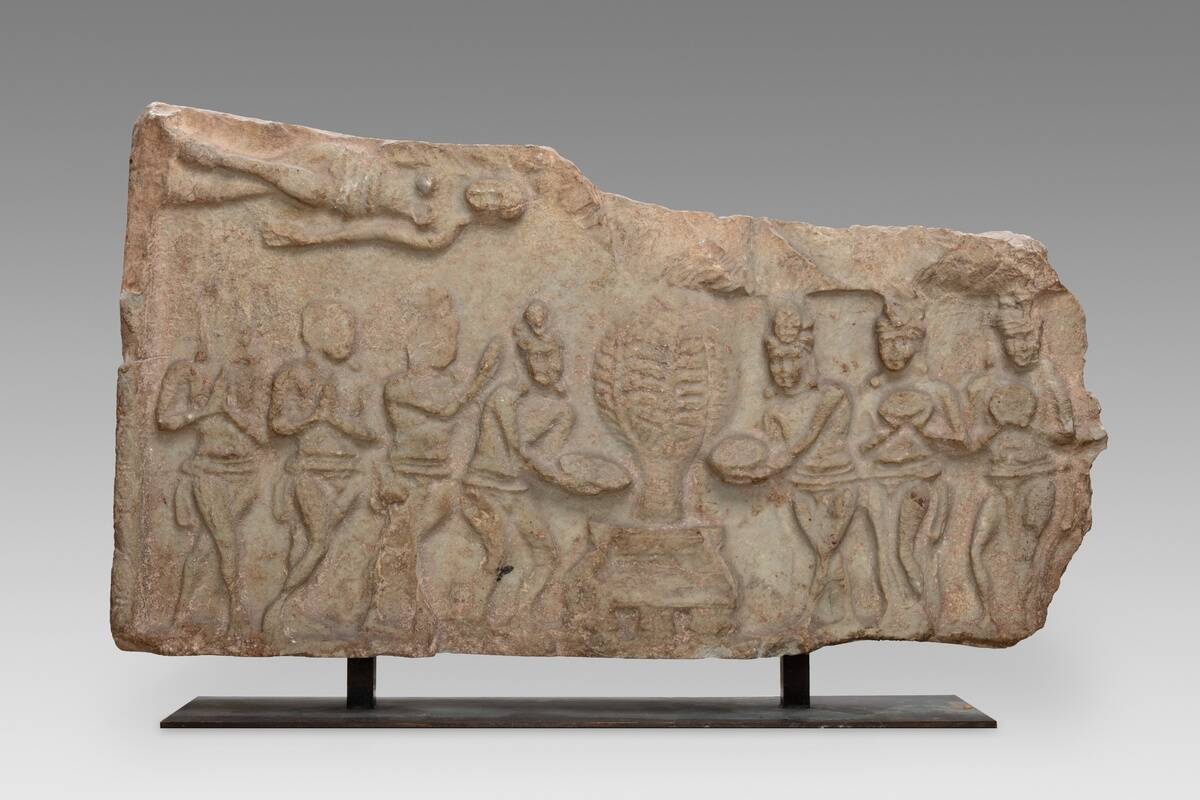
Trees have been central to countless myths and legends. In Greek mythology, the golden apples of the Hesperides grew on a tree that granted immortality. Meanwhile, the Bodhi Tree under which Buddha attained enlightenment became a symbol of spiritual awakening and knowledge.
These stories underscore the trees’ roles as gatekeepers of sacred truths and the intertwined fates of humanity and nature.
Why Trees Were Considered as Ancestors or Kindred Spirits

Many ancient cultures saw trees as ancestors or kindred spirits. In parts of Africa, some tribes believed that their ancestors’ souls resided in mighty baobabs. This belief reinforced the idea that trees were living beings, deserving of respect and care.
By viewing trees as family, these cultures fostered a sense of kinship with the natural world, emphasizing the interconnectedness of all living things.
The Spiritual Connection: Trees as Bridges to the Divine
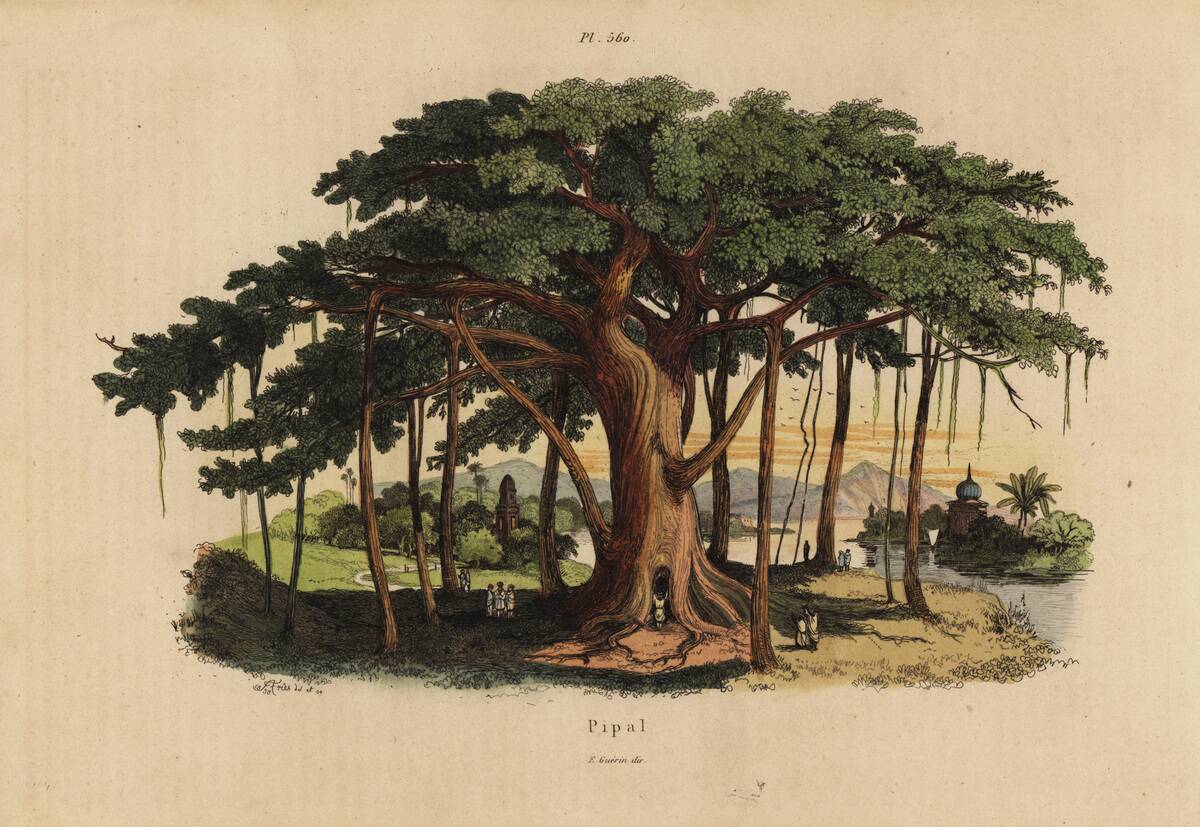
Trees were often seen as bridges between the earthly and the divine. In Hinduism, the Peepal tree is considered sacred, with the belief that it is home to gods and spirits. This perception is shared across various cultures, where trees served as a link to the heavens.
The towering branches reaching up to the sky were seen as pathways for prayers and blessings, a testament to their spiritual significance.
The Tree of Life: A Universal Symbol of Growth and Connection

The Tree of Life is a symbol found in many ancient cultures, representing growth, fertility, and interconnectedness. In Christianity, it appears in the Garden of Eden, while in Judaism, it represents the divine creation.
These trees symbolized not only physical sustenance but also spiritual nourishment. The intertwining branches and roots served as metaphors for the interconnectedness of life, uniting all living beings under one cosmic canopy.
Ancient Rituals and Ceremonies Centered Around Trees
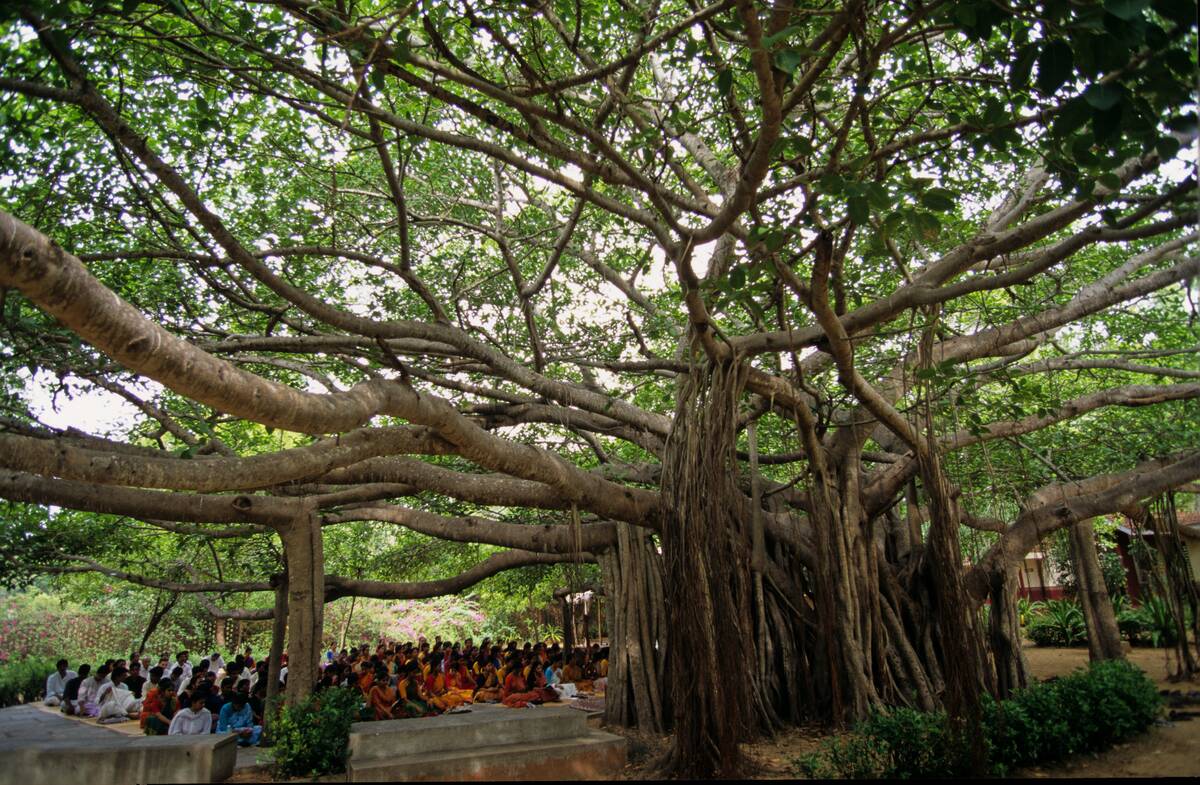
Many ancient rituals revolved around trees, often involving offerings and prayers. In India, the Vat Purnima festival celebrates the banyan tree as a symbol of longevity and marital fidelity.
Similarly, the Mayans worshipped the Ceiba tree, conducting elaborate ceremonies to honor its significance. These rituals were not just spiritual practices but also community gatherings, reinforcing social bonds through shared reverence for these natural giants.
Trees as Guardians of Wisdom and Knowledge
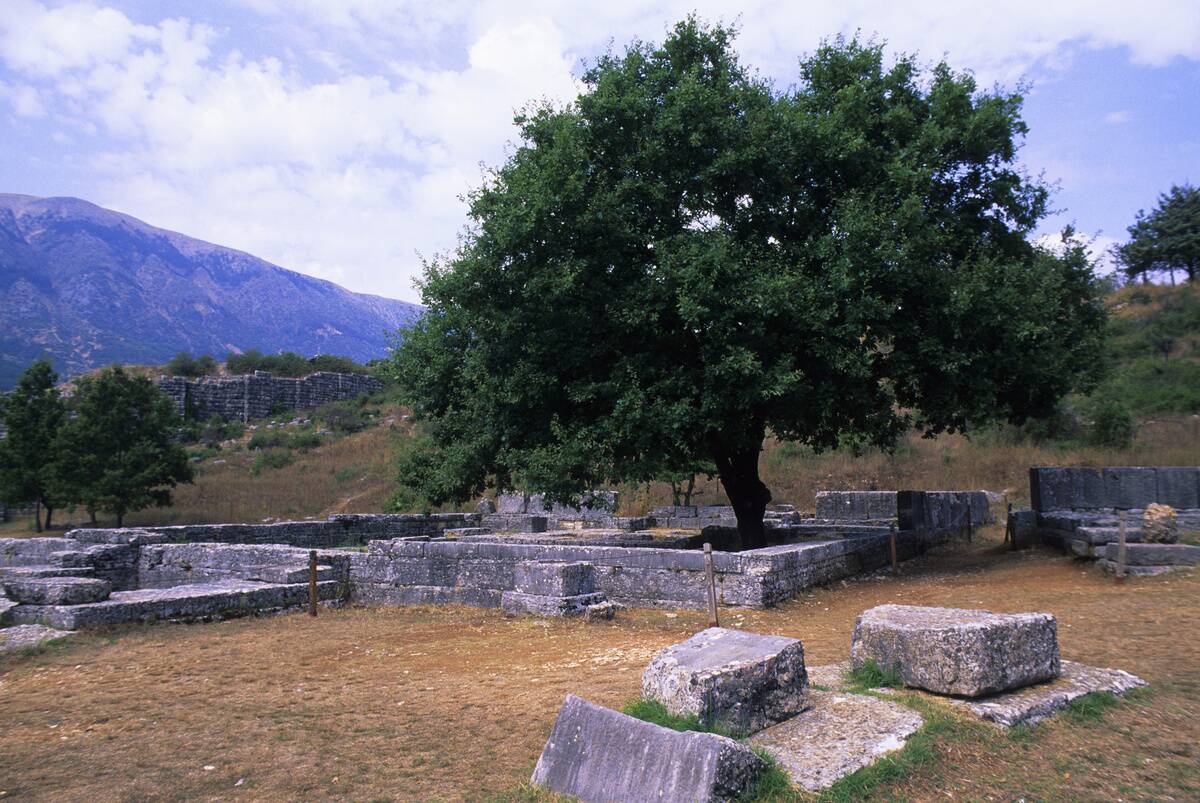
Trees were often seen as repositories of wisdom and knowledge. The Greeks believed the Oracle of Dodona, located in a sacred oak grove, could provide divine guidance.
In other cultures, trees were thought to possess their own knowledge, whispering secrets to those who would listen. This perception of trees as wise guardians further solidified their role as central figures in ancient lore and spirituality.
The Practical Benefits of Trees in Ancient Communities

Beyond their spiritual significance, trees provided essential resources for ancient communities. They offered food, medicine, and materials for shelter and tools. For example, the olive tree was crucial in ancient Greece, providing oil for cooking and lighting.
The practical benefits of trees ensured their protection and cultivation, as they were seen as vital to survival and prosperity.
The Influence of Trees on Ancient Architecture and Urban Planning

Trees played a vital role in shaping ancient architecture and urban planning. In ancient Persia, the concept of ‘paradise gardens’ involved planting trees in geometric patterns to create serene spaces for reflection.
Similarly, Roman cities incorporated tree-lined streets and public gardens to provide shade and beauty. These practices highlighted a harmonious relationship between nature and urban life, with trees serving as essential elements of design.
The Language of Trees: Symbolism in Ancient Scripts
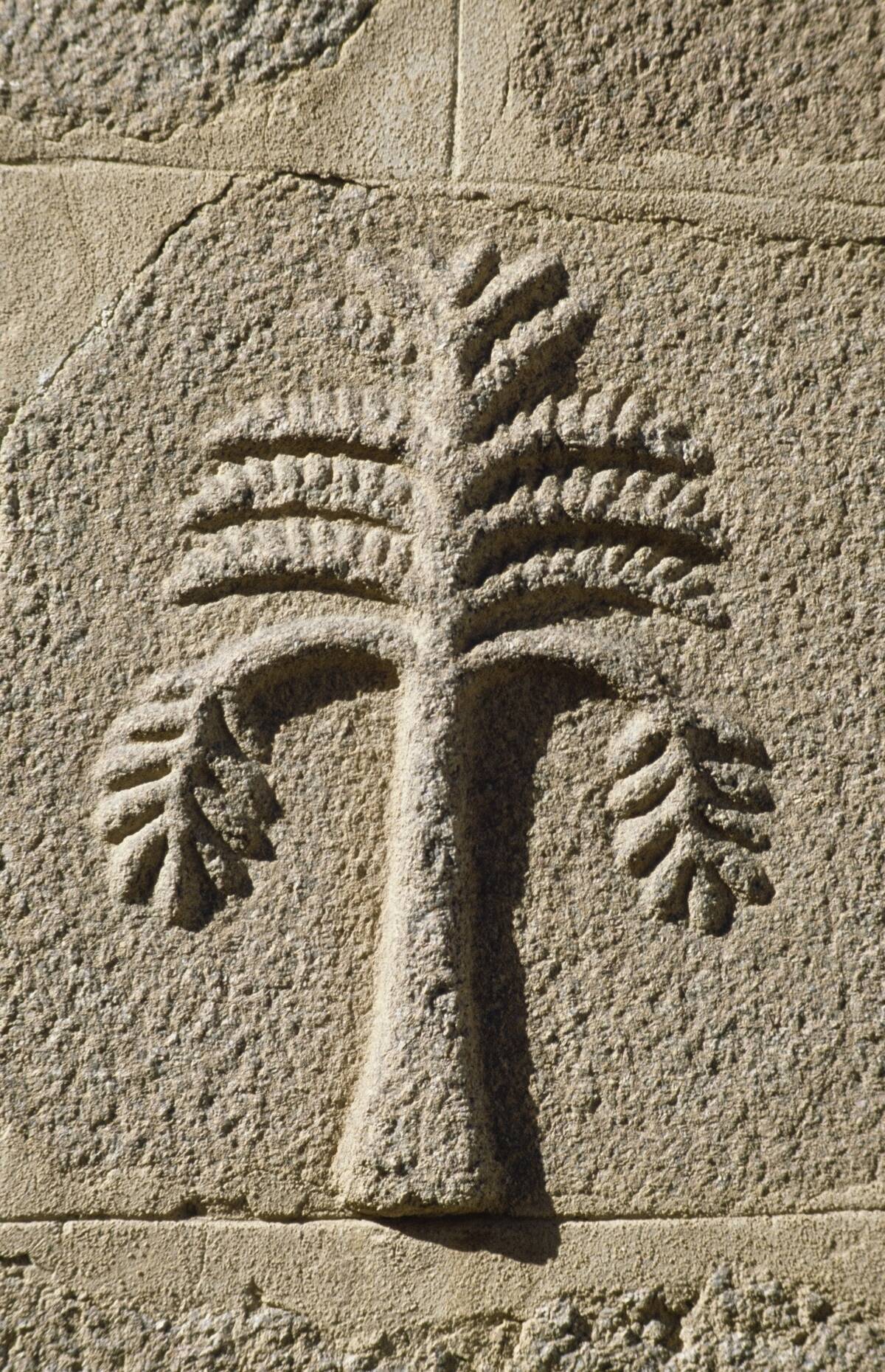
Ancient scripts often used tree symbolism to convey deeper meanings. The Norse runes included a symbol for “tree” representing protection and strength. In Egyptian hieroglyphs, the palm branch symbolized time and eternity.
These symbolic representations underscored the cultural importance of trees, reflecting their roles as metaphors for various aspects of life and spirituality across different civilizations.
Trees in Ancient Healing Practices and Medicine

Trees were vital in ancient healing practices, with many cultures using bark, leaves, and sap for medicinal purposes. The ancient Chinese used ginkgo leaves for respiratory and circulatory conditions.
Similarly, Native Americans utilized willow bark, a natural source of aspirin, to alleviate pain. These practices highlighted the trees’ roles as sources of natural remedies, showcasing their importance in health and healing.
The Role of Trees in Ancient Agricultural Systems

In ancient agriculture, trees played a crucial role in sustaining crops and livestock. The practice of agroforestry, where trees are integrated into farming systems, was common. For instance, the Inca utilized the Polylepis tree to prevent soil erosion in the Andes.
These methods showcased the trees’ utility in enhancing agricultural productivity, ensuring food security, and maintaining ecological balance.
How Ancient Cultures Passed Down Tree Reverence Through Generations
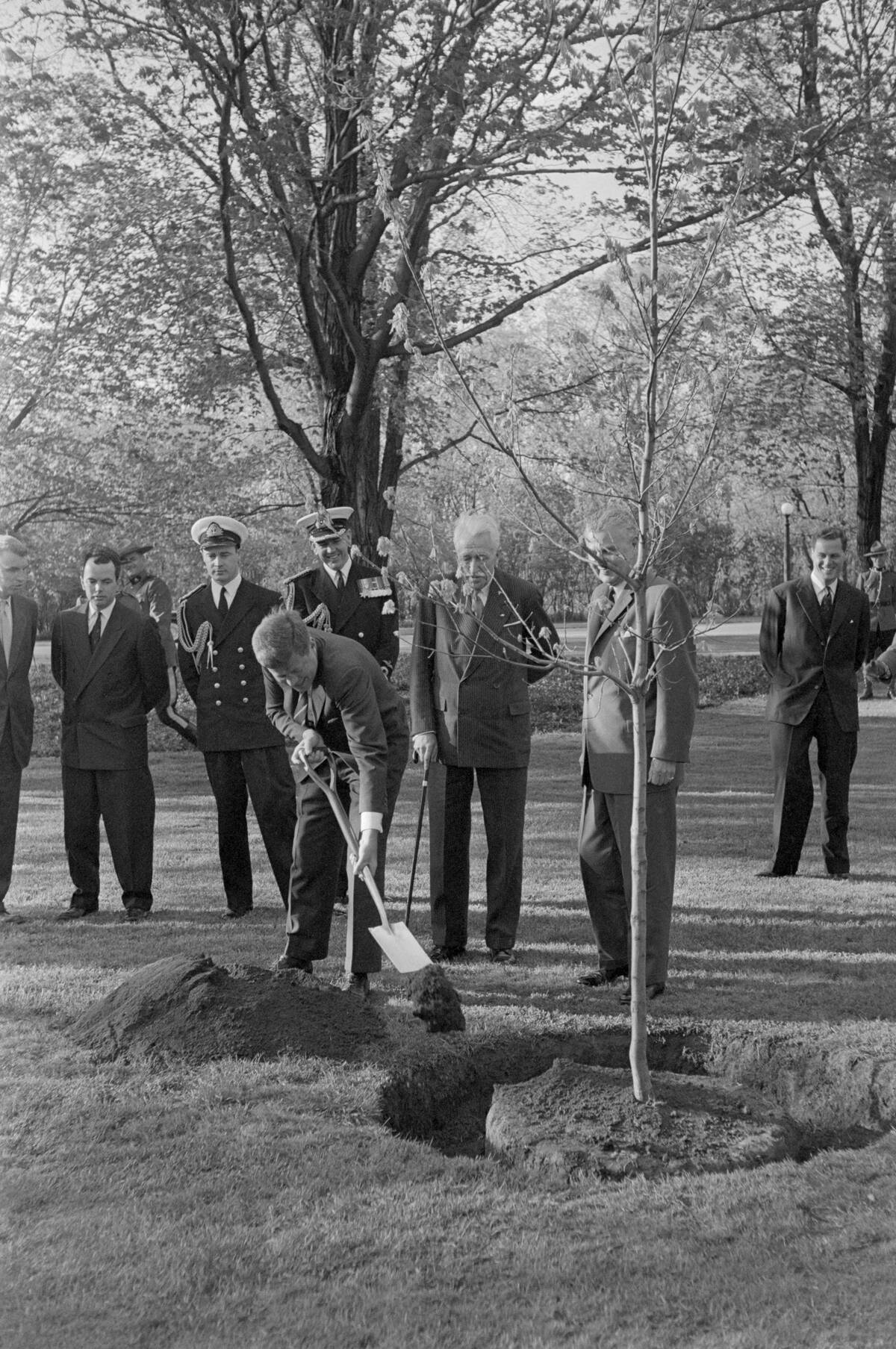
The reverence for trees was passed down through generations via oral traditions, rituals, and stories. Many cultures incorporated tree planting in ceremonies marking life milestones, such as births and marriages.
These practices ensured that the values and beliefs surrounding trees were preserved, fostering a lasting appreciation for nature. Even today, these traditions echo in modern conservation efforts, highlighting the enduring legacy of tree worship.
Fun Facts About Famous Trees in Ancient History

Did you know the oldest known living tree is a bristlecone pine named Methuselah, estimated to be over 4,800 years old? Or that the Great Banyan Tree in India has a canopy that spans over three acres?
These remarkable trees are living testaments to history, bearing witness to centuries of change. Their stories captivate us, illustrating the enduring power and mystery of these ancient giants.