Worlds beyond Earth resembling ancient planets
Embarking on a journey through the cosmos, we find ourselves gazing at distant worlds, each echoing tales of ancient times. These celestial bodies serve as cosmic archives, holding secrets of the universe’s infancy.
The exploration of these ancient echoes can reveal our own planet’s history, as well as provide insights into the broader tapestry of cosmic evolution. Our fascination with these celestial time capsules keeps us peering into the night sky, seeking answers to the questions of origins.
The Quest for Ancient Worlds: A Cosmic Time Machine

The search for ancient worlds is akin to stepping into a cosmic time machine, allowing scientists to peer back billions of years. By studying celestial bodies, researchers can reconstruct the environments that existed before Earth formed.
This quest has led to technological advancements in telescopes, enabling the discovery of planets orbiting distant stars. These planets, called exoplanets, offer a glimpse into the conditions that may have shaped our solar system, making them invaluable to our understanding of planetary formation.
Tracing the Shadows of Our Solar System’s Past
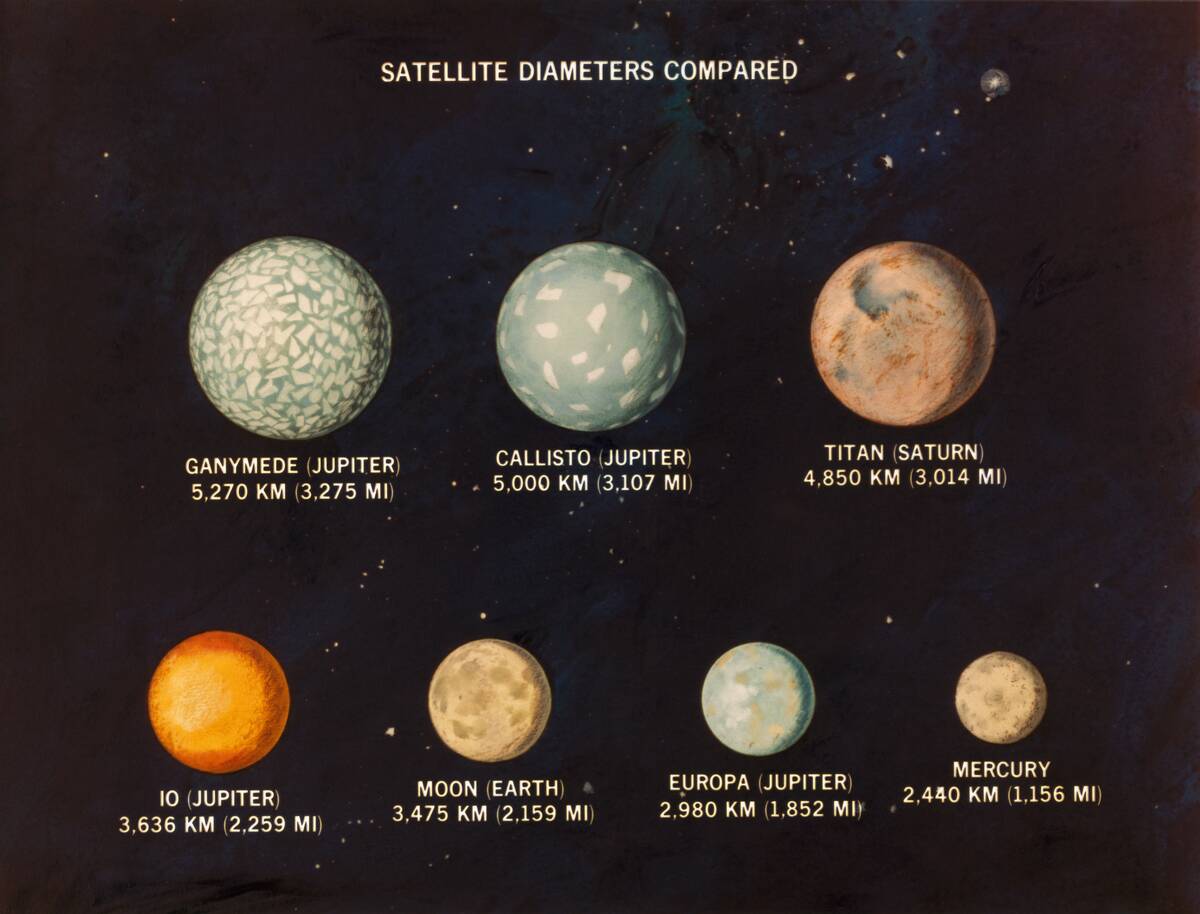
Our solar system is a tapestry of ancient stories, with each planet and moon offering a unique chapter in its history. By studying asteroids and comets, scientists can trace the solar system’s early days.
These remnants are believed to be leftover building blocks from the era of planet formation. Analyzing their composition reveals clues about the solar nebula, the cloud of gas and dust that gave birth to our sun and planets, providing a fascinating look into our cosmic neighborhood’s early days.
Exoplanets: Windows into the Universe’s Ancient History

Exoplanets are like windows into the universe’s ancient past, each one offering a unique perspective on the history of planetary systems. With over 5,000 exoplanets discovered, astronomers have identified a wide variety of worlds, some potentially older than our own solar system.
These ancient planets can help scientists understand how planetary systems evolve over time. The diversity among exoplanets also suggests a multitude of pathways for planetary development, hinting at the vast possibilities for life beyond Earth.
Mars: A Glimpse into Earth’s Primitive Past

Mars, often called the Red Planet, offers a unique glimpse into Earth’s primitive past. With its dry riverbeds and signs of ancient lakes, Mars hints at a time when it may have had conditions suitable for life. Scientists believe that studying Martian geology and climate can shed light on Earth’s own early environment.
Understanding Mars’ transition from a potentially habitable world to its current barren state can provide valuable lessons about planetary climate change and the factors that sustain life.
Titan: A Mirror to Earth’s Pre-Life Chemistry
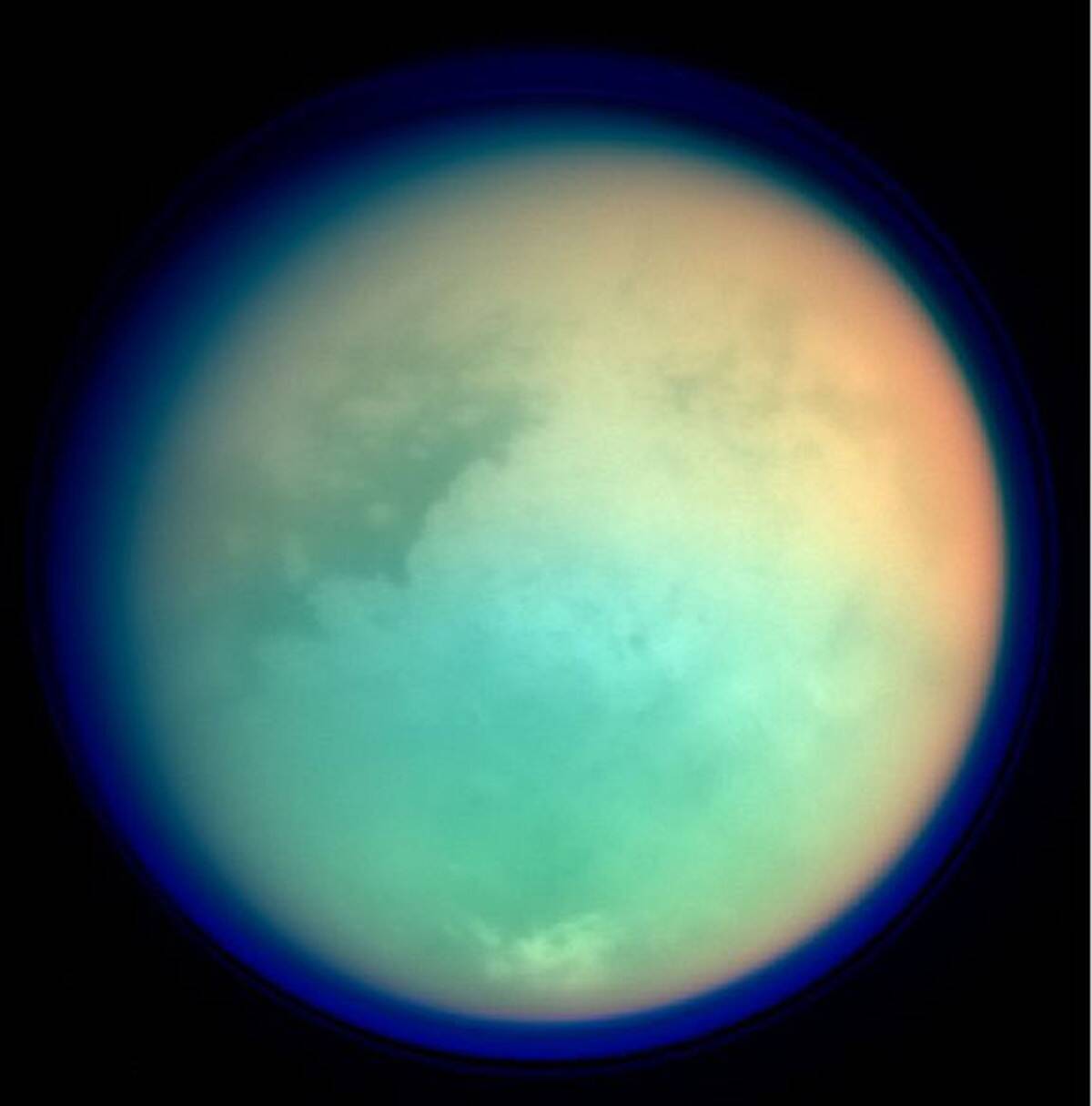
Titan, Saturn’s largest moon, is a fascinating mirror to Earth’s pre-life chemistry. With its thick atmosphere and surface lakes of liquid methane, Titan resembles early Earth before life began. The presence of complex organic molecules on Titan suggests that similar chemical processes could have occurred on ancient Earth.
Studying Titan’s atmosphere and surface can help scientists understand the chemical reactions that might have led to the emergence of life on our planet, offering a tantalizing glimpse into our own origins.
Venus: Channeling Earth’s Fiery Beginnings
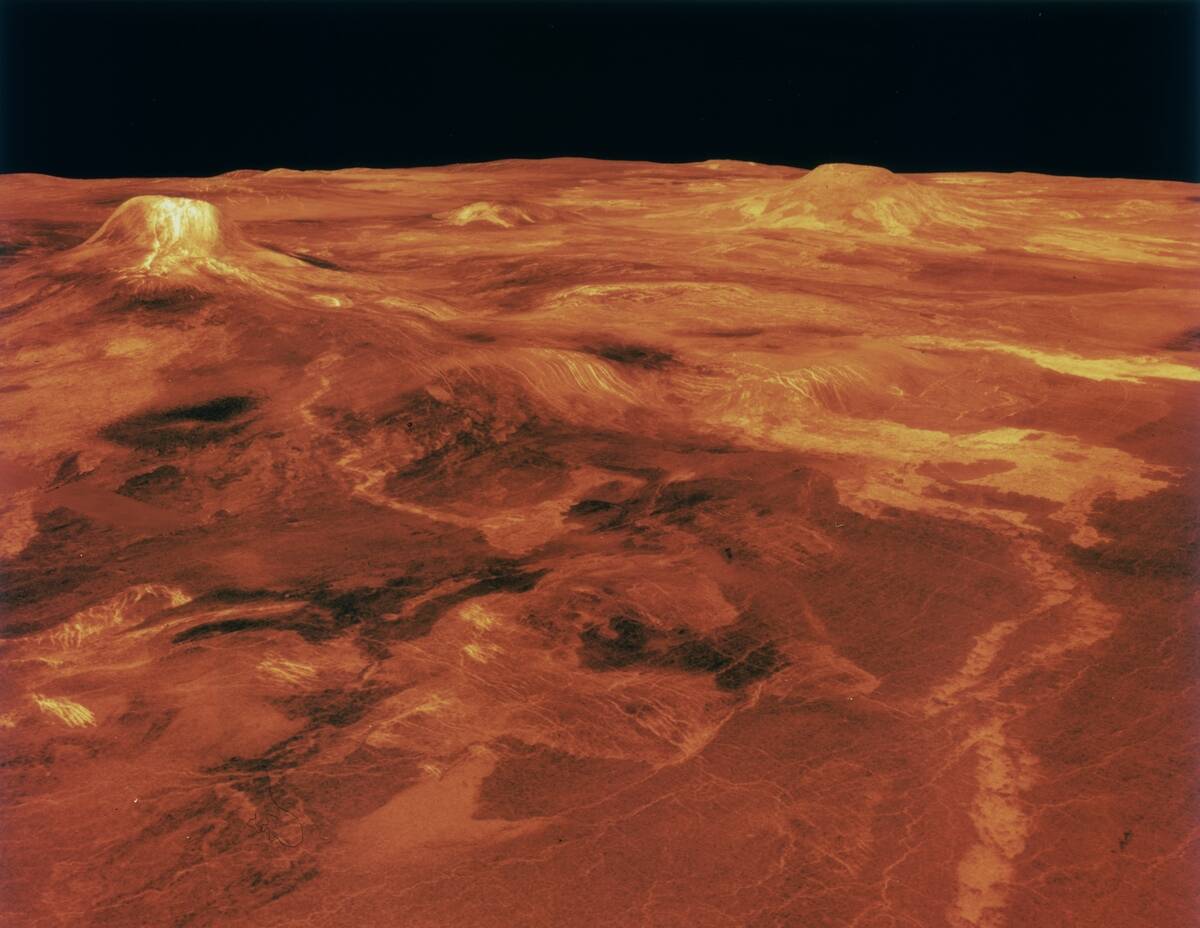
Venus, Earth’s fiery twin, channels what our planet’s beginnings might have looked like under different circumstances. With its thick, toxic atmosphere and surface temperatures hot enough to melt lead, Venus presents a harsh environment.
Scientists hypothesize that Venus might have once had conditions similar to early Earth, possibly even with liquid water. By studying Venus’ atmosphere and geological features, researchers hope to unravel the mysteries of its transformation and learn why it diverged so drastically from Earth.
Io: A Volcanic Past Frozen in Time
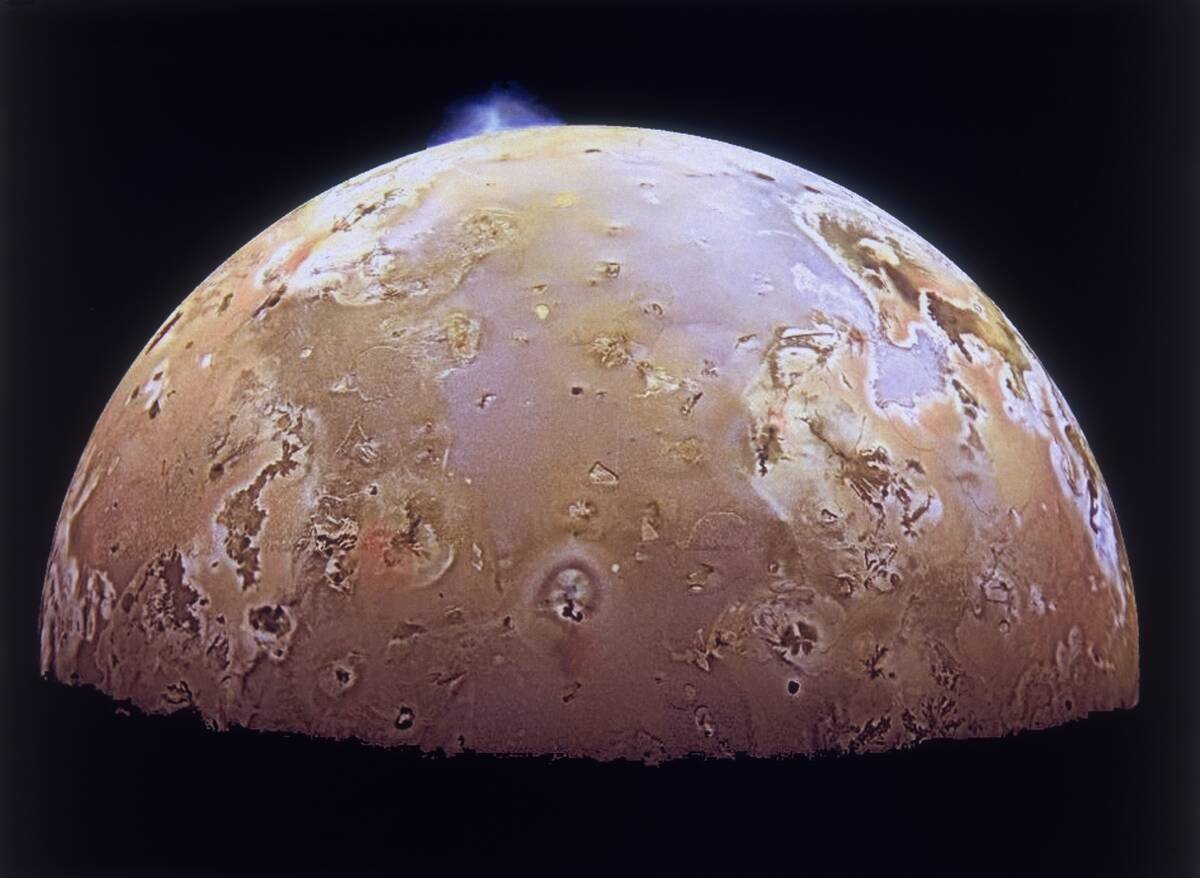
Io, one of Jupiter’s many moons, is a volcanic wonderland frozen in time. It’s the most geologically active body in the solar system, with hundreds of volcanoes dotting its surface. The intense volcanic activity is driven by tidal heating, a result of its gravitational interaction with Jupiter.
This constant geological reshaping provides a snapshot of processes that may have occurred on early Earth. Studying Io helps scientists understand volcanic activity’s role in shaping planetary surfaces and atmospheres.
Europa: Earth’s Icy Ancestor
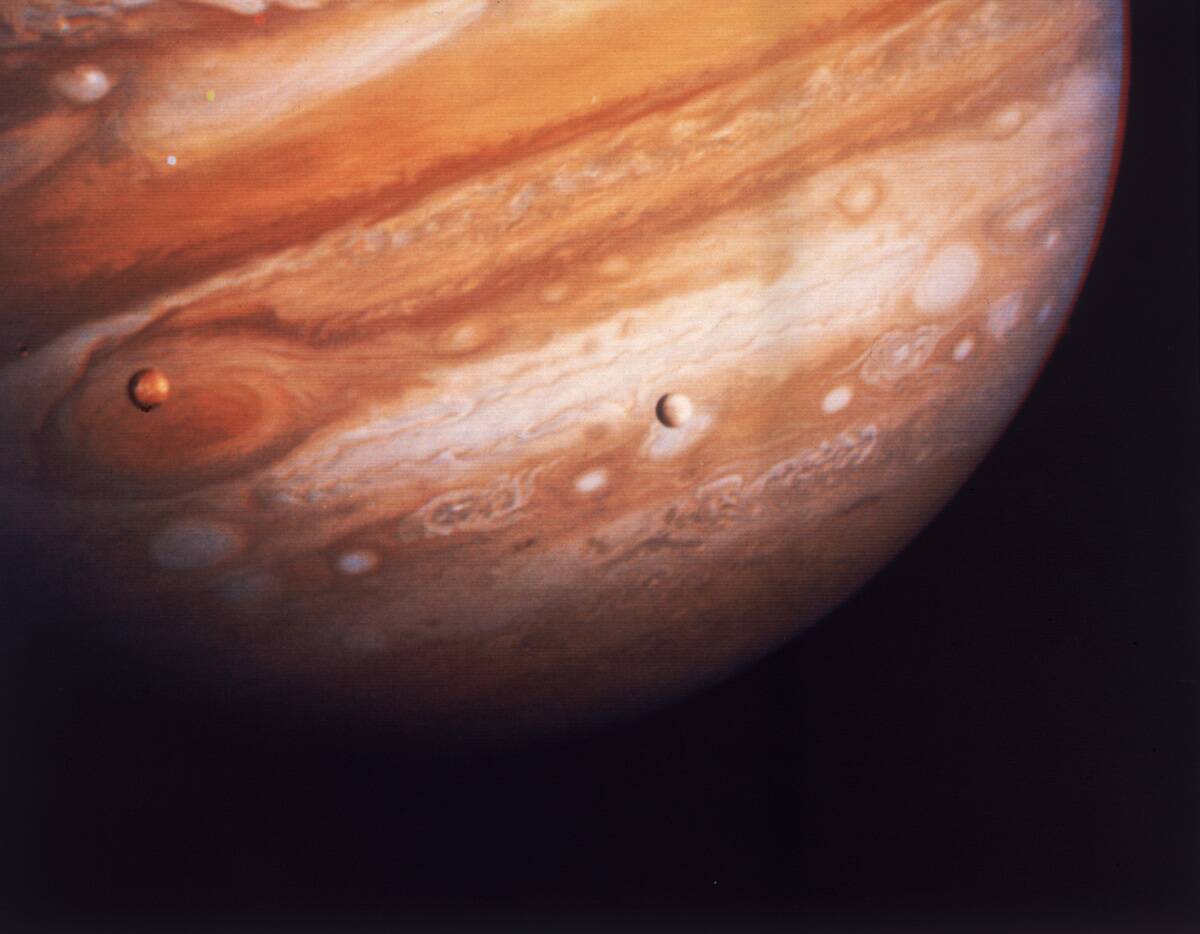
Europa, another of Jupiter’s intriguing moons, is often considered Earth’s icy ancestor. Beneath its frozen surface lies a vast ocean, potentially harboring the conditions necessary for life. The evidence of a subsurface ocean beneath Europa’s ice has sparked interest in its potential habitability.
Scientists are keen to study Europa because its ocean may resemble early Earth’s conditions, offering clues about the potential for life in extraterrestrial environments and the processes that could lead to its emergence.
The Mystery of Rogue Planets: Wandering Ancient Time Capsules
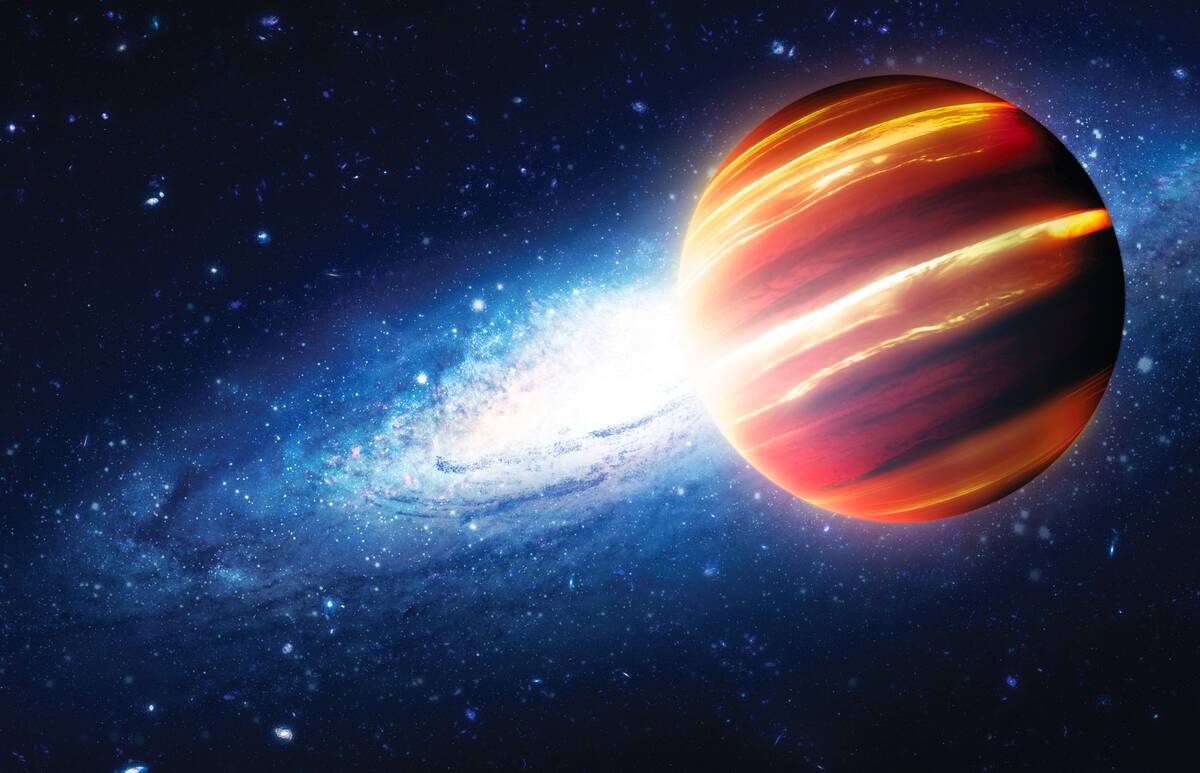
Rogue planets, those not bound to any star, are like wandering ancient time capsules in the cosmos. These mysterious objects drift through space, carrying with them the history of their formation. Some theories suggest they were ejected from their original solar systems, while others may have formed in isolation.
Studying rogue planets helps scientists understand the diversity and dynamics of planetary systems. Their existence raises intriguing questions about the nature of planet formation and the potential for life in unexpected places.
Proxima Centauri b: A Nearby Neolithic Neighbor?
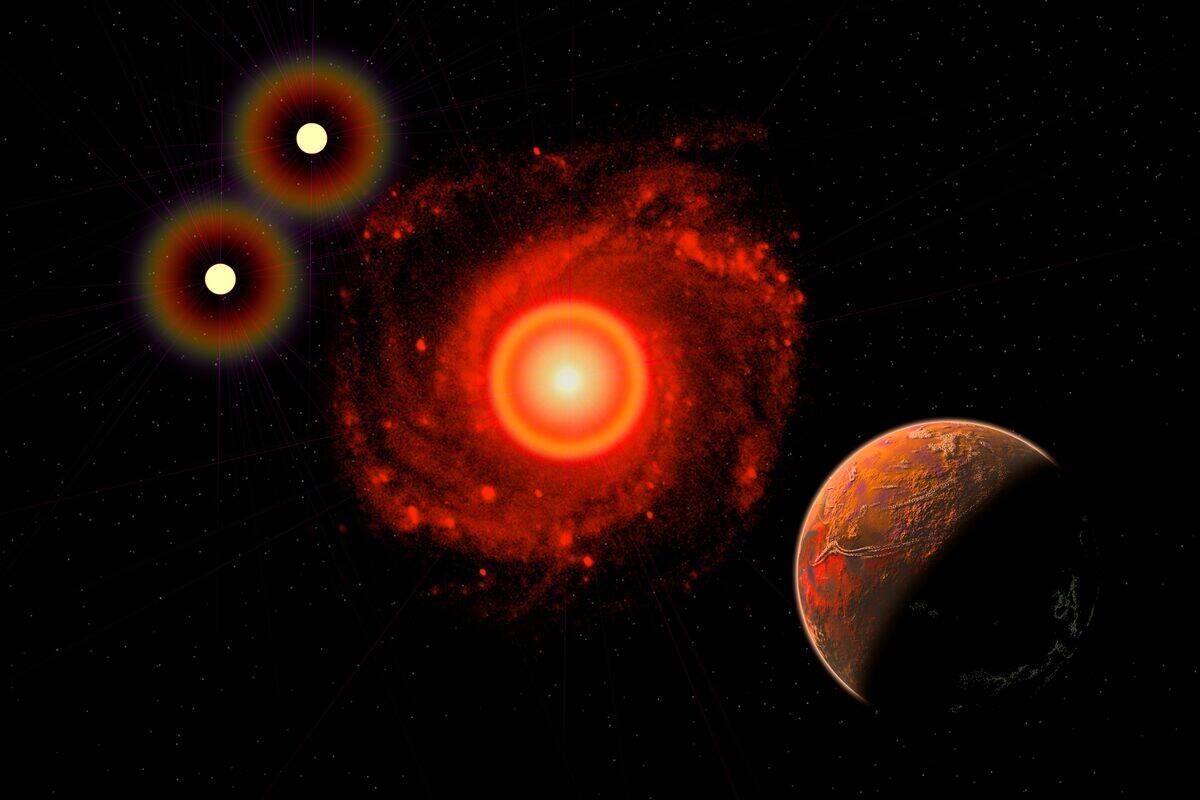
Proxima Centauri b, the closest known exoplanet to Earth, offers a tantalizing glimpse into the past. Orbiting the star Proxima Centauri, this rocky world lies within the habitable zone, where conditions might support liquid water. Its proximity allows for detailed study, providing insights into the characteristics of rocky planets around other stars.
While we don’t know if life exists there, Proxima Centauri b serves as a nearby laboratory for understanding planetary atmospheres and potential habitability.
Kepler-62f: An Echo of Earth’s Youthful Atmosphere
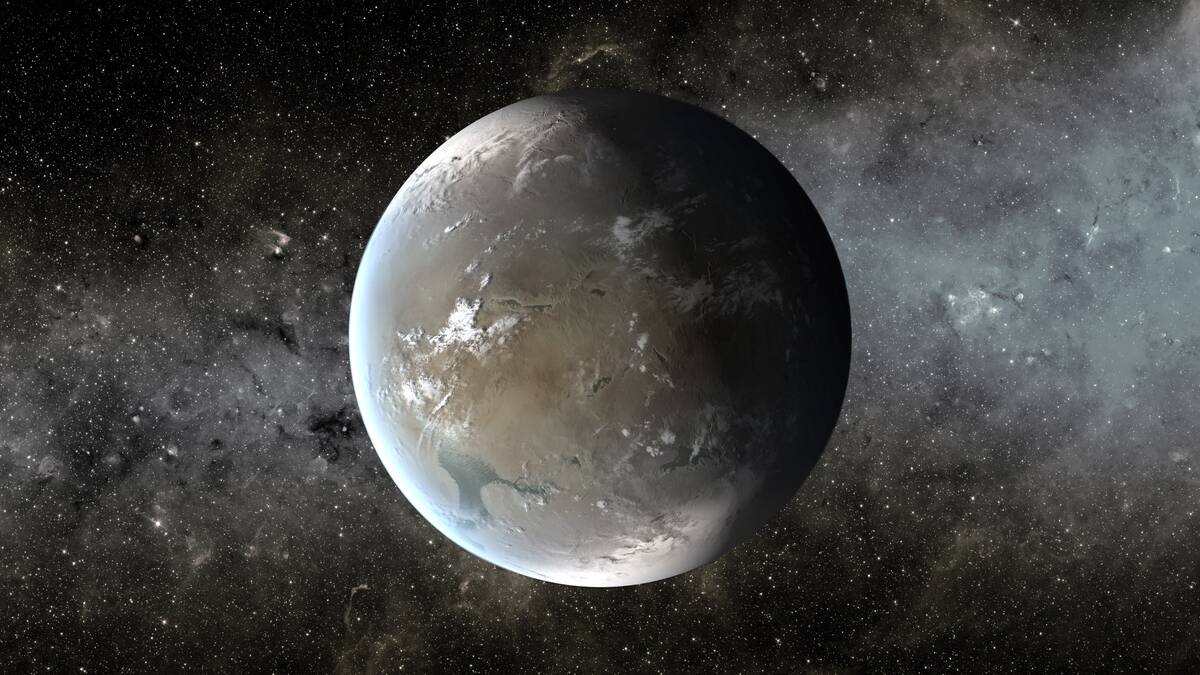
Kepler-62f, an exoplanet orbiting a star over 1,200 light-years away, is an intriguing echo of Earth’s youthful atmosphere. This planet resides in the habitable zone of its star, where conditions might allow for liquid water. Its size and potential rocky composition make it a strong candidate for studying Earth-like conditions.
By examining Kepler-62f, scientists hope to learn about atmospheric evolution and climate stability, shedding light on how similar planets might have nurtured life during their early stages.
TRAPPIST-1 System: A Collection of Ancient Relics
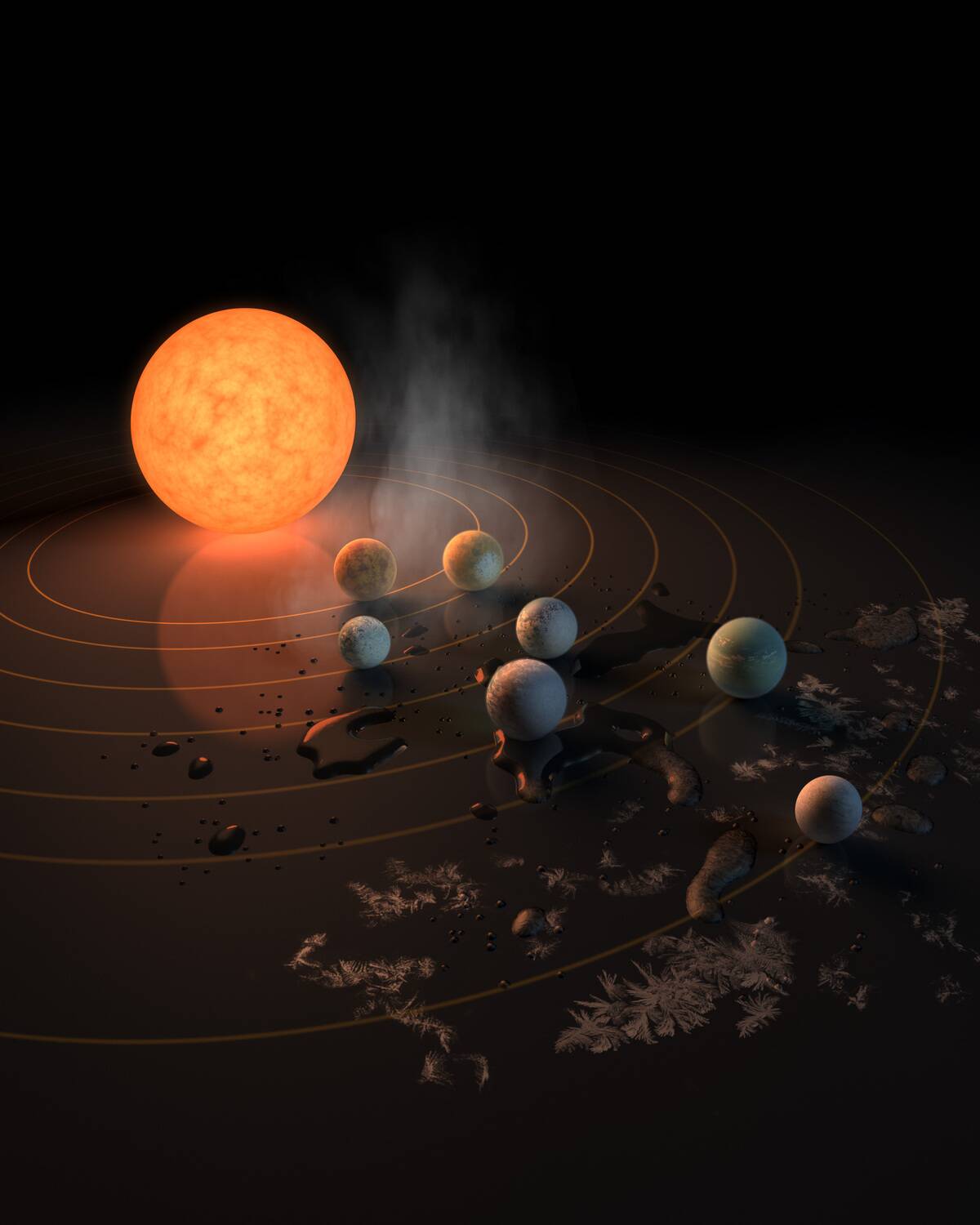
The TRAPPIST-1 system is a fascinating collection of ancient celestial relics, hosting seven Earth-sized planets. Located about 40 light-years away, these planets offer a unique opportunity to study planetary formation and evolution.
With some planets in the habitable zone, the TRAPPIST-1 system provides a natural laboratory for exploring conditions that might support life. The diversity among these planets, combined with their proximity to their star, allows scientists to investigate atmospheric compositions and potential habitability across different worlds.
LHS 1140 b: A Rocky Reminder of Earth’s Beginnings
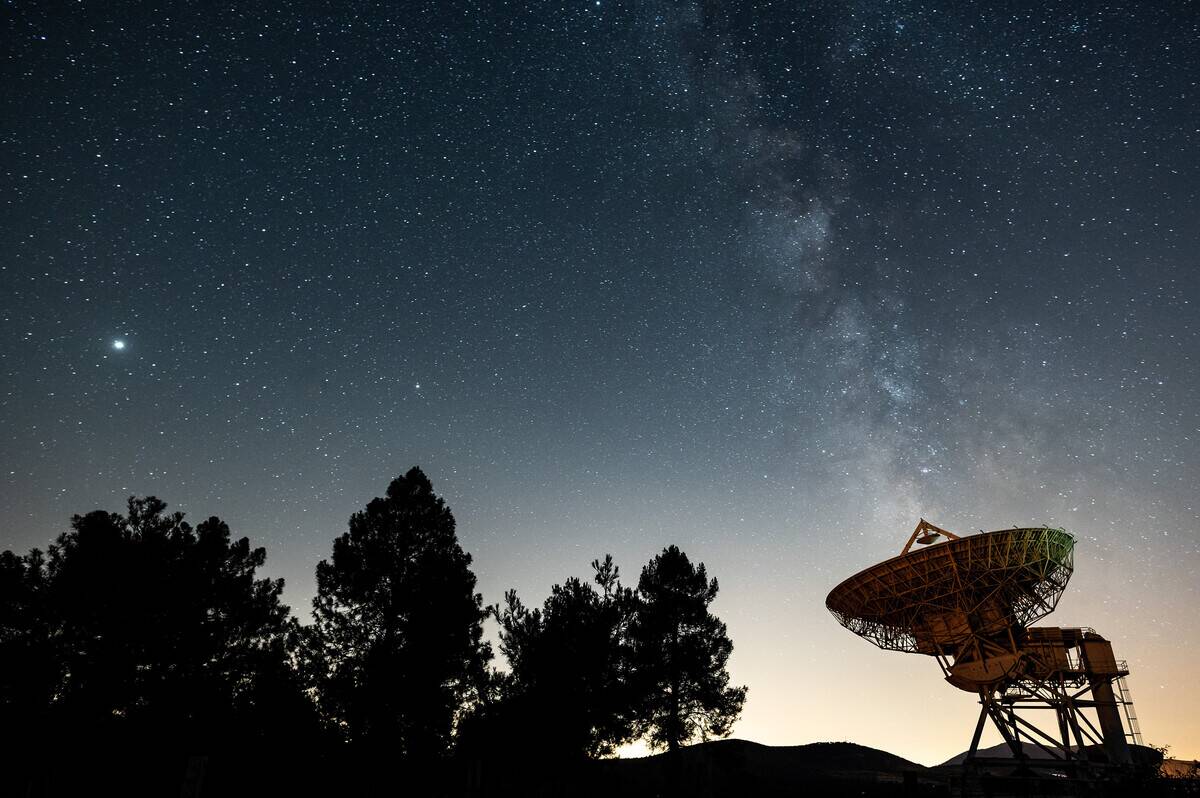
LHS 1140 b is a rocky exoplanet that serves as a reminder of Earth’s beginnings. Located in the habitable zone of its star, this planet offers a prime opportunity for atmospheric study. Its density suggests a composition similar to Earth, providing insights into rocky planet formation.
By analyzing LHS 1140 b, scientists aim to understand the conditions that might have prevailed in early Earth-like environments, shedding light on the processes that could lead to life’s emergence on rocky worlds.
The Search for Life: Learning from Ancient Planetary Conditions
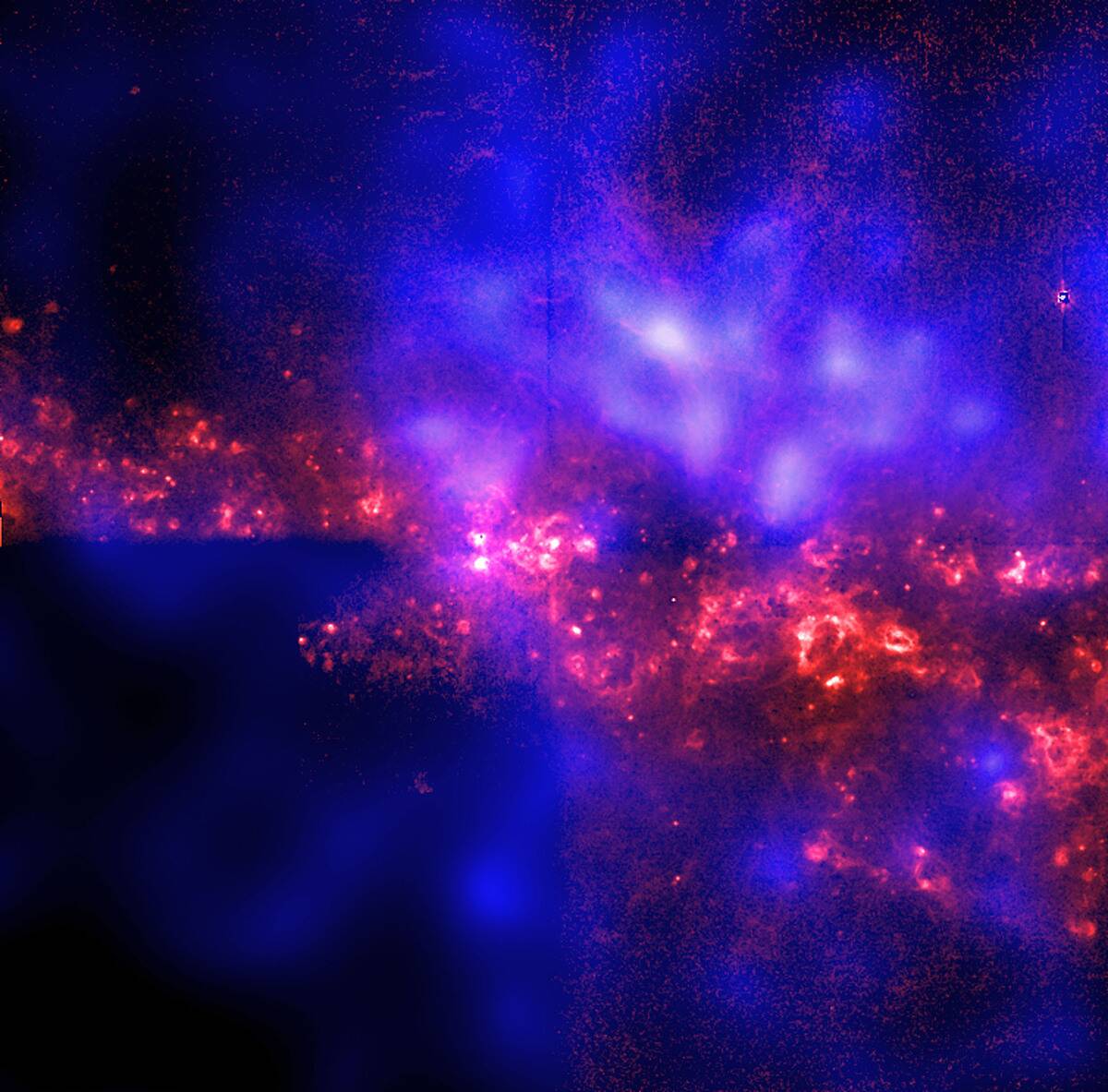
The quest to find life beyond Earth involves learning from ancient planetary conditions. By studying planets and moons that resemble early Earth, scientists can identify key factors that support life.
Discoveries of water, organic molecules, and suitable atmospheres on other worlds provide clues about the potential for life. This search extends our understanding of life’s adaptability and resilience, offering hope that life might exist in diverse environments across the universe, waiting to be discovered by future explorations.
Future Missions: Unveiling the Secrets of Distant Ancient Worlds
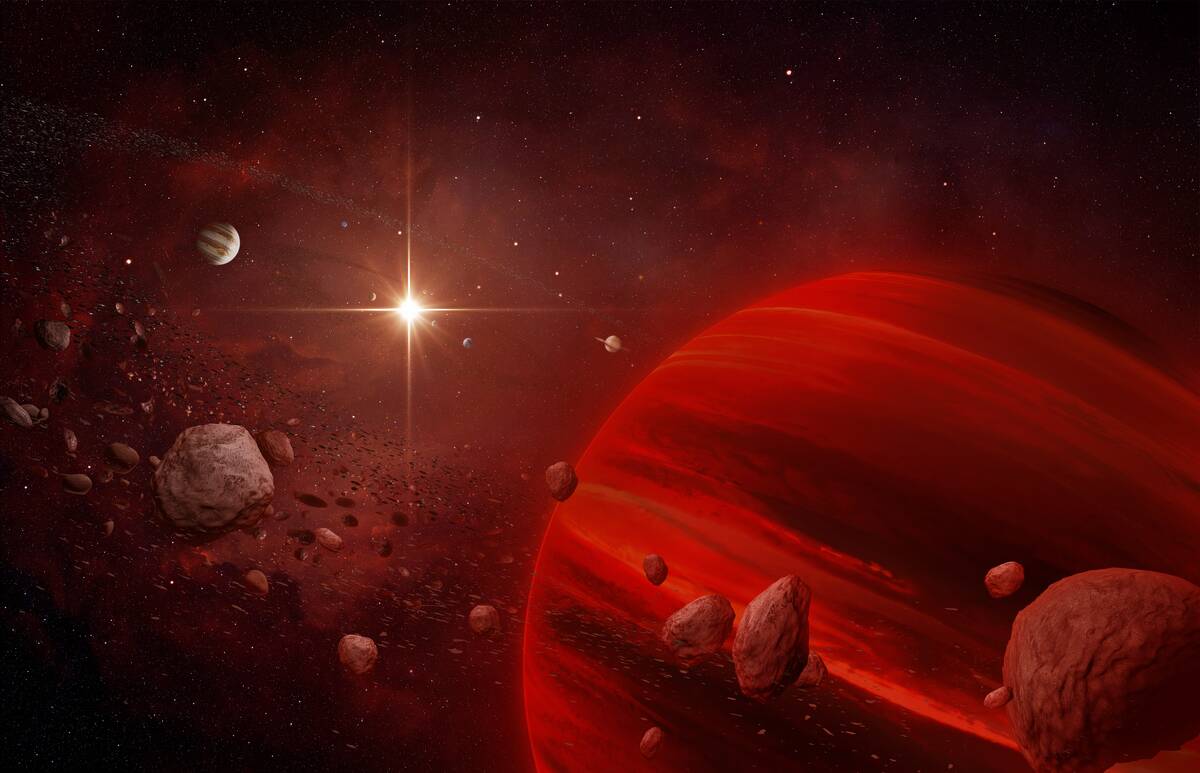
Future missions aim to unveil the secrets of distant ancient worlds, enhancing our understanding of the cosmos. Ambitious projects like the James Webb Space Telescope and upcoming rover missions to Mars will provide unprecedented insights into planetary atmospheres and surfaces.
These missions focus on detecting signs of habitability and understanding the environmental conditions that shaped ancient worlds. By expanding our knowledge, these explorations strive to answer fundamental questions about the origins of life and the evolution of planetary systems.
Understanding Earth’s Evolution Through the Lens of Other Planets
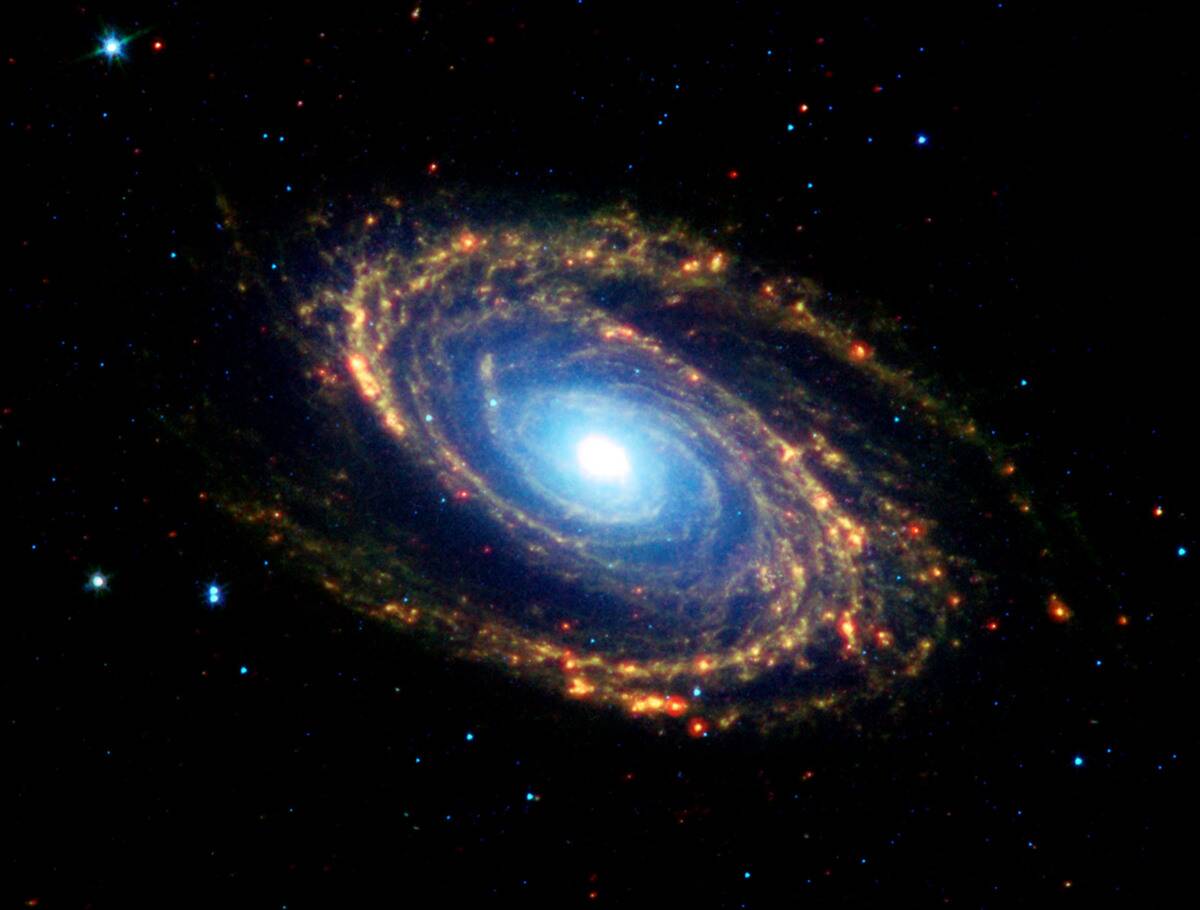
Studying other planets through the lens of Earth’s evolution reveals patterns and processes that are universal. By comparing Earth’s geological and atmospheric history with that of other planets, scientists can identify critical factors that influenced our planet’s development.
This comparative planetology sheds light on the dynamics of climate, tectonics, and biological evolution. Understanding these processes helps us appreciate Earth’s uniqueness and provides a broader context for assessing the potential for life on other planets.
How Ancient Worlds Inform the Search for Extraterrestrial Life
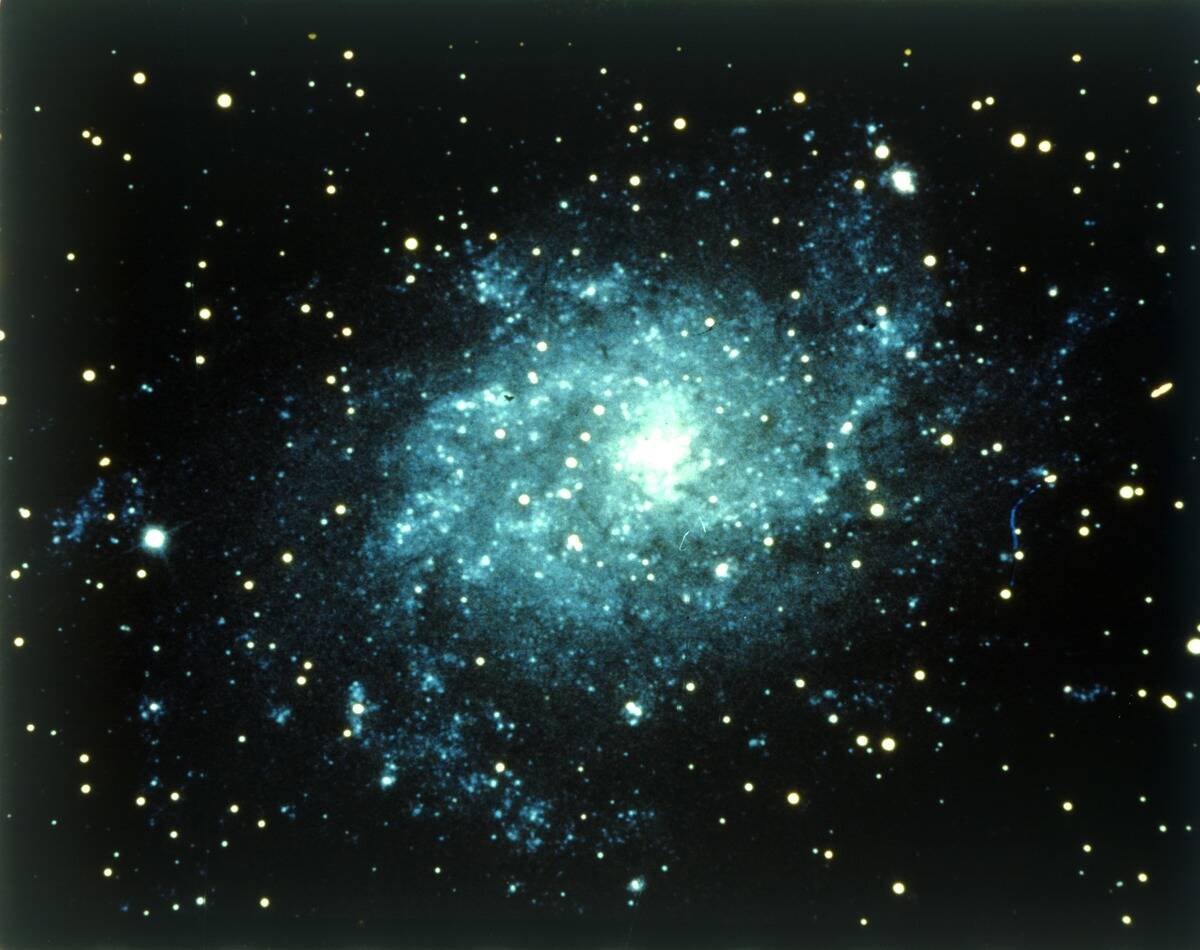
Ancient worlds inform the search for extraterrestrial life by offering scenarios that could support biological processes. By analyzing the conditions on planets and moons that resemble primordial Earth, scientists can pinpoint environments where life might thrive.
Discoveries of extremophiles on Earth demonstrate life’s ability to exist in harsh conditions, expanding the criteria for habitability. This knowledge guides the search for life beyond our planet, focusing on locations that offer the necessary elements for sustaining life.
The Role of Technology in Discovering Ancient Planetary Conditions

Technology plays a pivotal role in discovering ancient planetary conditions, enabling scientists to explore distant worlds with precision. Advances in telescopes, space probes, and analytical instruments allow for detailed observations and data collection.
These technological innovations have led to the discovery of thousands of exoplanets and have provided insights into the atmospheres and surfaces of planets and moons. Continued development of space exploration technology promises to unlock further secrets of ancient worlds, enhancing our understanding of the universe.
Final Thoughts: The Endless Fascination with Our Cosmic Ancestry
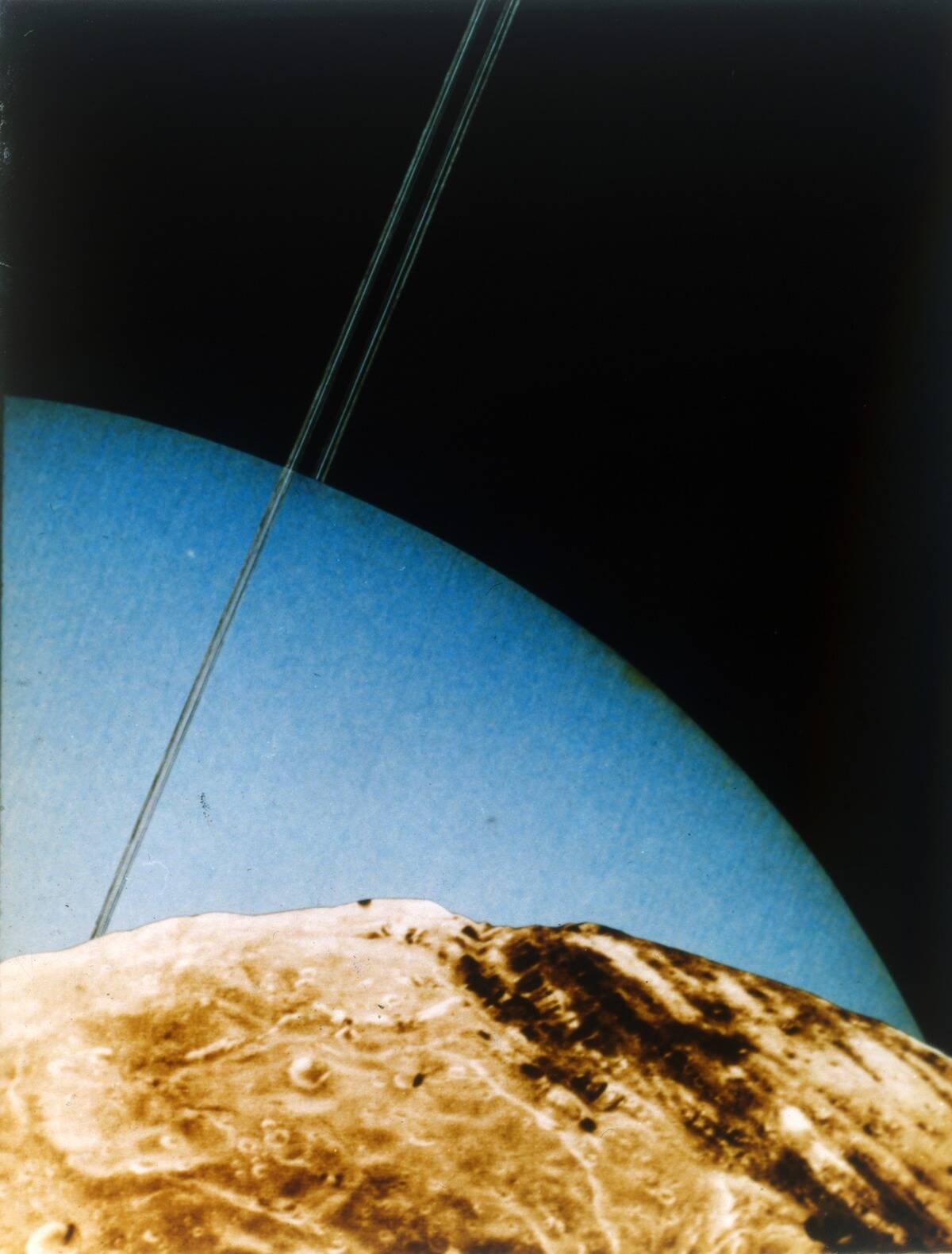
The fascination with our cosmic ancestry is endless, fueled by the desire to understand our place in the universe. Each discovery of an ancient world adds to the tapestry of knowledge, connecting us to the cosmos.
These explorations inspire wonder and curiosity, driving the quest for knowledge about our origins. As we continue to uncover the secrets of distant worlds, we gain insights not only into the universe but also into ourselves, reminding us of the interconnectedness of all things.




