Speeches that changed the course of nations
Sometimes, a few carefully chosen words can change the course of history. Think of famous speeches or declarations that have left an indelible mark on society.
These iconic phrases do more than just convey a message; they encapsulate powerful ideas and emotions that resonate through time. Let’s dive into some of the most memorable and impactful phrases in history, and explore the stories and meanings behind them.
The Gettysburg Address: Lincoln’s Call for Unity
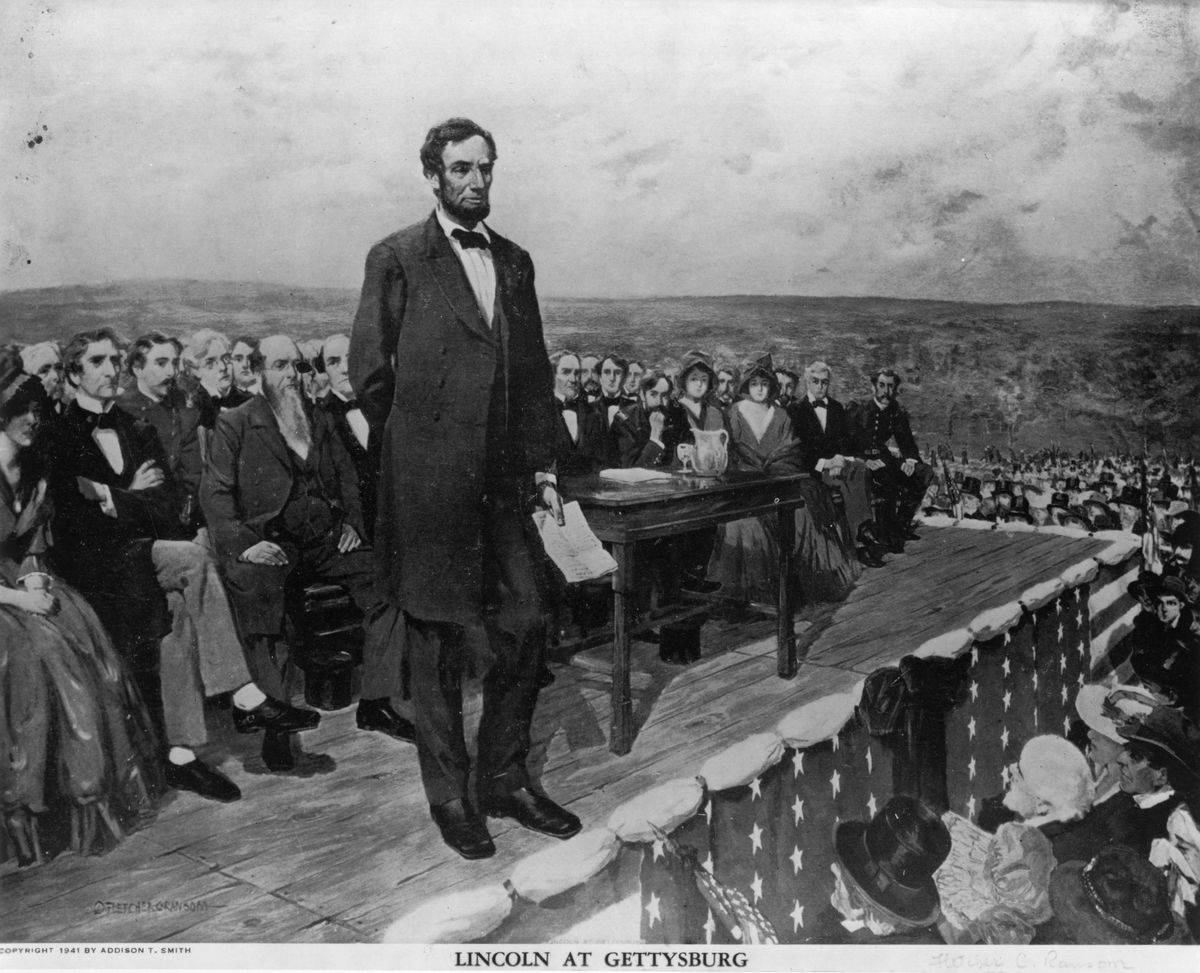
On November 19, 1863, President Abraham Lincoln delivered the Gettysburg Address, a speech that would become one of the most famous in American history. In just 272 words, he reaffirmed the principles of equality and liberty.
Lincoln’s call for national unity and healing came at a crucial time during the Civil War, reminding citizens of the sacrifices made for freedom and the unfinished work of the nation. His eloquence in brevity continues to inspire generations.
“I Have a Dream”: Dr. Martin Luther King Jr.’s Vision
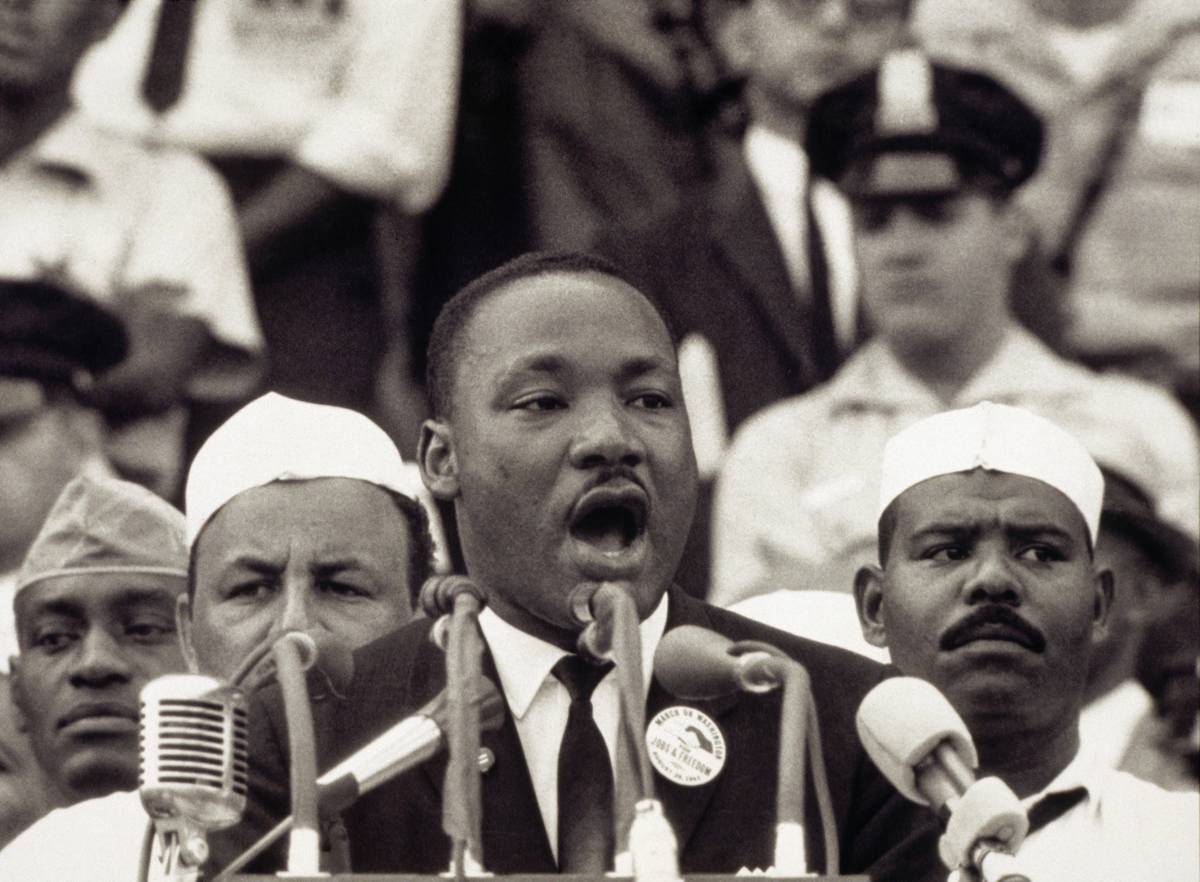
Dr. Martin Luther King Jr. delivered his “I Have a Dream” speech during the March on Washington for Jobs and Freedom on August 28, 1963. This powerful speech became a defining moment in the Civil Rights Movement, as King eloquently envisioned a future of racial equality and harmony.
His words, “I have a dream,” echoed through the hearts of millions, galvanizing citizens to strive for justice and equality. King’s vision remains a touchstone for civil rights advocacy worldwide.
“Tear Down This Wall”: Reagan’s Challenge to Gorbachev
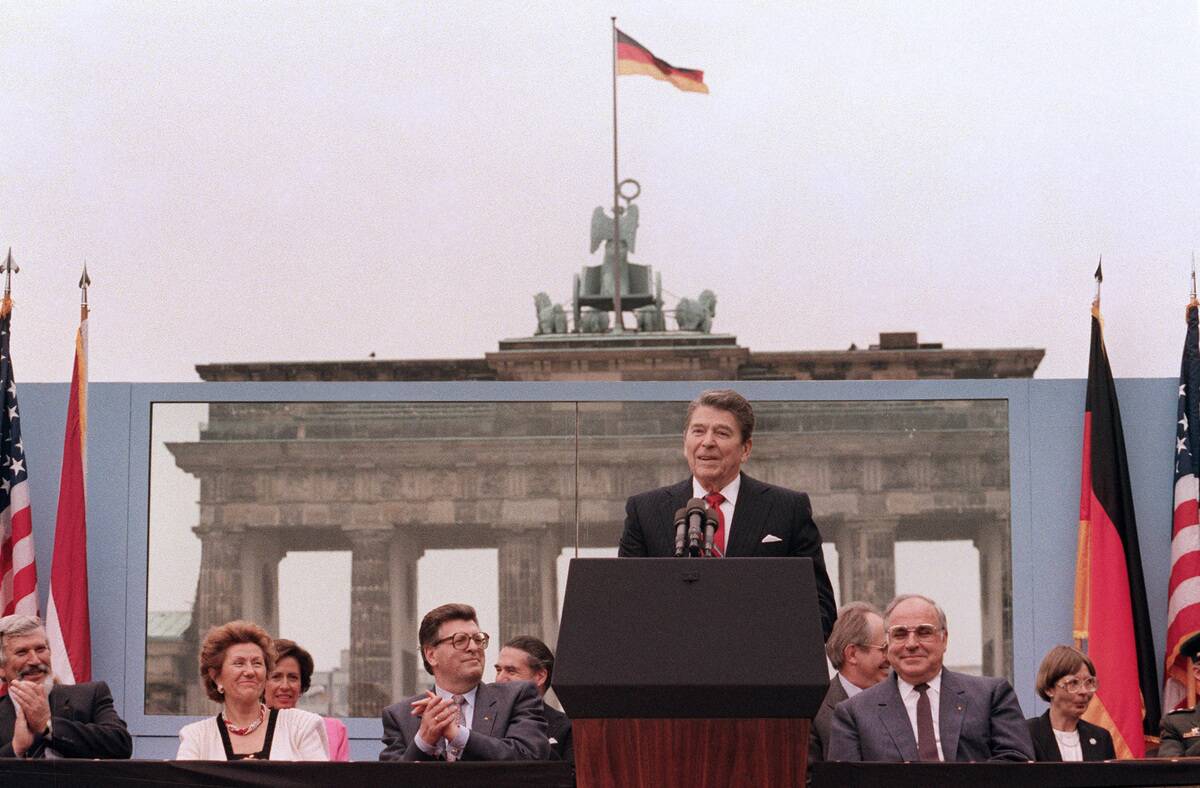
In a bold move, President Ronald Reagan stood before the Berlin Wall on June 12, 1987, and issued a direct challenge to Soviet leader Mikhail Gorbachev: “Mr. Gorbachev, tear down this wall!”
This phrase symbolized the struggle against the division between East and West Berlin and became a catalyst for change. Reagan’s call was a pivotal moment in the Cold War, embodying the desire for freedom and the eventual reunification of Germany two years later.
“Veni, Vidi, Vici”: Caesar’s Swift Triumph
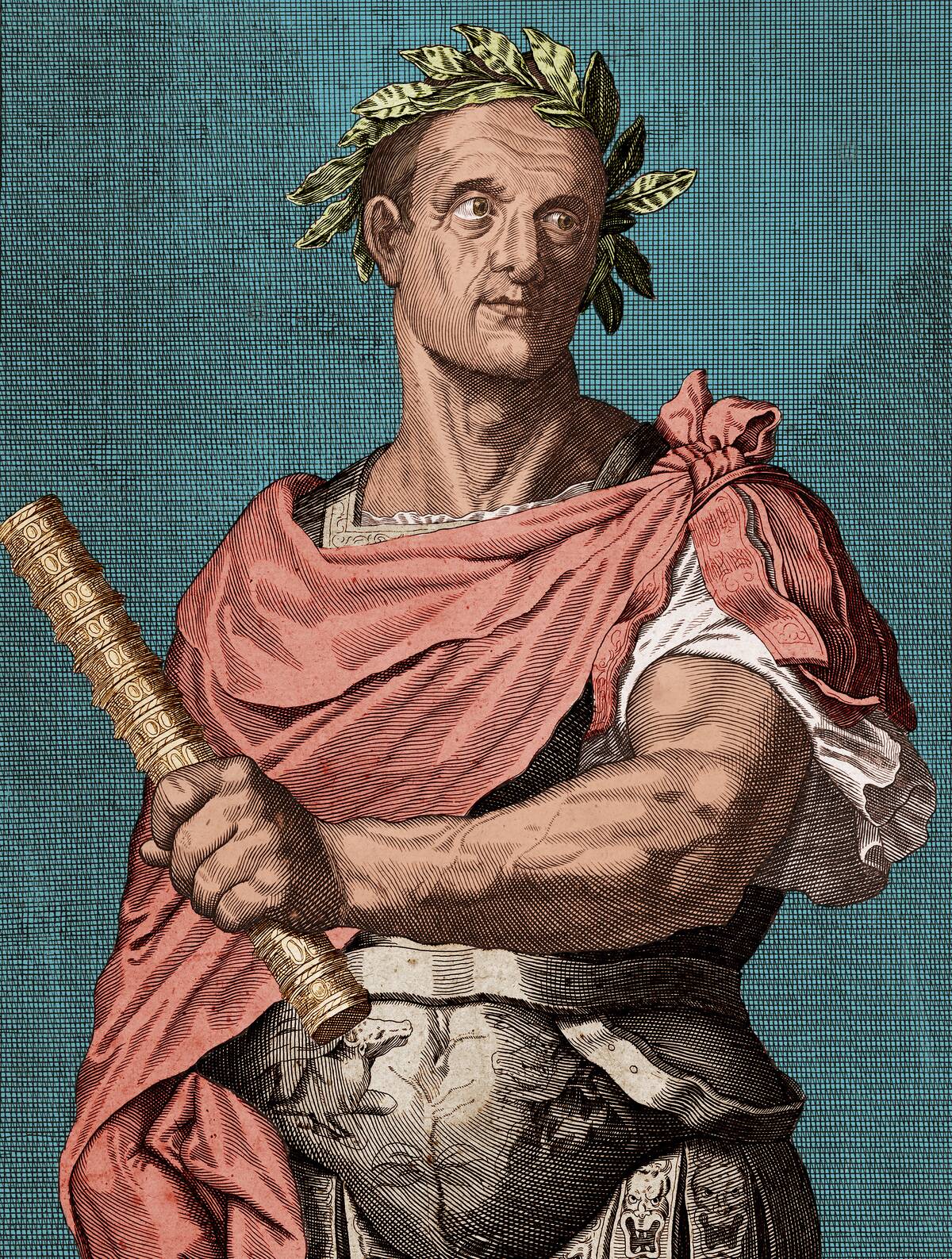
Julius Caesar’s famous phrase “Veni, vidi, vici,” which translates to “I came, I saw, I conquered,” was a succinct declaration of victory. Caesar reportedly used it in 47 BC after quickly defeating Pharnaces II of Pontus at the Battle of Zela.
The phrase captures the essence of swift and decisive victory and has been used throughout history to denote effortless triumphs. Caesar’s concise statement remains a testament to his military prowess and strategic genius.
“One Small Step for Man”: Armstrong’s Leap for Mankind
![[redacted] Commander of NASA's Apollo 11 lunar landing mission, inside the Lunar Module the 'Eagle' on the surface of the Moon during the mission, 20th July 1969.](https://media.tellmebest.com/wp-content/uploads/2023/04/neil-armstrong.-57222.jpeg)
On July 20, 1969, astronaut Neil Armstrong made history by becoming the first human to set foot on the moon. His words, “That’s one small step for man, one giant leap for mankind,” captured the monumental achievement of the Apollo 11 mission.
This iconic phrase emphasized the significance of space exploration and the collective effort of humanity to reach beyond our planet. Armstrong’s legacy continues to inspire the pursuit of knowledge and discovery in space.
“The Only Thing We Have to Fear”: Roosevelt’s Reassurance
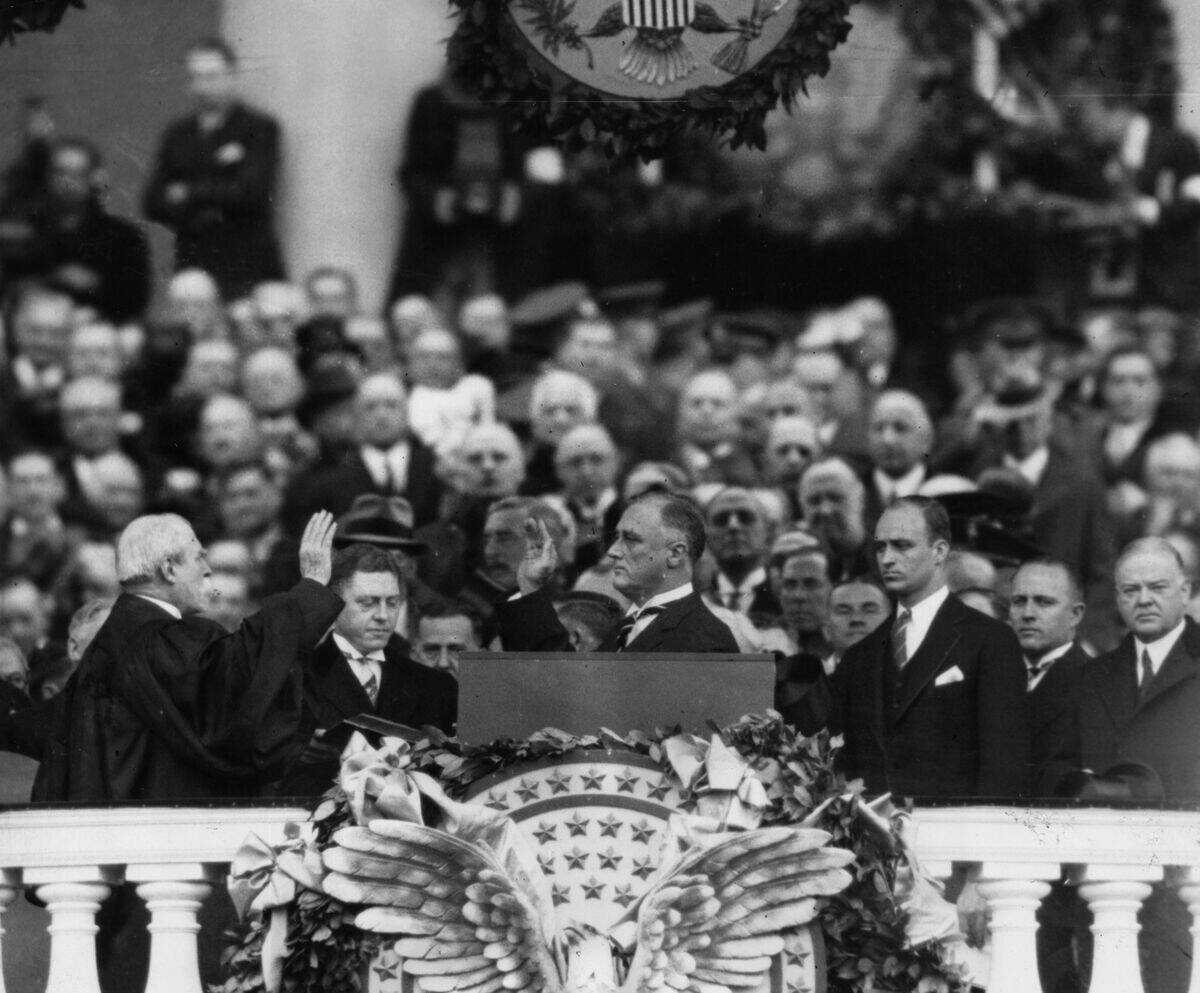
In his first inaugural address on March 4, 1933, President Franklin D. Roosevelt delivered a powerful message of hope and resilience: “The only thing we have to fear is fear itself.” Amidst the Great Depression, Roosevelt aimed to restore confidence in the American people.
His words encouraged citizens to confront economic challenges with courage and determination. This phrase has since become synonymous with facing adversity with strength and continues to resonate in times of crisis.
“Mr. Watson, Come Here”: Bell’s Breakthrough in Communication
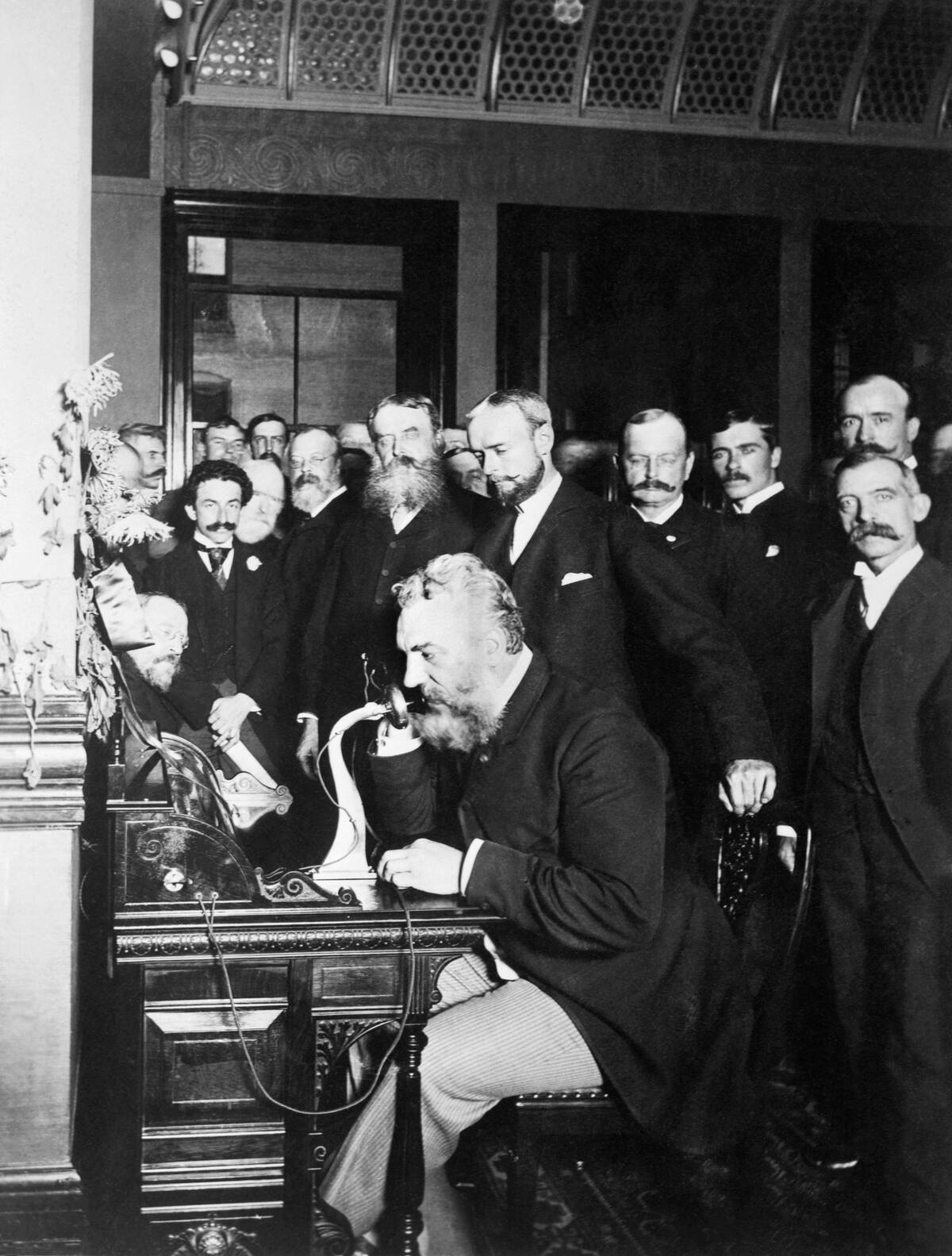
On March 10, 1876, Alexander Graham Bell uttered the first words ever transmitted via telephone to his assistant, Thomas Watson: “Mr. Watson, come here, I want to see you.” This simple yet groundbreaking phrase marked a revolutionary moment in communication technology.
Bell’s invention transformed how people connect over distances, paving the way for the global communication networks we rely on today. It’s a reminder of the profound impact of innovation on society.
“Ich bin ein Berliner”: Kennedy’s Stand with Berlin
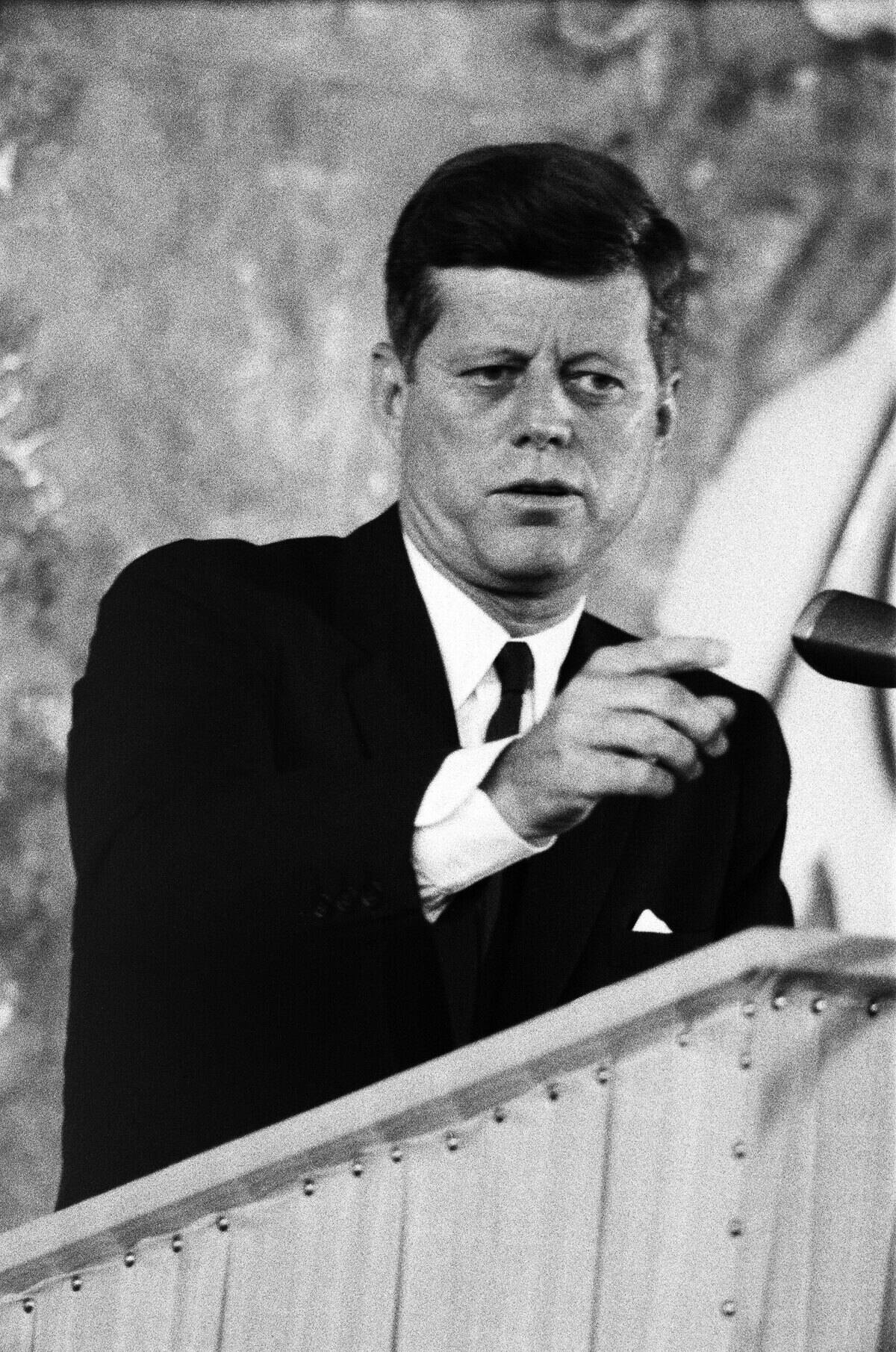
On June 26, 1963, President John F. Kennedy delivered a speech in West Berlin, declaring “Ich bin ein Berliner” to express solidarity with the citizens of Berlin during a time of Cold War tension.
This statement was more than just a show of support; it was a powerful affirmation of freedom and democracy. Kennedy’s words reinforced the bond between the United States and West Germany, symbolizing unity and resilience in the face of division.
“Yes We Can”: Obama’s Message of Hope
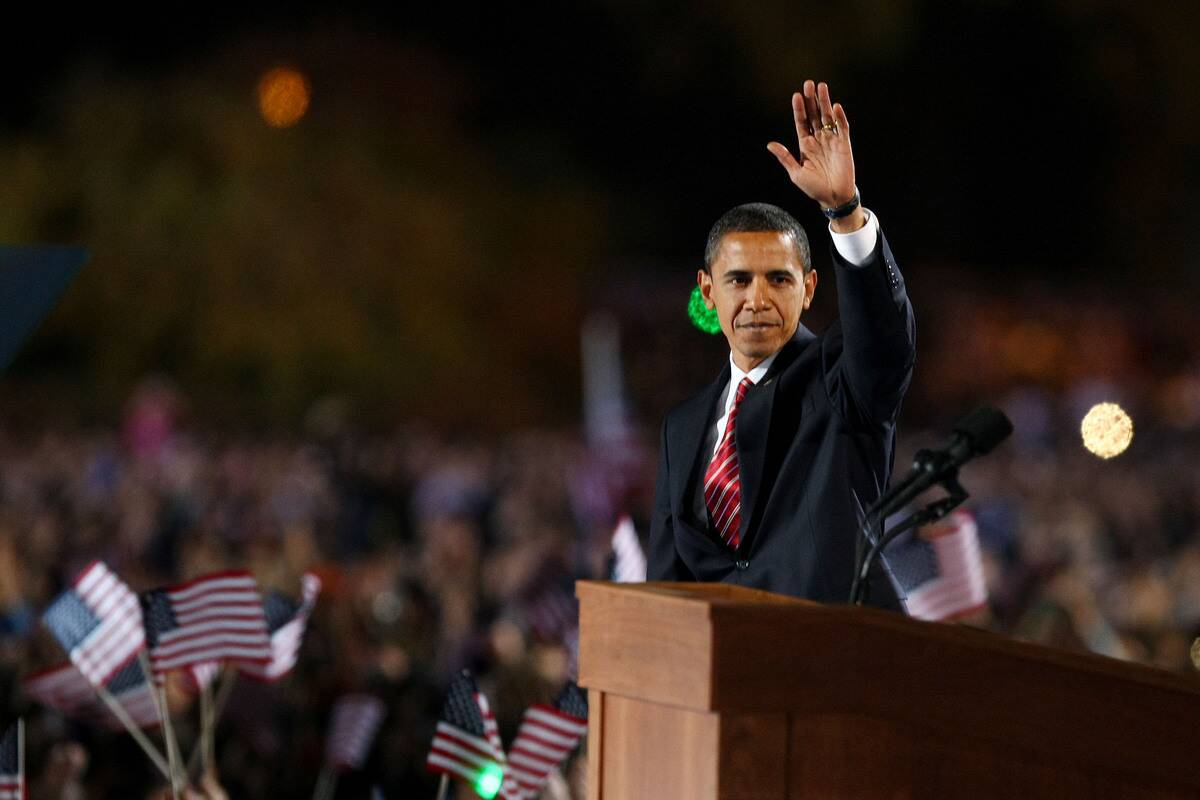
Barack Obama’s 2008 presidential campaign was defined by the slogan “Yes We Can,” a rallying cry for change and progress. This phrase encapsulated the spirit of hope and empowerment, inspiring millions to believe in the possibility of a better future.
Obama’s message resonated across diverse communities, emphasizing collective action and the potential for positive transformation. It became an enduring symbol of optimism and the power of grassroots movements in shaping history.
“Workers of the World, Unite!”: Marx’s Rallying Cry
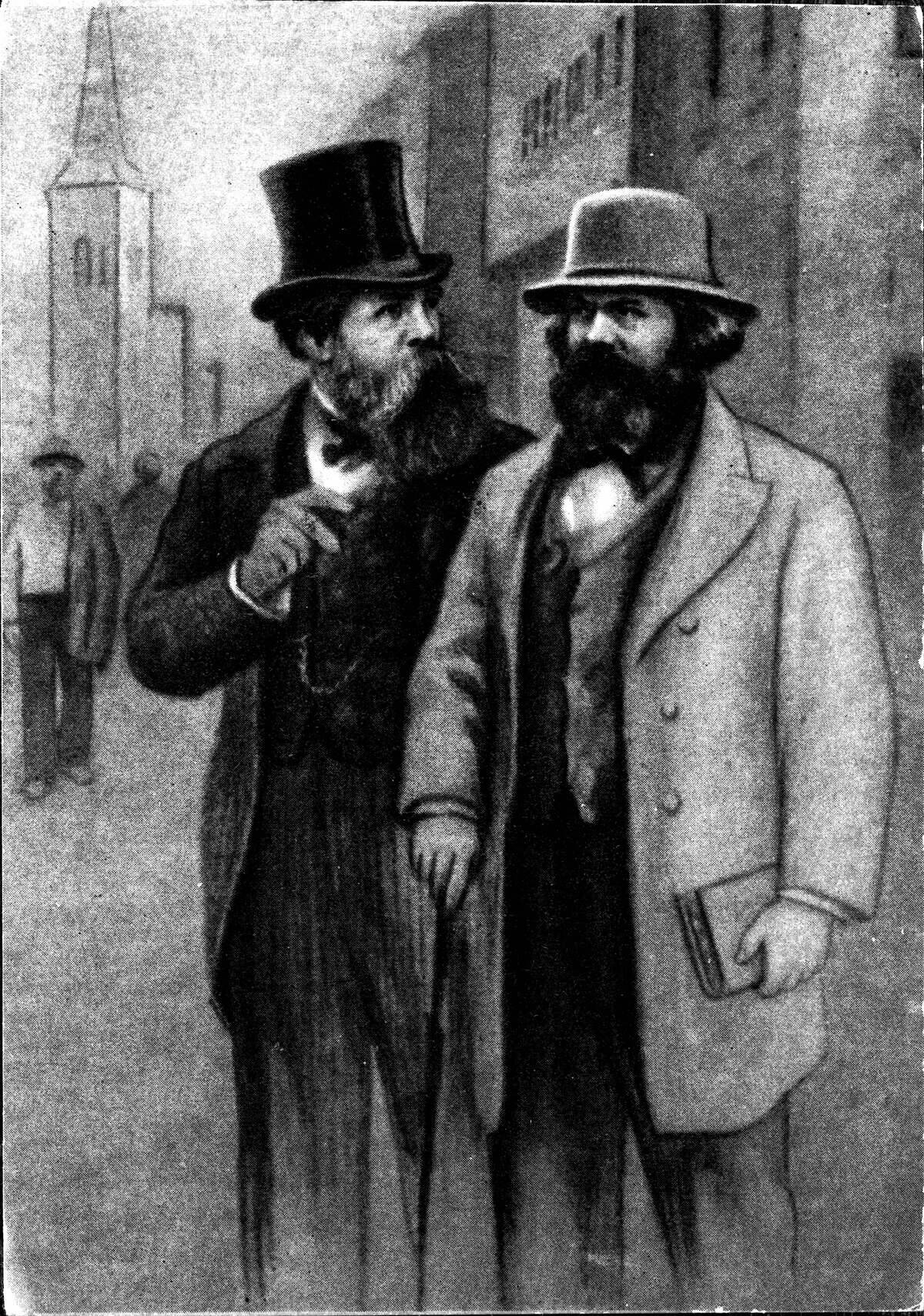
Karl Marx and Friedrich Engels famously ended The Communist Manifesto with the call, “Workers of the world, unite!” Although it’s literally translated from German as “Proletarians of all countries, unite,” the more popular phrase was how that message was commonly understood in English. This rallying cry for the working class to rise against capitalist oppression became a cornerstone of socialist and communist movements worldwide.
Published in 1848, the manifesto advocated for the abolition of class systems and inspired labor movements across the globe. The phrase continues to be a powerful symbol of solidarity and the fight for workers’ rights.
“Read My Lips: No New Taxes”: A Pledge That Echoed
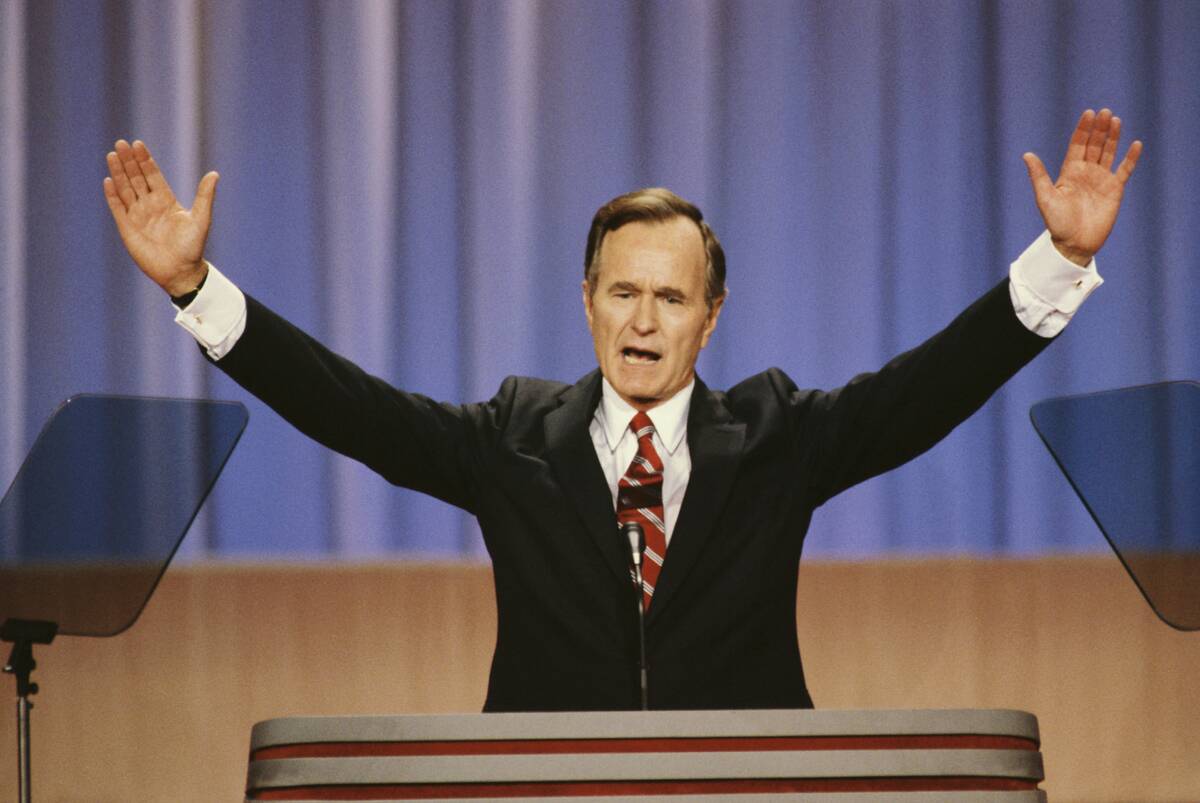
During his acceptance speech at the 1988 Republican National Convention, George H.W. Bush famously promised, “Read my lips: no new taxes.” While it helped him win the presidency, this pledge became a point of contention when he later agreed to tax increases.
The phrase has since become a cautionary tale about political promises and their potential repercussions. It’s a reminder of the complexities of governance and the challenges of balancing fiscal responsibility with campaign commitments.
“Give Me Liberty, or Give Me Death”: Patrick Henry’s Defiance
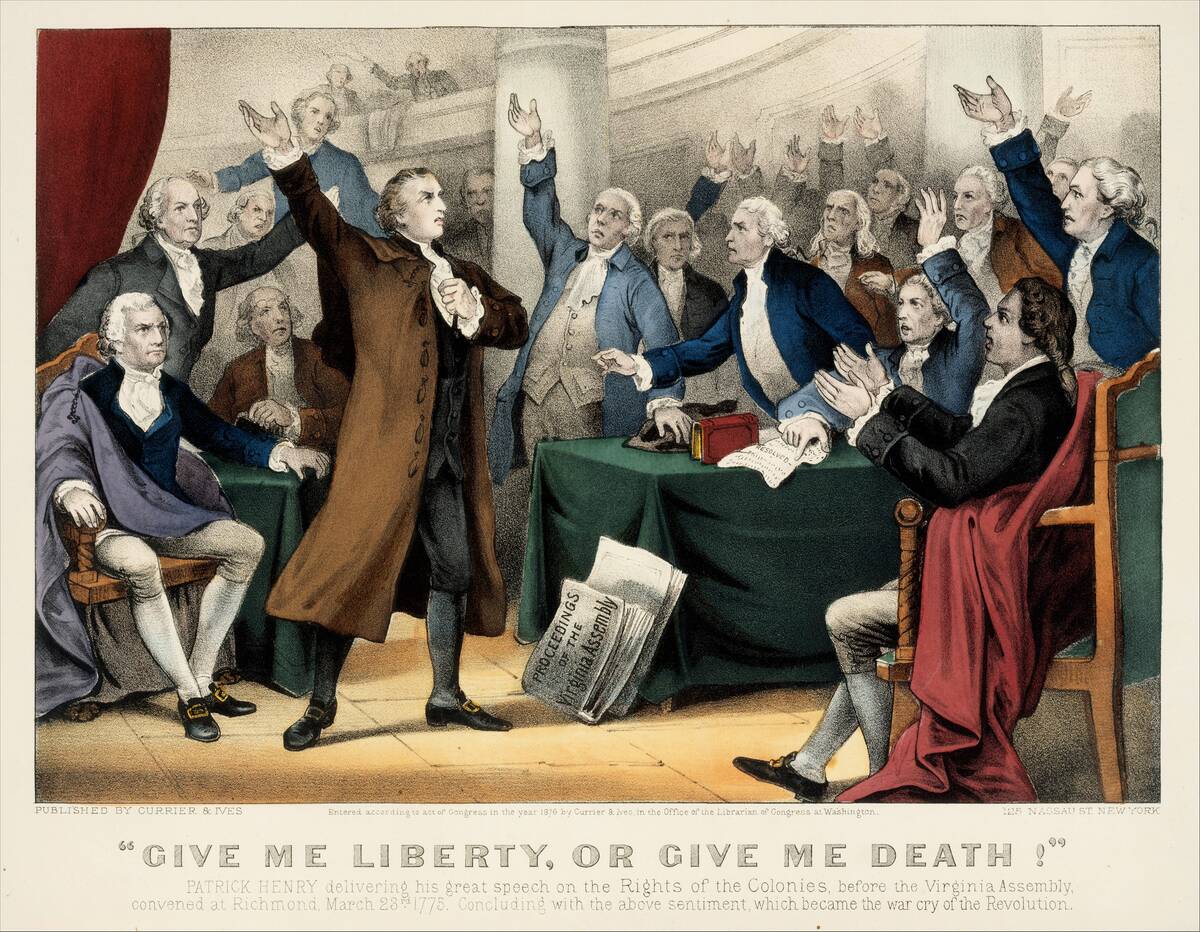
Patrick Henry’s fiery declaration “Give me liberty, or give me death!” was delivered on March 23, 1775, at the Second Virginia Convention. This impassioned speech was a call to arms, urging American colonists to fight for independence from British rule.
Henry’s words encapsulated the desire for freedom and the willingness to sacrifice for it, galvanizing support for the Revolutionary War. His defiant stance remains an emblem of the fight for liberty and self-determination.
“I Am the First Accused”: Mandela’s Stand Against Apartheid
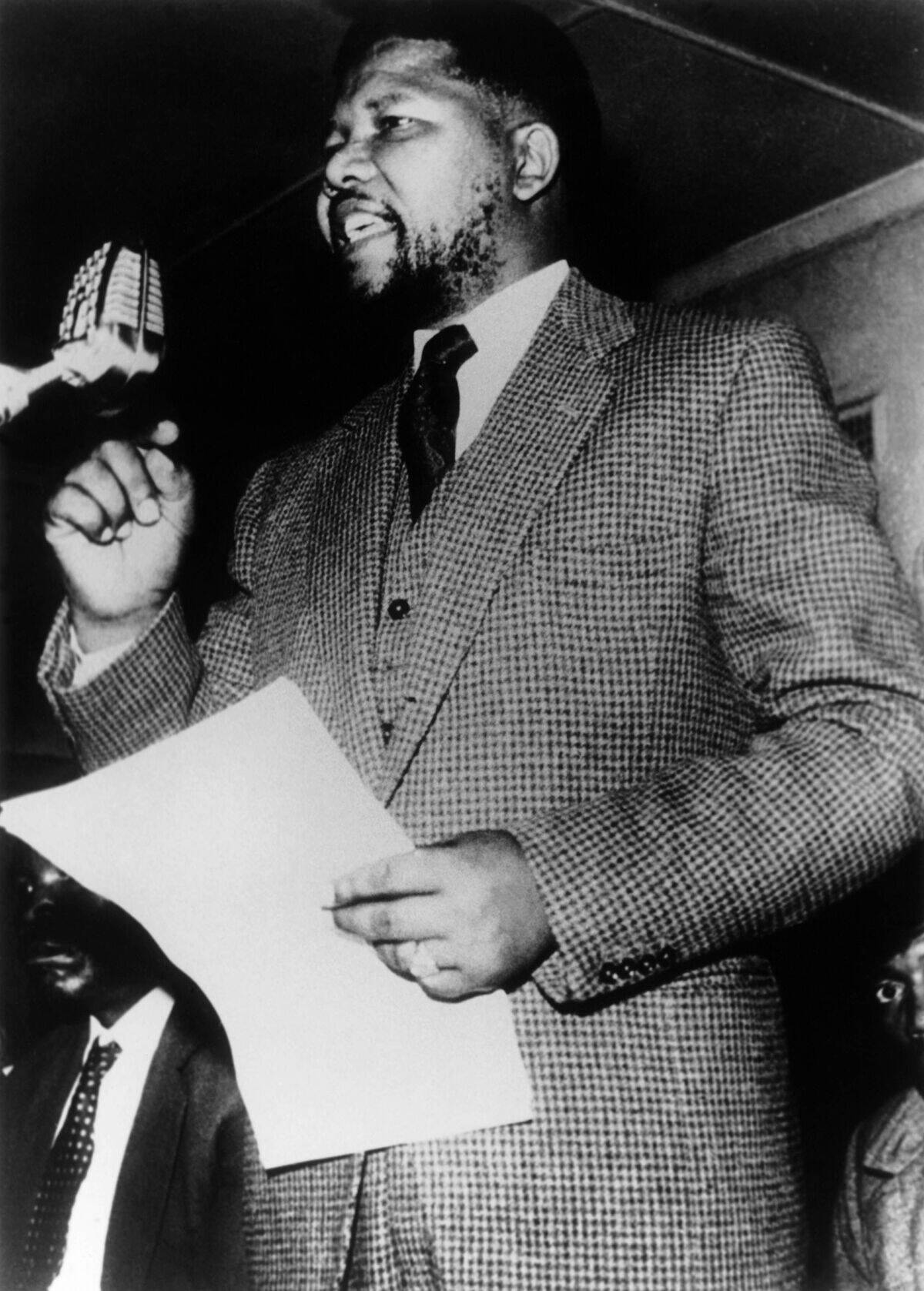
Nelson Mandela’s statement “I am the first accused” during the Rivonia Trial in 1964 was a powerful declaration of his commitment to ending apartheid in South Africa. Mandela used the trial as a platform to highlight the injustices of the apartheid regime and advocate for equality and human rights.
His speech, which detailed his vision for a free and democratic South Africa, became a cornerstone of the anti-apartheid movement. Mandela’s courage and resolve continue to inspire global struggles for justice.
“We Shall Fight on the Beaches”: Churchill’s Resolve
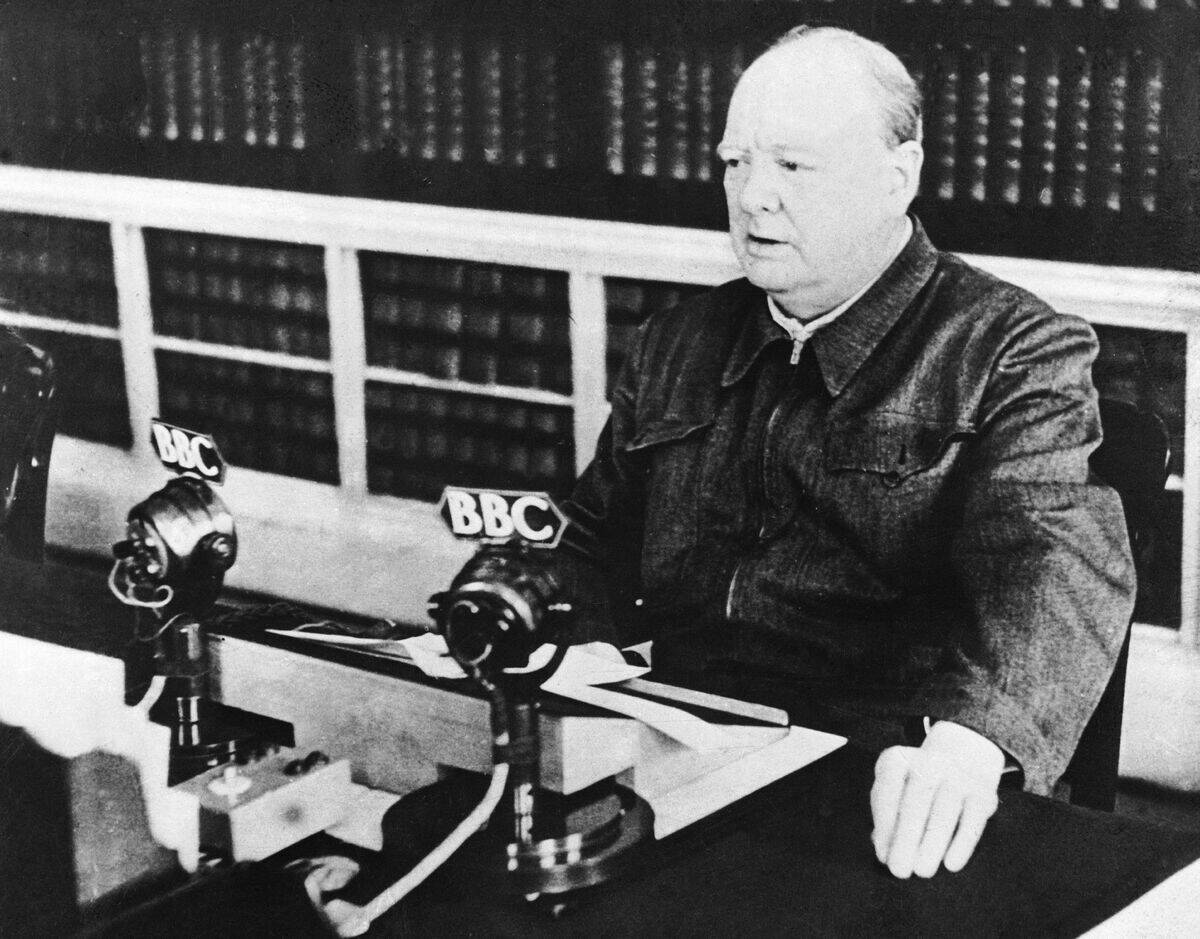
Winston Churchill’s speech to the House of Commons on June 4, 1940, included the rousing declaration, “We shall fight on the beaches.” Delivered during World War II, this speech was a testament to British resilience and determination in the face of Nazi aggression.
Churchill’s words bolstered the morale of the British people and reinforced their resolve to defend their nation at all costs. His unwavering leadership remains a symbol of courage and perseverance in times of conflict.
“Houston, We’ve Had a Problem”: Apollo 13’s Iconic Understatement
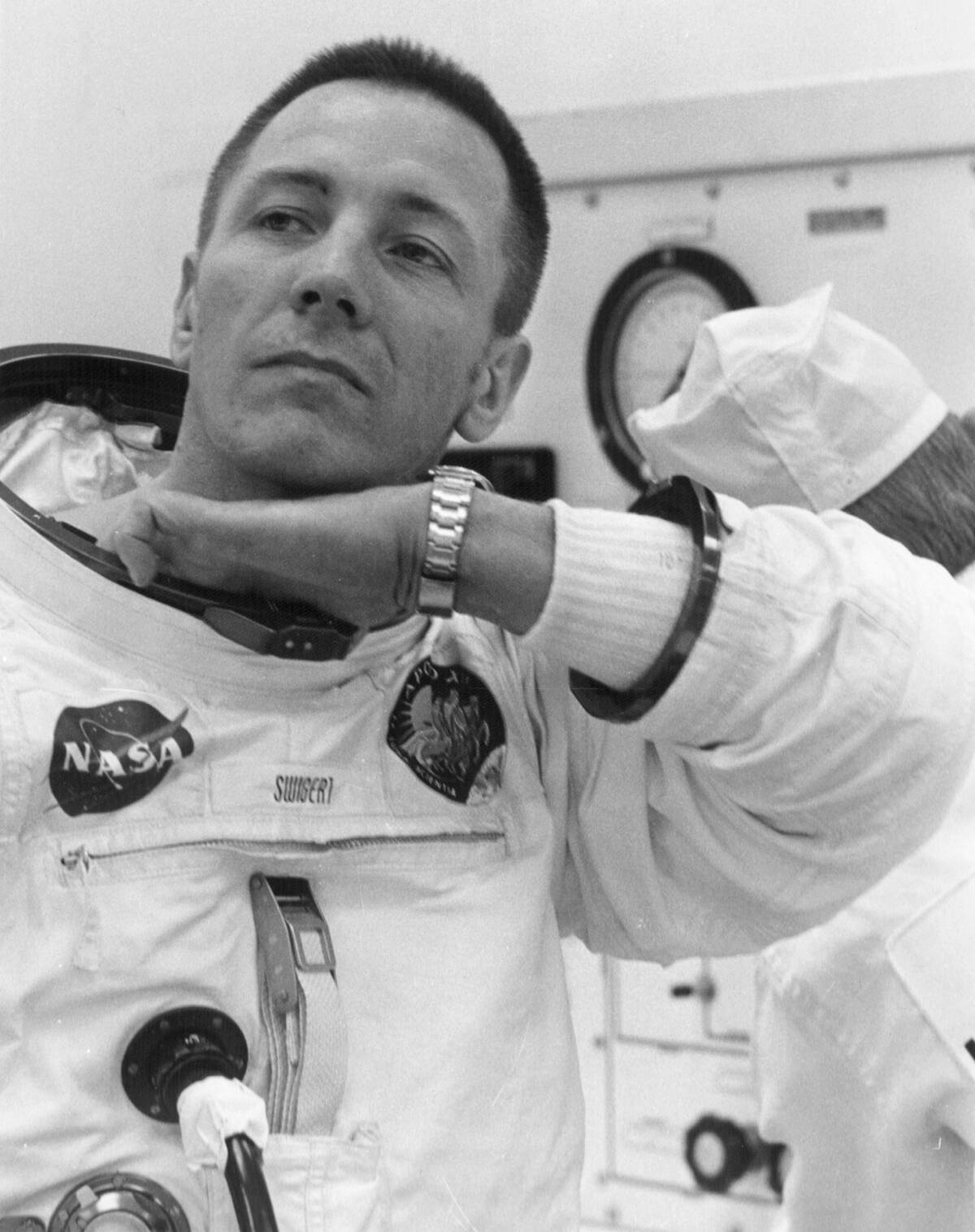
During the Apollo 13 mission in 1970, astronaut Jack Swigert reported a critical issue to mission control with the phrase, “Houston, we’ve had a problem.” This understated announcement followed an oxygen tank explosion that jeopardized the crew’s safety and the mission’s success.
The incident turned into a dramatic rescue operation, with NASA’s ingenuity and teamwork ensuring the crew’s safe return. The phrase has since become shorthand for unexpected challenges and the importance of problem-solving under pressure.




