16 Reasons modern weddings still follow ancient customs
Weddings are a beautiful blend of love and tradition, a celebration that has captivated hearts for generations. But what is it about these customs that keep them so close to our hearts?
Whether it’s the exchange of vows or the moment the bride tosses her bouquet, each tradition adds a unique charm to the ceremony. These rituals offer a sense of continuity and connection to the past, making weddings a rich tapestry of cultural history.
The Historical Roots of Wedding Ceremonies
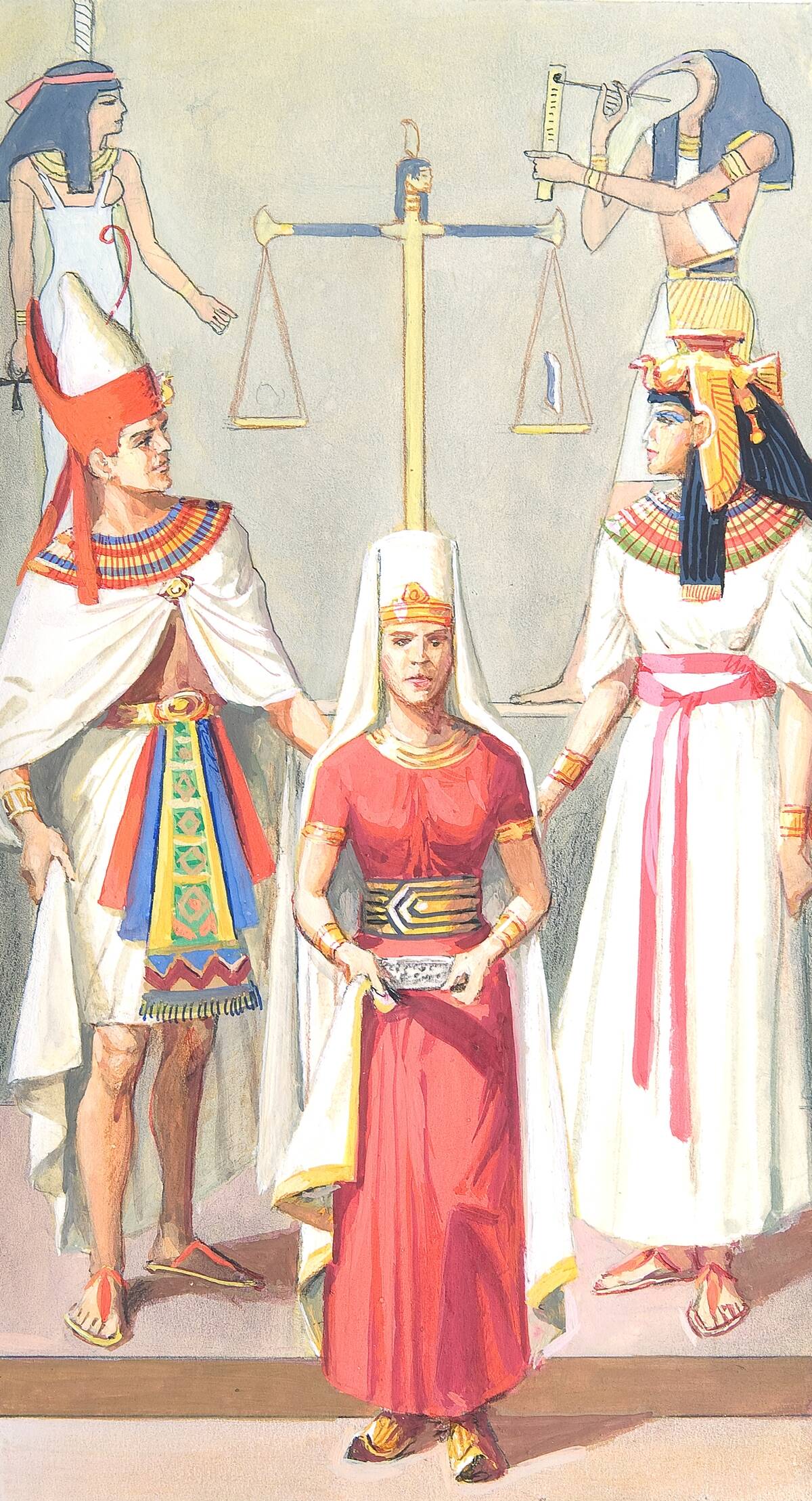
The roots of wedding ceremonies dig deep into human history, with evidence of marital rites dating back thousands of years. Ancient Egyptian weddings weren’t just personal affairs; they were deeply tied to property and alliances.
Meanwhile, in ancient Greece, weddings were celebrated with feasting and singing. These ceremonies were less about romance and more about social contracts, yet they laid the groundwork for the celebrations we know today.
The Enduring Symbolism of the Wedding Ring
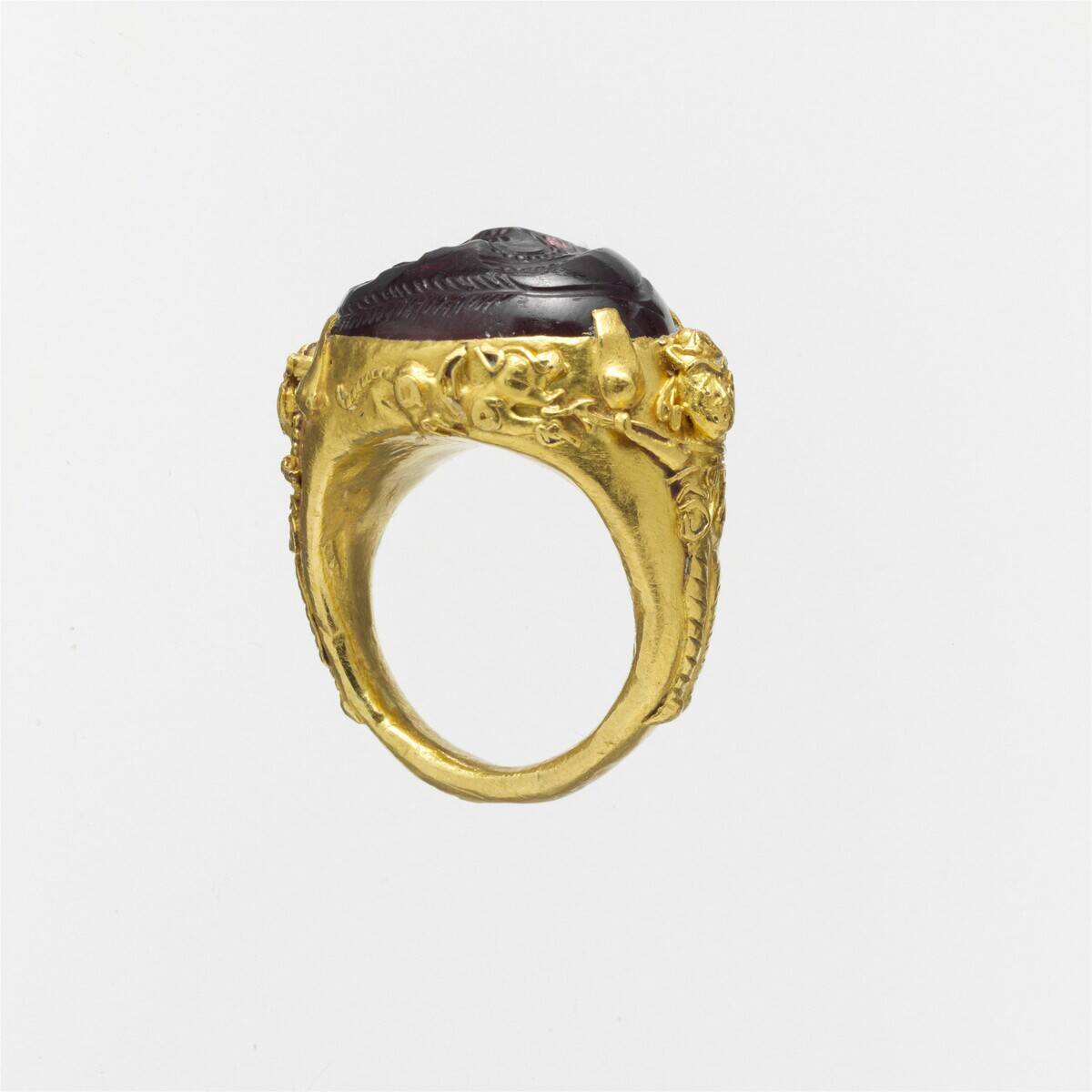
The tradition of exchanging rings dates back to ancient Egypt, where circles symbolized eternity. The Romans took this a step further, introducing rings made of iron to signify strength and permanence.
Today, wedding rings are typically worn on the fourth finger of the left hand, a custom that originated from the belief that a vein in this finger, the ‘vena amoris,’ ran directly to the heart. This tiny band holds a world of meaning in its circular embrace.
The White Wedding Dress: A Victorian Influence
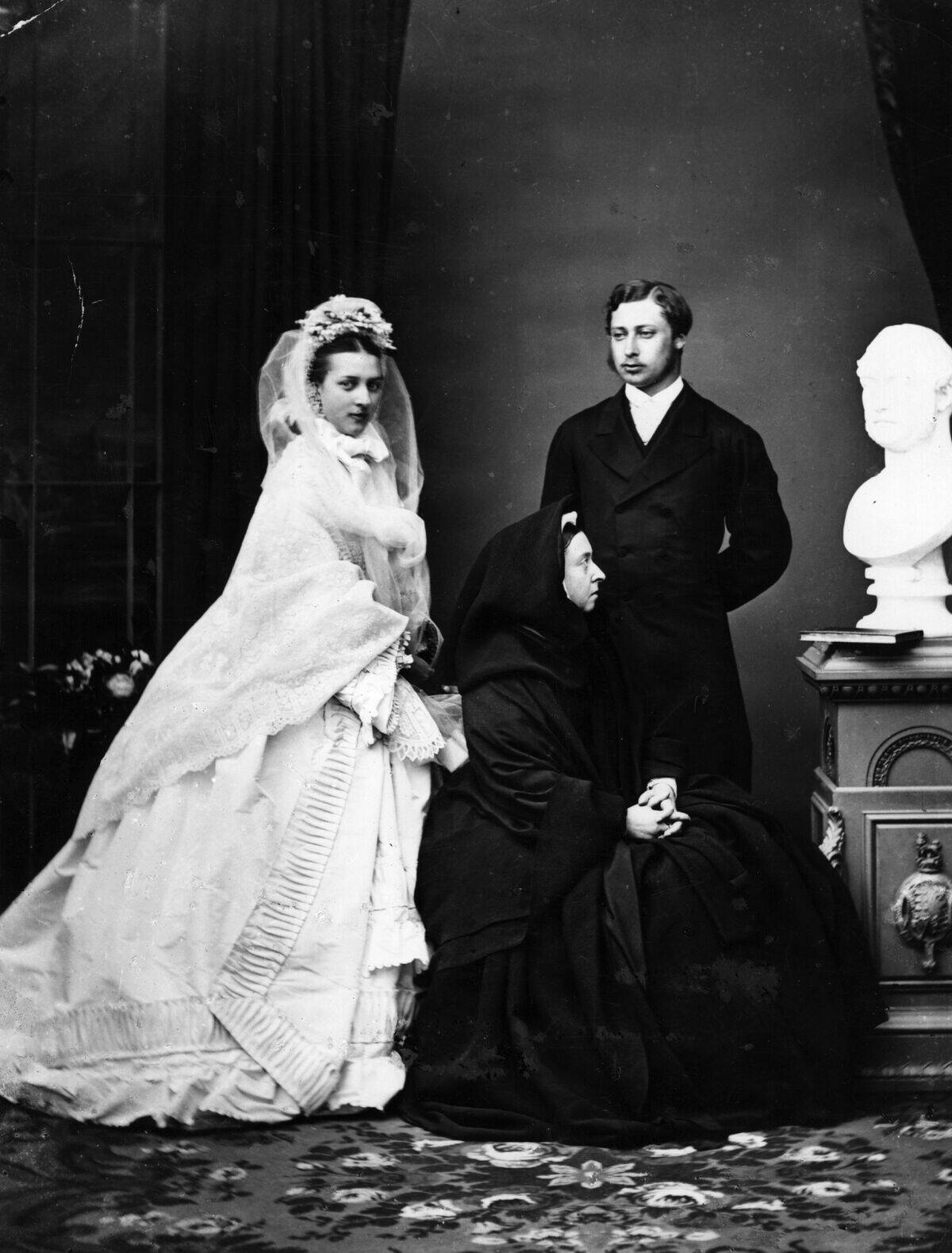
The white wedding dress is a relatively modern tradition, popularized by Queen Victoria when she married Prince Albert in 1840. Prior to this, brides simply wore their best dress, regardless of color.
Queen Victoria’s choice of white was seen as a symbol of purity and elegance, and it quickly became the standard for brides across the Western world. Today, while many brides still choose white, others embrace a rainbow of colors to express their personal style.
The Significance of the Bridal Veil
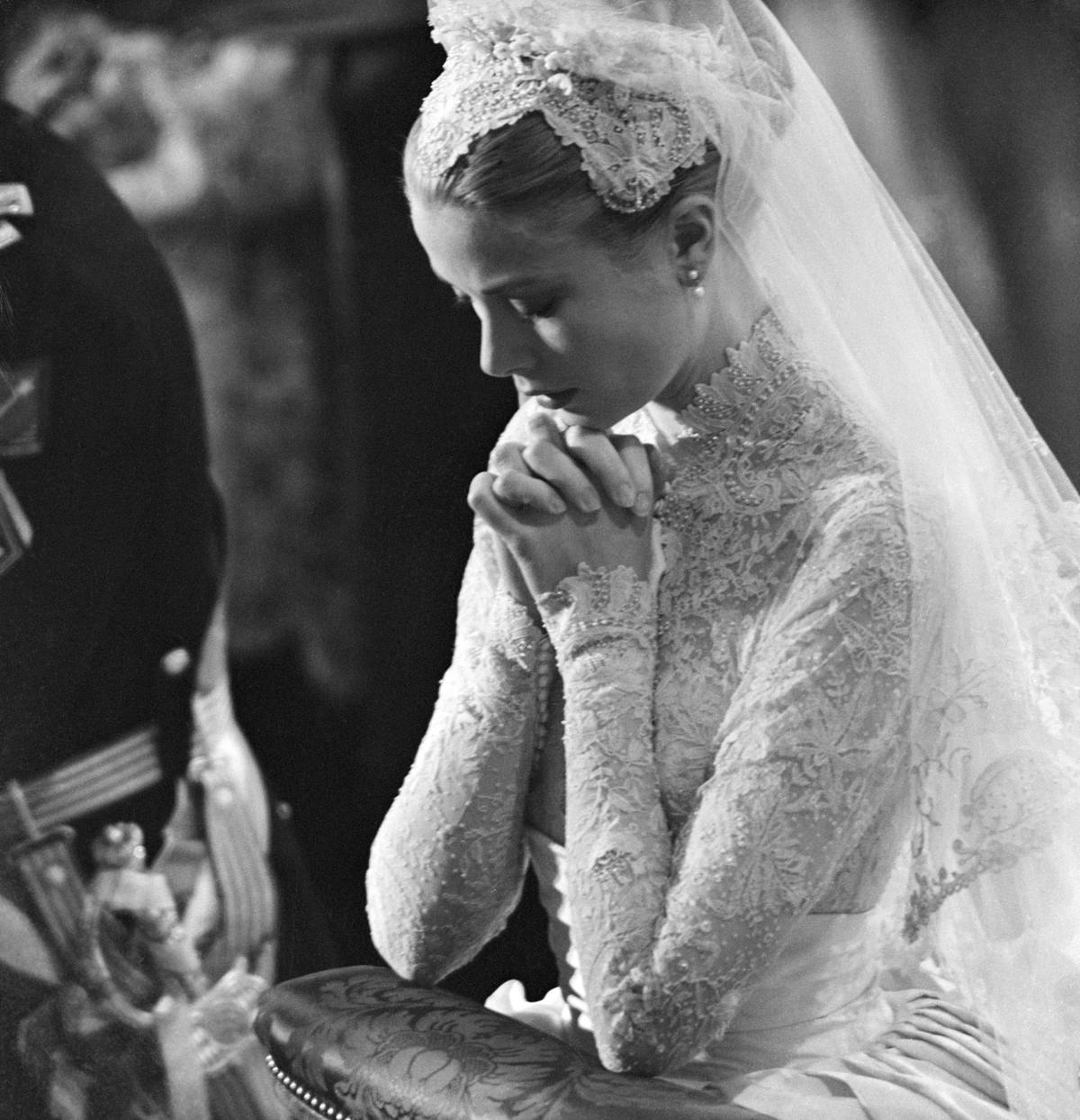
The bridal veil has a storied past, with origins that span many cultures and eras. In ancient Rome, veils were used to protect brides from evil spirits. Later, during the Victorian era, veils symbolized modesty and femininity.
Today, veils are often seen as a romantic accessory that adds a touch of mystery and elegance to the bridal ensemble. Whether long and flowing or short and sweet, the veil remains a cherished part of wedding attire.
The Origin of the Bouquet Toss
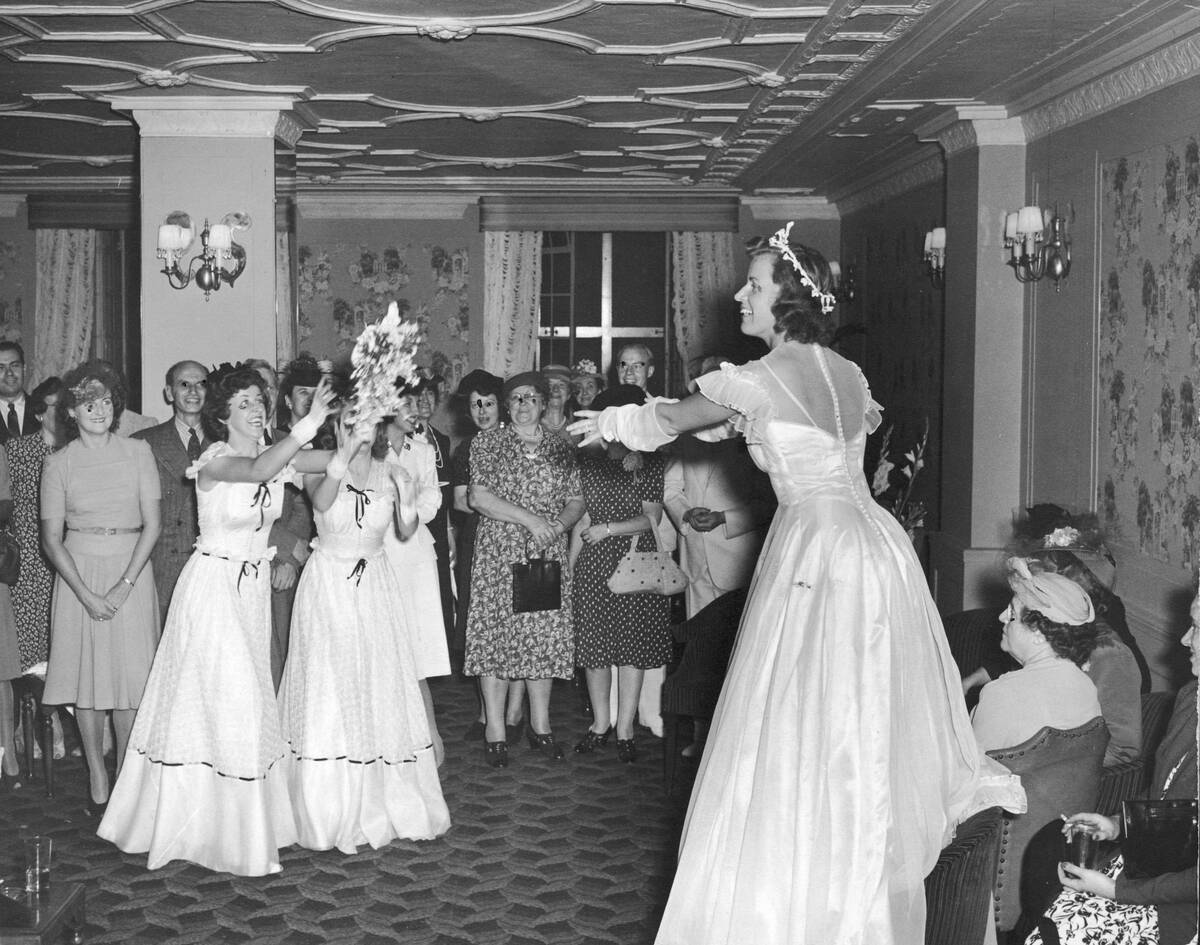
The bouquet toss is a lively tradition that traces back to medieval Europe. In the 14th century, it was believed that brides were particularly lucky on their wedding day. Guests would try to tear pieces of the bride’s dress or flowers to capture some of that good fortune.
To avoid a tussle, brides began tossing their bouquets to distract the crowd. Today, catching the bouquet is seen as a symbol of being the next to marry.
The Custom of “Something Old, Something New”
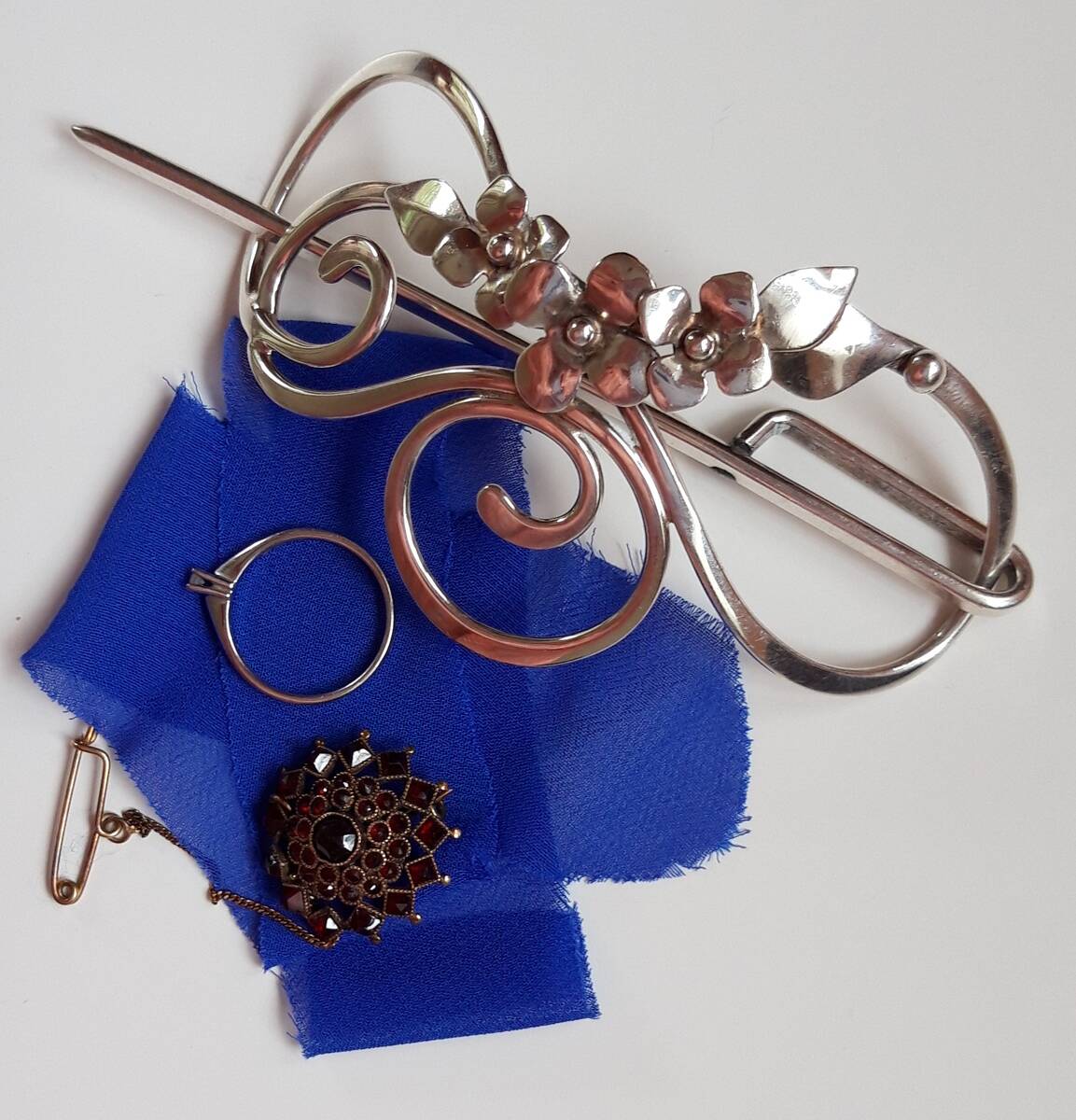
The rhyme “Something old, something new, something borrowed, something blue” is more than just a catchy saying; it’s a tradition steeped in symbolism. ‘Something old’ connects the bride to her past, while ‘something new’ represents optimism for the future.
‘Something borrowed’ is often a token from a happily married friend or family member, symbolizing borrowed happiness. Finally, ‘something blue’ stands for fidelity and love, weaving a tapestry of hope and continuity.
The Tradition of Bridesmaids and Groomsmen
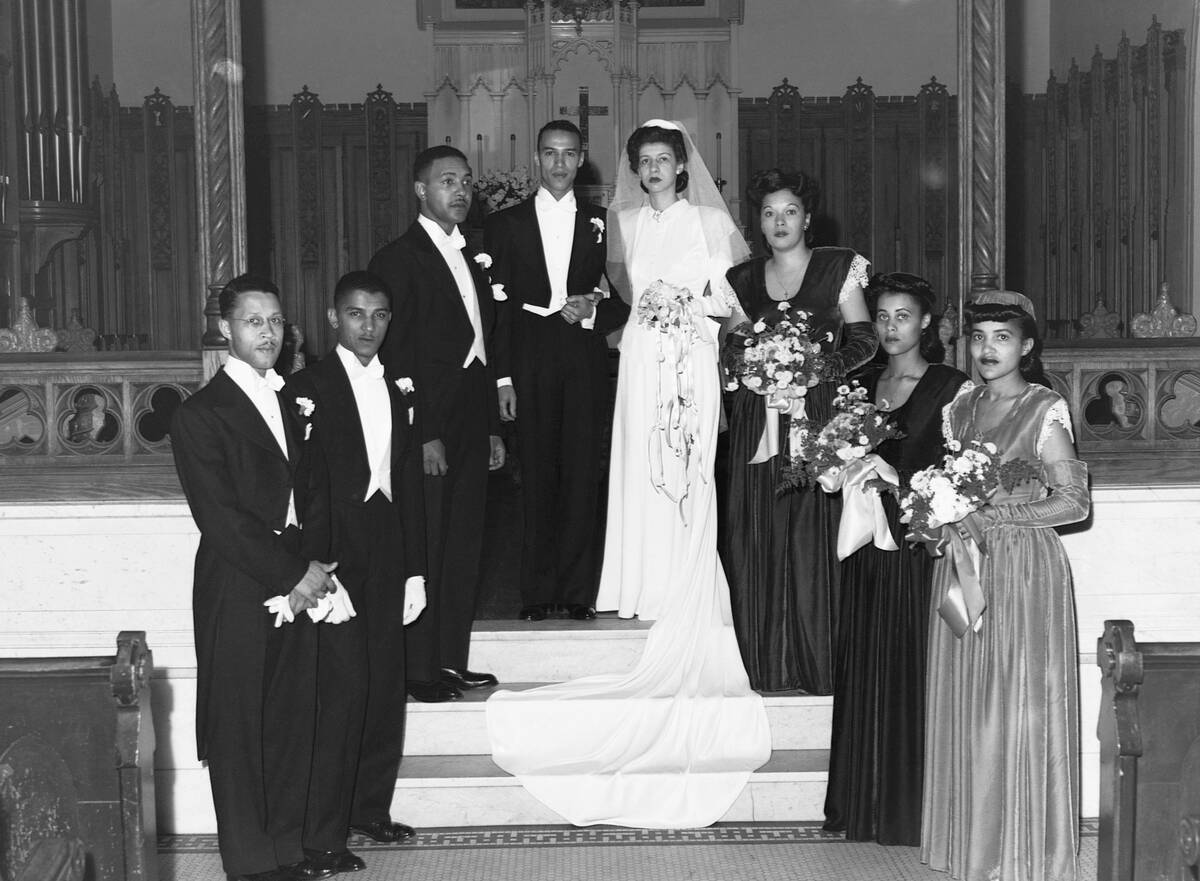
Bridesmaids and groomsmen have roles that date back to ancient Rome, where they served as witnesses to the marriage. In those times, bridesmaids were dressed similarly to the bride to confuse evil spirits. Groomsmen, on the other hand, were tasked with protecting the couple from harm.
Today, they are cherished friends and family members, standing by the couple’s side to offer support, share in the joy, and sometimes, plan a memorable bachelor or bachelorette party.
The Role of the Wedding Cake Through the Ages
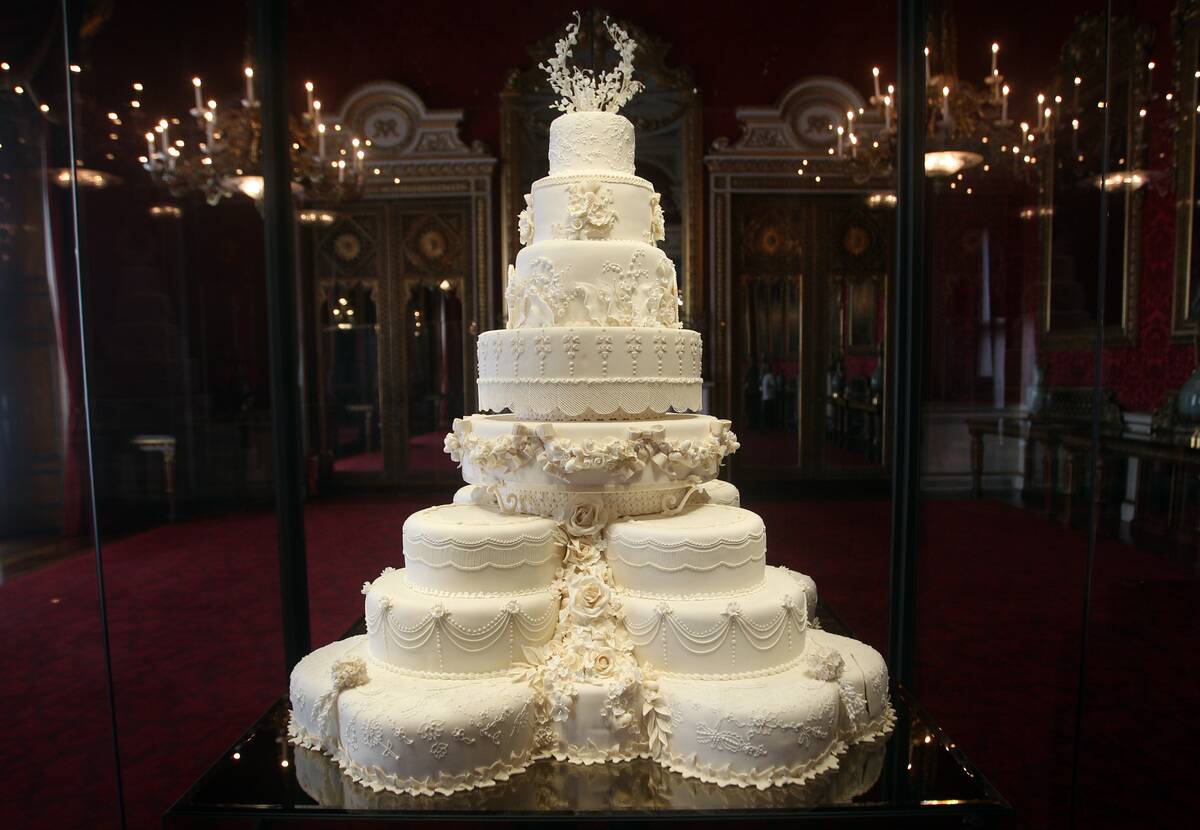
The wedding cake has evolved from a simple loaf of bread in Roman times to the towering confection we see today. In medieval England, cakes were stacked high for the bride and groom to try and kiss over, predicting their future prosperity.
The tiered cake became popular in the 19th century, influenced by the towering spires of St. Bride’s Church in London. Today, wedding cakes are as varied as the couples they celebrate, often reflecting personal tastes and themes.
Throwing Rice or Confetti: A Gesture of Prosperity
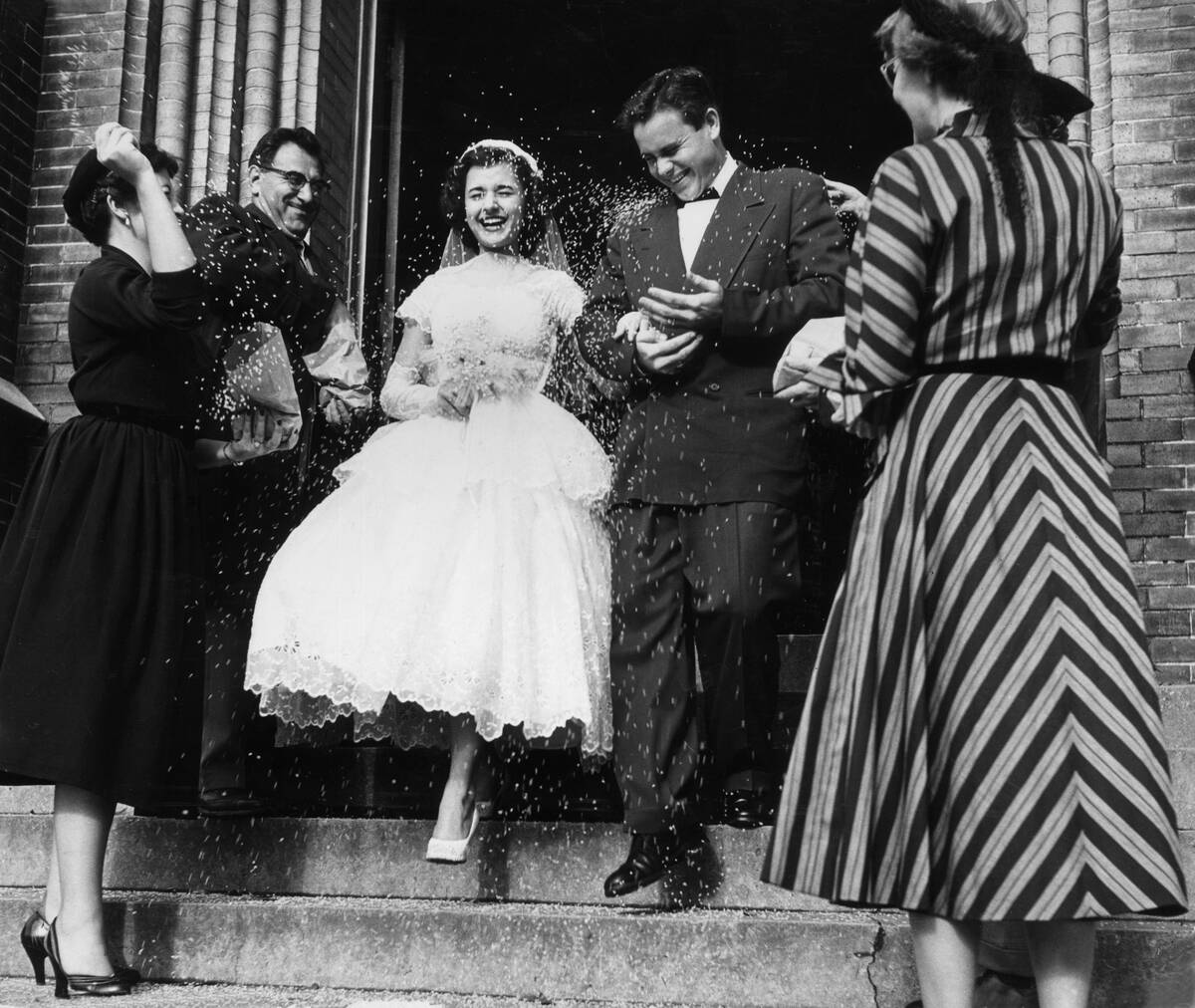
The tradition of throwing rice at weddings is rooted in the symbolism of fertility and prosperity. In ancient times, guests would shower the newlyweds with grains to bless them with abundance.
As rice became less common, colorful confetti and flower petals took its place, adding a festive flair to the celebration. Today, many couples opt for eco-friendly alternatives, ensuring that this joyful gesture remains both meaningful and sustainable.
The Ritual of the First Dance
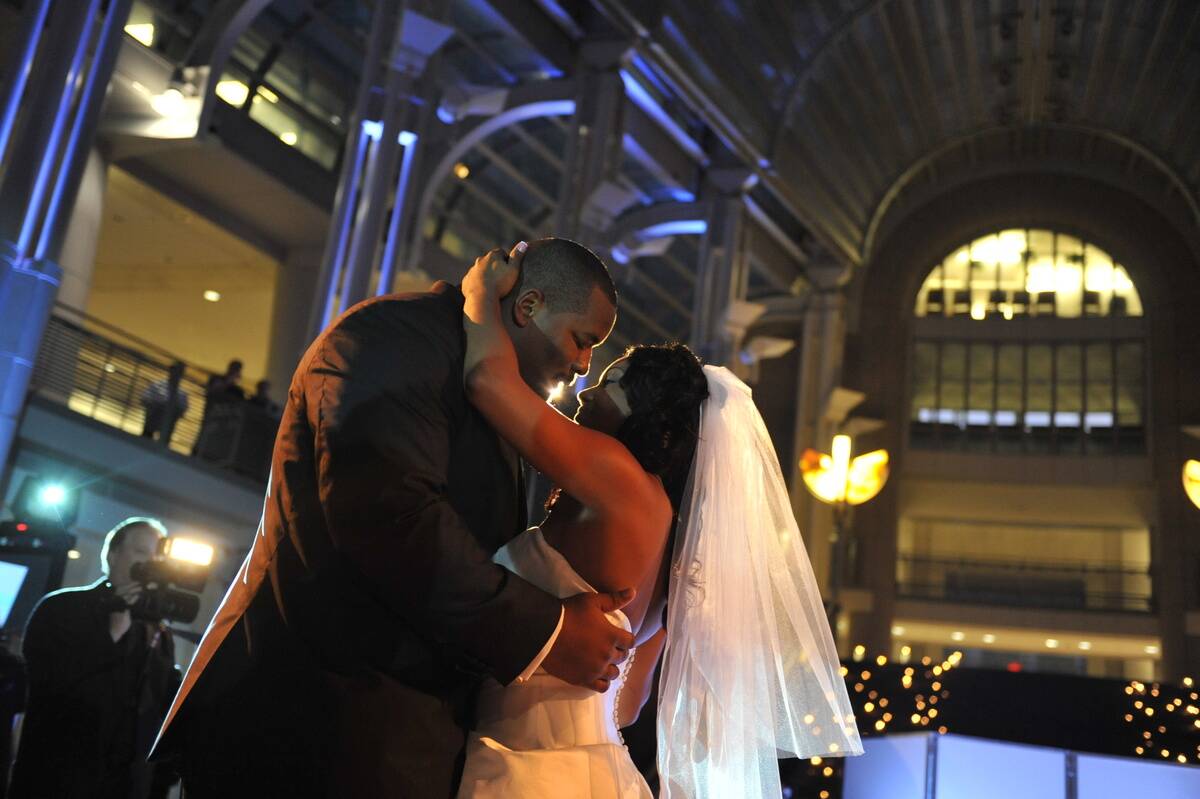
The first dance is often one of the most anticipated moments of a wedding reception. Historically, this dance was a way for the couple to signal the start of the festivities. In European aristocracy, it was a formal affair, often a waltz, to showcase the couple’s poise.
Today, the first dance is a personal expression, with couples choosing songs that reflect their unique relationship, from romantic ballads to upbeat tunes that get everyone on their feet.
The Evolution of the Wedding Vows
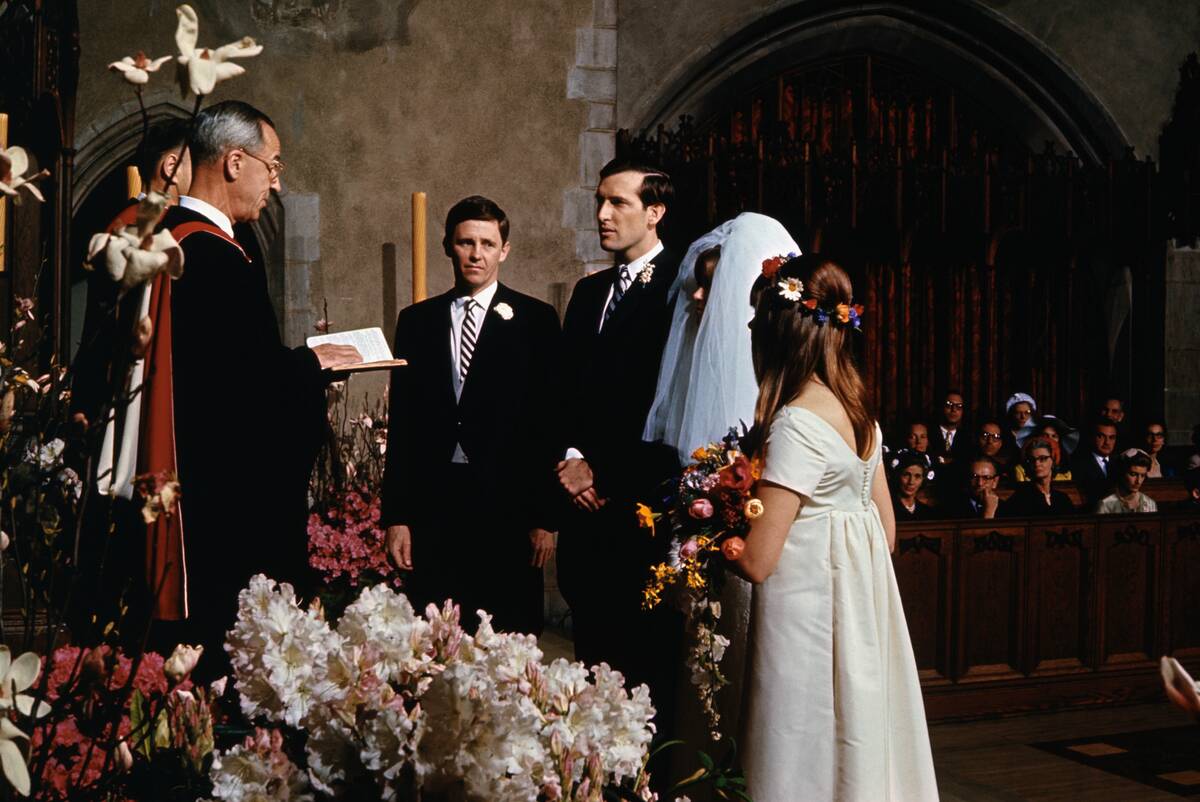
Wedding vows have been an integral part of marriage ceremonies for centuries, with roots in religious and secular traditions. In medieval times, vows were often dictated by the church, leaving little room for personalization.
Today, many couples write their own vows, crafting promises that speak to their personal values and shared dreams. This evolution reflects a shift towards more individualized expressions of love and commitment, making each ceremony uniquely meaningful.
The Importance of the Wedding Reception
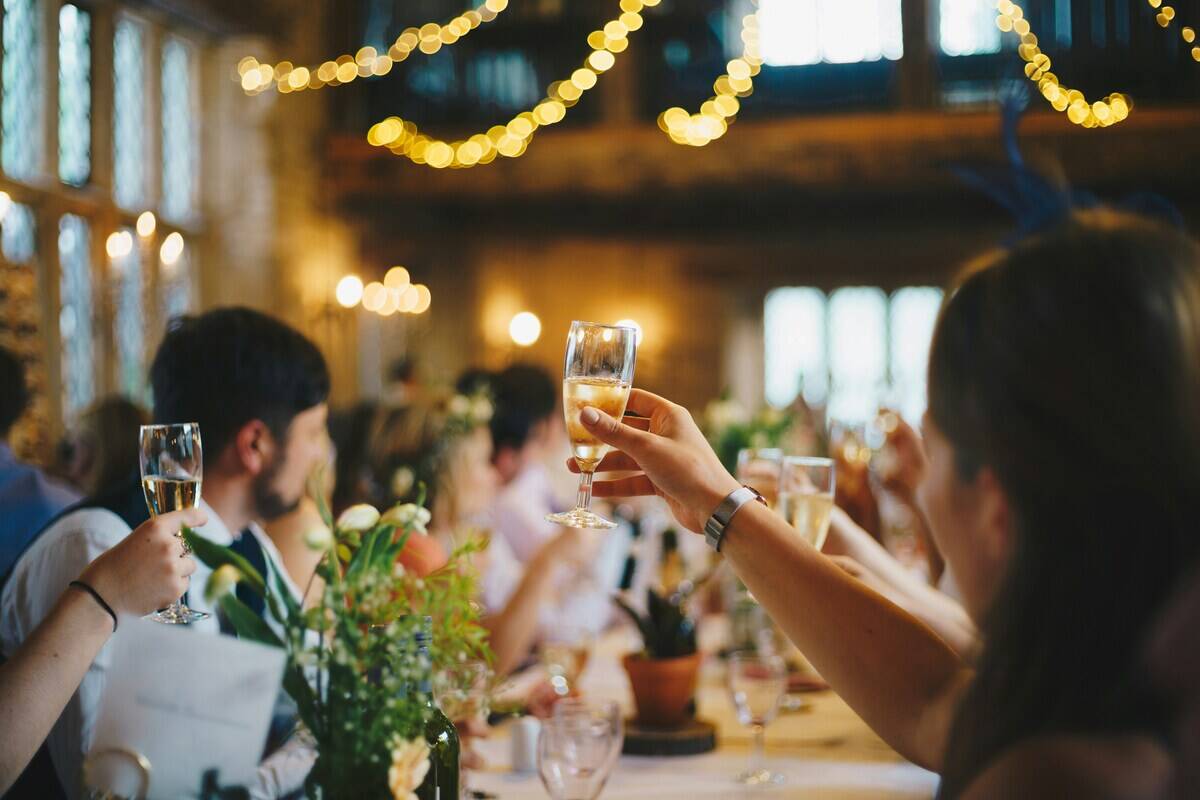
The wedding reception is a joyous celebration where families and friends come together to honor the newlyweds. Historically, it was a time for feasting and dancing, with traditions varying widely across cultures.
In medieval Europe, receptions were grand affairs with multiple courses and entertainment. Today, receptions continue to be a highlight of the wedding day, providing a space for guests to mingle, enjoy delicious food, and create lasting memories.
The Sending Off: Honeymoon Traditions
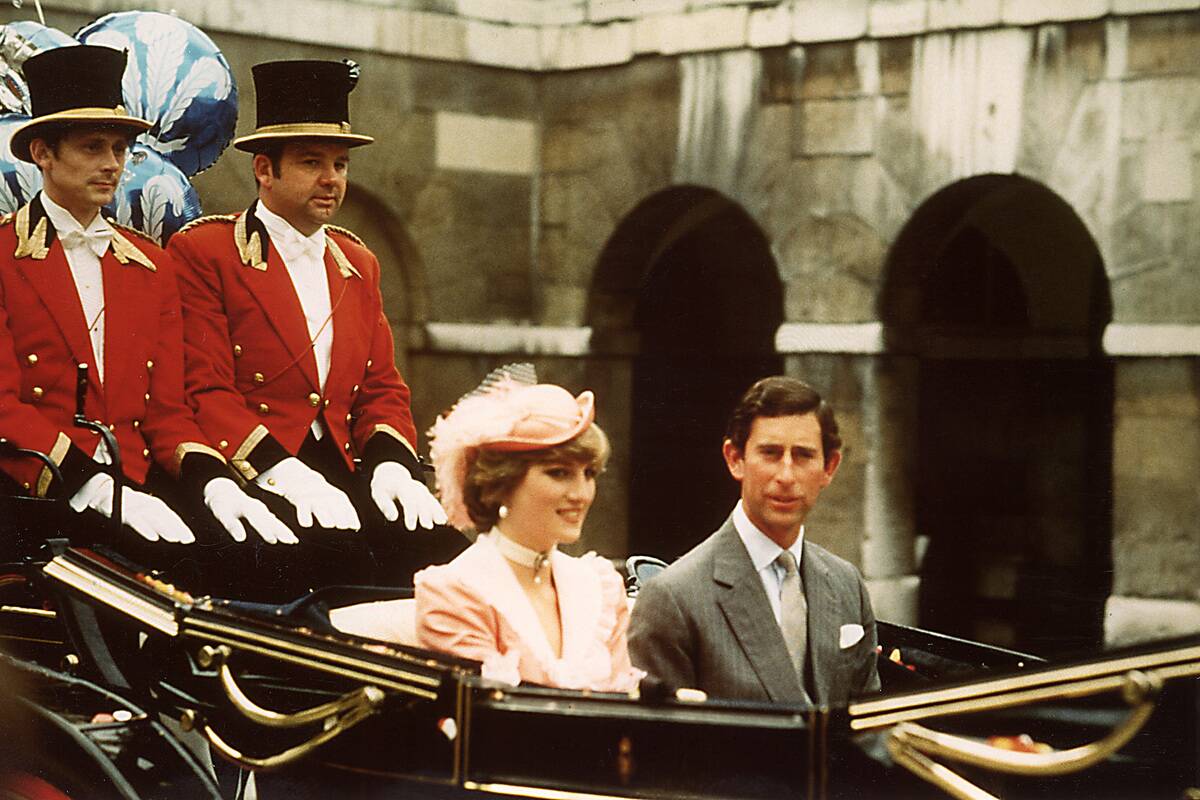
The honeymoon tradition has its origins in the 19th century, when British aristocrats began traveling after their wedding to visit relatives who couldn’t attend the ceremony. The term ‘honeymoon’ itself comes from the Old English ‘hony moone,’ referring to the sweetness of the early days of marriage.
Today, honeymoons are often seen as a time for newlyweds to relax and enjoy each other’s company in a beautiful destination, a perfect start to their new life together.
The Cultural Variations in Wedding Customs
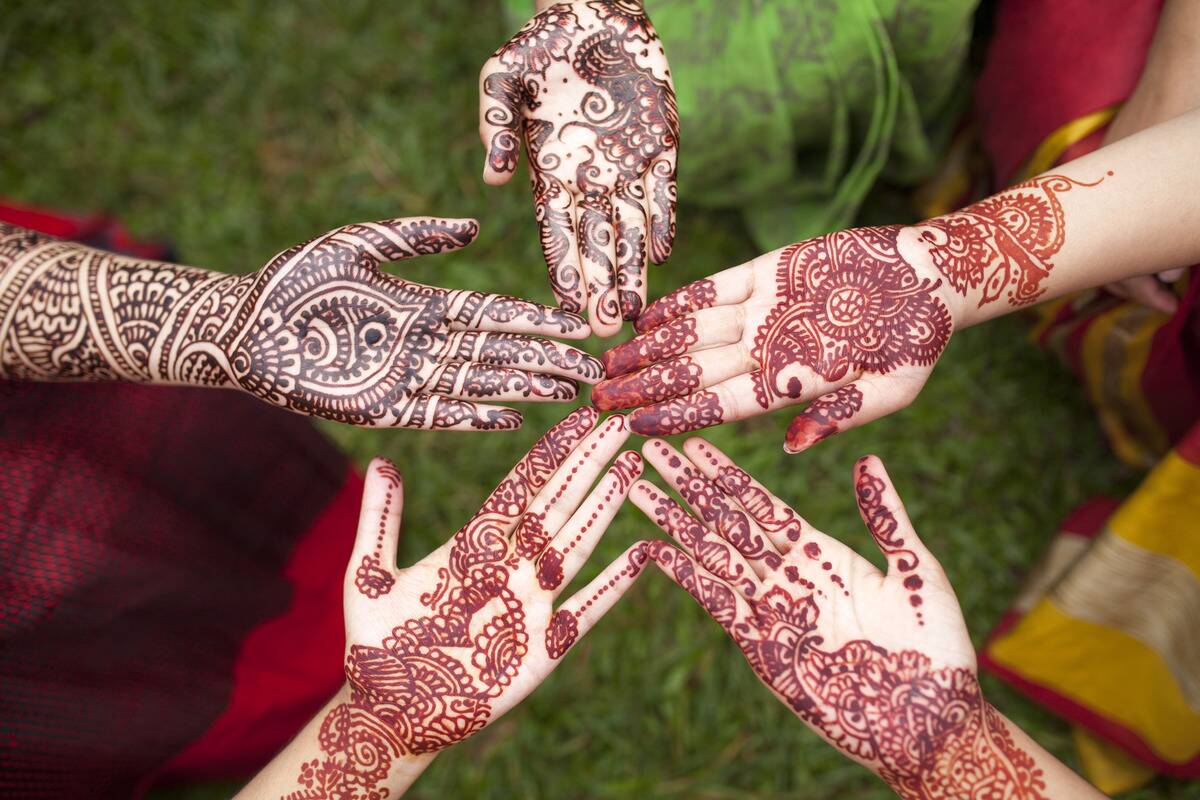
Weddings are celebrated in diverse ways across the globe, each culture bringing its own unique customs to the table. In India, the vibrant Mehendi ceremony is a pre-wedding ritual where intricate henna designs are applied to the bride’s hands.
Meanwhile, in China, the traditional tea ceremony is a way for couples to show respect to their elders. These cultural variations highlight the richness and diversity of wedding traditions, showcasing the beauty of love in different forms.
Modern Twists on Ancient Traditions
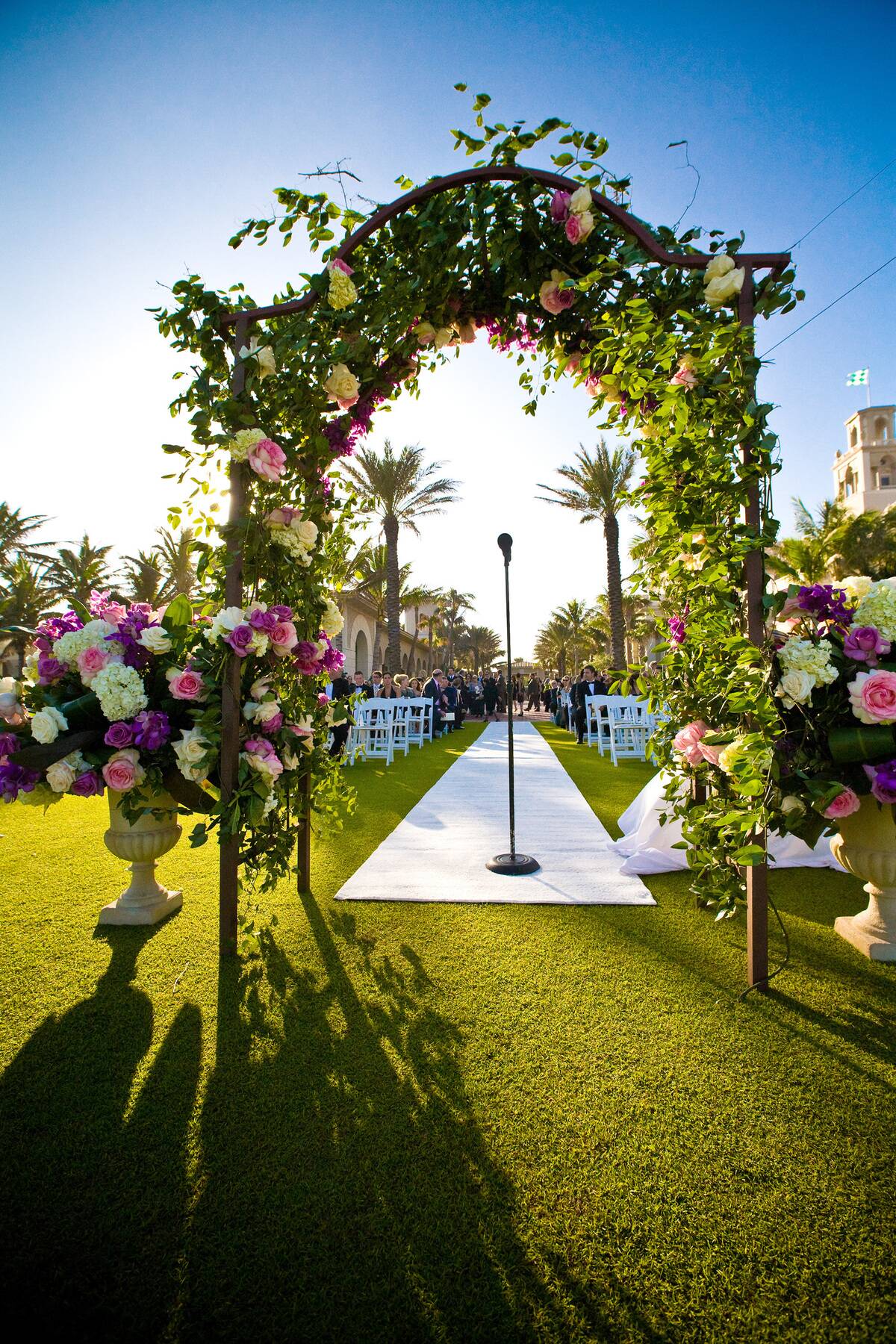
As society evolves, so too do wedding traditions, with couples finding new ways to put a personal spin on age-old customs. Some choose to forego traditional vows in favor of more personal promises, while others opt for non-traditional venues that reflect their unique personalities.
Eco-friendly weddings have also gained popularity, with couples incorporating sustainable practices into their celebrations. These modern twists ensure that weddings continue to be relevant and meaningful in today’s world.
Why Couples Still Embrace Traditional Elements
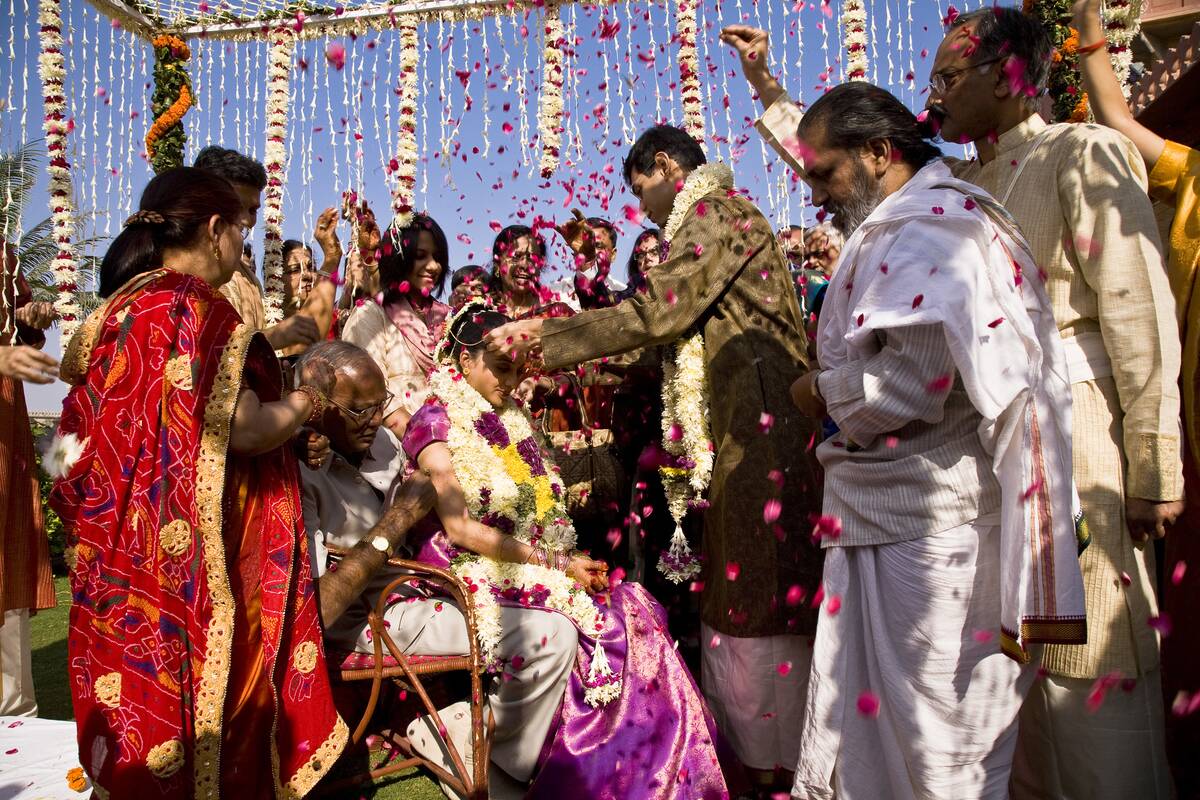
Despite the many changes in society, many couples still choose to incorporate traditional elements into their weddings. These customs provide a sense of connection to the past and offer a comforting familiarity amidst the excitement of the day.
For some, traditions are an important way to honor their cultural heritage, while for others, they are simply a way to add depth and meaning to their celebration. Whatever the reason, these time-honored rituals continue to hold a special place in the hearts of newlyweds.




