Where famous generals made critical mistakes
Throughout history, military leaders have been celebrated for their strategic genius and battlefield triumphs. However, even the most revered commanders have faced moments where their decisions led to unexpected outcomes.
This article shines a light on these humanizing moments, reminding us that legends, too, are fallible. By exploring these episodes, we gain a deeper understanding of the complexities and challenges that come with commanding armies and crafting strategies.
Napoleon Bonaparte: The Russian Winter’s Unforgiving Embrace
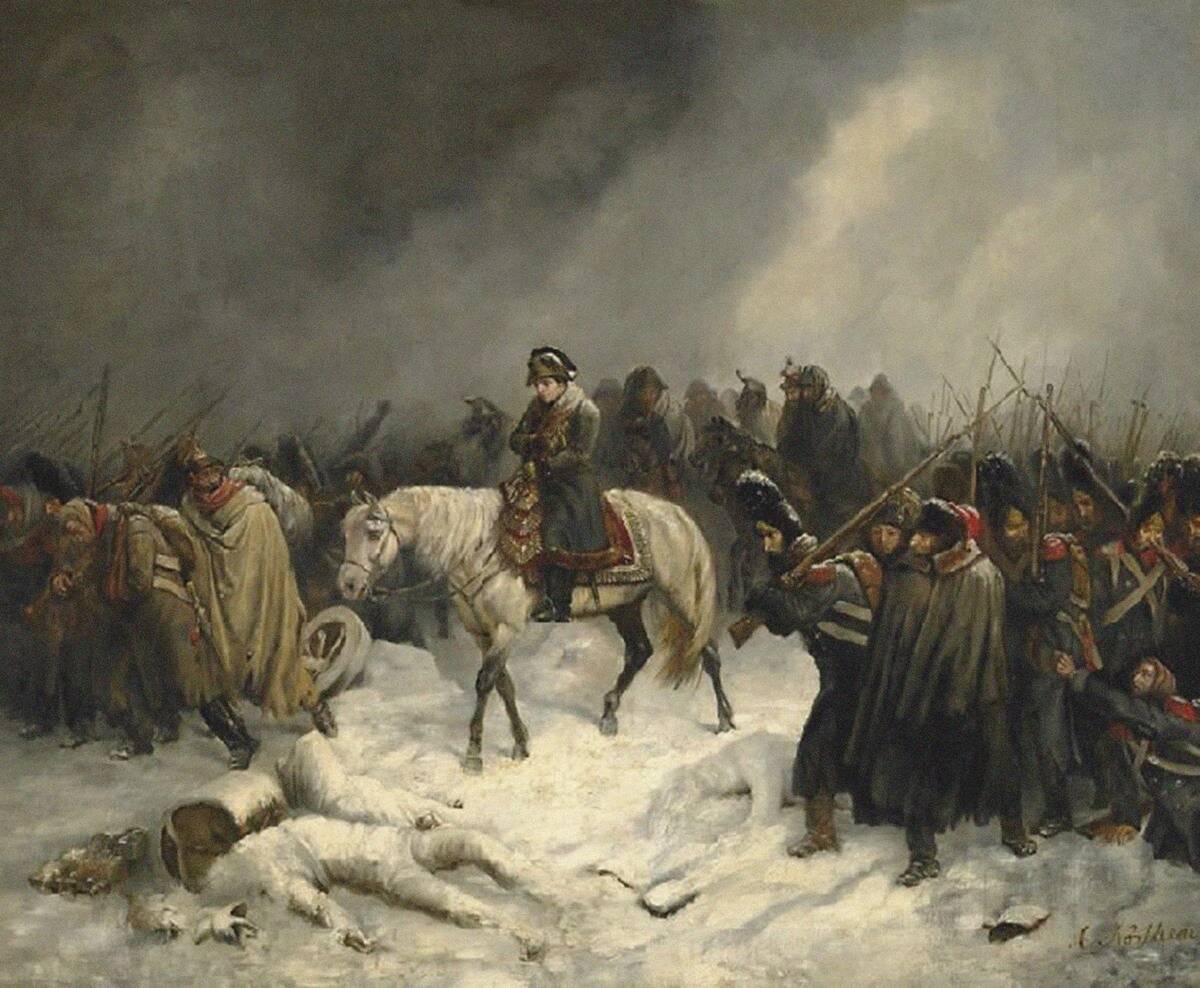
Napoleon Bonaparte, one of history’s most celebrated military strategists, faced a formidable adversary in the Russian winter. In 1812, his Grande Armée marched into Russia with high hopes of a decisive victory.
However, the brutal cold and logistical nightmares decimated his forces. By the time Napoleon retreated, his army had dwindled from over 600,000 men to just over 100,000. This disastrous campaign marked a turning point in his ambitions and showcased the power of nature as a wartime adversary.
Robert E. Lee: The Overconfidence at Gettysburg
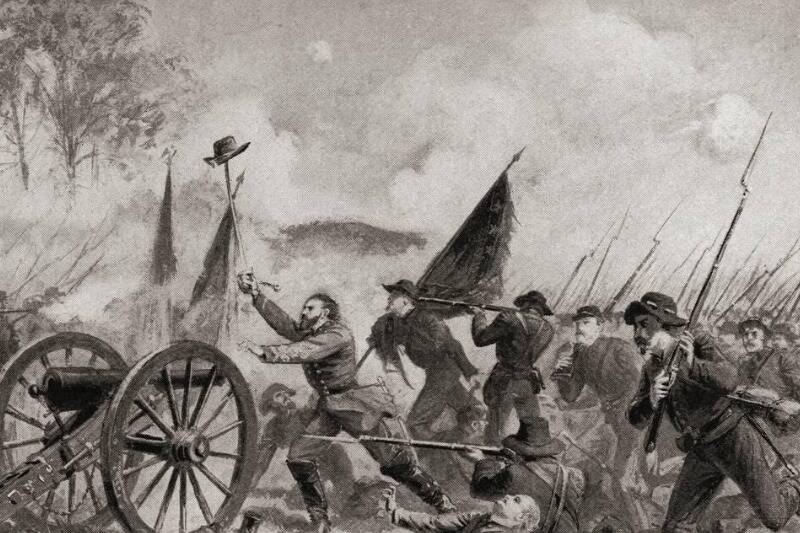
General Robert E. Lee’s overconfidence at the Battle of Gettysburg in 1863 proved to be a critical error. Believing victory was in his grasp, Lee ordered a full-scale assault known as Pickett’s Charge against Union positions.
The attack was repelled with heavy losses, marking the turning point of the Civil War. Lee’s miscalculation highlighted how overconfidence can cloud judgment, leading even the most capable commanders to costly blunders on the battlefield.
George Custer: Underestimating the Sioux at Little Bighorn
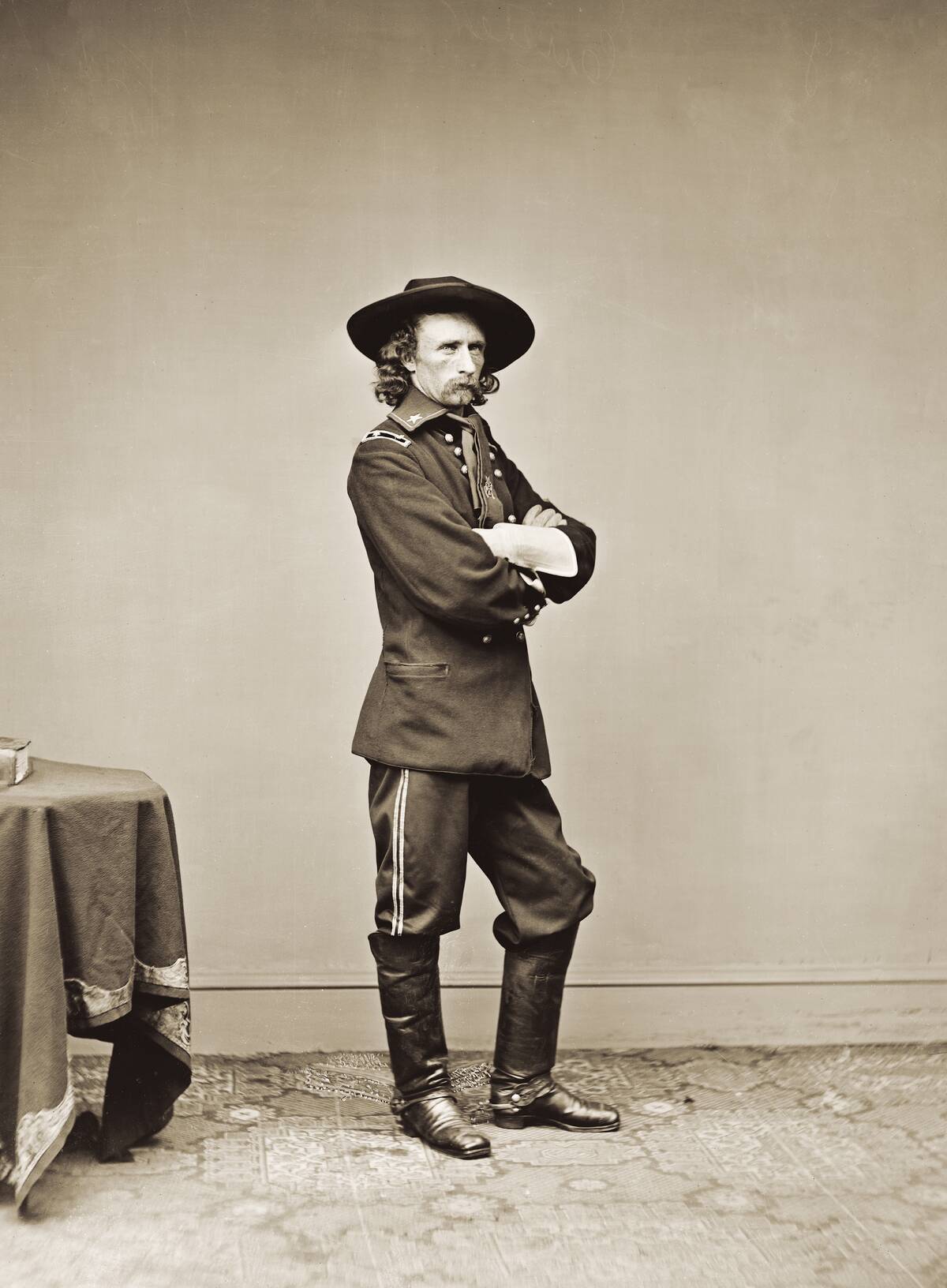
At the Battle of Little Bighorn in 1876, Lieutenant Colonel George Custer underestimated the strength and resolve of the Sioux and Cheyenne warriors. Believing he faced a smaller force, Custer divided his troops, leading to their encirclement and decimation.
The defeat, known as “Custer’s Last Stand,” became a poignant reminder of the dangers of underestimating one’s adversaries. This blunder underscored the importance of intelligence and caution in military engagements.
Douglas MacArthur: The Misjudged Invasion of North Korea
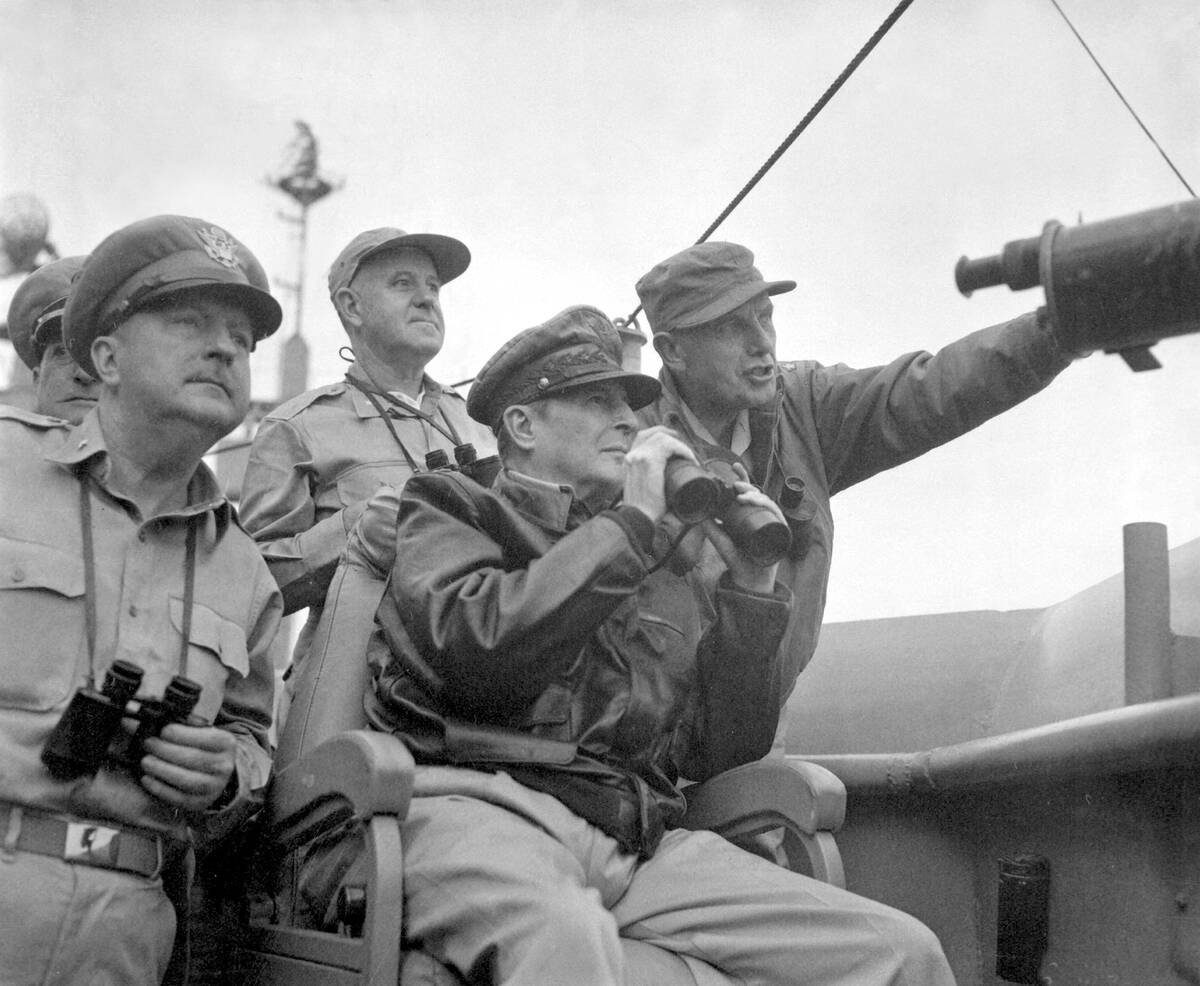
General Douglas MacArthur’s decision to advance into North Korea in 1950 proved to be a miscalculation. Initially successful, his push towards the Yalu River provoked Chinese intervention. The unexpected entry of Chinese forces overwhelmed UN troops, resulting in a prolonged and bloody stalemate.
MacArthur’s misjudgment highlighted the perils of overreaching in military campaigns and the critical need for understanding geopolitical dynamics. It was a stark lesson in the broader implications of strategic decisions.
Erwin Rommel: The Overextension in North Africa
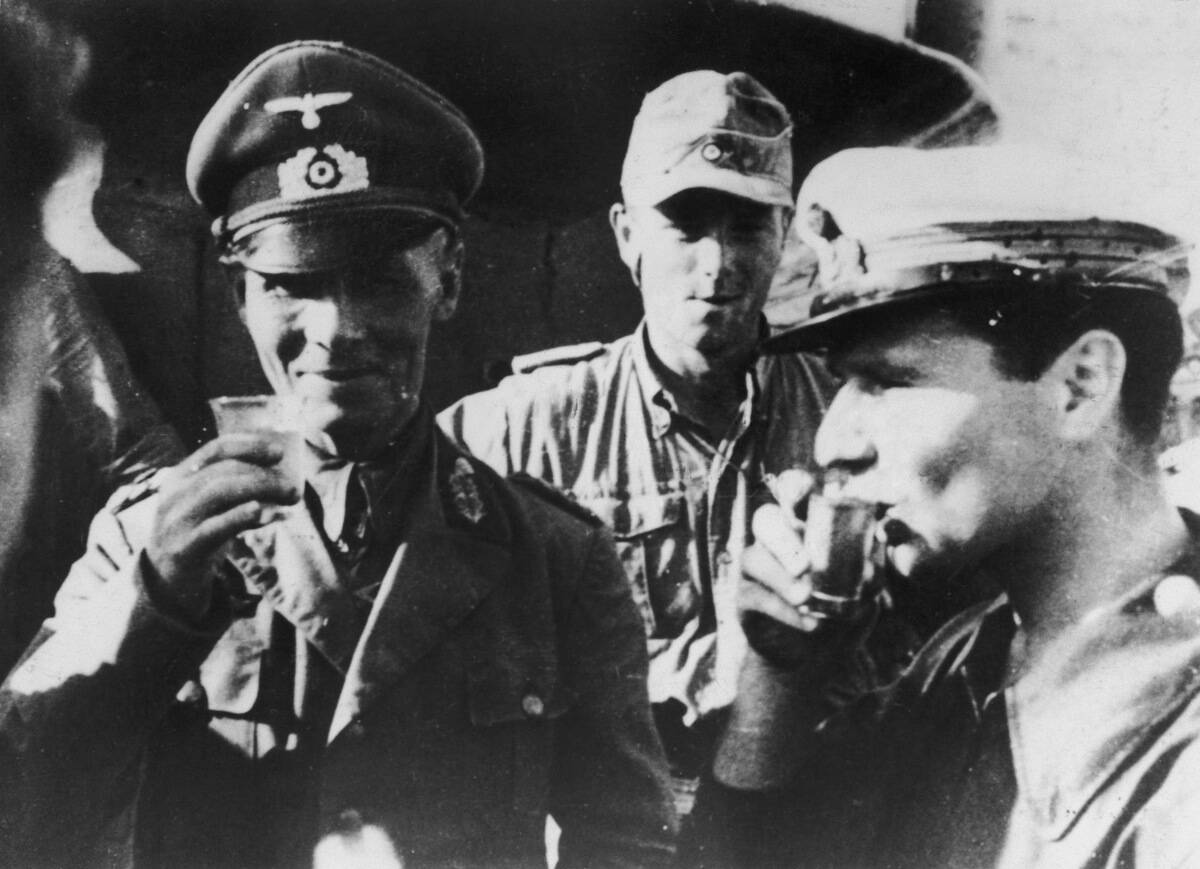
Field Marshal Erwin Rommel, the “Desert Fox,” is renowned for his tactics in North Africa during World War II. However, his aggressive push towards the Suez Canal overextended his supply lines.
In 1942, at the Second Battle of El Alamein, British forces under Montgomery defeated the Axis powers, marking a turning point in the North African campaign. Rommel’s overextension serves as a lesson in the importance of logistical planning and the risks of ambitious offensives without adequate support.
Julius Caesar: The Fatal Ides of March
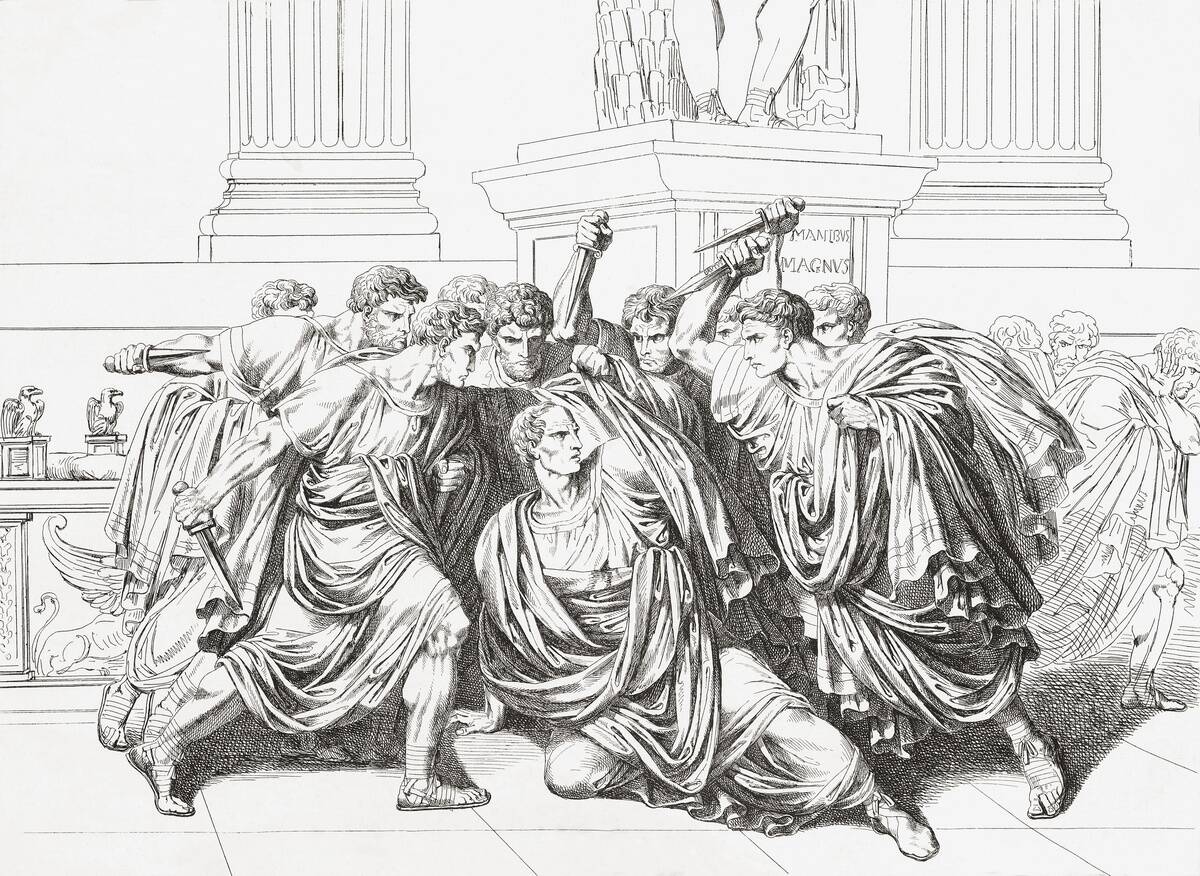
Julius Caesar’s rise to power in Rome was marked by extraordinary military successes, but his story took a fatal turn on the Ides of March in 44 BC. Ignoring warnings, Caesar attended a Senate meeting where he was assassinated by political rivals.
This pivotal moment illustrated the perils of political ambition and betrayal, ultimately leading to the end of the Roman Republic. Caesar’s demise remains a cautionary tale about the vulnerabilities even the most powerful leaders face.
Bernard Montgomery: The Missteps at Arnhem
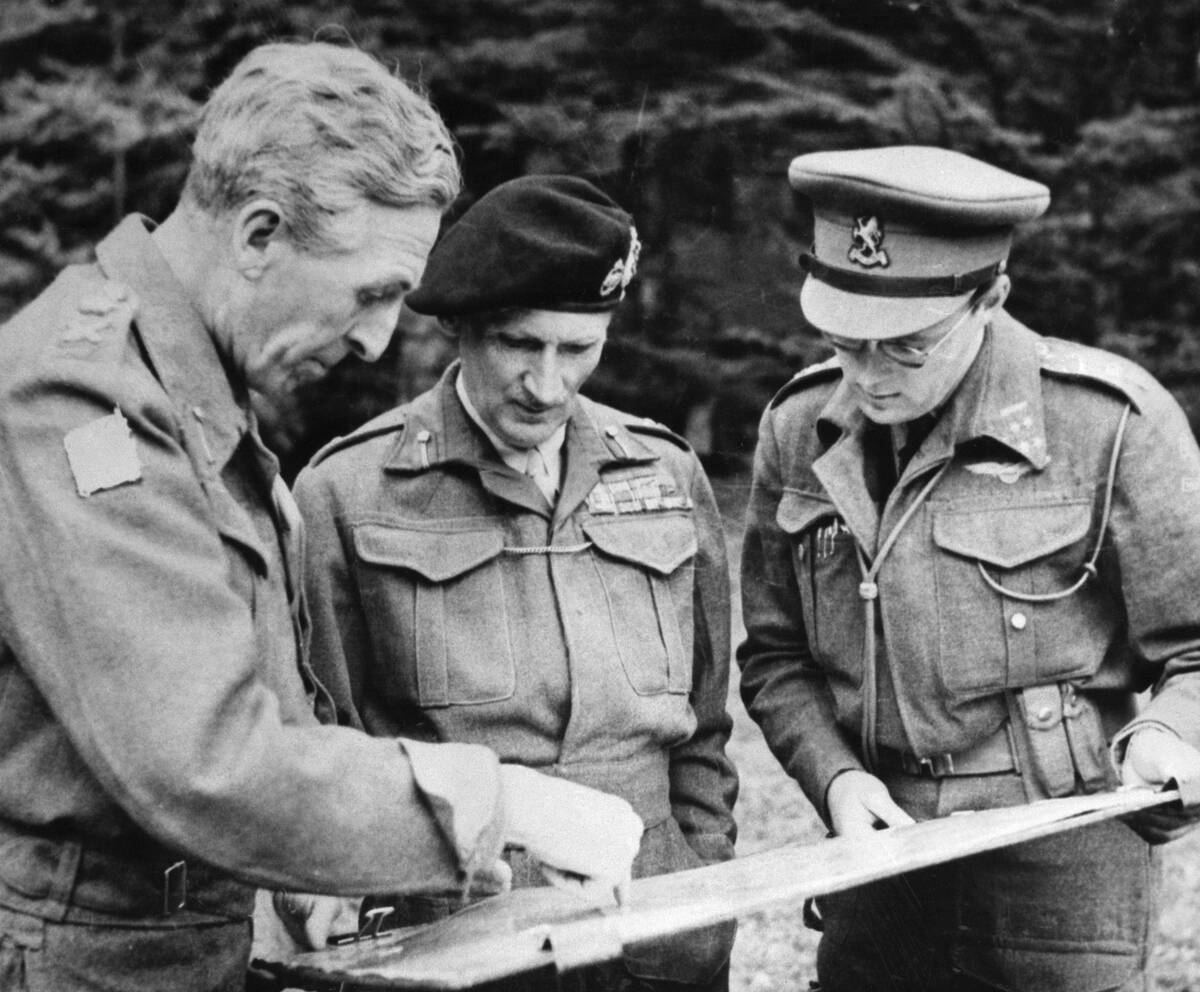
Field Marshal Bernard Montgomery’s ambitious plan, Operation Market Garden, aimed to secure a swift end to World War II by capturing key bridges in the Netherlands. However, in September 1944, the operation faltered at Arnhem due to underestimated German resistance, a communication breakdown, and logistical issues.
The failed mission prolonged the war in Europe and demonstrated the risks of overly ambitious plans without thorough reconnaissance and adaptable strategies. Montgomery’s missteps (among those of other Allied commanders) remind us of the unpredictability inherent in warfare.
Attila the Hun: The Misguided Attack on Rome
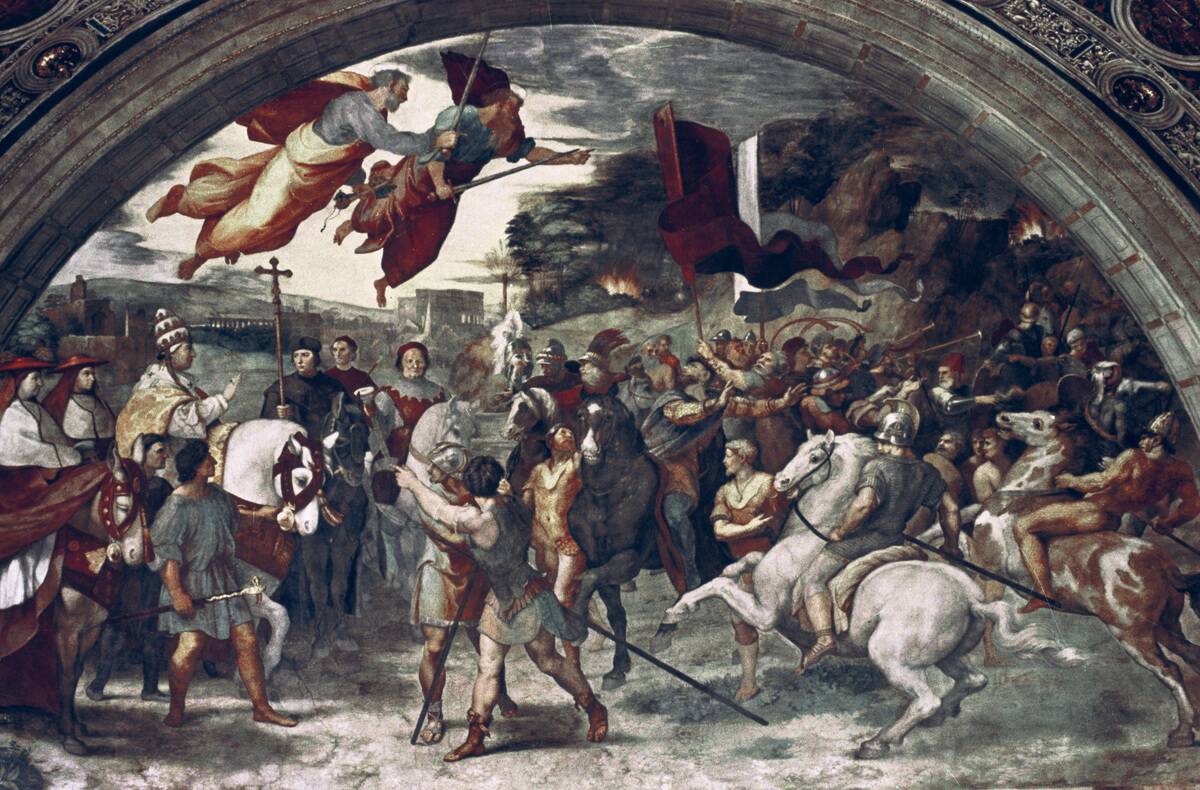
Attila the Hun, known for his formidable conquests, made a fateful decision in 452 AD to march on Rome. However, his campaign was thwarted by a combination of logistical challenges, disease, and diplomatic intervention led by Pope Leo I.
Attila’s failure to capture Rome marked a turning point in his reign, showcasing the limits of military might when faced with unforeseen obstacles. It serves as a reminder of how strategic misjudgments can alter the course of history.
William Westmoreland: The Underestimation in Vietnam
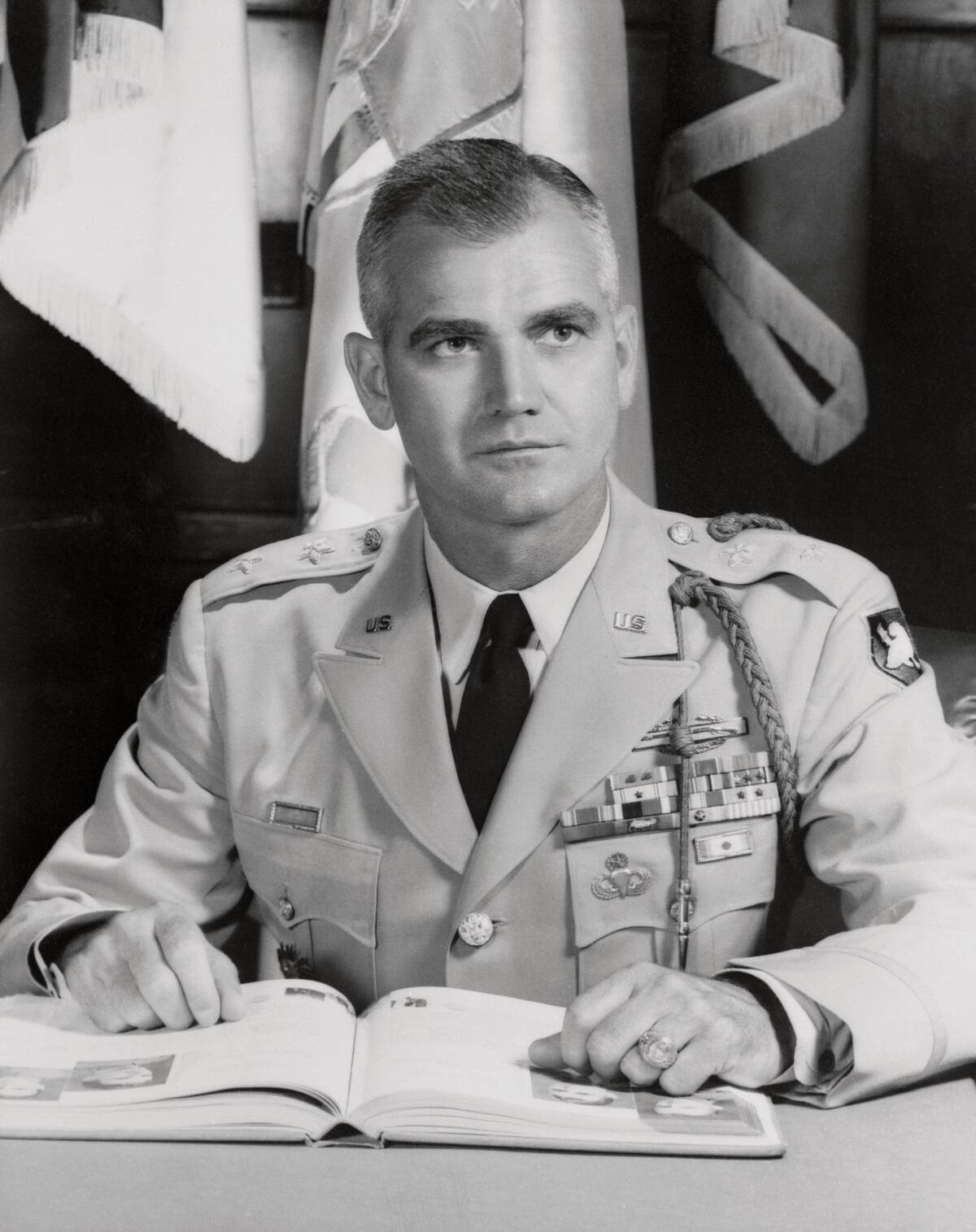
General William Westmoreland’s leadership during the Vietnam War was marked by a significant underestimation of the Viet Cong’s resilience. Despite superior military technology and personnel, U.S. forces faced a protracted conflict.
The Tet Offensive in 1968 exposed flaws in American strategy, challenging public perception and leading to shifts in policy. Westmoreland’s experience in Vietnam underscores the importance of understanding the cultural and political landscape in which military operations unfold.
Hannibal Barca: The Stalled Advance After Cannae
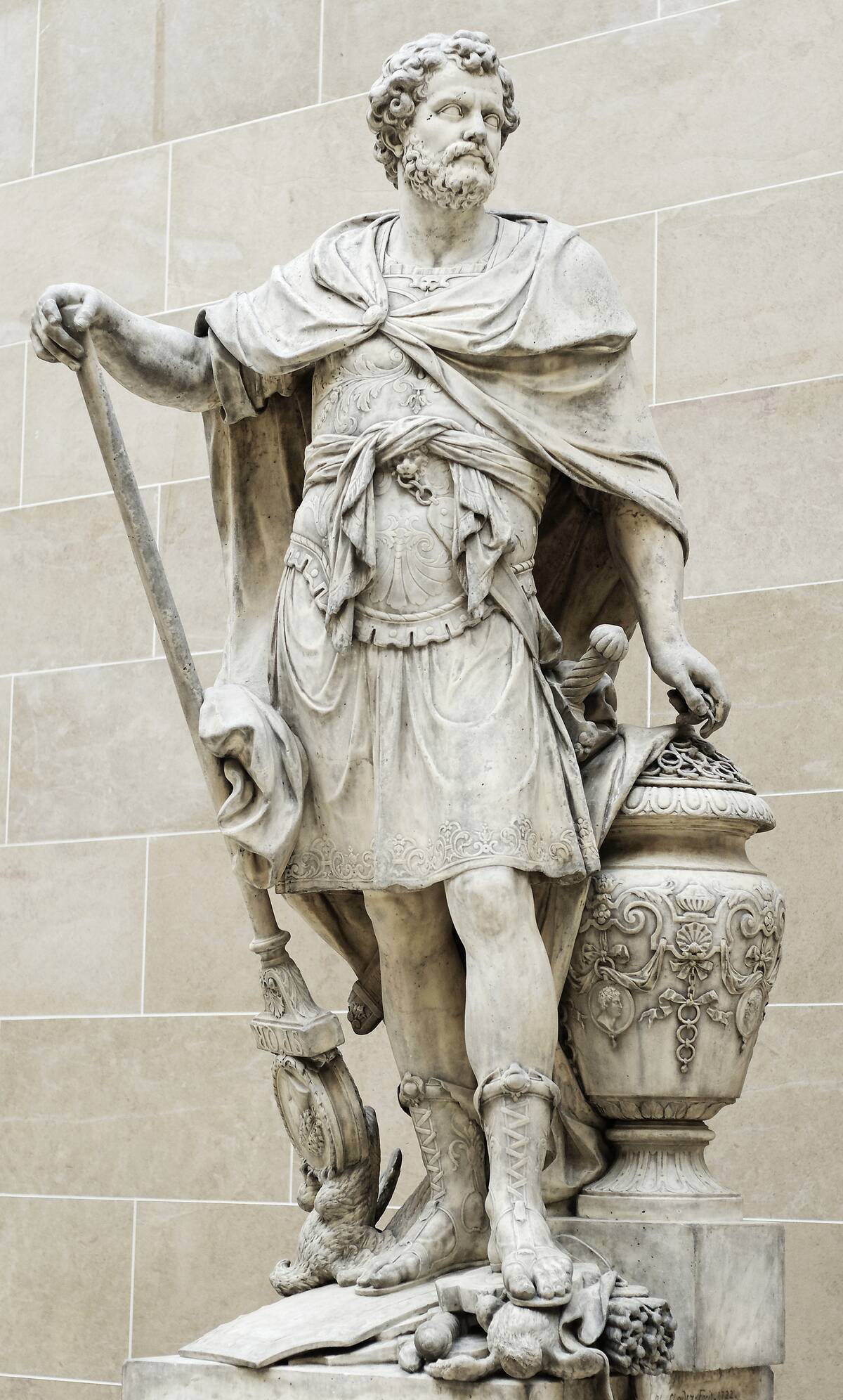
Hannibal Barca’s victory at the Battle of Cannae in 216 BC is still studied for its tactical brilliance. However, despite this triumph, Hannibal’s failure to capitalize on his success and march on Rome incensed his second-in-command, Maharbal.
The decision allowed Rome to recover and eventually defeat Carthage. This episode highlights the importance of strategic follow-through and the challenges of sustaining momentum after a significant victory. Hannibal’s hesitation remains a topic of debate among military historians.
Ulysses S. Grant: The High Cost of Cold Harbor
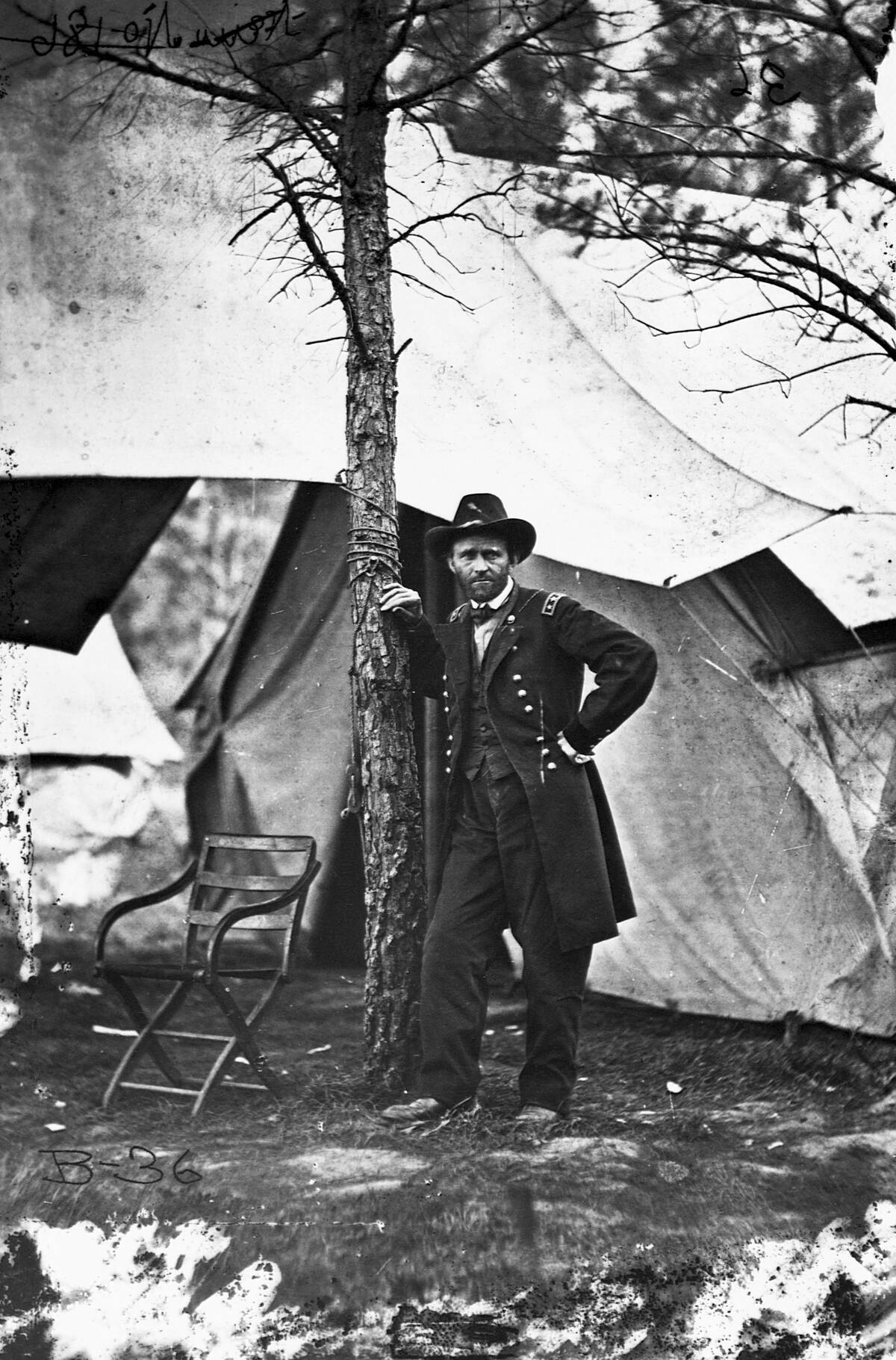
General Ulysses S. Grant’s campaign at Cold Harbor in 1864 became infamous for its devastating losses. A frontal assault on entrenched Confederate positions resulted in massive Union casualties, with little strategic gain.
The battle’s futility became a stark reminder of the human cost of war and the perils of underestimating enemy defenses. Grant’s experience at Cold Harbor underscores the necessity of balancing aggression with caution in military tactics.
Frederick the Great: The Overreach at the Battle of Kolin
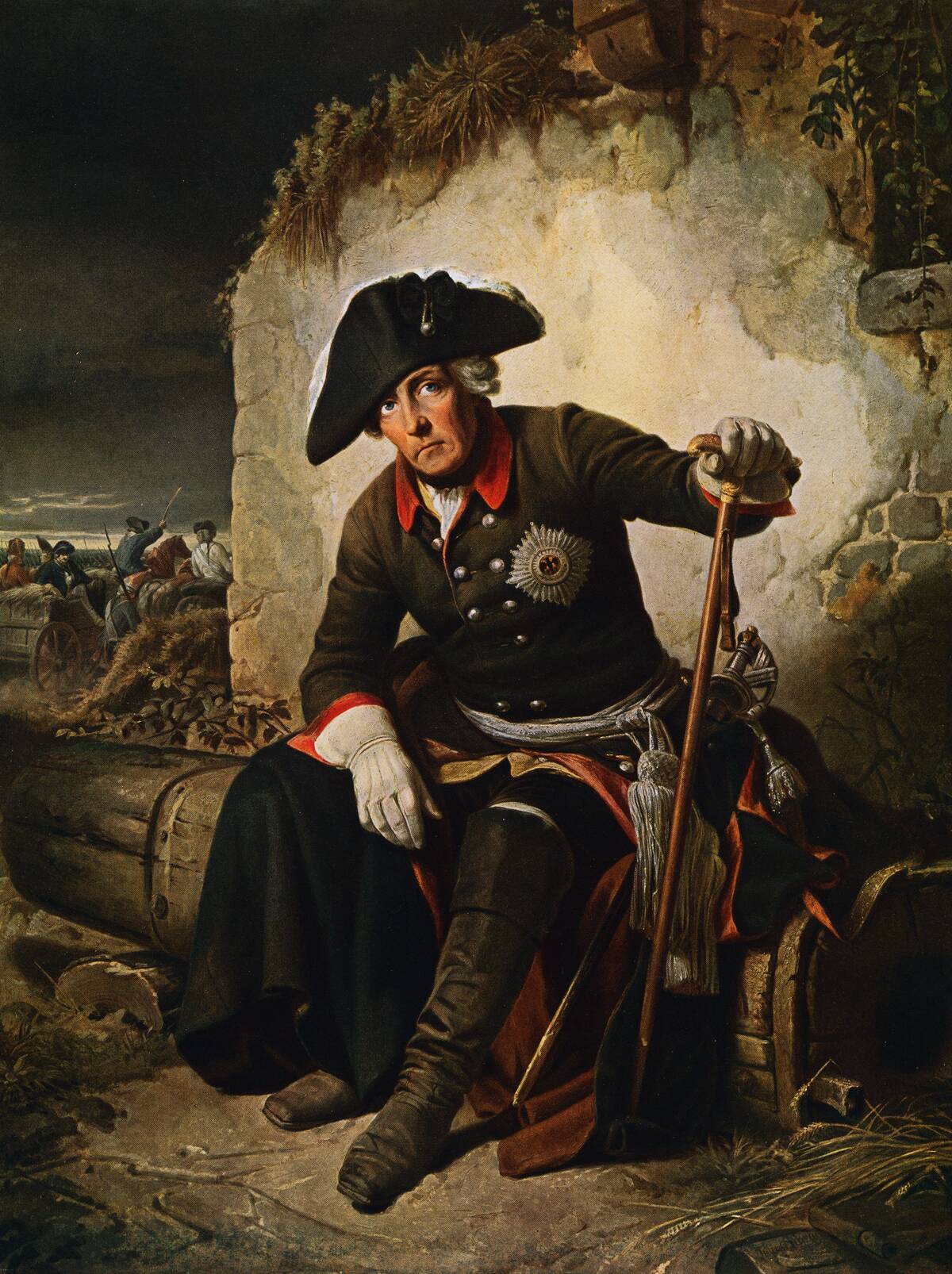
In 1757, Frederick the Great’s Prussian forces suffered a rare defeat at the Battle of Kolin against the Austrians. Overconfident in his army’s abilities, Frederick underestimated his opponents and launched a reckless attack.
The loss forced him to retreat from Bohemia, altering the course of the Seven Years’ War. This episode highlights the dangers of overconfidence and the critical importance of assessing enemy capabilities accurately before engaging in battle.




