Photos of what grocery shopping looked like 100 years ago
Step through the swinging door and into a time before endless aisles and barcode beeps. We’re taking 22 stops through the everyday world of food shopping from the late 1800s to the early mid-1900s, when grocers measured sugar by the scoop and a ledger, not a loyalty app, tracked your tab. Prices hung in the window, pickles floated in barrels, and coffee was ground on the spot.
It was practical, personal, and wonderfully aromatic.
This was an era shaped by real innovations, too: ice delivered by wagon kept butter firm, the 1906 Pure Food and Drug Act reined in sketchy claims, and telephone orders started replacing handwritten notes. By 1916, a Memphis experiment called Piggly Wiggly would flip the script with self-service. But most days still revolved around the nearby grocer who knew your name, your favorite tea, and exactly which apples you wanted for pie.
Before Supermarkets: The Neighborhood Grocer (and His Ledger)
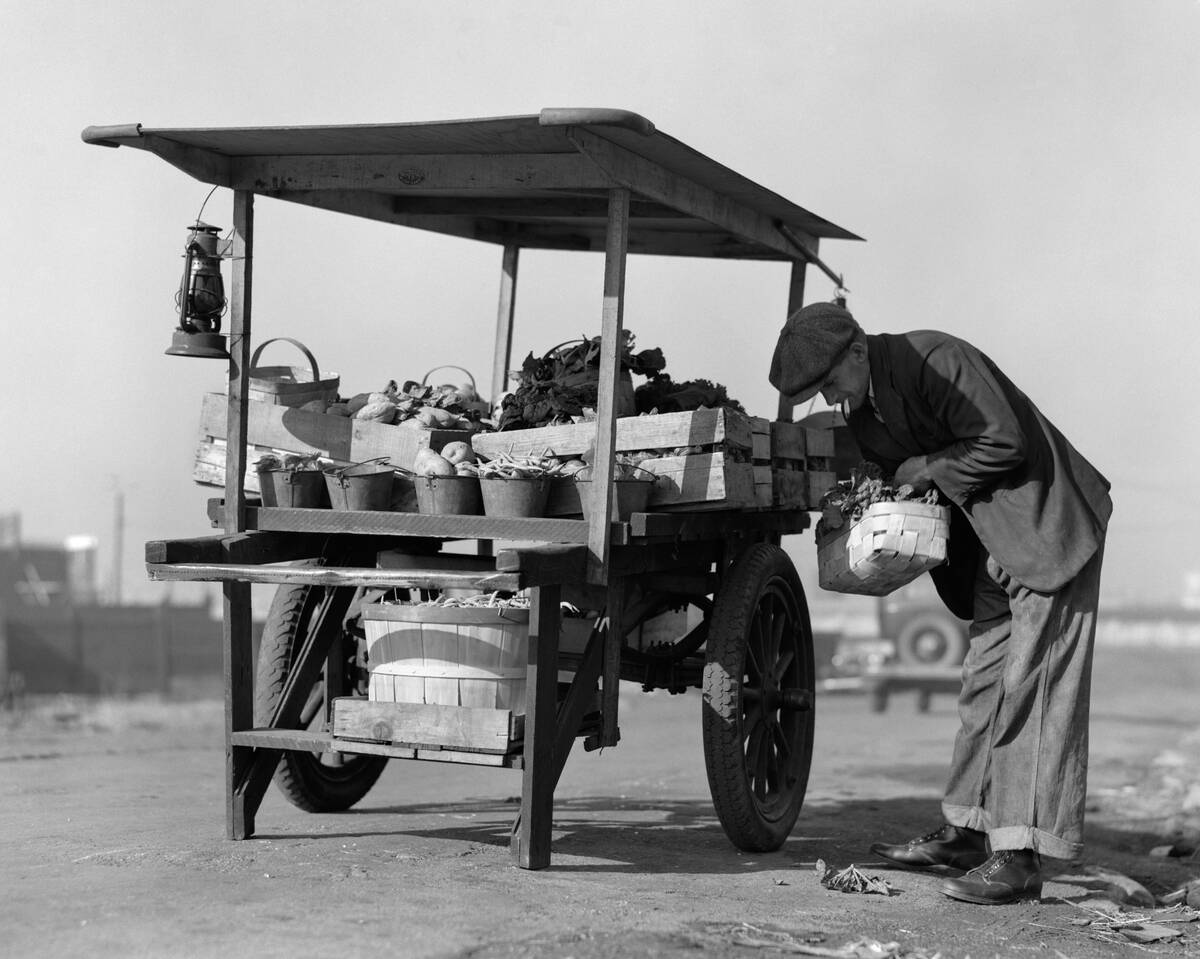
The neighborhood grocer was part merchant, part neighbor, and part accountant. Families often ran a tab recorded in a well-thumbed ledger, then settled up weekly or when pay came in. Counters were long and sturdy, with jars of penny candy and a crank coffee grinder that perfumed the room. Cracker barrels and bins of flour or beans stood near scales certified by the local weights-and-measures office.
Hours were practical: open most weekdays, closed on Sundays in many towns by blue laws, and shuttered early on weeknights. The grocer stocked a little of everything—tea, spices, kerosene for lamps, soap flakes, and canned goods that grew steadily in variety after 1900. He knew households by habit: who preferred strong black tea, who needed salt pork on Thursdays, and who was waiting for the new shipment of oranges off the railcar.
One-Stop? Not Quite: Butcher, Baker, and Greengrocer Days
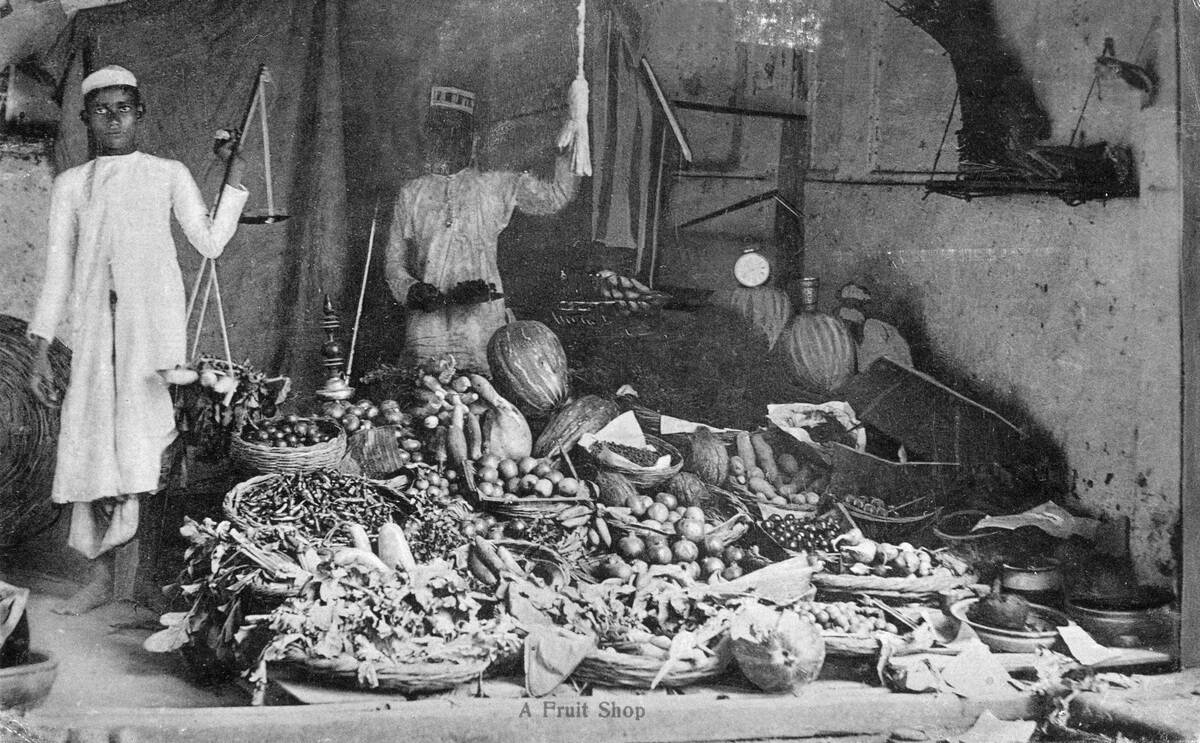
Groceries weren’t one-stop until much later. Meat came from the butcher, bread from the baker, and fruit and vegetables from a greengrocer or open-air market. Butchers displayed sides of beef on hooks and trimmed to order on massive blocks, an everyday scene after the 1906 Meat Inspection Act standardized sanitation. Bakers proofed dough in the predawn hours so loaves hit counters warm by morning.
Greengrocers worked to the season and the weather, their crates stacked with local produce when roads allowed. Municipal markets in many cities corralled these specialists under one roof, but each stall still ran separately. Ice kept fish fresh for a day or two, but timing mattered. Housewives planned routes: pick up the bread first, then the meat, then produce last so lettuce didn’t wilt before the streetcar home.
Service With a Scoop: Counter Shopping Instead of Aisles
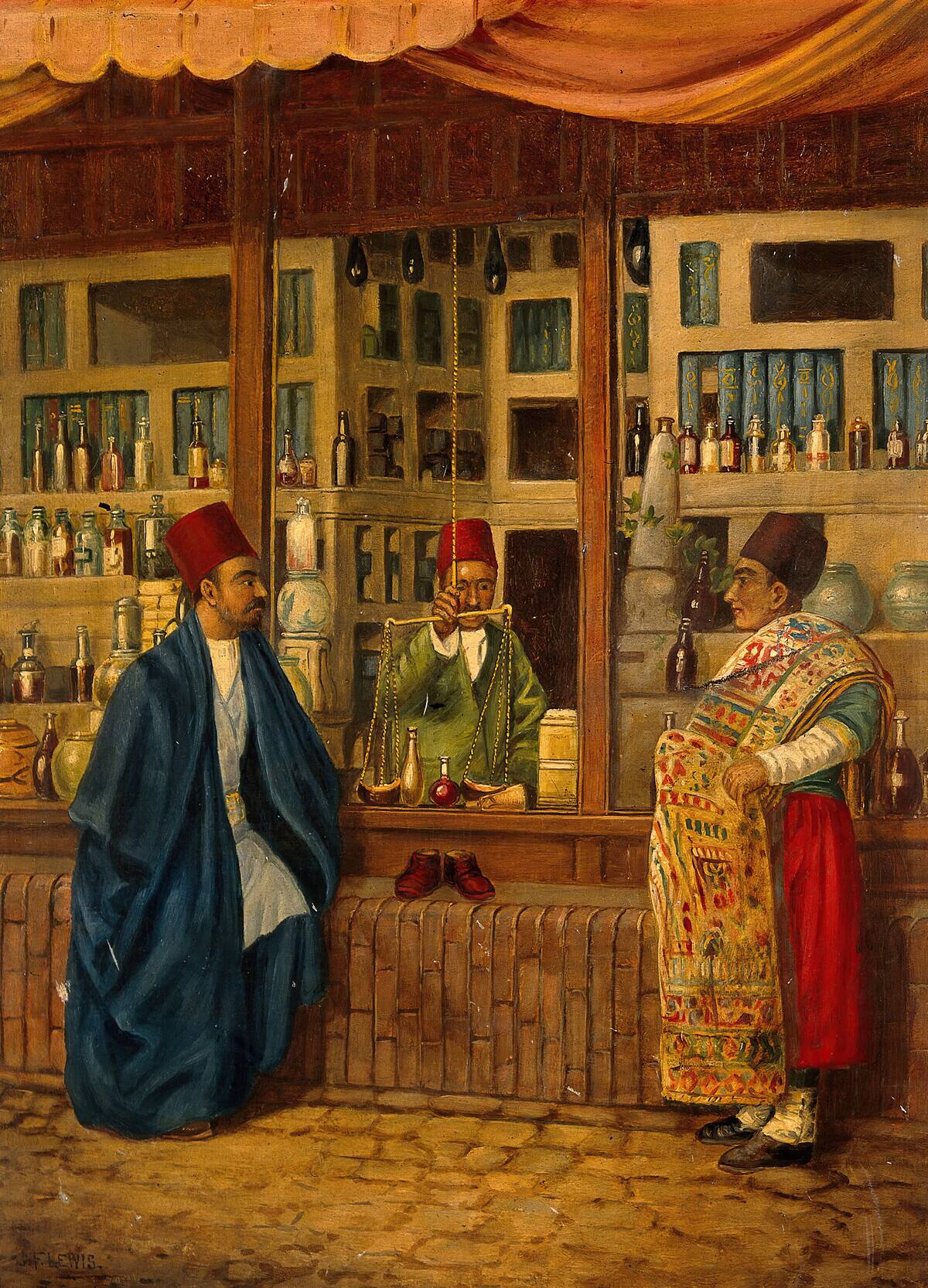
Before self-service, you didn’t grab a basket; you gave a list. Clerks moved briskly along the counter, measuring out sugar from a barrel, slicing cheese, fetching a tin of baking powder, and tallying the running total in chalk. Many staples lived behind the counter to deter pilfering, and the best clerks had a memory for both faces and favorite brands.
Waiting was part of the ritual.
There were no take-a-number tickets yet—just the order of arrival and a polite nod to the next in line. A good clerk knew how to suggest a substitution when the brand you wanted hadn’t arrived with the train, and he’d tip the scale to show you exactly what you were getting. Your items ended the tour in a neat, twine-tied bundle.
Brown Paper and String: How Food Was Weighed, Wrapped, and Carried
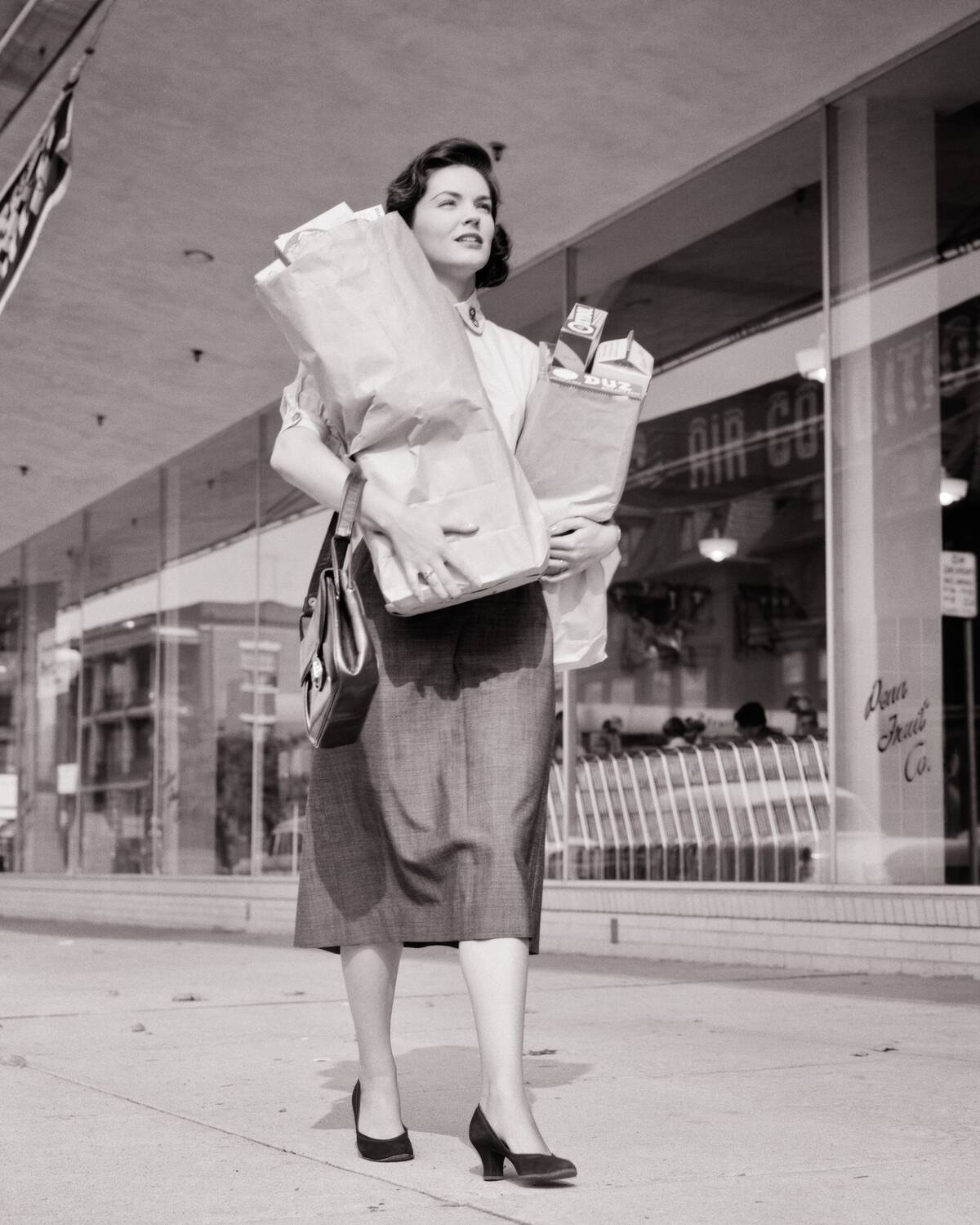
Most goods left the store dressed in layers of practicality: butcher paper for meat, waxed or oiled paper for butter, and sturdy brown paper for dry goods. Twine dispensers hung overhead so clerks could yank and tie quickly, and many shops kept a communal ball of string for mending a handle or lashing bundles to a bicycle rack. Scales used cast-iron weights stamped with official seals so a pound was really a pound.
Glass bottles, tins, and cartons were heavy, so carrying mattered. Wicker market baskets or canvas totes did the work that disposable bags would do later. When orders were large, grocers sometimes boxed them in wooden crates saved from incoming shipments. A careful clerk would double-wrap anything likely to leak and notch the corners of packages to keep string from slipping on the ride home.
Bulk Bins and Glass Jars: Packaging in a Pre-Plastic World
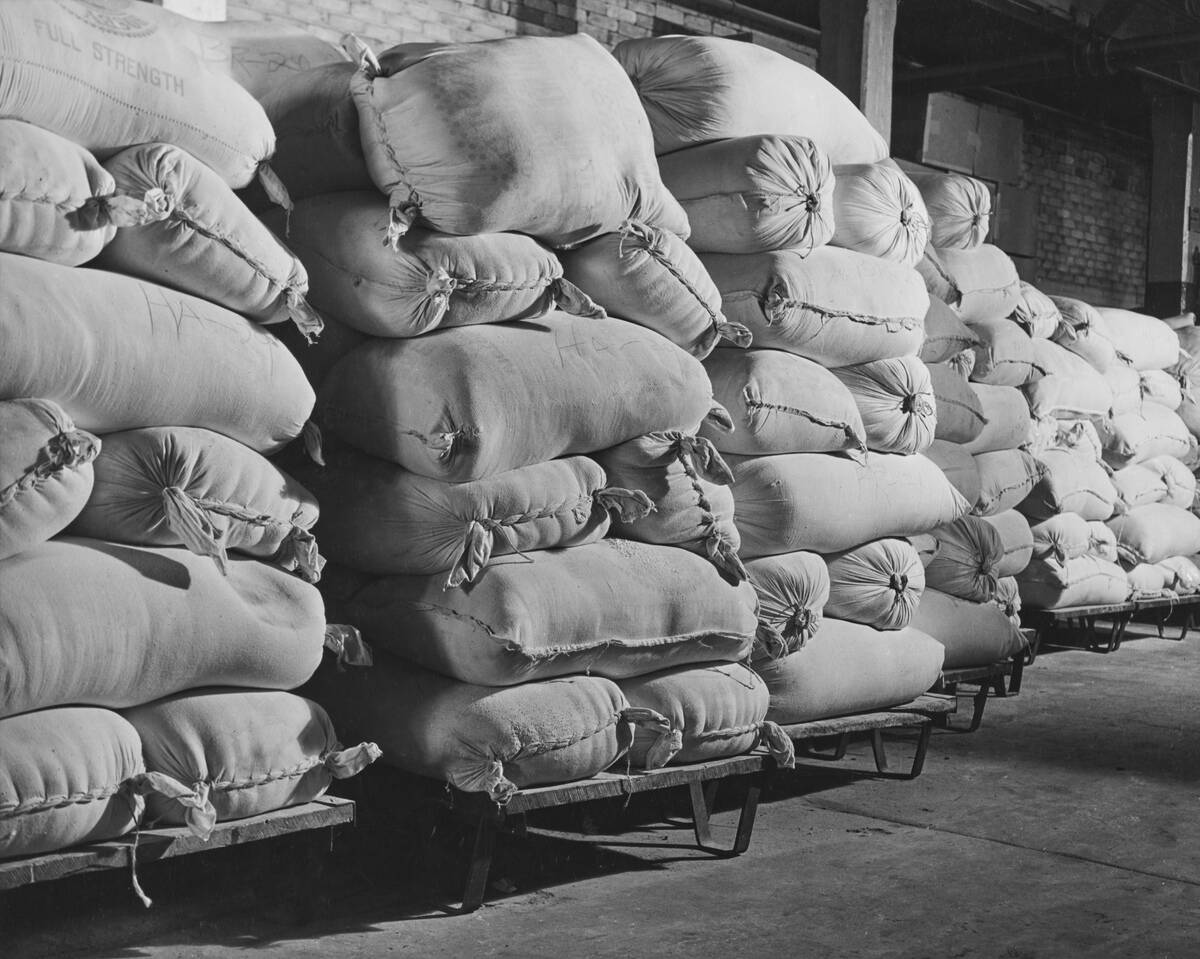
Before plastic took over, packaging was a mix of glass, tin, paper, and cloth. Flour came in cotton sacks—25 or even 50 pounds for big families—often repurposed later into tea towels or, by the 1930s, patterned fabric. Candies and spices lived in clear glass jars, their stoppers thumping as clerks scooped out ounces. Coffee, tea, and dry beans poured from bins into paper bags printed with the store’s name.
Bottles were meant to be returned. Milk, soda, and some condiments carried deposits, and deliveries swapped empties for fulls on the doorstep. Metal tins kept crackers crisp and tea dry; can labels, vibrant since lithography took off in the late 1800s, turned shelves into miniature billboards. For preserves at home, paraffin seals capped jars of jam, while pickles and olives lounged in brine-filled crocks.
Iceboxes, Not Freezers: Keeping Groceries Fresh at Home
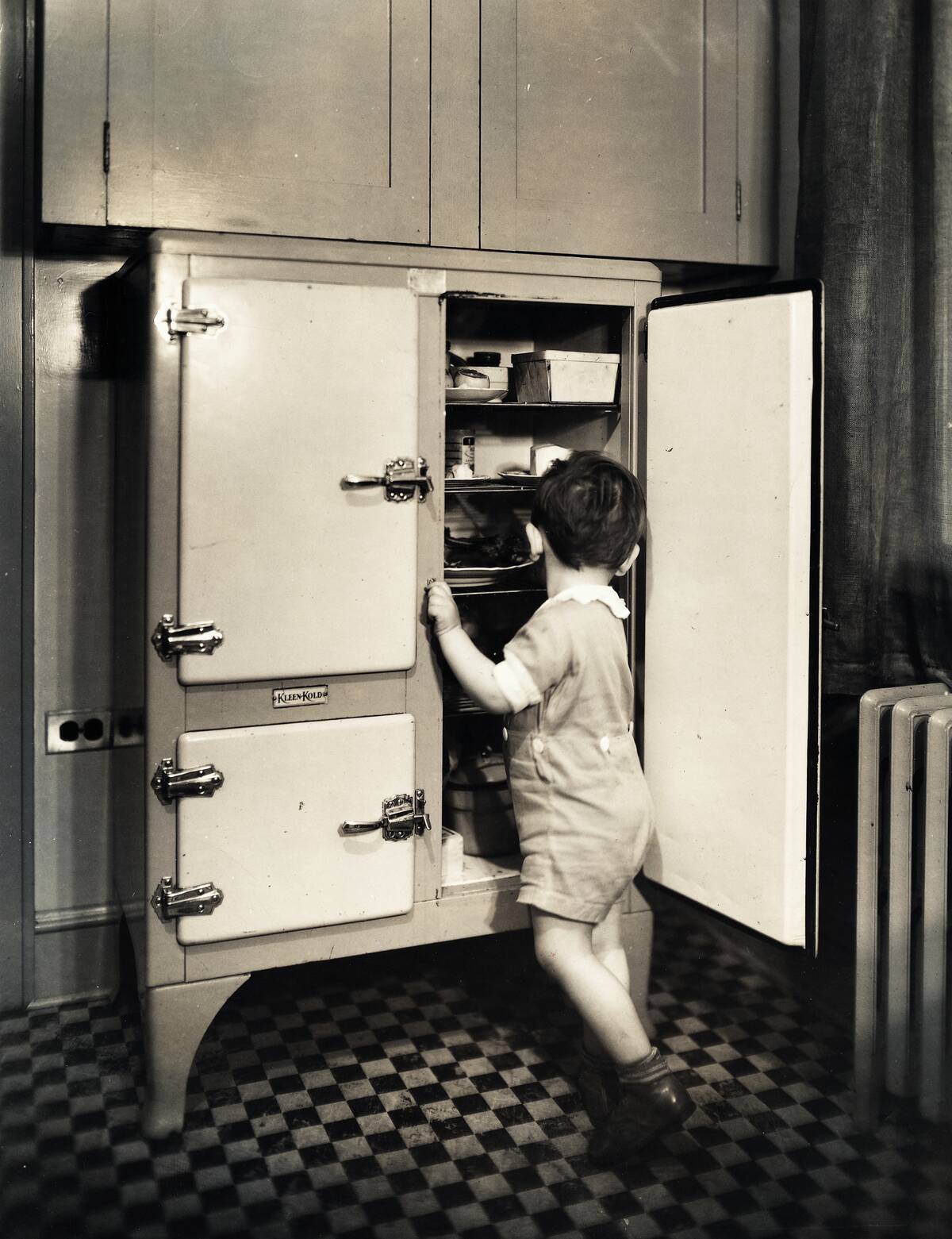
The home refrigerator was an icebox: a cabinet with a chilled compartment fed by a block of ice delivered every few days. Families propped a card in the window to signal the iceman—25, 50, or 75 pounds—and caught the meltwater in a drip pan that needed regular emptying. Butter and milk stayed reliably cool; ice cream was a special-occasion sprint from shop to spoon.
Electric refrigerators arrived in the 1910s and grew popular in the late 1920s with models like GE’s Monitor-Top. Still, early units were small and struggled with consistent freezing, so separate freezer compartments were minimal. Clarence Birdseye’s quick-freezing method in the 1920s made frozen foods possible industrially, but at home, most people still relied on canning, root cellars, and frequent shopping to keep fresh ingredients on hand.
Seasonal by Necessity: Eating With the Calendar
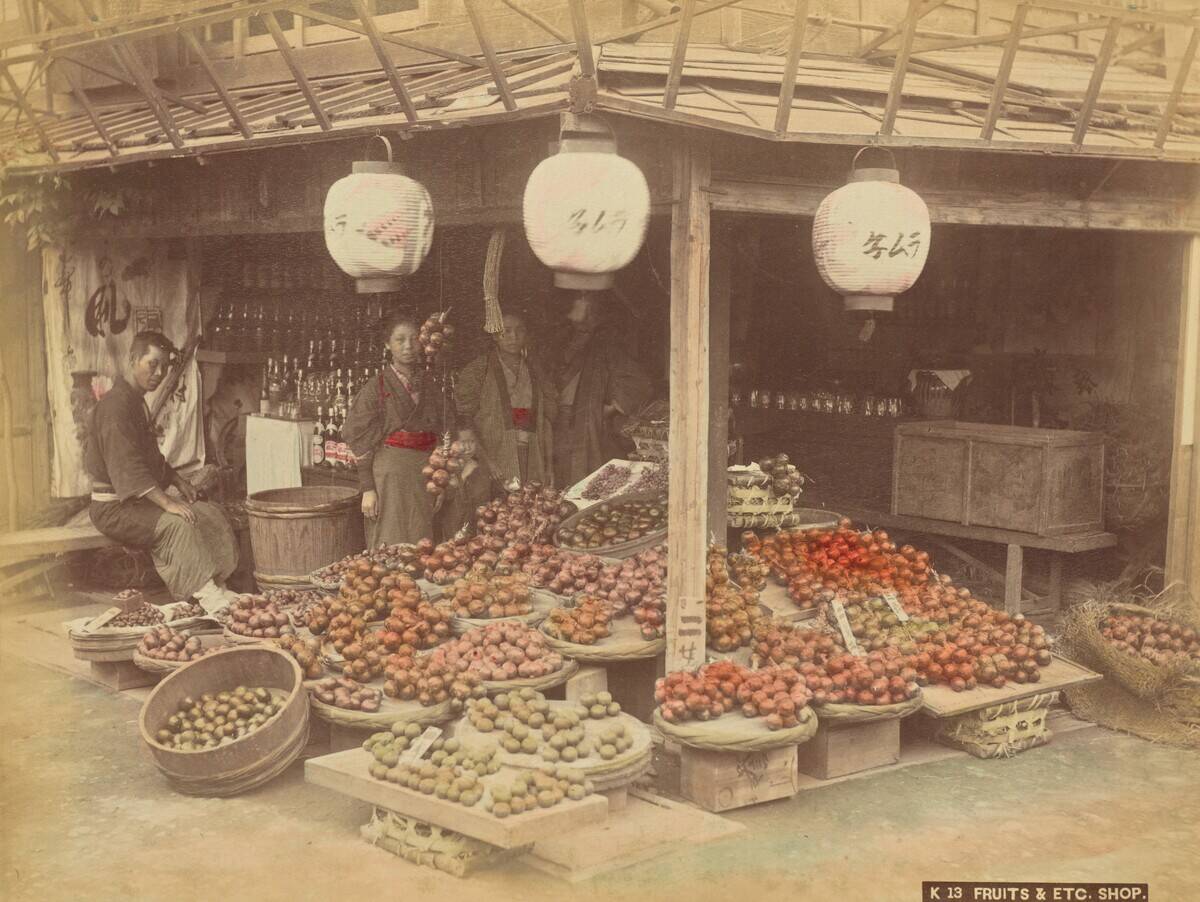
Menus followed the calendar and the rails. Spring meant asparagus and rhubarb; summer burst with berries and tomatoes; fall filled baskets with apples and squash. Winter leaned on hardy cabbages, potatoes, and onions plus preserved goods. Iced railcars did widen horizons by the early 1900s—bananas from Central America and winter citrus from Florida and California were treats—but availability still rose and fell with weather and transport.
Households planned accordingly. Root cellars cushioned the cold months with carrots and beets, while jars of peaches and tomatoes lined shelves thanks to summer canning days. Price tags nudged choices, too: off-season produce could be noticeably dear. Sunday roasts were smaller when lettuce spiked, and sturdy winter soups made the most of what kept well. When strawberries arrived, everyone knew by the excited chalkboard at the greengrocer.
Early Birds and Daily Runs: How Often People Shopped
Without big fridges, food shopping was a steady rhythm rather than a weekly blowout. Many households stopped in every day or two for bread, milk, and a few fresh items, especially in cities where distance was short. Shops commonly opened early and closed by early evening, with Sunday closings and midweek half-days common in places with strict blue laws.
Morning visits nabbed the best produce and first pick at the baker’s warm loaves.
Clerks often set aside a customer’s usual items if they knew you were coming by. Payday Fridays brought longer lines and fuller parcels; Monday might be for staples like flour and lard. Weather mattered, too—snow or summer heat could thin deliveries—so experienced shoppers learned to buy cautiously on storm forecasts and quicken their pace in July.
Cash, Tabs, and Trading Stamps: How People Paid and Saved
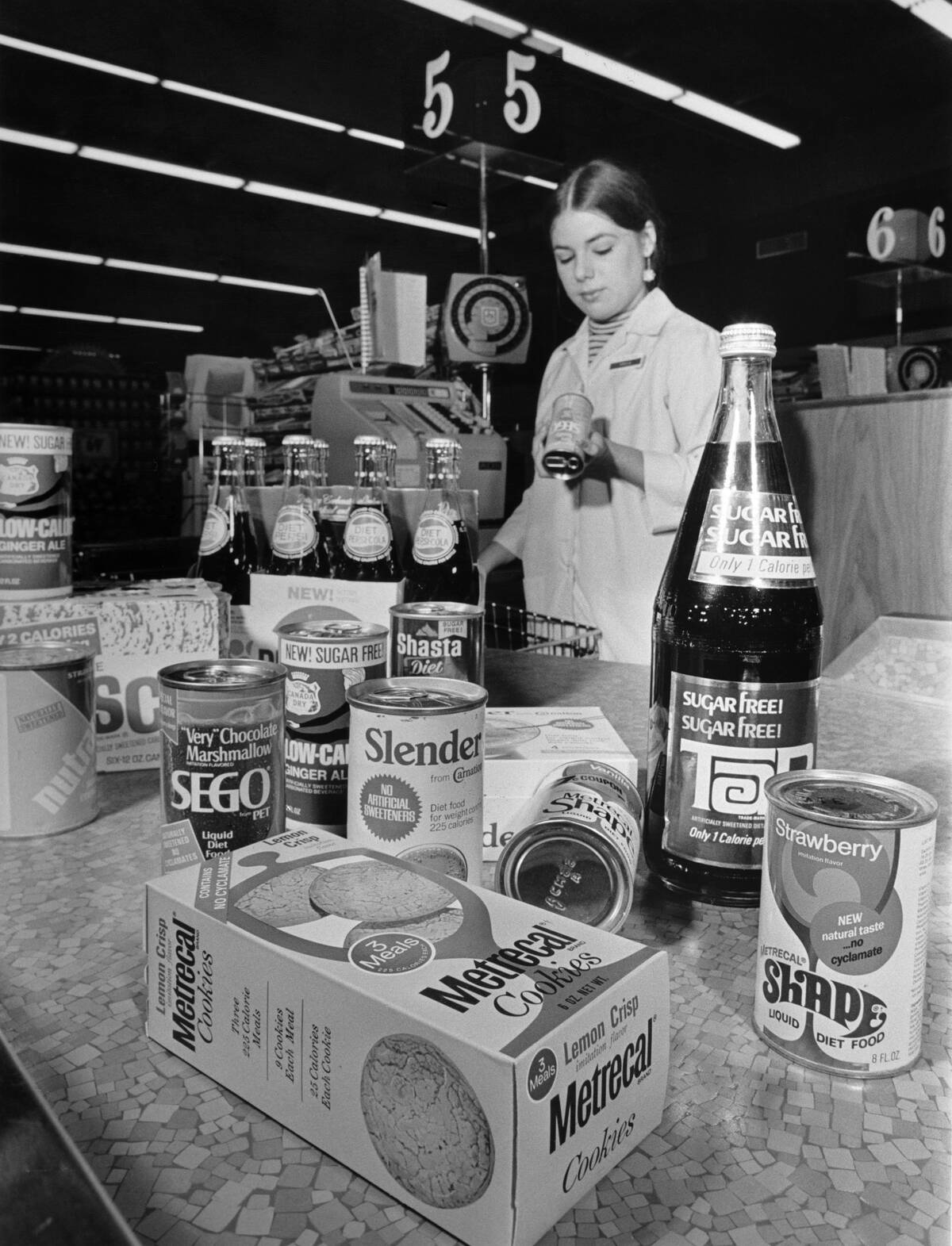
Coins and small bills changed hands most days, but credit was personal and local. Grocers extended tabs to steady customers and recorded the day’s nickels and dimes in a ledger. Settling the account might come on payday or at month’s end. Bartering wasn’t common in cities, but a backyard egg surplus might credibly shave a bill in a small town.
By the early 20th century, trading stamps sweetened the deal.
Sperry & Hutchinson launched S&H Green Stamps in 1896; shoppers pasted stamps into booklets and redeemed them for housewares at catalog centers. Stores advertised double-stamp days to draw crowds. Coupons existed, too—Coca-Cola began distributing drink coupons in the 1880s—and brand premiums piled up in homes: measuring cups from flour companies, recipe leaflets from shortening makers, and the occasional tin sign.
Delivery on Two Wheels: Phone Orders and Doorstep Drop-Offs
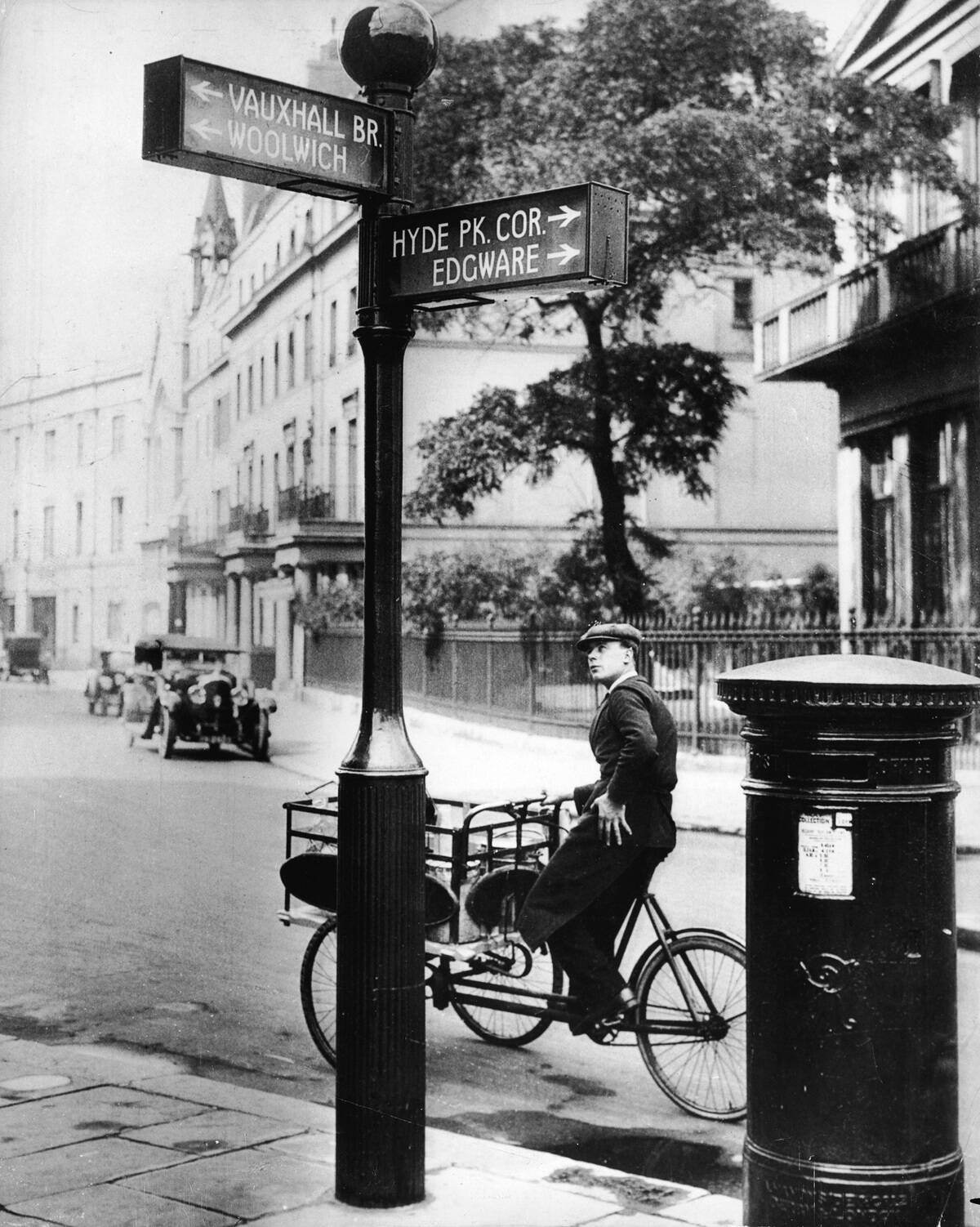
As telephones spread in the 1910s and 1920s, phoned-in grocery orders took off. A clerk jotted the list, picked the items, and a delivery boy pedaled them over, often the same day. Bicycles and handcarts ruled short routes; a horse-drawn wagon or, later, a Model T handled heavier loads or distant corners of town.
Milk, ice, and bread had their own cadences. The milkman swapped full bottles for empties at dawn, deposits encouraging returns and clean glass. Some households left a list tucked under a bottle carrier or a note on the door. Grocers stacked boxes neatly by the stoop and rang just once, respecting a napping baby or a night-shift parent, long before anyone coined the phrase contactless delivery.
Chain Reaction: A&P, Piggly Wiggly, and the Self-Service Revolution
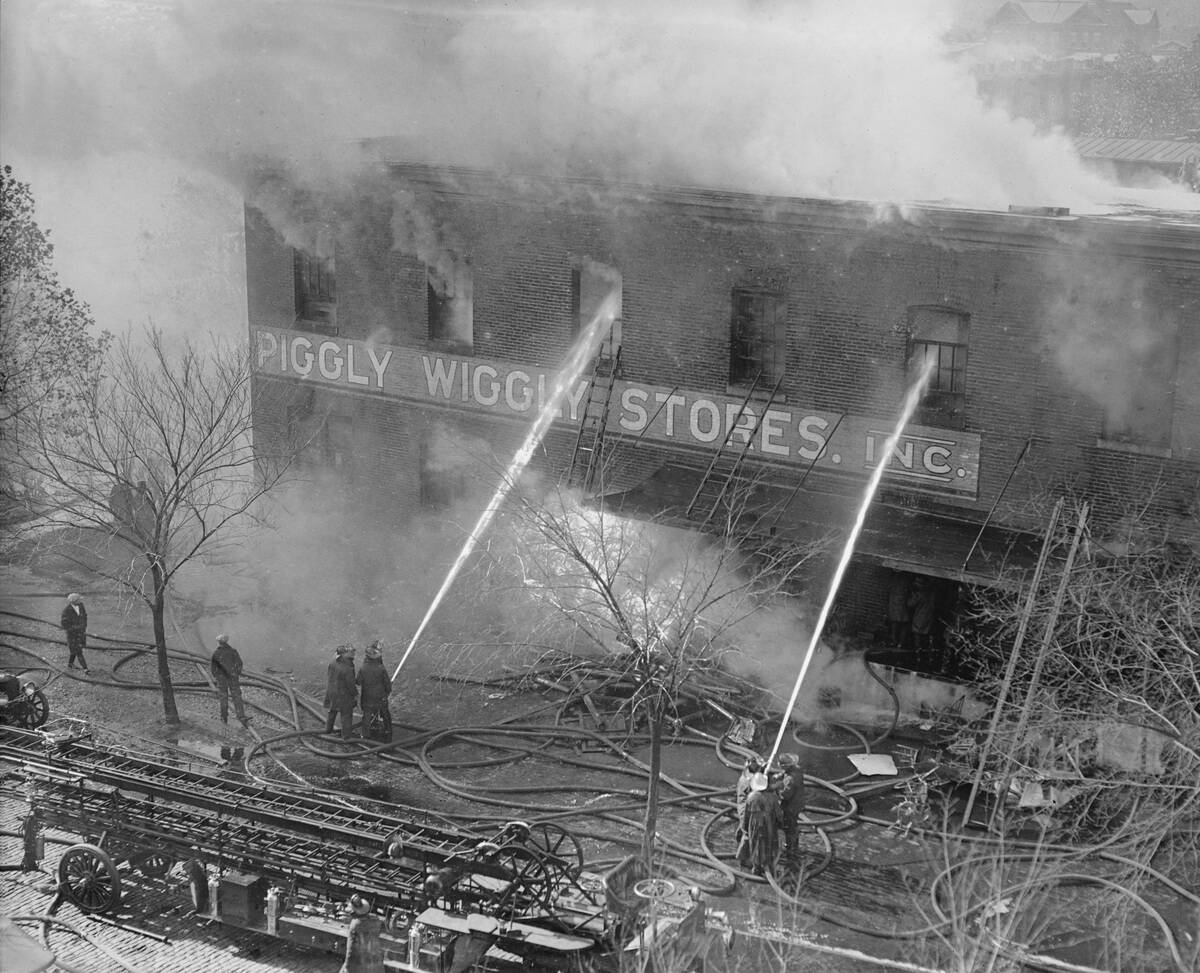
The Great Atlantic & Pacific Tea Company—A&P—started in 1859 and, by the 1910s and 1920s, operated thousands of small stores nationwide. Its scale squeezed prices and standardized offerings, a shock to independent shops. Then came Piggly Wiggly in Memphis in 1916, where founder Clarence Saunders unveiled self-service: customers entered through turnstiles, followed a set path, read price tags, and paid at a checkout.
Self-service spread through the 1920s and 1930s because it cut labor and encouraged impulse buying. Stores added open shelving, aisles you could browse, and prominent price labels so customers could compare without asking a clerk. A&P adapted with economy stores; others followed suit or specialized further. That shift—from asked-for to picked-up—changed everything from package design to how much you could carry at once.
Baskets First, Carts Later: The Birth of the Shopping Cart
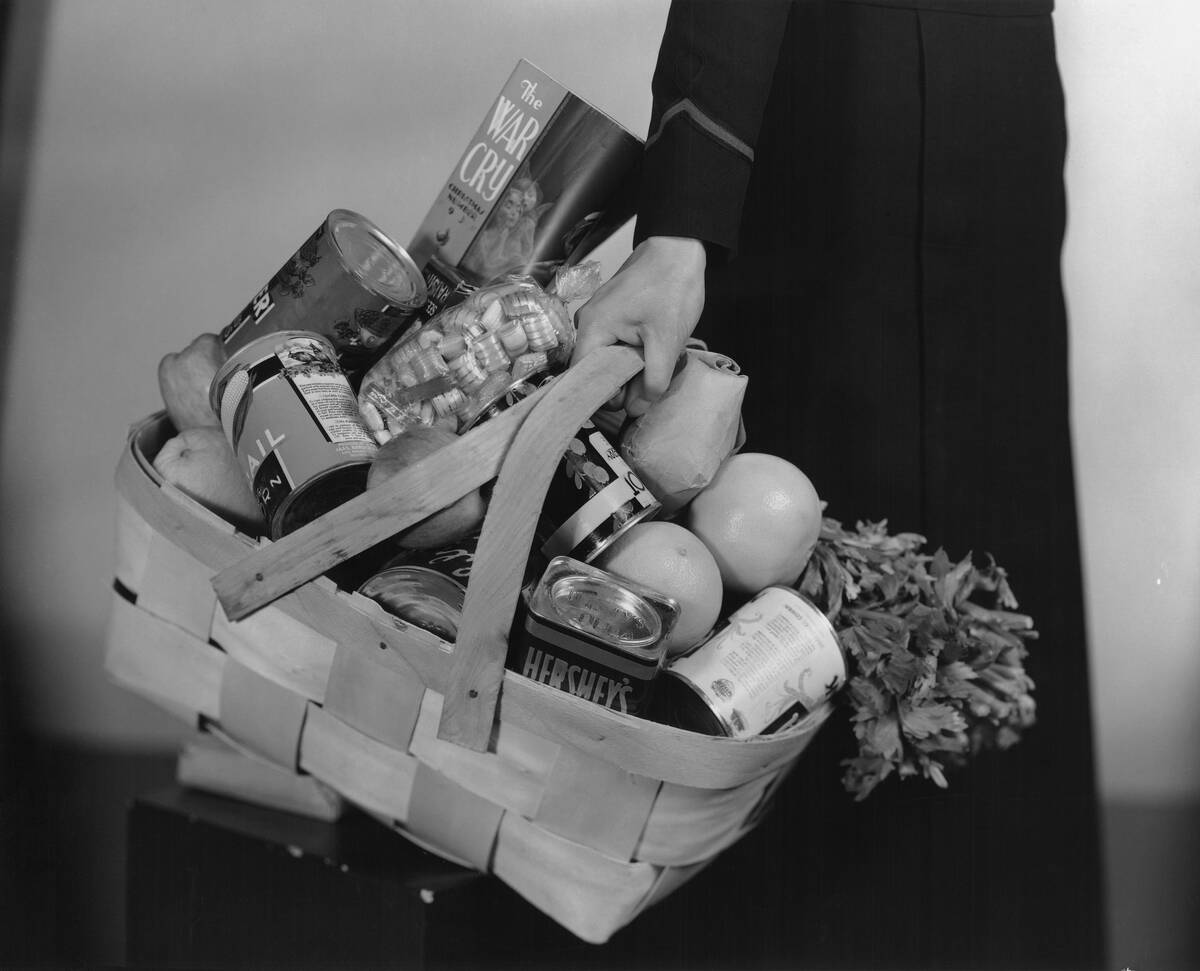
Early self-service meant hand-carried baskets, and stores kept stacks at the entrance. As baskets got heavy, sales slowed—so in 1937, Oklahoma grocer Sylvan Goldman introduced a rolling wire frame holding two baskets at his Humpty Dumpty stores. Shoppers hesitated at first, but clerks demonstrated, and sales jumped as aisles could handle bigger hauls.
Design evolved fast.
Orla Watson patented the nesting, telescoping cart in 1947, solving the storage headache and helping carts become standard by the 1950s. Child seats and single large baskets followed. By then, stores widened aisles, installed rubberized wheels for smoother rolling, and even experimented with coin locks to keep carts from wandering off the lot. The humble cart quietly supercharged the weekly shop.
Labels You’d Recognize (and Ones You Wouldn’t): Brands of the Era
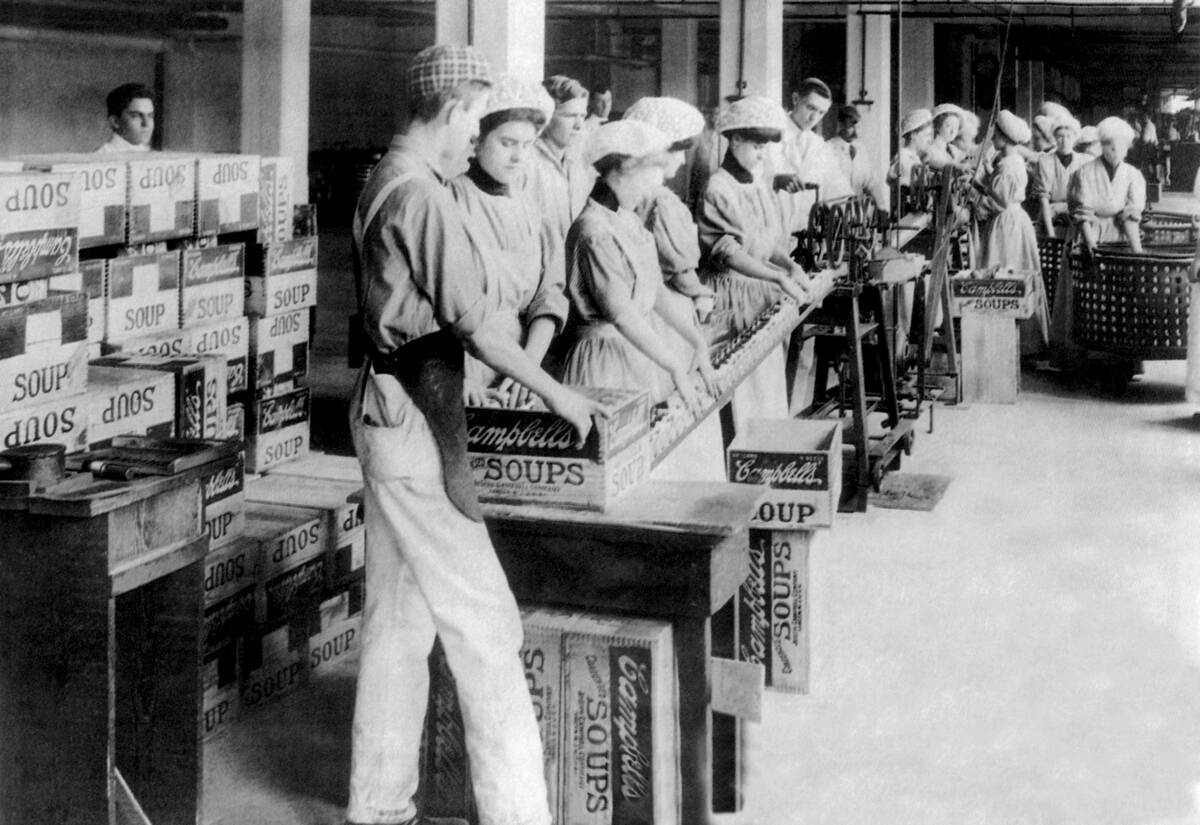
Many labels would look familiar on a 1920s shelf. Campbell’s red-and-white soup cans appeared in the 1890s; H.J. Heinz pushed ketchup and its ‘57 varieties’ slogan by the turn of the century. Quaker Oats and Kellogg’s cereals were breakfast staples, Hershey’s bars sweetened lunch pails, and Morton Salt’s umbrella girl began ‘When it rains, it pours’ in 1914. Nabisco’s National Biscuit Company sold Uneeda Biscuits in their famous moisture-proof cartons.
Some names feel like time travel. A&P’s own Eight O’Clock Coffee was ground to order at the counter. Cottolene, a tallow-and-cottonseed shortening, was common before Crisco launched in 1911. The H-O Company’s oats, Runkel’s cocoa tins, and Royal Baking Powder crowned many pantry shelves. Tins were ornate, paper labels were bold, and recipes on the back turned packaging into a built-in kitchen coach.
Ads in the Window: Flyers, Newspaper Prices, and Word of Mouth
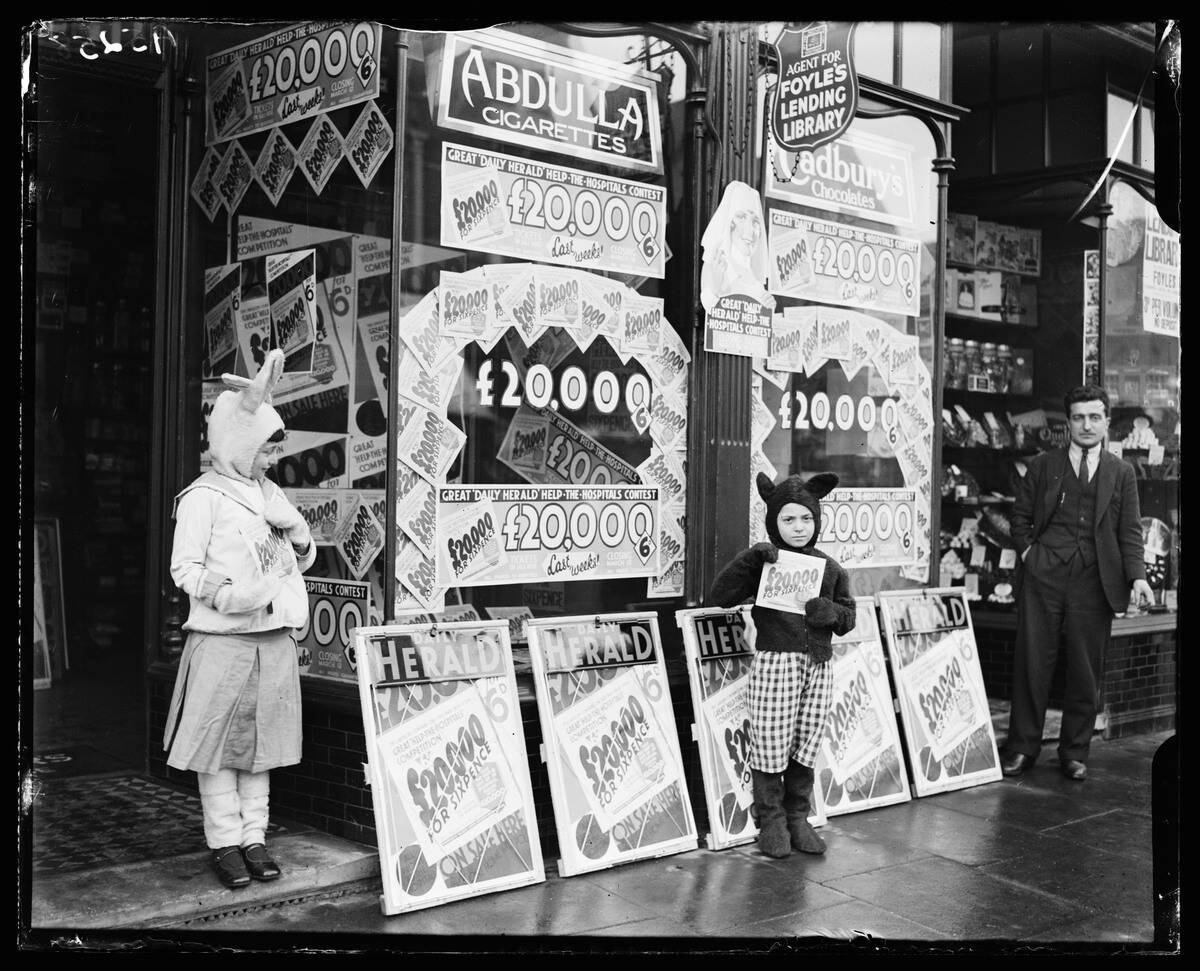
Before inboxes overflowed with deals, store windows did the shouting. Chalked signboards touted today’s specials, and paper handbills announced weekend prices for butter, eggs, and coffee. Newspapers carried pages of display ads where chains sparred over cents per pound. As competition intensified in the 1920s, ‘loss leaders’—eye-catching bargains on staples—lured shoppers who’d buy full-price items, too.
Circulars matured alongside self-service. Stores printed aisle maps and featured brands with coupons to clip. Word of mouth still mattered: a neighbor swore by the new crackers, or the butcher down the block had a line around the corner on Friday. Price-conscious families kept an eye on trains and weather, knowing a delayed shipment could bump tomorrow’s chalkboard by a nickel.
Smells, Spills, and Sawdust: The Sensory Side of the Store
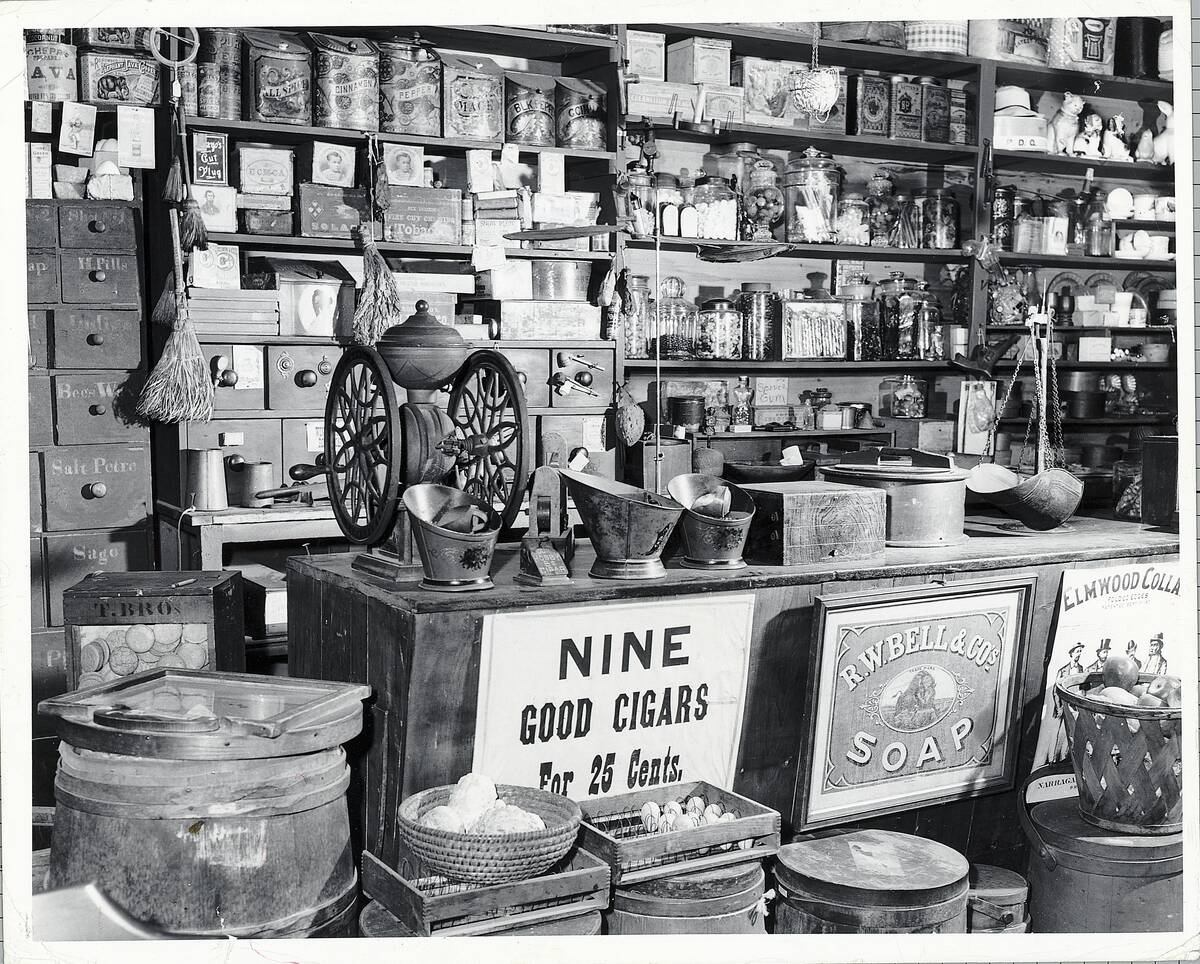
A historic grocery charmed the senses. Coffee mills rattled and released roasted aromas that mingled with cinnamon and clove from the spice jars. Pickles and olives bobbed in brine, and open barrels of salted fish added a whiff of the sea. Many grocers also sold kerosene, so a faint petroleum tang might linger near the door.
Floors often wore a coat of sawdust, especially in butcher shops, to absorb drips and keep footing secure.
The crunch underfoot announced every step. Crates creaked, a bell over the door jingled, and the cash drawer chimed with each sale. Without refrigeration hums and scanner beeps, the soundtrack was human: friendly chatter, a clerk’s pencil scratching totals, and the soft thud of a wrapped parcel slid across the counter.
Mind Your Manners: Shopping Etiquette and Chit-Chat
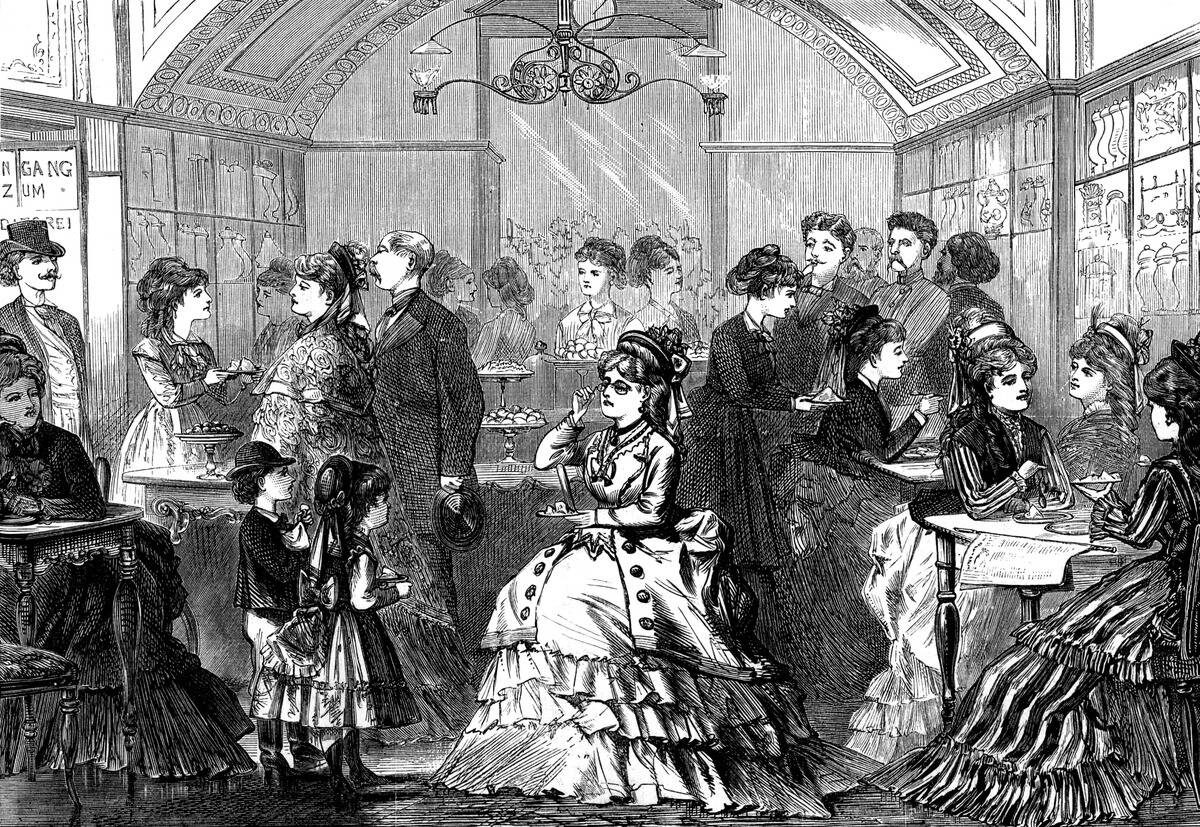
Etiquette smoothed the bustle. Customers waited their turn, addressed clerks by Mr. or Miss, and answered the inevitable ‘Anything else today?’ with a quick decision so the line kept moving. Hats came off indoors in many places, children were prompted to say please and thank you, and returning a damaged item came with an apology and a shared glance at the problem.
Because accounts were personal, reputations mattered. Asking to ‘put it on the account’ assumed trust; paying it down promptly secured it. Clerks often carried packages to the door for older patrons and set aside a scarce item for a regular. The chat wasn’t idle, either—news of a shipment, a baker’s new roll, or a neighbor’s need quietly circulated along with the change.
Safety Gets Serious: From Scales to the Pure Food Laws
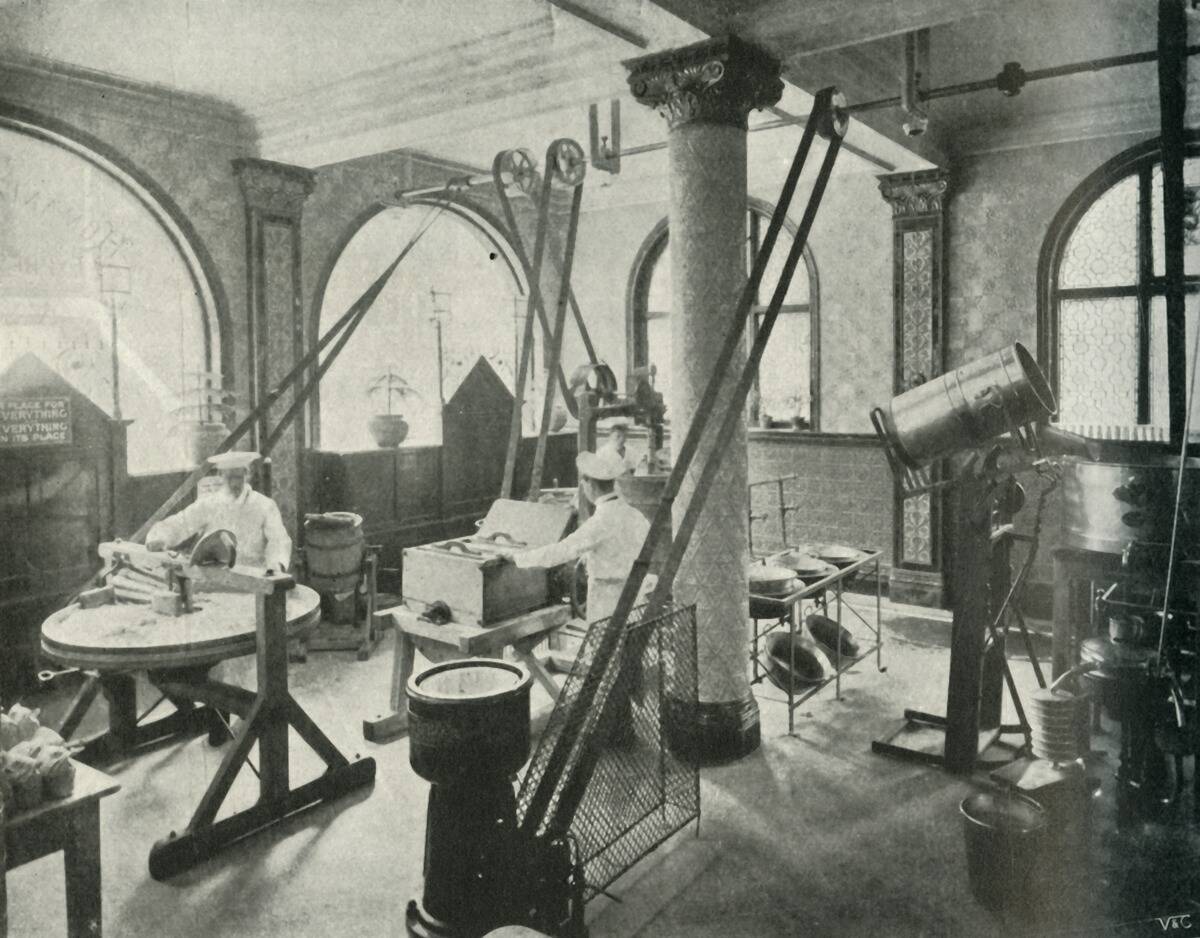
Turn-of-the-century scandals spurred real reforms. The 1906 Pure Food and Drug Act targeted adulterated and mislabeled foods and medicines, and the Meat Inspection Act of the same year put federal inspectors in slaughterhouses. Labels grew clearer about contents, and bogus cure-alls lost their easy sales pitch. Municipal ‘weights and measures’ inspectors sealed store scales to keep pricing honest.
Milk safety advanced, too. The U.S. Public Health Service introduced a model ordinance for milk sanitation in 1924, pushing pasteurization and cleaner handling. The 1938 Federal Food, Drug, and Cosmetic Act expanded oversight to cosmetics and required proof of safety. Behind the counter, better ice-handling, cleaner wrapping, and enclosed display cases slowly replaced the dust-prone open barrel, even before electric refrigeration became standard.
Stretching Every Nickel: Depression-Era Thrift and Substitutions
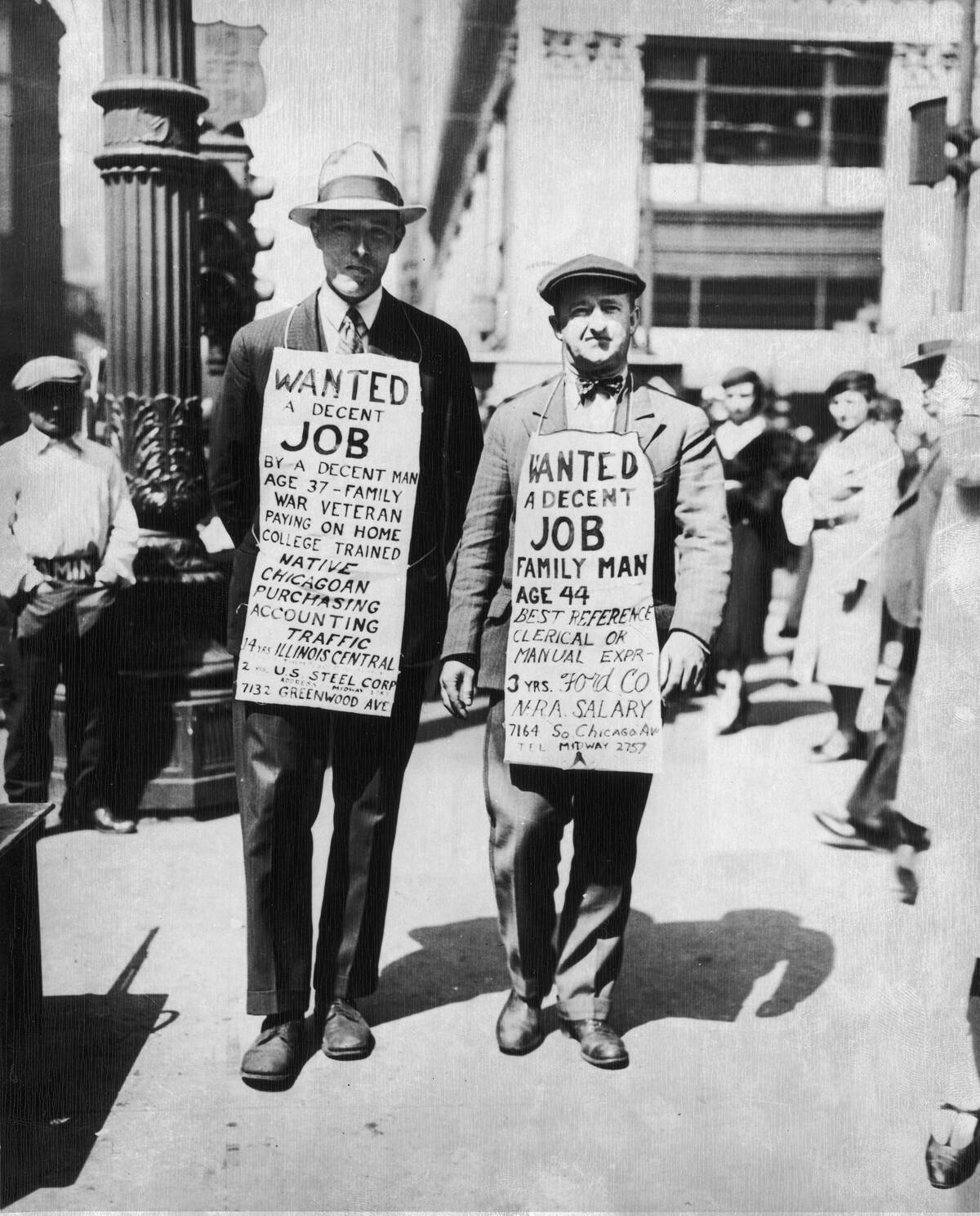
After 1929, budgets got tight and ingenuity took over. The USDA’s ‘economy’ food plans in the early 1930s offered guidance on the cheapest nutritious baskets, while home economists taught how to coax meals from beans, cheaper cuts, and garden produce. Oleomargarine, often cheaper than butter, spread on more toast—sometimes sold uncolored to dodge state laws then that restricted yellow margarine.
Cooks swapped and stretched. Leftover roast became hash, bones flavored soups for days, and ‘mock apple pie’ famously used crackers, sugar, and cinnamon when fruit was scarce. Store brands gained ground as chains pushed economy lines. Clerks learned to suggest thrifty swaps without sounding patronizing, and double-duty ingredients—like a sack of flour that baked bread, thickened gravy, and turned into dumplings—earned a permanent spot on the list.
Prohibition’s Side Effects: “Near Beer,” Tonics, and Pantry Workarounds
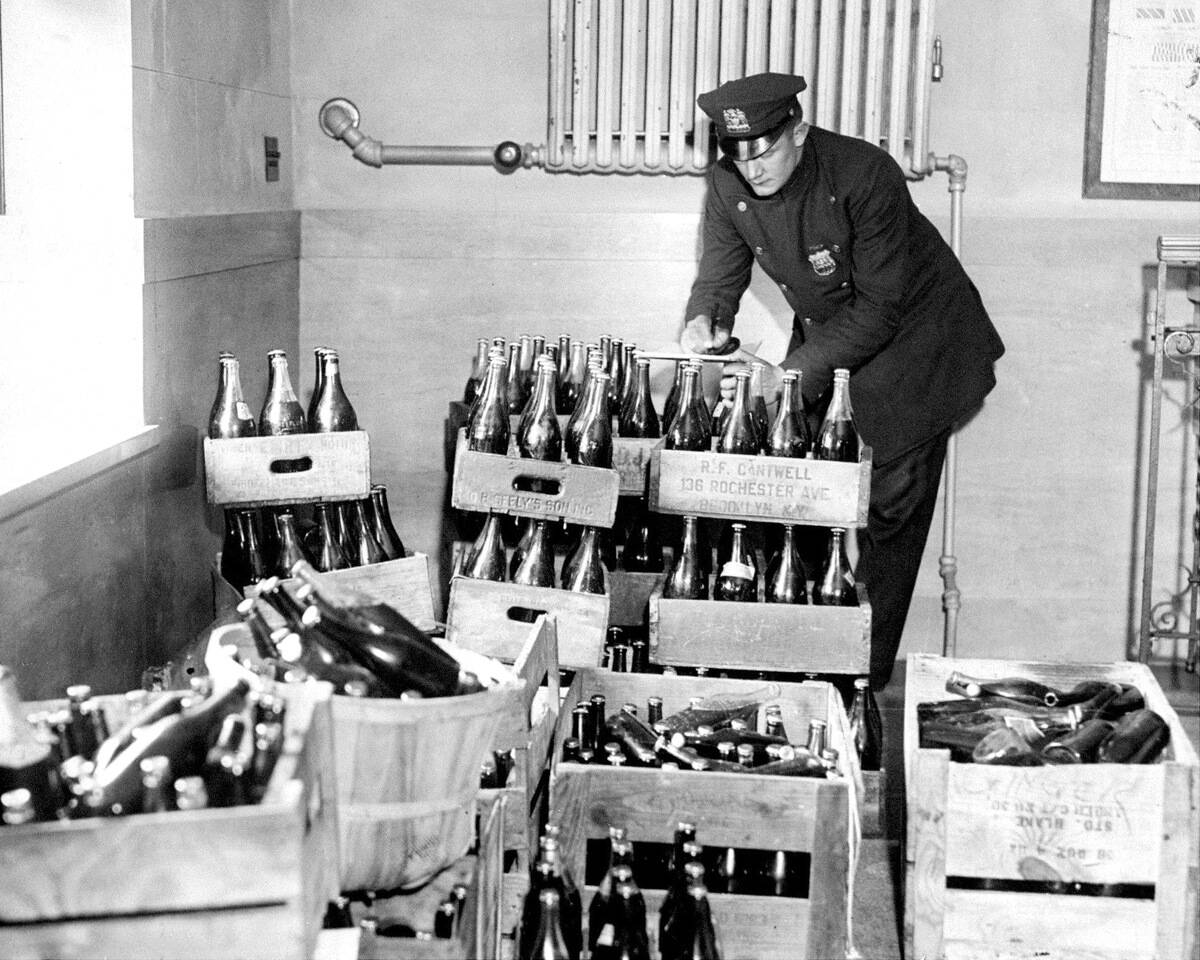
When Prohibition took effect in 1920 under the Volstead Act, shelves and habits reshuffled. ‘Near beer’ with no more than 0.5% alcohol appeared, and soda fountains surged. Pharmacies could dispense whiskey by prescription, blurring lines between grocer, druggist, and bootlegger. Malt syrup sales boomed—officially for baking, unofficially for home brewing—and grape concentrate ‘bricks’ arrived with tongue-in-cheek warnings not to ferment them.
Households got creative with flavor. Bitters labeled as tonics survived, and vanilla extract in small bottles was rationed carefully. Vinegars, ginger ales, and sparkling waters did some of the work wine once did at the table. Grocers tiptoed around the law, selling legal ingredients with a straight face and a knowing shrug, while keeping proper paper trails to satisfy inspectors and avoid a knock at midnight.
Home Cooks’ Best Friends: Canning, Baking, and Recipe Booklets
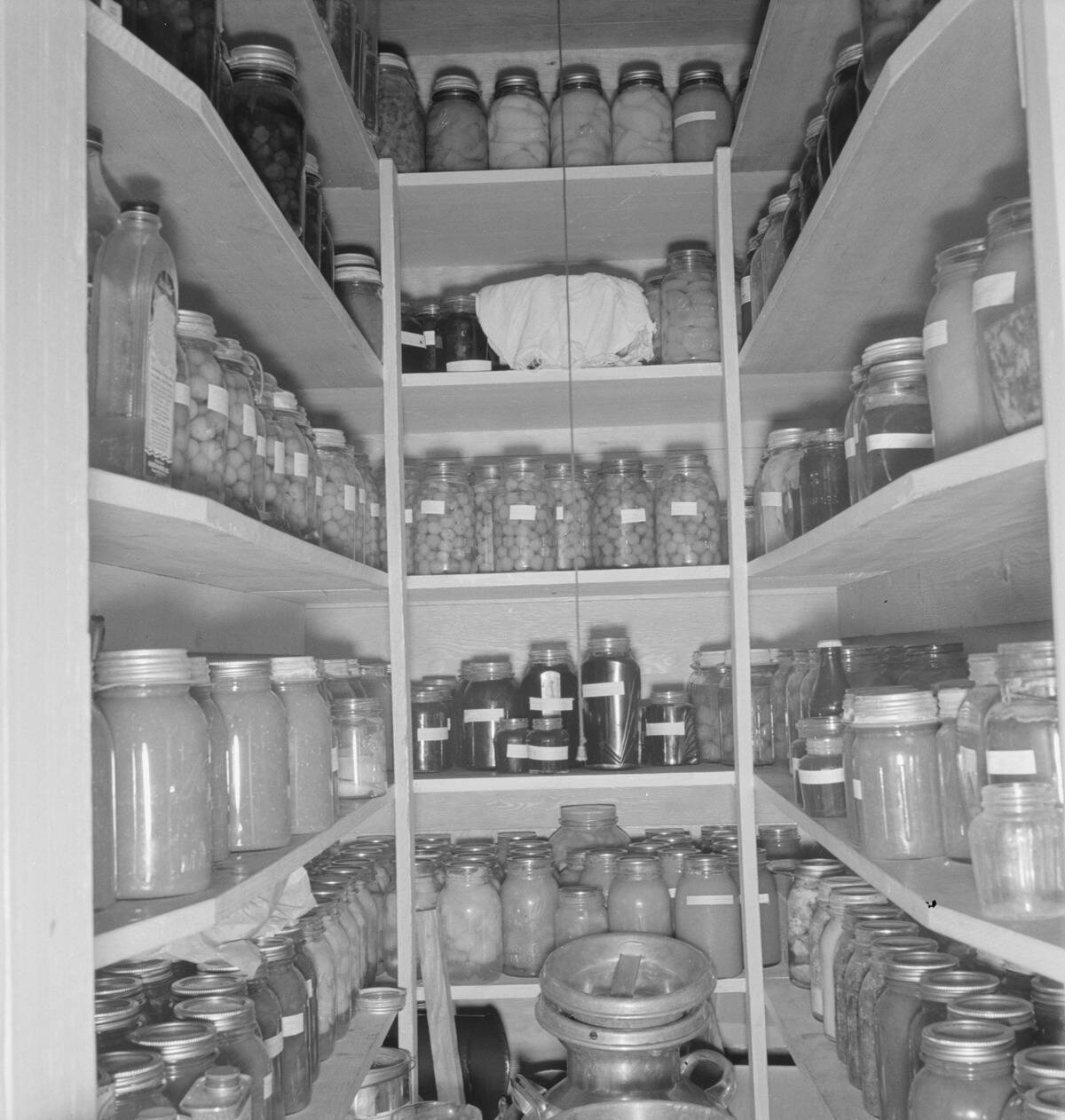
Pantries were powerhouses thanks to jars and know-how. Mason jars, patented in 1858, and later two-piece lids from brands like Ball and Kerr made home canning safer. Pressure canners, promoted by USDA extension agents in the 1910s and 1920s, opened the door to safely preserving low-acid foods. A good canning day might line a shelf with tomatoes, peaches, and dill pickles glowing like stained glass.
Companies fueled confidence with free recipes. The Crisco cookbook appeared in the 1910s, Pillsbury pamphlets taught tender biscuits, and Jell-O’s early 1900s booklets made molded desserts a craze. Flour sacks found second lives as towels or, by the 1930s, printed fabric for dresses. Community cookbooks—spiral-bound fundraisers stuffed with neighbors’ favorites—turned store ingredients into local signatures you could reproduce all year.
What You Wouldn’t Find Yet: Frozen Dinners, Plastic Wrap, and Endless Aisles
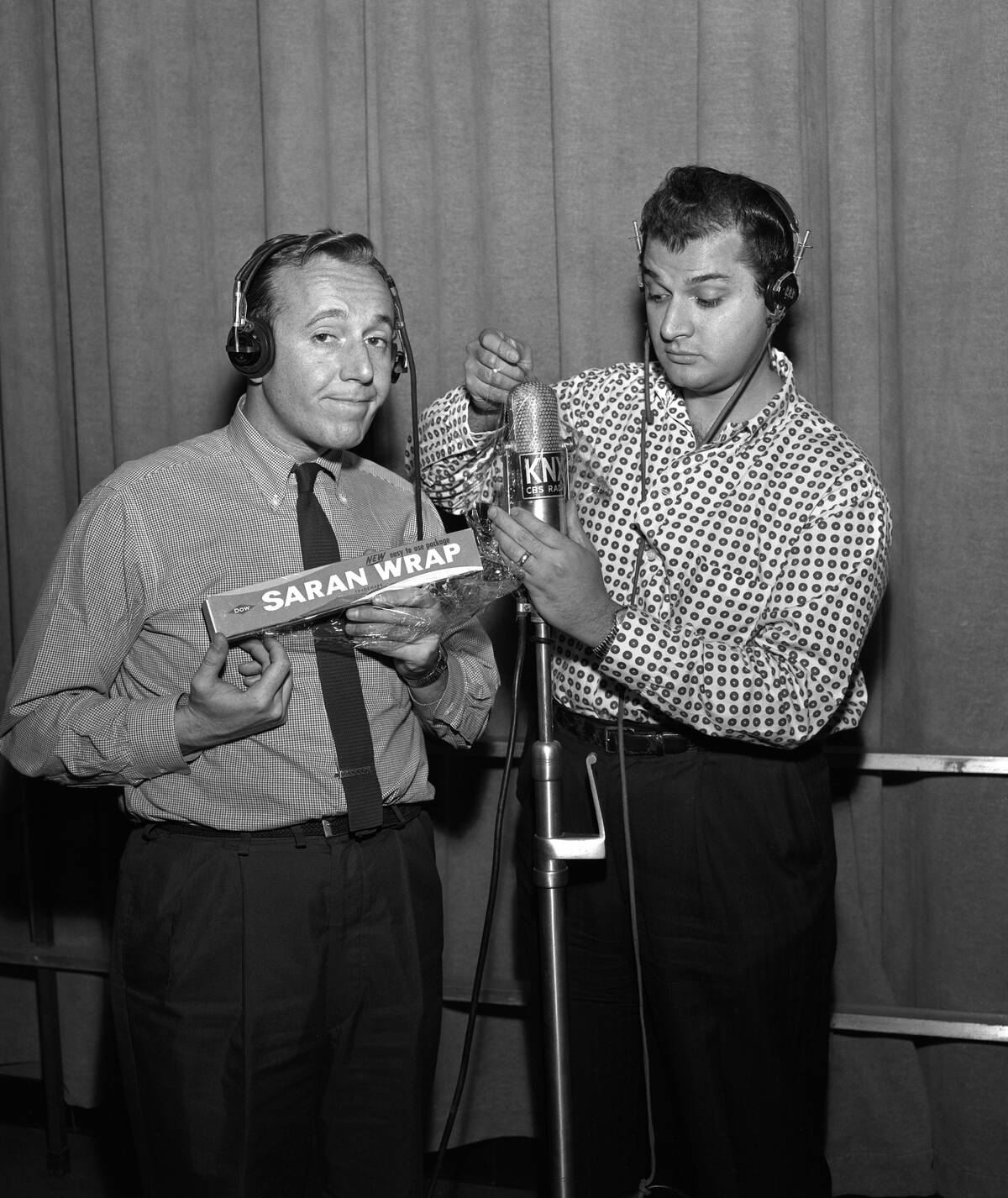
Many modern conveniences were still on the horizon. Swanson’s frozen ‘TV dinner’ wouldn’t debut until 1953, long after our era’s iceboxes struggled to keep a pint of ice cream solid. Plastic wrap as we know it traces to polyvinylidene chloride developed in the 1930s, with Saran Wrap arriving for consumers after World War II—glass, paper, and tins did the sealing until then.
The store itself was smaller. No endless aisles or acres of parking; self-service was new, and selections were curated rather than exhaustive. Checkout scanners, barcodes, and loyalty cards were decades away. Instead, price tags were handwritten, and a clerk’s pencil did the math. If you wanted 12 flavors of yogurt, you were in the wrong century; but if you wanted the ripest peaches in a crate, you were in luck.
Getting There and Back: Walking Shoes, Streetcars, and Market Baskets
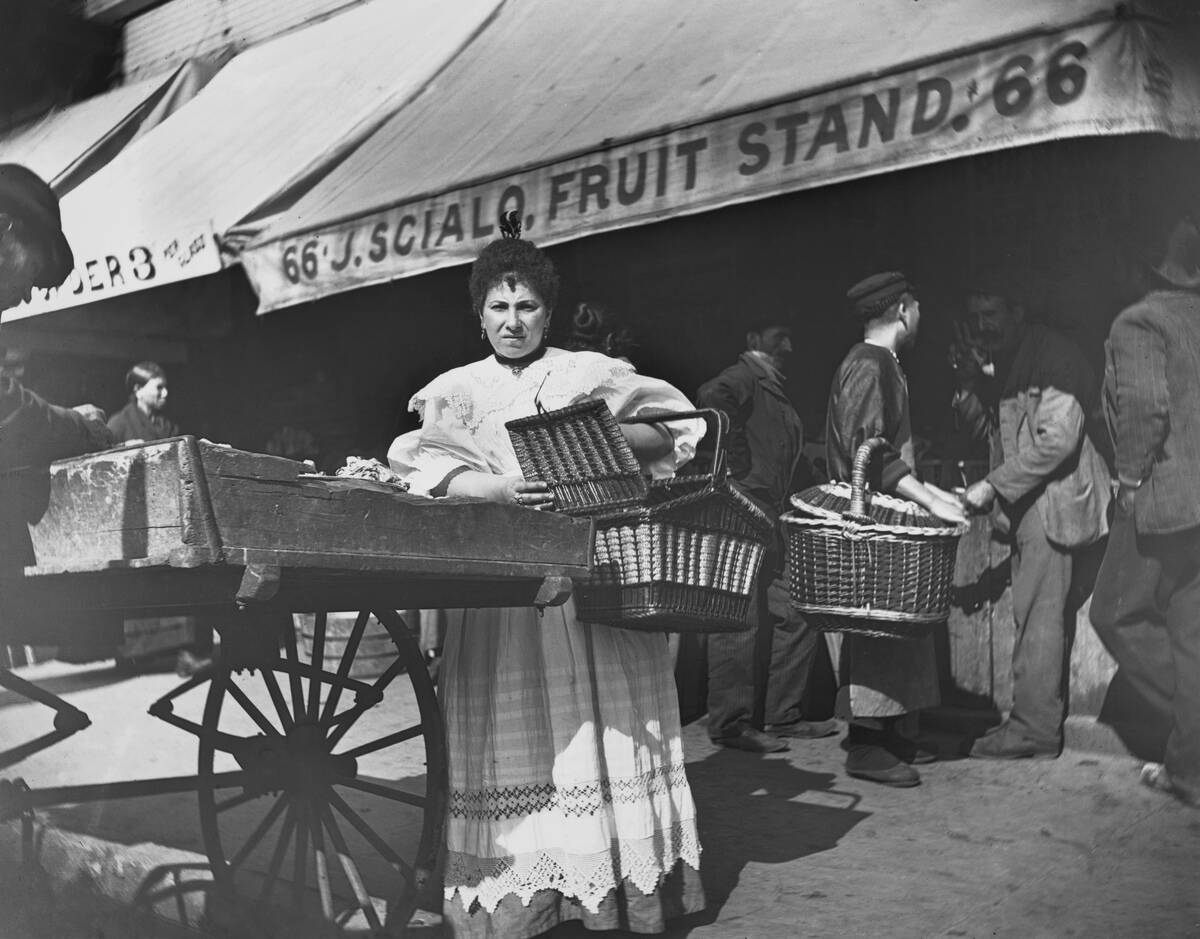
Getting to the store was part of the calculation. In dense neighborhoods, most people walked, market basket on arm, and timed the trip between chores. Streetcars—ubiquitous in American cities in the early 1900s—expanded the radius, with a nickel fare delivering you and your bread home before it cooled. Early car owners sometimes kept a wooden crate in the trunk to corral rolling cans.
Carrying was a craft. Wicker baskets, wire-handled carriers, and collapsible string bags held surprising loads. Parents pushed prams repurposed as rolling grocery carts, and delivery filled in when a sack of potatoes threatened to wrench a shoulder. In winter, shoppers tucked eggs deep in the basket so they wouldn’t crack from the cold; in summer, a quick step saved butter from turning soft before the icebox door swung open.