What our planet looked like 500 million years ago
Imagine hopping into a time machine and setting the dial to over 500 million years ago. You’d arrive in a world vastly different from ours—an Earth marked by strange landscapes and even stranger inhabitants.
The ancient Earth was a place where life was just beginning to find its footing, evolving from simple to complex in ways that shaped the trajectory of our planet. This journey back in time is not only fascinating but also crucial for understanding the roots of life as we know it.
The Cambrian Period: A New World Emerges
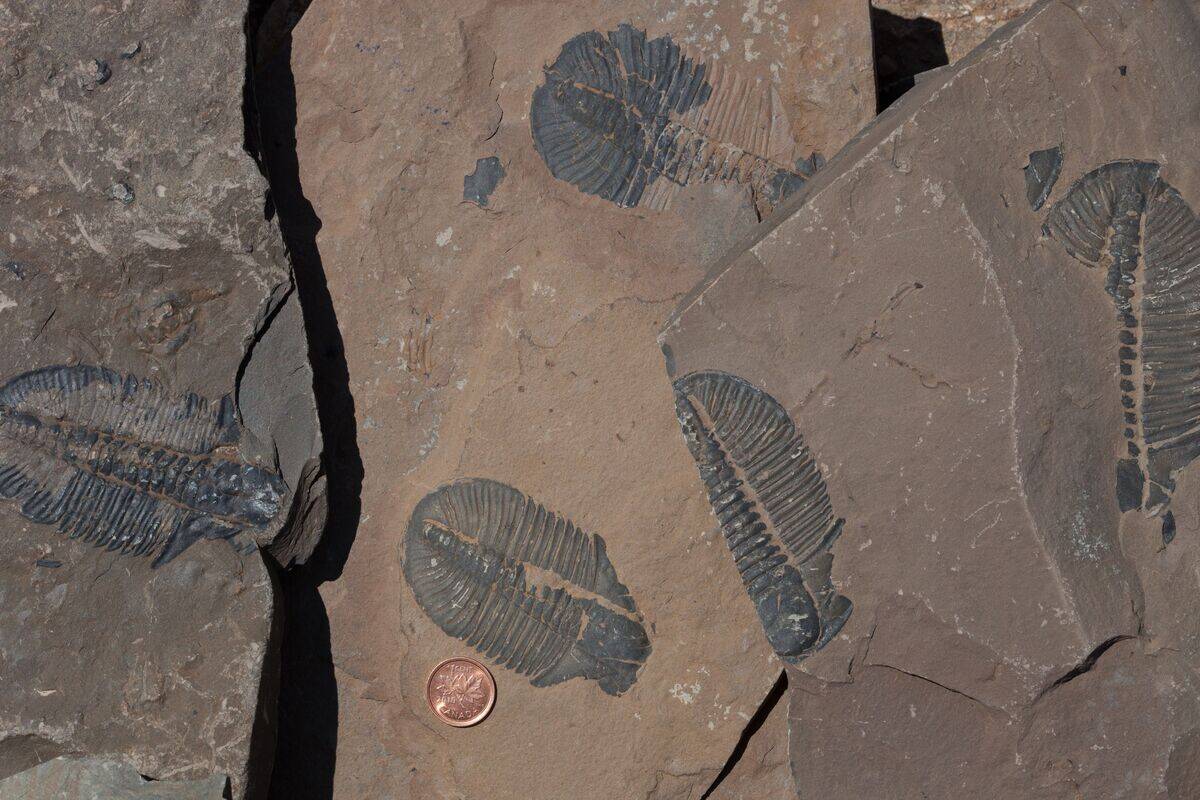
The Cambrian Period, beginning around 541 million years ago, marks a pivotal chapter in Earth’s story. Known for the ‘Cambrian Explosion,’ this era witnessed a rapid diversification of life.
Before this period, most organisms were simple and microscopic, but suddenly, complex organisms with hard shells made their debut. This sudden burst of life laid the groundwork for the ecosystems we see today, a phenomenon that still intrigues scientists and fuels ongoing research.
Continental Configuration: Supercontinents and Shifting Landmasses
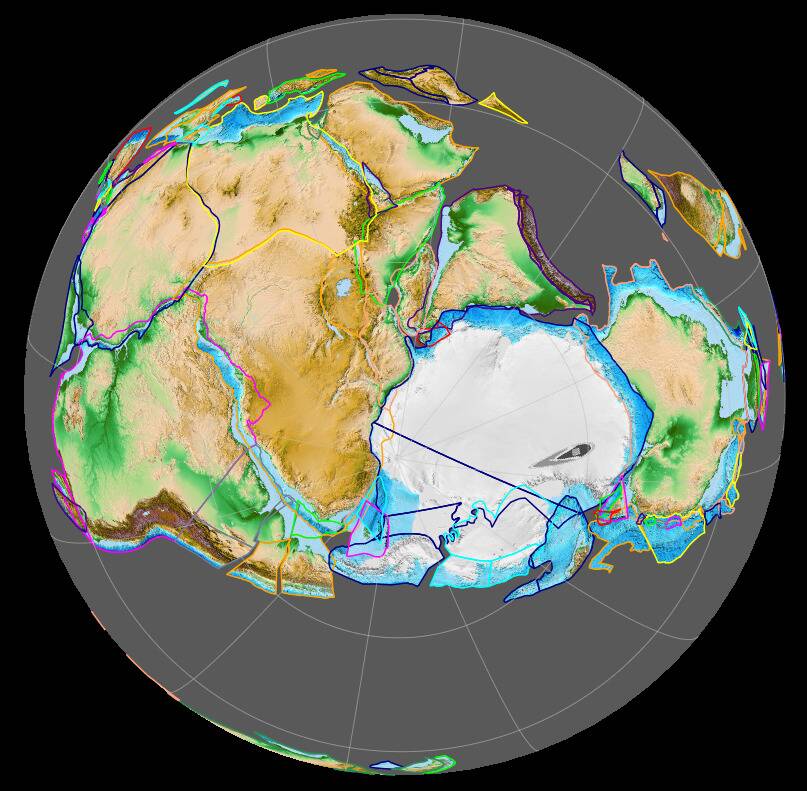
During the Cambrian, Earth’s landmasses were in constant motion. The supercontinent Gondwana began to form, covering parts of present-day Africa, South America, Antarctica, Australia, and India.
These shifting landmasses influenced ocean currents and climate patterns, creating isolated environments where unique species could evolve. This dynamic continental dance played a crucial role in the distribution and evolution of life on Earth, a process that continues to shape our planet today.
The Climate: A Warm and Watery World
In the Cambrian, Earth was a warm and mostly ice-free world, with sea levels higher than today. This warm climate, coupled with rising sea levels, led to vast shallow seas teeming with life.
These conditions created perfect environments for the proliferation of new species, particularly marine life. The lack of polar ice caps meant that tropical climates extended much further than they do now, influencing the distribution of early life forms.
Ocean Life: The Explosion of Marine Biodiversity
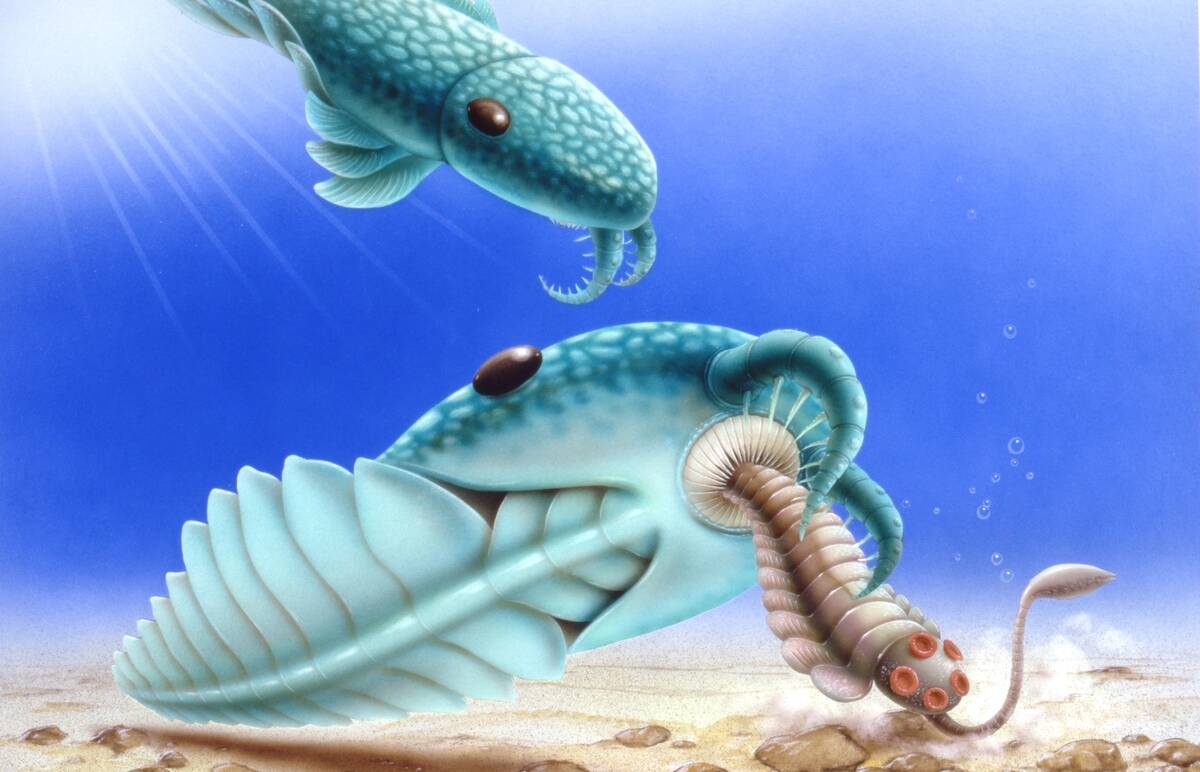
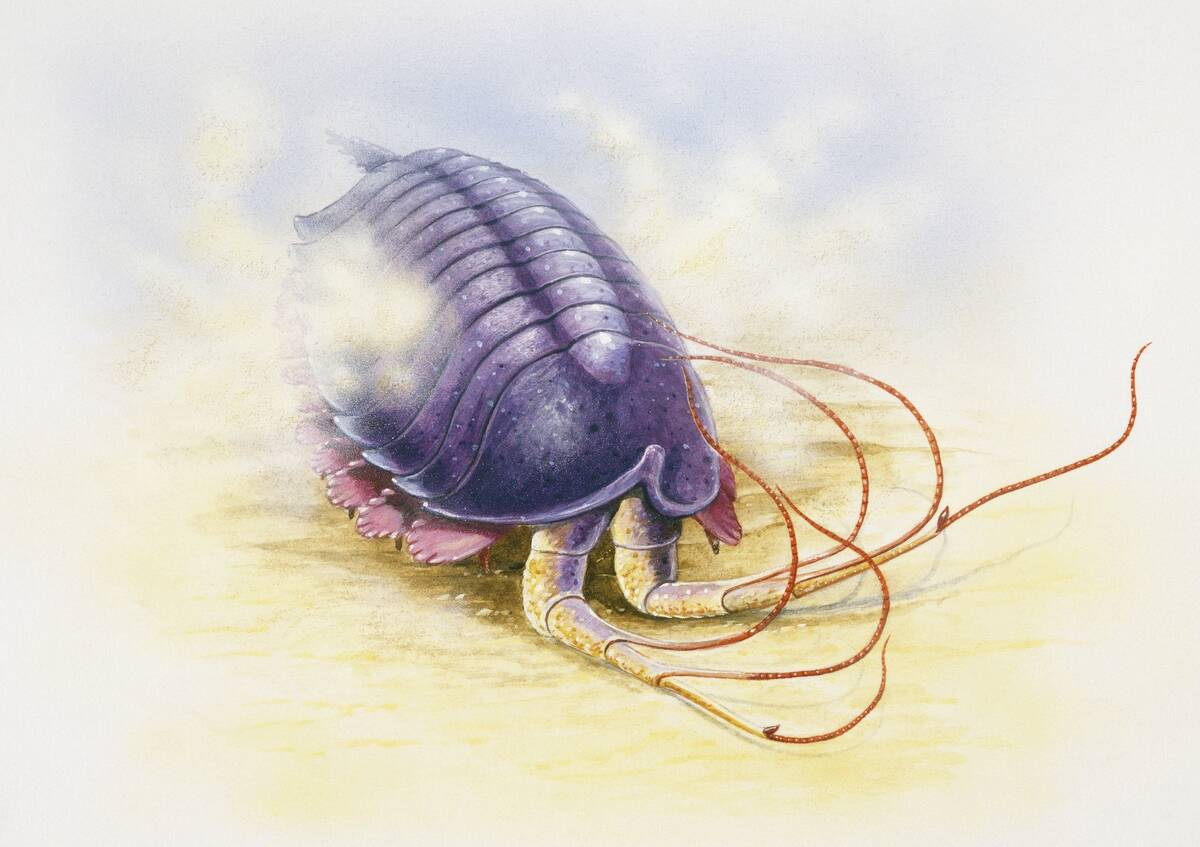
Marine life during the Cambrian Period was incredibly diverse and vibrant. The seas were filled with an array of bizarre and fascinating creatures, from the fearsome Anomalocaris to the armored Hallucigenia.
The oceans served as a cradle for early life, providing the ideal conditions for the rapid evolution of species. This era’s marine biodiversity set the stage for future ecological interactions and evolutionary pathways, highlighting the ocean’s role as a driver of biological innovation.
Trilobites: The Dominant Inhabitants of Ancient Seas
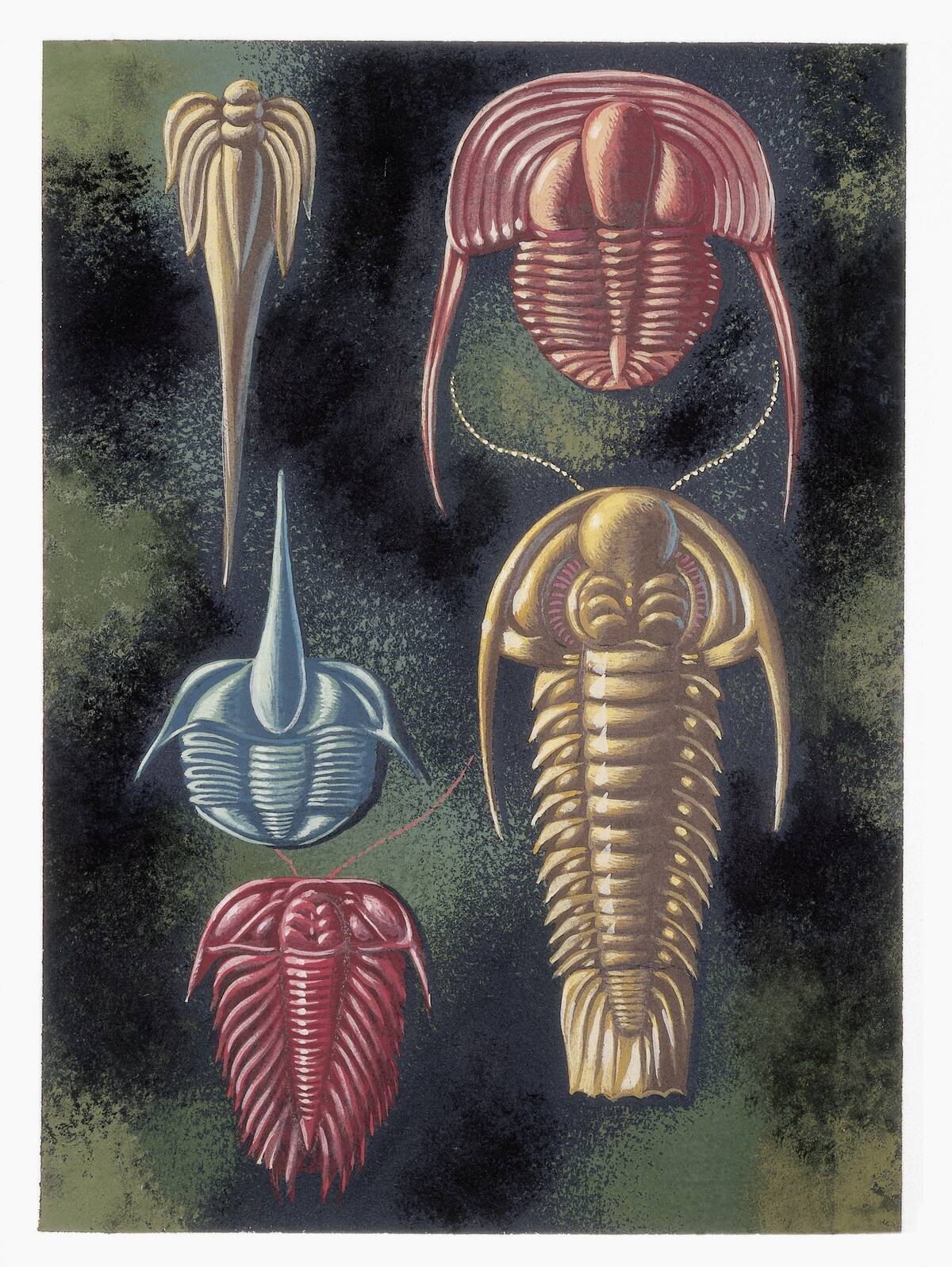
Trilobites were the rock stars of the Cambrian seas, thriving in various marine environments. These hard-shelled arthropods were among the earliest animals known to possess complex, image-forming compound eyes, giving them a significant advantage in the predator–prey arms race.
Their fossilized remains are found worldwide, providing valuable insights into the marine ecosystems of ancient Earth. Trilobites’ success and diversity during this period make them one of the most iconic groups of early marine life.
Early Vertebrates: The First Fish Make a Splash
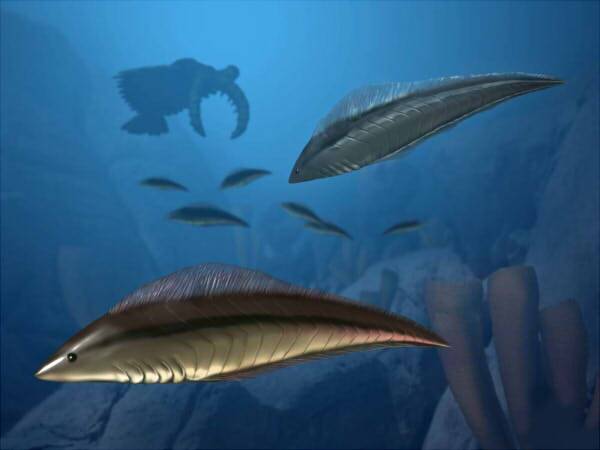
The Cambrian Period also saw the emergence of the first vertebrates, including primitive fish known as jawless fish or agnathans. These early fish were small and lacked jaws, but they represented a significant evolutionary leap.
Their presence marks the beginning of a lineage that would eventually give rise to the vast array of vertebrate life, including humans. The evolution of these early fish set the stage for the development of more complex vertebrates in subsequent periods.
The Great Reef Builders: Ancient Coral Ecosystems
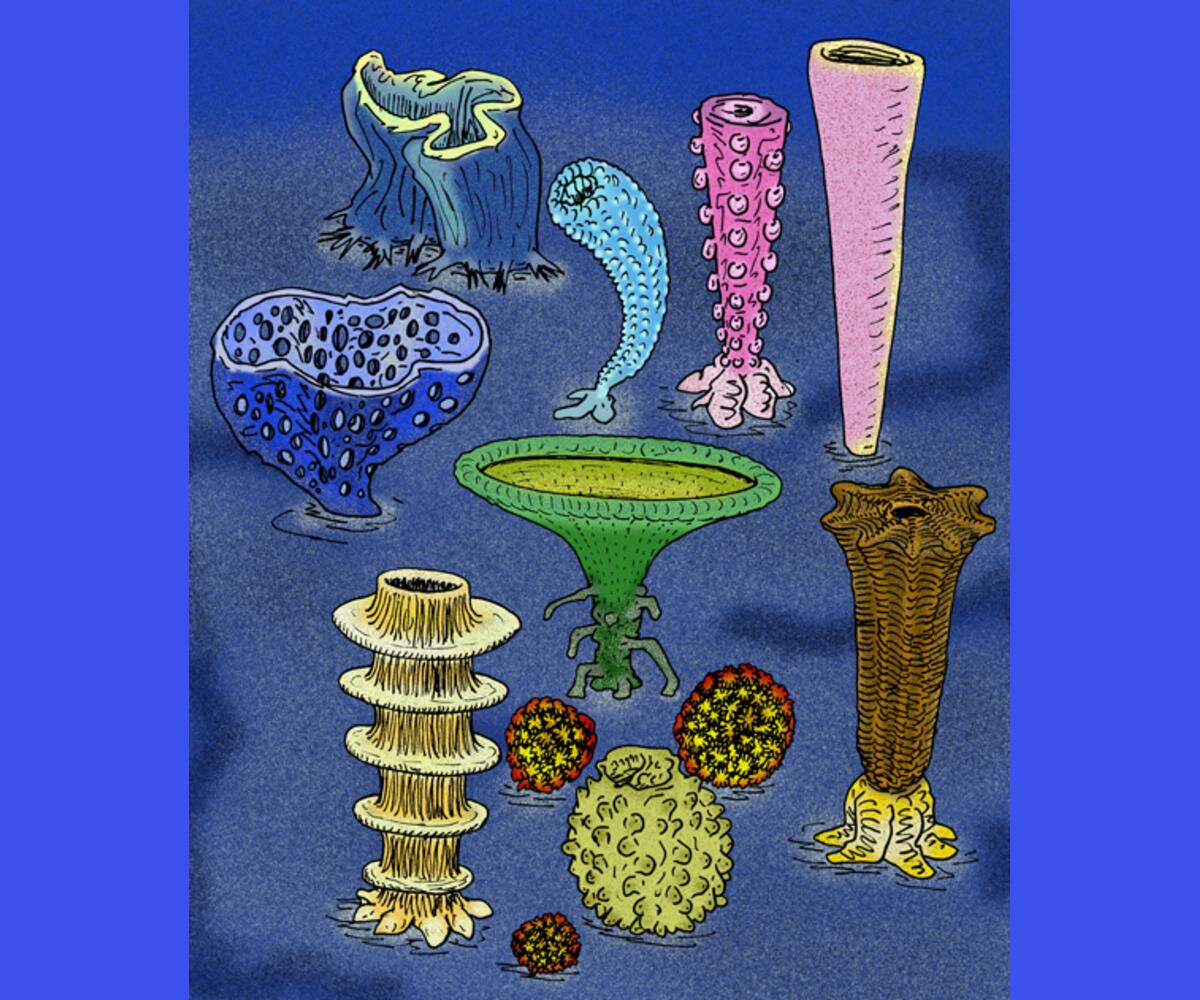
Ancient coral-like organisms began constructing reefs during the Cambrian, creating habitats that supported diverse marine communities. These early reef builders, known as archaeocyathids, played a crucial role in shaping marine ecosystems.
Although they differ from modern corals, their contribution to the marine landscape was significant. These structures provided shelter and resources, fostering biodiversity and influencing ecological interactions that would echo through time.
Primitive Plants: The First Steps onto Land
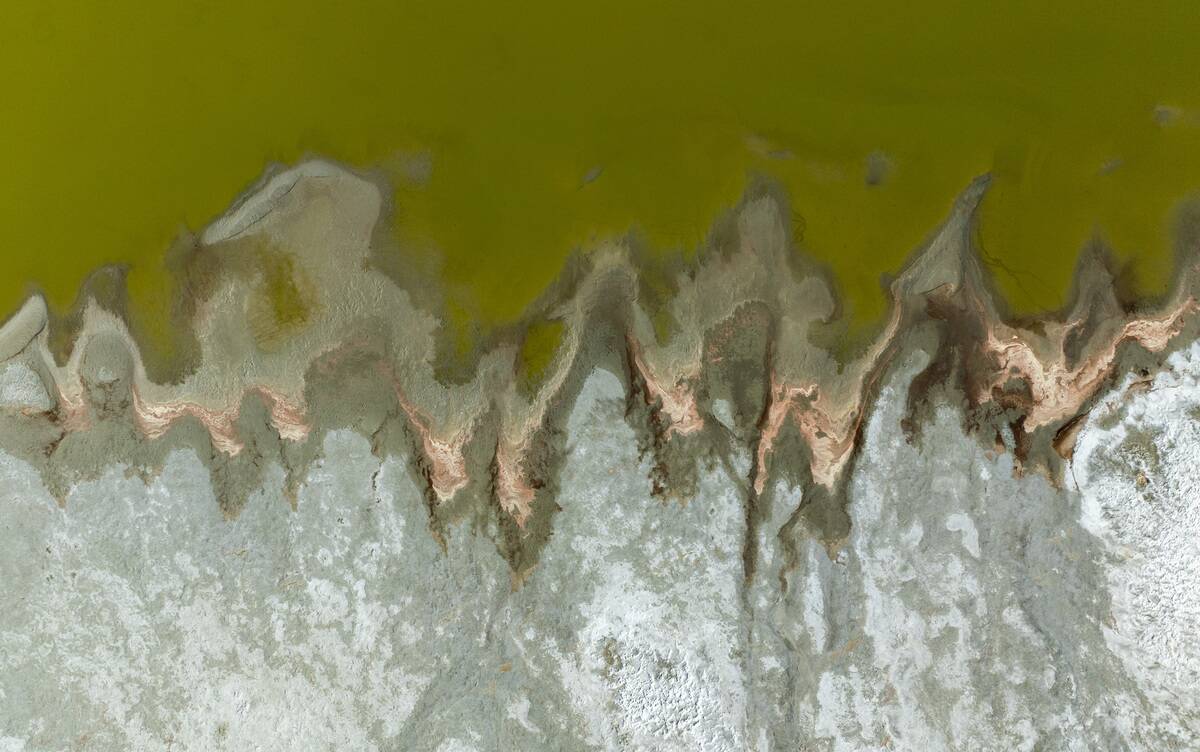
While the Cambrian Period was dominated by marine life, the first tentative steps onto land were also being taken. Primitive plant-like organisms began to colonize moist environments near water bodies.
These simple plants, such as algae and fungi, started the gradual process of transforming barren landscapes into habitable environments. Although land plants wouldn’t fully establish themselves until later periods, these pioneers laid the foundation for terrestrial ecosystems.
The Atmosphere: Oxygen Levels and Their Impact
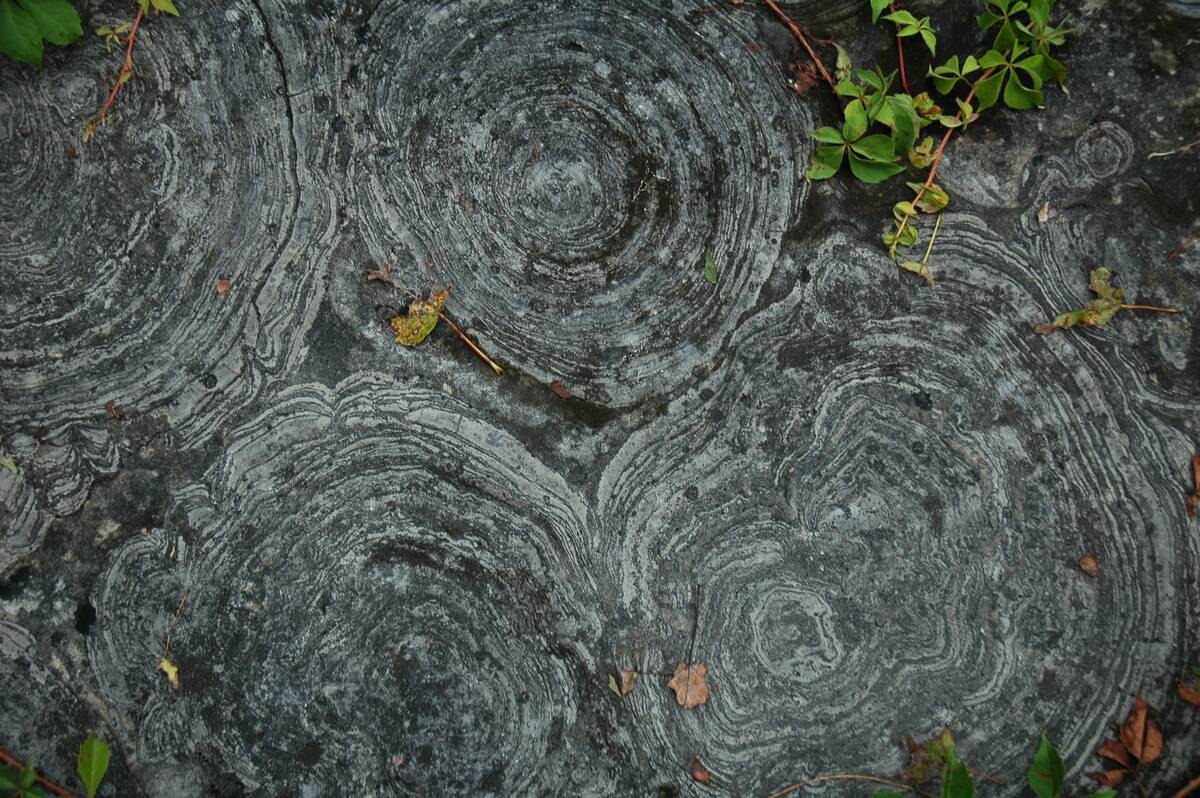
Oxygen levels during the Cambrian were significantly lower than today, but they were on the rise. This increase in oxygen was crucial for the development and diversification of complex life forms.
The presence of oxygen allowed for more efficient energy production within cells, enabling organisms to grow larger and more complex. The Cambrian oxygen boost is believed to have facilitated the explosion of life during this period, driving evolutionary innovation and complexity.
The Geology: Volcanic Activity and Mountain Formation
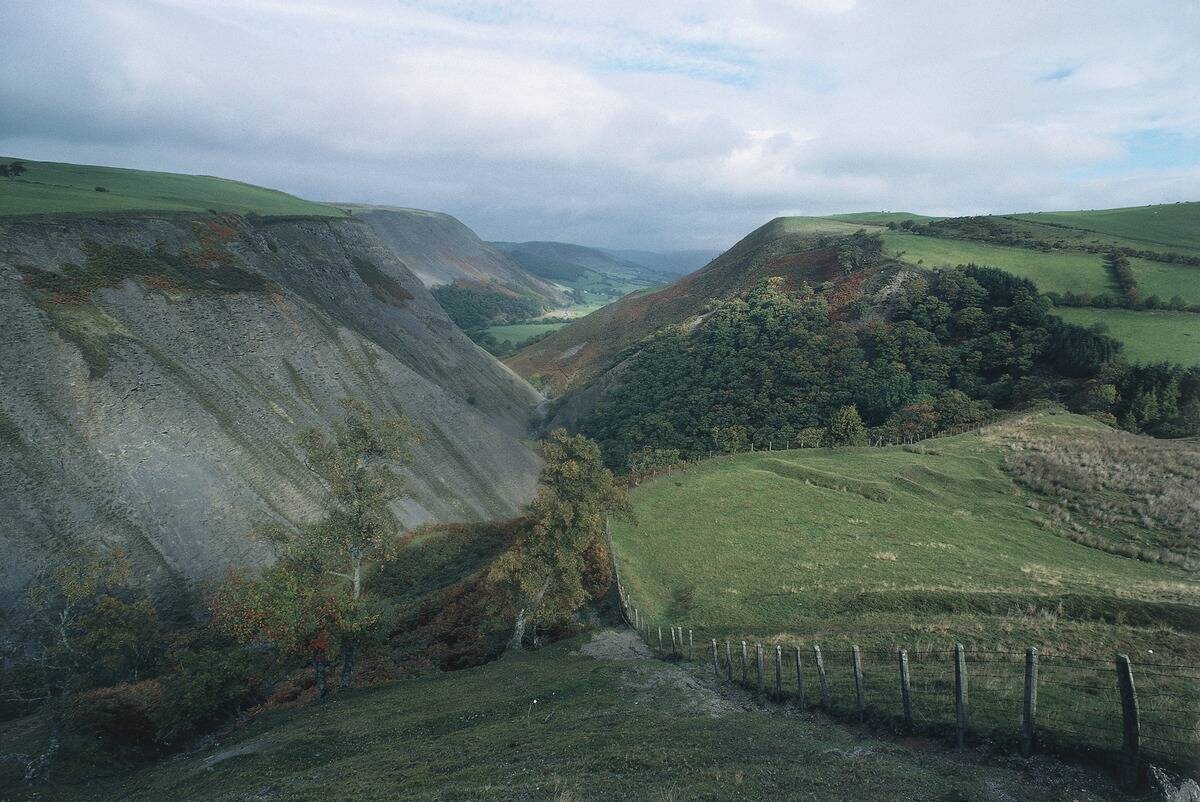
The geological landscape of the Cambrian was shaped by active volcanic activity and and plate tectonics, which reconfigured continents. Volcanism contributed to the release of gases that affected the atmospheric and oceanic composition.
The shifting tectonic plates shaped continents and basins; which influenced climate and erosion patterns. These geological processes not only shaped the physical environment but also impacted the evolution and distribution of life.
The Fossil Record: Unlocking Secrets of the Past
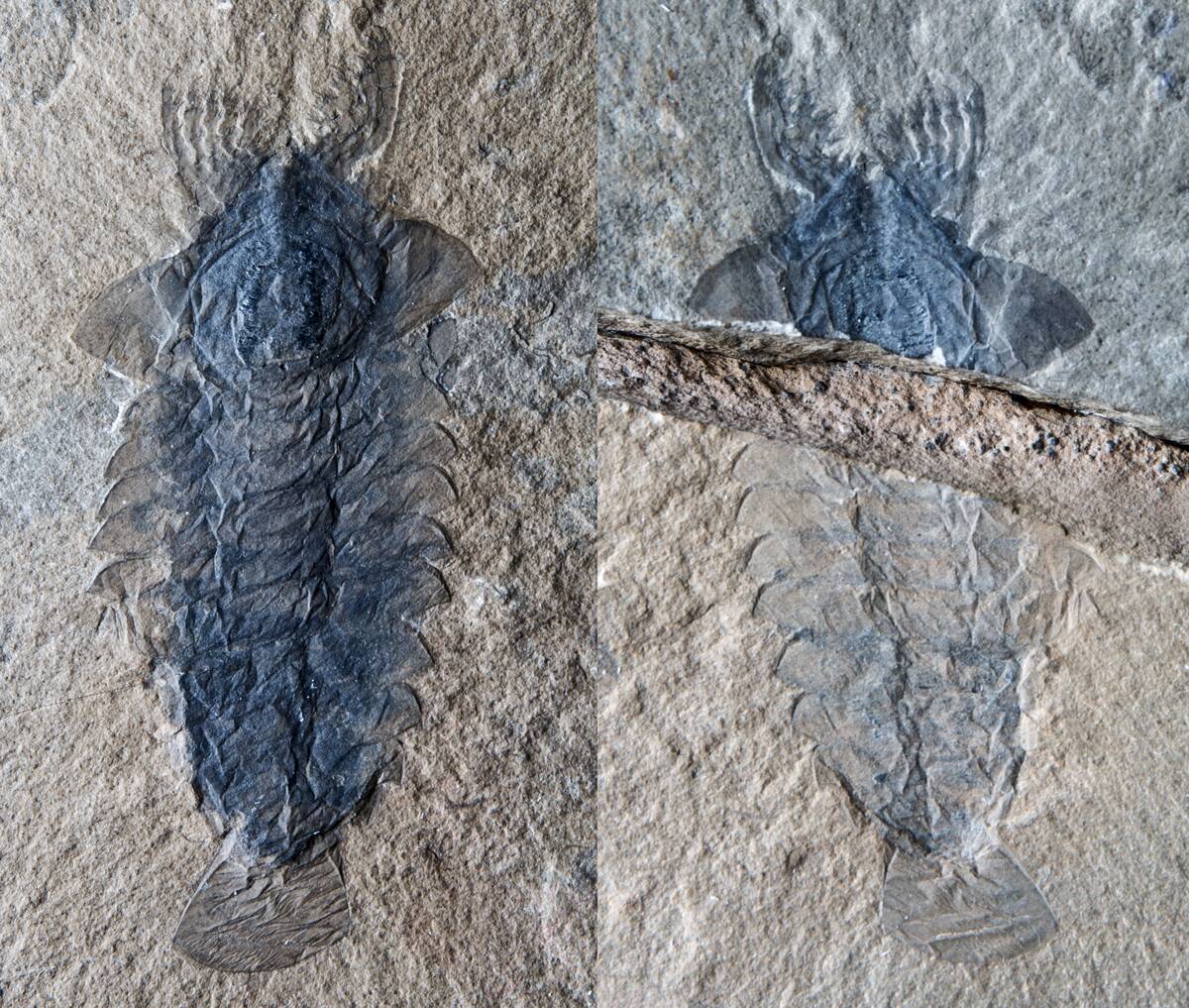
The fossil record from the Cambrian Period provides a treasure trove of insights into early life on Earth. Sites like the Burgess Shale in Canada have yielded remarkably well-preserved fossils, offering a window into this ancient world.
These fossils reveal the diversity and complexity of Cambrian ecosystems, showcasing the array of life forms that existed. Paleontologists continue to study these fossils to uncover new information about evolutionary processes and the history of life.
Paleontologists: The Modern-Day Time Travelers
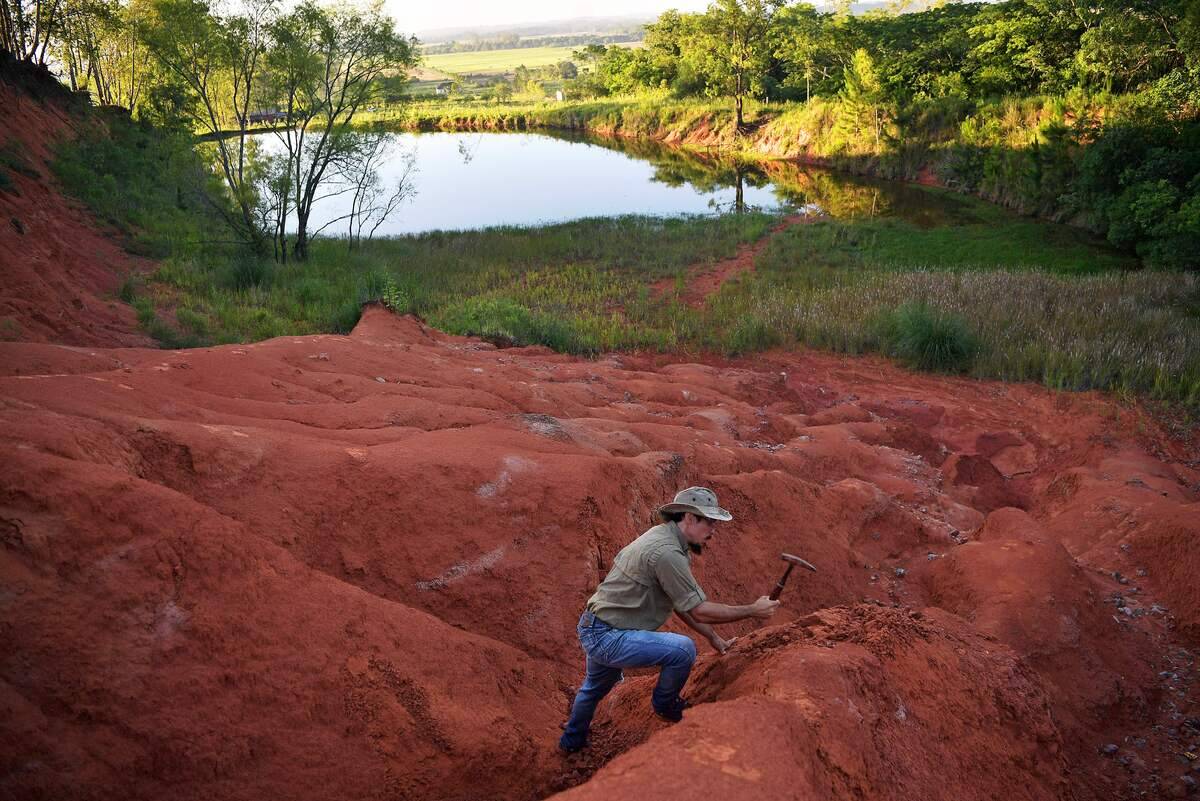
Paleontologists are akin to time travelers, piecing together the story of Earth’s past through the study of fossils. Their work involves meticulous excavation, analysis, and interpretation of ancient remains.
By reconstructing past environments and life forms, paleontologists help us understand the evolutionary history that led to present-day biodiversity. Their discoveries not only shed light on the distant past but also inform our understanding of current and future ecological challenges.
How Scientists Reconstruct Ancient Landscapes
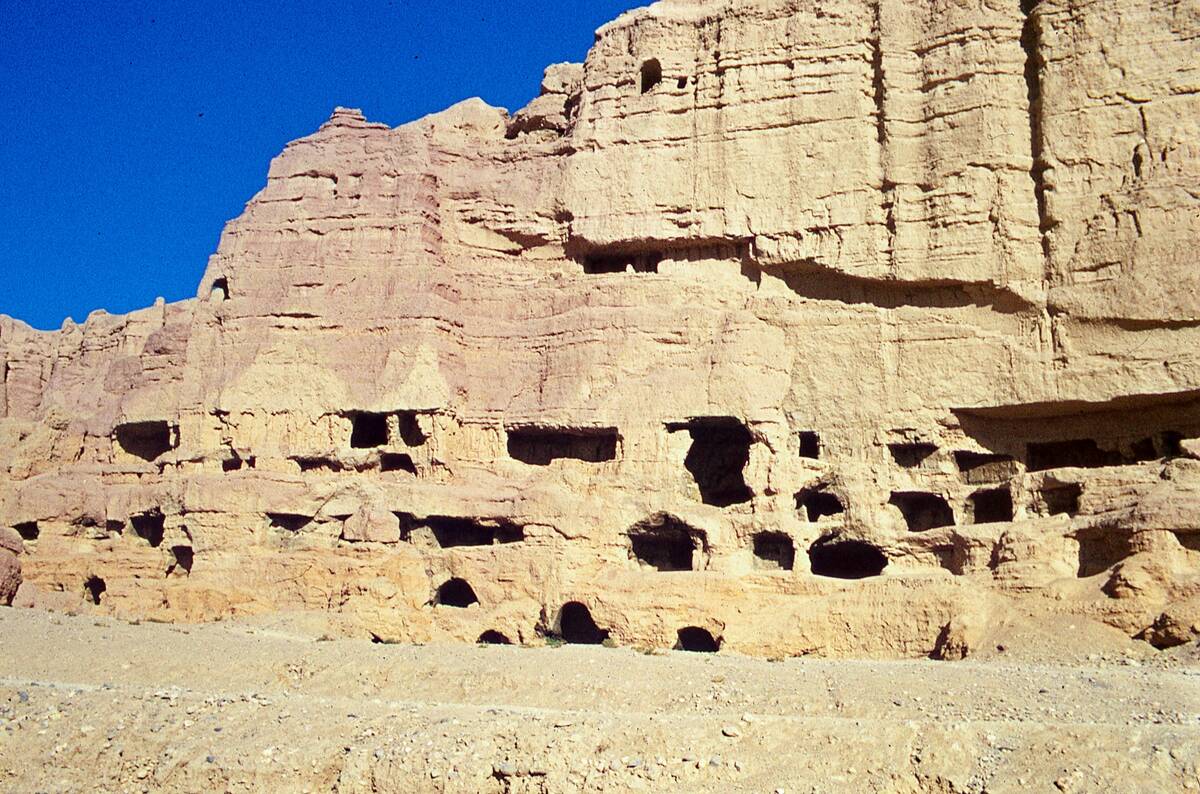
Reconstructing ancient landscapes is a complex task that involves integrating data from various scientific fields. Geologists, paleontologists, and climatologists collaborate to piece together information about past environments.
Techniques such as isotopic analysis, sedimentology, and climate modeling are used to infer details about ancient climates and ecosystems. By combining these methods, scientists can create detailed reconstructions of ancient landscapes, providing insights into Earth’s evolutionary history.
Imagine a World Without Humans: A Perspective on Time
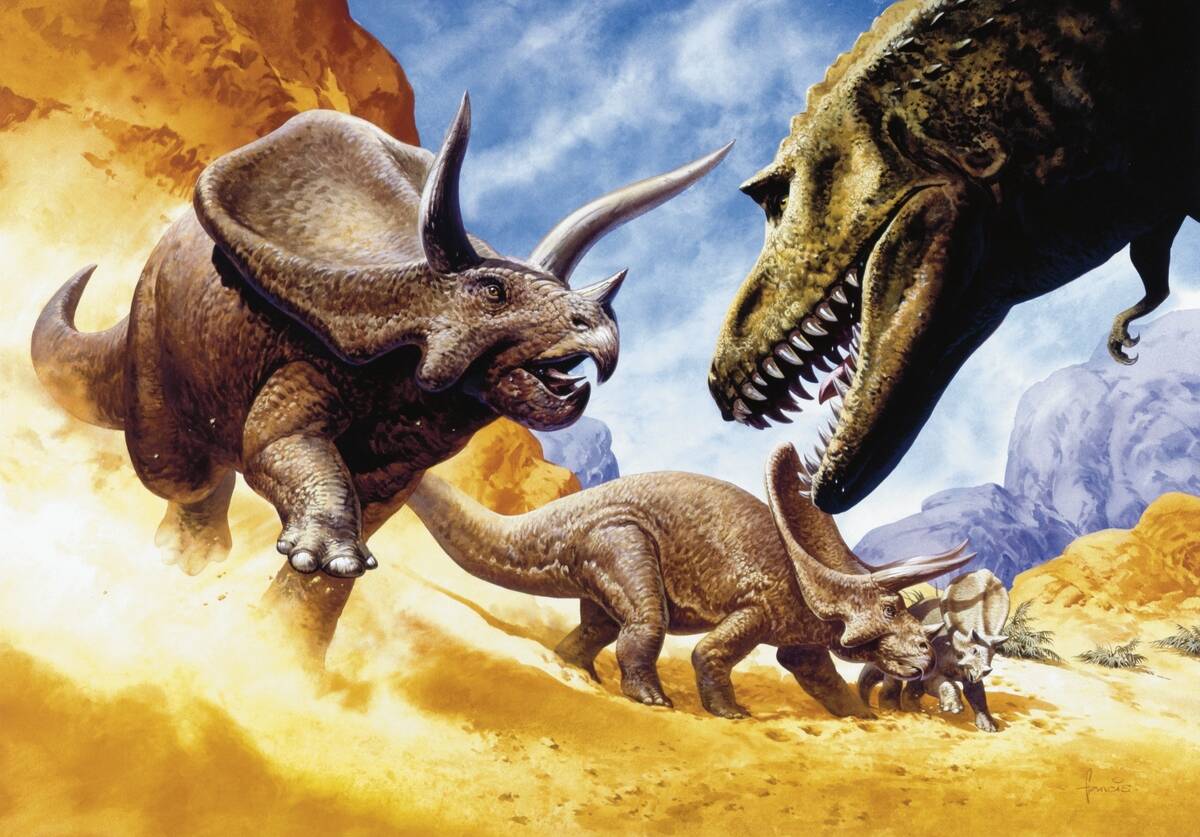
Imagining a world without humans offers a humbling perspective on the vastness of geological time. For billions of years, life evolved and adapted without human influence, highlighting the resilience and complexity of natural systems.
This perspective reminds us of our place in Earth’s history and the importance of preserving the planet for future generations. By appreciating the long history of life on Earth, we can better understand our role in its ongoing story and the responsibility we have to protect it.




