19 waterways that connected civilizations
Waterways have always played a crucial role in shaping human history and exploration. From ancient times to the modern era, rivers, seas, and oceans have been the highways of discovery and commerce.
Their significance goes beyond mere transportation; they have been the lifeblood of civilizations and the silent witnesses to the evolution of humanity. Today, we explore how these waterways have influenced the world.
The Role of Rivers in Ancient Civilizations
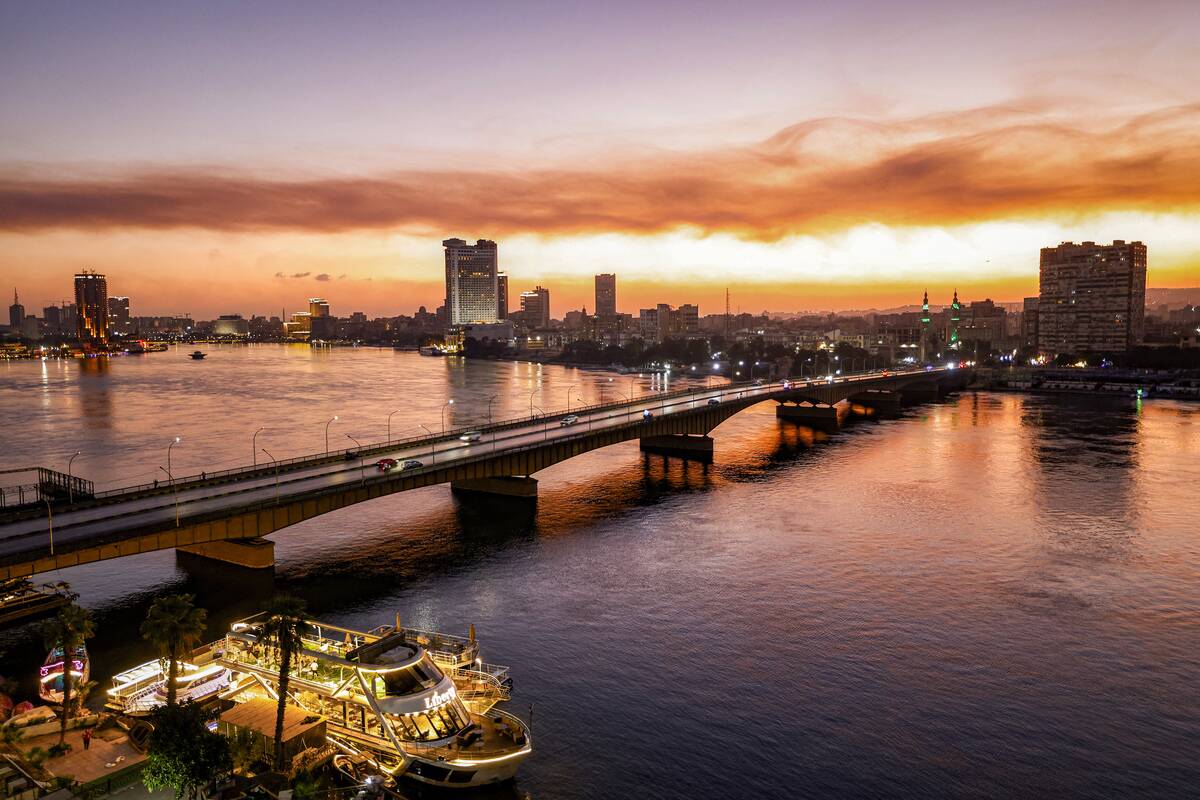
Rivers were the foundation upon which ancient civilizations were built, providing water for agriculture and serving as vital transportation routes. The fertile banks of rivers like the Nile, Tigris, and Euphrates supported the growth of powerful empires.
These waterways enabled trade, cultural exchange, and technological advancement, laying the groundwork for modern society.
The Mighty Nile: Cradle of Egyptian Civilization
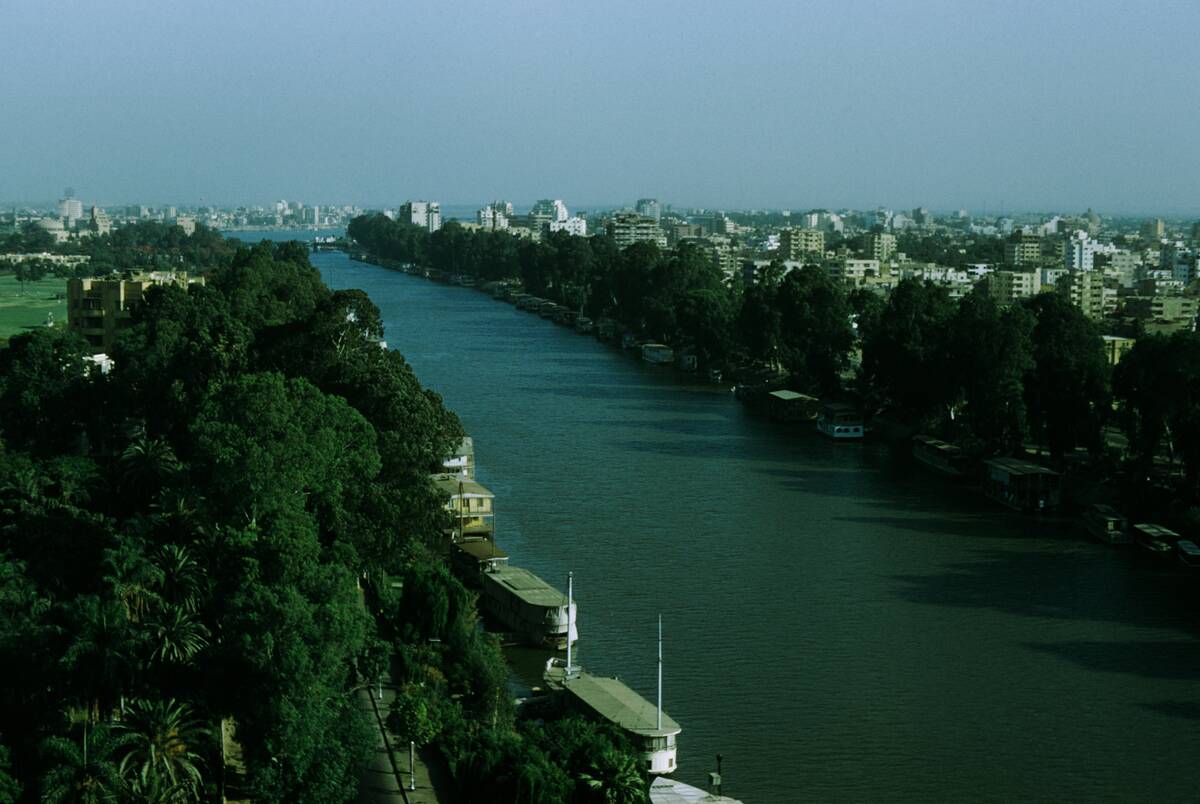
The Nile River, stretching over 4,000 miles, is the world’s longest river and was the lifeline of ancient Egypt. Its predictable flooding cycles enriched the soil, making it ideal for agriculture.
The Nile’s waters supported the construction of monumental structures like the pyramids and facilitated trade with neighboring regions. Without the Nile, Egyptian civilization as we know it might not have flourished.
Mesopotamia: The Tigris and Euphrates Duo
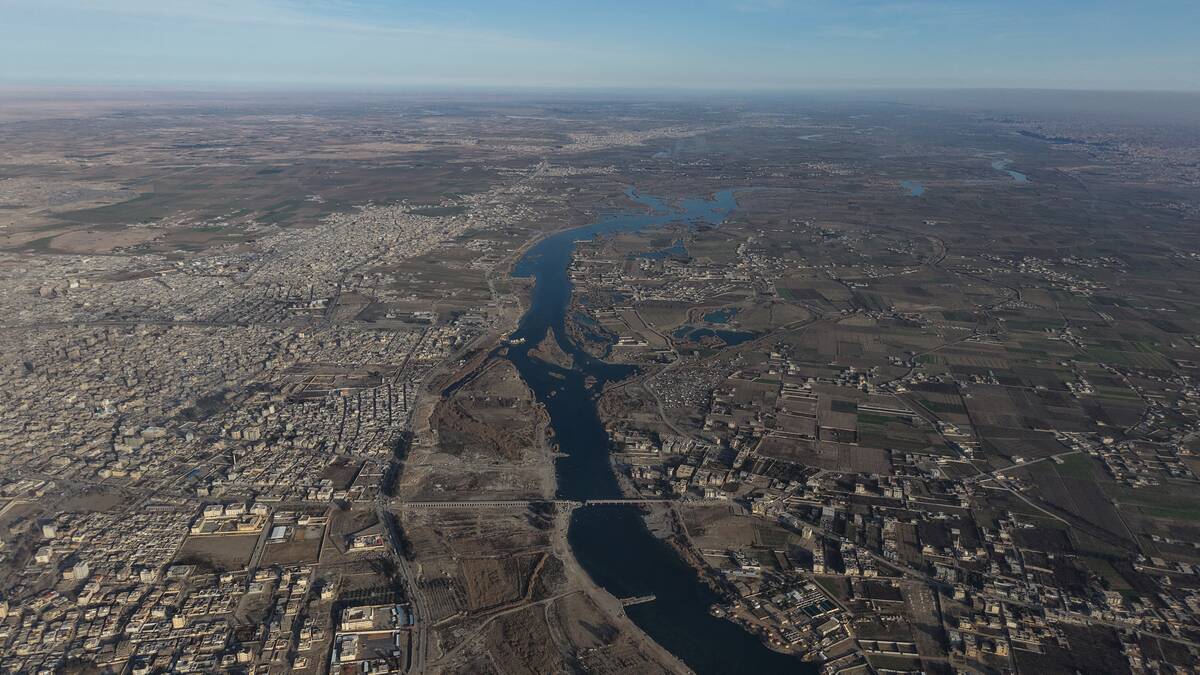
Mesopotamia, often called the “Cradle of Civilization,” thrived between the Tigris and Euphrates rivers. These rivers provided rich soil and water, crucial for agriculture and the sustenance of cities like Babylon and Ur.
The Tigris and Euphrates also enabled trade and communication, helping Mesopotamian culture and technology to spread far and wide.
The Indus River: Gateway to the Indus Valley Civilization
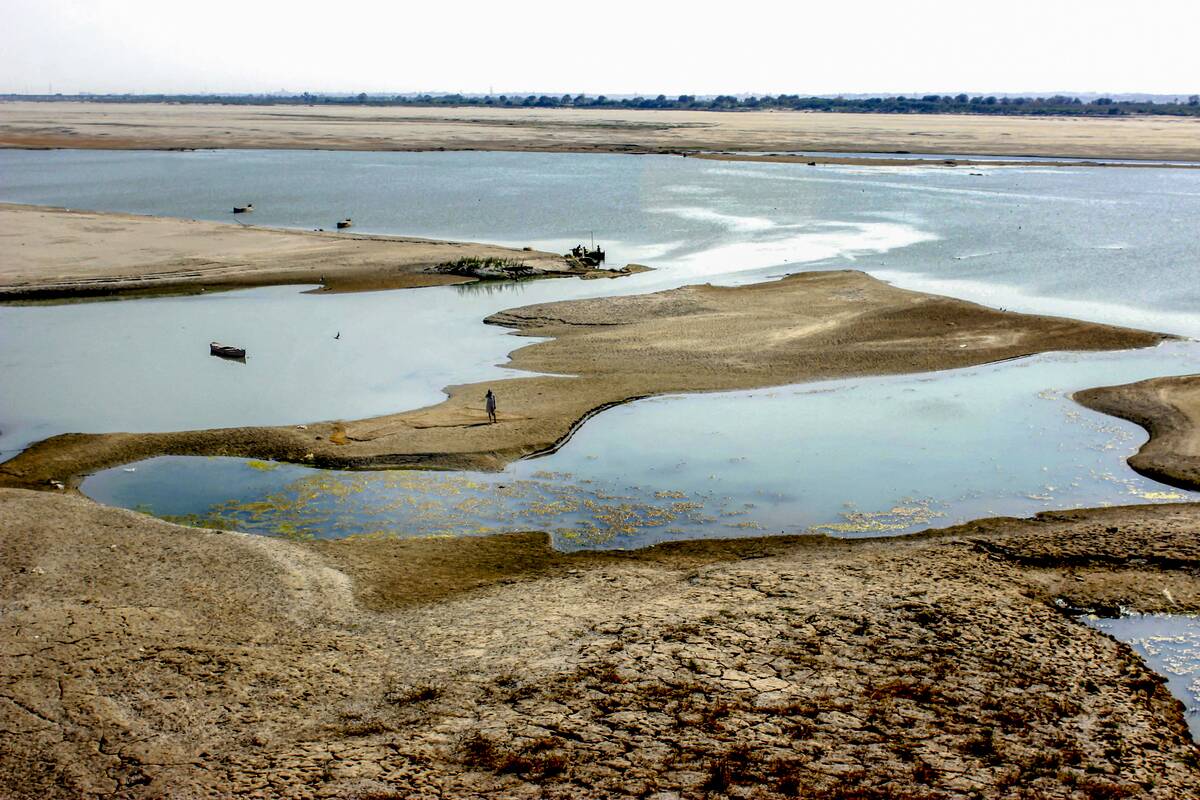
The Indus River was central to the development of the Indus Valley Civilization, one of the world’s earliest urban cultures. The river’s waters supported agriculture and sustained cities such as Harappa and Mohenjo-Daro.
Trade along the Indus connected its people with distant regions, fostering cultural and technological exchanges that influenced neighboring civilizations.
The Yangtze and Yellow Rivers: Lifelines of Ancient China
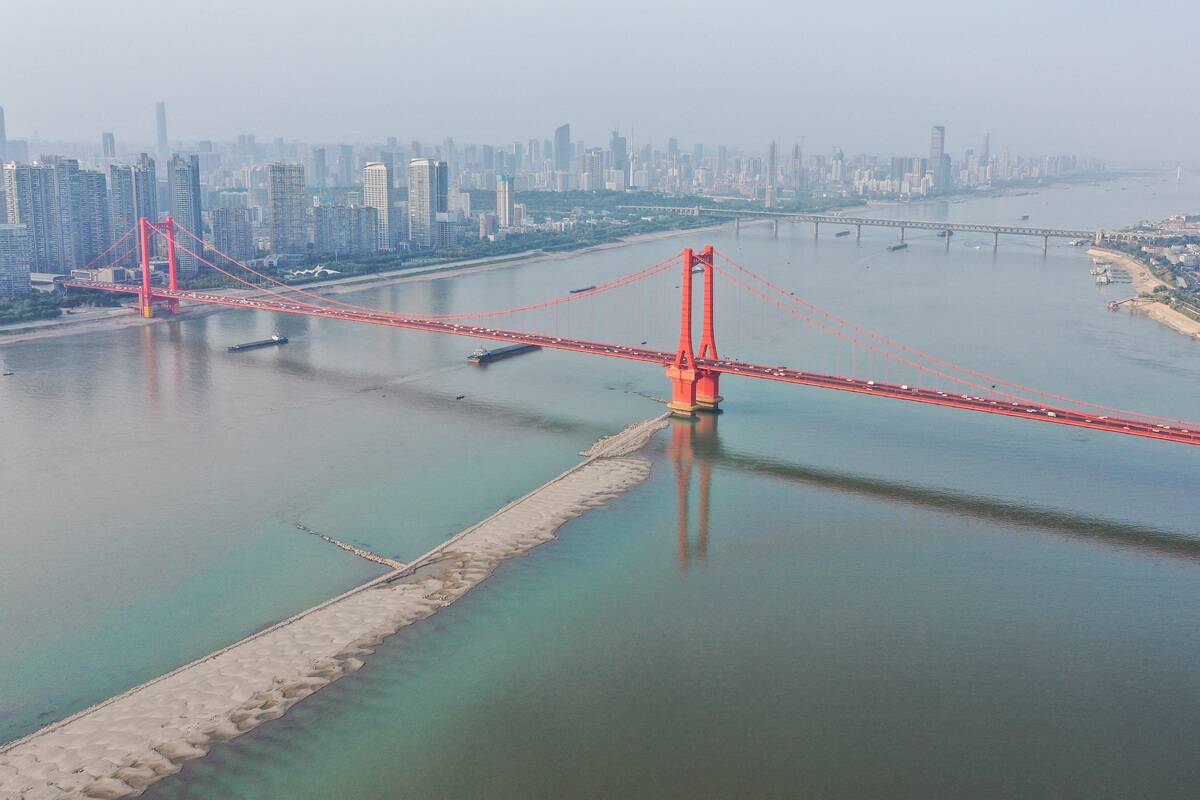
In China, the Yangtze and Yellow Rivers have long been essential to the country’s history. The Yangtze, the world’s third-longest river, supports one-third of China’s population today.
Meanwhile, the Yellow River, often called “China’s Sorrow” for its devastating floods, was crucial for agriculture and the development of ancient Chinese culture. These rivers nurtured the growth of dynasties and facilitated trade across Asia.
Mediterranean Marvels: The Sea at the Heart of Ancient Trade

The Mediterranean Sea was a vibrant hub of trade and cultural exchange in ancient times. It connected diverse civilizations, including the Egyptians, Greeks, and Romans, enabling them to trade goods, ideas, and technologies.
The Mediterranean’s strategic location fostered the growth of powerful empires and facilitated the spread of innovations like the alphabet and democracy.
The Silk Road of the Seas: Indian Ocean Trade Routes
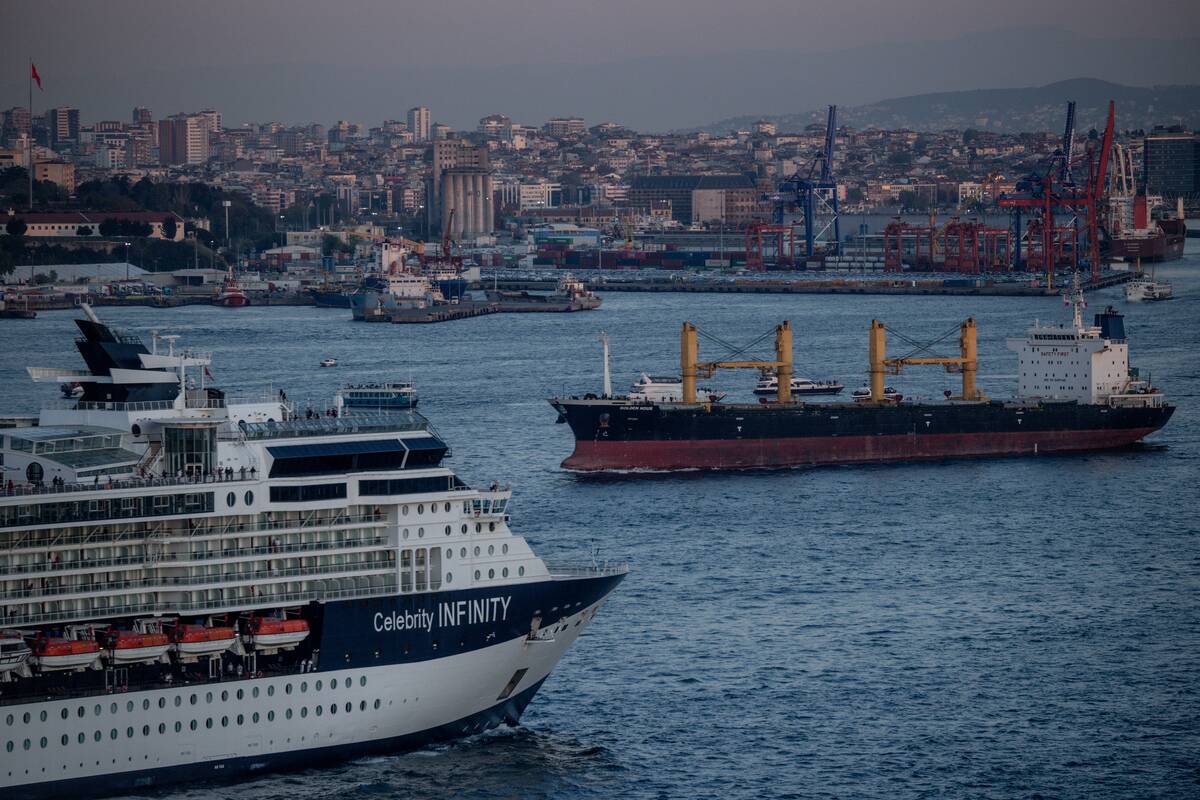
The Indian Ocean trade routes were crucial in connecting Asia, Africa, and the Middle East. These maritime pathways facilitated the exchange of spices, textiles, and precious metals, enriching the cultures they touched.
The monsoon winds were harnessed by ancient mariners, creating a thriving network of trade that predated the European Age of Exploration.
The Age of Exploration: Opening New Horizons
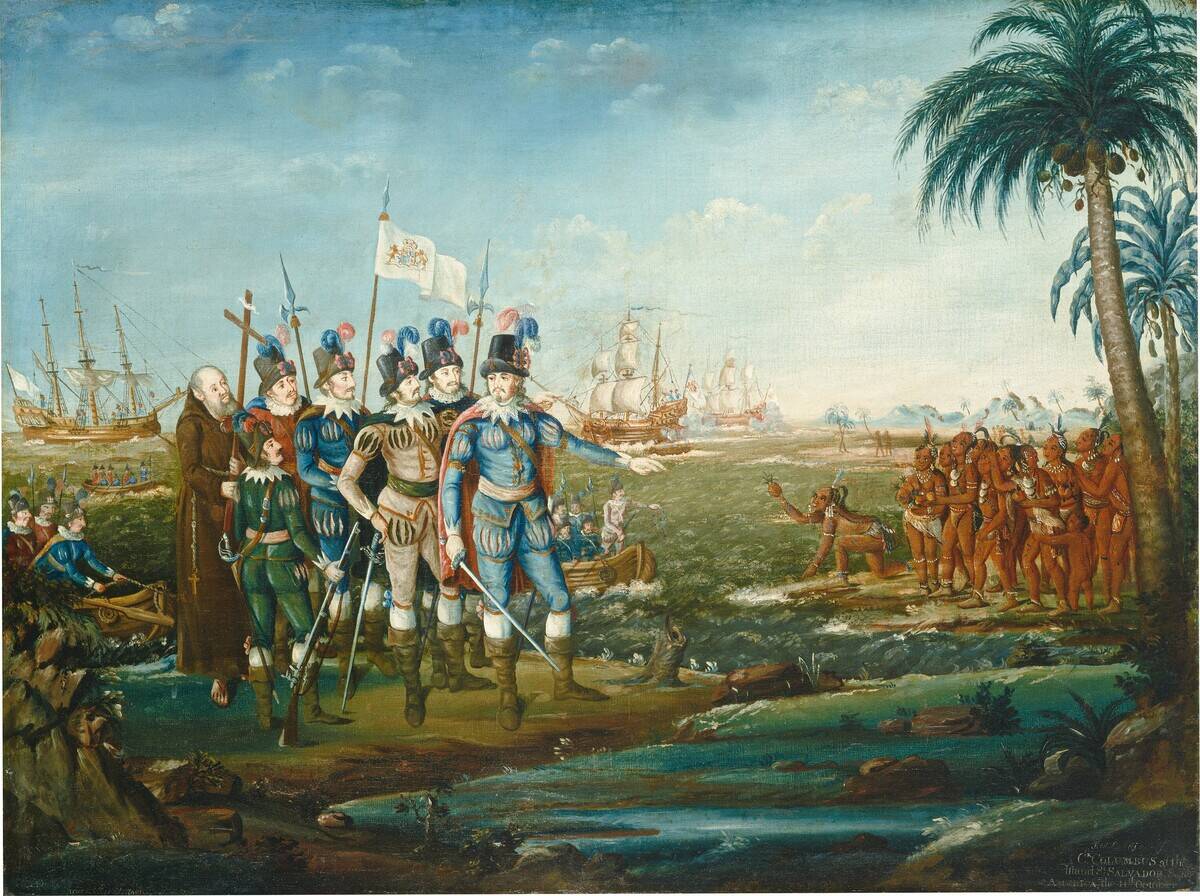
The Age of Exploration saw European navigators venturing into uncharted waters, driven by the desire for wealth and knowledge. Waterways like the Atlantic and Pacific Oceans became the stages for epic voyages by explorers such as Christopher Columbus and Ferdinand Magellan.
These expeditions expanded the known world and led to the exchange of cultures, goods, and ideas on a global scale.
The Panama Canal: Cutting Through Continents
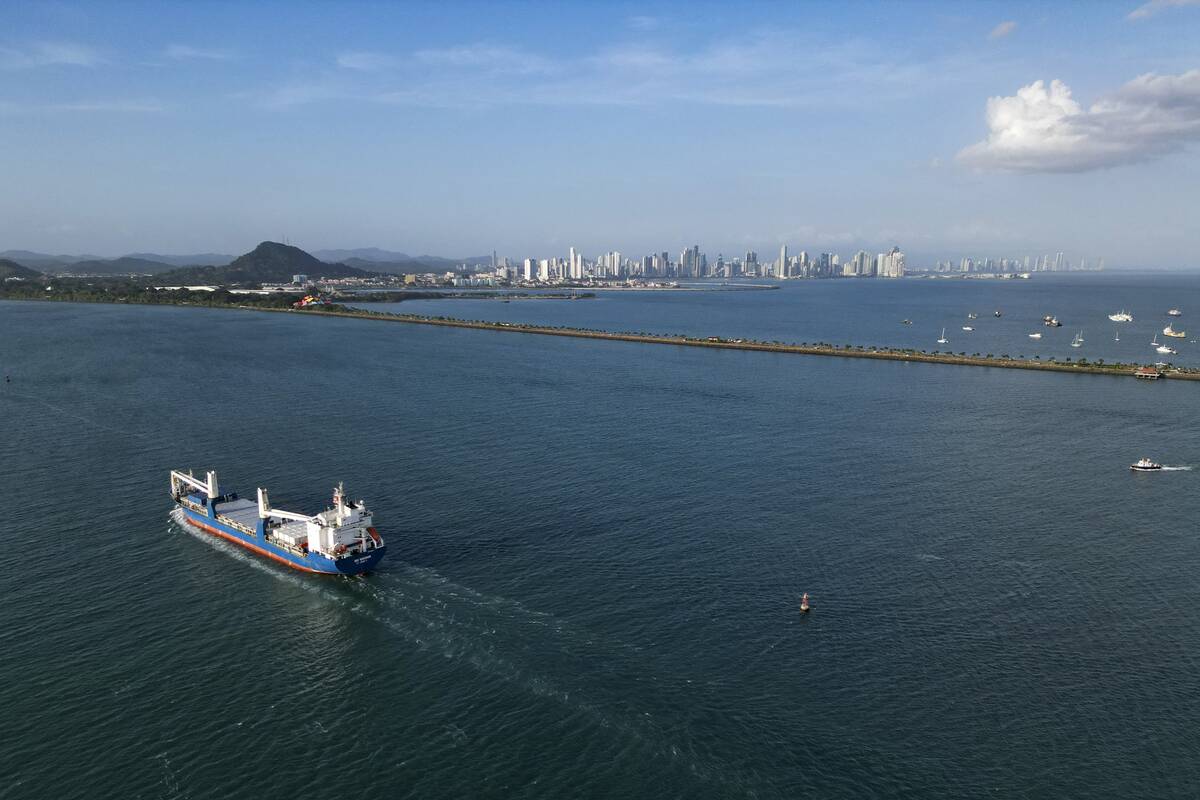
The Panama Canal, completed in 1914, revolutionized global trade by providing a shortcut between the Atlantic and Pacific Oceans. This engineering marvel reduced the travel distance for ships, enabling faster and more efficient trade.
The canal’s strategic importance has made it a focal point of international commerce and a symbol of human ingenuity.
The Suez Canal: Linking Europe to Asia
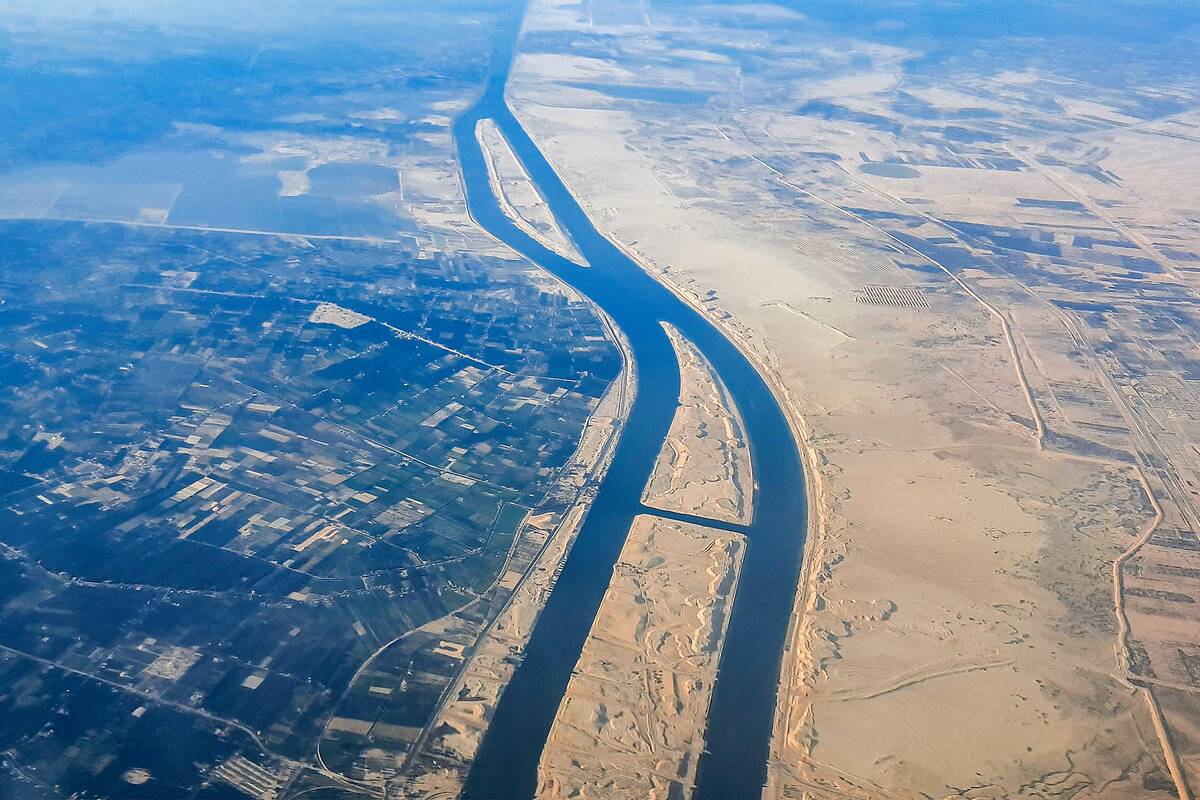
The Suez Canal, opened in 1869, created a direct maritime link between Europe and Asia, bypassing the long journey around Africa. This vital waterway transformed global trade, reducing travel time and costs for shipping.
As a result, it has become one of the world’s most heavily used shipping routes, underscoring its enduring significance in international commerce.
The Danube River: Europe’s Great Artery
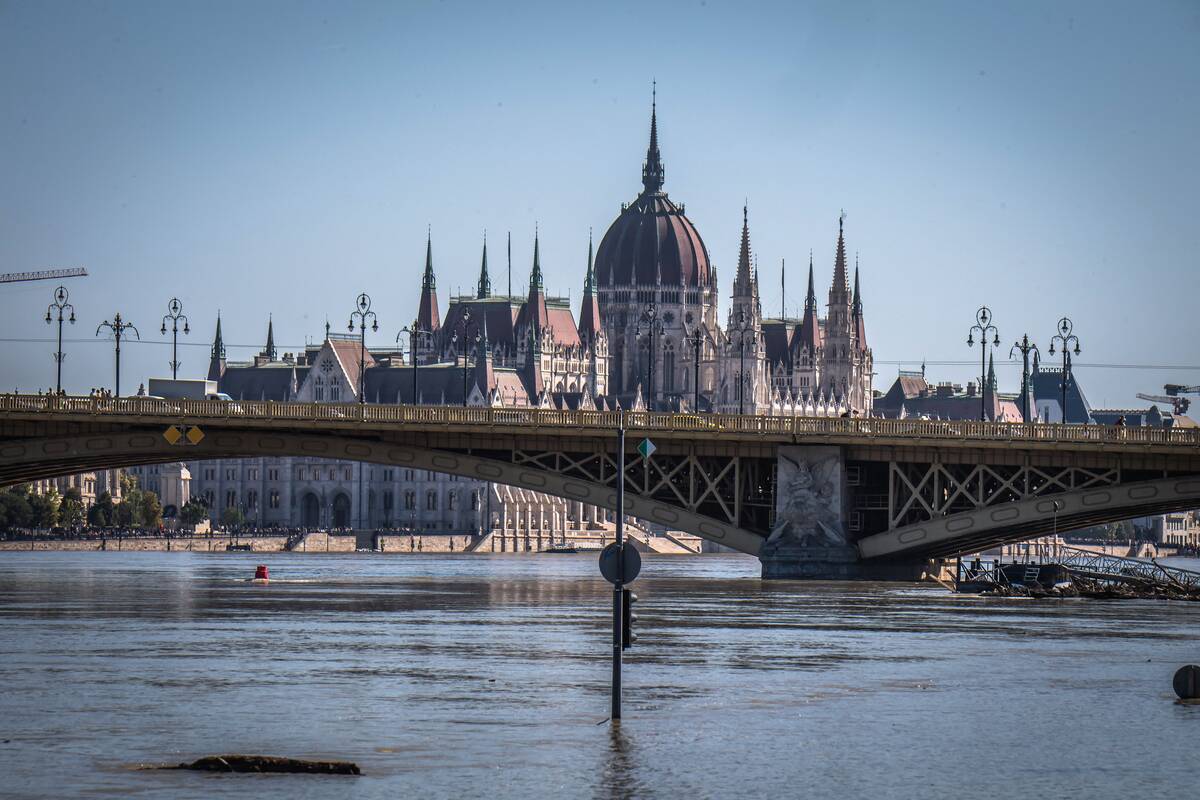
The Danube River, Europe’s second-longest river, flows through ten countries, serving as a vital waterway for trade and cultural exchange.
Its waters have supported diverse cultures and economies for centuries, from the Roman Empire to the Austro-Hungarian Empire. Today, the Danube remains a key route for commerce and tourism, reflecting its historical importance.
The Rhine River: A Tale of Commerce and Culture
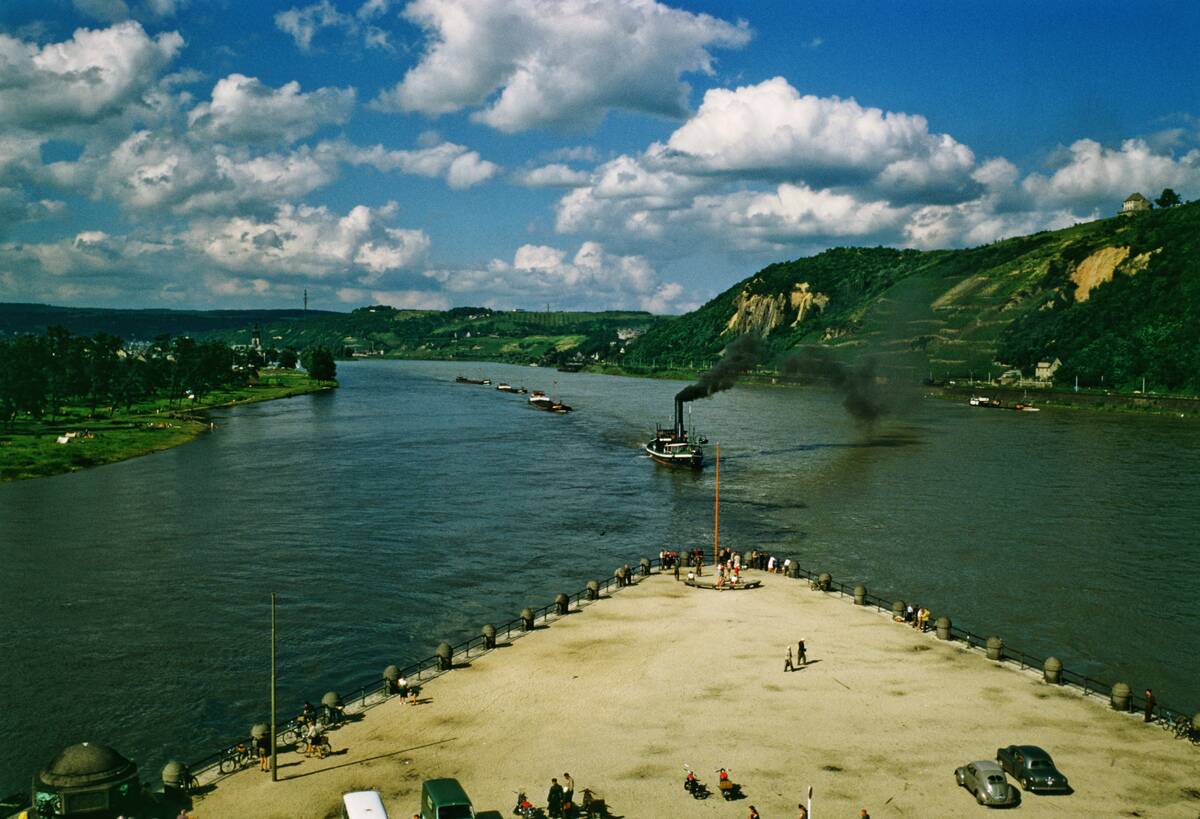
The Rhine River, flowing through six countries, is one of Europe’s most important waterways. It has been a commercial artery since Roman times, supporting trade and industry along its banks.
The Rhine’s cultural significance is also profound, inspiring countless works of art, literature, and music. Its role as a connector of people and economies remains vital to this day.
The Amazon River: Unlocking the Mysteries of the Rainforest
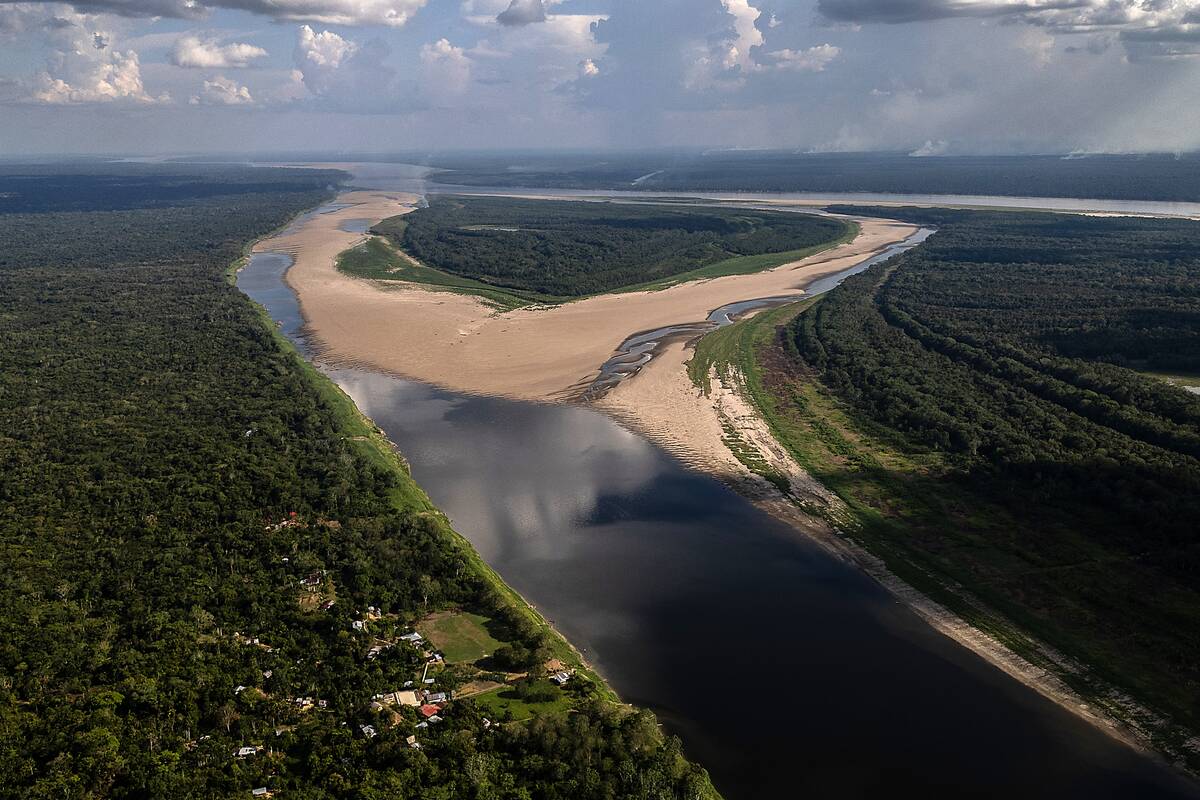
The Amazon River, the world’s largest by discharge volume, winds through the heart of the Amazon Rainforest. Its vast network of tributaries supports an incredible diversity of life, both plant and animal.
The river has been a critical resource for indigenous peoples for centuries, and today, it continues to be a focal point for ecological research and conservation efforts.
The Mississippi River: America’s Central Waterway
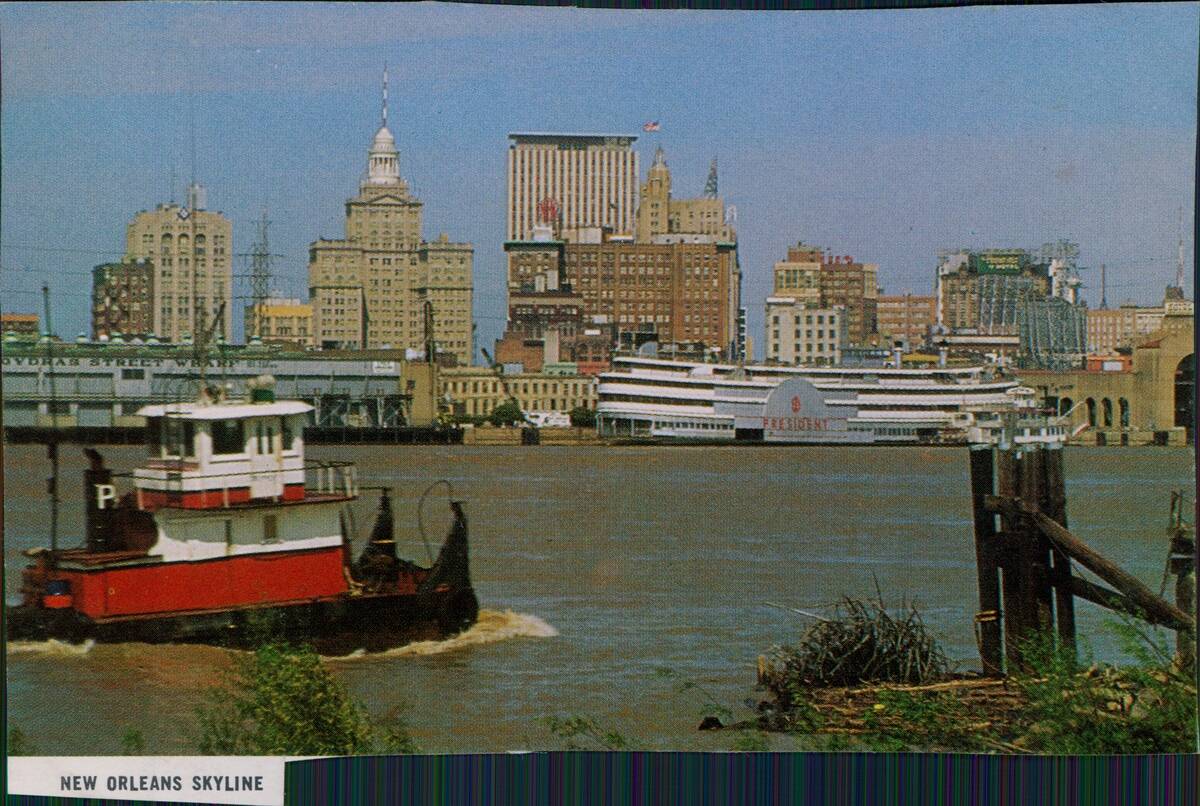
The Mississippi River, stretching over 2,300 miles, is the backbone of America’s inland navigation system. It has played a crucial role in the nation’s history, facilitating trade and transportation from the Great Lakes to the Gulf of Mexico.
The Mississippi remains a vital artery for the movement of goods, contributing significantly to the U.S. economy.
The Volga River: Russia’s Historic Lifeline
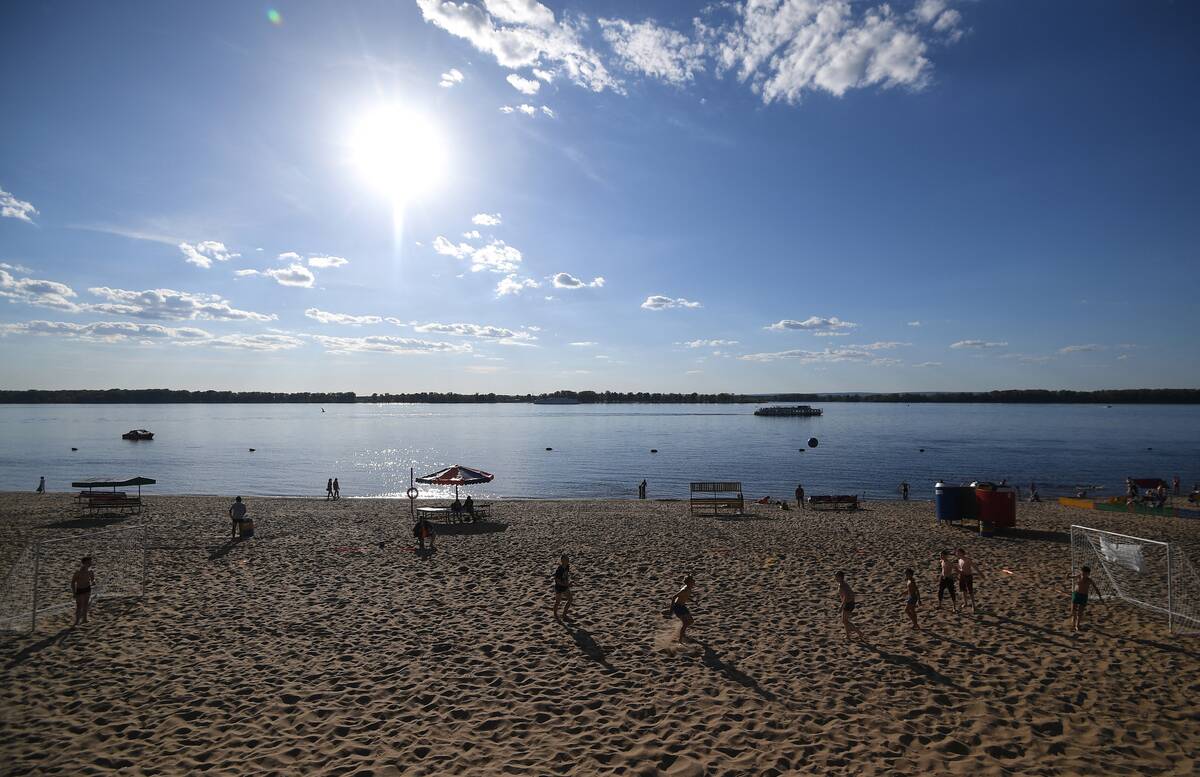
The Volga River, the longest river in Europe, is often referred to as the lifeline of Russia. Flowing through central Russia, it has been essential for trade, agriculture, and transportation since ancient times.
The Volga’s influence on Russian culture and history is profound, serving as a source of inspiration for countless works of art and literature.
The Great Lakes: North America’s Inland Seas
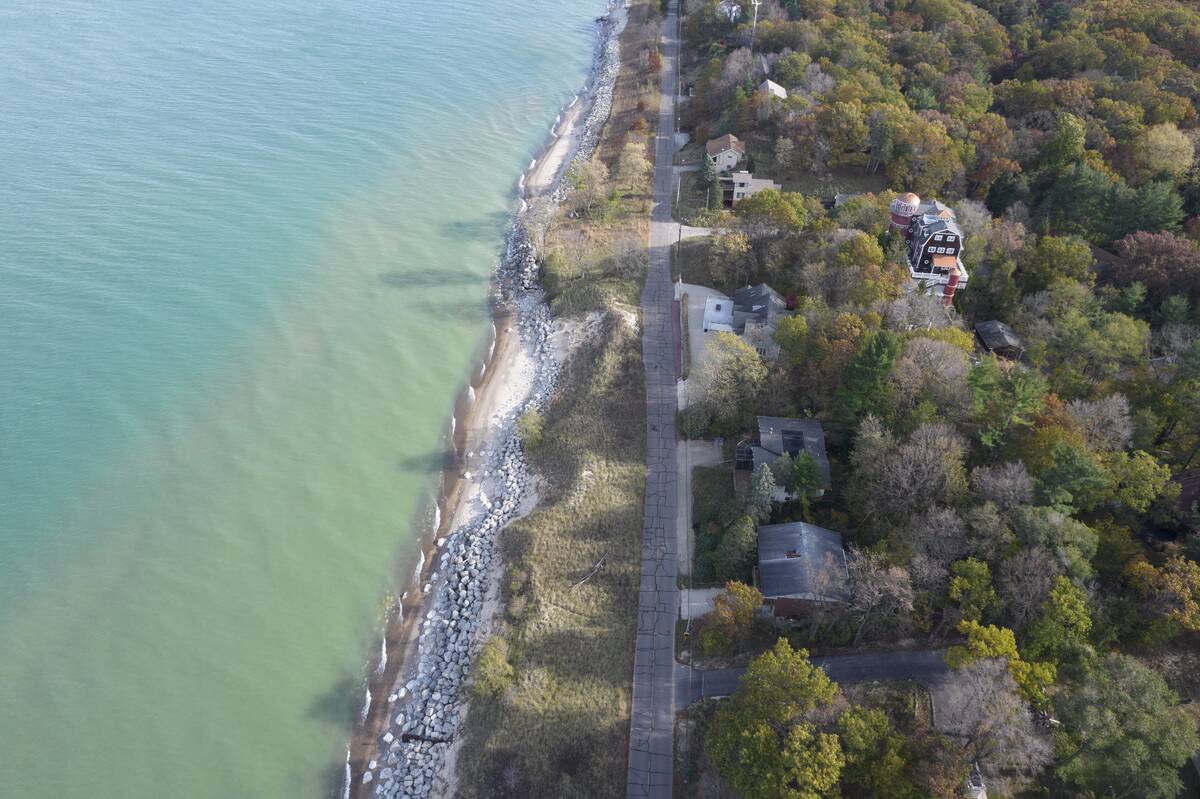
The Great Lakes, comprising five interconnected freshwater lakes, are a vital natural resource for North America. These “inland seas” support a thriving shipping industry, connecting the heart of the continent to the Atlantic Ocean through the Saint Lawrence Seaway.
The Great Lakes also provide water, recreation, and habitat for a vast array of species, highlighting their environmental and economic importance.
The Strait of Gibraltar: A Strategic Passage
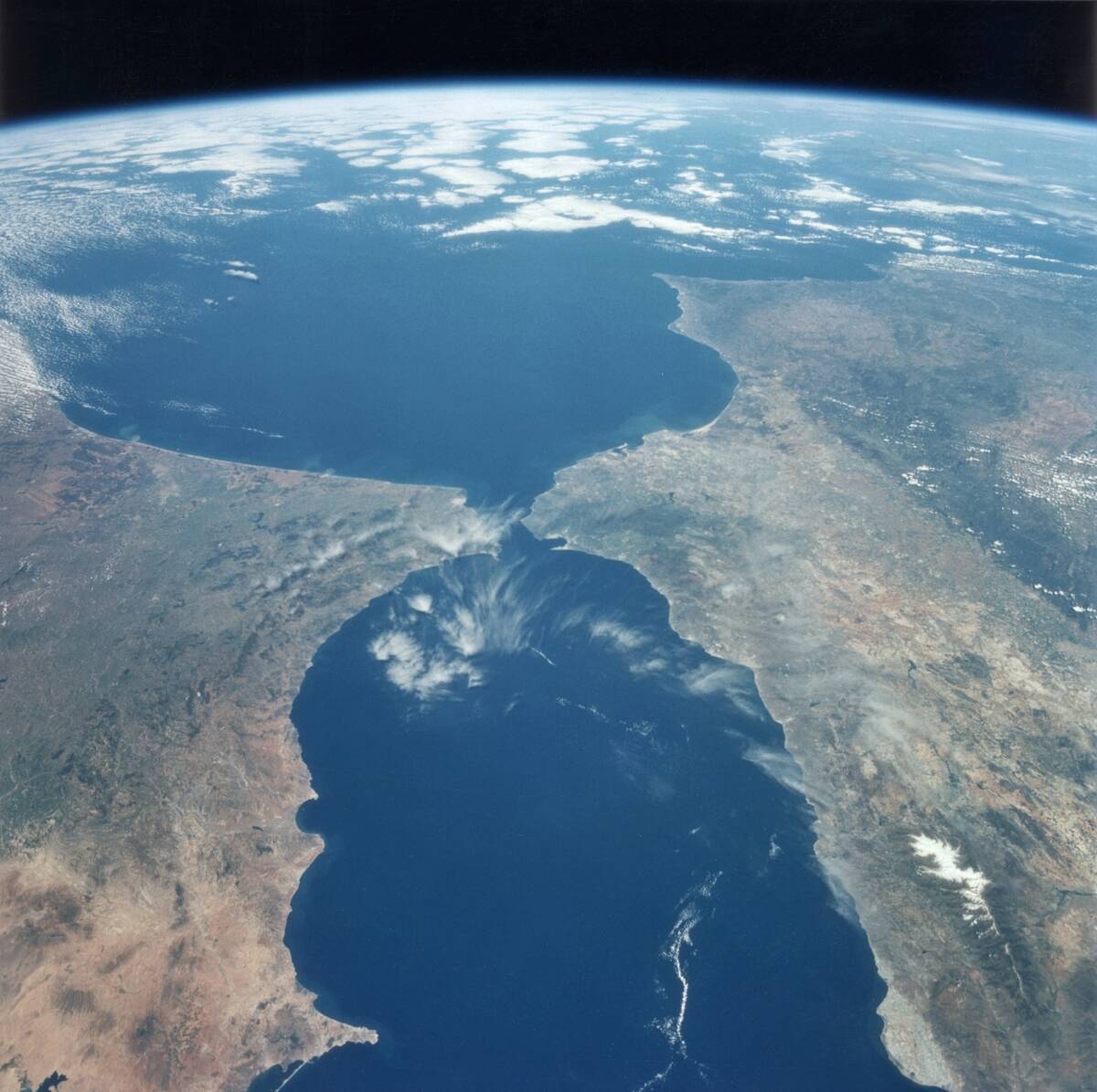
The Strait of Gibraltar, a narrow passage between the Atlantic Ocean and the Mediterranean Sea, has been a strategic maritime route for centuries. Its location has made it a crossroads for trade, culture, and military endeavors.
Control of the strait has been coveted by empires throughout history, underscoring its enduring importance in global geopolitics.
The Bering Strait: Bridge Between Continents
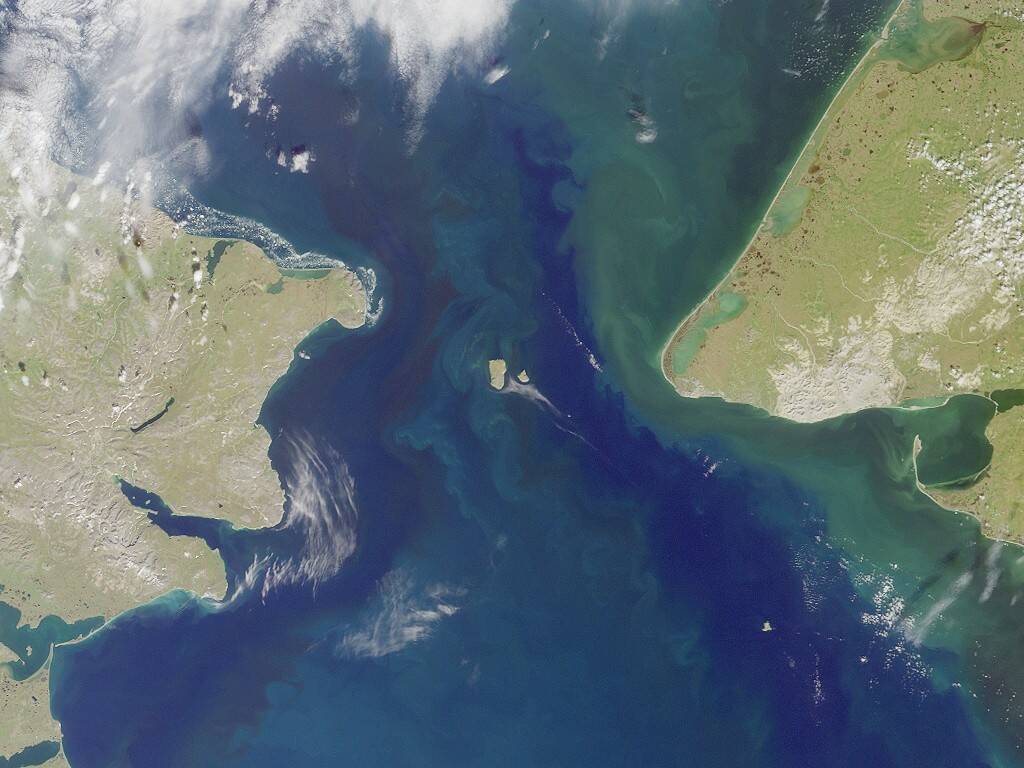
The Bering Strait, a narrow waterway between Russia and Alaska, serves as a natural bridge between Asia and North America. During the last Ice Age, it is believed that humans migrated across a land bridge here, shaping the history of the continents.
Today, the strait remains a critical passage for marine life and a point of scientific interest in understanding human migration.
The Impact of Waterways on Modern Global Trade
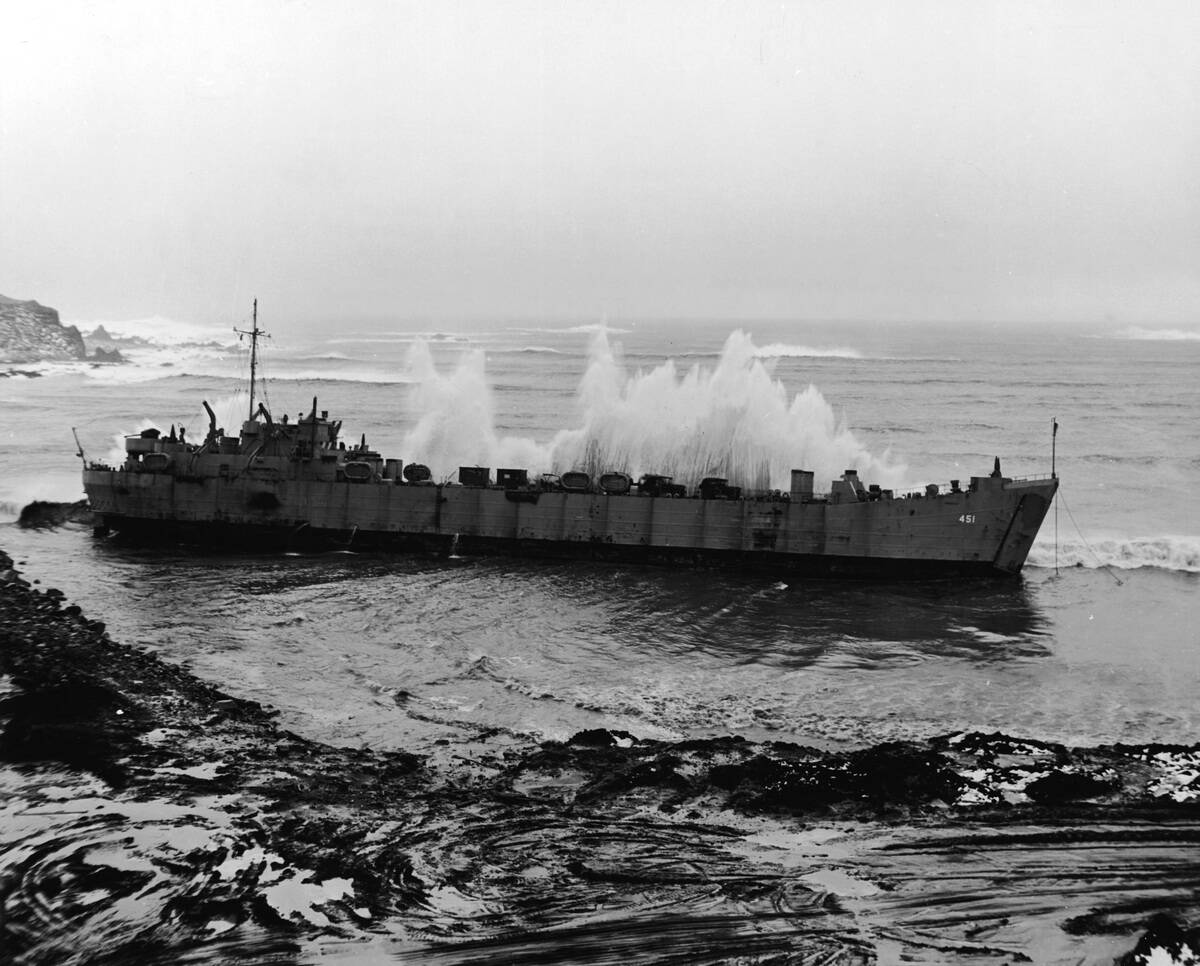
In the modern world, waterways continue to be vital arteries of global trade. They enable the efficient movement of goods, reducing transportation costs and fostering economic growth.
Major shipping routes, such as those through the Panama and Suez Canals, play a pivotal role in the global supply chain. As trade continues to expand, the importance of these waterways in connecting markets and cultures cannot be overstated.