Conflicts that almost turned into war
History is rife with tales of wars that never quite erupted, each carrying its own set of peculiarities. These near-conflicts often revolve around misunderstandings, diplomatic blunders, or territorial ambitions gone awry.
They remind us that the path to war is often averted by the narrowest of margins. Let’s journey through some of the most fascinating “almost-wars” in history, where cooler heads prevailed just in time.
The Pig War: A Porcine Standoff Between the U.S. and Britain

In 1859, a pig sparked a standoff between the United States and Britain among the San Juan Islands, located between Vancouver Island and the mainland United States. The pig, owned by an Irishman, was shot by an American farmer after it trespassed and ate his potatoes.
This seemingly trivial event escalated to the point where both nations sent military forces to the island. Fortunately, diplomacy won the day, and the conflict was resolved peacefully without a single human casualty.
The Aroostook War: Lumberjacks and the U.S.-Canada Border Dispute
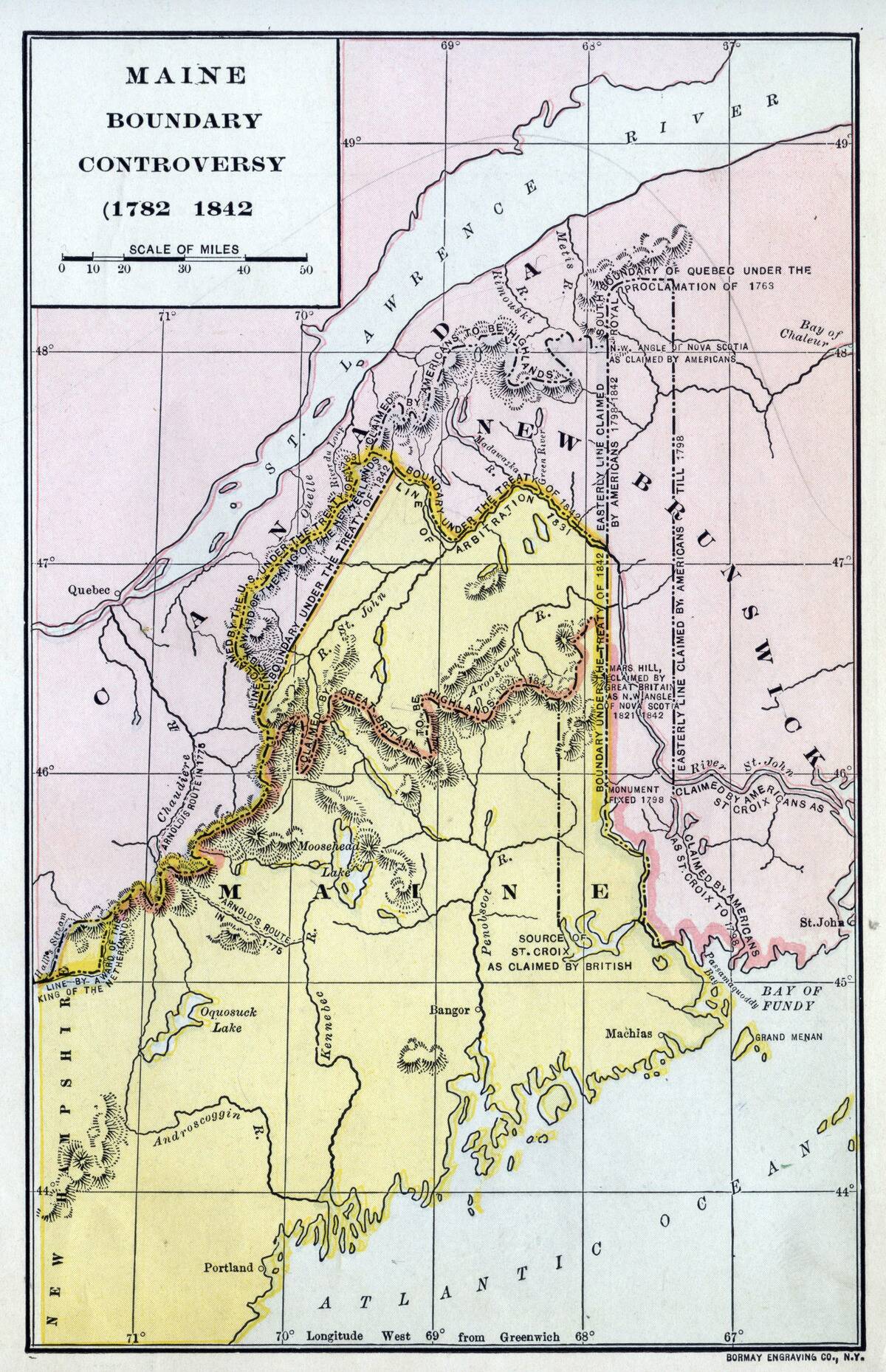
The Aroostook War of 1838-1839 was a border dispute between the United States and the British colony of New Brunswick. It was fueled by competing lumber interests in the Aroostook River Valley.
Armed militia from both sides were prepared to fight, but the conflict was resolved diplomatically with the Webster-Ashburton Treaty of 1842. This war that wasn’t is often remembered as the “Pork and Beans War” due to the supplies sent to the troops.
The Trent Affair: A Diplomatic Slip in the American Civil War
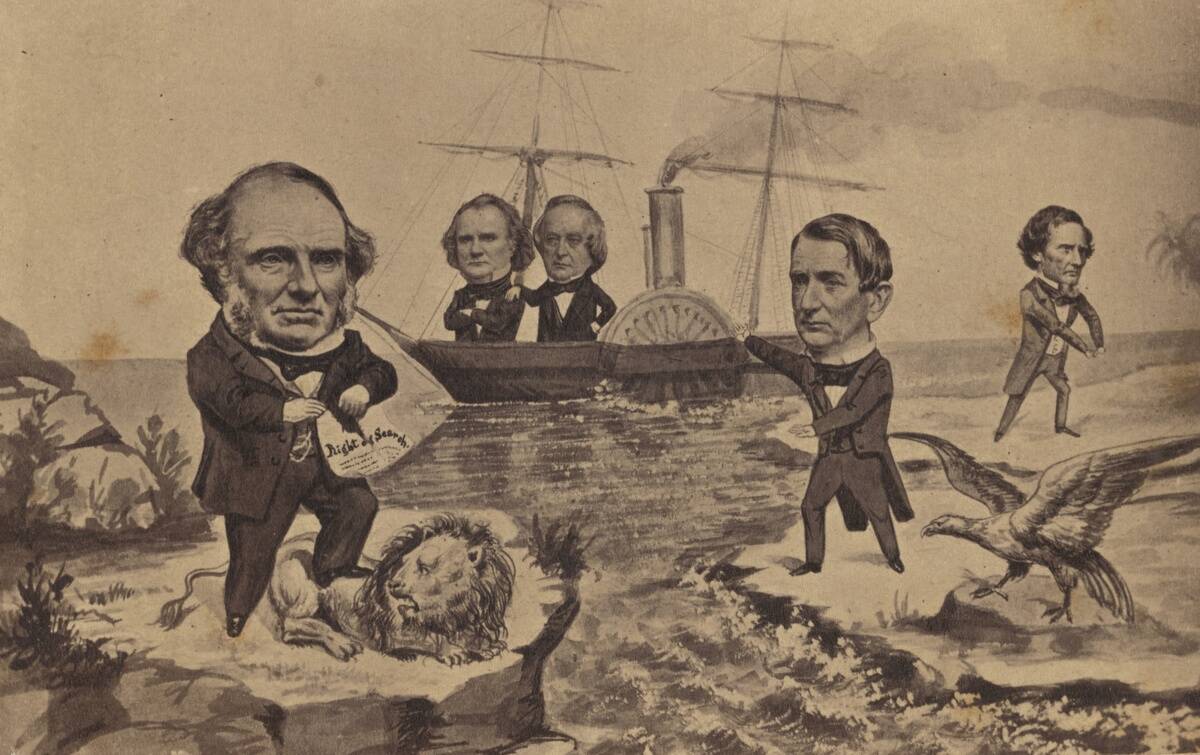
During the American Civil War, the Trent Affair nearly dragged Britain into the conflict. In 1861, the U.S. Navy intercepted the British mail ship Trent and captured two Confederate diplomats.
Britain was outraged and demanded their release, preparing for potential war. President Lincoln, recognizing the gravity, ordered their release, avoiding a disastrous second front. This incident highlighted the fine line between diplomacy and conflict during wartime.
The Fashoda Incident: France and Britain’s African Scramble Showdown
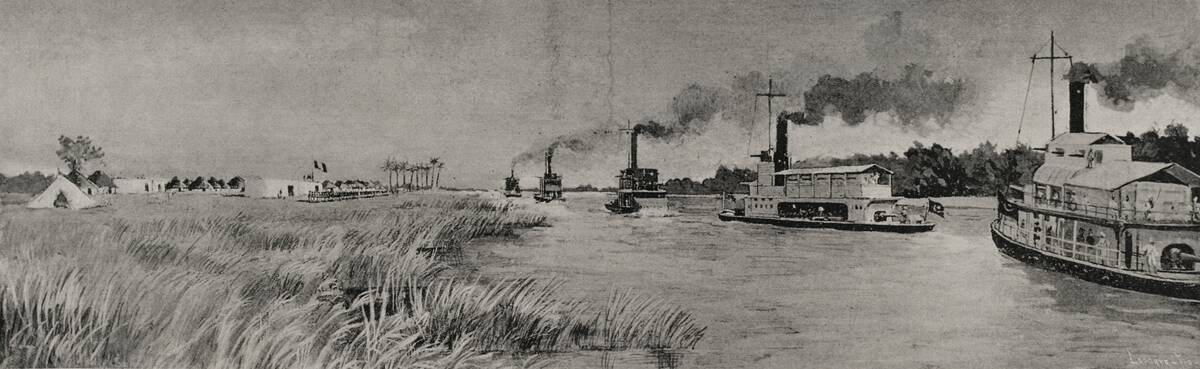
In 1898, the Fashoda Incident brought France and Britain to the brink of war over colonial ambitions in Africa. Both nations had sent expeditions to Fashoda, located in present-day South Sudan, to claim the territory.
A tense standoff ensued, with both sides refusing to back down. Eventually, diplomatic negotiations led to the French withdrawal, and the Entente Cordiale of 1904 helped ease future tensions, showcasing the power of diplomacy in colonial rivalries.
The Venezuelan Crisis of 1895: A Boundary Dispute with a Twist
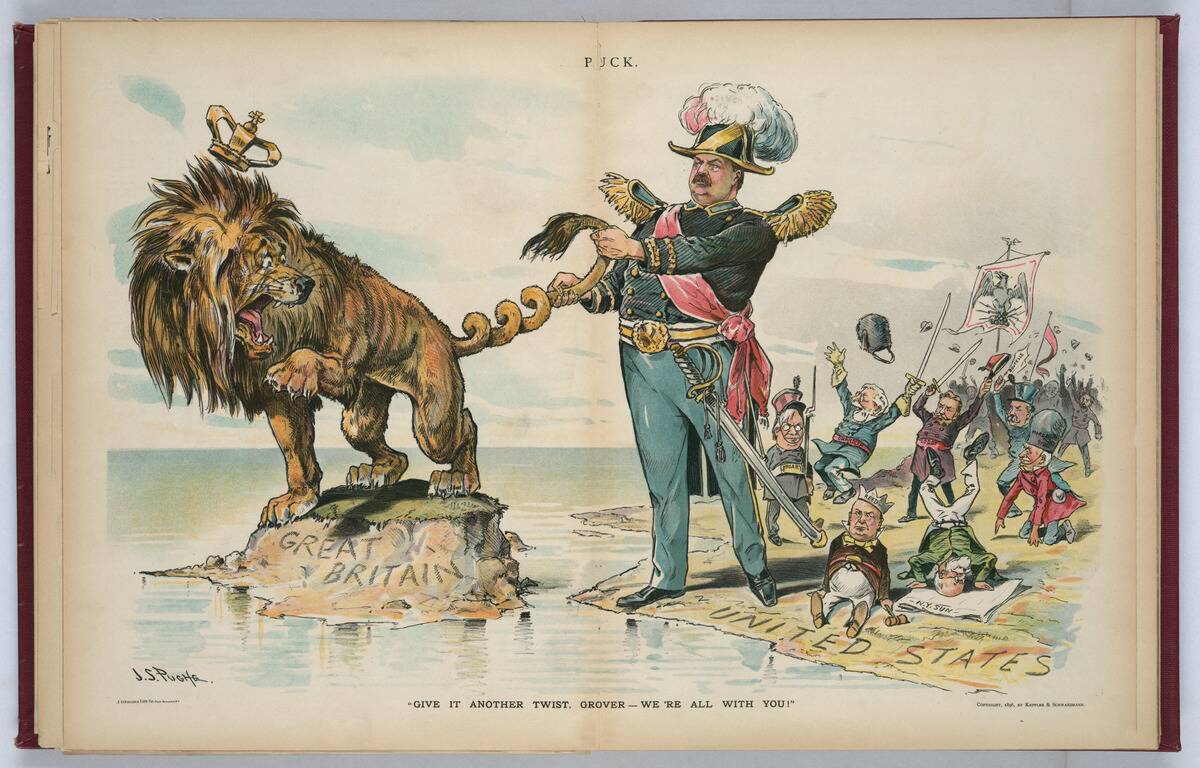
The Venezuelan Crisis of 1895 was a diplomatic incident where the U.S. intervened in a boundary dispute between Britain and Venezuela. The conflict arose over the border between Venezuela and British Guiana.
Invoking the Monroe Doctrine, the U.S. demanded arbitration. Britain, seeing the value of maintaining good relations with the U.S., agreed, setting a precedent for U.S. intervention in the Western Hemisphere. This incident helped solidify the U.S. position as a world power.
The Zimmermann Telegram: Germany’s Proposal and Mexico’s Decline
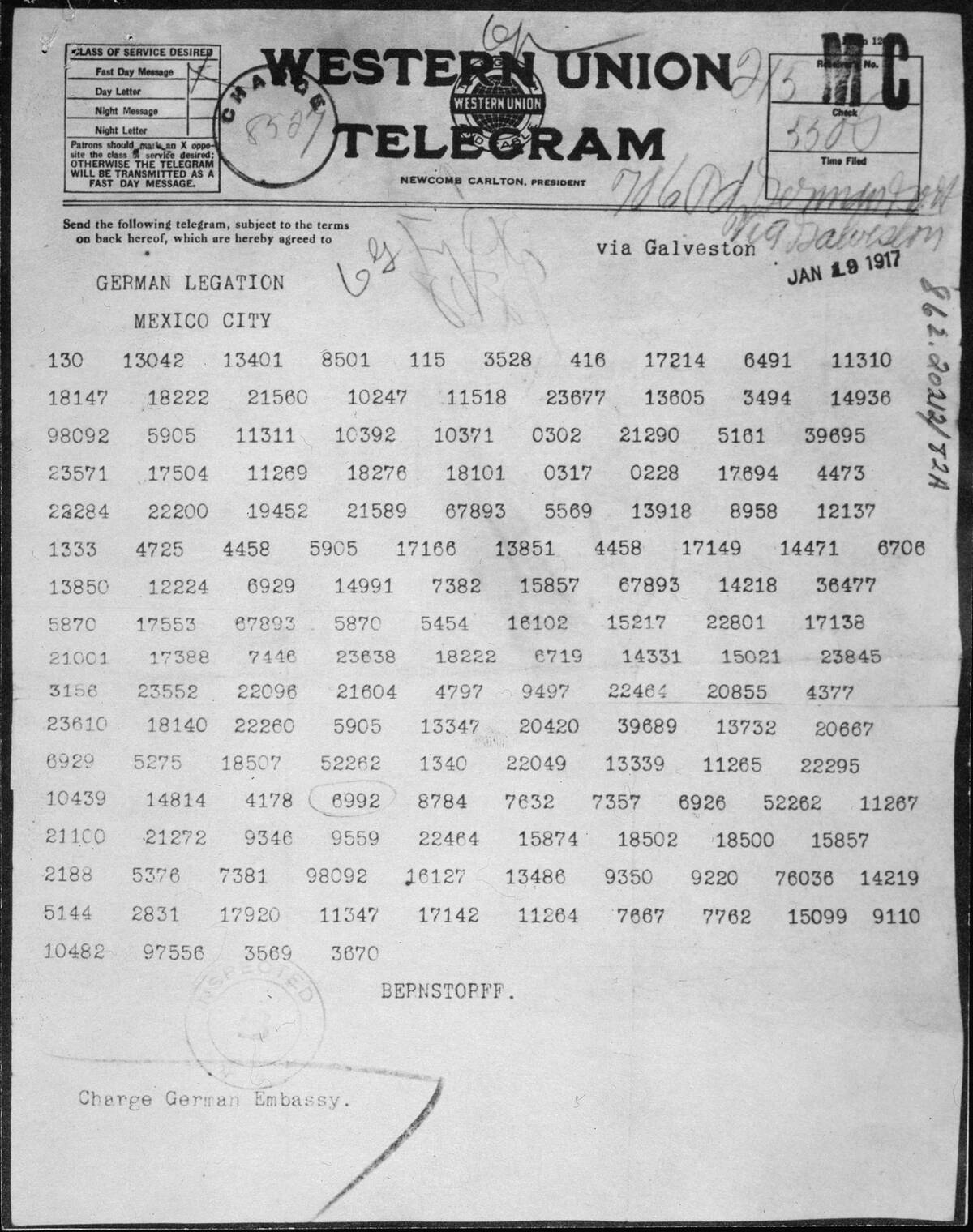
The Zimmermann Telegram was a secret communication sent by Germany to Mexico in 1917, proposing a military alliance against the United States should it enter World War I. In return, Germany promised to support Mexico in reclaiming lost territories in Texas, New Mexico, and Arizona.
The British intercepted and decoded the telegram, revealing its contents to the U.S. This fueled American support for entering the war, but was ultimately secondary to the sinking of the Lusitania in that respect. Still, there was a chance it could’ve made the world’s biggest war at the time even bigger if not for Mexico’s commitment to its neutrality amid internal struggles.
The Corfu Incident: Mussolini’s Mediterranean Misstep
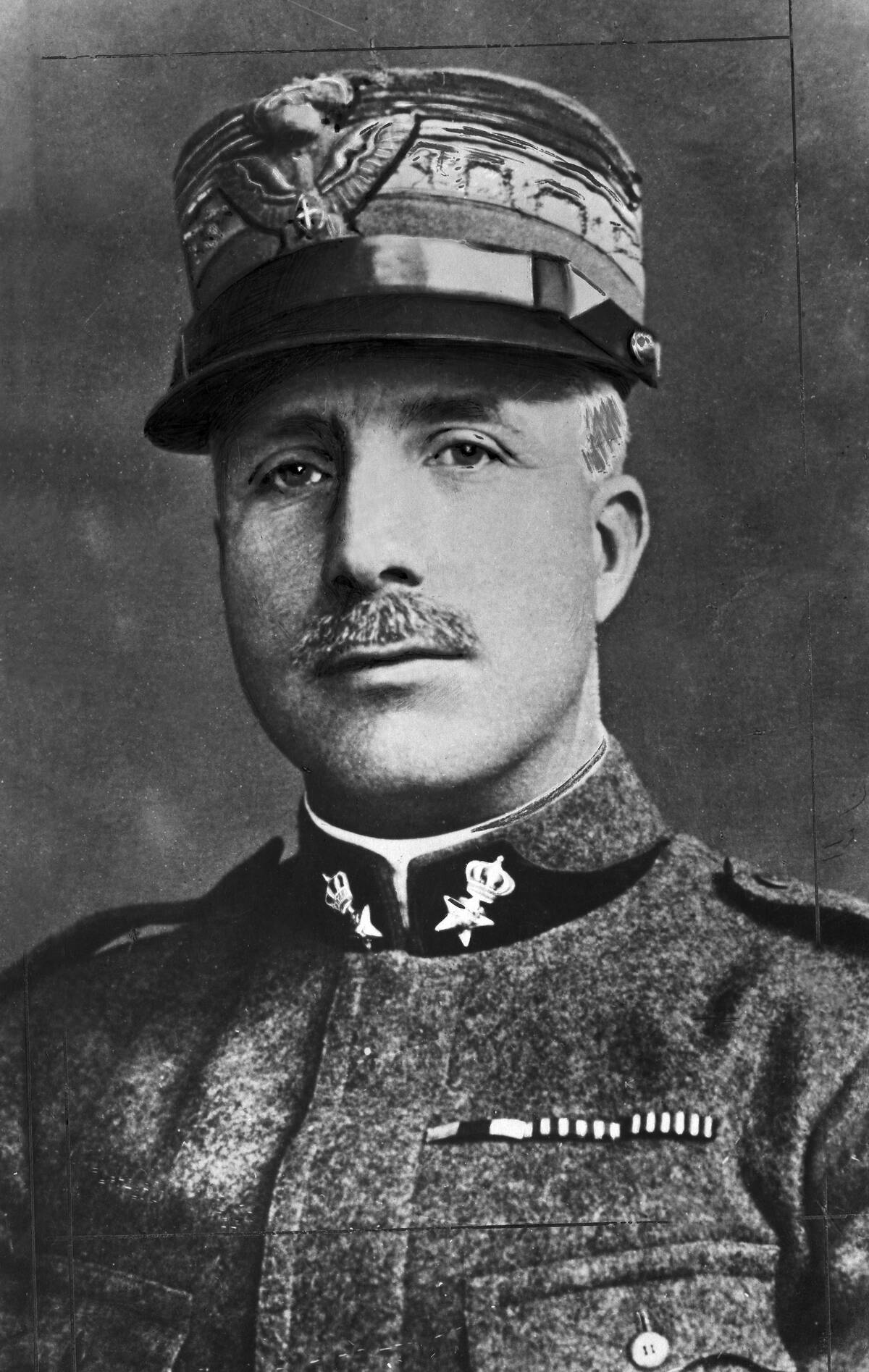
In 1923, the Corfu Incident saw Italian forces occupy the Greek island of Corfu following the murder of Italian general Enrico Tellini (pictured). Mussolini demanded reparations and an apology from Greece.
The League of Nations intervened, forcing Italy to withdraw and settle the dispute diplomatically. That said, the incident was considered a revelation of the weakness of the League of Nations, as the peace agreement the League brokered favored Italy despite the nation’s open defiance of the international organization.
The War of the Stray Dog: A Canine-Induced Greek-Bulgarian Conflict
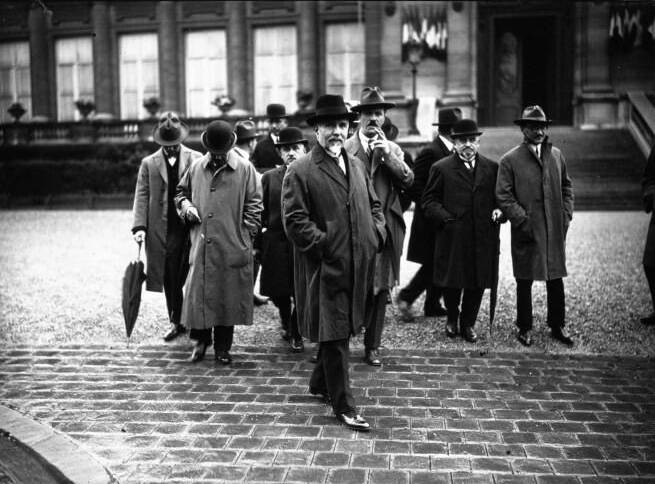
In 1925, the War of the Stray Dog erupted between Greece and Bulgaria over a border incident involving a Greek soldier chasing his dog across the border into Bulgaria. The incident escalated, leading to Greek troops briefly attempting an invasion of Bulgaria.
The League of Nations intervened, ordering a ceasefire and imposing sanctions on Greece. This bizarre conflict highlighted the volatility of Balkan politics and the potential for minor incidents to escalate into international crises.
The Cuban Missile Crisis: The Cold War Close Call
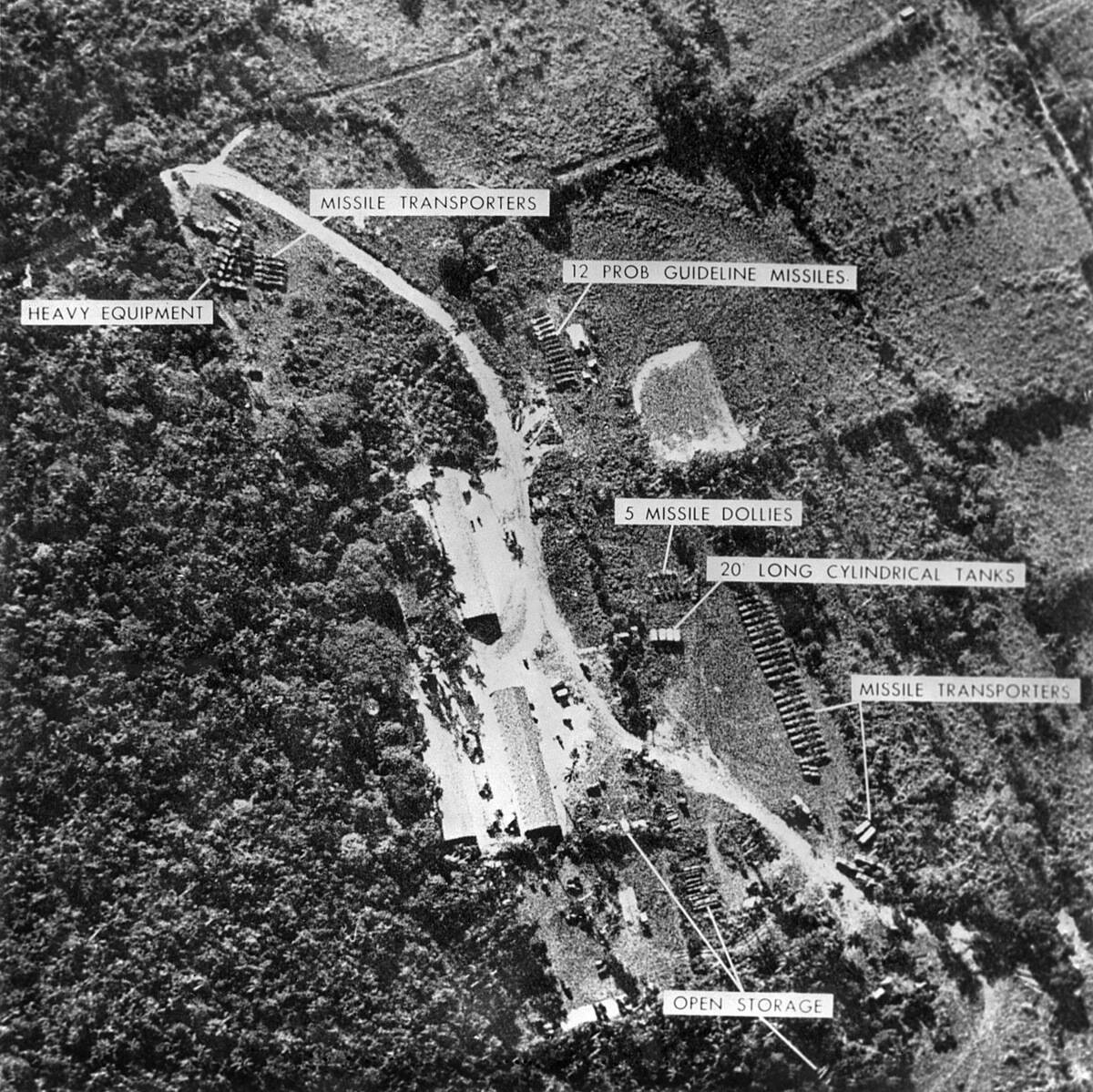
The Cuban Missile Crisis of 1962 was a 13-day confrontation between the United States and the Soviet Union over Soviet ballistic missiles deployed in Cuba. This standoff brought the world to the brink of nuclear war.
Secret negotiations between Kennedy and Khrushchev led to the removal of the missiles in exchange for the U.S. promising not to invade Cuba and the secret removal of U.S. missiles from Turkey. It was a pivotal moment in Cold War history.
The Able Archer 83: NATO Exercise That Almost Turned Real
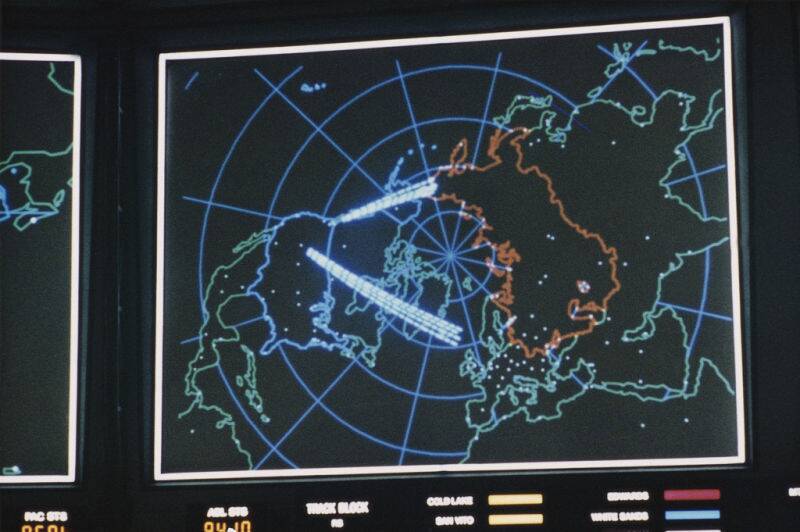
Able Archer 83 was a NATO military exercise conducted in 1983, simulating a period of escalating conflict culminating in a nuclear strike. The realistic nature of the exercise alarmed the Soviet Union, which believed it might be a prelude to a real attack.
The Soviet military was put on high alert, and war was narrowly averted. This incident underscored the dangers of miscommunication and the thin line between war games and actual conflict during the Cold War.
The Cod Wars: Fishing Rights and Iceland’s Naval Face-Off
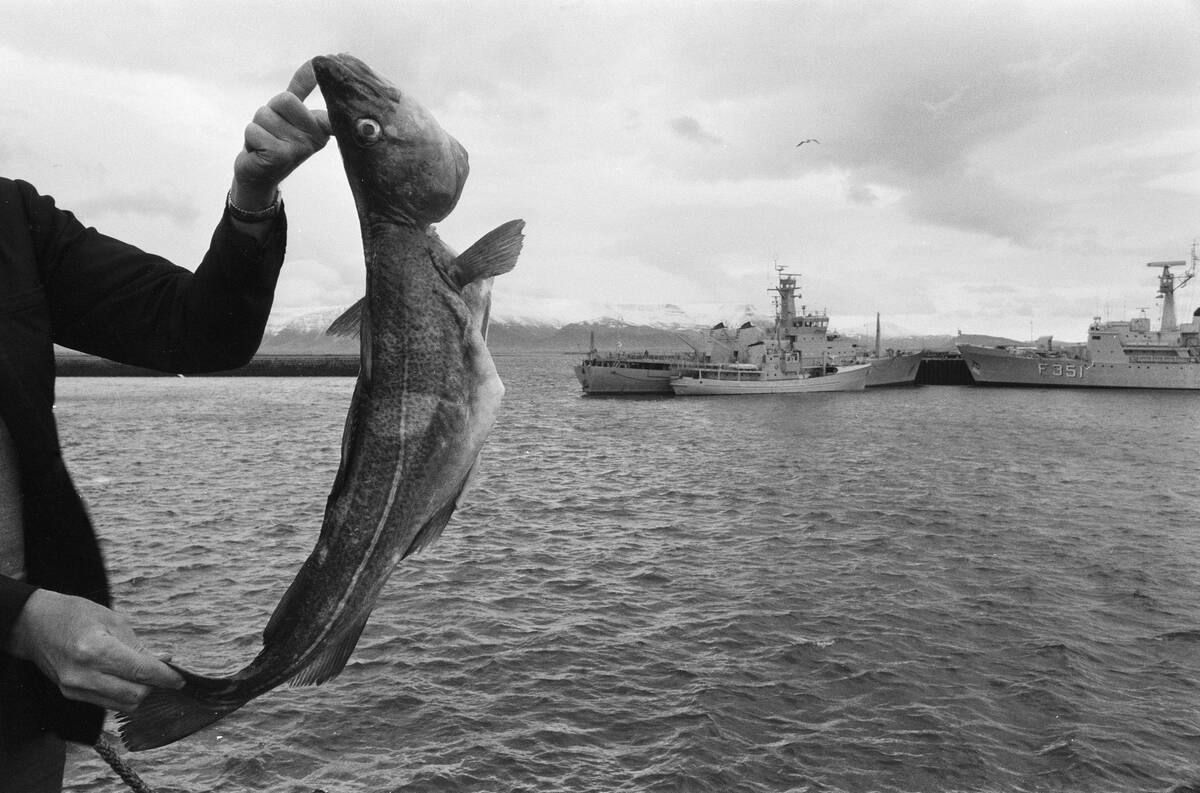
The Cod Wars were a series of confrontations between the United Kingdom and Iceland from the 1950s to the 1970s over fishing rights in the North Atlantic. Iceland extended its fishing limits, leading to clashes with British trawlers.
Despite the term “war,” these conflicts were largely limited to sabotage involving ship-to-ship collisions and net-cutting. Indeed, the only casualty of these disputes, an Icelandic engineer in 1973, had his death ruled an accident. The disputes ended with British concessions, highlighting the significance of maritime resources and economic interests in international relations.
The Sino-Soviet Border Conflict: A Clash of Communist Titans
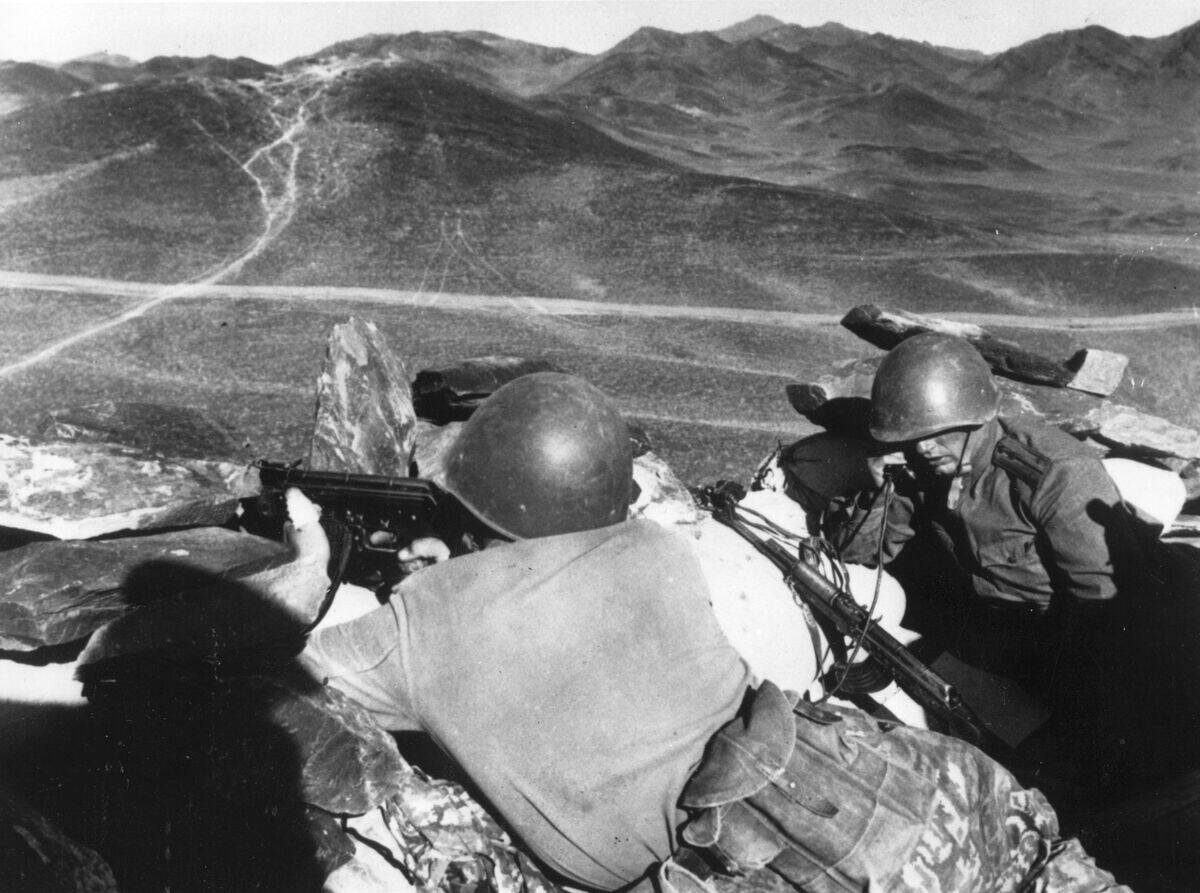
In 1969, the Sino-Soviet Border Conflict erupted along the Ussuri River, marking a significant rift between two major communist powers. The skirmishes were fueled by ideological differences and territorial disputes.
Although the conflict involved limited engagements, it led to a significant military buildup on both sides. The tensions eased over time, but this conflict underscored the complexity of international relations, even among nations with similar political ideologies.
The Football War: Honduras and El Salvador’s Soccer Showdown
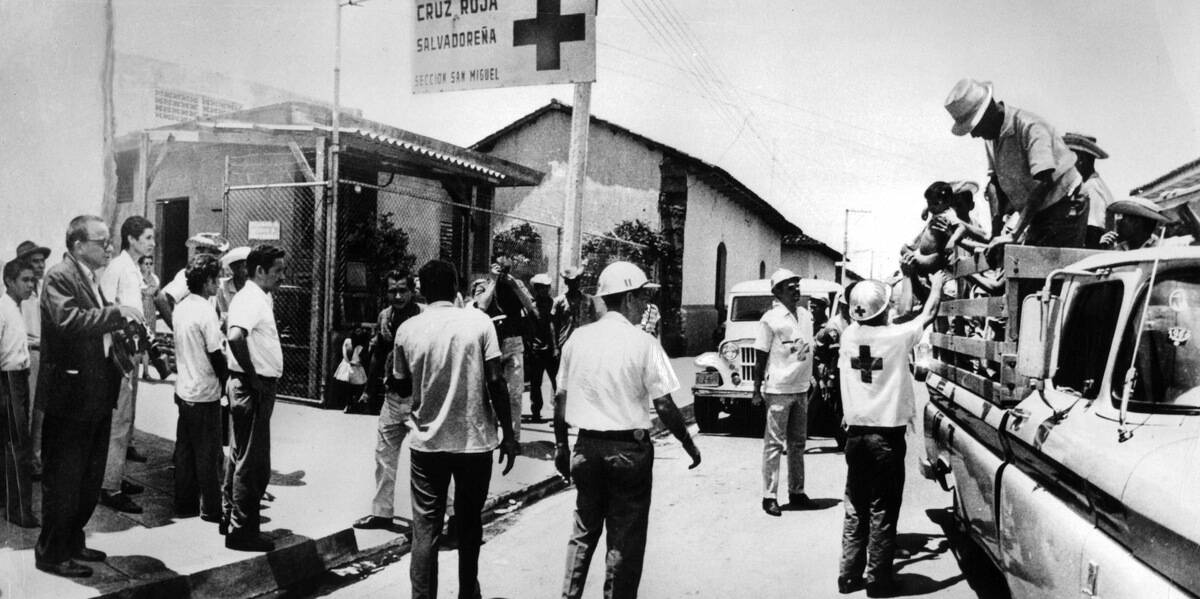
The Football War, also known as the 100 Hour War, occurred in 1969 between Honduras and El Salvador. Tensions were exacerbated by a FIFA World Cup qualifier match, but the conflict’s roots lay in immigration issues and land disputes.
The war lasted only four days, resulting in significant casualties and displacement. A ceasefire was brokered by the Organization of American States. This conflict demonstrated how sports can ignite underlying political and social tensions.




