16 Old etiquette rules that seem odd today
Ah, the good old days when manners were as important as morning coffee! Vintage etiquette might seem quaint now, but it was once the backbone of social interactions. From handwritten notes to dressing for dinner, these customs were all about showing respect and consideration.
While some of these practices have faded, they offer a fascinating glimpse into how society once functioned. So, let’s take a nostalgic journey back to a time when etiquette ruled the day.
The Formality of Greeting Cards: When a Text Would Suffice
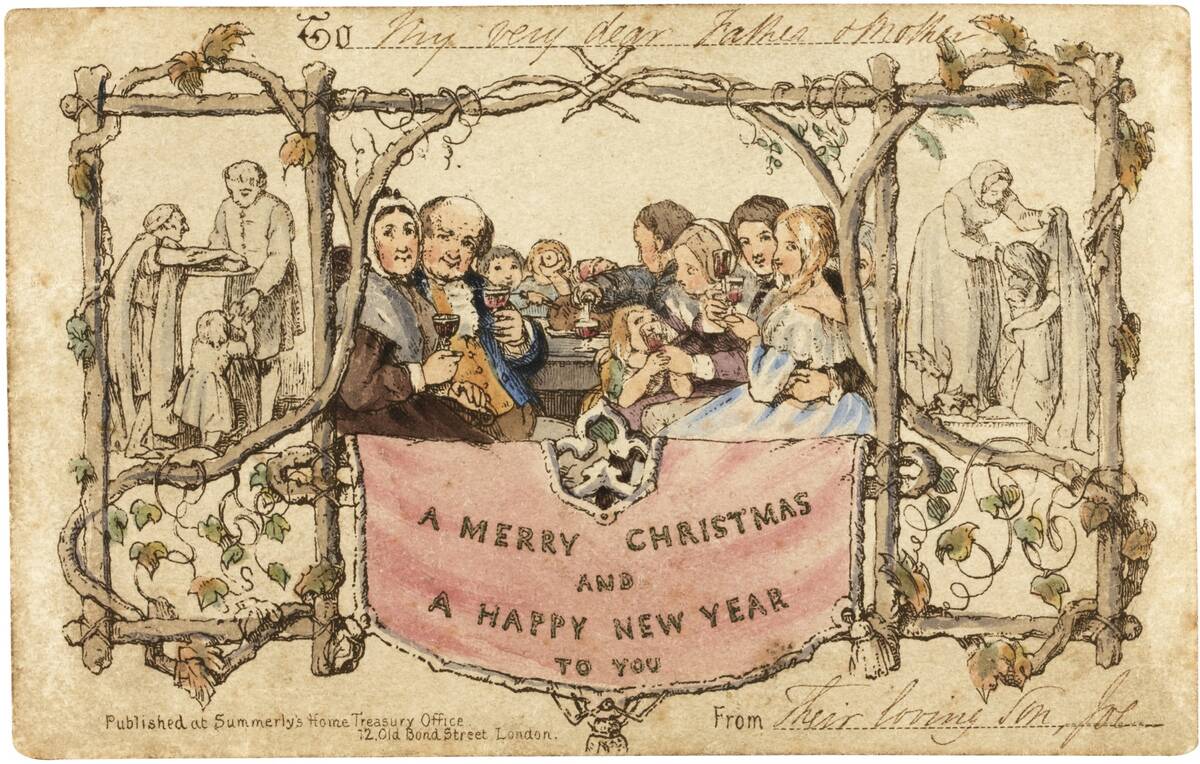
Remember when sending a greeting card was the norm for every occasion? From birthdays to condolences, these cards were the ultimate expression of thoughtfulness. Today, a quick text or an emoji often replaces them. While digital messages are convenient, they lack the personal touch of a handwritten card.
The effort of choosing the perfect card and penning a heartfelt message was a ritual that showed genuine care. It’s a tradition that, while less common, still holds a special place in many hearts.
The Art of the Handwritten Thank You Note: A Lost Tradition
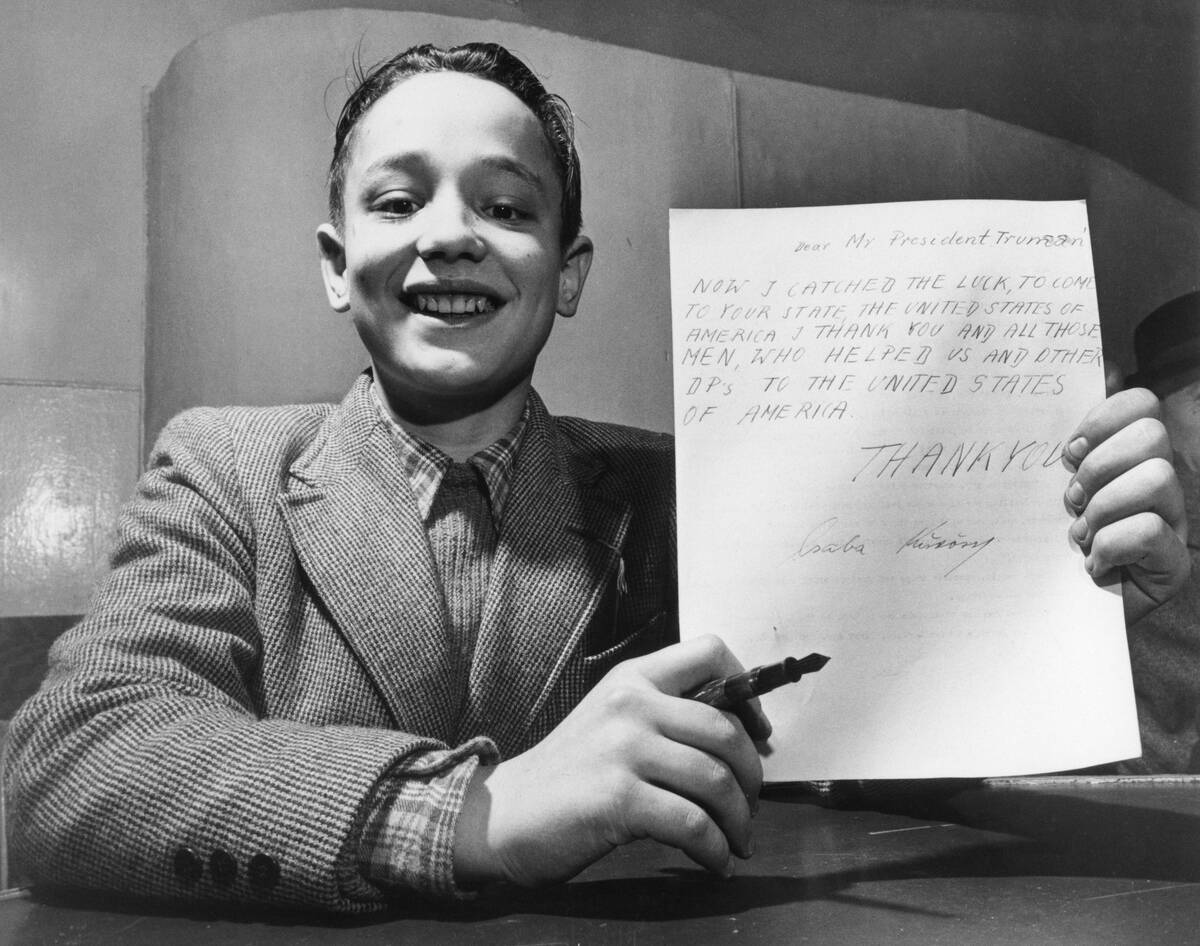
Once a staple of gratitude, the handwritten thank you note has largely been replaced by quick emails or texts. In the past, crafting a thank you note was an art form, requiring careful selection of stationery and thoughtful words.
This practice was about more than just saying thanks; it was a reflection of one’s upbringing and social grace. Today, while less frequent, receiving a handwritten note can still make a lasting impression, standing out in our fast-paced digital world.
Dress Codes: Why Dressing for Dinner Isn’t a Thing Anymore
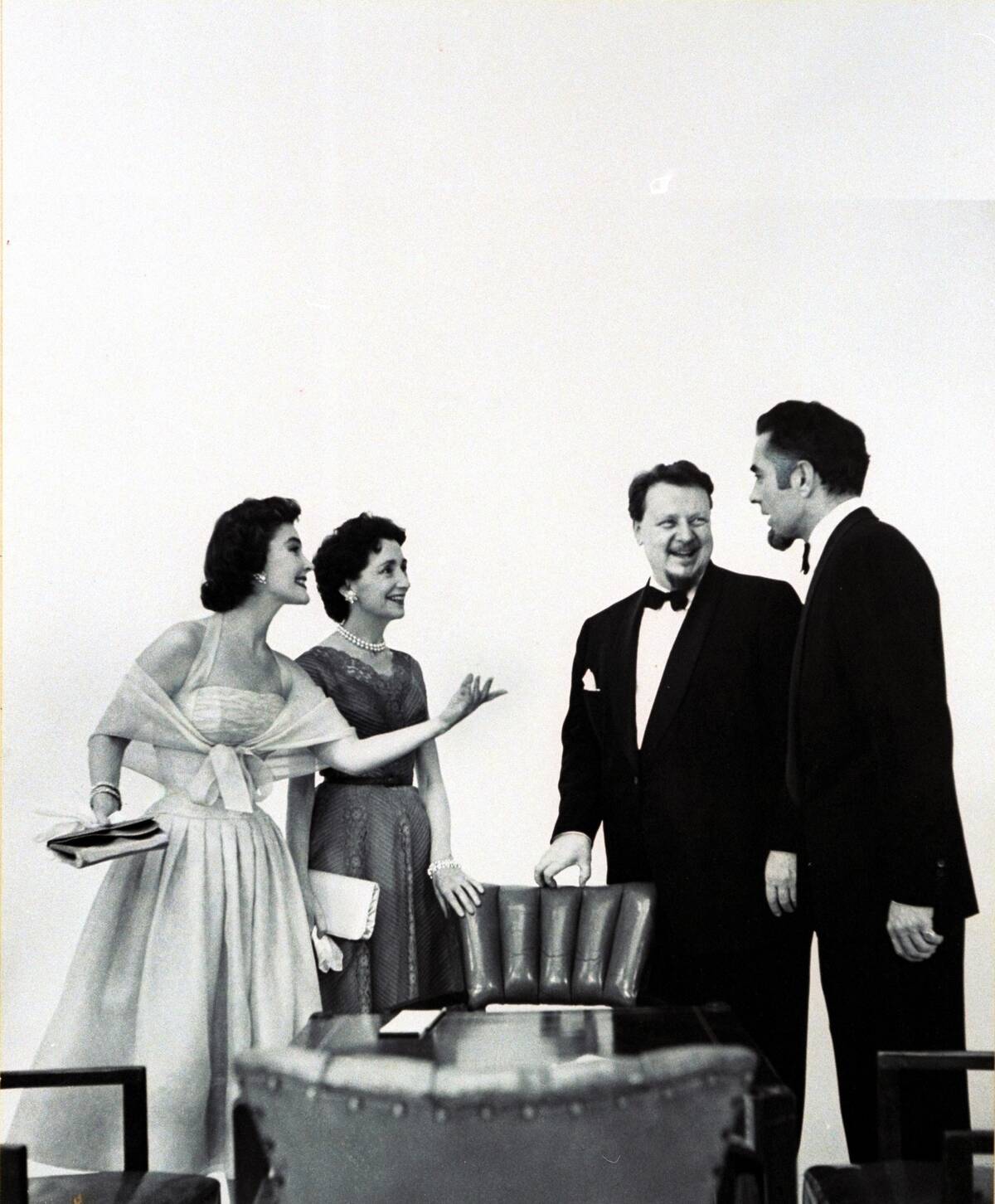
There was a time when dressing for dinner was as important as the meal itself. Formal attire was expected, with gentlemen in suits and ladies in elegant dresses. This tradition emphasized the significance of meal times as social events.
Nowadays, casual dining is the norm, and dressing up is reserved for special occasions. The shift reflects a more relaxed societal attitude, but the nostalgia of dressing for dinner remains a charming reminder of a bygone era.
The Rigidity of Table Manners: Forks, Knives, and Confusion
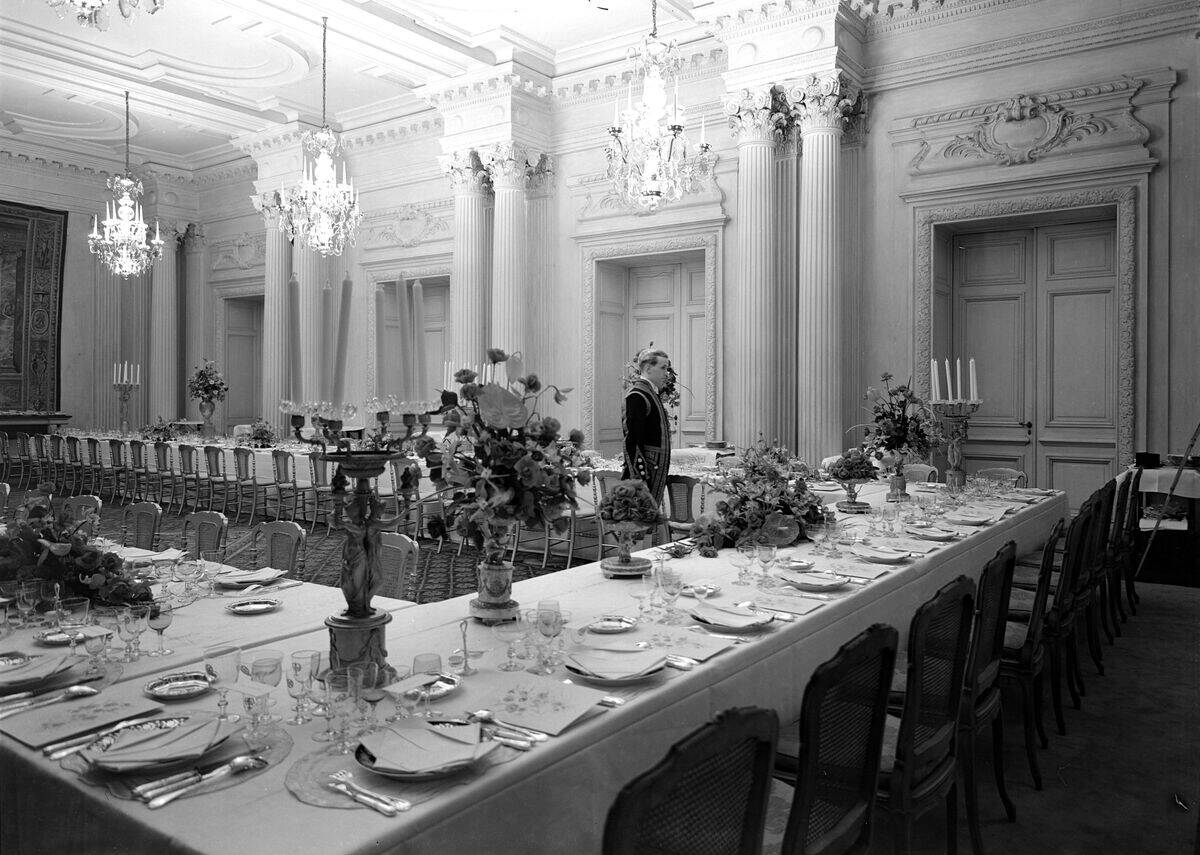
Navigating a formal dinner setting could be a daunting task, with a plethora of forks and knives to choose from. Each piece of cutlery had a specific purpose, and using the wrong one was a social faux pas.
Today, while basic table manners are still appreciated, the strict rules have loosened considerably. The focus has shifted to enjoying the company and conversation rather than worrying about which fork to use. Yet, mastering table etiquette can still impress at formal gatherings.
Calling Cards: The Original Social Media, But Make It Awkward
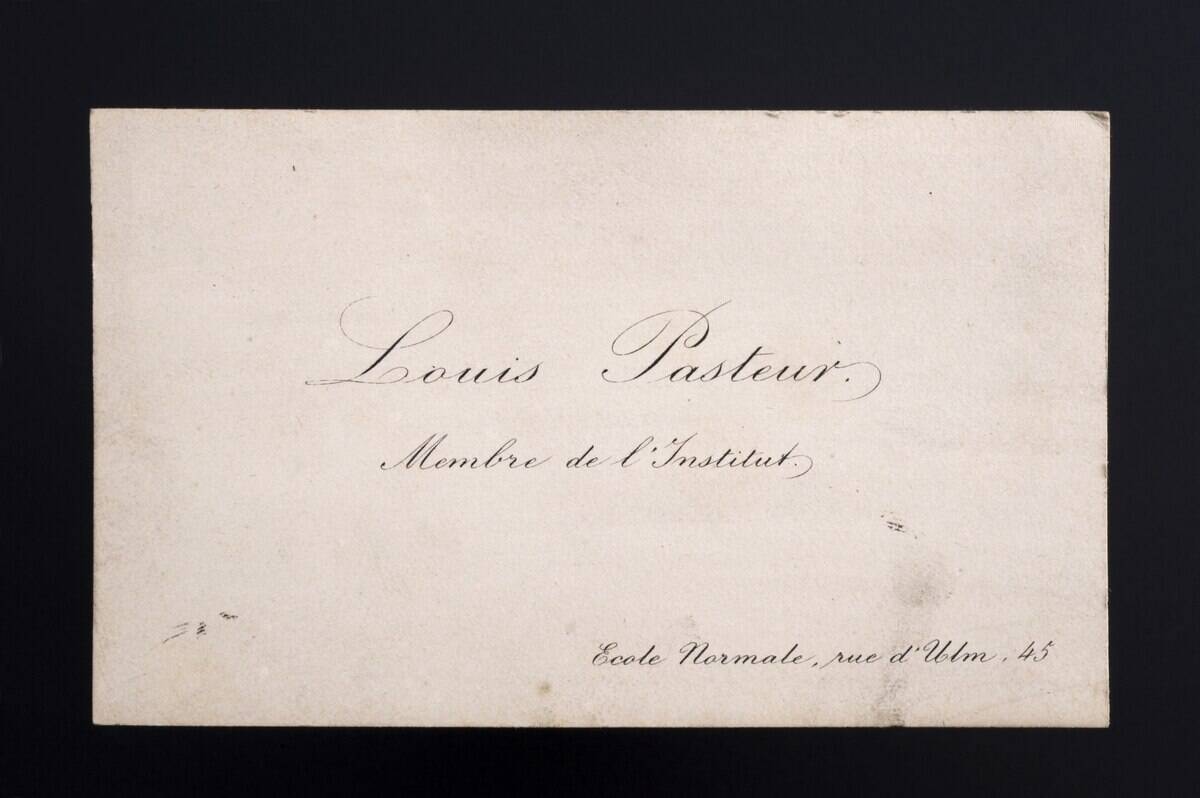
Long before Facebook and Instagram, calling cards were the way to announce one’s presence. These small cards were left at homes to signify a visit or intention to meet. It was a formal yet somewhat awkward way to connect.
While calling cards have mostly disappeared, they were the precursor to modern social networking. Today, a quick message or a social media post suffices, but the charm of a tangible card remains a quaint memory of past social customs.
The Protocol of Introductions: First Impressions in a Digital Age
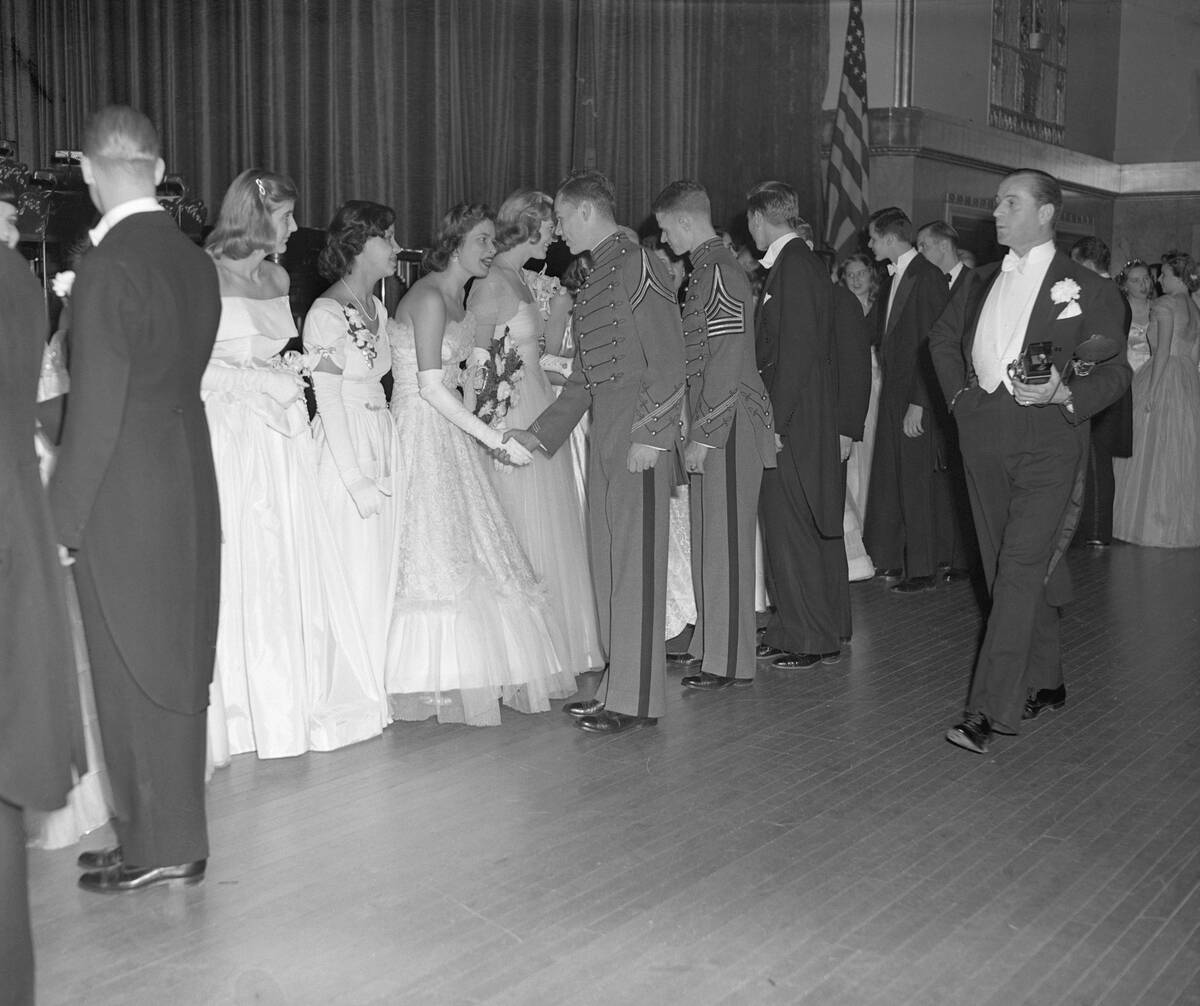
Introductions were once a carefully orchestrated affair, with strict rules on who should be introduced to whom. First impressions were everything, and proper introductions set the tone for future interactions.
In today’s digital age, introductions are often informal, with social media profiles providing a quick snapshot of a person. While the formality has diminished, the importance of a good first impression remains, albeit in a more relaxed and accessible manner.
The Unspoken Rule of Not Talking Politics or Religion
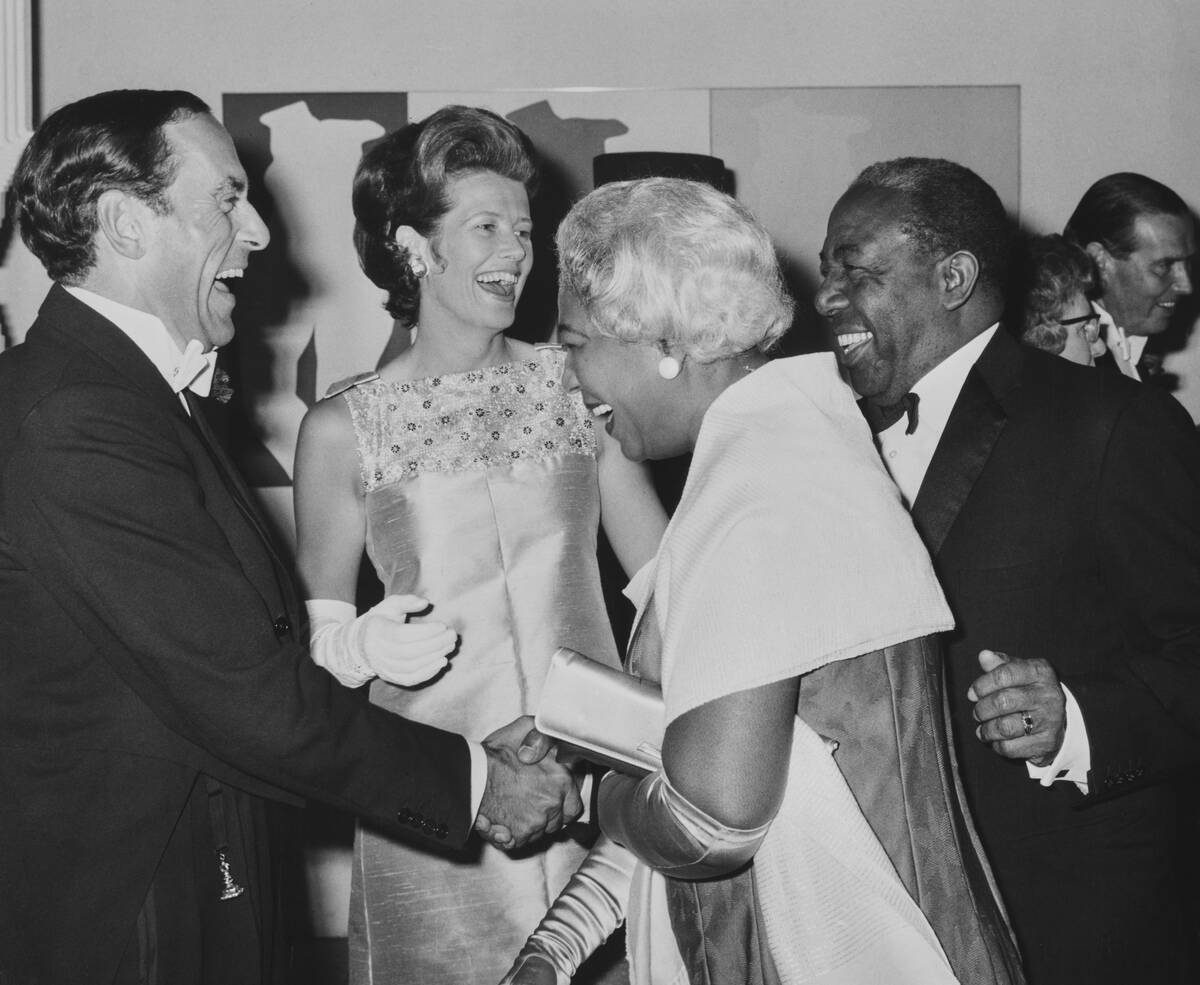
Avoiding discussions of politics and religion at social gatherings was once an unspoken rule to maintain harmony. These topics were considered too contentious and potentially divisive. Today, while still sensitive, conversations around these subjects are more common, reflecting a society that values open dialogue.
The key is to engage respectfully and be mindful of differing viewpoints. This shift highlights an evolution towards more inclusive and understanding social interactions.
The Obligation of RSVP: When It’s Just Easier to Text
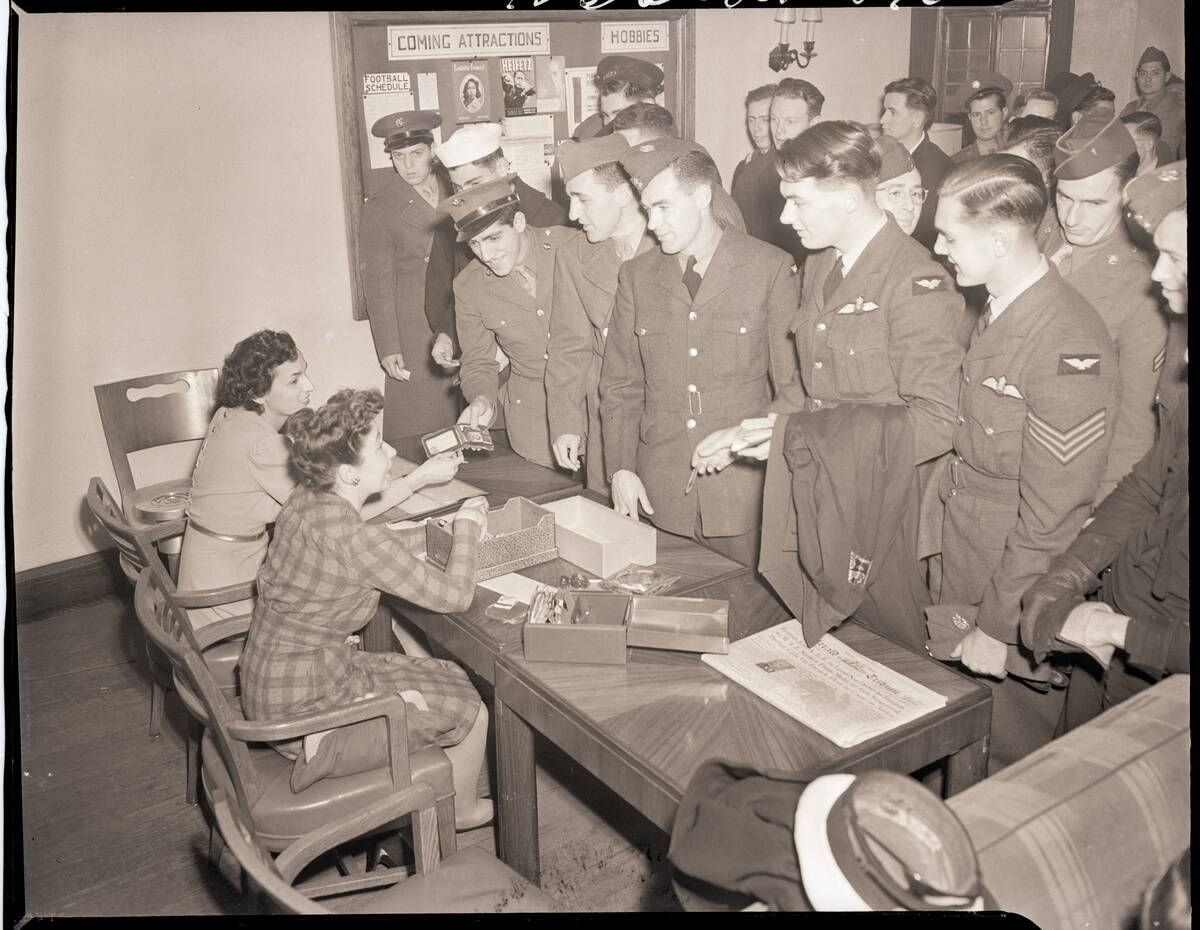
Responding to an invitation with an RSVP was once a mark of respect and good manners. It allowed hosts to plan effectively, ensuring everyone had a seat at the table. Today, a quick text or email often suffices, reflecting a more casual approach to event planning.
While the formality of RSVPs has lessened, the underlying principle of letting hosts know your intentions remains important. It’s a simple courtesy that shows appreciation for the invitation.
The Stigma of Calling After 9 PM: The New Norms of Communication
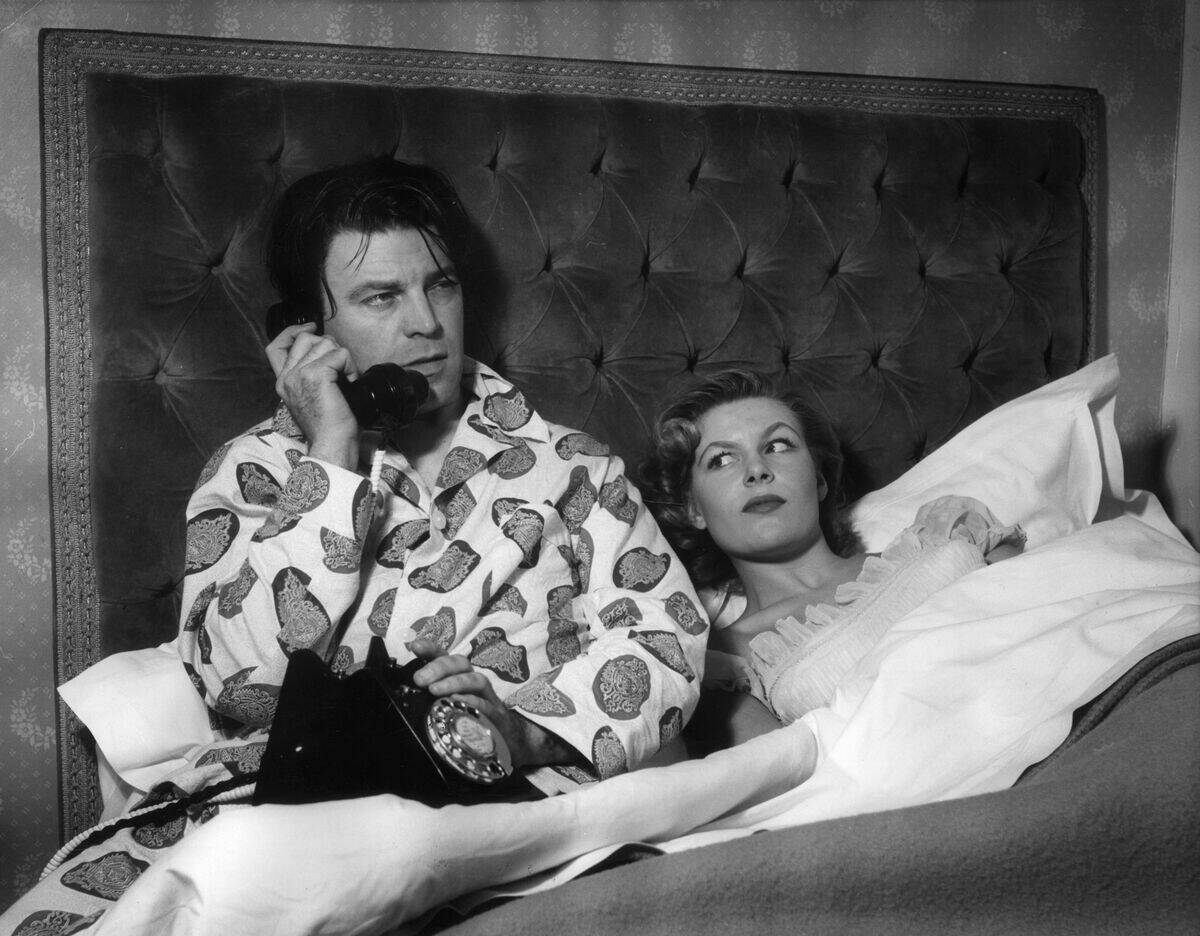
Calling someone after 9 PM was once considered rude, a disruption of personal time. This unwritten rule was about respecting boundaries. In today’s connected world, communication norms have shifted.
With texts and instant messaging, reaching out at any hour is more acceptable, though discretion is still appreciated. The change reflects a society that is always on but also highlights the importance of respecting individual preferences for communication.
The Expectation of Standing When a Lady Enters: Gender Roles Revisited
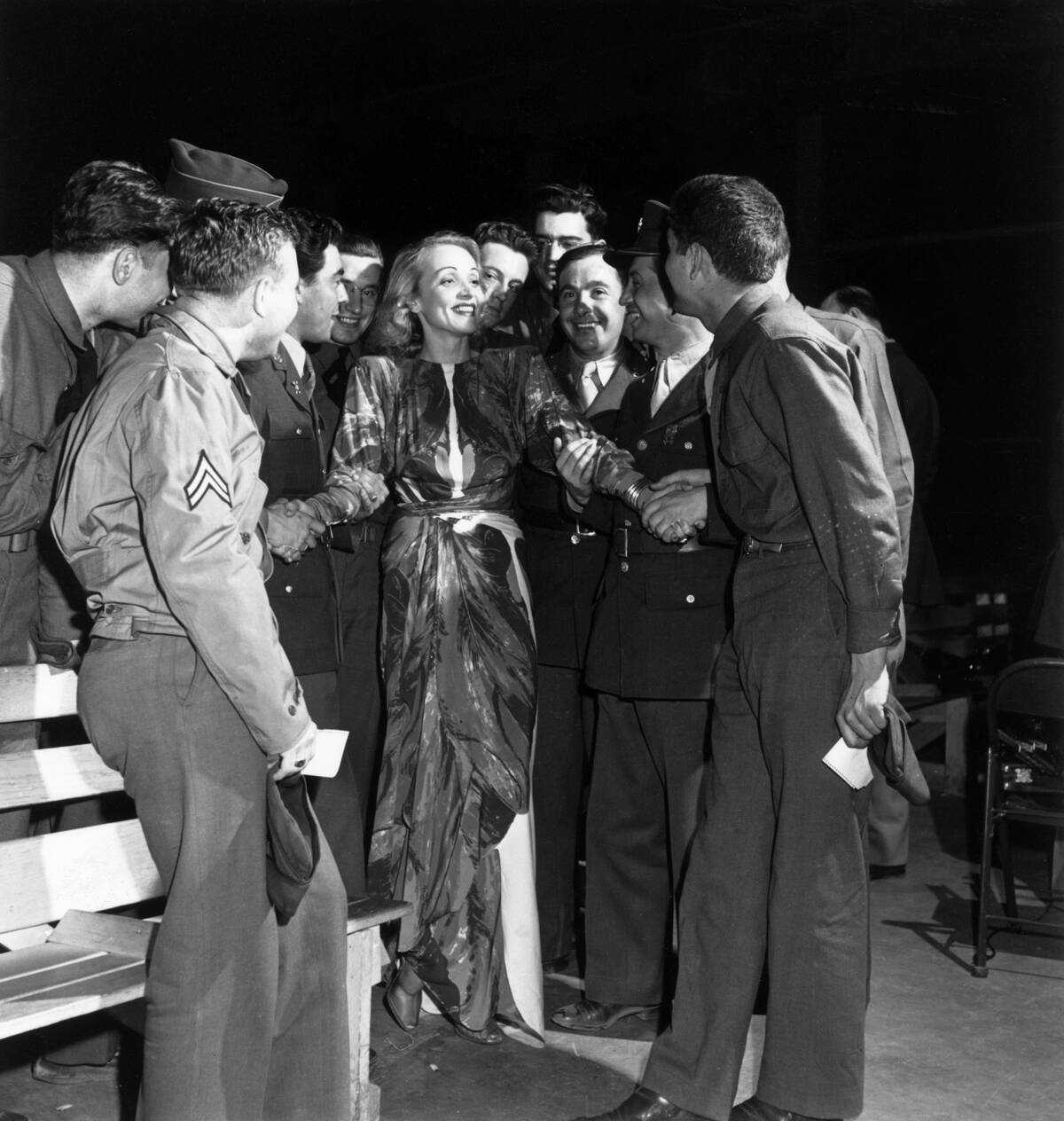
Standing when a lady entered the room was once a sign of respect and chivalry, rooted in traditional gender roles. This gesture acknowledged the presence of women, but it also reinforced societal norms of the time.
Today, such customs have largely faded, reflecting changing attitudes towards gender equality. While respect remains important, it is now expressed in more egalitarian ways, emphasizing mutual respect rather than adherence to outdated conventions.
The Formality of Addressing Strangers as Mr. or Mrs.
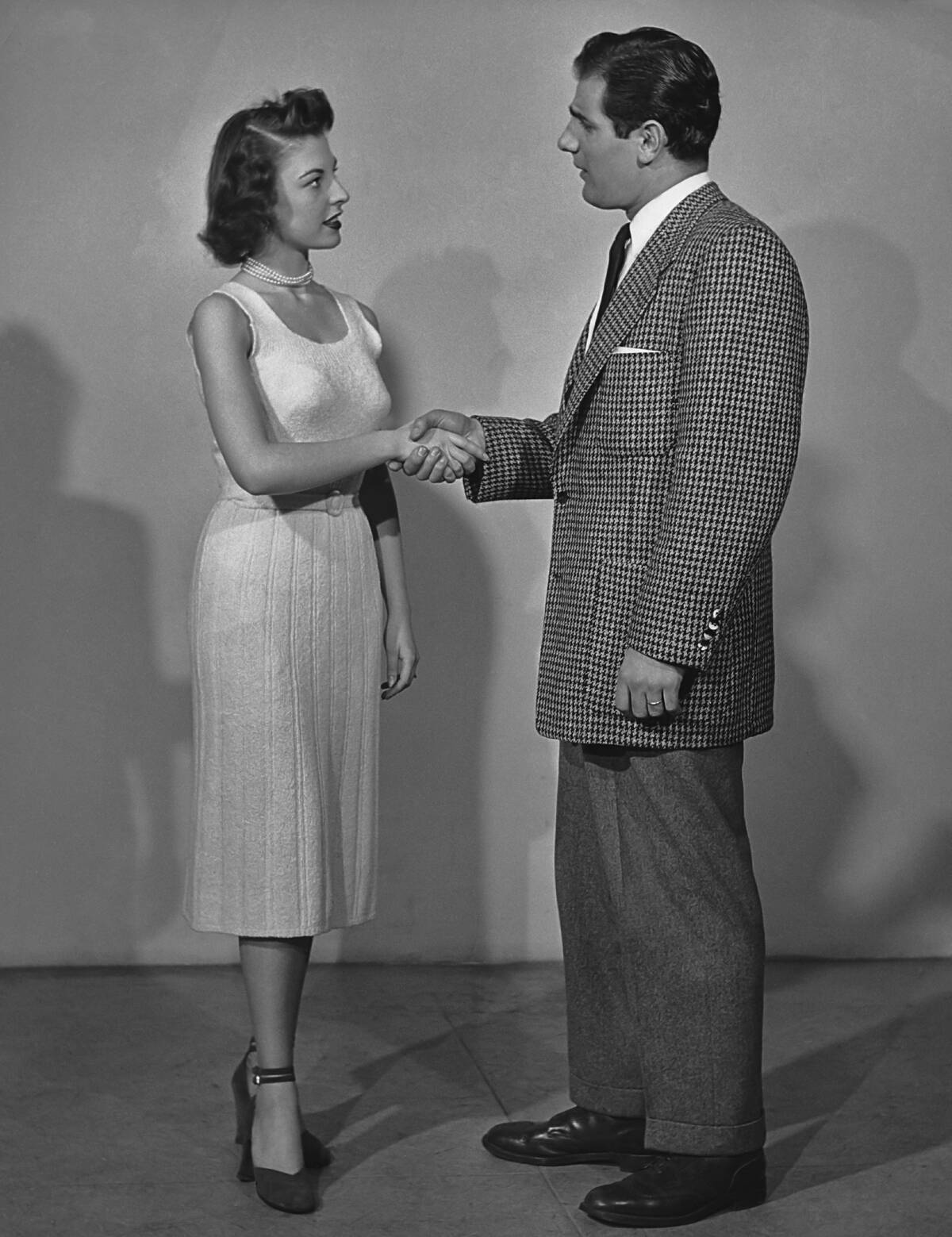
Addressing strangers with formal titles like Mr. or Mrs. was once standard practice, a way to show respect and maintain social distance. It was a reflection of a more formal society.
Today, first names are commonly used, even in professional settings, reflecting a shift towards informality and approachability. While titles are still used in certain contexts, the trend towards using first names highlights a more relaxed and inclusive social environment.
The Peculiarities of Courtship and Dating Etiquette
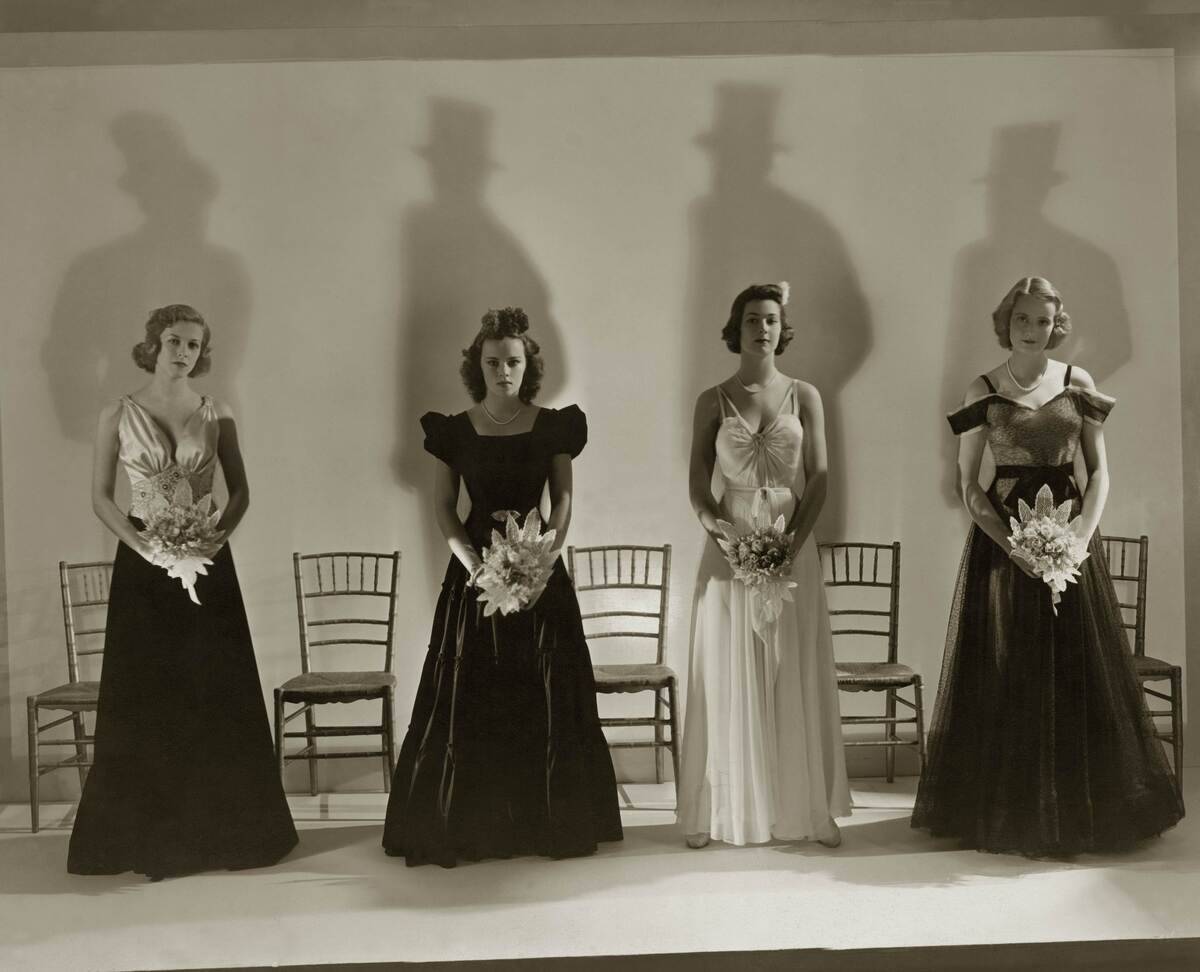
Courtship and dating were once governed by a strict set of rules, with clear expectations and roles. From asking permission to call on someone to formal dances, these rituals were steeped in tradition.
Today, dating is more casual and flexible, with online dating apps and social media changing the landscape. While some traditional practices persist, the focus is now on mutual consent and compatibility, reflecting a more modern approach to relationships.
The Tradition of White Gloves: Fashion or Faux Pas?
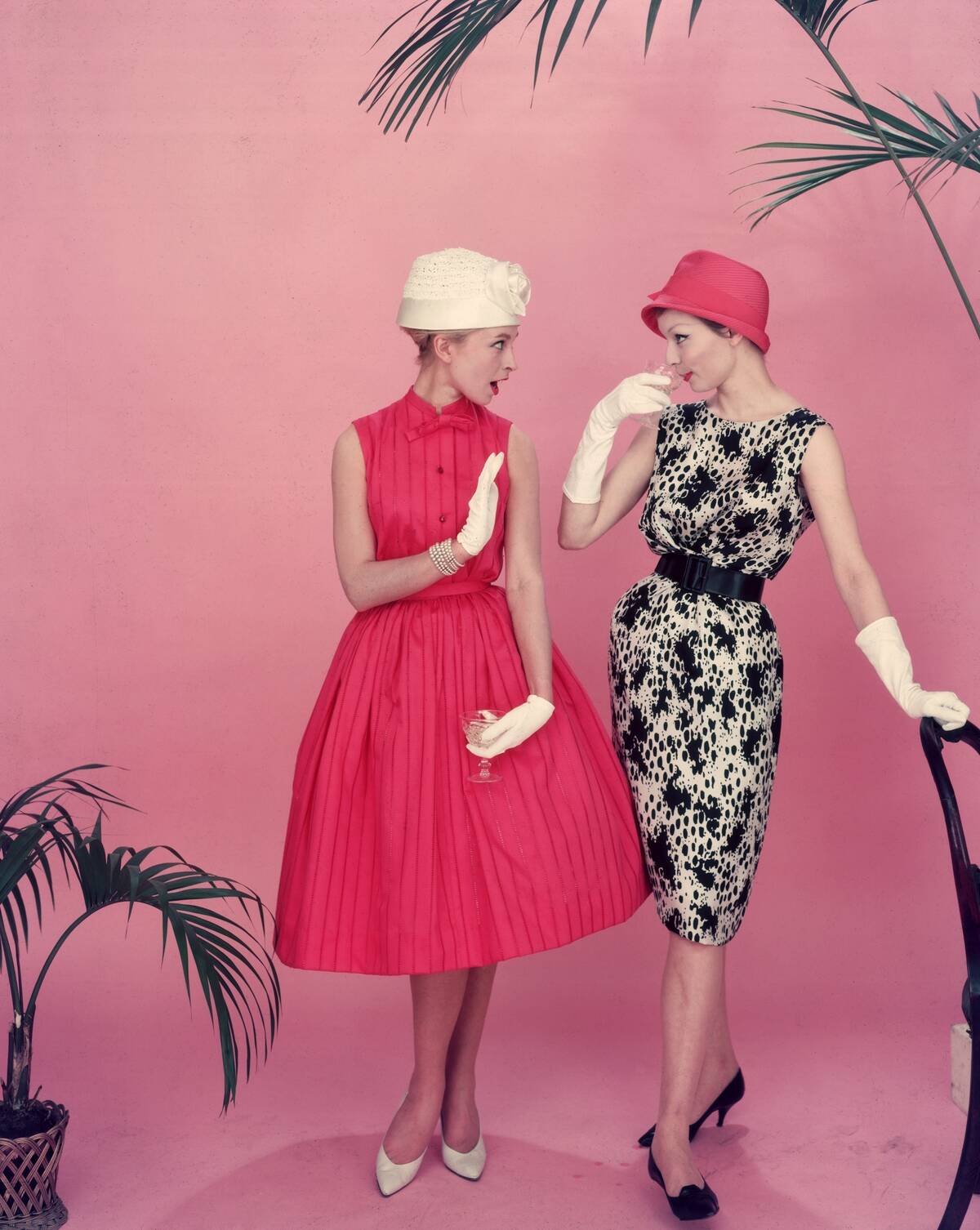
White gloves were once a fashion staple, symbolizing elegance and sophistication. Worn at formal events, they were a marker of social status. Today, they are rarely seen outside of costume parties or historical reenactments.
The decline of this tradition reflects a move towards practicality and comfort in fashion. While white gloves may seem outdated, they remain a nostalgic reminder of a time when fashion was as much about social signaling as it was about style.
The Expectation of a Firm Handshake: A Post-Pandemic Perspective
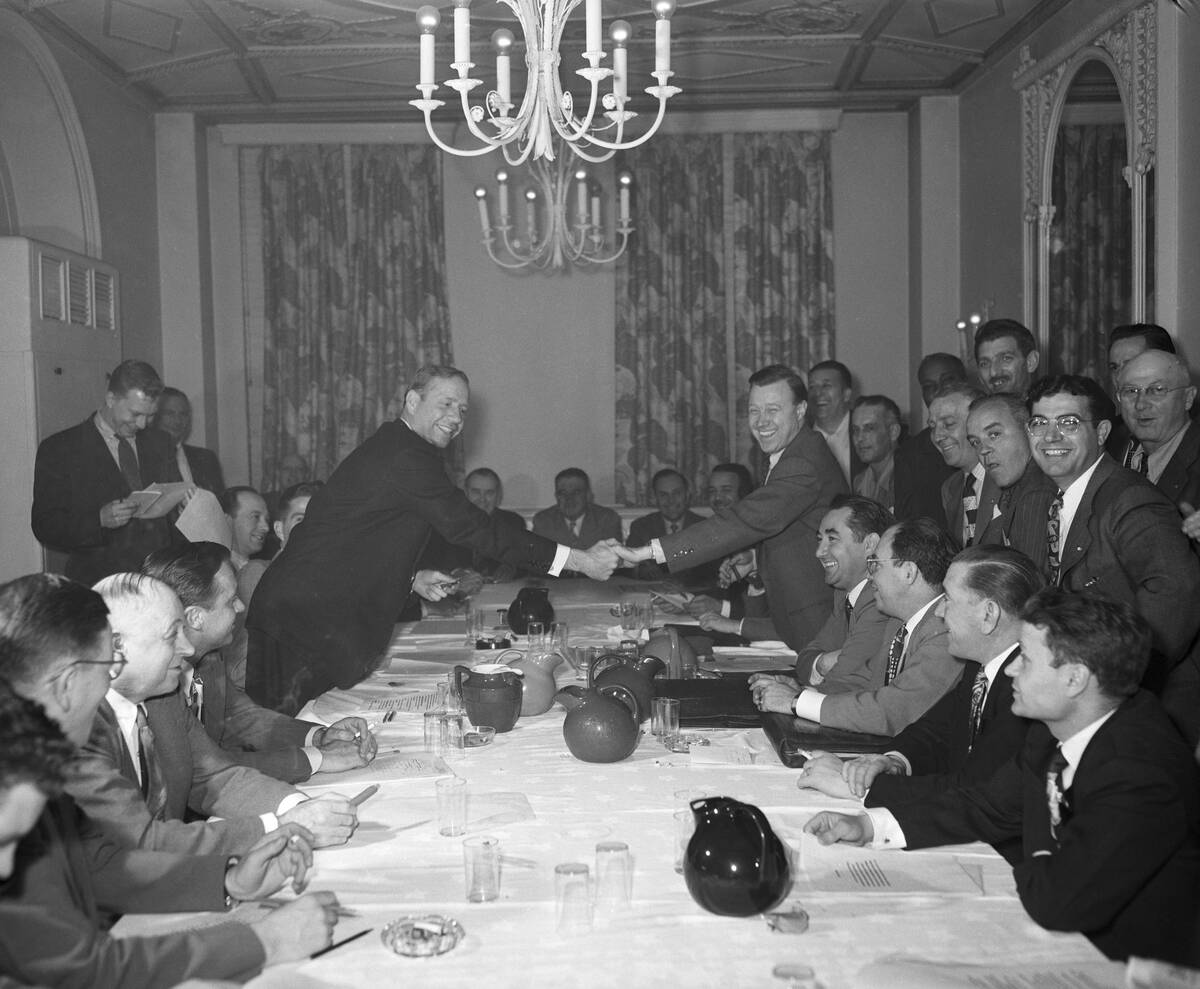
A firm handshake was once the gold standard for making a strong first impression. It conveyed confidence and trustworthiness. The pandemic, however, challenged this norm, with many opting for fist bumps or elbow taps instead.
As the world adjusts to new norms, the handshake is making a cautious comeback. While its future remains uncertain, the essence of a good handshake—establishing connection and goodwill—continues to be valued in personal and professional interactions.
The Chivalry of Holding Doors: Courtesy or Cliché?
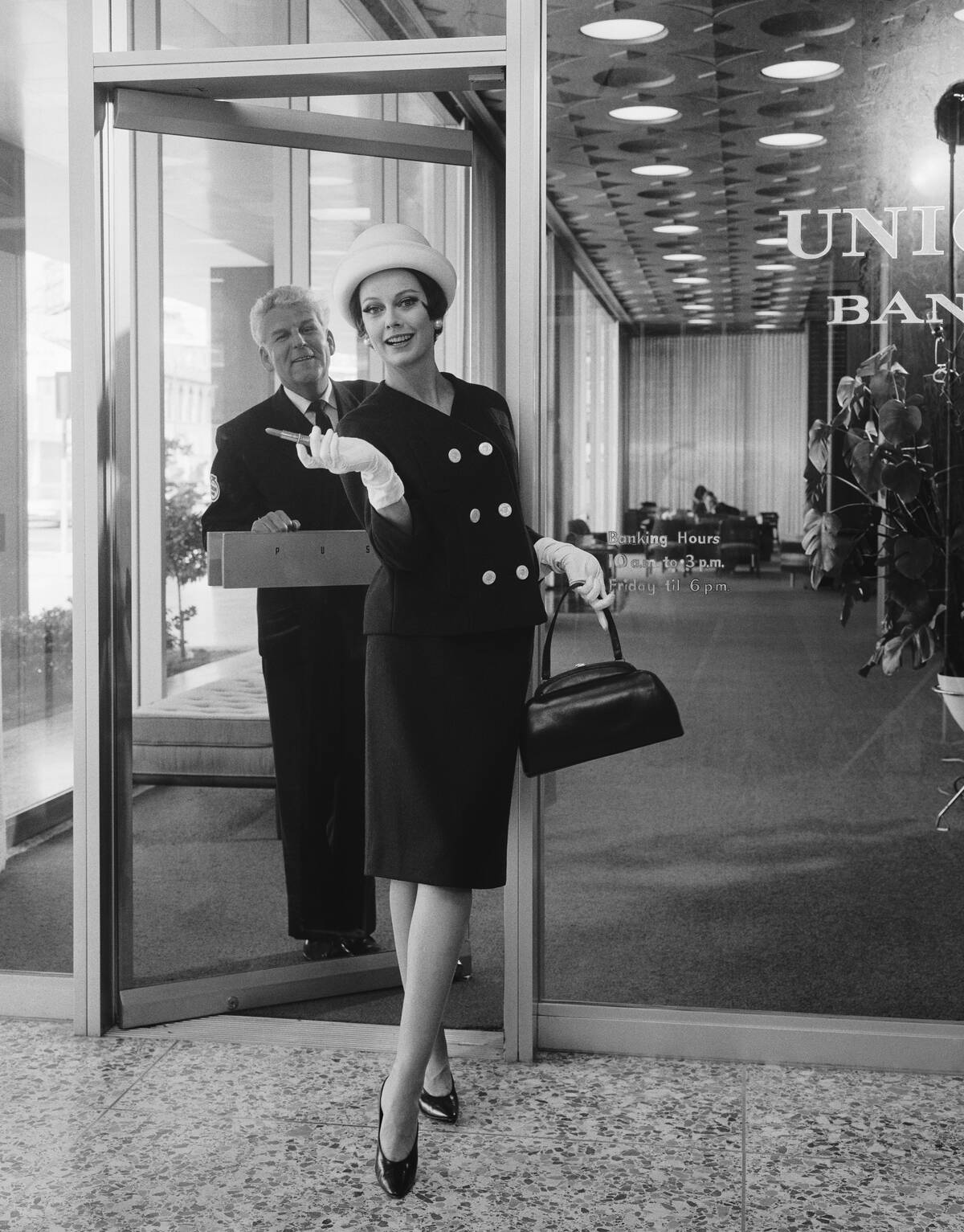
Holding doors open was once a gesture of chivalry, a simple act of kindness. While some view it as a cliché, it remains a courteous practice appreciated by many. In today’s world, holding doors is less about gender roles and more about being considerate to others.
It’s a small act that can brighten someone’s day, reflecting a timeless principle of treating others with respect and kindness, regardless of changing social norms.
The Mystery of the Proper Hat Etiquette: To Wear or Not to Wear?
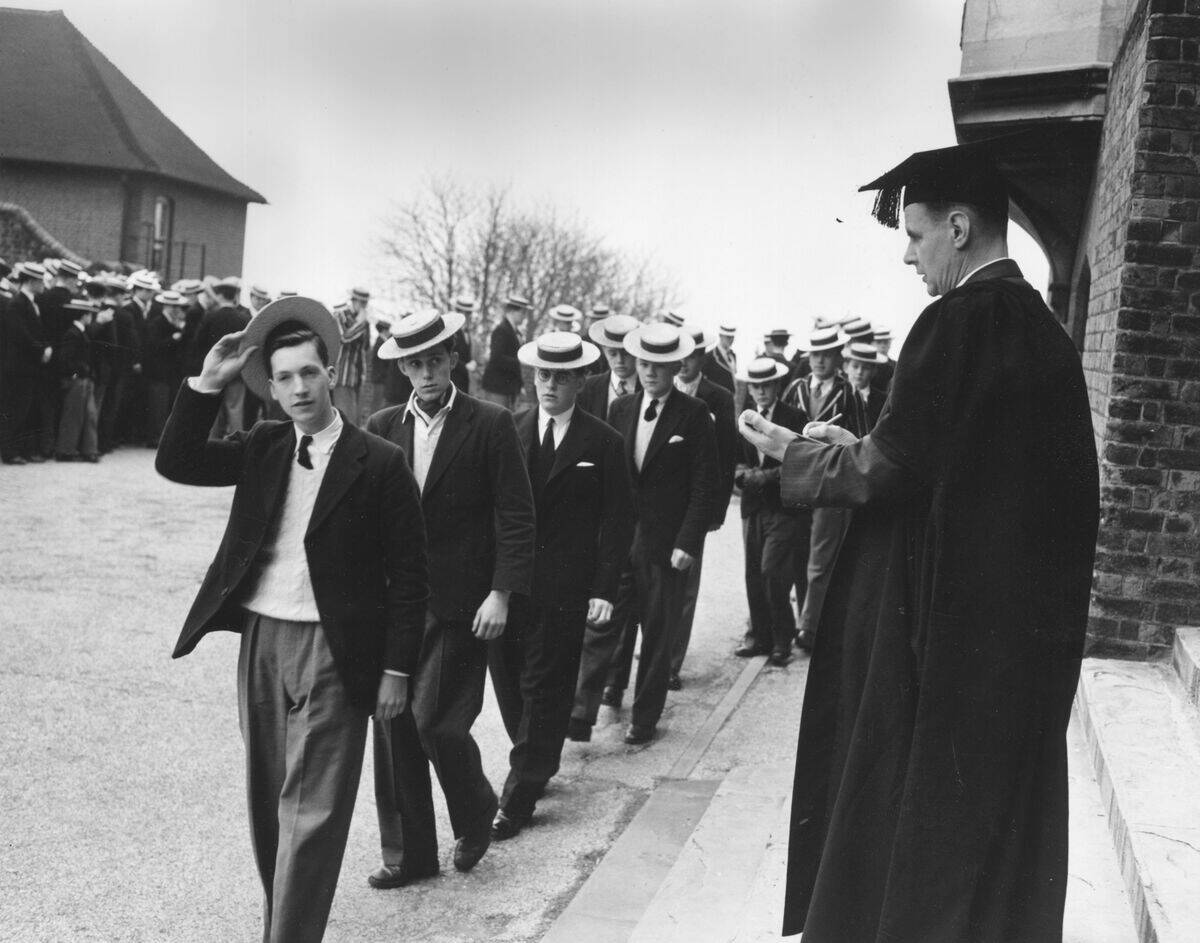
Hat etiquette was once a complex set of rules dictating when and where hats should be worn or removed. For example, men were expected to remove their hats indoors, while women could keep theirs on.
Today, these rules are largely forgotten, with hats worn more for fashion than formality. While some traditionalists may still adhere to old customs, the modern approach is more relaxed, allowing personal style to dictate hat-wearing decisions.




