13 Photos of short-lived utopian cities
Utopian cities have long captured the human imagination, promising a perfect society where harmony and innovation reign. From Plato’s “Republic” to modern-day attempts, these idealized visions have inspired architects and dreamers alike.
Yet, many of these ambitious projects have stumbled, revealing the complexities of human nature and societal needs. The journey of these cities offers a fascinating glimpse into our aspirations and the challenges of creating a perfect world.
The Allure of Utopia: Why We Build Ideal Cities
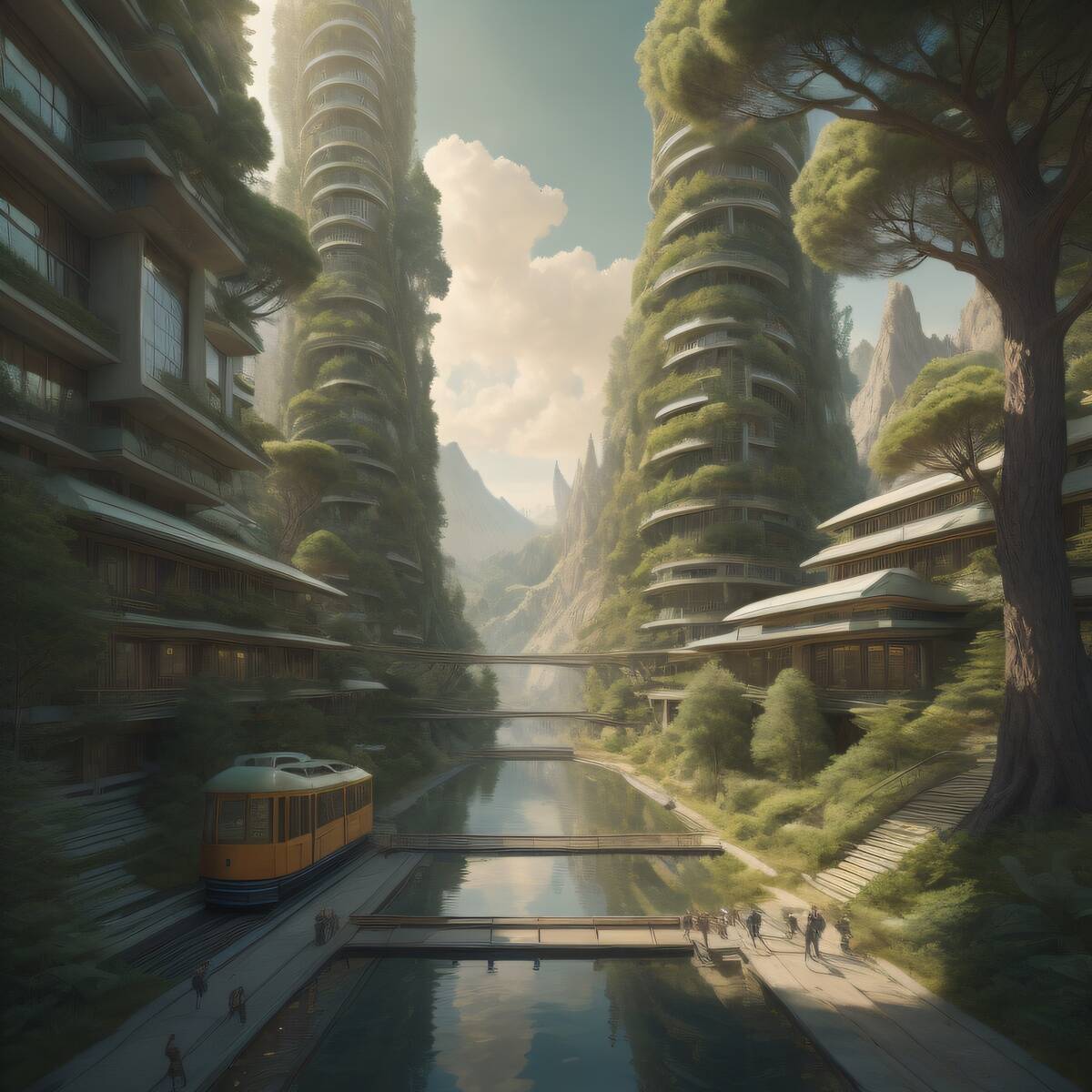
The concept of utopia taps into our deepest desires for a better world, free from the flaws of current society. Ideal cities promise a solution to urban woes like pollution, overcrowding, and inequality.
They offer a blank slate for architects and planners to experiment with new designs and technologies. However, the allure often overlooks the unpredictable nature of human behavior, making the execution of these dreams a daunting task.
A Brief History of Utopian Concepts in Urban Planning
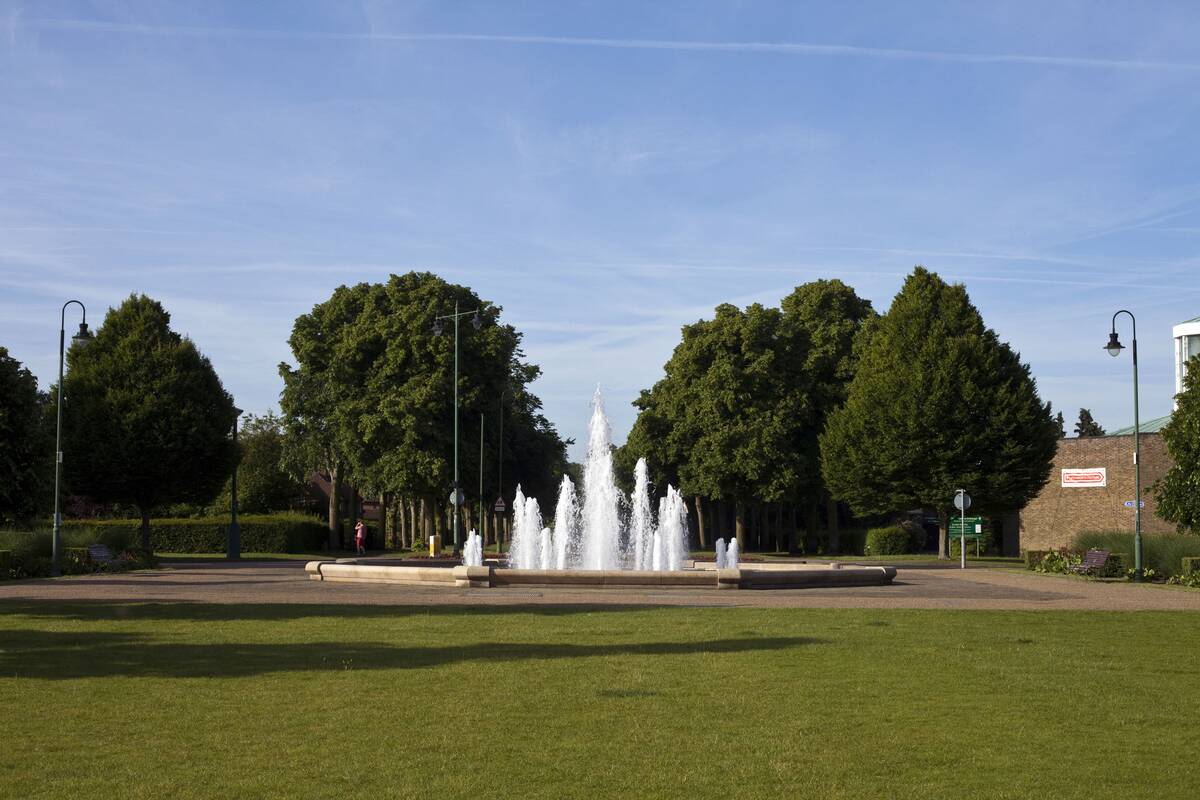
The idea of utopian cities dates back to ancient times, with Plato’s “Republic” and Thomas More’s “Utopia” laying the groundwork. In the 19th century, the Industrial Revolution spurred new visions like Ebenezer Howard’s Garden Cities, blending urban and rural life.
The 20th century saw Le Corbusier’s Radiant City, emphasizing order and efficiency. Each concept reflects its era’s values and challenges, showcasing the evolving nature of urban planning.
The Promise of Perfection: What Defines a Utopian City?
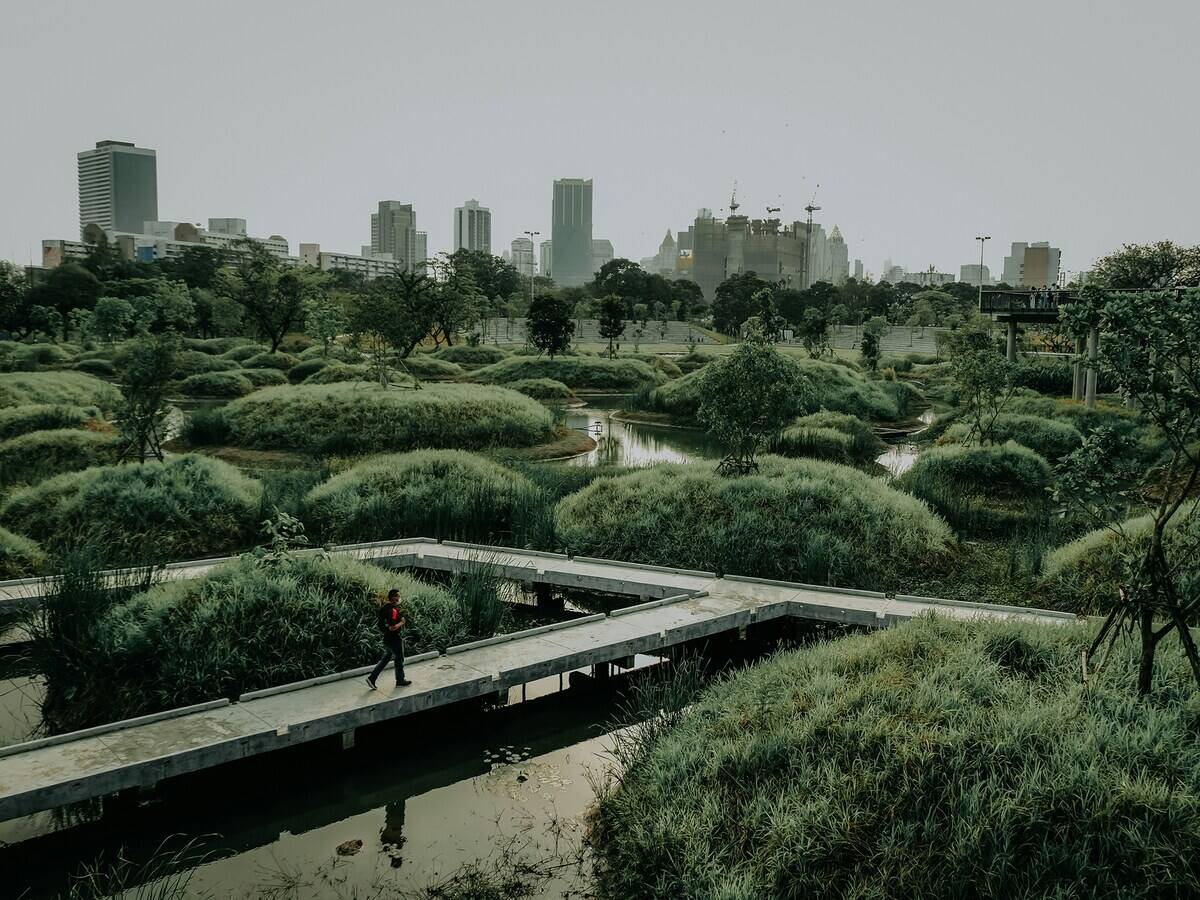
Utopian cities are characterized by their pursuit of perfection, often featuring innovative architecture, sustainable practices, and communal living. These cities aim to harmonize human life with nature, creating self-sufficient and equitable environments.
Yet, the definition of perfection varies, with some focusing on technological advancements while others emphasize social harmony. This diversity in vision highlights the subjective nature of utopian ideals.
The Rise of Auroville: A Vision of Human Unity
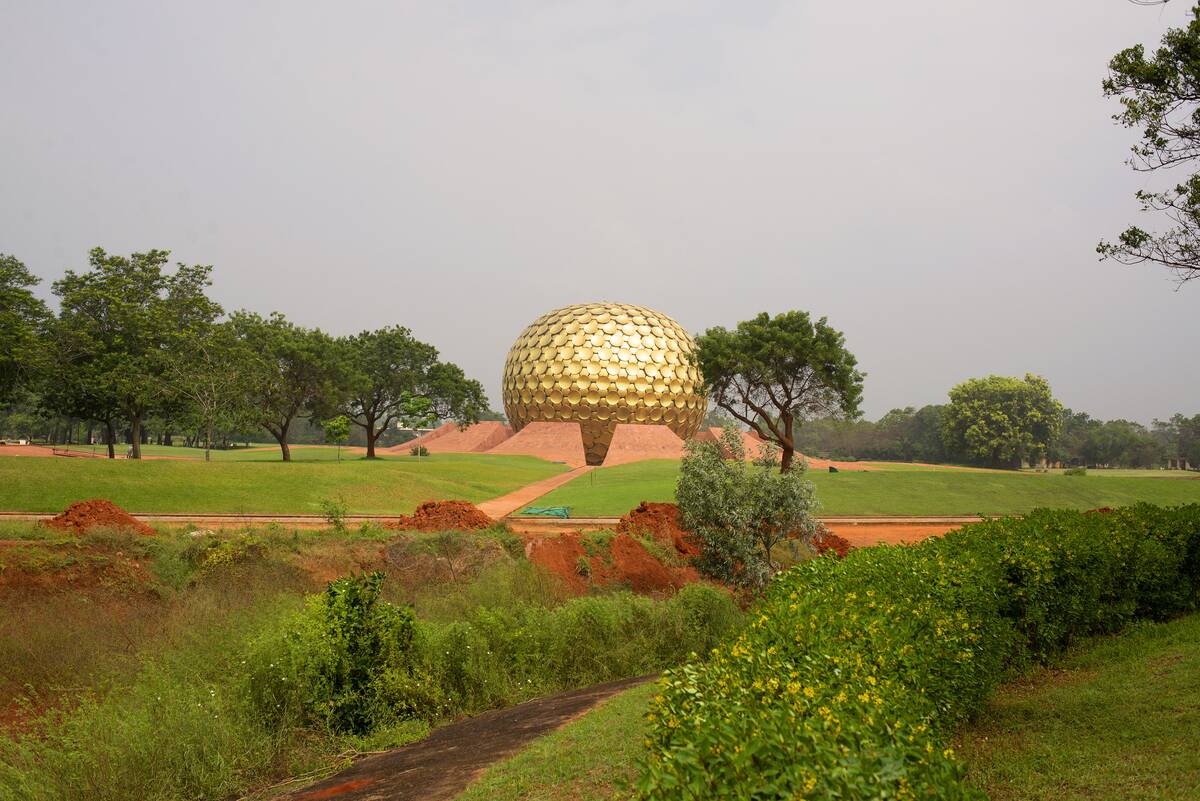
Founded in 1968 in India, Auroville was envisioned as a place where people from all over the world could live in peace and progressive harmony. The city was designed to be a universal township, with residents working towards a common goal of human unity.
Despite its idealistic beginnings, Auroville has faced challenges in governance and resource management. However, it remains a living experiment in community-driven development and cultural integration.
Arcosanti: The Architectural Experiment in the Arizona Desert
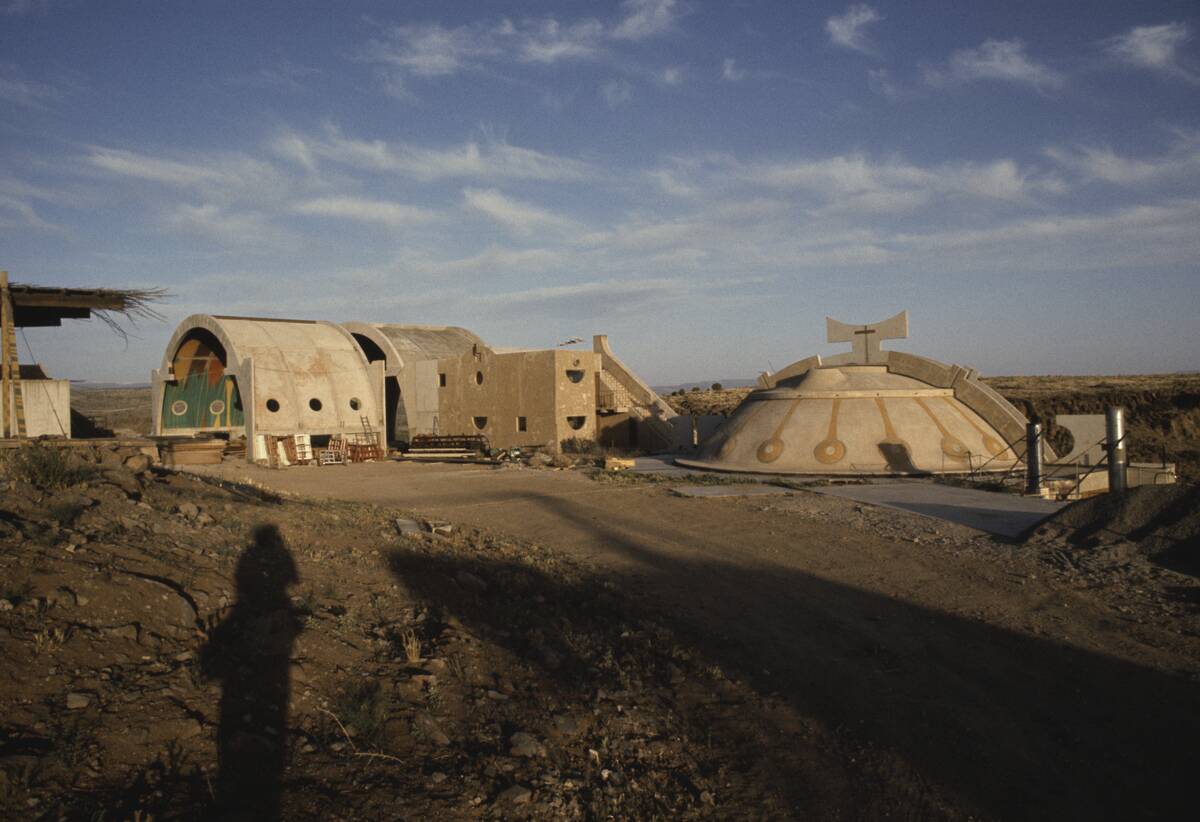
Arcosanti, conceived by architect Paolo Soleri in 1970, is an urban laboratory in the Arizona desert aimed at demonstrating arcology, a blend of architecture and ecology. The city was designed to minimize environmental impact and foster a close-knit community.
Despite its innovative design, Arcosanti has struggled with funding and development, remaining a small-scale experiment rather than a fully realized city. It continues to attract visitors and volunteers interested in sustainable living.
The Ghosts of Fordlândia: Henry Ford’s Brazilian Dream
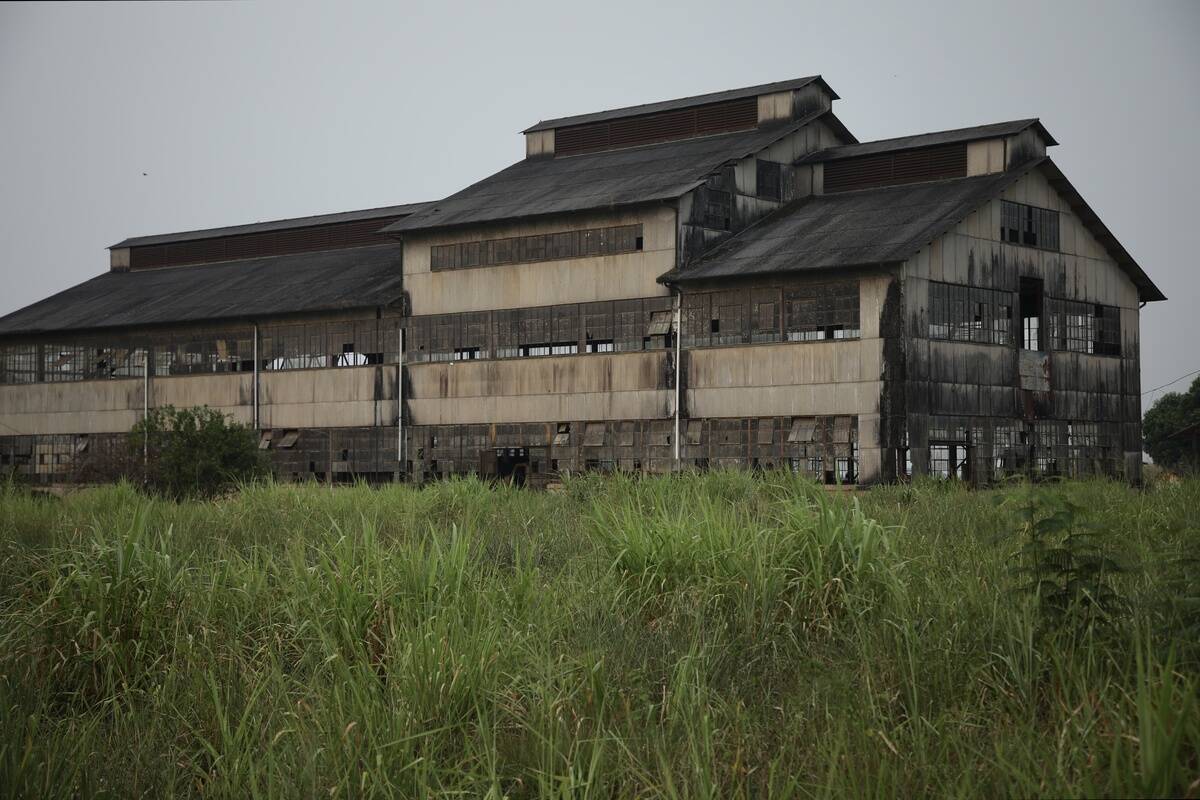
In the 1920s, industrialist Henry Ford attempted to create a rubber plantation and model American town in the Amazon rainforest, known as Fordlândia. The project aimed to supply rubber for Ford’s car tires while bringing American values to Brazil.
However, it faced numerous challenges, including unsuitable soil, disease, and cultural clashes. By 1934, Fordlândia was abandoned, leaving behind a cautionary tale of hubris and the limits of imposing foreign ideals.
The Curious Case of Akarmara: A Soviet-Era Utopia Lost
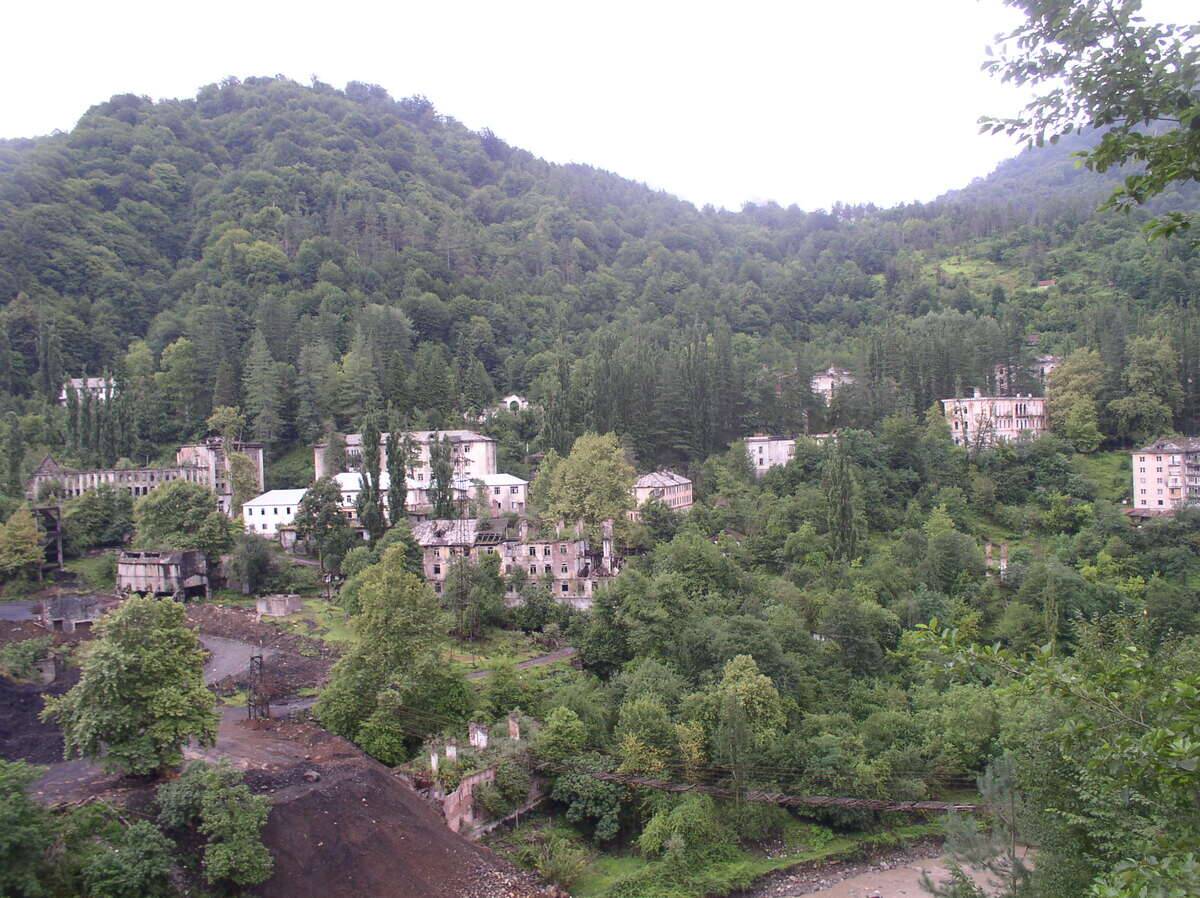
Akarmara, a mining town in Abkhazia, was once a thriving example of Soviet ambition, built to house workers in the 1940s. Designed with modern amenities and communal living spaces, it embodied the Soviet ideal of a worker’s paradise.
However, the collapse of the Soviet Union and subsequent conflicts led to its abandonment. Today, Akarmara stands as a haunting relic of a bygone era, with nature reclaiming the structures and a few residents clinging to the past.
Masdar City: The Futuristic Eco-City That Stalled
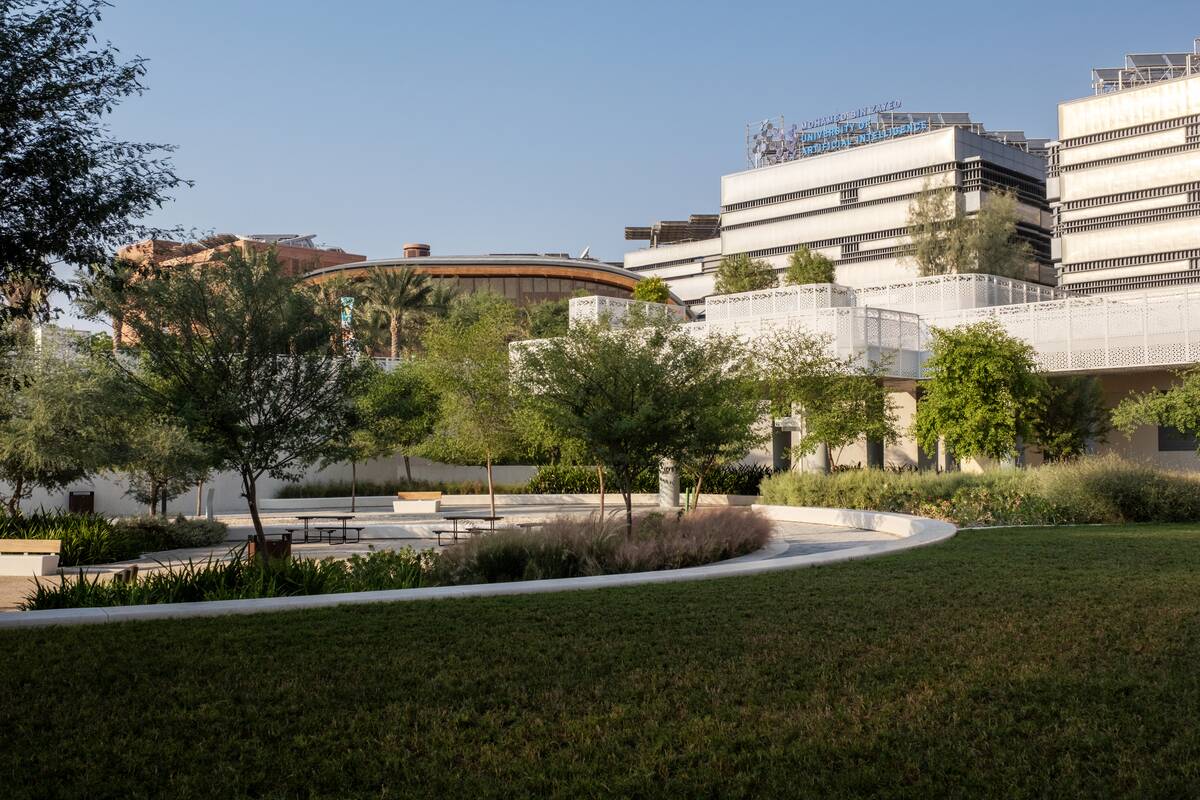
Masdar City, launched in 2006 near Abu Dhabi, aimed to be the world’s first zero-carbon, zero-waste city. It was designed with cutting-edge technology and sustainable practices to serve as a model for future urban development.
However, the global financial crisis and high costs slowed progress, leaving much of the city incomplete. While Masdar City has achieved some success in renewable energy, it remains a work in progress, illustrating the challenges of ambitious eco-projects.
The Rise and Fall of Naypyidaw: Myanmar’s Empty Capital
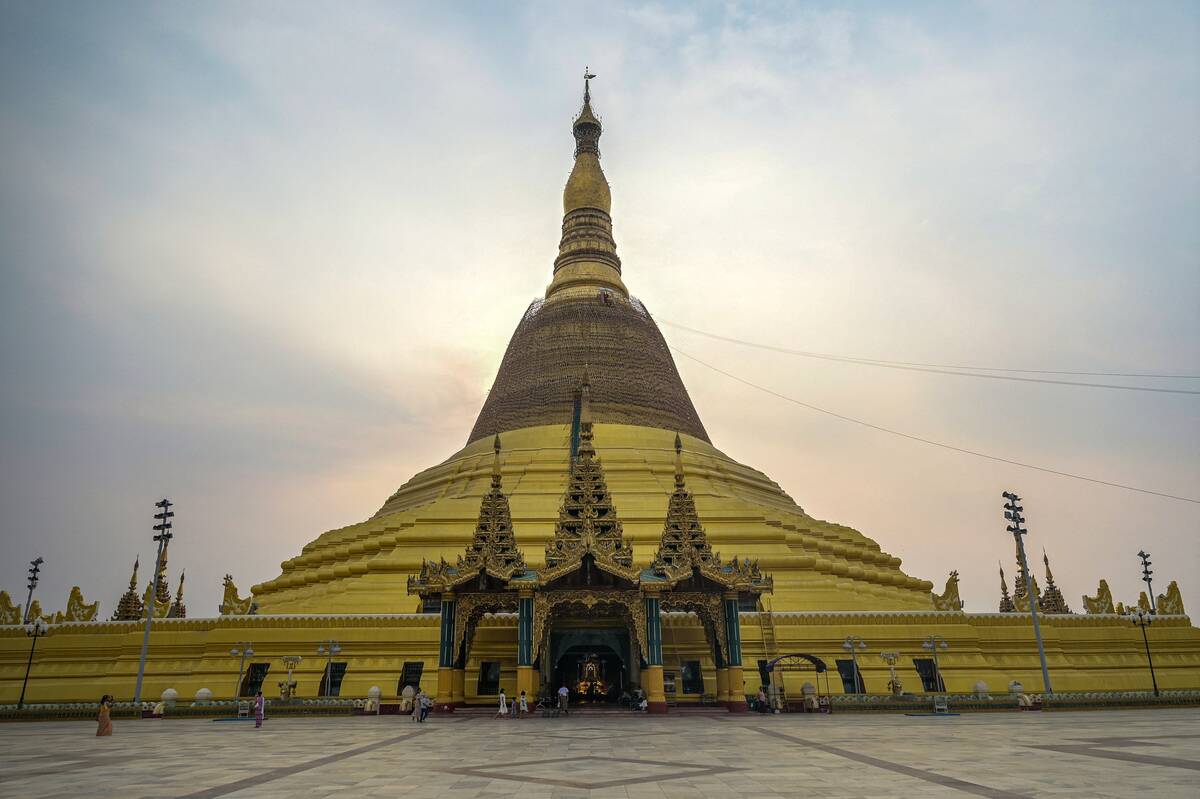
Naypyidaw, Myanmar’s capital since 2005, was built from scratch to replace Yangon. Designed with grand boulevards and government complexes, it was intended to symbolize a new era for the country.
However, the city’s remote location and lack of infrastructure have left it largely uninhabited, with vast empty spaces. Naypyidaw’s story highlights the pitfalls of top-down planning and the importance of considering the needs and desires of the population.
The Abandoned Ambitions of Chandigarh: Le Corbusier’s Masterpiece
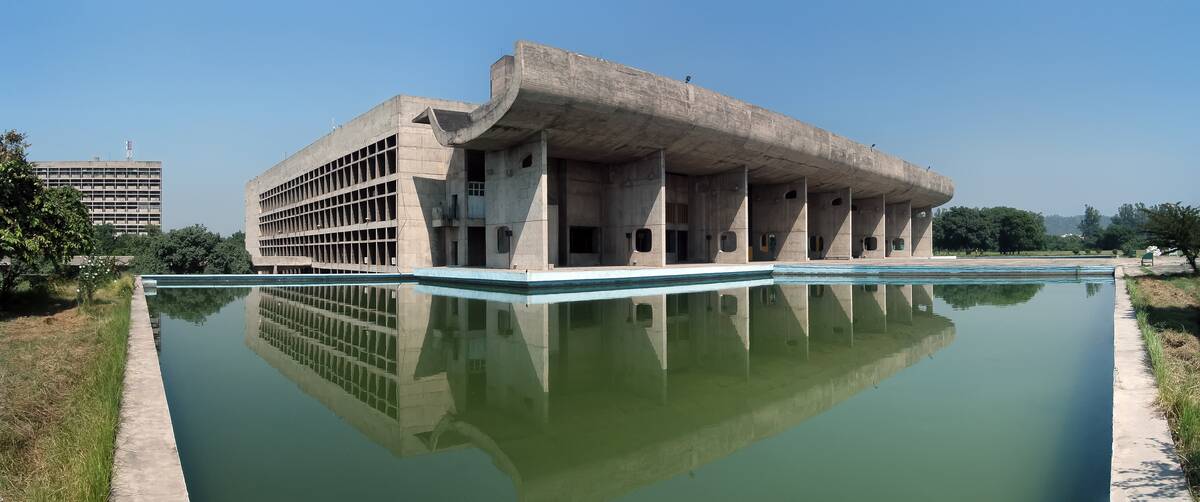
Chandigarh, designed by renowned architect Le Corbusier in the 1950s, was India’s first planned city post-independence. It was envisioned as a symbol of modernity and progress, with a grid layout and functional architecture.
While Chandigarh has been praised for its design and quality of life, it has struggled with issues like population growth and urban sprawl. The city reflects the challenges of maintaining a utopian vision in the face of changing realities.
The Legacy of Utopian Cities: Lessons Learned from Abandonment
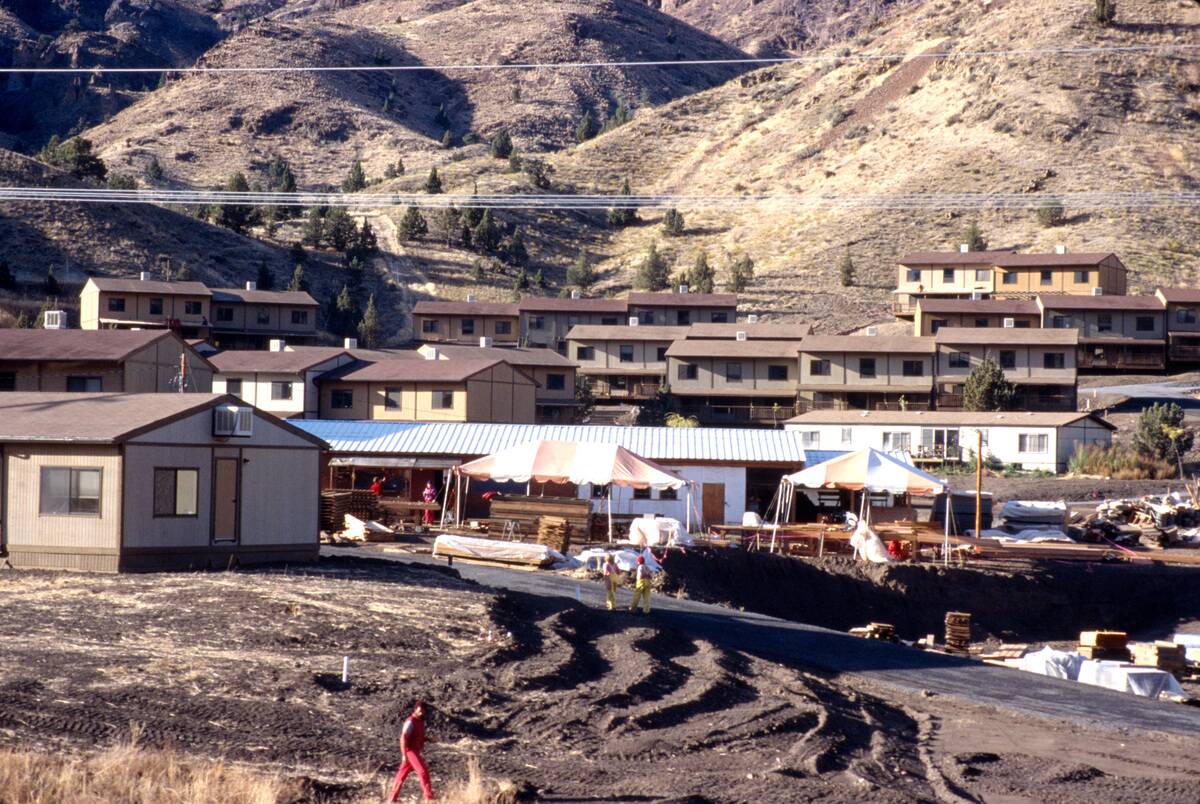
The stories of utopian cities reveal valuable lessons about the complexities of urban planning and human nature. Many projects failed due to overambitious goals, lack of adaptability, and disregard for local cultures and needs.
Successful urban development requires balancing visionary ideas with practical considerations and community involvement. These lessons remind us that while the pursuit of utopia is noble, it must be grounded in reality to thrive.
The Human Element: Why Utopian Cities Struggle to Thrive
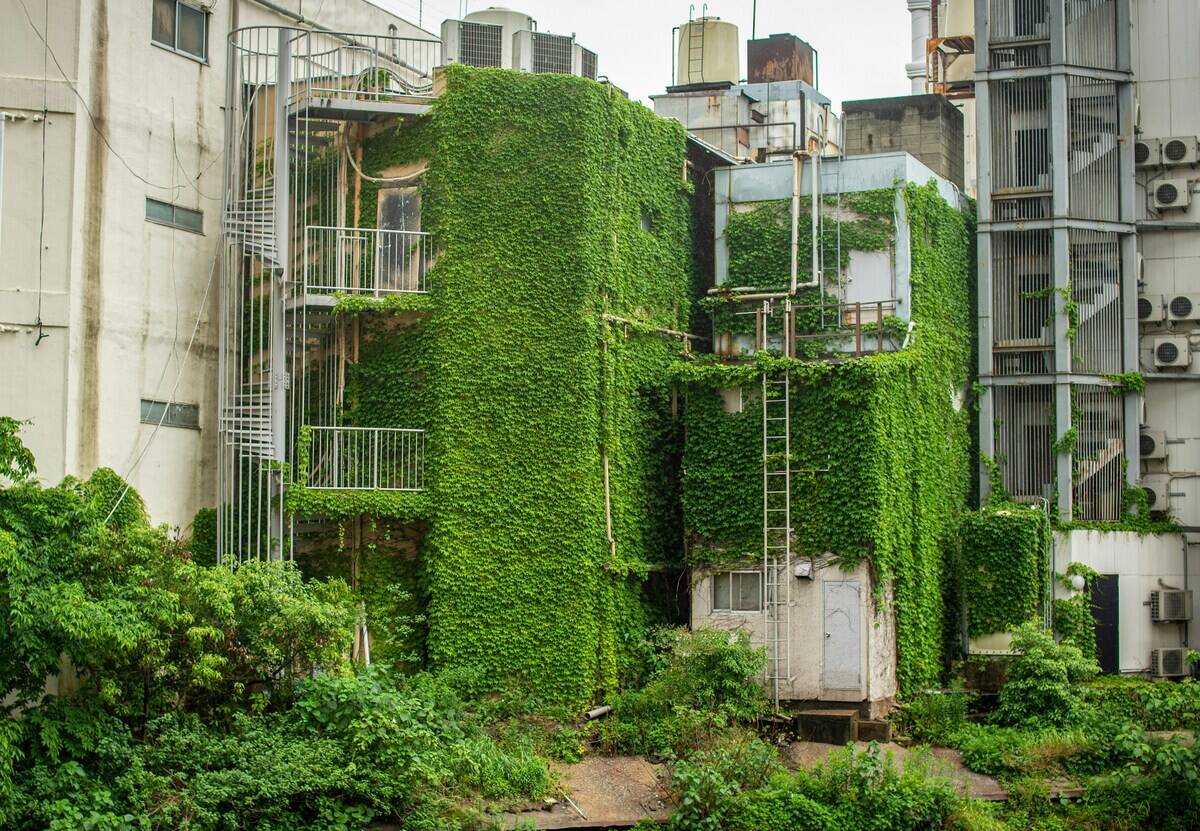
Utopian cities often falter due to the unpredictable nature of human behavior and societal dynamics. While idealistic visions focus on architecture and technology, they sometimes overlook the importance of social cohesion and cultural diversity.
Human needs and desires are complex and ever-changing, making it difficult to create a one-size-fits-all solution. Successful cities must adapt to these realities, fostering inclusive communities that can evolve with time.
The Future of Utopian Cities: Can We Build a Lasting Utopia?
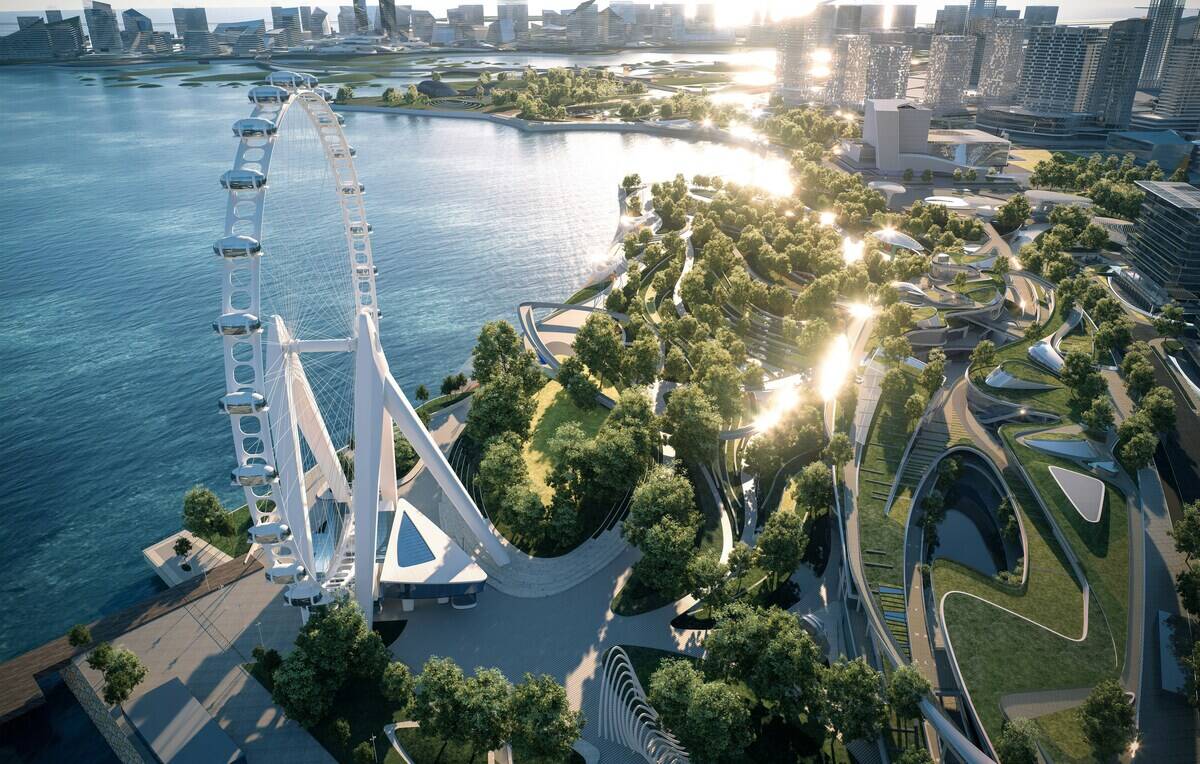
As technology advances and environmental concerns grow, the dream of utopian cities remains relevant. Future projects must learn from past failures by prioritizing sustainability, inclusivity, and resilience.
Innovations like smart cities and eco-friendly designs offer promising pathways, but they require collaboration and adaptability. While a perfect utopia may remain elusive, striving for better, more equitable urban environments can lead to meaningful progress and inspire future generations.




