18 methods for staying warm before central heating
Before thermostats, warmth was a strategy, not a switch. Households leaned on open hearths, masonry heaters, and pure ingenuity. In northern Europe, tile-clad masonry stoves (Kachelöfen) and the massive Russian stove stored heat for hours after the fire died, thanks to long internal flues. Elsewhere, people shrank their living space in winter, huddling in kitchens or single heated rooms.
Fabrics, furnishings, and daily routines all aimed at capturing body heat and slowing drafts rather than trying to heat entire buildings.
The theme was conserve, not blast. Low ceilings reduced the volume of air to warm, and thick walls of stone, timber, or packed earth moderated temperature swings. Households layered beds with featherbeds and wool, hung curtains across doors, and relied on portable heat like braziers or hot stones. Even animals contributed: byre-houses in parts of Scotland and Ireland kept cattle in an adjoining space, their body heat subtly tempering the rooms above.
Onion dressing: piling on layers of linen, wool, and whatever wasn’t in the wash
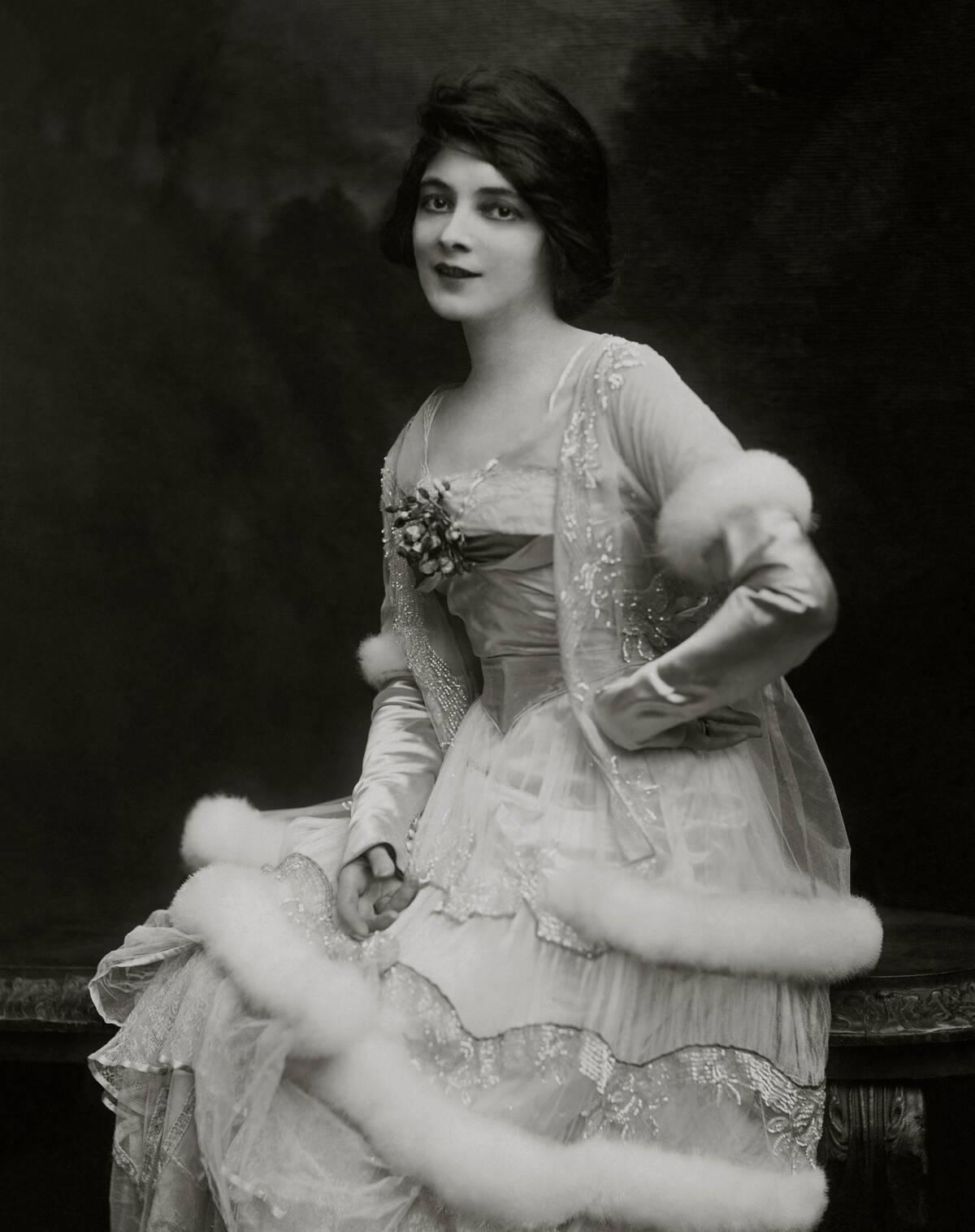
People dressed like onions because layers work. A linen shift or shirt next to the skin wicked moisture—crucial when exertion met cold air—while wool on top trapped insulating pockets of air and still kept heat when damp. In much of Europe, multiple petticoats or underskirts, sturdy stockings, and a cloak or greatcoat built a breathable heat system long before technical fabrics. The trick was flexibility: add or peel layers as chores took you from the hearth to the yard.
Materials mattered. Linen, spun from flax, was durable and quick-drying, perfect for undergarments frequently laundered. Wool—whether fulled broadcloth for outerwear or softer worsteds—offered warmth with resilience and was common from Scandinavia to the Mediterranean. Fur trims edged hoods and mitts in colder regions, while felted wool caps and mittens were winter staples. A belt or stays helped trap warm air close to the torso, and even simple kerchiefs wrapped around the neck cut heat loss dramatically.
Bed warmers: pans of hot coals slid between sheets (and the occasional scorch mark)
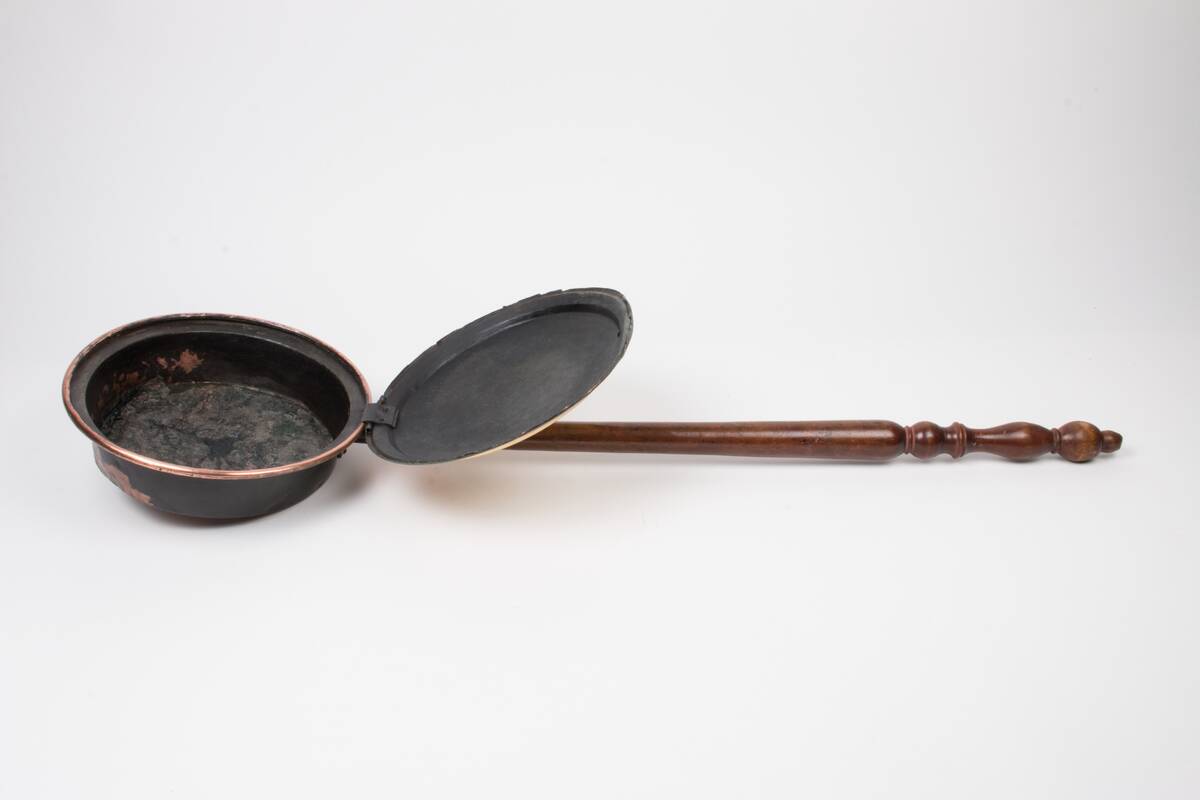
A brass or copper pan on a long handle—loaded with hot coals—was the nighttime dash of courage in many 17th–19th century European homes. The pan’s perforated lid let some heat vent while protecting sheets from direct embers. A servant or the householder would slide it briskly over the mattress to chase out the chill, often just before someone jumped into bed. Museums across Britain, the Netherlands, and New England still display these handsome but practical tools.
They worked, but with caveats. Move too slowly and you scorched linen; leave it in place and you invited smoke and carbon monoxide. Bed warmer handles were long so users could stand to the side, minimizing sparks and avoiding singed nightclothes. Many households preferred a quick pass over the sheets combined with a hot brick at the feet. Fire insurance records and surviving singe marks on antique bedding testify that bedtime could be a literal hot spot.
Hot bricks and soapstones: preheating feet, beds, and carriage floors
The low-tech luxury of a hot brick was everywhere. People heated a clean brick in the hearth, wrapped it in flannel, and tucked it at the bed’s foot or under a lap robe for carriage rides. Soapstone, a talc-rich stone also called steatite, was even better: its high heat capacity and durability made it a favorite in New England and northern Europe. Some sleighs and carriages had metal foot warmers designed to cradle a heated stone for hours.
Households got creative with containers. Metal footmuffs with vent holes, wooden boxes lined with tin, and stoneware bottles (known as bed bottles or hot-water bottles’ ancestors) all did the job. Soapstone’s popularity extended to entire stoves—Vermont and Norwegian makers prized it for slow, even heat—but a hand-size slab could still make the difference between numb toes and comfort. The method was simple: heat safely, wrap well, and keep it away from bare skin.
Foot stoves in church: toasty toes during very long sermons
Before central heating, New England meetinghouses were famously frigid, so congregants brought foot stoves: small wooden boxes with a perforated metal insert holding live coals. The Dutch had long used similar “stoof” warmers, and the tradition crossed the Atlantic with settlers. Women often carried them wrapped in shawls, sliding feet onto the grate while sermons stretched on. Surviving examples from the 18th and 19th centuries sit in regional museums from Massachusetts to upstate New York.
They offered focused warmth with familiar risks. Coals were taken from the home hearth in a lidded pan, then transferred to the stove just before departure. Vent holes balanced heat and oxygen, but too much fuel smoked, and too little fizzled. Churches sometimes banned larger braziers for fire safety, yet tolerated compact foot stoves. Outside services, the same boxes warmed sleigh riders and ferry passengers, proof that comfort technology followed people wherever the cold found them.
Bed curtains and canopy beds: turning a mattress into a mini heat bubble
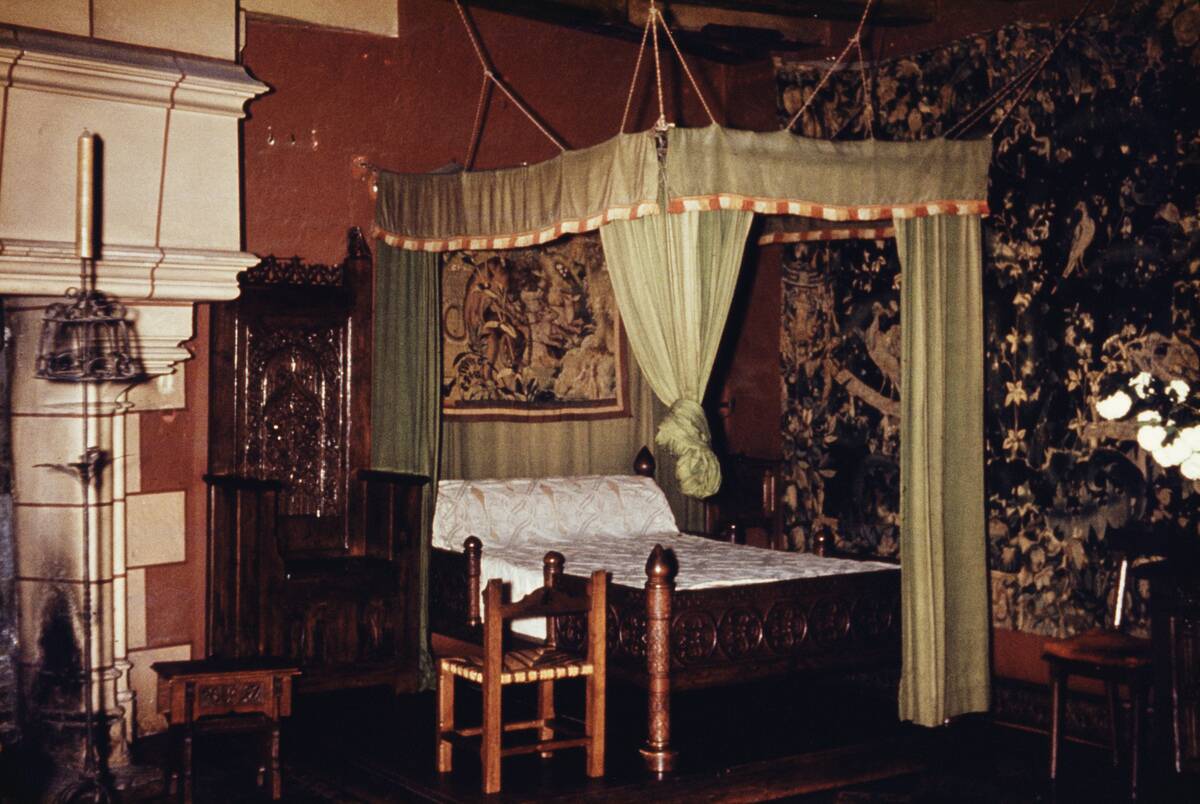
Four-poster beds with curtains weren’t just for drama. In drafty medieval and early modern houses, hangings created a microclimate, trapping body heat while blocking breezes that snuck through shutters and stone joints. The tester (canopy) and side curtains formed a textile tent around sleepers, and even partial valances cut down on cold air cascading from high ceilings. Surviving bed hangings in European collections show heavy wool, lined linen, and sometimes velvet for the well-to-do.
Curtains also offered privacy in shared rooms, a common arrangement before corridors and separate bedrooms became standard. In colder months, families pulled bed curtains tight and tucked covers in snugly to reduce convection—essentially the human version of a weatherproofed sleeping bag. Even modest homes improvised with sheets, quilts, or sacking on cords. Add a warmed brick at the feet and a featherbed on top, and a winter night felt far less like camping in your own house.
Featherbeds and straw ticks: mattress hacks that trapped body heat
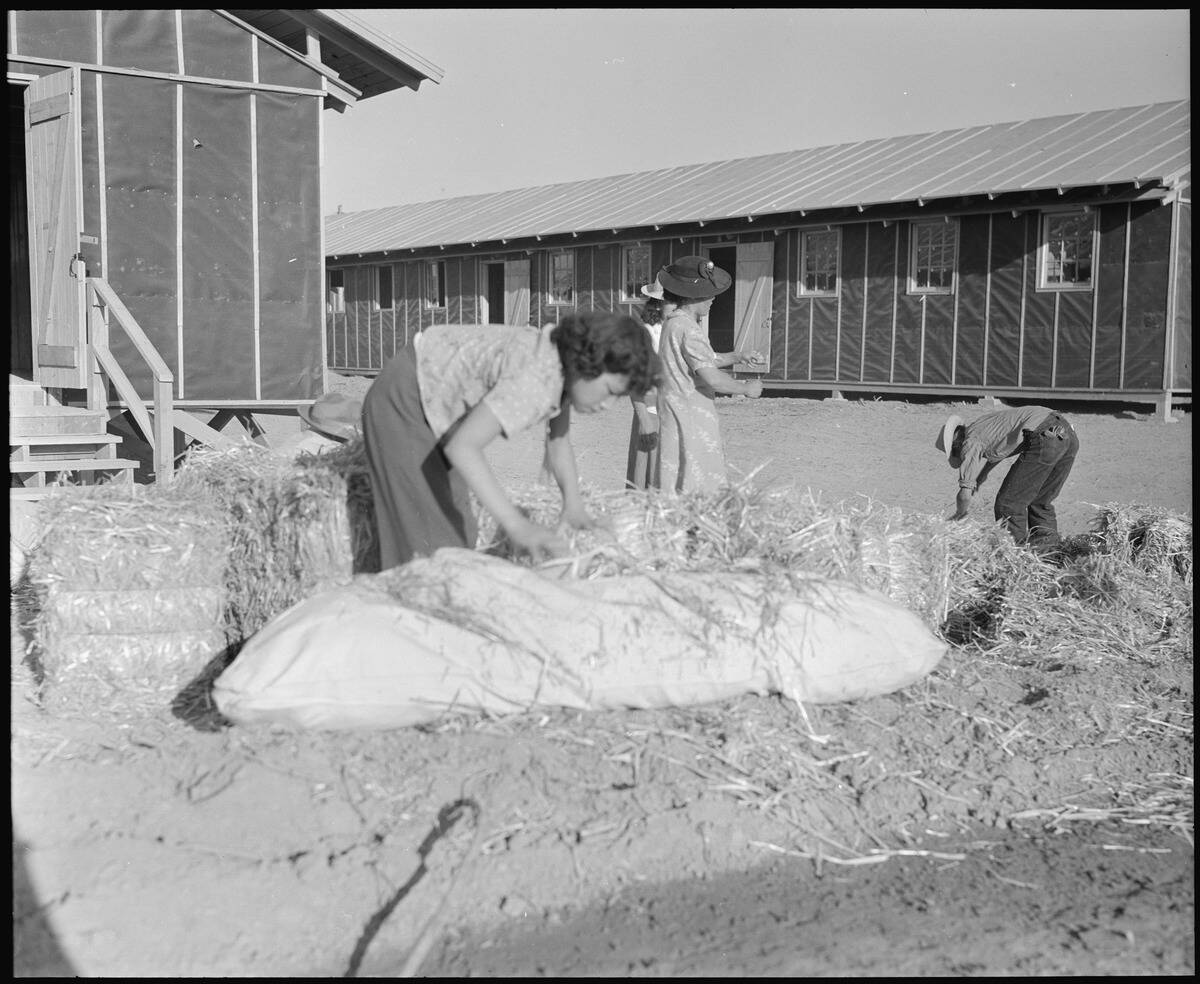
Beneath fancy quilts, the mattress itself did a lot of insulating. A straw tick—essentially a sturdy linen or hemp bag filled with fresh straw or chaff—was the workhorse base across Europe and North America. It lifted sleepers off cold boards and let air circulate while trapping warmth. The straw was fluffed and replaced seasonally, often after harvest. On top, those who could afford it piled a featherbed or down-filled tick, which cradled the body and sealed in heat.
This layering mattered as much as blankets.
Straw’s structure created thousands of tiny air pockets, and feathers added a soft, conforming layer that reduced drafts across the sleeper’s body. Household manuals from the 18th and 19th centuries recommend beating and turning ticks to prevent lumps and moisture buildup. In alpine regions, wool-stuffed mattresses added resilience and warmth. Together with bed curtains and nightcaps, a good tick-and-featherbed combo was the period equivalent of a high-tog, four-season sleep system.
Nightcaps, long johns, and flannel everything: sleepwear as survival gear
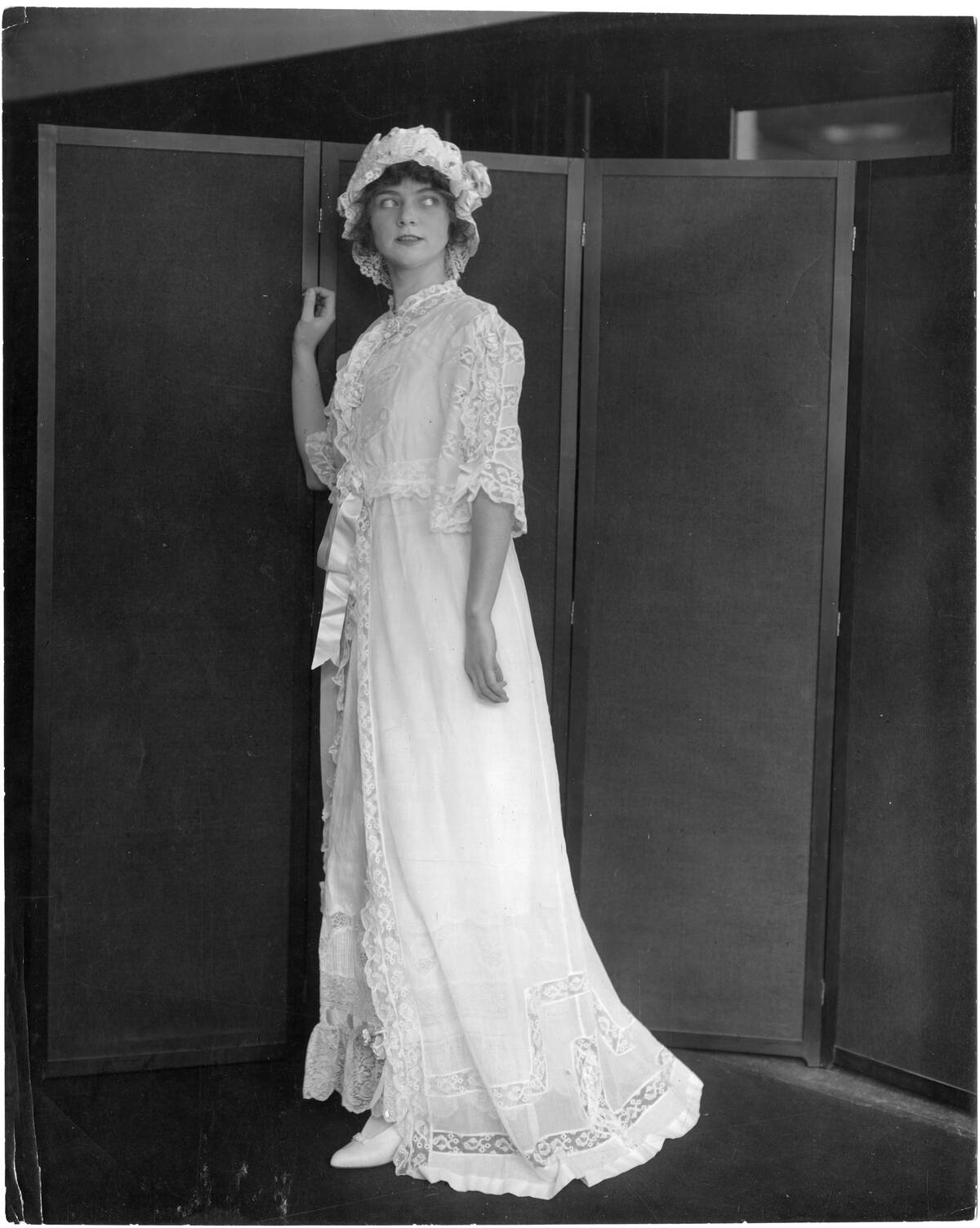
Nightcaps weren’t a joke—they were practical. Heat loss tracks with exposed surface area, and in unheated rooms the head and neck are exposed all night. A simple knit or flannel cap reduced that radiant loss and kept hair from icing against window drafts. Long shirts or nightgowns in linen or cotton, plus woollen stockings, were common. By the 19th century, flannel—a soft, napped wool or wool-cotton blend popularized in Wales and beyond—became the winter sleepwear staple.
Long underwear matured in the industrial age. The one-piece “union suit” was widely adopted in the late 1800s in North America and Europe, prized for eliminating gaps at the waist. Farmers, railroad workers, and city dwellers reached for flannel drawers and undershirts when stoves went cold overnight. Catalogs from the 1890s advertised heavy-weight merino and cotton-flannel blends, balancing cost with warmth. Pair a union suit, stockings, and a nightcap under ample blankets, and you had a reliable recipe for sleeping through a hard frost.
Top-and-tail snoozing: sharing beds to share body heat (awkward but effective)
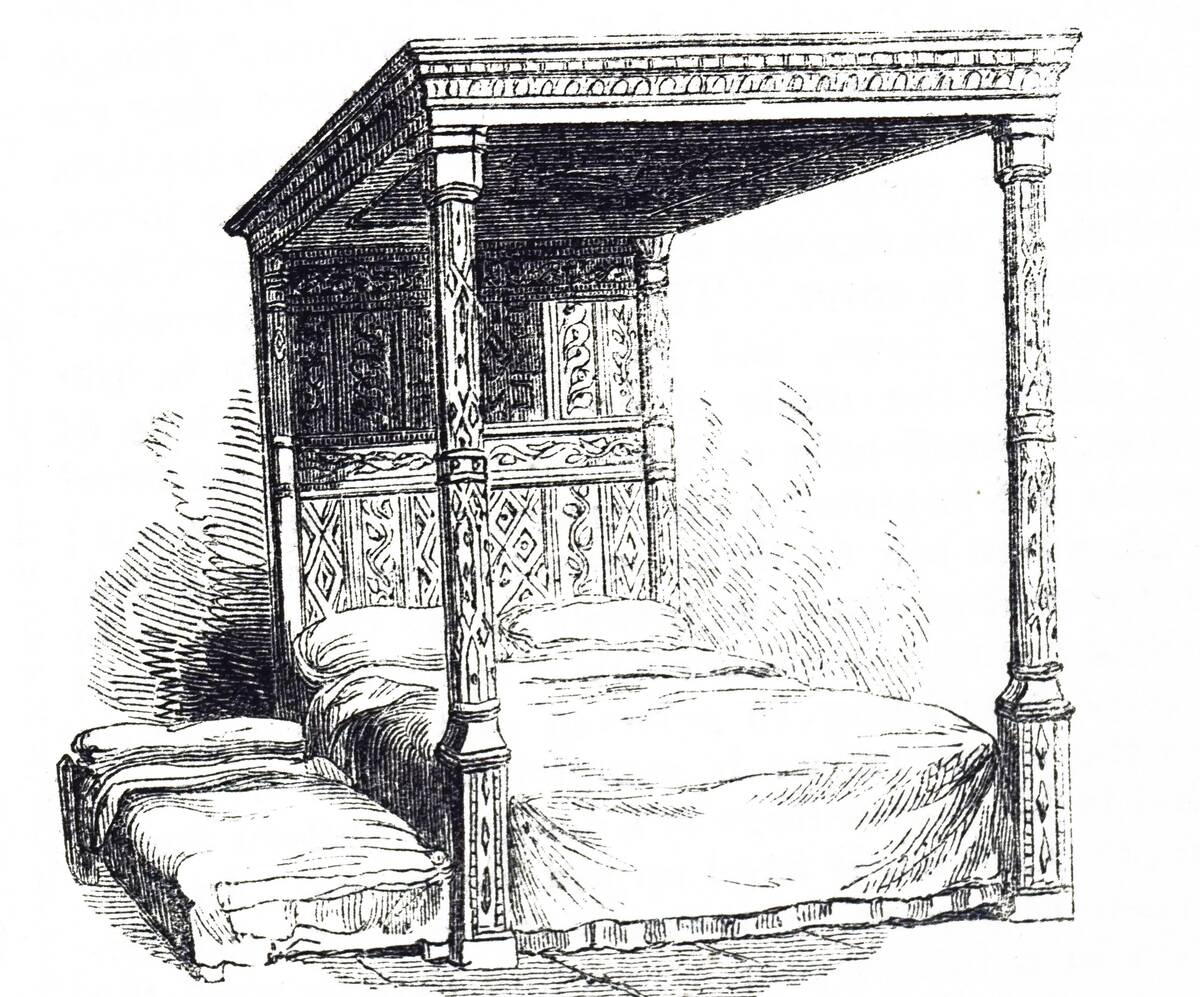
Beds and bedding were expensive, and warm rooms were scarce, so sharing was normal. Families commonly slept several to a bed, and travelers at inns expected to double up with strangers in the 17th and 18th centuries. “Top-and-tail” sleeping—lying head-to-foot—reduced face-to-face awkwardness and spread limited covers farther. In cramped cottages, children might pile into a trundle bed that slid under the main bed by day, making the most of a single warmed sleeping zone.
Beyond thrift, sharing conserved heat dramatically. Two bodies under one set of covers raise temperatures faster than one, and a well-tucked blanket system holds that warmth. Descriptions from diaries and court records show it wasn’t always comfortable—snoring, fidgeting, and social boundaries were real issues—but it was practical. In the coldest regions, box beds built into wall recesses further contained warmth for multiple sleepers, blurring the line between furniture and architecture in the name of a warmer night.
Hearth life: benches, settles, and daily chores clustered around the fire
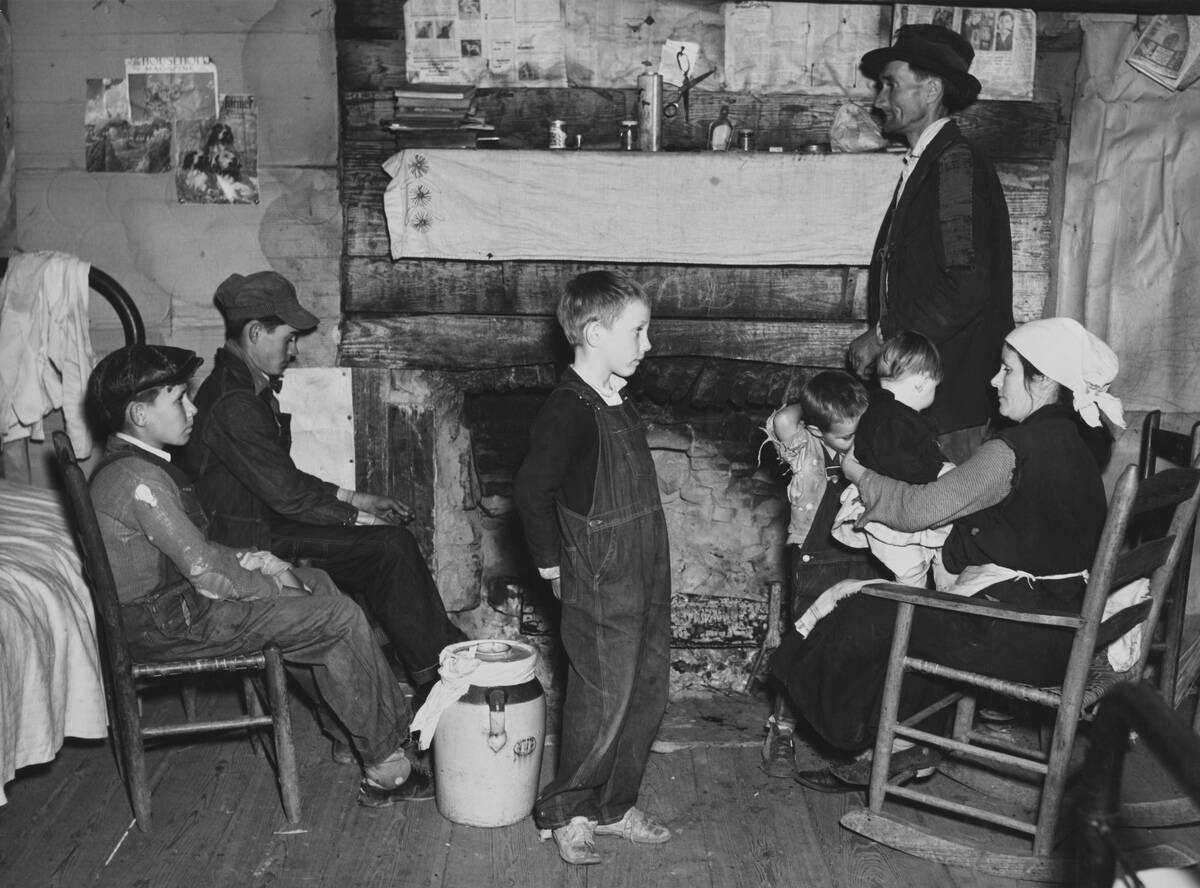
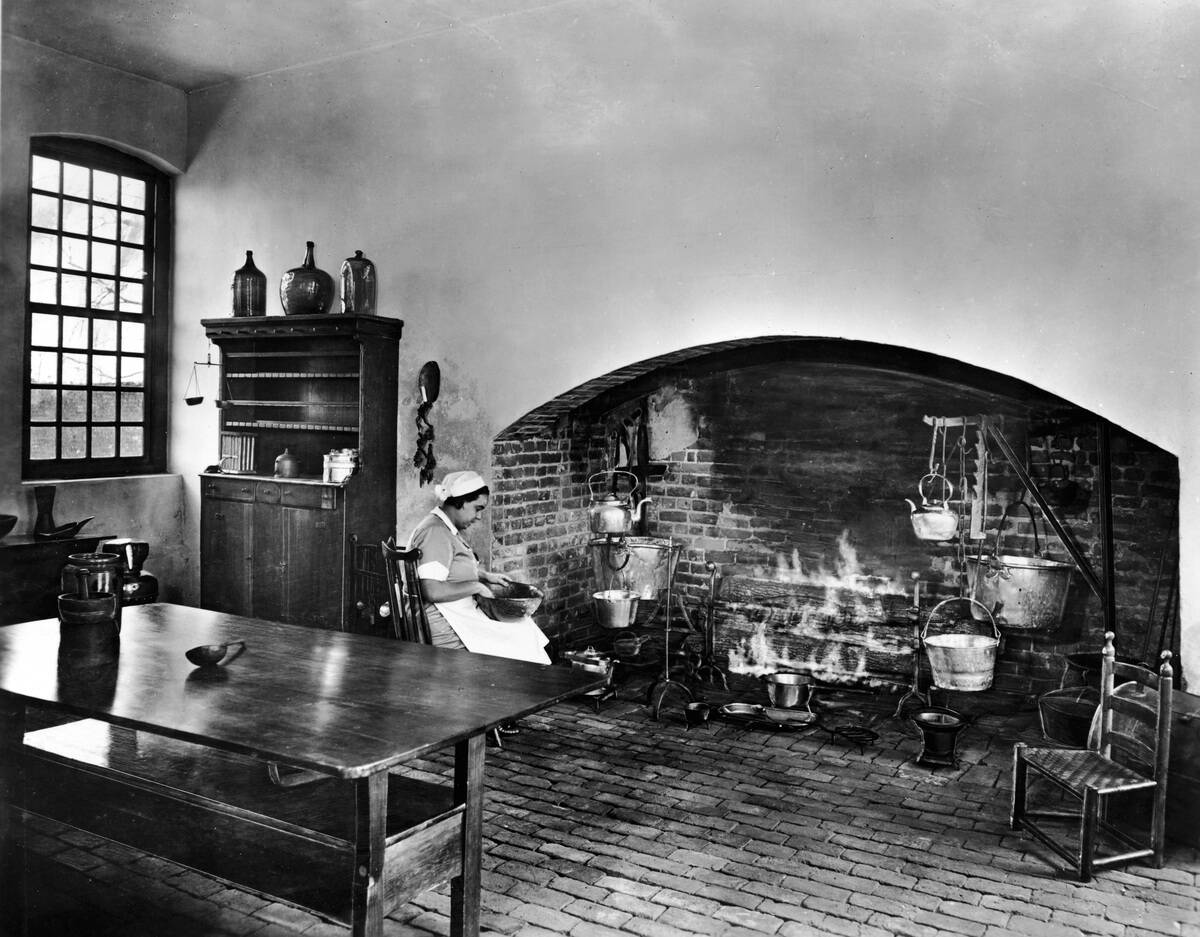
The hearth was the winter headquarters. Without central heat, people arranged work and leisure within a few feet of the flames. High-backed wooden settles—bench seats with tall panels—shielded sitters from drafts and reflected heat back to the body, effectively creating a warm nook. In Britain and northern Europe, inglenooks recessed the hearth, adding side benches that bottled up warmth. Hooks, cranes, and andirons organized cooking, while trammels adjusted pot height for a steady simmer.
The daily schedule followed the fire’s logic. Laundry, brewing, baking, and mending clustered where embers were handy and light was best. Children did lessons at the table nearest the coals; elders claimed the settle corner. Chimneys, common in Europe by the late medieval period and widespread in colonial North America by the 18th century, improved smoke control and allowed bigger, safer fires. Many homes let far rooms go cold, concentrating life into the kitchen or keeping room until spring returned.
Portable braziers and hand warmers: warmth you could carry (carefully)
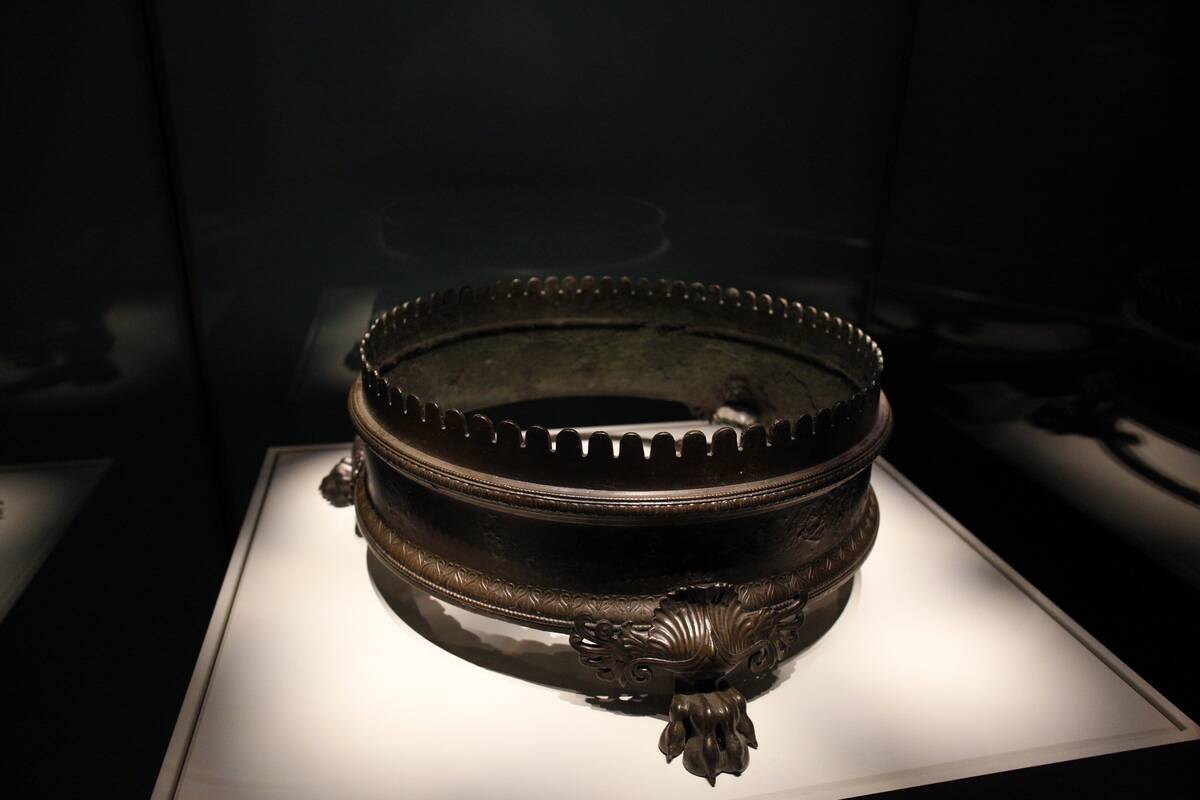
When you had to move, the fire came along. Across the Mediterranean and East Asia, portable charcoal braziers heated courtyards and workrooms. Japan’s hibachi—a heat-retaining container for charcoal—doubled as a hand-warming station, while China produced ornate metal hand warmers with pierced lids during the Ming and Qing periods. In Europe, small personal braziers and later pocket warmers traveled to markets and coach boxes, offering a glow of heat where fixed hearths couldn’t reach.
Portability, however, meant vigilance. Charcoal produces carbon monoxide, so ventilation was essential, and embers needed deep ash beds to burn steadily without flare-ups. Metal warmers were often lined with clay to distribute heat and reduce scorching. Travelers rested foot warmers on carriage floors, and vendors tucked braziers beside stalls. The concept hasn’t vanished—today’s catalytic and reusable hand warmers echo the same principle: a controlled, compact heat source close to the body, watched with care.
Tapestries, wall hangings, and heavy drapes: insulation disguised as decor
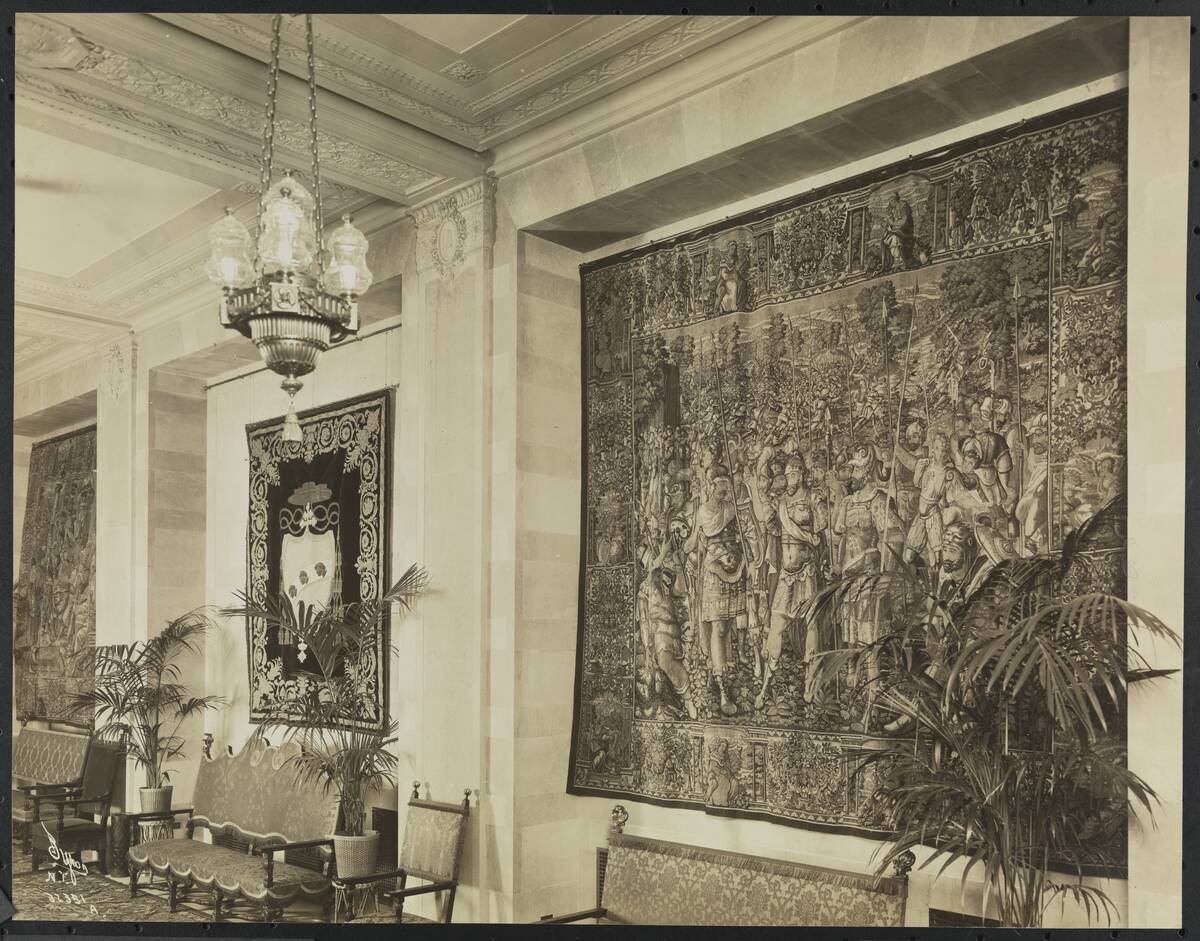
Stone walls are beautiful—and freezing. Tapestries weren’t only status symbols in castles and great houses; their multiple layers of warp and weft trapped air and softened radiant chill. The term “arras” for wall hangings is famous from Shakespeare, and period inventories show hangings redeployed seasonally to deaden drafts. In townhouses, heavy wool or velvet portières hung over doorways, and lined curtains blanketed windows at night to keep room heat from leaking into cold glass and masonry.
Even modest homes improvised. Woven coverlets, quilts, and sacking went up on pegs to block wind that whistled through timber frames. In 18th–19th century France and Britain, stair landings and entry halls often sported curtain screens to create a warm inner core. Drapery weights and tie-backs balanced daytime light with nighttime snugness. The physics holds today: each fabric layer adds resistance to heat flow, buying comfort with nothing but thread, gravity, and a few hooks.
Window fixes: shutters, oiled paper, storm sashes, and stuffed gaps
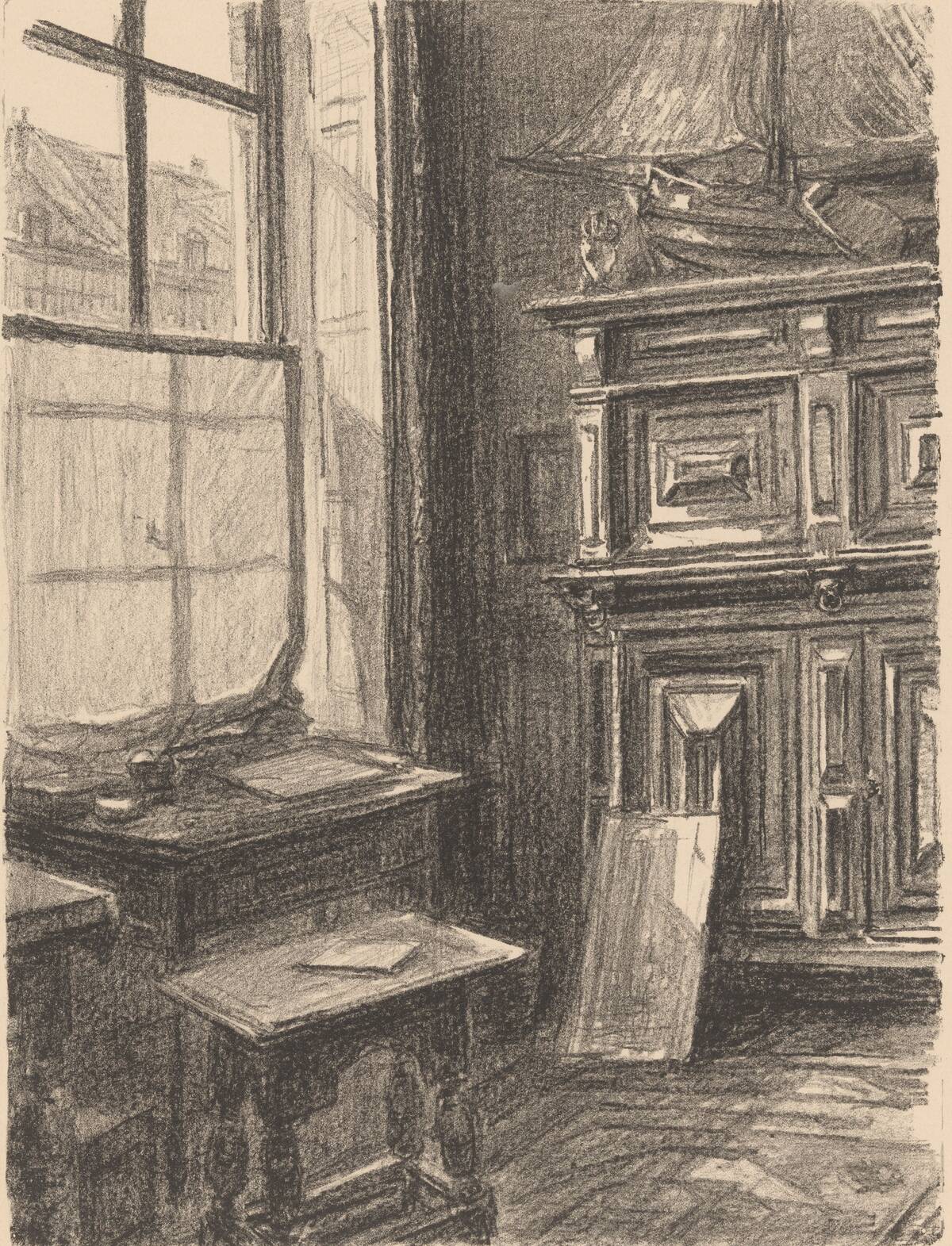
Glass wasn’t always a given. In frontier cabins and some Asian traditions, oiled paper or translucent horn panes admitted light while blocking wind, an affordable stand-in for window glass. Where glass was available, interior or exterior wooden shutters shut tight at dusk to insulate and protect. People stuffed sash gaps with wool, tow, or newspaper, and renewed glazing putty to keep panes seated. In log houses, chinking and daub around window frames got seasonal touch-ups as timbers moved.
By the 19th century, storm windows upped the game. A second sash—mounted outside or swapped in for winter—created a dead-air space that cut heat loss dramatically. Urban homeowners in Britain and North America adopted them alongside heavier curtains and pelmets to stop cold air cascading off the glass. Coastal communities sometimes burned driftwood despite its salt; the priority was fuel, while winterizing the window wall was the smarter way to make every stick of firewood count.
Animal assist: dogs at the feet, cats on laps, and livestock in the byre
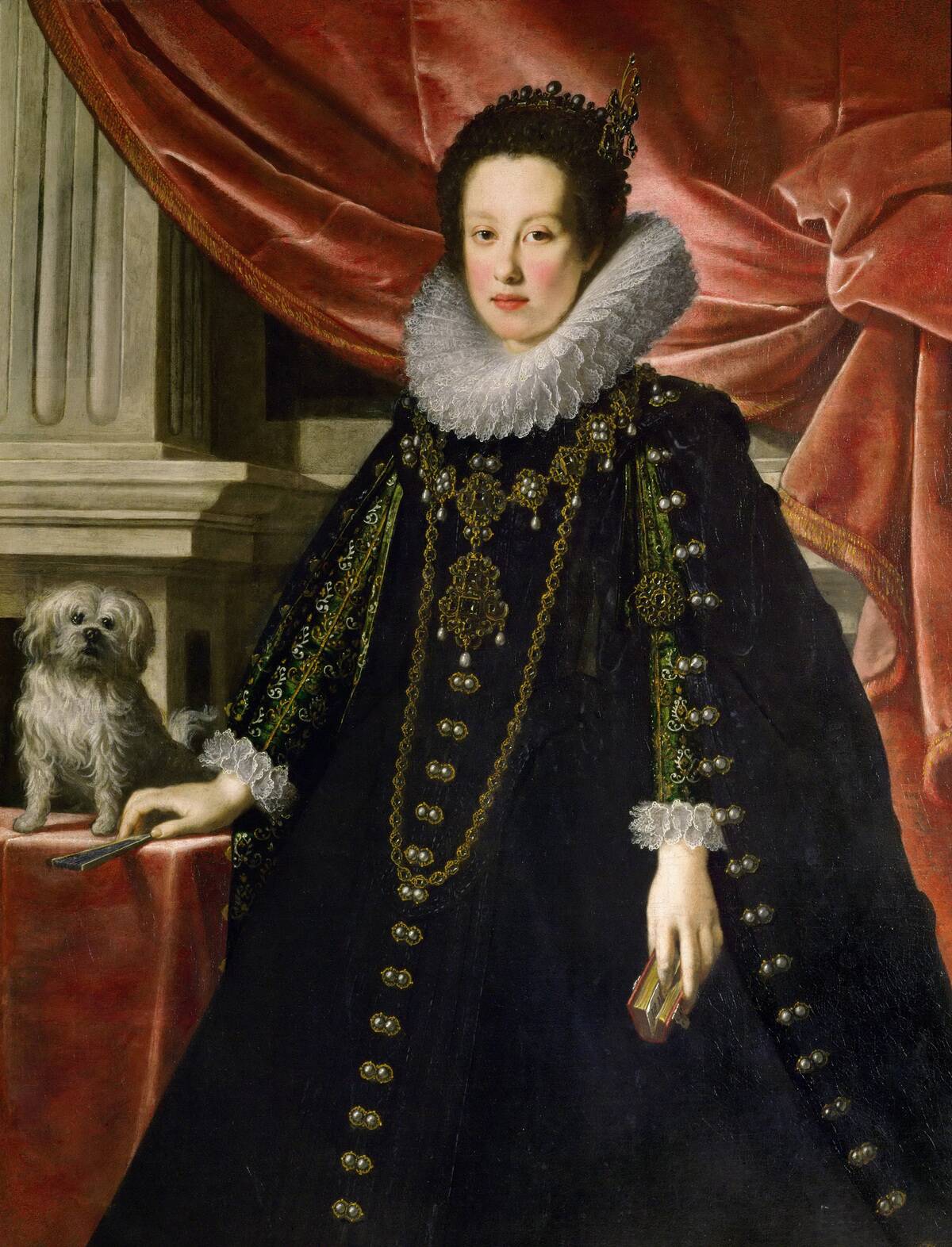
Animals were living hot-water bottles with personalities. Lapdogs nicknamed “comforters” were bred as much for warmth as for companionship in early modern Europe, and any loyal mutt would happily curl at the foot of the bed. Cats took the evening shift on laps and hearth stools, radiating contentment while keeping vermin from the grain bin. Farmyards pressed bigger helpers into service indirectly: stables and byres attached to houses reduced wind exposure and shared a little heat through walls and floors.
In parts of Scotland and Ireland, “byre-dwellings” or blackhouses kept cattle under the same roof as people—separated, but close enough that their body heat tempered the living space above or beside. Continental longhouses followed similar logic. Diaries and folklore mention family dogs tucked under coverlets on bitter nights, especially in poorly heated rooms. It was practical, comforting, and, unlike many gadgets of the era, self-feeding and self-repairing—provided you remembered to share the scraps.
Heat beneath your feet: Roman hypocausts, Korean ondol, and the Chinese kang

Underfloor heating isn’t modern; it’s ancient brilliance. Romans built hypocausts—raised floors on small pillars (pilae) with hot gases from a furnace flowing underneath and up wall flues. Bath complexes and wealthy villas across the empire used them, creating even, radiant warmth. Archaeological sites from Britain to Tunisia reveal the telltale tile pillars and soot-streaked channels. The system demanded fuel and maintenance, but it delivered luxurious, foot-first comfort two millennia before radiant tubing and smart thermostats.
East Asia honed its own versions. Korea’s ondol routed smoke from a kitchen fire through stone flues under the floor before venting, turning the room platform into a gentle heater—perfect for floor-sleeping culture. In northern China, the kang—an elevated brick bed heated by a connected stove—served as a combined sofa, bed, and radiator. These systems prioritized radiant heat into occupied surfaces, a timeless principle: warm the person, not the volume of air above them.
Cozy tables: Japanese kotatsu and Spanish brasero family heat forts
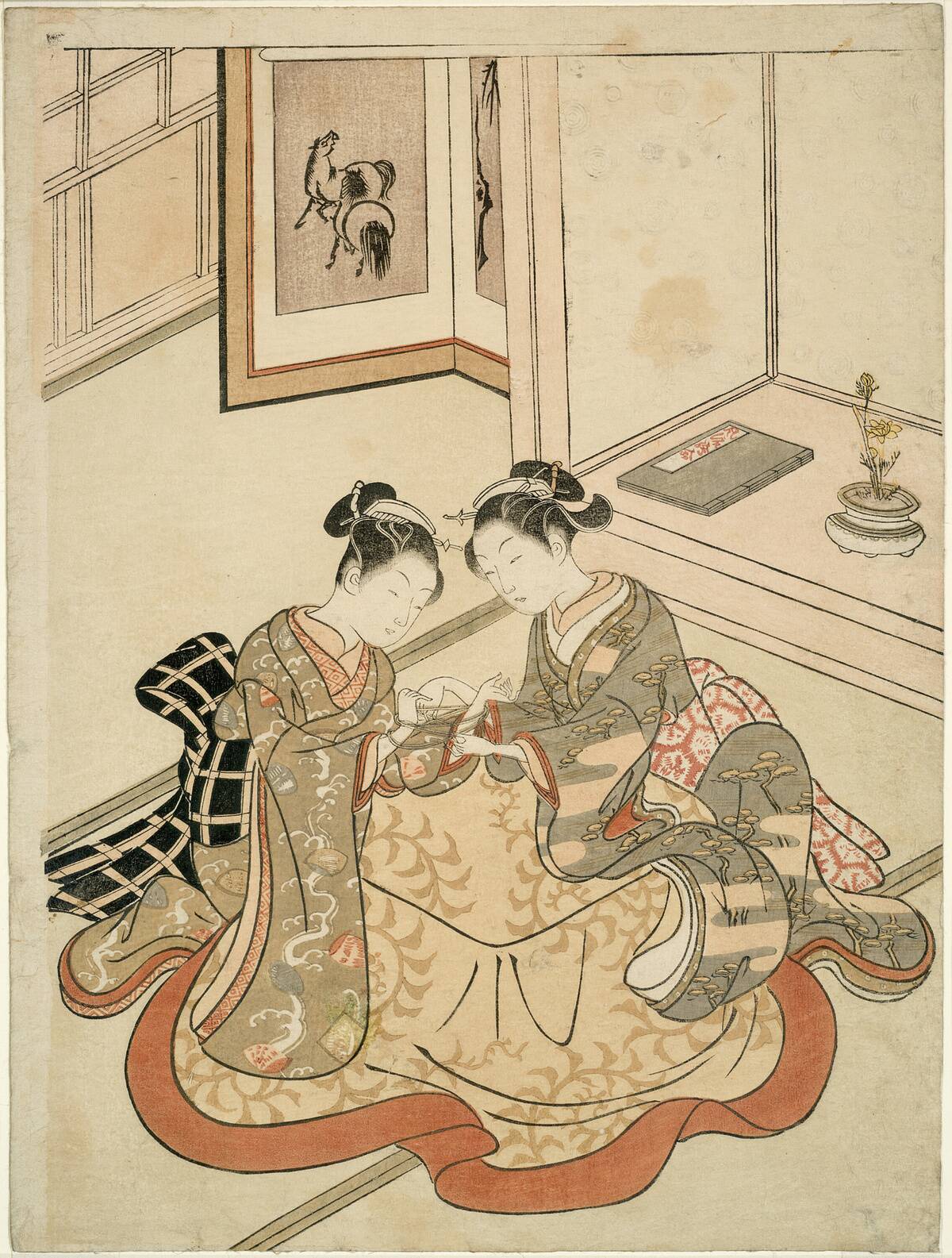
The kotatsu is a masterclass in targeted comfort. Traditionally, a charcoal brazier (or later an electric heater) sits under a low table frame, with a thick quilt draped over it and a tabletop placed on top. Families in Japan have used versions since at least the Edo period, evolving from the sunken hearth (irori). Everyone tucks legs under the quilt, and warm air stays where it matters—around people—rather than wasting energy heating the whole room.
Spain perfected a cousin: the brasero beneath a mesa camilla.
A brazier placed under a table with a long cloth (often a felted table blanket) created a communal warm spot for reading, sewing, and conversation. Safety rules applied—good ventilation, careful ember management—but the efficiency was undeniable. Portugal and parts of North Africa have similar table-warming traditions. Each system embodies a shared idea: build a heat fort around the family, and winter nights turn sociable instead of shivery.
Warming from the inside: hot possets, spiced wine, tea, and the booze myth
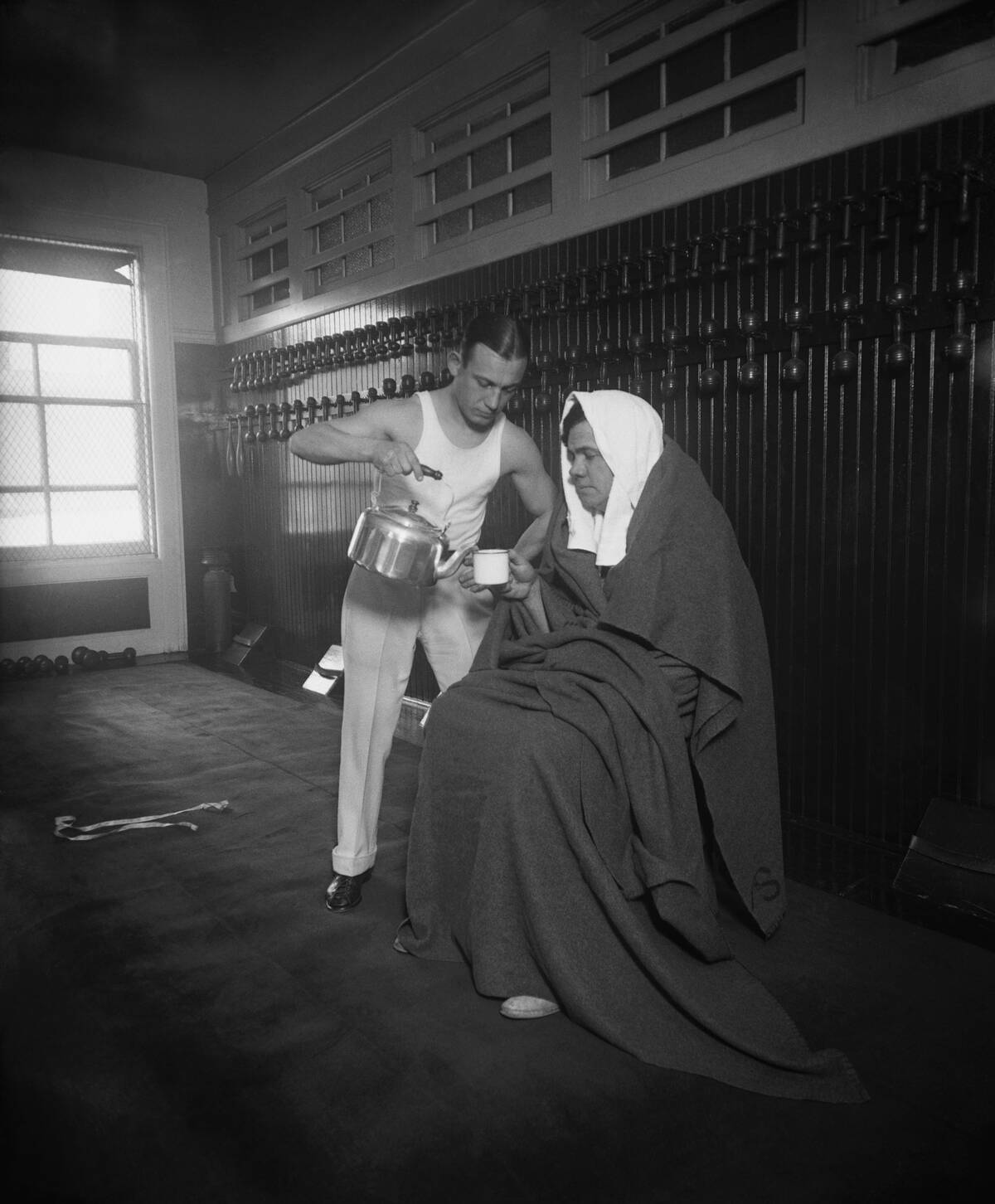
Mugs were heaters you could hold. Possets—hot milk thickened and curdled with ale or wine, spiced with nutmeg or ginger—show up in English recipes from the medieval period through the 18th century. Mulled wine and wassail bowls did the rounds at winter feasts across Europe. Tea, adopted in Britain and its colonies from the 17th century onward, became a daily winter comfort, while broths and barley gruels fueled labor with warmth and calories in one steaming bowl.
As for “a nip to warm you,” physiology begs to differ. Alcohol causes vasodilation, which brings warm blood to the skin, making you feel warmer while actually increasing heat loss and lowering core temperature. It can be dangerous in true cold exposure. Hot drinks without alcohol—and meals rich in fat and carbohydrates—offer safer, longer-lasting warmth. Past generations enjoyed their toddies, sure, but they still relied on stoves, layers, and smart house design to stay genuinely warm.
Fuel of necessity: peat, brush, driftwood, and dried dung that kept fires going
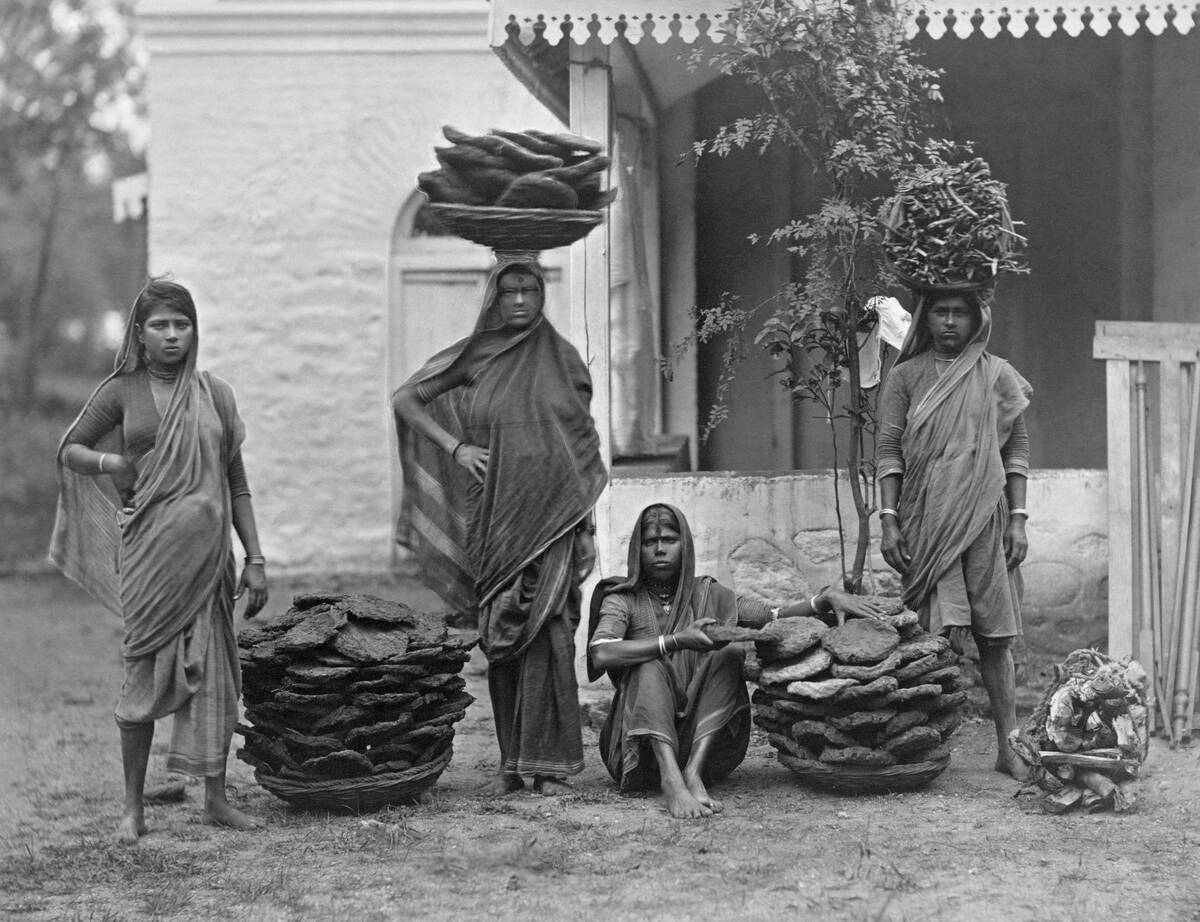
People burned what landscapes offered. In Ireland, Scotland, and parts of the Netherlands, peat cut from bogs dried into dense sods that smoldered with a distinctive aroma, heating countless cottages. Brush and coppiced wood provided small-diameter fuel that regrew predictably, while coastal communities gathered driftwood when forests were scarce. In treeless regions from Central Asia to the Andes, dried animal dung (cow, yak, camelid) became essential fuel, cooking meals and taking the edge off winter rooms.
Each fuel had quirks. Peat burns cooler and longer than seasoned hardwood, suiting baking and slow heating in enclosed stoves. Brushwood flares fast, perfect for kindling. Dung produces steady heat with more ash and smoke, so hearths and chimneys were built for draft. Driftwood was opportunistic—salt and sand were hard on metalwork, but warmth trumped scruples when fuel was tight. Households mixed fuels to stretch supplies, a balancing act of flames, embers, and the never-ending ash bucket.
Earth-smart houses: thatch, sod, and snug little rooms that made warmth go further
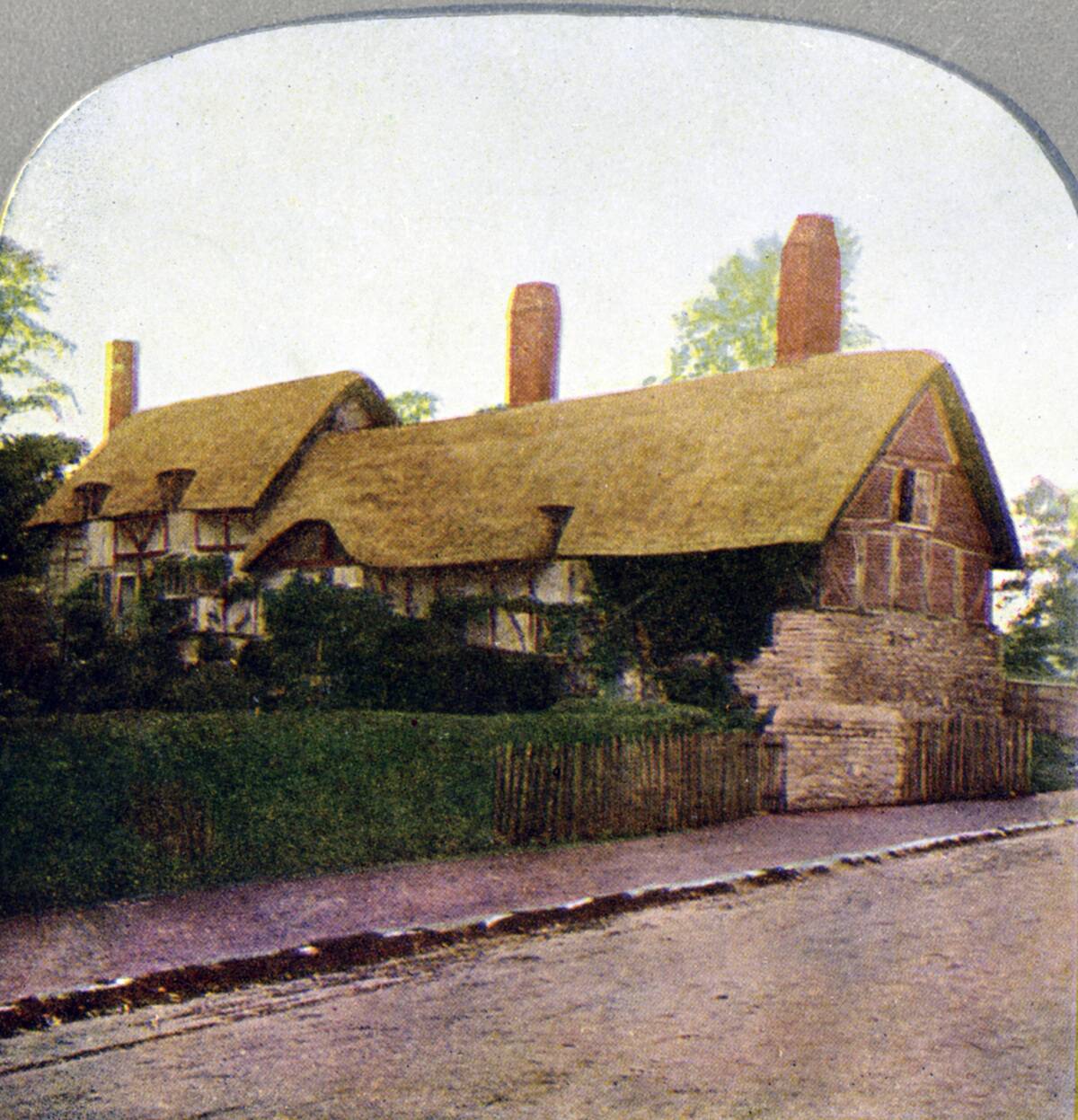
Old houses often started warm by design. Thatch—bundles of reed, straw, or heather—packs air into a thick, water-shedding roof with excellent insulation. Sod houses on the North American plains used earthen walls nearly half a meter thick, taming wind and temperature swings when timber was scarce. Stone cottages with lime plaster, timber frames with wattle-and-daub, and earth-bermed cellars all leaned on mass and tight footprints to make small fires feel big.
Inside, rooms stayed compact and connected. Box beds in Scottish and Scandinavian homes, interior shutters, and low doors helped trap precious heat where people slept and worked. South-facing windows captured winter sun, while porches and windbreak walls shielded entries from gales. Builders understood convective currents intuitively: keep ceilings modest, seal cracks with moss or tow, and put the daily fire at the house’s heart. The result was simple—less volume to warm, more warmth to enjoy.




