Odd jobs that emerged during the Great Depression
The Great Depression was a time of economic turmoil and widespread unemployment, which forced many individuals to seek out unique and unconventional means of employment.
People often had to think creatively to make ends meet, leading to the emergence of some rather peculiar jobs. These professions may seem strange to us today, but for those living through the 1930s, they were vital lifelines. Let’s take a journey back in time and explore some of these unusual careers that emerged during this challenging period.
The Rise of the Human Billboard
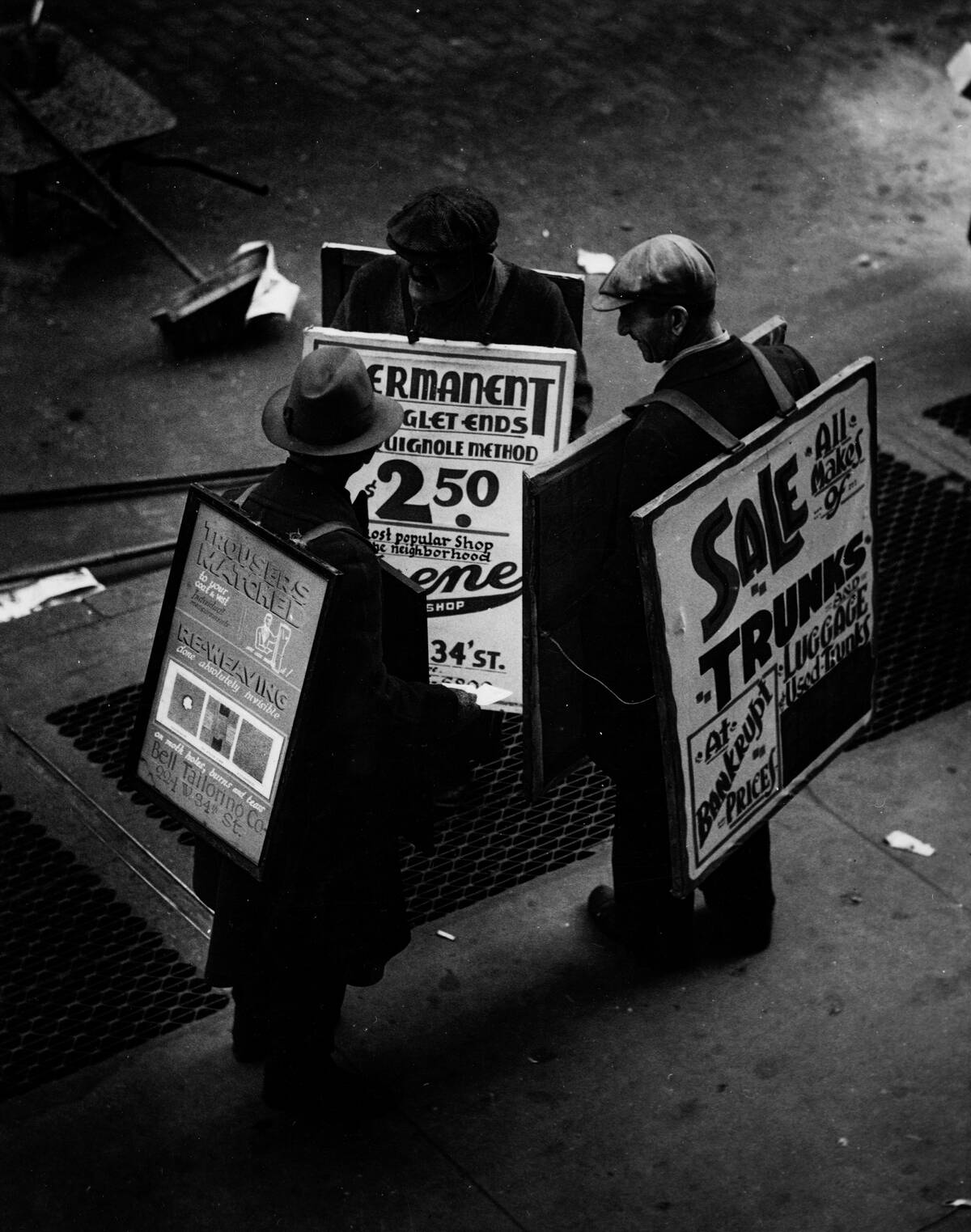
In an era where digital advertising was nonexistent, human billboards became a popular method for businesses to promote their products. Individuals would wear sandwich boards and walk through busy streets, turning themselves into moving advertisements.
This job offered a way for people to earn money without requiring a specific skill set, and it was often one of the few available opportunities for those desperate for work. The sight of human billboards was a common one, adding a unique flair to urban landscapes.
Professional Mourners: A Unique Way to Grieve
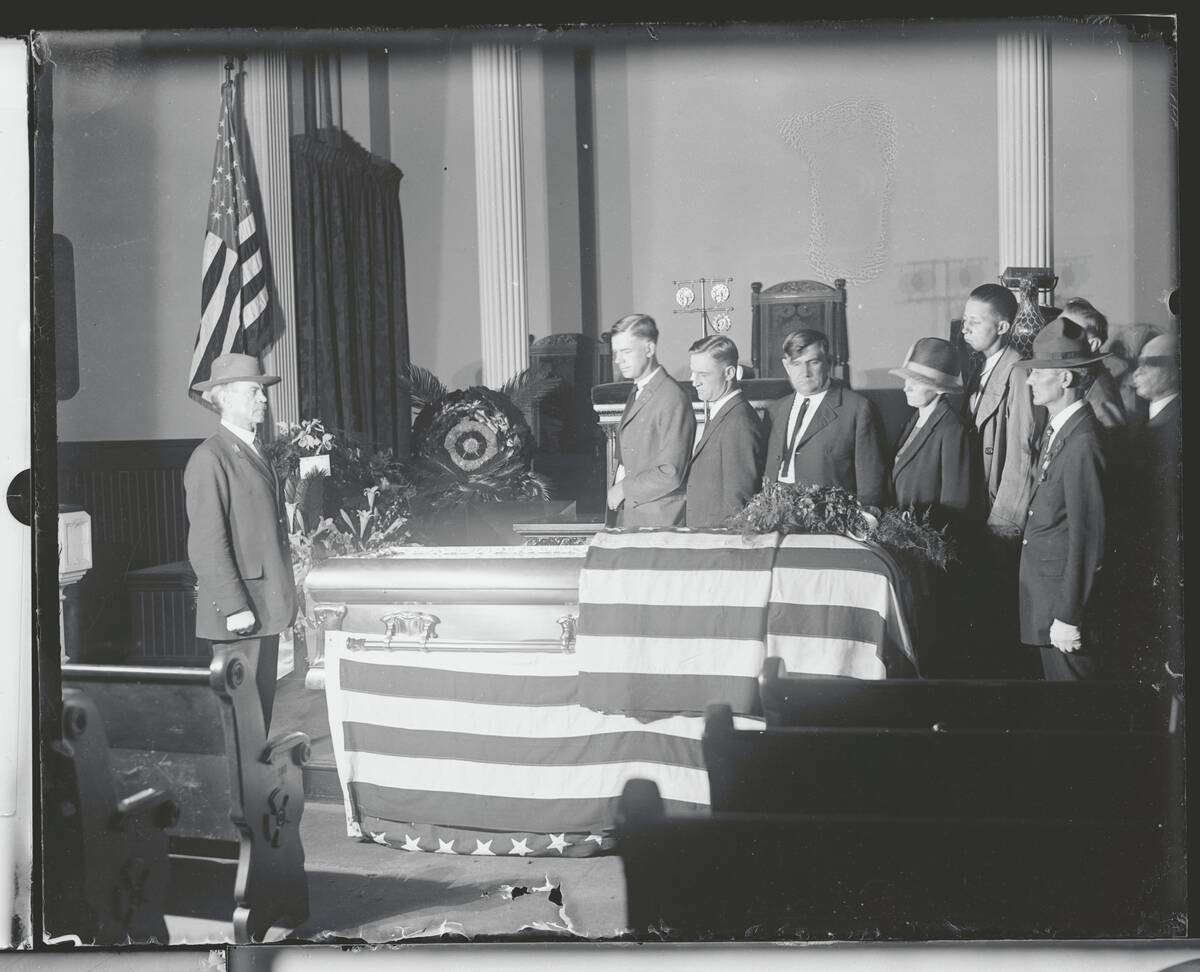
Professional mourners, also known as “mutes,” were hired to attend funerals and express grief on behalf of the deceased’s family. This practice, which dates back centuries, saw a revival during the Great Depression as families sought to ensure their loved ones received a proper send-off despite financial hardships.
These mourners were often skilled actors, capable of displaying a range of emotions to convey the somberness of the occasion. It was a way to honor the deceased while providing employment to those in need.
Pin Boys: Keeping the Bowling Alleys Alive
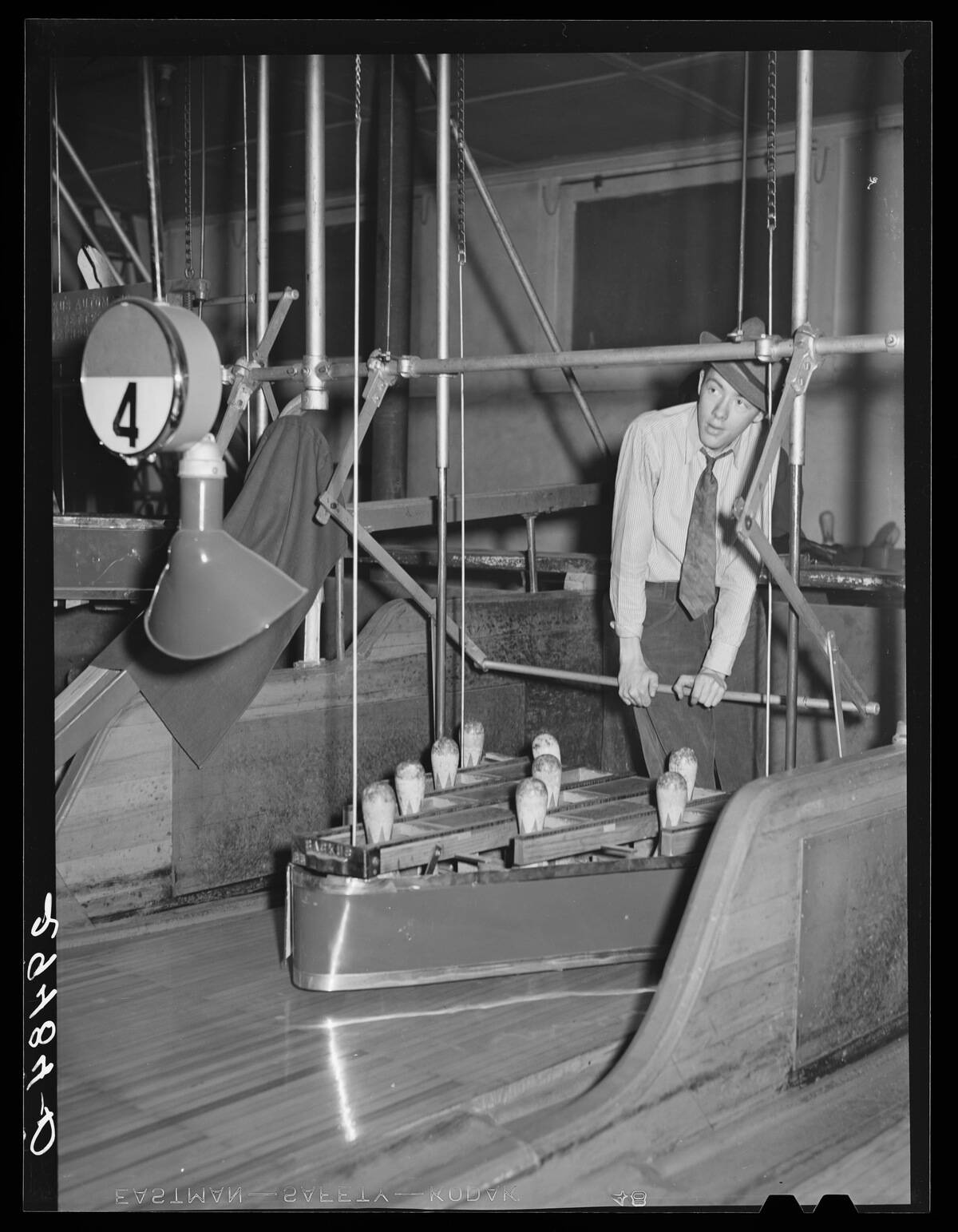
Before the advent of automated pinsetters, pin boys were essential to the operation of bowling alleys. These young men would manually reset the pins and return bowling balls to players, ensuring the games ran smoothly.
Despite the physical demands and low pay, pin boys were a vital part of the bowling experience. With the popularity of bowling as a pastime, these jobs provided a steady, albeit modest, income to many youths during the Depression.
The Strange World of Rat Catchers
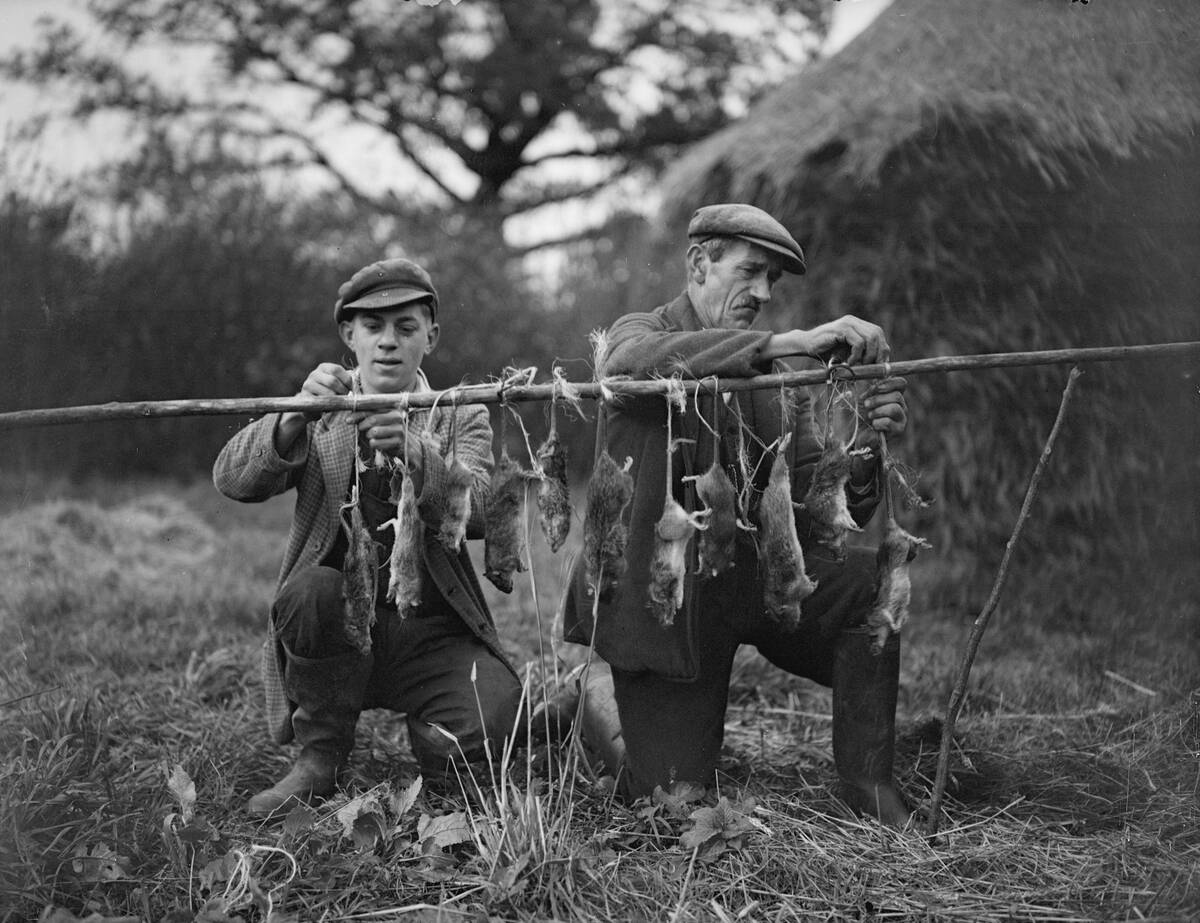
Rat catchers played a crucial role in maintaining public health by controlling the rodent population in urban areas. Equipped with traps and poisons, these individuals often faced hazardous conditions and unpleasant tasks.
Despite the gritty nature of the job, it was a necessary service, particularly in cities where sanitation was a concern. Rat catchers were unsung heroes, working tirelessly to keep communities safe from disease outbreaks during difficult economic times.
Ice Delivery: The Coolest Job in Town
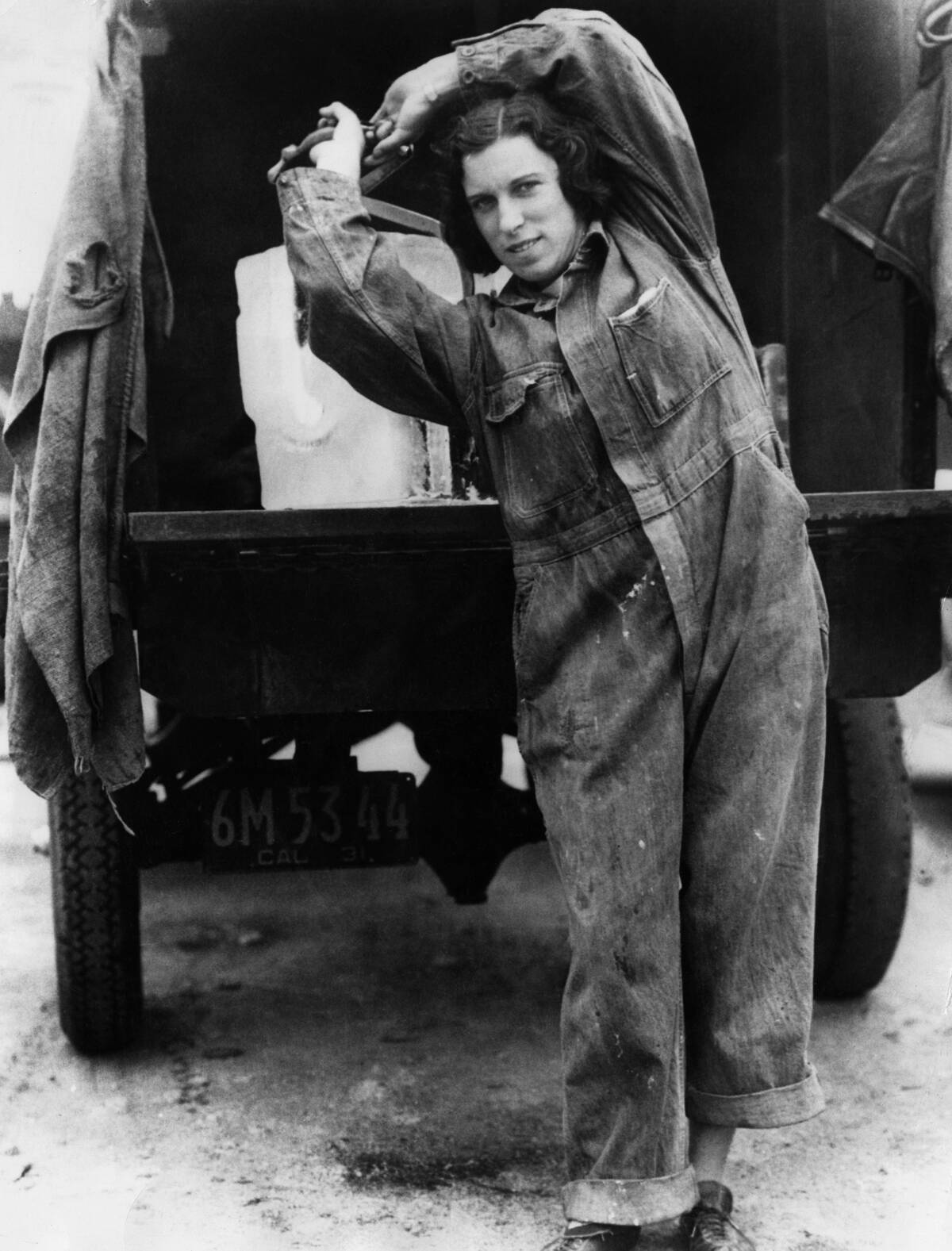
Before the widespread use of electric refrigerators, ice delivery men were essential for preserving food and keeping homes cool. These workers would transport large blocks of ice from factories to homes and businesses, using horse-drawn carts or early trucks.
Despite the physical demands of the job, it was a vital service that brought refreshment and relief to many during the sweltering summer months. Ice delivery was more than just a job; it was a lifeline, providing a sense of comfort in an era of uncertainty.
Door-to-Door Salespeople: Selling Anything and Everything
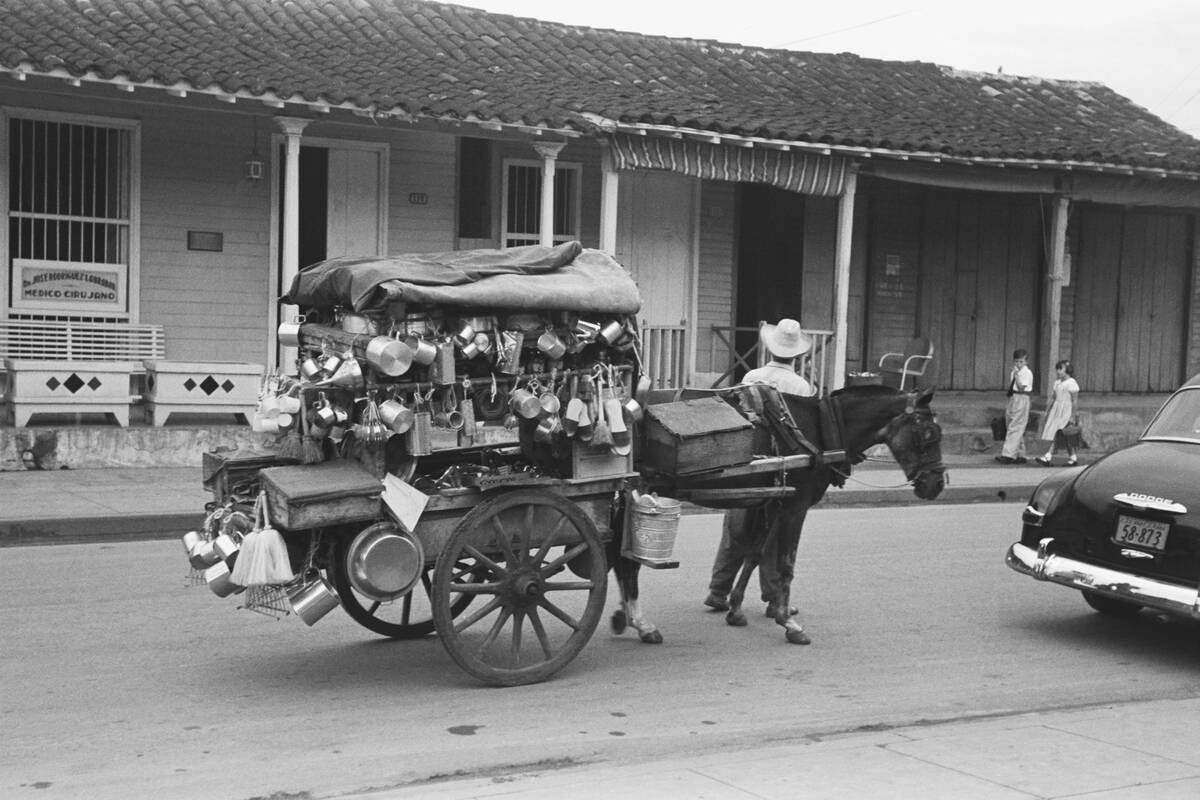
Door-to-door salespeople were a familiar sight during the Great Depression, offering a wide range of products directly to consumers. From household goods to cosmetics, these salespeople often worked on commission, relying on their charm and persistence to make a sale.
This job not only required excellent communication skills but also the ability to handle rejection gracefully. Despite the challenges, many found success and stability in this role, forming personal connections with customers and becoming trusted figures in their communities.
Stunt Performers: Risky Business in Tough Times
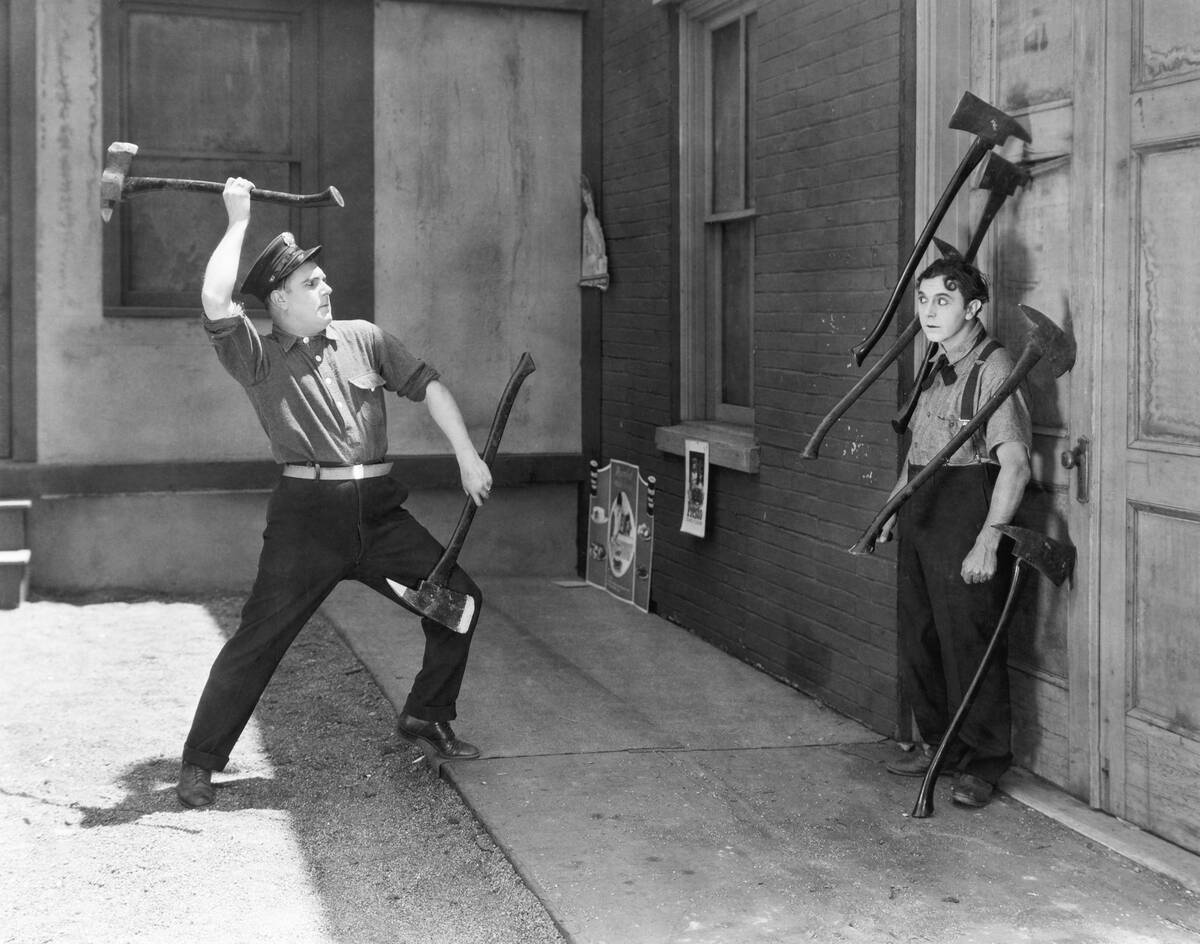
As the film industry continued to thrive despite the economic downturn, stunt performers found opportunities to showcase their daring skills. These individuals took on physically demanding and dangerous roles, often without the safety measures we see today.
Whether crashing cars or jumping from great heights, stunt performers added excitement and realism to films. It was a job not for the faint-hearted, but for those with a love for adventure and a willingness to take risks, it was a thrilling way to earn a living.
The Odd Job of Telephone Switchboard Operators
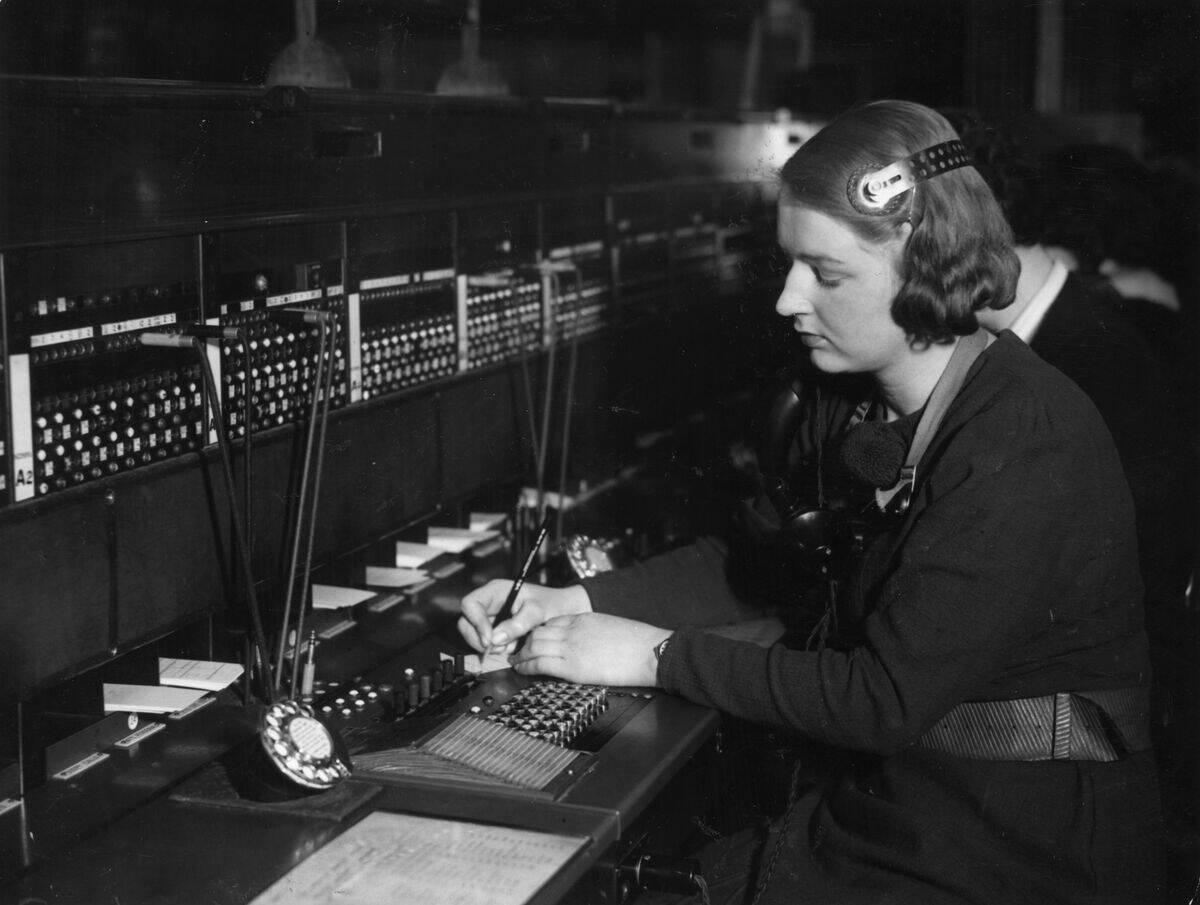
Telephone switchboard operators were the unsung heroes of communication, connecting calls manually in an era before automated systems. Predominantly women, these operators worked long hours, managing a complex web of lines and plugs to ensure seamless communication.
Their work required patience, attentiveness, and a friendly demeanor, as they often became the voice of the telephone company. Despite being a demanding job, it provided stability and a sense of purpose to many during uncertain times.
Bootblack: Shining Shoes and Spirits
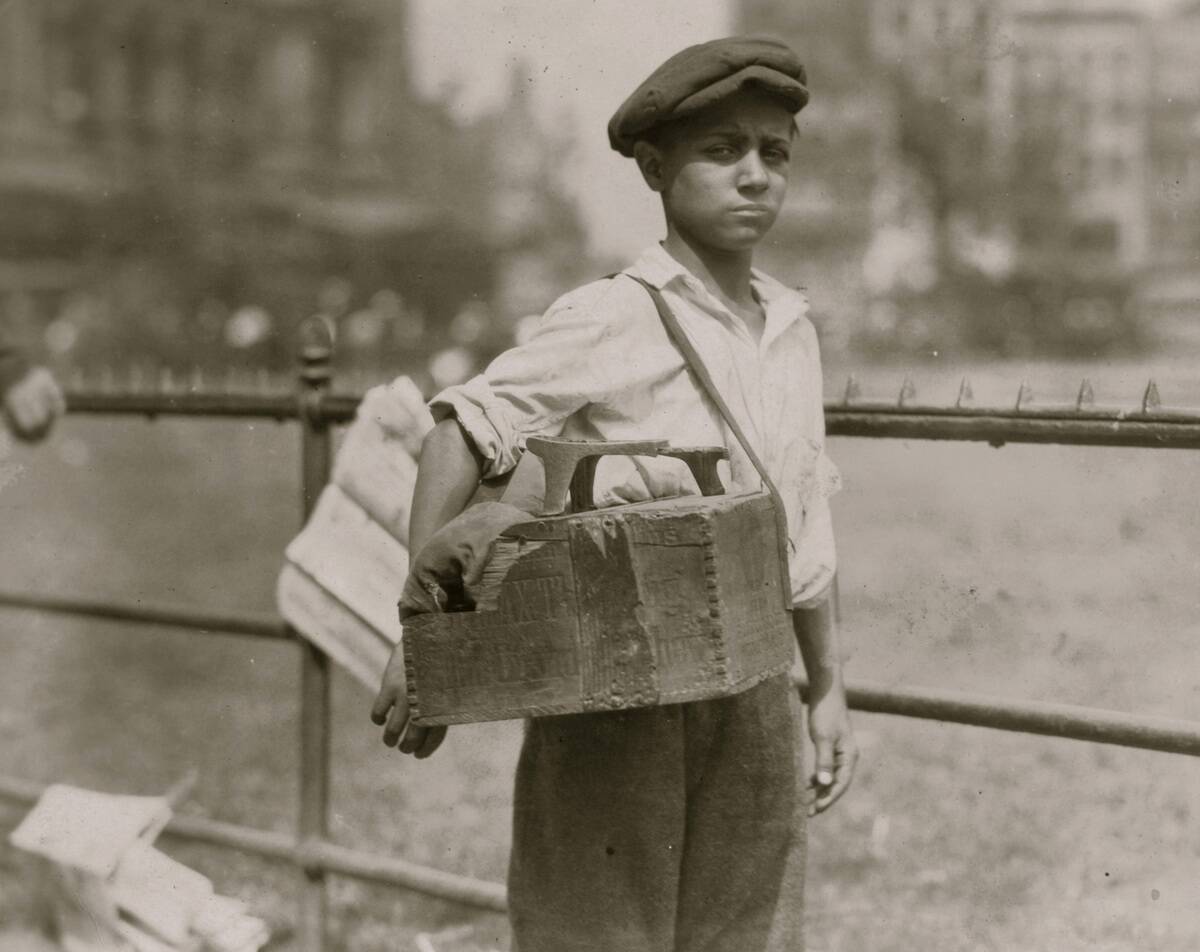
Bootblacks, or shoe shiners, were a common sight on city streets, offering their services to keep footwear gleaming. For many, this humble job provided a steady income, as polished shoes were a symbol of professionalism and respectability.
The work required skill and attention to detail, with bootblacks often forming friendly relationships with regular customers. In a time of economic hardship, a well-shined shoe could lift one’s spirits and provide a small sense of dignity and pride.
The Life of a Traveling Salesman
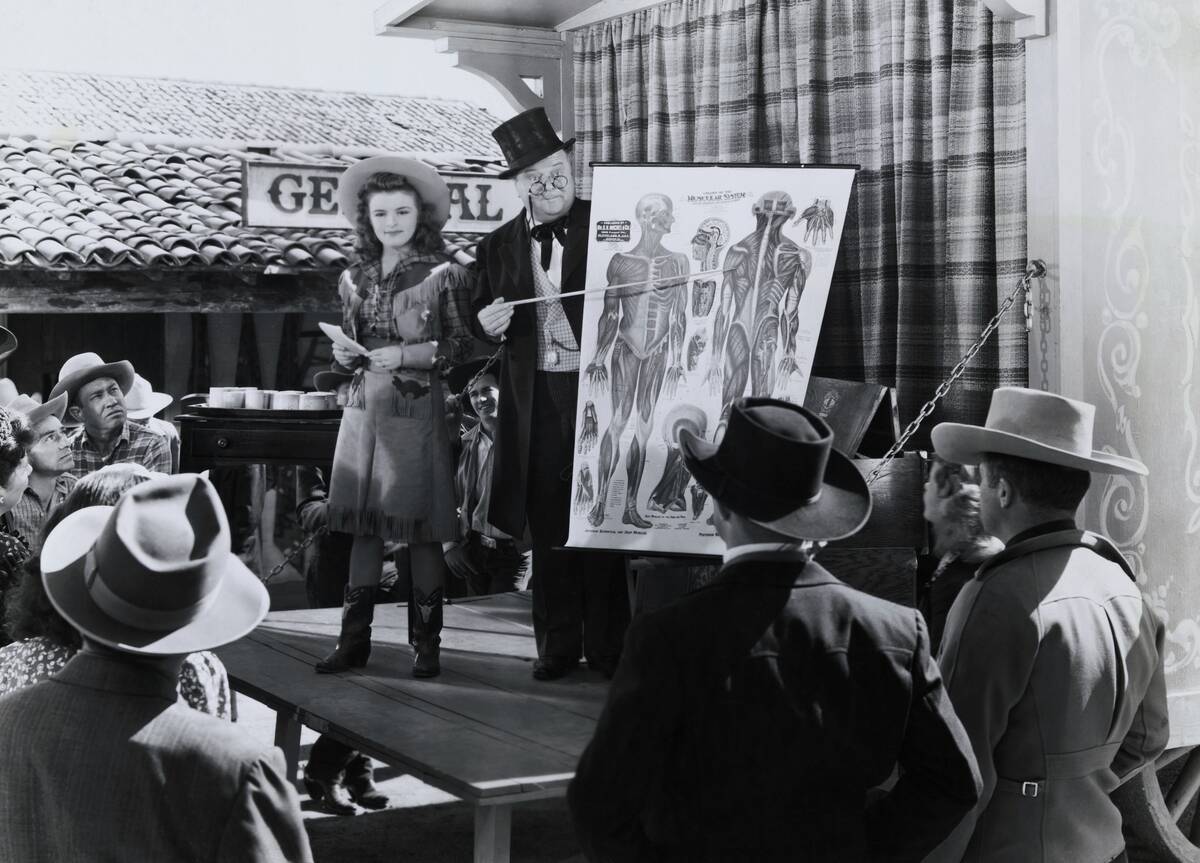
Traveling salesmen roamed from town to town, peddling their wares and showcasing the latest innovations. This job required resilience, as salesmen navigated long journeys and fluctuating markets, often staying in small motels or boarding houses.
Despite the challenges, many found freedom and adventure on the open road, forming connections with diverse communities. The role of a traveling salesman was not just about making a sale; it was about storytelling and building relationships, making it a unique career path during tough times.
Elevator Operators: The Ups and Downs of the Job
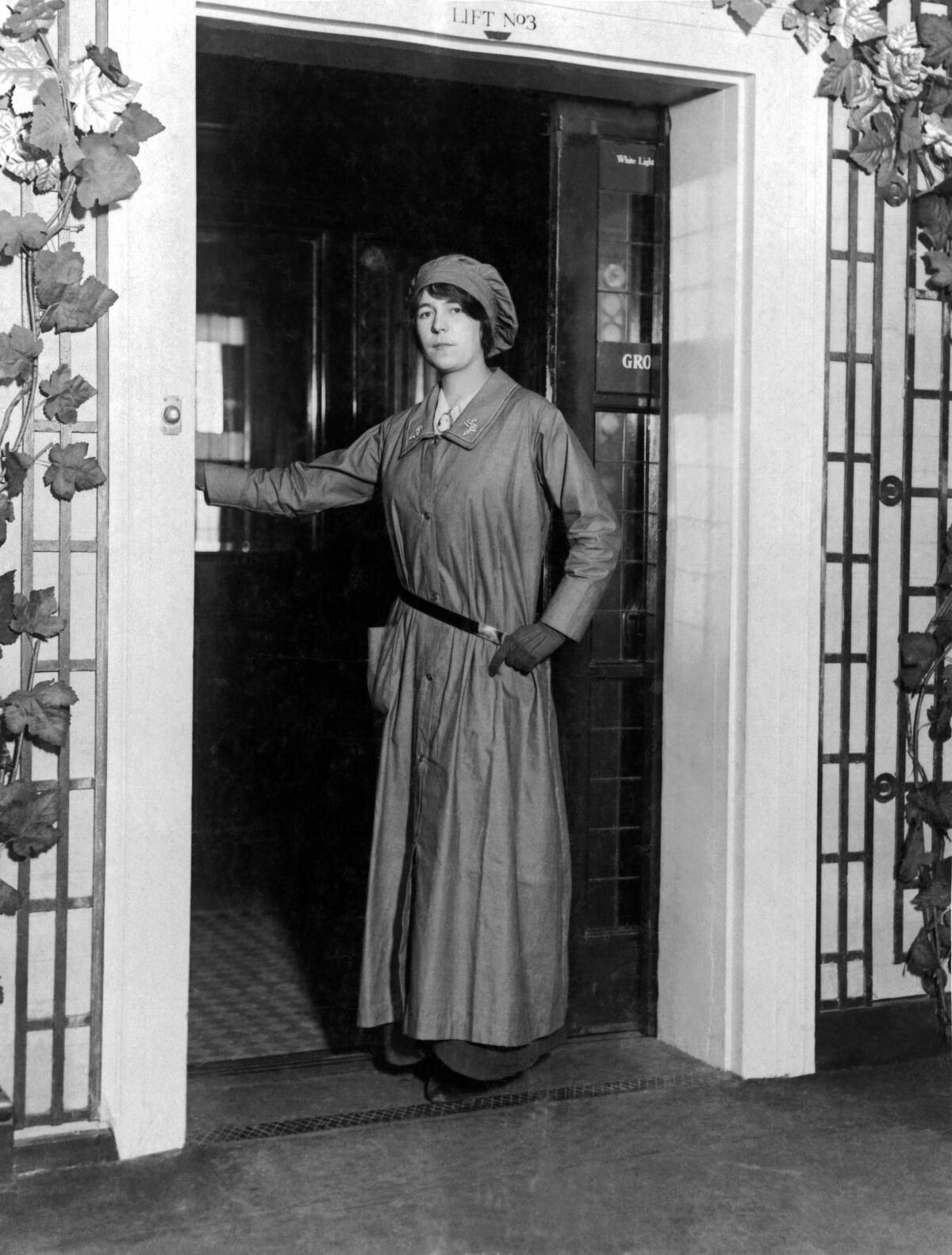
In the days before automated elevators, operators played a crucial role in directing passengers to their desired floors. These individuals needed to master the precise control of the elevator’s levers, ensuring smooth and safe rides for all.
While it might seem a straightforward task, good customer service skills were essential, as operators often served as informal greeters and guides within buildings. It was a job that offered stability and a daily connection to the bustling life inside urban skyscrapers.
The Unusual Role of the Milkman
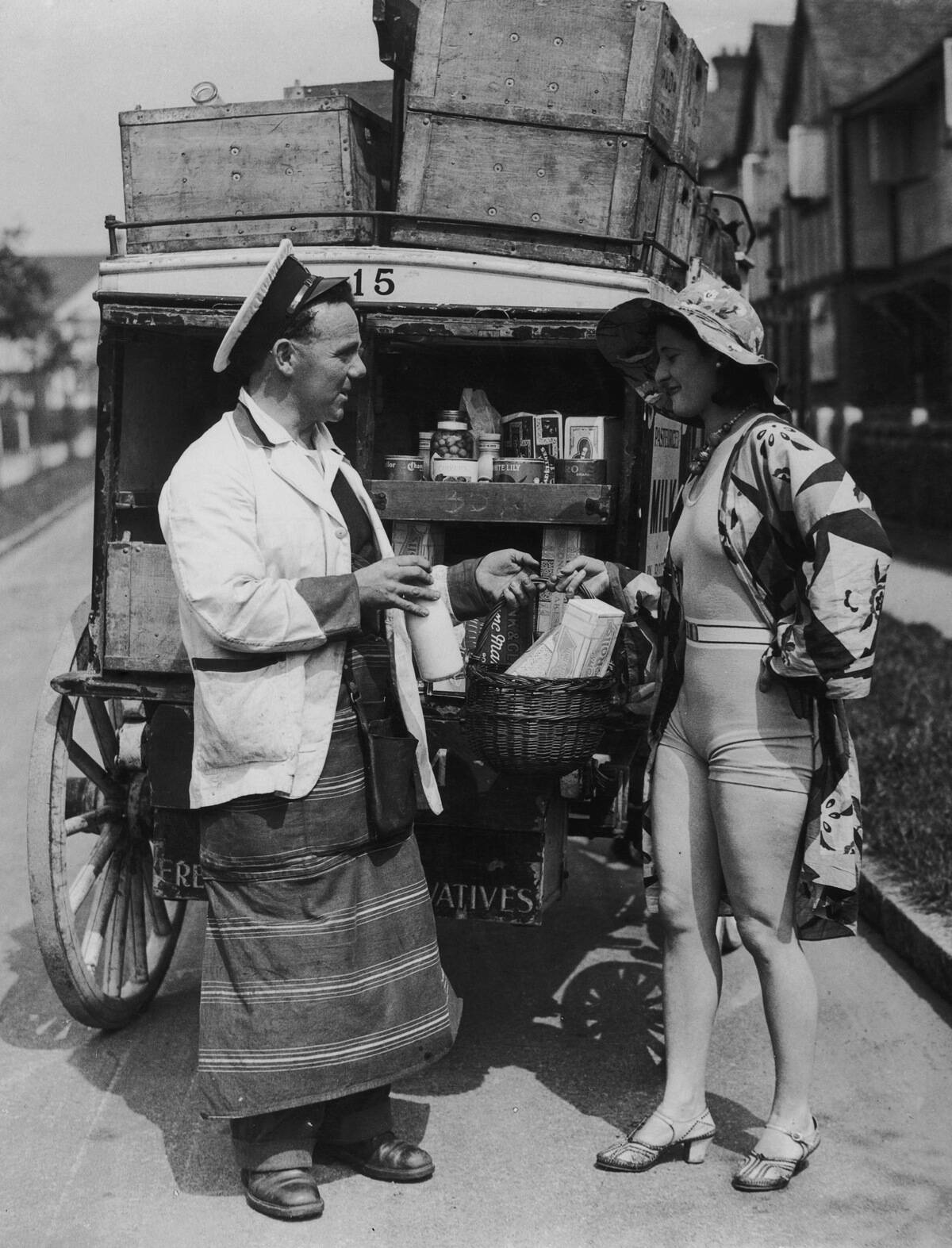
Milkmen were essential to daily life, delivering fresh milk to homes before the convenience of supermarkets. These early risers navigated neighborhoods in all weather conditions, ensuring families had their daily supply.
Beyond just delivering milk, milkmen often became a friendly presence in the community, sometimes providing additional products like eggs or butter. The role required reliability and a personal touch, as they became a part of the daily routine for many households.
Knife Sharpener: A Cut Above the Rest
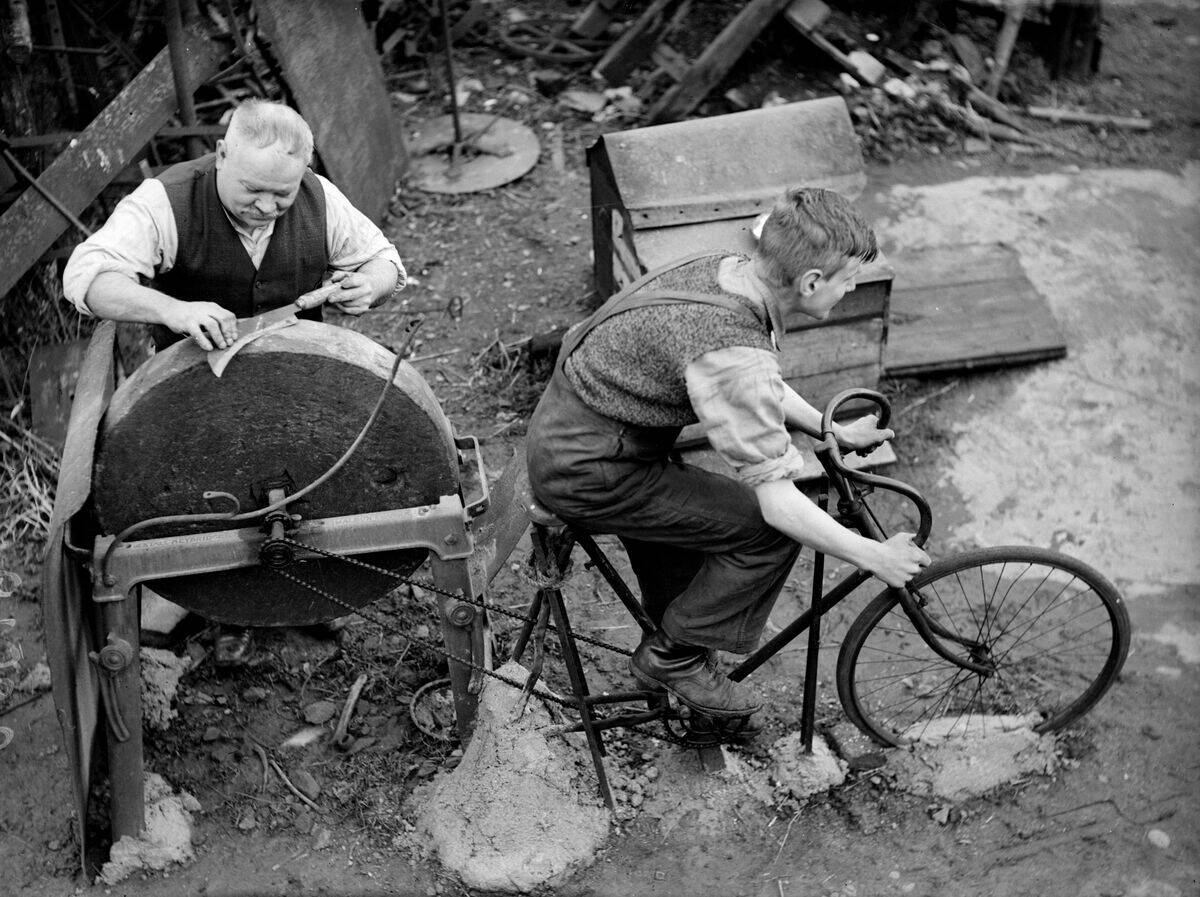
Knife sharpeners were itinerant workers who traveled from place to place, offering their services to keep blades keen. Equipped with a sharpening wheel or stone, they honed everything from kitchen knives to garden shears.
Precision and skill were vital, as a well-sharpened knife could make all the difference in daily chores. For many, this service was indispensable, and sharpeners often enjoyed a loyal customer base, making their rounds a welcome sight in both rural and urban areas.
The Forgotten Task of Lamplighters
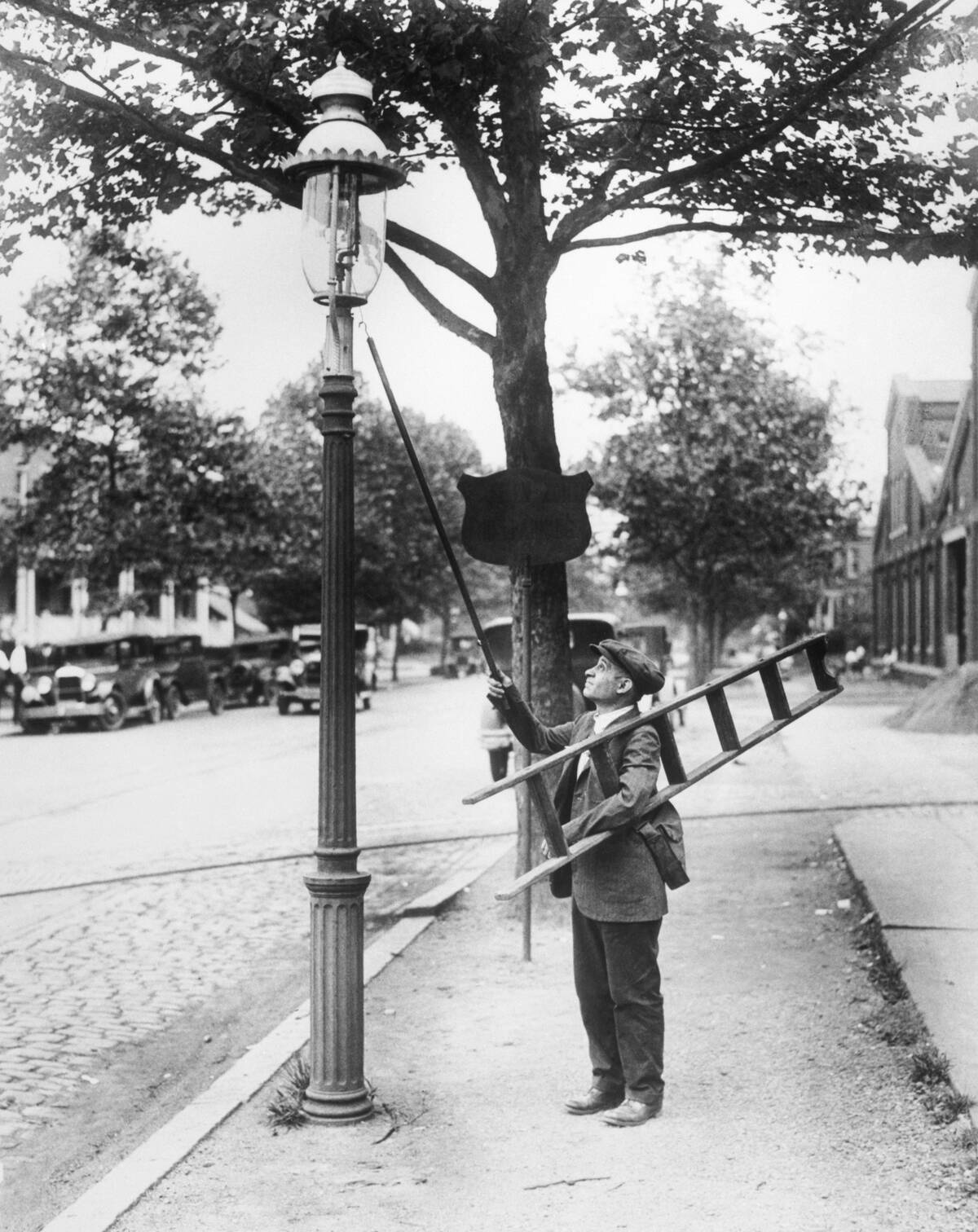
Lamplighters were responsible for lighting and extinguishing street lamps, a task that required punctuality and diligence. As gas lamps illuminated city streets, lamplighters would make their rounds at dusk and dawn, bringing light to darkened pathways.
While the job gradually disappeared with the advent of electric street lighting, during the Depression, it was a respected and necessary occupation. Lamplighters were often seen as guardians of the night, providing a sense of security and comfort to the communities they served.
Secret Shoppers: Undercover Work for Retailers
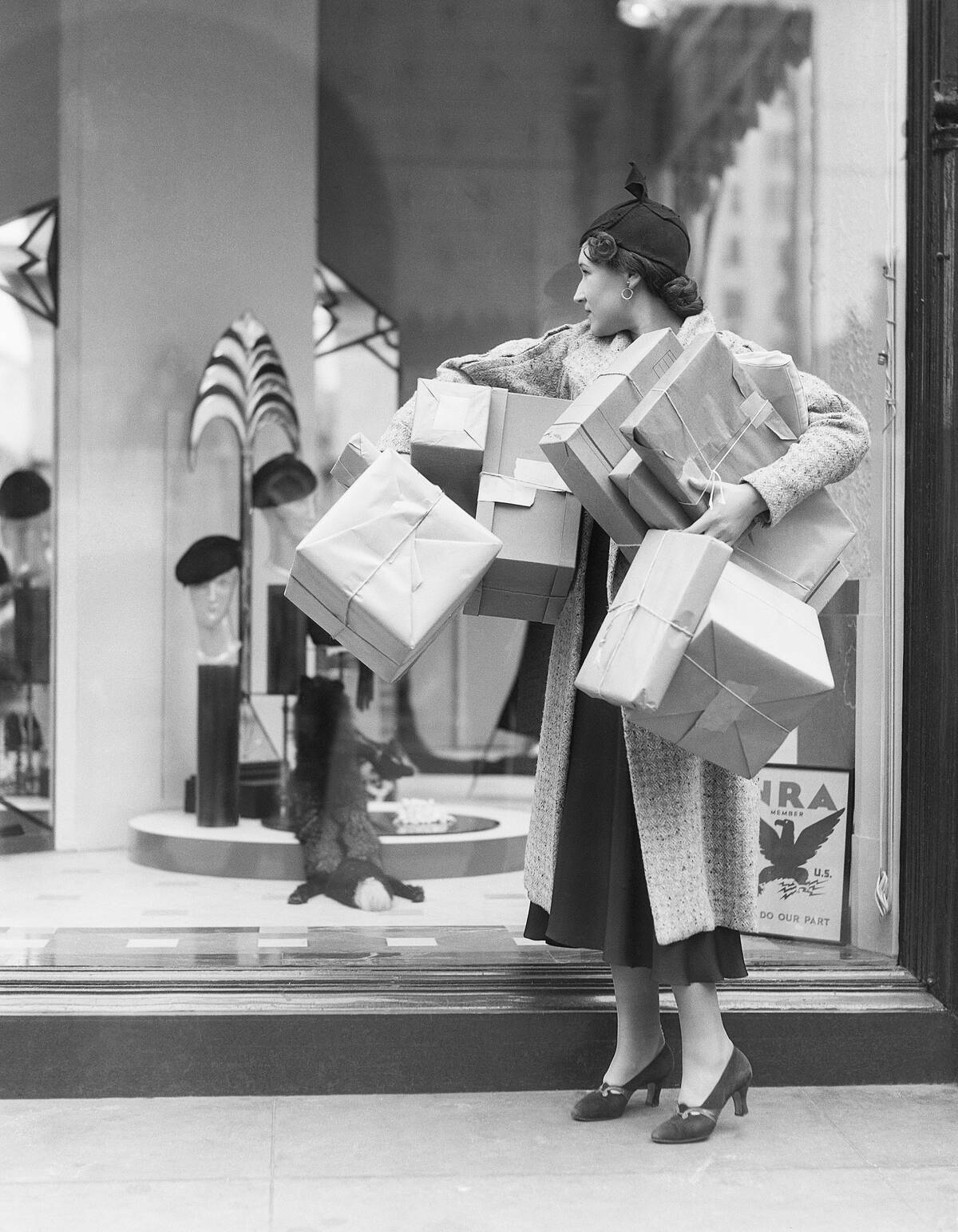
Secret shoppers were employed by retailers to evaluate the quality of customer service and store operations. Disguised as regular customers, they would assess everything from employee interactions to stock levels, providing valuable feedback to store managers.
This role required keen observation skills and discretion, as the effectiveness of secret shoppers relied on their anonymity. Despite the covert nature of the job, it offered a unique opportunity to influence retail practices and contribute to improvements in the shopping experience.