Lost travel experiences from the past
Travel has always been a window to the world, allowing people to explore beyond their horizons. The history of travel is a tapestry woven with stories of adventure, luxury, and discovery.
From the golden age of aviation to luxurious train journeys, each era has offered unique experiences that have shaped how we view travel today. Join us as we delve into some of the most fascinating travel experiences from the past, when exploration was both an art and an adventure.
The Golden Age of Pan Am: Flying with the World’s Most Glamorous Airline
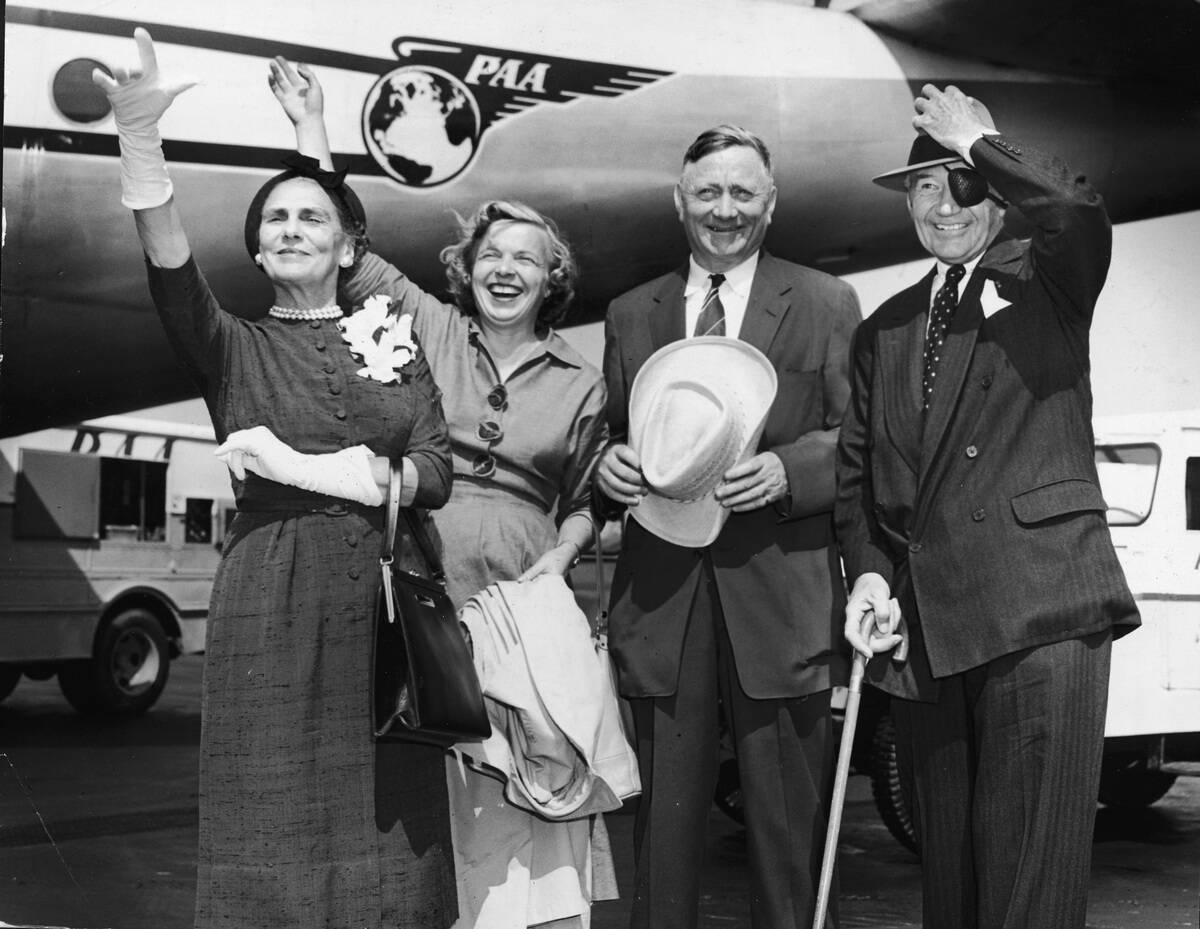
During the mid-20th century, Pan Am was synonymous with luxury in the skies. Founded in 1927, Pan American World Airways was the first airline to offer transatlantic flights, revolutionizing international travel.
With its iconic blue globe logo, the airline was known for its impeccable service, including lavish meals and attentive flight attendants in chic uniforms. Flying with Pan Am wasn’t just about reaching a destination; it was about the journey itself, complete with a touch of glamour and exclusivity.
The Era of the Concorde: Supersonic Flights and the Jet Set Lifestyle
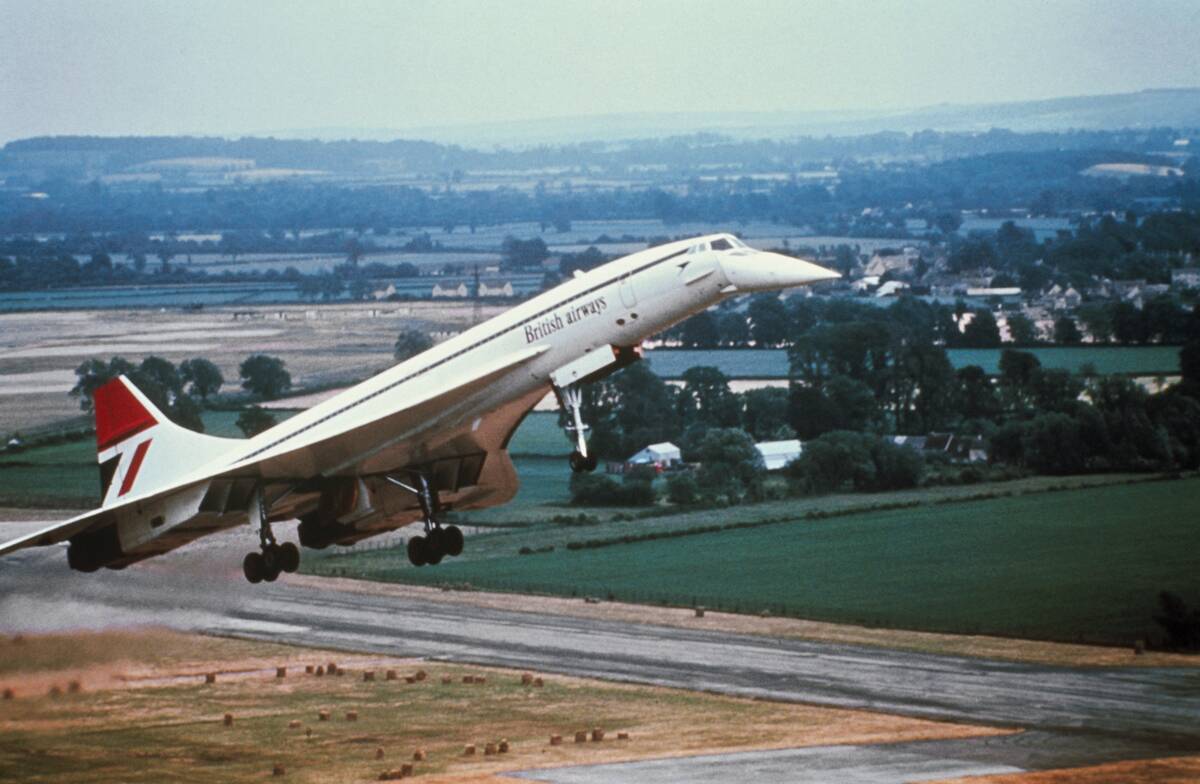
The Concorde represented the pinnacle of aviation innovation, offering supersonic travel that cut transatlantic flight times in half. Debuting in the 1970s, this sleek aircraft could fly from New York to London in just under four hours, catering to the elite who valued speed and luxury.
Passengers aboard the Concorde enjoyed fine dining and premium service at an altitude of 60,000 feet. The demise of the Concorde in 2003 marked the end of an era where speed and sophistication ruled the skies.
All Aboard the Orient Express: The Epitome of Luxury Train Travel
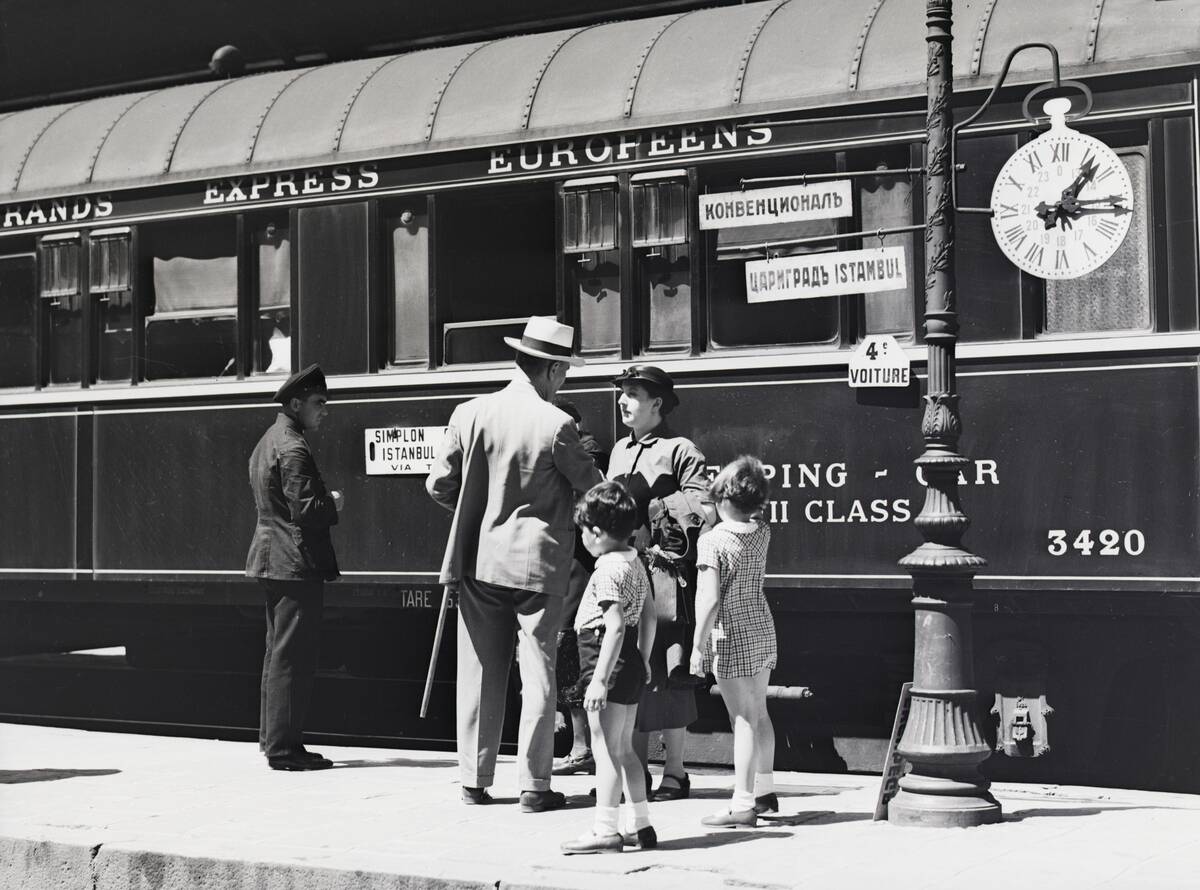
The Orient Express is legendary for its opulent train journeys across Europe, epitomizing luxury travel since its inception in 1883. Known for its plush interiors, gourmet dining, and exceptional service, the train connected cities like Paris and Istanbul, offering a romantic and adventurous experience.
Passengers indulged in elegant compartments and the finest cuisine while watching the European landscape unfold outside their windows. This train journey has become a symbol of sophistication and intrigue, immortalized in literature and film.
Experiencing the Original Disneyland: A Trip to the 1955 Magic Kingdom
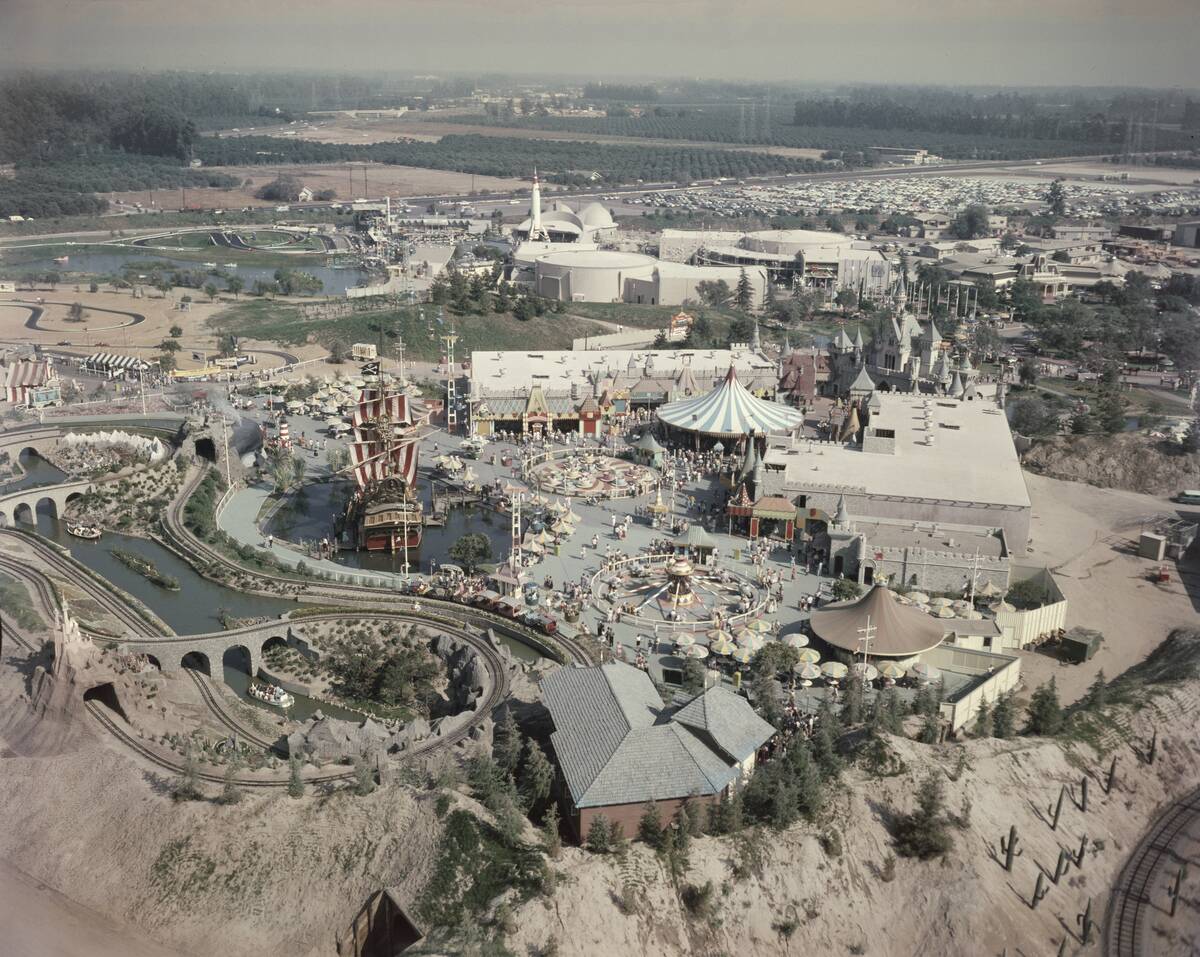
When Disneyland opened its gates in 1955, it was a groundbreaking concept, introducing the world to the magic of theme parks. Located in Anaheim, California, it was the brainchild of Walt Disney, who envisioned a place where families could create joyful memories.
The original Disneyland featured iconic attractions like Sleeping Beauty Castle and Jungle Cruise. Back then, visitors experienced a charming and quaint park, a stark contrast to today’s sprawling and technologically advanced resorts. It was truly the happiest place on earth.
Road Tripping on Route 66: America’s Main Street in Its Heyday
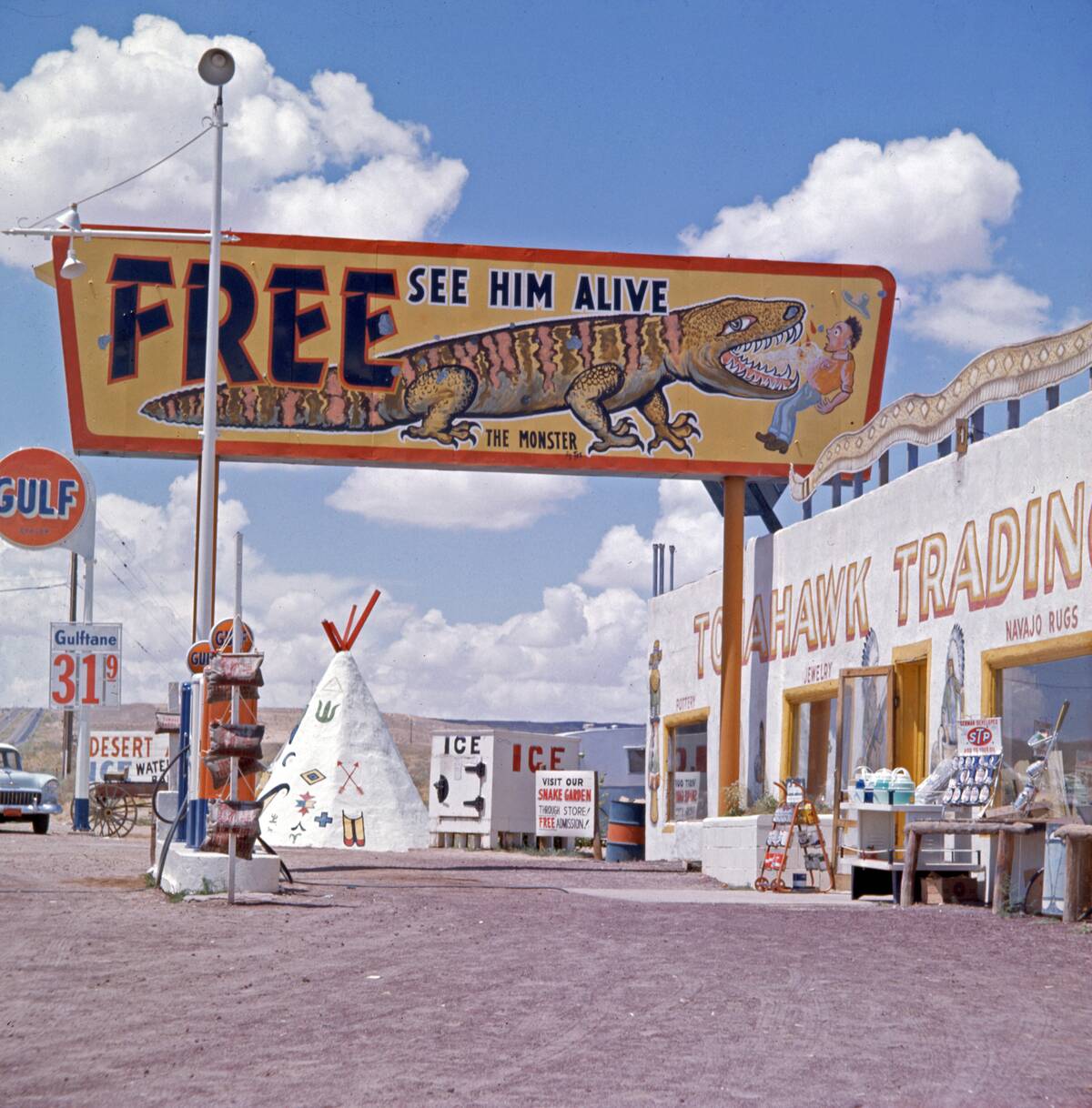
Route 66, known as the “Main Street of America,” offered travelers a unique glimpse of the United States from Chicago to Santa Monica. Established in 1926, it became the iconic route for road trips, symbolizing freedom and adventure.
Travelers encountered quaint diners, quirky motels, and scenic landscapes, embodying the spirit of Americana. The highway played a crucial role during the Dust Bowl migration and post-war prosperity, becoming a cultural icon celebrated in songs and films, capturing the essence of the open road.
The Original Grand Tour: A European Education for the Young Elite
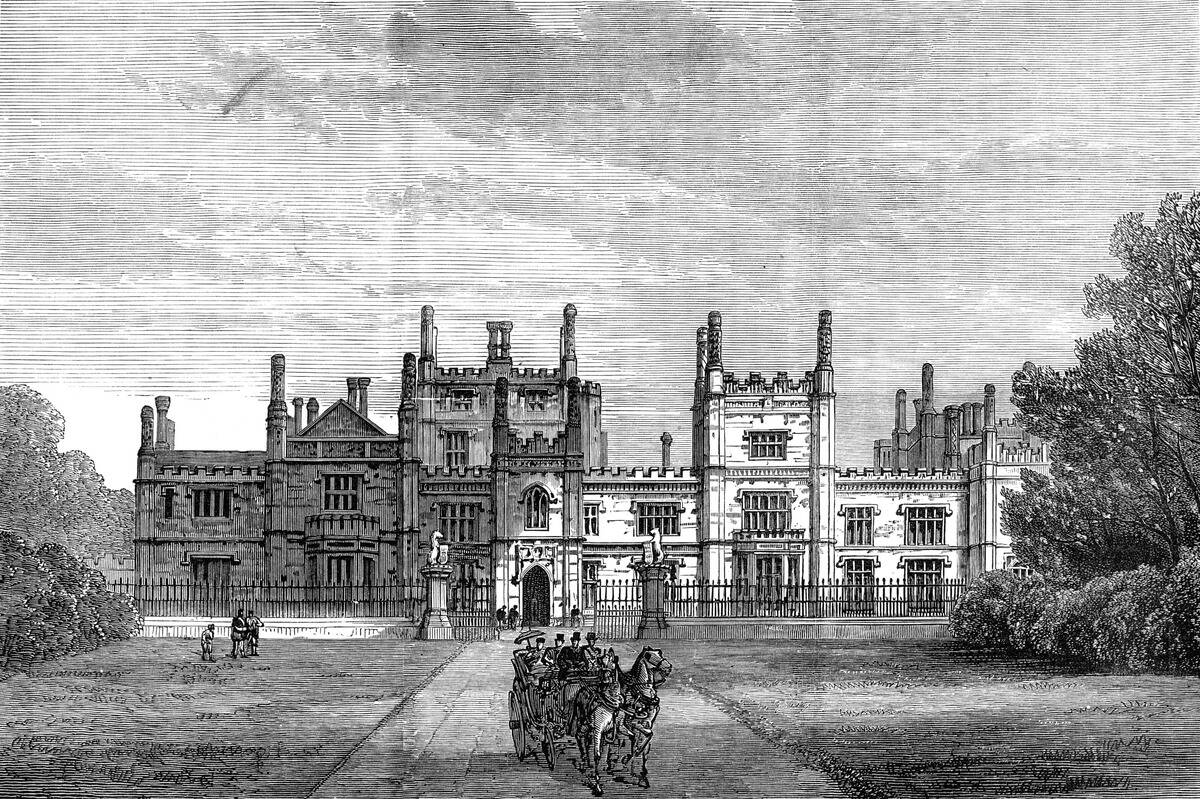
The Grand Tour was a rite of passage for young aristocrats in the 17th and 18th centuries, providing an educational journey across Europe. It was an opportunity to experience art, culture, and history firsthand, visiting cities like Paris, Rome, and Venice.
These tours often lasted several months to years, with travelers collecting art and antiquities as souvenirs. The Grand Tour played a crucial role in shaping the cultural and intellectual outlook of the elite, laying the groundwork for future travel and tourism.
Visiting the World’s Fairs: A Glimpse into the Future
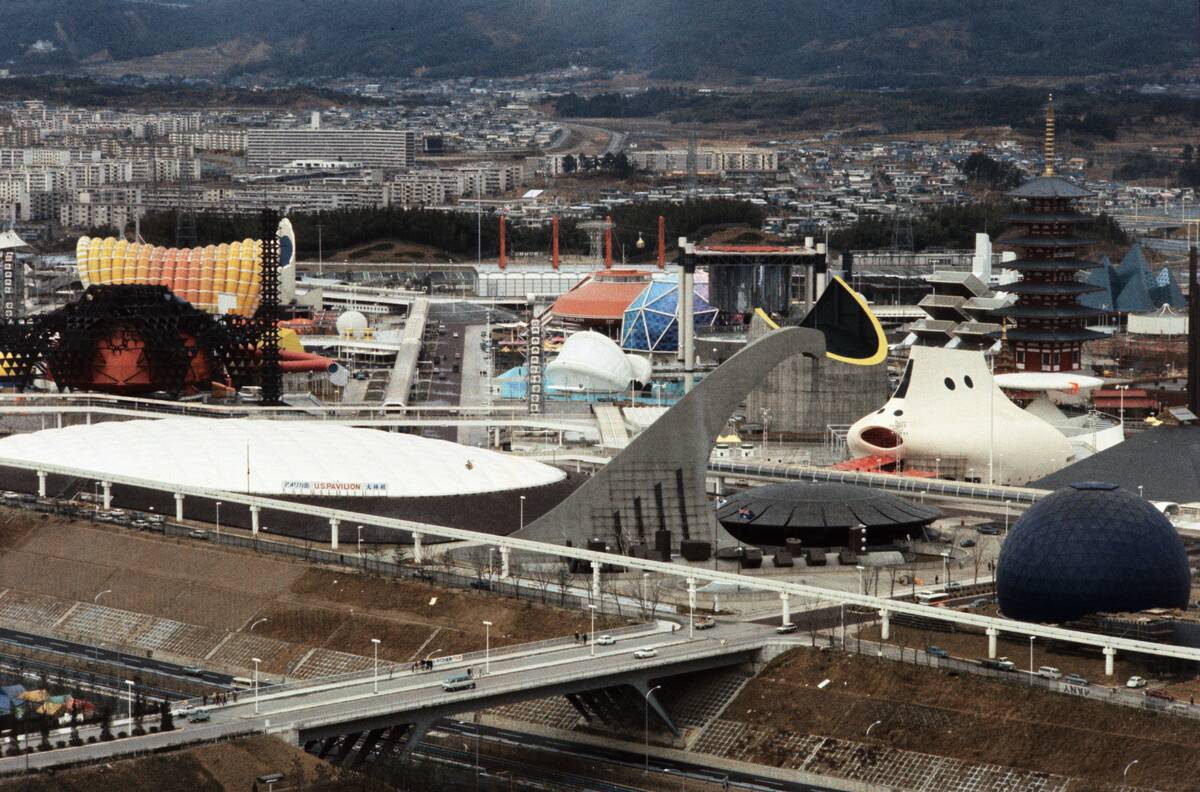
World’s Fairs, also known as Expos, have long been a showcase for innovation and culture, offering visitors a peek into the future. The first World’s Fair was held in London in 1851, with subsequent fairs in cities like Paris, Chicago, and New York.
These events introduced groundbreaking inventions such as the telephone, the Ferris wheel, and the television. Attendees were captivated by pavilions representing different countries, celebrating technological advancements and cultural exchange in a grand, global gathering of ideas.
Riding the Gondolas in Venice: Before the Tourist Boom
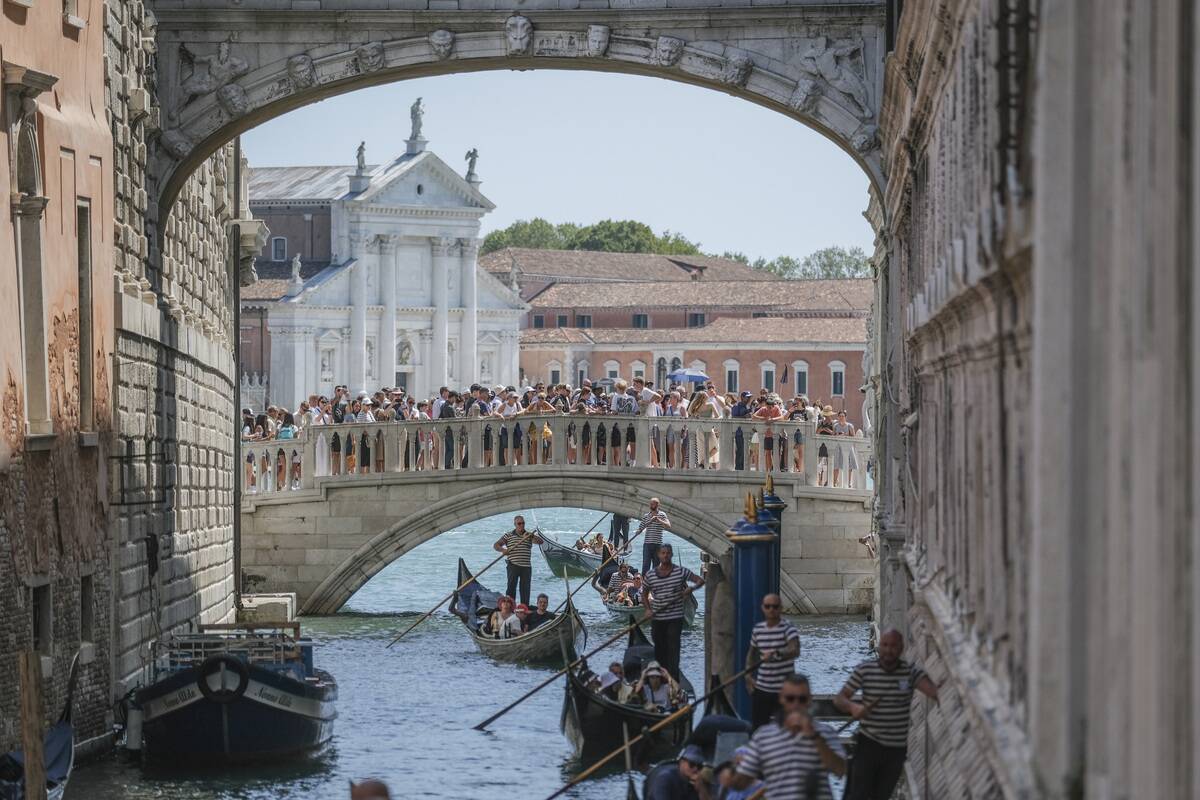
Long before Venice became a bustling tourist hub, gondola rides offered a serene way to explore the city’s intricate waterways. In the past, gondoliers navigated the canals with skill and grace, providing locals and visitors a unique perspective of Venice’s architectural wonders.
Gondolas were the primary mode of transport, with ornately decorated vessels reflecting the city’s rich history. Today, while gondola rides remain a popular attraction, they evoke a nostalgic charm of a time when Venice was a quieter, more intimate city.
Exploring Ancient Ruins: When Access Was Unrestricted
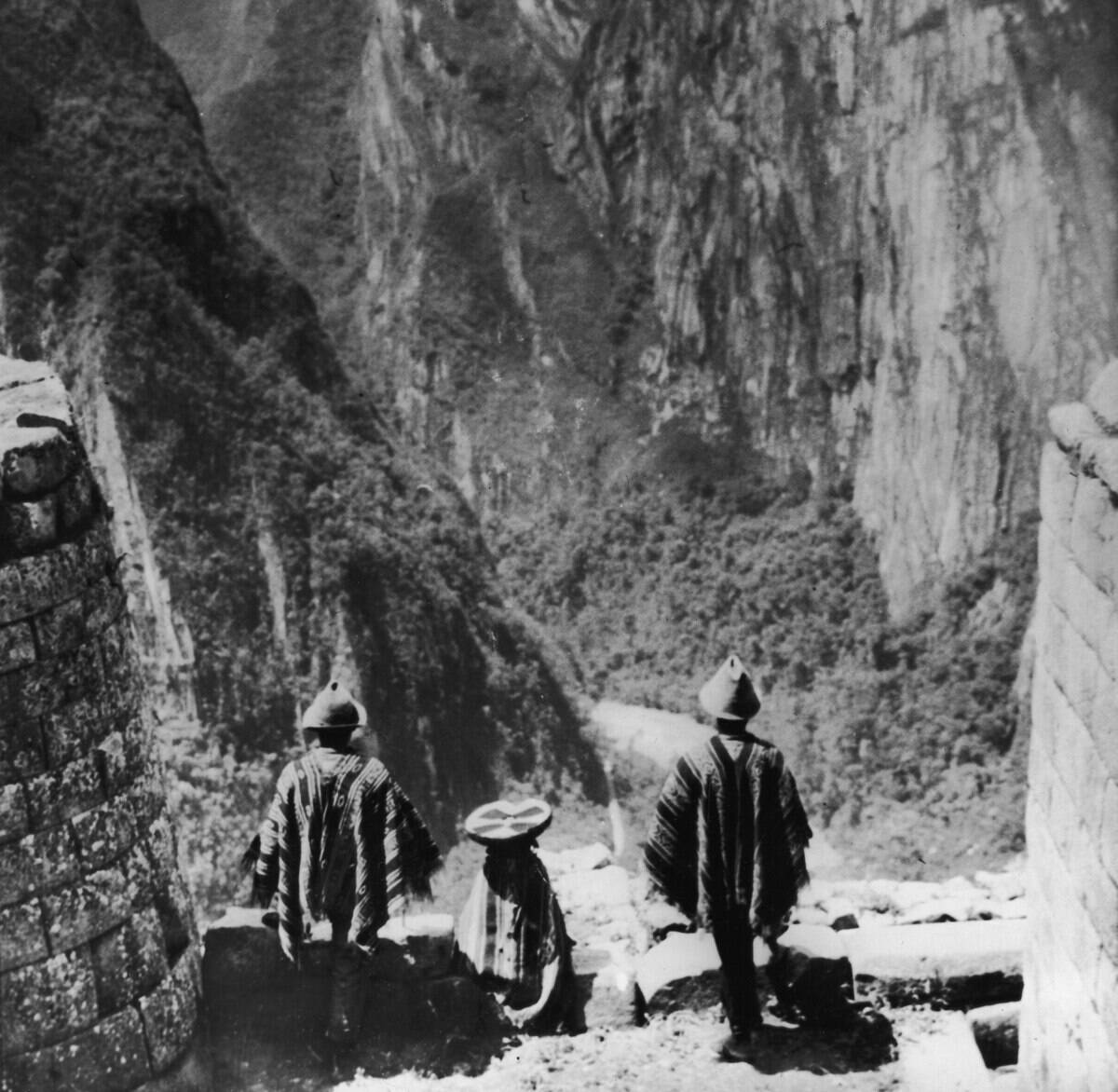
In the earlier days of archaeology, ancient ruins were accessible to adventurous travelers looking to uncover the mysteries of the past. Sites like the Pyramids of Egypt, the Acropolis in Greece, and Machu Picchu in Peru were less regulated, allowing for a more personal exploration.
These ruins offered a direct connection to ancient civilizations, sparking imagination and wonder. While modern preservation efforts have restricted access to protect these treasures, they continue to inspire awe and curiosity, drawing visitors from around the world.
The Age of Hotel Porters: Full-Service Luxury Stays
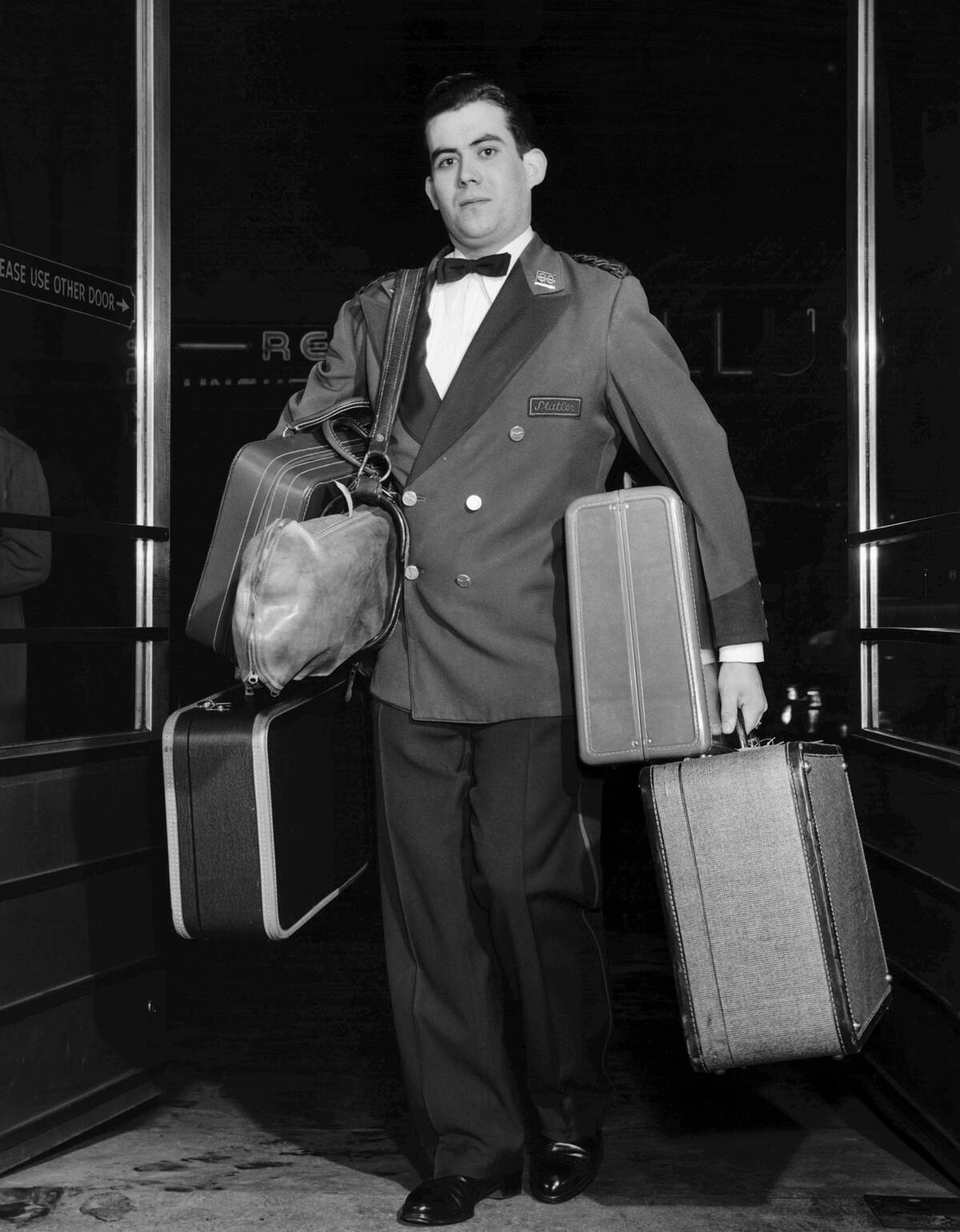
Hotel porters once epitomized the luxury travel experience, providing impeccable service to guests at grand hotels. These uniformed staff members ensured a seamless stay, attending to luggage, arranging transportation, and offering local insights.
Hotels like The Ritz in Paris and The Plaza in New York brought full-service hospitality to the forefront, creating an atmosphere of elegance and refinement. While modern travel often emphasizes self-service, the legacy of these dedicated porters continues to evoke nostalgia for a bygone era of gracious travel.
Travel by Zeppelin: Soaring Through the Skies in Style
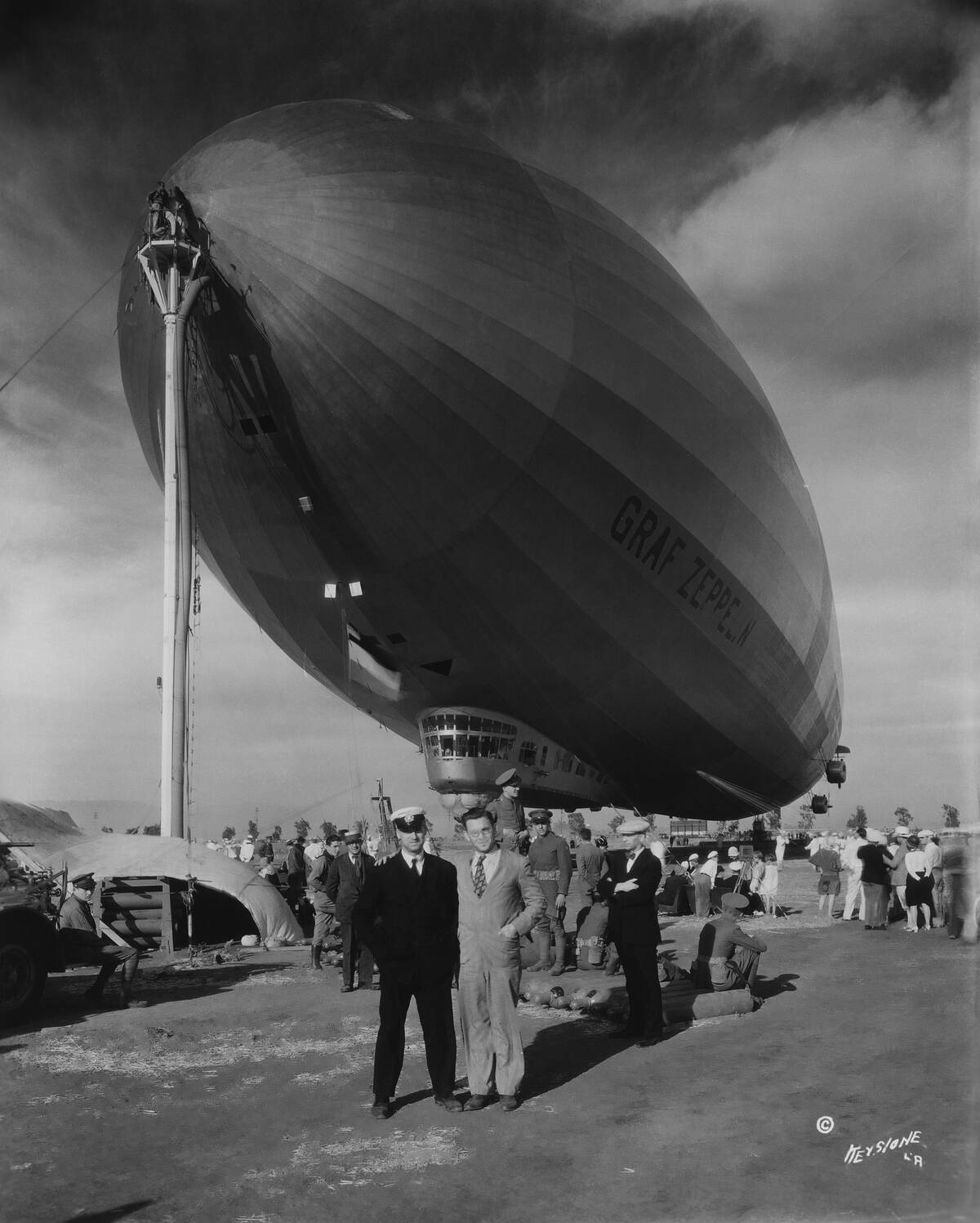
In the early 20th century, zeppelins represented the height of luxury air travel, offering an unparalleled way to traverse the skies. These majestic airships, like the famous Hindenburg, provided spacious cabins, fine dining, and panoramic views from the air.
Crossing the Atlantic by zeppelin was a leisurely experience, with passengers enjoying the comfort and grandeur of this unique mode of transport. Although the era of zeppelins was short-lived, due in part to the infamous Hindenburg disaster, their legacy continues to captivate the imagination.
The Dawn of Theme Parks: Before the Mega-Resorts
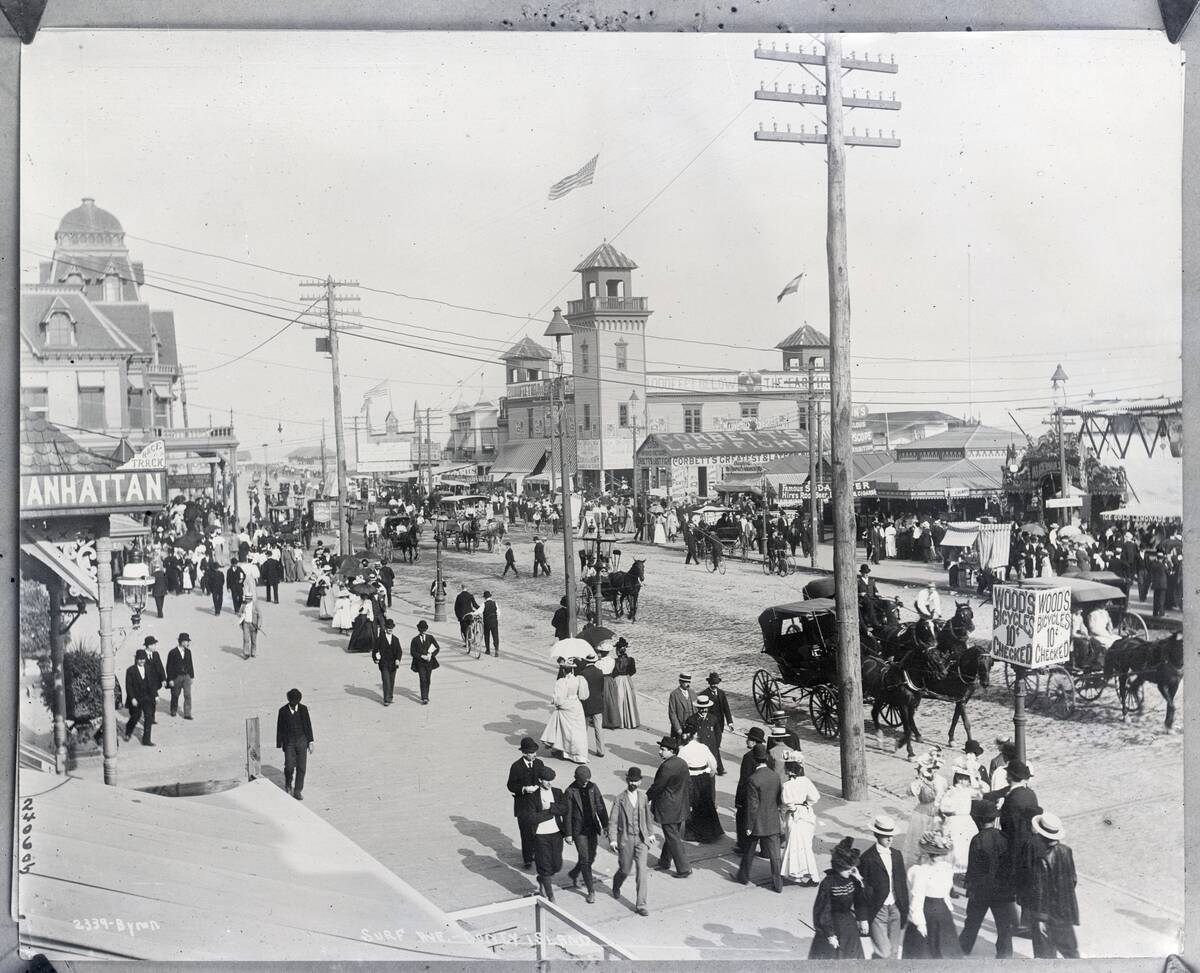
Before the rise of massive theme park resorts, smaller amusement parks offered simple pleasures and thrills. These parks, often located near urban centers, featured classic rides like carousels and roller coasters, along with games and live entertainment.
Parks such as Coney Island in New York became iconic, drawing crowds eager for a day of fun and excitement. These early amusement parks laid the foundation for today’s sprawling attractions, where the spirit of adventure and imagination continues to delight visitors of all ages.
Cross-Country Rail Travel: The Romance of the Rails
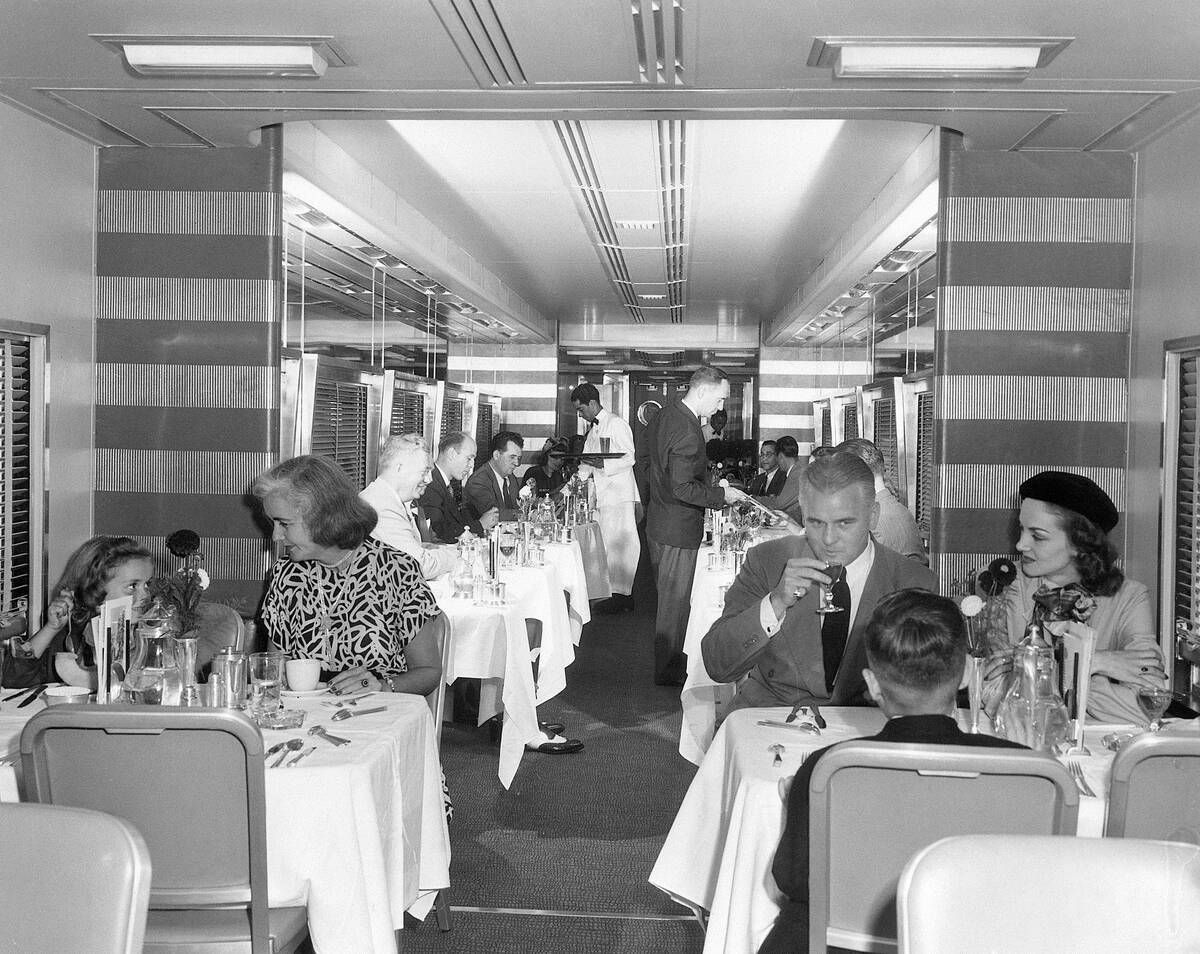
Rail travel once captured the imagination as the ultimate way to explore vast landscapes in comfort. The transcontinental railroad in the United States, completed in 1869, connected the East and West coasts, opening up new possibilities for travel and commerce.
Luxury trains like the 20th Century Limited offered plush accommodations, fine dining, and scenic views, making the journey as memorable as the destination. Today, while air travel dominates long-distance journeys, the romance of the rails continues to lure those seeking a nostalgic adventure.
The Early Days of Cruise Liners: Ocean Adventures Before Mega Ships
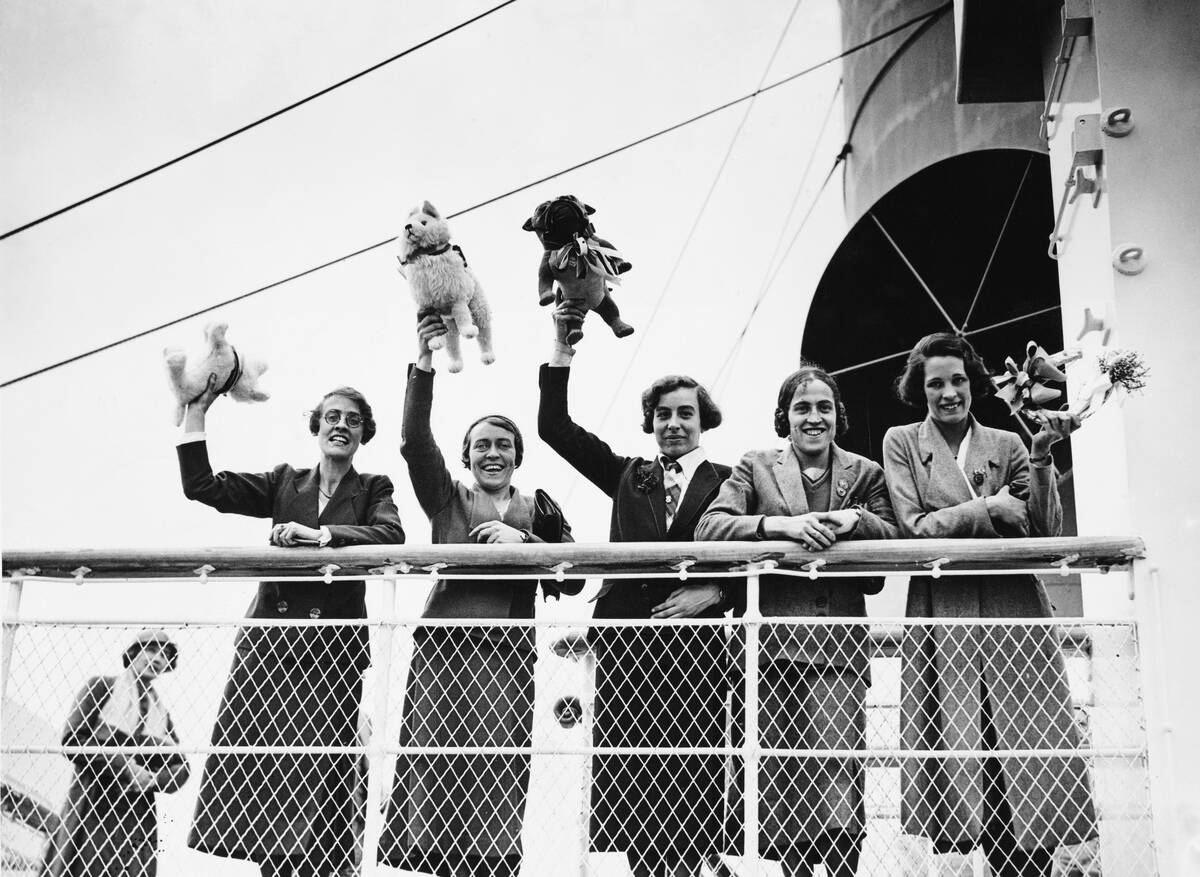
The early 20th century marked the heyday of ocean liners, offering luxurious sea voyages across the Atlantic. Ships like the Titanic and the Queen Mary were marvels of engineering, providing passengers with elegant accommodations, exquisite dining, and grand ballrooms.
These voyages were more than just transportation; they were social events, attracting the wealthy and famous to experience the opulence of the seas. While modern cruise ships offer a different experience, the legacy of these grand ocean liners continues to evoke a sense of adventure and elegance.
The Rise and Fall of Drive-In Theaters: A Nostalgic Cinema Experience
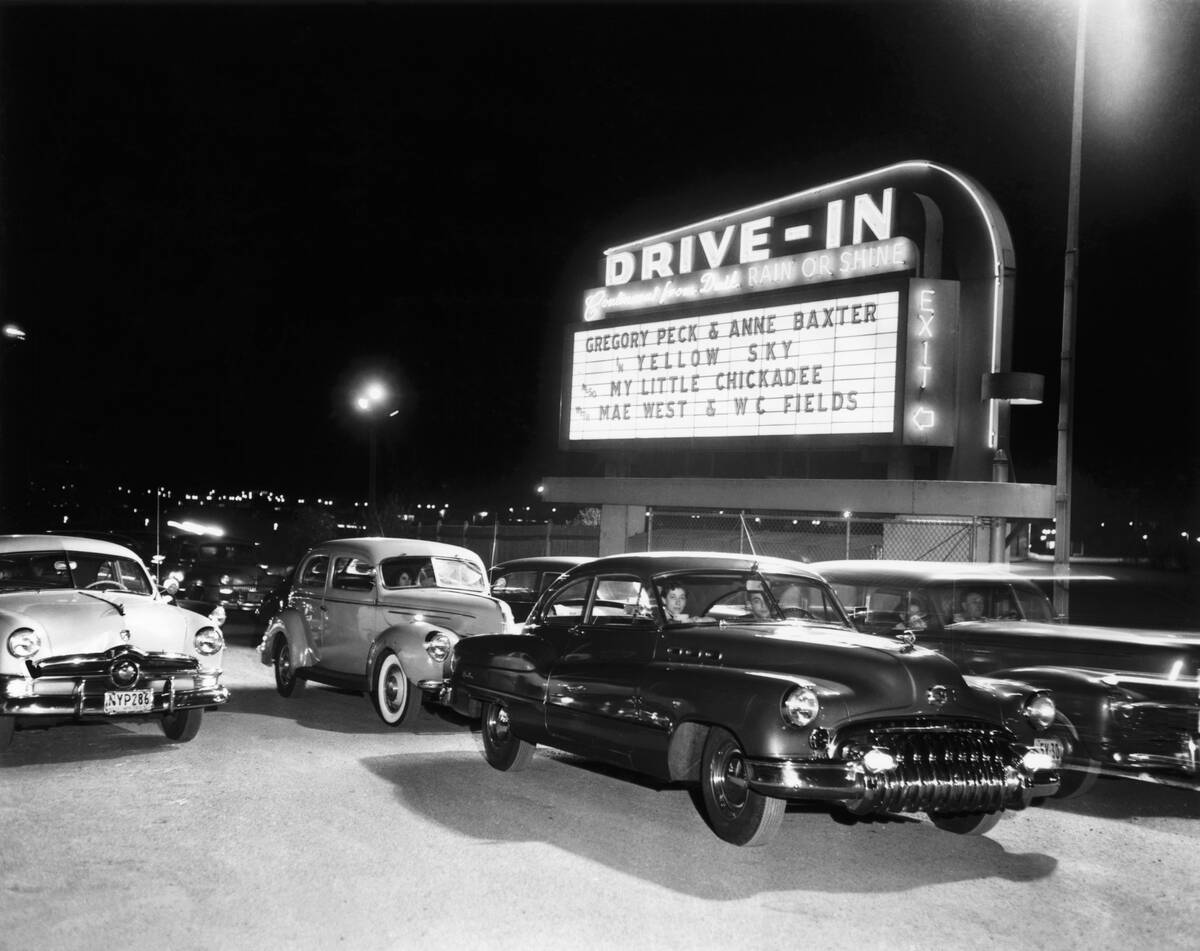
Drive-in theaters became a cultural phenomenon in the 1950s, offering a unique way to enjoy movies under the stars. With their large screens and car-side speakers, these theaters provided a fun, casual setting for families and teens.
The convenience of watching films from the comfort of a vehicle made drive-ins a popular pastime across America. However, with the rise of indoor cinemas and home entertainment, drive-ins declined in popularity. Today, they remain a nostalgic reminder of a bygone era, occasionally revived for retro movie nights.
The Original Safari: When Africa Was an Untamed Wilderness
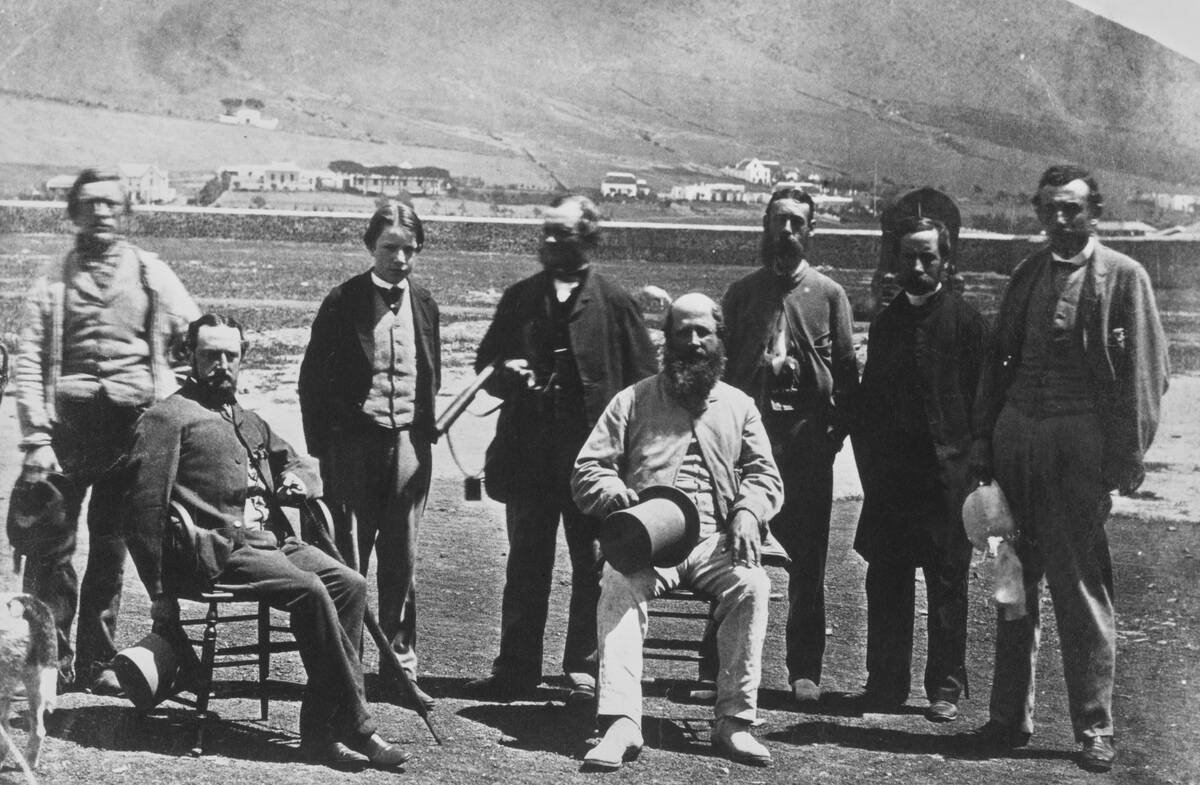
In the late 19th and early 20th centuries, safaris in Africa were grand adventures into the continent’s untamed wilderness. Wealthy travelers embarked on expeditions to observe and hunt wildlife, with guides leading them through vast savannas and dense jungles.
These early safaris were immersive experiences, offering a rare glimpse into Africa’s diverse ecosystems. While modern safaris focus on conservation and wildlife observation, the spirit of exploration and discovery from those early days continues to enchant travelers seeking a connection with nature.




