Historic spice routes linking ancient civilizations
Imagine a world where spices were worth their weight in gold. This isn’t a tall tale but a reality of the ancient world. The spice routes were a web of trade pathways that connected the East and West, enabling the exchange of precious spices like cinnamon, pepper, and cloves.
These routes not only facilitated trade but also cultural exchanges that shaped civilizations. Today, let’s embark on a journey to understand the significance of these ancient highways.
The Origins of the Spice Trade: A Historical Overview
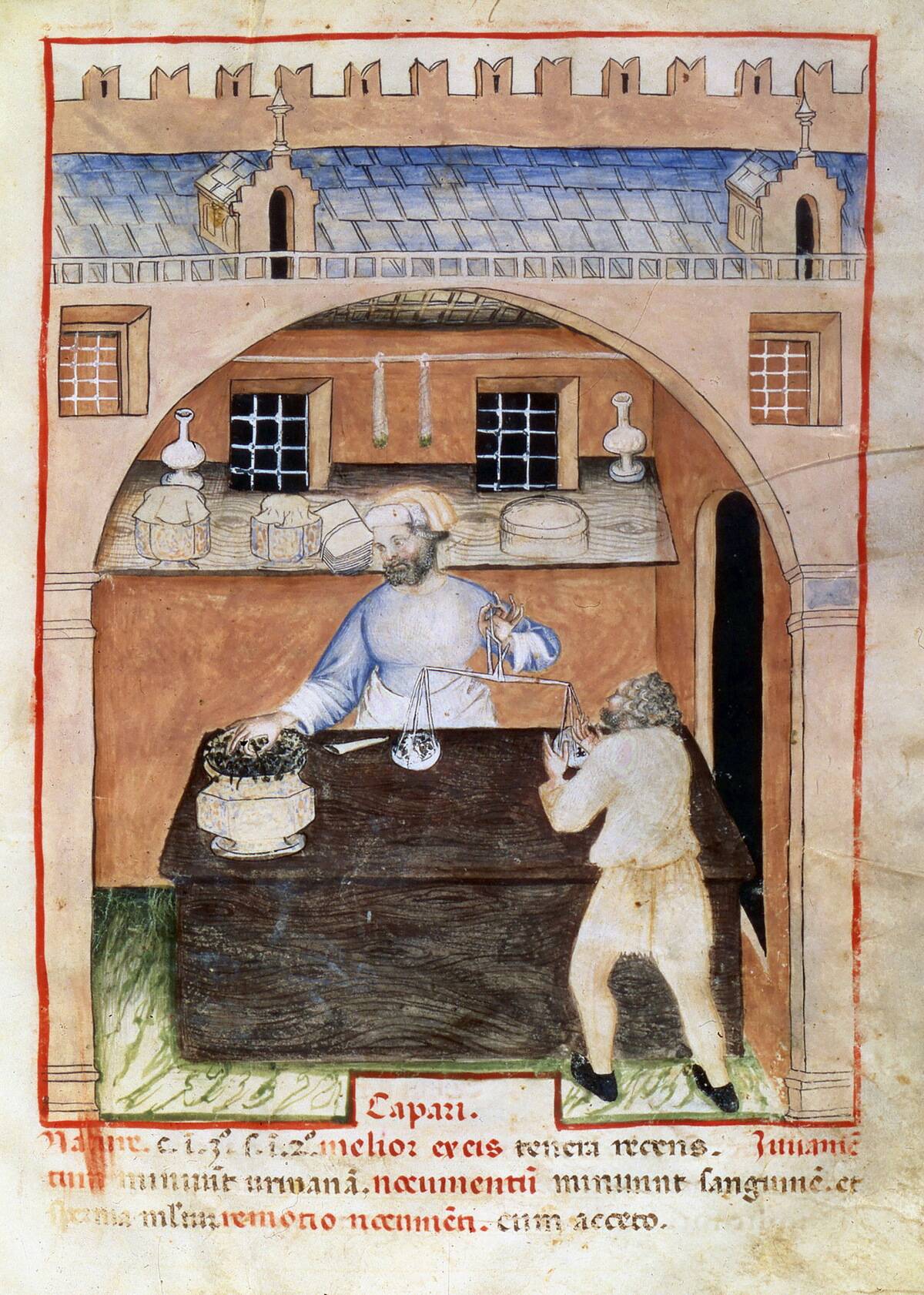
The spice trade dates back to at least 2000 BCE, with evidence suggesting that spices like cinnamon and cassia were being traded between Southeast Asia and the Middle East. The Egyptians were among the earliest to use spices, primarily for embalming and religious ceremonies.
The quest for these aromatic treasures eventually led to the establishment of extensive trade networks. By the time of the Roman Empire, spices had become integral to trade, with the Romans importing vast quantities from India and Arabia.
Key Players in the Ancient Spice Trade
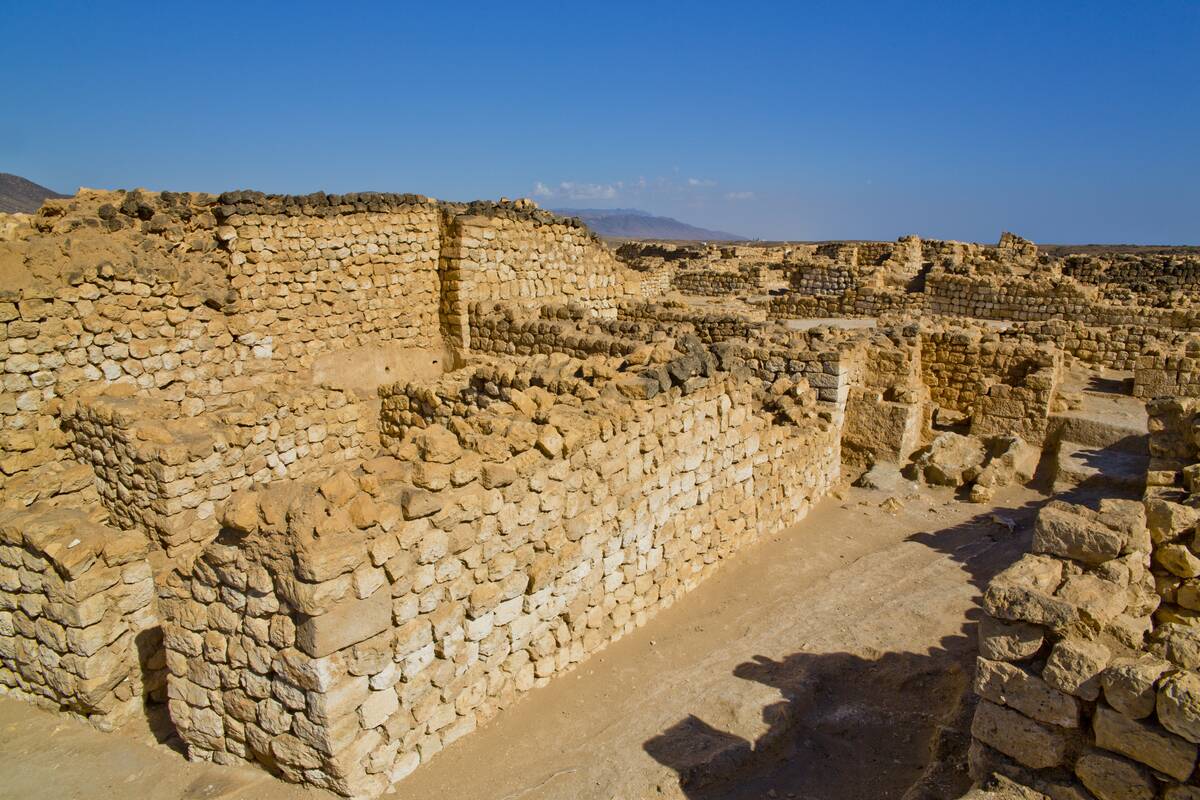
Various civilizations played pivotal roles in the ancient spice trade. The Arabs were among the first to establish spice trade routes, acting as middlemen between the East and West. They were soon joined by Indian traders who supplied spices like black pepper and cardamom.
The Chinese, too, were instrumental, especially with their production of ginger and cassia. However, it was the Europeans, particularly the Portuguese and the Dutch, who later dominated the spice trade, driven by their desire to bypass Arab intermediaries.
The Importance of Spices in Ancient Cultures
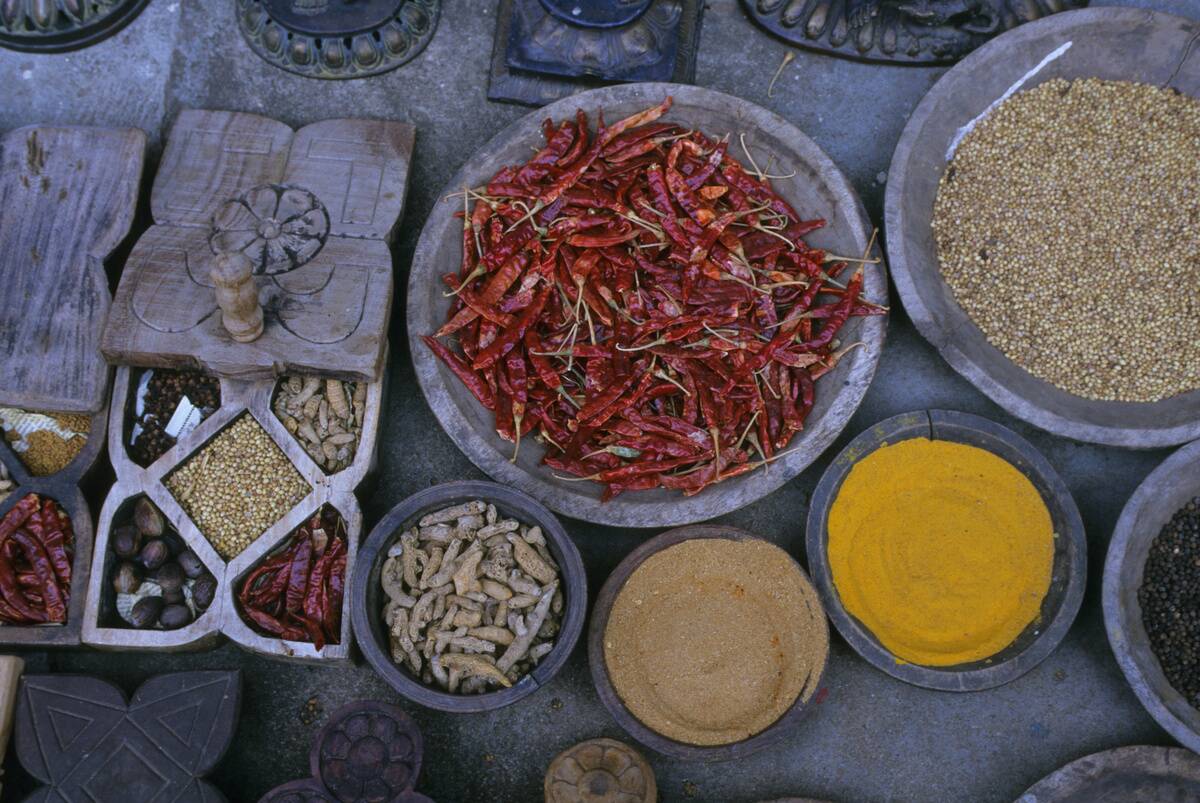
Spices were more than just flavor enhancers in ancient times; they were symbols of status and power. In Egypt, spices played a crucial role in mummification, believed to aid in the preservation of the body for the afterlife.
In India, spices were integral to religious rituals and medicine. Meanwhile, in ancient Rome, spices were used in lavish feasts, showcasing wealth. Spices’ multifaceted uses made them invaluable across different cultures, reflecting their importance beyond mere culinary purposes.
Spices: The Luxury Goods of the Ancient World
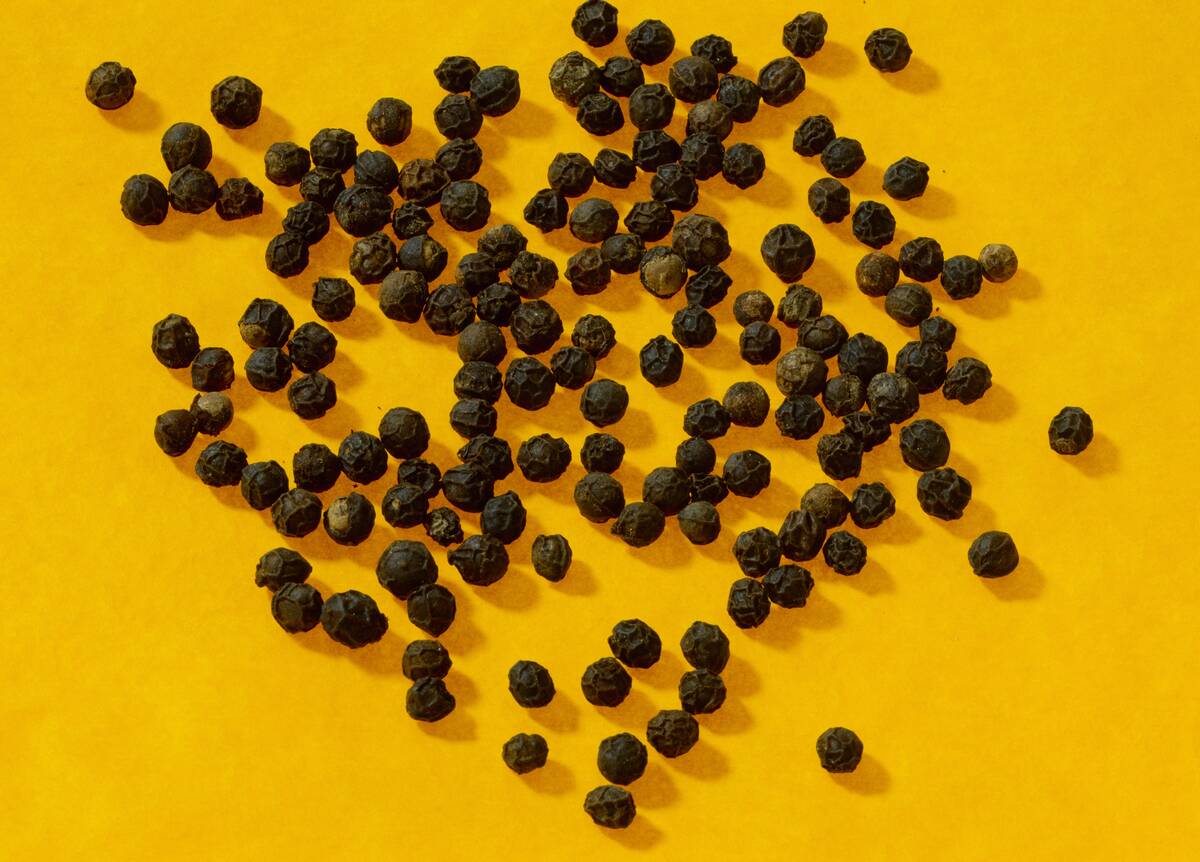
In the ancient world, spices were akin to today’s luxury items. Their rarity and the perilous journeys required to obtain them made them expensive. For instance, black pepper was so valuable that it was often referred to as ‘black gold.’
Cloves were another sought-after spice, with their origins in the Moluccas, or Spice Islands, contributing to their exclusivity. The high demand and limited supply of spices often led to inflated prices, making them accessible only to the wealthy elite.
The Maritime Spice Route: Crossing Oceans and Seas
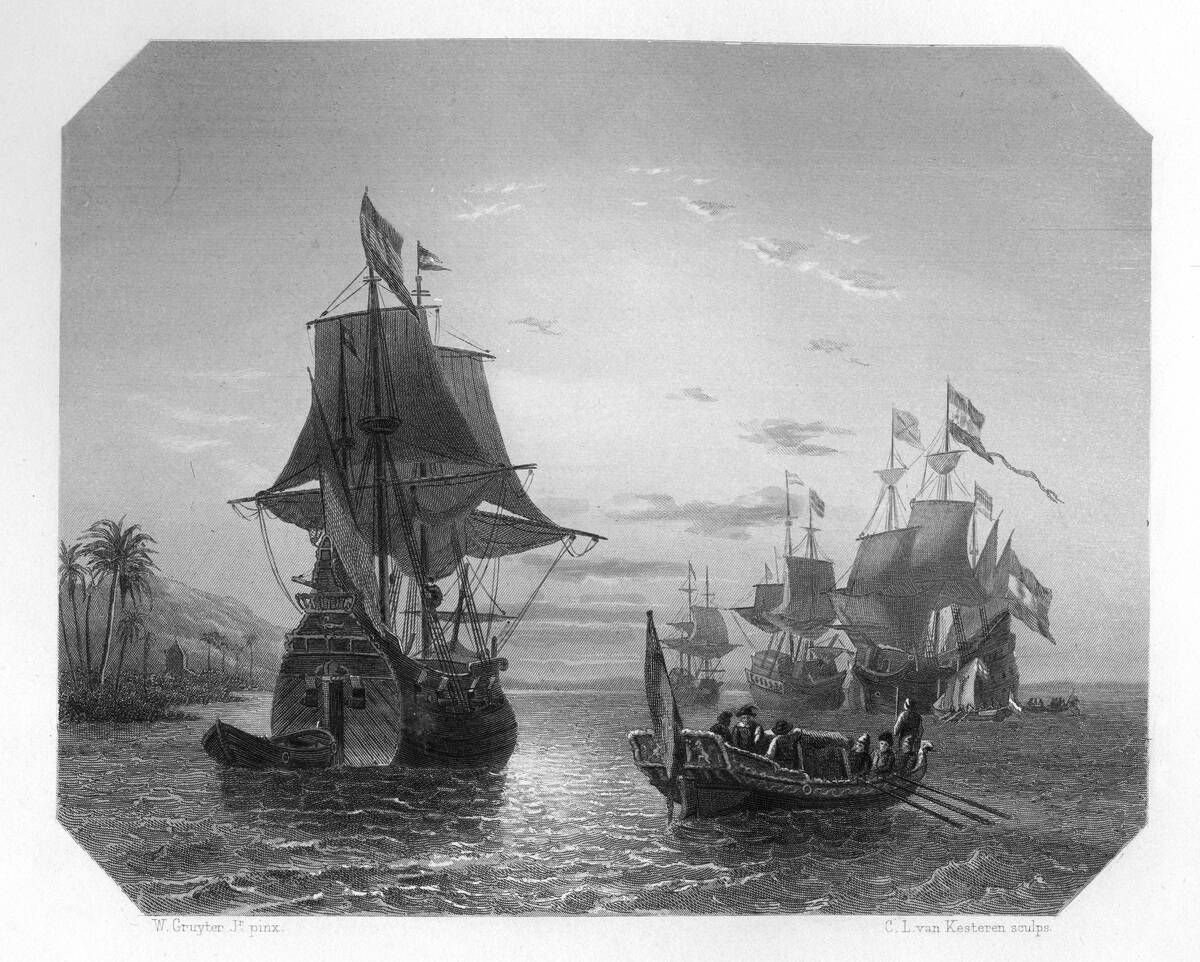
The maritime spice route was a series of sea passages that linked the spice-producing regions of Asia with the markets of Europe and the Middle East. This route involved perilous sea voyages that took traders through the Indian Ocean, the Arabian Sea, and the Red Sea.
The monsoon winds played a crucial role, dictating the timing of these journeys. The Portuguese, under Vasco da Gama, were pioneers in charting a direct sea route to India, circumventing the traditional land routes controlled by Middle Eastern traders.
The Overland Spice Route: Traversing Deserts and Mountains

The overland spice route was no less challenging than its maritime counterpart. Traders had to navigate harsh terrains, including the vast deserts of Arabia and the formidable mountain ranges of Central Asia.
Camels, known as the ‘ships of the desert,’ were indispensable for these journeys, capable of carrying heavy loads across arid landscapes. The overland routes were not only trade highways but also conduits for cultural and technological exchanges. Cities like Petra and Palmyra flourished as key trade hubs along these routes.
The Role of the Silk Road in the Spice Trade
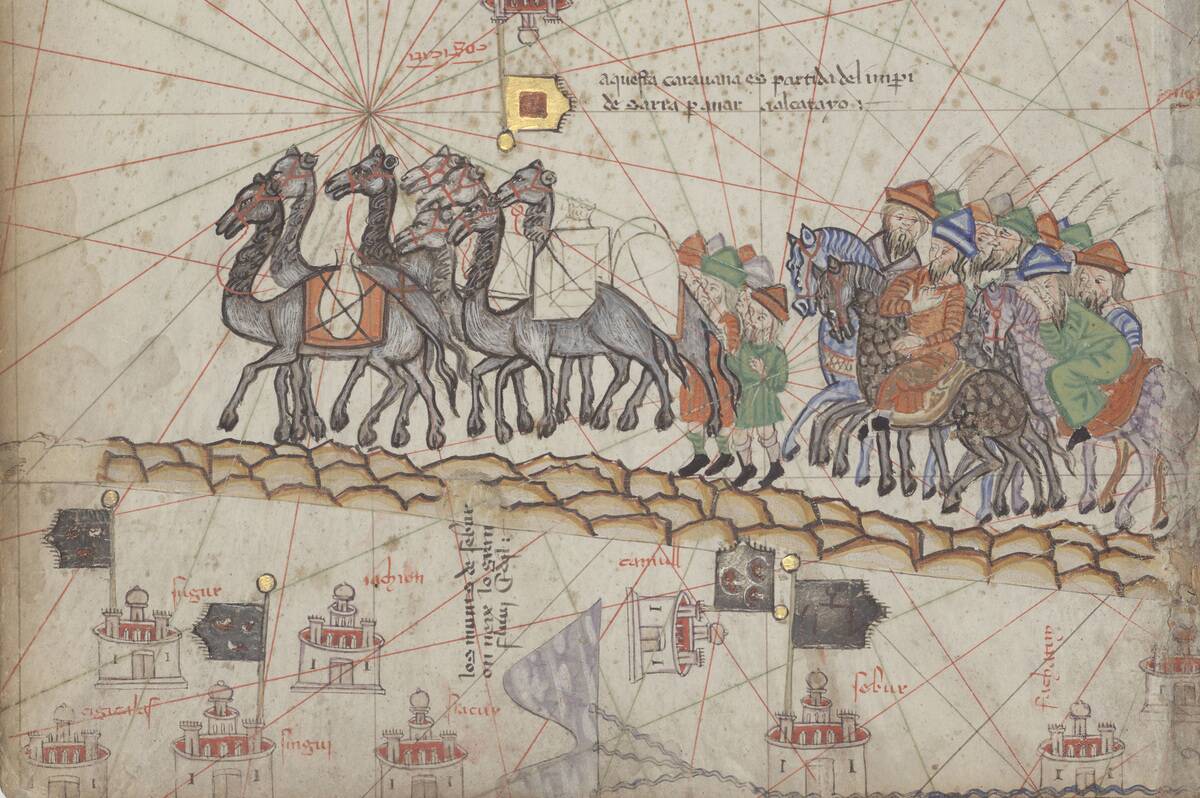
The Silk Road, often associated with the trade of silk, was also a major conduit for the spice trade. Spices from the East, including cardamom and saffron, traveled westward along this network of routes.
The Silk Road facilitated not just the movement of goods but also the exchange of ideas and cultures between East and West. This ancient highway was instrumental in spreading Buddhism from India to China and bringing Chinese innovations like paper and gunpowder to the West.
Spices and Their Influence on Ancient Cuisine
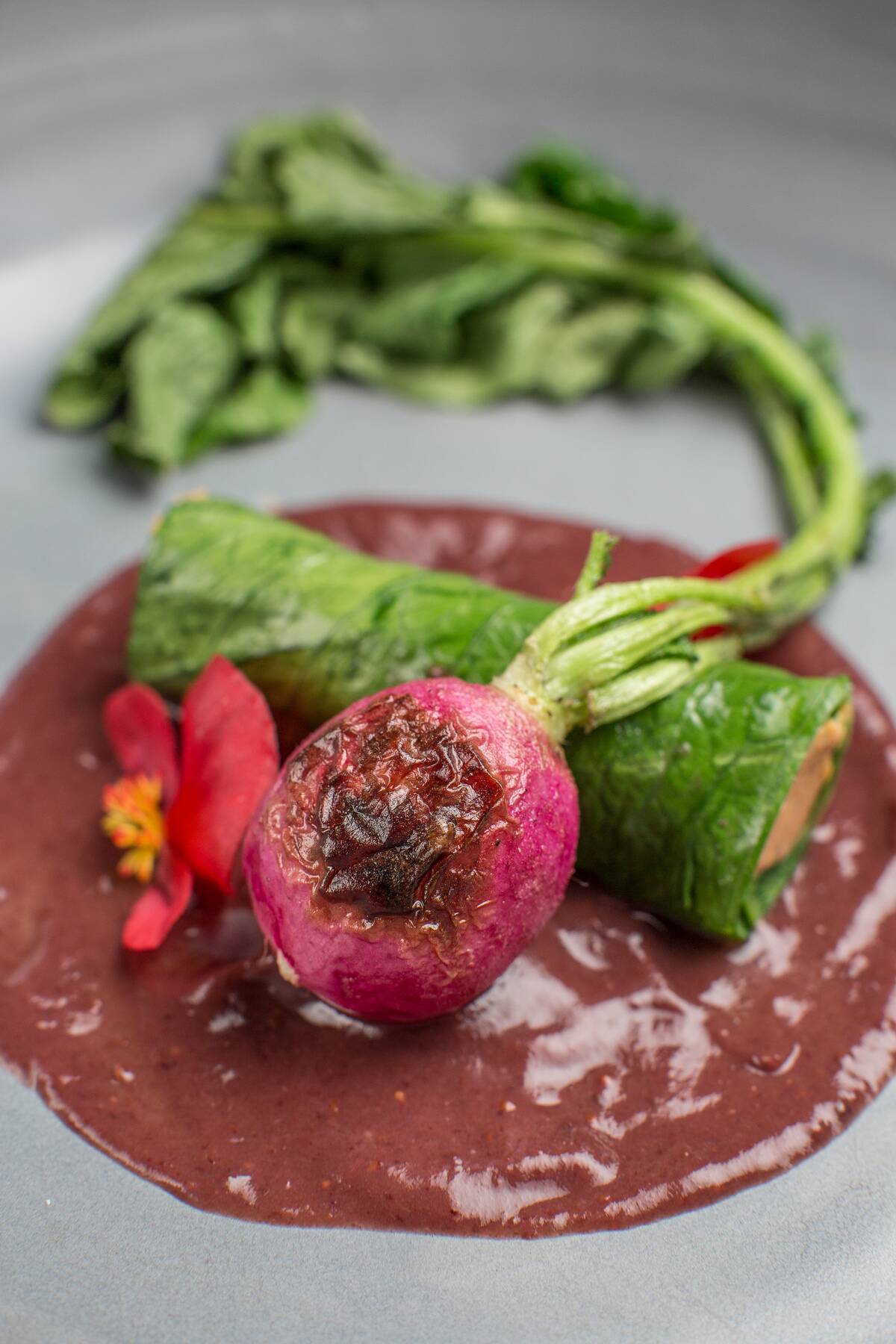
Spices revolutionized ancient cuisines, transforming simple dishes into exotic culinary experiences. In ancient Rome, garum, a fermented fish sauce, was often spiced with peppercorns and coriander.
Indian cuisine, with its rich tapestry of spices like turmeric and cumin, became a sensation among traders. These ingredients not only enhanced flavor but also acted as preservatives, crucial in an era without refrigeration. The allure of spiced dishes transcended borders, influencing culinary practices across the ancient world.
Cultural Exchanges Along the Spice Routes

The spice routes were not just about trade; they were cultural bridges that facilitated exchanges between different civilizations. As traders moved along these routes, they carried with them not only spices but also stories, art, and religious beliefs.
This led to a cross-pollination of cultures, evident in the syncretic art forms and architectural styles found along the routes. For instance, the introduction of Buddhism to China and the Middle East is a testament to the cultural exchanges enabled by the spice trade.
The Economic Impact of the Spice Trade on Ancient Civilizations
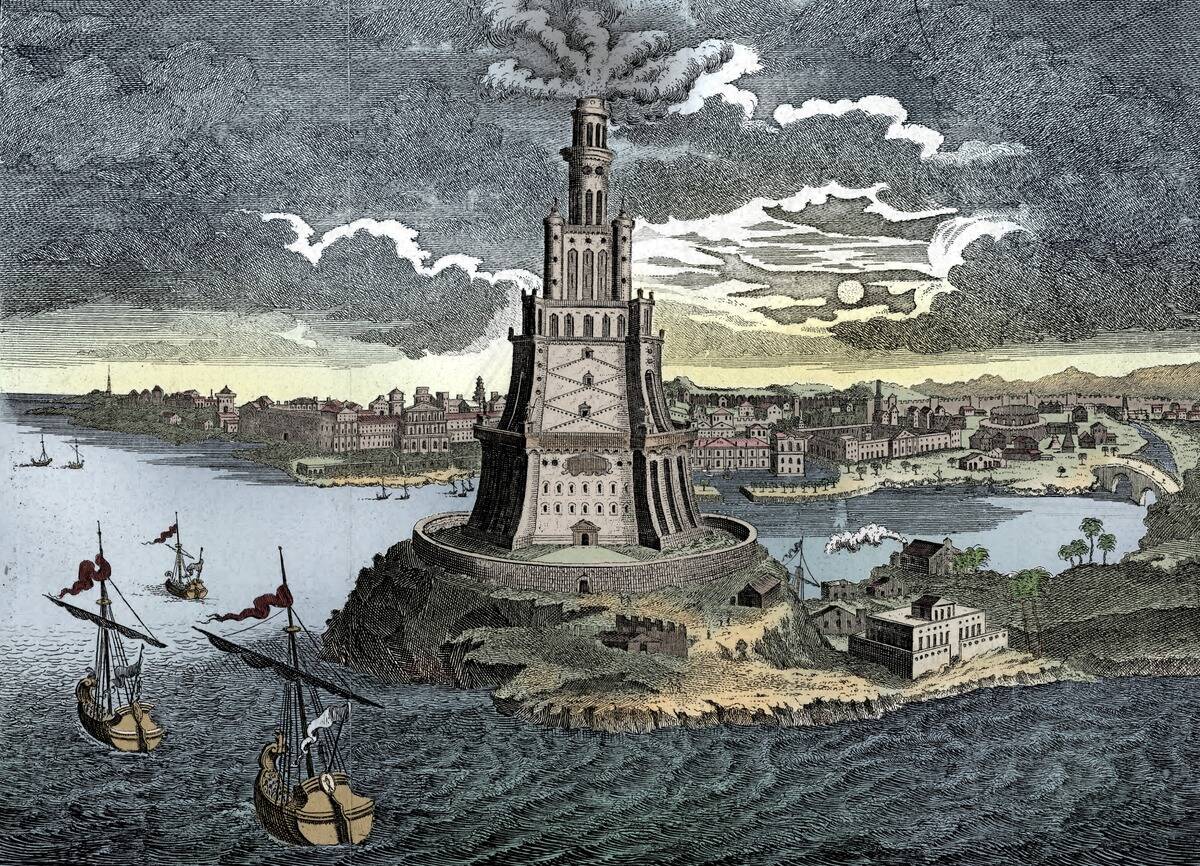
The spice trade was a major economic driver for ancient civilizations. It contributed significantly to the wealth of cities like Alexandria and Constantinople, which served as key trading hubs.
The demand for spices also spurred innovations in navigation and shipbuilding. The prosperity brought by the spice trade allowed for the funding of monumental architecture and the arts. However, it also fueled rivalries and conflicts, as powers vied for control over the lucrative trade routes.
Famous Explorers and Their Adventures on the Spice Routes
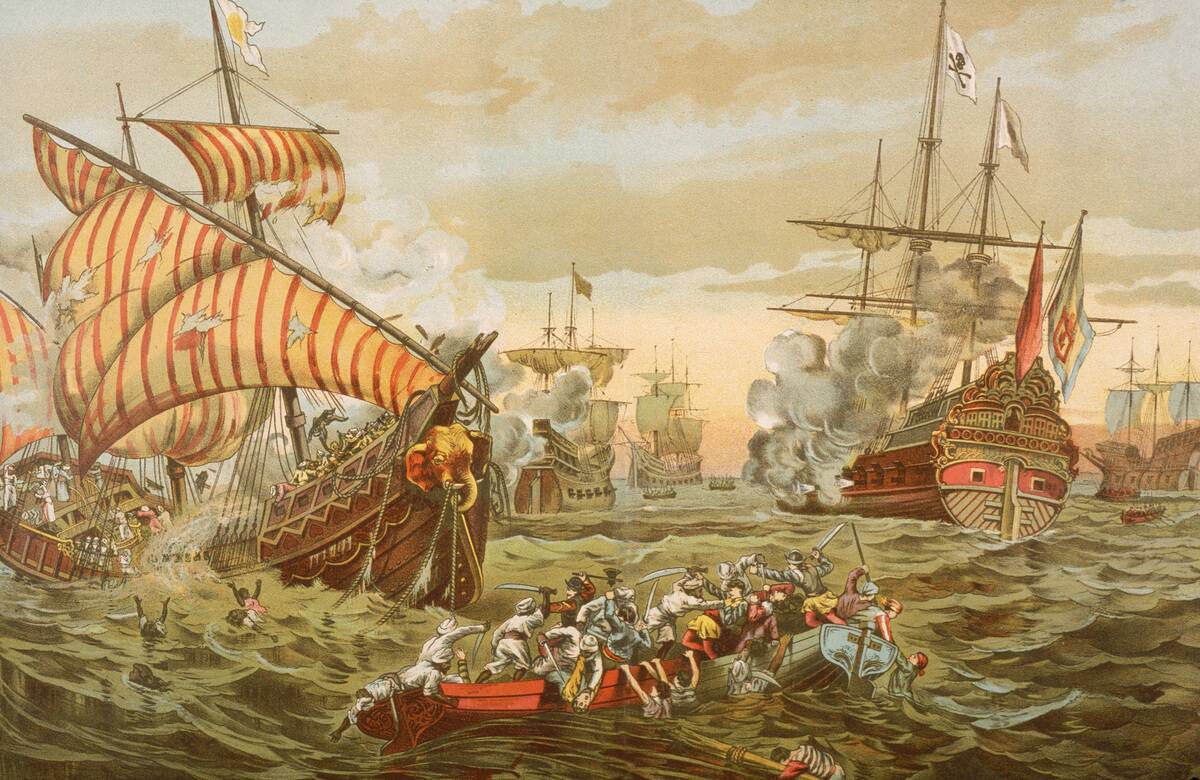
The quest for spices inspired many explorers to venture into uncharted territories. Marco Polo’s travels to the East, documented in ‘The Travels of Marco Polo,’ opened European eyes to the wealth of Asia’s spice markets.
Vasco da Gama’s successful sea voyage to India marked a new era in the spice trade, establishing a direct maritime link between Europe and Asia. These explorers’ adventures not only expanded geographical knowledge but also paved the way for subsequent colonial endeavors.
The Spice Trade’s Influence on Art and Architecture
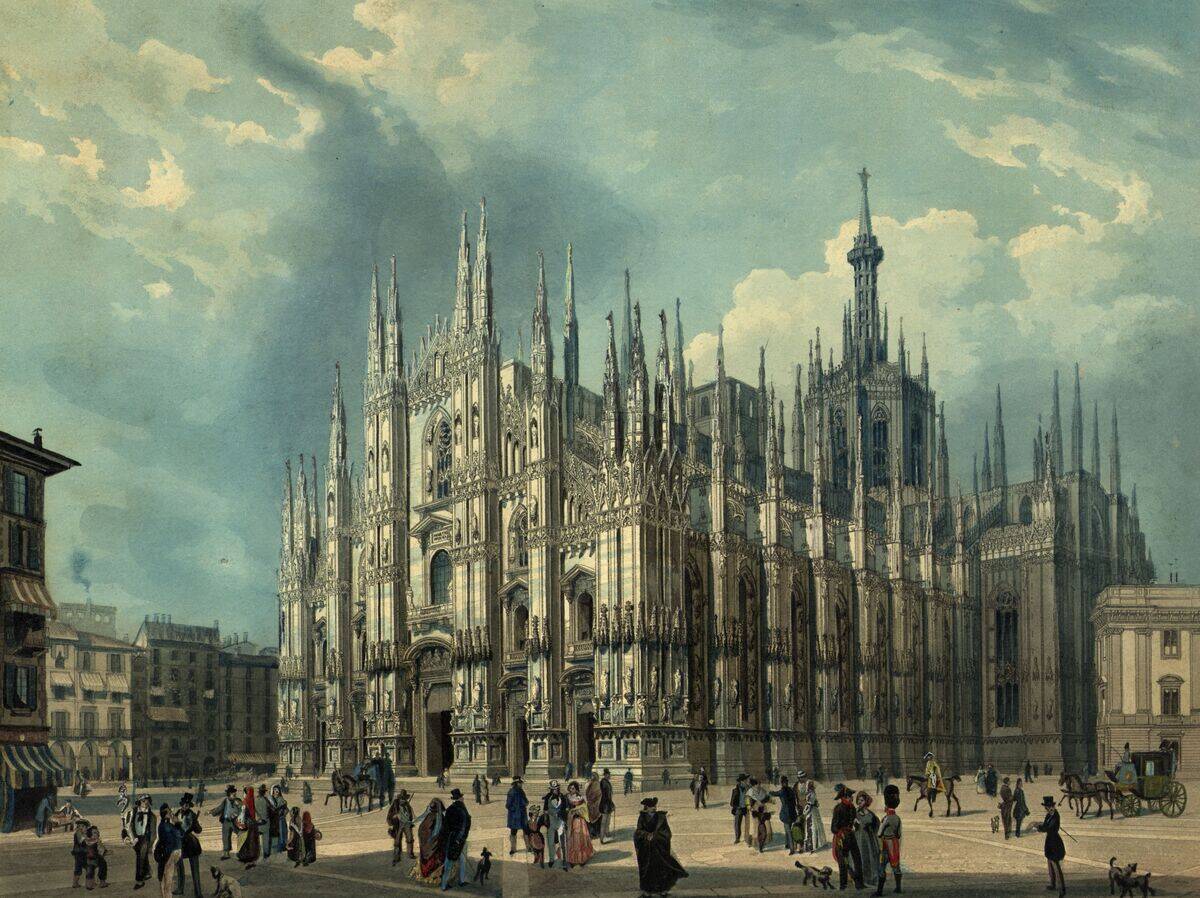
The wealth generated from the spice trade left an indelible mark on art and architecture. In Europe, the opulence of spices funded the construction of grand cathedrals and palaces. Middle Eastern architecture, with its intricate tilework and carvings, often reflected patterns inspired by the flora of the spice-producing regions.
Artworks from this era frequently depicted scenes from the spice trade, highlighting its importance in everyday life. The fusion of artistic styles along the spice routes is a testament to its cultural impact.
Spices and Medicine: Ancient Beliefs and Practices
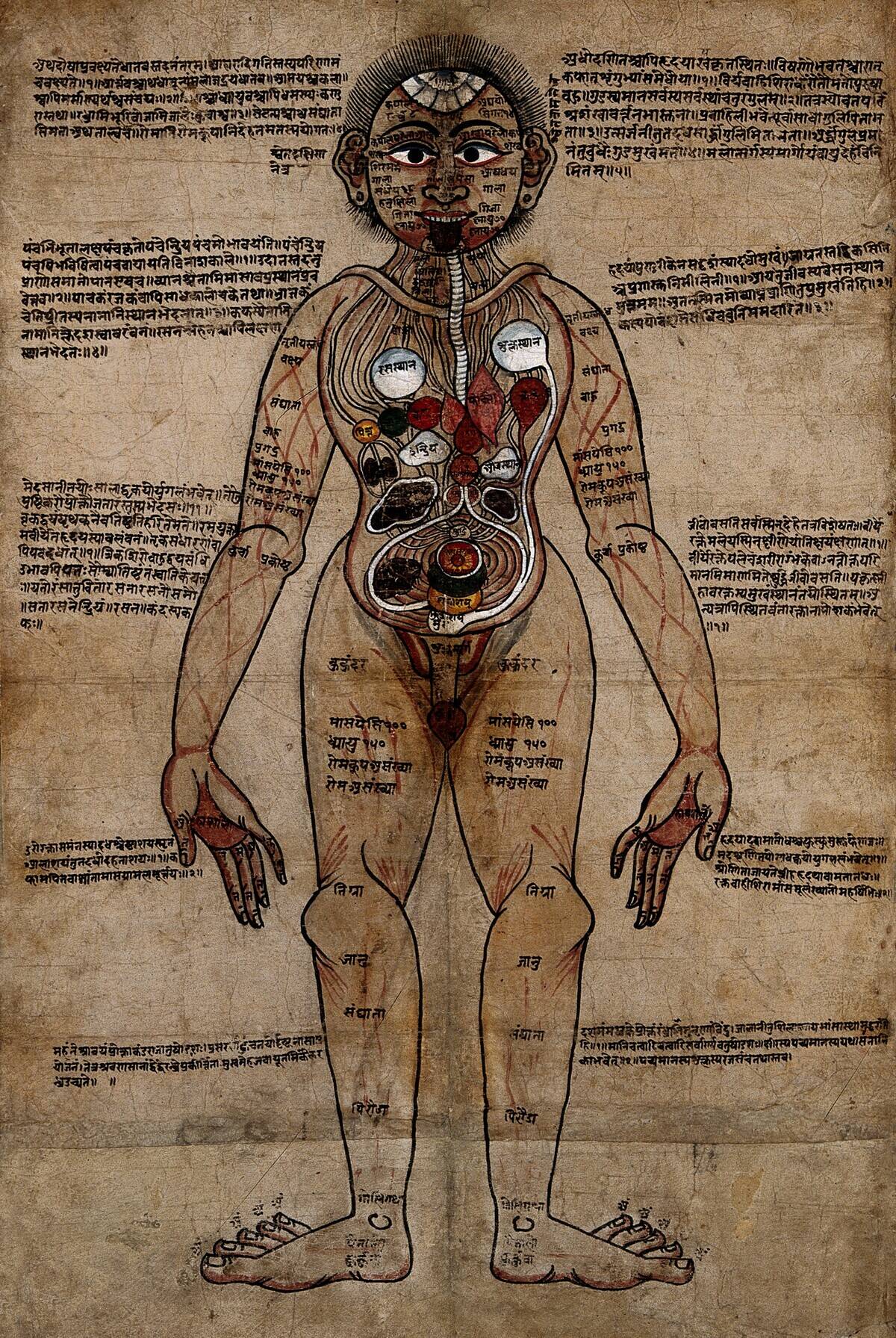
In ancient times, spices were revered not only for their culinary uses but also for their medicinal properties. Indian Ayurvedic texts, dating back over 3,000 years, describe the use of turmeric for its anti-inflammatory benefits.
The Greeks and Romans used spices like saffron and ginger to treat ailments ranging from digestive issues to mood disorders. These ancient practices laid the groundwork for modern herbal medicine, illustrating the long-standing belief in the healing power of spices.
The Decline of the Ancient Spice Routes: Causes and Consequences
The decline of the ancient spice routes was a result of multiple factors. The discovery of alternative sea routes, such as the Cape of Good Hope route to India, diminished the importance of overland paths. Additionally, the rise of European colonial powers shifted control of the spice trade.
The fall of key trading cities to invaders further disrupted these routes. The decline led to significant economic shifts, with new centers of trade emerging in Europe, altering the global balance of power.
Modern-Day Discoveries: Unearthing Traces of the Spice Routes
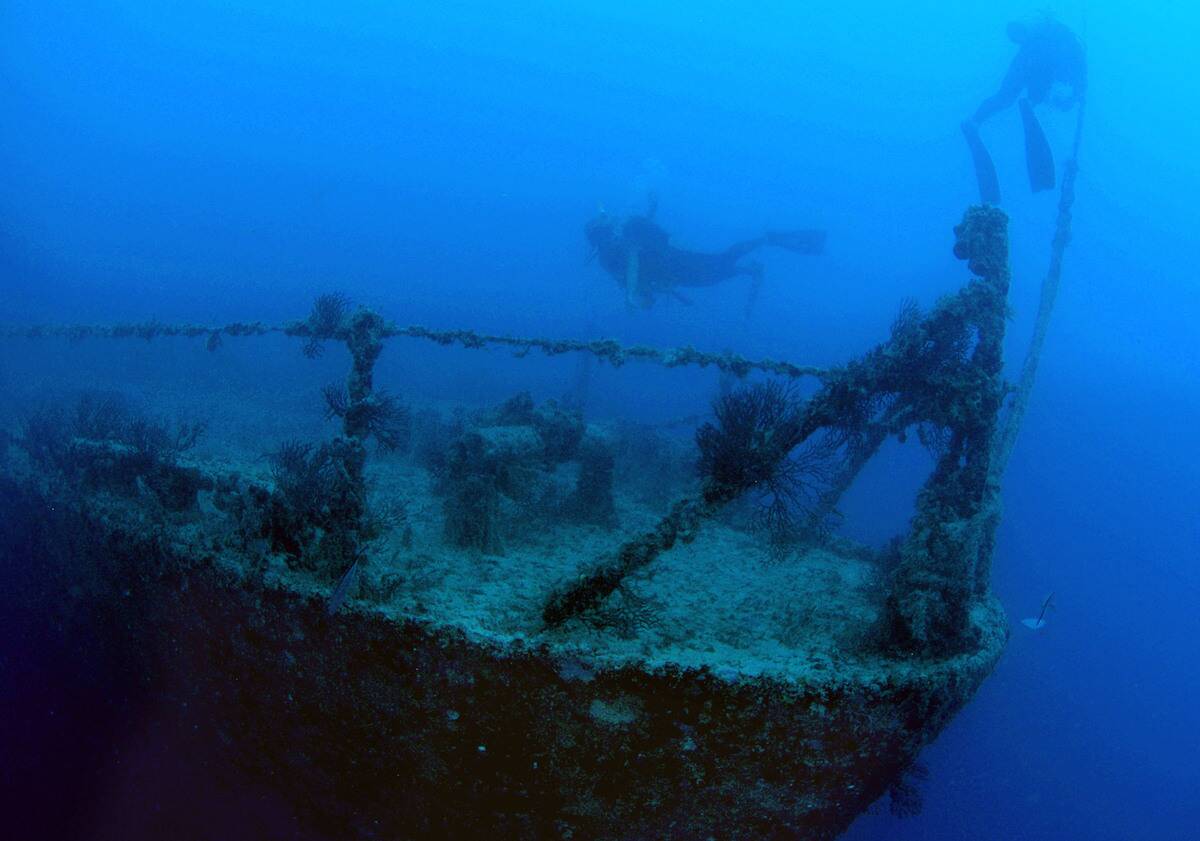
Archaeological excavations continue to reveal fascinating insights into the ancient spice routes. In the Arabian Peninsula, the discovery of frankincense burners and spice jars provides evidence of long-lost trade activities.
In Southeast Asia, shipwrecks have been found with cargoes of spices, offering clues about ancient maritime practices. These discoveries are not only exciting for historians but also for those interested in understanding the complex web of interactions facilitated by the spice trade. Each find adds a new piece to the puzzle of our shared history.
The Legacy of the Spice Routes in Contemporary Society
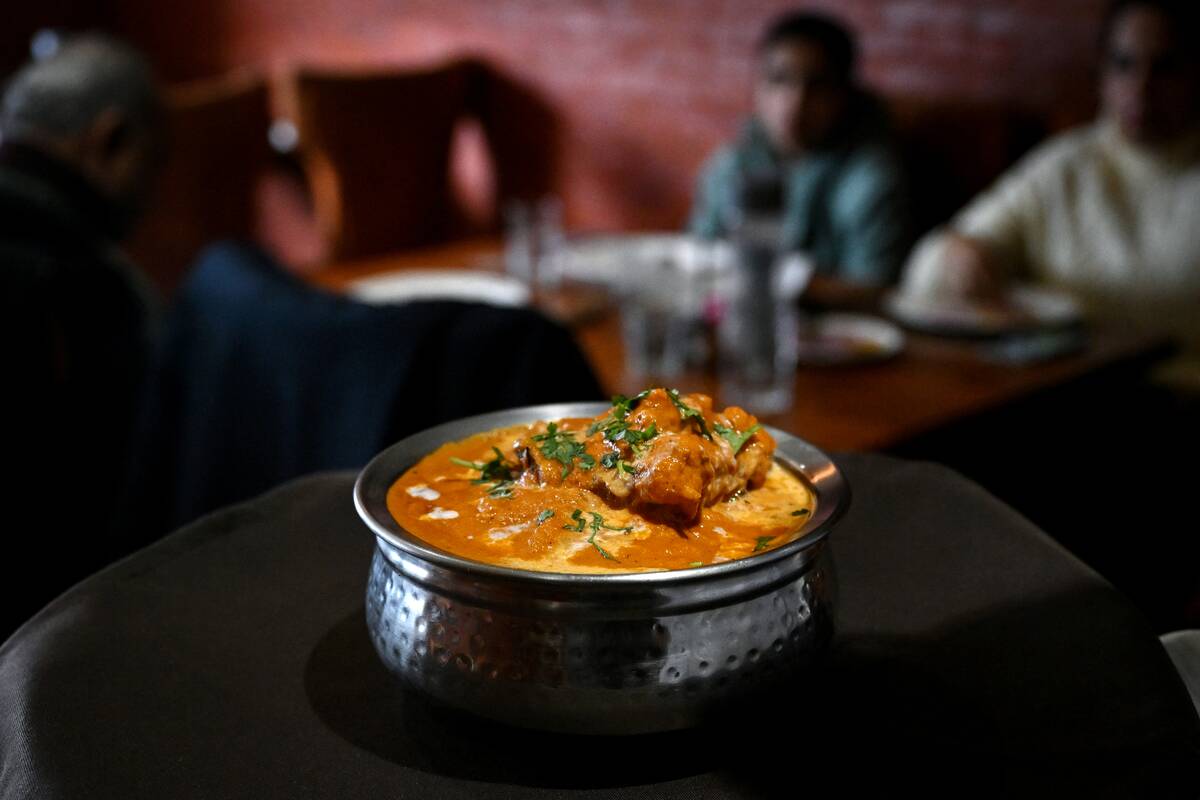
The legacy of the ancient spice routes is still evident in today’s globalized world. The culinary traditions influenced by ancient spice trade continue to thrive, with dishes like Indian curries and Middle Eastern tagines gaining international popularity.
The fusion of cultures along these routes has shaped modern societies, contributing to the diverse tapestry of global heritage. Moreover, the historical significance of the spice trade continues to inspire cultural and academic pursuits, reminding us of the ancient paths that connected our world.




