How homes were cleaned before vacuum cleaners
Before electricity, clean meant constant, clever, and a little gritty. Coal soot settled on everything in 19th‑century cities, and unpaved streets sent in mud, manure, and dust on every boot. Housekeepers leaned on brooms, sand, lye soap, and open windows. Manuals like Catharine Beecher’s Treatise on Domestic Economy (1841) and Mrs Beeton’s Book of Household Management (1861) advised daily sweeping, regular scouring, and strategic airing.
Floors were bare wood, brick, or stone; rugs were movable because you had to carry them outside and beat them.
It wasn’t all drudgery—more like ritual. Morning and evening sweeps kept dust from building up, and weekly “big cleans” tackled carpets, bedding, and windows. Door mats and boot scrapers formed a first line of defense, while strewn sand in taverns or kitchens absorbed spills before a broom whisked it away. Without suction, people relied on gravity, abrasion, and a draft: loosen the grime, hold it down with moisture or sand, then send it out the door.
The Mighty Besom: Sweeping with Twigs, Sticks, and Sass
The classic besom—think birch twigs bound to a handle—was Europe’s go‑to sweeper for centuries. Makers bundled birch or heather withies around a hazel or ash staff, cinching the lot with willow or wire. Harvested in winter when sap was down, the twigs stayed springy and tough. The round profile made it ideal for yards, flagstones, and hearths, and its stiff tips grabbed gritty debris better than feathery brooms. You still see traditional besoms in British craft fairs and, yes, Morris dancing.
Practicality met folklore, of course. The “witch’s broom” silhouette is a besom to the core, but its real magic was durability and cost. Rural families could make one from hedge cuttings in an afternoon. Because the bundle ends splayed as they wore down, users just trimmed and retied the binding to refresh the head. It wasn’t dainty, but for ashes, stable yards, and rough floors, the besom was a no‑nonsense partner that didn’t mind a muddy Thursday.
Corn-Broom Choreography: Daily Sweeps to Keep Dust at Bay
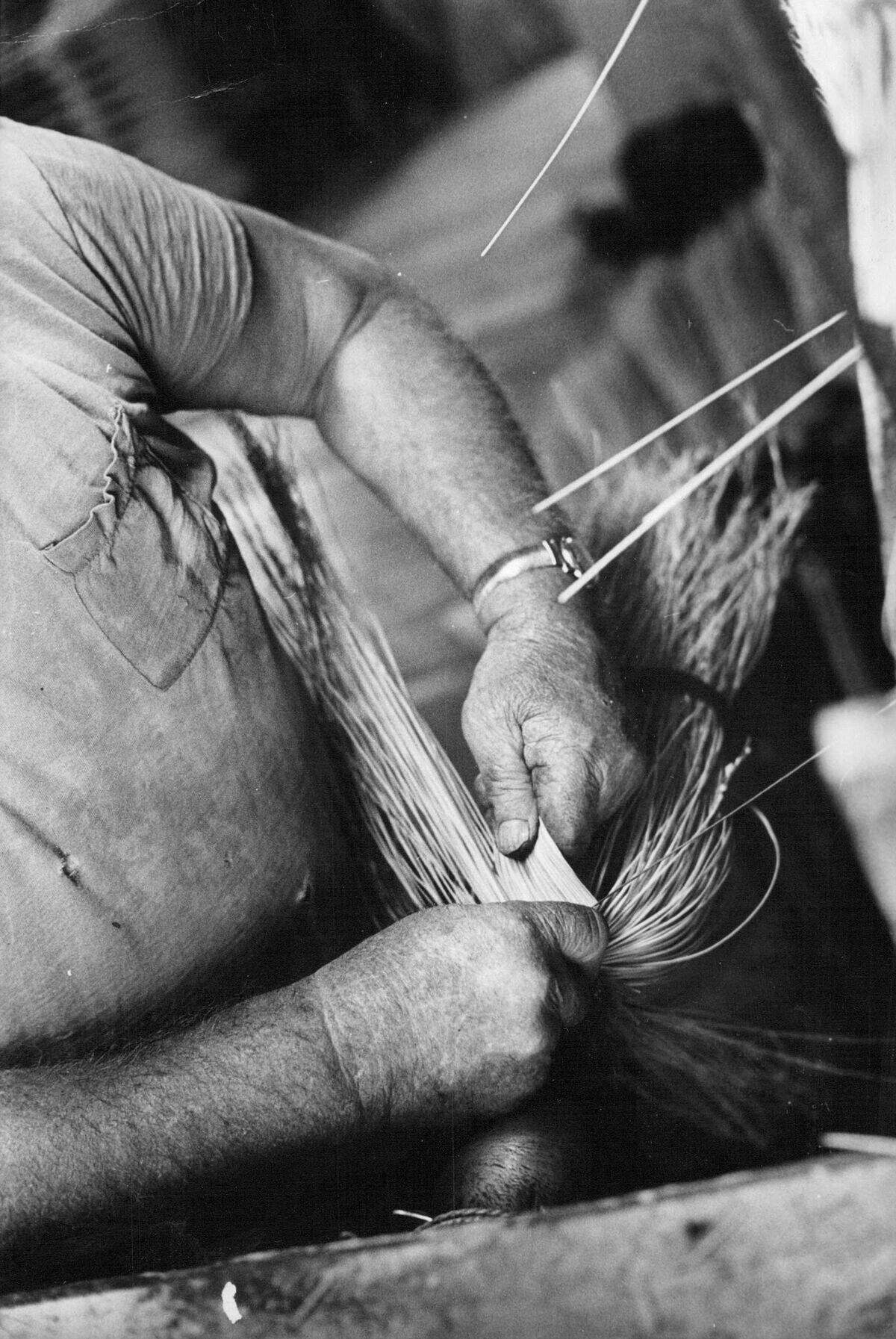
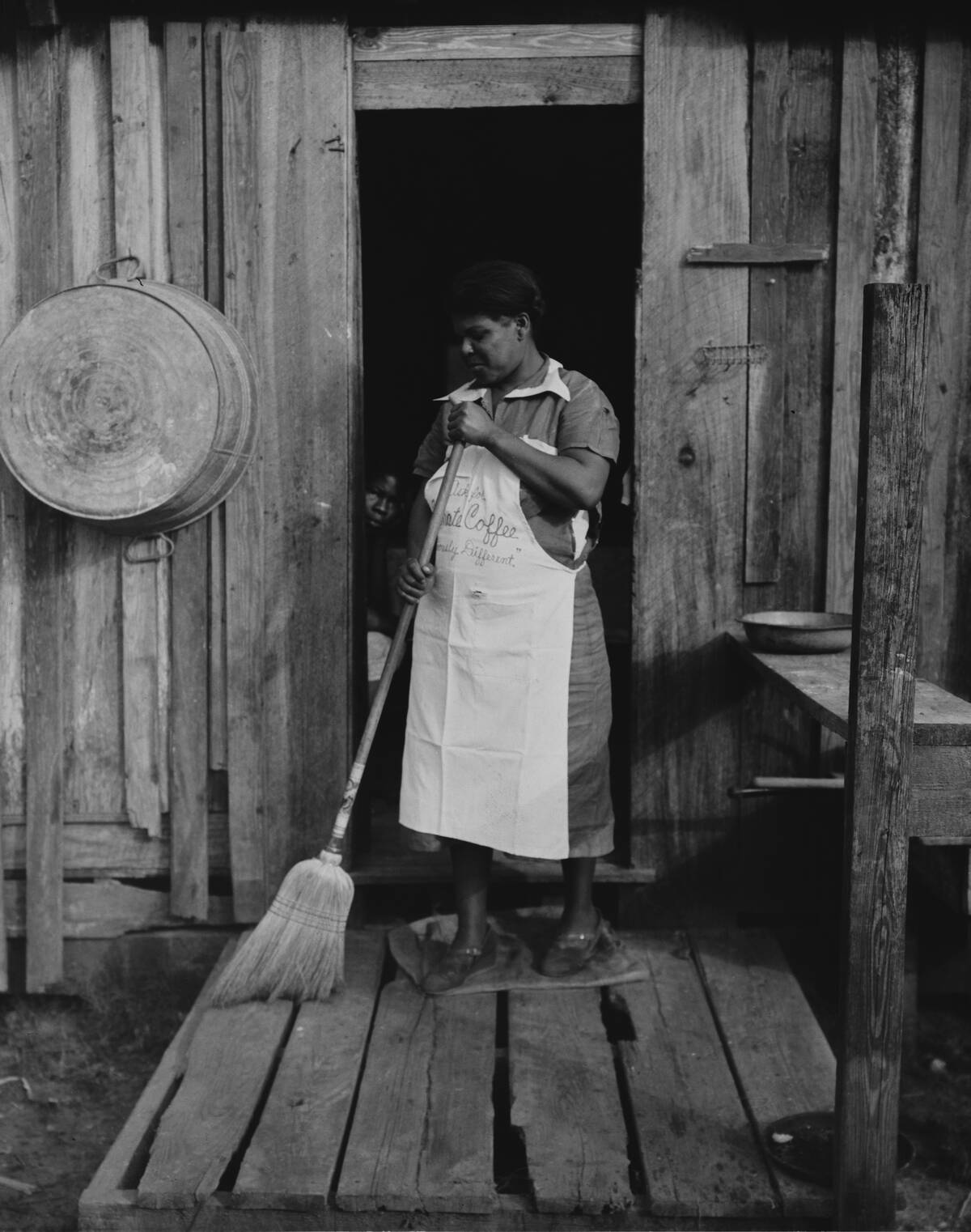
Enter broomcorn, actually a type of sorghum (Sorghum bicolor var. technicum), which transformed indoor sweeping in the 1800s. In New England, makers stitched the straight, seedless tassels flat with wire, creating the familiar fan shape that hugs the floor. Shaker communities helped standardize the flat, stitched design in the early 19th century, and American broom factories multiplied by mid‑century. The stiffer bristles outperformed twig brooms on wooden boards and carpets, making silty coal dust and crumbs easier to corral.
Daily rhythm mattered as much as the tool.
Households often swept hearth rooms morning and evening, working from edges to center and then to the door to avoid resettling dust. Short, overlapping strokes kept particles from flying up. In winter, when coal soot was worst, people sprinkled a light dampener—tea leaves or sweeping compound—before those practiced, almost dance‑like passes. A good corn broom might be rewired and rebounded more than once, because replacing it too often felt like defeat.
Carpet Beating Day: Hang It Up and Whack Away
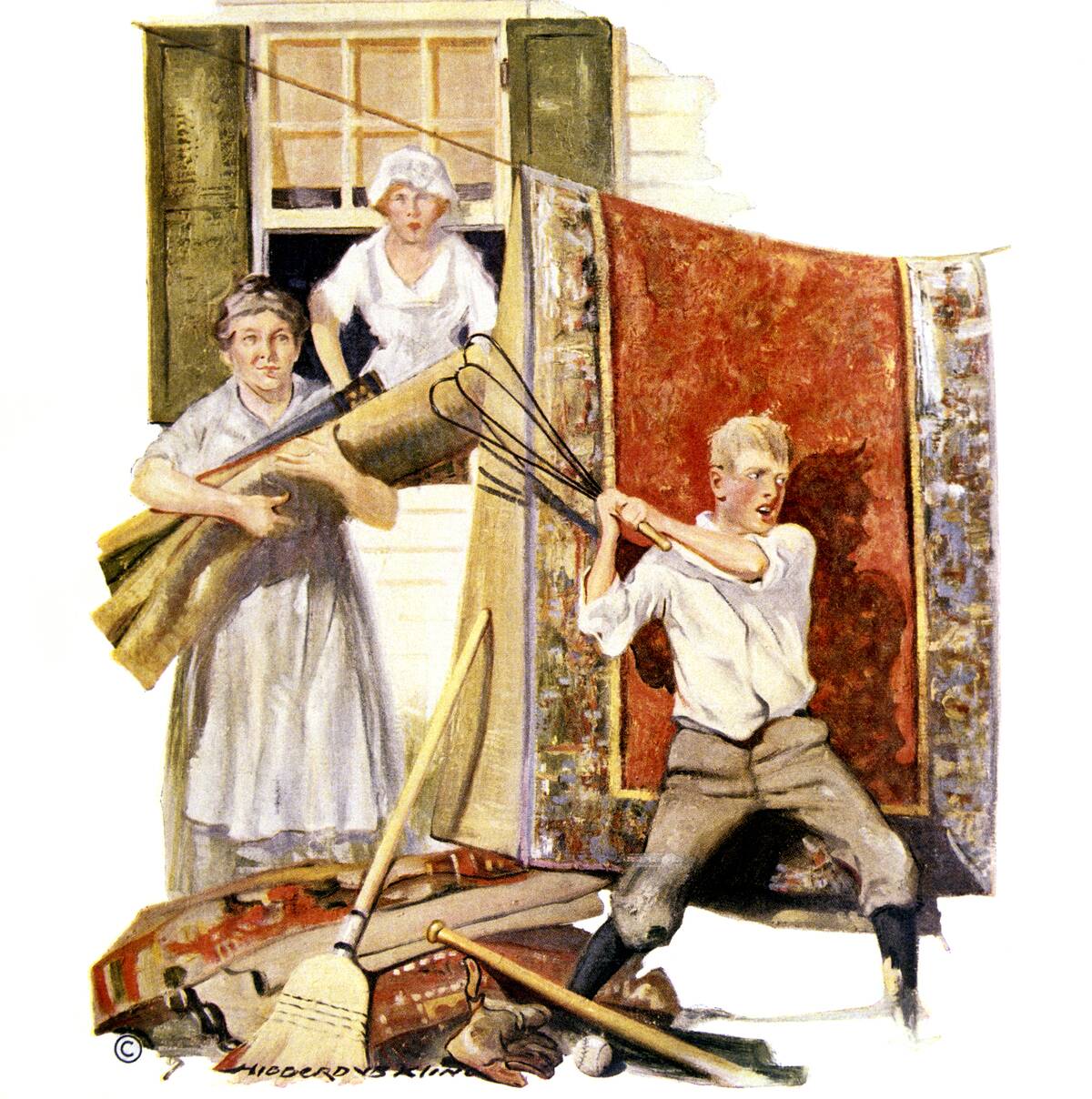
Wall‑to‑wall was rare; carpets were portable because they had to leave the house for a proper thrashing. Families hauled Brussels or ingrain rugs over a line, railing, or a stout ladder and went to town with rattan or wire beaters. The goal wasn’t rage therapy—though it looked like it—but ejecting compacted grit that wore through fibers.
Cloudy plumes proved the point; even tidy homes could knock out astonishing amounts of dust after a winter of coal heat.
Timing and weather mattered. Manuals advised beating on dry, breezy days so moisture wouldn’t lock grime in and the wind would carry it off. Some sprinkled sheets with water and spread them under the rug to catch falling particulates. After beating, a brush grooming restored pile direction. Hotels and boarding houses sometimes employed dedicated staff for the work, and when spring cleaning came, courtyards and alleyways rang with the hollow thwack of rattan on wool.
Sprinkle-and-Sweep: Damp Tea Leaves and Coffee Grounds That Tamed Dust
Before microfiber, there were last night’s leaves. Housekeepers tossed damp (not dripping) used tea leaves across wooden floors or carpets before sweeping. The moisture pinned ash and lint, while tannins lightly deodorized. Mrs Beeton and other 19th‑century guides mention the trick, which kept fine dust from billowing. Bonus: the leaves were free if you already drank tea, and they composted just fine after doing double duty under the broom.
Coffee grounds did similar work, especially around hearths. A thin scatter over fireplace ash or sooty brick kept particles from taking flight during cleanup. Grounds also helped weight paper scraps or sewing lint so the first sweep didn’t become a confetti party. The key was “just damp enough”—too wet, and you’d smear; too dry, and it fluttered. Today we’d call it waste‑stream ingenuity: yesterday’s brew making today’s sweep calm and almost civilized.
Damp Newspaper Trick: Pinning Dust Down Before It Could Fly

Old newspapers once moonlighted as dust wranglers. Torn into wide strips, lightly moistened, and laid on bare boards, they trapped fine debris that brooms would otherwise loft into sunbeams. The newsprint’s fibers grabbed particulates, and when you lifted the strips, much of the mess left with them. It was especially handy in hallways or stair treads where traffic stirred up a constant haze.
People also lined the floor under rugs being cleaned indoors with damp paper to catch what a brush knocked loose. Then came the satisfying roll‑up: paper, dust, and crumbs bundled and binned. This tip shows up in early 20th‑century columns right alongside vinegar‑and‑newspaper window hacks. Caution today: modern inks are different and can transfer; historically, oil‑based inks and rougher paper made the trick less streak‑prone on floors that already expected a scrub.
Mechanical Carpet Sweepers: Pre-Electric Brush-and-Box Wonders

Before plug‑in vacuums, rolling brush sweepers were the quiet stars. Melville R. Bissell patented a successful carpet sweeper in 1876 from Grand Rapids, Michigan. A hand‑pushed box drove cylindrical brushes via wheels, flicking debris into an internal pan. Hotels, shops, and parlors loved them because they muted noise, avoided smoke‑belching lamps or open flames, and worked on rugs without pulling threads.
You could empty the compartment in seconds and get right back to the corridor.
By the 1880s and 1890s, sweepers were common wedding gifts, and companies boasted felt guards, edge brushes, and low profiles to slide under settees. They didn’t suck; they skimmed, lifting surface grit and lint between full‑on carpet beatings. Department store floors, church aisles, and boarding house hallways got a quick once‑over between guest turnarounds, proving you don’t need a motor to make crumbs vanish with decorum.
Boot Scrapers and Door Mats: Dirt Defense Starts at the Threshold
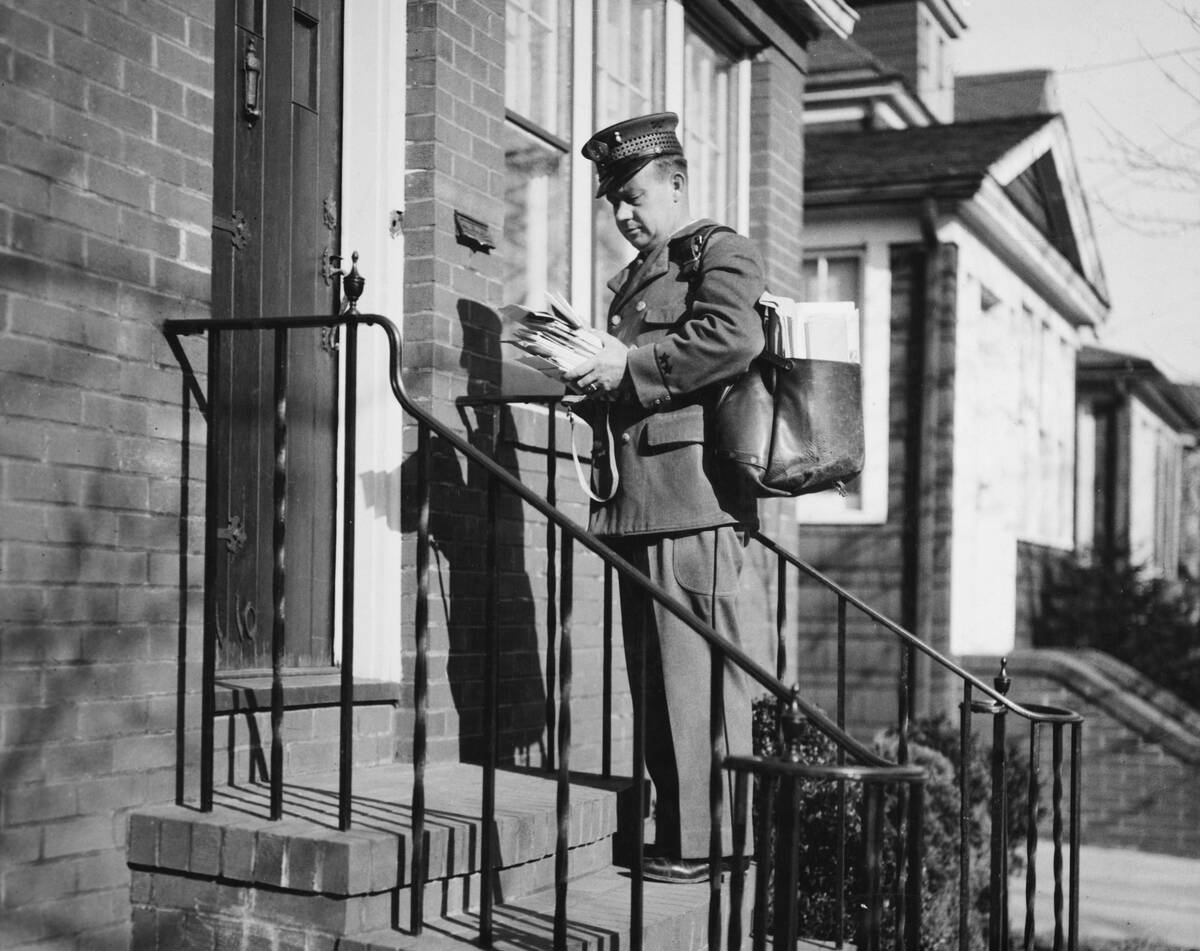
The smartest dust is the dust that never makes it inside. In the 18th and 19th centuries, cast‑iron boot scrapers lived by stoops and garden gates, ready to chew mud off heels and treads. You still see their U‑shaped silhouettes set into old stone steps. Alongside, bristly coir mats—made from coconut fiber imported from India and Ceylon (Sri Lanka)—blasted grit from soles without shredding leather.
A quick scrape, a stomp, and your hallway runner survived another day.
Doormats evolved into longer “matting” runners in vestibules and shops, sometimes entire coir or cocoa‑fiber carpets that trapped sand in busy entries. Manuals urged families to keep mats clean, too; a filthy mat is just a dirt donor. In snow seasons, metal trays under mats caught meltwater, and in rural areas, a boot jack on the porch helped wrestle off tall, grimy boots before they met the floorboards.
Strewn Sand Floors: Absorb, Then Sweep a Fresh Pattern
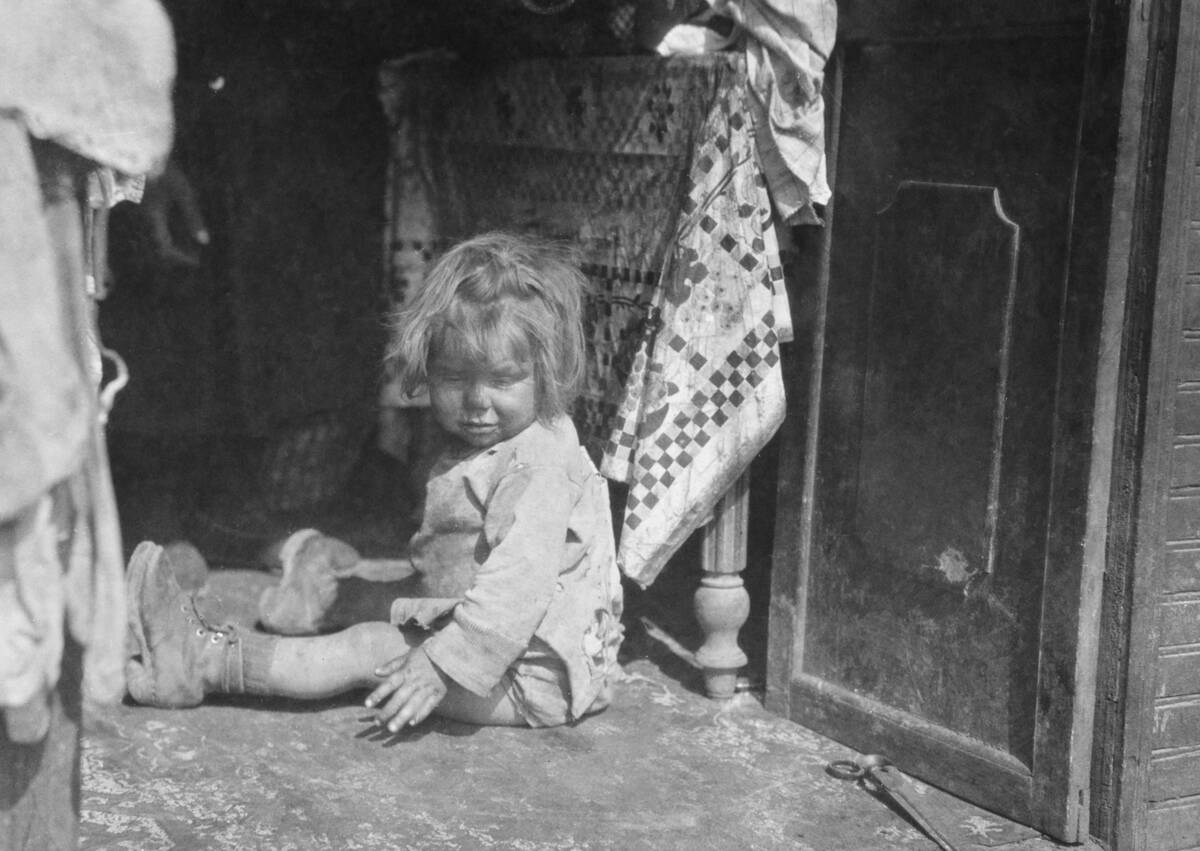
In Dutch homes of the 17th–19th centuries and in British taverns, sand wasn’t just for beaches—it covered floors on purpose. Fresh, clean sand absorbed spills, beer drips, and grease, protecting soft woods and smoothing foot traffic. Each morning, housekeepers raked decorative chevrons or scallops into the layer, a quiet badge of order you can spot in period descriptions and prints.
At day’s end or week’s turn, they swept it out and spread a new, pale blanket.
Kitchens and dairies loved sand’s non‑slip, quick‑dry character. In pubs, it muffled clatter and hid last night’s revelry. The practice persisted where floors were rough or washing with buckets was daunting. It wasn’t random grit; it was chosen clean and fine, often sifted. When linoleum and sealed boards became common, the tradition faded indoors, though the logic lives on in absorbent granules we still pour over garage spills today.
Scouring with Sand, Lye, and Elbow Grease: Whitening Wood and Stone
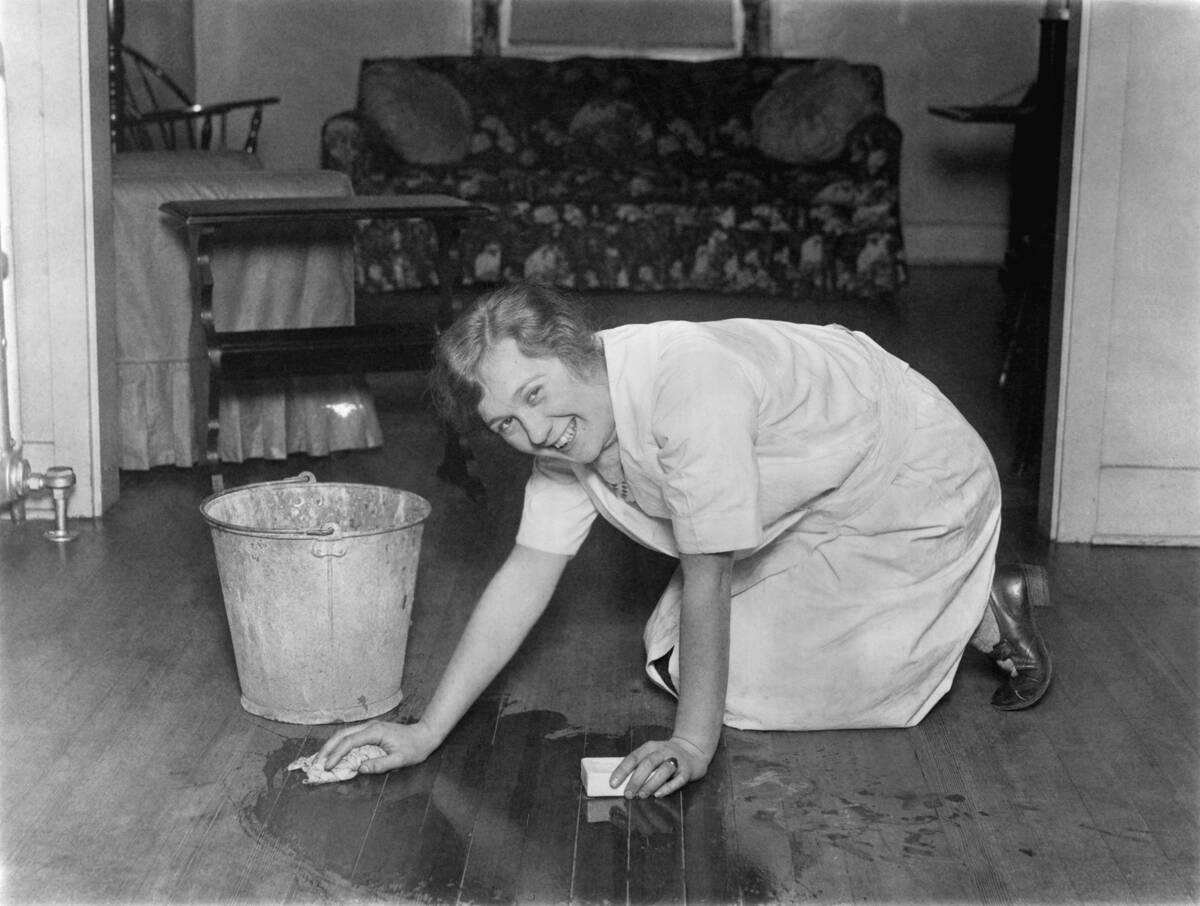
Before bottled cleaners, abrasion and alkali did the heavy lifting. Wood ash leached into lye provided a strong, caustic wash for greasy tables and laundry tubs—effective but requiring care and thorough rinsing. Beach or pit sand, even crushed cinders, became scouring agents for hearthstones and doorsteps. Mrs Beeton recommended whiting (chalk) for delicate surfaces and brick dust for tougher polishing jobs, a pairing echoed across Victorian housekeeping guides.
Flagstones and front steps were scrubbed white with brush, sand, and sometimes pipeclay paste. The weekly showpiece was a doorstep so bright it signaled pride to passersby. Fullers’ earth and washing soda (sodium carbonate) lifted oils, then a stiff brush chased grime from grain and grout. Gloves weren’t fashionable—but they should’ve been; lye bites. Still, the recipe worked: friction for the film, chemistry for the grease, and time for the glow.
Rag Mops and Kneeling Brushes: Scrub-a-Dub on Hands and Knees
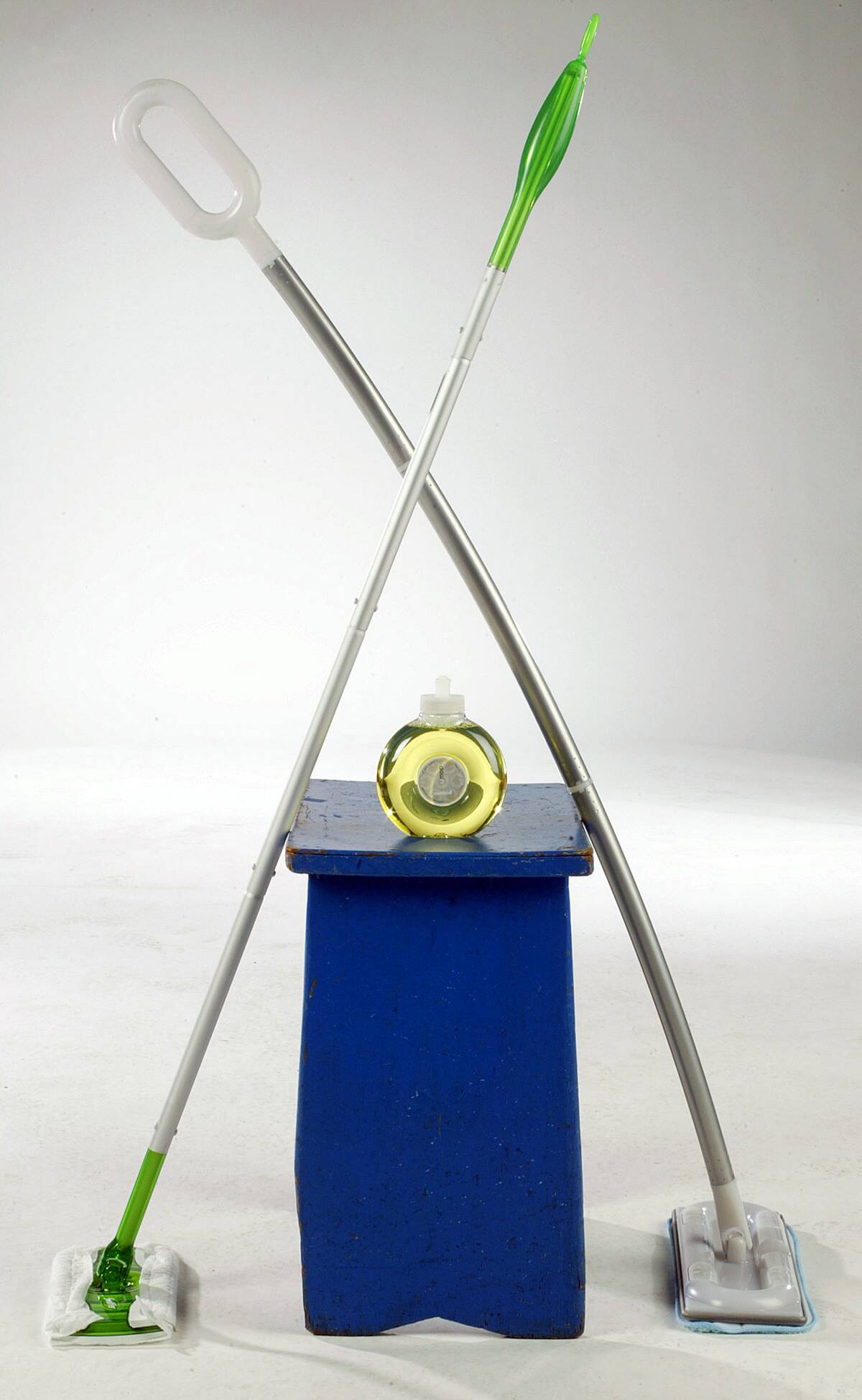
For boards and early linoleum, rag mops and stout brushes ruled. Strips of cloth tied to a stick made a serviceable mop; later, purpose‑made string mops with clamp heads improved wringing and reuse. In 1893, Thomas W. Stewart patented a mop head and clamp design in the United States that made changing and squeezing the head simpler. But for stubborn grime, the standard was still a stiff brush and a bucket, with wrists and knees doing the persuading.
Hot water, lye or soap, and washing soda were the classic trio. Housewives worked in sections: apply solution, scrub across the grain, sop with a rag, then rinse. Early linoleum demanded milder soap and a quick dry to protect the finish. Many kitchens kept a dedicated “kneeler” pad or an old cushion, and brushes had a knob you could palm for pressure. The sound of scrubbing—boring to some, triumphant to others—meant a fresh, bare‑toed floor ahead.
Feather Dusters and Lambswool Wands: Fluff That Actually Worked
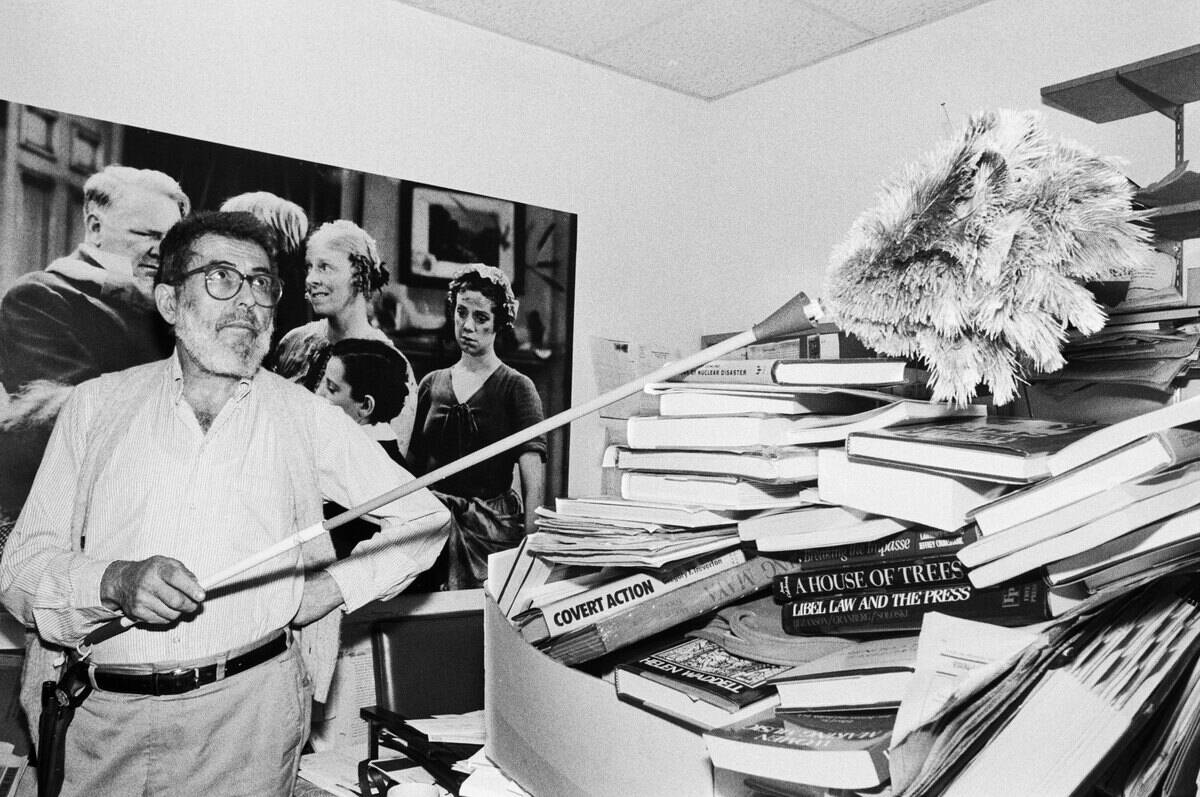
Feather dusters weren’t just frills. Turkey feathers have micro‑barbs that trap fine particles, and clever hands bound them to handles for light, precise dusting. In 1878, Susan Hibbard received a U.S. patent for improvements to the feather duster, part of a burst of late‑19th‑century designs. Dry, flexible, and gentle on carved frames and shelves, they chased soot from ornate surfaces where a damp rag would smear or warp the finish.
Lambswool wands offered a different advantage: natural lanolin. That faint oiliness helps hold dust rather than just tickling it along. The fluffy fibers snake into radiator fins and chair rungs, and a quick shake outdoors re‑primes them. Neither tool replaced a weekly wipe, but as “first responders” they kept dust from settling thick, especially in rooms heated by coal or wood stoves where soot could turn a mantel gray between breakfasts.
Beeswax and Oil Polishes: Shine Makers with a Side of Dust Control

A well‑polished table doesn’t just gleam—it shrugs off grime. Nineteenth‑century recipes blended melted beeswax with turpentine and sometimes linseed oil to create a paste that fed dry wood and left a protective film. Rubbing it in with the heel of the hand warmed the finish; a soft cloth buff brought the glow.
Maker’s labels promised “French” or “antique” shine, but the core idea was simple: seal pores, reduce snaggy fibers, and dust wipes away easier.
Beyond vanity, polish was preventive maintenance. Wax slowed moisture swings that cracked veneers and dulled spills long enough for a rescue swipe. It also reduced static‑like attraction on dry days, so air‑borne fluff settled less willingly. Because beeswax is relatively hard, many households reserved the richer blends for tabletops and banisters, using leaner oil polishes on utilitarian chairs. The rhythm—apply, cure, buff—was a tiny workout that paid rent in low‑drama housekeeping.
Sweeping Compounds: Oiled Sawdust to Catch the Fine Stuff
By the early 20th century, shops, schools, and big houses scattered commercial sweeping compounds—usually oiled sawdust—before a broom came out. The light oil (often mineral or vegetable) made the particles cling to dust, trapping the talc‑fine stuff that evaded bristles. You’d toss a thin, visible sprinkle, sweep it along, then collect it with the dirt in one pass. It kept hallways from becoming dust storms and spared asthmatic lungs a bad morning.
Some compounds were tinted green or red so staff could see coverage and avoid overuse. Factories liked them for concrete floors, and caretakers praised the way they reduced slip on polished wood versus plain water. Fire codes eventually curbed petroleum‑heavy blends, and modern versions favor oil‑free or biodegradable binders. But the principle—give dust a slightly sticky partner—remains a backstage hero any time a broom has to handle acres of floor.
Ash, Chalk, and Brick Dust: Fireplace Leftovers as Abrasives
Resourceful cleaners mined the hearth for supplies. Fine wood ash served as a mild abrasive for tarnish and greasy pots, and with a drop of water it made a quick scouring paste. For knives and ironwork, brick dust—literally powdered brick—took off oxidation and stains. Mrs Beeton recommended whiting (finely ground chalk, calcium carbonate) for delicate metals and glass, emphasizing gentle pressure to avoid scratches.
Victorian homes also kept Bath brick—blocks of fine sedimentary clay from Bridgwater, England—specifically for polishing. Rubbed into a damp cloth, it lifted grime from steel without gouging. These powders predate branded cleansers but act the same way: tiny, hard particles shear off the dull film while a rag carries it away. Soot may blacken a mantel, but the fireplace giveth back—provided you keep the abrasives off soft finishes and always rinse the telltale haze.
Crumb Sweepers, Trays, and “Silent Butlers”: Dining Room Cleanups
Victorian tables hid a mini‑cleanup crew in plain sight. Silver crumb trays with a matching scraper let hosts whisk stray bread flecks between courses—civilized and mess‑avoiding. By the early 20th century, handheld crumb sweepers with tiny rollers appeared, capturing bits without a grand arm sweep.
Servers moved quietly; the performance was hospitality as much as hygiene.
A “silent butler” wasn’t a person but a lidded pan on a handle, common in the 1900s for table crumbs and later for smoking‑room ash. Flip the lid, scoop, close—no wafting. In households without staff, the gear still shone on holidays: nothing kills a pudding’s entrance like a gritty tablecloth. Between discreet tools and sturdy linen, dining rooms stayed gracious without a trip to the kitchen after every bite.
Floorcloths and Crumb Cloths: Protective Layers You Could Shake Clean
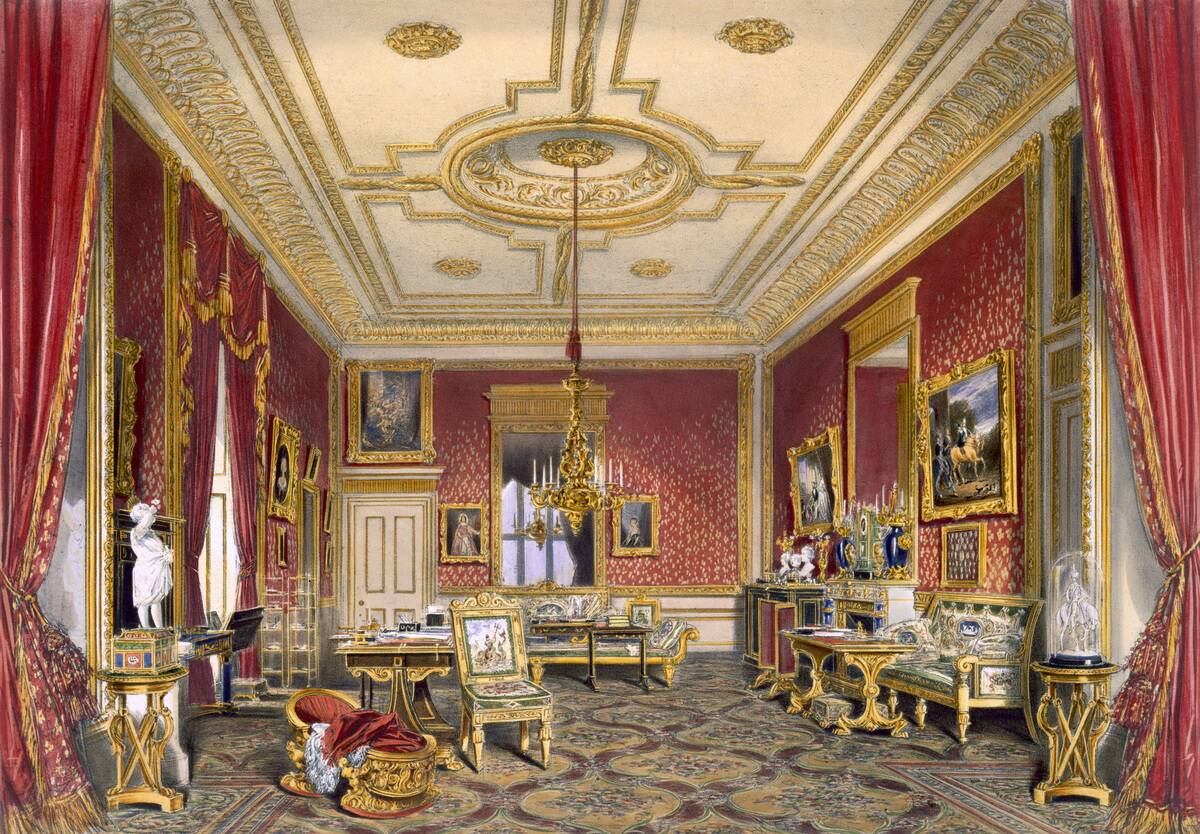
Before vinyl, painted floorcloths—heavy canvas coated with linseed‑oil paint—gave kitchens and halls a wipeable surface. Popular from the late 18th through 19th centuries in Britain and America, they mimicked marble tiles or geometric rugs and protected uneven boards. You could mop a floorcloth far more easily than raw wood, and when it wore, craftsmen repainted.
It was practical glam that stood up to boots, pets, and chair legs.
Under dining tables, large “crumb cloths” (often a secondary, plainer carpet or thick cloth) caught fallout. After meals, someone lifted, shook, and—if need be—beat it outdoors, saving the pricier carpet beneath. These layers were the ancestors of today’s rug pads and wipe‑clean runners: sacrificial, cleanable, and a lot easier to freshen than hauling the whole room’s flooring into the yard.
Mattress Whacking and Sun-Bleaching: Freshening the Bedroom the Hard Way
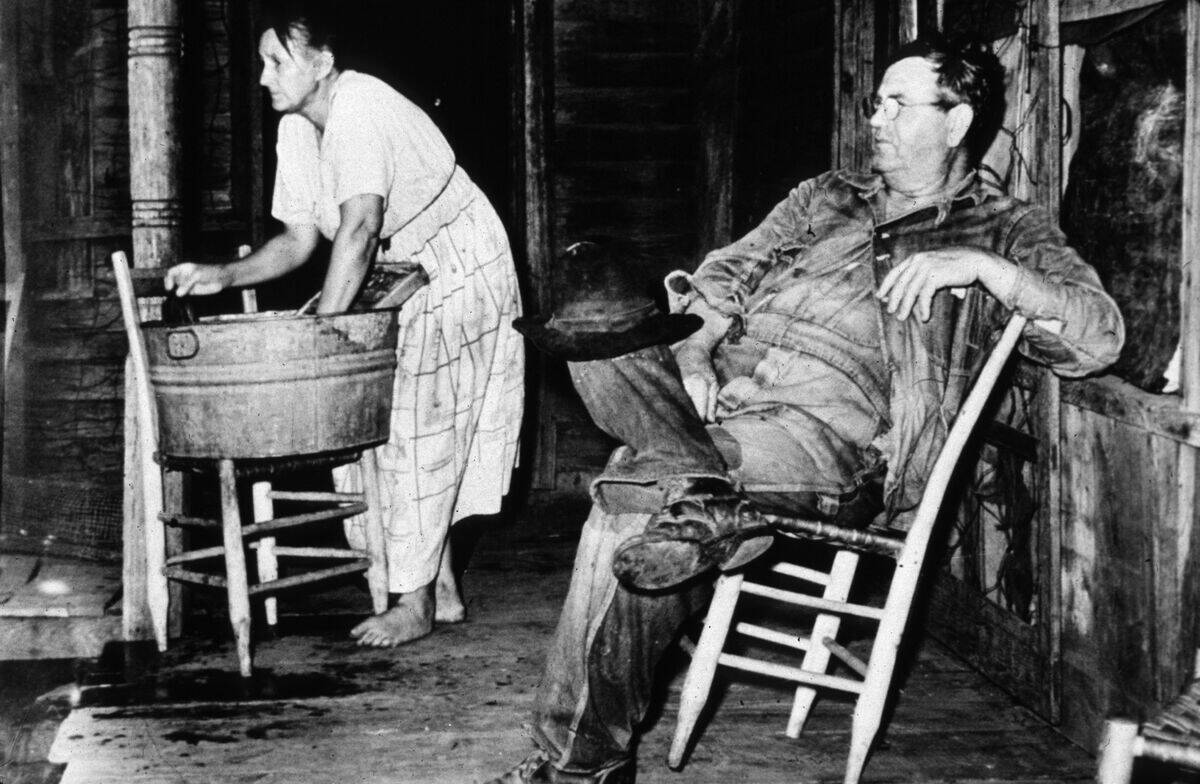
Beds got a beating—literally. Featherbeds and hair mattresses were dragged to windowsills or courtyards and smacked with flexible beaters to loft out dust. Sunlight did the rest: UV and dry air help reduce odors and damp, and many 19th‑century guides urged regular sunning. Straw ticks were emptied and refilled seasonally; feathers were aired and fluffed in large ticking bags to keep them lively and less musty.
Pillows and quilts joined the field trip on breezy days, draped over rails while rooms aired. Bedsteads and slats were scrubbed, and the space under the bed—prime dust bunny territory—saw daylight. The work wasn’t optional in coal‑heated winters when fine soot crept into everything. A fresh, sun‑warmed quilt at night was the payoff, along with the smug joy of watching dust flee like a guilty secret.
Airing Day Rituals: Windows Open, Rugs Out, Linens on the Line
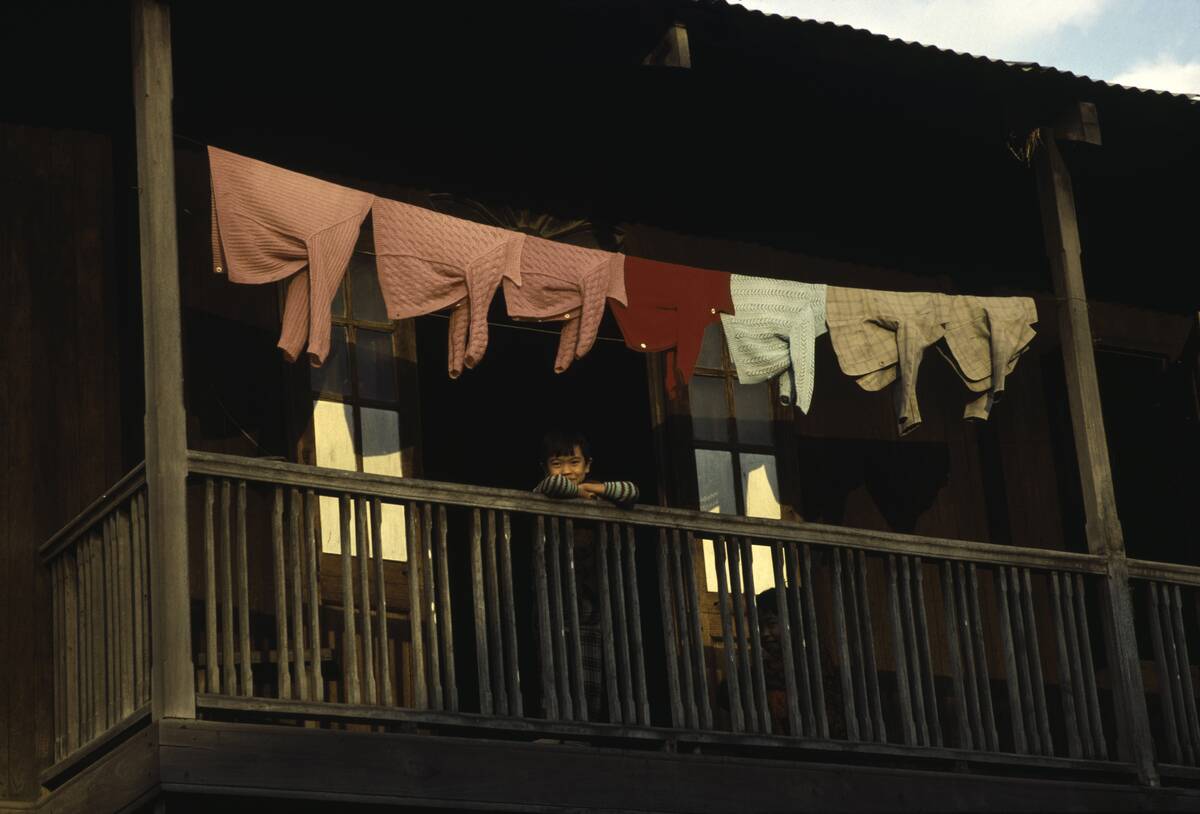
Cross‑ventilation was the original air purifier. Households picked a dry day, threw open sash windows, propped doors, and let drafts sweep through. Rugs went over rails, curtains shook out, and linens lined up like flags. In many places Monday was washday, and airing dovetailed with laundry: fresh sheets on the line scented with sun, not softener. The folk rhyme—“Wash on Monday, iron on Tuesday…”—describes a weekly cadence that kept homes from sliding into chaos.
Cultures enshrined the ritual. The Dutch “grote schoonmaak” (big clean) launched spring; in Japan, year‑end “Ōsōji” readied homes for New Year’s purity. Urban tenements had stoop‑scrubbing days. Beyond symbolism, opening windows purged smoke and damp, critical in eras of coal stoves and paraffin lamps. The sight of bedding airing from balconies wasn’t clutter; it was a neighborhood chorus that said, “We’ve got this.”
Vinegar and Newspaper Windows: Streak-Free Before Squeegees Were Cool

Grandma’s glass recipe had chemistry behind it: dilute vinegar (acetic acid) cuts mineral film and old soap residue. Mixed with water and applied with a cloth, it left windows clearer than plain water. The buff came from newspaper—older oil‑based inks and dense fibers acted like a very fine polishing pad, absorbing moisture without lint. It’s a tip you’ll find in early 20th‑century columns long before blue sprays took over under the sink.
Professional squeegees existed, but they weren’t household staples until later; Ettore Steccone’s 1936 design popularized the flexible, streak‑free rubber blade. Until then, crumpled newsprint and elbow grease did the trick on panes, mirrors, and picture glass. Caveat for modern times: today’s inks and coatings differ, so lint‑free cloth is safer. Historically, though, a kettle, a dash of vinegar, and last week’s headlines could make a parlor window sparkle respectably fast.
Laundry the Epic Way: Boiling, Beating, and Bluing for Bright Whites
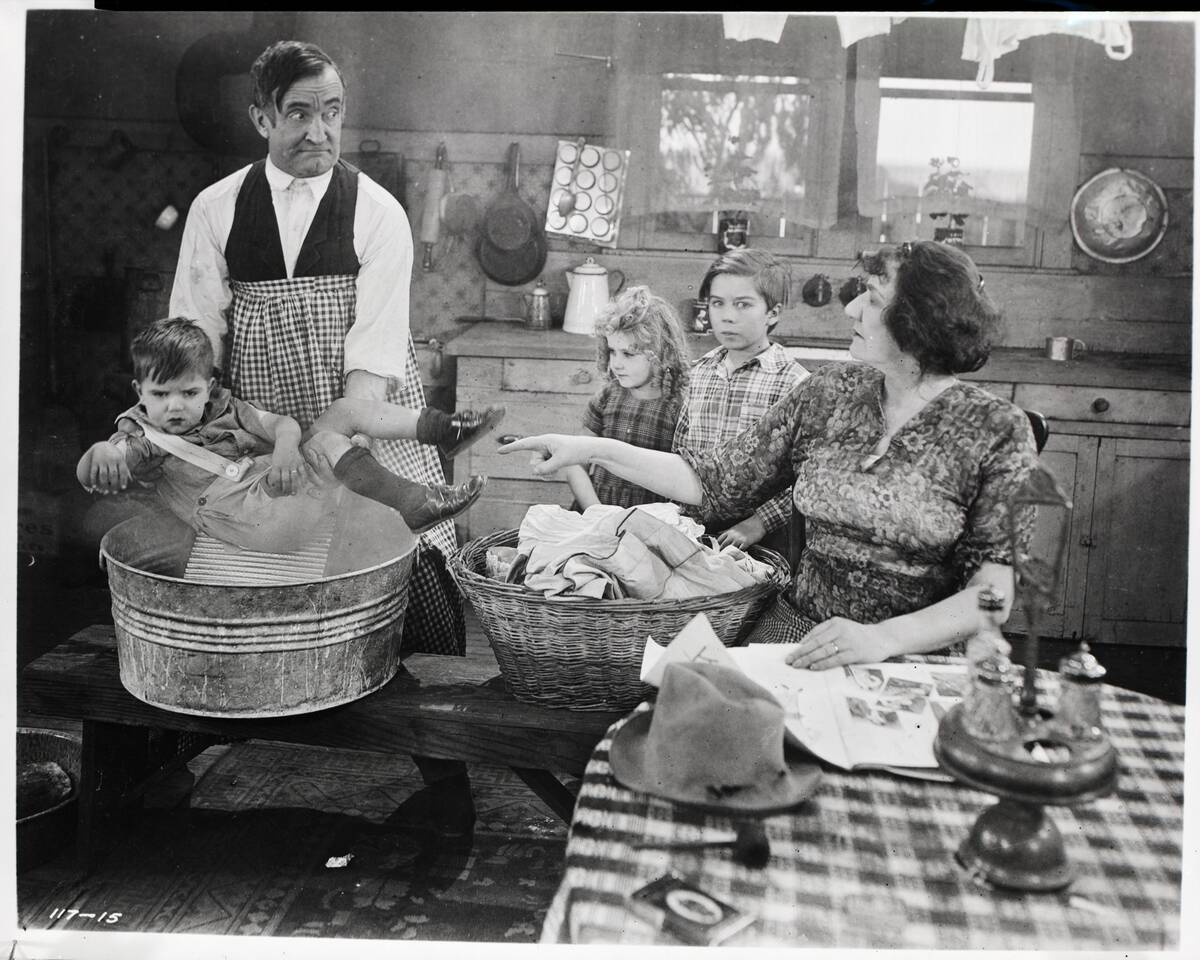
Washday once roared like a factory. Water heated in a copper boiler, whites simmered with soap or lye, and a washboard ribbed stains into surrender. By the mid‑1800s, wringers (mangles) squeezed loads faster than hand‑twisting, and flatirons heated on a stove pressed seams on Tuesday. To counter yellowing, laundresses used “bluing”: tiny amounts of Prussian blue or synthetic ultramarine made fabrics appear whiter. Reckitt & Sons sold convenient blue bags in Britain by the 1850s.
The workflow was choreography: sort, soak, scrub, boil, beat, rinse (often twice), blue, wring, line‑dry, sprinkle, iron, mend. Soap came as bars you shaved into flakes, and starch set collars to soldierly crispness. It took a day—and sometimes a team. No wonder Monday dinners leaned on leftovers. When early electric washers arrived in the 1900s, they didn’t end drudgery, but they did quiet the neighborhood symphony of slap, splash, and squeak.
Old-School Pest Control: Scalding Water, Herbs, and Smoke Fumigations
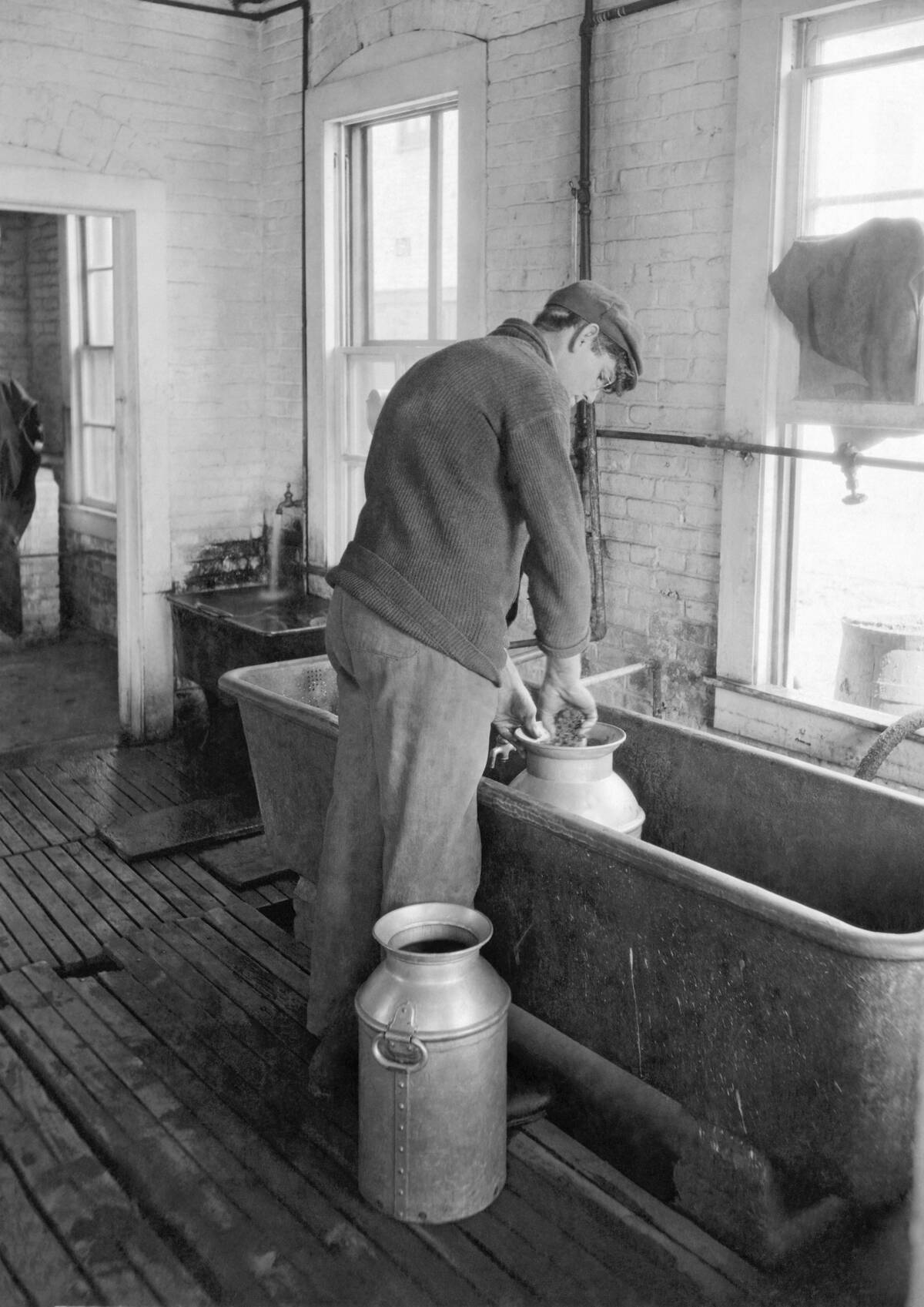
Without modern insecticides, people fought pests with heat, scent, and smoke. Bedbugs met scalding water poured into cracks and over joints, sometimes followed by brushing with strong soap. Some households dabbed crevices with kerosene or turpentine—effective but hazardous, a practice safety guides later condemned. Henhouses and pantries saw limewash on walls to seal gaps and brighten dark corners, making inspections easier and discouraging some insects.
Herbal repellents—lavender, pennyroyal, tansy, mint—were tucked into linens and wardrobes to deter moths and fleas. For heavier infestations, sulfur fumigation was used: burning sulfur in a sealed room killed insects, though it demanded strict precautions and clean‑air airing afterward. Smoke treatments show up in agricultural bulletins and household manuals alike. It wasn’t glamorous, but between boiling water, fresh air, and stubbornness, people kept most critters from treating the pantry like a buffet.
Community Clean Days and House-Prides: When Spring Cleaning Was a Sport
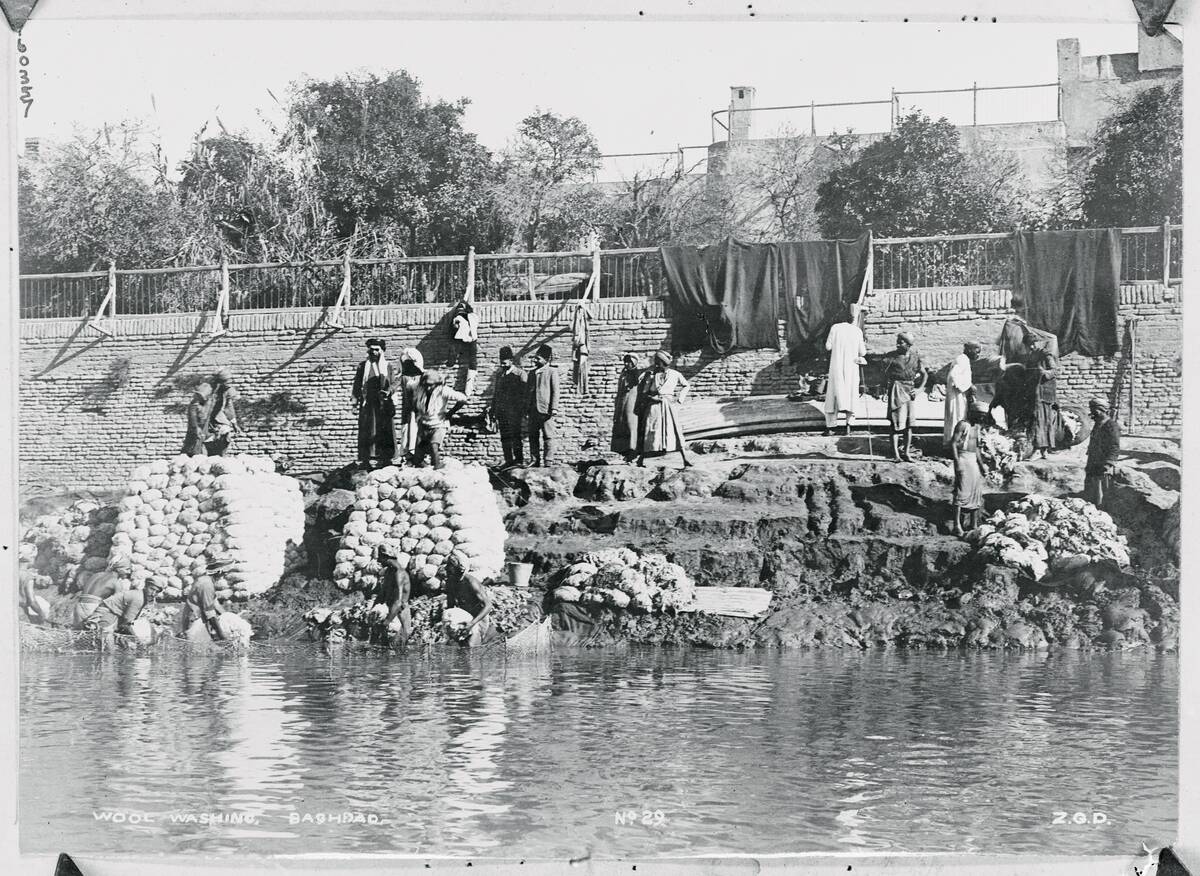
Cleaning once went civic. In the early 1900s, American towns staged “Clean‑Up Week” campaigns—paint fences, haul rubbish, sweep alleys—promoted by city clubs and later national groups. Streets filled with brooms and barrels, and newspapers cheered tidy porches as a public virtue. In Europe, courtyard beating frames appeared in some apartment blocks so residents could shake rugs without dusting the neighbors. A polished doorstep and a bright window were a kind of local bragging right.
Cultural traditions amplified the team spirit. Dutch neighborhoods tackled groot schoonmaak en masse; Japan’s year‑end Ōsōji extends to schools and offices, where everyone pitches in. Even in crowded tenements, stoop‑scrubbing and window‑washing became Saturday rituals, kids drafted for bucket duty. Spring cleaning wasn’t a Pinterest board—it was a season, a schedule, and a shared standard. When the windows shone, so did the block, and that glow was half cleanliness, half community.




