The strange story behind time zone controversies
Time zones, a seemingly mundane aspect of daily life, are more controversial than one might think. While they help us synchronize schedules globally, they can also create confusion and debate. Imagine missing a meeting because you misunderstood the time difference!
With their origins rooted in historical necessity, time zones have sparked lively discussions and disagreements over the years. Let’s delve into the fascinating history and ongoing debate surrounding time zones.
The Birth of Time Zones: A Need for Consistency
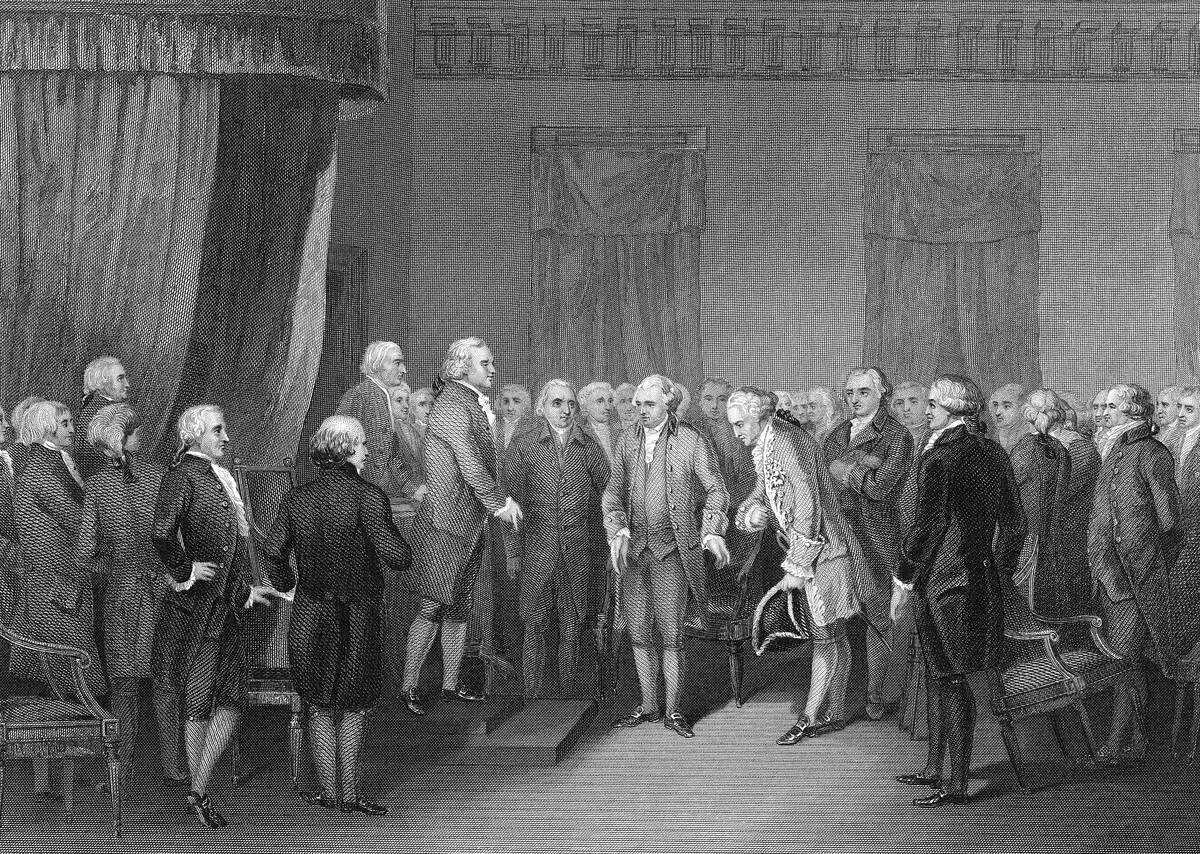
Before time zones, each locality kept its own solar time, leading to a patchwork of inconsistent times. The industrial revolution and the expansion of railroads necessitated a standardized system.
Imagine trying to catch a train when each town’s clock reads differently! This need for consistency led to the development of time zones, which helped coordinate schedules and streamline travel. As a result, the concept of time became more uniform and reliable.
Solar Time: The Original Timekeeping Method

Solar time, based on the sun’s position in the sky, was humanity’s first method of keeping time. Sundials and other solar-based devices were used to track the passing hours. However, solar time varied significantly depending on one’s location.
Noon, for example, would occur when the sun was highest in the sky, which wasn’t the same everywhere. This variability made coordination difficult, especially as societies grew more interconnected.
The Advent of Railroads: Sparking the Time Zone Debate
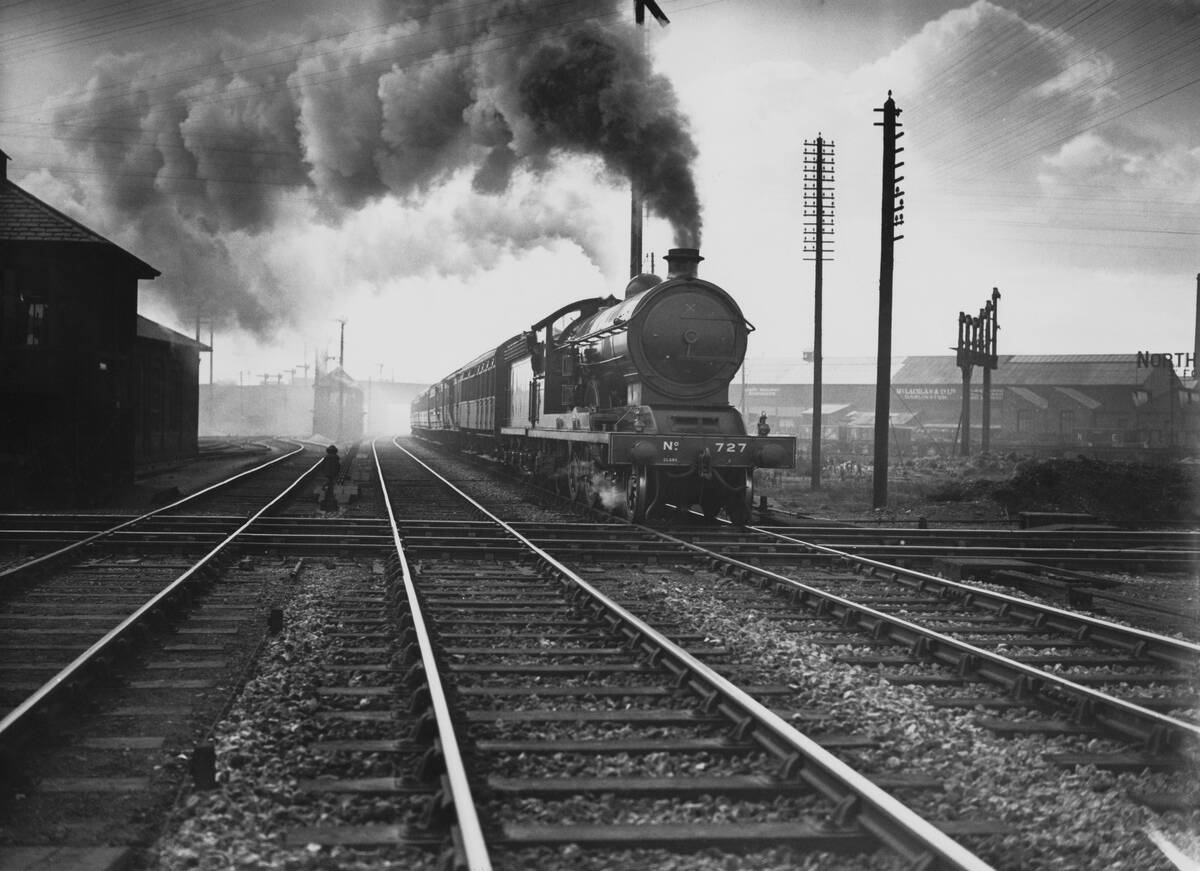
The development of railroads in the 19th century was a game-changer for timekeeping. With trains crisscrossing countries, the need for a unified time system became apparent.
Rail companies struggled with scheduling due to varying local times, leading to missed connections and confusion. The debate over how to standardize time intensified, paving the way for the eventual adoption of time zones. Railroads, in essence, forced society to rethink time.
The Great American Train Wreck of 1853: A Wake-Up Call
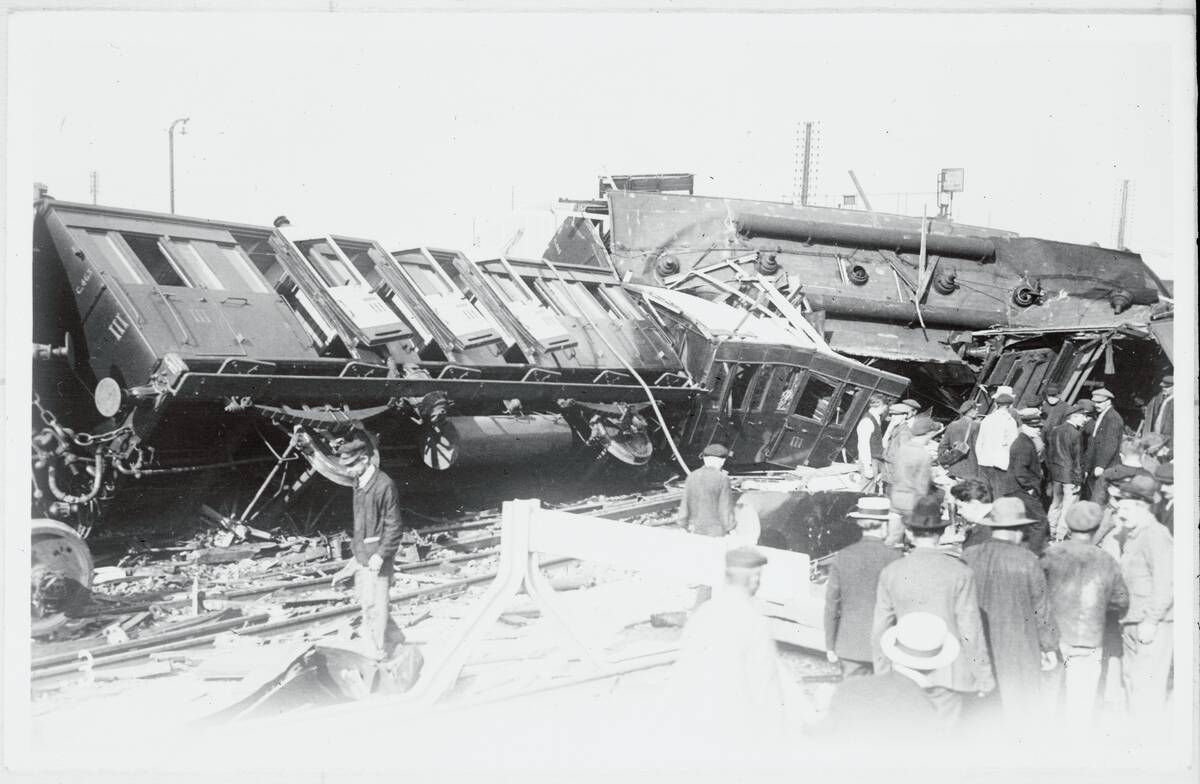
Railroad disasters in the 19th century exposed the dangers of poor coordination and unreliable timekeeping. A pivotal moment came with the Kipton train wreck, when two trains collided after an engineer’s watch stopped, causing a fatal scheduling error.
This tragedy clearly demonstrated how inconsistent or inaccurate timekeeping could threaten lives. In response, railroads strengthened requirements for precise, synchronized clocks and reinforced the push toward standardized time
Sir Sandford Fleming: The Father of Standard Time
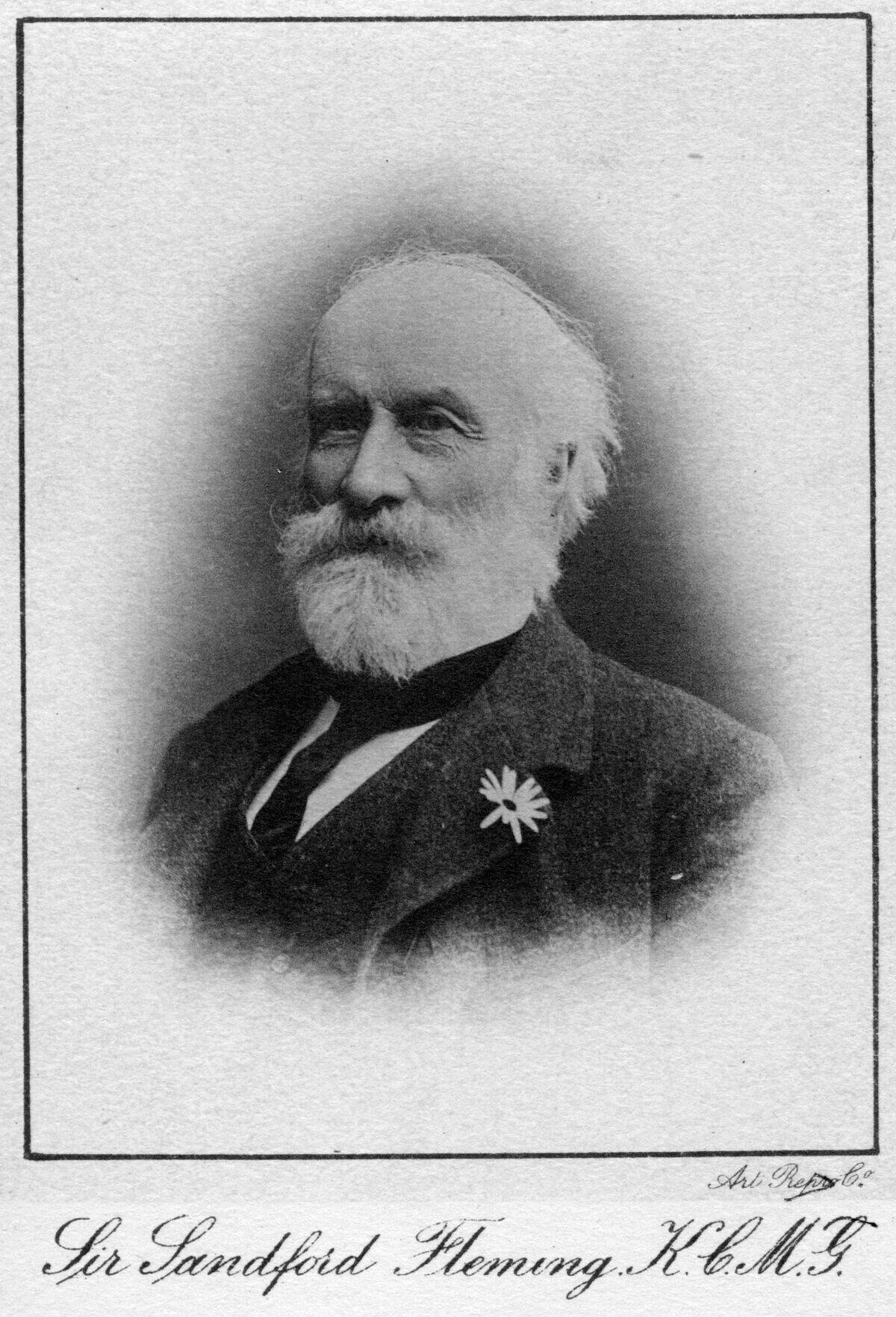
Sir Sandford Fleming, a Canadian engineer, is often credited as the father of standard time. After missing a train due to time confusion, he proposed dividing the world into 24 time zones.
Fleming’s visionary idea was revolutionary, creating a framework that is still in use today. His work laid the groundwork for global time coordination, making him a pivotal figure in the history of timekeeping. Thanks to him, our world operates much more smoothly.
The International Meridian Conference of 1884: A Global Discussion
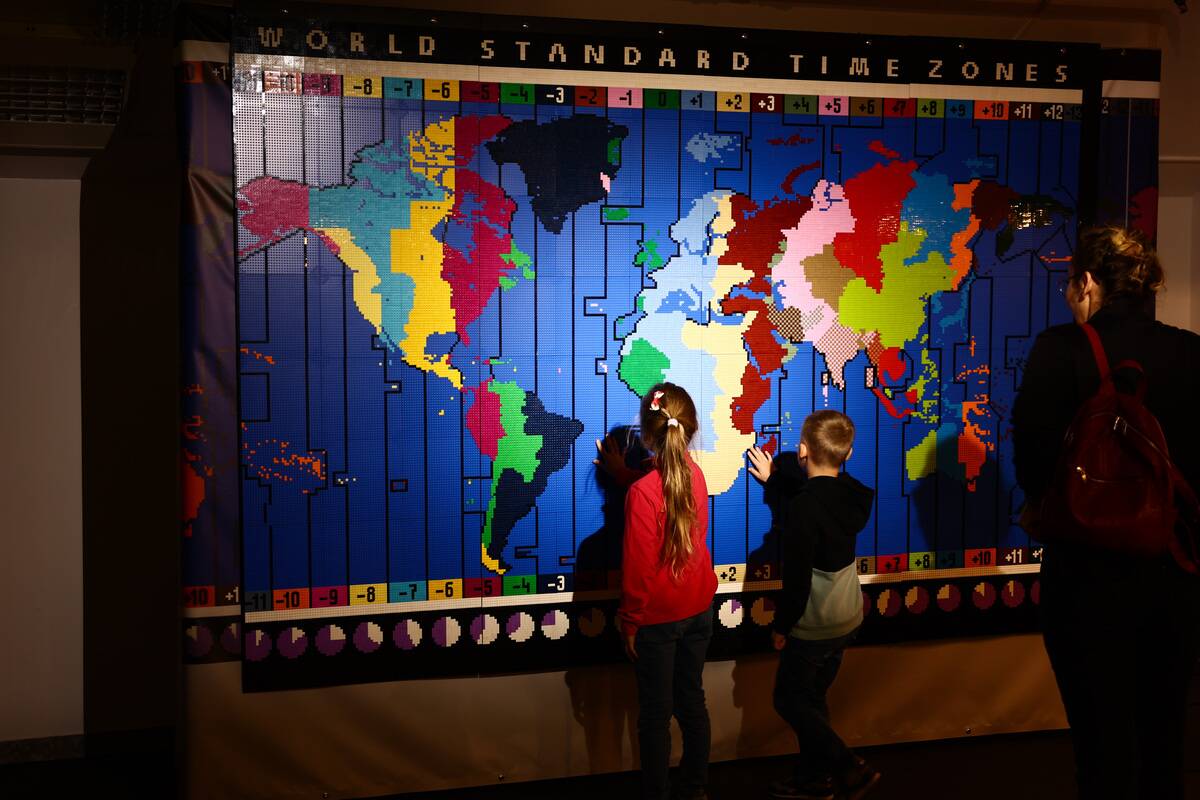
In 1884, the International Meridian Conference was convened in Washington, D.C., to address the need for a global standard time. Representatives from 25 countries gathered to discuss the adoption of a prime meridian and standardized time zones.
This conference led to the selection of Greenwich, England, as the prime meridian’s location. The decision was a significant step toward global cooperation in timekeeping, setting the stage for the widespread use of time zones.
Greenwich Mean Time: The Center of the Time Zone Controversy
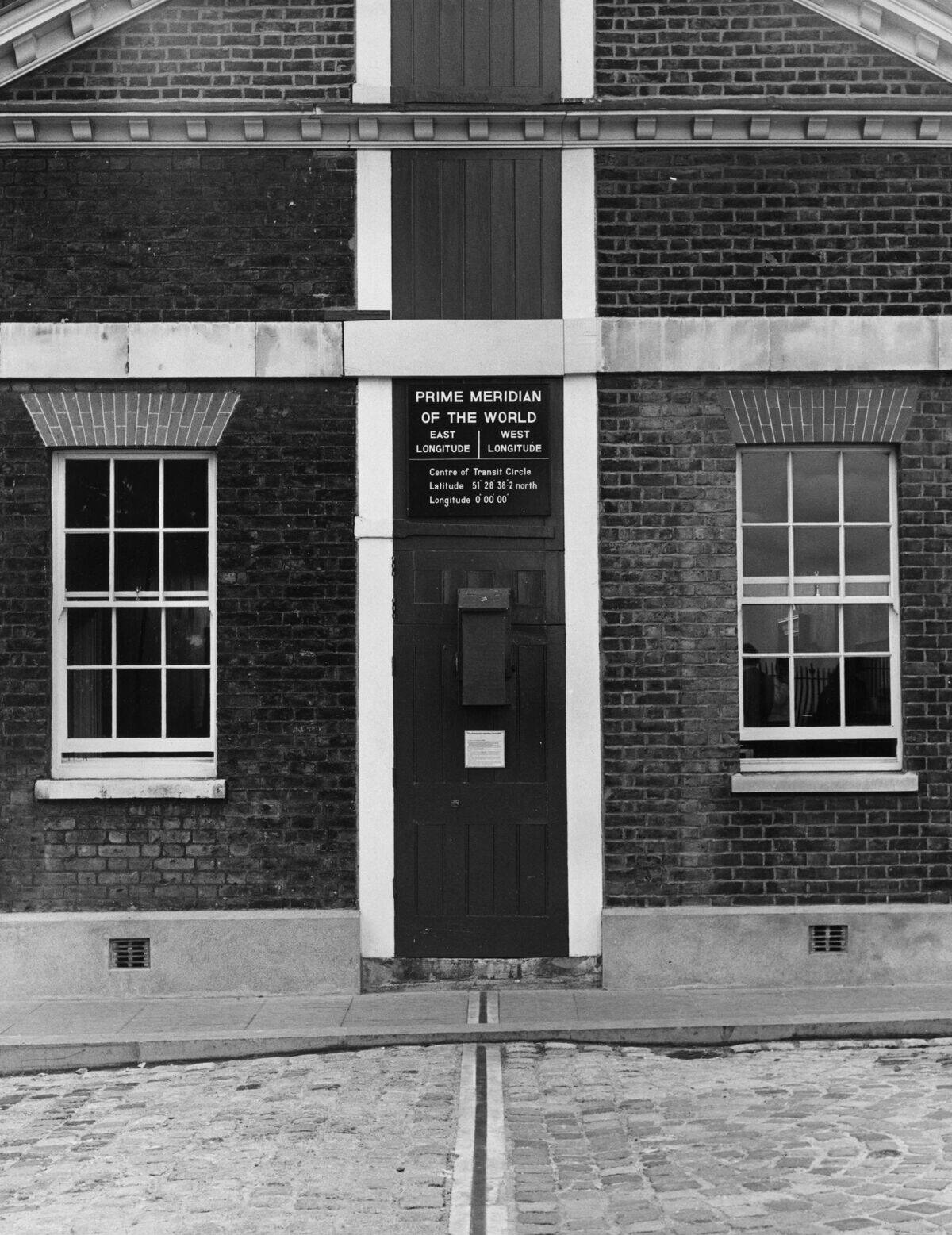
Greenwich Mean Time (GMT) became the focal point of time zone discussions. Chosen as the prime meridian during the 1884 conference, GMT provided a reference point for the world’s time zones. While many adopted it, some countries resisted, preferring to maintain local times.
Despite its controversy, GMT established a global standard that facilitated international communication and travel. Over time, GMT evolved into Coordinated Universal Time (UTC), the standard used today.
Resistance from Local Communities: Time Zones vs. Local Time
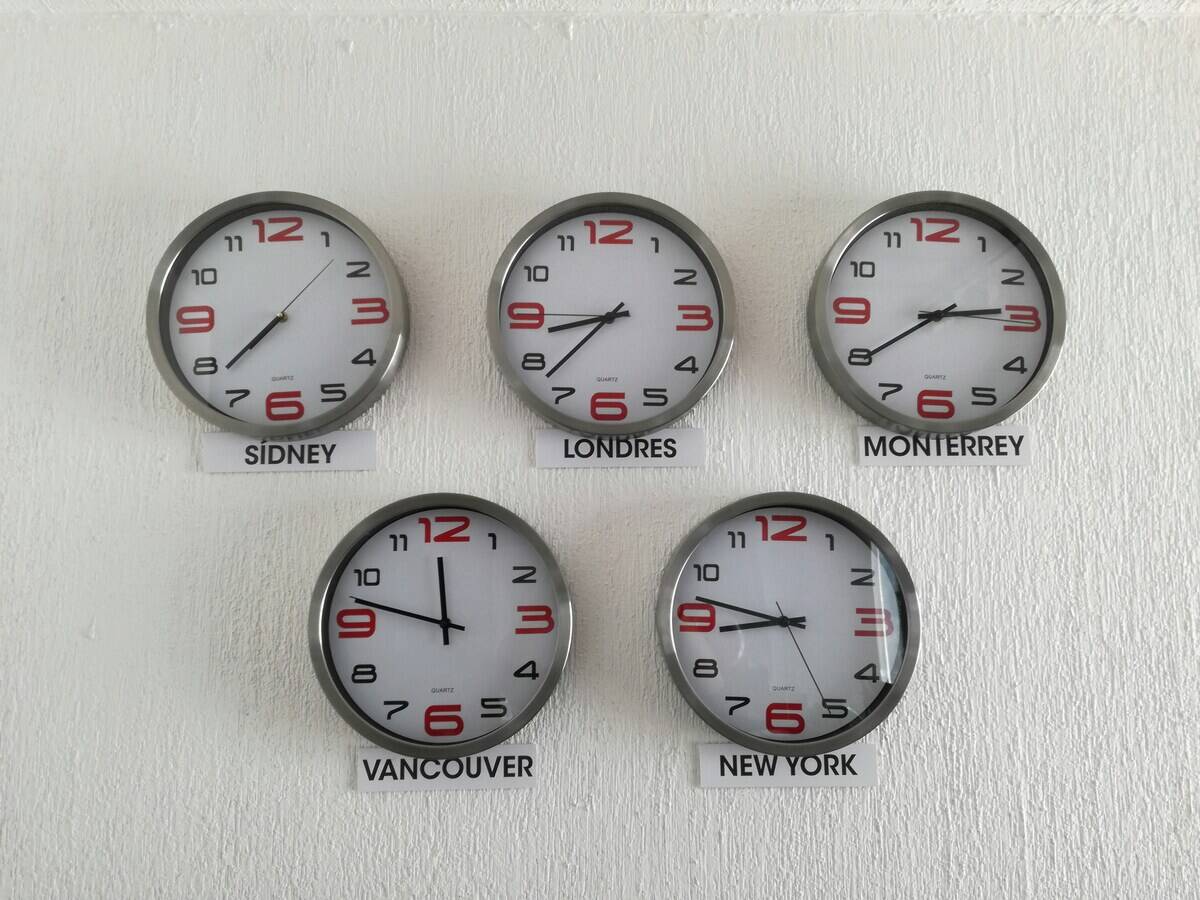
The introduction of time zones wasn’t universally welcomed. Many local communities resisted the change, clinging to their traditional timekeeping methods. They viewed the imposition of standardized time as an infringement on their autonomy.
This resistance highlighted the cultural significance of time and the challenge of balancing local traditions with global needs. Over time, most communities adapted, but not without initial skepticism and reluctance.
The Business World’s Take: Efficiency vs. Tradition

For the business world, the adoption of time zones was a boon, greatly enhancing efficiency and international trade. Companies could schedule meetings and transactions more reliably across different regions. However, this efficiency often came at the expense of local traditions and practices.
Businesses had to weigh the benefits of standardized time against the desire to honor local customs. Ultimately, the drive for efficiency won out, reshaping how companies operate globally.
The Role of Geography: Natural Borders and Timekeeping Challenges
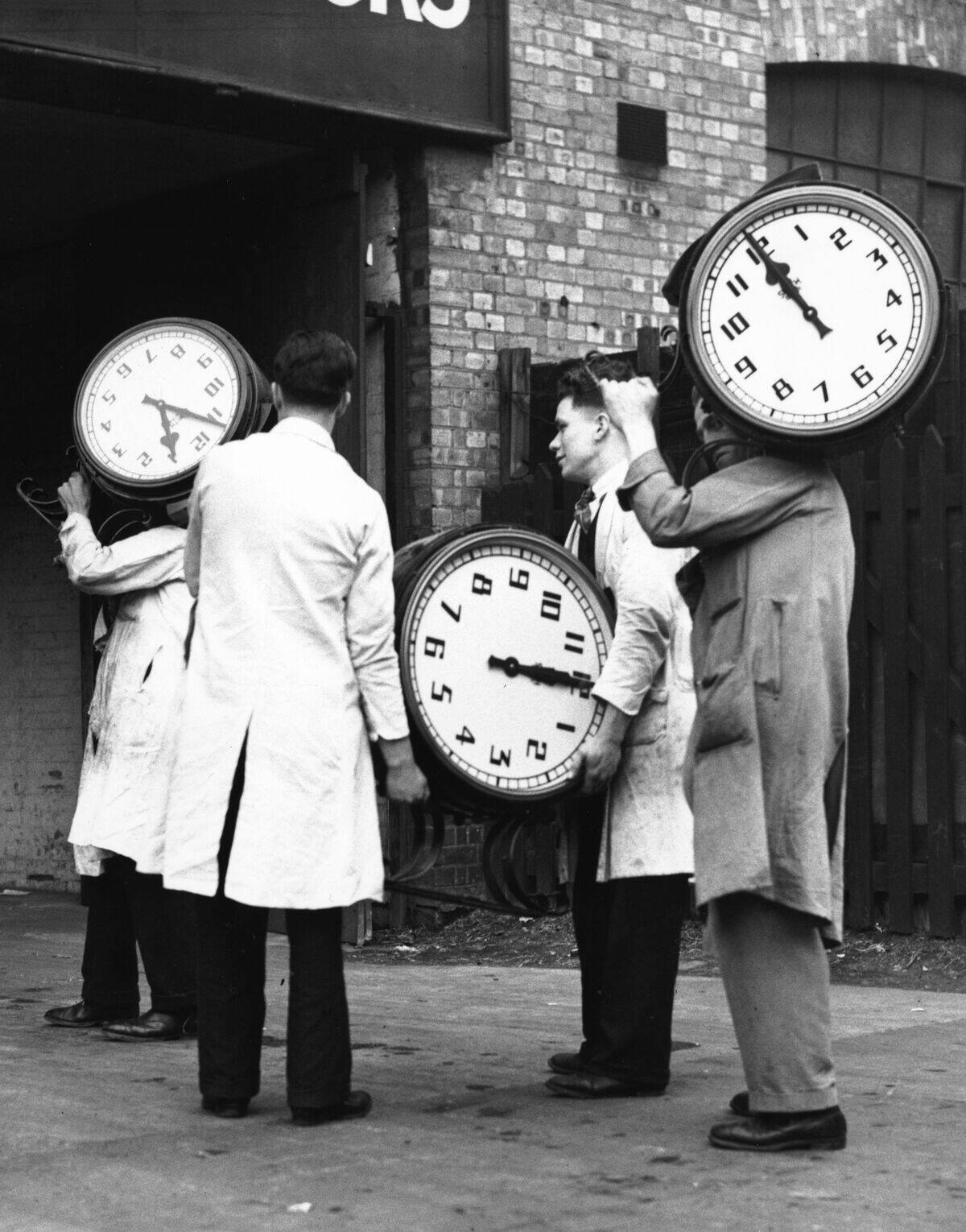
Geography played a crucial role in the establishment of time zones. Natural borders like mountains and rivers often dictated the boundaries between zones. However, these geographic features sometimes posed challenges, creating irregular time zone shapes.
Countries had to navigate these complexities, balancing geographic realities with the need for coherent timekeeping. The result was a patchwork of time zones that, while imperfect, served to organize the world’s clocks.
Political Ramifications: Time Zones as Tools for Influence
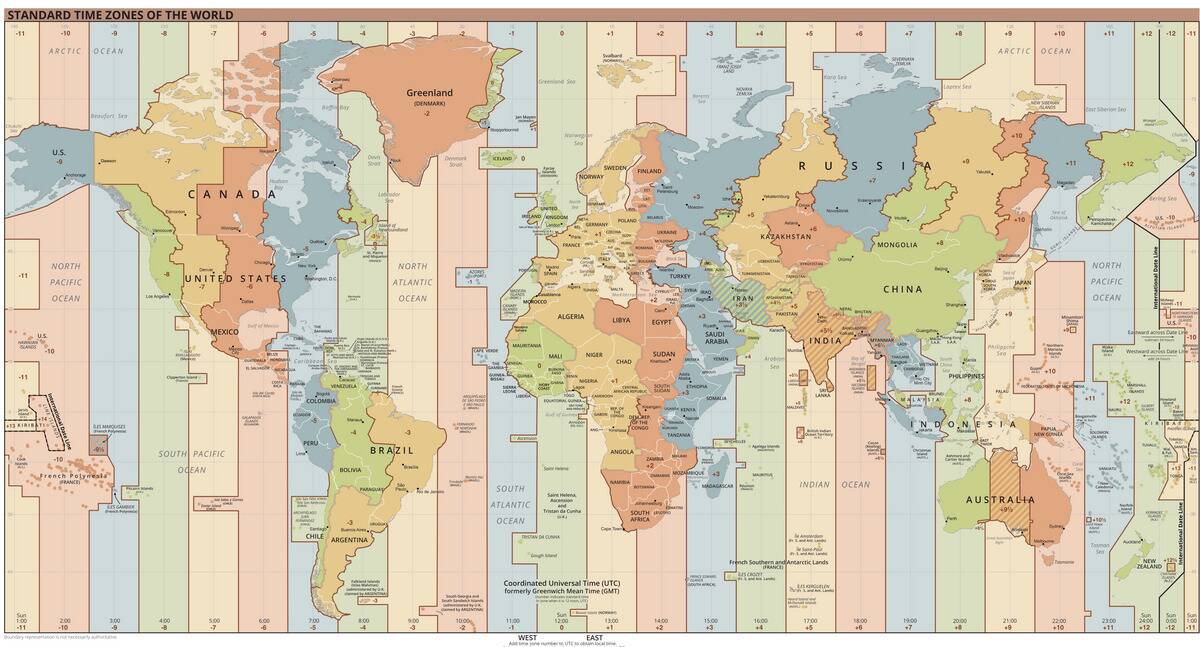
Time zones have not only geographical but also political implications. Governments have occasionally adjusted time zones to assert influence or align more closely with powerful neighbors.
For example, shifting time zones can symbolize alignment with a particular political or economic bloc. These adjustments underscore the power dynamics inherent in timekeeping, where time becomes a tool for political maneuvering. Such changes can impact everything from trade to international relations.
The Peculiar Case of Daylight Saving Time: Adding Fuel to the Fire

Daylight Saving Time (DST) is another layer of complexity in the time zone debate. Initially introduced to save energy during World War I, DST has been both praised and criticized. While some appreciate the extra daylight in the evenings, others find the twice-yearly clock changes disruptive.
DST remains a contentious issue, with some regions opting out entirely. Its impact on timekeeping highlights the ongoing tensions between tradition, practicality, and modern needs.
Technological Advances: Redefining the Time Zone Debate
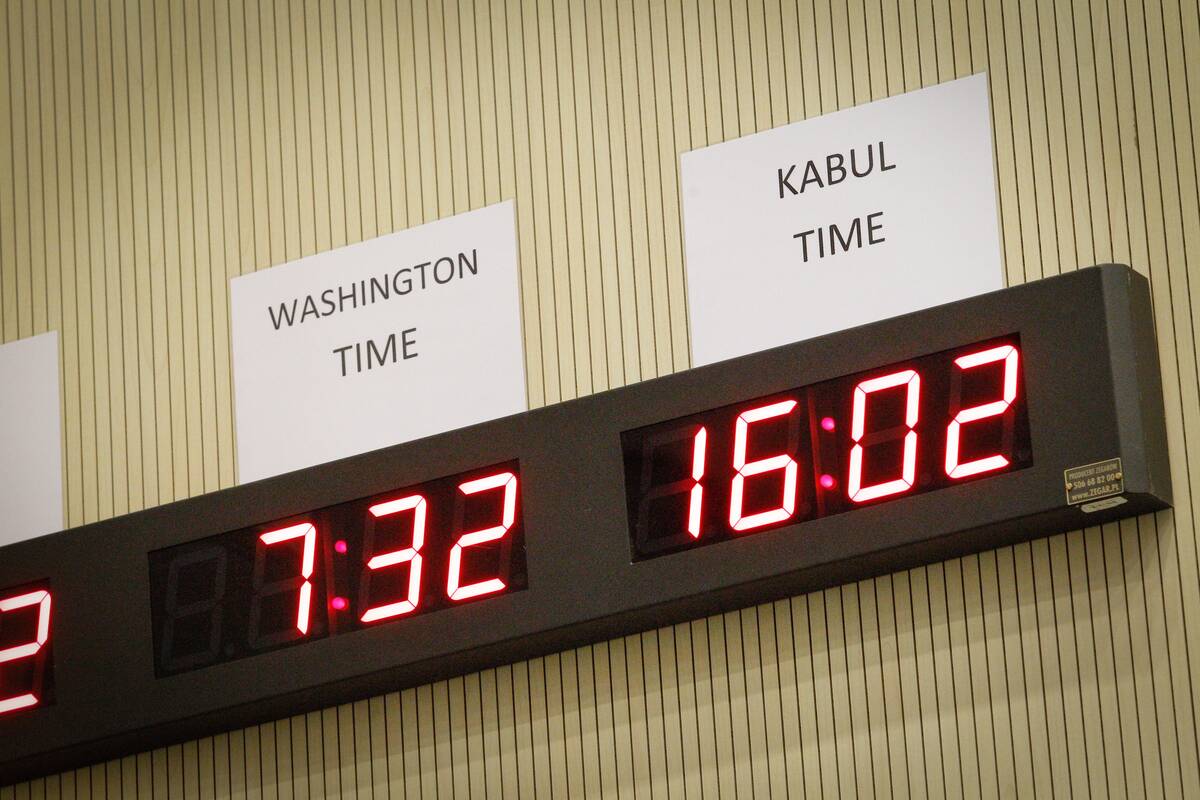
Advancements in technology have reshaped the time zone conversation. With the advent of the internet and digital communication, global connectivity has become instantaneous. This connectivity challenges traditional time zone boundaries, as people communicate across different zones effortlessly.
Technology has also facilitated better time management tools, helping individuals navigate complex time differences. As technology continues to evolve, it may further redefine how we perceive and use time zones.
A Look at Modern Day Time Zone Oddities
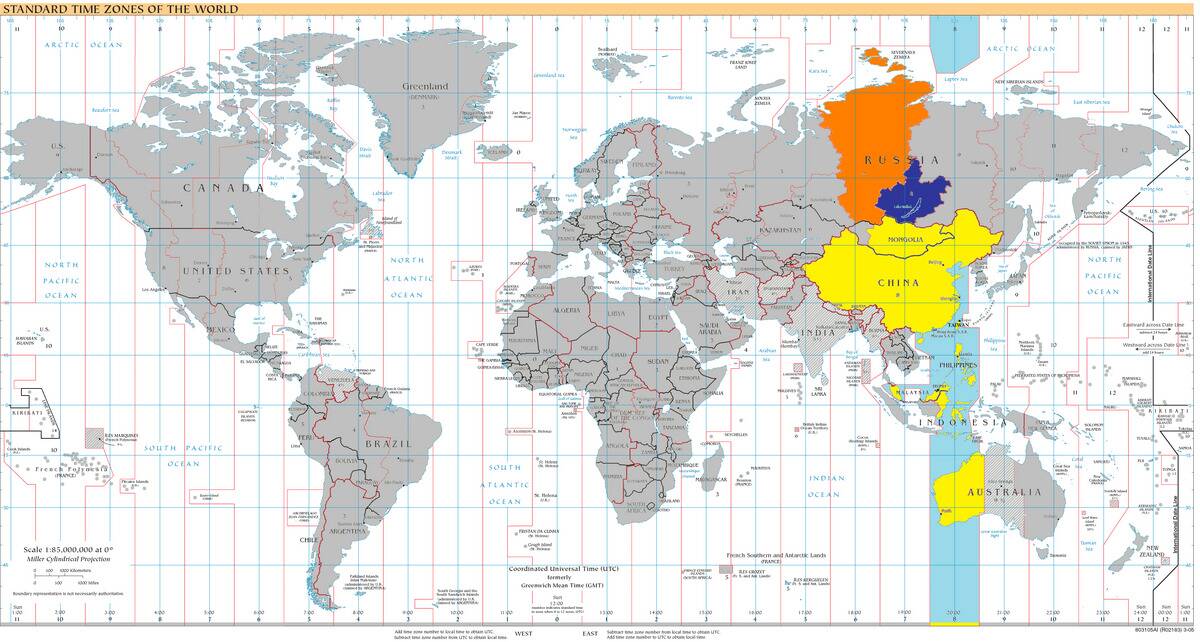
Modern time zones contain their fair share of oddities. For instance, some regions, like Newfoundland, use a half-hour time offset instead of the usual hour. Other areas, like China, use a single time zone despite their vast geographic expanse.
These quirks highlight the flexibility and, sometimes, the arbitrariness of time zone boundaries. Such oddities remind us that time zones, while standardized, can still reflect regional idiosyncrasies and unique historical decisions.




