People whose letters changed history
Throughout history, letters have been more than just a means of communication; they’ve been powerful tools that shaped nations and inspired movements. From love letters to political correspondence, these written words offer a glimpse into the minds of some of history’s most influential figures.
Whether it’s a heartfelt note or a strategic missive, letters have left an indelible mark on the world, capturing the essence of their senders and the times they lived in.
Benjamin Franklin: Diplomacy Through Correspondence
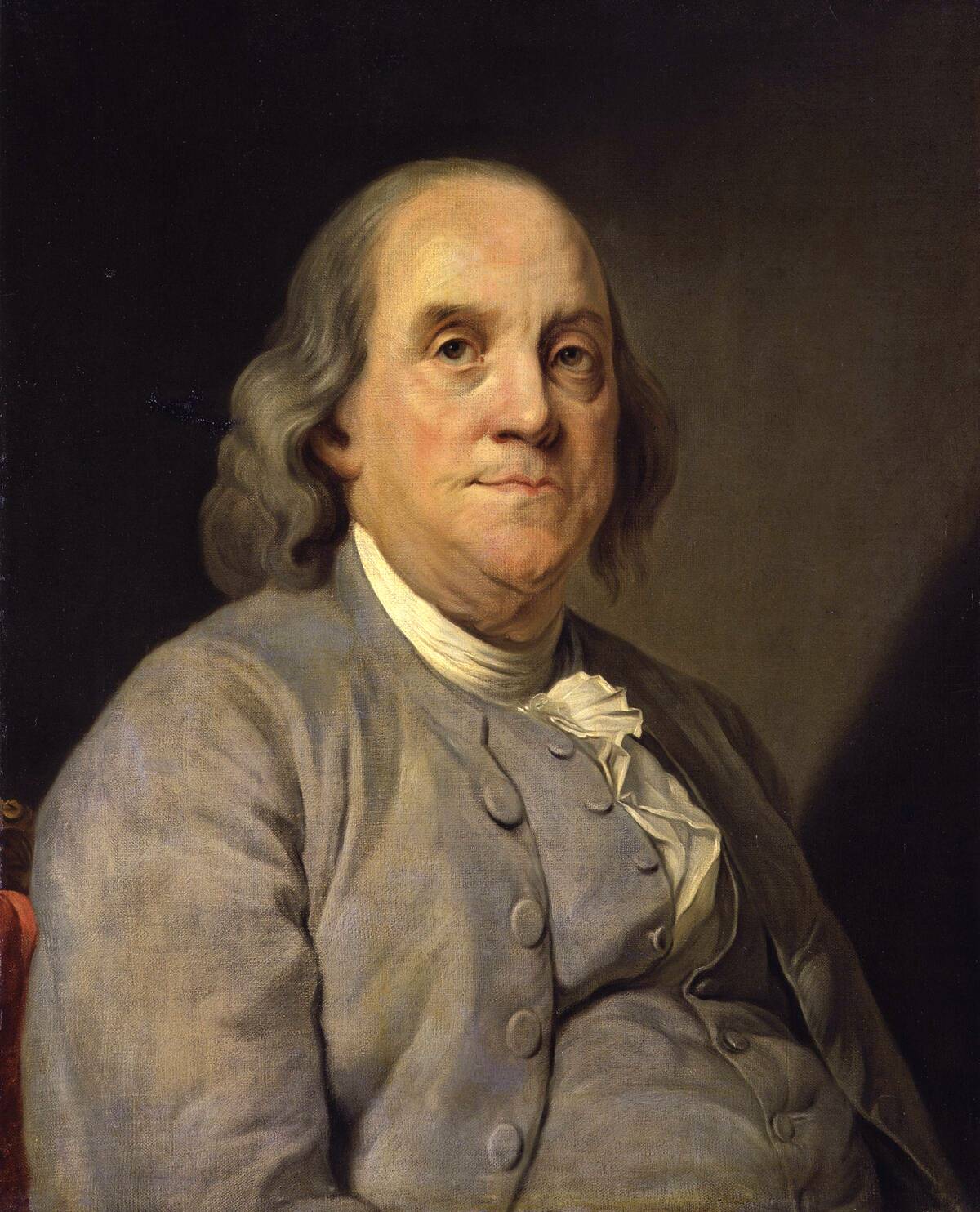
Benjamin Franklin was not only a founding father but also a master of diplomatic correspondence. His letters were instrumental in securing French support during the American Revolution, a crucial turning point for the fledgling nation.
Franklin’s ability to charm and persuade through his writing was unmatched, often using humor and wit to make his points. His correspondence with French philosophers and politicians underscores the importance of personal relationships in international diplomacy.
Abigail Adams: Advocacy and the Seeds of Early Feminism
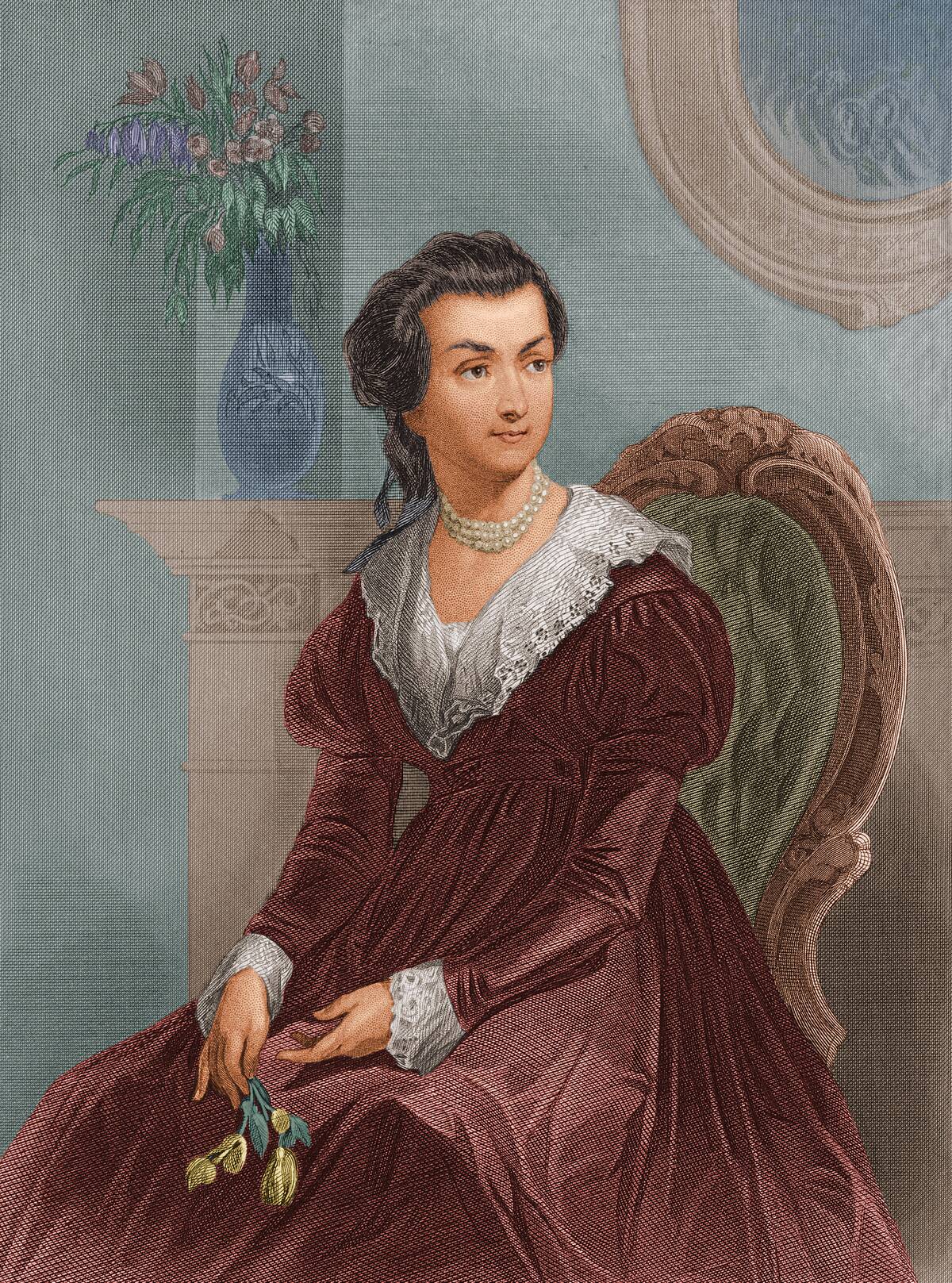
Abigail Adams was a formidable advocate for women’s rights long before the suffrage movement took hold. In her letters to her husband, John Adams, she famously implored him to “remember the ladies” when drafting new laws.
Her correspondence reveals a keen intellect and a passion for equality, laying the groundwork for future generations of feminists. Abigail’s letters offer insight into the early American political landscape and the role of women within it.
Thomas Jefferson and the Declaration’s First Draft
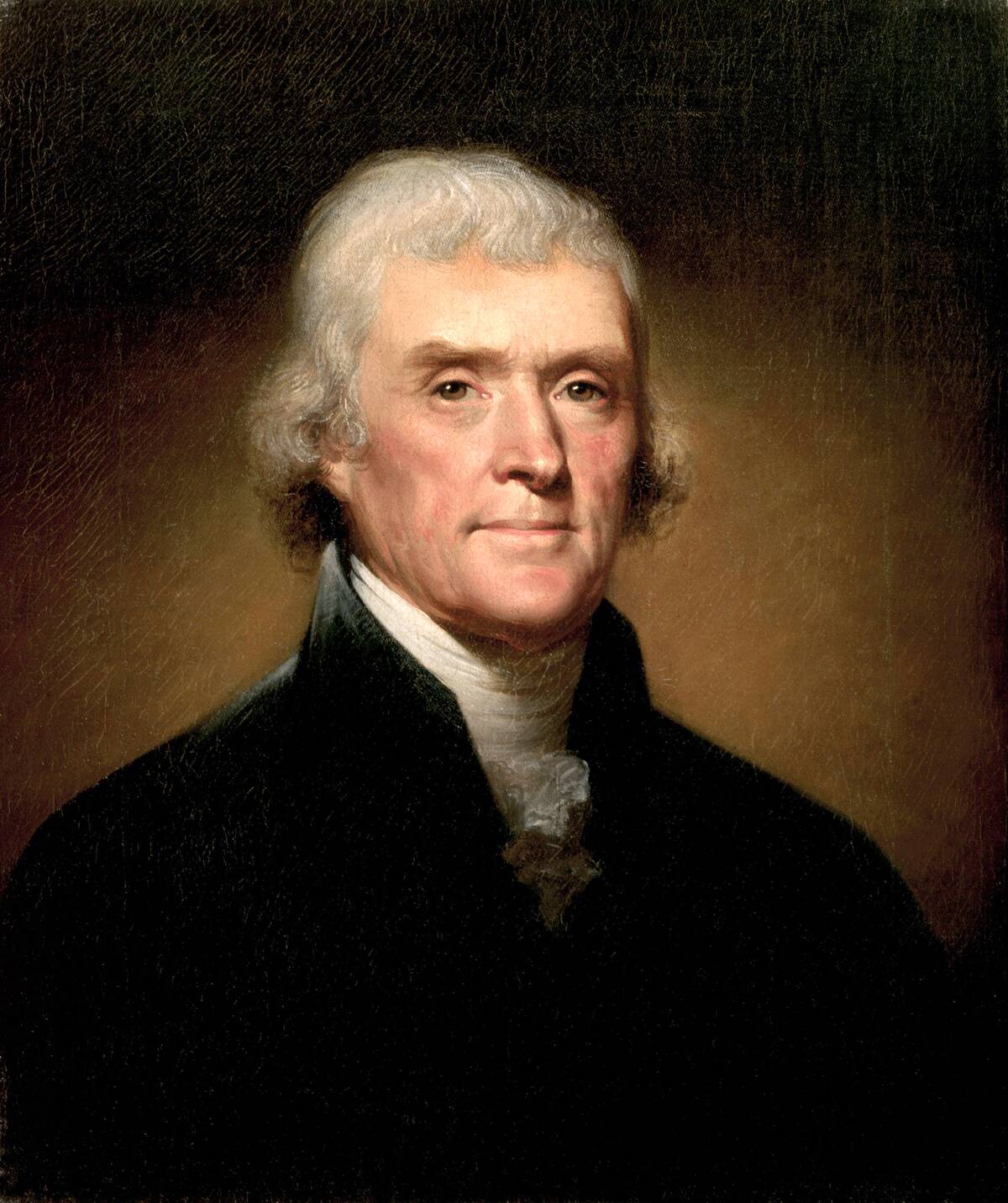
Thomas Jefferson’s penmanship gave birth to one of the most significant documents in history: the Declaration of Independence. Before the final version was adopted, Jefferson’s draft underwent numerous revisions, with input from other founding fathers.
His correspondence during this period highlights the collaborative effort behind the document and Jefferson’s role as its principal author. These letters provide a fascinating look at the debates and ideas that shaped the nation’s founding principles.
Martin Luther: Ninety-Five Theses that Sparked Reformation
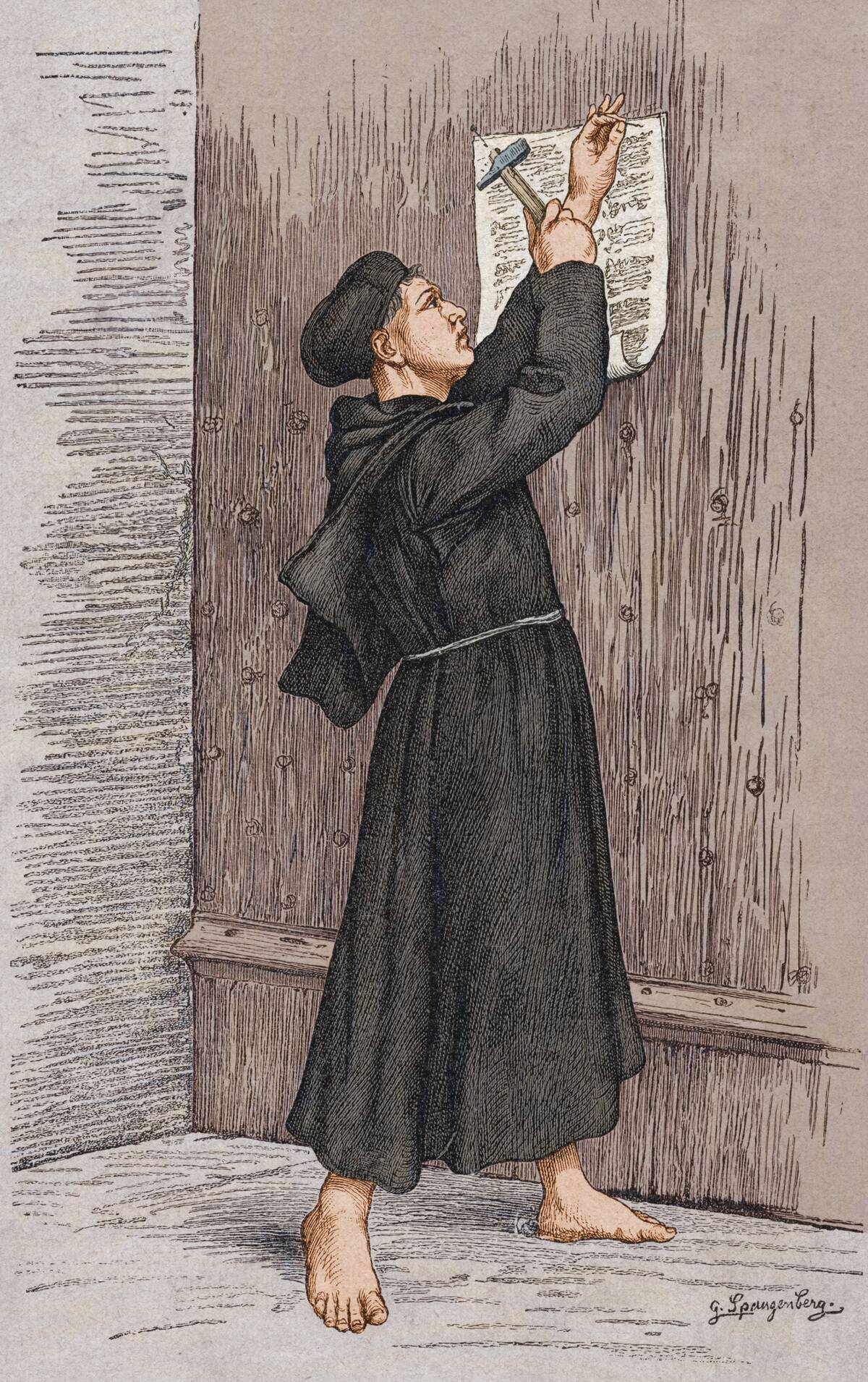
Martin Luther’s Ninety-Five Theses, nailed to a church door in 1517, were as much a letter to the Catholic Church as they were a declaration of reform. This bold act of correspondence challenged the church’s practices and sparked the Protestant Reformation.
Luther’s subsequent letters and writings further propagated his ideas, emphasizing the importance of scripture and individual faith. His correspondence was instrumental in spreading reformist ideas across Europe, forever altering the religious landscape.
Vincent van Gogh: The Artistic Soul Revealed Through Letters
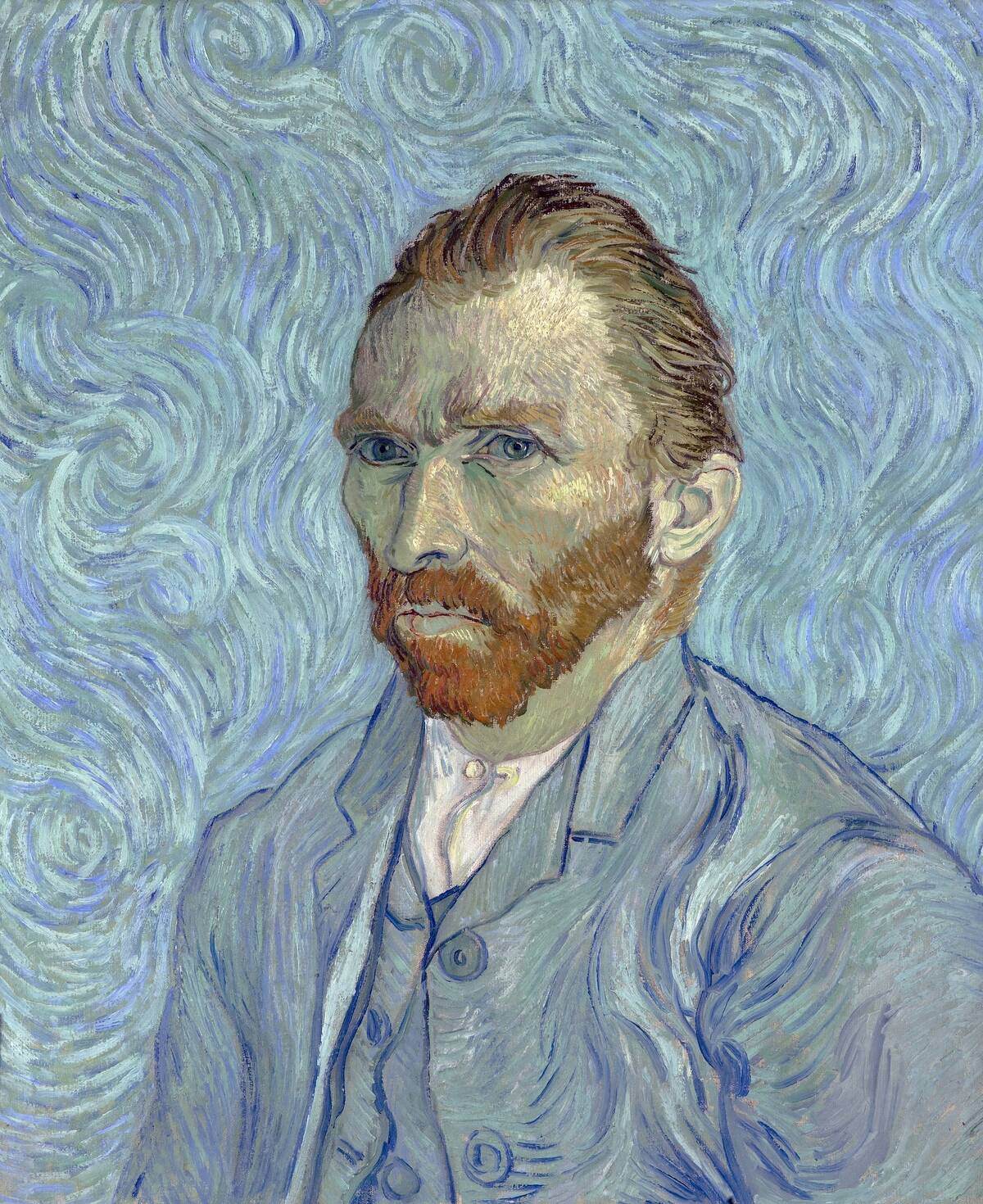
Vincent van Gogh’s letters to his brother Theo offer an unparalleled glimpse into the mind of one of history’s greatest artists. These letters reveal his struggles with mental health, his artistic philosophy, and his financial woes.
Van Gogh’s vivid descriptions of his paintings and his life provide context to his work, allowing us to understand the passion and turmoil behind his masterpieces. They serve as a testament to his enduring legacy and the personal sacrifices he made for his art.
Mahatma Gandhi: Letters of Peace and Protest
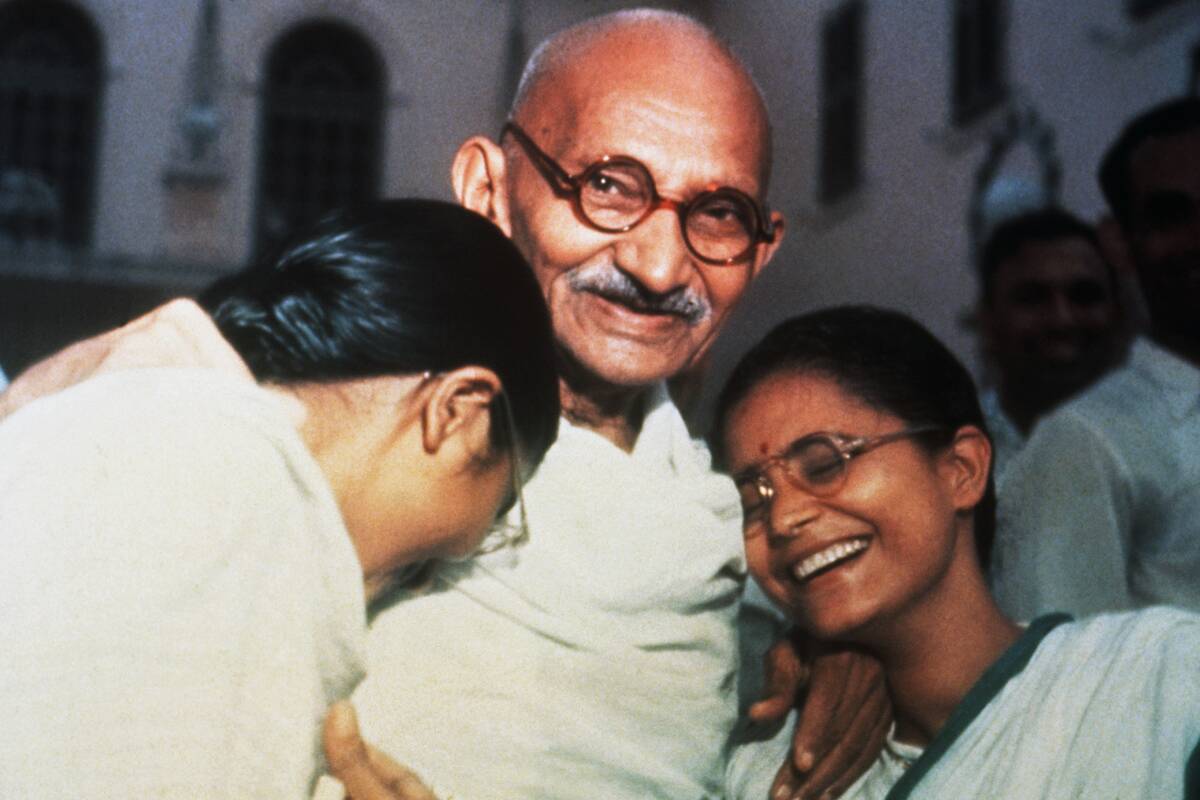
Mahatma Gandhi’s letters were potent tools in his nonviolent resistance against British colonial rule in India. His correspondence with political leaders, including letters to the British Viceroy, articulated his demands for Indian independence and his philosophy of nonviolence.
Gandhi’s letters were often published in newspapers to reach a broad audience, amplifying his message. They reflect his unwavering commitment to justice and his belief in peaceful protest as a means to achieve social and political change.
Albert Einstein: A Letter to Roosevelt That Changed the World
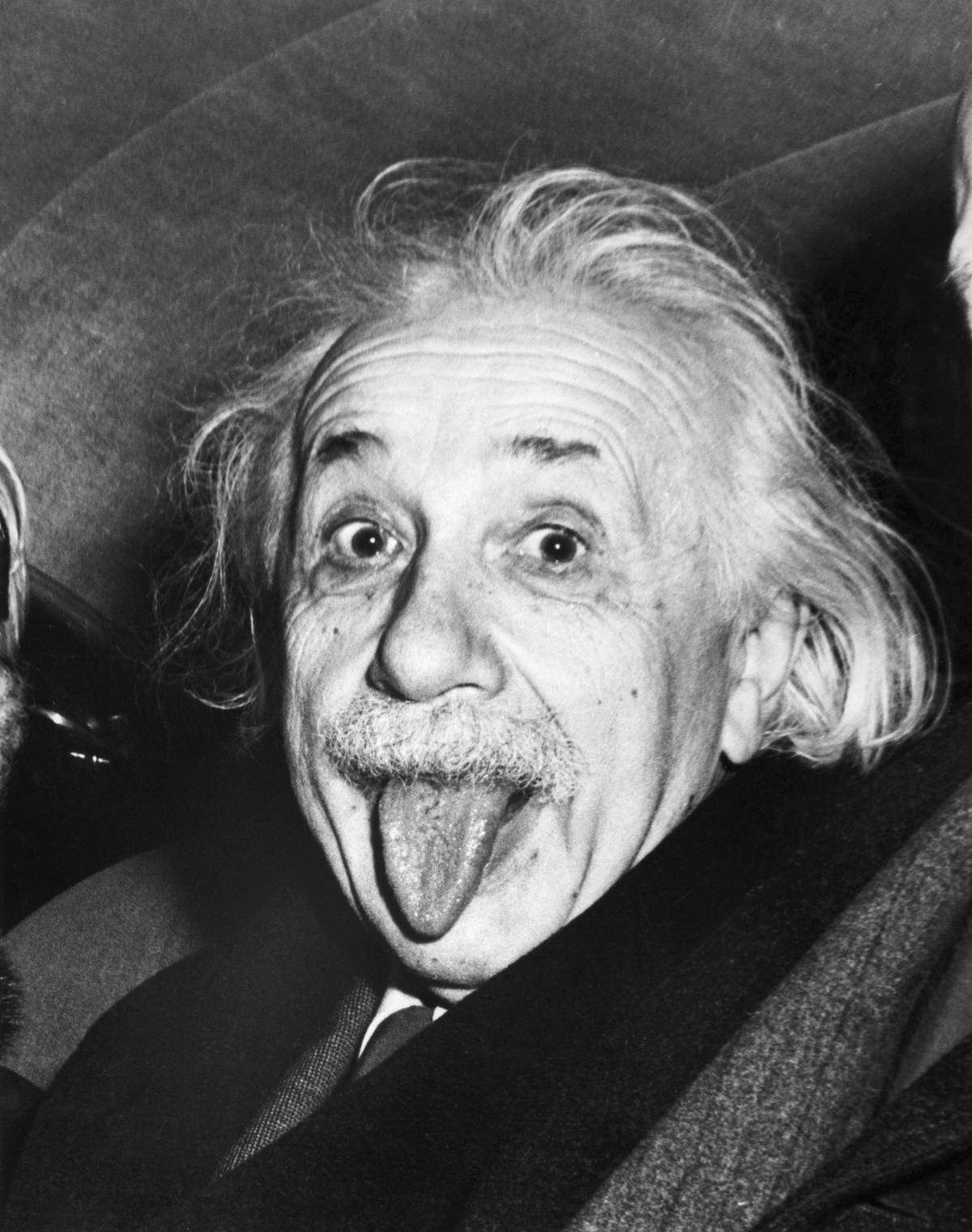
Albert Einstein’s 1939 letter to President Franklin D. Roosevelt is credited with alerting the U.S. to the potential of atomic energy, ultimately leading to the Manhattan Project. Co-authored with physicist Leo Szilard, the letter warned of Nazi Germany’s interest in atomic weapons, prompting the U.S. to accelerate its own research.
This correspondence highlights the profound impact a single letter can have on global events, showcasing the intersection of science and politics during a critical moment in history.
Anne Frank: A Young Girl’s Diary and Letters of Hope
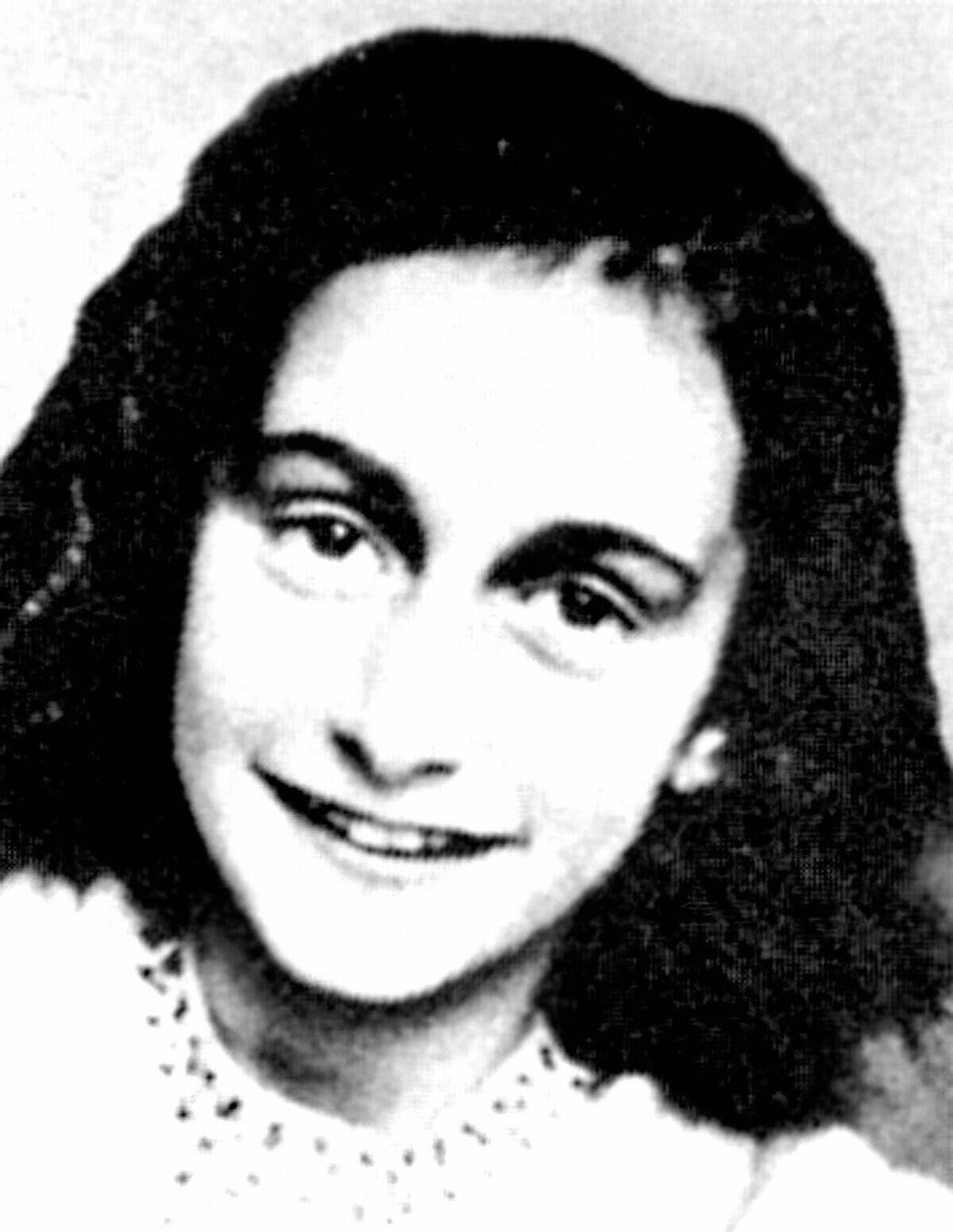
Anne Frank’s diary and letters, penned while hiding from the Nazis, offer a poignant and personal perspective on the Holocaust. Her writings convey the hopes, fears, and dreams of a young girl living through unimaginable hardship.
Anne’s ability to find beauty and hope amid despair has touched millions, making her story a symbol of resilience. Her letters to friends and family provide additional context to her diary, underscoring her enduring legacy as a voice of hope and humanity.
John and Abigail Adams: A Presidential Love Story in Letters
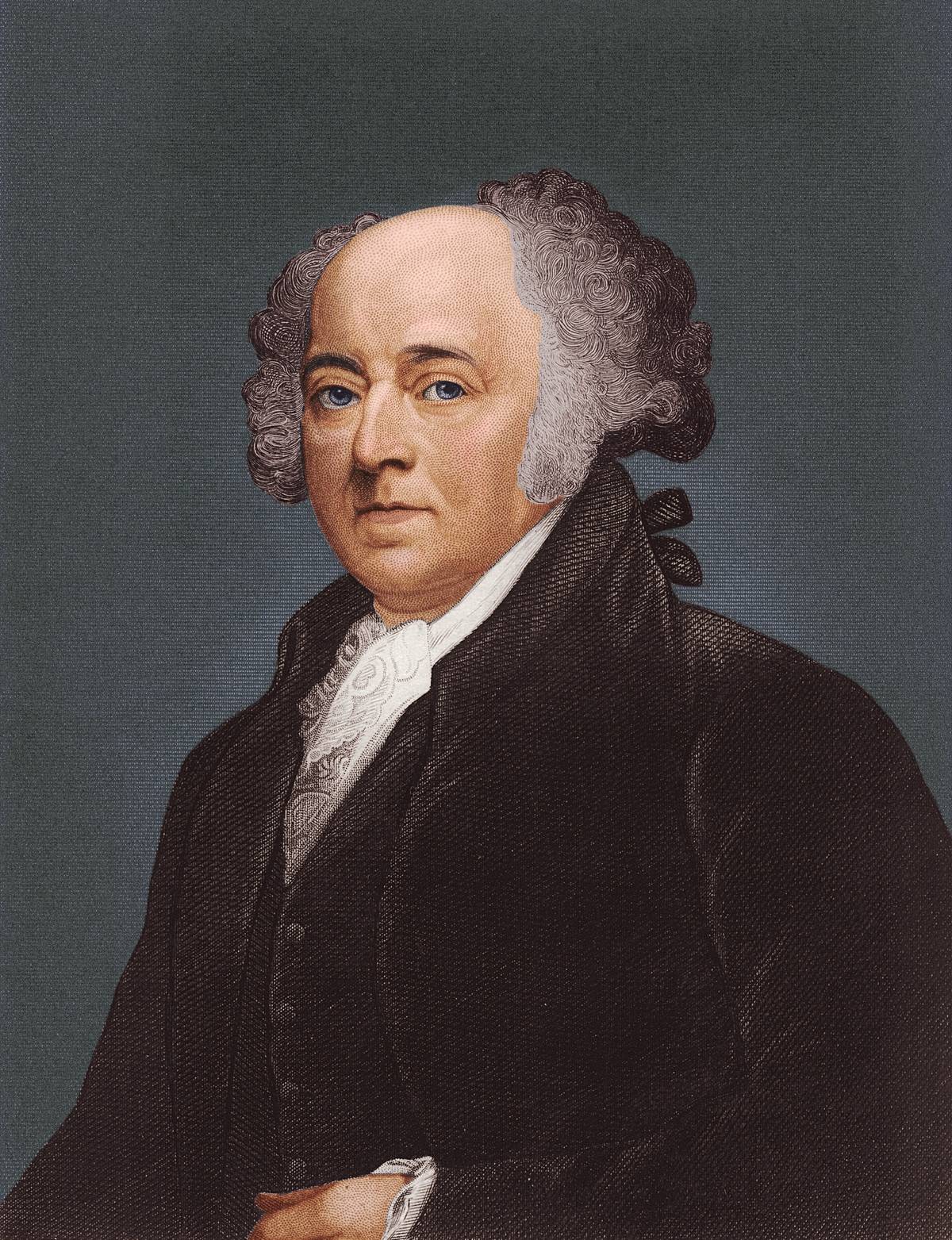
The letters between John and Abigail Adams are a testament to their enduring partnership and mutual respect. Their correspondence covered everything from personal matters to political discourse, offering insight into the challenges they faced during America’s formative years.
Abigail’s influence on John’s political decisions is evident in their exchanges, highlighting her role as a confidante and advisor. These letters reveal the depth of their relationship and the intellectual bond that supported them through trying times.
Winston Churchill: Wartime Correspondence and Leadership
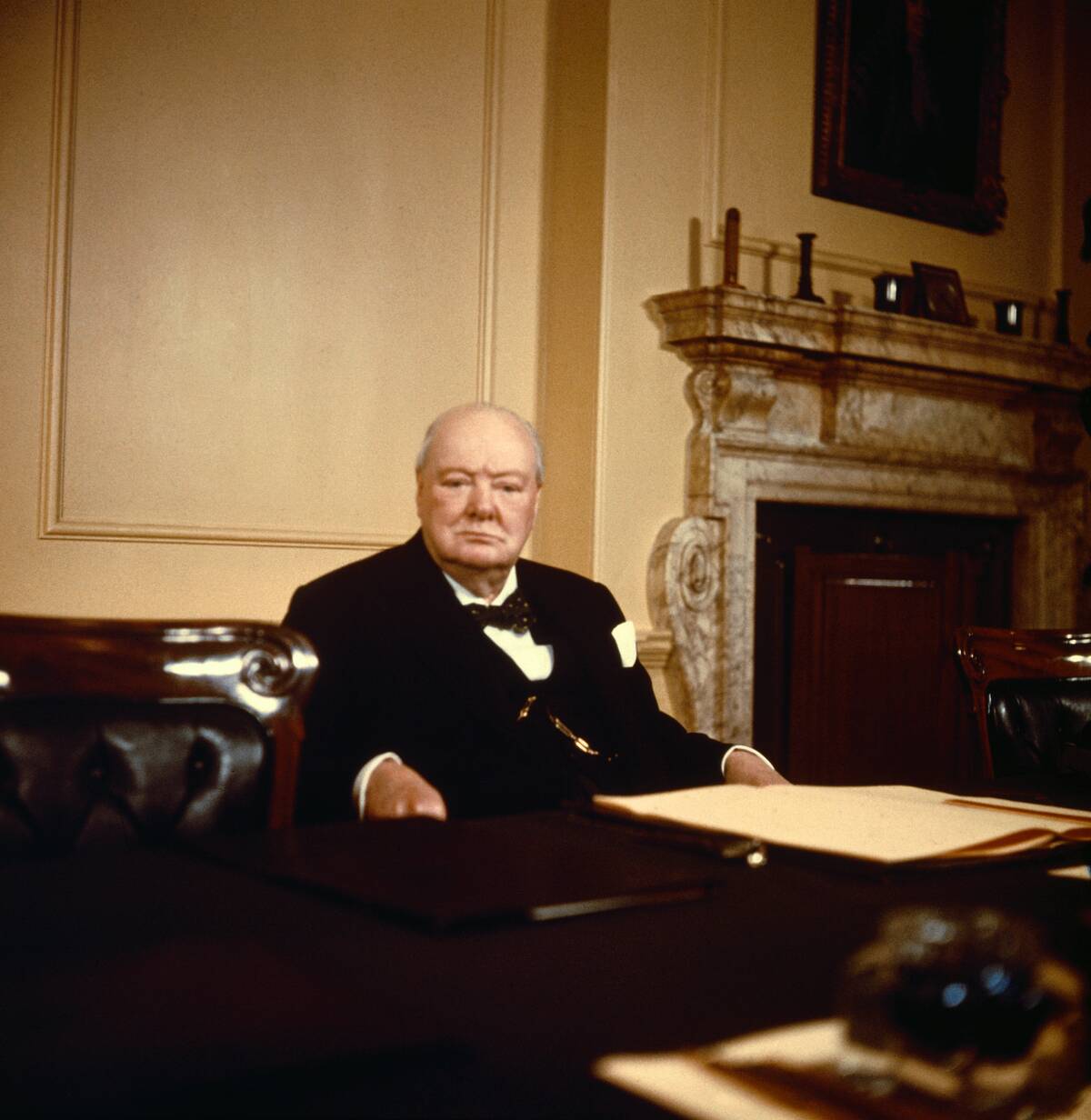
Winston Churchill’s wartime letters, both official and personal, offer a fascinating glimpse into his leadership during World War II. His correspondence with President Franklin D. Roosevelt and other Allied leaders was crucial in coordinating the war effort.
Churchill’s letters were often characterized by his eloquence and resolve, reflecting his determination to see Britain through its darkest hours. These exchanges highlight his strategic thinking and ability to inspire both military leaders and the public.
The Letters of Queen Victoria: A Monarch’s Personal Insight
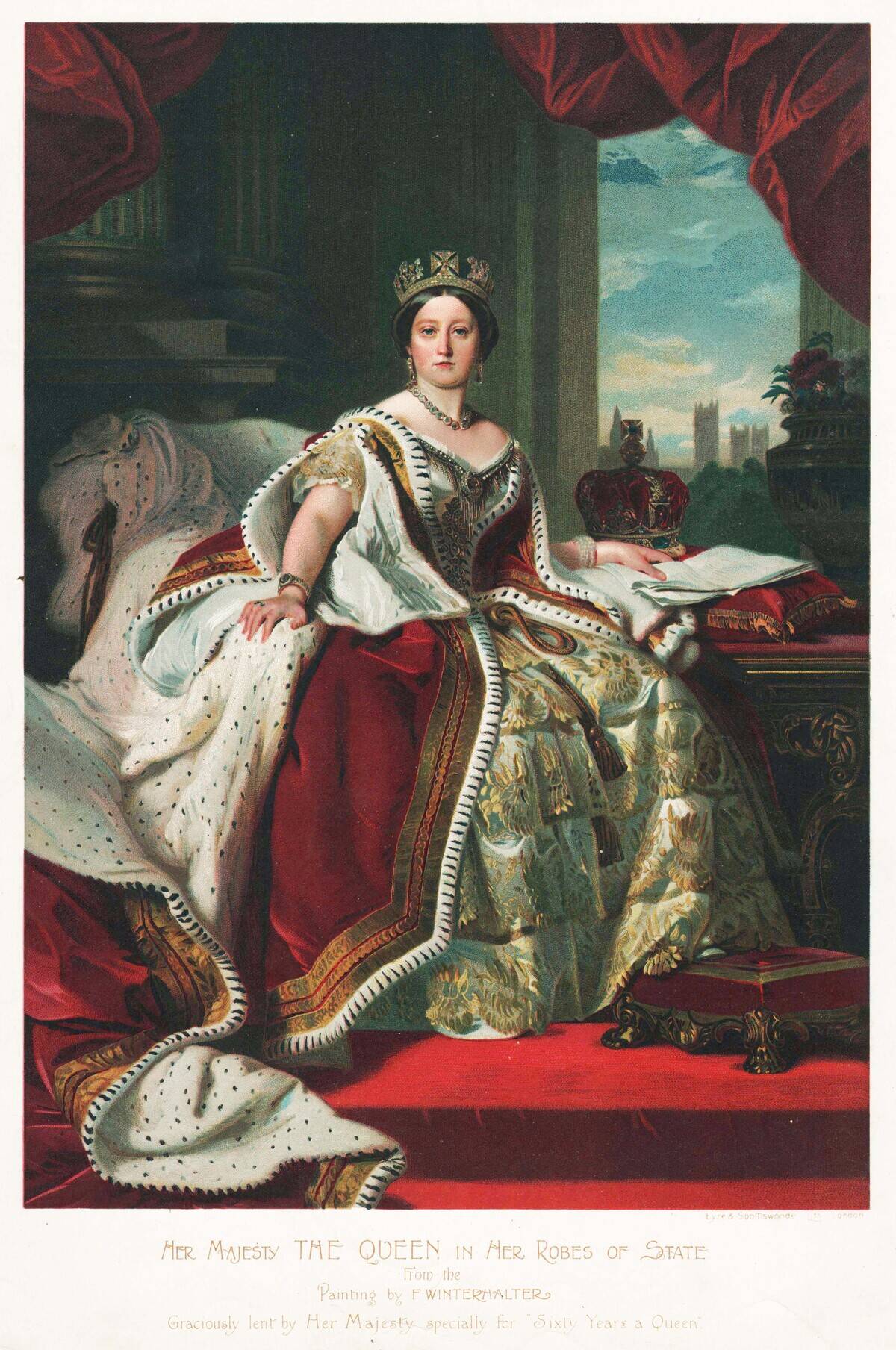
Queen Victoria’s letters provide a rare insight into the thoughts and feelings of a monarch who ruled during a transformative period in British history. Her correspondence with family members, political advisors, and other royals reveals her personal opinions on matters of state and her role as a mother and wife.
These letters offer a humanizing glimpse into the life of a queen who presided over an empire, showcasing her influence and the complexities of her reign.
Marie Curie: Letters from a Pioneer in Science
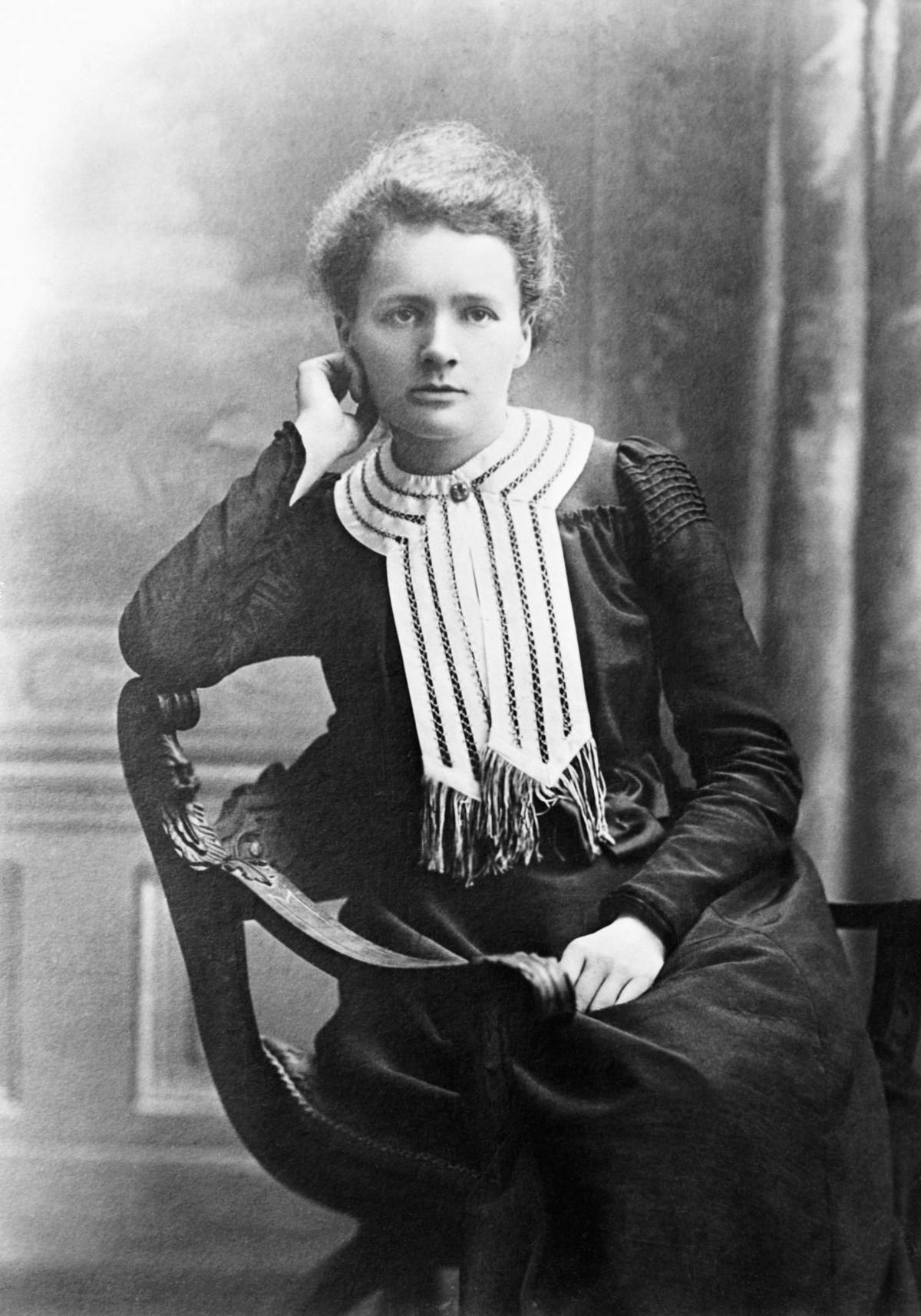
Marie Curie’s letters detail her groundbreaking work in radioactivity and the challenges she faced as a woman in science. Her correspondence with fellow scientists, including Albert Einstein, reflects her dedication and the collaborative nature of scientific discovery.
Curie’s letters also reveal her struggles with funding and recognition, highlighting the obstacles she overcame to become the first woman to win a Nobel Prize. These writings underscore her enduring legacy and contributions to science.
The Impact of Love Letters: Napoleon and Josephine
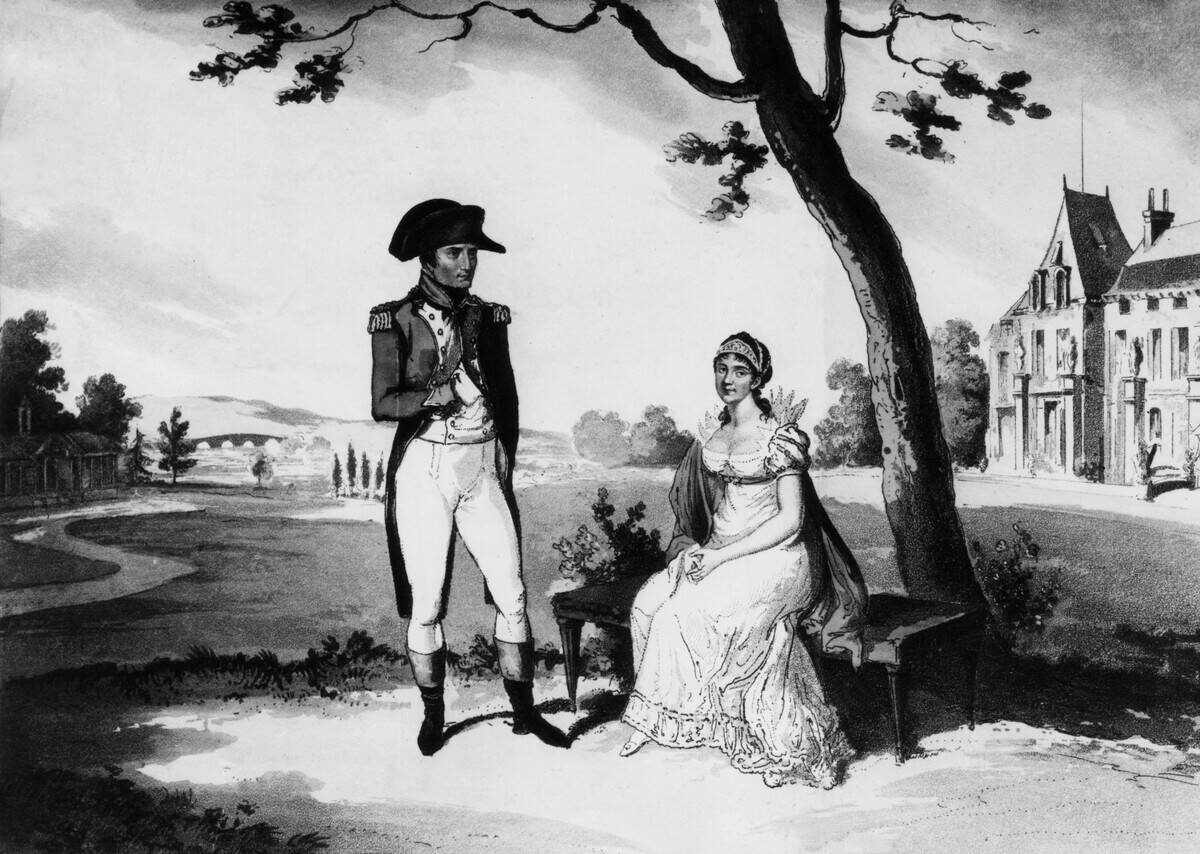
The passionate letters between Napoleon Bonaparte and Josephine de Beauharnais offer a window into their tumultuous relationship. Napoleon’s missives, filled with ardor and longing, contrast with the more reserved responses from Josephine, highlighting the complexities of their love.
These letters not only provide insight into their personal lives but also reflect the broader historical context of Napoleon’s rise and fall. Their correspondence remains a testament to the enduring power of love letters in revealing human emotion.
Letters from the Front: Voices of Soldiers in History
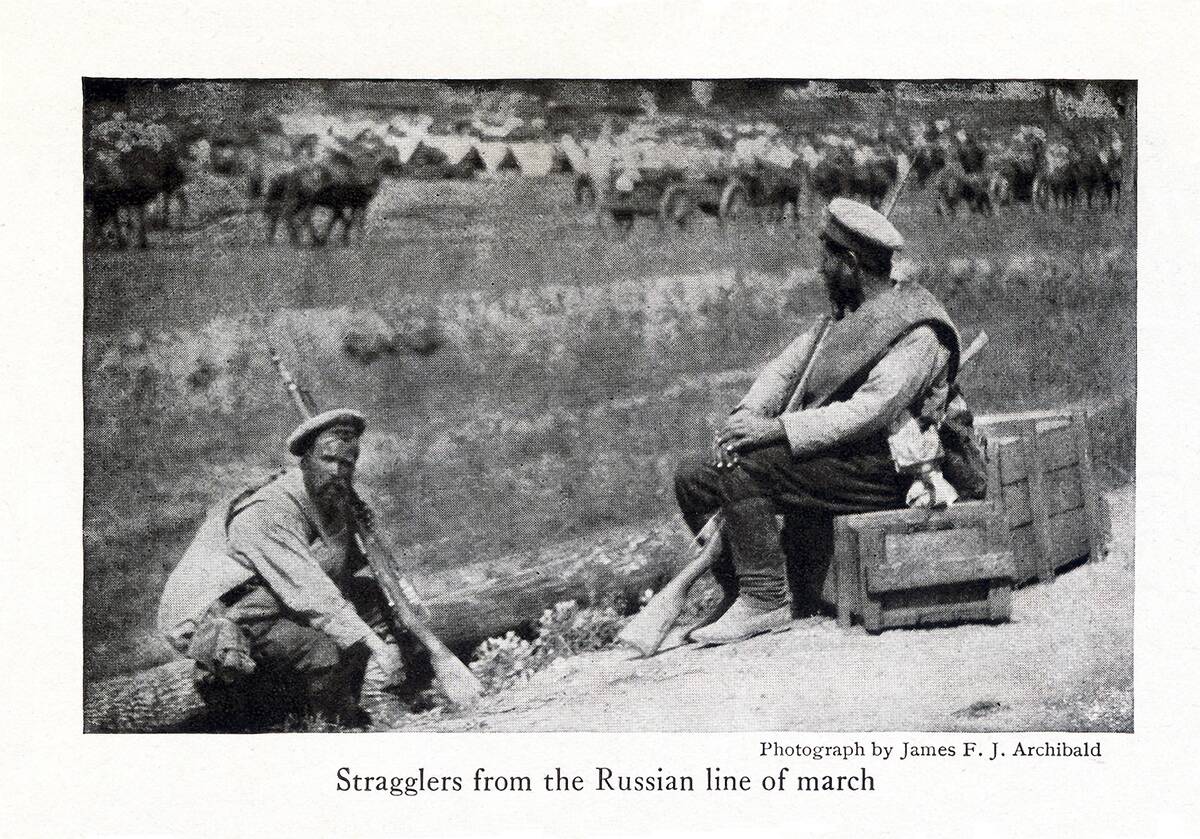
Letters from soldiers on the frontlines provide a powerful and personal perspective on the realities of war. These correspondences offer insights into the daily lives, fears, and hopes of those who served, often revealing the emotional toll of conflict.
From the Civil War to modern-day battles, soldiers’ letters have connected them with loved ones back home, preserving their stories for future generations. These writings remain poignant reminders of the human cost of war and the resilience of the human spirit.
The Literary Influence of Virginia Woolf’s Letters
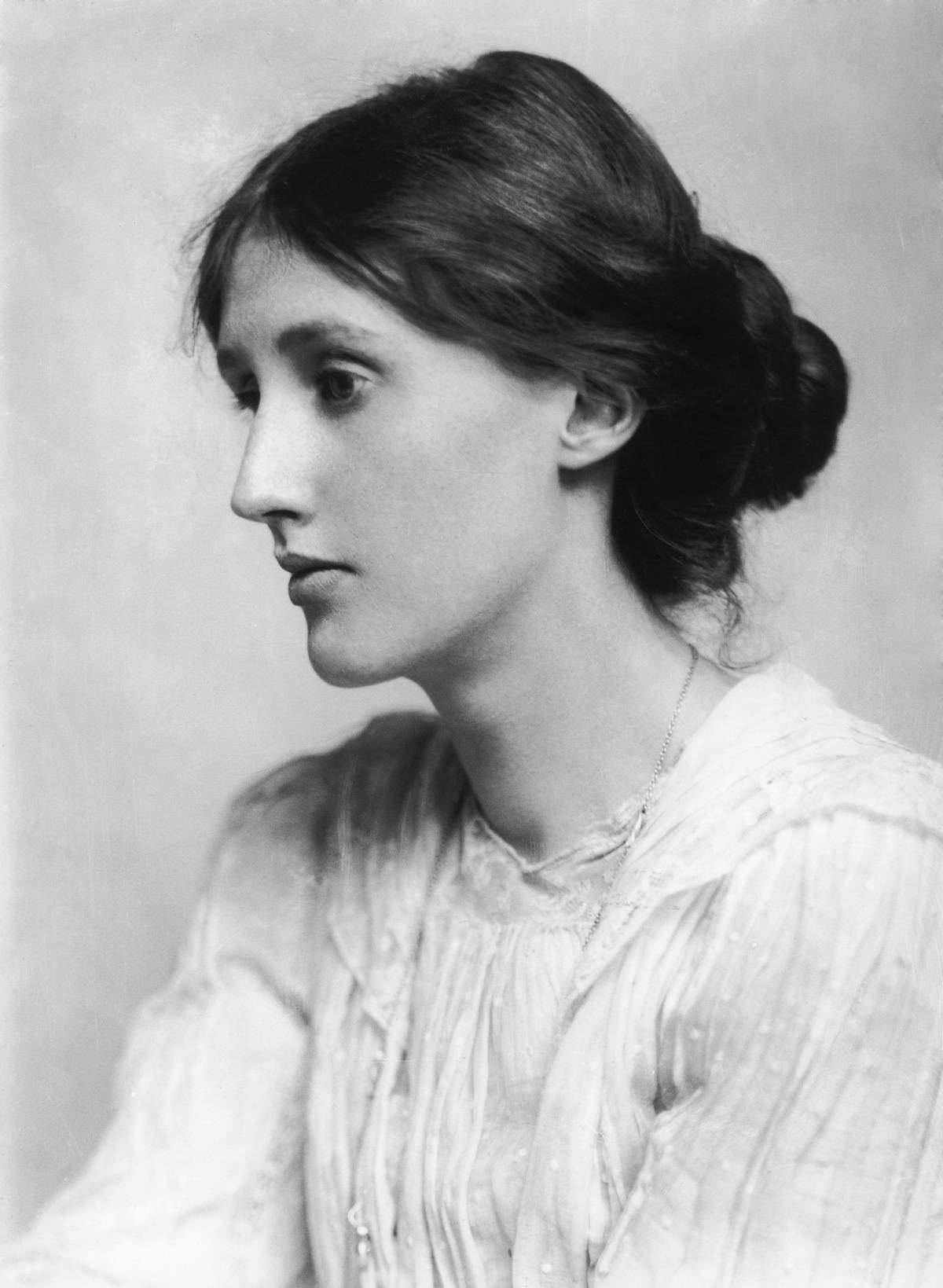
Virginia Woolf’s letters reveal the inner workings of a literary genius and her interactions with the intellectual elite of her time. Her correspondence with fellow writers, artists, and friends offers insights into her creative process and the vibrant literary scene of the early 20th century.
Woolf’s letters are filled with wit, introspection, and candid observations, providing a deeper understanding of her work and the influences that shaped her groundbreaking novels. They remain a valuable resource for literary scholars and enthusiasts alike.




