Earth’s oldest continuous ecosystems
Earth’s ancient ecosystems hold stories of evolution, adaptation, and resilience. They are the cradle of life, showcasing diverse species that have thrived for millions of years.
From the lush, green expanses of rainforests to the vast, arid deserts, these ecosystems are a testament to nature’s ability to endure and transform. Each ecosystem provides a unique glimpse into Earth’s history, offering insights into the planet’s past climates and geological changes.
The Mystique of the Amazon Rainforest
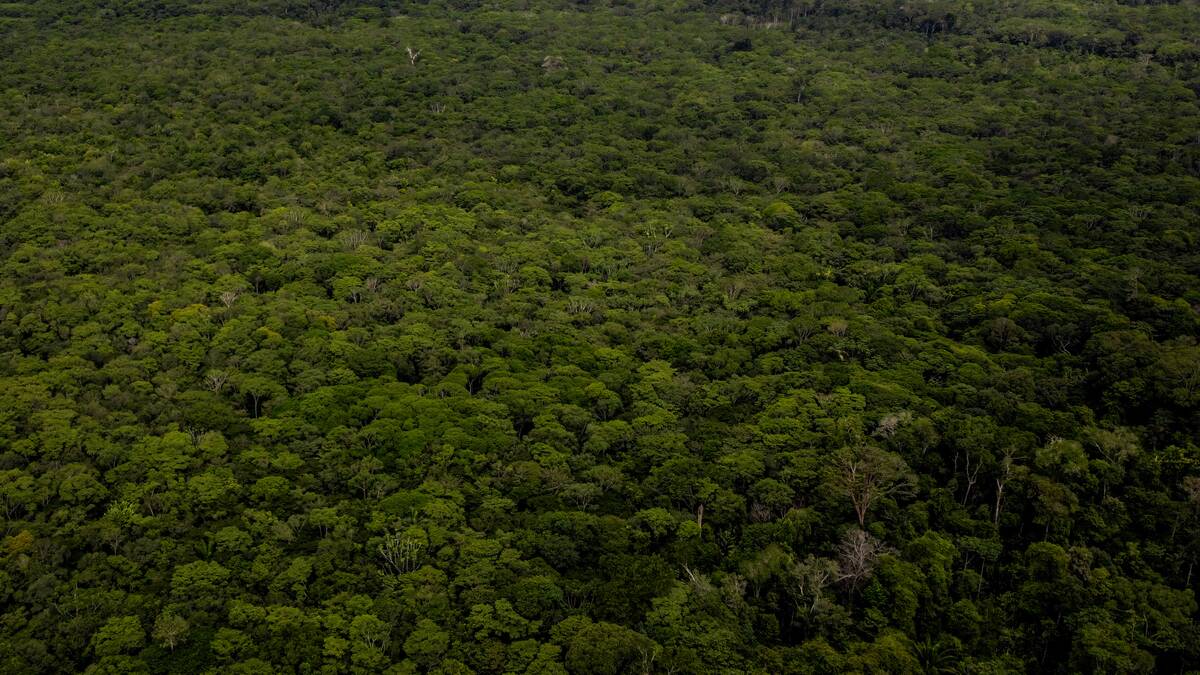
The Amazon Rainforest, often referred to as the “lungs of the planet,” is home to an astonishing 390 billion individual trees. This immense jungle spans over 5.5 million square kilometers (or 2.1 million square miles) across nine countries.
Despite covering just 1% of the Earth’s surface, it houses an estimated 10% of the known species. From the iconic jaguar to vibrant poison dart frogs, the Amazon’s biodiversity is as mystifying as it is crucial for global ecological balance.
The Age-Old Wonders of the Great Barrier Reef
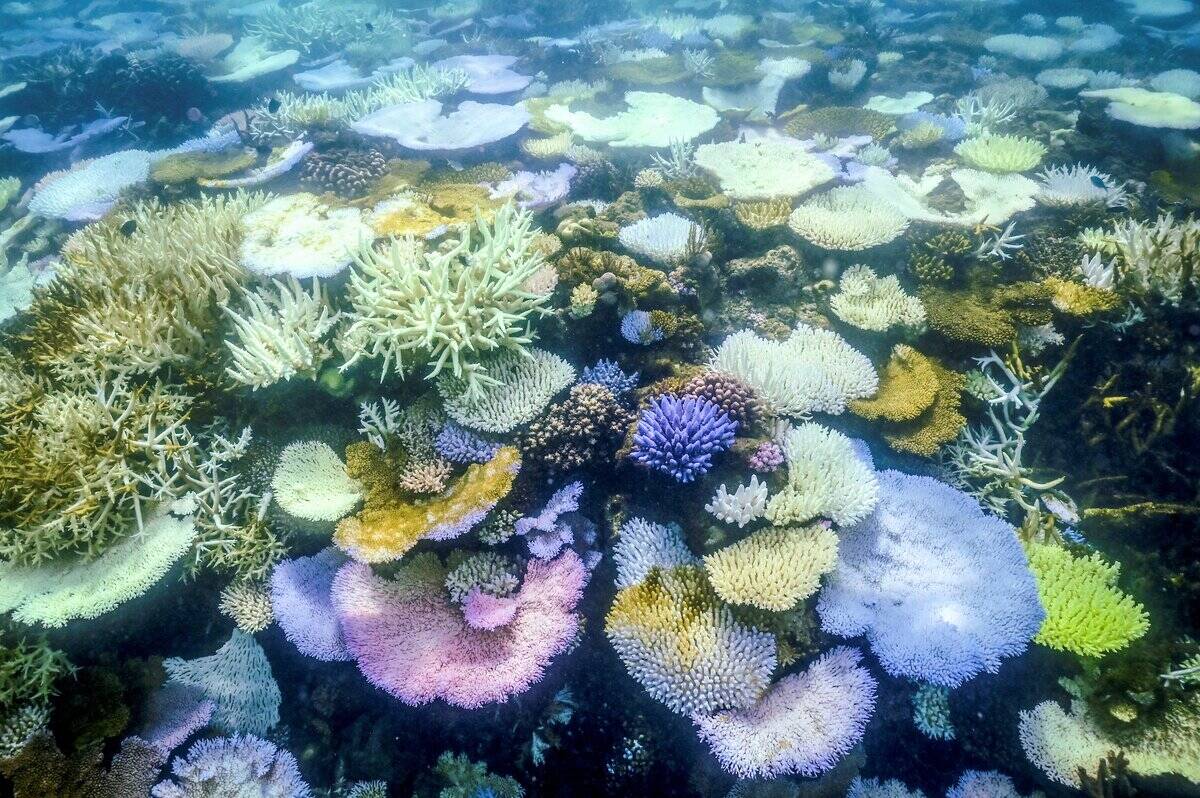
The Great Barrier Reef, the world’s largest coral reef system, stretches over 2,300 kilometers (or 1,900 miles) along the Australian coast. It’s composed of more than 2,900 individual reefs and 900 islands.
This marine wonderland supports an extraordinary array of life, including over 1,500 fish species and 400 types of coral. Its vibrant underwater gardens are a living testament to the rich tapestry of life that flourishes beneath the waves.
Exploring the Siberian Taiga
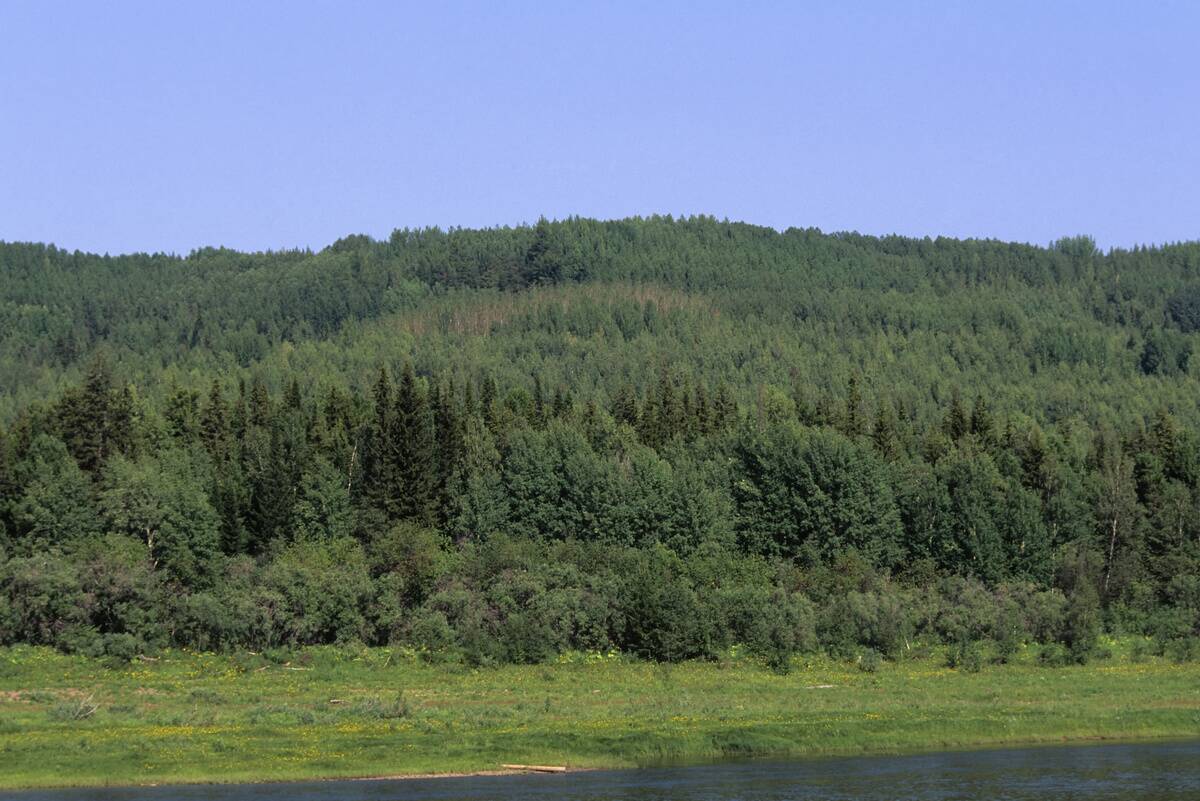
The Siberian Taiga is the largest forest in the world (depending on how “forest” is defined), covering 6.6 million square miles. This vast expanse of coniferous trees is home to hardy wildlife like the Siberian tiger and the brown bear.
The taiga’s dense forests play a pivotal role in carbon sequestration, helping to mitigate climate change. Its quiet, snow-covered landscapes offer a serene beauty, where the natural world continues its ancient cycles undisturbed by modernity.
The Enduring Magic of the African Savanna
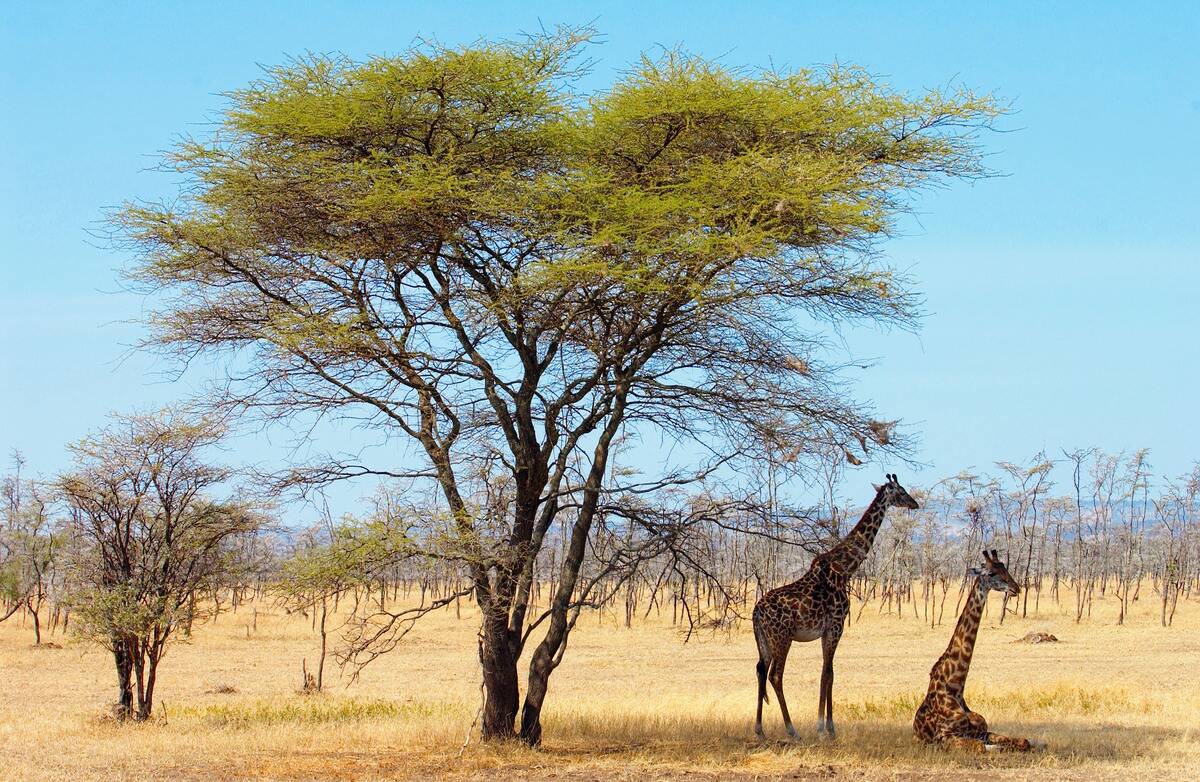
The African Savanna is an iconic landscape of rolling grasslands and acacia trees, home to the famous “Big Five” game animals.
This ecosystem drives the largest land animal migrations on Earth, like the annual wildebeest migration in the Serengeti. The savanna’s balance between predator and prey is a delicate dance, vital for maintaining its ecological integrity.
The Secrets of the Borneo Rainforest
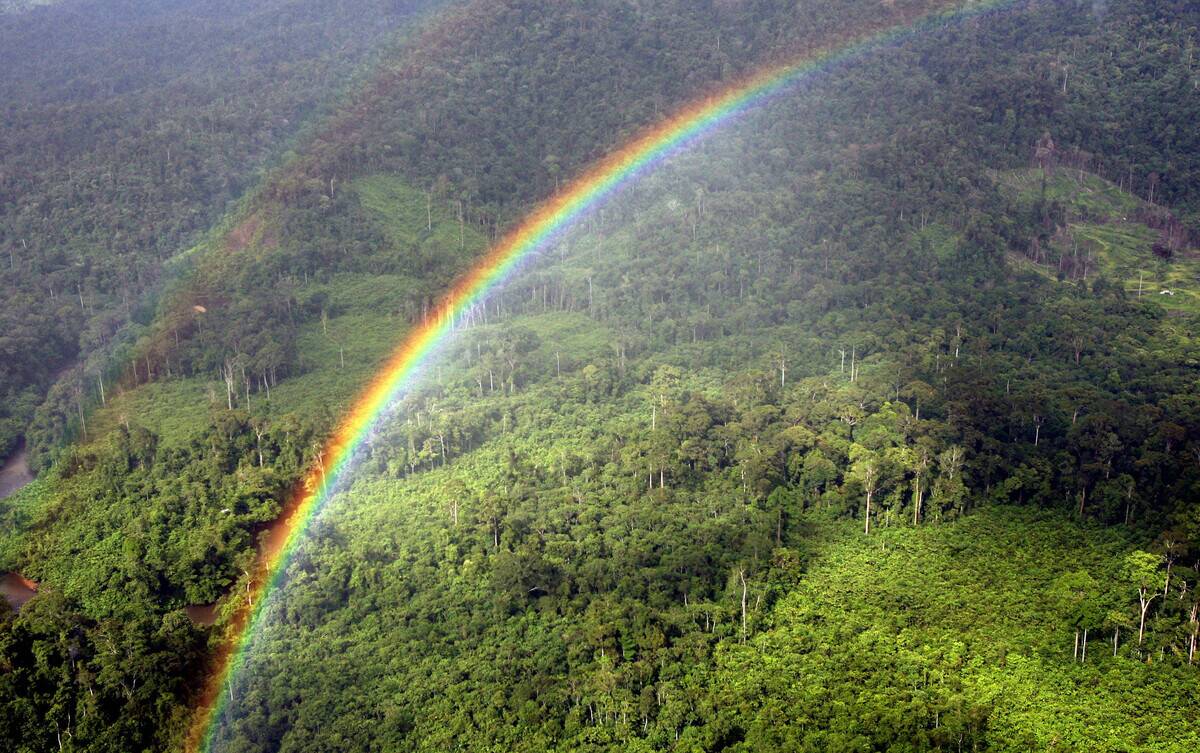
Borneo’s rainforest is one of the oldest in the world, at over 140 million years old. It shelters an incredible diversity of life, including the critically endangered orangutans and pygmy elephants.
The island houses thousands of plant species, many of which are found nowhere else on Earth. Its dense canopy and understory are a paradise for researchers, revealing new species and secrets about evolution and adaptation.
Patagonia’s Untamed Wilderness
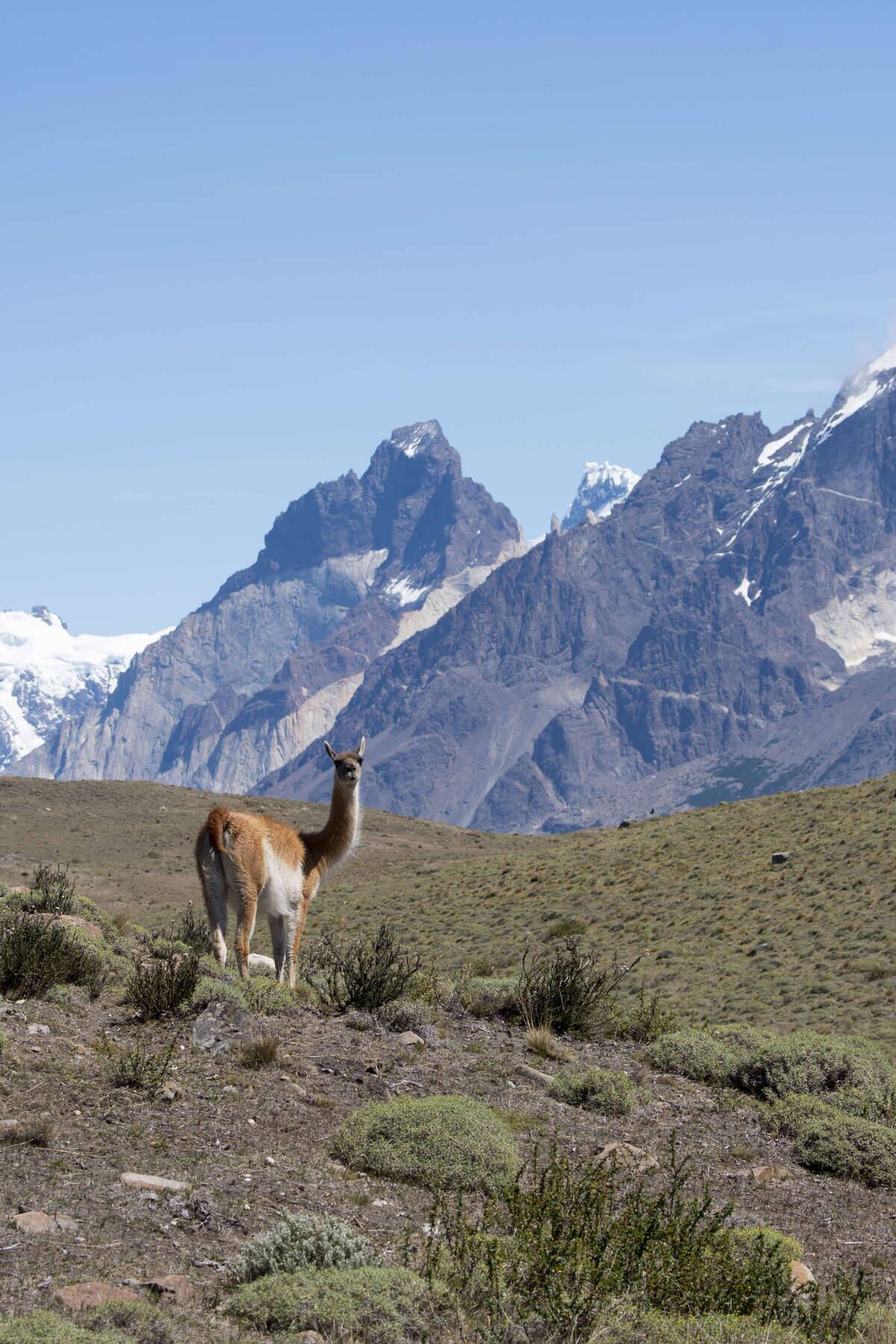
Patagonia, straddling the southern regions of Argentina and Chile, is a land of dramatic landscapes and rugged beauty. Its diverse ecosystems range from arid steppes to glacial fjords.
Home to the elusive Andean condor and guanacos, Patagonia is a haven for wildlife enthusiasts. The region’s breathtaking vistas and untouched nature make it a prime destination for those seeking adventure and solitude in one of the world’s last wild frontiers.
The Arctic Tundra: A Frozen Marvel
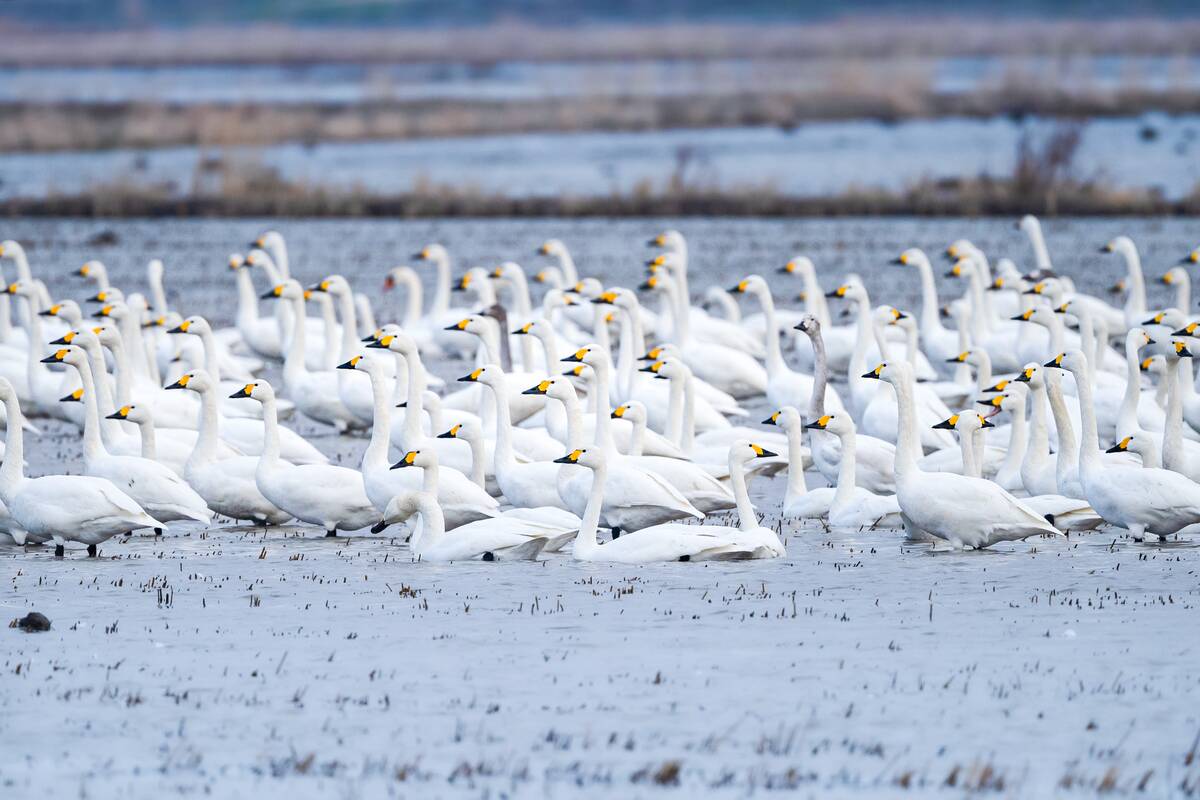
The Arctic Tundra, characterized by its permafrost and lack of trees, covers parts of Alaska, Canada, and Russia. It experiences extreme conditions, with temperatures often plunging below freezing.
Despite its harsh climate, the tundra supports unique species like the Arctic fox and polar bear. The short, intense summer blooms with wildflowers and migratory birds, creating a brief spectacle of life in this frozen realm.
The Enigmatic Depths of the Congo Basin
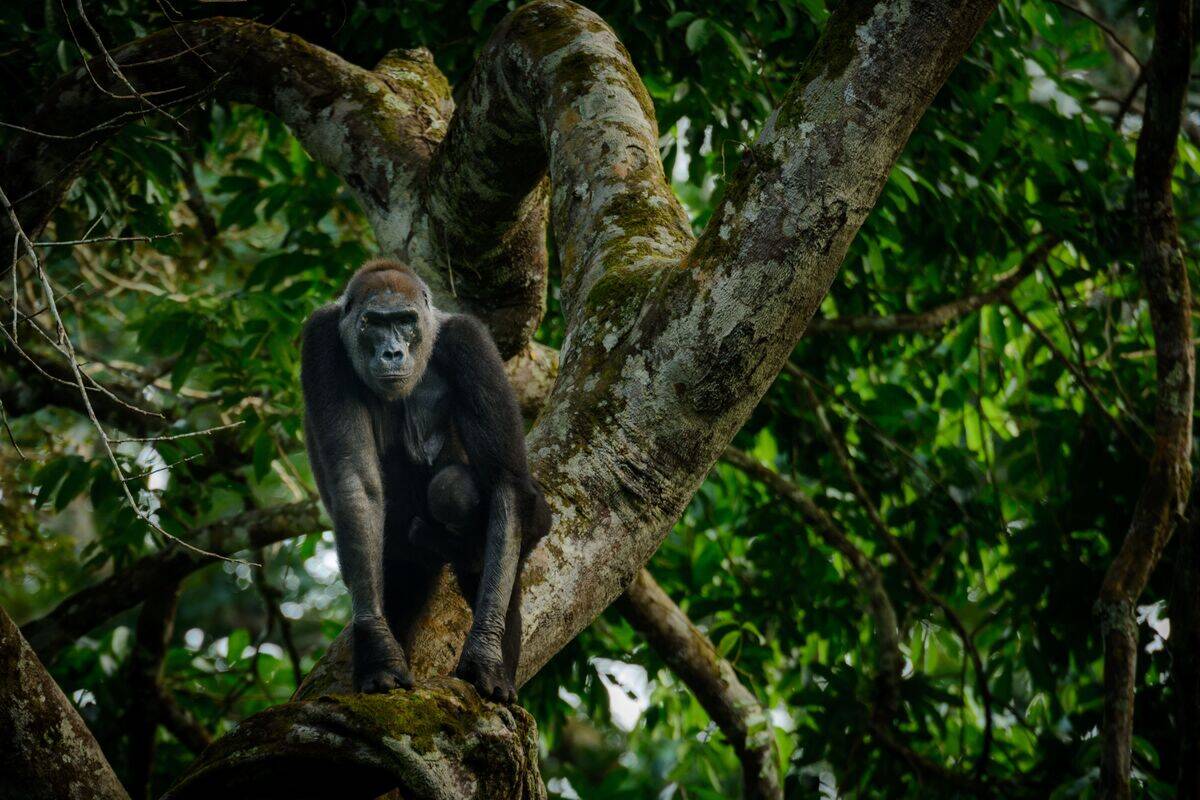
The Congo Basin is the world’s second-largest rainforest, vital for global biodiversity and climate. It spans nine countries in Central Africa and supports over 10,000 plant species.
Home to charismatic fauna such as gorillas and forest elephants, the basin is a biodiversity hotspot. Its dense canopy and rich ecosystems play a crucial role in regulating local and global climates, serving as a carbon sink for the planet.
The Timeless Beauty of the Namib Desert
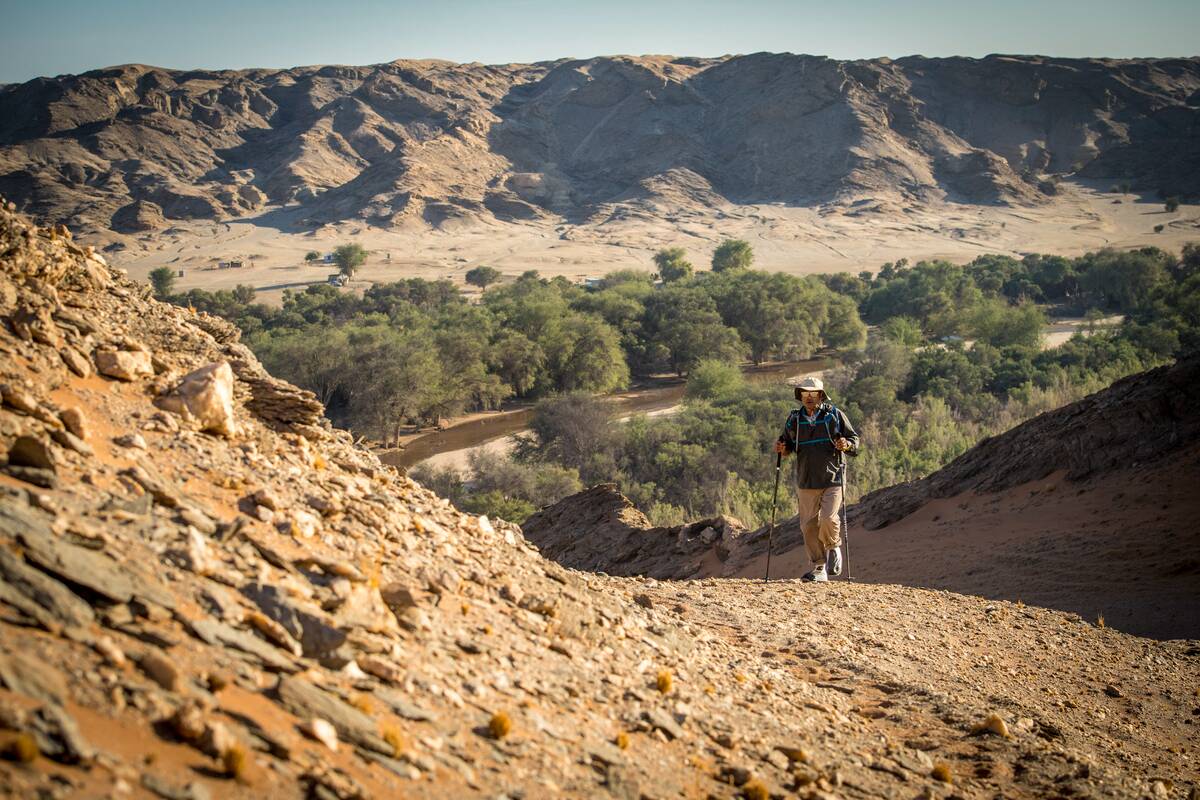
The Namib Desert, one of the oldest deserts in the world, stretches along the Atlantic coast of Namibia. Known for its towering sand dunes, some of which reach up to 300 meters (or 980 feet), the Namib is a landscape of stark contrasts.
Despite its arid conditions, it supports a surprising variety of life, including the desert-adapted elephants and the unique Welwitschia plant, which can live for over a thousand years.
New Zealand’s Primeval Forests
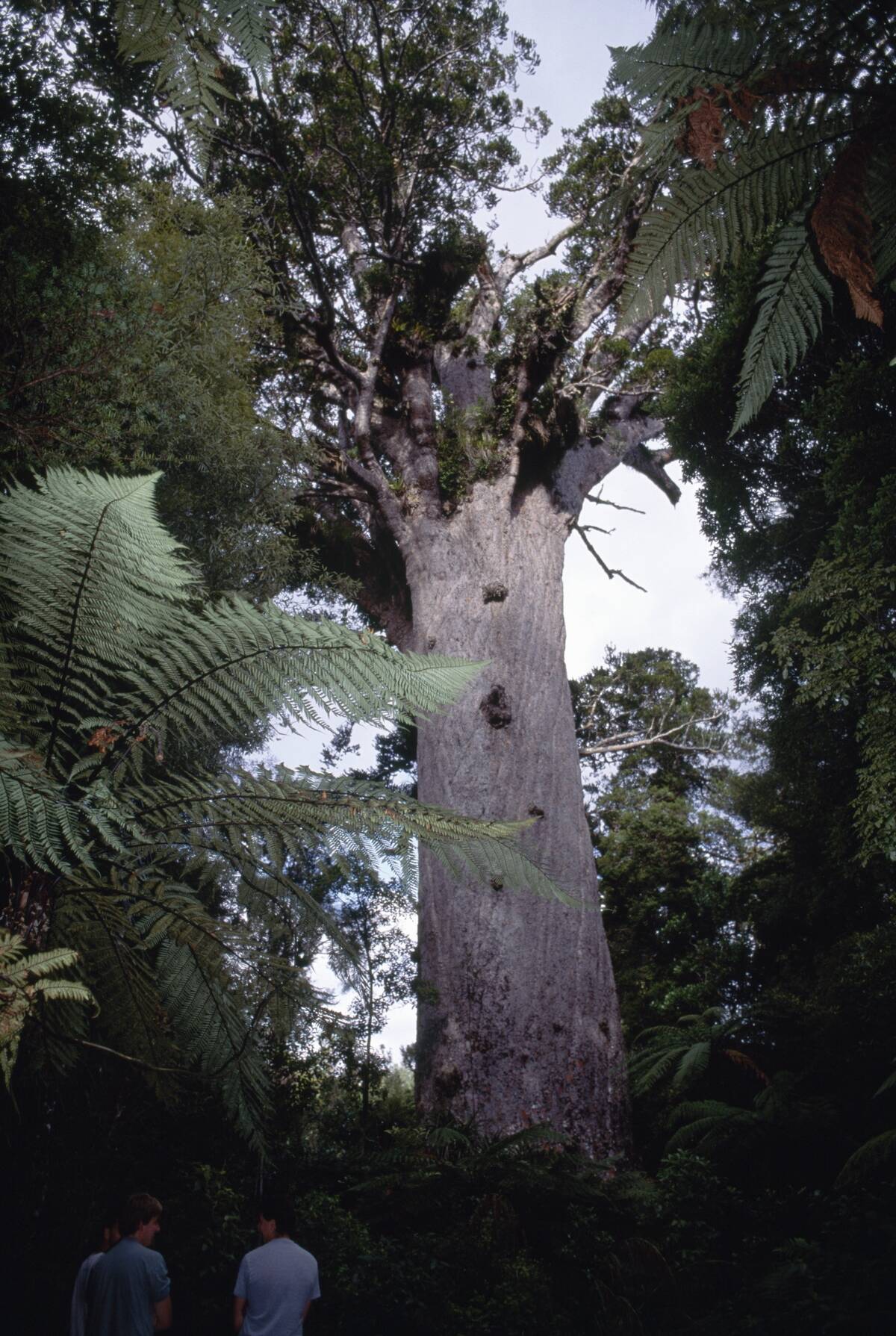
New Zealand’s forests are a lush mosaic of native flora and fauna, a relic of the ancient supercontinent Gondwana. These primeval forests are home to unique species like the kiwi and the giant kauri trees, some of which are over 1,000 years old.
The forests’ dense canopy and rich biodiversity offer a glimpse into a prehistoric world, providing a sanctuary for countless endemic species that evolved in isolation.
The Ancient Landscapes of the Australian Outback
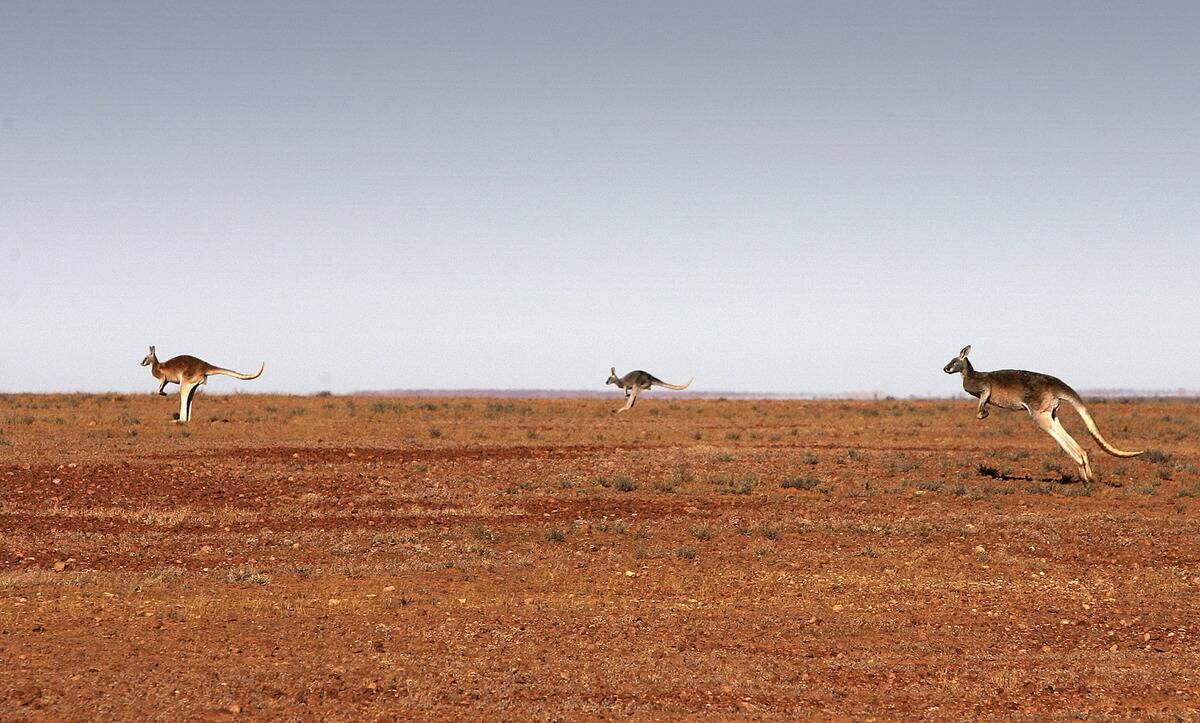
The Australian Outback, a vast, arid interior, is a land of extremes and ancient beauty. It covers over 70% of Australia, with landscapes ranging from red deserts to rocky gorges.
The Outback is rich in Aboriginal history and culture, with sacred sites and ancient rock art. Its unique wildlife, like the red kangaroo and emu, have adapted to survive in this harsh environment, showcasing nature’s resilience.
Madagascar: A Biodiversity Hotspot
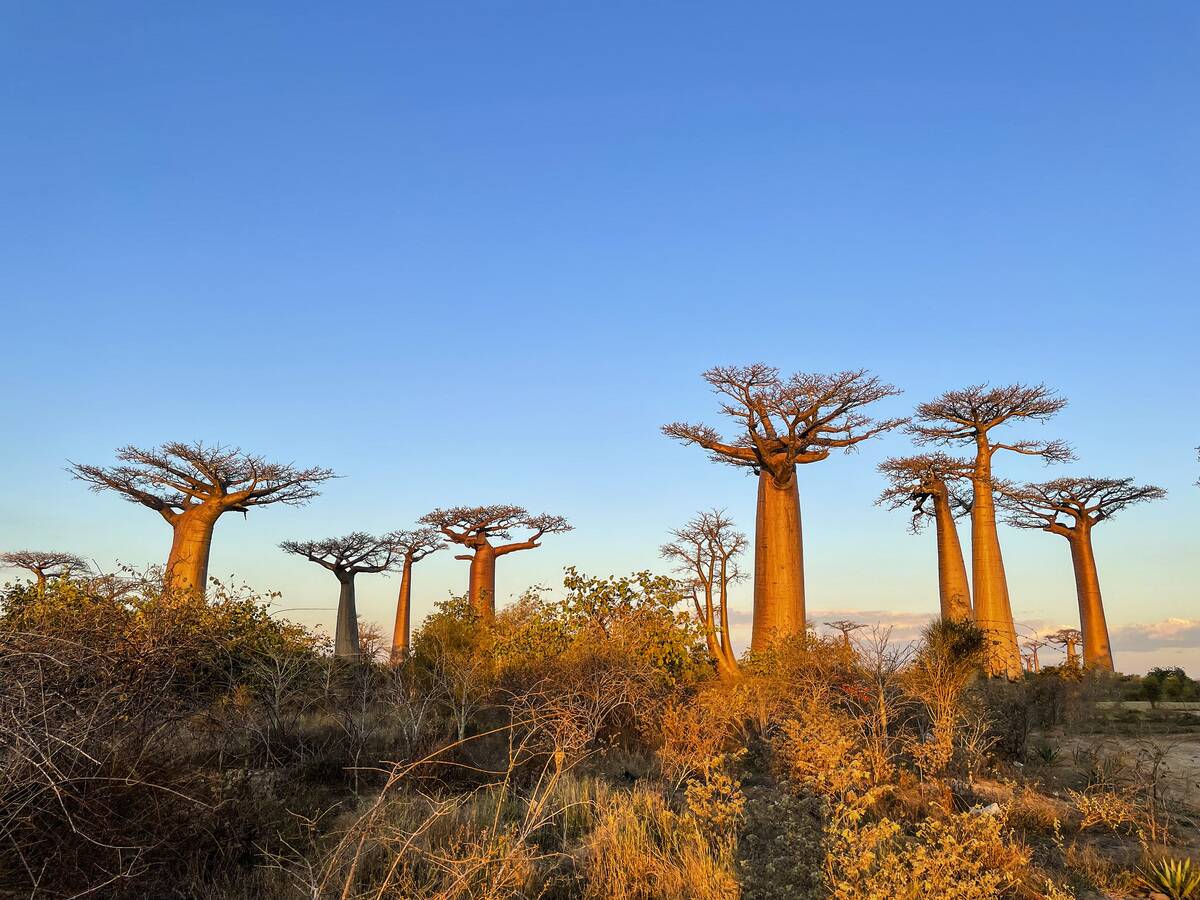
Madagascar, an island separated from mainland Africa for millions of years, is a treasure trove of biodiversity. It is home to over 200,000 species, with 90% found nowhere else on Earth.
From the playful lemurs to the peculiar baobab trees, Madagascar’s unique ecosystems are a testament to evolution’s creativity. The island’s isolation has led to a high rate of endemism, making it a focal point for conservation efforts.
The Spiritual Lands of the Appalachian Mountains
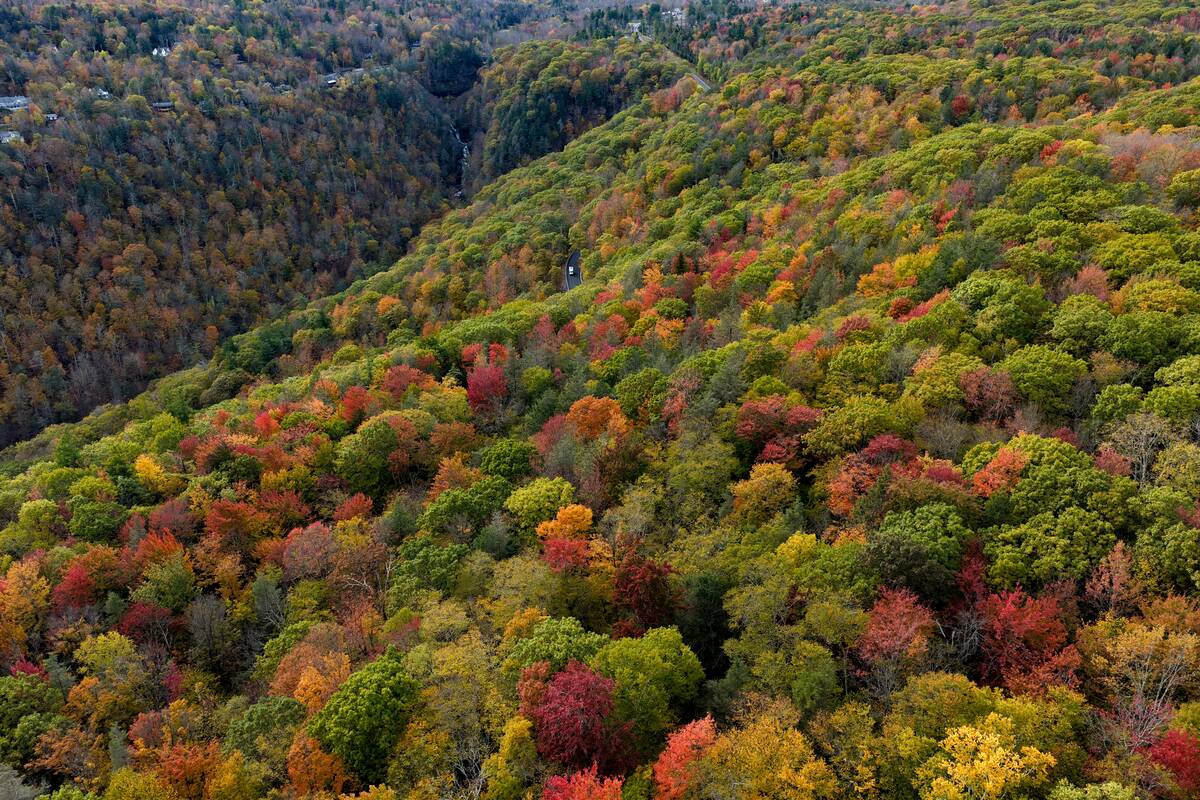
The Appalachian Mountains, stretching from Canada to Alabama, are among the oldest mountain ranges in the world. These ancient highlands are rich in biodiversity, with forests that support a myriad of plant and animal species.
Known for their vibrant autumn foliage and scenic trails, the Appalachians are also steeped in cultural history and folklore, providing a spiritual connection to nature for many who wander their paths.




