Neighborhood designs that quietly fostered community
Neighborhood design is like a well-composed symphony, where each element plays a crucial role in creating a harmonious living environment. This art involves more than just buildings; it encompasses the ways people interact and connect.
By focusing on how spaces are structured and utilized, urban planners and designers can foster vibrant communities. It’s fascinating how small tweaks in design can make a big difference in how neighbors engage with each other and their surroundings.
The Power of Front Porches

Front porches are not just architectural features; they’re social catalysts. These charming transitional spaces serve as a buffer between private homes and public streets. They encourage casual interactions, making it easy for neighbors to exchange greetings and stories.
Historically, in places like the southern United States, front porches were integral to community life, offering a place to relax and socialize while staying connected to the neighborhood’s rhythm.
Sidewalks: The Arteries of Community Life
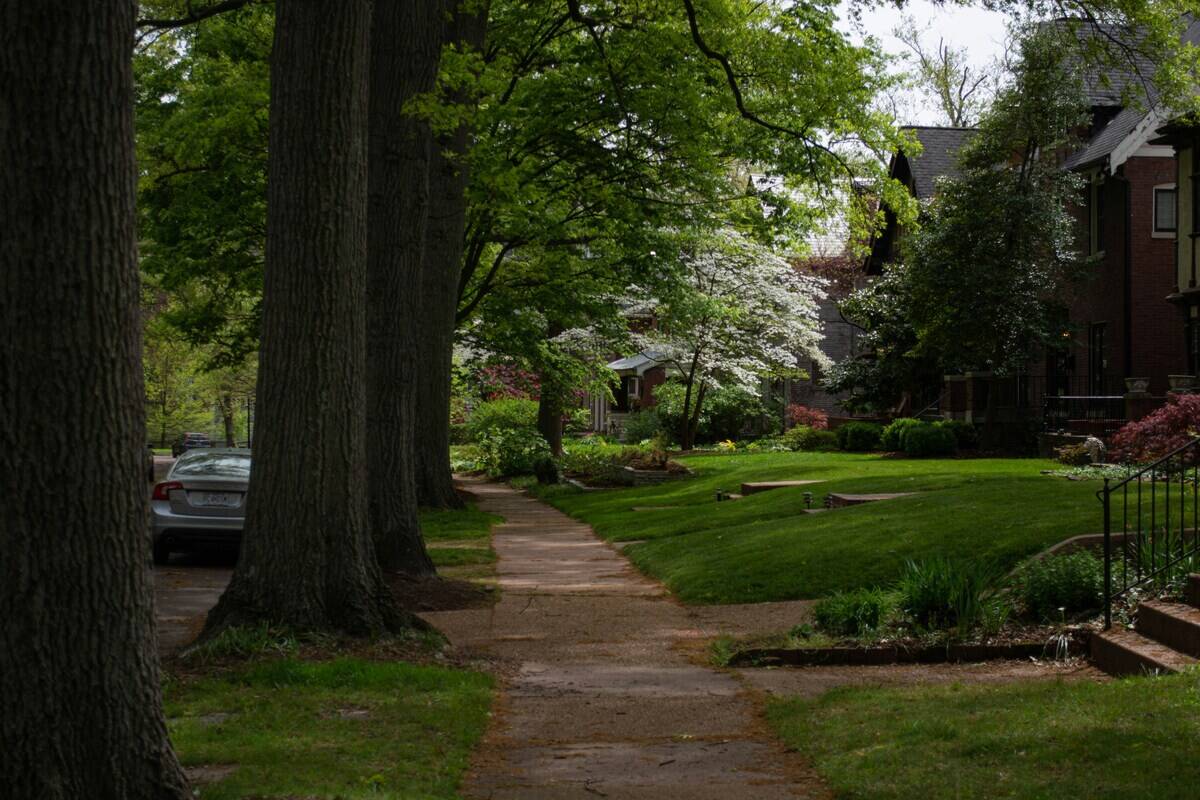
Sidewalks are the unsung heroes of urban design, providing safe pathways for pedestrians and promoting active lifestyles. They connect homes to parks, shops, and schools, weaving a fabric of connectivity. In cities like New York and Paris, sidewalks are bustling with life, fostering spontaneous encounters and vibrant street life.
When designed thoughtfully, they enhance accessibility and encourage walking, reducing reliance on cars and boosting local economies.
The Role of Communal Green Spaces
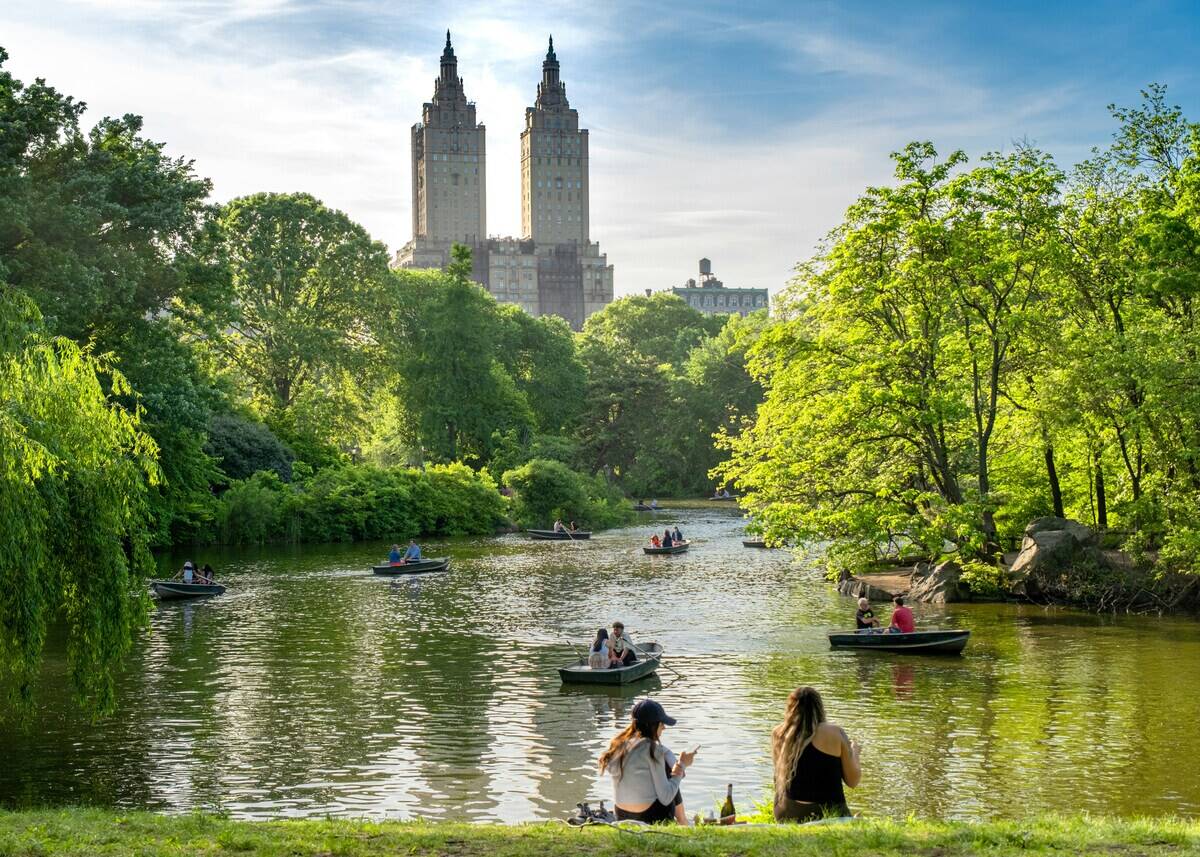
Communal green spaces act as the lungs of a neighborhood, offering residents a breath of fresh air and a place to unwind. These areas, ranging from small parks to expansive gardens, provide essential ecosystems and recreation opportunities.
Central Park in New York City is a prime example, offering a natural escape amidst the urban jungle. Such spaces encourage outdoor activities and community events, promoting physical health and social bonds.
Alleyways: The Hidden Connectors

Often overlooked, alleyways are vital in connecting various parts of a neighborhood. These narrow passages can be transformed into vibrant pedestrian paths, linking streets and providing shortcuts.
In Melbourne, Australia, the laneways have become cultural hubs, filled with street art and cafes. By revitalizing these hidden connectors, neighborhoods can offer unique experiences and foster a sense of discovery and adventure for residents and visitors alike.
The Magic of Mixed-Use Developments
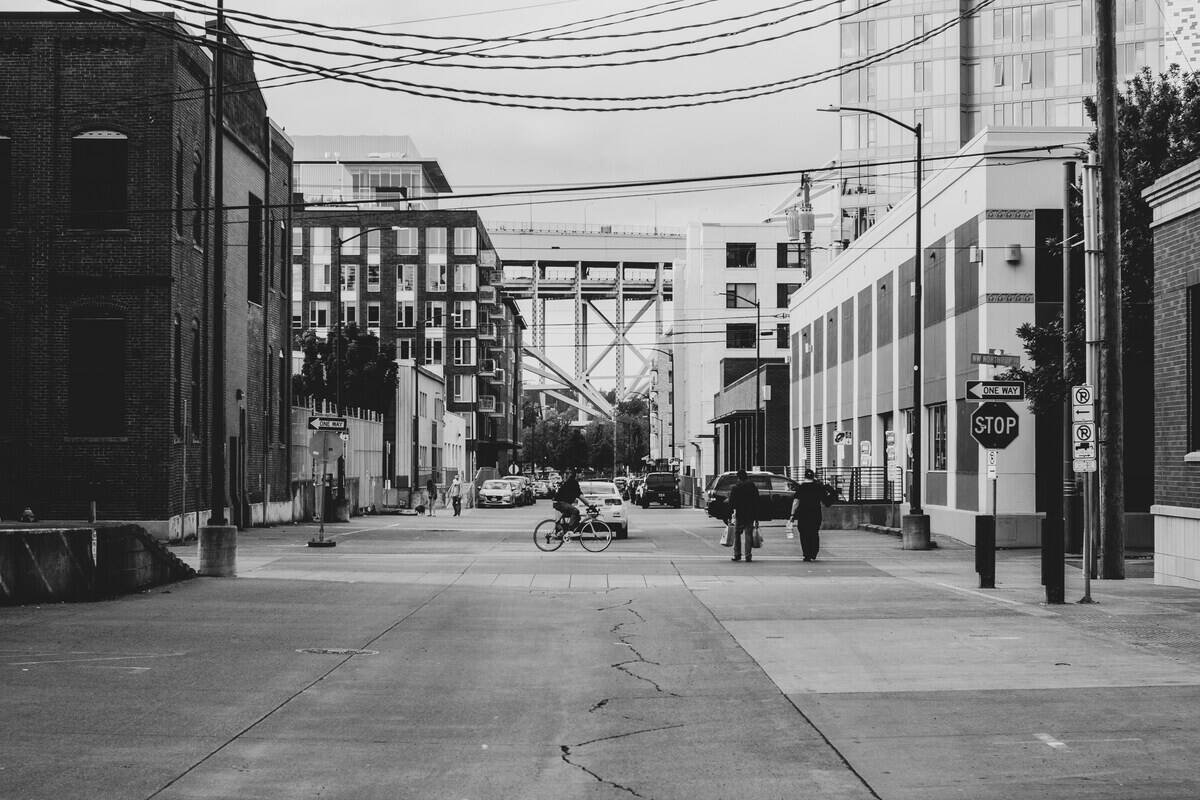
Mixed-use developments blend residential, commercial, and recreational spaces, creating dynamic environments that support diverse lifestyles. These developments reduce the need for long commutes, allowing people to live, work, and play in the same area.
A shining example is the Pearl District in Portland, Oregon, where former warehouses have been transformed into a vibrant community with shops, eateries, and homes. Such designs enhance convenience and stimulate local economies.
How Cul-de-sacs Foster Close-Knit Communities
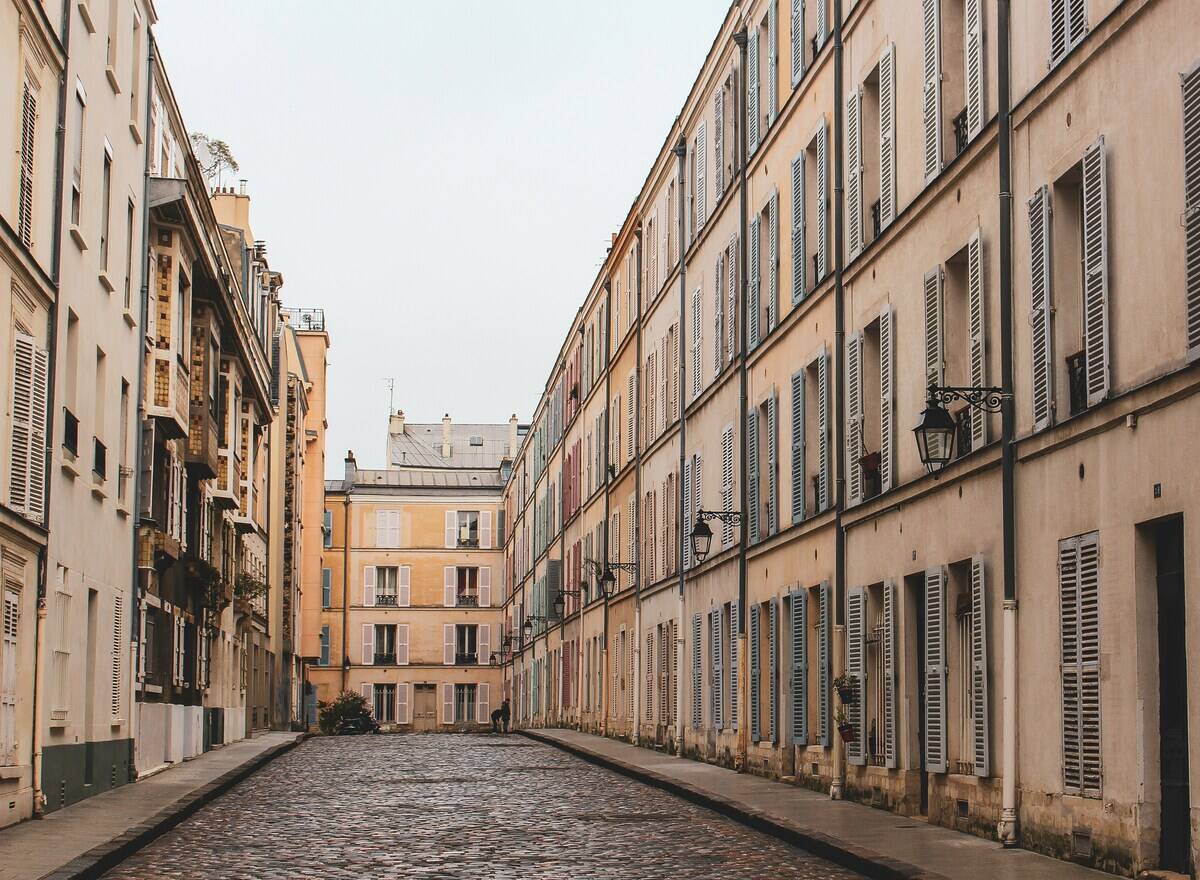
Cul-de-sacs often get a bad rap for their perceived isolation, but they can actually foster tight-knit communities. These dead-end streets reduce traffic, making them safer for children to play.
Residents often form stronger bonds due to the lack of through traffic, leading to more social interactions and neighborhood gatherings. In suburban areas, cul-de-sacs are popular for their family-friendly environment and sense of security.
The Influence of Community Gardens
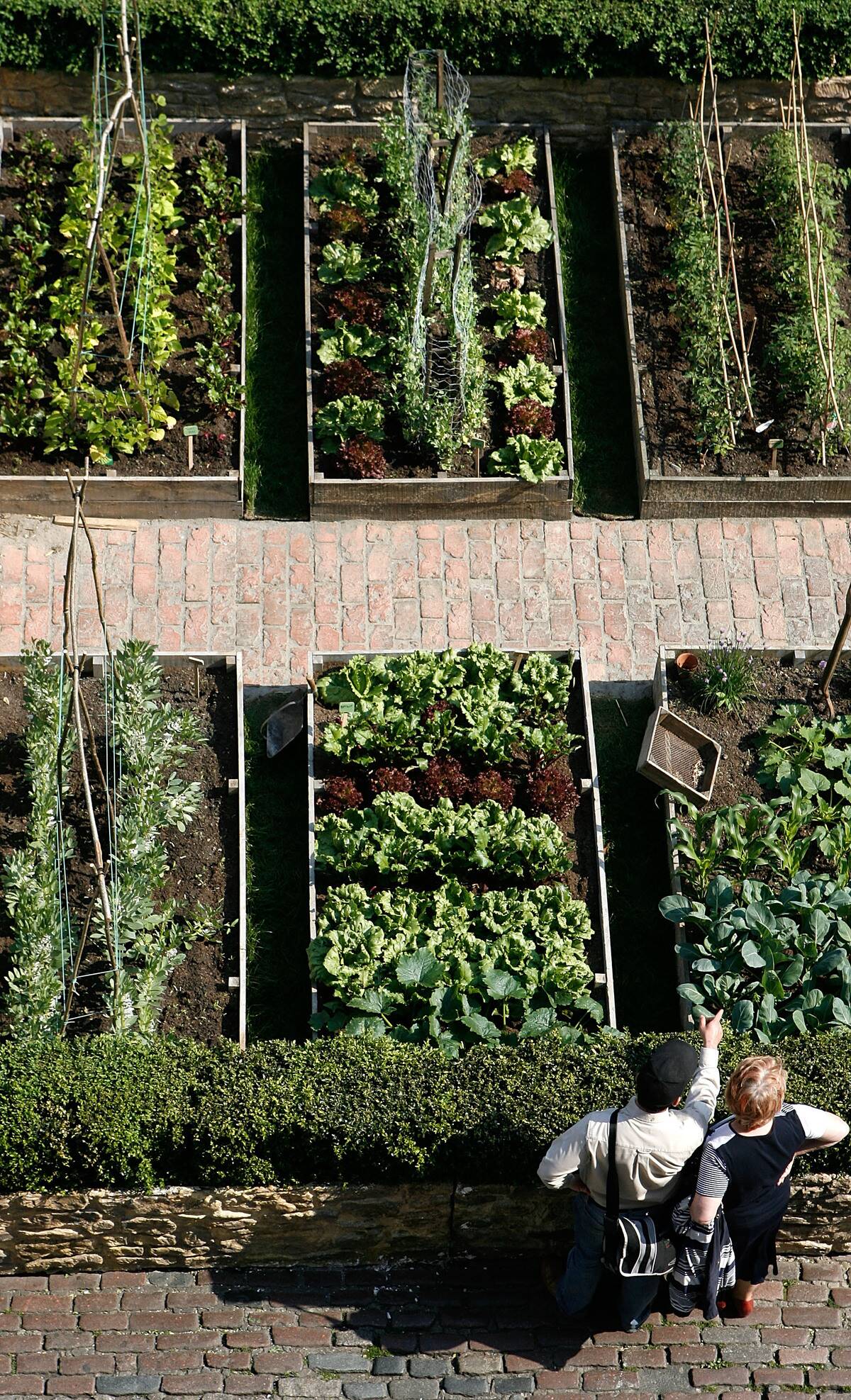
Community gardens are more than just plots of land for growing vegetables; they are spaces for cultivating relationships. By working together, residents learn about sustainability and share gardening tips, fostering a sense of collaboration.
In cities like San Francisco, community gardens have become vital green spaces, offering urban dwellers a chance to connect with nature. These gardens promote environmental awareness and provide fresh produce, improving local food security.
Designing with Shared Amenities in Mind
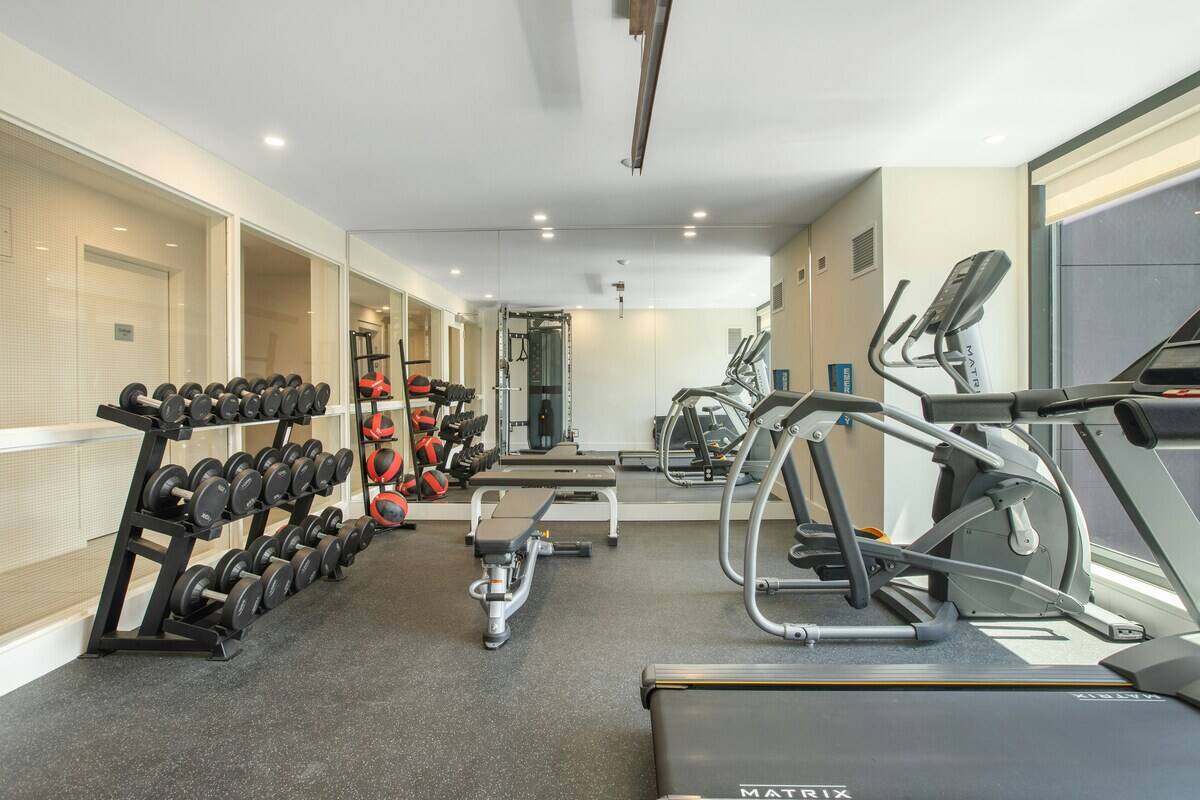
Shared amenities like pools, gyms, and lounges can significantly enhance the quality of life in neighborhoods. They provide places for relaxation and socialization, encouraging residents to engage in activities together.
In modern apartment complexes, shared spaces are designed to be inviting and multifunctional. By incorporating amenities that cater to diverse interests and age groups, communities can foster inclusivity and create a sense of belonging among residents.
The Impact of Narrow Streets on Social Interaction
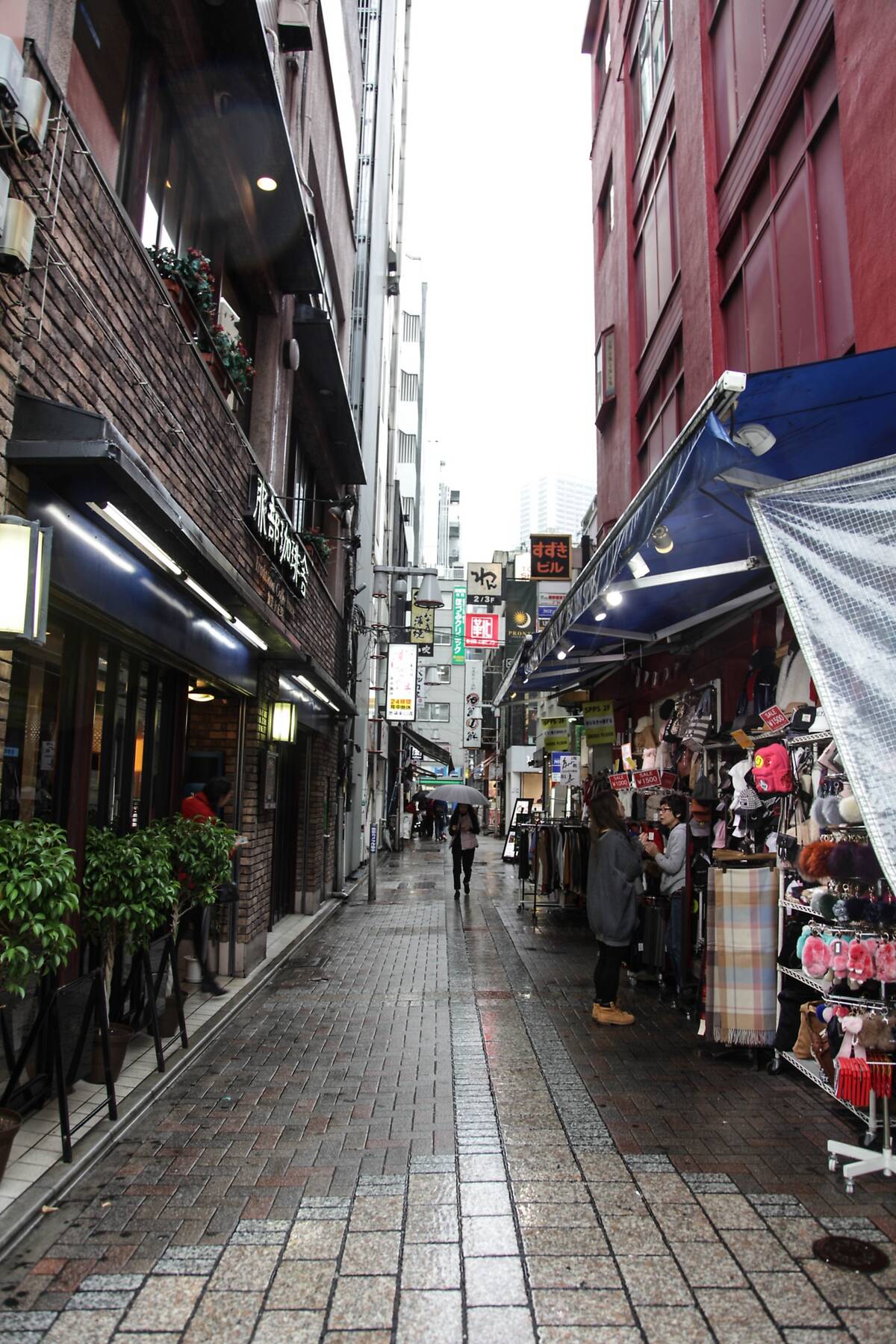
Narrow streets may seem inconvenient for drivers, but they offer unique benefits for community interaction. By slowing down traffic, they create safer environments for pedestrians and cyclists.
Cities like Amsterdam have embraced narrow streets, using them to encourage walking and cycling. The proximity of homes and shops fosters a village-like atmosphere, where residents frequently encounter familiar faces, enhancing the sense of community and belonging.
The Benefits of Public Art Installations
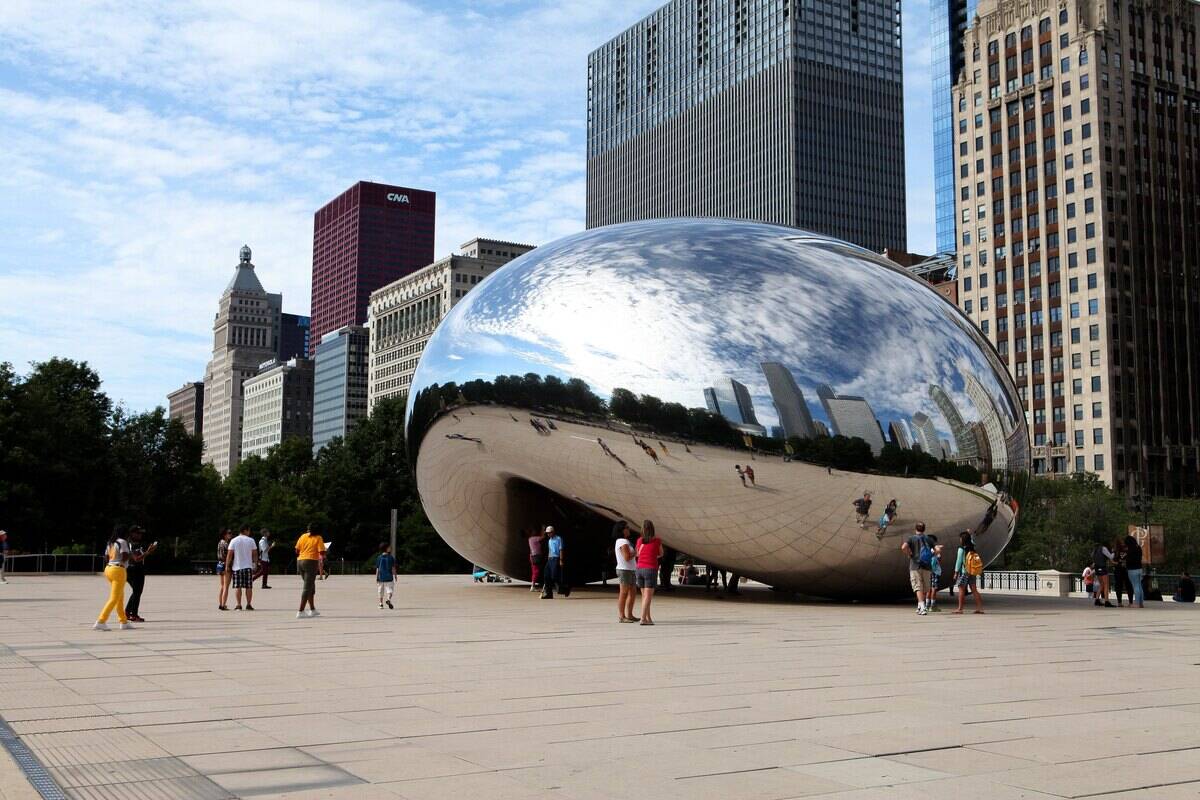
Public art installations transform ordinary spaces into vibrant cultural landmarks, sparking conversation and community pride. They can reflect the history and values of a neighborhood, providing a sense of identity.
In Chicago, the iconic “Cloud Gate” sculpture draws visitors and locals alike, creating a shared experience. By integrating art into public spaces, communities can inspire creativity, promote cultural appreciation, and enhance the aesthetic appeal of their surroundings.
The Role of Local Markets in Bringing People Together
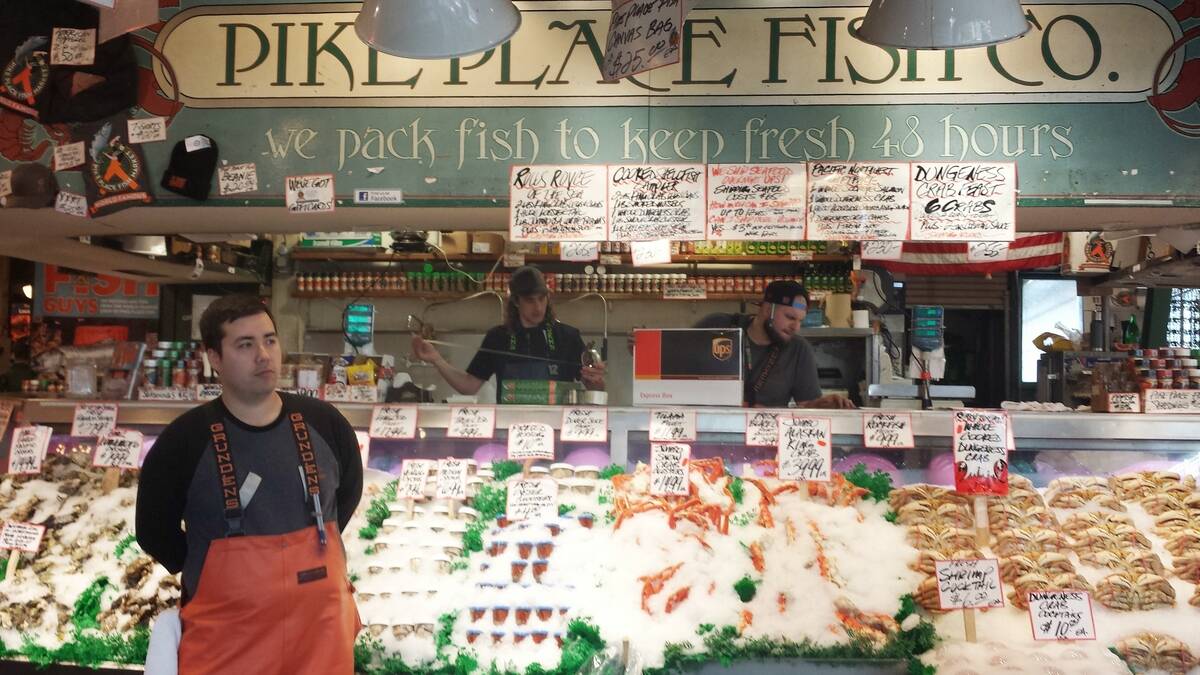
Local markets are bustling hubs of activity, offering more than just fresh produce. They provide a platform for local artisans and farmers to showcase their goods, fostering a sense of community and supporting local economies.
Pike Place Market in Seattle exemplifies the power of markets to draw people together, with its lively atmosphere and diverse offerings. These gathering spots encourage interaction and support sustainable practices, strengthening community ties.
Designing for Walkability and Accessibility
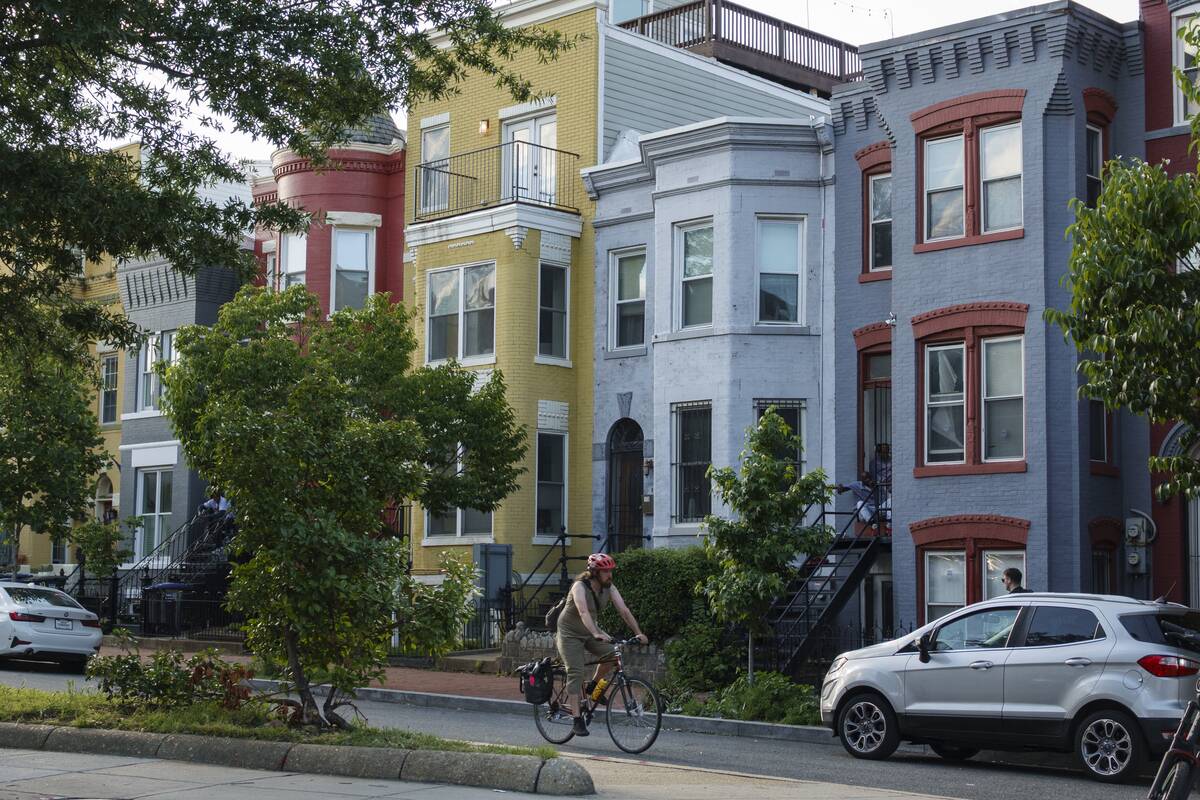
Designing neighborhoods with walkability and accessibility in mind ensures that everyone, regardless of ability, can navigate their surroundings with ease. Features like wide sidewalks, ramps, and pedestrian crossings make it safer and more convenient for people to get around.
Cities like Copenhagen have prioritized these elements, promoting cycling and walking as primary modes of transport. Such designs reduce reliance on cars, lower pollution levels, and improve residents’ overall quality of life.
The Importance of Local Gathering Spots
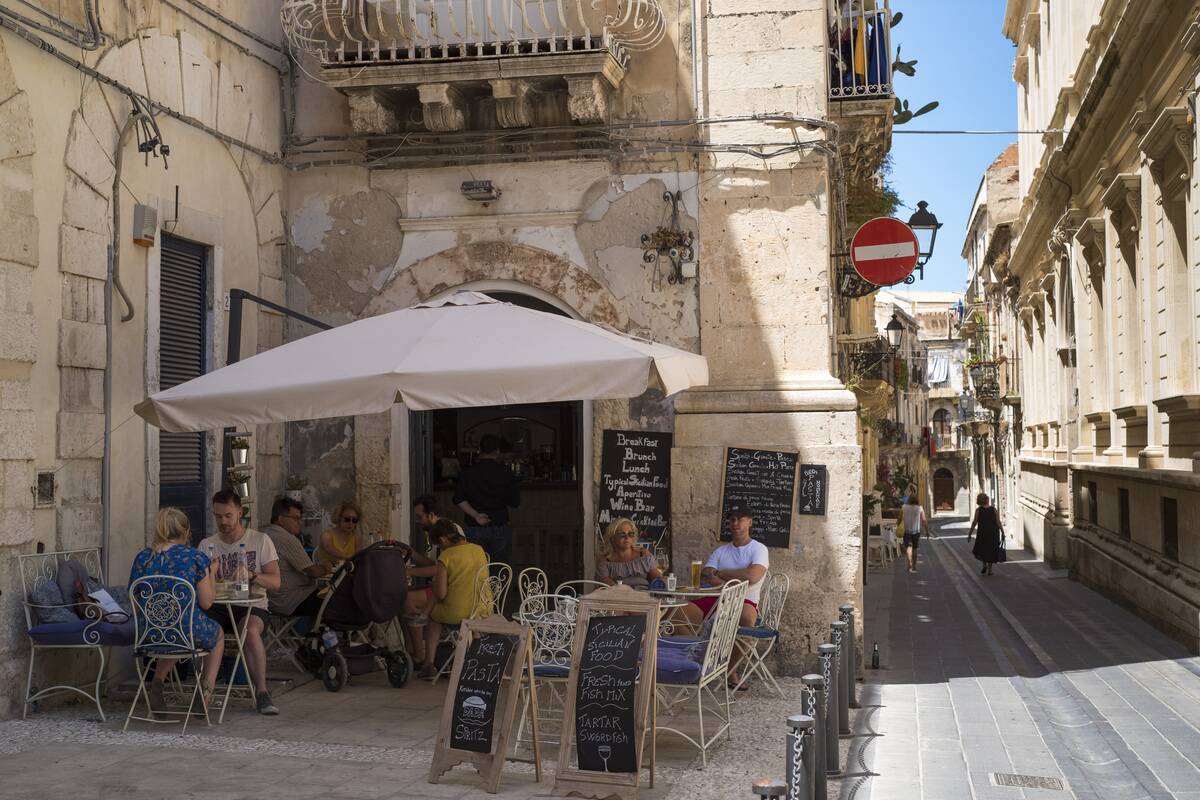
Local gathering spots, such as cafes, community centers, and libraries, are the heartbeats of neighborhoods, providing spaces for people to connect and unwind. These venues offer a sense of belonging and serve as informal meeting places for residents.
In towns like Asheville, North Carolina, vibrant cafes and bookstores double as community hubs, hosting events and discussions. These spots are vital for nurturing community spirit and fostering a sense of identity.
The Evolution of Urban Village Concepts
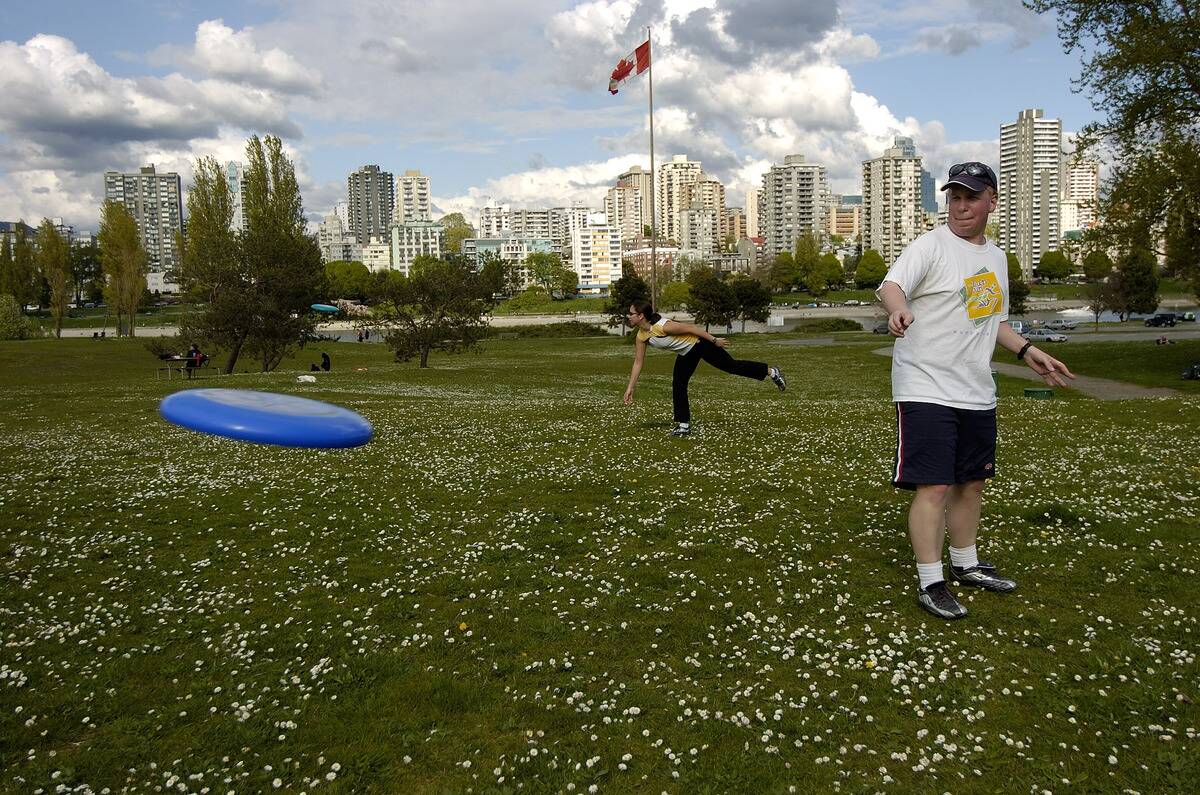
Urban village concepts are reshaping how we think about city living, emphasizing sustainability and community. These developments focus on creating self-sufficient neighborhoods with a mix of housing, jobs, and recreational spaces.
Vancouver’s South False Creek is a pioneer in this approach, integrating green building practices with community-oriented design. By encouraging localized living, urban villages aim to reduce environmental impact and enhance residents’ quality of life.
How Architecture Styles Influence Community Feel

Architectural styles can greatly affect the ambiance and dynamics of a neighborhood. Traditional designs, like Victorian or Colonial, often evoke a sense of history and continuity, while modern styles can inspire innovation and creativity.
In cities like Santa Fe, adobe architecture reflects cultural heritage and promotes a unique community identity. The choice of architectural style can influence how residents perceive their environment and interact with one another, shaping the community’s overall character.
Case Studies: Neighborhoods That Got It Right
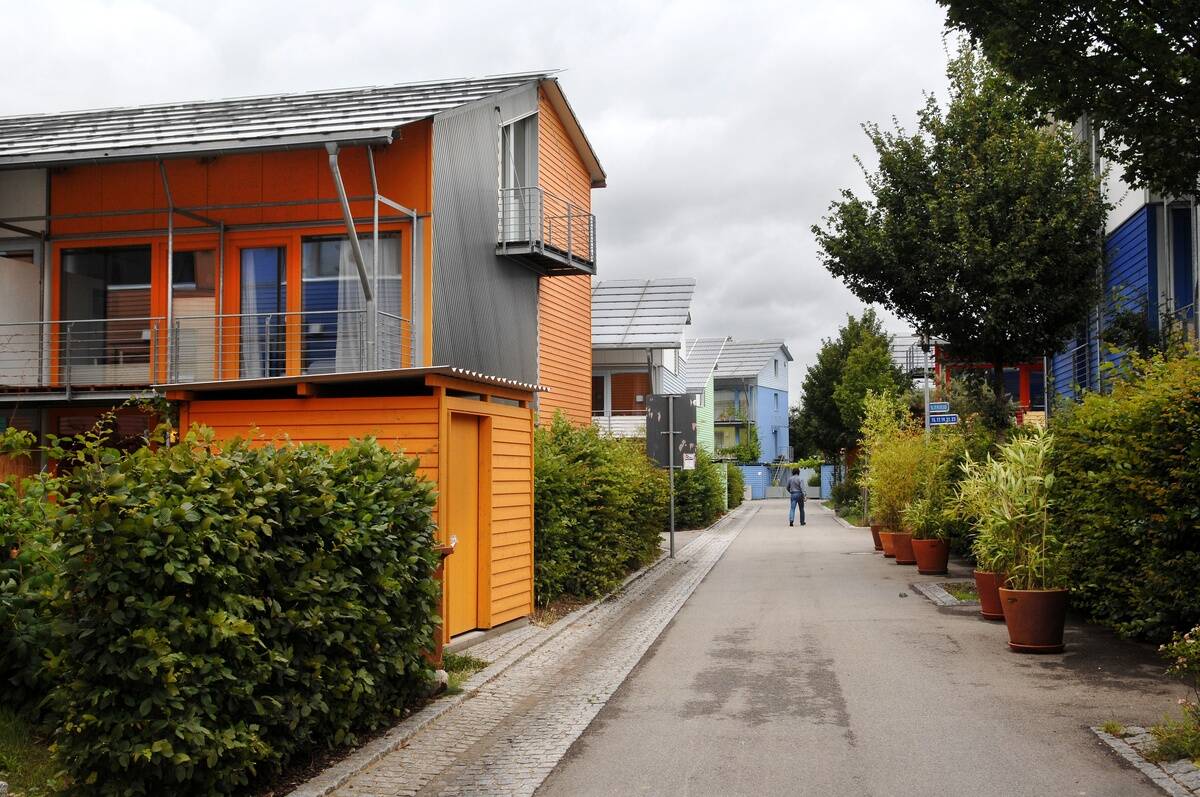
There are exemplary neighborhoods around the world that showcase effective community-centric design. For instance, the Vauban district in Freiburg, Germany, is renowned for its eco-friendly initiatives and car-free zones.
Similarly, Copenhagen’s Ørestad combines innovative architecture with sustainable planning, creating a vibrant urban environment. These neighborhoods serve as benchmarks for future developments, demonstrating the positive impact of thoughtful design on community well-being and sustainability.
The Future of Community-Centric Neighborhood Design
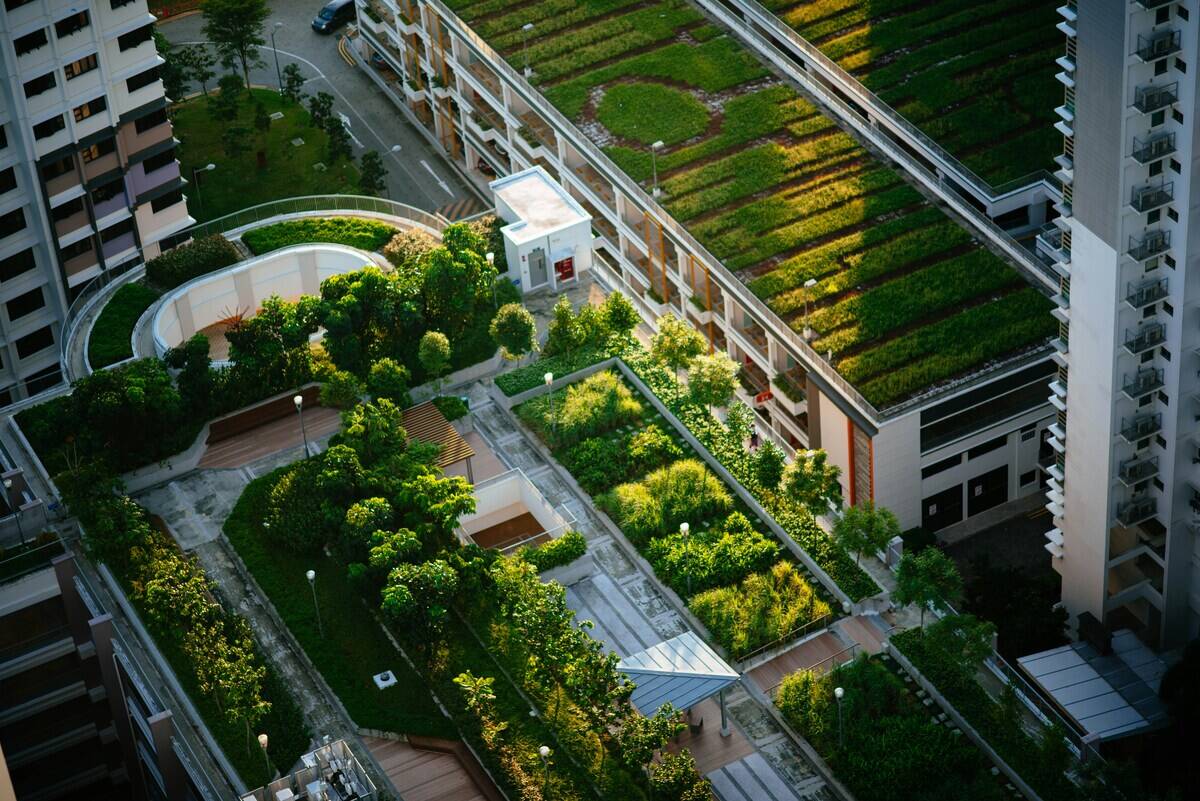
Looking ahead, community-centric neighborhood design will likely focus on integrating technology and sustainability. Smart cities will leverage data to optimize resource use and improve residents’ quality of life.
Innovations like green roofs and solar panels will become more common, enhancing environmental sustainability. As urban areas continue to grow, the emphasis will be on creating inclusive, resilient communities that prioritize human connection and environmental stewardship, ensuring a brighter future for all.