20 photos of the most iconic Saturday morning cartoons
There were 29 mighty milestones in the grand parade of Saturday morning memories here, and they all trace back to the same ritual: cereal, pajamas, and the TV glow. From the late 1960s through the early 2000s, U.S. networks stacked animated blocks that felt custom-engineered for kids. ABC, CBS, NBC—and later Fox Kids, Kids’ WB, and ABC’s One Saturday Morning—turned weekends into appointment viewing.
Even when cable arrived, nothing beat flipping on the set and letting the theme songs do the wake-up work.
It wasn’t just vibes, either—policies shaped the party. The Children’s Television Act of 1990 nudged in educational content, and the final big network block—The CW’s Vortexx—signed off in September 2014. But in their heyday, Saturday mornings minted mascots, moved mountains of toys, and taught generations who to root for. If you can still sing half these themes on command, congratulations: you earned your honorary remote-control badge.
Scooby-Doo, Where Are You!
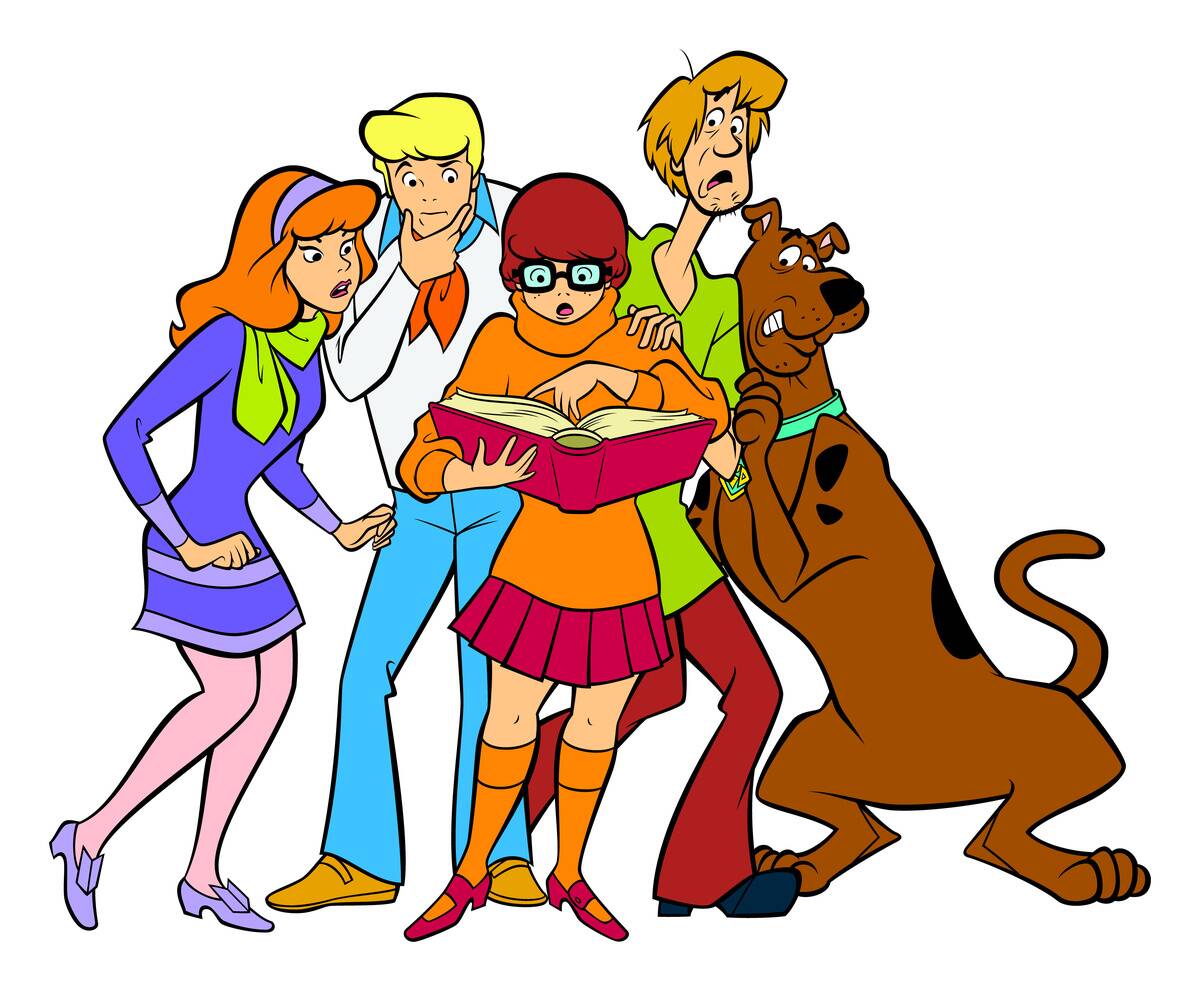
Launched on CBS on September 13, 1969, Scooby-Doo, Where Are You! gathered the Mystery Inc. gang for monster-of-the-week capers wrapped in laugh tracks and groovy chases. Hanna-Barbera produced the original run, with Don Messick as Scooby and Casey Kasem as Shaggy. Season one offered 17 episodes; season two added eight more, cementing the formula of unmasking crooks who would’ve gotten away with it, too. The theme first aired with vocals by Larry Marks, later by Austin Roberts.
Scooby’s staying power is wild: Frank Welker, who voiced Fred here, later became Scooby himself in later incarnations. The show’s design—colorful villains, spooky mansions, and that iconic van—defined Saturday-morning suspense without actual scares. Even reruns packed ratings punch through the 1970s, and the franchise kept morphing, from The Scooby-Doo Show to What’s New, Scooby-Doo? If your breakfast tasted better during a hallway chase sequence, you’re not alone.
Looney Tunes: The Bugs Bunny & Road Runner Show
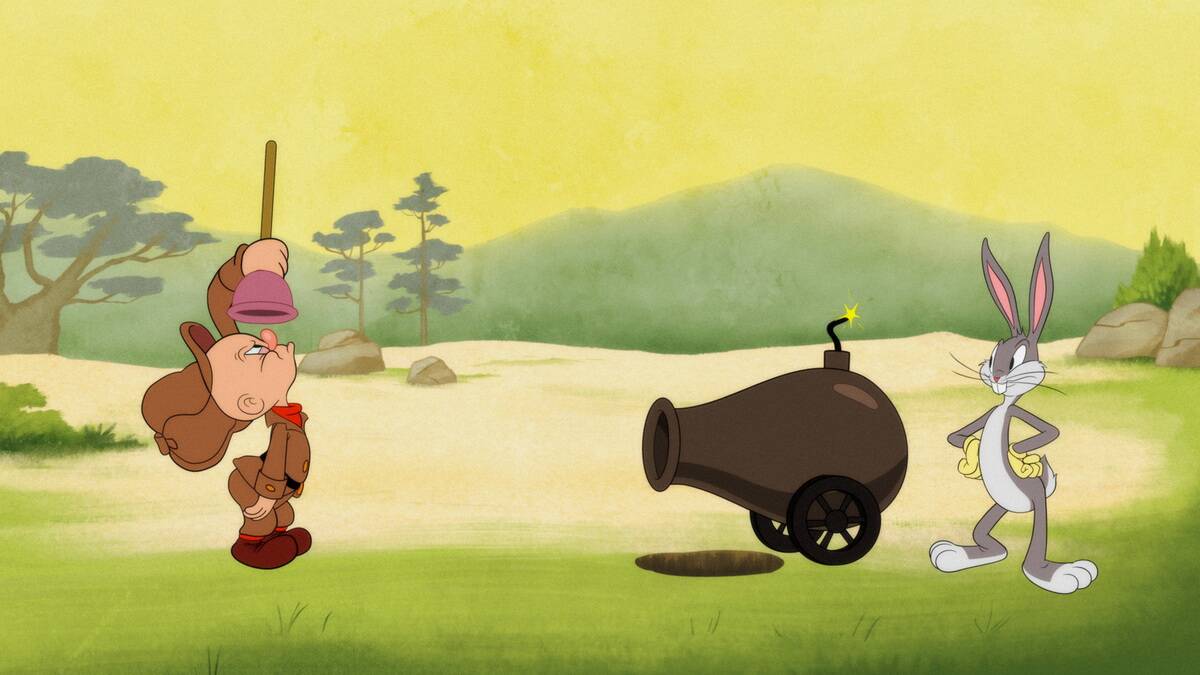
Saturday mornings didn’t just discover Bugs Bunny—they curated him. Beginning in 1968, CBS bundled theatrical shorts as The Bugs Bunny/Road Runner Hour, later The Bugs Bunny/Road Runner Show, before ABC took over in 1985 and carried it into 2000. Mel Blanc’s voice work powered everything from Bugs’s wisecracks to Daffy’s meltdowns.
Road Runner’s “meep meep,” Wile E. Coyote’s Acme misadventures—these were cinema classics resized for breakfast time.
The packages mixed remastered shorts with snappy new wraparounds, keeping Chuck Jones and Friz Freleng’s craft in rotation for new generations. It’s the rare block where slapstick reads like ballet: timing, music cues, and silent gags so clean you could practically hear Carl Stalling’s scores in your sleep. If your family debated whether Bugs or Daffy won the day, the show did its job.
The Smurfs
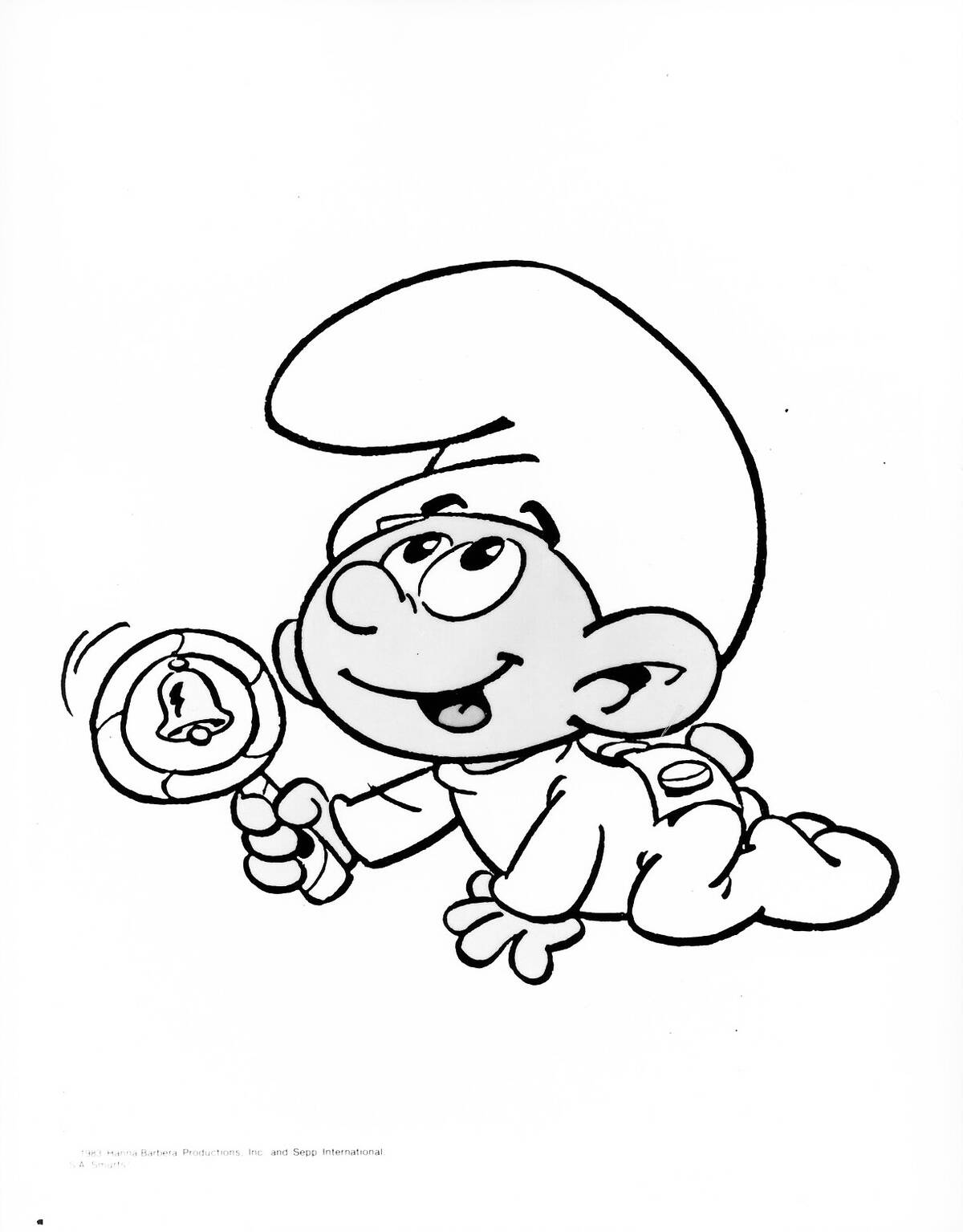
NBC struck blue gold in 1981, adapting Belgian cartoonist Peyo’s Les Schtroumpfs into The Smurfs, produced by Hanna-Barbera. For most of the 1980s, it anchored NBC’s lineup with a bustling village of three-apple-high heroes. Don Messick voiced Papa Smurf, Lucille Bliss brought Smurfette to life, and Danny Goldman’s Brainy gave kids a lovable know-it-all to roll their eyes at. Baby Smurf joined in 1983, expanding the family feel.
The show’s gentle arcs, catchy theme, and unmistakable “la-la-la” chorus helped it dominate ratings early in the decade. Episodes often clipped along as short segments per hour, sending the Smurfs past Gargamel’s traps and into storybook setups. It was reliable comfort TV: big enough to sell lunchboxes and Halloween costumes, small enough to feel like a neighborhood. If you learned the word “smurf” before “synonym,” same here.
Super Friends
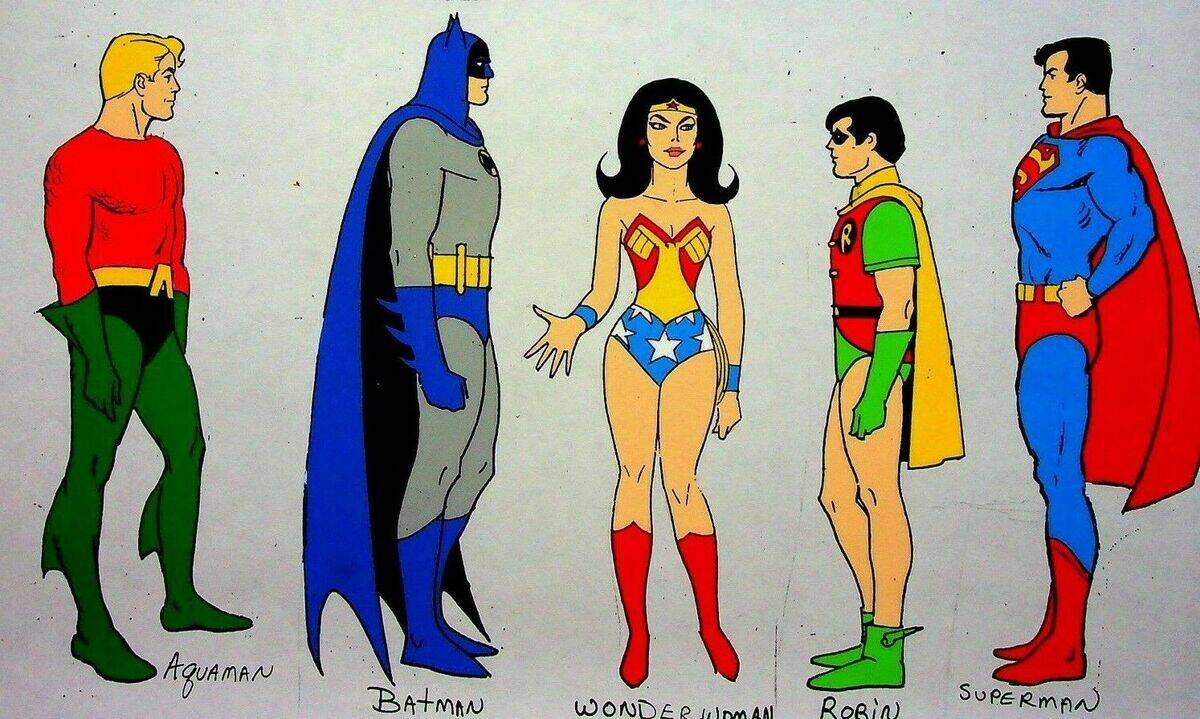
ABC assembled Super Friends in 1973, translating DC Comics’ Justice League into Saturday-friendly heroics via Hanna-Barbera. Superman, Batman, Wonder Woman, and Aquaman led the charge, with Olan Soule and later Adam West voicing Batman across versions, and Danny Dark as the signature Superman.
The format flexed over the years: The All-New Super Friends Hour (1977) introduced the Wonder Twins, Zan and Jayna, who activated powers with a fist bump and a catchphrase.
Challenge of the Superfriends (1978) upped the stakes with the Legion of Doom—Lex Luthor, Sinestro, and a rogues’ gallery camping it up from a swamp-base shaped like a skull. The show avoided heavy violence, steering into teamwork and problem-solving as much as punching. It wasn’t gritty comics; it was the gateway—gaudy, earnest, and perfect for playground debates about who could outrun the Flash.
He-Man and the Masters of the Universe
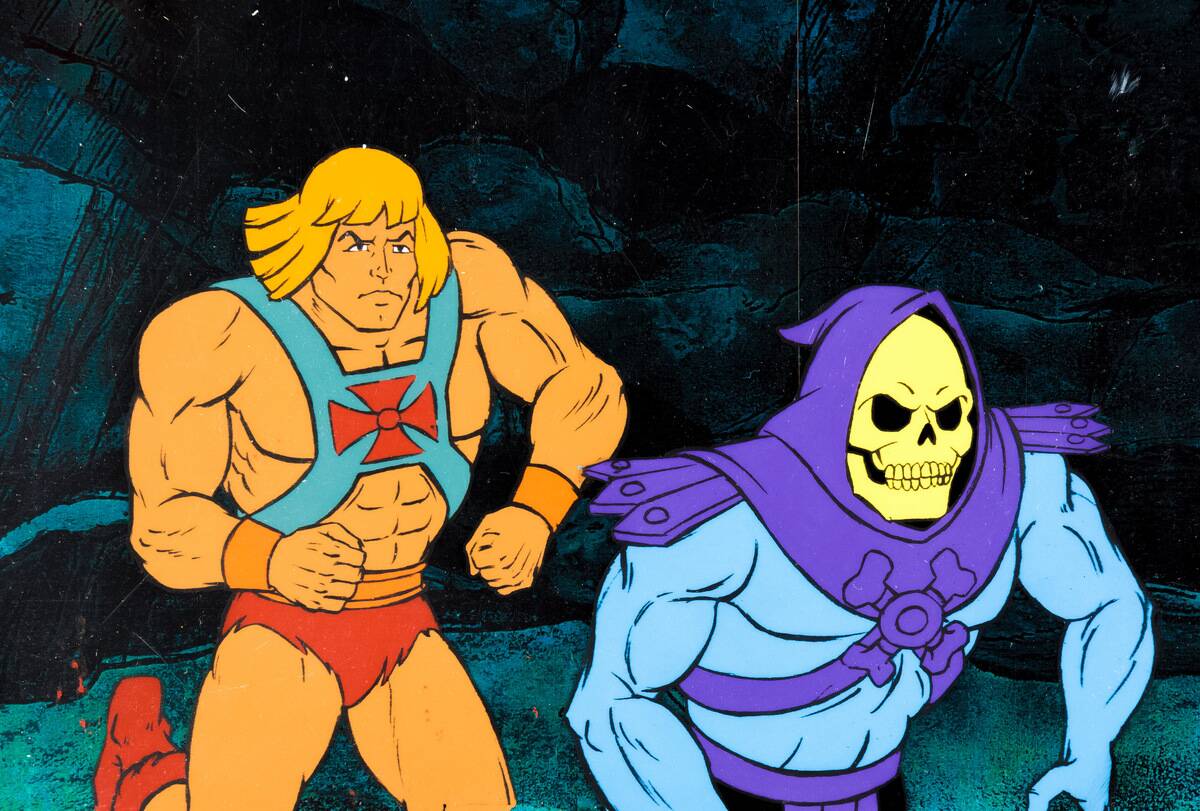
Filmation’s He-Man and the Masters of the Universe thundered into first-run syndication in 1983, dropping 130 episodes across two years and proving weekday cartoons could feel like appointment viewing on any day. John Erwin voiced Prince Adam/He-Man, while Alan Oppenheimer gave Skeletor that unmistakable cackle.
Based on Mattel’s toy line, it fused sword-and-sorcery with sci-fi, then capped episodes with a quick moral—a signature “He-Man Says” coda.
Though not born on a single network block, it was a weekend staple in many markets and homes, often replayed on Saturdays alongside toy-aisle pilgrimages. The transformation sequence—“By the power of Grayskull!”—became a generational handshake. It also changed the business: TV fueling toys, toys fueling TV, a loop of plastic and power that studios chased for years.
She-Ra: Princess of Power
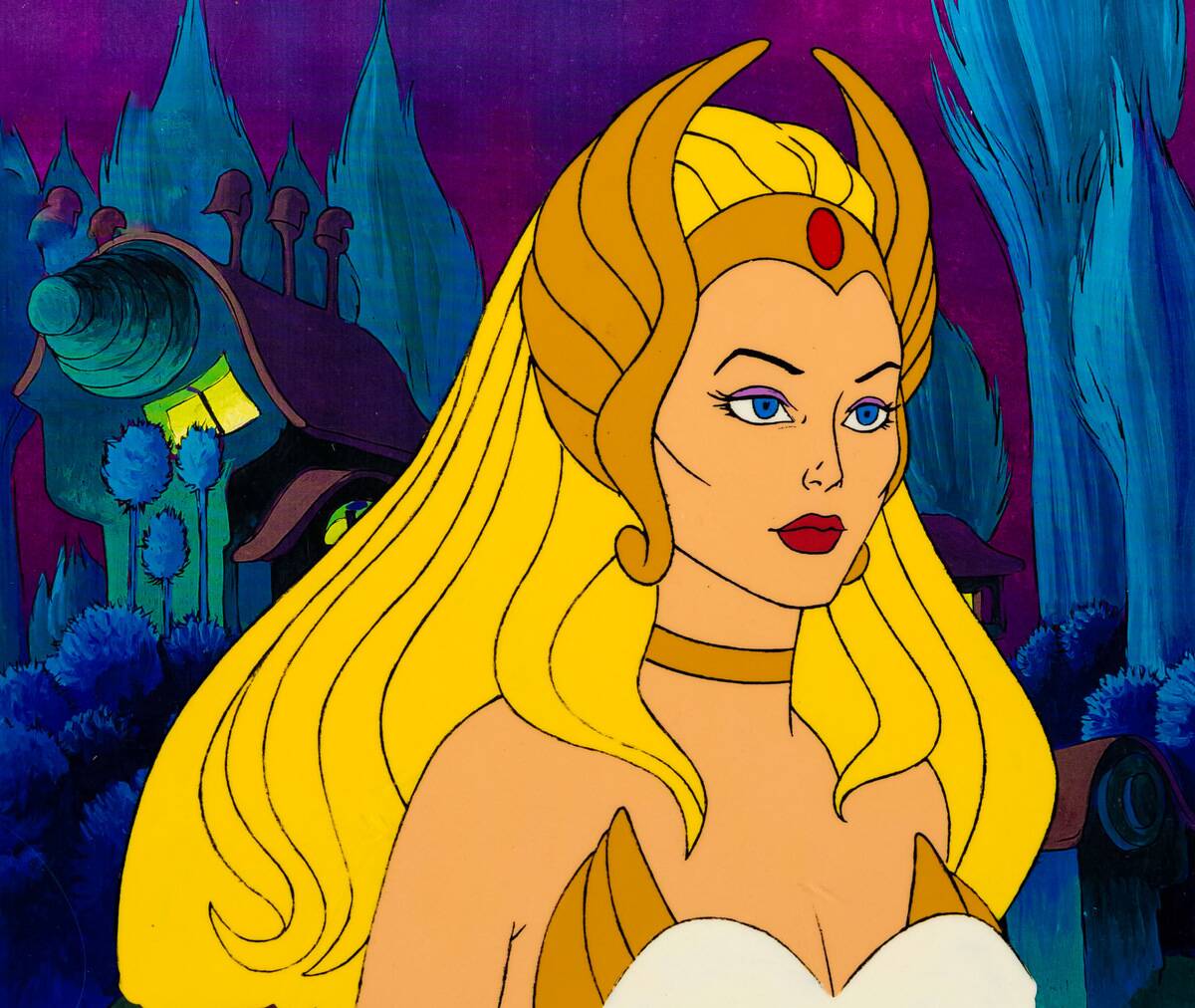
She-Ra spun out of He-Man in 1985 with Filmation’s She-Ra: Princess of Power, debuting via The Secret of the Sword, a feature stitched from the first five episodes. Melendy Britt voiced Princess Adora/She-Ra, while George DiCenzo menaced as Hordak.
The series ran through 1986 with 93 episodes, giving Etheria a rebellion story anchored by sisterhood and an instantly iconic theme.
She-Ra balanced action and character in a way that resonated far beyond toy shelves. Swift Wind, Bow, Glimmer, and the Great Rebellion broadened the cast, and the show’s emphasis on compassion made its victories feel earned. If you traded power swords for sparkle and strategy on Saturday mornings, this was your banner.
Teenage Mutant Ninja Turtles
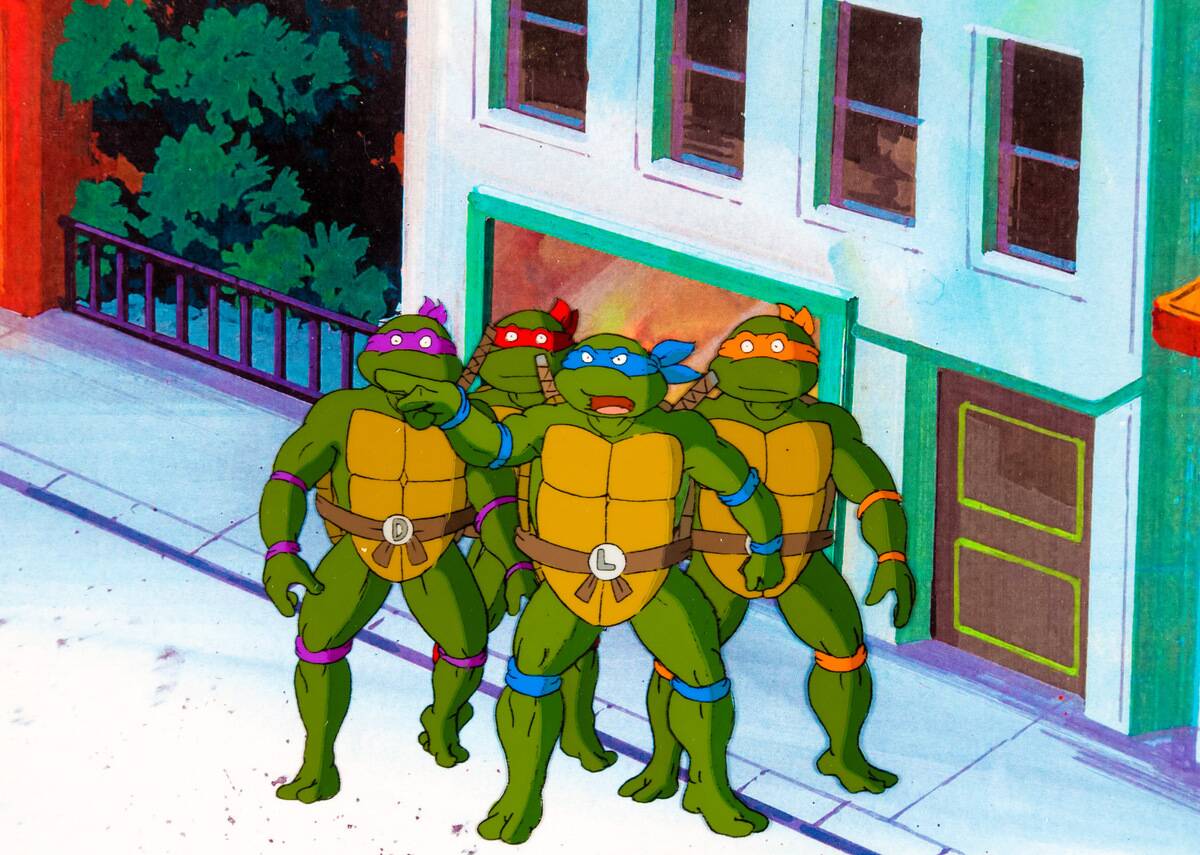
The heroes in a half shell surfaced as a five-episode syndicated miniseries in 1987, then burst into a full series in 1988, moving to CBS in 1990 and running through 1996. Rob Paulsen (Raphael), Townsend Coleman (Michelangelo), Cam Clarke (Leonardo), and Barry Gordon (Donatello) gave the turtles distinct personalities. The theme—by Chuck Lorre and Dennis C. Brown—lodged in brains as firmly as any pizza order.
Based on the grittier Mirage comics, the show leaned comedic, fueling a Playmates toyline that dominated early-’90s aisles. Shredder, Krang, and Bebop and Rocksteady provided reliable chaos, while April O’Neil brought reporter moxie in a yellow jumpsuit. The 1989 NES game became a playground legend, and Saturday mornings became a dojo where “cowabunga” was a fluently spoken language.
The Real Ghostbusters
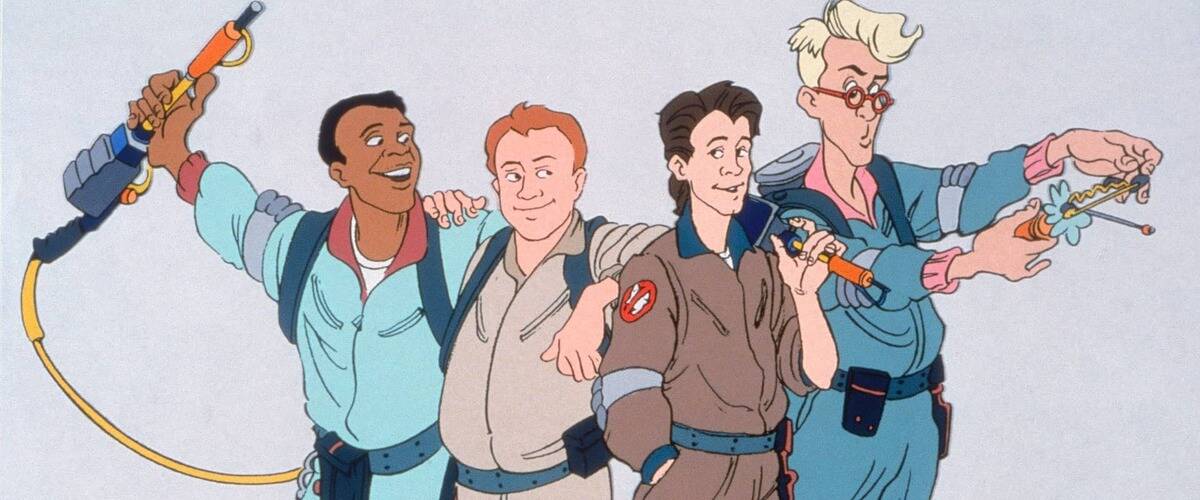
Following the 1984 film’s proton trail, The Real Ghostbusters premiered on ABC in 1986, produced by DiC and Columbia Pictures Television. Lorenzo Music originally voiced Peter Venkman before Dave Coulier took over in 1987; Arsenio Hall voiced Winston Zeddemore early on, later replaced by Buster Jones.
Staying close to the film’s spirit, it even kept Ray Parker Jr.’s infectious theme in the mix.
The show balanced slime and scares with surprising heart, eventually expanding into Slimer! and the Real Ghostbusters, which added comedic shorts. Janine got spotlight episodes, and the creature designs took fun risks that were still Saturday-morning friendly. For kids learning ghostbusting protocols—don’t cross the streams, pack extra traps—this was a weekly certification course.
Garfield and Friends
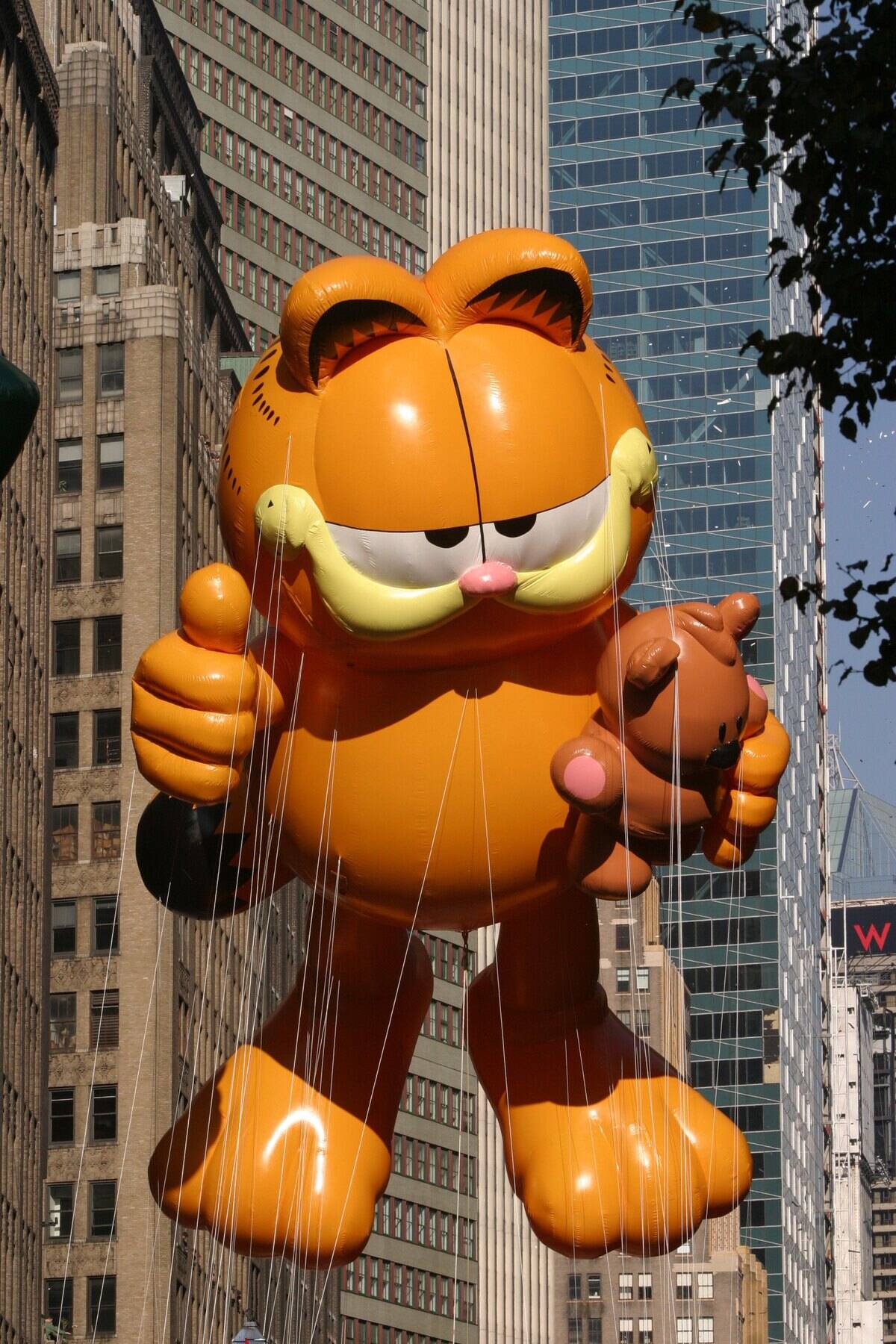
Lasagna for breakfast? Blame CBS’s Garfield and Friends, which ran from 1988 to 1994. Based on Jim Davis’s comic strip, the series paired Garfield segments with U.S. Acres (titled Orson’s Farm in some markets). Lorenzo Music voiced Garfield with that perfect dry purr, while Thom Huge gave Jon Arbuckle just the right blend of hopeful and hapless.
Beyond the strip gags, the show embraced meta humor and quick blackout bits that fit the Saturday rhythm. U.S. Acres added a barnyard ensemble—Orson, Wade, Booker—that kept the pace lively between Garfield’s naps. It was comfort food TV that knew exactly how much snark to serve kids without breaking the fourth wall too hard.
Muppet Babies
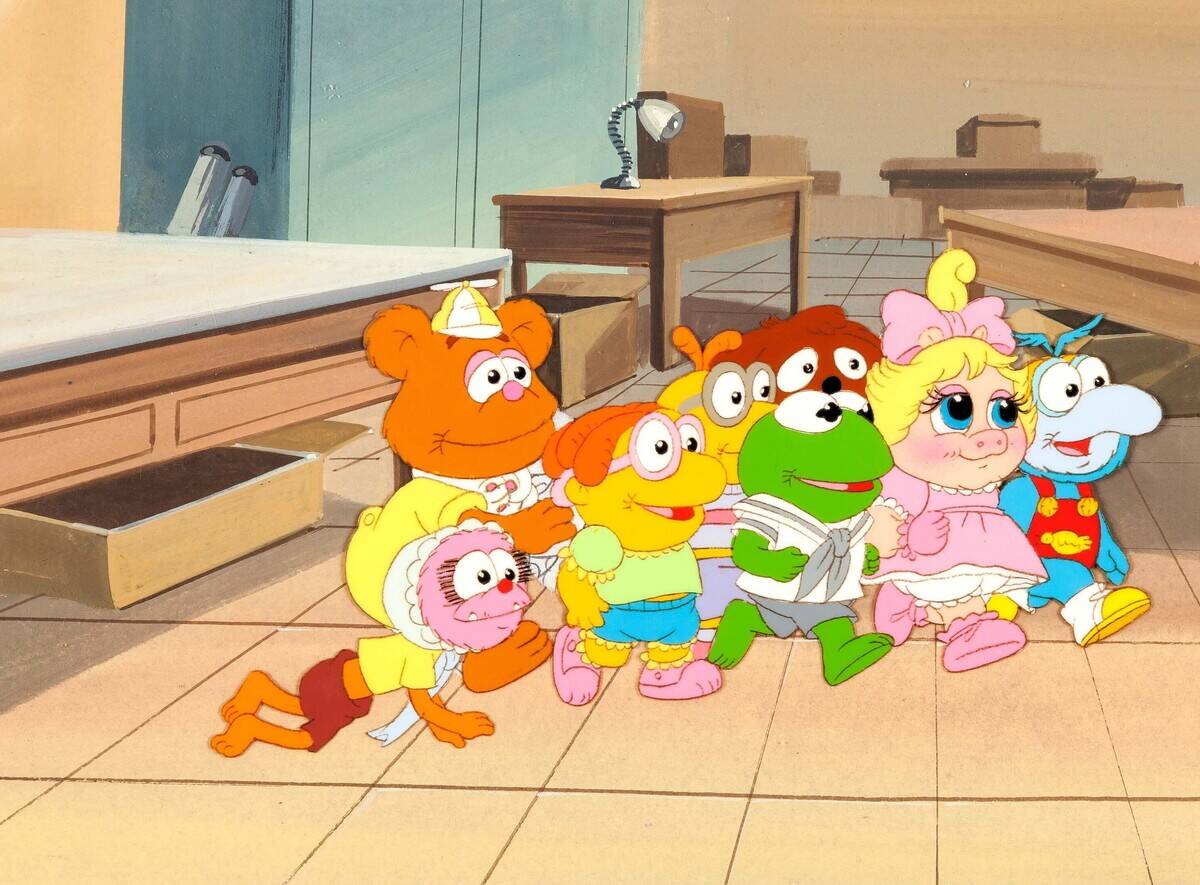
Jim Henson Productions and Marvel Productions launched Muppet Babies on CBS in 1984, and it quickly became a Saturday staple by remixing imagination and pop-culture clips. Barbara Billingsley’s voice as the never-seen (below the knees) Nanny anchored the nursery, while Frank Welker, Laurie O’Brien, and others brought Kermit, Piggy, Fozzie, and friends to life.
The series famously integrated live-action film footage under license for dreamy fantasy sequences.
Awards loved it as much as kids did. Muppet Babies won the Daytime Emmy for Outstanding Animated Program multiple times in the mid-1980s, and its gentle storytelling made creativity the hero of every episode. If you ever built a cardboard spaceship after breakfast, you were basically following the show’s lesson plan.
Alvin and the Chipmunks
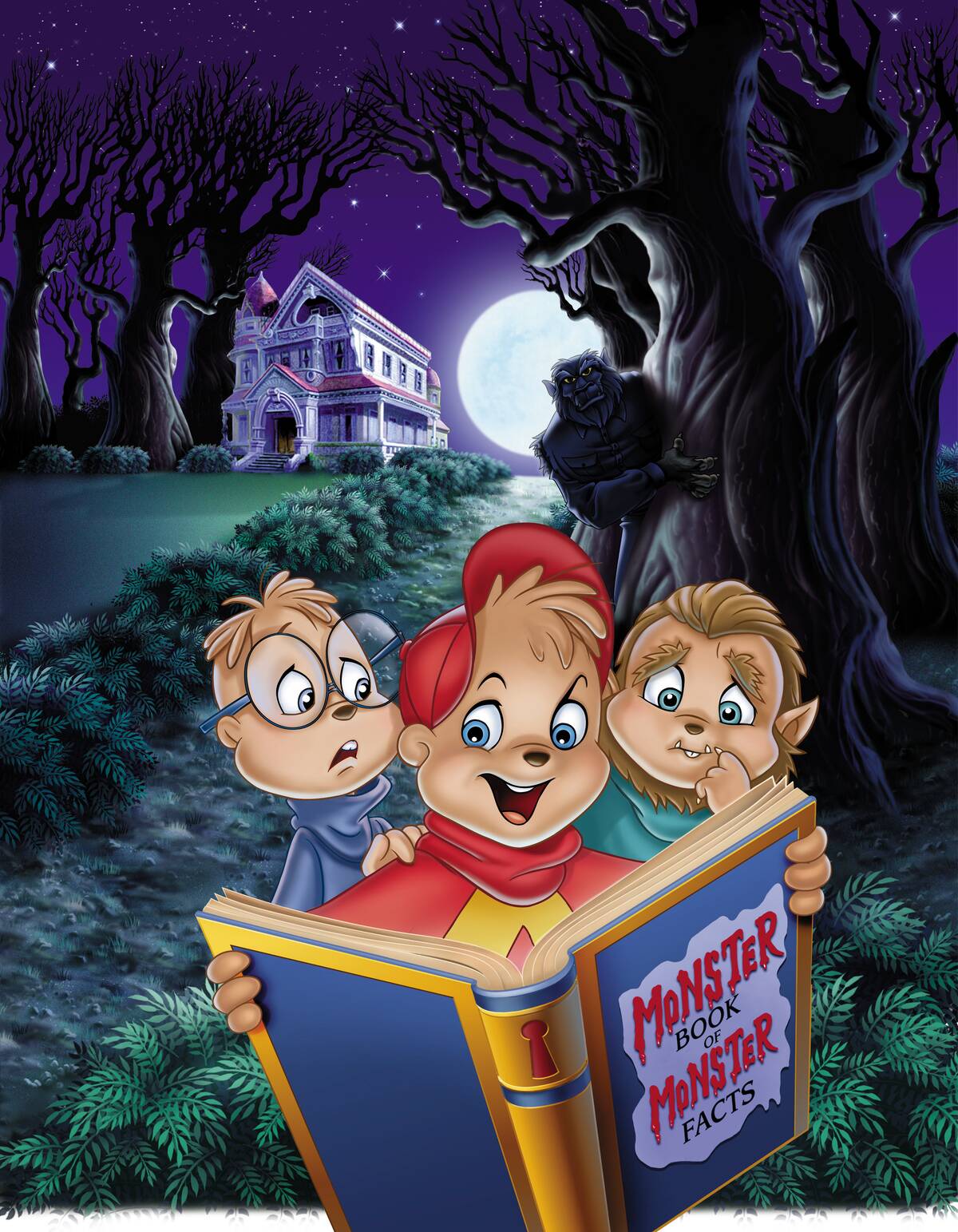
Alvin and the Chipmunks returned to TV on NBC in 1983, shepherded by Bagdasarian Productions with animation partners including Ruby-Spears and later Murakami-Wolf-Swenson. Ross Bagdasarian Jr. voiced Alvin, Simon, and Dave Seville, while Janice Karman voiced Theodore and the Chipettes, who joined the ensemble during this run.
The series mixed covers of pop hits with original tunes, turning Saturdays into bite-sized concerts.
The Chipmunks sprinted through ’80s culture with themed episodes and specials, then shifted into The Chipmunks Go to the Movies in 1990. The musical hook made it evergreen—sing a chorus, sell a premise, move to the next set piece. If your living room became a stage whenever the opening riff hit, you were part of the tour.
The New Adventures of Winnie the Pooh
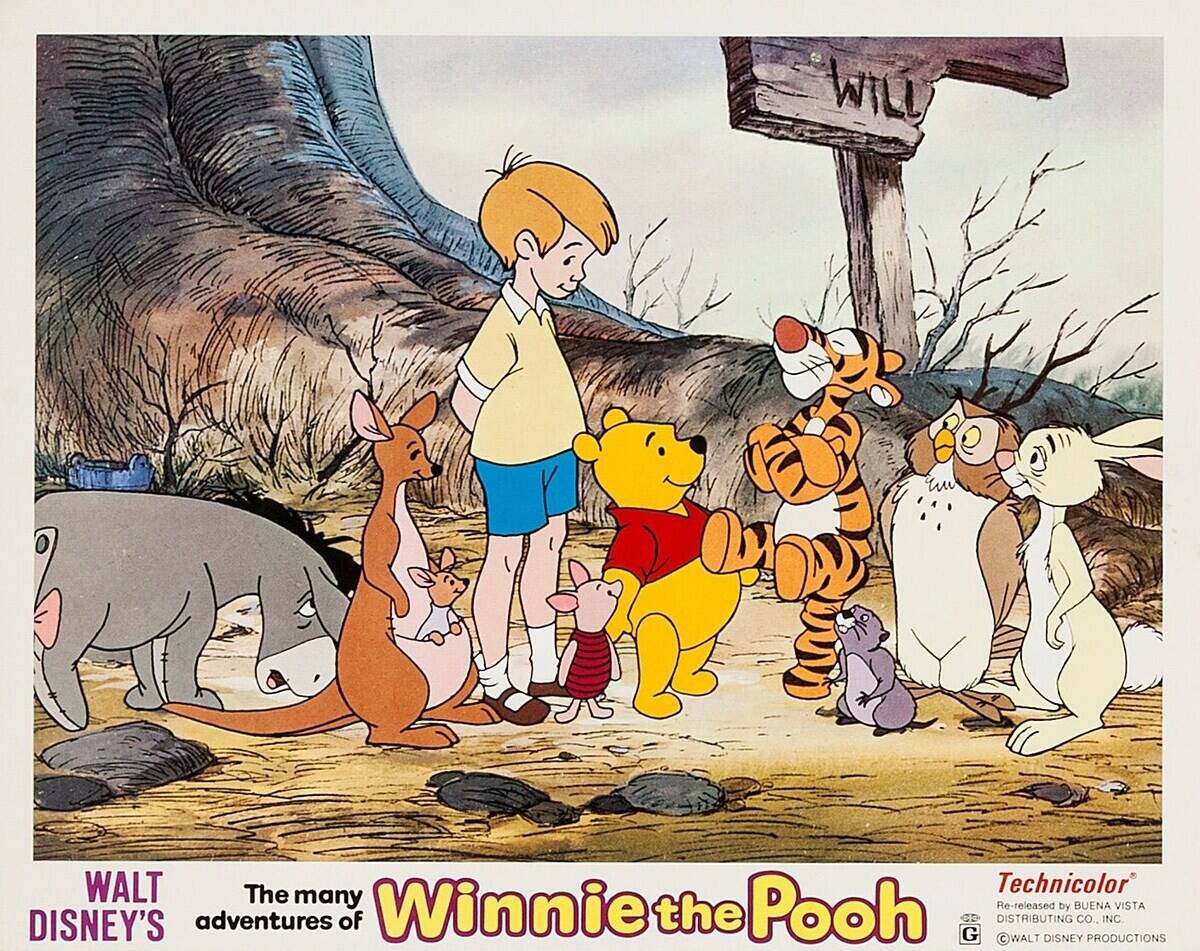
Disney’s The New Adventures of Winnie the Pooh premiered on ABC in 1988, delivering feature-quality charm in bite-sized adventures. Jim Cummings took over as the voice of Winnie the Pooh, with Paul Winchell initially returning as Tigger before Cummings also assumed that role. Early episodes benefited from lush animation by TMS Entertainment, making the Hundred Acre Wood feel like a watercolor you could step into.
The series won the Daytime Emmy for Outstanding Animated Program in 1990, and it earned that mantle with warm, literate scripts that never talked down to kids. Pooh-isms aside, the show modeled empathy, patience, and problem-solving with a honey-smooth touch. Saturday mornings don’t get more soothing than a pot of hunny and an unexpected blustery day.
Dungeons & Dragons
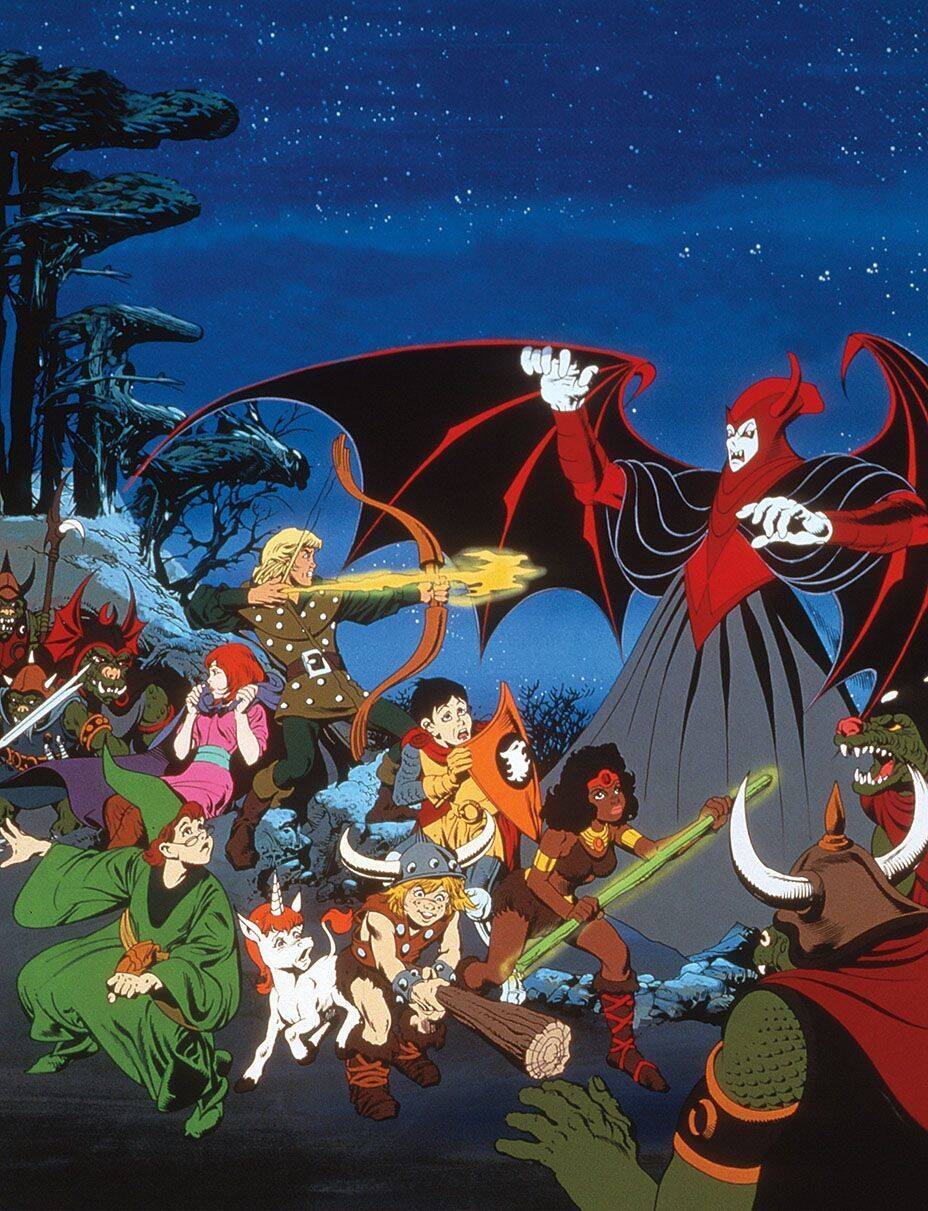
Marvel Productions and TSR rolled a natural 20 with Dungeons & Dragons on CBS, airing from 1983 to 1985. A group of kids board a theme-park ride and land in a fantasy realm, where the Dungeon Master gifts them class-specific weapons: Hank the Ranger, Diana the Acrobat, Eric the Cavalier, Presto the Magician, Sheila the Thief, and Bobby the Barbarian. Voice talents included Willie Aames, Don Most, Adam Rich, and Frank Welker.
Across 27 episodes, the show offered serial stakes rare for the era, with an unproduced finale, Requiem, later circulating as a script that resolved major arcs.
Venger, the iconic antagonist, loomed large, while Tiamat the five-headed dragon stole scenes. For many viewers, this was the first taste of campaign-style storytelling—cliffhangers with your cornflakes.
X-Men: The Animated Series
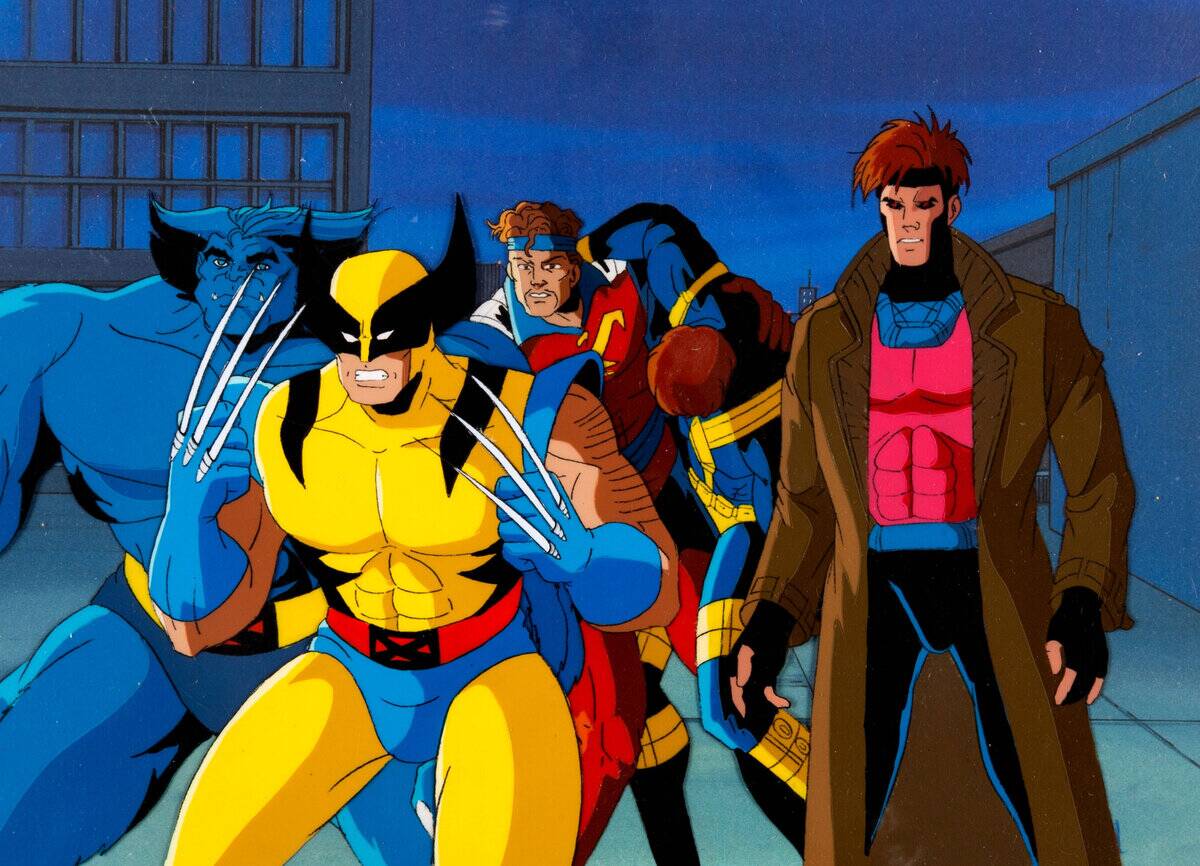
When Fox Kids launched X-Men: The Animated Series in 1992, it brought serialized comic storytelling roaring into Saturday mornings. Produced by Saban and animated by multiple overseas studios, the show ran 76 episodes through 1997. Cal Dodd’s Wolverine growled the signature edge, while the series boldly adapted arcs like Days of Future Past and The Dark Phoenix Saga, rare ambition for kids’ TV at the time.
That guitar-stab theme became an instant earworm. Beyond nostalgia, the show’s legacy is active—Disney’s revival, X-Men ’97, picked up the baton in 2024, proof the original’s tone and designs still hit. If you learned the word “mutant” before “algebra,” add this to your origin story.
Spider-Man: The Animated Series
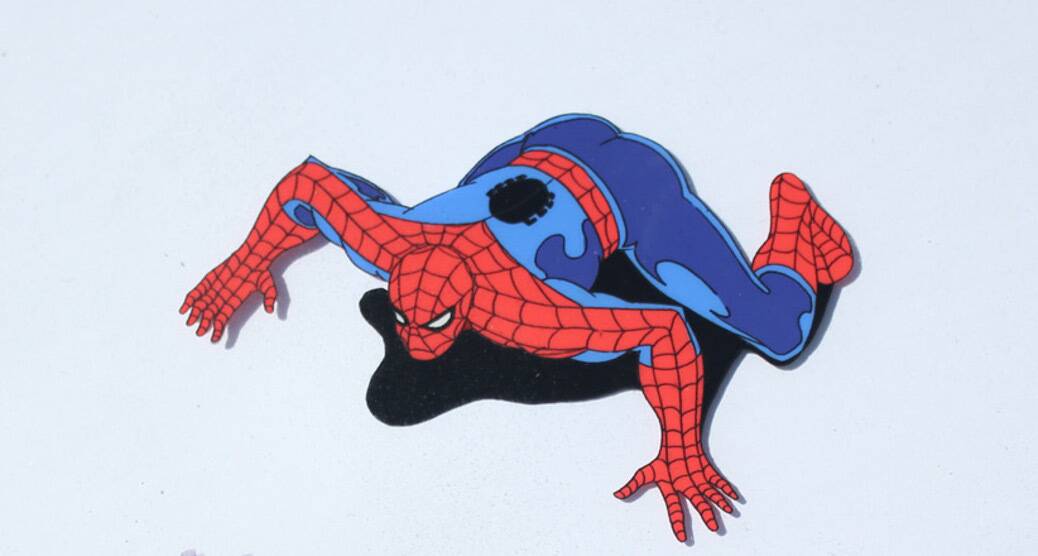
Fox Kids doubled down on Marvel with Spider-Man: The Animated Series from 1994 to 1998. Showrunner John Semper Jr. steered a 65-episode run that threaded multi-part arcs—Venom, the Clone Saga—and even crossovers with the X-Men. Christopher Daniel Barnes voiced Peter Parker with just the right balance of quip and conscience.
Fox Standards kept the action stylized—lots of lasers, shattered robots, and minimal punching—which pushed the series into clever staging and internal monologues. The finale’s multiverse turn predated a lot of later Spidey storytelling. If your web-slinging daydreams needed a Saturday refuel, this was the friendly neighborhood fix.
Batman: The Animated Series
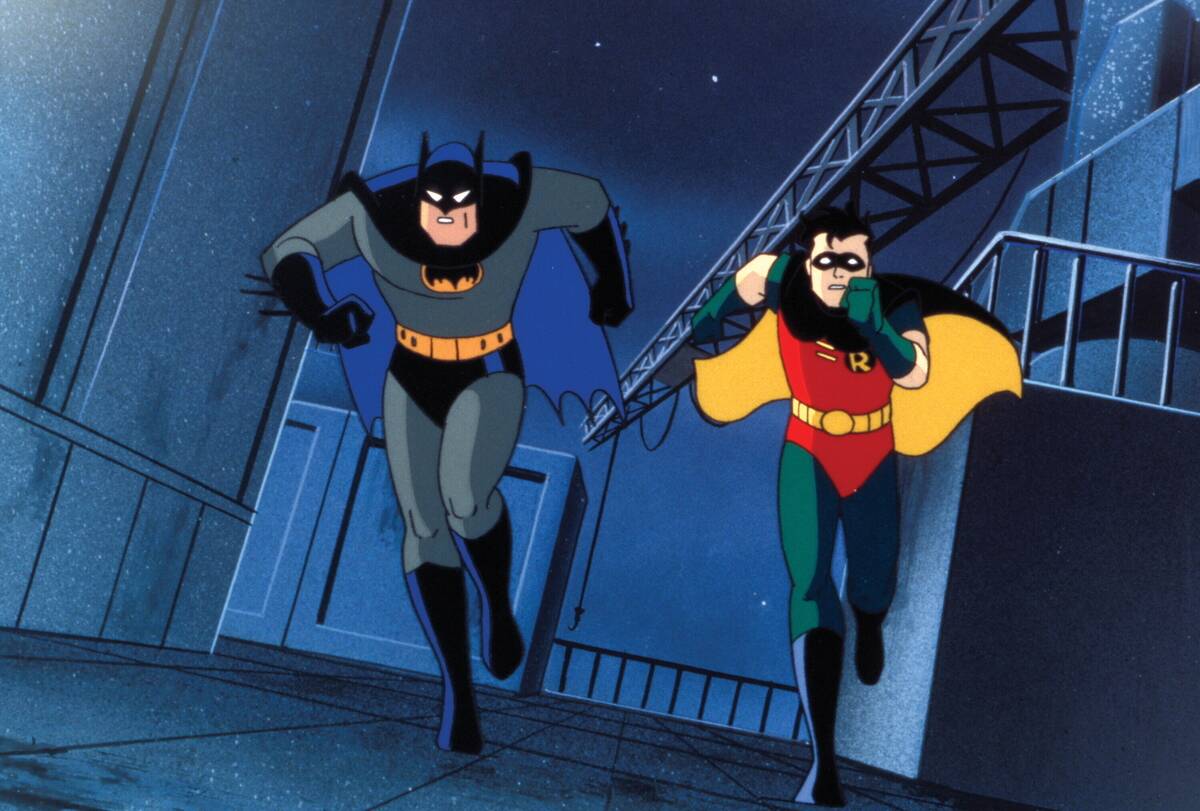
Batman: The Animated Series landed on Fox Kids in 1992 with film-noir swagger—“Dark Deco” backgrounds, Shirley Walker’s orchestral score, and storytelling that never flinched. Kevin Conroy’s definitive Batman met his Joker in Mark Hamill, while Bruce Timm and Eric Radomski defined a look that still echoes across DC animation.
Episodes like Heart of Ice won Daytime Emmys, reimagining Mr. Freeze with tragic weight.
Beyond awards, BTAS shaped the canon—Harley Quinn, created for the show, vaulted into comics and film. The series ran into 1995, then evolved into The New Batman Adventures on Kids’ WB. If you practiced the cape swirl with a blanket, you were part of Gotham’s Saturday night—er, morning—patrol.
Recess (ABC’s One Saturday Morning)
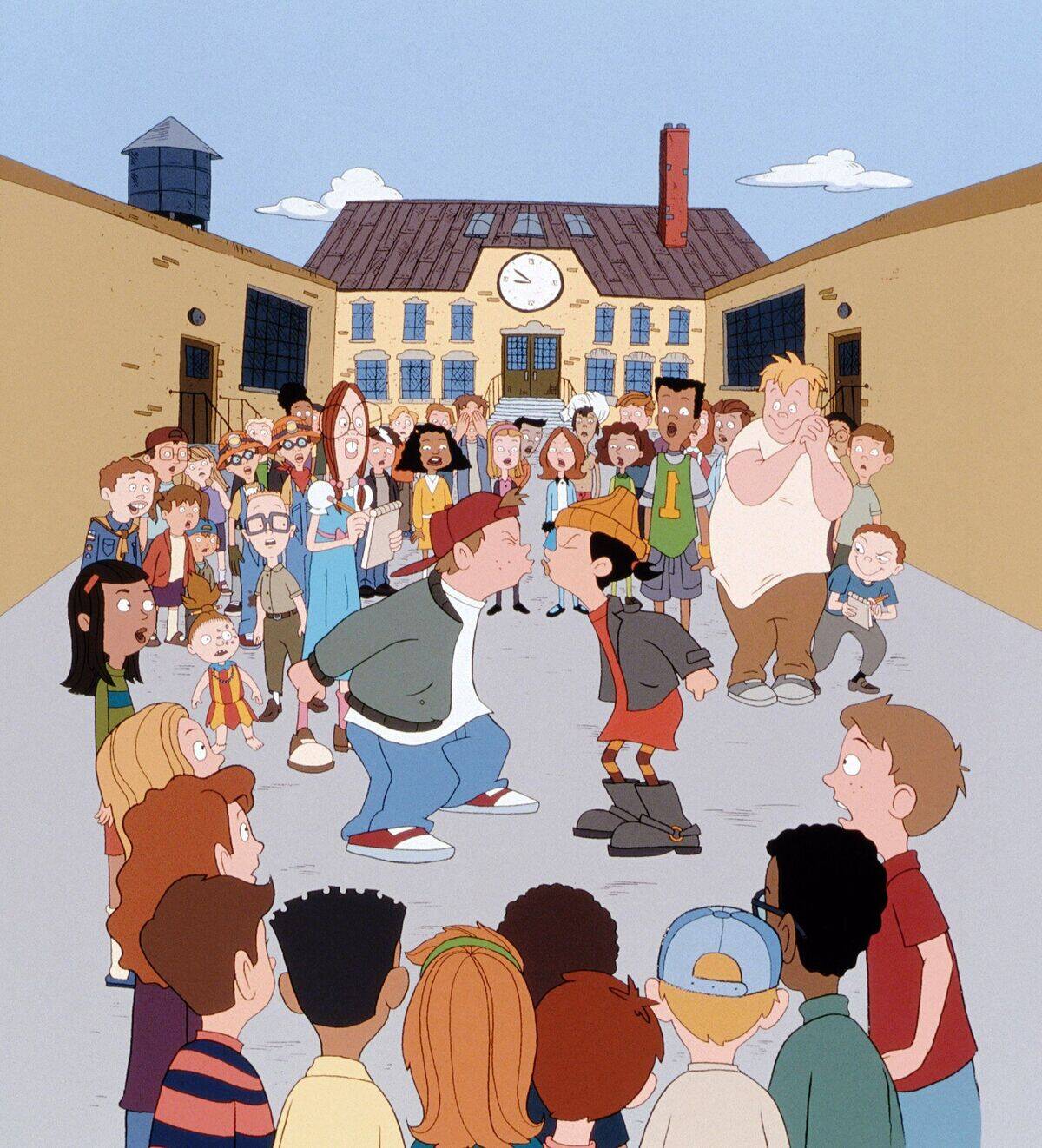
Recess premiered in 1997 inside ABC’s One Saturday Morning and felt instantly relatable: six kids navigating Third Street School with a kid-sized social contract. Created by Paul Germain and Joe Ansolabehere, it turned playground politics into parables, with T.J., Spinelli, Vince, Gretchen, Mikey, and Gus negotiating rules, rights, and swingset sovereignty.
The series ran through 2001, even making the leap to theaters with Recess: School’s Out in 2001. It nailed a sweet spot—funny enough for kids, wry enough for parents eavesdropping over coffee. If your class had a self-appointed king of the playground, you already knew this world.
Pokémon
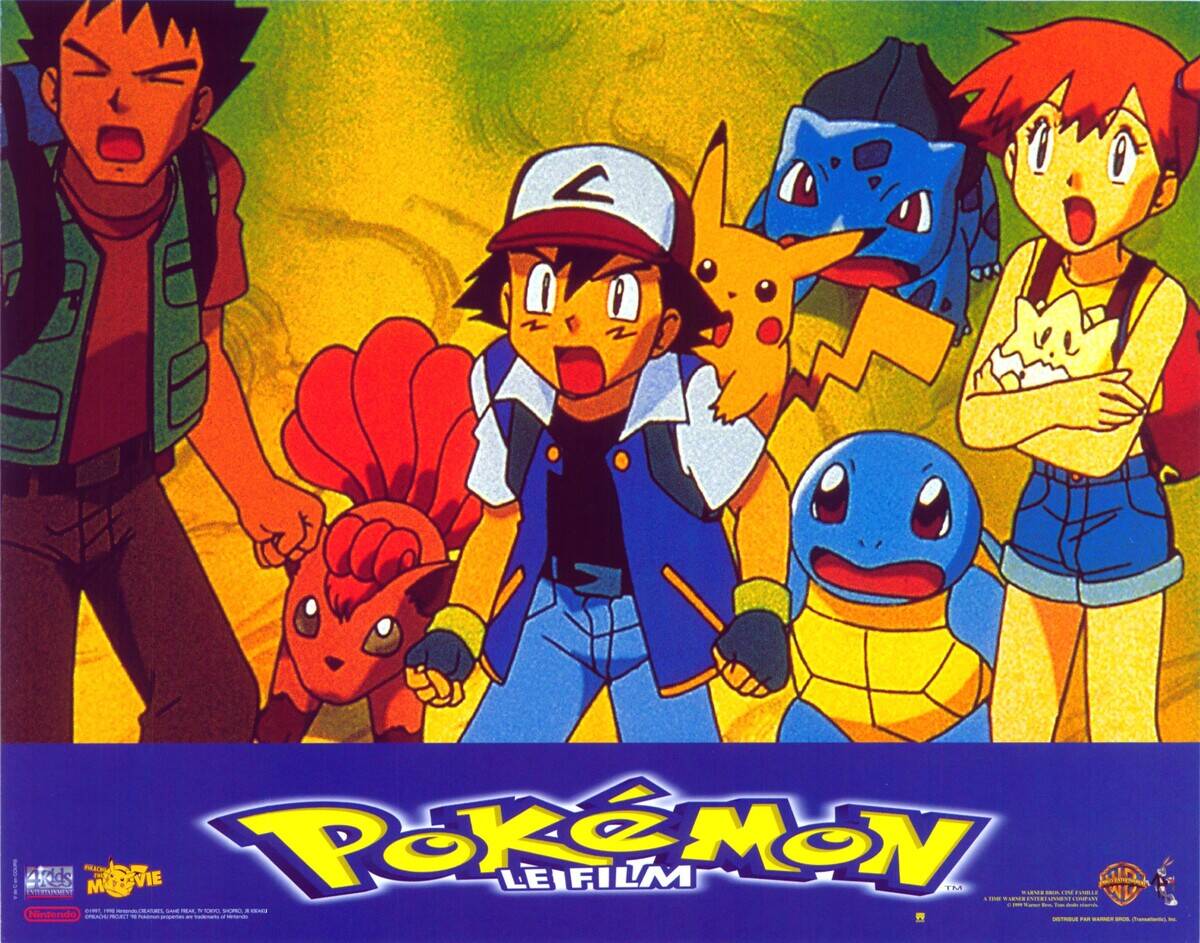
Pokémon began airing in the U.S. in 1998 and joined Kids’ WB in 1999, with 4Kids Entertainment handling the English dub. Veronica Taylor voiced Ash Ketchum for the first eight seasons, while Ikue Ōtani’s original Pikachu cries remained. The franchise crossed screens and store shelves seamlessly: the trading card game hit the U.S. in 1999 through Wizards of the Coast, and Game Boy titles Red and Blue became recess currency.
Cultural moments piled up fast. The unaired-in-U.S. Japanese episode Electric Soldier Porygon (1997) made headlines; movies stuffed weekend matinees; and the Poké Rap drilled type charts into brains via rhyme. If you set an alarm to catch a rare episode or event, you already understood “Gotta catch ’em all” wasn’t just marketing—it was a schedule.
Digimon
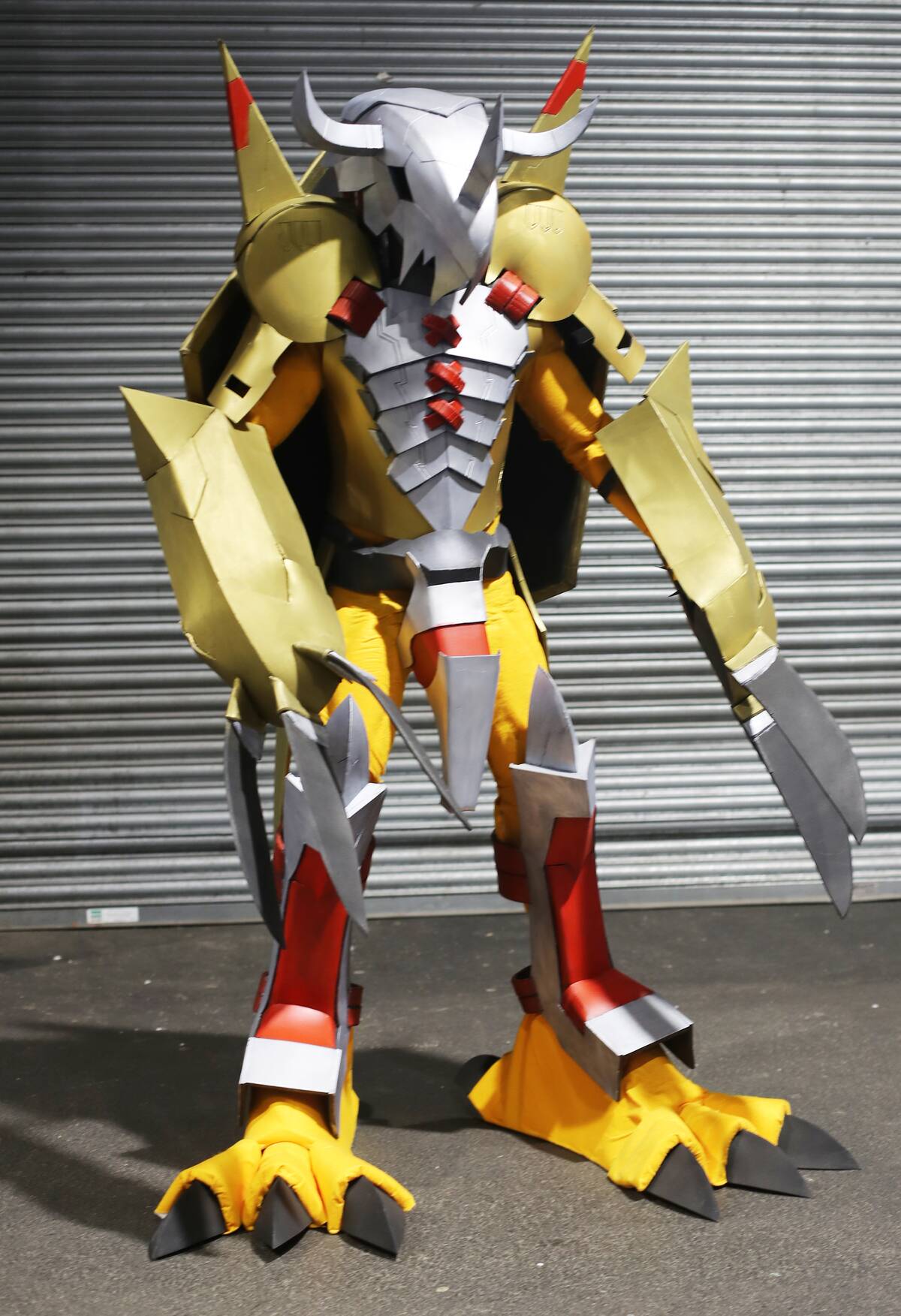
Fox Kids answered in 1999 with Digimon: Digital Monsters, produced for U.S. audiences by Saban Entertainment. Digimon Adventure (1999–2000) introduced the DigiDestined—Tai, Matt, Sora, and crew—before Season 2 continued their story, and Tamers (2001–2002) rebooted with a darker meta twist. Joshua Seth’s energetic Tai anchored the early years, while the U.S. dub sprinkled humor over high-stakes evolutions.
After Disney acquired Fox Family Worldwide and Saban in 2001, later seasons rotated onto ABC Family and Toon Disney. Where Pokémon chased collection, Digimon leaned into character arcs and partner bonds—crest virtues, digivolutions triggered by trust, and season-long villains that actually got scary. If you debated Agumon versus Pikachu at lunch, you were living the era.
Freakazoid!
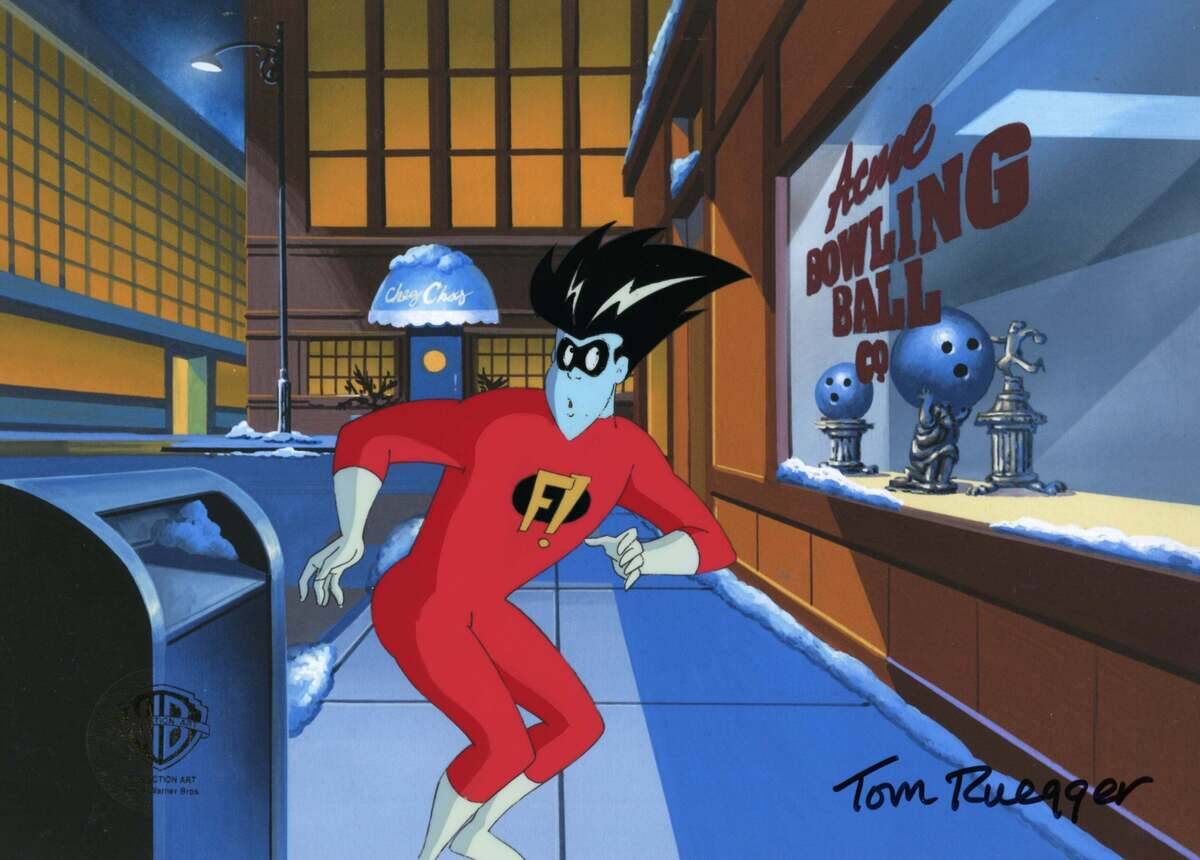
Freakazoid! zapped onto Kids’ WB in 1995 with Steven Spielberg as executive producer and a creative team including Tom Ruegger and Paul Rugg, who also voiced the title character. Across two seasons and 24 episodes, it blended superhero spoofing, sketch comedy, and fourth-wall detours that felt like a sugar rush with footnotes.
It never chased ratings like its sister shows but built a cult that only grew in reruns and online clips. Guest voices, deep-cut references, and the world’s most chaotic chase segments earned it a permanent spot on “wait, you remember this?” lists. If your sense of humor toggles between smart and silly, Freakazoid! was your operating system.
Sonic the Hedgehog (SatAM)
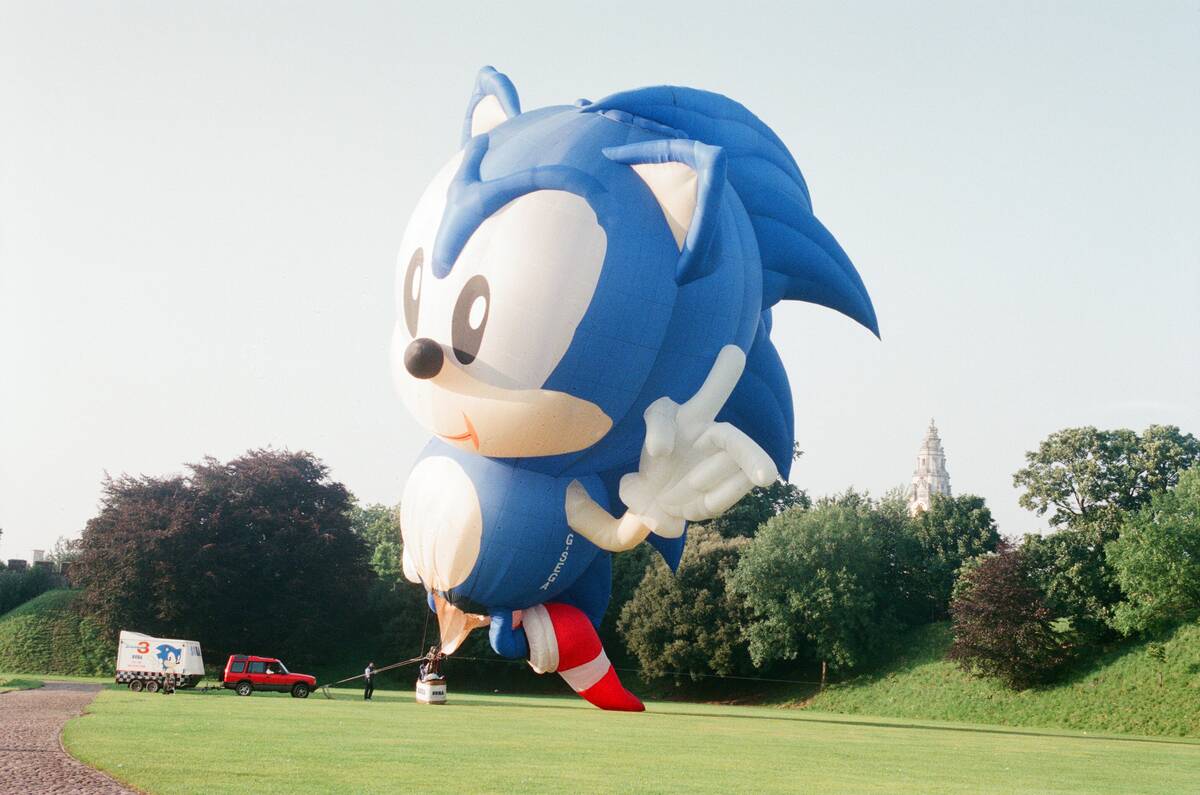
There were multiple ’90s Sonic cartoons, but ABC’s Saturday-morning Sonic the Hedgehog (1993–1994) is the one fans dub SatAM. Produced by DiC, it ran 26 episodes over two seasons, with Jaleel White voicing Sonic. The tone was darker than the blue blur’s other shows, following Sonic, Princess Sally Acorn, and the Freedom Fighters against Jim Cummings’s chilling Dr. Robotnik.
The show’s wooded hideouts and robot-ruined cities gave it stakes beyond slapstick, and its serialized beats hooked kids used to one-and-done stories. It ended too soon for many, but its vibe—resistance, teamwork, and a ring-chimed hopefulness—stuck. If you ever yelled “way past cool” and meant it, SatAM is why.
Schoolhouse Rock!
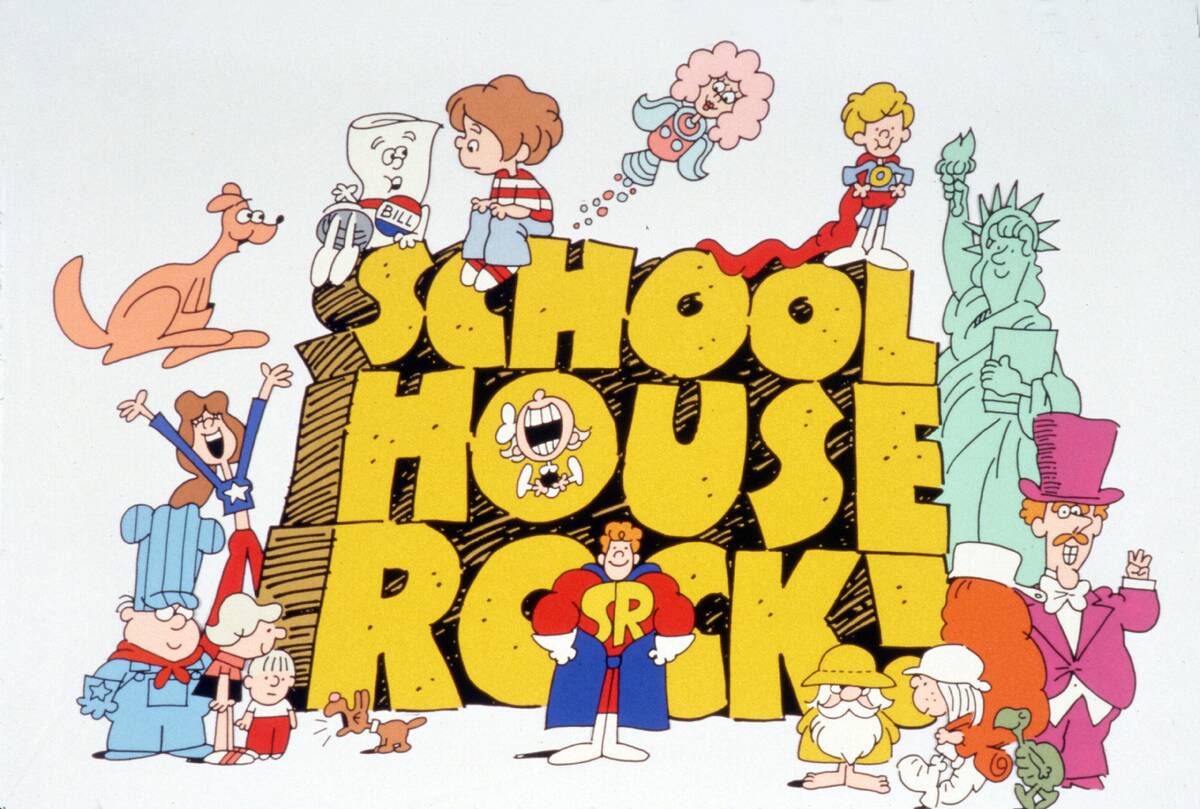
ABC’s Schoolhouse Rock! turned grammar, civics, and math into chart-worthy earworms starting in 1973. Conceived by advertising exec David McCall and powered musically by Bob Dorough, it ran as interstitial shorts between cartoons through 1984, then came roaring back in a 1990s revival.
Conjunction Junction and I’m Just a Bill weren’t just catchy—they taught parts of speech and the legislative process to millions.
Segments like Interplanet Janet (written by Lynn Ahrens) proved educational TV could swing. The minimalist animation style, tight runtimes, and unshakeable hooks made it perfect for Saturday pacing—learn a thing, hum all day. If you’ve ever parsed a sentence on rhythm alone, this is your brain on Schoolhouse Rock!
One Saturday Morning gems: Pepper Ann and Disney’s Doug
ABC’s One Saturday Morning (1997–2002) hid smaller treasures, starting with Pepper Ann (1997–2000), created by Sue Rose. As the first Disney animated TV series created by a woman, it followed a seventh-grader navigating middle-school mortifications with wild imagination. Kathleen Wilhoite’s vocal spark and 65-episode run gave it evergreen relatability, from school plays to self-confidence plotlines.
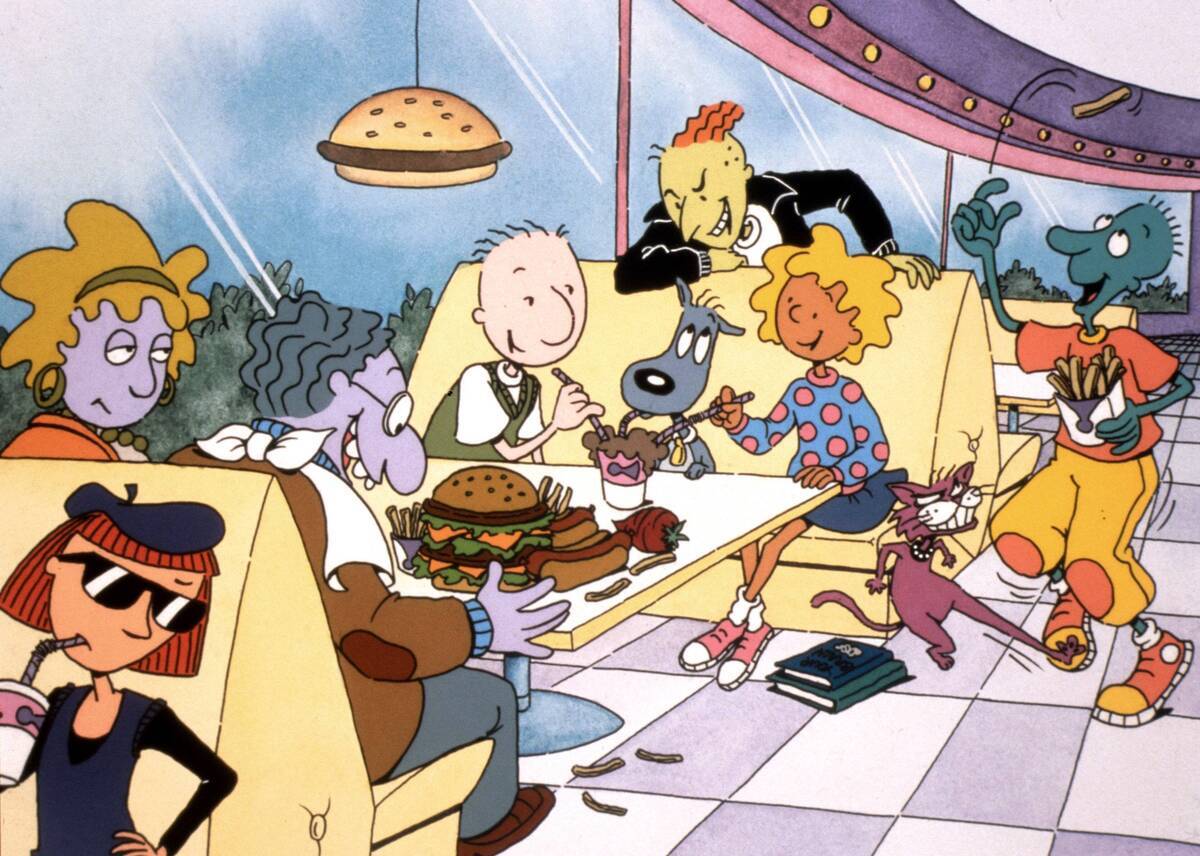
Disney’s Doug (1996–1999) continued Nickelodeon’s classic with new episodes, gently tweaking designs and story scope while keeping Doug Funn’s diary and daydreams. The run culminated in Doug’s 1st Movie (1999), proving the series could scale up without losing its awkward, earnest heart. If you doodled in a journal after breakfast, you were basically in the Honker Burger booth.
Kids’ WB all-stars: Animaniacs and Pinky & The Brain
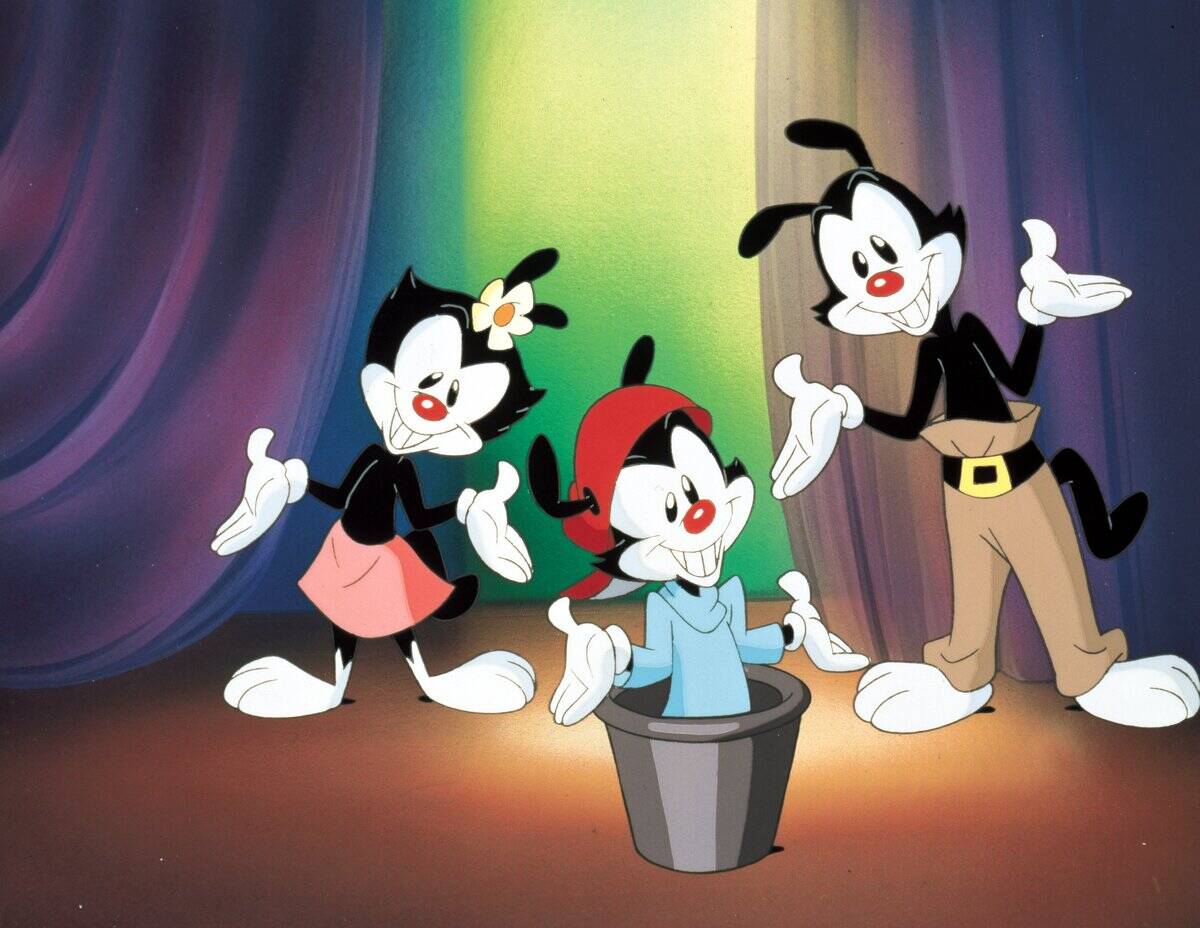
Animaniacs launched in 1993 (moving to Kids’ WB in 1995) with Steven Spielberg’s Amblin flair and Tom Ruegger’s variety-show instincts. Rob Paulsen, Jess Harnell, and Tress MacNeille voiced the Warner siblings, who ping-ponged between slapstick and satire across 99 episodes.
The show became a catchphrase factory—hello, nurse!—and a music-class cheat code, via songs like Yakko’s World.
Pinky & The Brain spun off in 1995, elevating two laboratory mice into a vaudeville duo scheming nightly to take over the world. Maurice LaMarche’s Orson Welles–tinged Brain and Paulsen’s Pinky found a rhythm that won Emmys and outlived time slots. If your Saturday morning could handle sophisticated nonsense, these two shows were a masterclass.




