How asteroid strikes shaped Earth’s history
The universe is a stage where celestial bodies perform a drama of epic proportions. Among these cosmic players, asteroids have been pivotal in shaping our planet’s history.
These rocky remnants of the early solar system have collided with Earth and other celestial bodies, creating a saga that intertwines destruction and creation. As we delve into this fascinating narrative, we’ll uncover the profound impact asteroids have had on Earth’s journey from its fiery birth to its potential future.
The Birth of Our Planet: Asteroids as Building Blocks
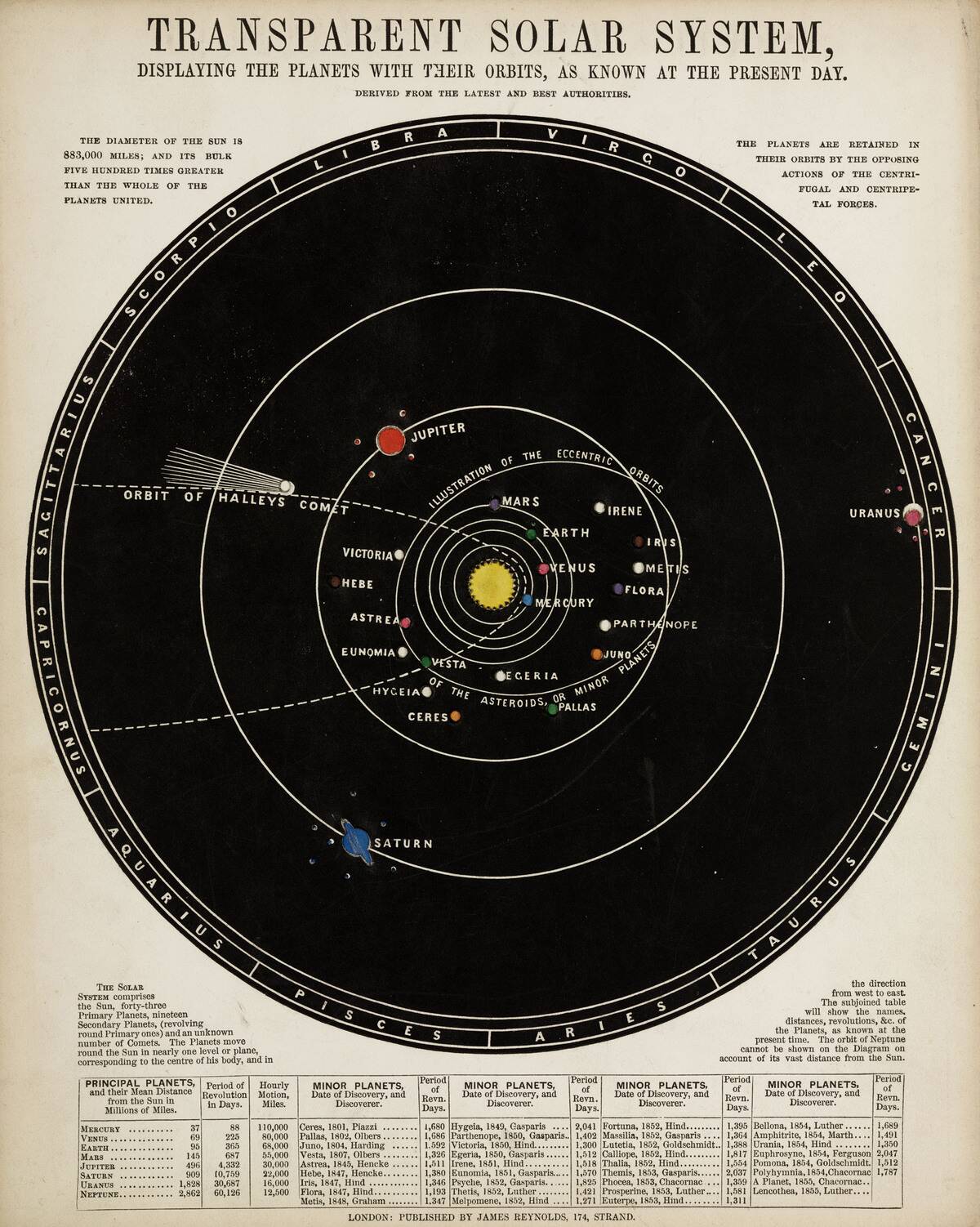
In the nascent solar system, the formation of planets was a chaotic affair. Asteroids, the leftover building blocks from planet formation, played a crucial role in Earth’s birth. These rocky bodies collided and coalesced, contributing to the mass and composition of our planet.
Without these early impacts, Earth might not have developed the necessary conditions for life. It’s remarkable to think that what could seem destructive was actually a vital process in the creation of our world.
Early Earth: A Chaotic Bombardment
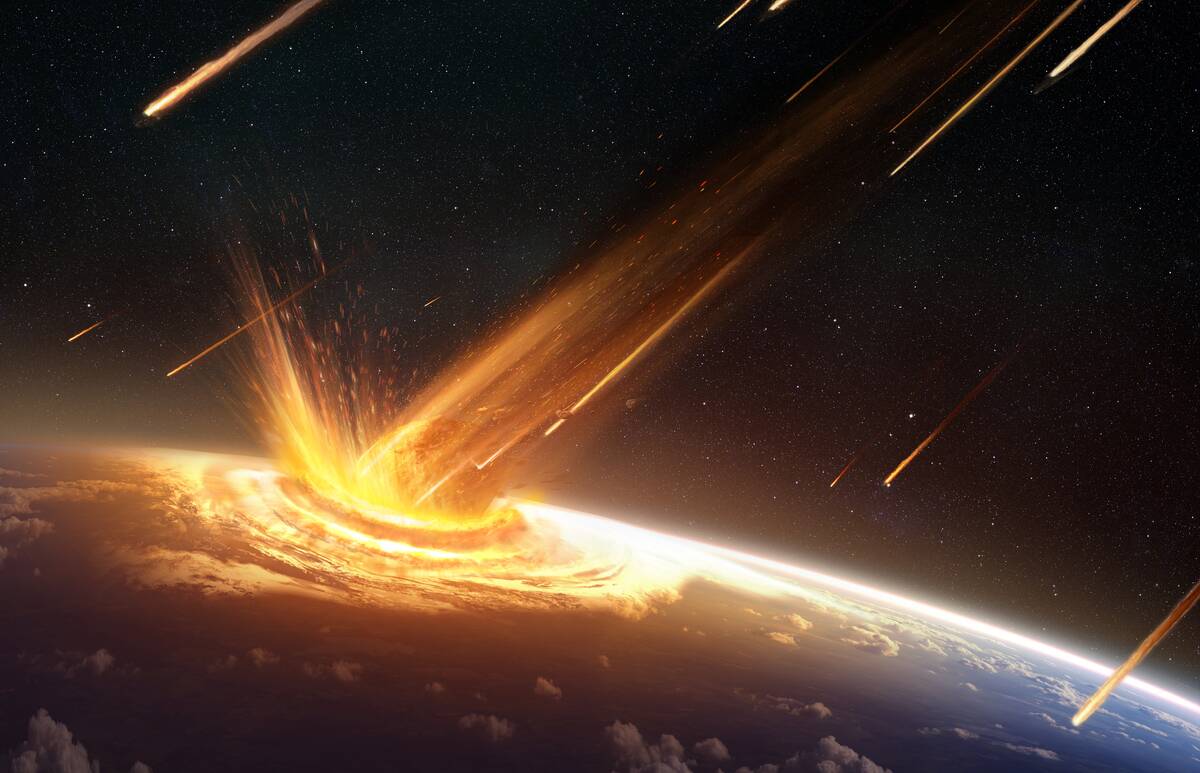
The young Earth was far from the serene blue marble we know today. It was a tumultuous time marked by frequent asteroid bombardments. These relentless impacts contributed to the planet’s geological and atmospheric evolution, possibly delivering essential compounds like water.
The chaotic nature of early Earth paved the way for the complex planet we inhabit now. This period reminds us that even the most violent cosmic events can lead to the most beautiful outcomes.
The Moon’s Origin: A Giant Collision Story
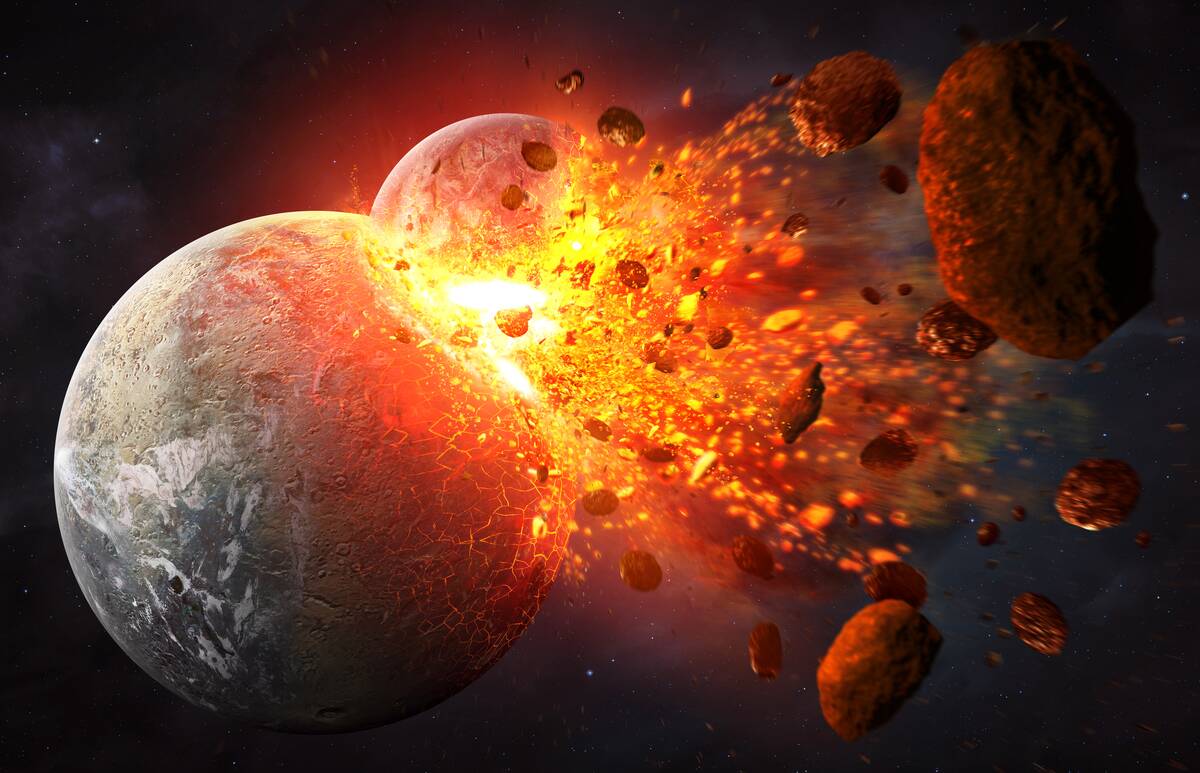
The Moon, our constant celestial companion, owes its existence to a colossal collision. It’s widely accepted that a Mars-sized body, dubbed Theia, struck the early Earth. This cataclysmic event ejected a significant amount of debris, which eventually coalesced to form the Moon.
This impact not only gave birth to the Moon but also influenced Earth’s tilt and rotation, contributing to the climatic and environmental stability necessary for life to thrive. The Moon’s presence continues to be a stabilizing force for our planet.
The Late Heavy Bombardment: Earth’s Rocky Adolescence
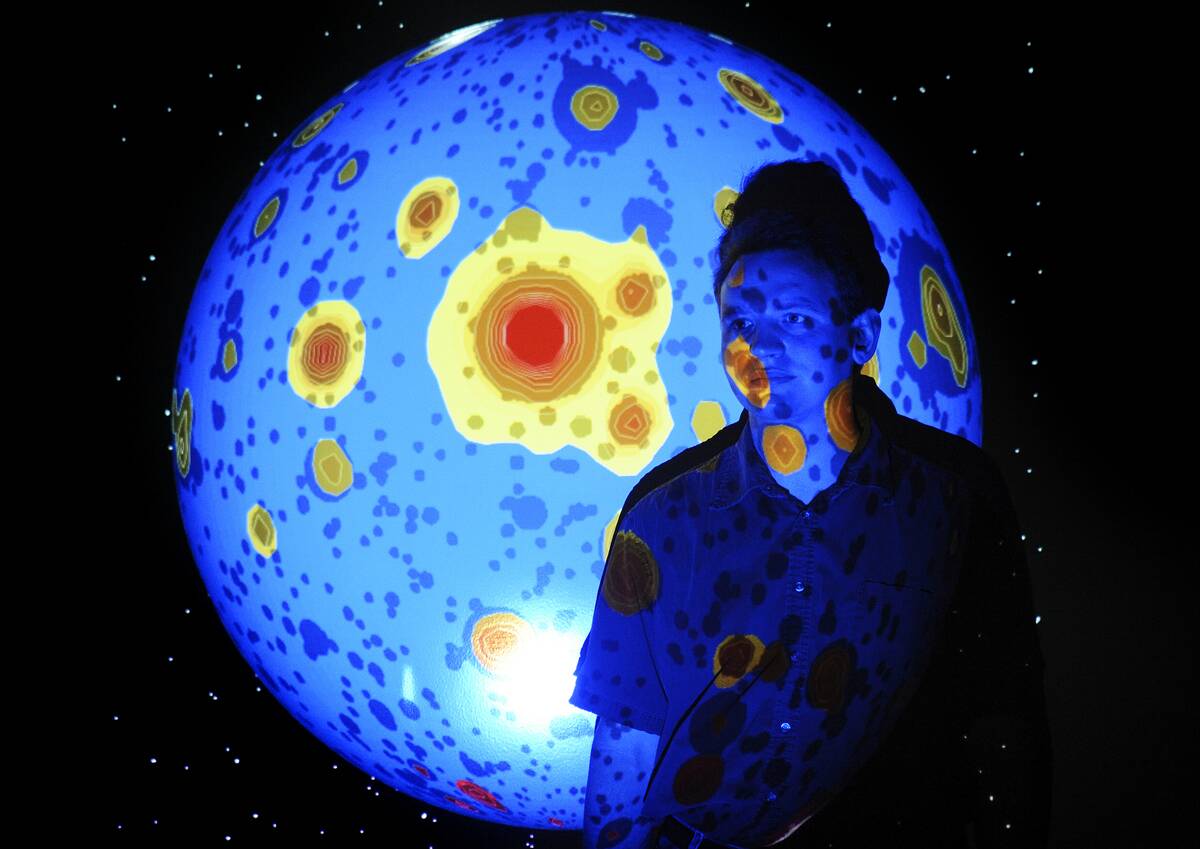
Around 4 billion years ago, the Late Heavy Bombardment showered the inner solar system with asteroids. This intense period of impacts left its mark on Earth, creating vast craters and reshaping the planet’s surface.
While this may sound catastrophic, it may have also played a role in creating habitats suitable for early life forms. The craters and basins formed during this time could have provided niches for primitive life to emerge and evolve.
Asteroids and the Rise of Water: A Splashing Tale

Asteroids may have been the carriers of one of Earth’s most precious resources: water. Some scientists theorize that water-rich asteroids bombarding Earth in its early days delivered the vast oceans we see today.
This hypothesis is supported by the isotopic similarities between Earth’s water and that found in certain asteroids. If true, these space rocks were vital in creating the conditions for life as we know it, transforming Earth into a blue planet teeming with potential.
The Precambrian Era: Setting the Stage for Life
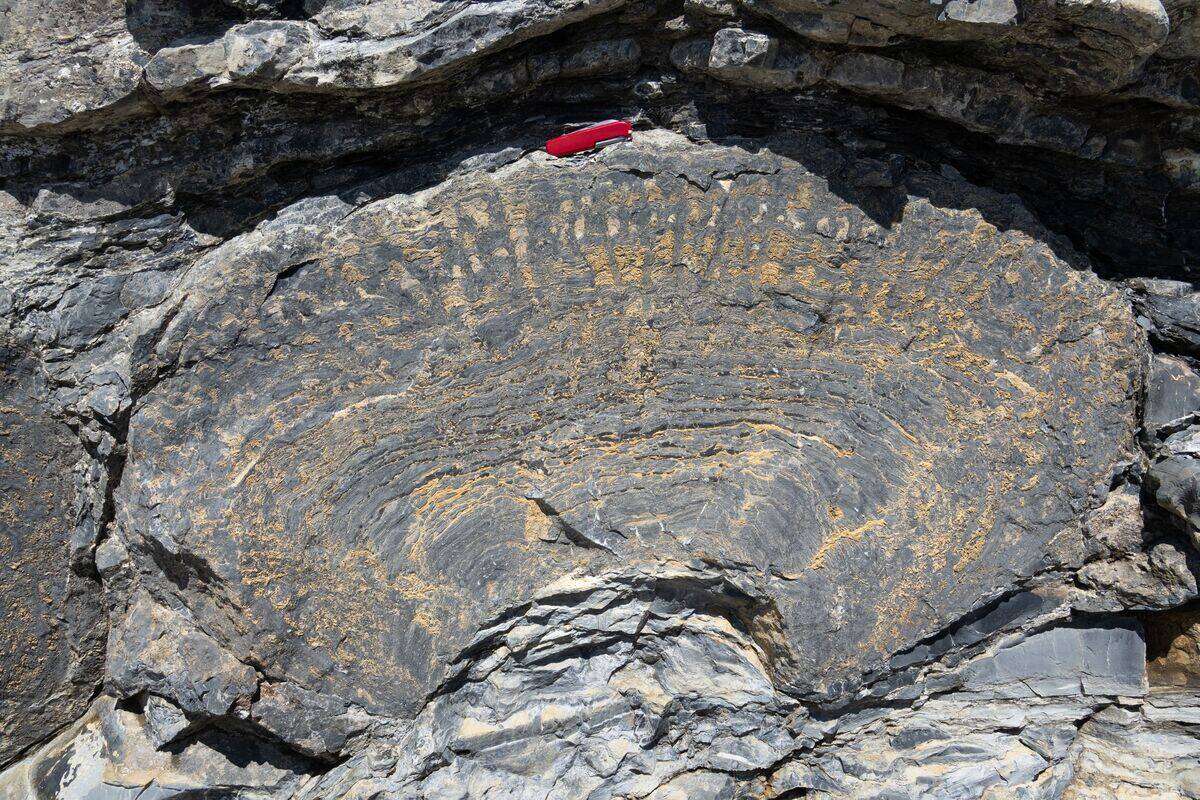
The Precambrian era, spanning from Earth’s formation to the rise of complex life, was a time of profound transformation. During this period, asteroid impacts continued to shape the planet’s environment.
The heat and energy from these collisions contributed to geological processes, while possibly influencing the atmospheric composition. These changes set the stage for the emergence of simple life forms, laying the groundwork for the rich tapestry of life that would follow in subsequent eras.
The Great Dying: Permian Extinction’s Cosmic Culprit
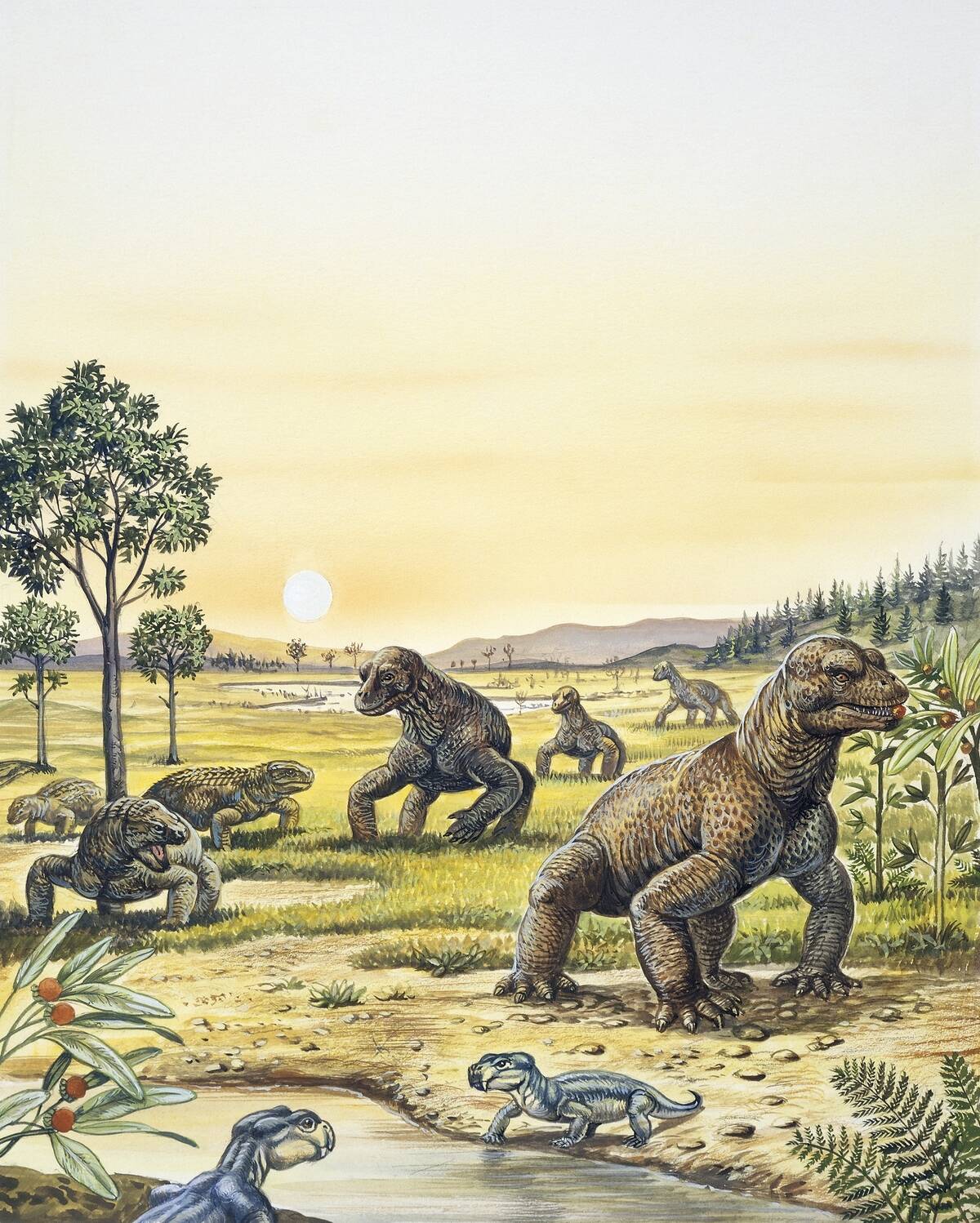
The Permian extinction, known as “The Great Dying,” was the most severe mass extinction event, wiping out about 90% of marine species. While volcanic activity and climate change played roles, some theories suggest an asteroid impact may have been a contributing factor.
Evidence of extraterrestrial material in geological layers from this period supports this idea. The event underscores how cosmic forces can dramatically alter life on Earth, setting the stage for new evolutionary paths.
Dinosaurs Meet Their Match: The Chicxulub Impact

The Chicxulub impact is perhaps the most famous asteroid event, marking the end of the dinosaurs’ reign. About 66 million years ago, a massive asteroid struck the Yucatán Peninsula, causing a global catastrophe.
The impact released energy equivalent to billions of atomic bombs, leading to widespread fires, a “nuclear winter,” and the extinction of around 75% of species, including the dinosaurs. This devastating event paved the way for mammals—and eventually humans—to rise to prominence.
Asteroids and the Ice Ages: Chilling Connections

Asteroids have also been linked to climatic shifts, including the Ice Ages. Some scientists propose that impacts could trigger climate change by injecting dust and aerosols into the atmosphere, affecting sunlight and temperatures.
While not the sole cause of Ice Ages, asteroids may have been a contributing factor in certain climatic events. These connections highlight the intricate interplay between cosmic events and Earth’s climate, reminding us of the delicate balance that sustains life.
Cosmic Catastrophes and Human History

Asteroids have not only influenced prehistoric life but also human history. The Tunguska event in 1908, a powerful explosion caused by an asteroid or comet fragment in Siberia, flattened thousands of square kilometers of forest.
Though it occurred in a remote area, it serves as a stark reminder of the potential dangers lurking in space. Such events have shaped our understanding of cosmic threats, driving advancements in astronomy and planetary defense initiatives to protect our planet.
Modern-Day Impacts: A Reminder from Space
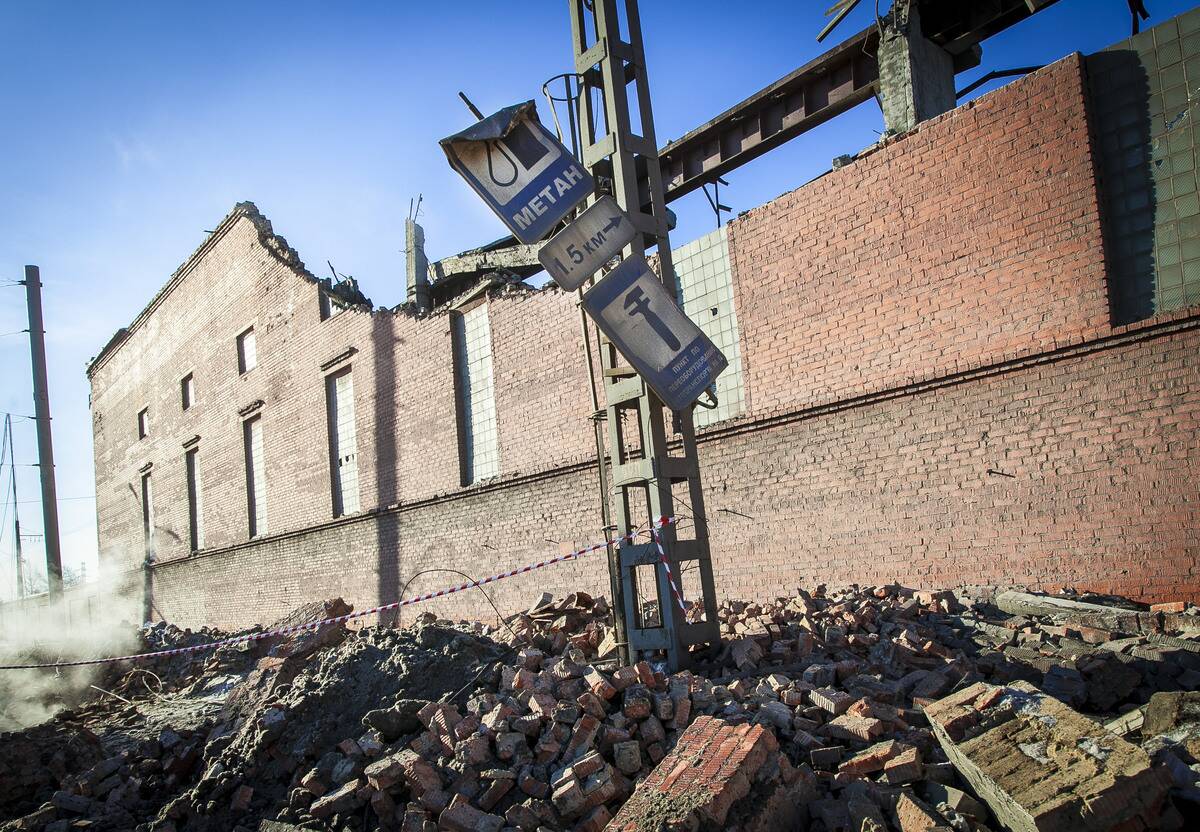
In recent times, asteroids have continued to make their presence known. The Chelyabinsk meteor in 2013 was a wake-up call, as it exploded over Russia, injuring over a thousand people from the shockwave.
This event highlighted our vulnerability to cosmic impacts, prompting increased efforts to track and study near-Earth objects. Today, space agencies around the world are continuously monitoring the skies to identify potential threats, ensuring that humanity is better prepared for future encounters.
Asteroids and Earth’s Future: Potential Threats
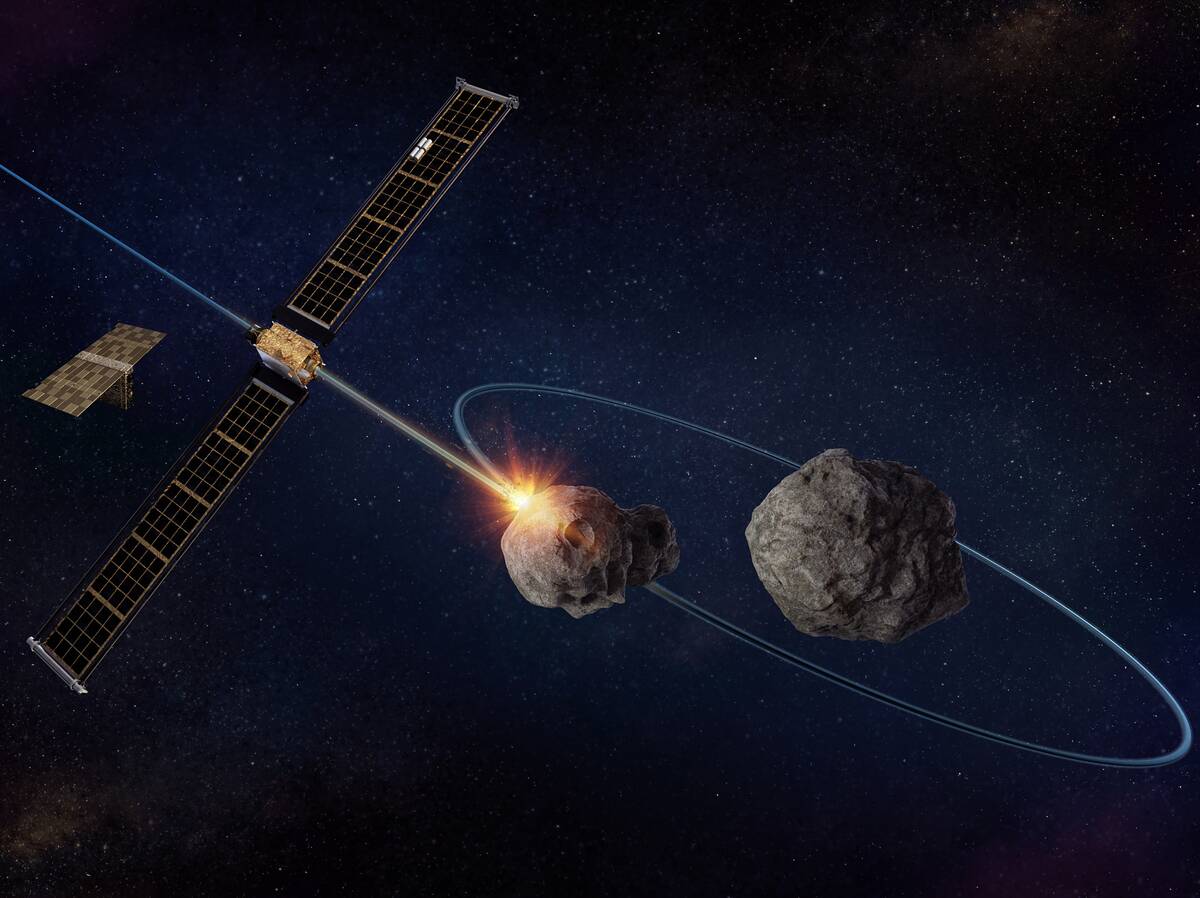
As we look to the future, asteroids remain a significant concern for planetary safety. While the probability of a major impact is low, the potential consequences are severe. Scientists are developing strategies to deflect or disrupt hazardous asteroids before they can collide with Earth.
Missions like NASA’s DART, which aims to test asteroid deflection technology, are crucial steps in safeguarding our planet. Understanding and mitigating these threats is vital for ensuring Earth’s continued habitability.