14 Critical compromises behind the U.S. Constitution
The U.S. Constitution emerged as a beacon of governance after the turbulent years following the American Revolution. Crafted in 1787, it replaced the inadequate Articles of Confederation, which had left the fledgling nation struggling to maintain unity.
The Constitution was designed to establish a strong federal government while preserving the autonomy of individual states, a delicate balance that required immense foresight and negotiation.
The Road to the Constitutional Convention
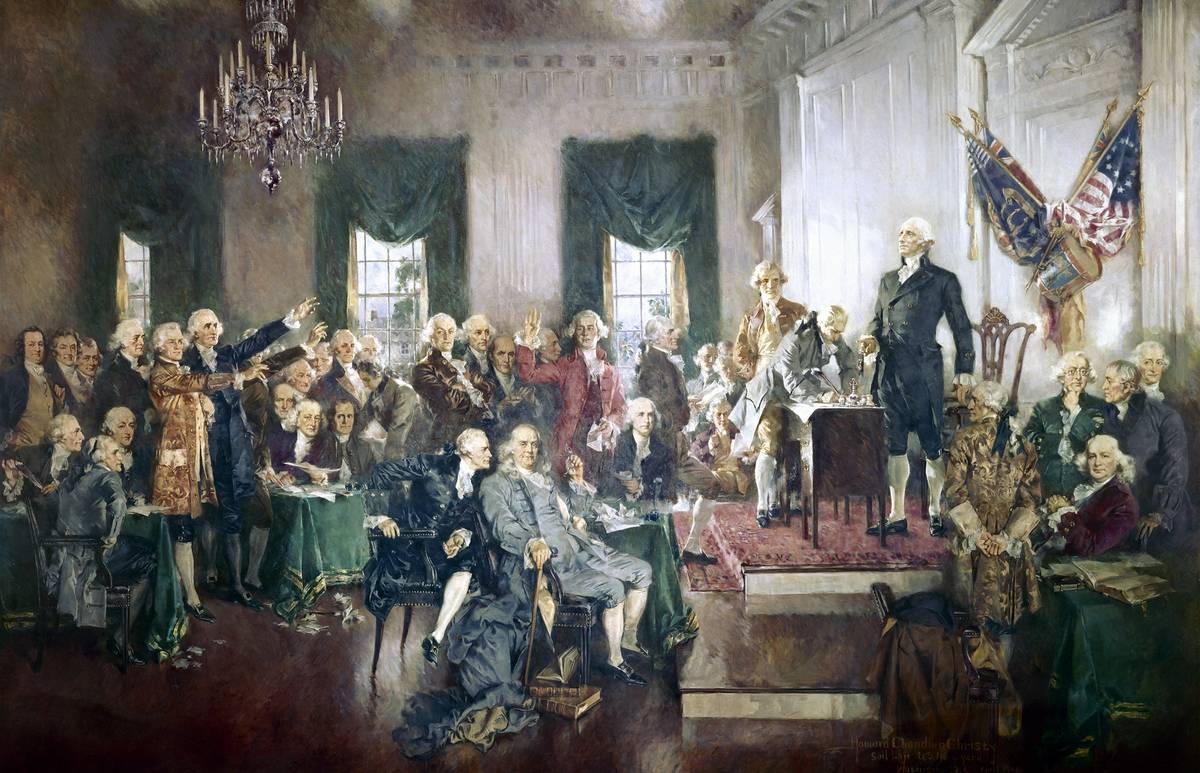
Before the Philadelphia Convention of 1787, the United States faced growing unrest and economic challenges. The Annapolis Convention of 1786 had set the stage, highlighting the need for a more robust framework.
Delegates realized that only by convening a larger assembly could they address the nation’s needs. This led to the gathering that would ultimately craft the Constitution, with leaders like George Washington and James Madison at the helm.
Setting the Scene: The States in Disarray
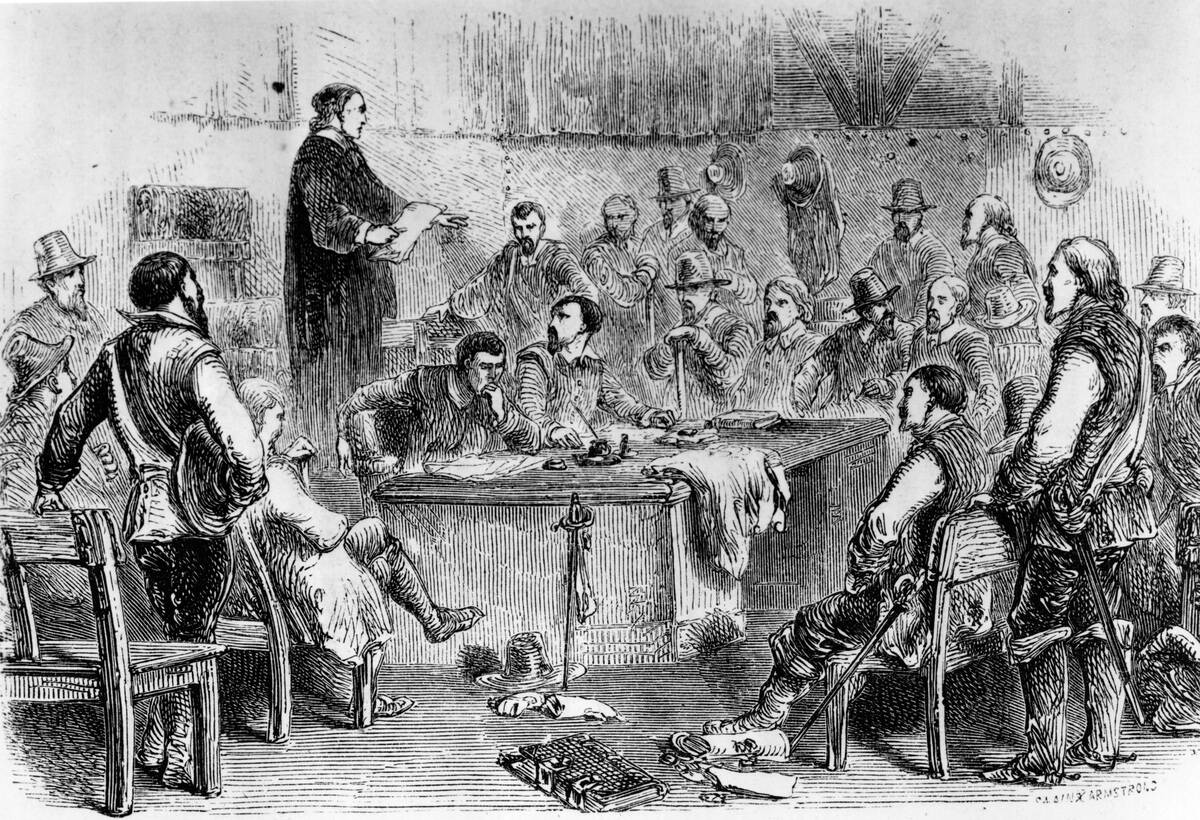
The post-revolutionary United States was a patchwork of 13 independent states, each with its own interests and laws. Economic strife and interstate disputes were rampant, and the lack of a strong central government made enforcement of treaties and laws nearly impossible.
This disarray highlighted the urgent need for a system that could unify the states under a common legal framework while respecting their sovereignty.
The Great Debate: Balancing State and Federal Power
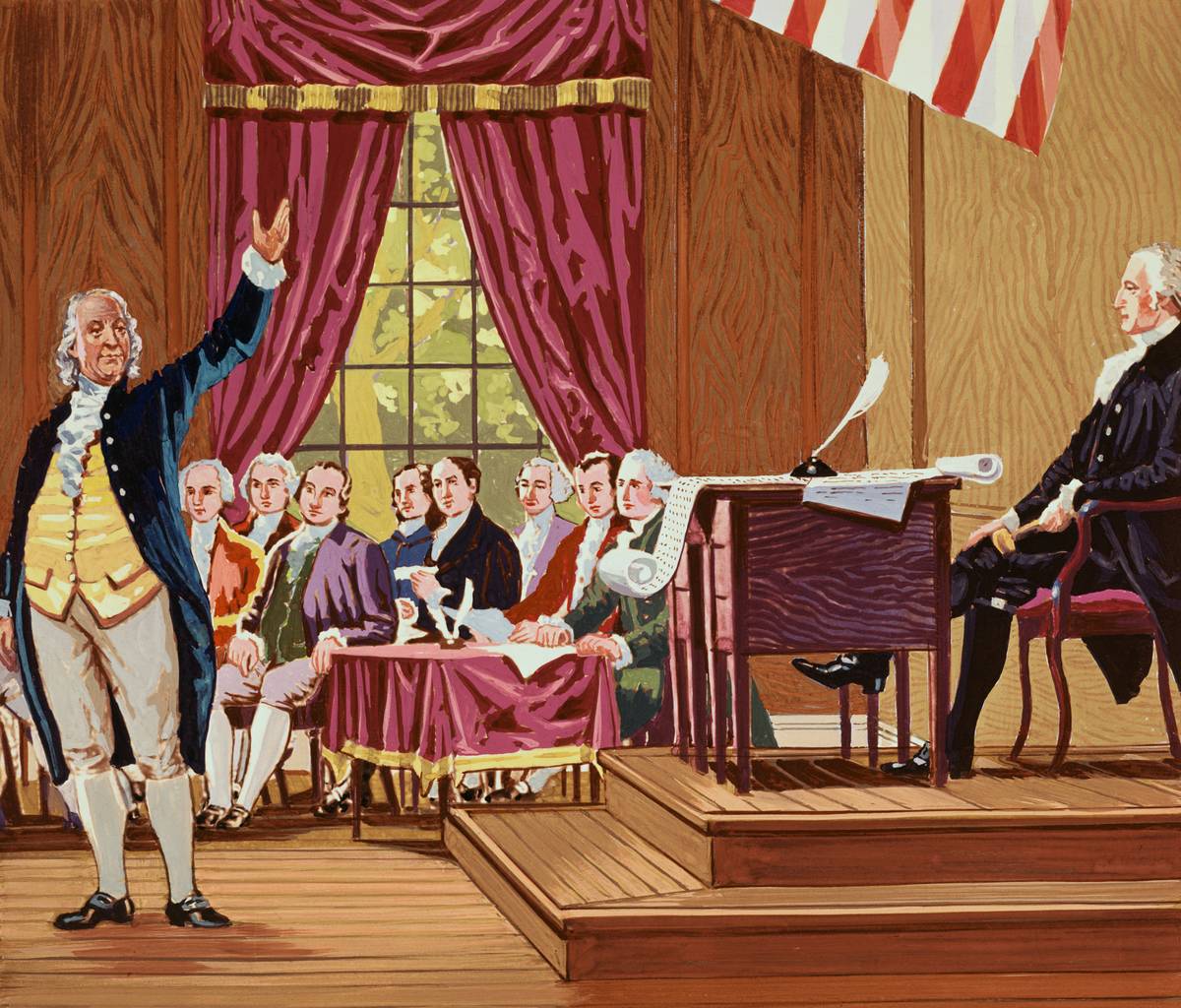
One of the most contentious issues at the Constitutional Convention was finding the right balance between state and federal authority. Delegates were divided, with some fearing a powerful central government that could infringe on state rights.
Others argued that a strong federal system was necessary to maintain order and stability. This debate laid the groundwork for the federalist system that ultimately emerged, with powers carefully divided between state and national governments.
The Virginia Plan vs. The New Jersey Plan
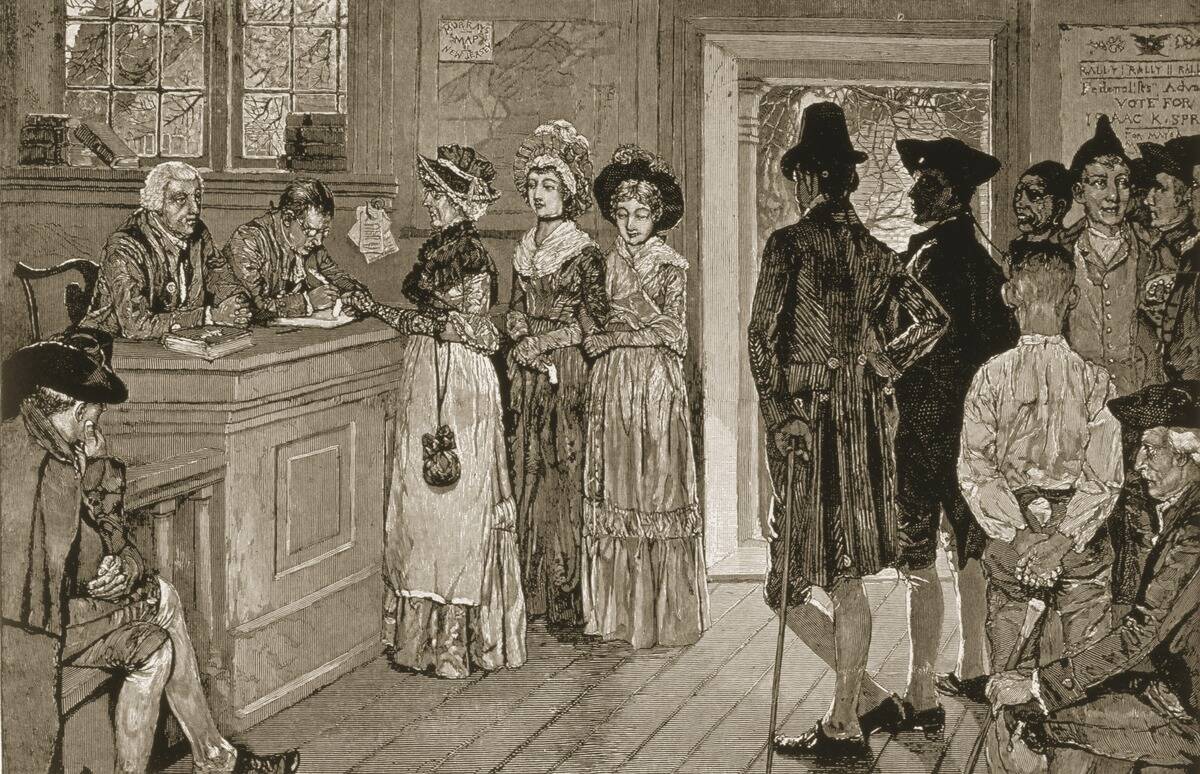
Two competing visions for the new government emerged: the Virginia Plan and the New Jersey Plan. The Virginia Plan favored larger states by proposing representation based on population, while the New Jersey Plan sought equal representation for each state, regardless of size.
This clash of ideas was a pivotal moment, leading to intense negotiations and compromises that would shape the legislative structure of the nation.
Slavery and the Three-Fifths Compromise
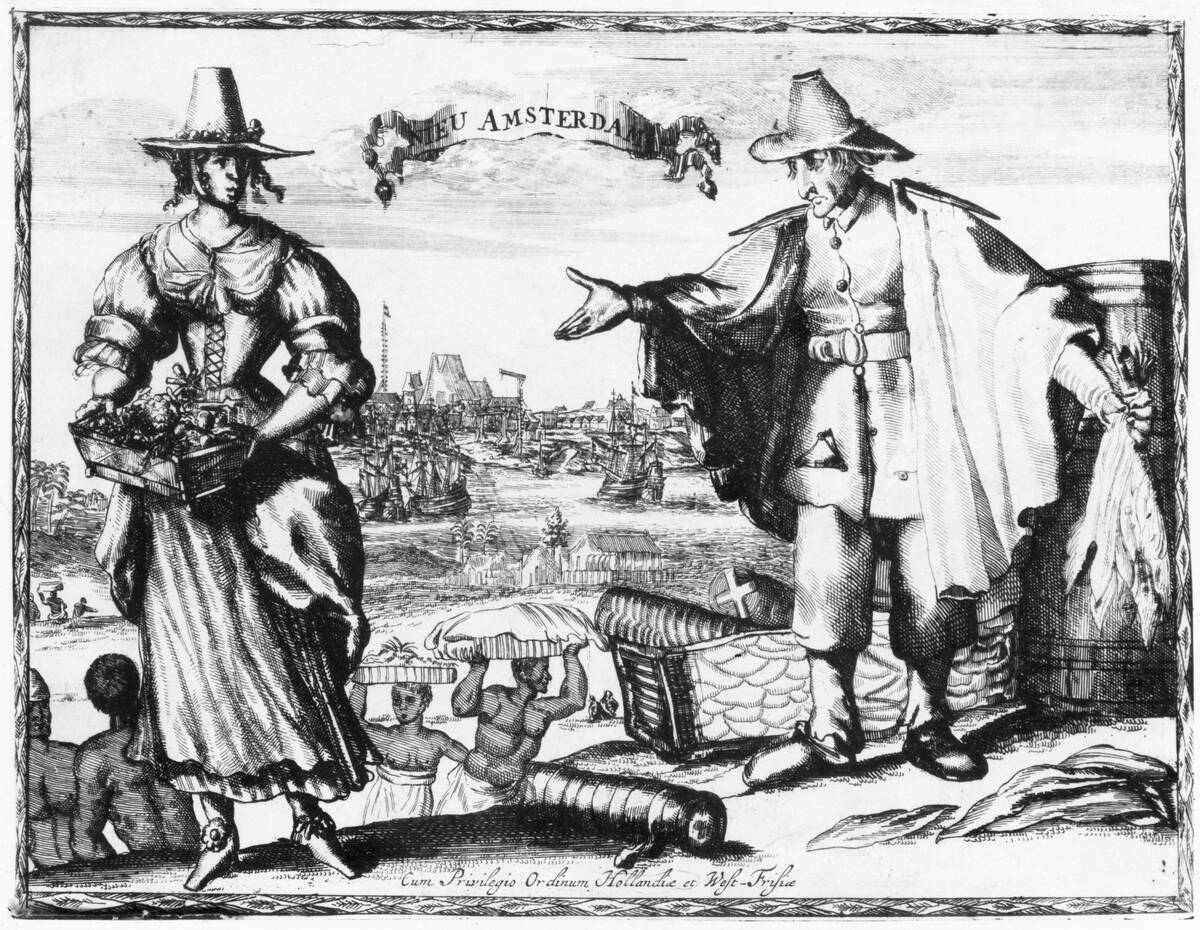
Slavery was a deeply divisive issue at the convention, with Southern states insisting on its preservation for economic reasons.
The Three-Fifths Compromise was a pragmatic solution, counting three out of every five slaves for both taxation and representation purposes. This compromise was deemed necessary for the Constitution’s ratification, but left a legacy of inequality that would haunt the nation for decades.
The Commerce and Slave Trade Compromise
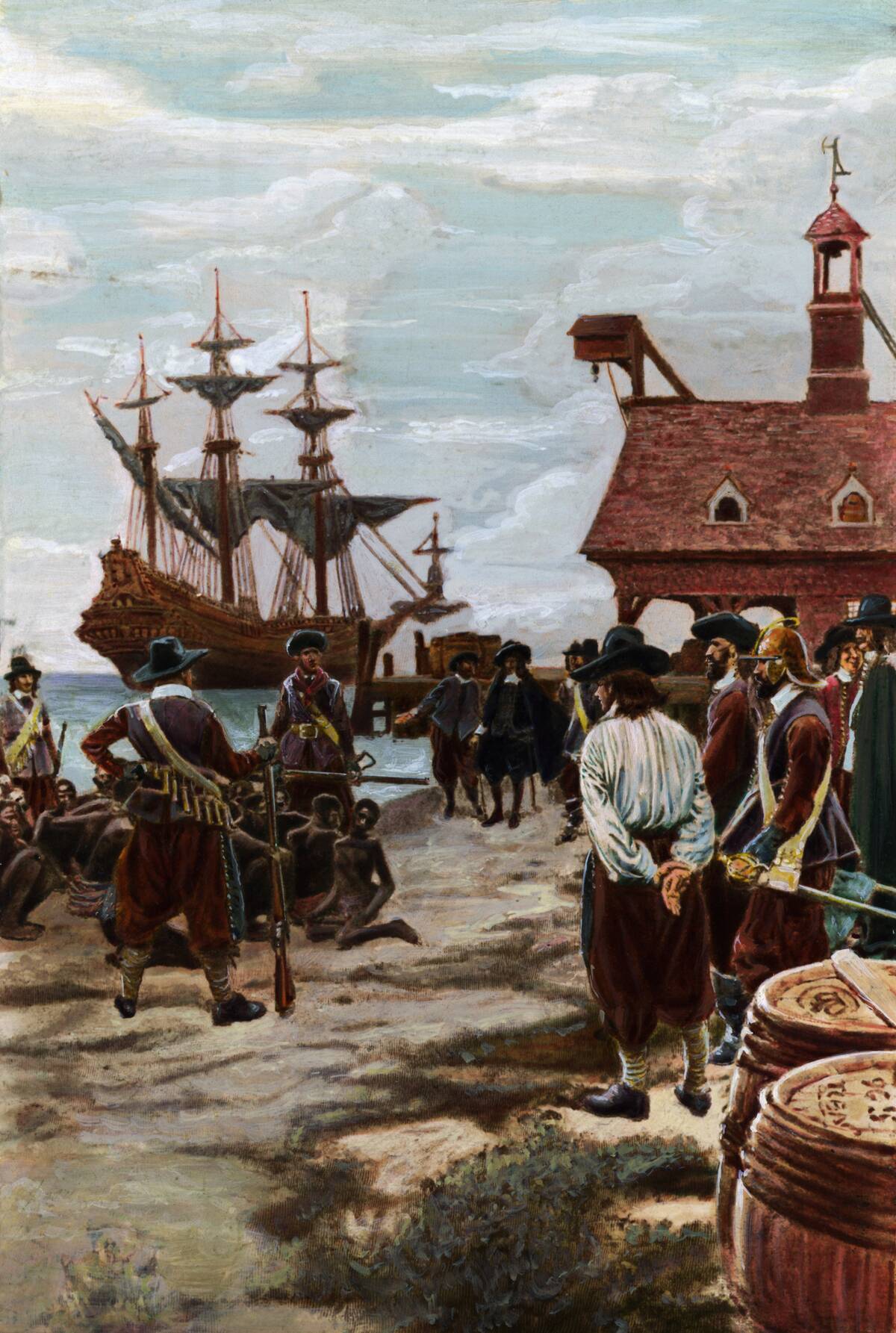
Delicate negotiations led to the Commerce and Slave Trade Compromise, which allowed Congress to regulate interstate and international commerce but prohibited any action on the slave trade for 20 years.
This compromise appeased Southern states, ensuring their participation in the union while giving Northern states some assurance of future change. It demonstrated the challenging nature of balancing moral and economic considerations in governance.
The Connecticut Compromise: A Bicameral Breakthrough
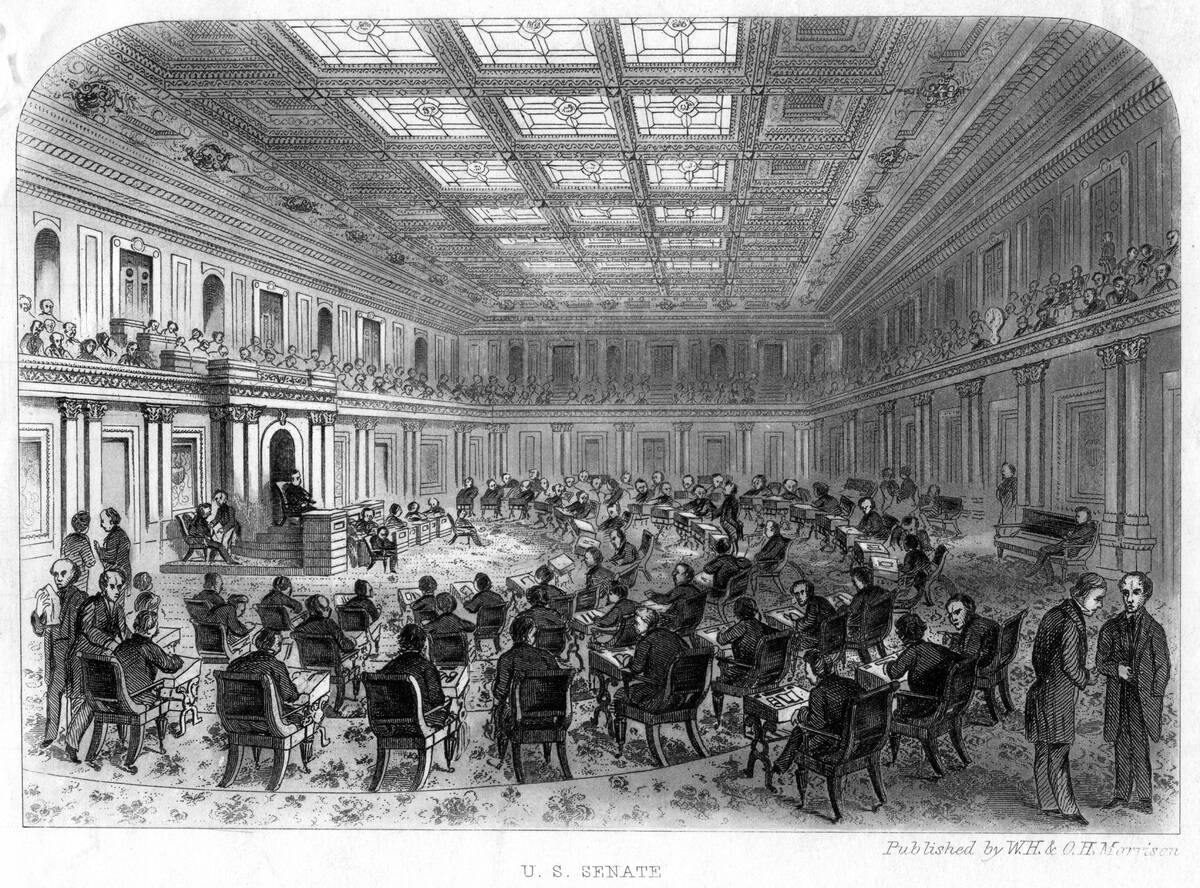
The Connecticut Compromise, also known as the Great Compromise, was a pivotal moment in shaping the legislative branch. It proposed a bicameral Congress, with the House of Representatives based on population and the Senate providing equal representation for each state.
This ingenious solution satisfied both large and small states, ensuring their cooperation and laying the foundation for the current U.S. legislative system.
The Electoral College: A Controversial Solution

The Electoral College was devised as a compromise between direct popular vote and Congressional selection of the President. It was intended to balance the influence of populous and smaller states in presidential elections.
While it provided a unique solution to a complex issue, the Electoral College remains a controversial aspect of American democracy, frequently debated for its impact on the electoral process and representation.
The Executive Branch: One President or a Committee?
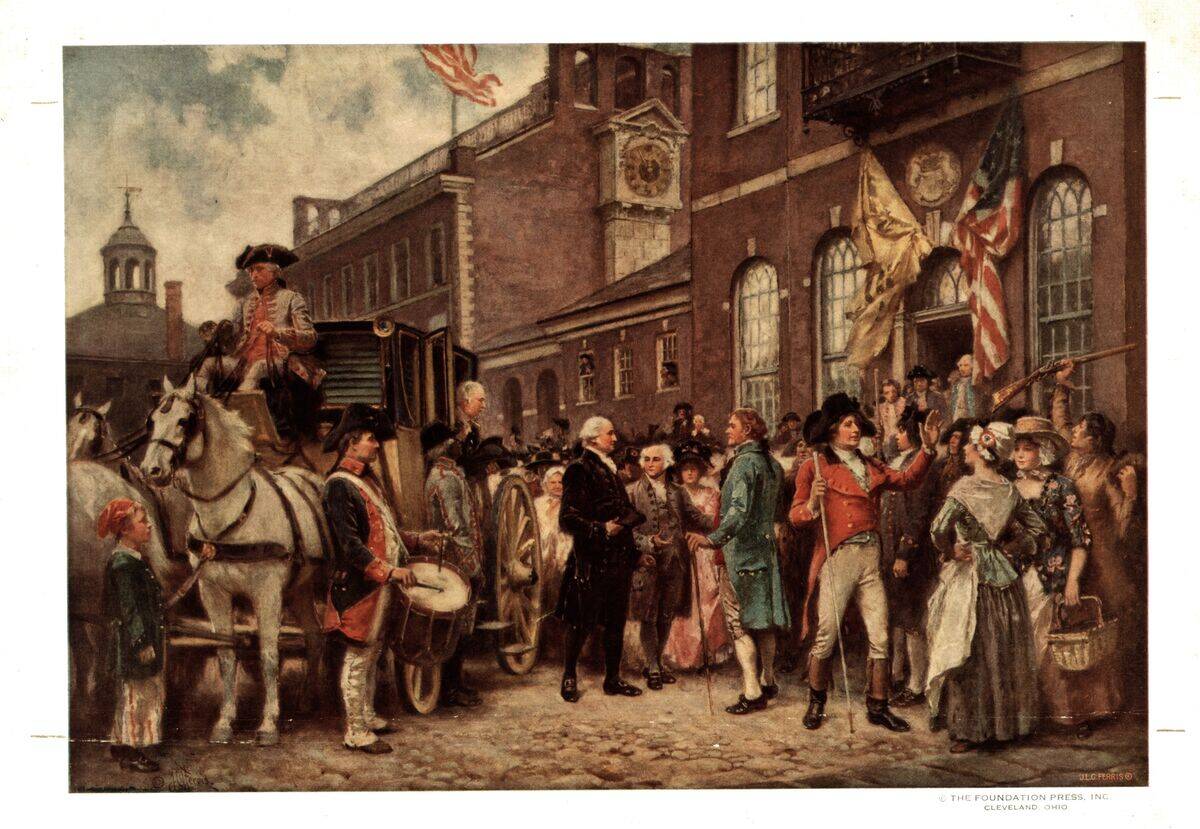
The structure of the executive branch was hotly debated, with some delegates advocating for a singular president and others proposing a multi-person executive committee.
Ultimately, the decision to elect a single president with clearly defined powers was made, influenced by the need for decisive leadership. This choice has since shaped the role of the presidency, ensuring both accountability and effective governance.
The Battle for the Bill of Rights
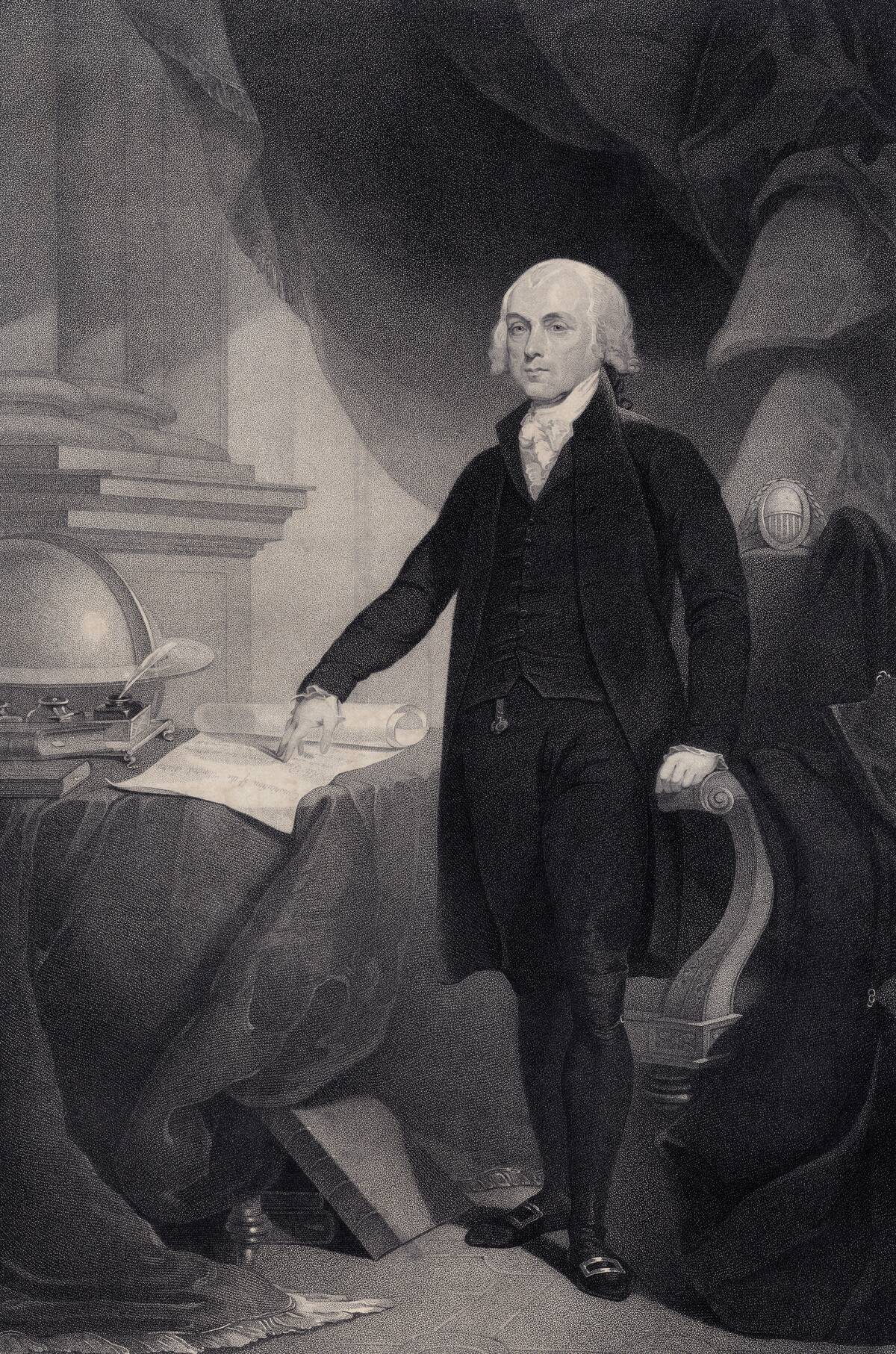
The lack of a Bill of Rights was a significant barrier to the Constitution’s ratification, with many fearing government overreach. The promise to add these protections became a critical factor in securing support from reluctant states.
James Madison played a key role in drafting the first ten amendments, which guaranteed fundamental liberties and helped ease fears of an intrusive federal government.
The Role of the Judiciary: A Compromise on Courts
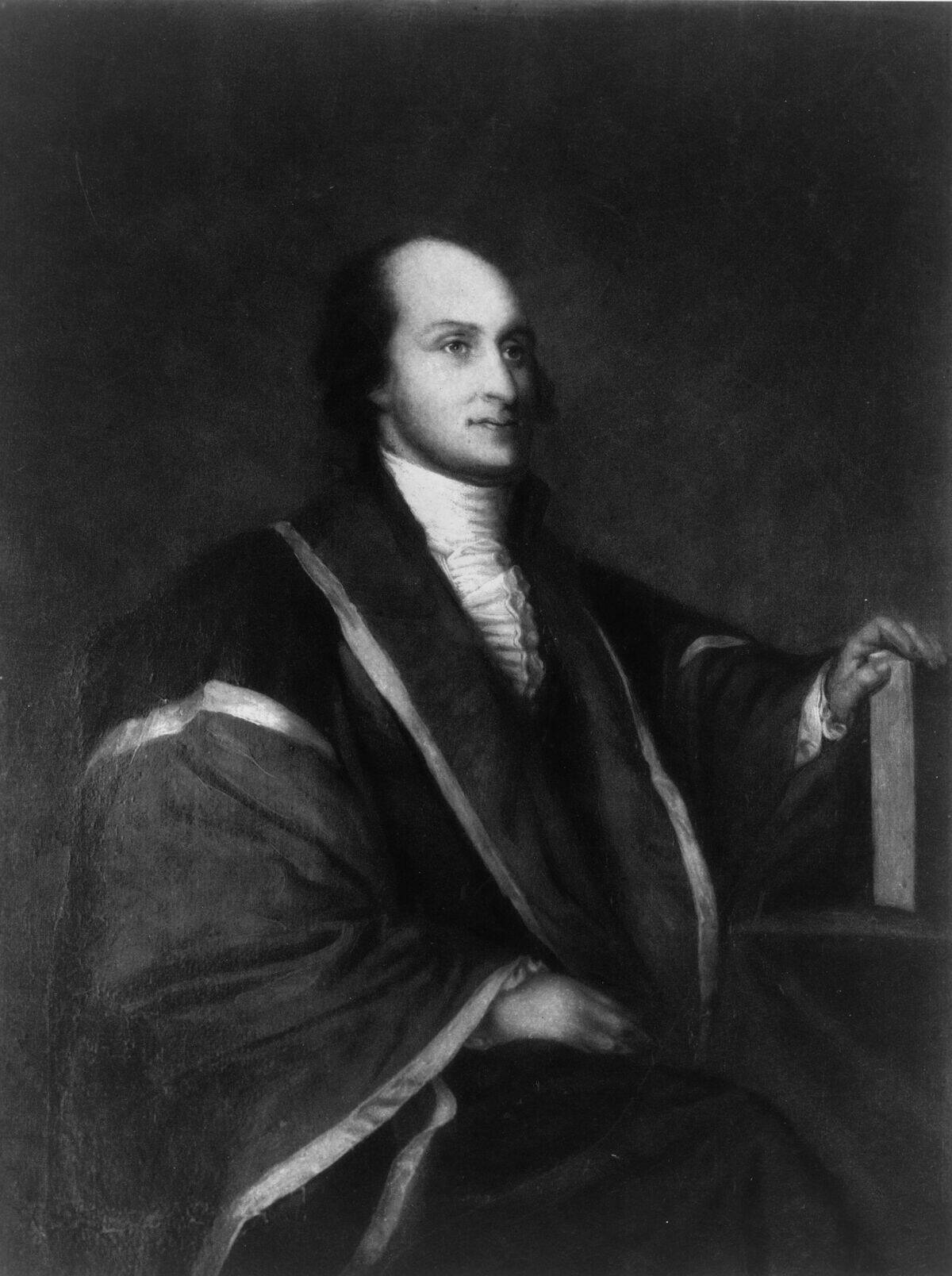
Establishing the judiciary was a complex task, as delegates sought to balance its power without overshadowing the other branches. The Judiciary Act of 1789 later fleshed out the court system, creating a hierarchy of federal courts.
This compromise ensured an independent judiciary capable of interpreting laws, safeguarding the Constitution, and providing checks and balances within the government.
The Issue of Taxation and Representation
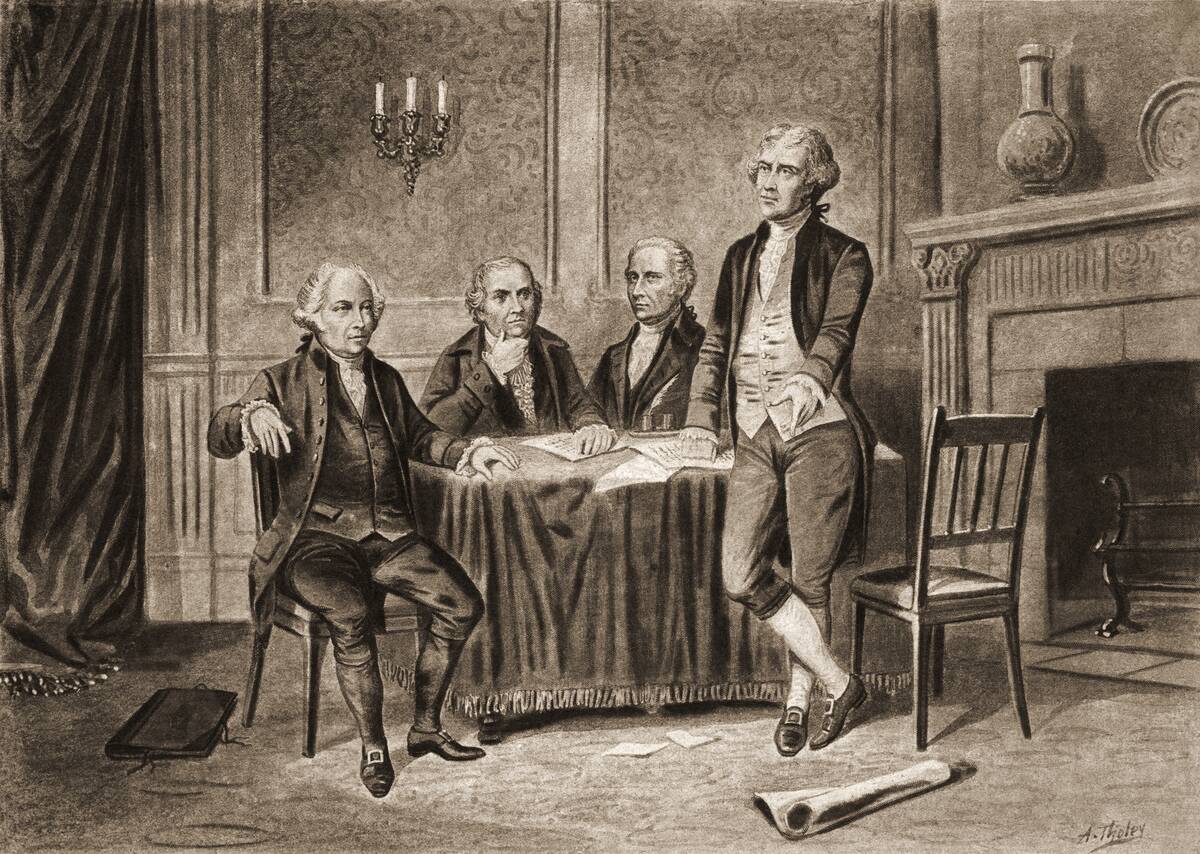
Taxation and representation were intertwined issues that fueled debates at the convention. States with larger populations sought greater influence in federal taxation decisions, while smaller states demanded equal say.
The eventual compromise allowed for tax apportionment based on population, ensuring a fair distribution of tax burdens and representation, which was essential for the new government’s legitimacy.
The Question of Term Limits
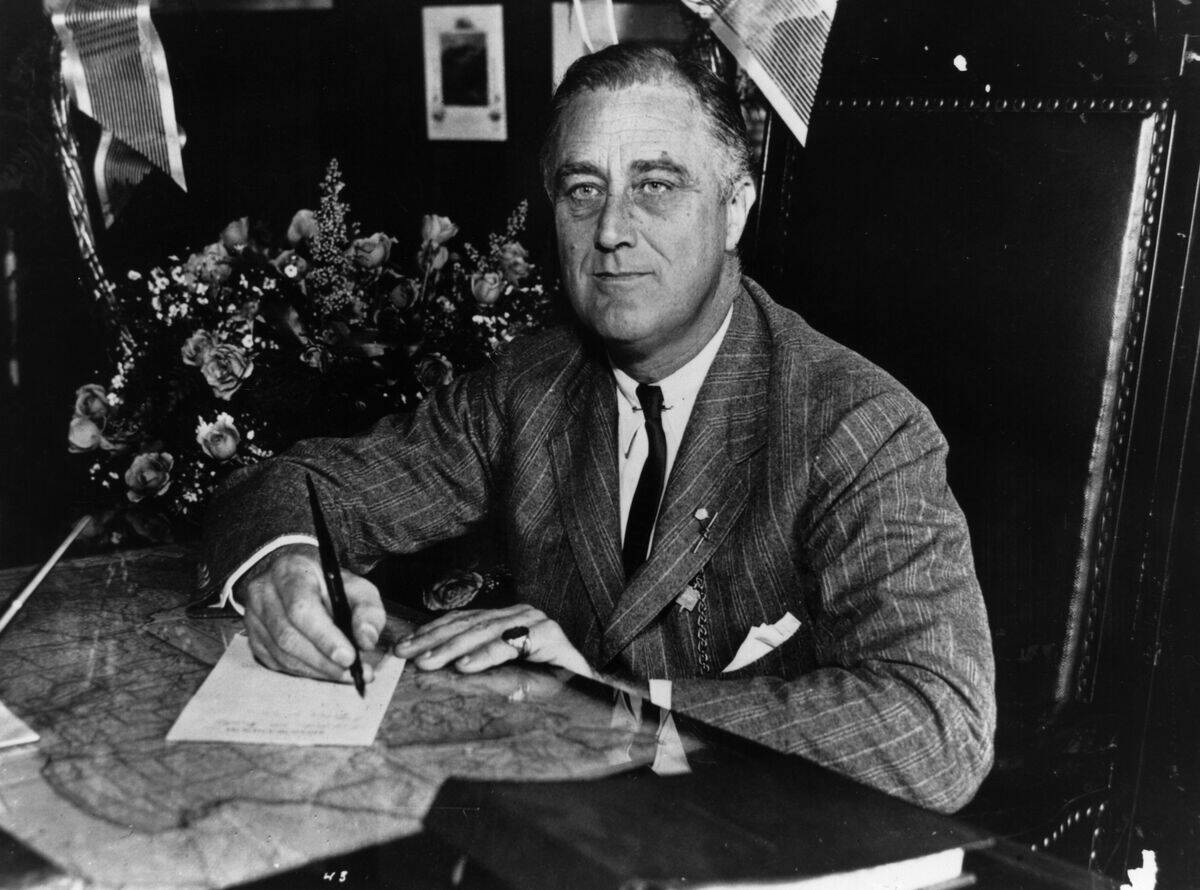
Term limits for government officials were discussed, particularly concerning the presidency. Some delegates feared long tenures could lead to tyranny, advocating for short terms and frequent elections.
Ultimately, no term limits were initially imposed on the presidency, a decision later amended by the 22nd Amendment in 1951, reflecting the evolving understanding of democratic leadership and the balance of power.
The Ratification Debate: Federalists vs. Anti-Federalists
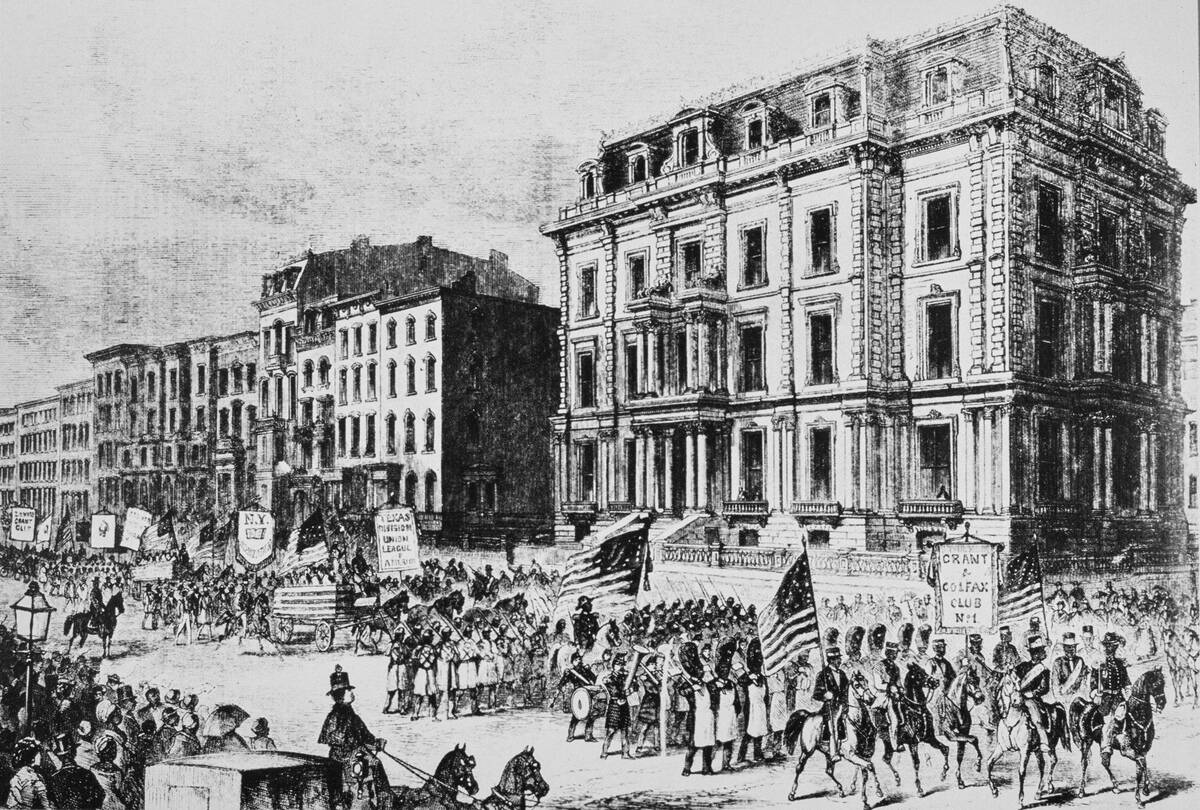
The ratification of the Constitution sparked intense debate between Federalists, who supported a strong central government, and Anti-Federalists, who feared it could become tyrannical.
Federalists like Alexander Hamilton and John Jay wrote the Federalist Papers to advocate for the new framework. The eventual compromise, including the Bill of Rights, helped secure the necessary state approvals, cementing the Constitution as the law of the land.




