Early charts of the stars and constellations
The night sky has captivated human curiosity for millennia, acting as a celestial canvas filled with stars, planets, and other cosmic wonders. Our fascination with the heavens is as old as civilization itself, sparking questions about our place in the universe.
Whether it’s the twinkling of distant stars or the mysterious glow of the moon, the night sky has been both a guide and a source of inspiration. This enduring allure has led to the creation of intricate celestial maps that document the cosmos.
Ancient Stargazers: The Birth of Celestial Maps
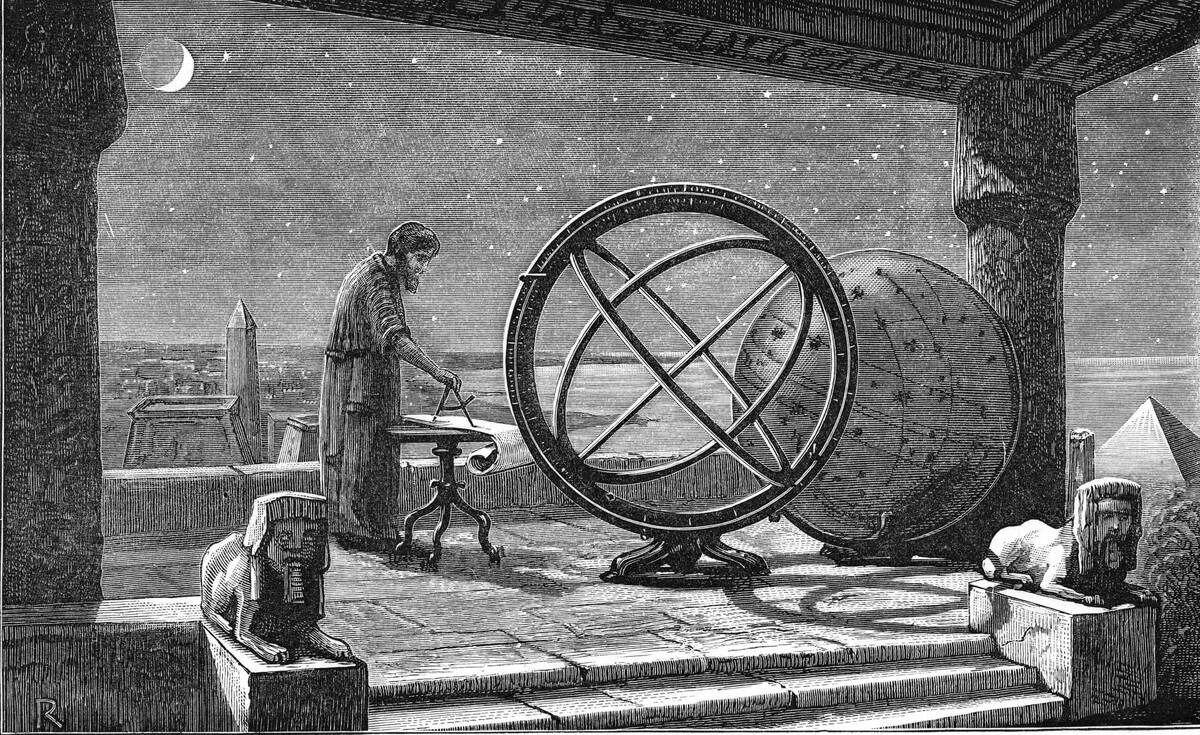
Long before modern technology, ancient stargazers meticulously observed the night sky, laying the groundwork for celestial cartography. These early astronomers recorded the positions of stars and planets, creating rudimentary maps that reflected their understanding of the cosmos.
They relied on keen observation, passing down knowledge through generations. These celestial maps were not just scientific records but also held cultural and spiritual significance, intertwining the heavens with earthly life.
The Babylonians: Pioneers in Night Sky Mapping
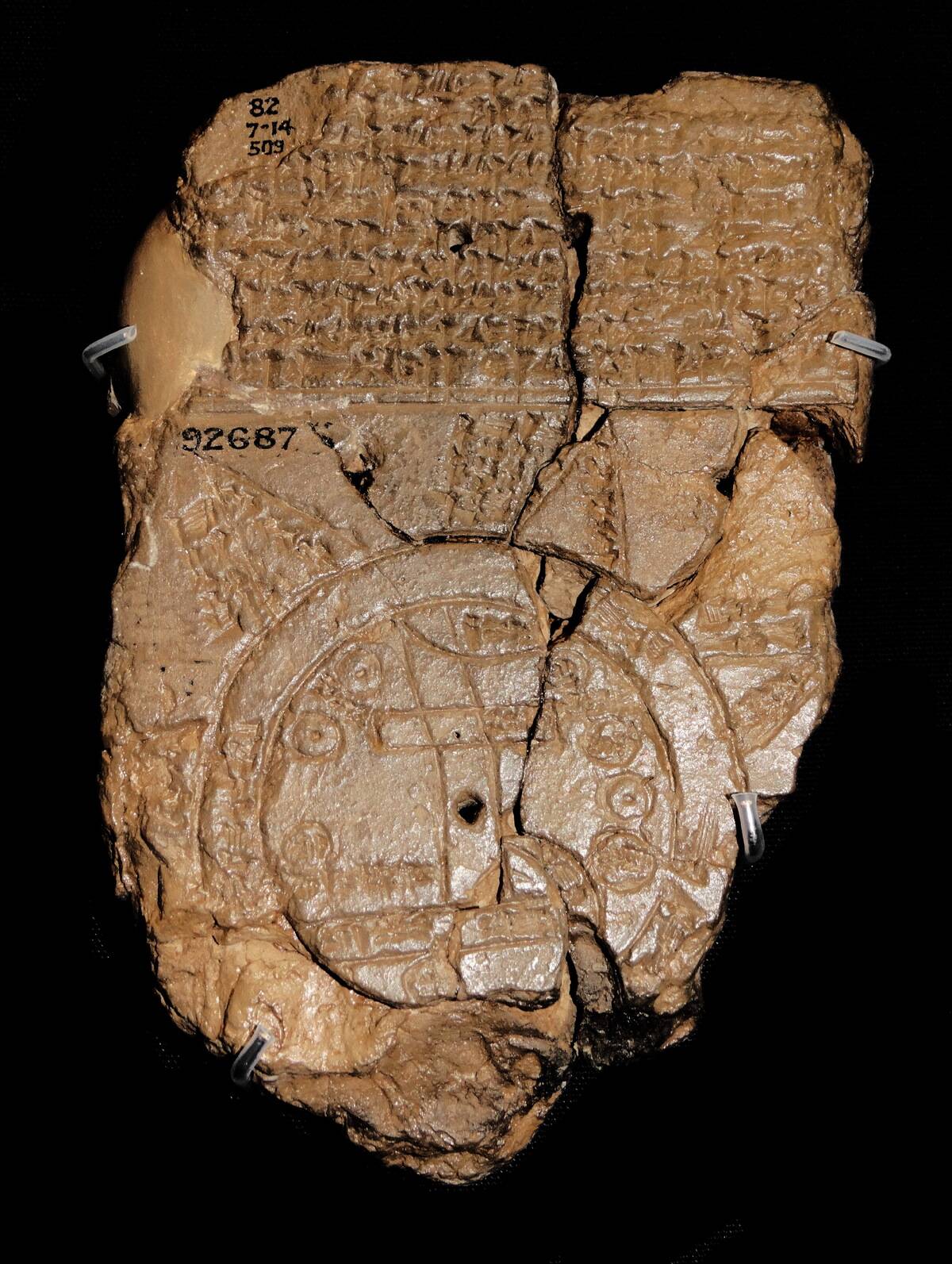
The Babylonians were among the first to systematically study the night sky, making significant contributions to astronomical mapping. They recorded their observations on clay tablets, some of which date back to the 7th century BCE.
These ancient astronomers developed the zodiac, dividing the sky into twelve sections, each associated with a constellation. Their advanced understanding of celestial movements laid the foundation for future astronomical discoveries, influencing subsequent cultures and their star maps.
Egyptian Contributions to Celestial Cartography
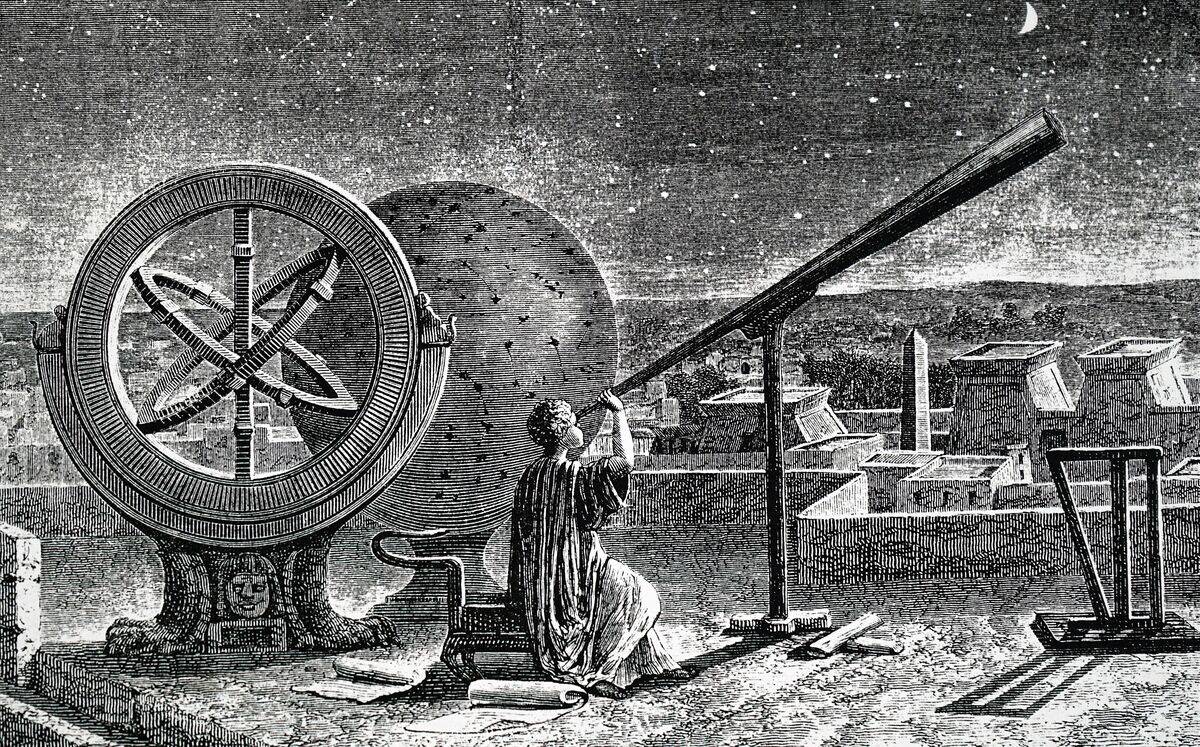
Egyptian astronomers made their mark on celestial cartography through the development of star clocks, which were used to tell time at night. They charted the movements of stars and constellations, aligning their pyramids and temples with celestial bodies.
The star charts found in tombs, like those in the tomb of Senenmut, offer a glimpse into how the Egyptians viewed the cosmos. These maps were not only practical tools but also held religious significance, reflecting the divine order of the universe.
Greek Influence: From Myth to Map
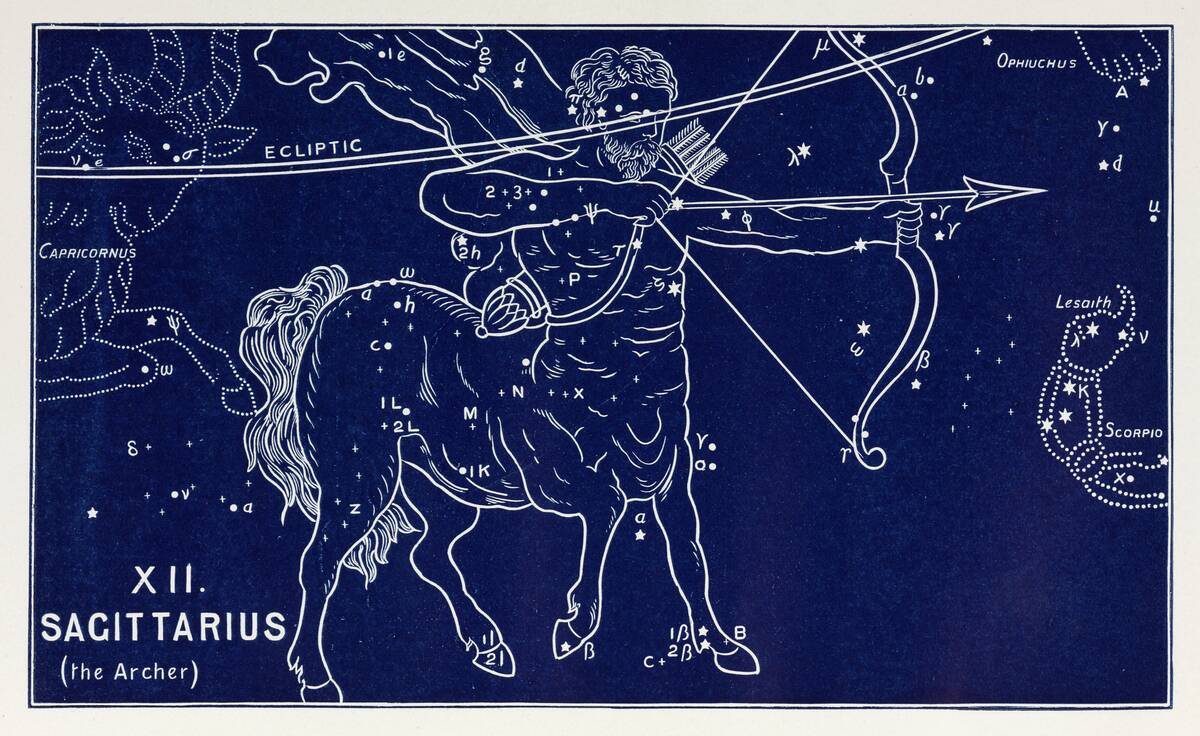
The Greeks transformed celestial mapping by merging mythology with astronomy. Figures like Ptolemy and Hipparchus were instrumental in cataloging stars, creating detailed maps of the heavens.
Greek constellations often had mythological origins, adding a narrative layer to the stars. This blend of science and storytelling influenced how people perceived the night sky, making Greek contributions to celestial cartography both scientifically rigorous and culturally enriching.
The Starry Innovations of Chinese Astronomers
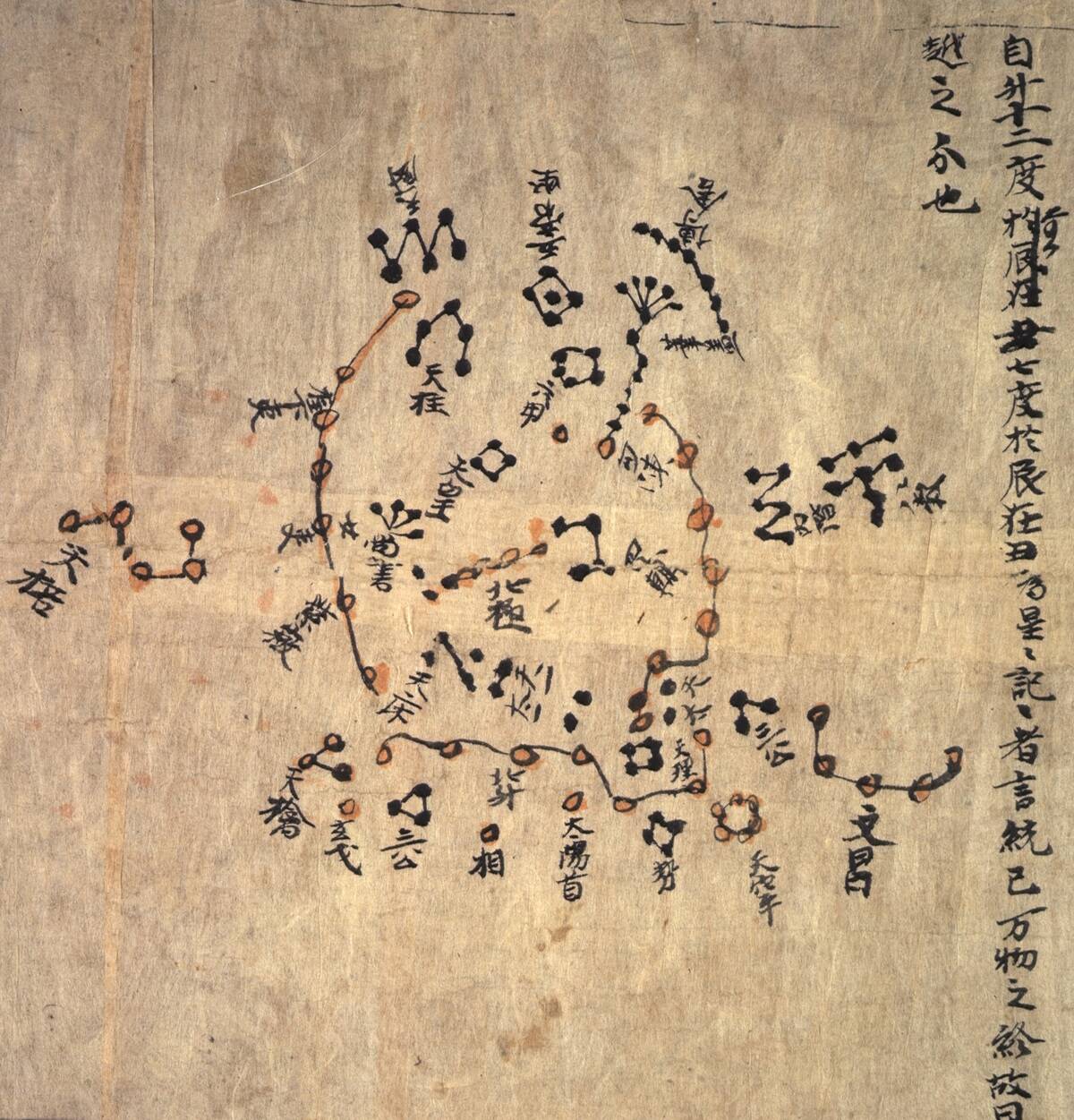
Chinese astronomers developed their own unique approach to mapping the stars, creating detailed star maps that date back to the Han Dynasty. They recognized over a thousand stars, organizing them into constellations that were distinct from those of the West.
Chinese star maps were often used for astrology and to guide agricultural activities, reflecting the practical applications of their astronomical knowledge. These ancient maps highlight the rich tapestry of cultural perspectives on the night sky.
Indigenous Star Maps: Diverse Perspectives Across Cultures
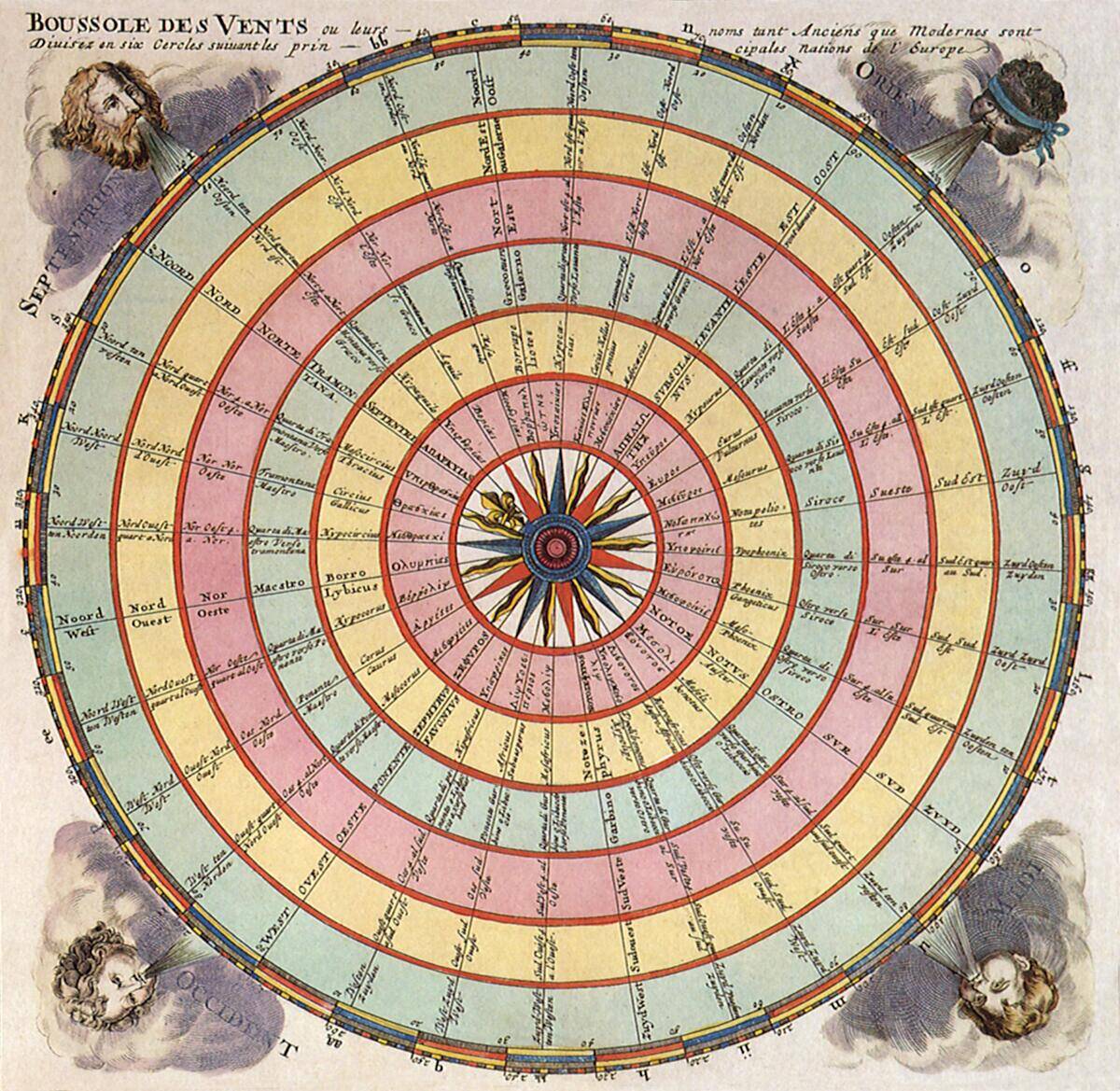
Indigenous cultures around the world have crafted their own star maps, each reflecting a unique relationship with the cosmos. From the Aboriginal Australians who used the stars for navigation and storytelling to the Native American tribes whose constellations guided agricultural cycles, these maps are rich in cultural significance.
They demonstrate a deep understanding of the natural world and a connection to the night sky that is both practical and spiritual.
Ptolemy’s Almagest: A Cornerstone of Celestial Charts
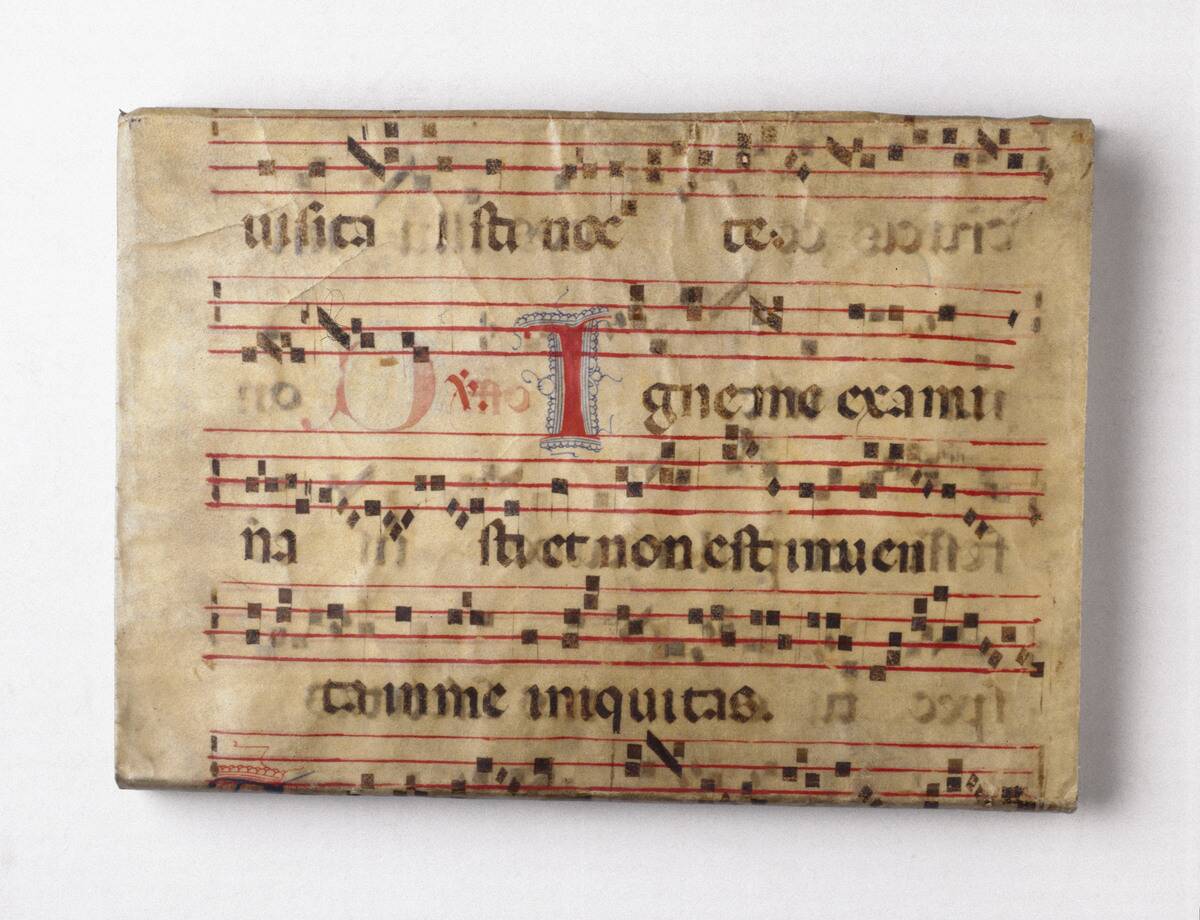
Ptolemy’s Almagest stands as a pivotal work in the history of astronomy, outlining a geocentric model of the universe that dominated for centuries. Written in the 2nd century, it cataloged over a thousand stars and established a framework for future celestial mapping.
The Almagest was a comprehensive guide that combined Greek astronomical knowledge with mathematical precision, influencing both Islamic and European astronomers and shaping the course of astronomical study.
Islamic Golden Age: Advancements in Astronomical Maps
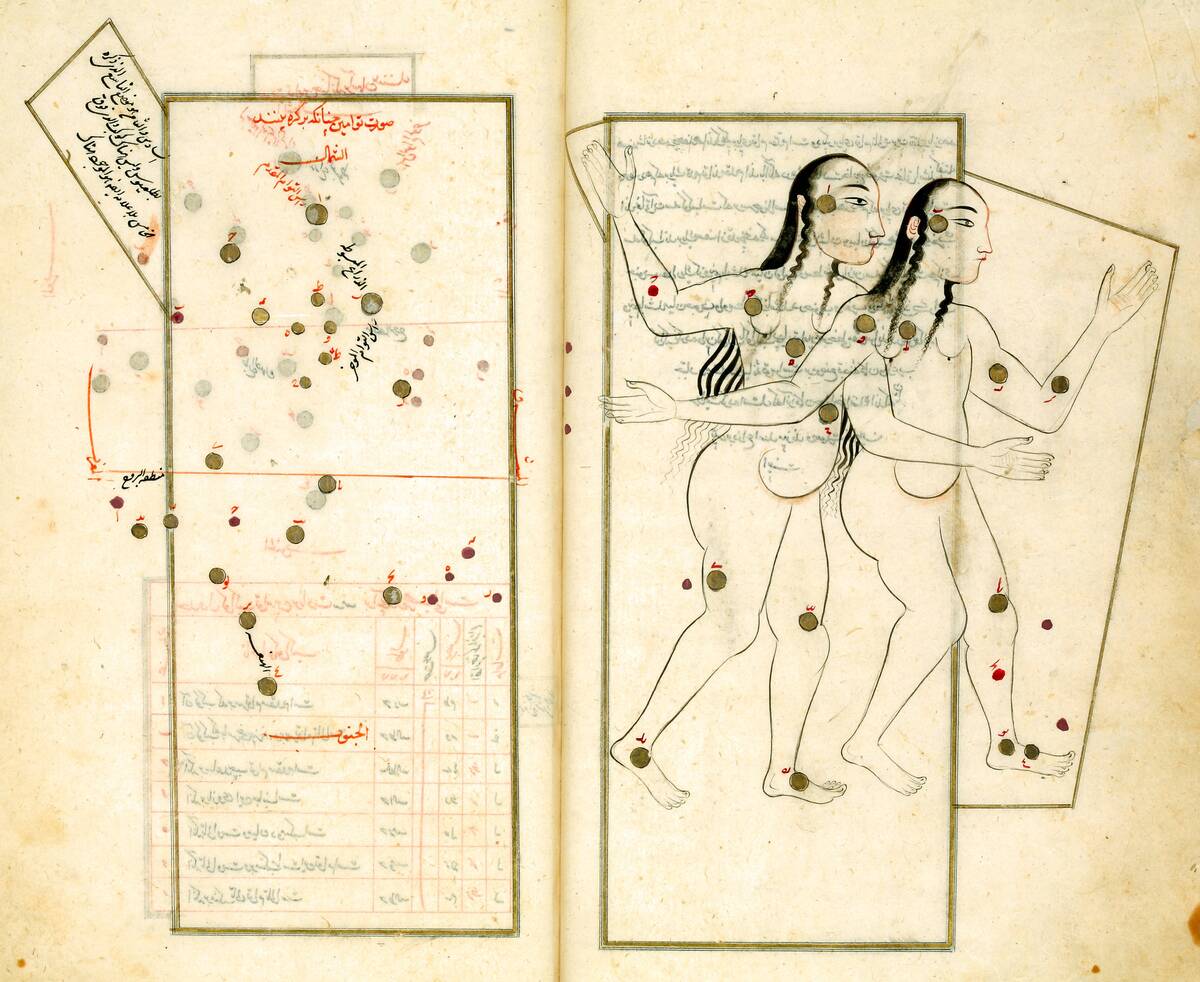
During the Islamic Golden Age, astronomers made groundbreaking advancements in star mapping and celestial navigation. Scholars like Al-Sufi expanded upon Ptolemy’s work, correcting and enhancing star catalogs.
They developed sophisticated instruments such as the astrolabe, which aided in navigation and timekeeping. The Islamic scholars’ meticulous observations and mathematical innovations significantly enriched the field of astronomy, preserving ancient knowledge while paving the way for new discoveries.
Navigating the Stars: The Role of Night Sky Maps in Exploration
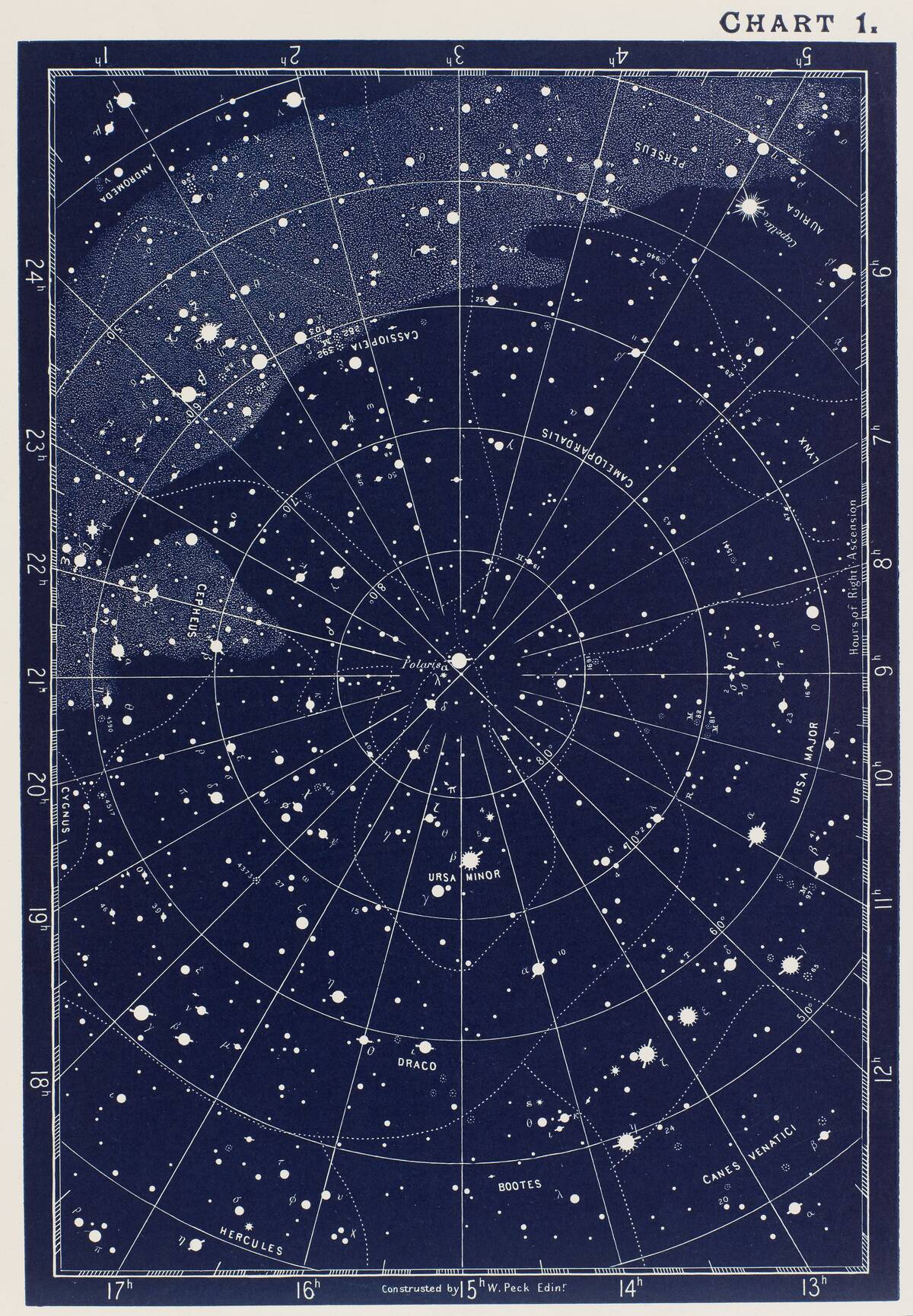
Night sky maps played a crucial role in the age of exploration, guiding sailors across uncharted waters. Mariners relied on the stars for navigation, using celestial charts to determine their position at sea.
Instruments like the sextant and quadrant were developed to measure the angles of stars above the horizon, aiding in accurate navigation. These tools and maps were vital for explorers like Columbus and Magellan, whose journeys expanded the known world and connected distant continents.
The Renaissance and the Rebirth of Celestial Mapping
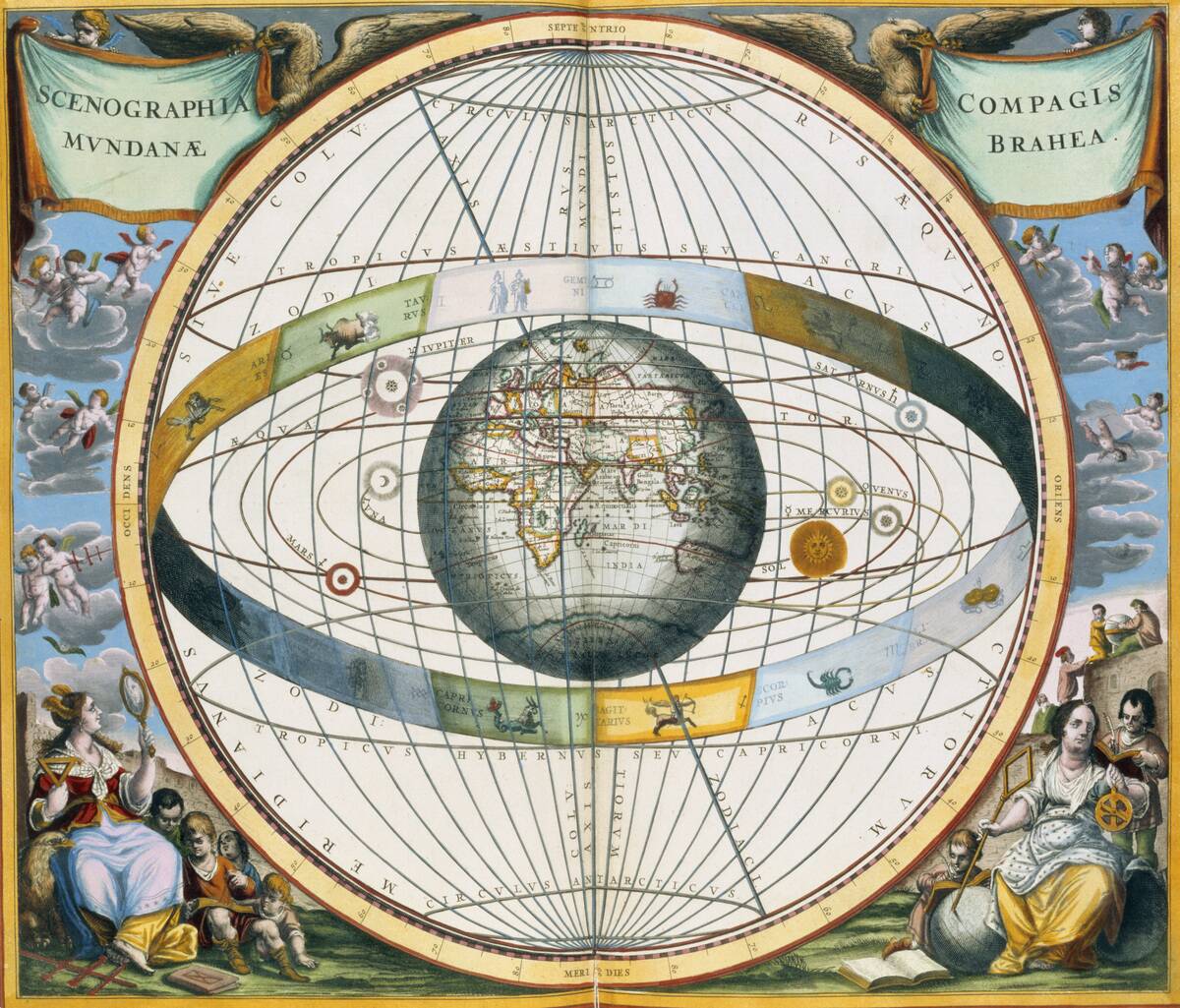
The Renaissance marked a revival in celestial mapping, spurred by a renewed interest in science and the natural world. Astronomers like Tycho Brahe and Johannes Kepler made significant contributions, refining star catalogs and challenging established models of the universe.
This period saw the development of more accurate celestial maps, supported by advancements in mathematics and observational techniques. The Renaissance era laid the groundwork for the scientific revolution, transforming our understanding of the cosmos.
The Printing Revolution: Maps for the Masses
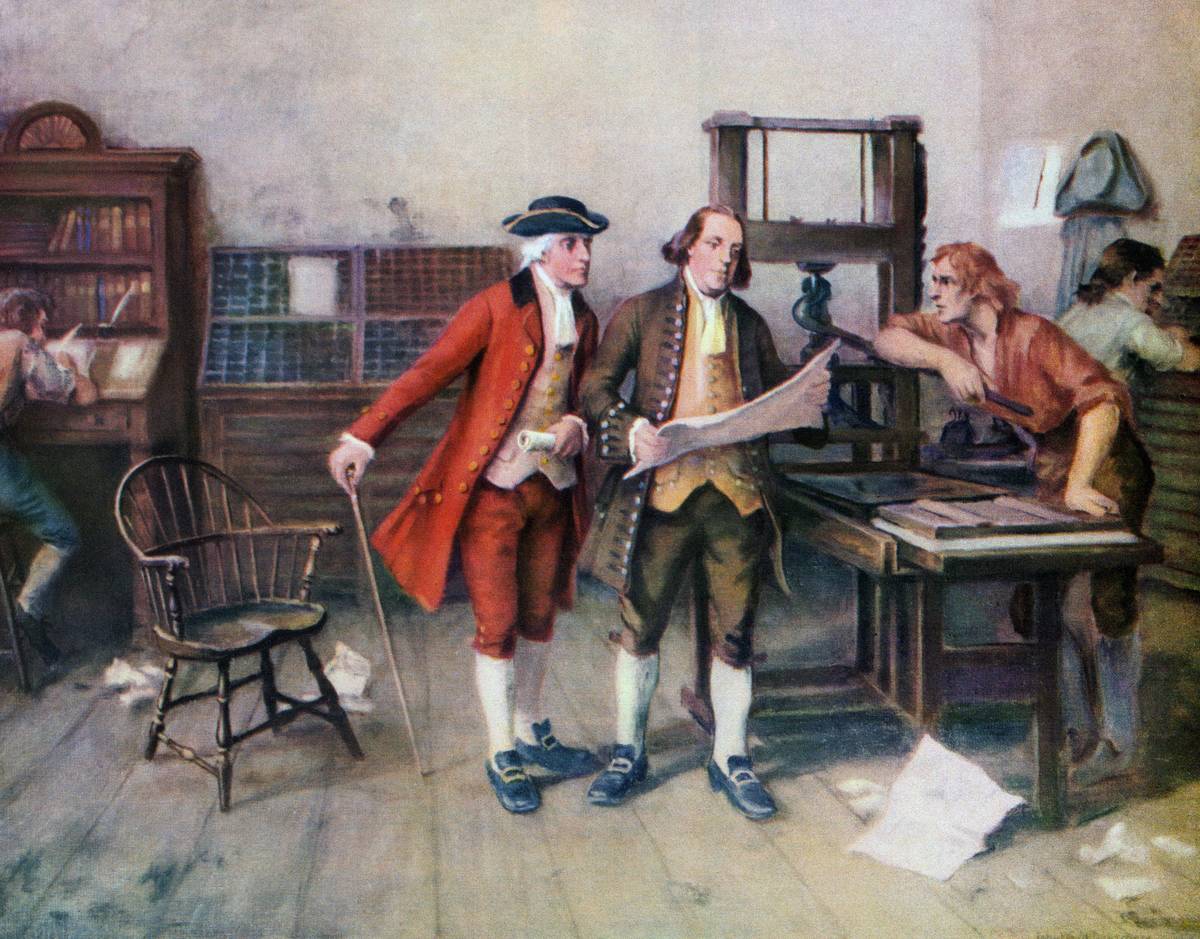
The invention of the printing press revolutionized the dissemination of celestial maps, making them accessible to a broader audience. Previously, star maps were hand-copied and limited to scholars and navigators.
The printing press allowed for mass production, spreading astronomical knowledge across Europe. This democratization of information empowered amateur astronomers and fueled public interest in the night sky, setting the stage for a more informed and curious society eager to explore the heavens.
Modern Astronomy: Transformations in Mapping the Heavens
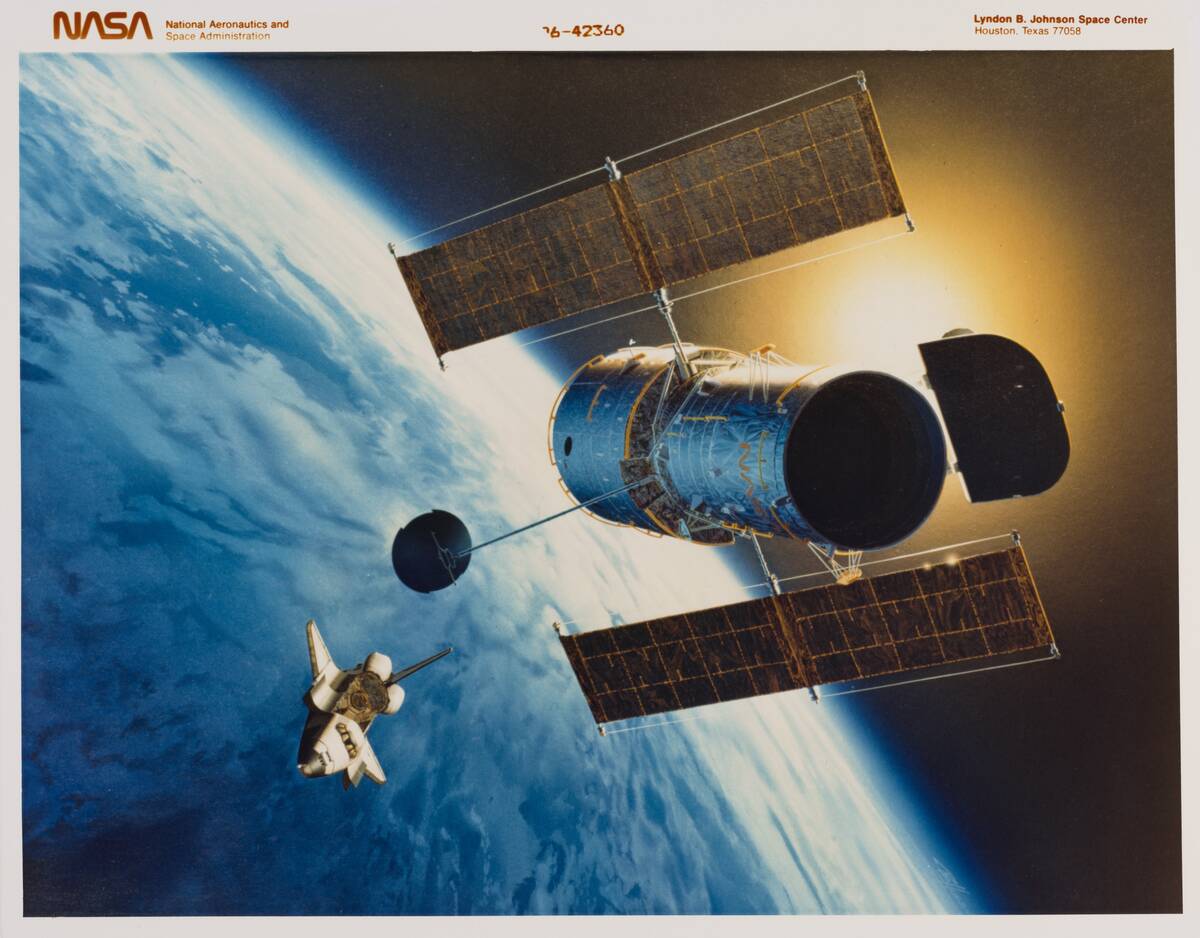
The 20th century brought transformative changes to celestial mapping with the advent of radio and space telescopes. These advancements allowed astronomers to observe the universe in new wavelengths, revealing previously unseen aspects of the cosmos.
Modern star maps now include data on galaxies, nebulae, and other celestial phenomena far beyond the visible spectrum. This era of discovery has expanded our understanding of the universe, contributing to fields like cosmology and astrophysics.
Technological Advances: From Telescopes to Star Charts
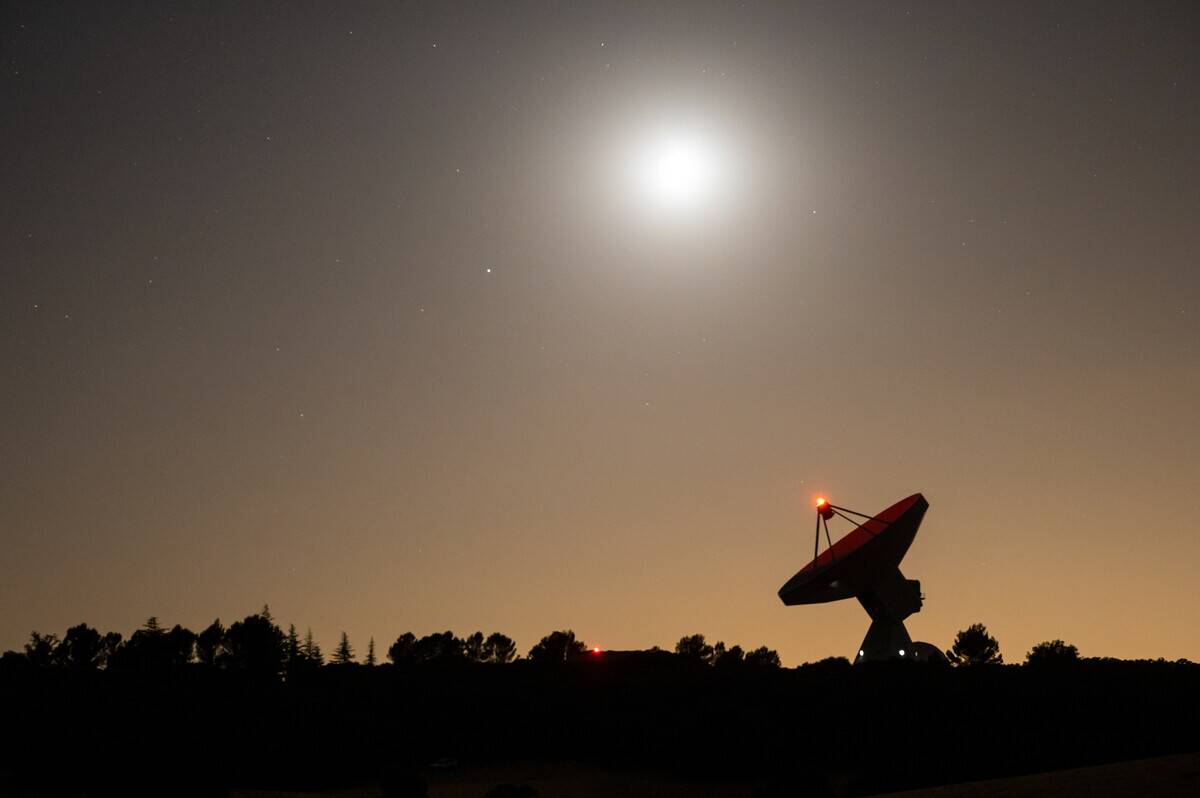
Technological advances have continuously reshaped how we map the night sky. The invention of the telescope revolutionized astronomy, allowing for more precise observations and detailed star charts. Today, computer software and digital imaging enhance our ability to create accurate celestial maps.
These tools enable astronomers to track the movement of celestial bodies in real time, offering insights into phenomena like planetary transits and star formations. Technology has made the universe more accessible than ever.
The Role of Night Sky Maps in Astrology and Mythology
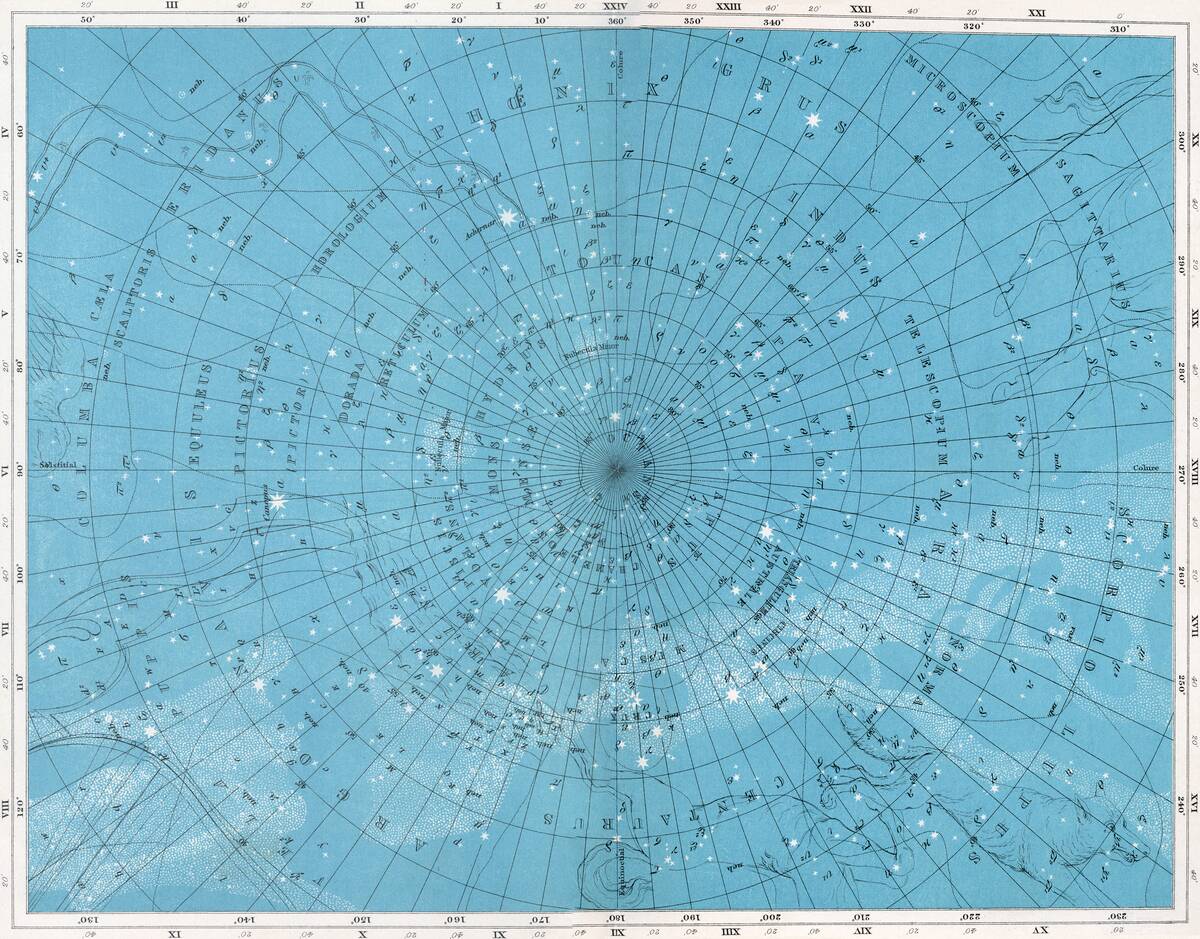
Night sky maps have long played a role in astrology and mythology, intertwining celestial phenomena with human experiences. Astrologers use star charts to interpret the influence of celestial bodies on individuals’ lives, a practice dating back to ancient Babylon.
Mythological stories often feature constellations, embedding cultural narratives in the stars. These maps serve as a bridge between the scientific and mystical, capturing the imagination and offering insights into how different cultures understand the cosmos.
The Influence of Astronomy on Art and Culture
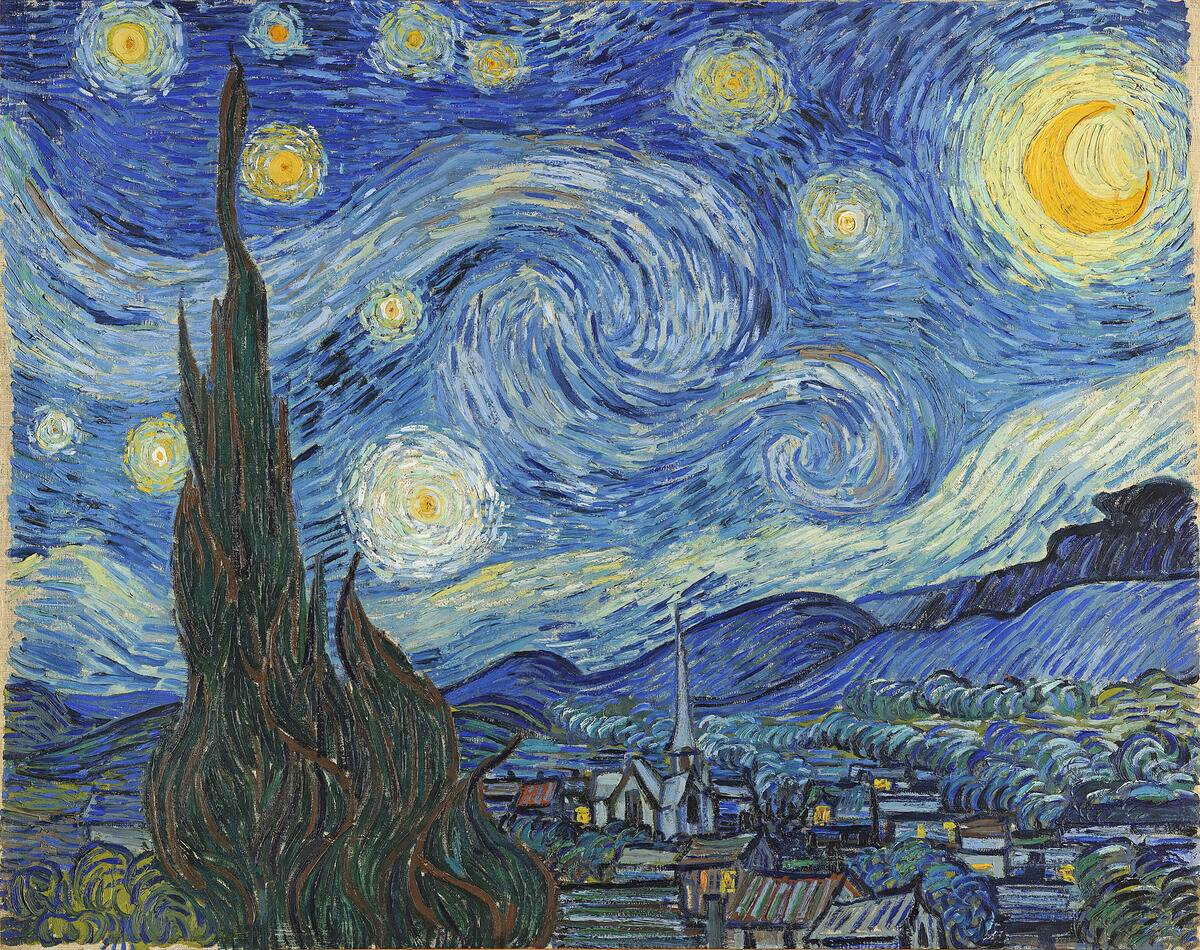
Astronomy has profoundly influenced art and culture throughout history, inspiring works that capture the majesty of the cosmos. From Van Gogh’s “Starry Night” to contemporary installations like Yayoi Kusama’s “Infinity Mirror Rooms,” the night sky has been a muse for artists.
Celestial themes permeate literature, music, and film, reflecting humanity’s enduring fascination with the universe. This cultural interplay enriches our understanding of astronomy, highlighting the beauty and mystery of the night sky.
The Evolution of Constellations: A Journey Through Time

Constellations have evolved over time, shaped by cultural interpretations and scientific advancements. The 88 constellations recognized today by the International Astronomical Union have origins in various ancient civilizations.
As our understanding of the universe has grown, so too has our depiction of these star patterns. While the modern set of 88 constellations and their boundaries are standardized, historical interpretations of star patterns varied widely across cultures, reflecting humanity’s evolving understanding of the cosmos.
Digital Age: Mapping the Night Sky with Technology
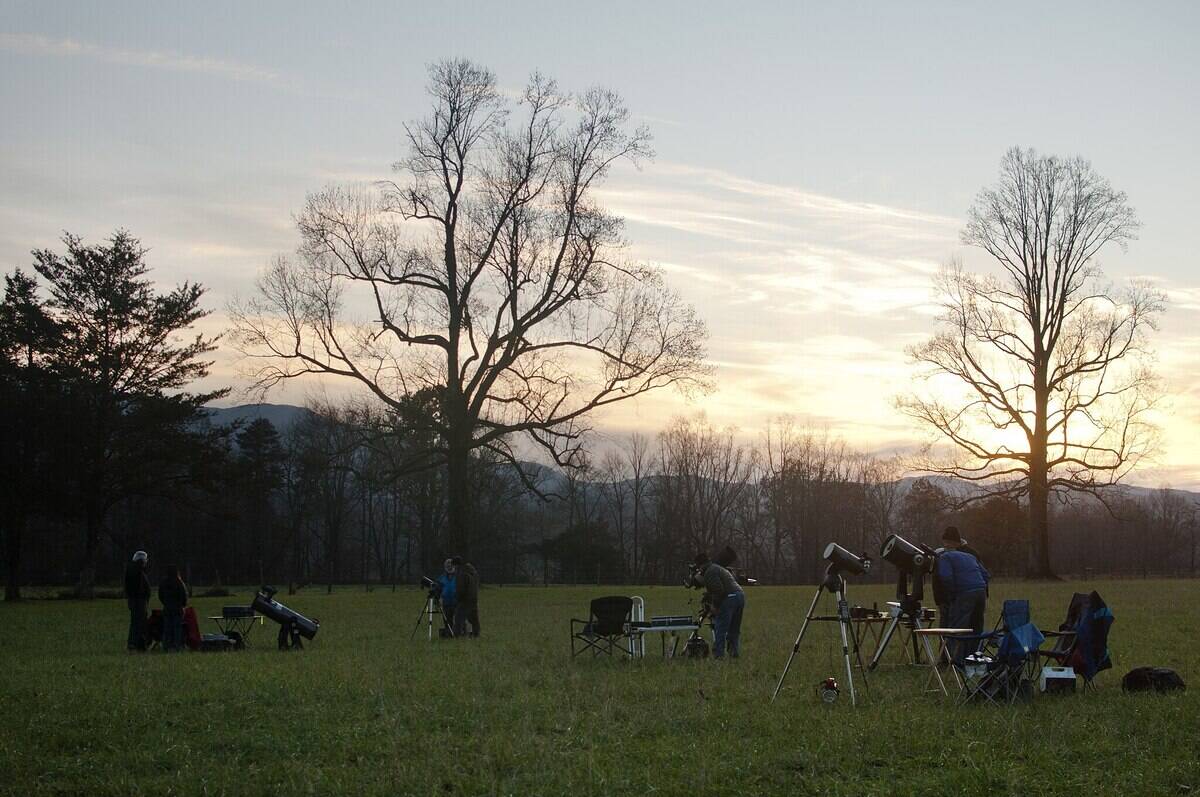
The digital age has revolutionized how we map and explore the night sky. Apps and online platforms now allow amateur astronomers to access detailed star maps and track celestial events from their smartphones.
These tools offer real-time data on star positions and planetary movements, making astronomy more interactive and accessible. Technology has democratized stargazing, enabling people to explore the universe from their backyard, fostering a new generation of sky enthusiasts.




