How early global economies functioned without money
Imagine a time when pockets were not weighed down by coins or credit cards. Instead, people relied on creativity and connections to meet their needs. This was the reality for many ancient societies that thrived without money.
They developed intricate systems of trade and exchange that were rooted in relationships and reciprocity. These communities demonstrated remarkable ingenuity in how they facilitated trade, often using goods or services as currency instead of relying on minted coins or paper money.
Bartering Basics: Trading Goods and Services
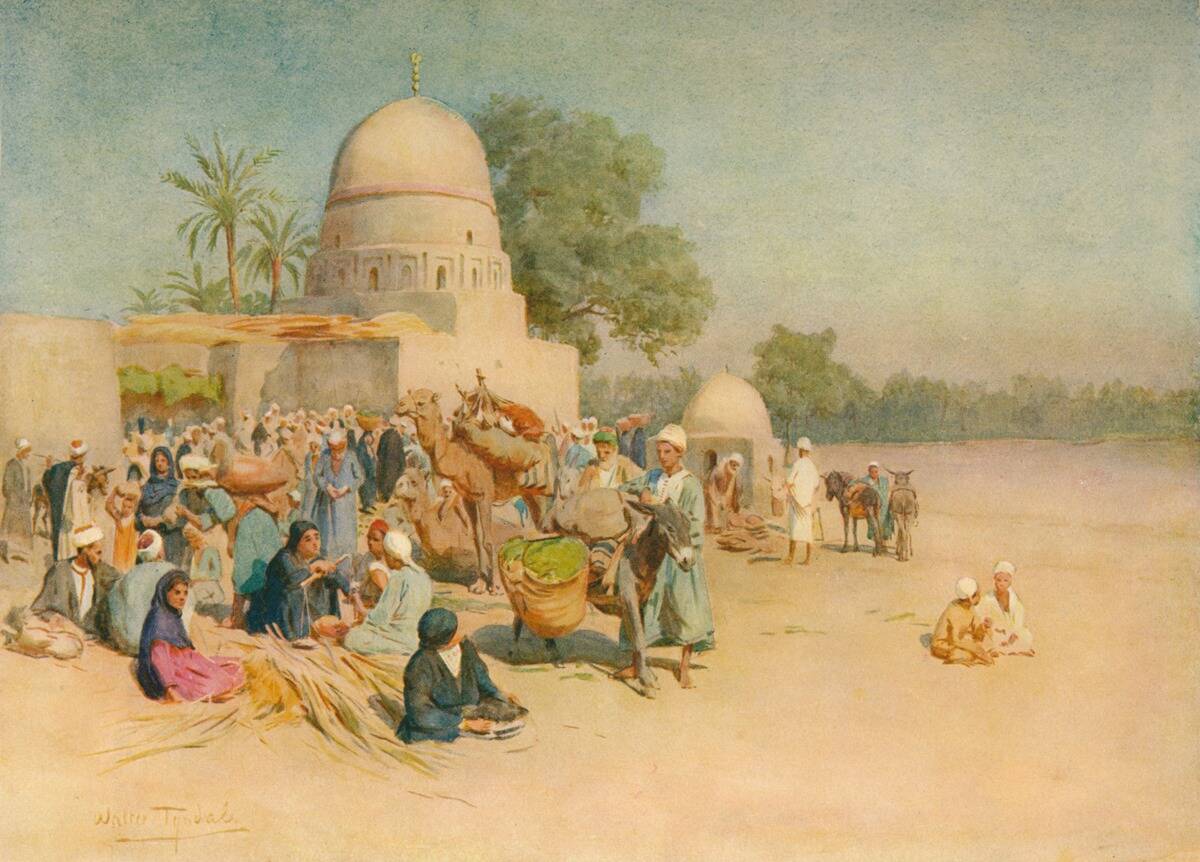
Before the invention of money, bartering was the foundation of commerce. People exchanged goods and services directly, often negotiating to find a fair trade. For example, a farmer might trade fresh produce for a tailor’s sewing services.
This system required a keen sense of value and the ability to strike a deal that benefited both parties. Bartering is still practiced today in some communities, highlighting its enduring practicality and the human capacity for negotiation.
Gift Economies: Sharing is Caring
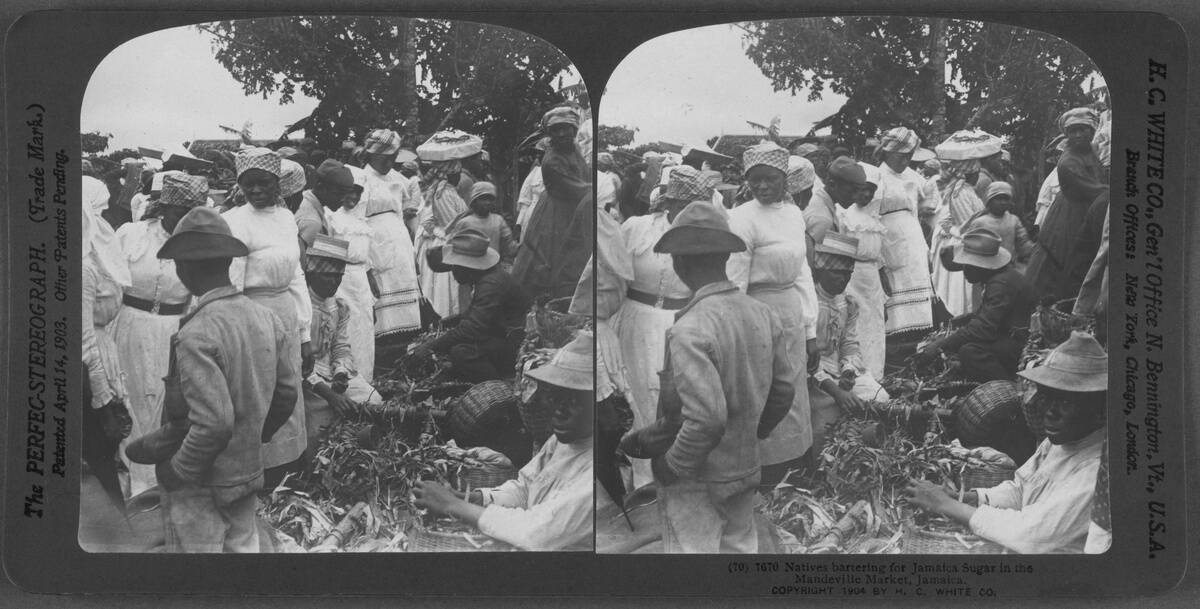
In gift economies, generosity was the currency. People gave gifts without expecting anything in return, fostering strong community bonds. This approach was common among indigenous groups, where sharing resources ensured everyone’s survival.
For instance, the Maori of New Zealand practiced a form of gift economy where goods like food and tools were exchanged as gifts during social gatherings. This system emphasized the social and spiritual value of giving over the material worth of the items exchanged.
Potlatch: The Generous Feast of the Pacific Northwest
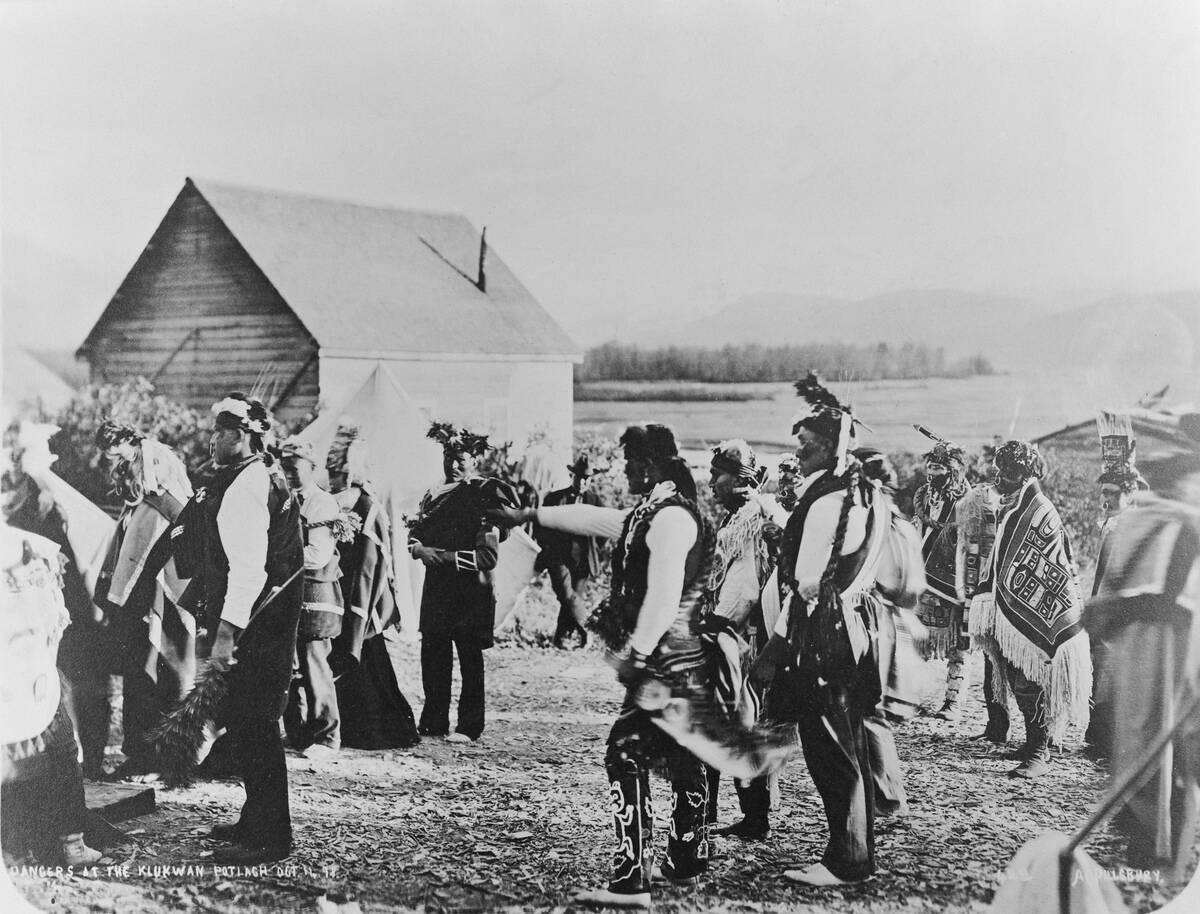
The potlatch was a ceremonial feast practiced by Indigenous peoples of the Pacific Northwest, such as the Haida and Tlingit. During these events, hosts demonstrated their wealth and social status by giving away or destroying possessions.
This might seem counterintuitive, but potlatches were crucial for reinforcing social hierarchies and redistributing wealth within the community. These gatherings could last for days, featuring elaborate dances, speeches, and the exchange of gifts, all aimed at strengthening ties and asserting leadership.
The Kula Ring: A Circle of Exchange in the Trobriand Islands

In the Trobriand Islands of Papua New Guinea, the Kula Ring is a fascinating example of a non-monetary exchange system. Islanders engage in ceremonial exchanges of shell necklaces and armbands, which travel in opposite directions around the islands.
This ritual fosters relationships between different communities and reinforces social status. The Kula Ring is not about the economic value of the items, but rather the prestige and alliances they represent, illustrating the deep social significance of exchange.
The Role of Reciprocity in Ancient Societies
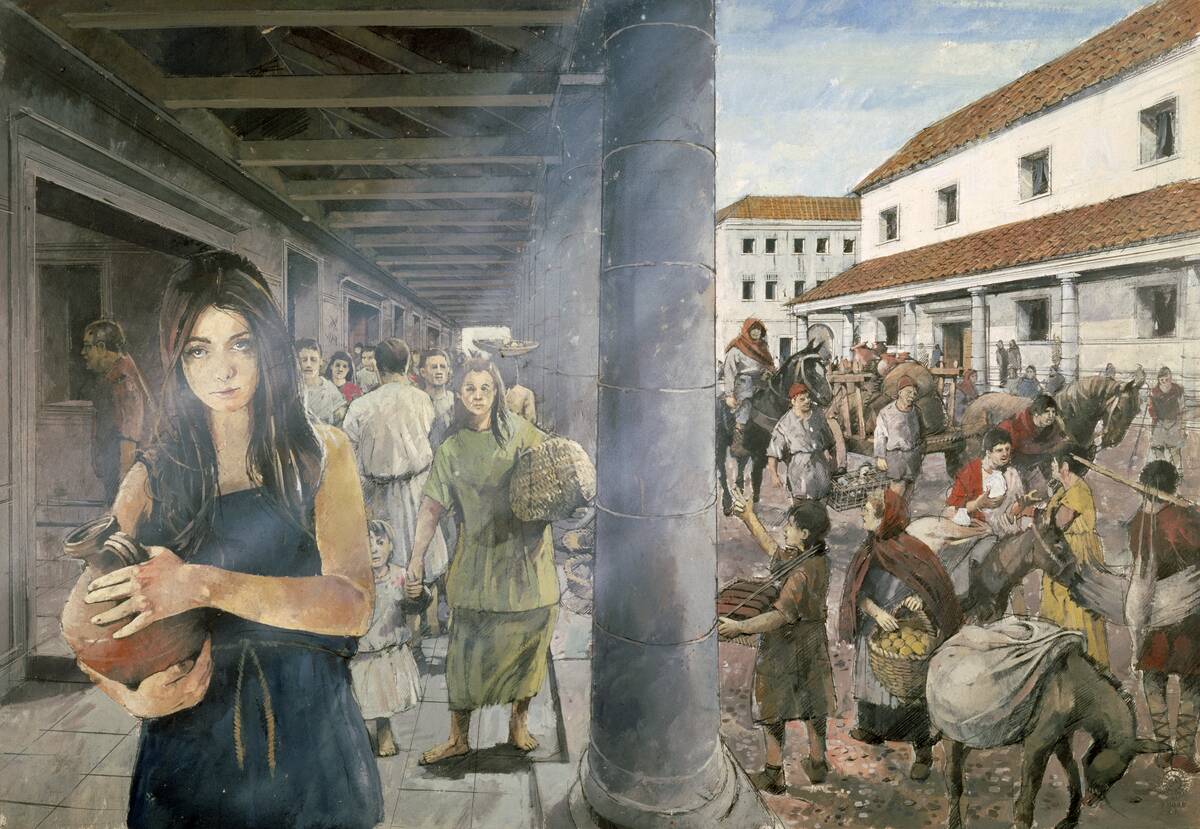
Reciprocity was a cornerstone of ancient societies, creating a network of mutual support. This system relied on the expectation that a favor or gift would be repaid in the future, maintaining balance and cooperation.
In ancient Rome, clients and patrons engaged in reciprocal relationships where clients provided services in return for protection and resources. These reciprocal exchanges ensured stability and trust within the community, showcasing how deeply interwoven social ties were with economic practices.
Trade Routes: The Silk Road’s Role in Early Exchange
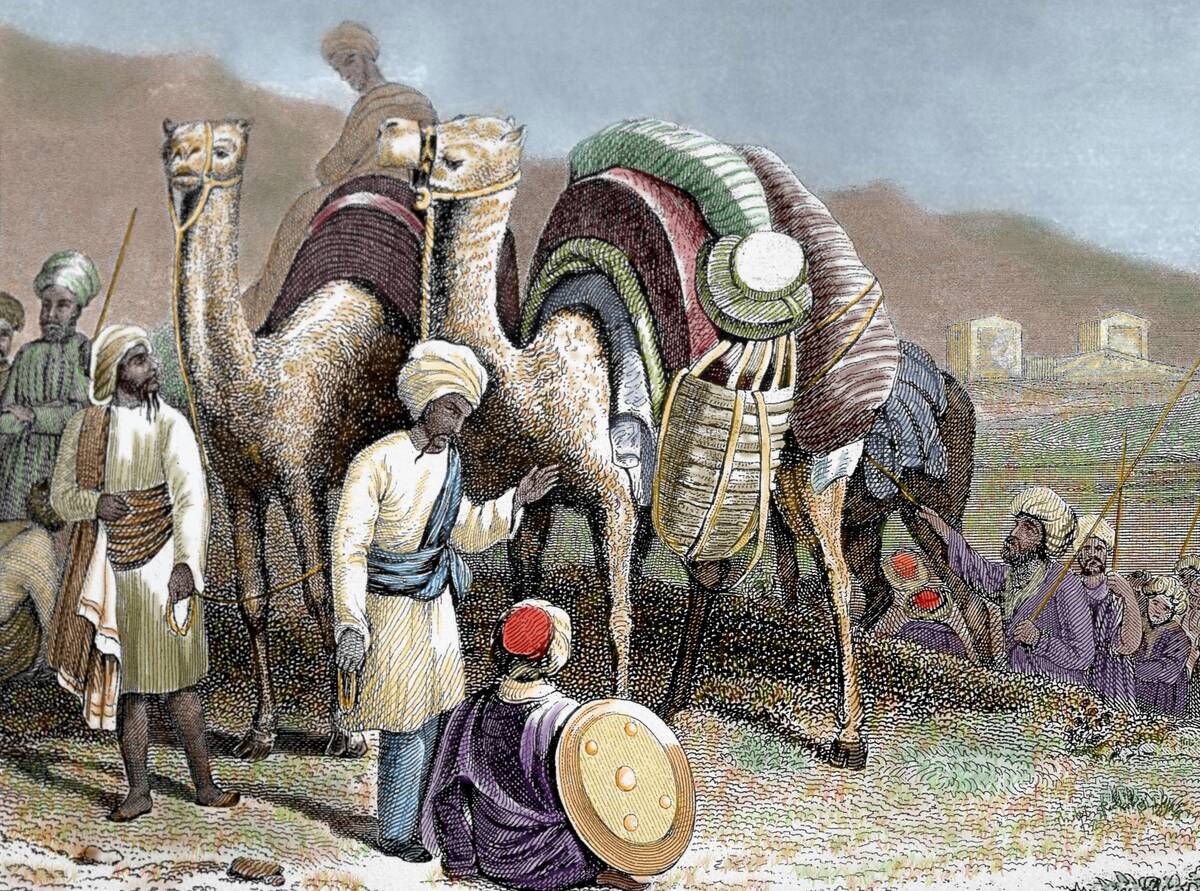
The Silk Road was a network of trade routes that connected the East and West, facilitating the exchange of goods, culture, and ideas. It wasn’t a single road but a series of interconnected paths that allowed for the movement of silk, spices, and other valuable commodities.
This ancient trade network helped to spread technologies, religions, and even languages across continents, demonstrating the power of trade to bridge distant lands and diverse cultures, long before the advent of modern currency.
Salt: The Ancient World’s White Gold
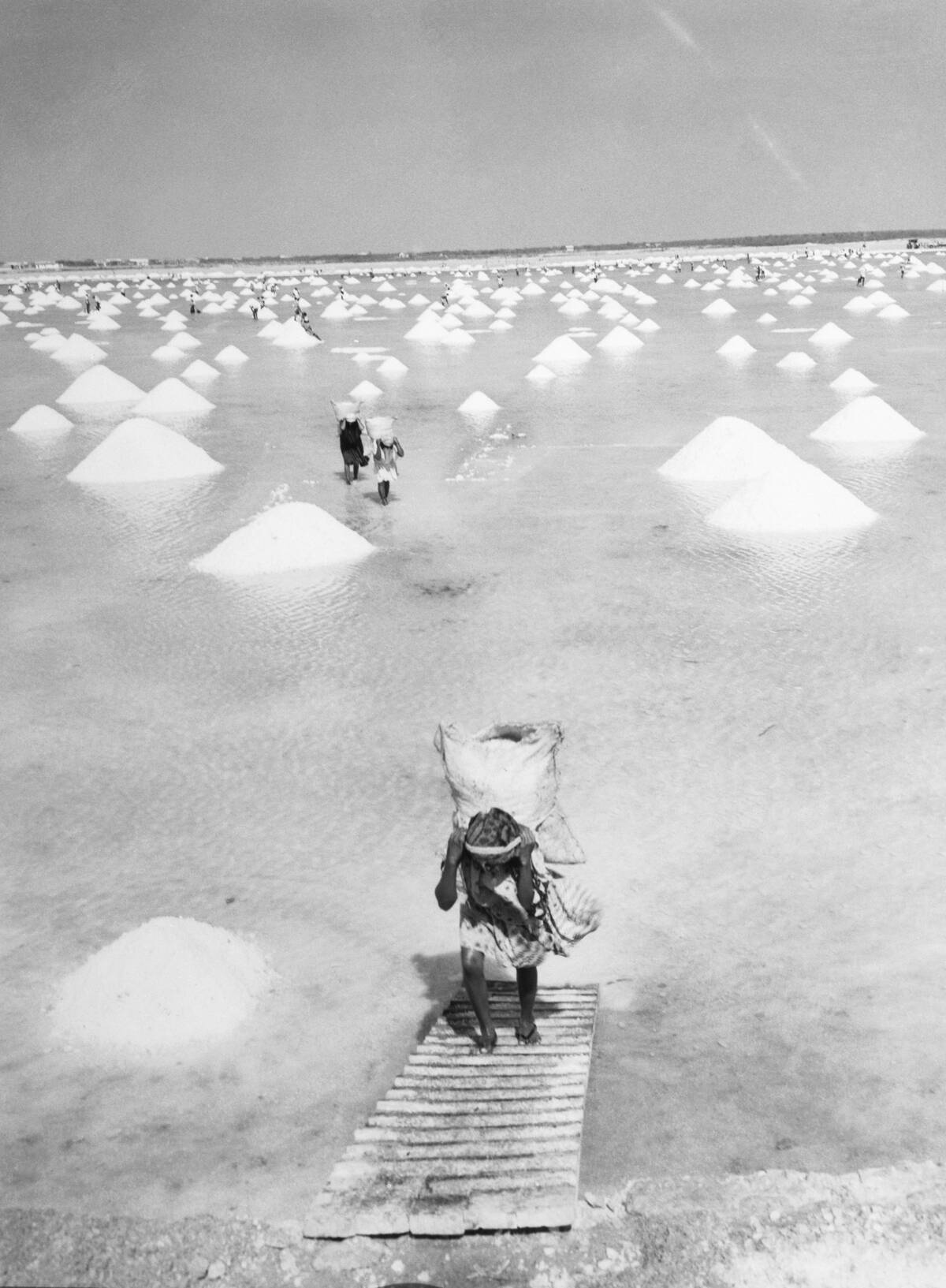
Salt was a vital commodity in ancient times, often referred to as ‘white gold’ due to its value. It was essential for preserving food and was used in religious rituals, making it a highly sought-after resource.
Roman soldiers were sometimes paid in salt, which is where the word ‘salary’ originates. This precious mineral was traded along routes like the Salt Road in Italy, highlighting its historical importance and the lengths societies went to secure it for survival and prosperity.
Grain and Livestock: The Original Commodities
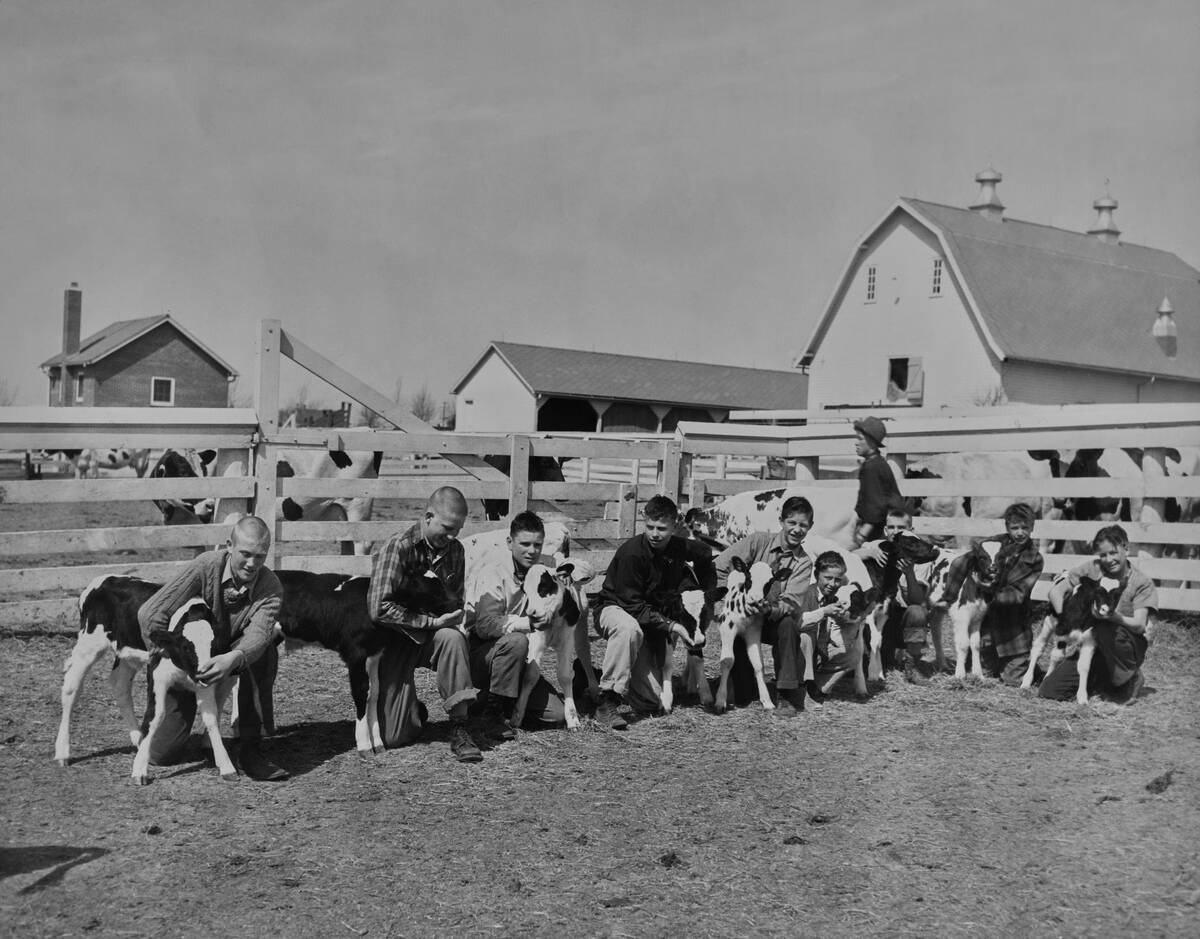
Grain and livestock formed the backbone of many ancient economies, serving as primary commodities for trade. In Mesopotamia, barley was used as a unit of account, while cattle were a measure of wealth in pastoral societies. These resources were essential for sustenance and were often used in barter transactions.
The reliance on grain and livestock demonstrates how early economies were closely linked to agriculture and animal husbandry, laying the groundwork for more complex systems of trade and economic exchange.
The Rise of Craftsmanship: Trading Skills and Artistry
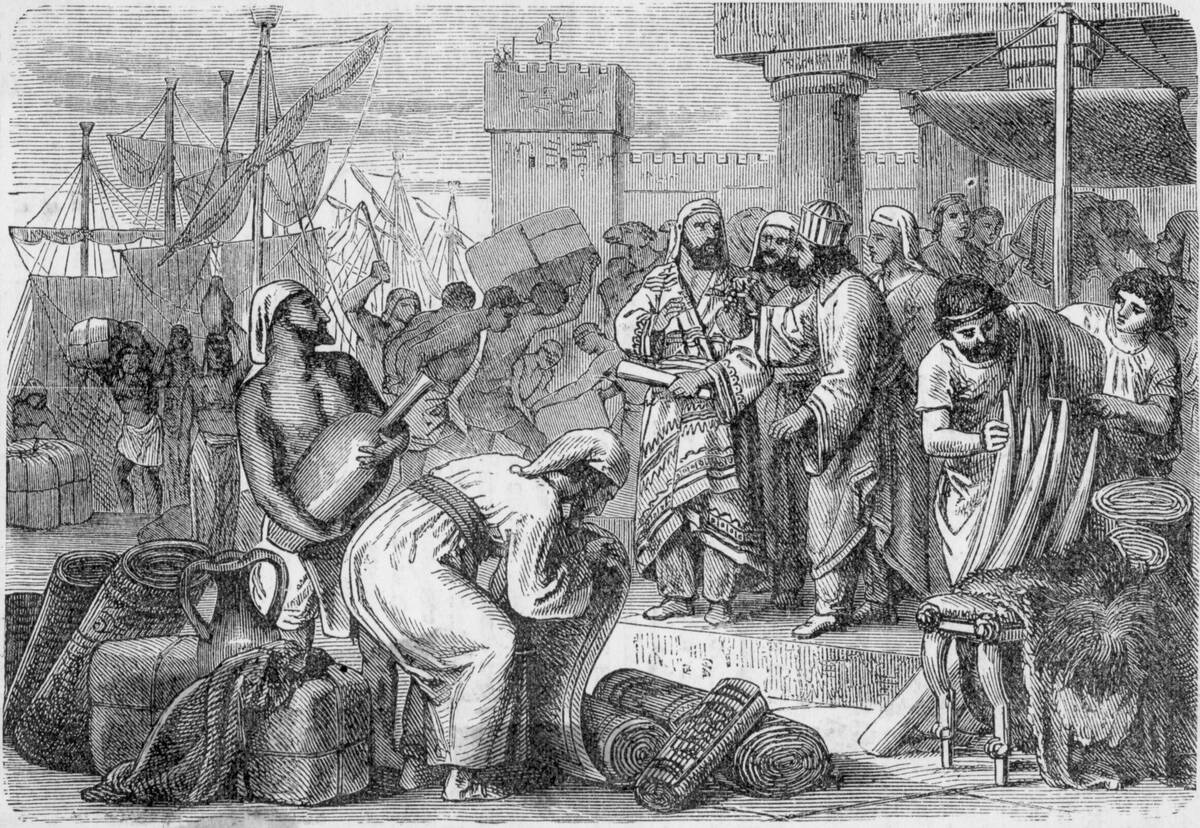
As societies advanced, the demand for skilled craftsmanship grew. Artisans created goods such as pottery, textiles, and metalwork, which became valuable trade items. In ancient Egypt, craftsmen were highly respected for their skills in creating intricate jewelry and sculptures.
These items were often traded for food, raw materials, or other crafted goods, promoting a vibrant exchange of artistry and culture. This shift towards craftsmanship illustrates the increasing complexity and specialization within ancient economies.
The Influence of Religion on Early Economies
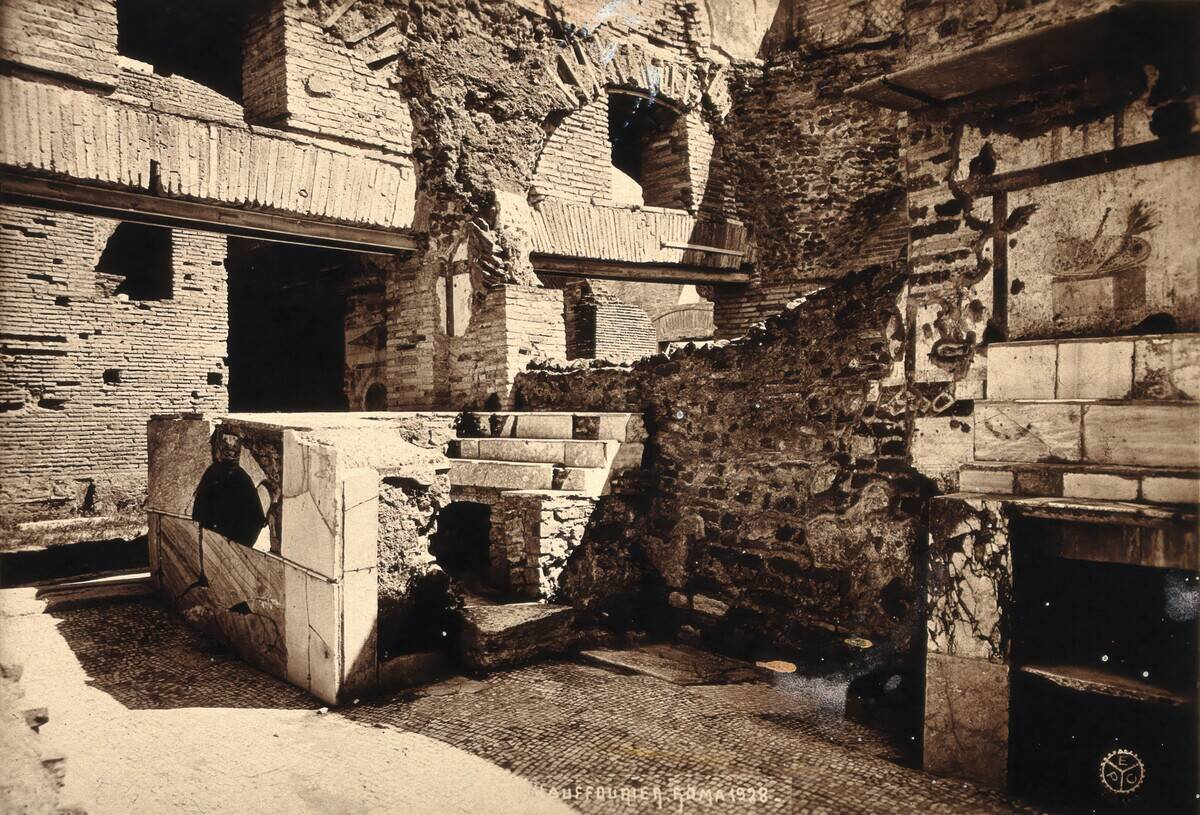
Religion played a significant role in shaping early economies. Temples often acted as economic centers, collecting offerings and redistributing goods. In ancient Sumer, temples controlled vast amounts of land and resources, influencing trade and production.
Religious festivals also provided opportunities for trade, attracting merchants and pilgrims. The interplay between religion and economy highlights the multifaceted nature of ancient societies, where spiritual beliefs and economic activities were deeply intertwined and mutually reinforcing.
The Power of Social Status in Trade and Exchange
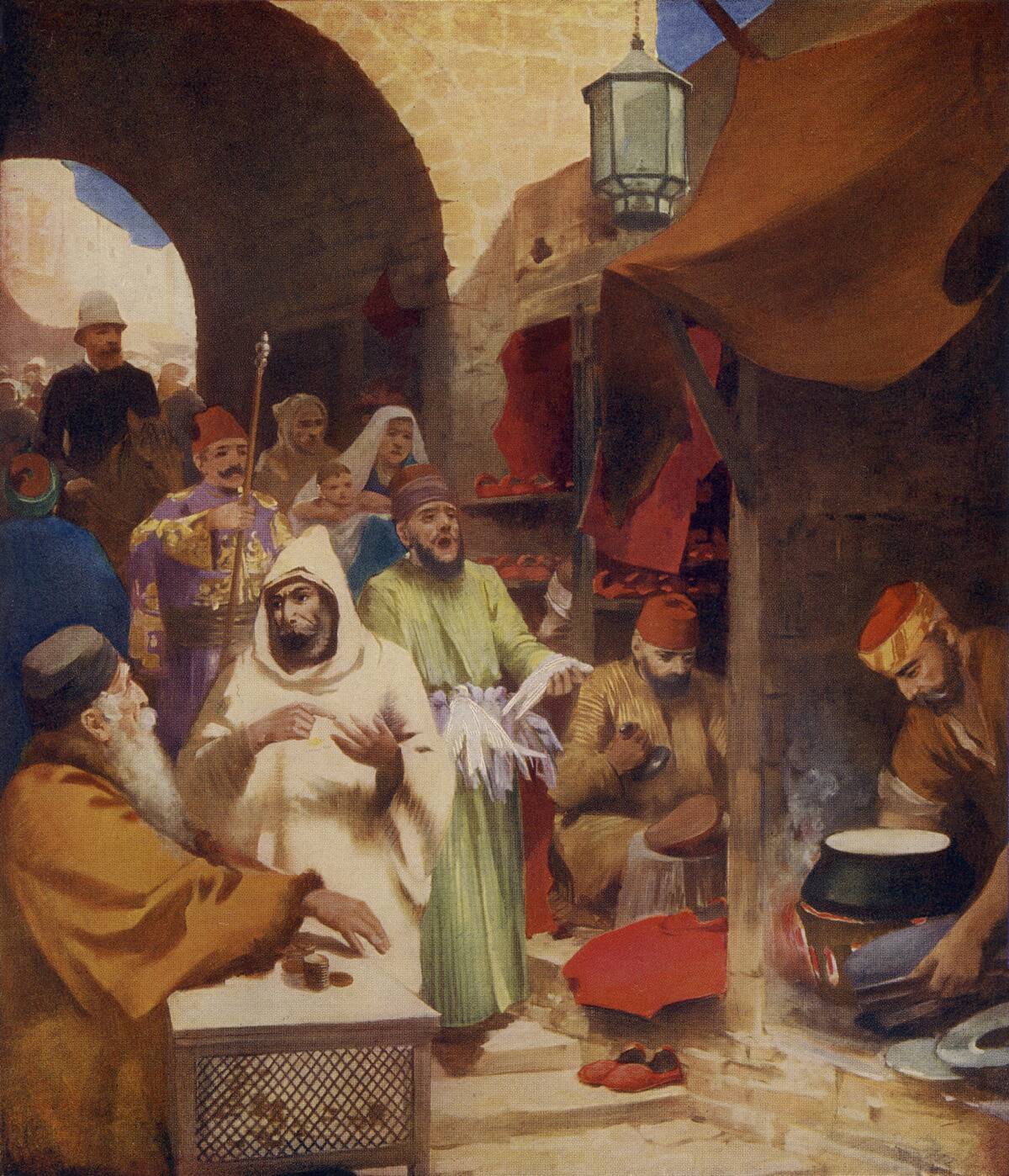
Social status was a powerful force in the trade dynamics of ancient societies. Elite classes often controlled resources and dictated trade terms. In ancient China, the ruling class used luxury goods like silk to assert dominance and build alliances.
Social status influenced who could trade and what could be traded, reinforcing hierarchies. This emphasis on social standing underscores how economic power was often concentrated among the elite, impacting the distribution of wealth and resources.
The Evolution of Markets: From Barter to Bazaar

Markets evolved from simple bartering spots to bustling bazaars, where a variety of goods were exchanged. Ancient markets like the Agora in Athens were not just places for trade but also for social interaction and political discourse.
The transition from barter to more organized markets allowed for greater diversity in goods and more complex economic interactions. This evolution paved the way for the development of currency and more sophisticated economic systems, reflecting the dynamic nature of trade.
The Role of Trust and Reputation in Non-Monetary Economies
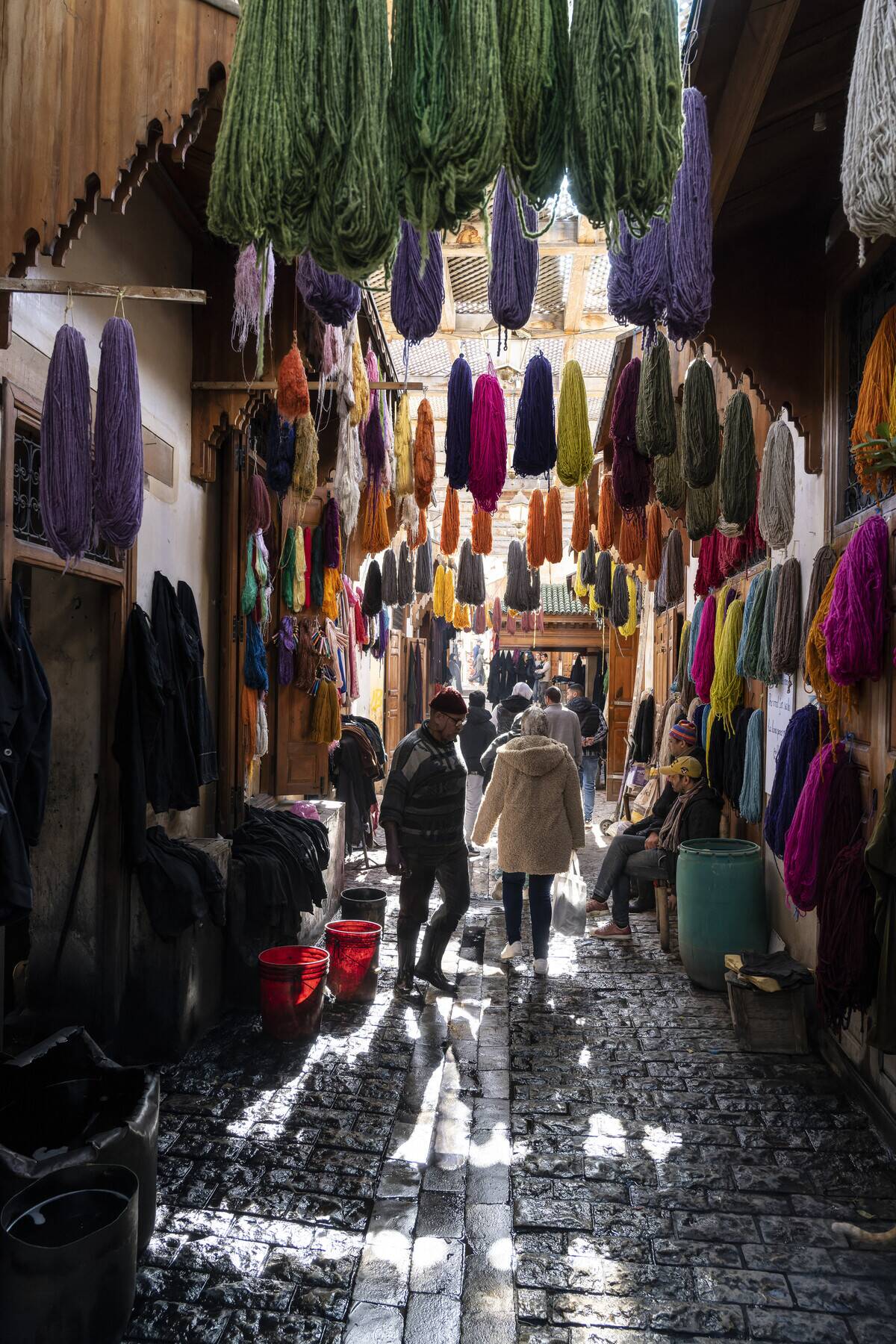
In non-monetary economies, trust and reputation were crucial for successful exchanges. Without currency to guarantee transactions, traders relied on mutual trust and the assurance of future reciprocity.
In medieval Europe, merchants often built reputations over generations, enabling them to conduct business across vast distances. This reliance on trust fostered strong community ties and highlighted the importance of personal integrity, showing that even in the absence of money, social capital was a key component of economic dealings.
Exploring the Limitations of Moneyless Economies
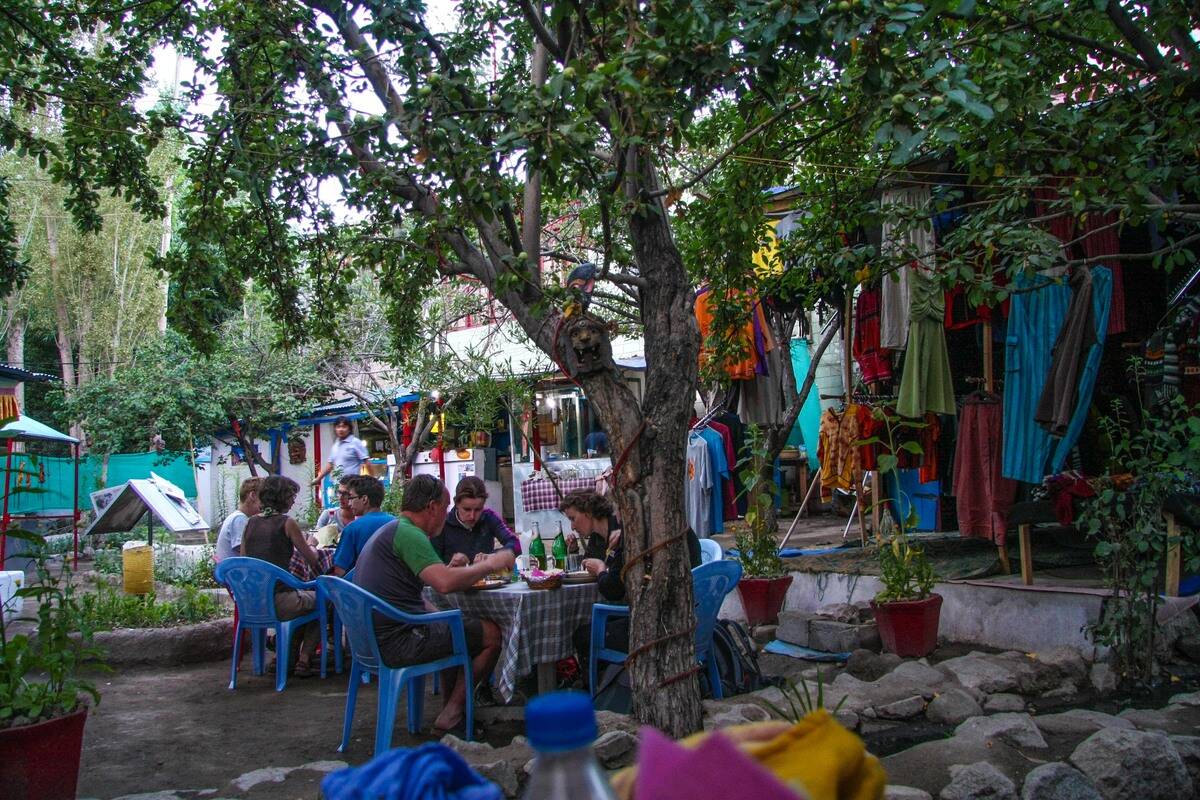
While moneyless economies have their benefits, they also come with limitations. Bartering requires a double coincidence of wants, meaning both parties must have what the other desires. This can make transactions cumbersome and time-consuming.
Additionally, non-monetary systems often struggle with storing value and facilitating long-distance trade. These limitations eventually led to the development of currency, which offered a more efficient means of exchange, storage of wealth, and standardization of transactions across different regions.
The Transition to Money: Why Coins and Currency Took Over
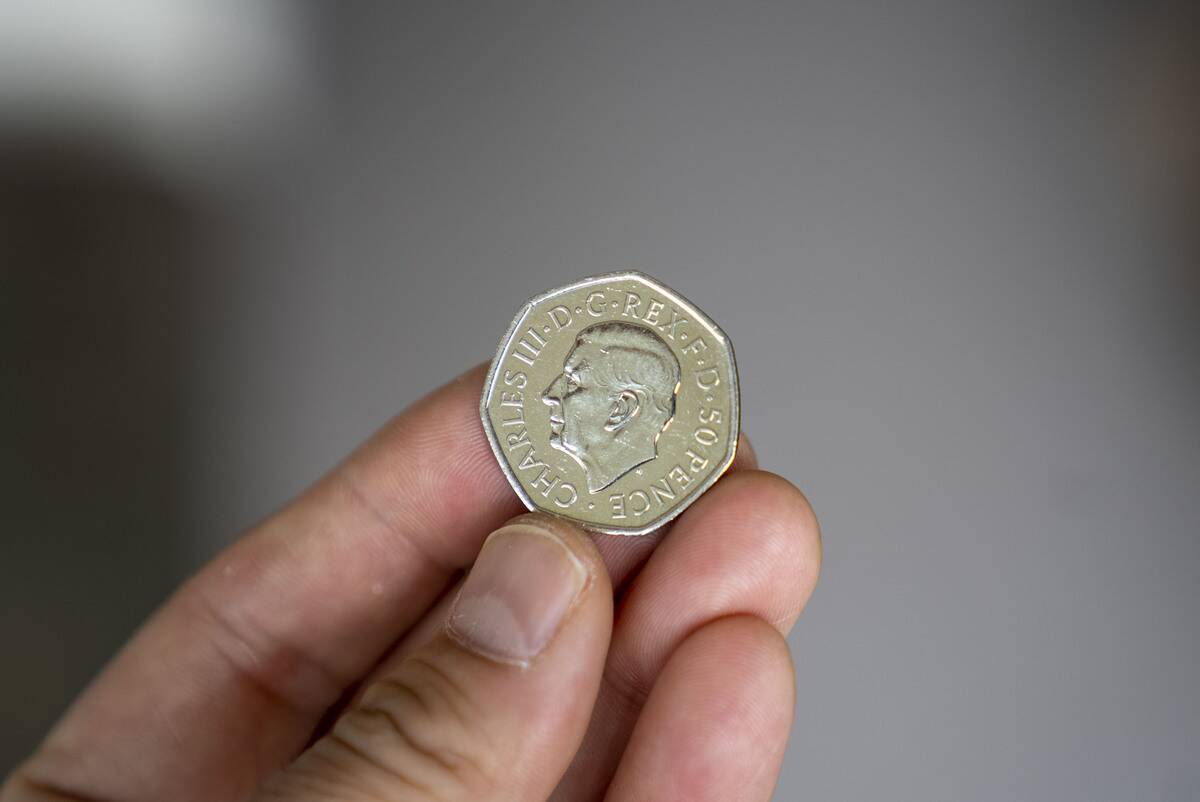
The transition to money marked a significant shift in economic systems. Coins and currency provided a standardized medium of exchange, simplifying transactions and enabling long-distance trade.
The Lydians are credited with minting the first coins around 600 BCE, using precious metals that held intrinsic value. This innovation allowed for more complex economies to develop, as money facilitated the accumulation of wealth and the expansion of markets. The adoption of currency was a pivotal moment in economic history, shaping the world as we know it today.
Lessons from the Past: Modern Applications of Ancient Economies
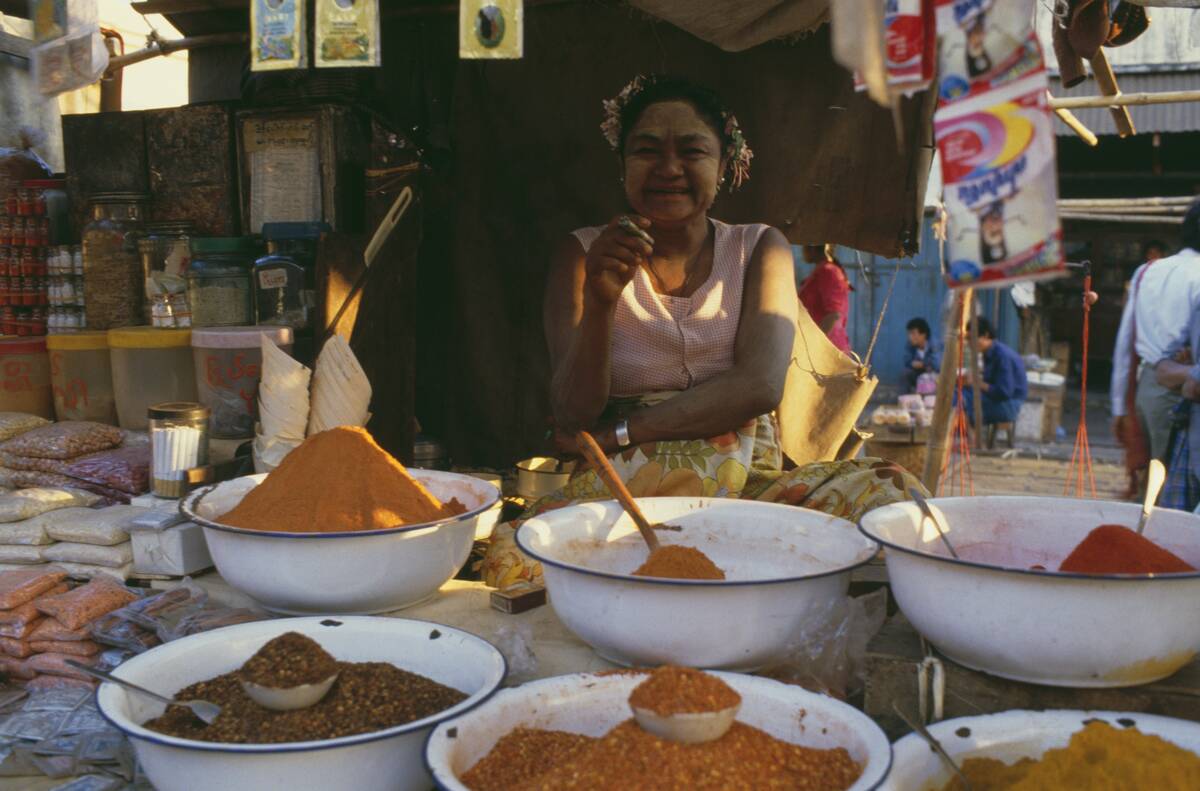
Ancient economies offer valuable lessons for modern society, particularly in fostering community and sustainability. Concepts like gift economies and bartering are seeing a resurgence in local communities and online platforms.
The sharing economy, exemplified by services like Airbnb and Uber, mirrors ancient practices of reciprocity and resource sharing. By examining these historical systems, we can find innovative solutions to contemporary economic challenges, blending traditional wisdom with modern technology to create more resilient and equitable economies.




