25 Traditional farming tools before modern machines
Before fuel tanks and spark plugs, fields were powered by muscle and patience. A pre-engine farm leaned on people, oxen, and horses, plus a tight toolkit honed over centuries. Jobs unfolded to the rhythm of seasons: soil turned in spring, hay stacked in summer, grain threshed when frosts arrived. The big innovation wasn’t always a new gadget—it was knowing when to use a spade instead of a shovel, or a scythe instead of a sickle.
Wood, iron, and leather were the building blocks, and maintenance was a daily ritual. Tool edges met whetstones as often as boots met the doorstep. A smooth wooden handle mattered as much as a sharp blade; blisters slowed a harvest as surely as rain. Nothing went to waste—straw became bedding, manure became fertilizer, and broken handles became kindling. You didn’t flip a switch; you picked the right implement and put your back into it.
Human Grit and Animal Grit: People, Oxen, and Horses as Power Sources
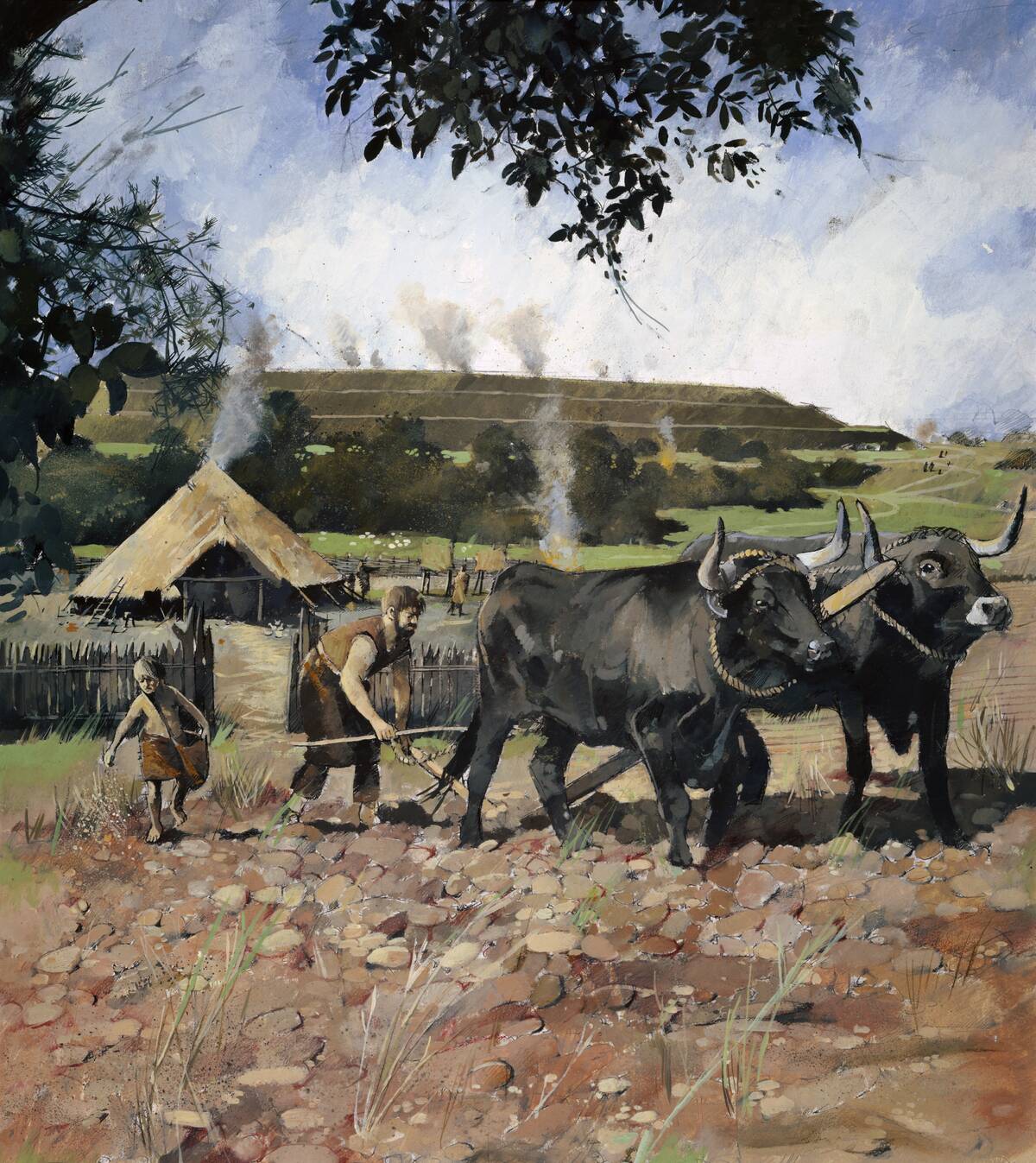
Human muscle was precise and adaptable—perfect for weeding, pruning, and careful planting. But for heavy pulling, farmers teamed up with livestock. Oxen excelled at slow, steady draft, thriving on rough forage and pulling heavy loads with calm temperaments. Horses brought speed to the field; harnessed correctly, they could walk a plow or wagon at a clip that made long days shorter. Mules, prized for sure‑footedness and heat tolerance, filled in wherever hooves met hard miles.
Choosing the right animal was strategy, not sentiment. Oxen shone in sticky clay and timber work; horses paired well with row-crop cultivation and quick trips to market. Fitting the harness mattered as much as the breed. A well-adjusted yoke or collar protected windpipes and shoulders, converting diet into traction rather than soreness. People handled the finesse—lining up furrows, timing turns, and judging soil moisture by feel—while four legs delivered the pull.
Plows and Harrows: Turning and Taming the Soil
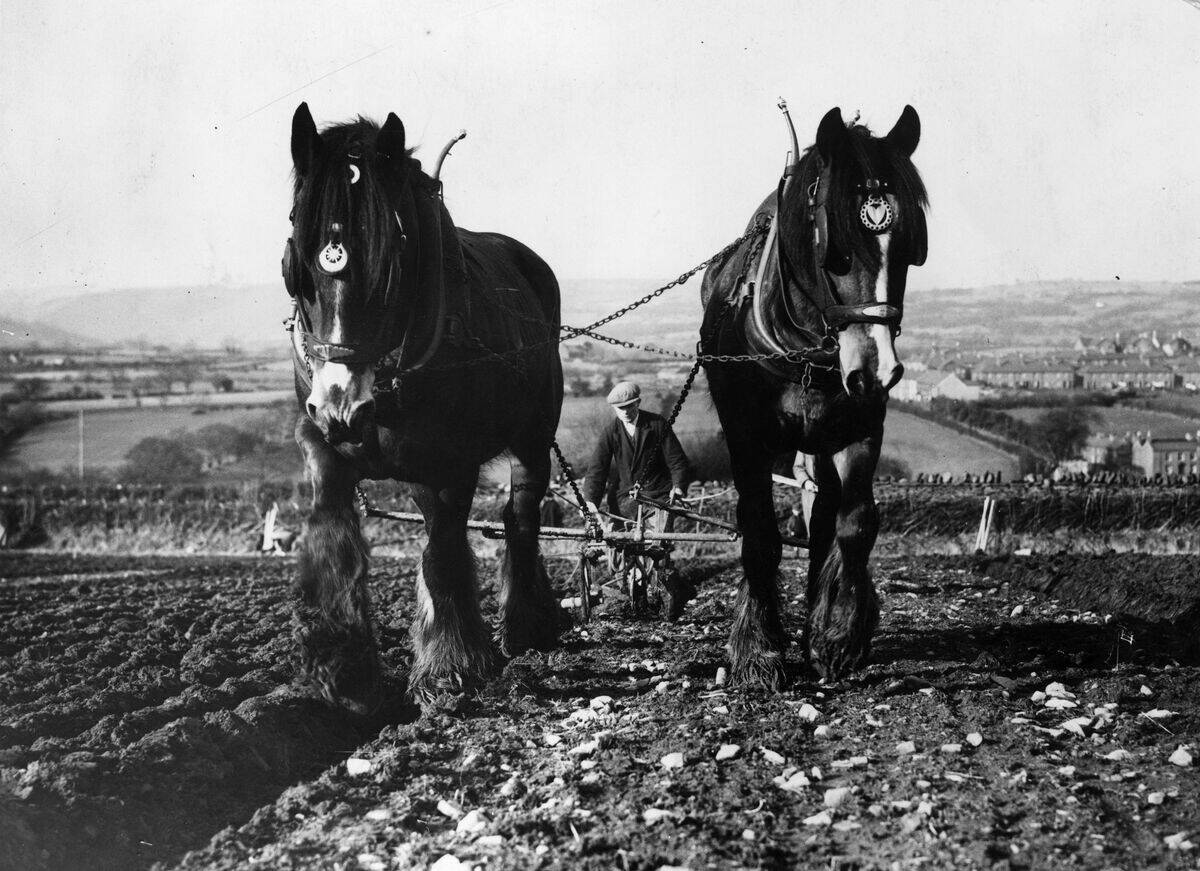
For millennia, simple ards scratched furrows, but the moldboard plow transformed fields by lifting and inverting soil to bury weeds and residues. Iron shares were common by the 18th century, and John Deere’s polished steel plow in 1837 famously cut sticky Midwestern prairie without clogging. After the initial turn, harrows broke clods and leveled ground. Early harrows were wooden frames with teeth or even bundled brush; later spike‑tooth and chain harrows refined seedbeds.
Harrowing was as much about timing as tools.
Work too wet and you made bricks; too dry and you rattled over hardpan. Farmers watched sky and soil, chasing that friable, crumbly texture where seeds breathe and roots run. On small plots, a person could pull a light harrow; on larger fields, animals did the dragging. The dance was simple: plow to open, harrow to smooth, then plant before the wind stole moisture.
The Hoe: The Farmer’s Best Friend (and Worst Backache)
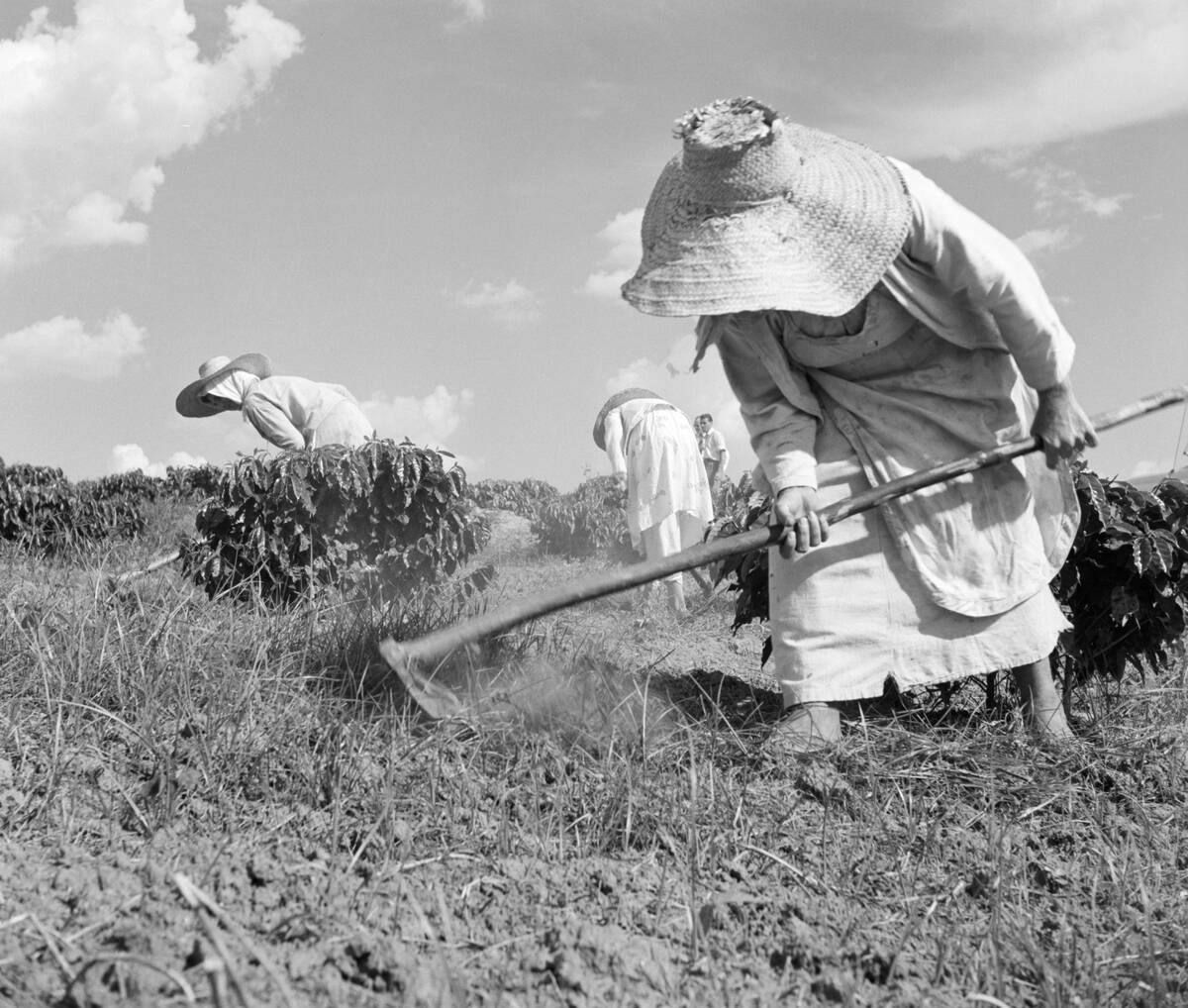
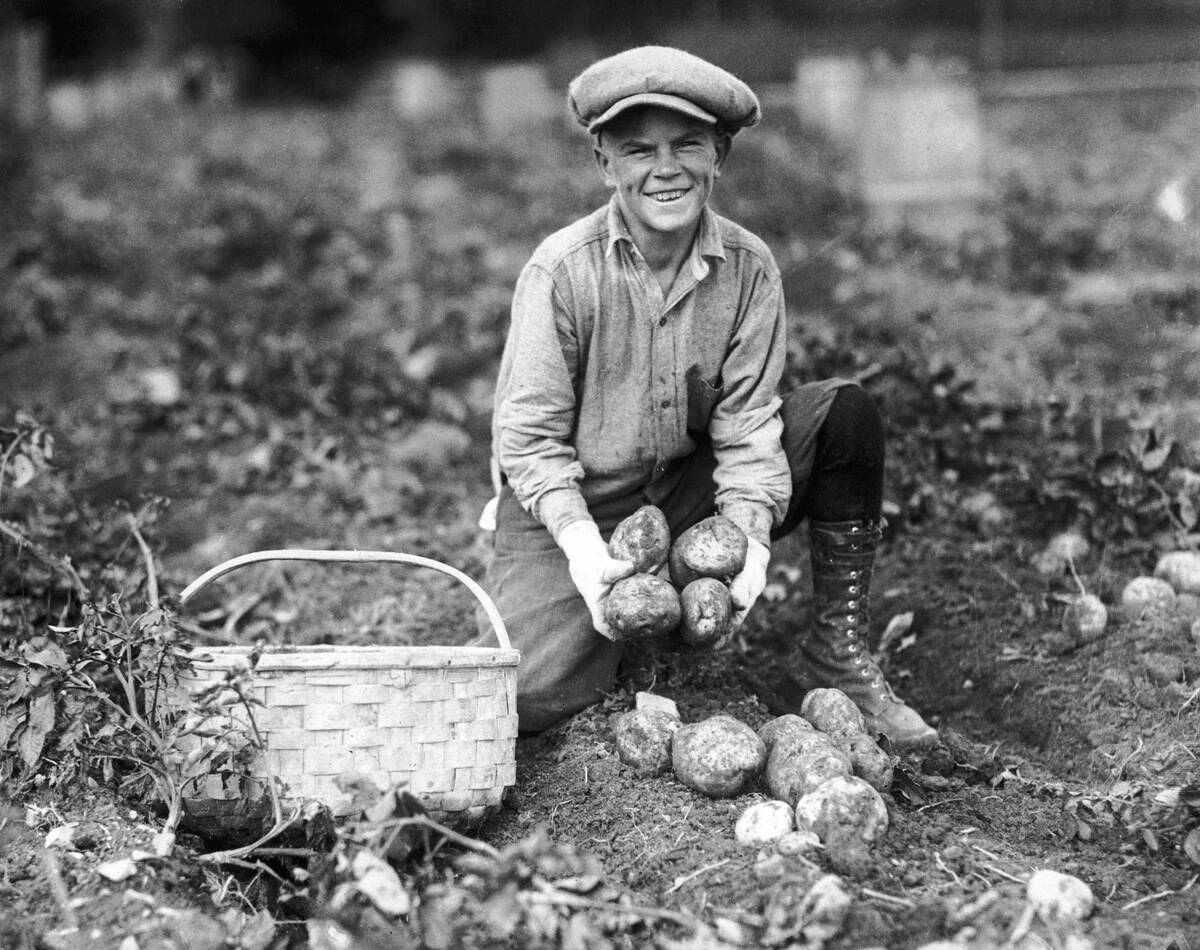
The humble hoe is a multitool: it slices weeds, shapes beds, and pulls soil to hill potatoes or corn. Draw hoes—broad blades set at a right angle—dig and chop with authority. Scuffle or stirrup hoes skim just below the surface, severing young weeds without hauling up wet soil. A sharp edge is everything; a dull hoe invites sweat. Many farms kept several widths on hand to slip neatly between crop rows.
Technique saved backs as surely as handles saved hands. Short, quick strokes for chopping, longer sweeping motions for skimming, and always let the tool’s weight do part of the work. Hoeing soon after a light rain knocked out tender weeds before they anchored. In row crops, a morning of hoeing could rescue a field from a weedy takeover—and spare the harvest from fighting for sunlight and water.
Spades and Shovels: Digging, Ditching, and Drainage
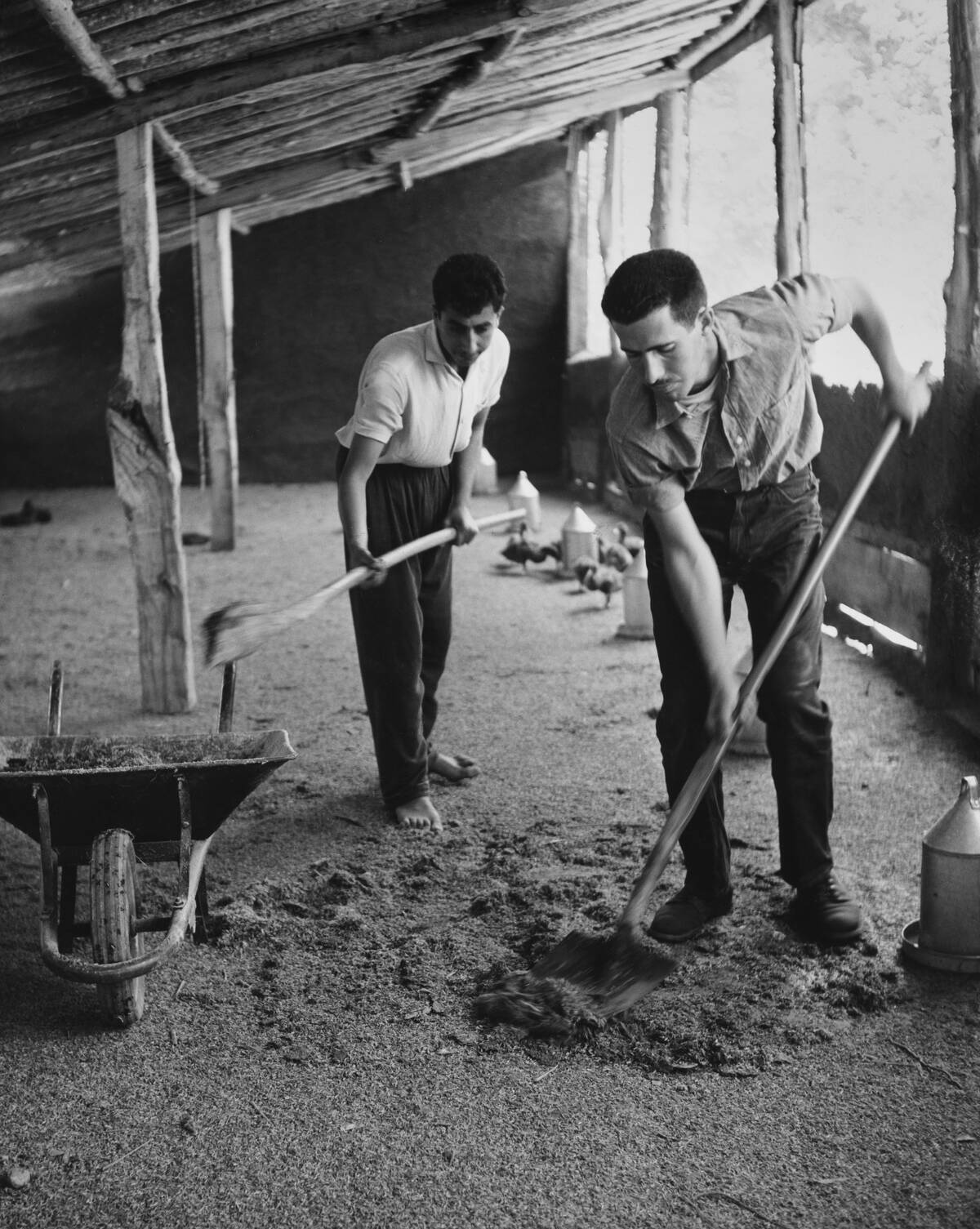
A spade isn’t just a shovel in formal wear. Spades have flat, straight blades for slicing sod, edging beds, and cutting clean trenches. Shovels, with their curved scoops, shine at moving loose soil, gravel, or manure. The difference matters when your day is on the line: a spade opens the earth neatly; a shovel hauls it away. T‑handled or D‑grip, a well-fitted handle kept wrists and backs happier over long rows.
Drainage turned swampy acres into productive fields. Before engines, clay tile drainage spread in the 19th century, laid by hand in narrow ditches cut with tile spades. Open ditches needed shaping and maintenance after storms; shovels rounded shoulders and kept channels flowing. Good drainage let seeds germinate instead of drown and let hoofed power cross fields earlier in spring. Water management was invisible until it failed—then everybody grabbed a shovel.
Mattocks and Grub Hoes: Breaking Tough Ground
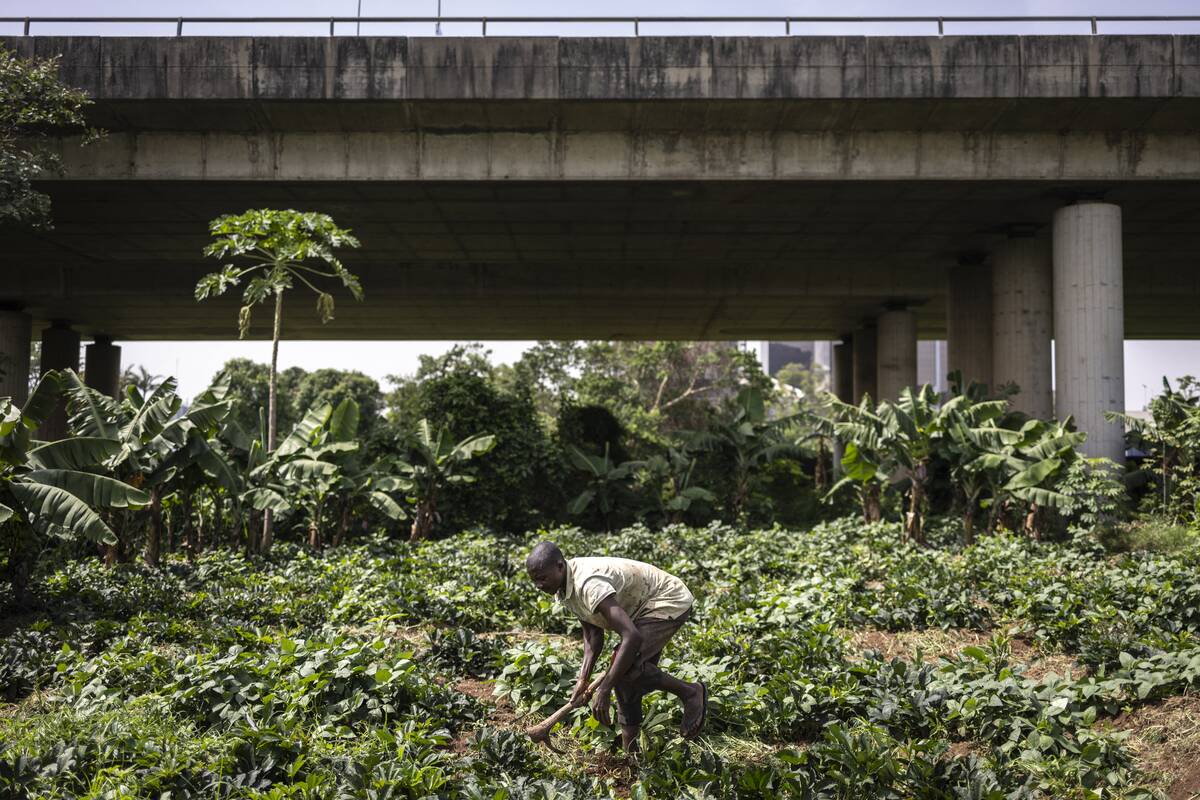
When soil baked hard or roots laced underfoot, out came the mattock—a head with an adze blade on one side and a pick or axe on the other. Swinging a cutter mattock severed roots; a pick mattock pried rocks and cracked hardpan. Grub hoes, heavier than garden hoes, delivered chopping force that turned stubborn ground into something a plow could finally bite. Handles were beefy because leverage and shocks were part of the job.
These tools ruled in new clearings and around stumps.
Rather than dulling a fine spade on roots, farmers chopped first, then dug. In vineyards and orchards, a mattock carved planting holes in tight soils. Safety was old-school but effective: steady footing, a clear arc, and sharpening breaks to keep edges biting. Used right, a few hard swings saved hours of cursing with the wrong tool.
Scythes and Sickles: Harvesting with a Swing and a Slice
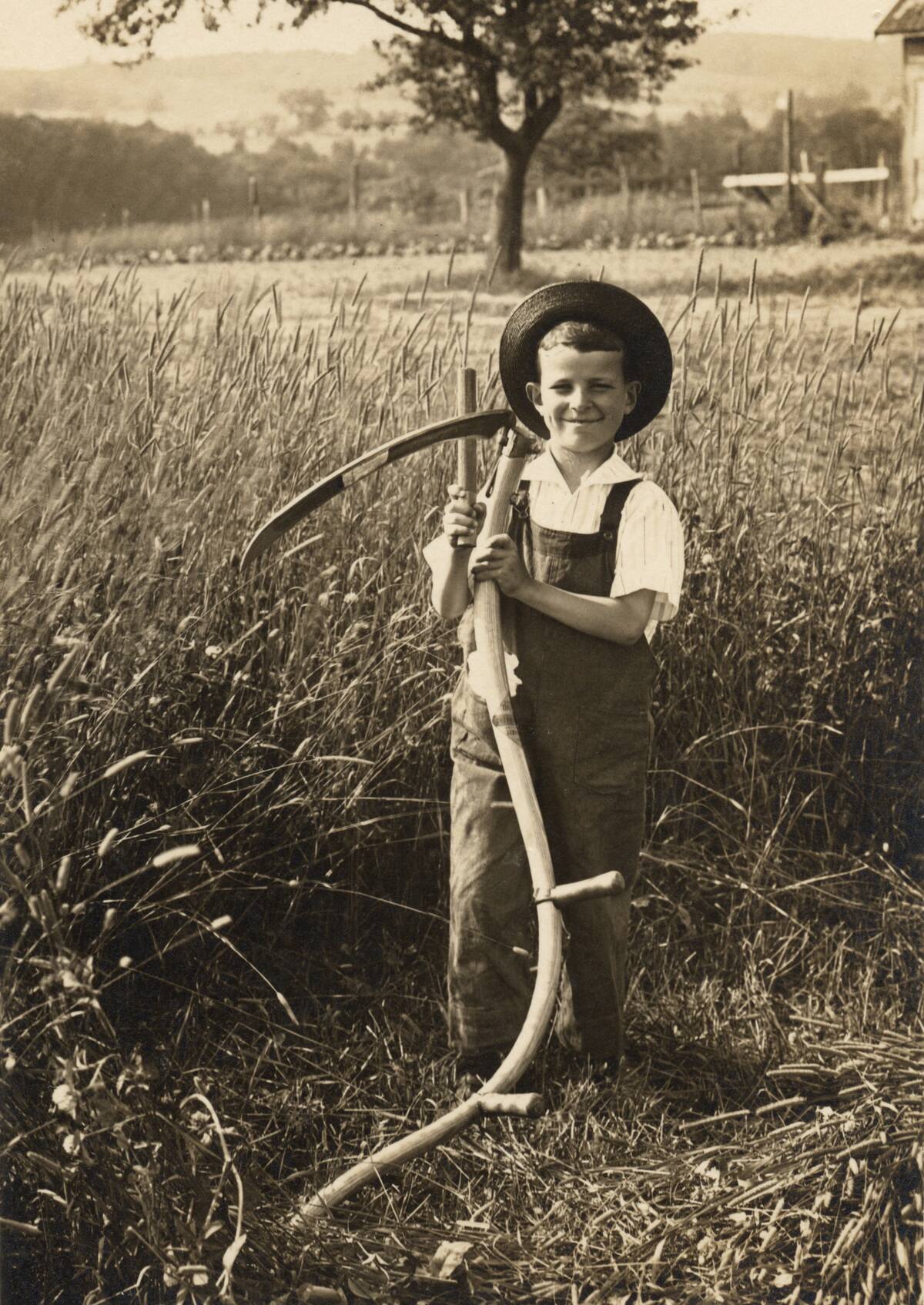
The sickle—one-handed, crescent-bladed—goes back to antiquity, perfect for dense stands and careful cutting. The scythe, with its long blade and snath (handle) fitted with handgrips, let a person mow in wide arcs close to the ground. In medieval Europe it became a staple for hay and small grains. A scythe’s edge needs frequent honing with a scythe stone and periodic peening to thin the metal, keeping the blade keen without constant grinding.
Mowing was about rhythm.
A skilled mower laid stems neatly for easy gathering, stepping forward as the blade sliced and rested. Dewy mornings tamed dust and eased cutting. Sickles still earned their keep in corners and on terraces where long swings were risky. Either way, a sharp edge meant speed and cleaner stubble, which mattered for regrowth and for not hiding rocks that could wreck the next pass.
Grain Cradles and Reaping Hooks: Speeding Up the Hand Harvest
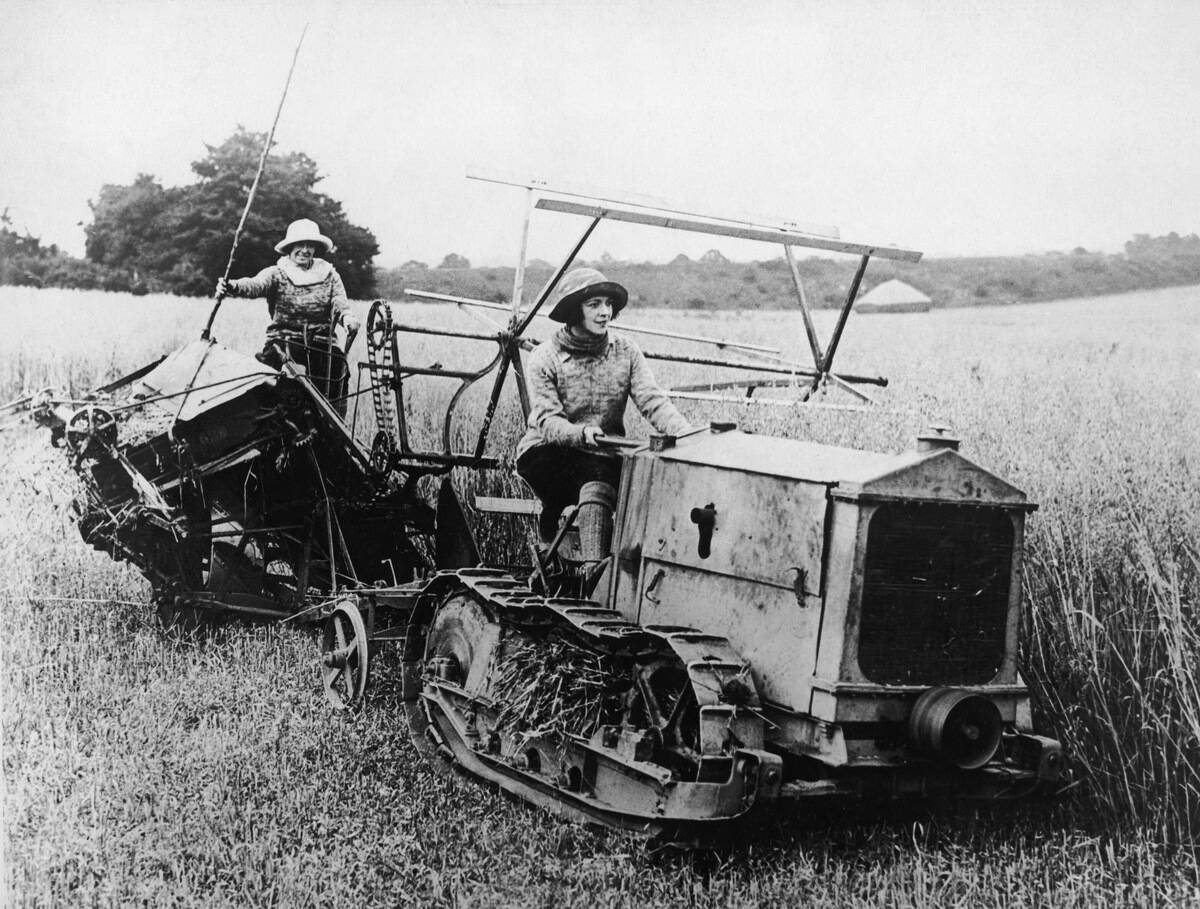
A reaping hook is essentially a sturdy sickle, used to sever cereal stems by the handful. Enter the grain cradle: a scythe fitted with light wooden fingers that caught and laid stalks in uniform swaths. That tidy lay mattered. It kept heads aligned for binding into sheaves and reduced shattering losses. In the 18th and 19th centuries, cradle scythes helped families harvest larger acreages before mechanical reapers took over many fields.
Using a cradle was choreography.
The swing had to cut cleanly while the fingers gathered and placed, ready for the next binder to tie with straw bands or twine. Reaping hooks still found use where lodging (flattened grain) demanded closer, slower cutting. The payoff was fewer stoops and smoother bundling—and fewer kernels lost to the ground before the flails came out.
Flails on the Threshing Floor: Beating Grain Free
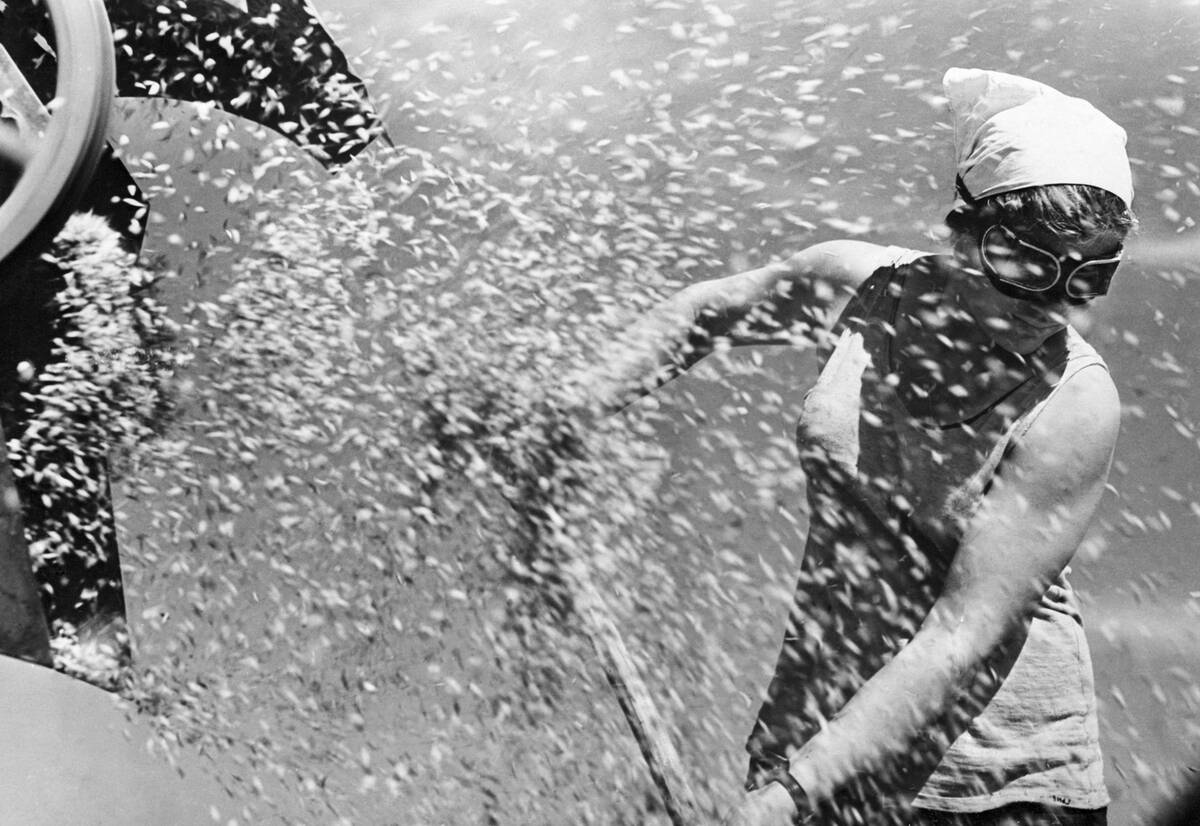
A flail is two sticks working in partnership: a long handle (the staff) joined by a flexible thong or leather to a shorter striking piece (the swipple). On a swept wooden floor, threshers rhythmically beat sheaves to shatter the heads and free kernels. Floors were kept smooth and clean so grain wouldn’t hide in cracks, and doors might be opened to catch a useful draft for later winnowing.
Winter often turned into threshing season.
With fieldwork slowed, families stacked sheaves inside and swung in time, rotating to rest arms and spare floors from gouges. Flailing didn’t just free grain; it fluffed straw for bedding and thatch. Safety meant spacing workers so no one strayed into a neighbor’s arc—an easy rule to forget when the talk got good and the work got warm.
Winnowing Baskets and Sieves: Cleaning Grain with a Breeze
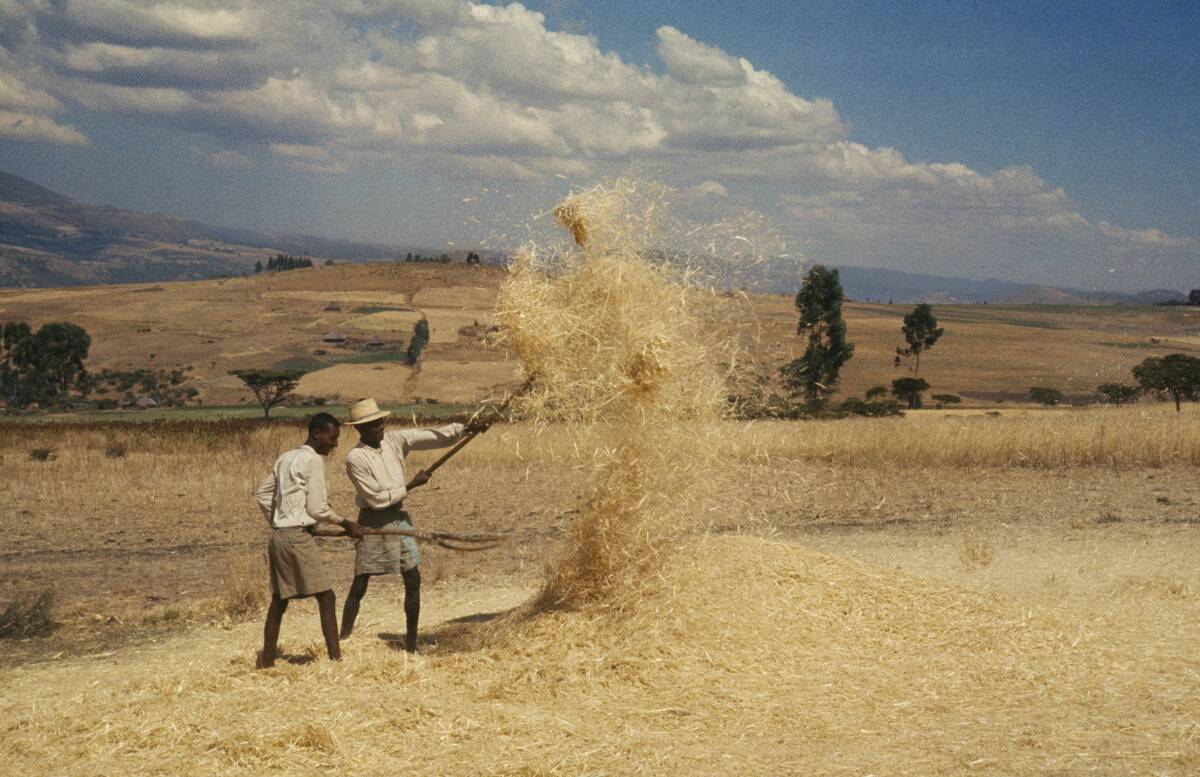
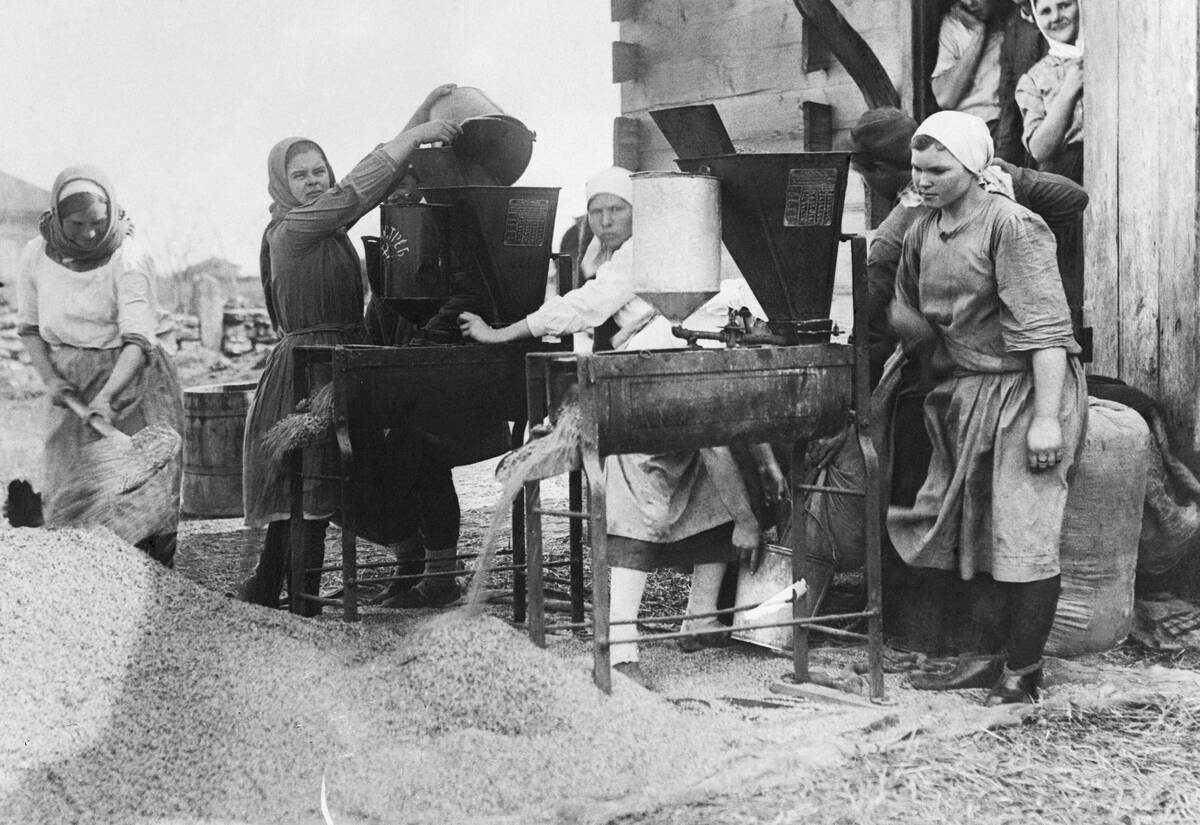
Once grain was threshed, chaff and light bits had to go. The oldest method was simple: toss and pour in a breeze from a wide winnowing basket. Light chaff sails away; heavy kernels fall close. Sieves, or riddles, then sorted by size, catching pebbles or weed seeds that mimicked grain. It was part physics lesson, part patience, and a lot of sweeping up afterward.
By the 18th and 19th centuries, hand‑cranked fanning mills blew a steady stream of air through shaking screens, making cleaning faster and less weather‑dependent. But baskets never lost their role on small farms. They were quiet, needed no repairs, and could go wherever the grain was stacked. When you hear “separating the wheat from the chaff,” this is the picture: a farmer, a basket, and the right little wind.
Rakes and Hay Rakes: From Garden Beds to Windrows
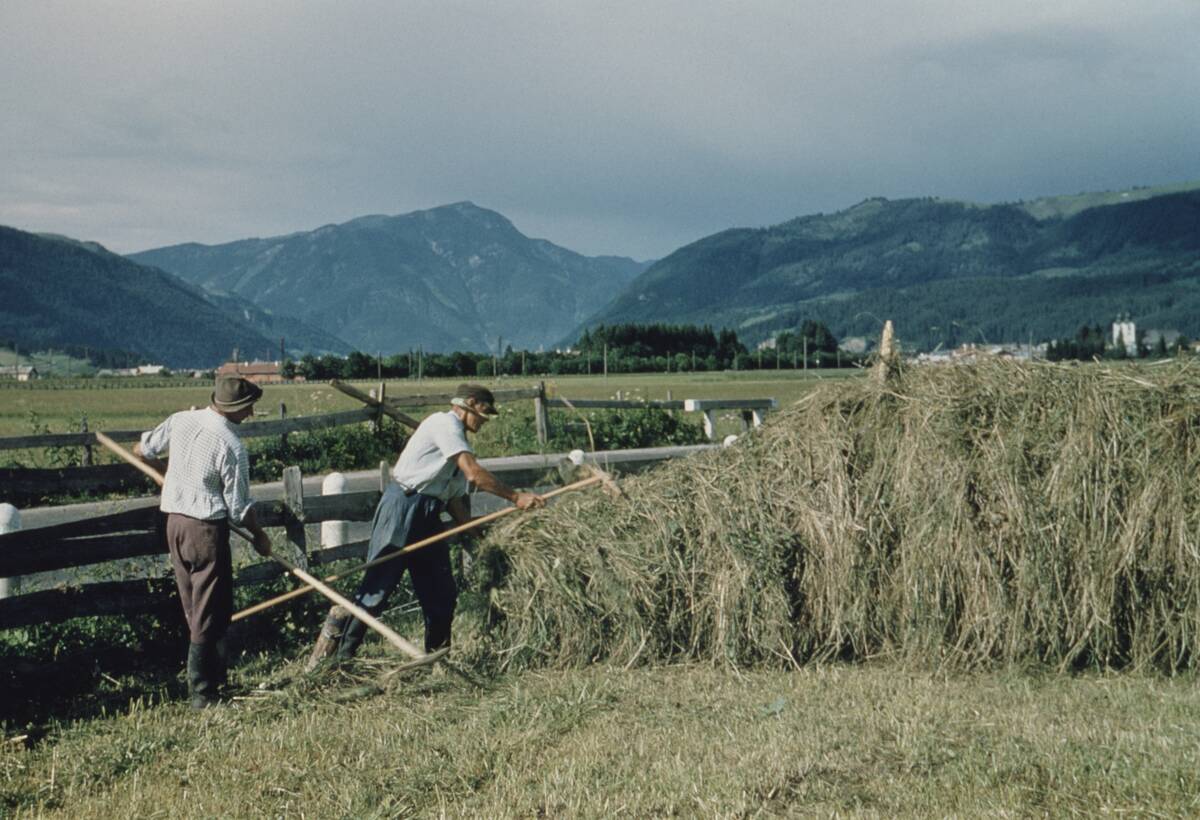
Garden rakes, with short, rigid teeth on a straight bar, leveled beds and pulled stones to the side. In hayfields, wider wooden rakes gathered cut grass into windrows so it could dry evenly. Good windrows let the sun and breeze do their magic, reducing spoilage before the stack or barn. A smooth rhythm—pull, lift, shake—kept leaves from shattering off clover and alfalfa, which carry much of the forage’s nutrition.
As fields grew, horse‑drawn dump rakes appeared in the 19th century, gathering large swaths and then “dumping” piles with a lever. Hand rakes still finished edges and corners where turns were tight. Dryness was judged by feel and by the twist test: stems that snapped instead of bending were ready. Rakes didn’t just tidy—they set up the stacking and baling that protected a winter’s worth of feed.
Pitchforks: From Manure Piles to Haylofts
Not all forks are equal. Hayforks have two or three slender tines to slip into loose hay without snagging; manure forks carry more tines—often four to six—closer together for scooping bedding and compost. A good fork is balanced at the shoulder, with ash or hickory handles absorbing shocks. In haying season, a steady fork could build a stack with a thatched crown that shed rain and kept the center sweet.
Pitchforks were the elevator to the haymow. Teams on the ground tossed up; a person in the loft spread and stomped for even packing. In barns fitted with track and trolley, a big hay fork slung loads from wagon to mow, all muscle and gravity. Come winter, the same fork flipped frozen manure and kept stalls dry—an unglamorous job that paid off in healthier hooves and better milk.
Seed Bags, Dibblers, and Planting Sticks: Sowing the Old-School Way
Before drills, seed often rode in a shoulder bag, broadcast by practiced hands that learned to throw an even fan. For precise rows, a dibble—pointed wood or iron—punched holes at set spacing. Planting sticks carried notches or burned marks so spacing stayed honest as fatigue set in. Big seeds like beans and corn went into individual holes; tiny seed mixed with sand for even scattering and to prevent heavy clumps.
Garden lines and marking rakes kept rows straight, especially where cultivation had to pass between wheels later. In some regions, teams worked leapfrog style: one dibbled, one dropped, one covered. Moisture mattered; planting into crumbly, slightly damp soil gave seeds the close contact they needed to swell and sprout. The tools were simple, but the muscle memory—depth, spacing, feel—made the real difference in a clean stand.
Yokes, Collars, and Harness: Gearing Up the Four-Legged Engine
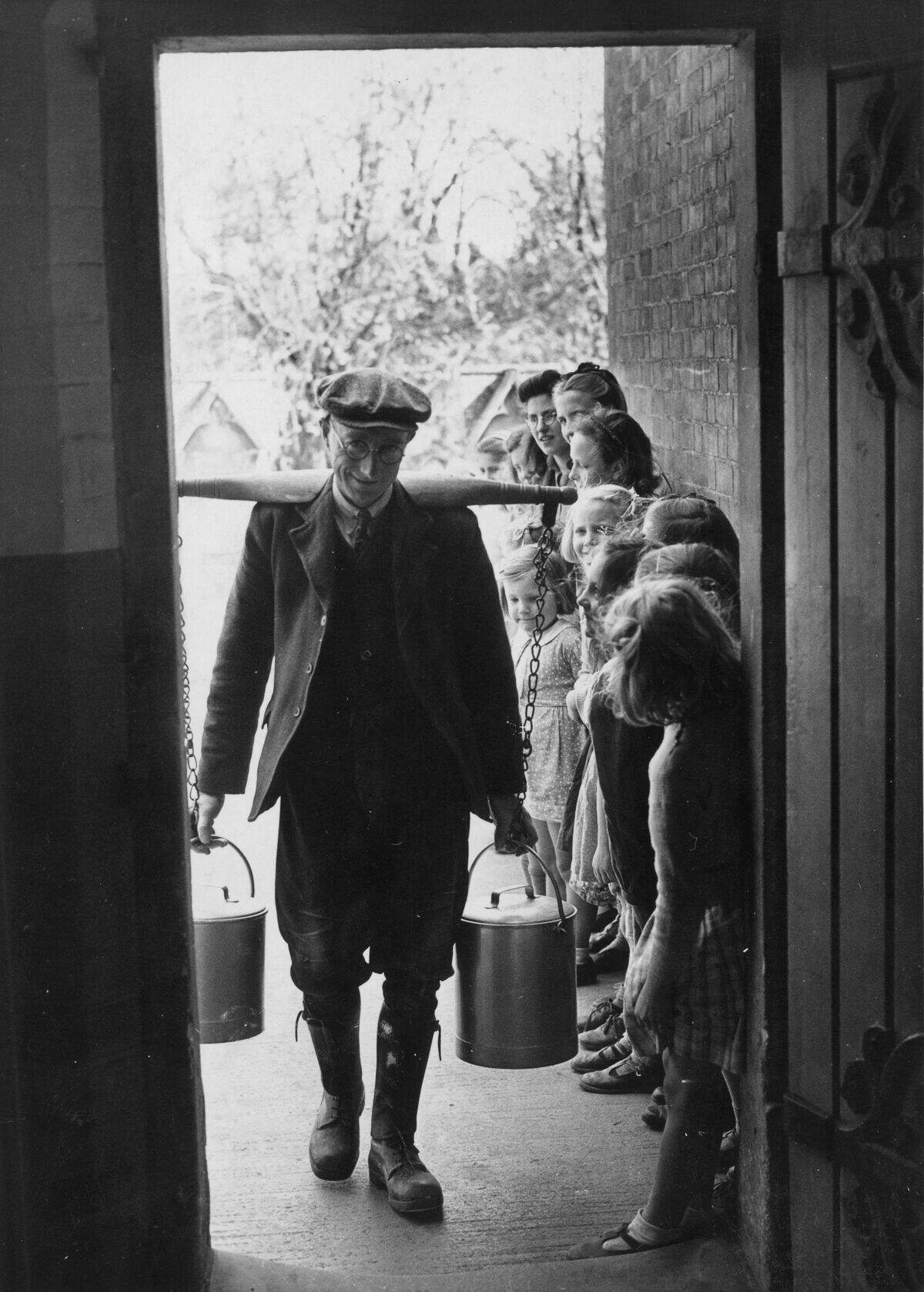
Ox yokes rest across the neck or withers, spreading load over bone and muscle so animals can push with their shoulders. Horses and mules need collars—stiff, padded ovals—that let them pull without choking. Hames clamp around the collar, traces connect to the load, and breeching straps act as brakes on downhill runs. Fitted wrong, harness rubs and wastes power; fitted right, it turns hay and oats into forward motion.
The horse collar’s widespread European adoption by the medieval period unlocked more efficient horse draft, letting teams work faster than oxen on many tasks. Still, the choice came down to terrain and temperament. A patient ox team in a wooded lot could outshine nervous horses; a trotting horse team could cover miles to market. Farmers learned to read shoulders and withers the way a sailor reads wind and sail.
Carts, Sledges, and Wagons: Hauling Without Gas
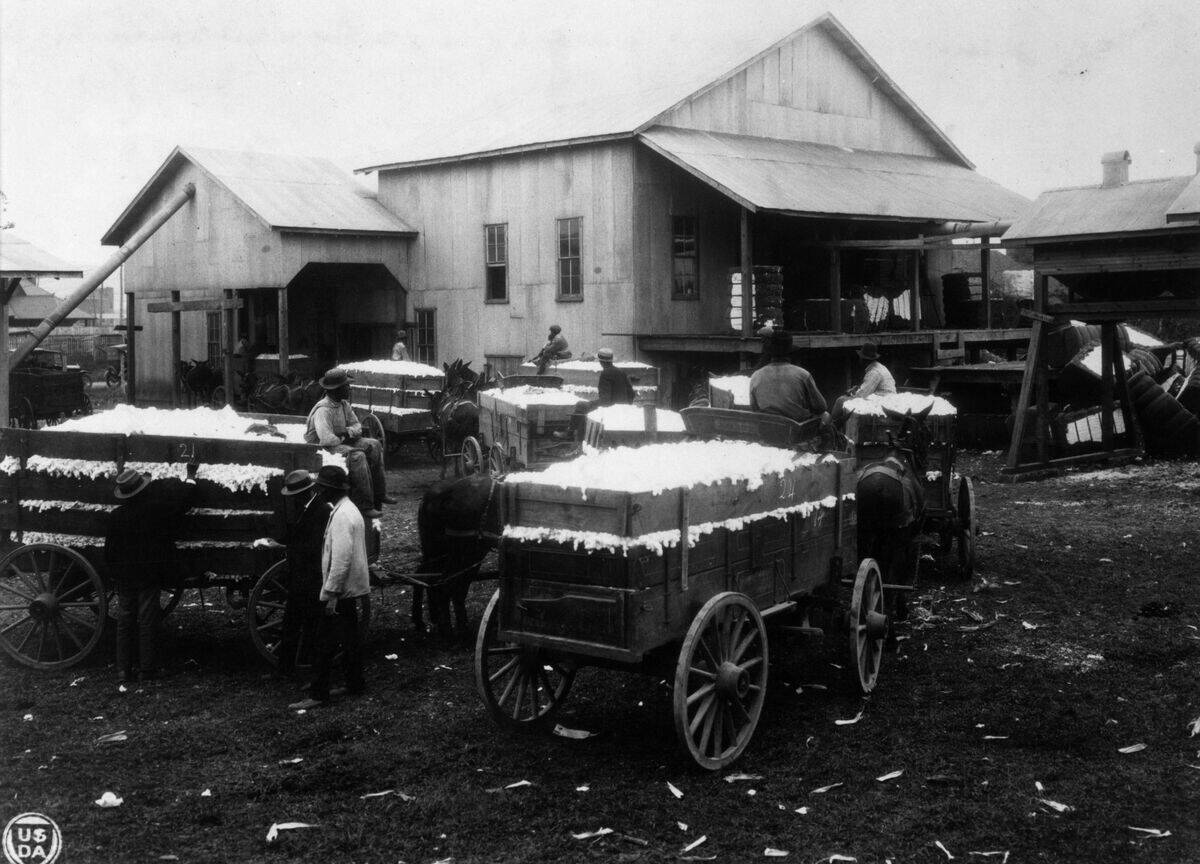
Two wheels or four? Carts, with two, turned tightly and bounced less on uneven ground, making them handy in fields and lanes. Wagons spread weight over four wheels and carried more, with iron‑tired wooden wheels taking the punishment. Sledges—flat runners—shone on snow or in boggy woods where wheels sank. Sideboards, stakes, and grain boxes turned the same chassis from rock hauler to corn carrier by afternoon.
Brakes ranged from wooden shoes on wheels to leather straps and wheel blocks. Teamsters learned routes like a map in their bones: where to shift loads forward for climbs, where to check the team for descents. Grease—animal fat or later axle grease—kept hubs from screaming. Whether stacked with cordwood or piled with pumpkins, a well‑loaded rig rode snug, saving both the team’s wind and the day’s schedule.
Wheelbarrows: The One-Wheel Wonder
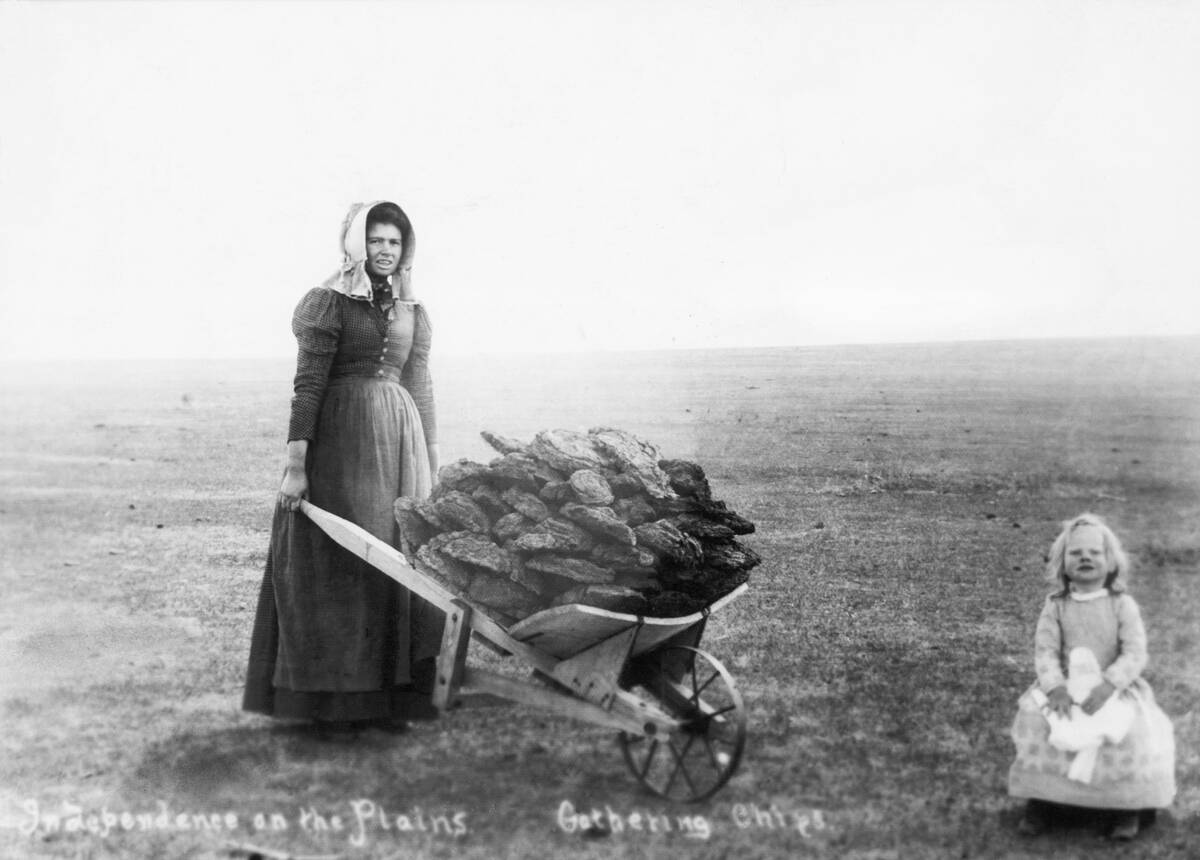
A wheelbarrow concentrates load over a single wheel, turning a person into a nimble forklift. European styles put the wheel forward; Chinese designs often centered it under the load, carrying astonishing weights with balance more than brawn. On farms, wheelbarrows shuttled manure to hotbeds, stones to walls, seed potatoes to furrows, and anything else that fit the tray. Handles told the tale: a comfortable grip meant one more trip before supper.
Balance and path made or broke a day. Heavier loads rode low and forward so the wheel took the weight; light, bulky loads piled high but stable. Plank ramps bridged cellar doors and wagon beds. When mud season arrived, a narrow wheel cut in and tested patience, but the barrow still beat two arms and a tarp. It’s the kind of tool you don’t notice until it’s missing.
Hay Knives and Hay Hooks: Cutting and Stacking Fodder

A hay knife is a long blade, often serrated, with handles that let you saw down through compacted hay in a mow or stack. Loose hay settles into a dense mat over months; cutting straight blocks made feeding cleaner and kept the stack face tidy. Hooks—simple steel spikes with wooden grips—grabbed those blocks or later bales, saving fingers and wrists from endless pinches and splinters.
Before balers dominated, crews built outdoor stacks over a central pole or packed hay high in barns, shaping domed tops to shed rain. In winter, a clean cut with the hay knife kept the remaining mass tight and dry. As wire‑ and twine‑tied bales spread in the late 19th and early 20th centuries, hooks followed the trend, but the old knife kept its job whenever loose hay ruled.
Hand-Crank Helpers: Corn Shellers, Apple Peelers, and More
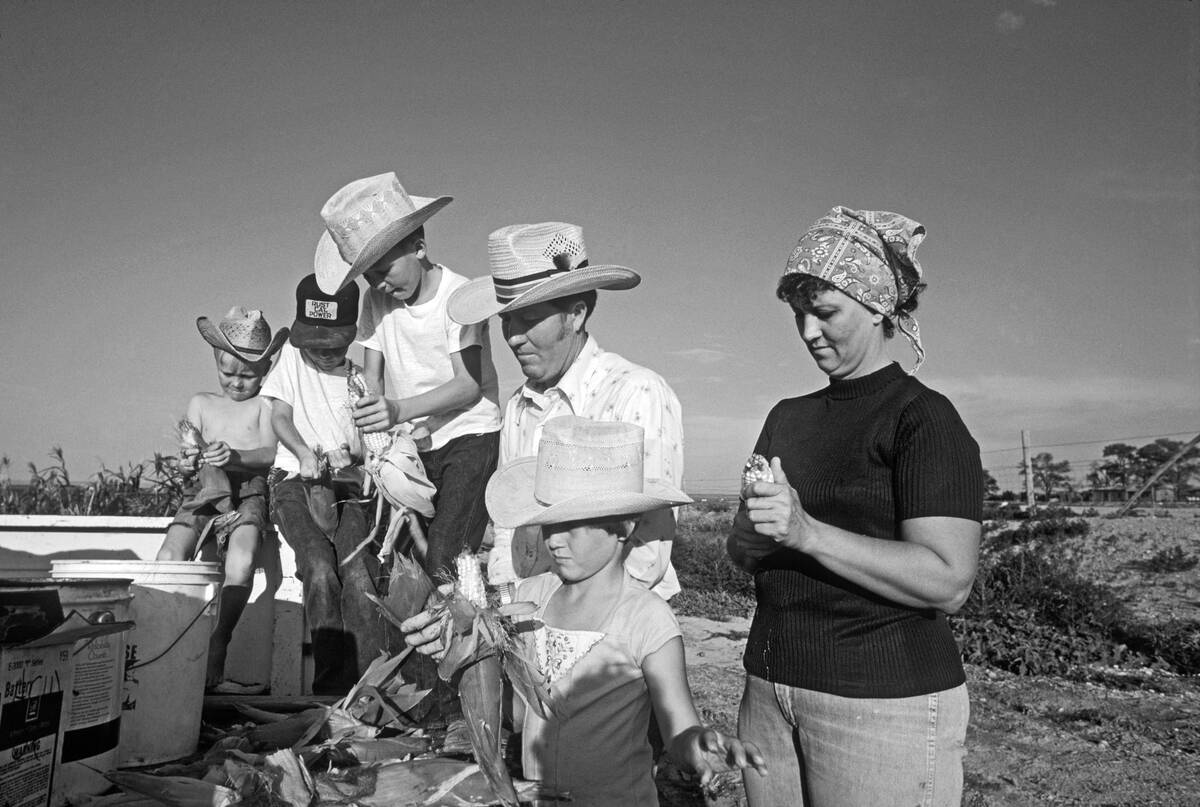
Some chores begged for gears. Cast‑iron corn shellers from the 19th century stripped kernels from cobs in a blur, saving hours of finger‑aching work. Apple parers—often triple‑threat peelers, corers, and slicers—turned windfalls into pie filling and cider fodder with a few spins. Meat grinders, coffee mills, and small fanning mills all harnessed a steady crank, converting lunch’s calories into the next task’s head start.
The appeal was obvious: simple mechanisms, easy repairs, and results you could taste or tally. Many were clamp‑on tools that rode a table or stall post and came off when space was tight. A dab of oil on bushings, a brush to clear caked grain dust, and they’d outlast their operators. They weren’t engines, but they sure felt like cheating when the work piled high.
Sharpening Gear: Whetstones, Files, and Grindstones
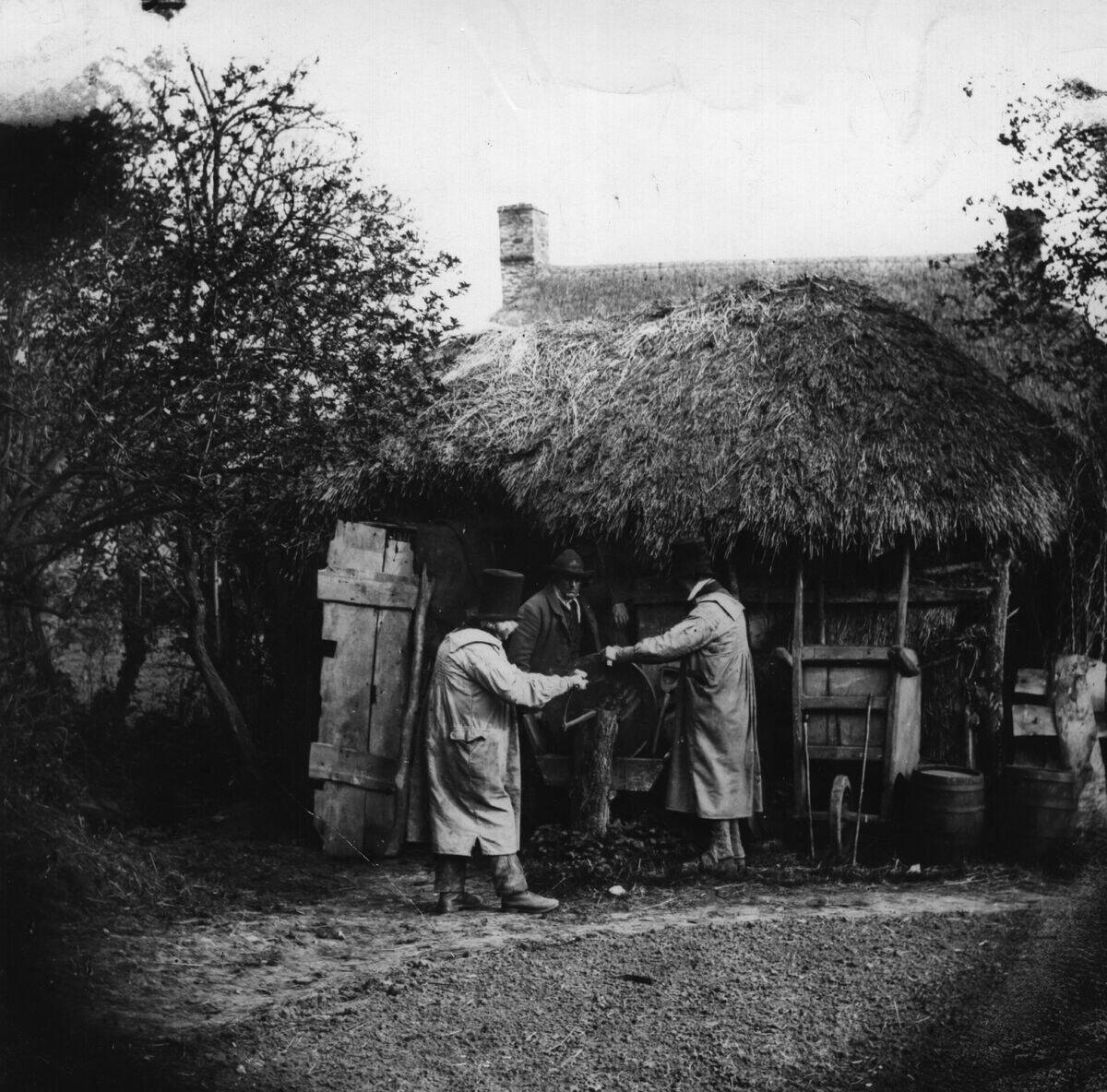
Sharp tools save time and tendons. Whetstones—natural or quarried—dress edges on knives, sickles, and hoes. Water stones and oilstones both work; the lubricant floats swarf and keeps pores clear. Files, in single‑ or double‑cut patterns, tune mower teeth and touch up shovel edges. A scythe stone rides in a water‑filled belt holster so a mower can hone every few minutes without trekking back to the shed.
Bigger jobs go to the grindstone, foot‑treadle or hand‑cranked, ideally water‑fed to keep temper in the steel. Bevel angles weren’t guesswork—too steep and blades wedge; too thin and edges crumble. Farmers kept a file card to clean file teeth and a handful of rags to wipe edges dry against rust. Sharpening wasn’t an extra chore; it was built into the day, like tying boots or watering the team.
Pruning Hooks, Loppers, and Brush Axes: Managing Woodlots and Orchards
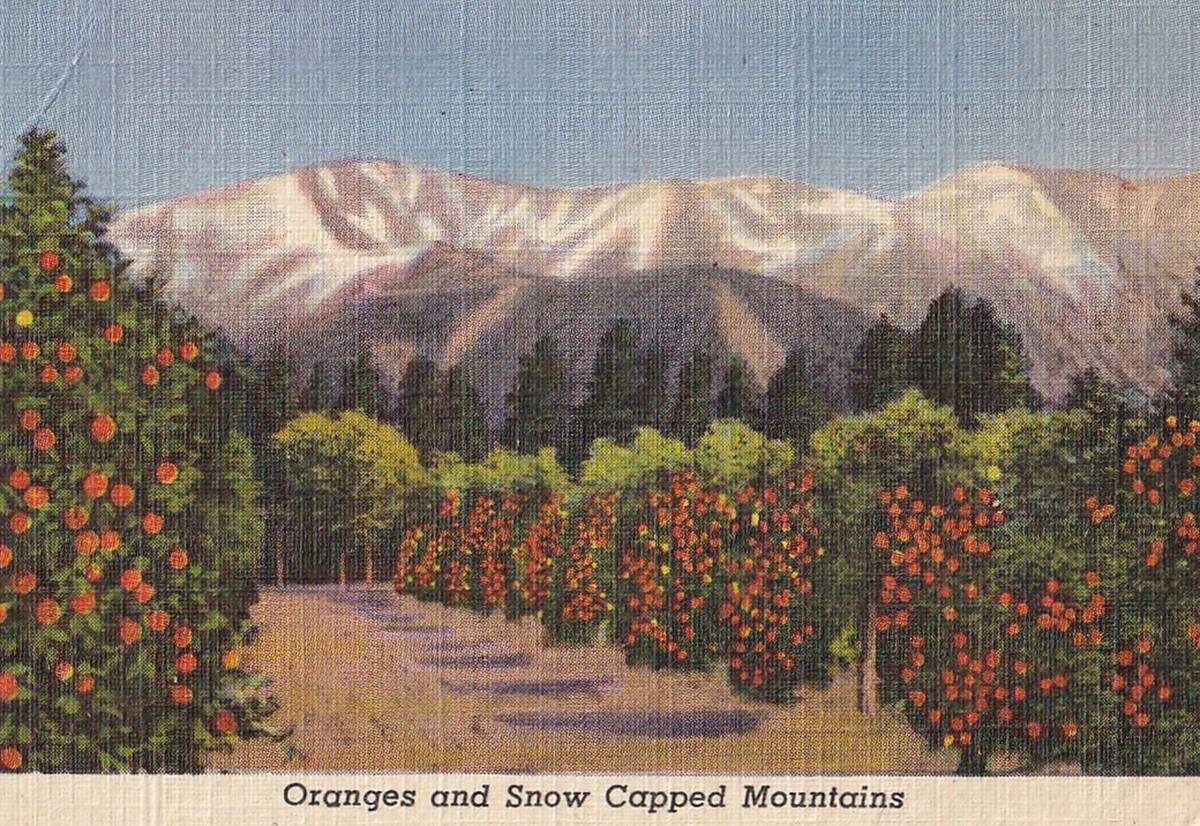
Orchards and hedgerows thrive on steel’s persuasion. Pruning hooks (think billhooks) bite cleanly through small limbs, loppers add leverage for thumb‑thick wood, and long‑handled pole tools reach into canopies without a ladder. Dormant‑season pruning directs sunlight and air, steering fruit to quality over quantity. Cuts are angled to shed water, and torn bark gets avoided like a bad habit.
In woodlots, brush axes and machete‑like knives clear shoots along paths and fence lines. Coppicing—cutting trees like willow or hazel to the stool for regrowth—supplies poles and fuel on a reliable cycle. The trick is knowing when to stop; over‑clearing invites erosion and weeds, under‑clearing tangles the next pass. A sharp hook and a plan turn a thicket into next winter’s kindling and next year’s fruit.
Wells, Buckets, and Shoulder Yokes: Carrying Water the Hard Way
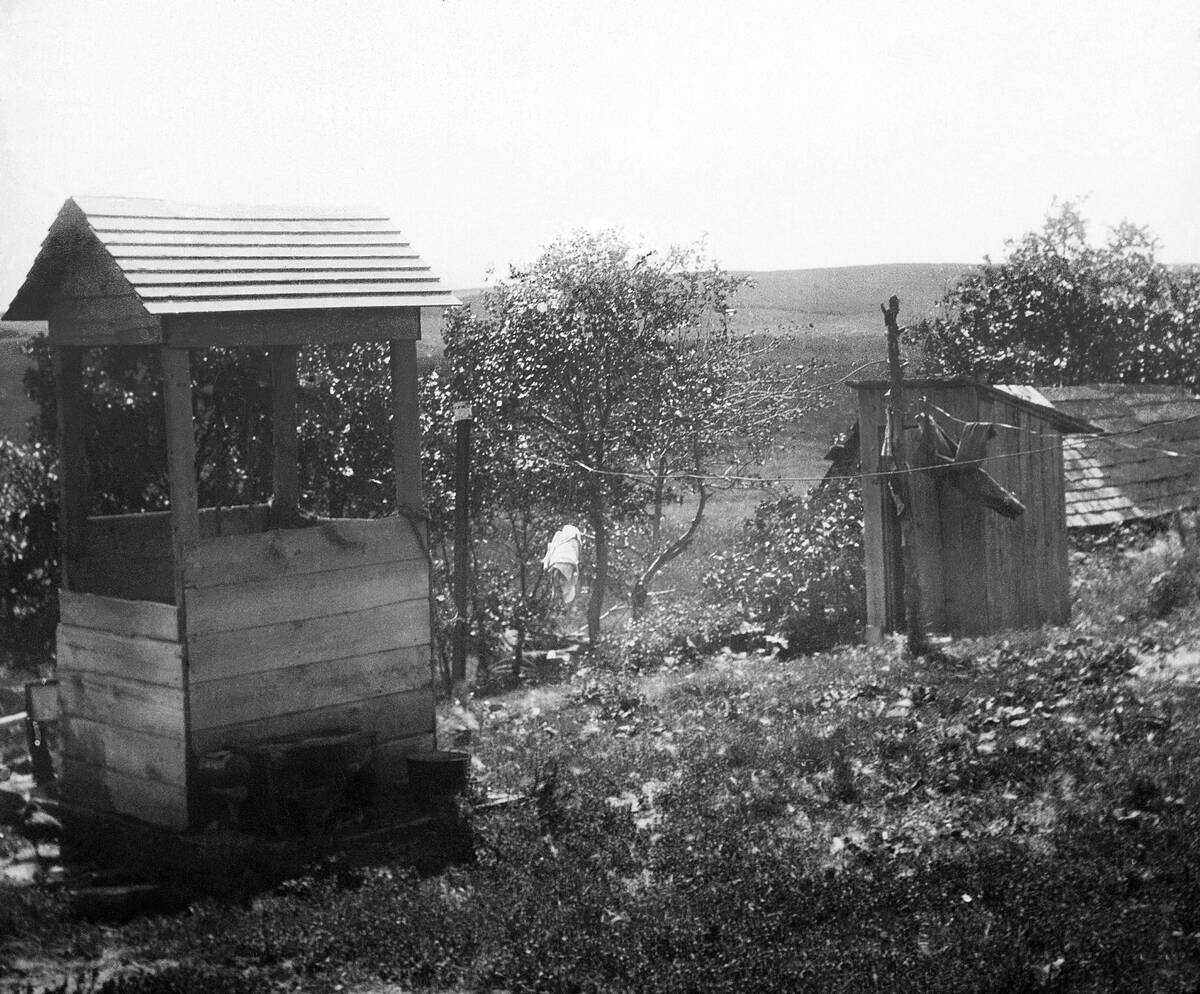
Every chore starts with water. Hand‑dug wells, lined with stone or brick, reached the water table; a well sweep—a pivoting pole with counterweight—helped lift full buckets. Chain‑and‑bucket windlasses did the same with less drama, cranking water up from the cool dark. Buckets were coopers’ work: wooden staves bound with hoops, and later galvanized pails that shrugged off swelling and shrinking with the seasons.
Shoulder yokes made two buckets feel like one balanced load. A curved, padded beam spread weight across bones built for it, freeing hands to steady sloshing. Paths to house and barn wore smooth from daily trips, and in winter those ruts iced into careful steps. Spills happened; so did shared sips on hot days. You learned quickly how far a family and a herd could stretch a morning’s draw.
Dairy Must-Haves: Milk Pails, Strainers, and Butter Churns
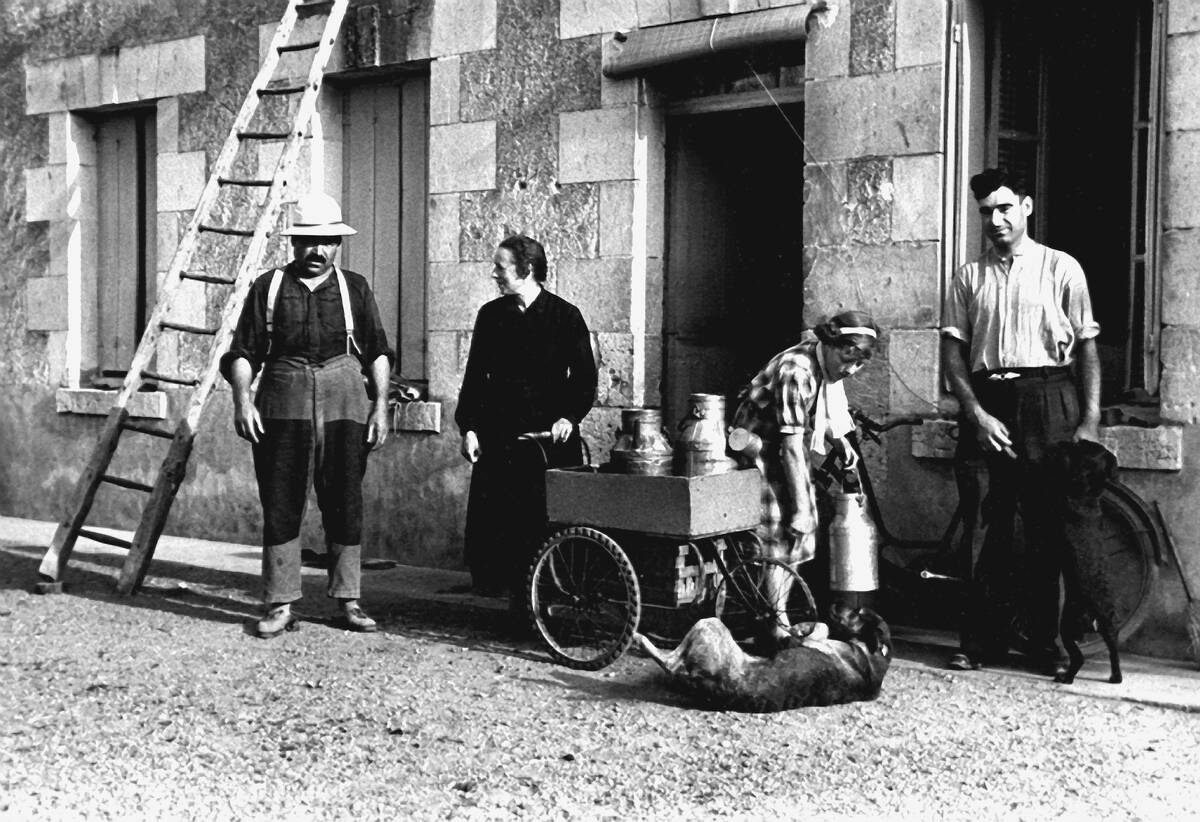
Clean metal pails—tin‑lined or later aluminum—kept milk from picking up off‑flavors. After milking, strainers with fine mesh and cloth filters caught hair and dust before the milk cooled in shallow pans or cans. Cool temperatures slow bacterial growth; springhouses and cellars made use of running water and stone’s thermal mass.
Centrifugal cream separators, commercialized in the late 19th century, spun cream from milk far faster than gravity could manage.
Butter churns came in many forms: dash churns you pounded, barrel churns you cranked. Either way, the recipe was agitation plus time. When butter “broke,” buttermilk was drained, the butter washed to remove milk solids, and then worked—salted and folded—to keep well. Sanitation wasn’t optional; rinsed cloths, scalded pails, and quick cooling protected flavor and health long before anyone could name the microbes involved.
Fencing Basics: Posthole Diggers, Mauls, and Wire Stretchers
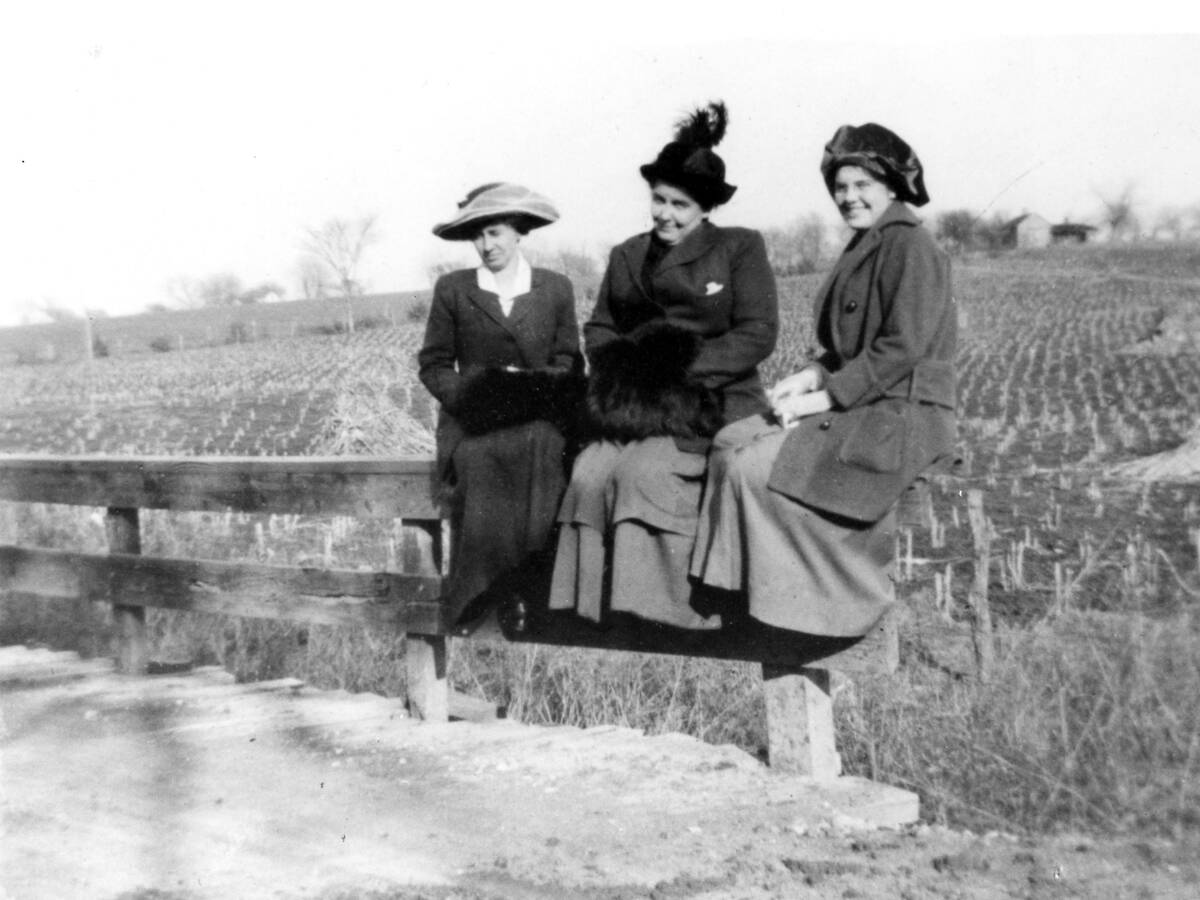
Good fences need holes that don’t argue. Clamshell posthole diggers bite deep and narrow, while digging bars break stones and tamp backfill. Wooden posts—oak, locust, cedar—were chosen for rot resistance; their ends got charred or tarred in some traditions. Mauls (also called beetles) and post drivers seat posts to depth.
Where timber was plentiful, split‑rail “worm” fences snaked across fields without a single hole.
Wire changed everything. Smooth wire needed tight staples and brace panels; barbed wire, patented by Joseph Glidden in 1874 in the United States, discouraged climbers and leaners with fewer strands. A wire stretcher and come‑along pulled lines taut; corner braces kept tension from wracking the layout. Gates swung on strap hinges wide enough for a hay wagon, because a fence you can’t use isn’t much of an improvement.
The Farm Fix-It Kit: Augers, Braces, Planes, and the Pocketknife
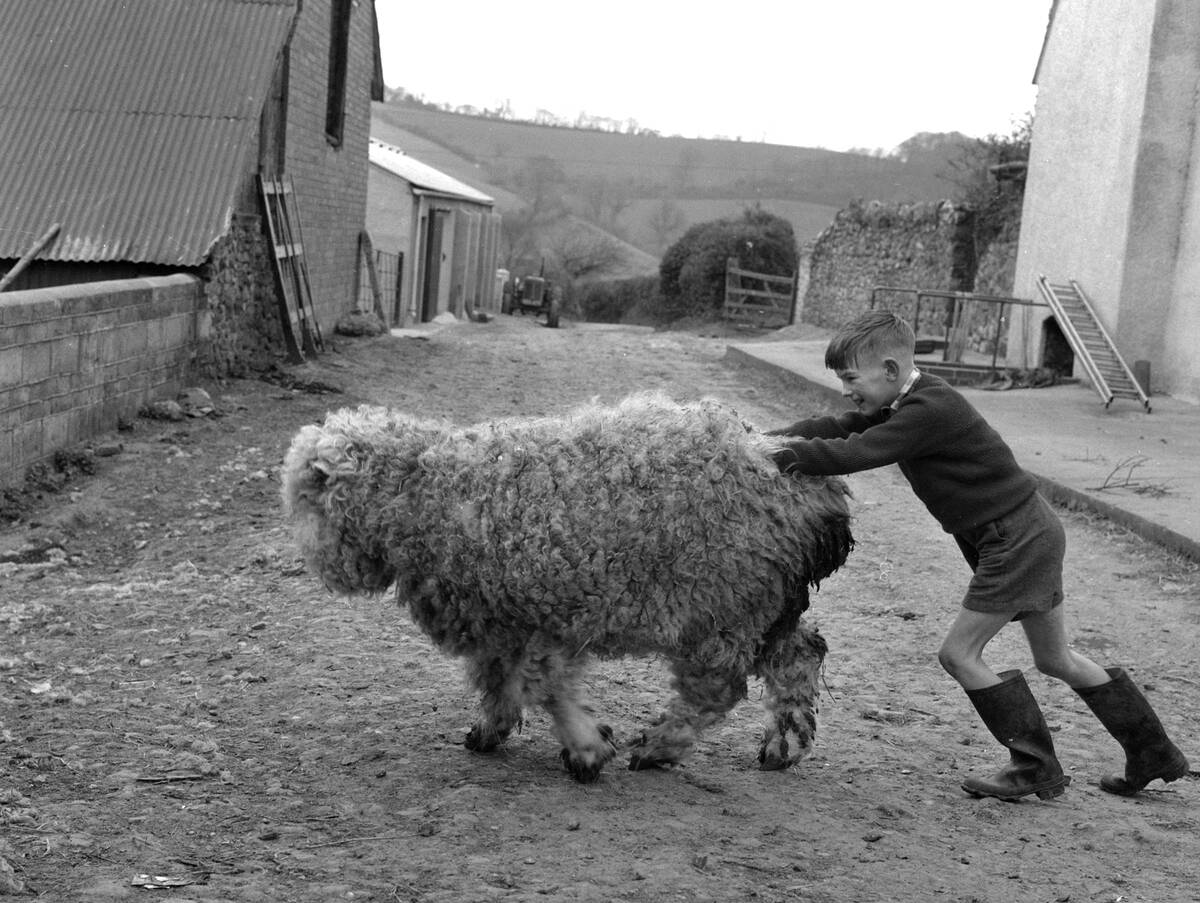
A farm without a brace and bit is a workshop without coffee. Auger bits bored clean holes in posts and beams, and the brace’s ratchet worked even where elbows didn’t fit. Hand planes—jack, jointer, and smoother—turned rough boards into tight‑fitting lids and bins. A drawknife and spokeshave shaped handles and tool parts, saving a trip to town when a break happened at sunset.
Then there’s the pocketknife: string cutter, grafting blade, apple slicer, and emergency screwdriver. Files and a small oil can lived in the same toolbox as nails, baling wire, and rawhide lace. Repairs weren’t glamorous, but a ten‑minute fix kept rain out of grain, wheels on carts, and livestock inside fences. The standing joke was true—most farm inventions started as a sharp blade, a bored hole, and an idea.
Storage and Preservation Aids: Root Cellars, Barrels, and Ice Saws
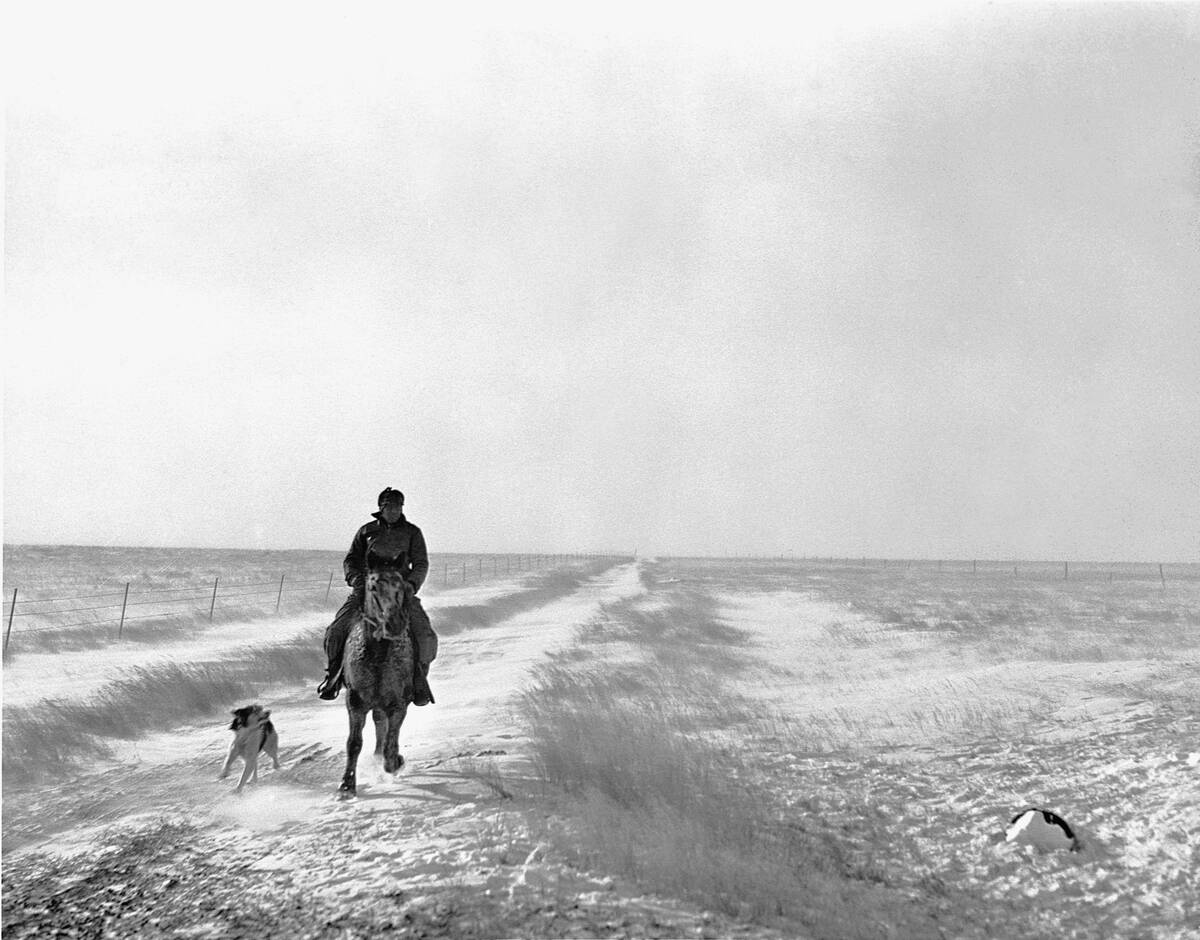
Root cellars use earth’s steady cool to keep produce crisp. Vent pipes balance humidity and temperature, shelves ride above damp floors, and bins separate apples (which give off ethylene) from spuds that would sprout. Barrels—tight cooperage for liquids, dry cooperage for grains—handled everything from salted pork to cider.
A well‑swelled barrel held brine like a promise; hoops got tapped snug with a hammer as staves took up.
Ice harvesting bridged seasons. In winter, workers scored ponds with long‑toothed ice saws and snapped cakes along marked grids. Blocks slid up ramps, then vanished into icehouses insulated with sawdust. Come July, a buried block chilled a dairy room or turned cream into ice cream for a rare treat. The only electricity involved was the spark in someone’s eye when the first cold glass hit the table.
The Year in Hand Tools: What Came Out When
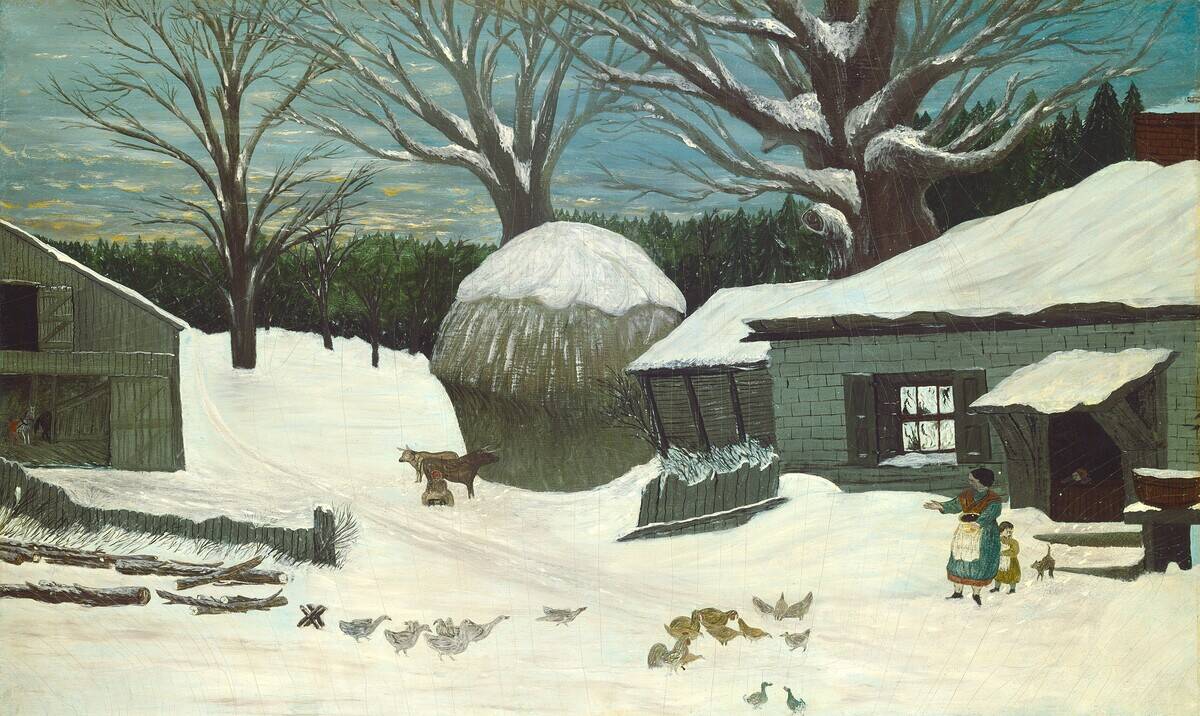
Spring woke the iron. Spades opened seedbeds, plows and harrows followed close, and dibbles or seed bags set the promise. As weeds stirred, hoes took center stage. Fences got repaired before pasture pressure rose, and water gear checked out before hot days. Orchard ladders and pruners finished their winter work as blossoms set. A sharp kit and a greased wheel meant you made hay when the sun finally said go.
Summer into fall was harvest ballet. Scythes laid hay to rakes, forks built stacks, and wagons hauled home. Reaping hooks and cradles moved through grain, then flails and winnowing baskets finished the transformation from stalk to sack. As days shortened, cellars filled, barrels brined, and icehouse tools got checked for the first crust. Winter turned to maintenance: grindstones spun, handles got replaced, and plans set the stage for the next round.




