Technologies that vanished almost overnight
In the ever-evolving realm of technology, what once seemed indispensable can quickly become an artifact of the past. This rapid pace of change has seen many devices rise to prominence only to fade into obscurity.
It’s fascinating to explore how these technological marvels, once at the forefront, have now become relics of a bygone era. Join us on a nostalgic journey as we delve into some iconic gadgets and formats that have left an indelible mark on the tech landscape.
The Rise and Fall of the Floppy Disk
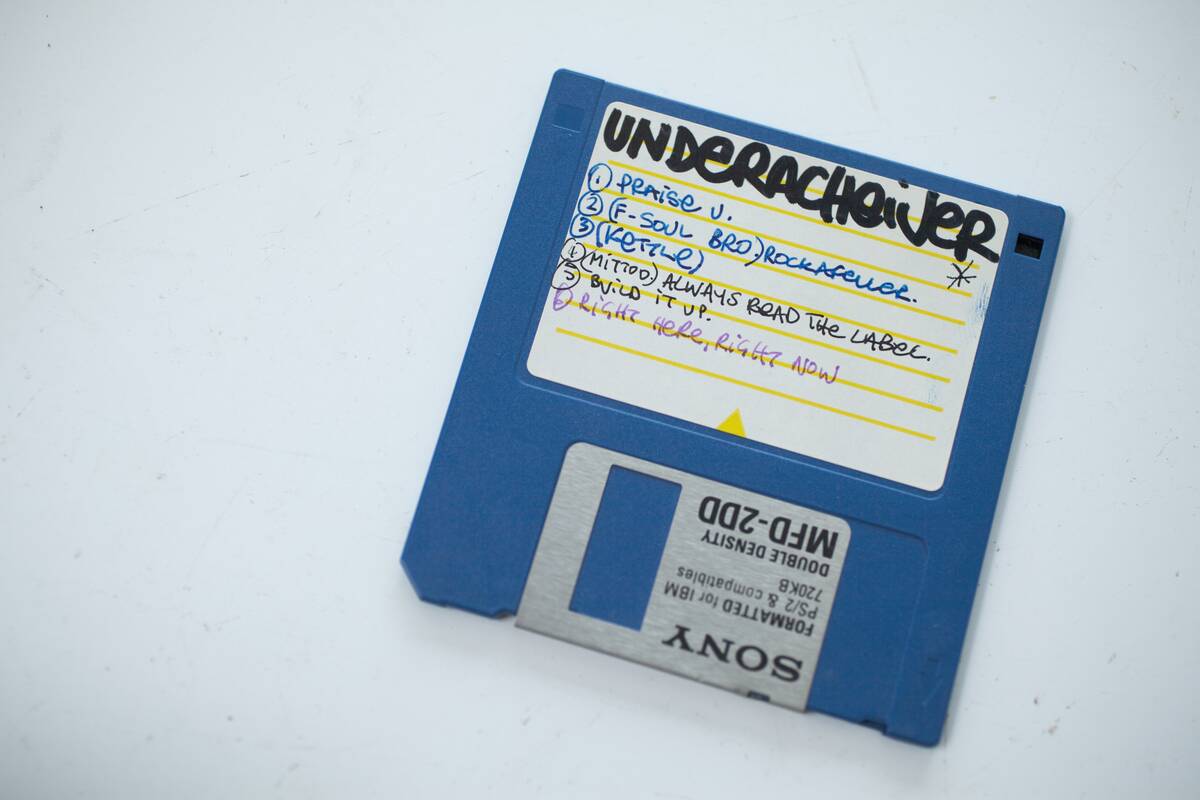
The floppy disk was a revolutionary storage medium in the late 20th century, introduced by IBM in 1971. It allowed users to easily transfer data between computers, which was a significant advancement at the time.
However, as storage needs grew, the limited capacity of floppy disks—originally 80KB, later expanding to 1.44MB—proved insufficient. By the late 1990s, the advent of CDs and USB drives heralded the floppy disk’s decline, and by the early 2000s, it was all but obsolete.
VHS Tapes: From Must-Have to Museum Piece
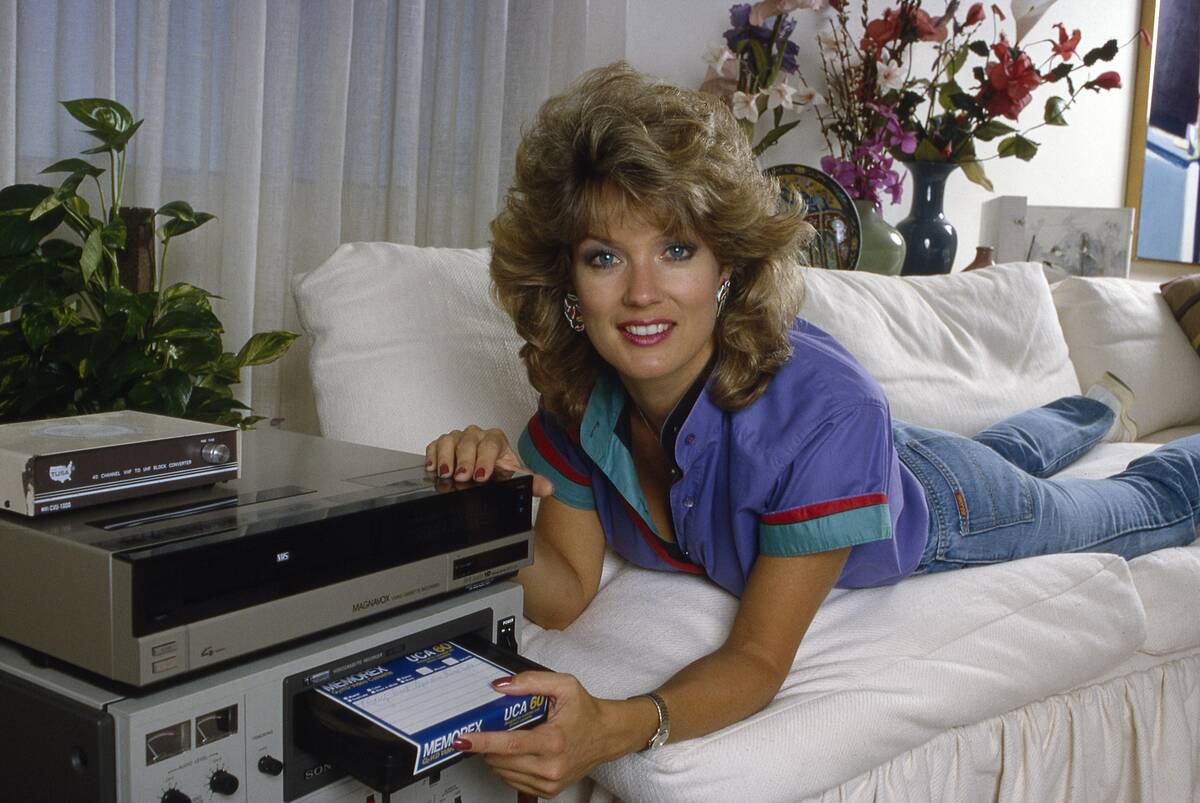
VHS tapes transformed home entertainment in the 1980s, allowing viewers to record television shows and watch movies at their leisure. The format became ubiquitous, with Blockbuster stores lining every city block.
However, the rise of DVDs in the late 1990s, offering better video and audio quality, began the demise of VHS. By 2008, major studios stopped producing VHS tapes, and today they serve more as collectibles than functional media.
The Brief Reign of the LaserDisc

LaserDiscs were the precursors to DVDs, offering superior video quality compared to VHS tapes. Introduced in 1978, they gained popularity among cinephiles for their high-quality sound and video.
Despite these advantages, their large size and high cost limited their mainstream appeal. The format never truly caught on outside of niche markets, and by the late 1990s, DVDs emerged as the dominant format, signaling the end of the LaserDisc’s short-lived reign.
Dial-Up Internet: The Sound of a Bygone Era

The screech and whir of a dial-up modem connecting to the internet is a sound that many today might never have heard. In the 1990s, dial-up was the primary method for home internet access, with speeds maxing out at a snail-paced 56kbps.
The advent of broadband in the early 2000s, offering faster and always-on connections, quickly rendered dial-up obsolete. Today, it’s a nostalgic reminder of the early days of web browsing.
The Pager: A Pre-Smartphone Communication Marvel
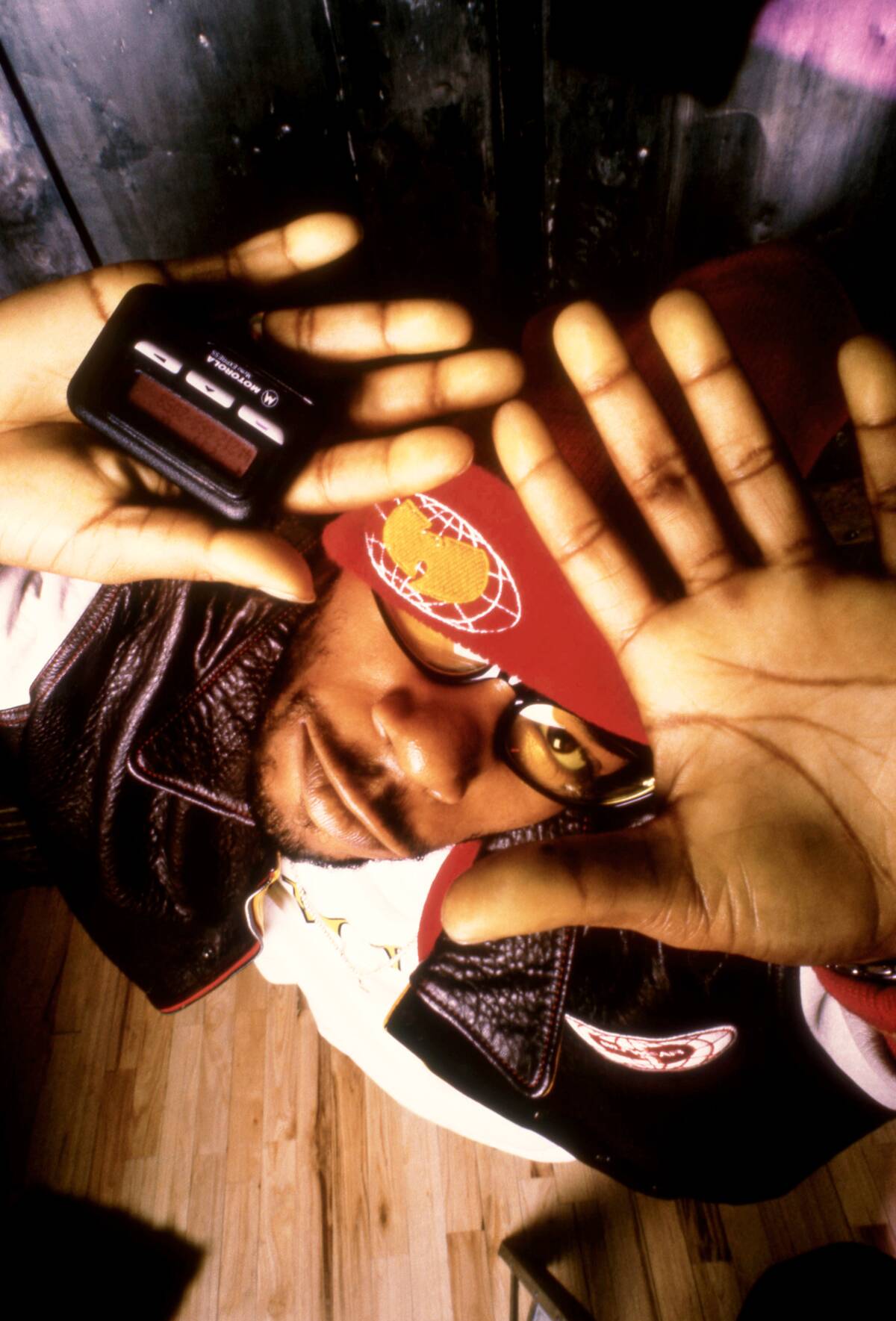
Before the smartphone era, pagers were the go-to device for instant communication, especially in the 1980s and 1990s. These small devices would beep or vibrate, alerting the user to a phone number they needed to call.
While primarily used by professionals like doctors, they became a cultural icon. However, as mobile phones became more affordable and widespread, the need for pagers diminished, and by the 2000s, they were largely phased out.
Film Cameras: Capturing Moments Before the Digital Age

Film cameras were the standard for capturing photos for over a century, with Kodak’s Brownie popularizing photography for the masses in the early 1900s. The tactile process of winding film and waiting for development was a cherished ritual for many.
However, the advent of digital cameras in the late 1990s, offering instant results and endless storage, led to a swift decline in film camera sales. Today, they are cherished by enthusiasts and professionals who appreciate their unique qualities.
PDAs: The Precursors to Modern Smartphones
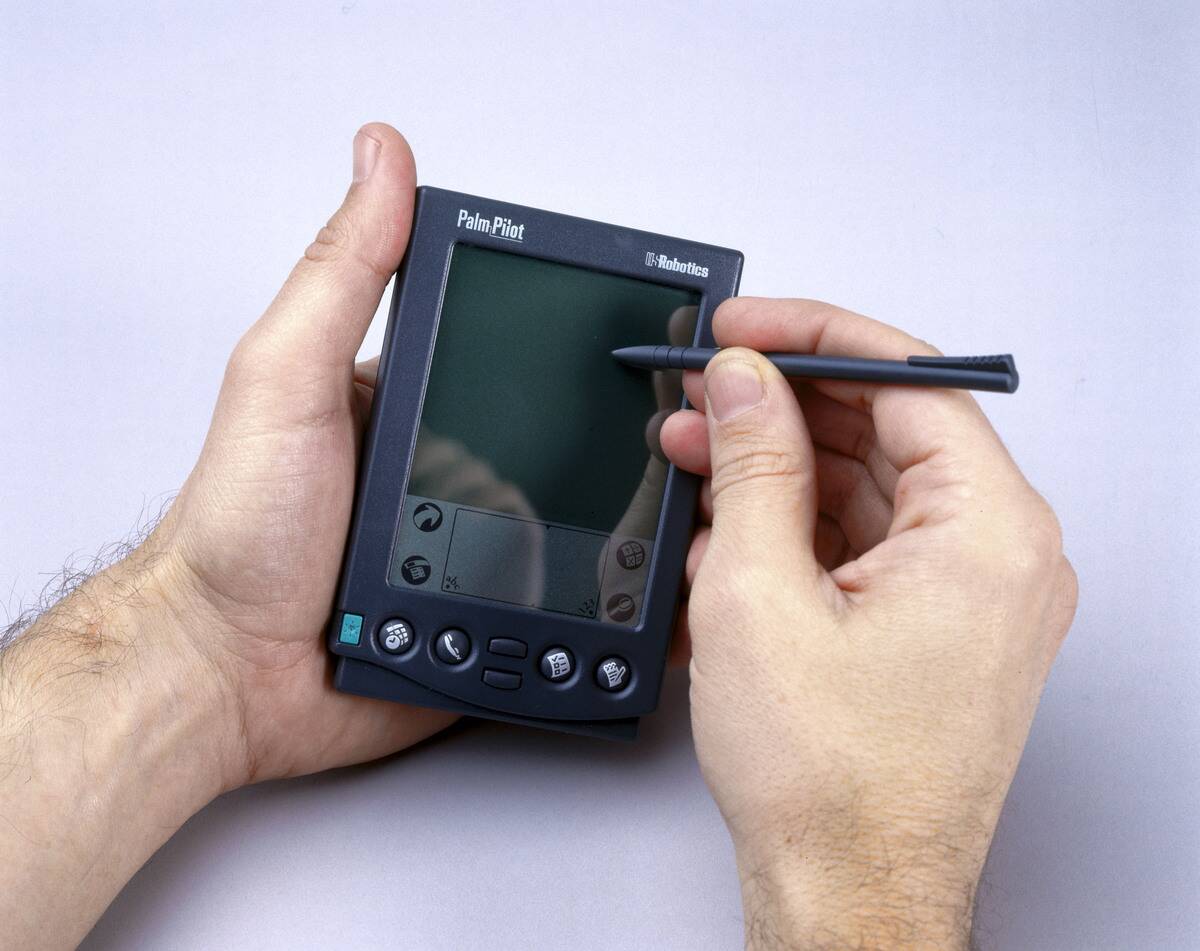
Personal Digital Assistants, or PDAs, were the must-have gadgets of the late 1990s and early 2000s. Devices like the Palm Pilot offered a digital calendar, contacts list, and note-taking capabilities—revolutionary at the time.
They laid the groundwork for the multifunctional smartphones we rely on today. However, as smartphones began to incorporate these features and more, PDAs quickly became redundant, and by the late 2000s, they had mostly disappeared from the market.
The Decline of the Fax Machine
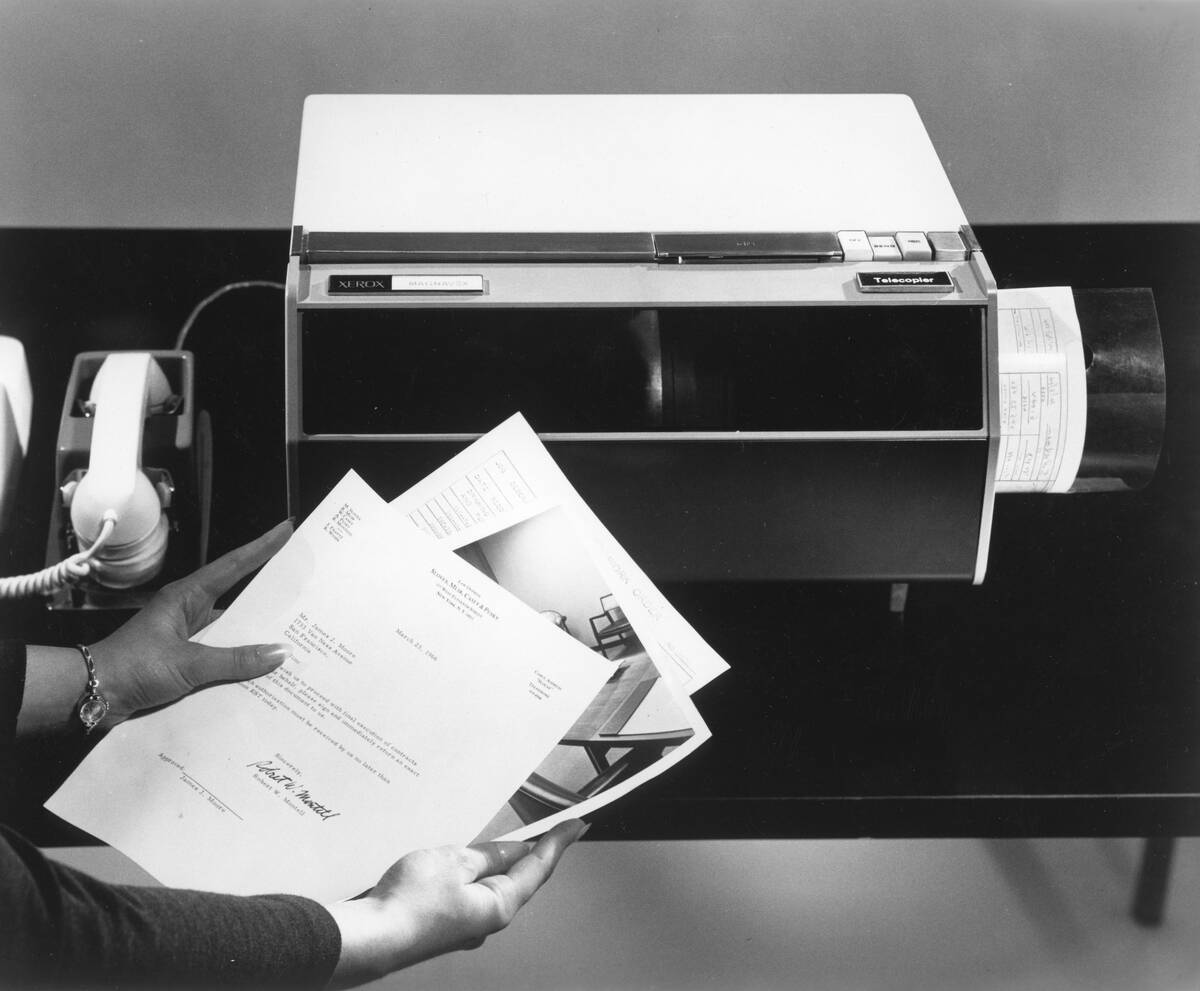
Fax machines were a staple in offices around the world, providing a fast way to send documents over phone lines. The first commercial fax machine dates back to 1964, but the technology became widespread in the 1980s.
However, the rise of email and digital document sharing in the late 1990s spelled doom for the fax machine. While still in use in certain industries, the fax machine’s relevance has significantly diminished in the age of digital communication.
Cathode Ray Tube (CRT) Televisions: Bulky Behemoths

CRT televisions were the centerpiece of living rooms for decades, from their inception in the early 20th century until the early 2000s. Known for their bulky design and deep screens, CRT TVs were eventually replaced by flat-screen LCD and plasma models.
These new technologies offered better picture quality and more space-efficient designs. By the late 2000s, CRTs were largely phased out, making way for the sleek, modern TVs we enjoy today.
Betamax: Sony’s Short-Lived Video Format
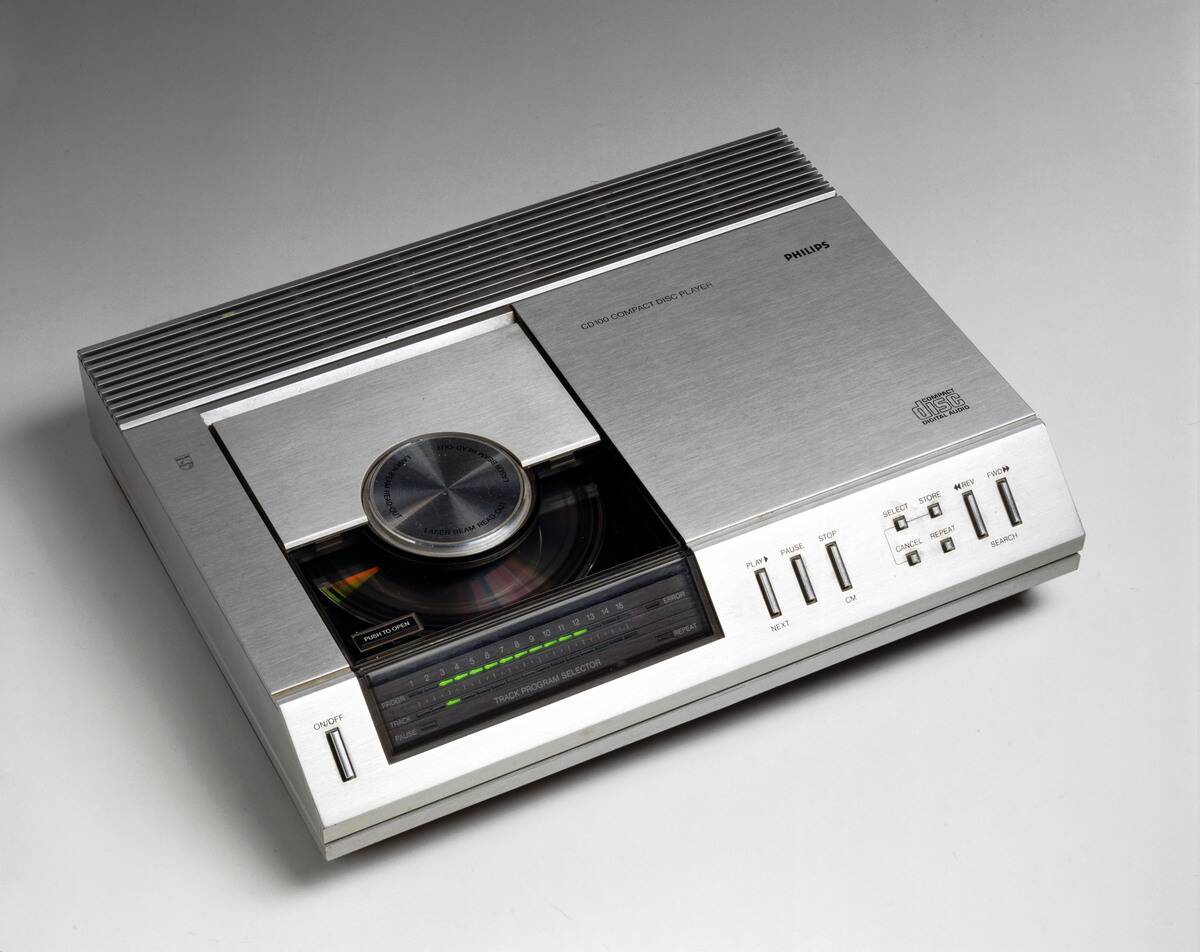
Betamax was Sony’s answer to the home video revolution, launched in 1975. Known for its superior picture quality compared to VHS, it seemed poised for success. However, Betamax tapes offered shorter recording times, which put them at a disadvantage.
The format war that ensued saw VHS emerge victorious, thanks to its longer recording capabilities and broader studio support. By the late 1980s, Betamax had all but disappeared, a casualty of the video format wars.
The MP3 Player: A Music Revolution That Faded
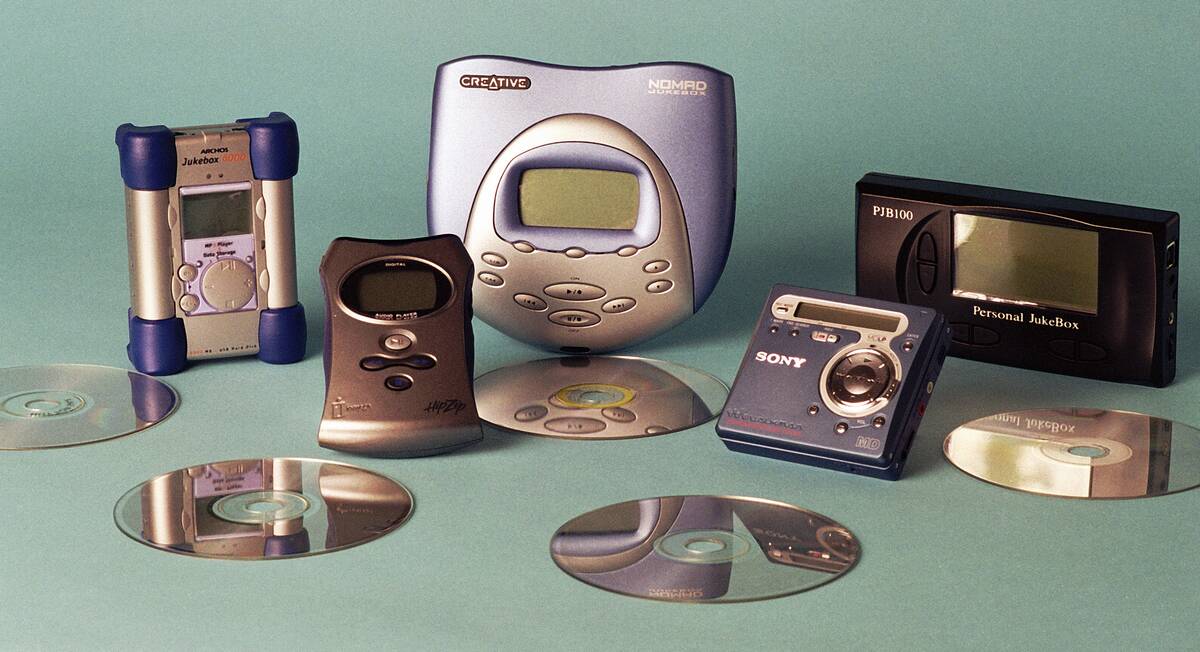
MP3 players changed how we consumed music, offering portable, digital music libraries that fit in our pockets. The iPod, launched in 2001, became synonymous with this revolution, allowing users to carry thousands of songs.
However, as smartphones integrated music-playing capabilities, standalone MP3 players began to fall out of favor. By the 2010s, streaming services like Spotify further reduced the need for physical music storage, leading to the decline of the once-ubiquitous MP3 player.
The Quick Demise of HD DVD
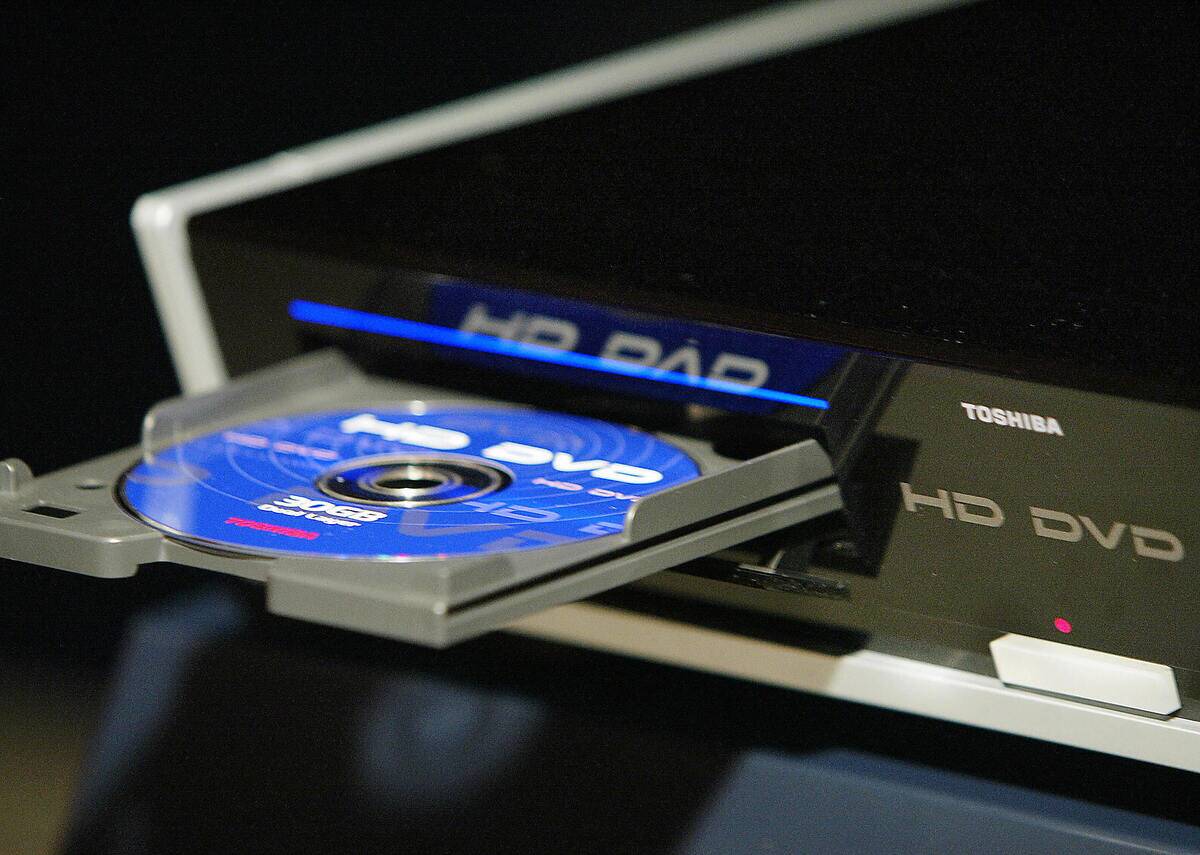
HD DVD was introduced in 2006 as a high-definition successor to the DVD, competing directly with Blu-ray. Despite its lower production costs and backing from major companies like Toshiba and Microsoft, HD DVD struggled to gain traction.
The decisive blow came in 2008 when Warner Bros. announced exclusive support for Blu-ray, which quickly became the industry standard. By the end of that year, HD DVD was discontinued, a brief chapter in the home video format saga.
Netbooks: The Lightweight Laptops That Couldn’t Last
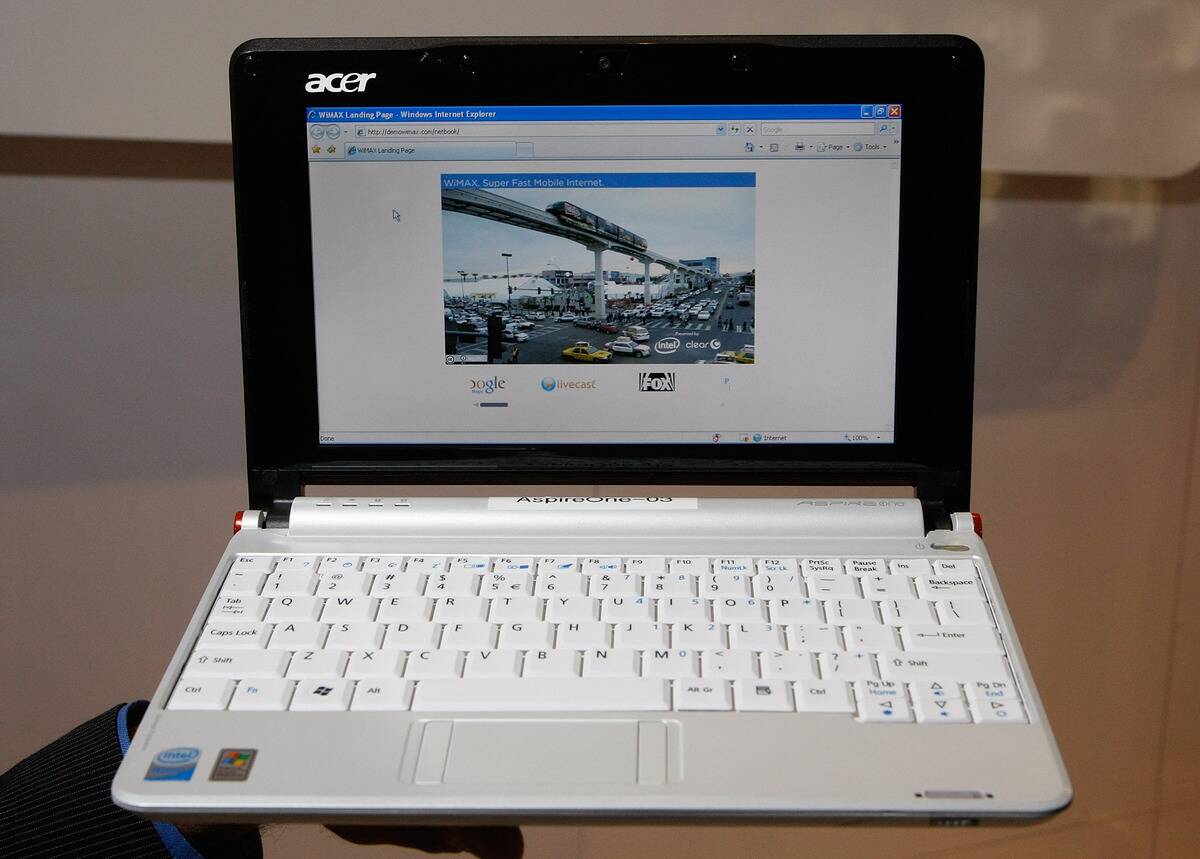
Netbooks were compact, inexpensive laptops that gained popularity in the late 2000s, offering basic internet browsing and document editing. They were ideal for users seeking portability over performance.
However, their limited processing power and storage capacity, coupled with the rise of tablets and ultrabooks, led to their decline. By the mid-2010s, netbooks had mostly vanished from the market, supplanted by more powerful and versatile mobile computing options.
The Transience of the MiniDisc
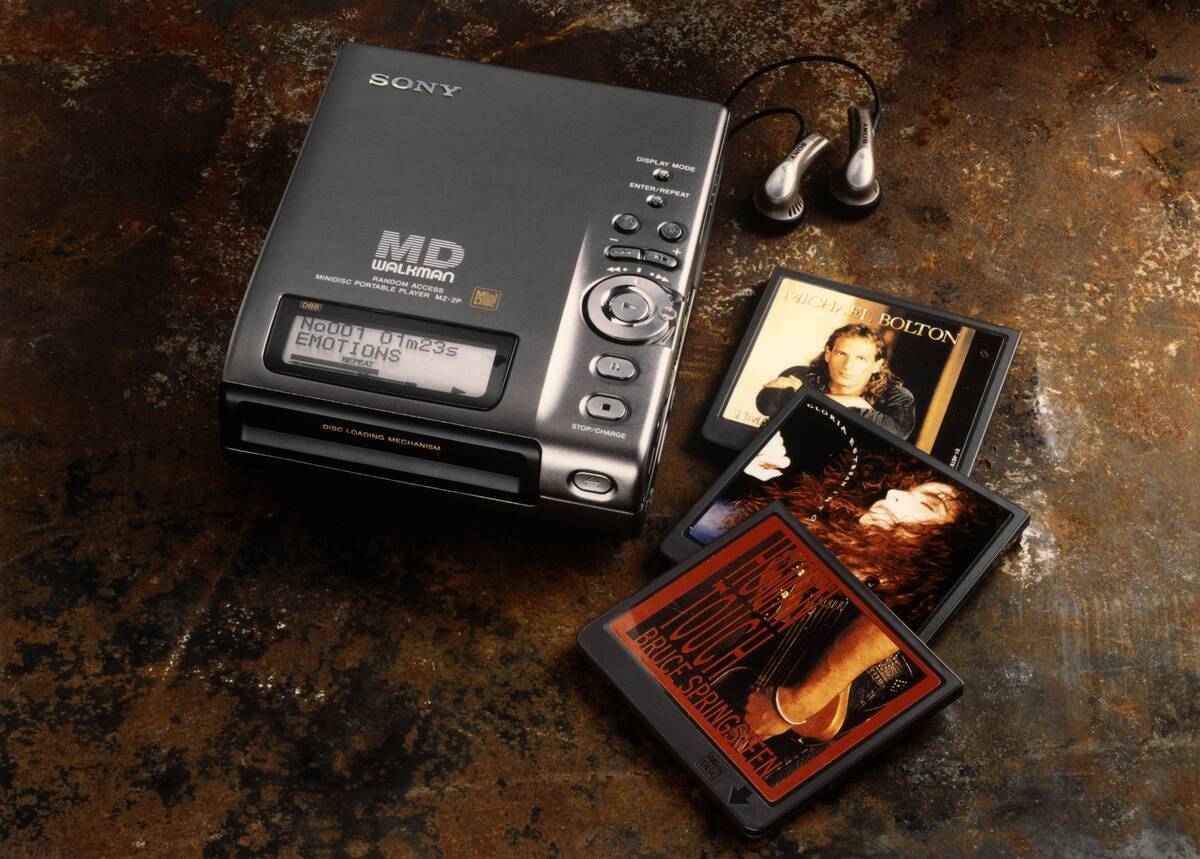
Introduced by Sony in 1992, MiniDiscs offered a digital alternative to cassette tapes, featuring better sound quality and the ability to record and edit tracks. Despite these advantages, they never achieved widespread popularity, largely due to competition from CDs and, later, MP3 players.
By the early 2000s, the format was in decline, and in 2013, Sony announced it would cease production of MiniDisc equipment, effectively ending its mainstream consumer presence.
Compact Discs: From Music Staple to Streaming Era Relic
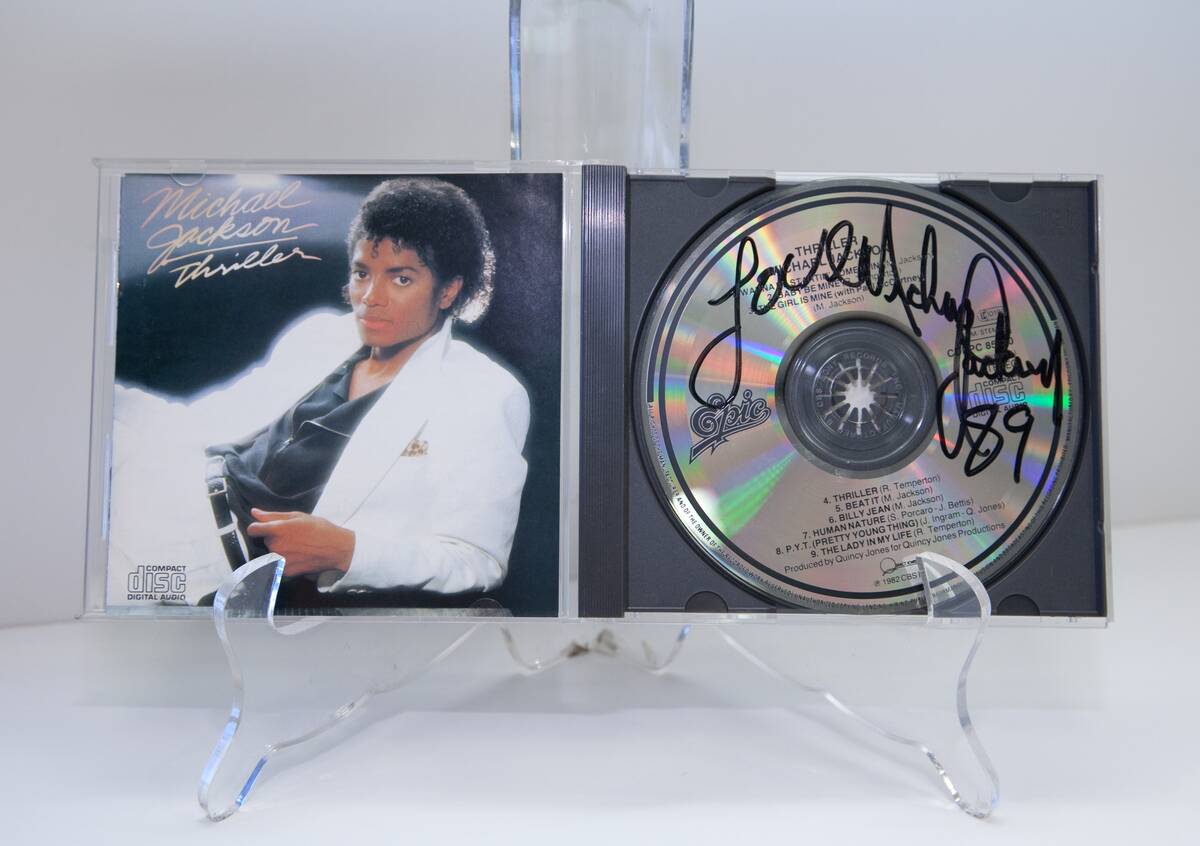
Compact Discs, or CDs, revolutionized music consumption in the 1980s, offering durable, high-quality sound. They quickly became the dominant format for albums, replacing vinyl and cassettes.
However, the rise of digital downloads and streaming services in the 2000s began their decline. Today, while still in production, CDs are largely seen as a relic of the past, with many music lovers opting for the convenience of digital music platforms.