15+ Shipwrecks that preserved cargo and personal items
Shipwrecks have long captured the imagination of historians and treasure hunters alike. These underwater graves hold secrets of the past, offering glimpses into the lives of those who sailed the seas. From sunken pirate ships to lost luxury liners, each wreck tells its own story.
The allure lies not only in the potential for finding treasure but in the opportunity to connect with history in a tangible way. Discovering a shipwreck is akin to opening a time capsule, revealing artifacts that have been preserved for centuries.
The Fascination with Underwater Time Capsules
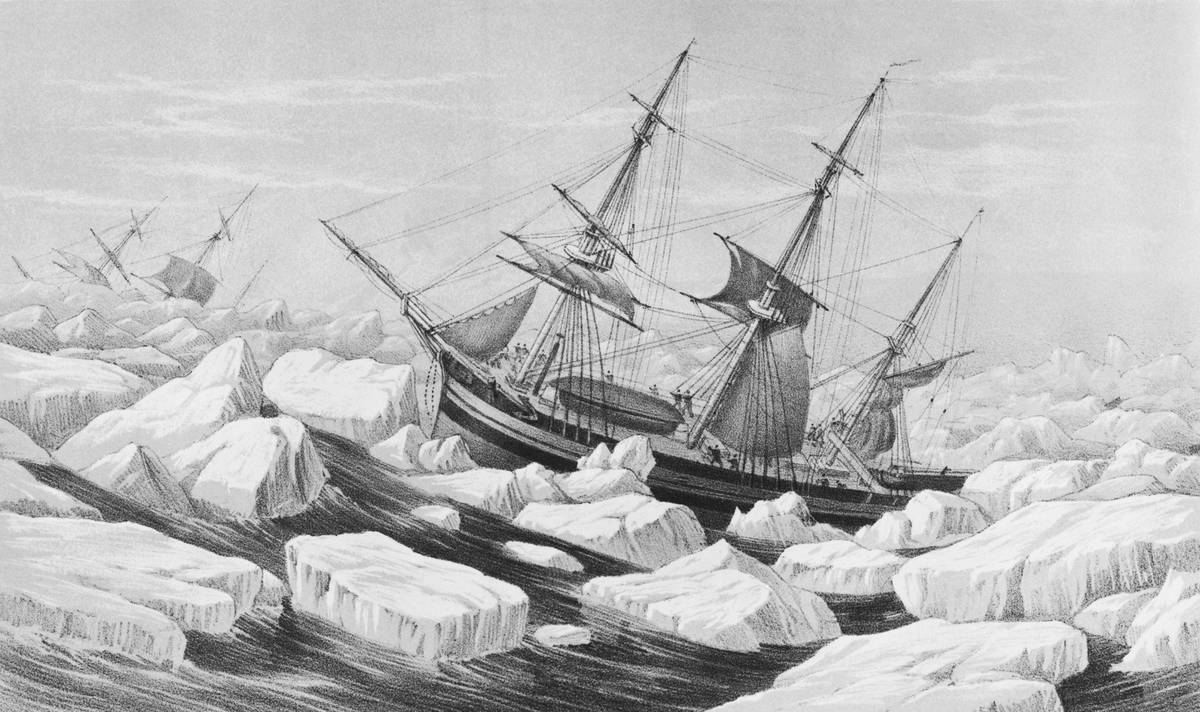
The ocean’s depths are like a museum waiting to be explored, where shipwrecks serve as perfectly preserved time capsules. The allure of these submerged relics is undeniable, attracting archaeologists, historians, and adventurers.
Each wreck offers a unique snapshot of a bygone era, preserved by the sea’s cold embrace. Beyond gold and jewels, shipwrecks offer insights into the daily life and trade practices of ancient civilizations, making them invaluable to both history and science.
The Antikythera Wreck: Unveiling Ancient Artifacts
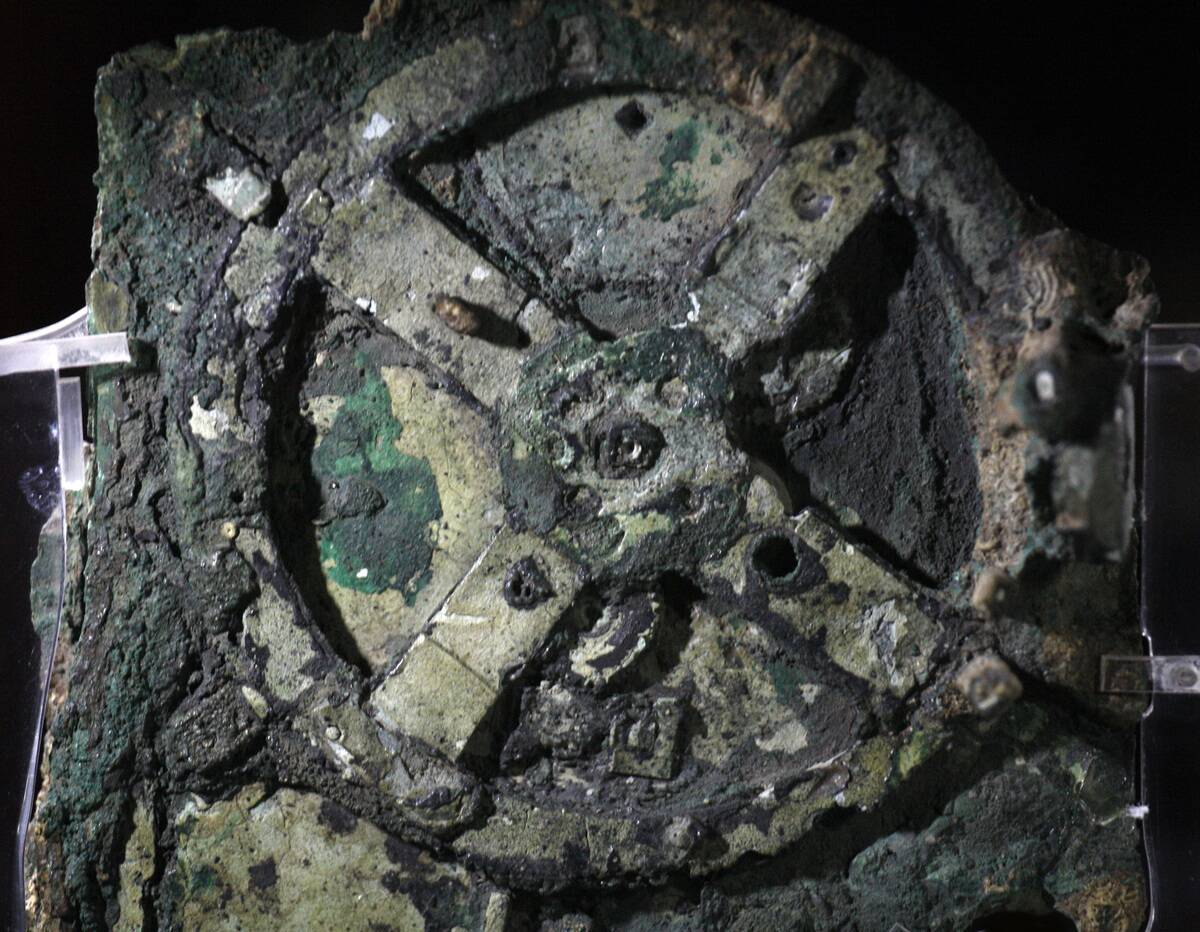
Discovered in 1900 off the coast of Greece, the Antikythera wreck is famous for yielding the Antikythera mechanism, an ancient analog computer. This Hellenistic-era shipwreck dates back to around 70-60 BC and has provided a wealth of artifacts, including bronze statues and luxury glassware.
The most intriguing find, the Antikythera mechanism, has fascinated scientists for decades. It represents a significant technological advancement in ancient times, believed to predict astronomical positions and eclipses.
The Uluburun Shipwreck: A Bronze Age Snapshot
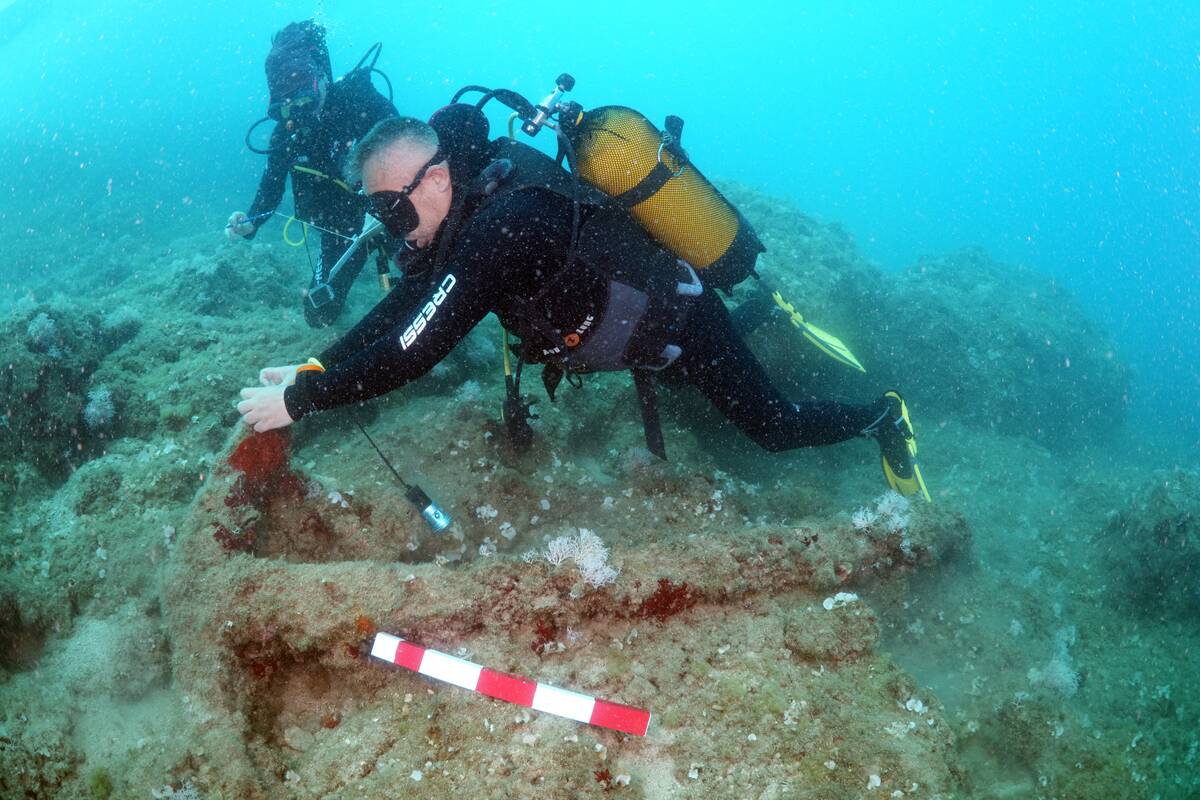
The Uluburun shipwreck, discovered off the coast of Turkey, dates back to the 14th century BC and is one of the oldest known shipwrecks. This Bronze Age vessel carried a rich cargo, including copper and tin ingots, ivory, and glass beads.
The diversity of the cargo offers a glimpse into the complex trade networks of the time. The ship’s contents suggest connections between multiple ancient civilizations, showcasing the cosmopolitan nature of trade during the Bronze Age.
Mary Rose: Preserved Tudor Era Relics
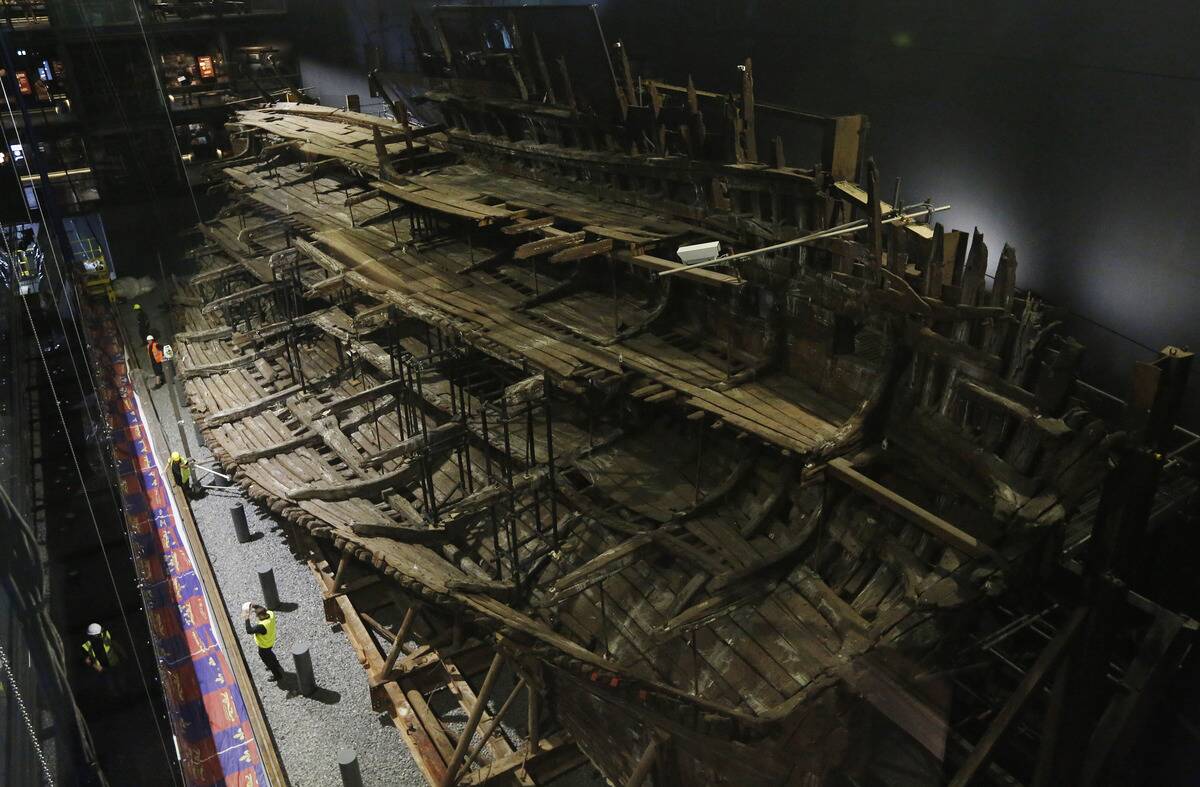
The Mary Rose, Henry VIII’s warship, sank in the Solent in 1545 and was raised in 1982, revealing a treasure trove of Tudor artifacts. The ship carried over 19,000 items, including weapons, clothing, and personal belongings of the crew.
These artifacts have provided valuable insights into the daily lives and naval warfare of the Tudor period. The Mary Rose Museum in Portsmouth now showcases these relics, offering a vivid glimpse into 16th-century maritime history.
The Vasa: A Swedish Warship’s Frozen Legacy
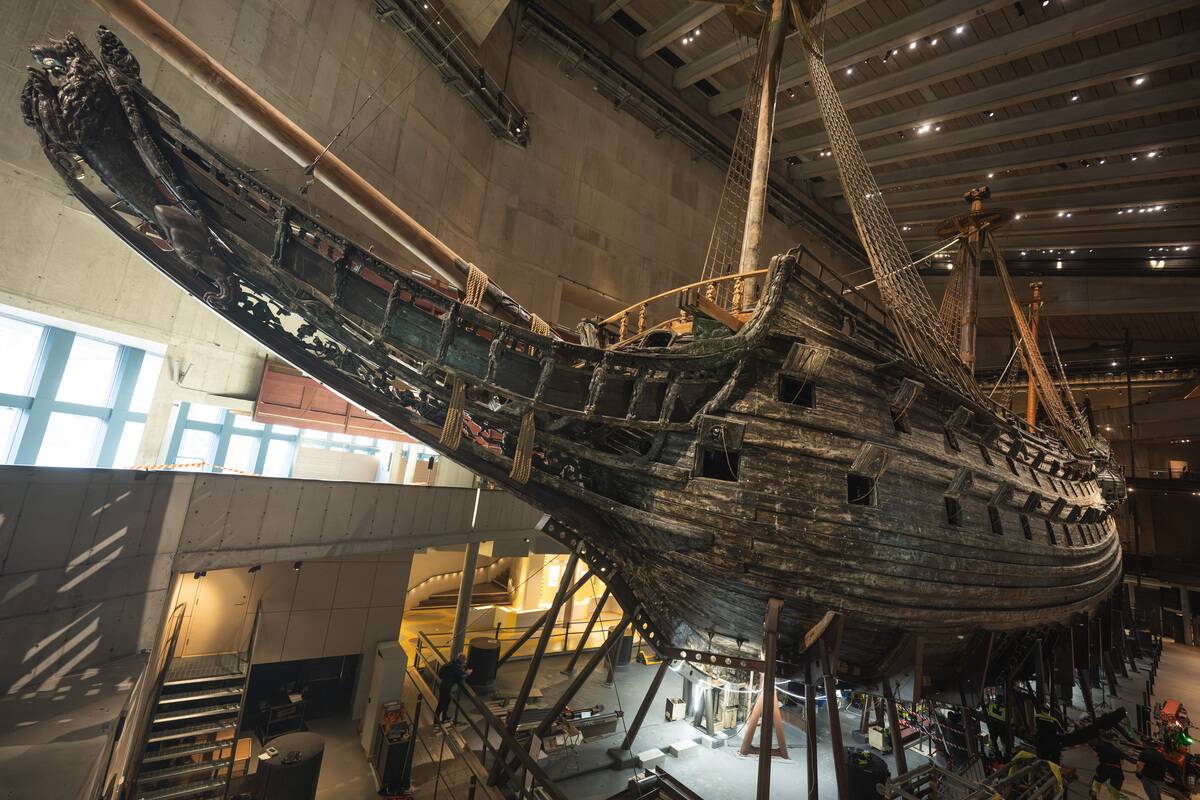
The Swedish warship Vasa sank on its maiden voyage in 1628 and was salvaged in 1961, remarkably well-preserved due to the cold waters of the Baltic Sea. The ship is now housed in the Vasa Museum in Stockholm, where visitors can marvel at its ornate carvings and learn about the shipbuilding techniques of the 17th century.
The Vasa’s story is a testament to the perils of ambition, as it was doomed by its top-heavy design, a lesson in naval engineering.
The HMS Pandora: Traces of the Mutiny on the Bounty
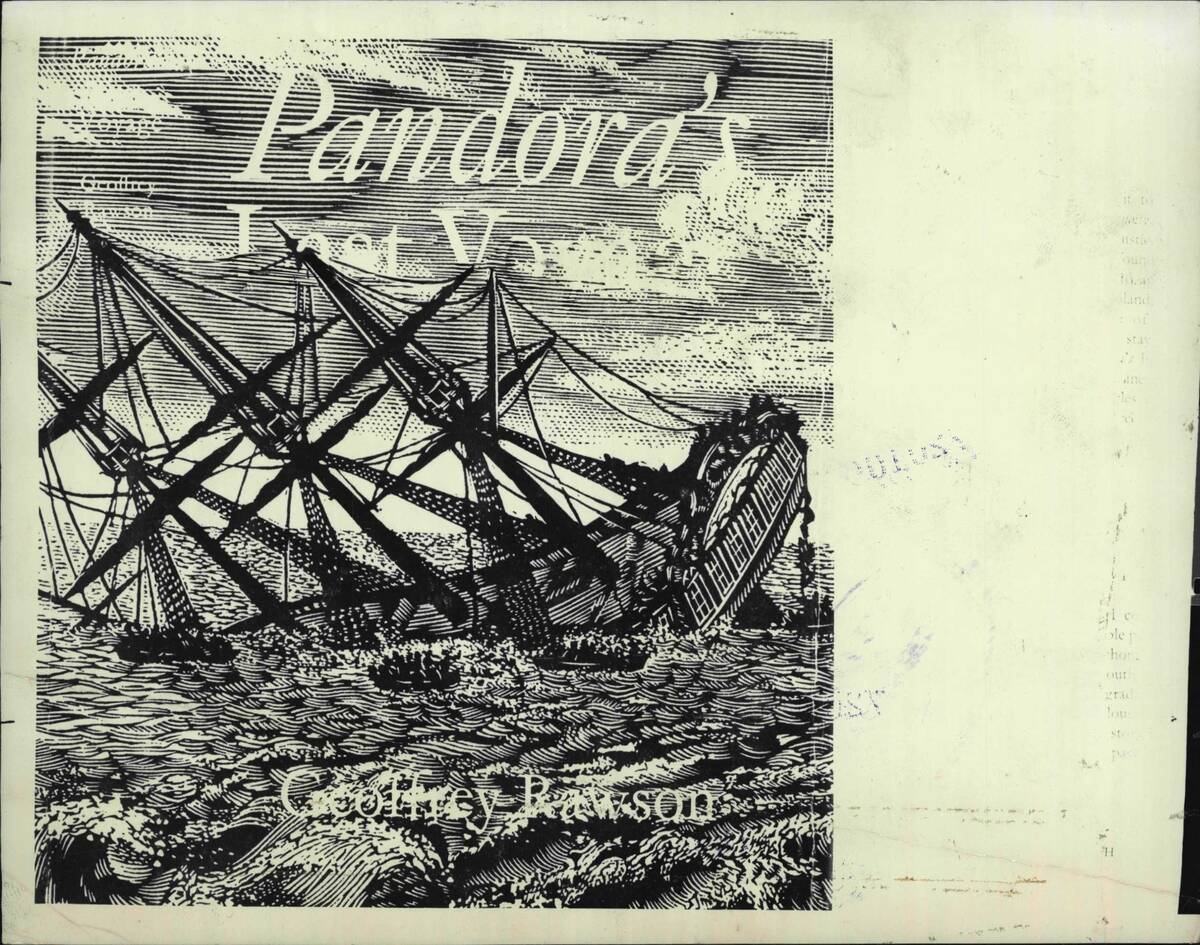
The HMS Pandora was dispatched in 1790 to capture the mutineers of the HMS Bounty, but it met its own fate on the Great Barrier Reef in 1791. The wreck was discovered in 1977, and artifacts recovered include weapons, tools, and personal items, painting a picture of life aboard an 18th-century naval ship.
The Pandora’s story adds another layer to the infamous tale of the Bounty mutiny, providing tangible links to this dramatic chapter in maritime history.
SS Central America: The Ship of Gold
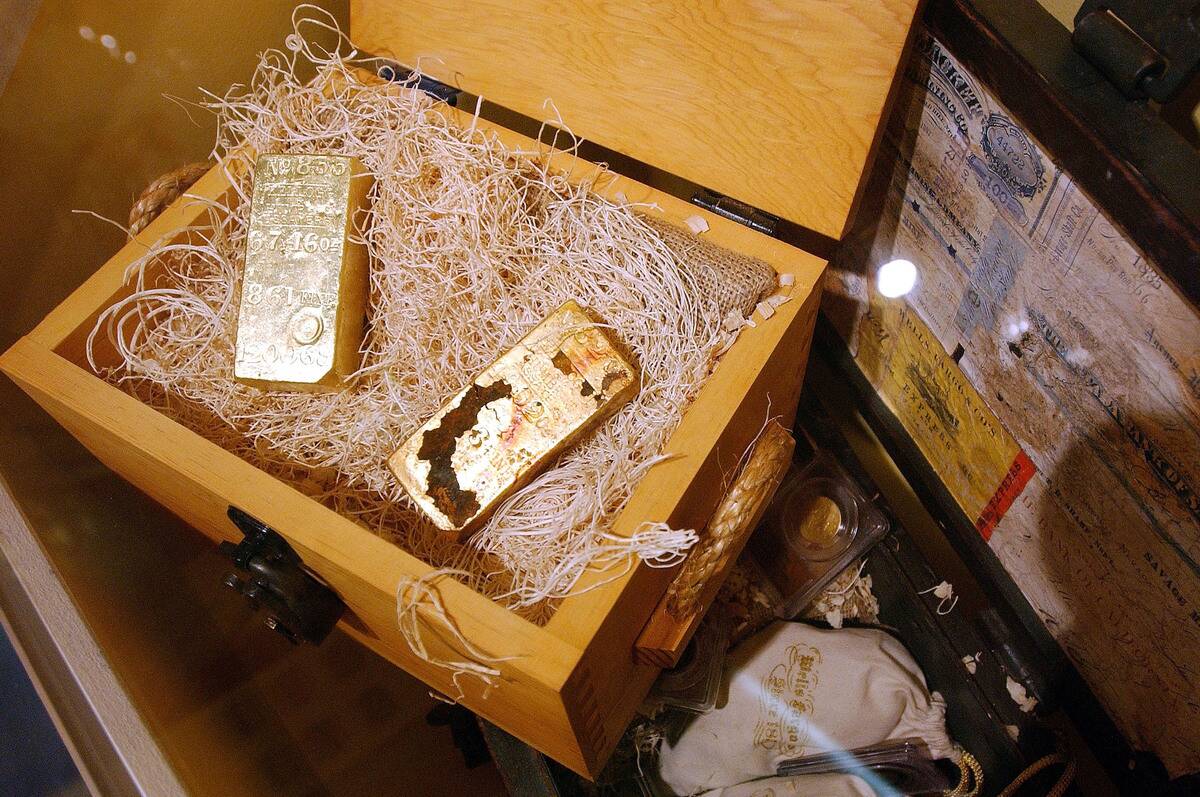
Known as the “Ship of Gold,” the SS Central America sank in 1857 during a hurricane off the coast of South Carolina, carrying tons of gold from the California Gold Rush. The wreck was discovered in 1988, and the recovered gold sparked a modern treasure hunt frenzy.
The ship’s sinking contributed to the Panic of 1857, a financial crisis that underscored the interconnectedness of the burgeoning American economy. The Central America’s gold has since been auctioned for millions.
The Titanic: Uncovering Luxury and Daily Life
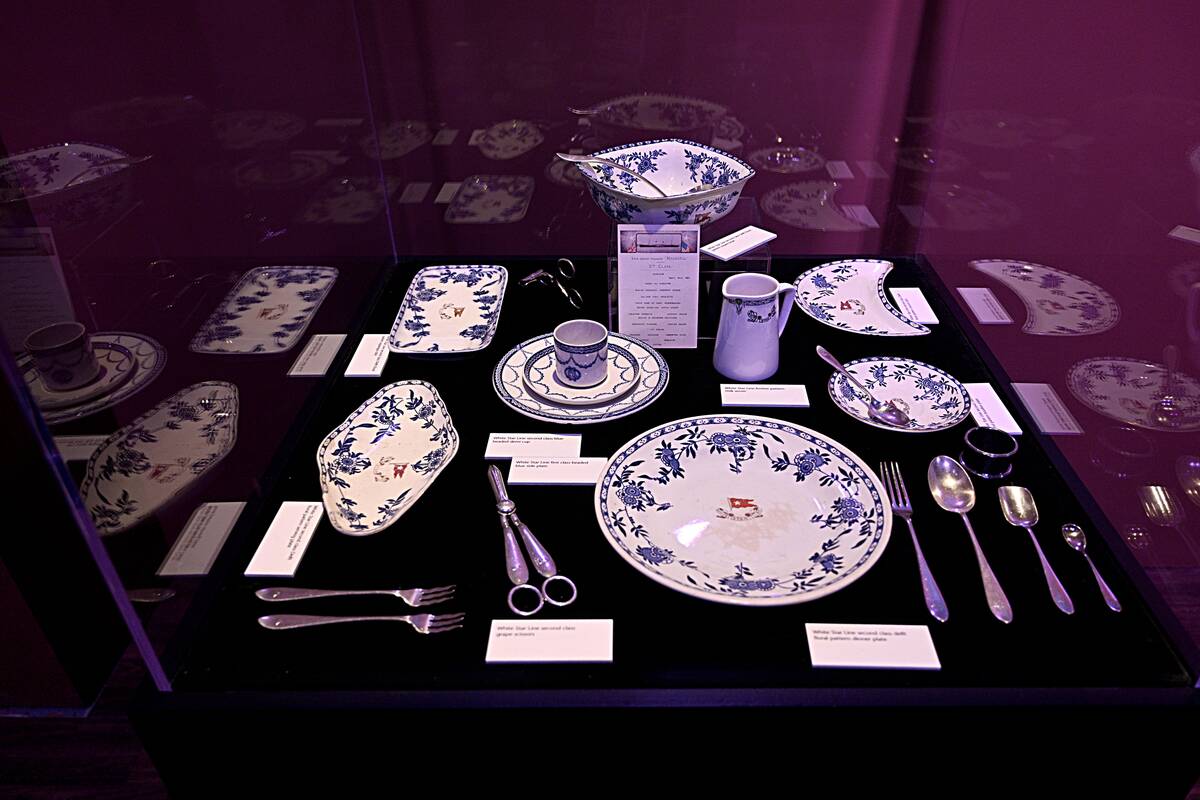
The RMS Titanic, one of the most famous shipwrecks, offers a poignant glimpse into early 20th-century luxury and tragedy. Discovered in 1985, the wreck has yielded artifacts ranging from opulent china to personal items like watches and letters.
These relics provide insights into the lives of passengers and crew, as well as the opulence and class division of the era. The Titanic remains a symbol of human ambition and the enduring mystery of the sea.
The Belitung Shipwreck: Discoveries from the Tang Dynasty

The Belitung shipwreck, found in Indonesia in 1998, dates back to the 9th century and is a testament to the maritime trade of the Tang Dynasty. The ship was laden with over 60,000 ceramics, gold, and silver items, highlighting the extensive trade networks between China and the Middle East.
The discovery has deepened our understanding of early global trade and the influence of Chinese culture far beyond its borders. The artifacts are now celebrated for their craftsmanship and historical significance.
The Black Swan Project: A Modern Treasure Mystery
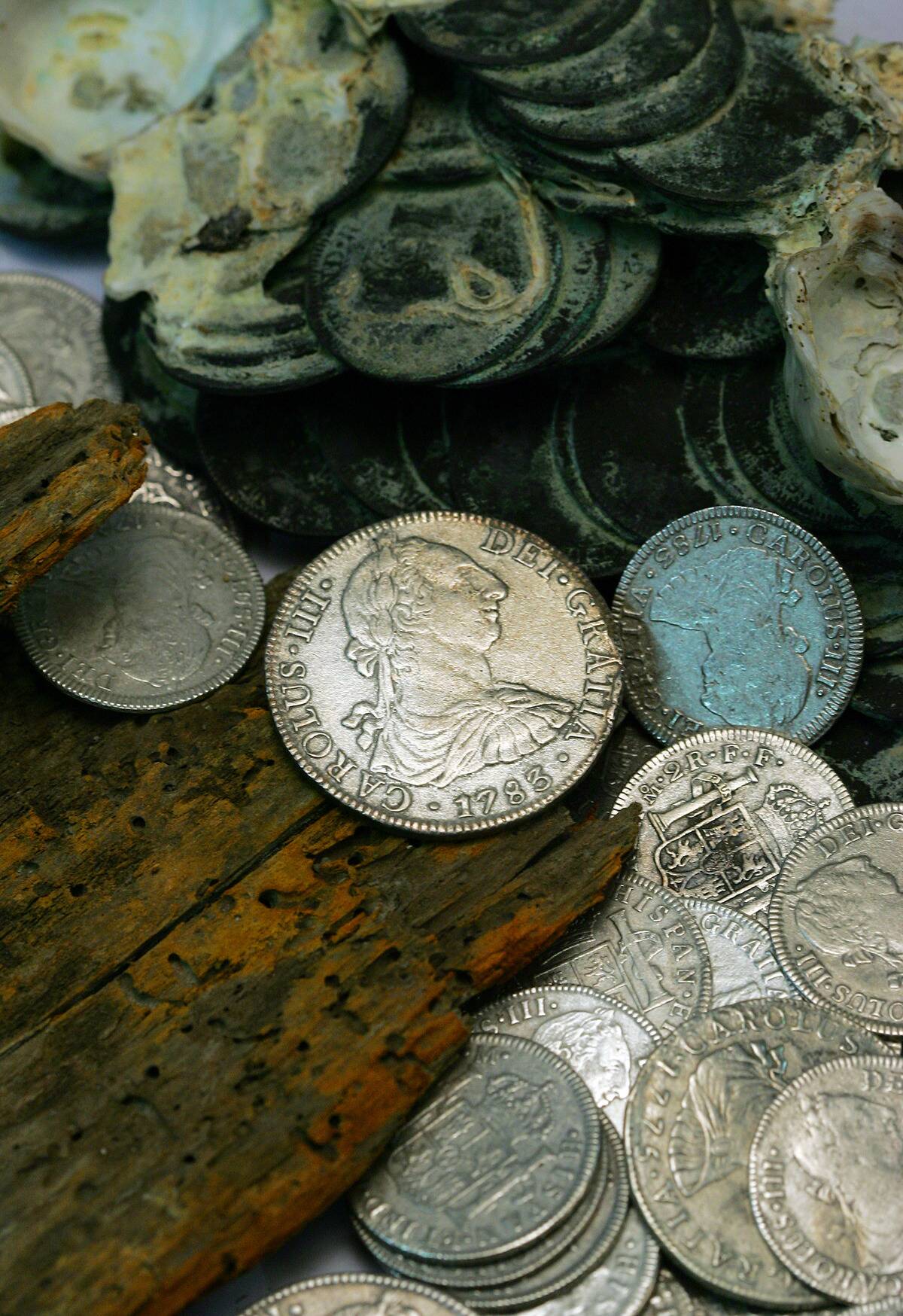
The Black Swan Project refers to the discovery of a shipwreck by Odyssey Marine Exploration in 2007, which yielded 17 tons of silver and gold coins. The identity of the ship remains disputed, with Spain claiming it as the Nuestra Señora de las Mercedes.
The legal battle over the treasure highlighted issues of ownership and the ethics of treasure hunting. This modern mystery has captivated the public, illustrating the timeless allure and controversy surrounding shipwrecks and their riches.
The Queen Anne’s Revenge: Blackbeard’s Pirate Ship
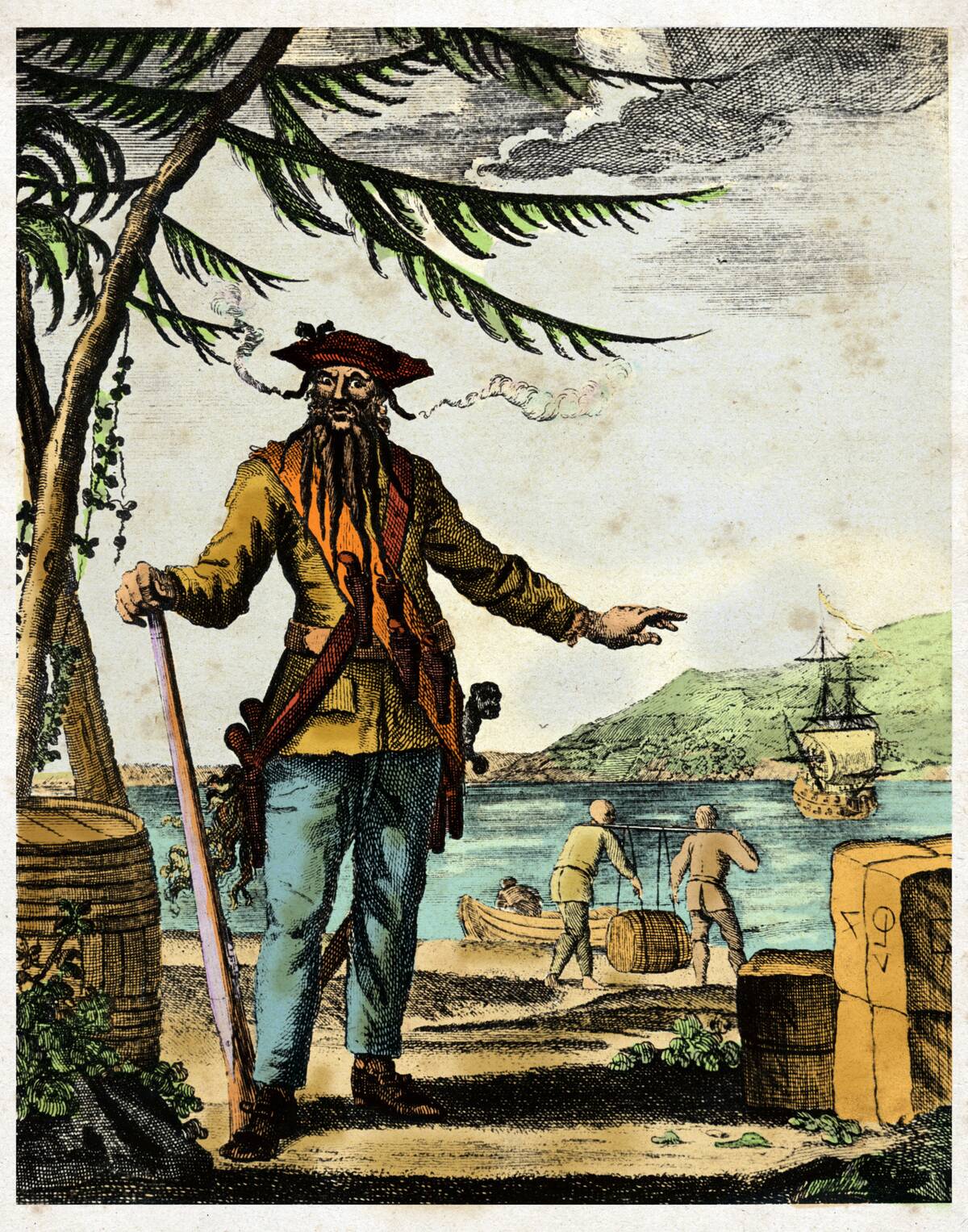
The Queen Anne’s Revenge, the flagship of the infamous pirate Blackbeard, was discovered off the coast of North Carolina in 1996. The wreck has provided a bounty of artifacts, including weapons, medical supplies, and personal items, offering a glimpse into the life of 18th-century pirates.
Blackbeard’s reign of terror on the seas is legendary, and the discovery of his ship has fueled public fascination with piracy. The ongoing excavation continues to reveal secrets of pirate life and lore.
The Whydah Gally: A Pirate’s Booty Preserved
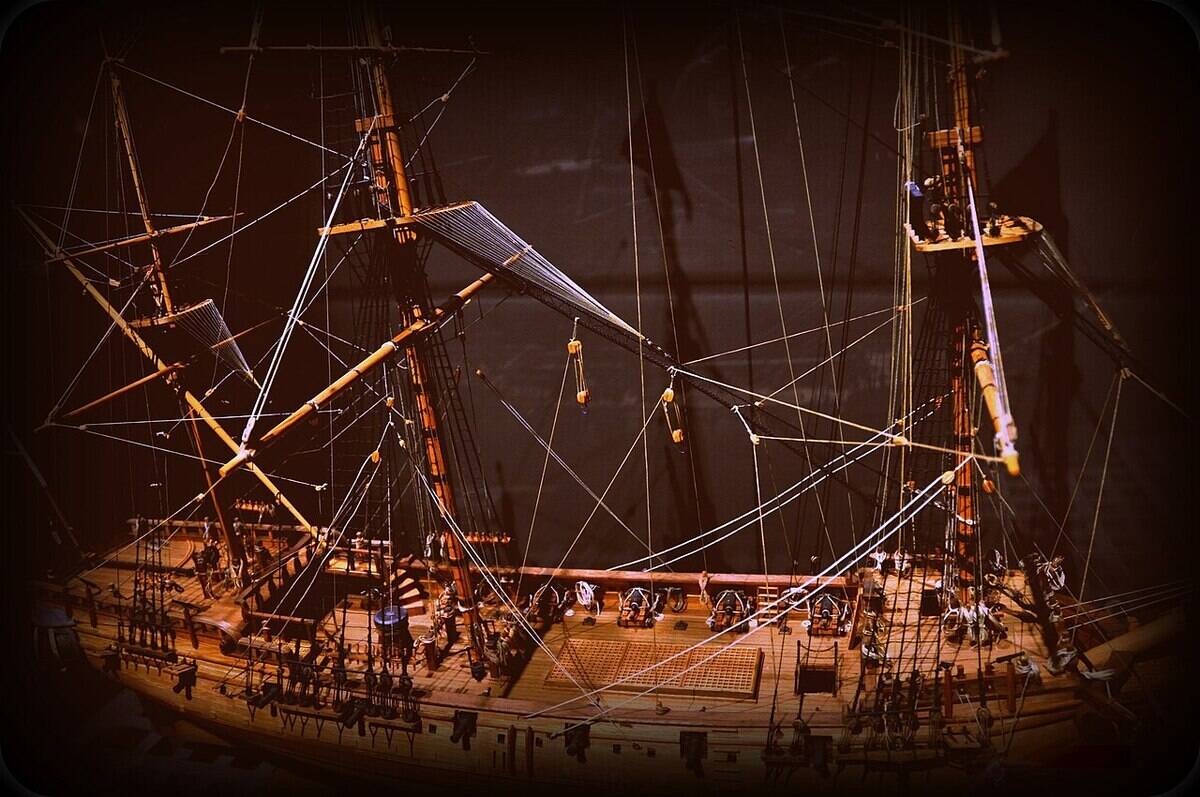
The Whydah Gally, a pirate ship captained by “Black Sam” Bellamy, sank in 1717 and was discovered in 1984, becoming the first authenticated pirate shipwreck in North America. The wreck site has yielded thousands of artifacts, including cannons, coins, and personal items.
These discoveries provide a rare insight into pirate life and the spoils of their plundering. The Whydah’s story is a testament to the enduring appeal of pirate legends and the historical truths that lie beneath the waves.
The San José: The Treasure Galleon of the Spanish Main
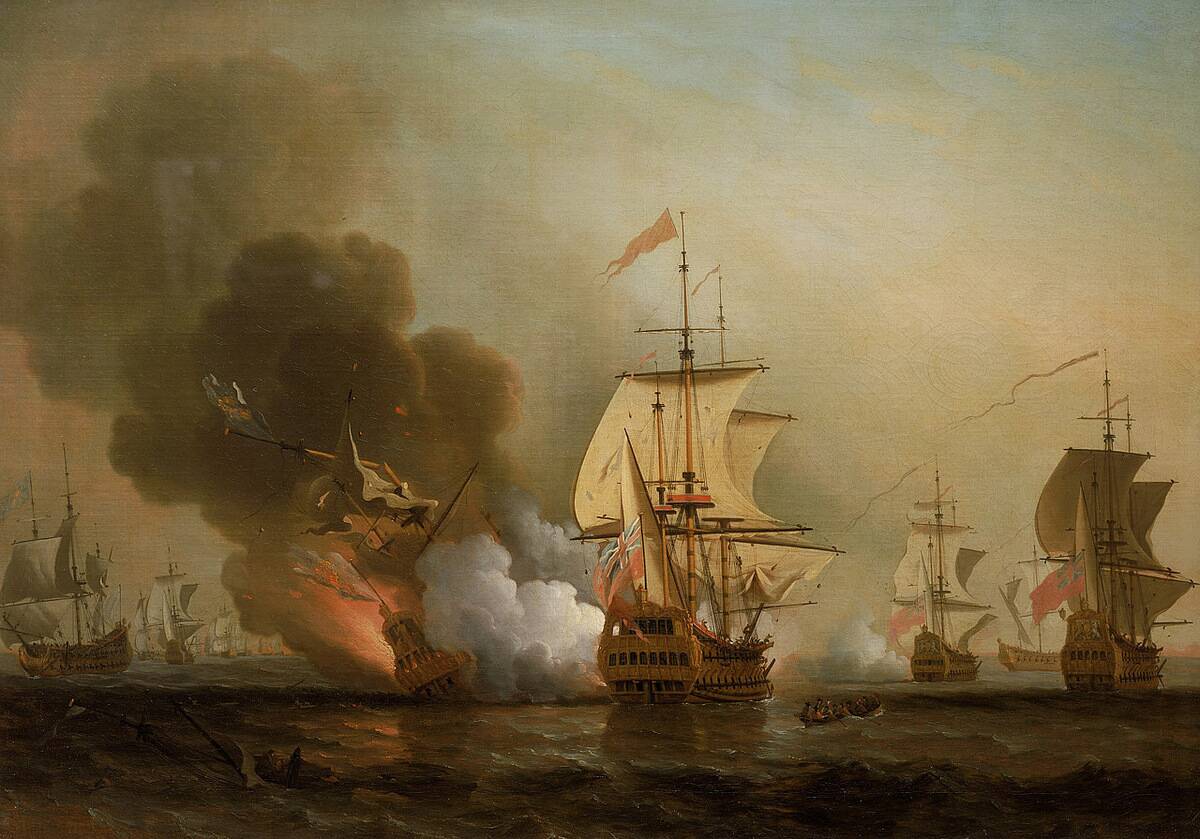
The San José, a Spanish galleon sunk in 1708, is considered one of the most valuable shipwrecks due to its vast treasure of gold, silver, and emeralds. Discovered in 2015 off the coast of Colombia, the wreck has been dubbed the “Holy Grail” of shipwrecks.
The riches aboard the San José were intended for Spain’s war chest, highlighting the immense wealth generated by colonial exploitation. The ship’s discovery has sparked debates over ownership and preservation of underwater cultural heritage.
Exploring the Ethics of Salvaging Shipwrecks
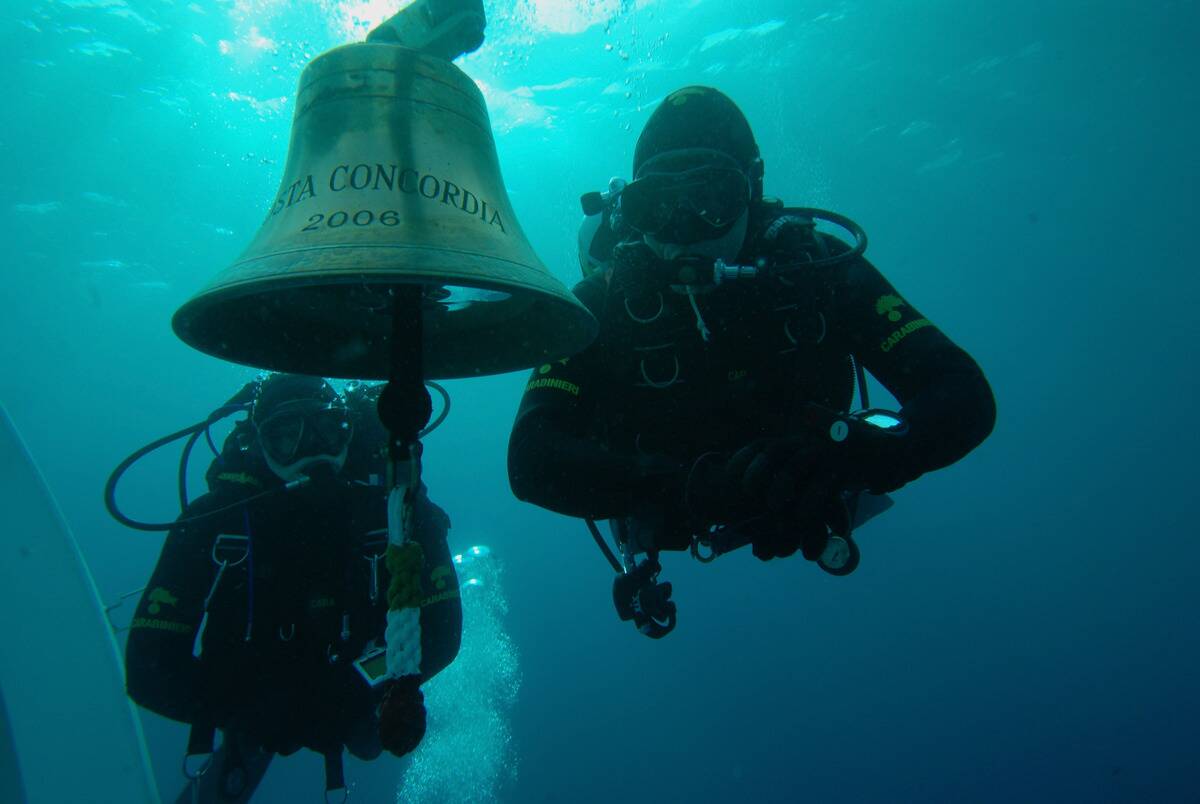
The recovery of shipwreck artifacts raises ethical questions about cultural heritage and ownership. Debates often arise over who has the right to salvage these underwater treasures and how they should be preserved.
Many argue that shipwrecks should remain untouched as historical sites, while others see them as opportunities for archaeological study and public display. The challenge lies in balancing the protection of cultural heritage with the desire to uncover and share these fascinating pieces of history.
The Role of Technology in Discovering Underwater Artifacts
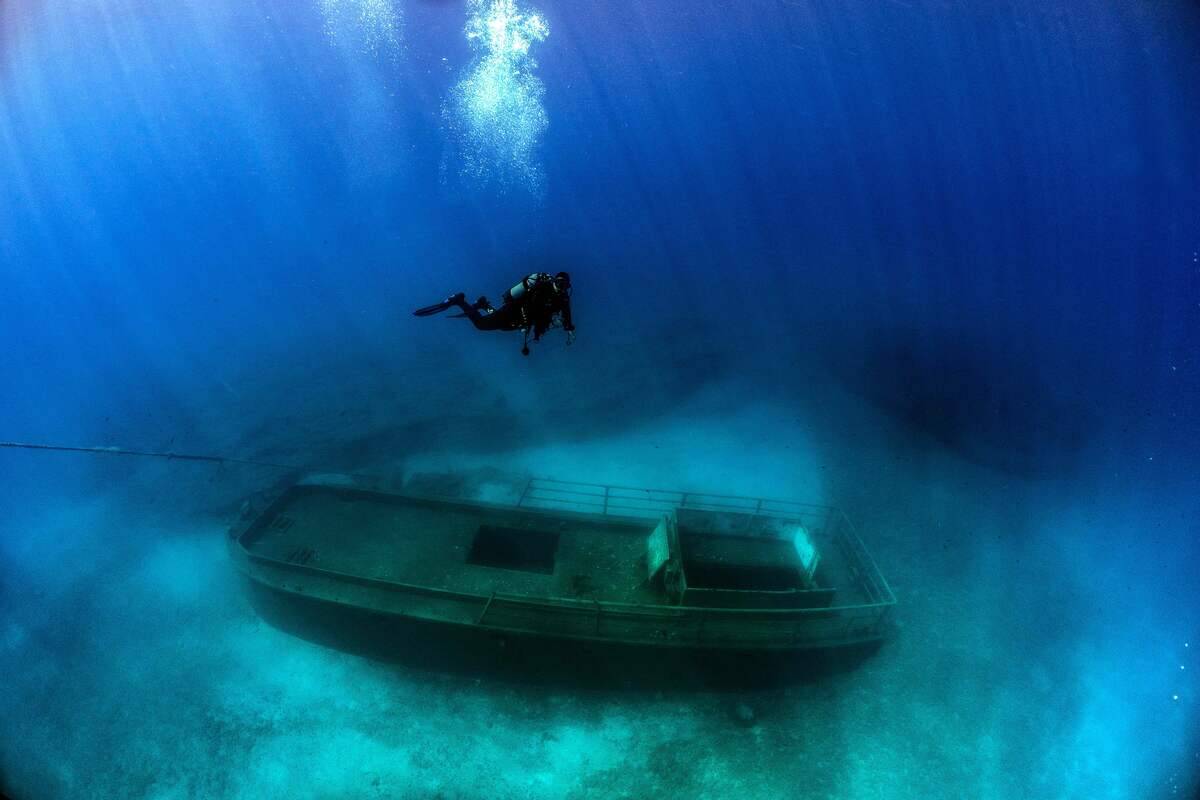
Advancements in technology have revolutionized the discovery and study of shipwrecks. Tools like sonar mapping and remotely operated vehicles (ROVs) allow researchers to explore depths previously unreachable. These technologies provide detailed images and data, aiding in the identification and preservation of wreck sites.
The use of technology not only enhances our understanding of historical shipwrecks but also ensures their stories are preserved for future generations. The synergy between technology and archaeology continues to unlock the mysteries of the deep.
Shipwrecks as Cultural and Historical Time Capsules
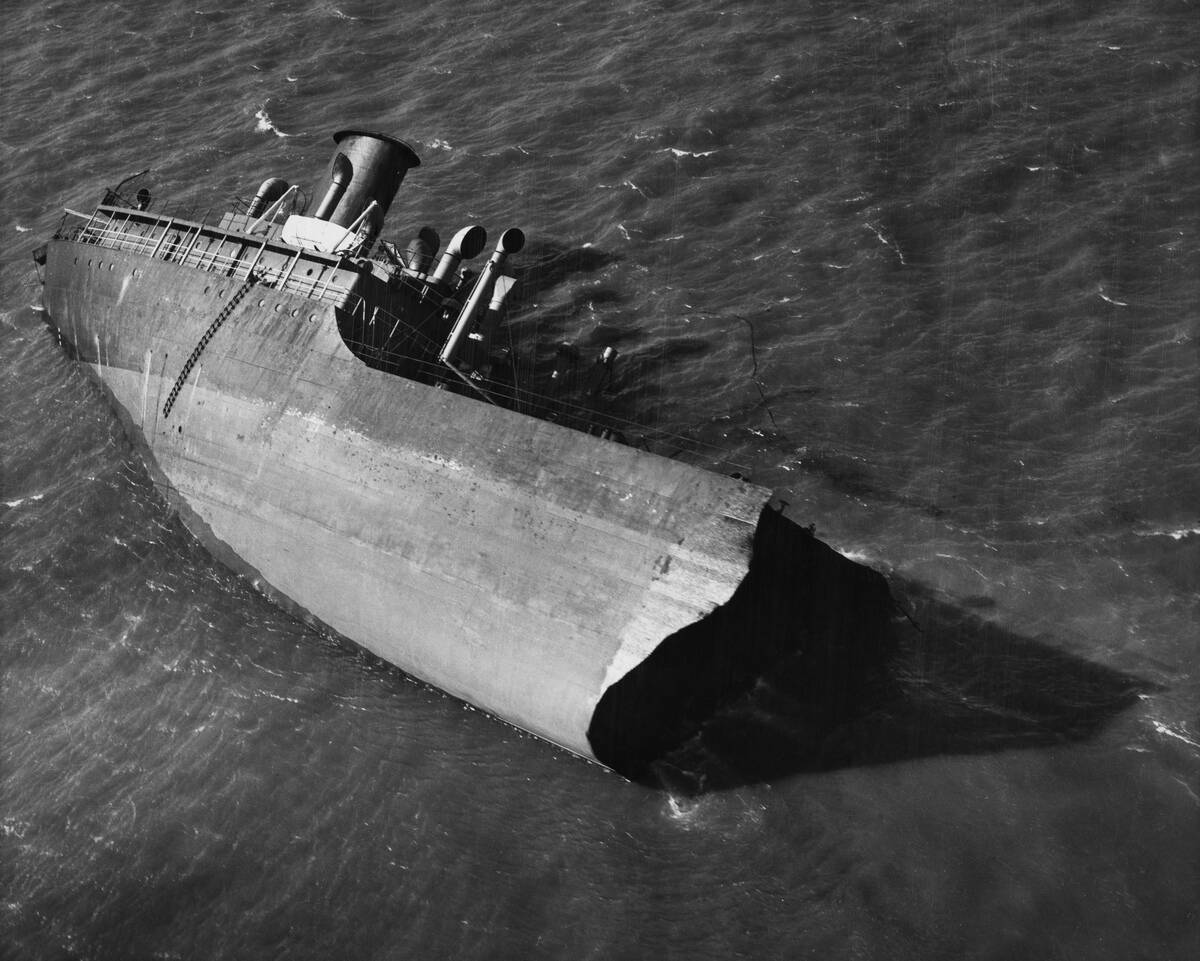
Shipwrecks serve as unique cultural and historical time capsules, preserving moments from the past in stunning detail. The artifacts recovered from these sites offer insights into the daily lives, trade practices, and technological advancements of bygone eras. Each shipwreck is a snapshot of history, frozen in time by the sea.
As we explore these underwater relics, we gain a deeper appreciation for the rich tapestry of human history and the enduring legacy of those who sailed the world’s oceans.




