Secret societies that truly existed
Secret societies have long fascinated the public with their aura of mystery and intrigue. From clandestine meetings to cryptic rituals, these groups have sparked countless theories and stories.
While some societies operate under strict confidentiality, others maintain a more open presence. Regardless of their visibility, the allure of secret societies lies in their exclusive memberships and the possibility of hidden agendas, making them a captivating topic for both historians and fringe theorists alike.
The Illuminati: Unveiling the Myth and Reality
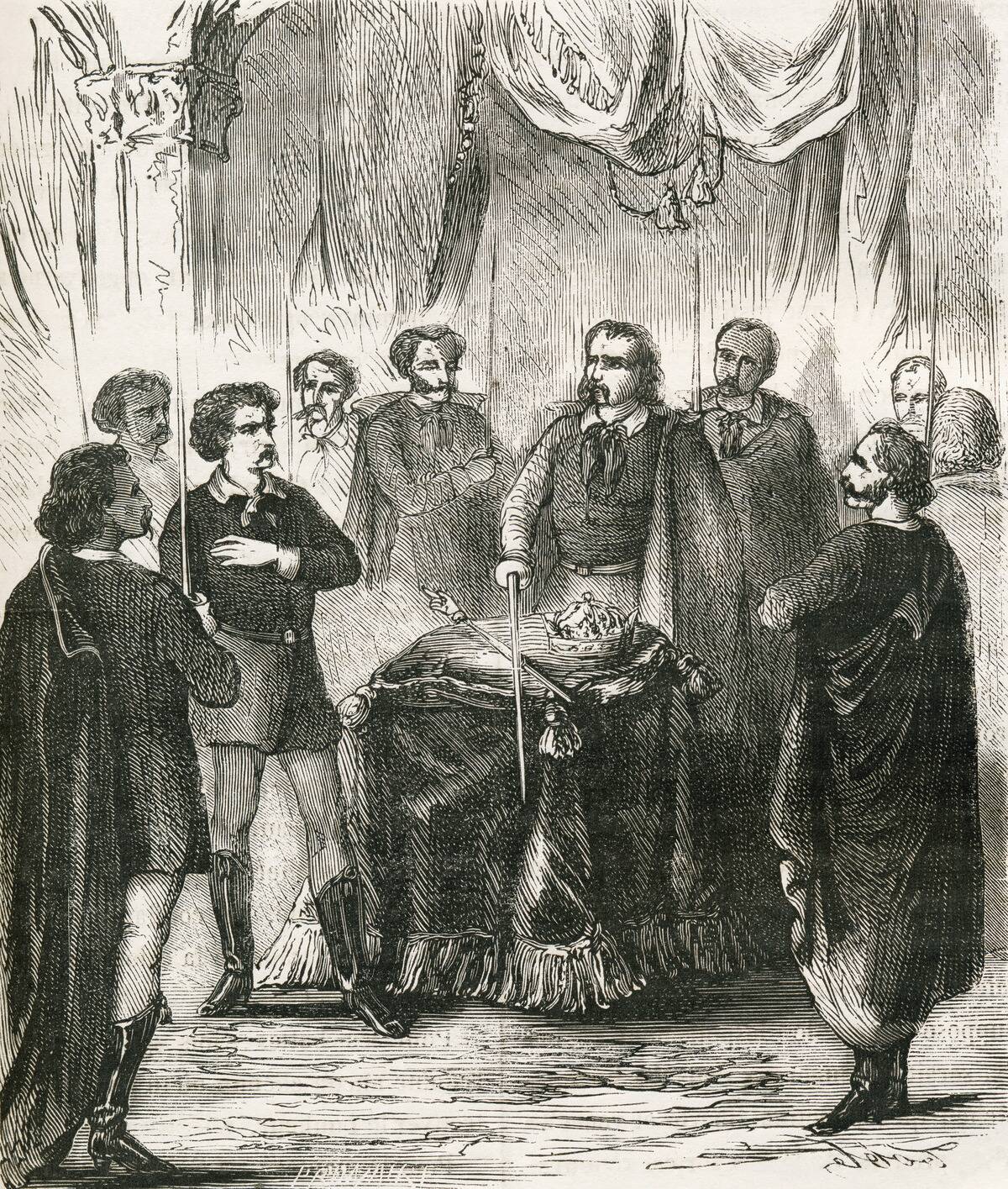
The Illuminati is perhaps the most infamous secret society, often linked to world domination theories. Originally formed in 1776 in Bavaria, its goal was to promote Enlightenment ideals. However, it was disbanded just a decade later following a blanket ban on secret societies by the government of Charles Theodore.
Despite its short existence, the Illuminati has become a staple in pop culture, often portrayed as the puppet masters behind global events. While no concrete evidence supports these claims, the myth persists, fueled by the public’s love for fringe theories.
Freemasons: The Brotherhood with a Mysterious Past
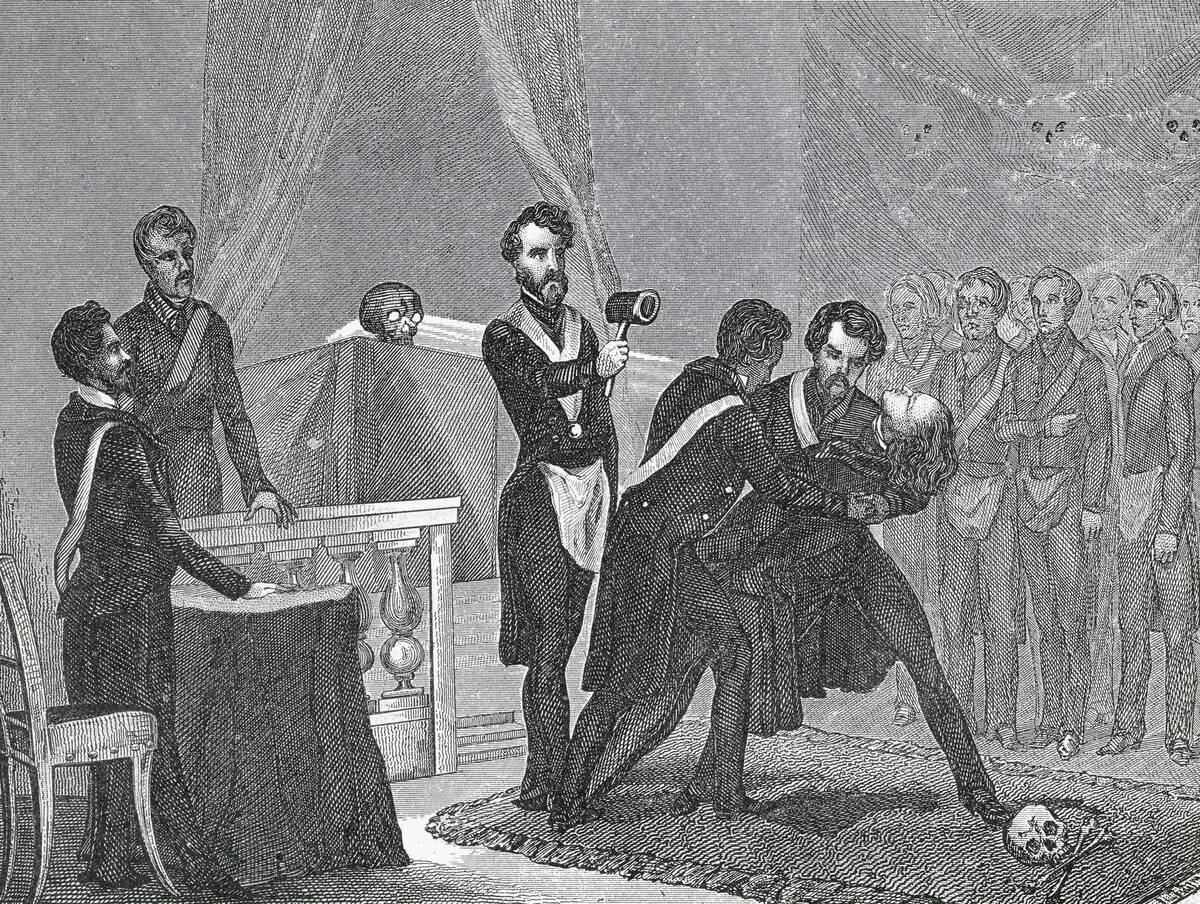
Freemasonry is one of the oldest and most well-known secret societies, with some of its roots tracing back to the 14th century. Known for their symbolic rituals and secretive ceremonies, Freemasons are often associated with philanthropy and community service.
Despite their public presence, their inner workings remain shrouded in mystery. Theories about Masonic influence and power abound, but members assert that their fraternity is merely a society with secrets, rather than a secret society.
The Rosicrucians: Guardians of Esoteric Knowledge
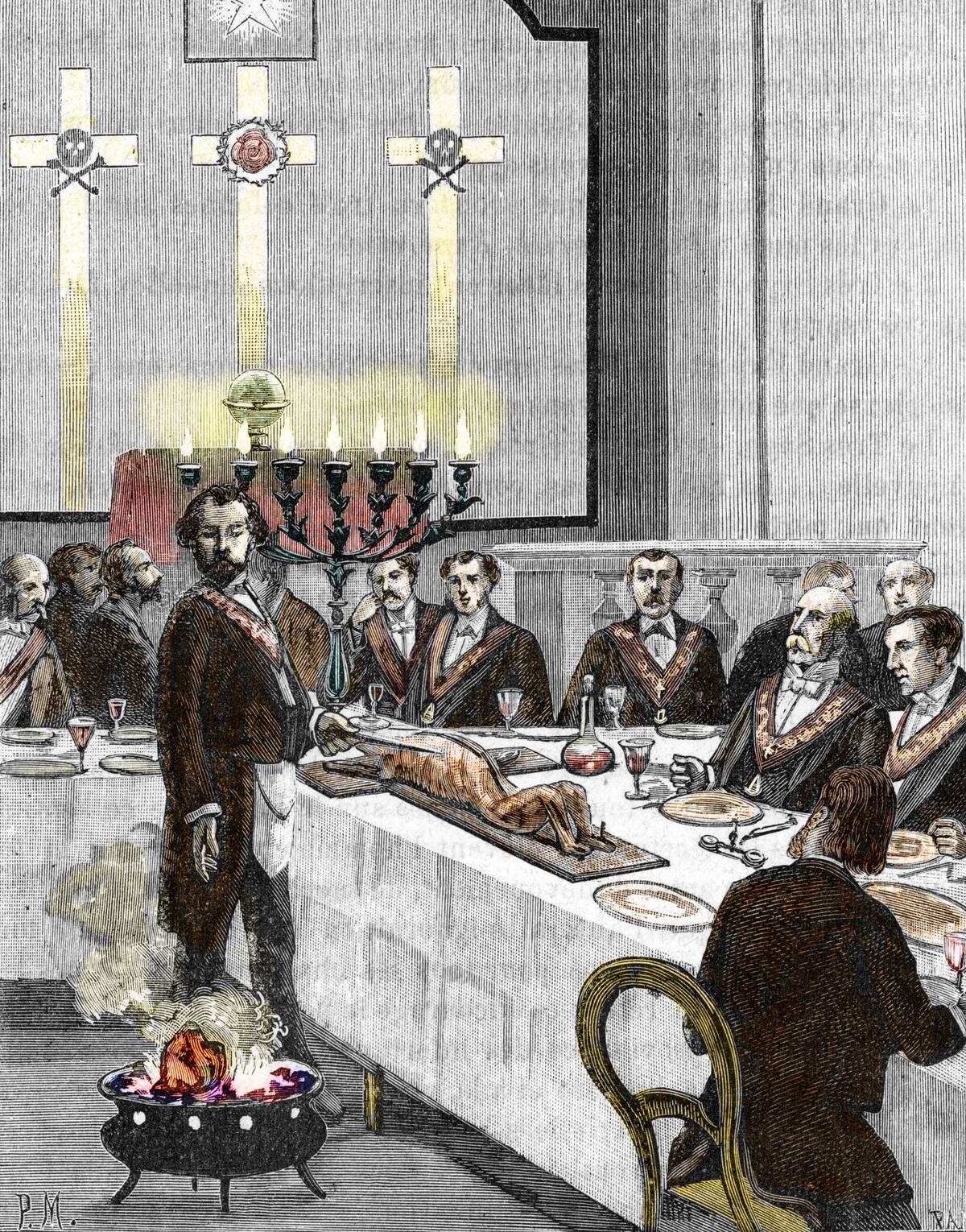
The Rosicrucians are an esoteric society believed to have originated in the early 17th century. They claim to possess mystical wisdom handed down from ancient times. The Rosicrucian manifestos, published in the early 1600s, describe a secretive brotherhood dedicated to the pursuit of spiritual enlightenment.
Modern Rosicrucian organizations tend to either lean towards esoteric Christianity, Masonic traditions, or pure-strain mysticism. At least 22 of these organizations remain active today.
Skull and Bones: Yale’s Elite and Secretive Society
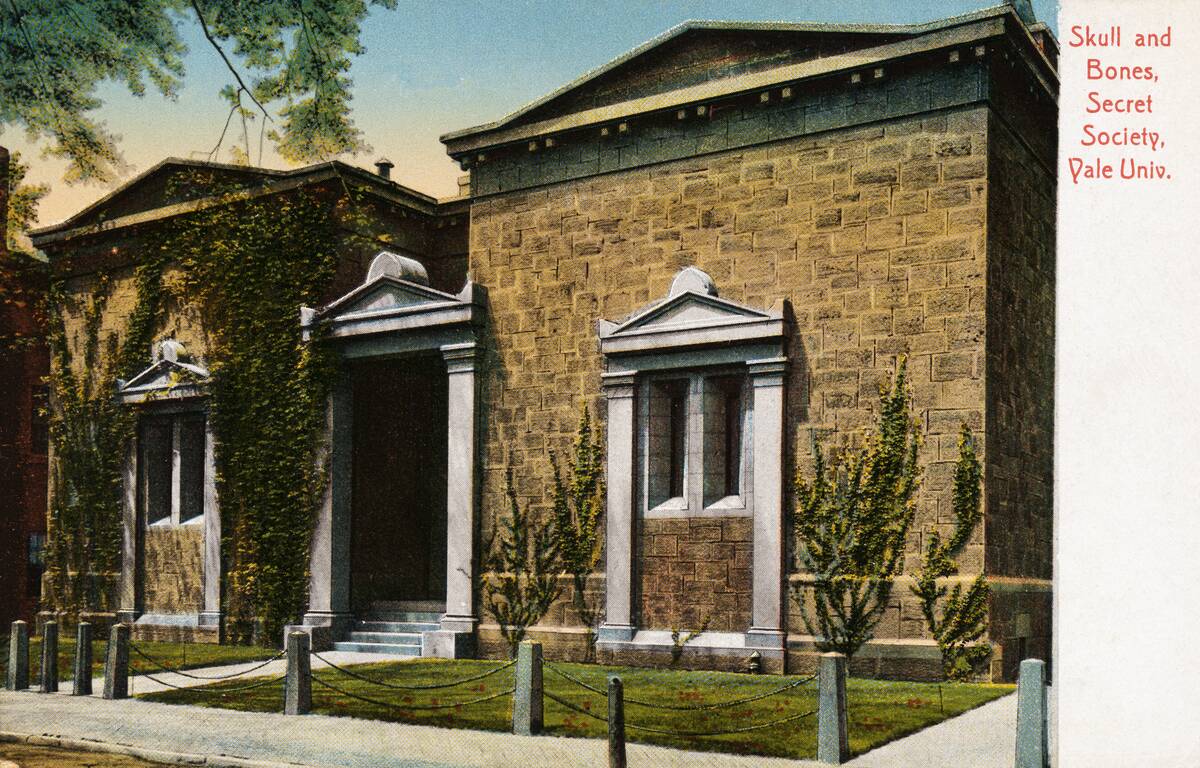
Founded in 1832 at Yale University, Skull and Bones is one of the most exclusive collegiate secret societies. Known for their secretive rituals and influential alumni, the society has been the subject of countless fringe theories.
Members, known as “Bonesmen,” include several U.S. presidents and notable business leaders. While the society’s activities remain largely private, their reputation for fostering connections among America’s elite ensures that Skull and Bones continues to captivate the public imagination.
The Order of the Golden Dawn: Mysticism and Magic
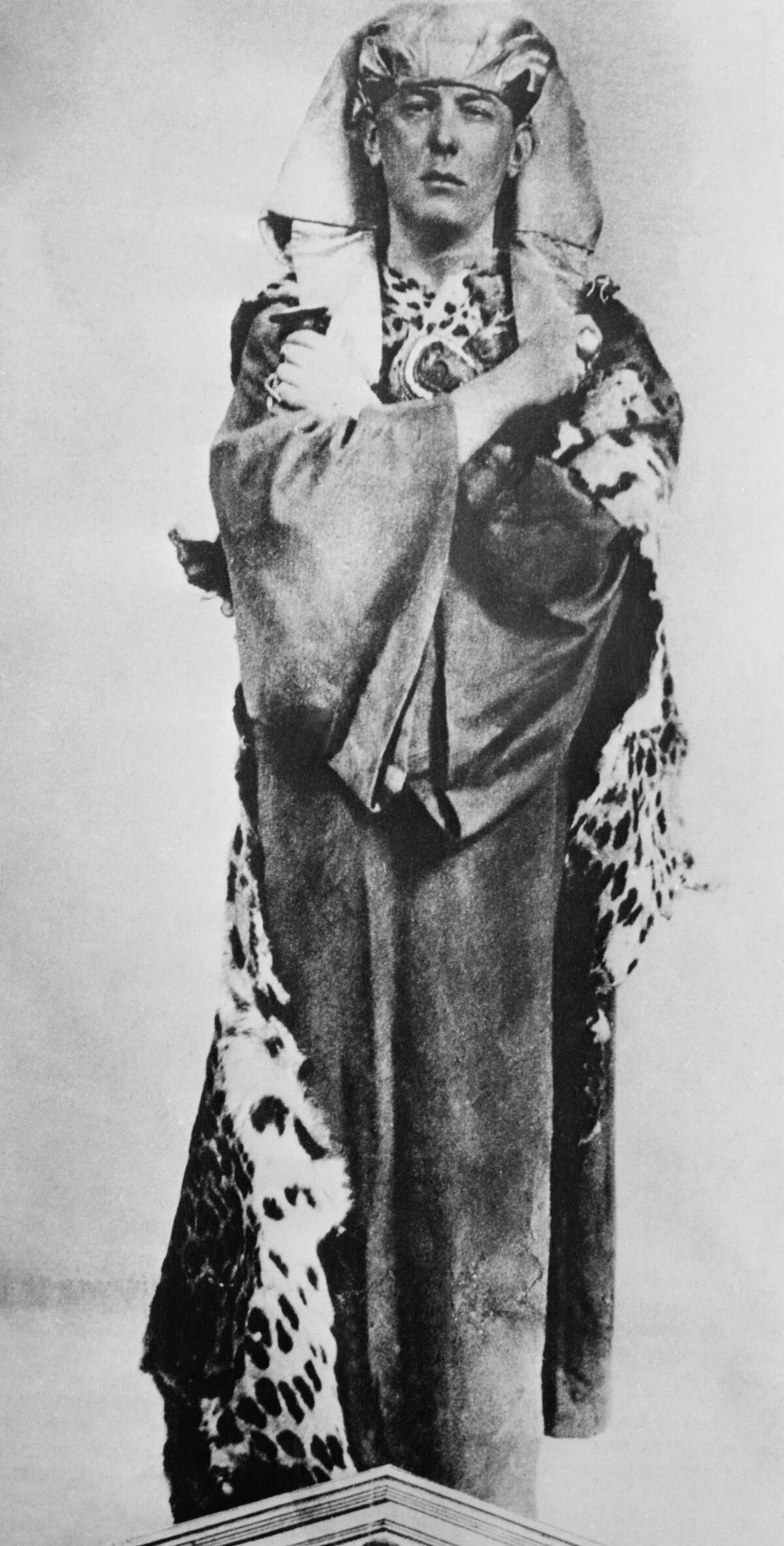
The Order of the Golden Dawn was an influential occult society in the late 19th and early 20th centuries. Founded in London in 1887, it was dedicated to the study of the paranormal, alchemy, and magic.
The order’s teachings drew on a variety of mystical traditions, including Kabbalah and Hermeticism. Despite internal conflicts leading to its decline, the Golden Dawn’s legacy endures in modern occult practices, inspiring countless followers of esoteric wisdom and ceremonial magic worldwide.
The Bilderberg Group: Power Players Behind Closed Doors
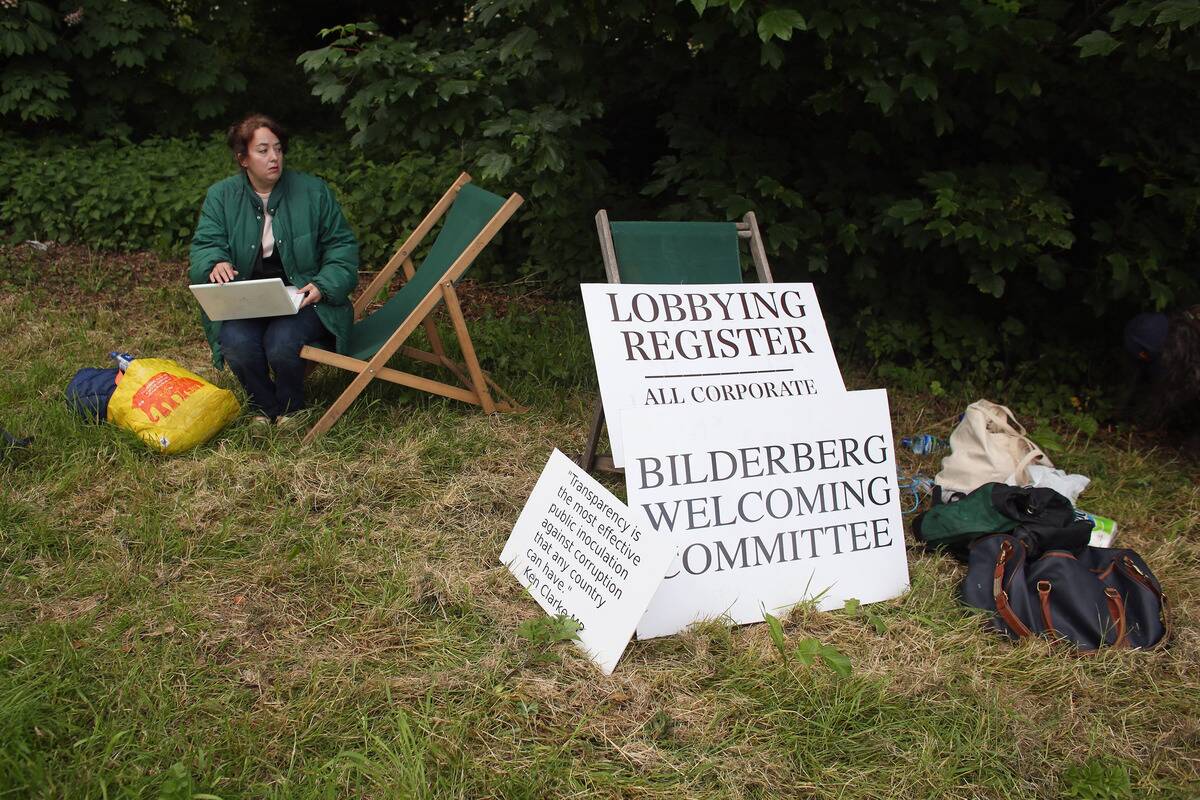
The Bilderberg Group, established in 1954, is an annual conference attended by political leaders, experts, and business magnates from Europe and North America. Aimed at fostering dialogue between the continents, its closed-door meetings have fueled speculation about its true purpose.
Critics argue that the group’s secrecy suggests a hidden agenda or a means of facilitating corruption, while participants claim it’s a platform for candid discussion. The group’s elite membership and confidential nature continue to spark curiosity and fringe theories.
The Bohemian Club: Where the Rich and Powerful Play
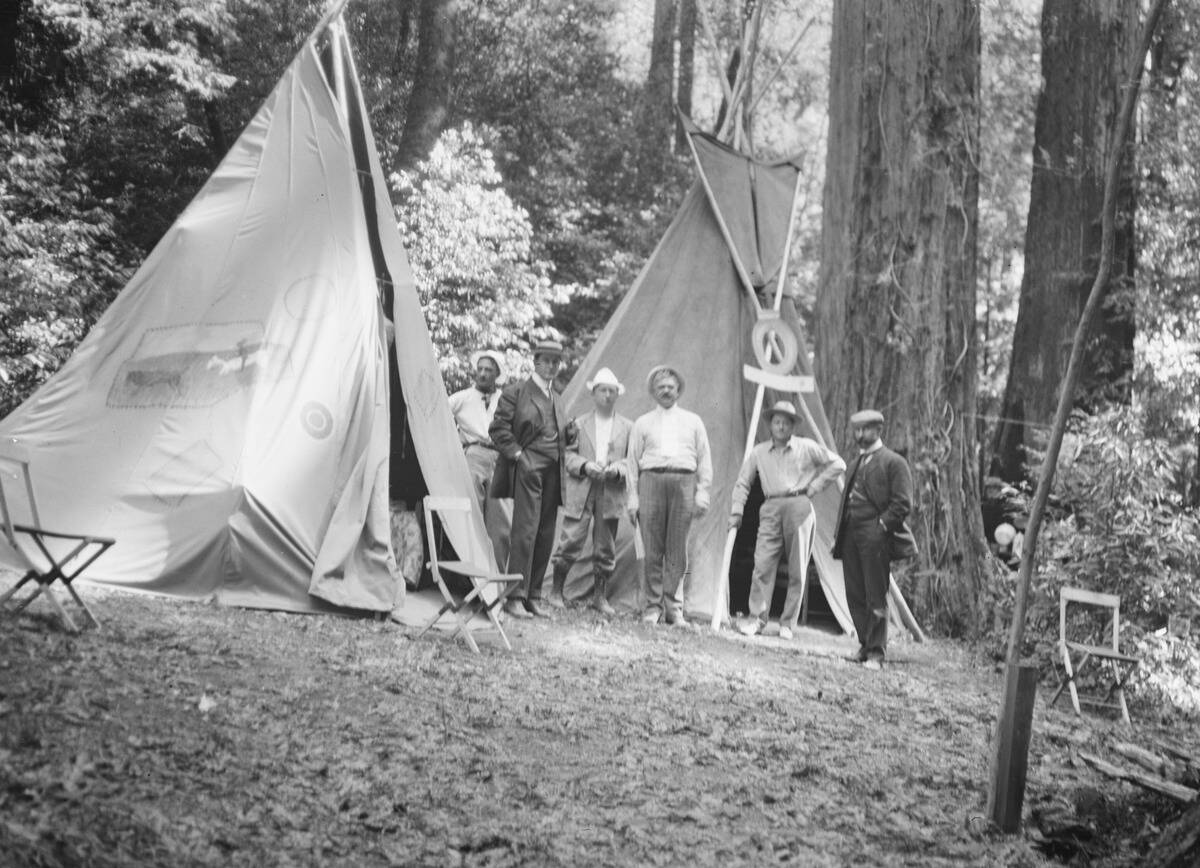
The Bohemian Club, founded in 1878, is a private club based in Monte Rio, California. Its annual retreat, held at the Bohemian Grove, attracts influential figures from politics, business, and the arts, particularly from San Francisco.
The gathering is known for its unusual rituals and the “Cremation of Care” ceremony. While the club insists it’s just a social gathering, its exclusivity and the presence of powerful attendees have led to speculation about its true purpose, adding to the aura of mystery surrounding the Bohemian Club.
Opus Dei: The Catholic Church’s Secretive Sect
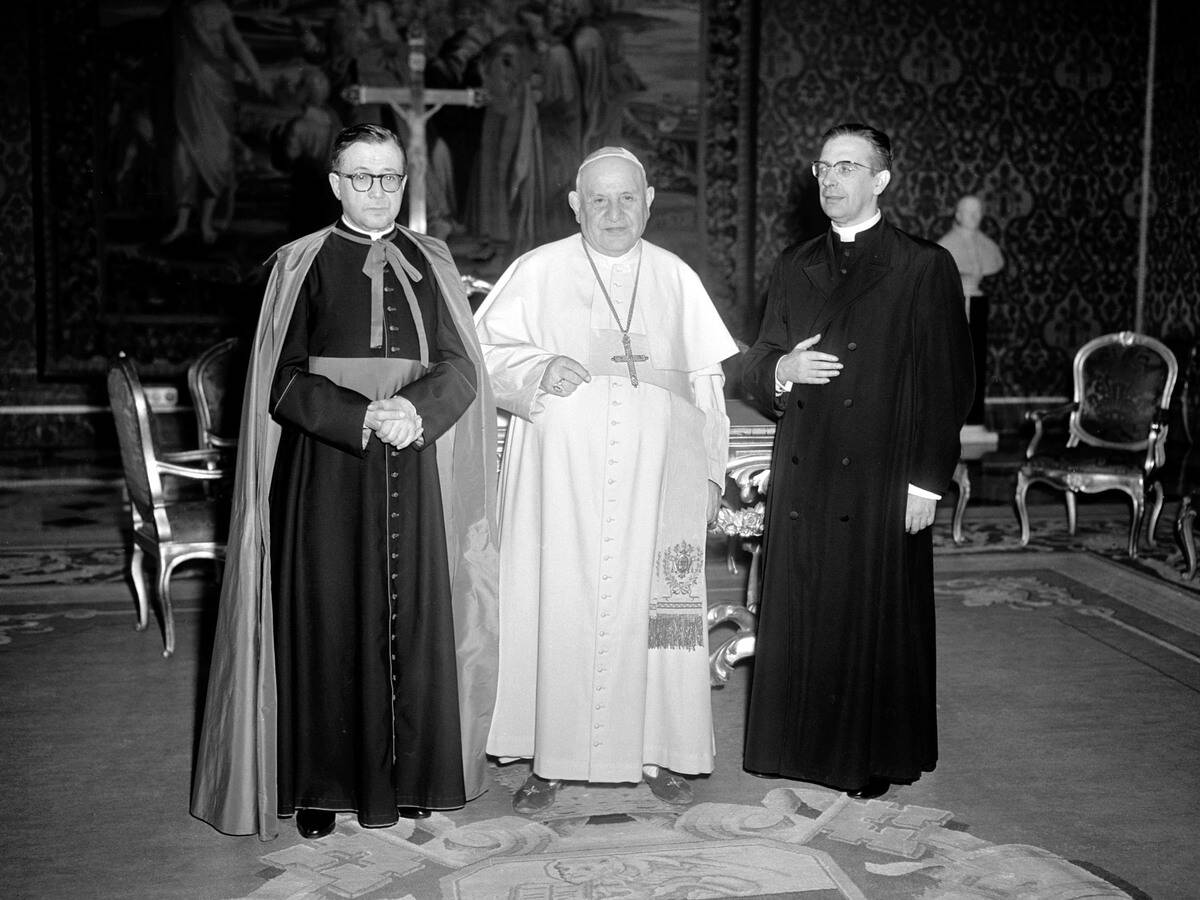
Opus Dei, founded in 1928 by Spanish priest Josemaría Escrivá, is a Catholic organization emphasizing the sanctity of daily life. Known for its secretive nature and strict practices, Opus Dei has been portrayed as a mysterious sect within the Catholic Church.
Criticized for its perceived elitism and influence, the group maintains that its mission is to promote holiness in everyday activities. Despite controversies, Opus Dei plays a significant role in the Catholic world, with members worldwide.
The Black Hand: The Secret Society That Triggered a War
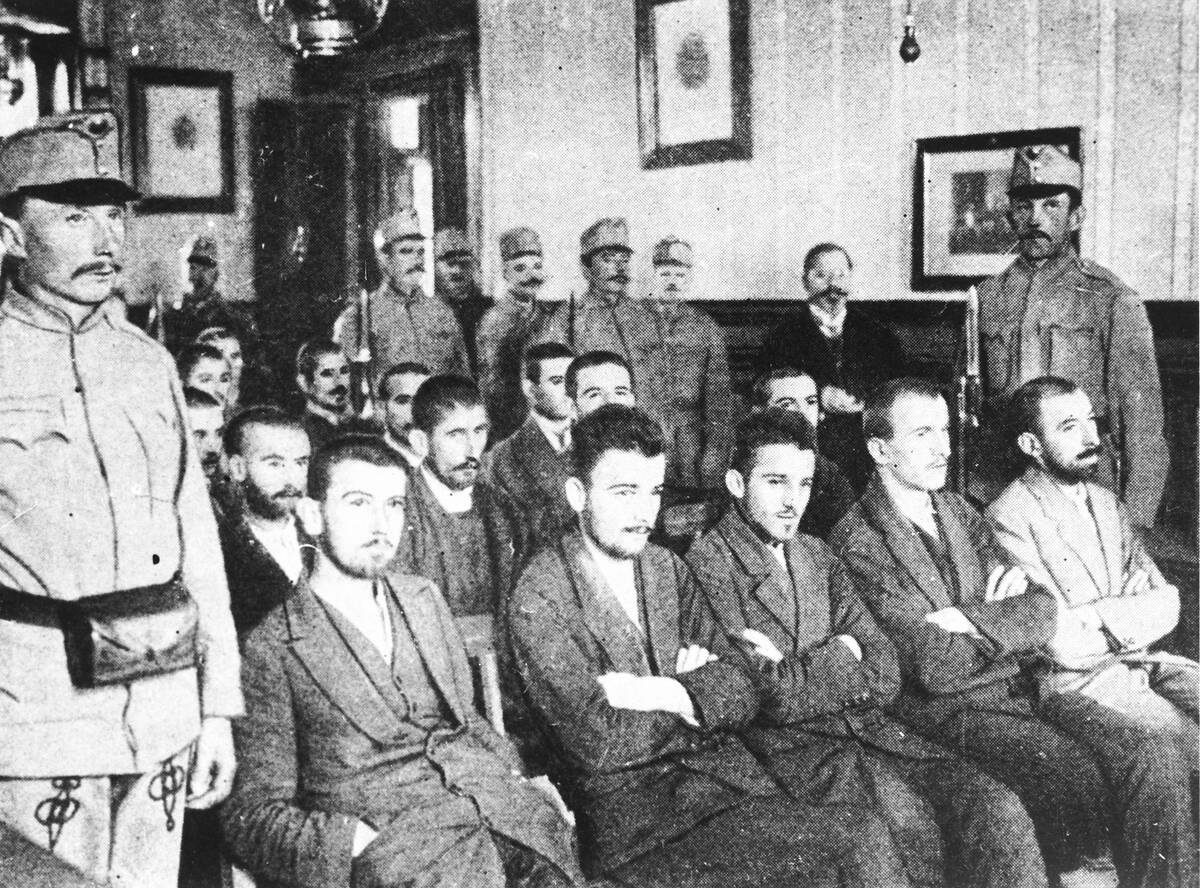
The Black Hand was a secret military society formed in Serbia in the early 20th century. Known for its role in the assassination of Archduke Franz Ferdinand in 1914, the group is often credited with sparking World War I.
Members sought to unite all South Slavic territories into one nation, using espionage and political assassination to achieve their goals. Though the Black Hand was short-lived, its impact on world history was profound, illustrating the power of covert operations.
The Carbonari: Revolutionaries in Secrecy
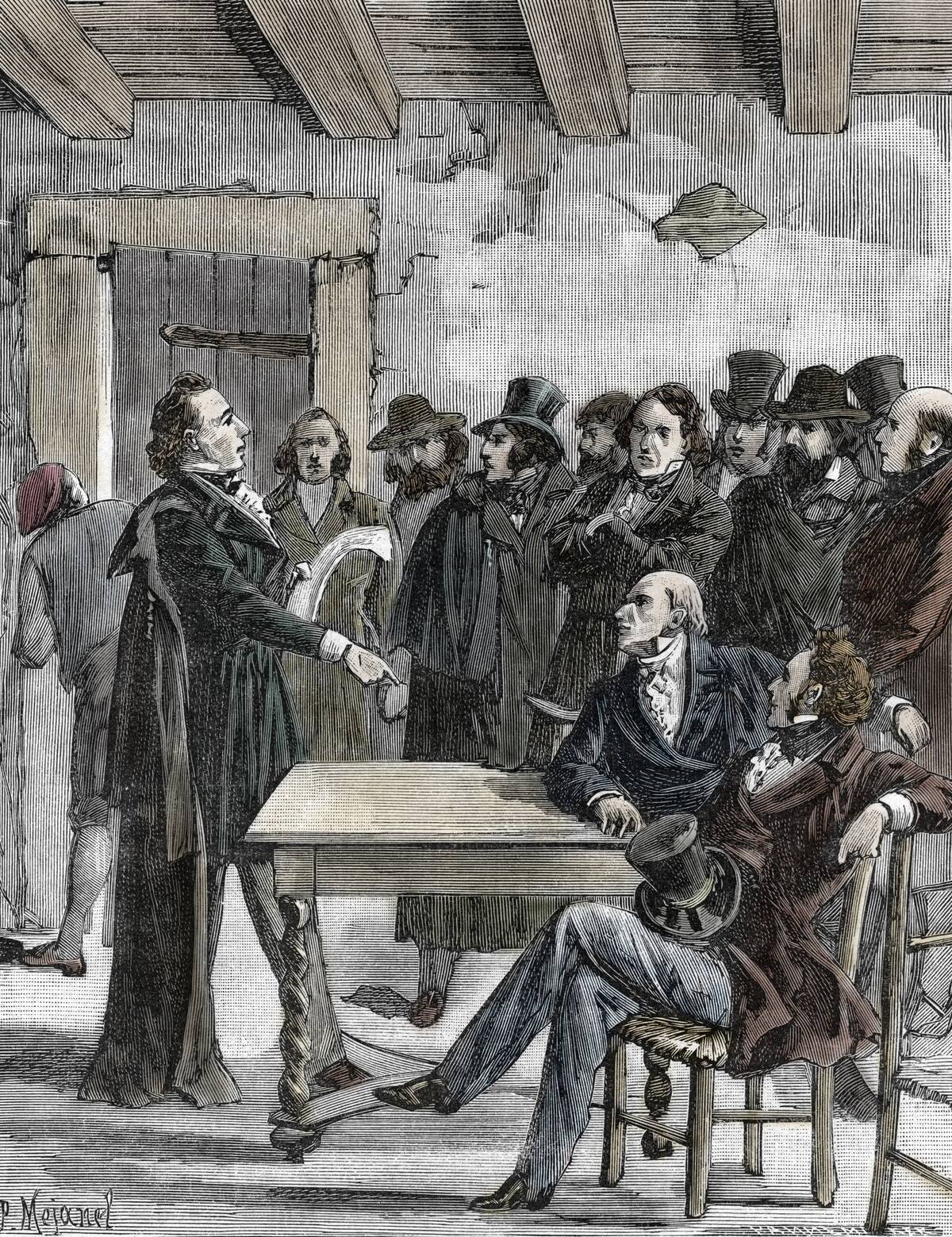
The Carbonari was a secret revolutionary society active in Italy during the early 19th century. Comprising mostly of young intellectuals and soldiers, they played a significant role in the fight against oppressive regimes.
Their name, meaning “charcoal burners,” reflects their humble origins. Despite their clandestine nature, the Carbonari were influential in promoting liberal ideas and national unity in Italy, to the point of having a fairly significant role in unifying Italy. Their legacy is a testament to the power of secret societies in shaping political landscapes.
The Thule Society: Occult Roots of the Nazi Party
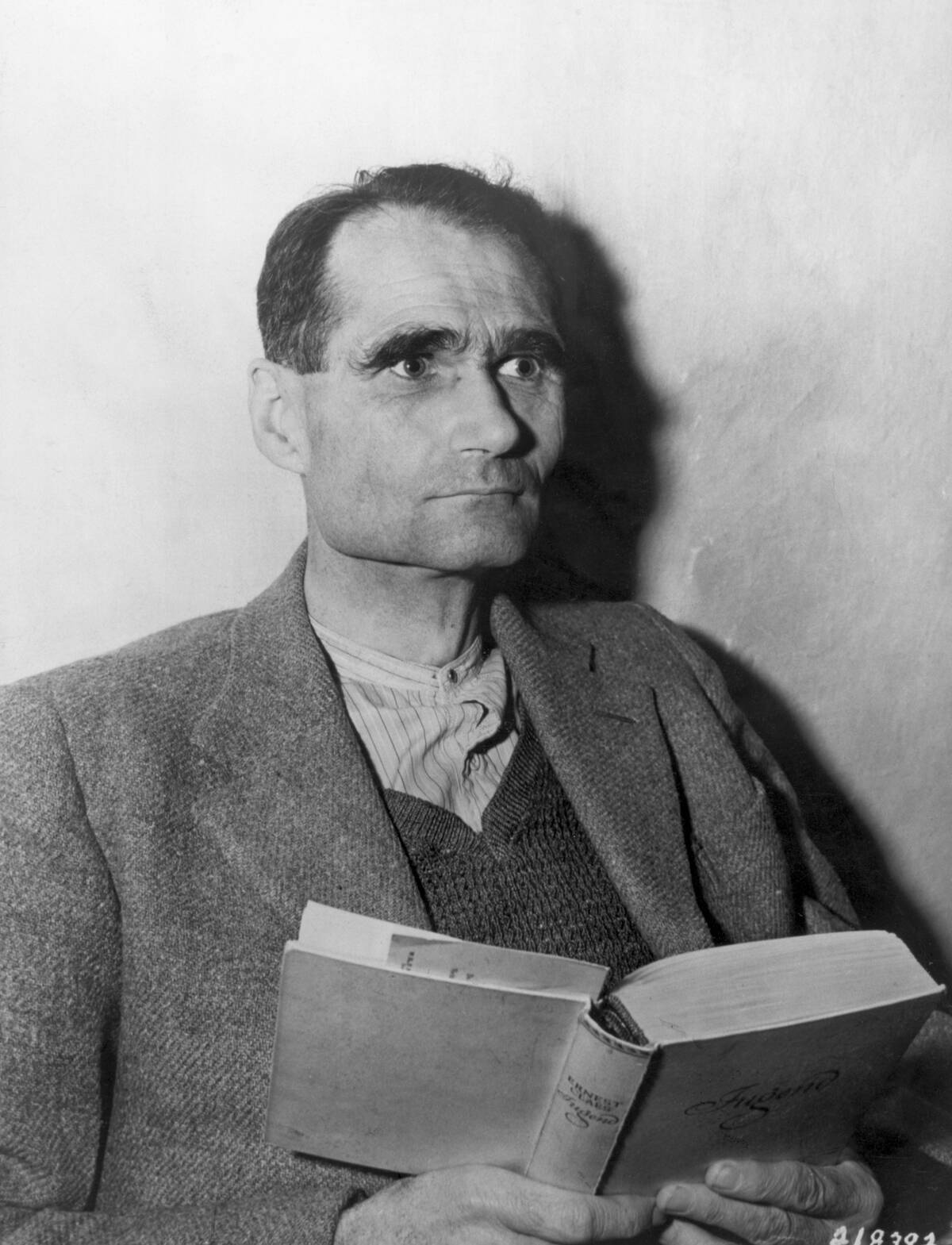
The Thule Society was an occult group in early 20th-century Germany, known for its influence on the Nazi Party. Founded in 1918, it combined esoteric beliefs with nationalist ideology, promoting Aryan supremacy.
The society’s ideas resonated with early Nazi leaders, contributing to the party’s racial theories. Although the Thule Society dissolved as the Nazis rose to power, its impact on the formation of Nazi ideology remains a chilling example of how secret societies can influence history.
The Odd Fellows: Fraternal Order with a Strange Name
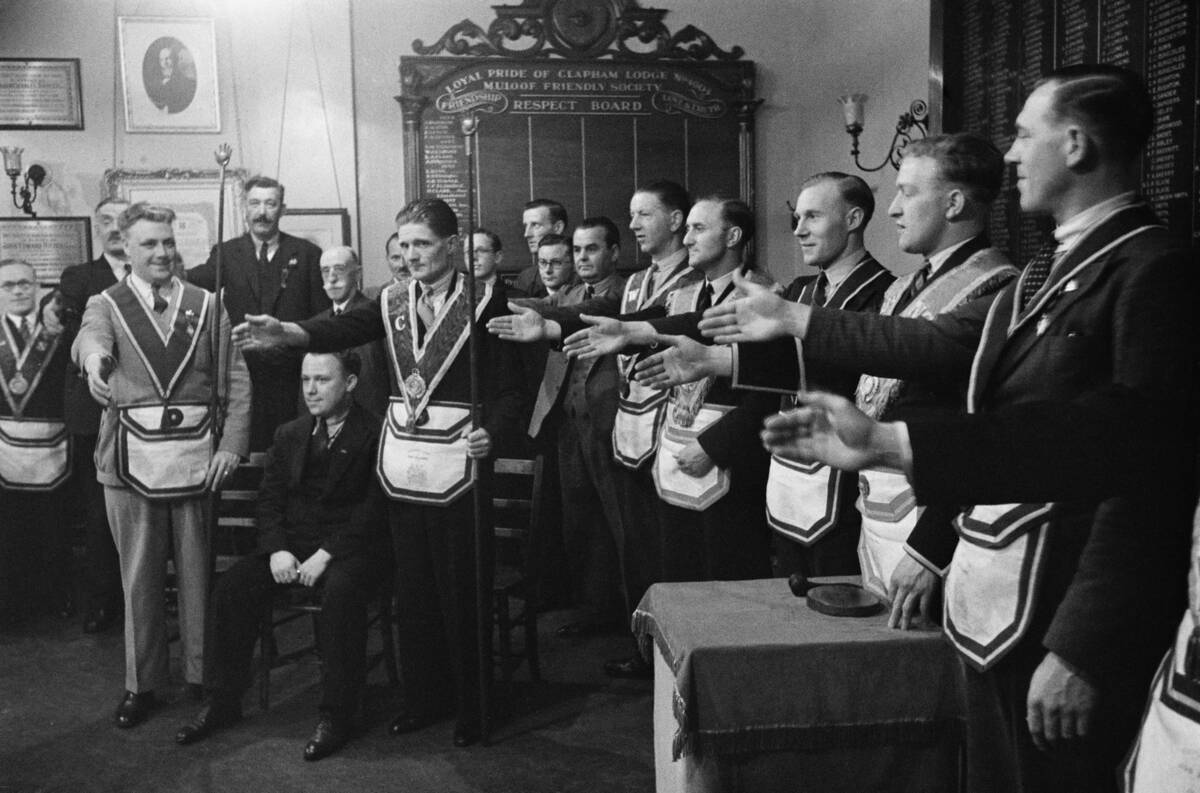
The Odd Fellows is a global fraternal organization with a peculiar name, believed to originate from the “odd” nature of its members (with the “odd jobs” they did being another possible explanation) who pursued philanthropy and community service in the 18th century. Known for their charitable work and support of education, the Odd Fellows maintain a presence worldwide.
While they engage in secret rituals, their primary focus is on friendship, love, and truth. The organization’s quirky name and mysterious traditions contribute to its unique charm and enduring appeal.
The Knights of Pythias: Friendship as a Secret Society
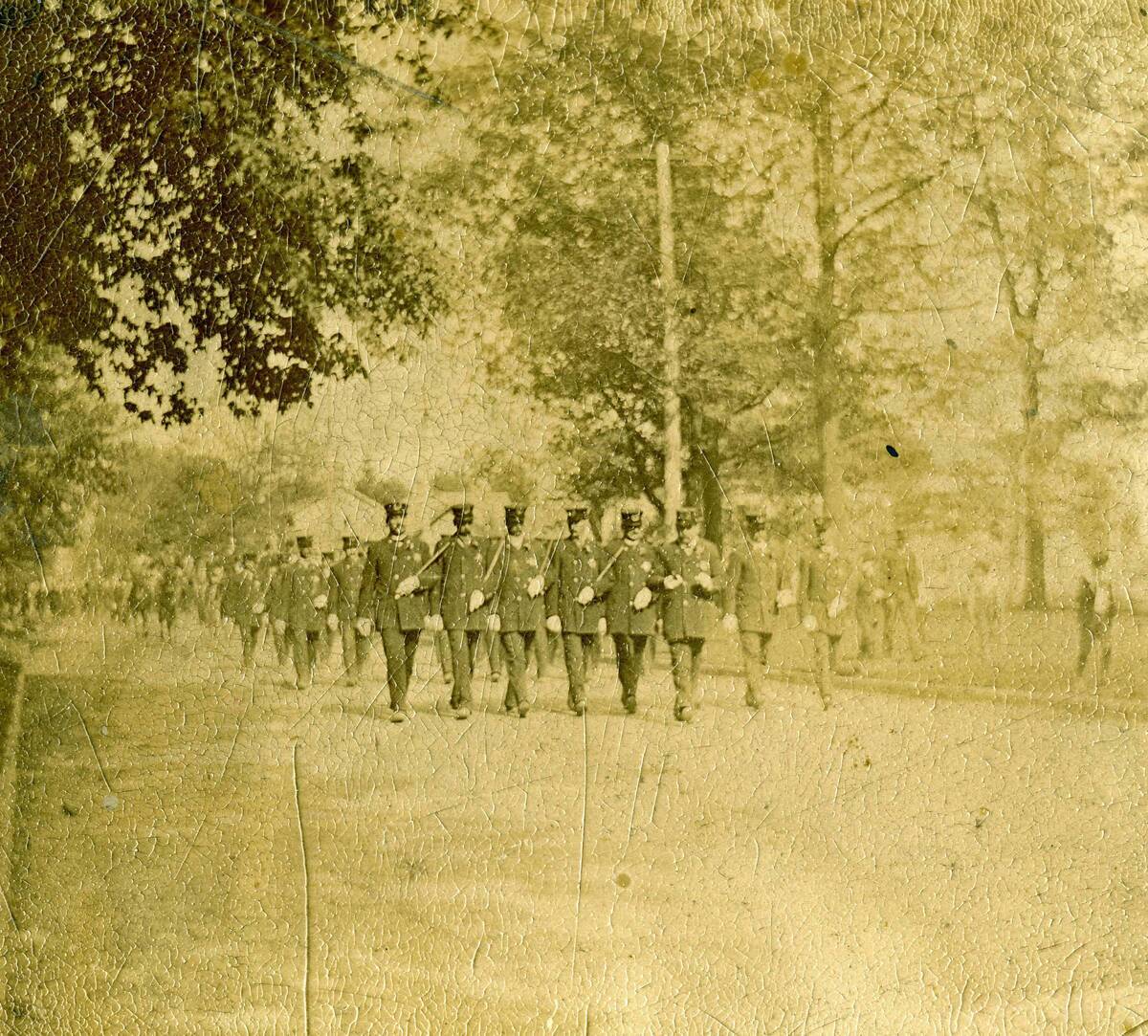
The Knights of Pythias is a fraternal organization founded in 1864, with a focus on promoting friendship and benevolence. Named after the legendary friendship between Damon and Pythias, the society’s ideals are rooted in loyalty and honor.
While not as secretive as other societies, the Knights engage in rituals and maintain a hierarchical structure. Their emphasis on camaraderie and support has earned them a place among notable fraternal organizations, showcasing the power of unity and brotherhood.
The Sons of Liberty: America’s Revolutionary Secret Society
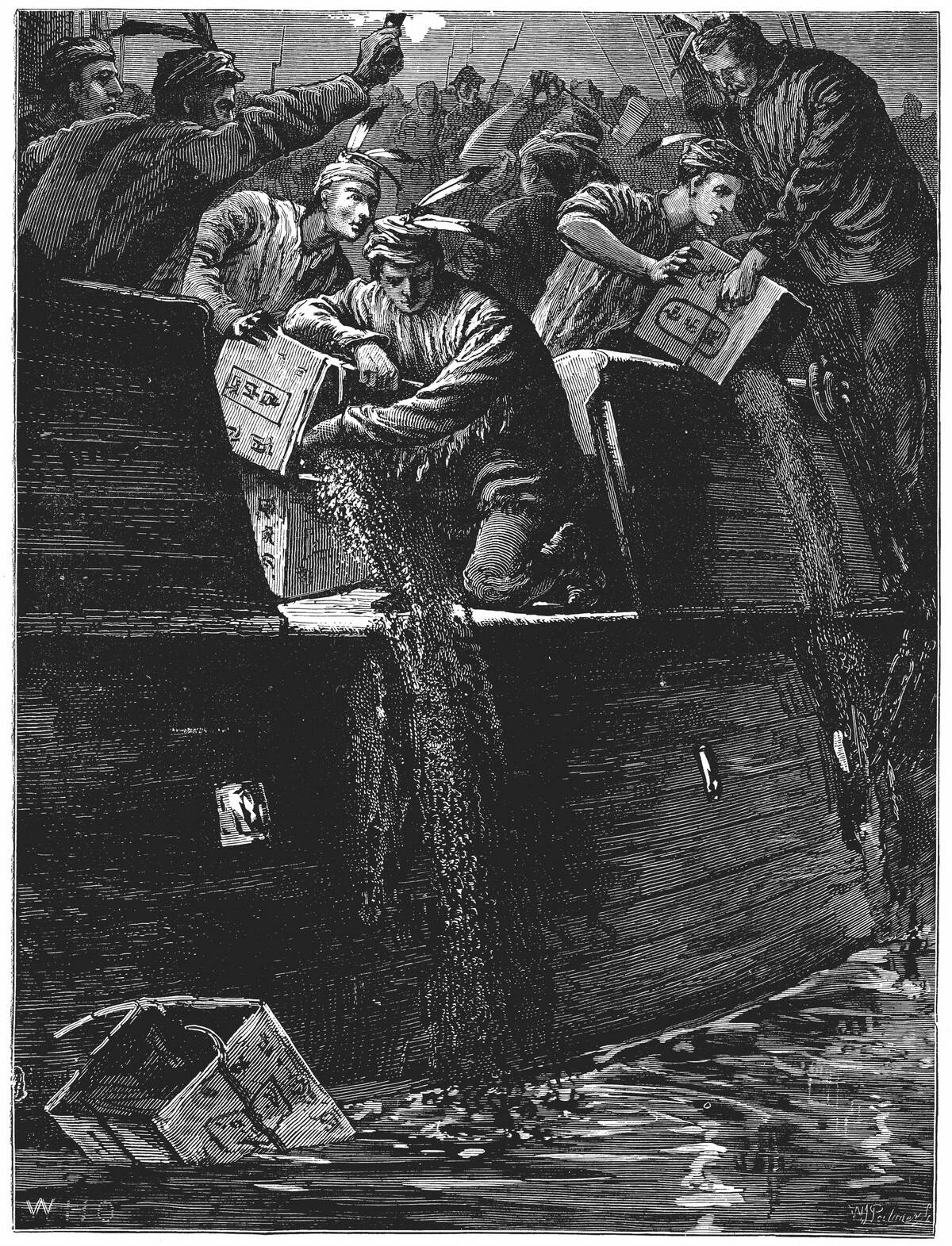
The Sons of Liberty was a secret society formed in the American colonies to oppose British rule. Active in the years leading up to the American Revolution, they organized protests and disseminated revolutionary ideas.
Famous for events like the Boston Tea Party, the Sons of Liberty played a crucial role in mobilizing colonial resistance. Their clandestine (and sometimes violent) activities and fiery rhetoric helped pave the way for American independence, solidifying their place in history as champions of liberty and freedom.
The Molly Maguires: Secret Society of Coal Miners
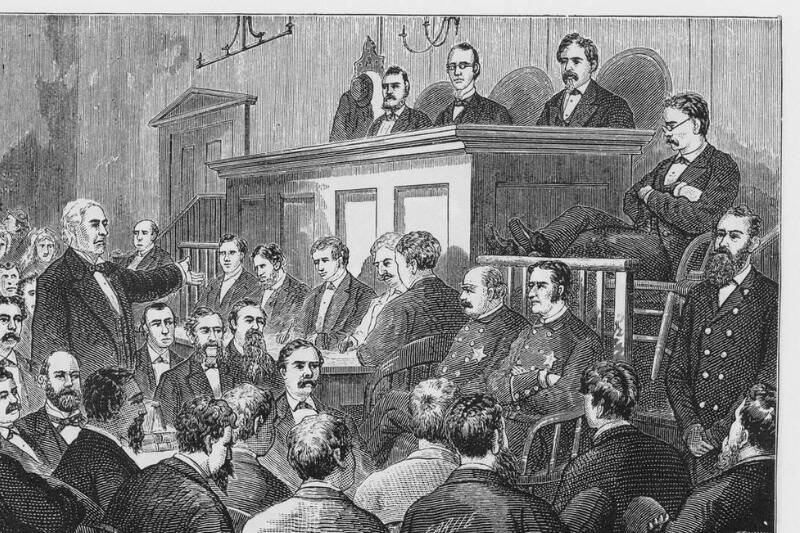
The Molly Maguires were a secret society of Irish-American coal miners in the 19th century, known for their violent resistance against oppressive mining companies. Operating in Pennsylvania, they sought to improve working conditions through intimidation and sabotage.
The Molly Maguires became infamous for their alleged involvement in numerous crimes, leading to a sensational trial and subsequent executions. While their methods were controversial, their struggle highlights the desperate fight for labor rights in a time of widespread exploitation.




