13 Leaders who saved their nations from collapsing
In the grand corridors of political history, there are figures whose influence transcends the pages of textbooks. These leaders, with their indomitable spirit and unwavering resolve, have navigated the tumultuous waters of governance.
Their legacies continue to illuminate the path for future generations. From the resilience of wartime leaders to the visionaries of economic reform, these are the stories of those who have shaped the course of nations, leaving indelible marks on the world stage.
Franklin D. Roosevelt: Steering through the Great Depression
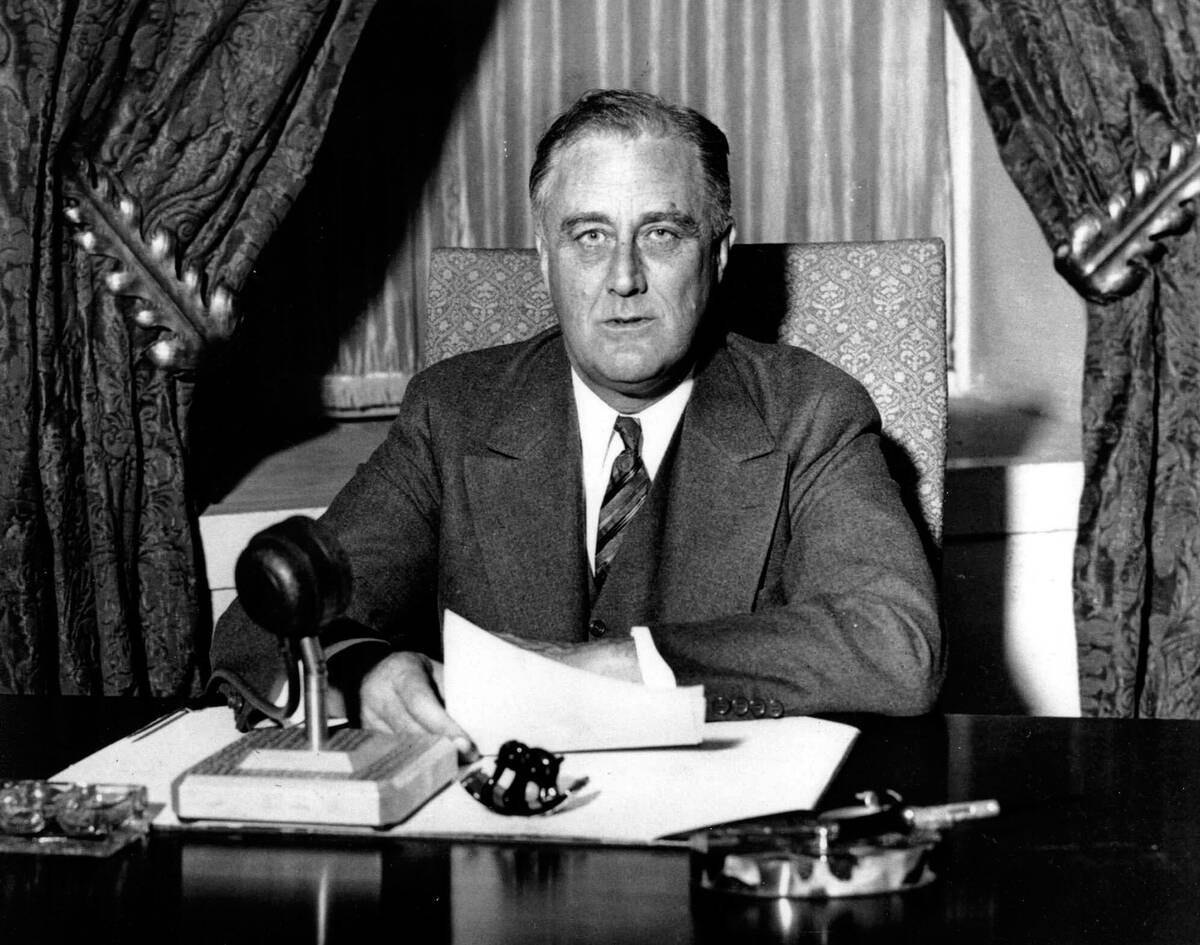
Franklin D. Roosevelt’s presidency is a testament to the power of resilience during one of America’s darkest periods—the Great Depression. Through the New Deal, FDR implemented a series of programs aimed at economic recovery, providing relief to millions of unemployed Americans.
His fireside chats over the radio reassured a nation in despair, fostering a sense of hope and unity. Roosevelt’s leadership not only revitalized the U.S. economy but also reshaped the role of the federal government in American life.
Winston Churchill: The Bulldog Spirit in World War II
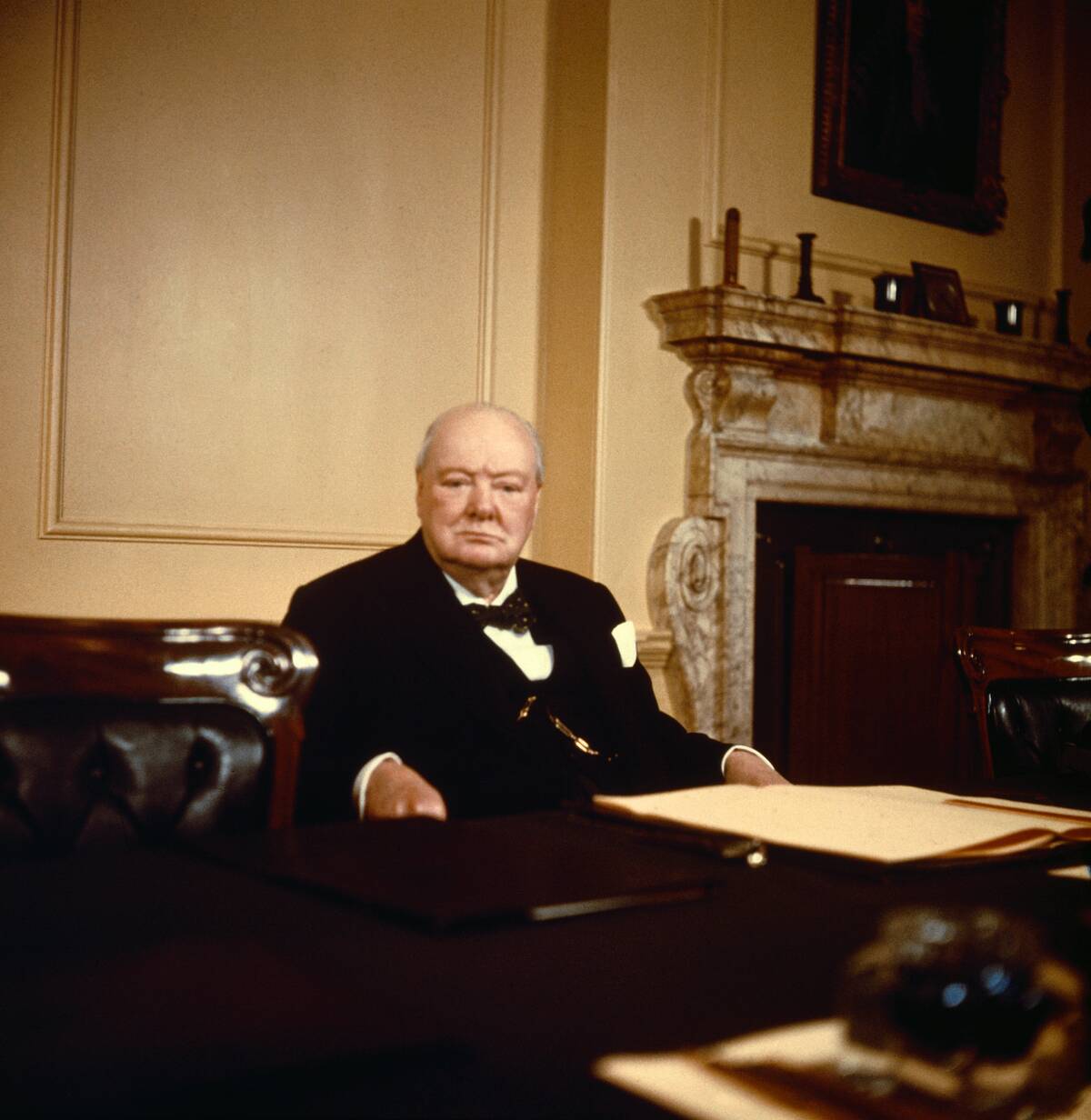
Winston Churchill’s leadership during World War II exemplifies the bulldog spirit, a relentless determination in the face of adversity. Known for his stirring speeches, Churchill rallied the British people during the darkest days of the Blitz, famously declaring, “We shall never surrender.”
His alliance with the United States and the Soviet Union was pivotal in defeating the Axis powers. Churchill’s unyielding resolve and strategic acumen were instrumental in shaping the outcome of the war and the future of Europe.
Nelson Mandela: A Beacon of Hope for South Africa
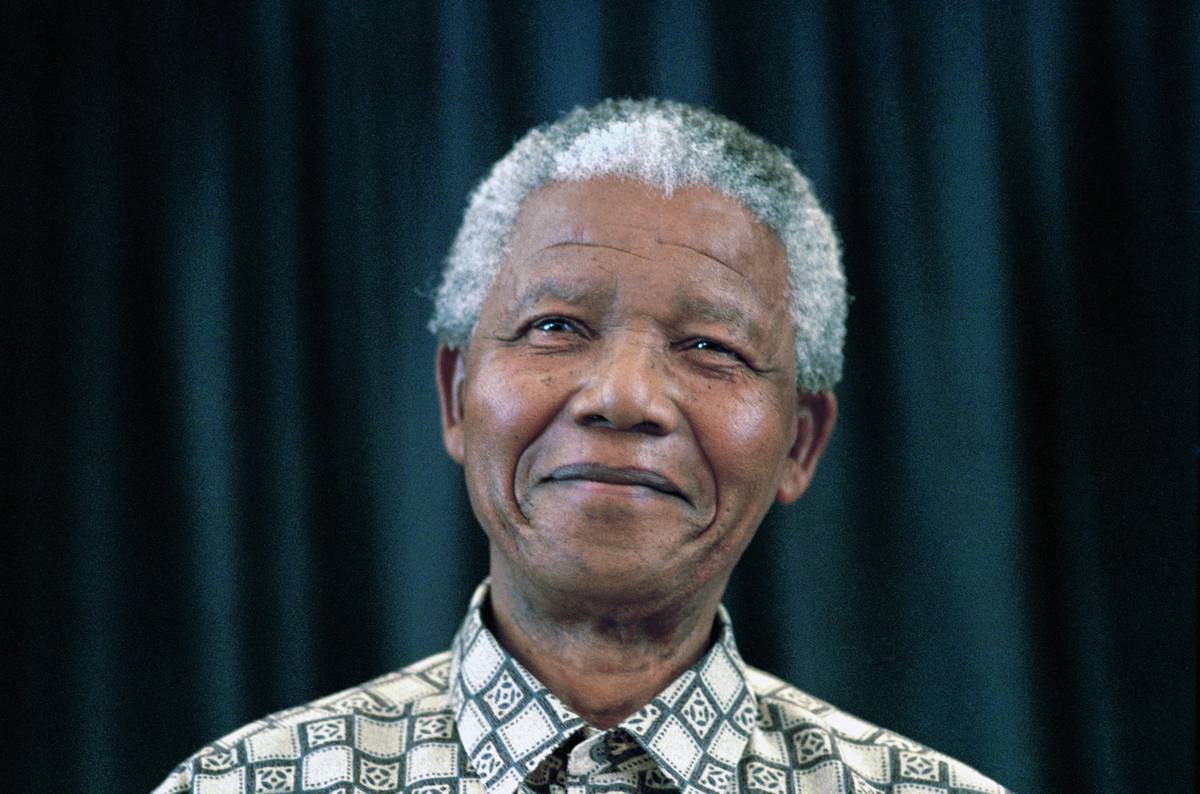
Nelson Mandela’s legacy as a beacon of hope for South Africa is rooted in his unwavering commitment to justice and equality. After 27 years of imprisonment, Mandela emerged as a symbol of reconciliation, leading the country through a peaceful transition from apartheid to democracy.
His presidency focused on healing a fractured nation, promoting racial harmony and forgiveness. Mandela’s profound impact on South Africa’s social and political landscape continues to inspire movements for justice and equality worldwide.
Lech Wałęsa: The Solidarity Movement in Poland
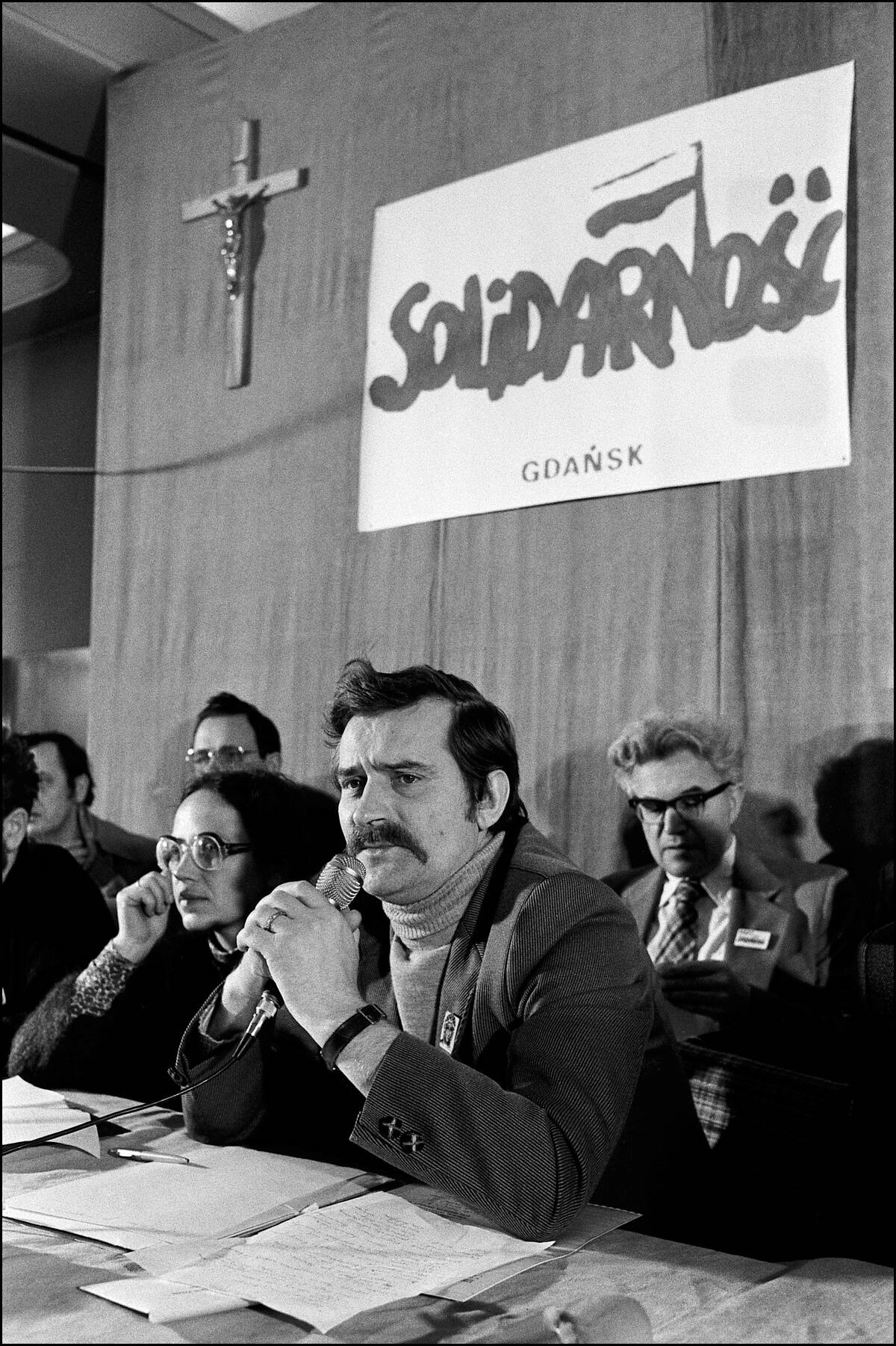
Lech Wałęsa, an electrician turned statesman, played a pivotal role in the fall of communism in Eastern Europe through his leadership of the Solidarity movement in Poland. As a co-founder of the first independent labor union in the Soviet bloc, Wałęsa’s efforts challenged the authoritarian regime, leading to significant political change.
His peaceful advocacy for workers’ rights and democratic reforms culminated in the first partially-free elections in Poland, signaling the beginning of the end for communist dominance in the region.
Mikhail Gorbachev: Reforms that Ended the Cold War
![[redacted]](https://media.tellmebest.com/wp-content/uploads/2023/09/mikhail-gorbachev-87043.jpeg)
Mikhail Gorbachev’s tenure as the leader of the Soviet Union was marked by groundbreaking reforms that ushered in the end of the Cold War. Through policies of glasnost (openness) and perestroika (restructuring), Gorbachev sought to modernize the Soviet economy and promote political transparency.
His willingness to engage with Western leaders and reduce nuclear arms significantly eased tensions. Gorbachev’s reforms not only transformed the Soviet Union but also paved the way for greater global cooperation and the eventual dissolution of the Iron Curtain.
Deng Xiaoping: Economic Reforms in China
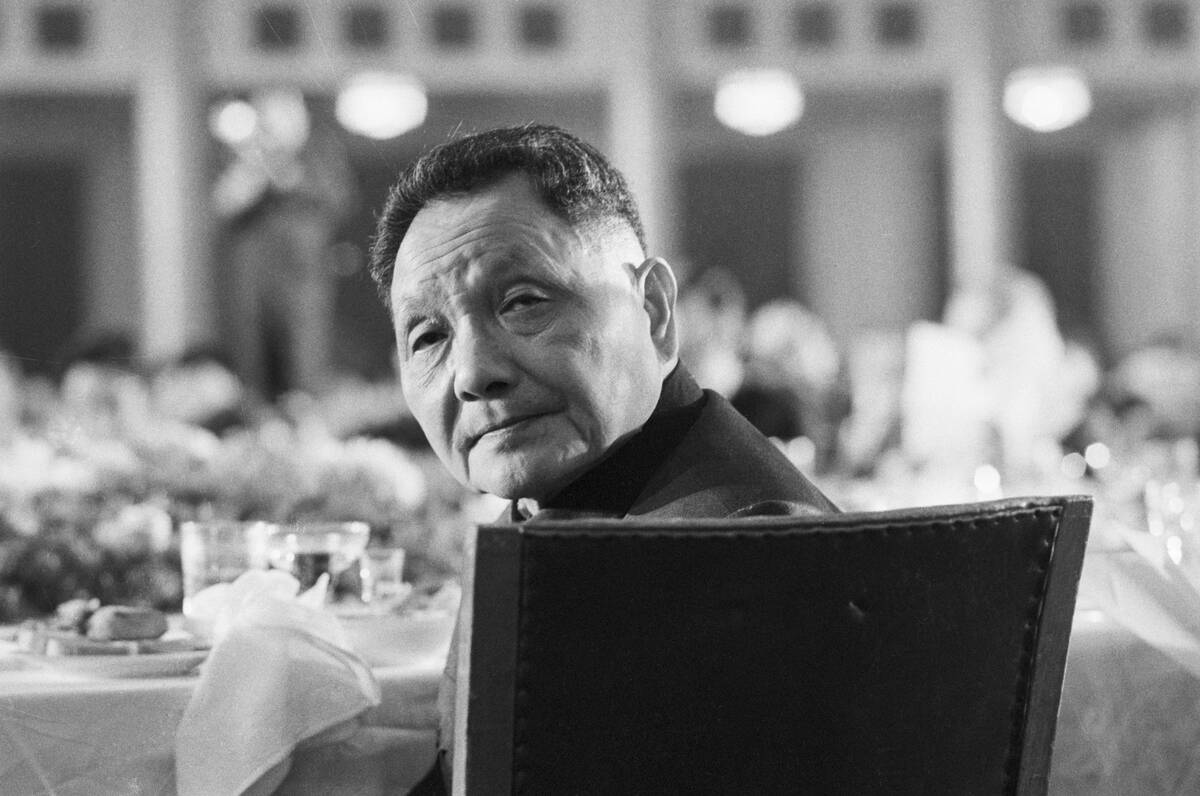
Deng Xiaoping’s leadership in China is synonymous with economic reform and modernization. Taking the reins after Mao Zedong, Deng introduced policies that shifted China towards a market economy, famously coining the phrase, “It doesn’t matter whether a cat is black or white, as long as it catches mice.”
His pragmatic approach led to unprecedented economic growth, lifting millions out of poverty and transforming China into a global economic powerhouse. Deng’s reforms laid the foundation for China’s rise on the world stage.
Angela Merkel: The Stabilizing Force in Europe
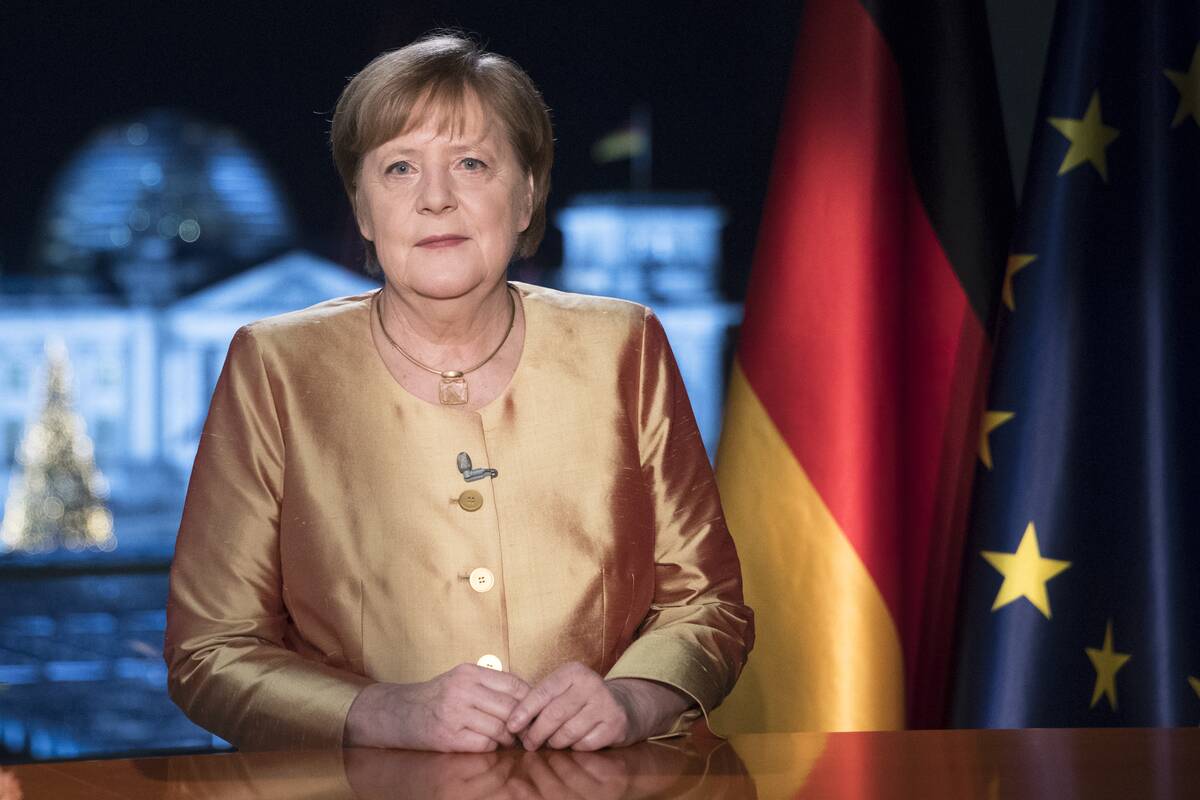
Angela Merkel’s tenure as Germany’s Chancellor is characterized by her role as a stabilizing force in Europe. Often dubbed the “de facto leader of the EU,” Merkel’s pragmatic and cautious approach helped navigate the continent through numerous crises, including the Eurozone financial crisis and the refugee influx.
Her emphasis on fiscal responsibility and humanitarian values bolstered Germany’s position as a leader in the EU. Merkel’s legacy is one of stability and continuity, marking a significant era in European politics.
Lee Kuan Yew: Transforming Singapore
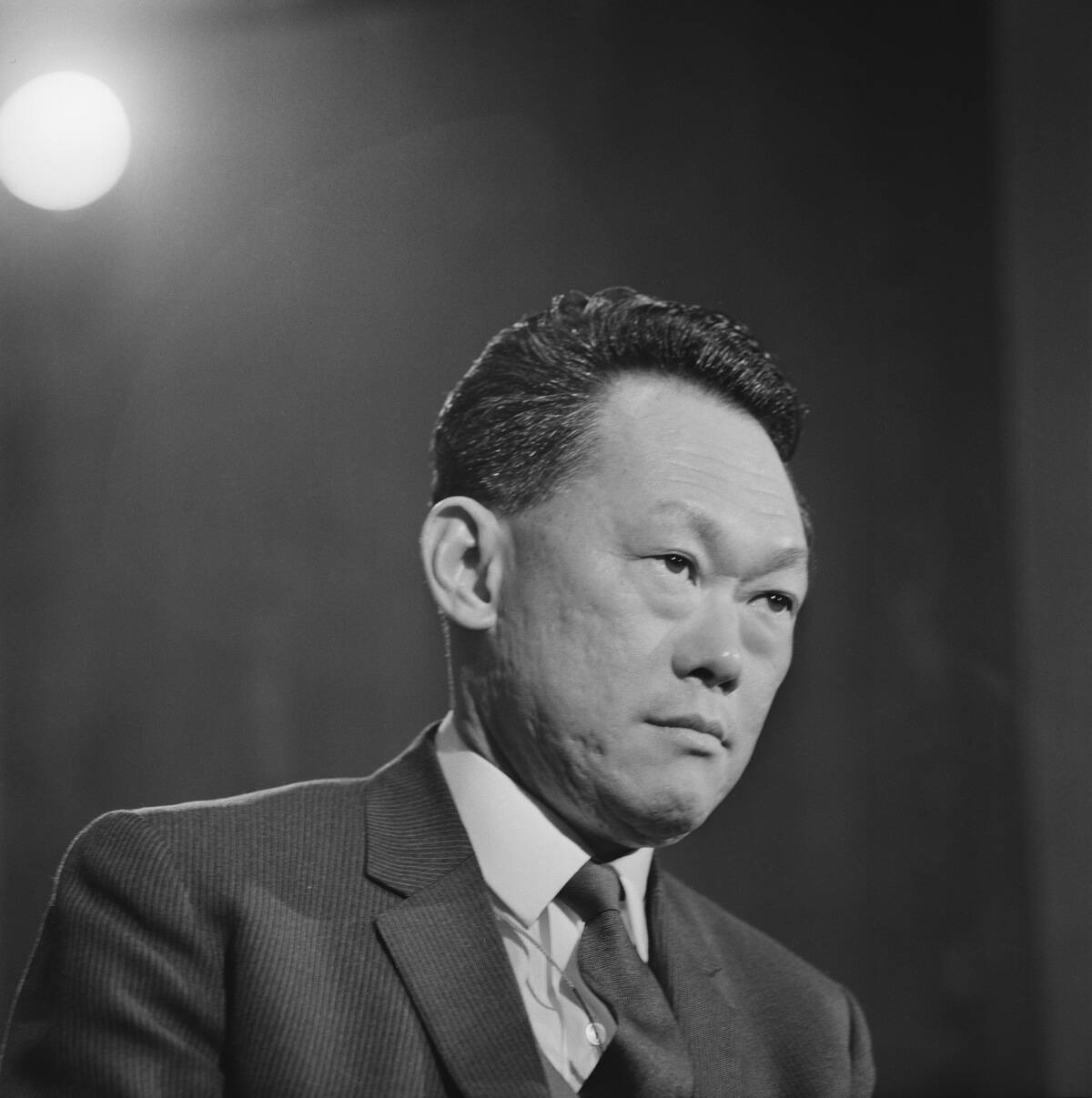
Lee Kuan Yew’s visionary leadership transformed Singapore from a struggling former British colony into a thriving global financial hub. As the country’s first Prime Minister, Lee implemented policies that emphasized economic growth, education, and anti-corruption.
His focus on creating a clean and efficient government attracted foreign investment and fostered rapid industrialization. Under Lee’s guidance, Singapore became known for its high standard of living and multicultural harmony, setting a benchmark for development across Asia.
Juan Manuel Santos: Peace Deal in Colombia
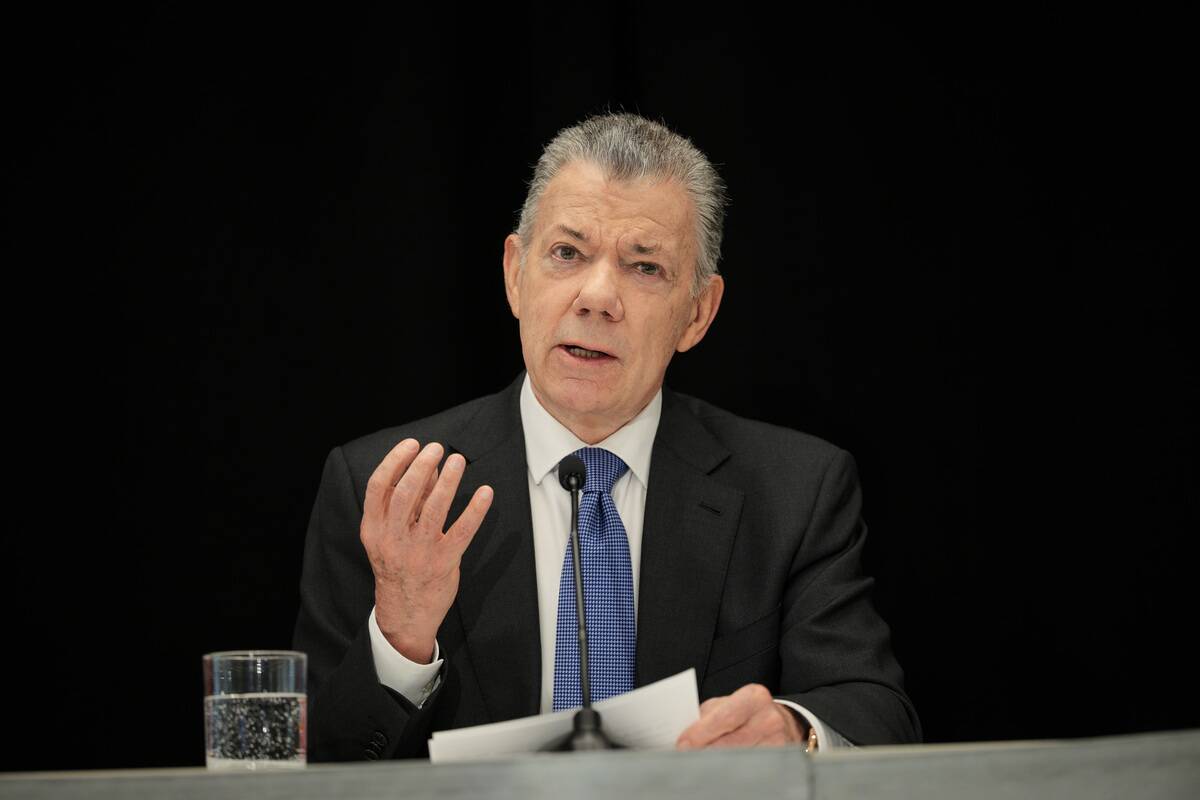
Juan Manuel Santos is celebrated for his pivotal role in brokering a historic peace deal with the FARC guerrillas, bringing an end to over five decades of conflict in Colombia. His efforts were recognized globally, earning him the Nobel Peace Prize in 2016.
The peace agreement, although contentious, marked a turning point for Colombia, paving the way for national reconciliation and development. Santos’ commitment to peace and dialogue has left a lasting impact on Colombia’s pursuit of stability and growth.
Mahathir Mohamad: Reviving Malaysia’s Economy
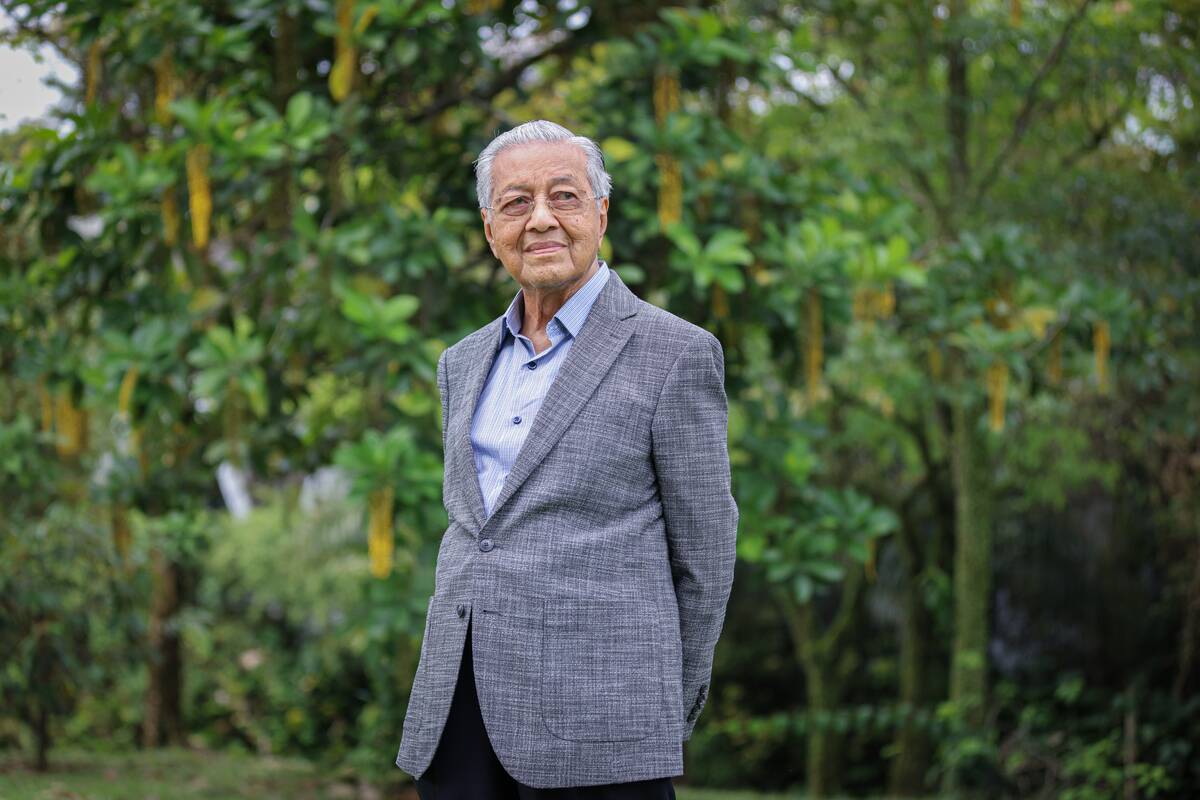
Mahathir Mohamad’s leadership is credited with revitalizing Malaysia’s economy and shaping its modern identity. Serving as Prime Minister for over two decades in two non-consecutive terms, Mahathir implemented bold economic policies that spurred industrialization and infrastructure development.
His Vision 2020 plan aimed to transform Malaysia into a fully developed nation. Mahathir’s influence on Malaysia’s economic landscape remains profound, as his policies continue to impact the nation’s growth trajectory and international standing.
F.W. de Klerk: Paving the Way for a New South Africa
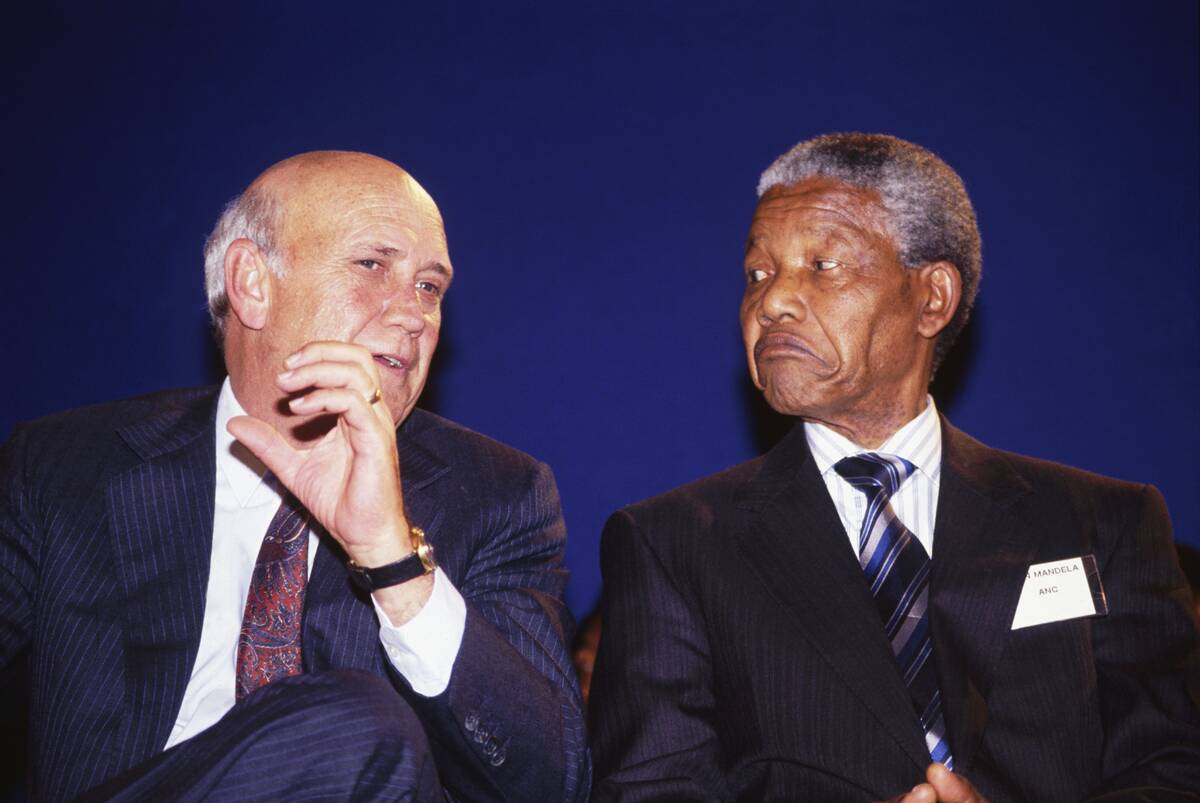
F.W. de Klerk’s presidency played a crucial role in dismantling apartheid in South Africa. Recognizing the unsustainable nature of apartheid, de Klerk initiated reforms that led to the release of Nelson Mandela and the legalization of previously banned political parties.
His willingness to engage in negotiations paved the way for the country’s first multiracial elections. De Klerk’s efforts in transitioning South Africa towards a democratic society earned him, alongside Mandela, the Nobel Peace Prize, marking a pivotal moment in the nation’s history.
Mustafa Kemal Atatürk: Modernizing Turkey
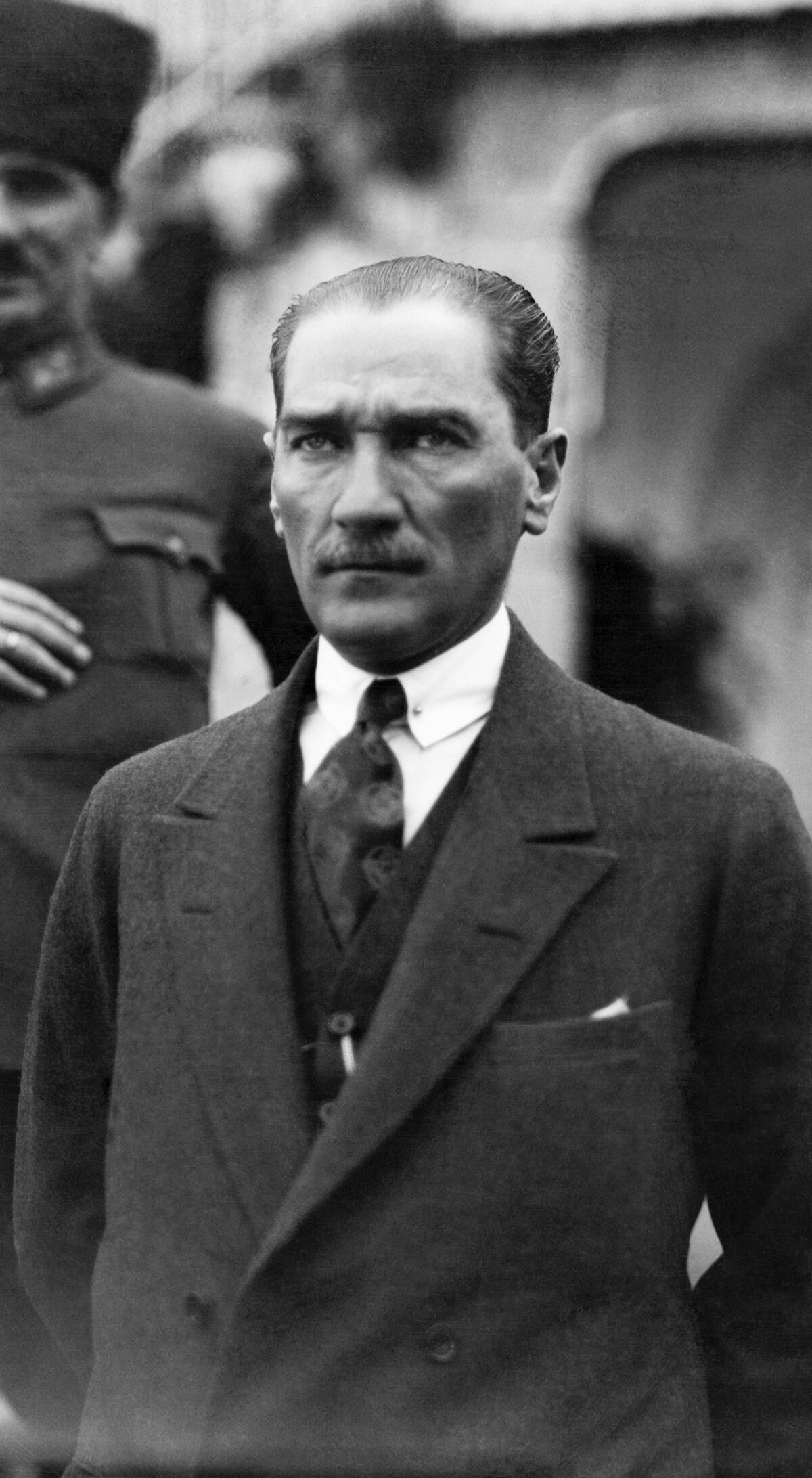
Mustafa Kemal Atatürk, the founder of the Republic of Turkey, embarked on an ambitious project to modernize and secularize the nation. After the fall of the Ottoman Empire, Atatürk implemented sweeping reforms, including the adoption of a new legal system, the Latin alphabet, and the promotion of women’s rights.
His vision of a secular, progressive Turkey laid the foundation for its modernization. Atatürk’s legacy is celebrated annually on Republic Day, reflecting his enduring influence on Turkey’s national identity and development.
John F. Kennedy: Navigating the Cuban Missile Crisis
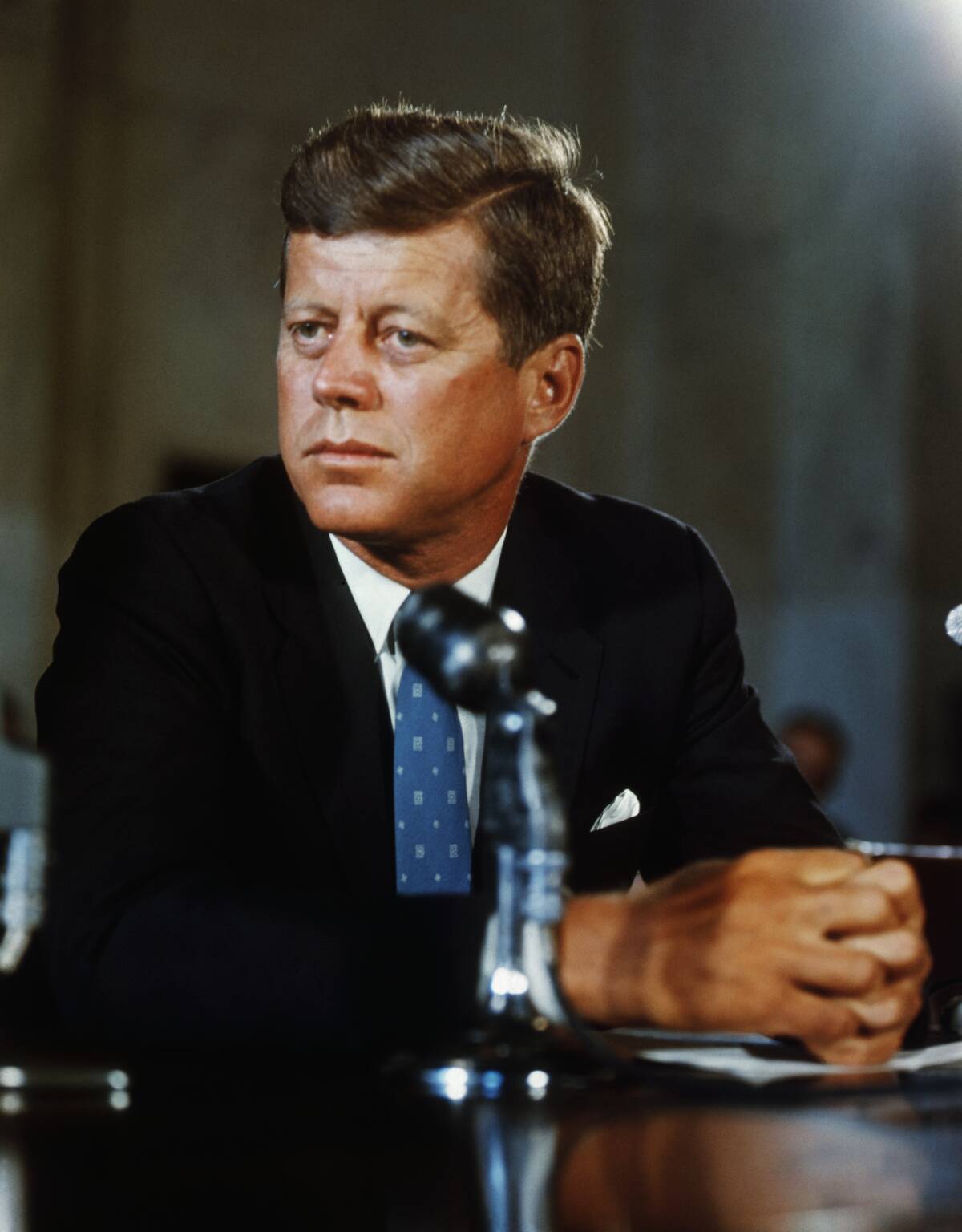
John F. Kennedy’s adept handling of the Cuban Missile Crisis is often hailed as a masterclass in diplomacy and crisis management. In October 1962, the discovery of Soviet missiles in Cuba brought the world to the brink of nuclear war.
Through a combination of naval blockades and back-channel negotiations, Kennedy successfully averted conflict, resulting in the removal of missiles from Cuba. His leadership during this tense period not only strengthened U.S. resolve but also set a precedent for peaceful conflict resolution in the nuclear age.
Lessons from Leaders: A Guide for Future Generations
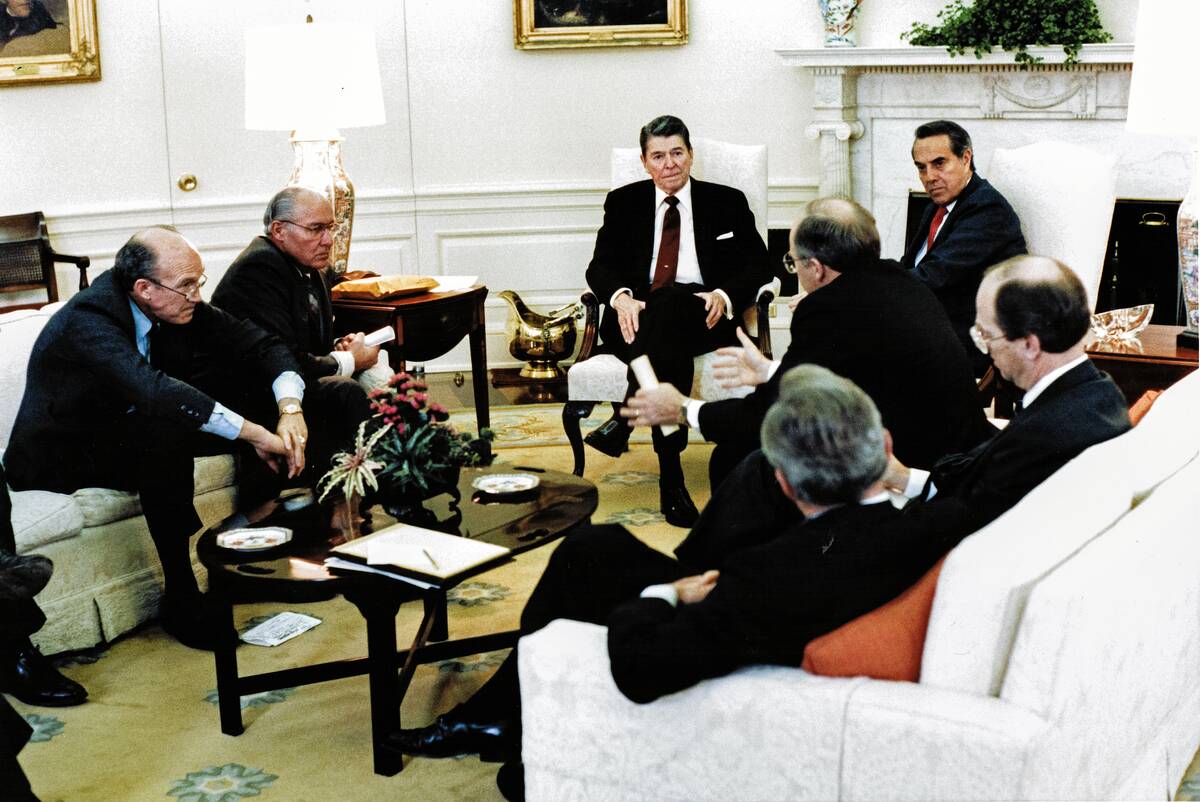
The stories of these remarkable leaders offer valuable lessons for future generations. Their ability to inspire change, navigate crises, and foster unity demonstrates the power of vision and resilience. Each leader, in their unique way, has contributed to shaping a more just and peaceful world.
As we look to the future, their legacies remind us of the importance of courage, empathy, and innovation in leadership. These lessons serve as a guide, encouraging future leaders to embrace challenges and continue the pursuit of progress and prosperity.




