16 Popular superstitions with ritual origins
Superstitions have been a part of human culture for centuries, weaving a complex tapestry of beliefs across the globe. These intriguing notions, often based on fear or hope, shape behaviors and traditions in curious ways.
From avoiding certain numbers to carrying amulets, superstitions provide comfort and guidance in an unpredictable world. Despite the advances of science, many people still find solace in these age-old customs, blending them seamlessly into modern life.
The Black Cat Conundrum: A Tale of Witches and Luck
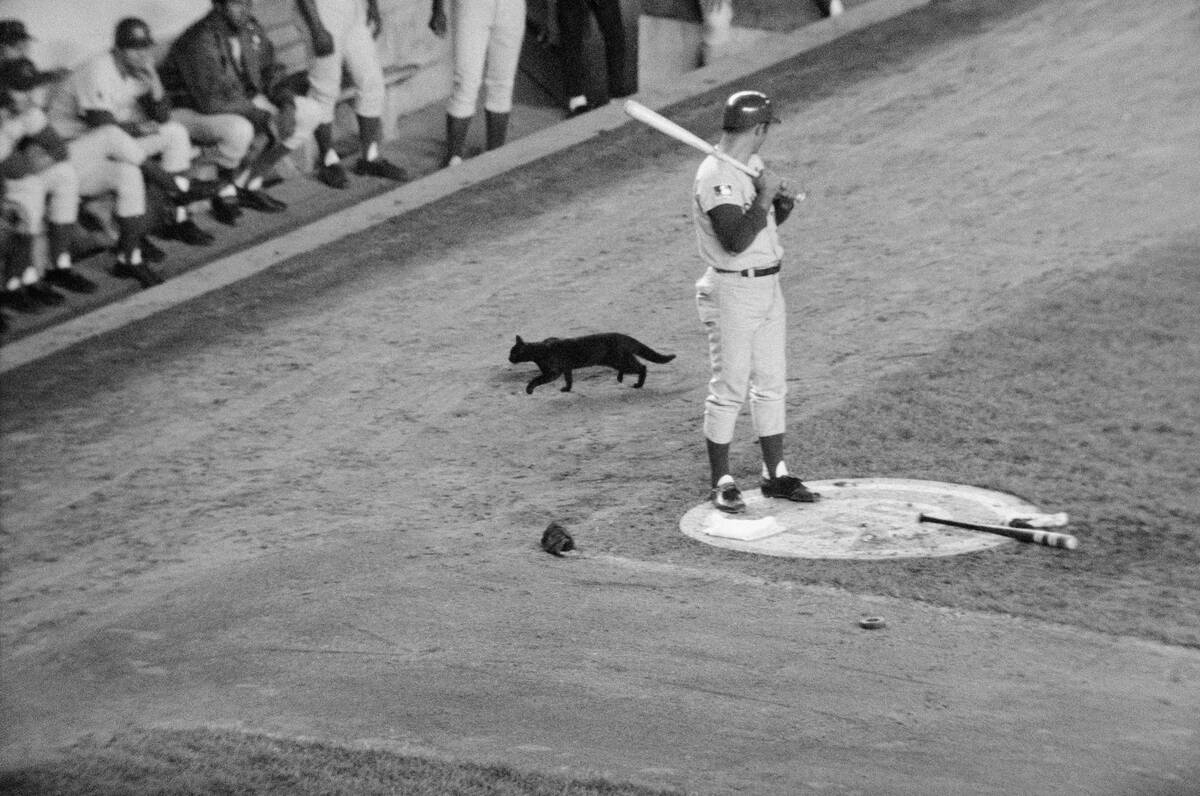
Encountering a black cat is considered either an omen of bad luck or a harbinger of good fortune, depending on where you are. In medieval Europe, black cats were often associated with witches, thought to be their familiars or even witches in disguise.
Conversely, in British and Japanese cultures, a black cat crossing your path is seen as a sign of good luck. This duality highlights how superstitions can vary greatly across different regions and historical periods.
Walking Under Ladders: Ancient Architecture to Bad Omens

The fear of walking under ladders stems from ancient Egypt, where triangles were sacred symbols of the gods. Passing through a ladder formed a triangle, potentially angering the deities.
This superstition persisted through the ages, morphing into a general belief that walking under a ladder brings bad luck. Today, while many avoid ladders for practical safety reasons, the ancient lore still whispers reminders of the mystical risks involved.
Breaking Mirrors: Reflections of the Soul and Fortune

Breaking a mirror is said to bring seven years of bad luck, a belief rooted in the Roman idea that mirrors reflect the soul. Romans believed the soul regenerates every seven years, thus explaining the extended period of misfortune.
In some cultures, mirrors were thought to trap a part of the soul, making their breakage a serious matter. Whether one sees it as a simple household accident or a spiritual disaster, the superstition remains a compelling part of cultural folklore.
Friday the 13th: The Ultimate Unlucky Day
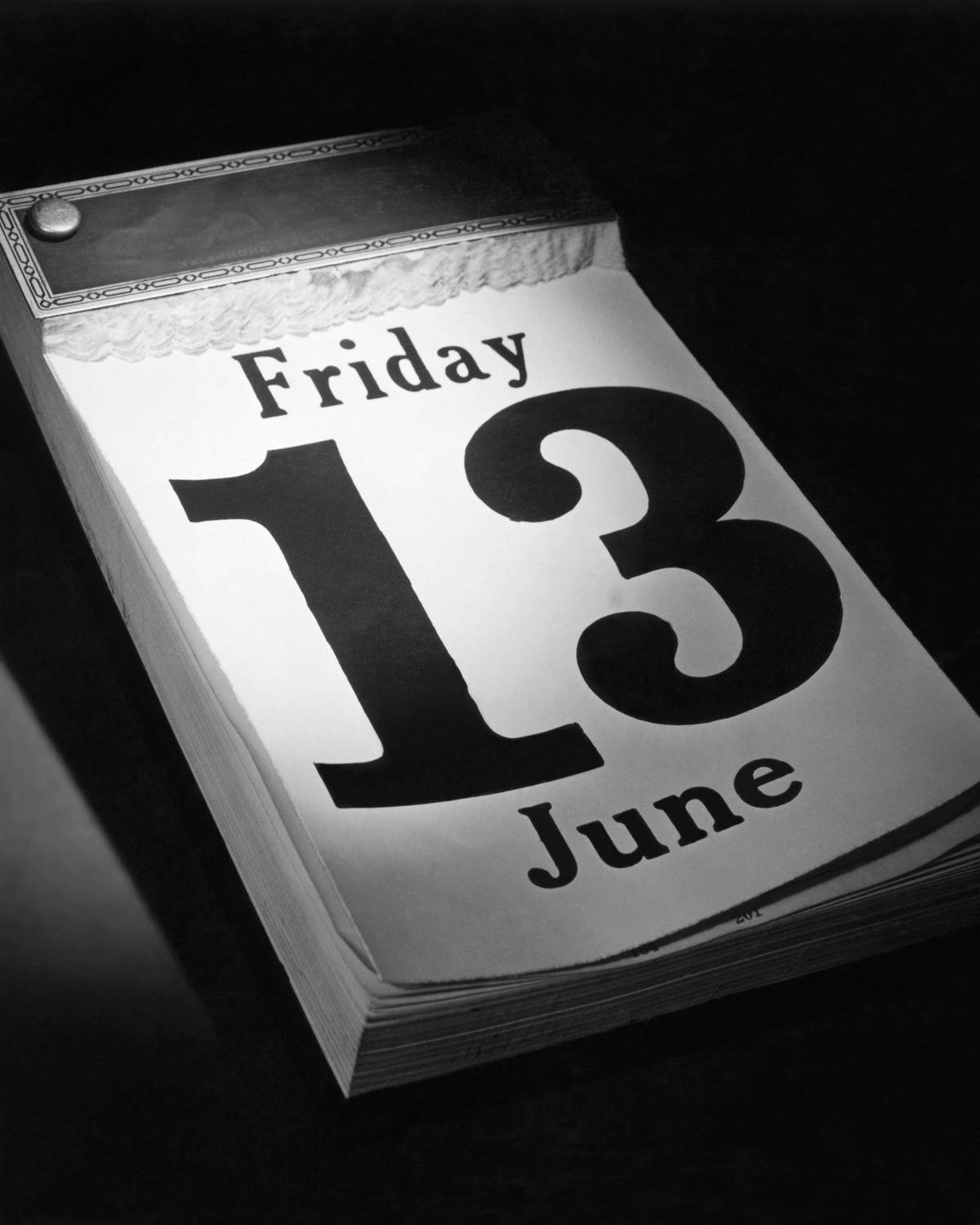
The dread of Friday the 13th is a relatively modern superstition, combining the unlucky number 13 with the traditionally unlucky day, Friday. Some trace its origins to the Last Supper, where 13 guests were present, leading to Judas’s betrayal.
Others cite the arrest of the Knights Templar on Friday, October 13, 1307, as a source. Whatever its roots, the fear of Friday the 13th has become a cultural phenomenon, inspiring everything from horror movies to cautious travel plans.
Knocking on Wood: Pagan Practices and Protection

Knocking on wood is a common practice to ward off bad luck, with roots in ancient pagan beliefs. Many cultures revered trees as homes of spirits or gods, and touching wood was thought to invoke their protection.
This gesture evolved into the modern ritual of knocking on wood, a testament to its enduring influence. Despite its simplicity, this superstition continues to offer reassurance in times of uncertainty, a gentle nod to nature’s perceived power.
The Evil Eye: A Cross-Cultural Glare of Misfortune
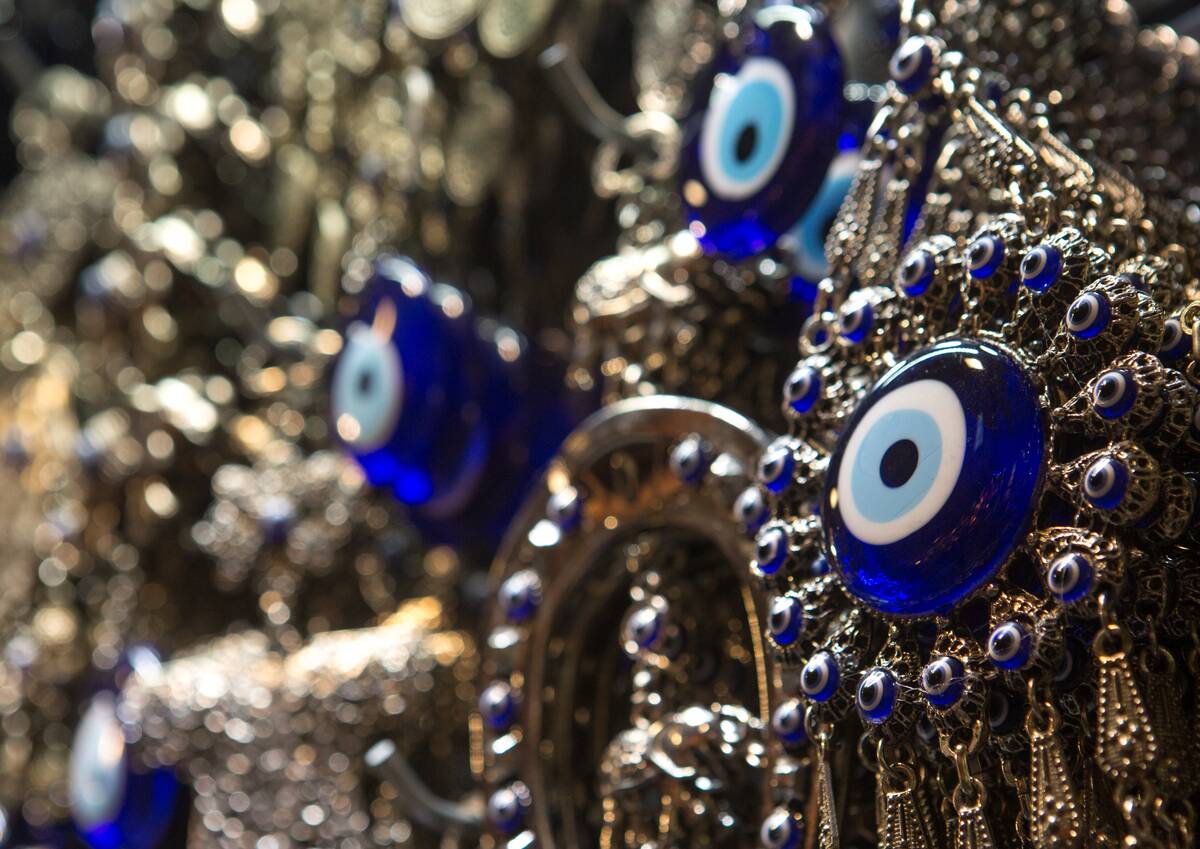
The evil eye is a belief that a malevolent glare can cause harm, a concept found in cultures from Greece to India. Protective amulets, often blue and shaped like an eye, are worn to deflect this curse.
The fear of the evil eye reflects a deep-seated concern about envy and its potential consequences. This superstition highlights the universality of human fears and the creative ways cultures develop to protect against unseen threats.
Horseshoes for Good Luck: From Hoof to Household
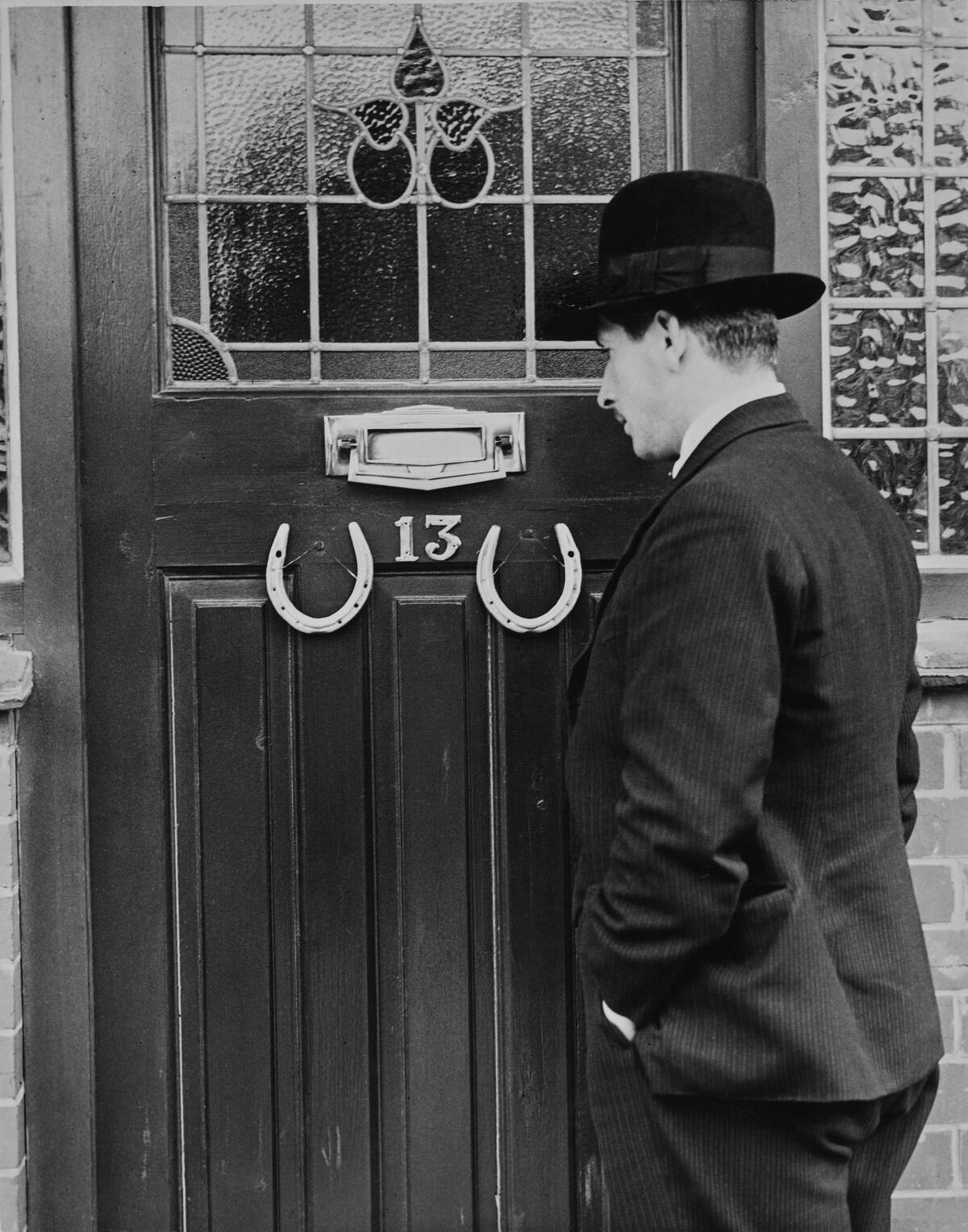
Horseshoes have long been symbols of luck, their origins steeped in ancient folklore. Blacksmiths, who worked with fire and iron, were thought to have magical powers, and their creations—horseshoes—were believed to ward off evil.
In medieval Europe, hanging a horseshoe above a door was thought to protect against witches and misfortune. Whether nailed up or carried for luck, the humble horseshoe remains a cherished talisman in many cultures.
The Power of Salt: Protection and Purification Rituals

Salt has been used for protection and purification in various cultures, prized for its preservative properties. Ancient Romans scattered salt to purify spaces, while in Japan, sumo wrestlers throw salt into the ring to ward off evil spirits.
The ritual of using salt reflects its historical value and the belief in its cleansing power. Today, people still toss salt over their shoulder to counteract bad luck, a nod to its enduring reputation as a protective agent.
Rabbit’s Foot: A Lucky Charm from Hunting Traditions

The rabbit’s foot is a well-known symbol of luck, with origins in African American folklore. It was believed that carrying the left hind foot of a rabbit, caught in a cemetery under a full moon, could bring good fortune.
This notion likely spread through cultural exchanges and became popular in Western superstition. Despite its quirky requirements, the rabbit’s foot remains a popular talisman, tucked into pockets and purses as a portable charm of good luck.
The Wishbone: Dining Practices to Dreams Come True
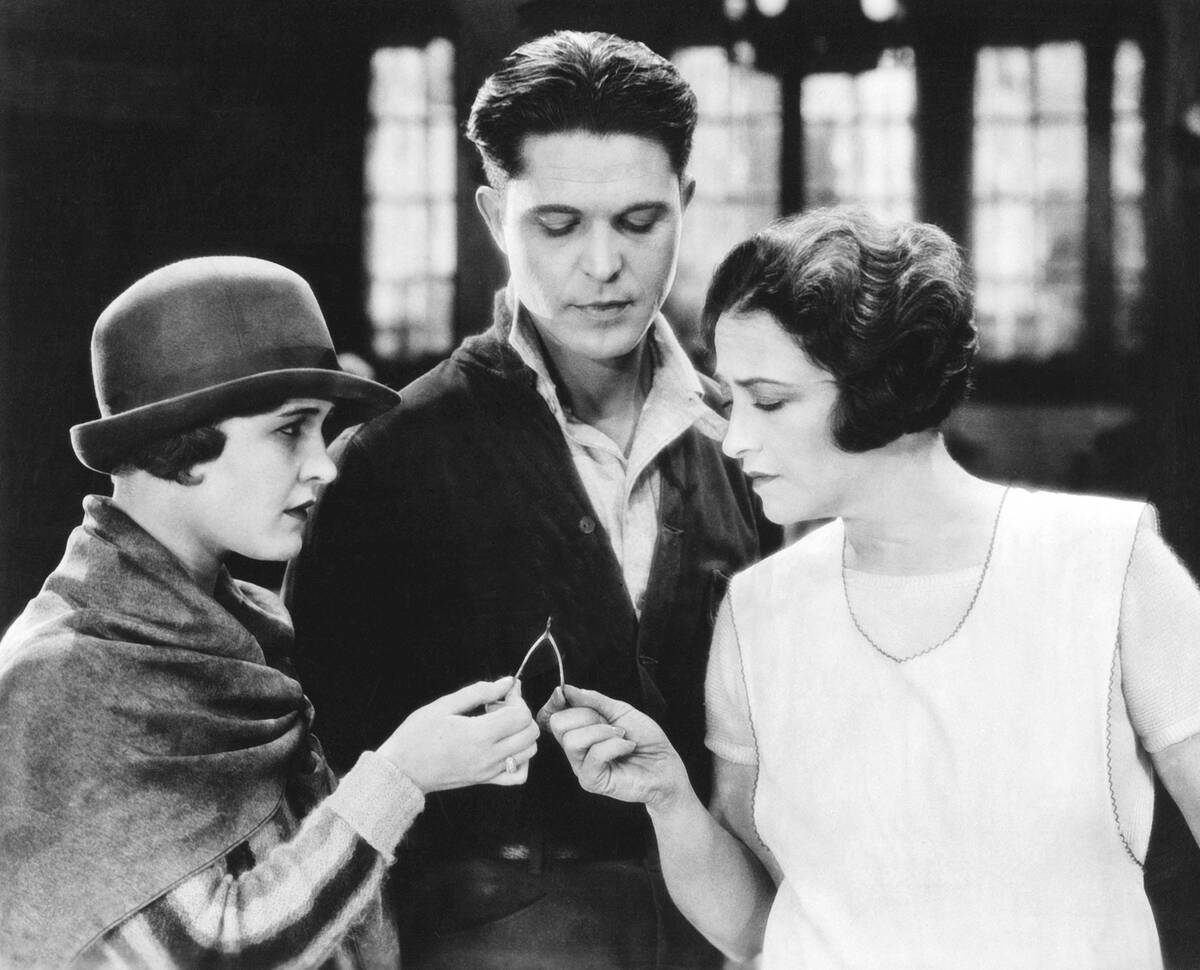
The tradition of breaking a wishbone dates back to ancient Rome, where the Etruscans believed fowl bones held the power of foresight. After a feast, two people would pull apart the wishbone, with the person holding the larger piece granted a wish.
This charming ritual migrated through Europe and into American Thanksgiving traditions. The wishbone ceremony is a delightful blend of history and hope, adding a touch of magic to mealtime celebrations.
Crossing Fingers: Ancient Signs of Hope and Unity
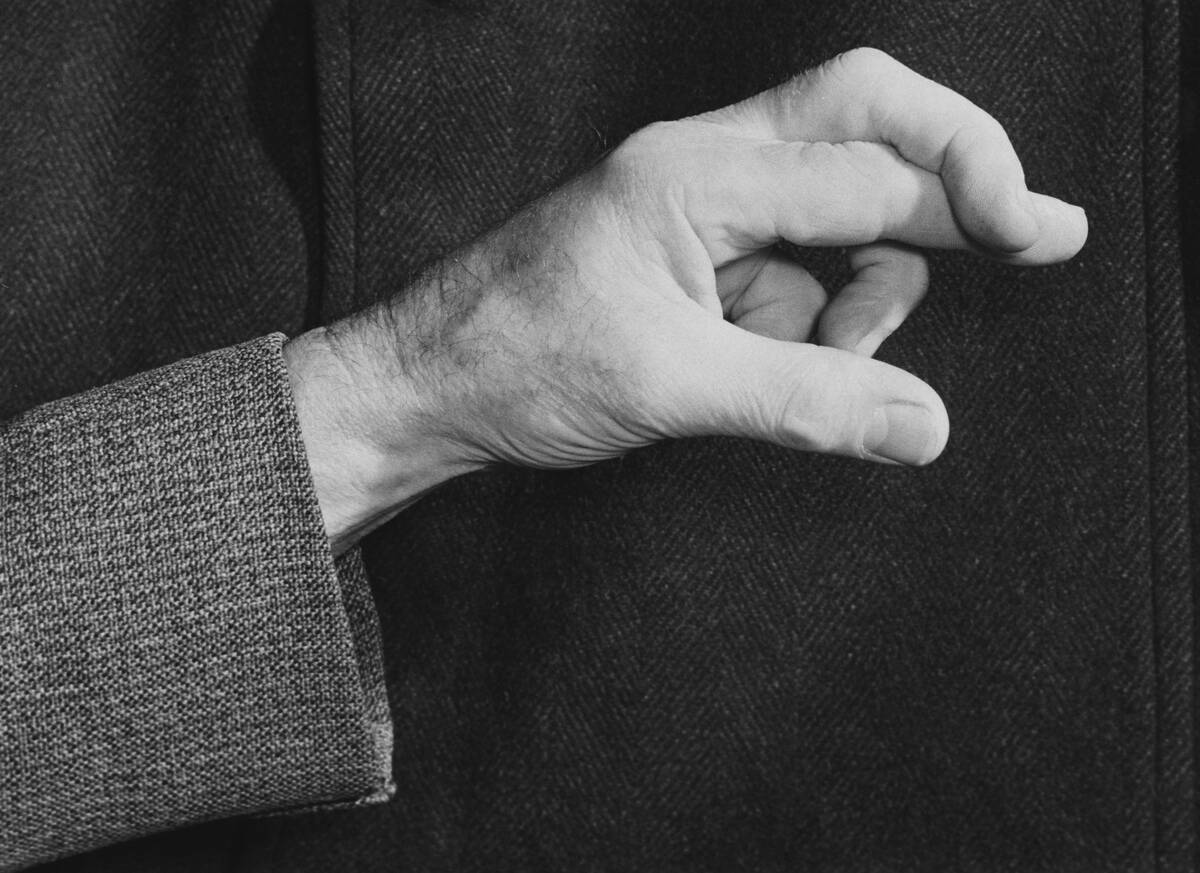
Crossing fingers for luck is a gesture with roots in early Christianity, when persecuted believers would make the sign to recognize each other. It was also believed that making a cross with your fingers could trap evil spirits.
Over time, this evolved into a sign of hope and good luck, uniting people in shared aspirations. Whether used to accompany a hopeful wish or as a playful promise, crossing fingers remains a widespread and enduring symbol of positivity.
Opening Umbrellas Indoors: From Royalty to Risk
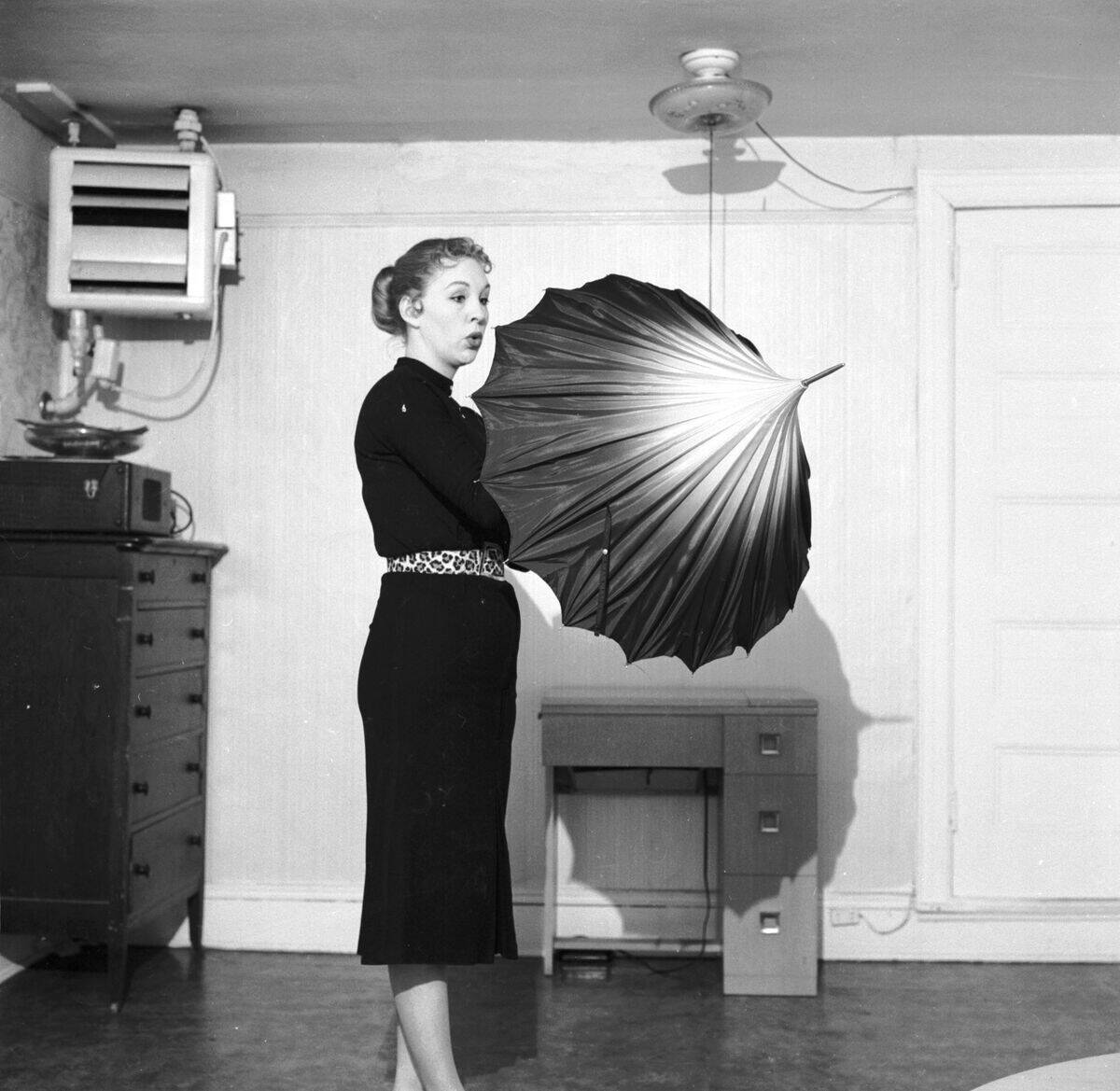
The superstition against opening umbrellas indoors may have originated in Victorian England, where early umbrellas with metal spokes posed a real hazard inside cramped spaces. Additionally, some believe it harks back to ancient Egypt, where opening a sunshade indoors was considered an insult to the sun god.
Whether viewed as a practical safety measure or a nod to divine respect, the idea of keeping umbrellas closed indoors persists, blending history with caution.
Itchy Palms: Financial Fortunes and Folklore
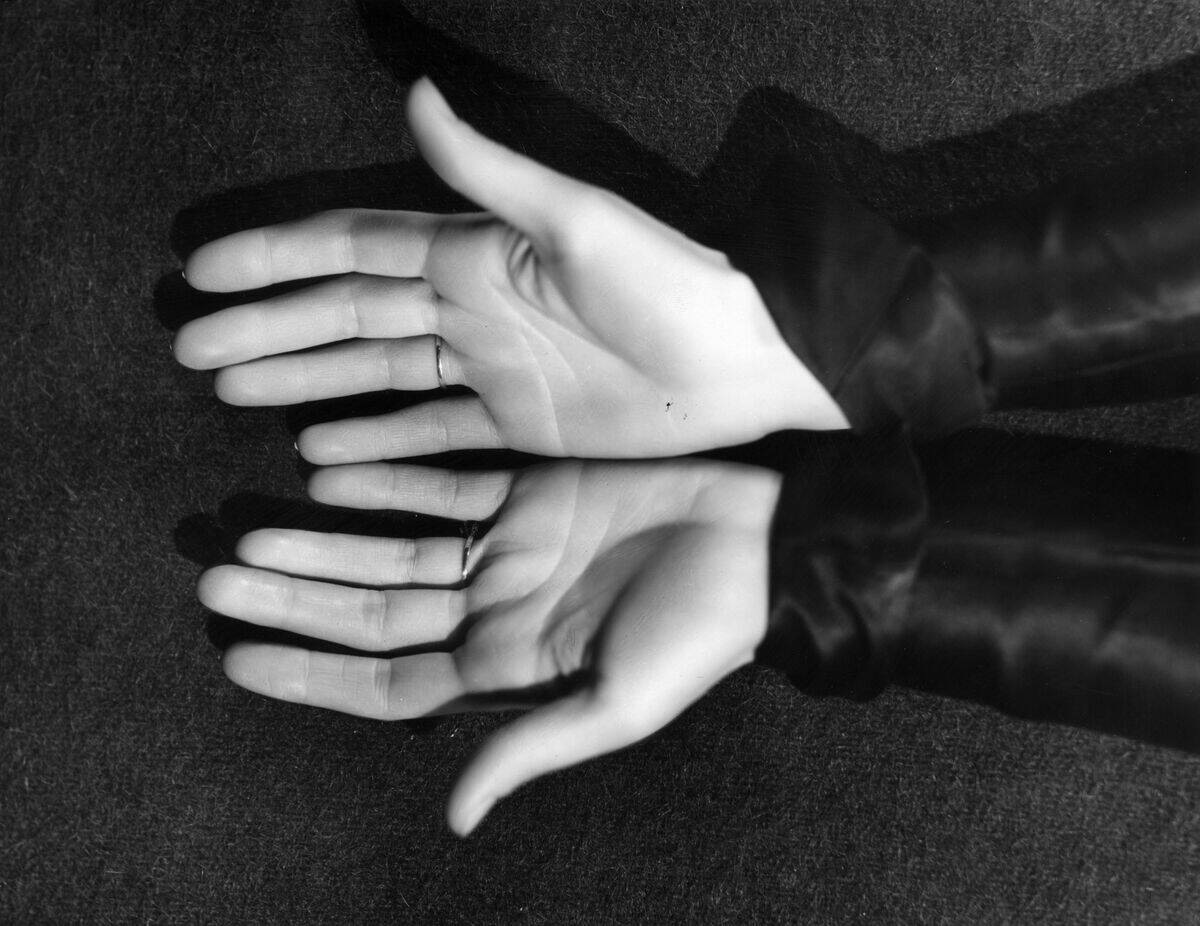
An itchy palm is believed to signify incoming money or financial gain, though the specific meaning varies. In some cultures, an itch on the right palm means you’ll receive money, while an itch on the left suggests you’ll soon be paying out.
This folklore is found in many parts of the world, reflecting the universal desire for prosperity. Whether taken seriously or in jest, the superstition of itchy palms adds an element of excitement to everyday occurrences.
Lucky Number Seven: Mystical and Mathematical Beliefs
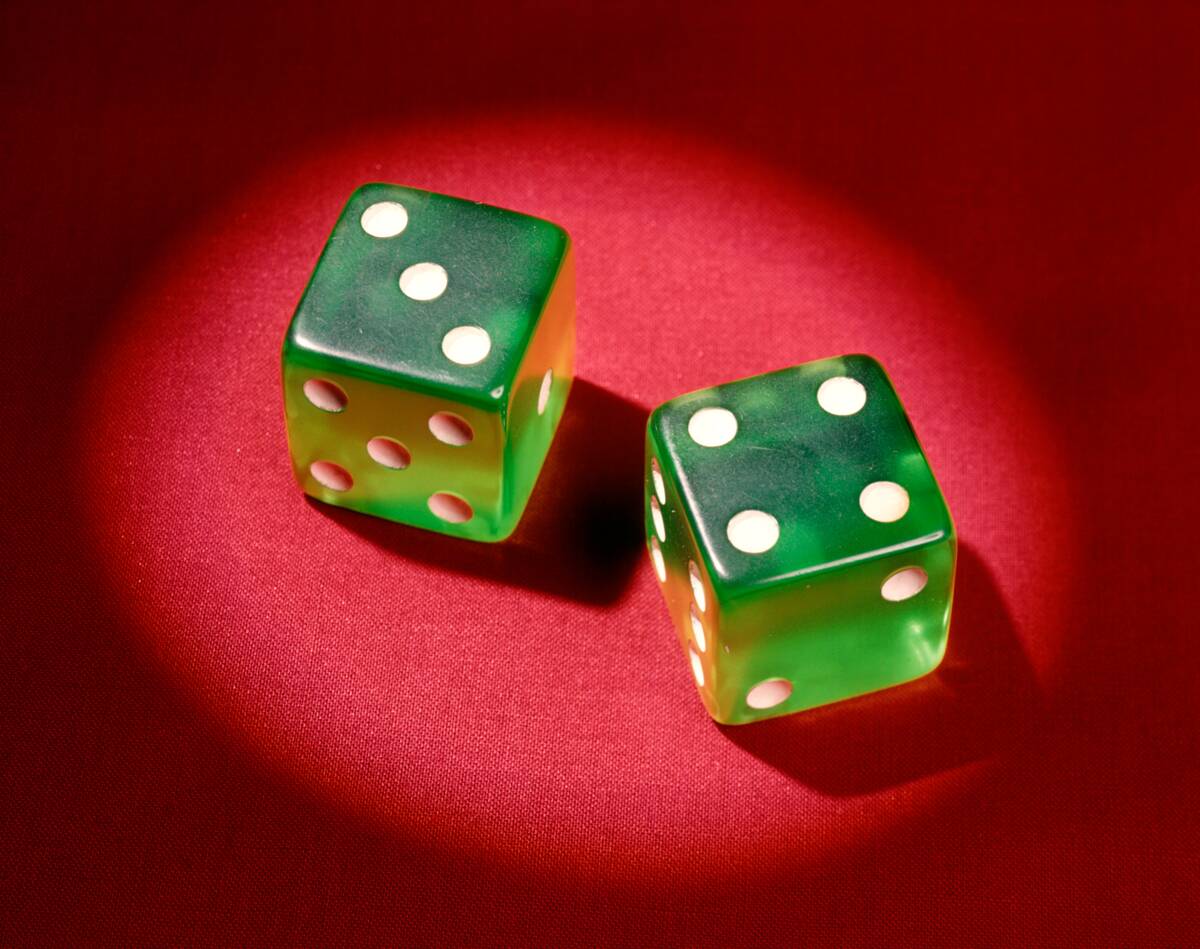
The number seven has been considered lucky across various cultures for its frequent appearance in nature and religion. There are seven days in a week, seven continents, and many religious texts reference the number seven, enhancing its mystical reputation.
Mathematically, seven is a prime number, adding to its allure. This unique combination of natural, religious, and mathematical connotations has cemented seven’s status as a universally lucky number.
The Origin of Saying “Bless You”: The Sneeze Superstition

The phrase “bless you” after a sneeze has roots in ancient beliefs that sneezing might expel the soul or invite evil spirits in. Pope Gregory I popularized saying “God bless you” during the plague of AD 590, hoping to protect the sneezer from illness.
While the medical understanding of sneezing has evolved, the tradition persists, often as a polite gesture. This simple phrase continues to offer comfort and connection, blending superstition with social kindness.
The Full Moon Effect: Lunar Legends and Lurid Lore

The full moon has long been associated with mysterious and eerie happenings, inspiring legends across cultures. Ancient Greeks believed it could drive people mad, a notion that gave rise to the term “lunacy.”
In folklore, werewolves and other creatures are often linked to the full moon, adding to its mystical aura. While science debunks the idea of the moon influencing human behavior, the full moon continues to captivate imaginations, casting its silvery spell on nights worldwide.