Photos of patterns in human innovation over time
Human ingenuity is a testament to our boundless creativity and problem-solving skills. From ancient times to the present, our ability to innovate has transformed societies and shaped the world we live in.
Whether it’s the invention of the wheel or the internet, each breakthrough showcases our capacity to adapt and thrive. Let’s embark on a journey through history and explore the marvels of human creativity, understanding how curiosity and collaboration have driven us forward.
The Dawn of Innovation: From Stone Tools to Smartphones
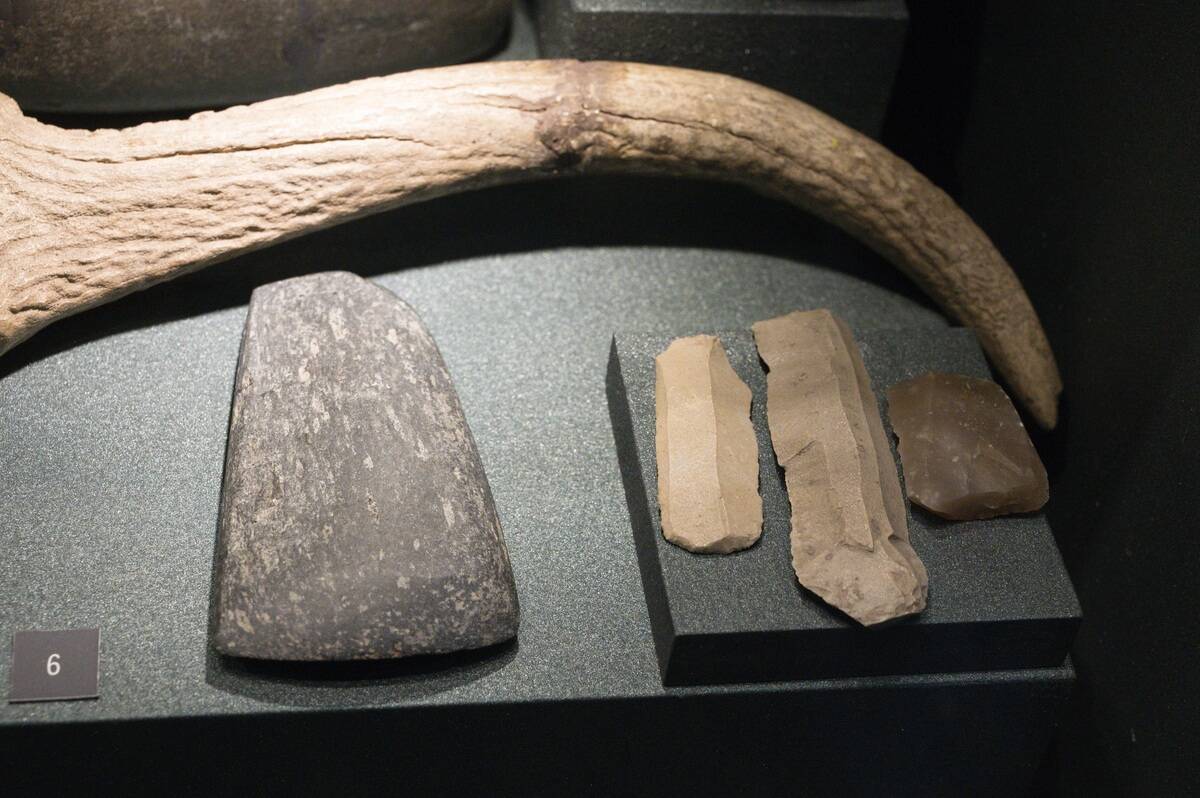
The journey of innovation began with simple stone tools, marking the first steps of human ingenuity. These rudimentary implements laid the foundation for complex technologies like smartphones, which now connect billions worldwide.
The evolution from stone to silicon chips highlights our relentless pursuit of advancement. Each tool, whether crafted from flint or embedded with microprocessors, reflects the ever-changing landscape of human needs and aspirations.
The Role of Curiosity: The Spark of Human Creativity
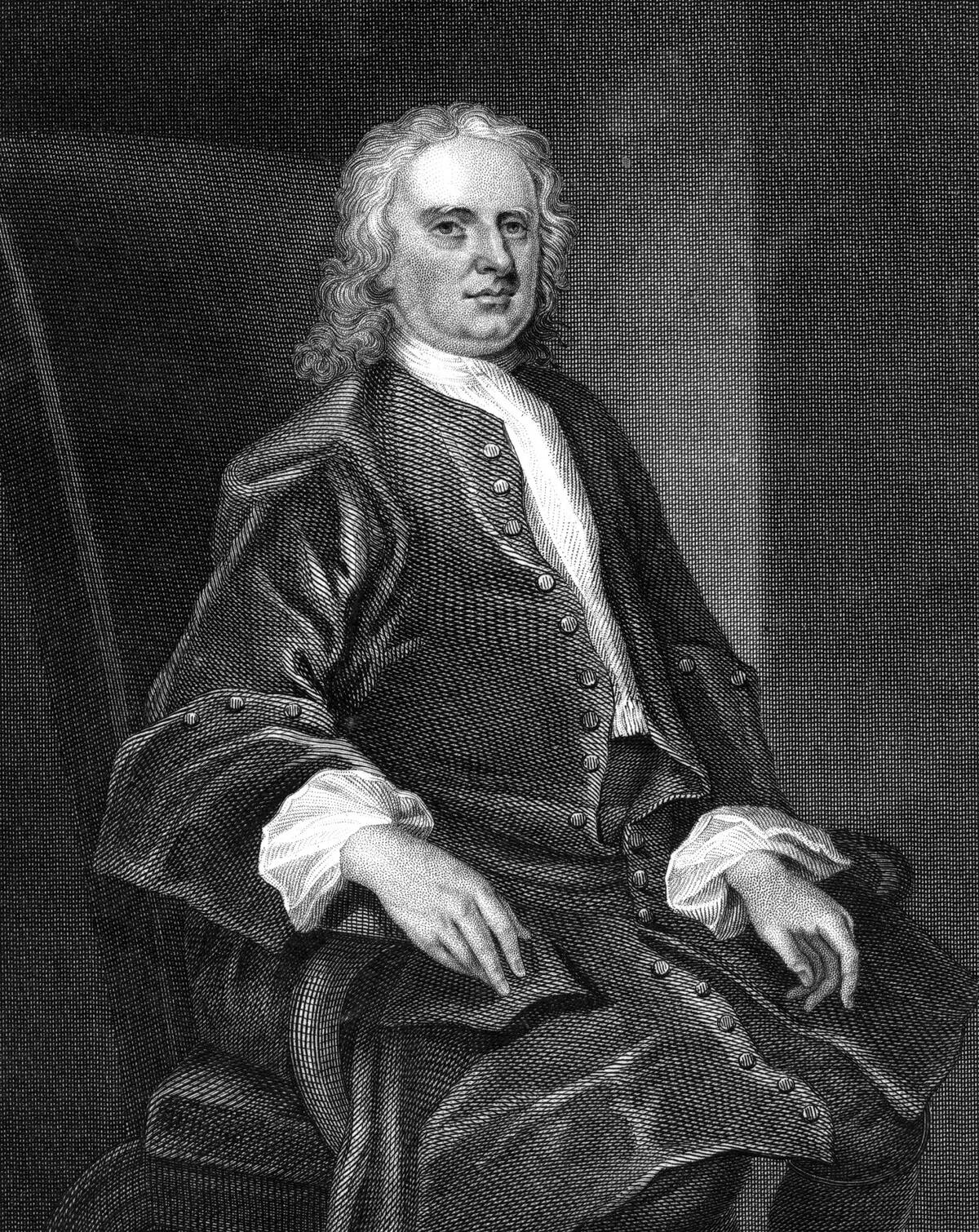
Curiosity has always been the driving force behind human innovation. It pushes us to ask questions and seek answers, leading to groundbreaking discoveries. Consider Isaac Newton, whose curiosity about a falling apple led to the formulation of gravity’s laws.
This innate desire to explore the unknown fuels our imagination, enabling us to create inventions that once seemed impossible. In essence, curiosity is the catalyst that ignites the flame of creativity.
Trial and Error: Embracing Mistakes as Learning Opportunities
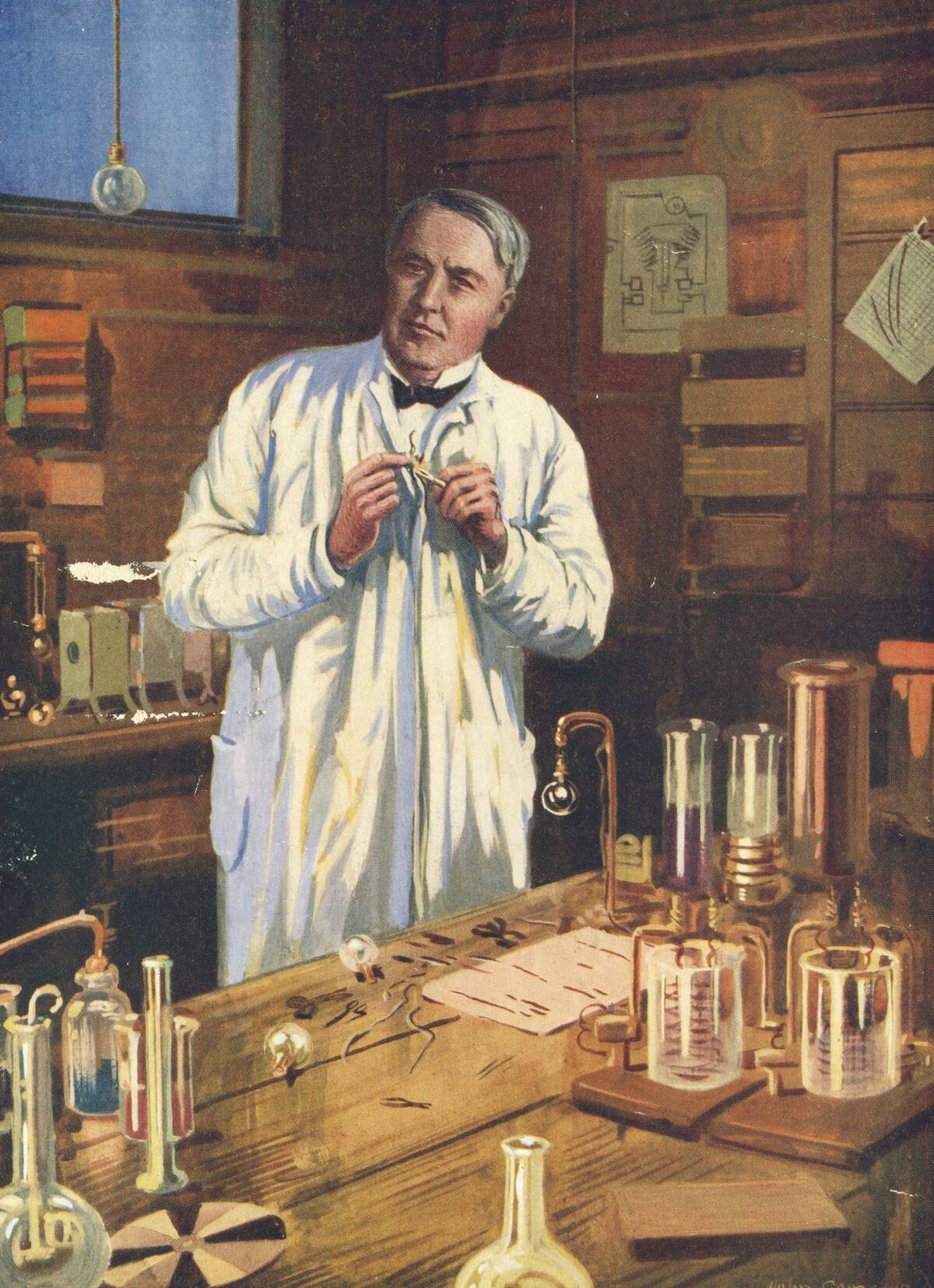
In the world of innovation, mistakes are stepping stones to success. Thomas Edison, for instance, famously failed 1,000 times before inventing the lightbulb. Each failure provided valuable insights, guiding him closer to success.
This trial-and-error approach is integral to innovation, teaching us resilience and adaptability. Embracing mistakes as learning opportunities allows us to refine our ideas, ultimately leading to breakthroughs that change the world.
Collaboration and Collective Wisdom: Power in Numbers
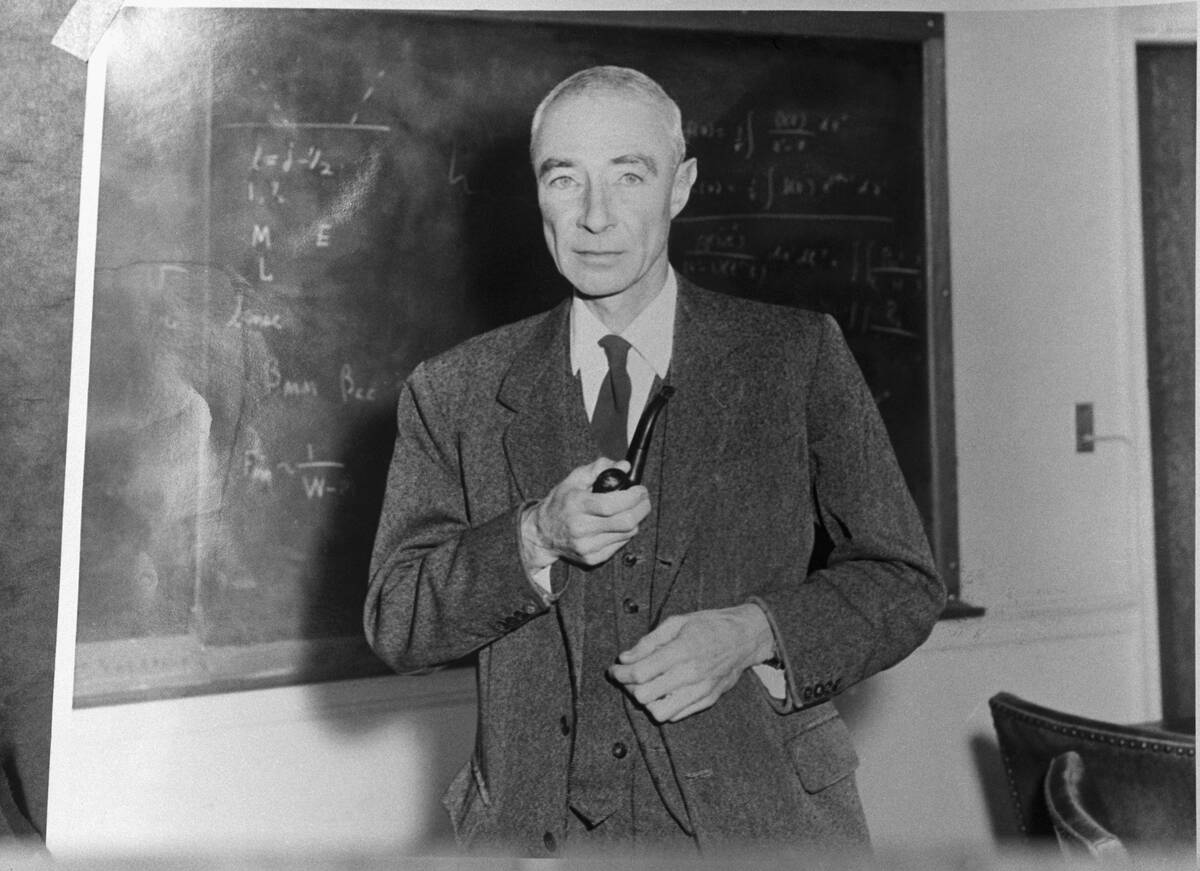
Brilliant ideas often emerge from collaborative efforts, where diverse minds come together to solve complex problems. The Manhattan Project, for instance, brought together some of the world’s leading scientists to develop the atomic bomb.
This collective wisdom harnessed varied expertise, demonstrating the power of teamwork in innovation. By pooling resources and knowledge, we can achieve feats far beyond the capability of any individual, highlighting the strength in numbers.
Necessity as the Mother of Invention: Solving Everyday Problems

Throughout history, necessity has driven some of the most remarkable inventions. The creation of the microwave oven, for example, stemmed from the need for quicker cooking methods.
When Percy Spencer accidentally melted a chocolate bar with radar waves, he realized the potential for a new kitchen appliance. This principle demonstrates how pressing needs inspire innovative solutions, ultimately improving our everyday lives and enhancing convenience.
The Influence of Nature: Biomimicry and Eco-Inspired Designs

Nature has long served as an inspiration for human invention, leading to the development of biomimicry. This innovative approach involves emulating nature’s strategies to solve human challenges.
The design of Velcro, for instance, was inspired by the burdock plant’s burrs, which clung to clothing with tiny hooks. By observing and mimicking natural processes, we can create sustainable designs that harmonize with the environment, paving the way for eco-friendly innovations.
Technological Revolutions: From the Wheel to the Web
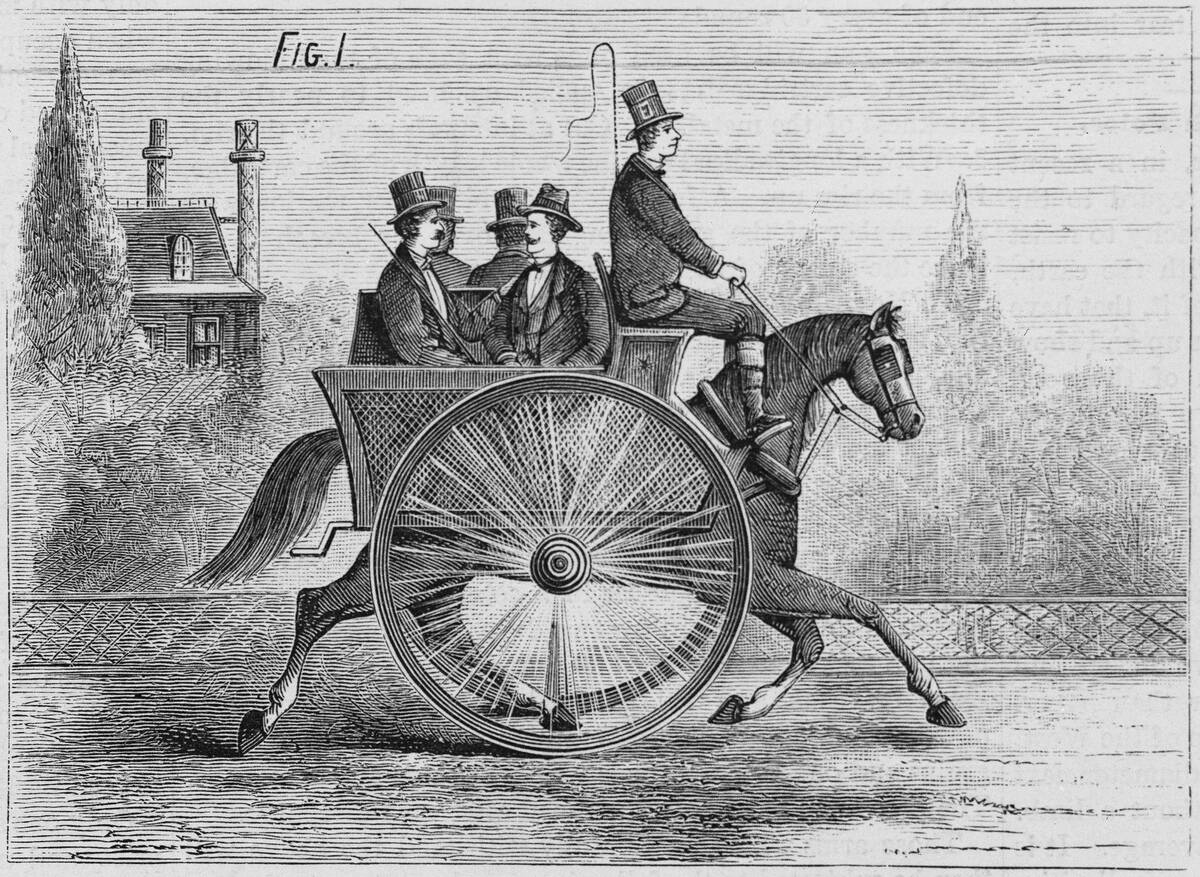
Technological revolutions have continually reshaped society, from the invention of the wheel to the advent of the internet. The wheel, one of humanity’s earliest innovations, revolutionized transport and trade, enabling the movement of goods and people.
Fast forward to the digital age, and the internet has transformed communication, connecting the globe instantaneously. Each technological leap has propelled us into new eras of possibility, enhancing our capability to innovate further.
Art and Science: The Symbiotic Relationship in Innovation
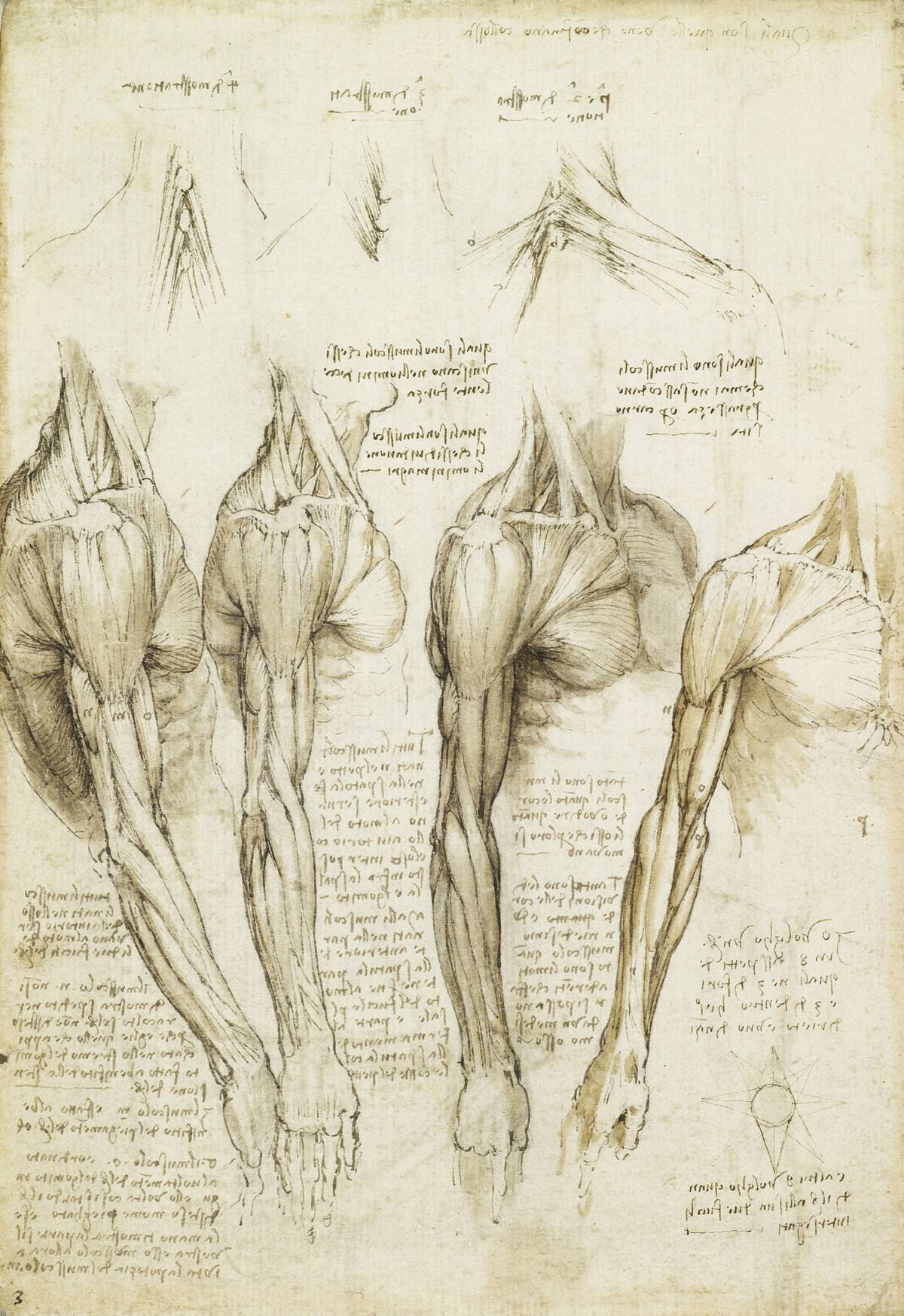
Art and science often intertwine, creating a symbiotic relationship that fosters innovation. Leonardo da Vinci exemplified this blend, merging artistic creativity with scientific inquiry. His sketches laid the groundwork for inventions like the helicopter, centuries before their realization.
This fusion of disciplines encourages out-of-the-box thinking, where artistic expression fuels scientific breakthroughs. By embracing both art and science, we unlock new avenues for innovation, enriching our understanding of the world.
The Visionaries: Dreamers Who Dared to Change the World
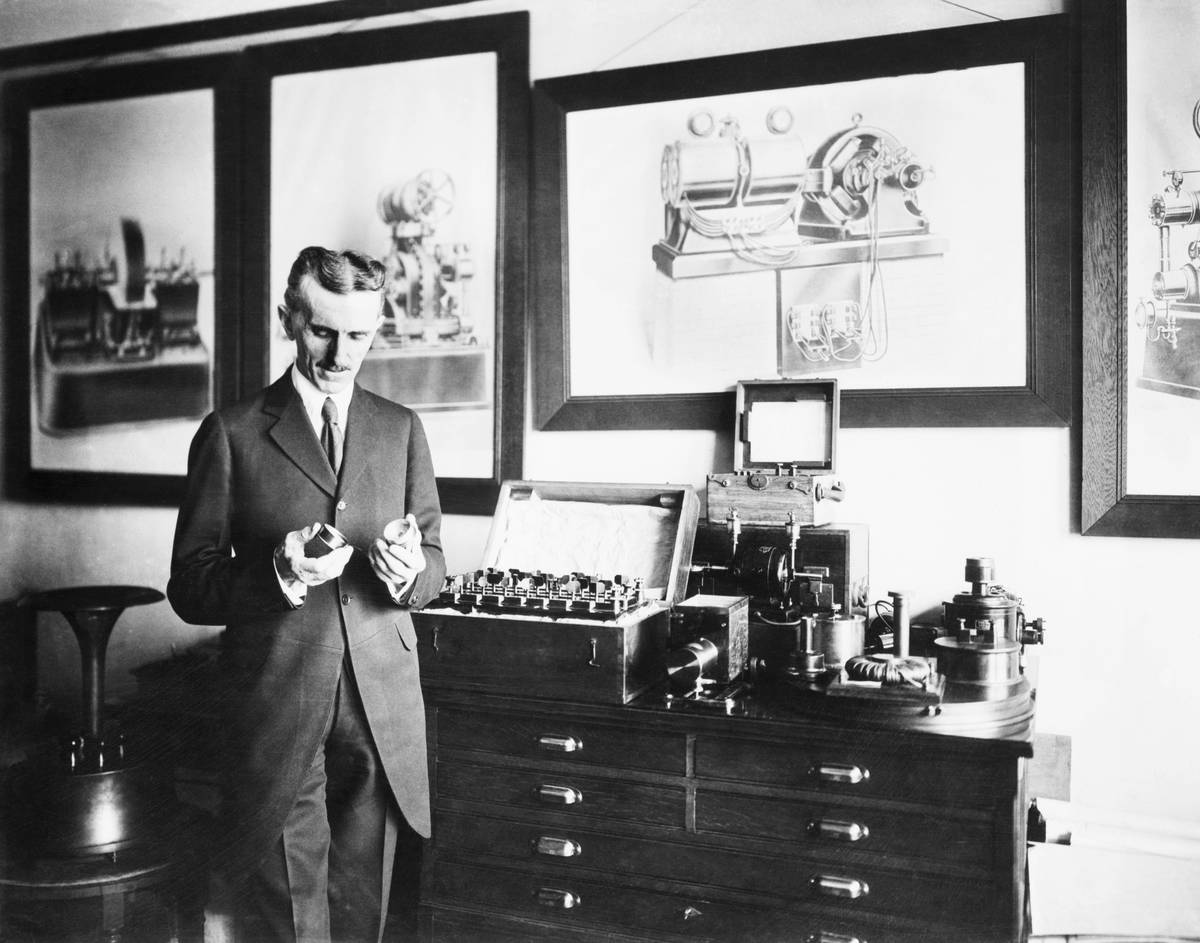
History is replete with visionaries whose dreams have changed the world. Figures like Nikola Tesla and Steve Jobs envisioned futures that others deemed impossible. Tesla’s work with alternating current laid the foundation for modern electrical systems, while Jobs revolutionized personal computing with the introduction of the iPhone.
These dreamers dared to challenge the status quo, pushing the boundaries of what was thought achievable, and their legacies continue to inspire future generations.
Overcoming Challenges: Ingenuity in Times of Crisis

History has shown that crises often accelerate innovation, as necessity drives creative problem-solving. During World War II, the development of radar technology advanced rapidly, proving crucial to the Allied victory. In more recent times, the COVID-19 pandemic spurred innovations in telemedicine and remote work technologies.
These examples highlight how adversity can become a catalyst for ingenuity, pushing us to devise solutions that not only address immediate challenges but also enhance future resilience.
The Cycle of Obsolescence: Innovation Breeds Innovation

Innovation is a continuous cycle, where old technologies become obsolete, paving the way for new advancements. The transition from VHS tapes to streaming services exemplifies this progression.
As technology evolves, it creates opportunities for further innovation, driving industries forward. This cycle of obsolescence ensures that we are constantly improving and adapting, fostering a dynamic environment where creativity and progress thrive.
The Impact of Education: Fostering Future Innovators
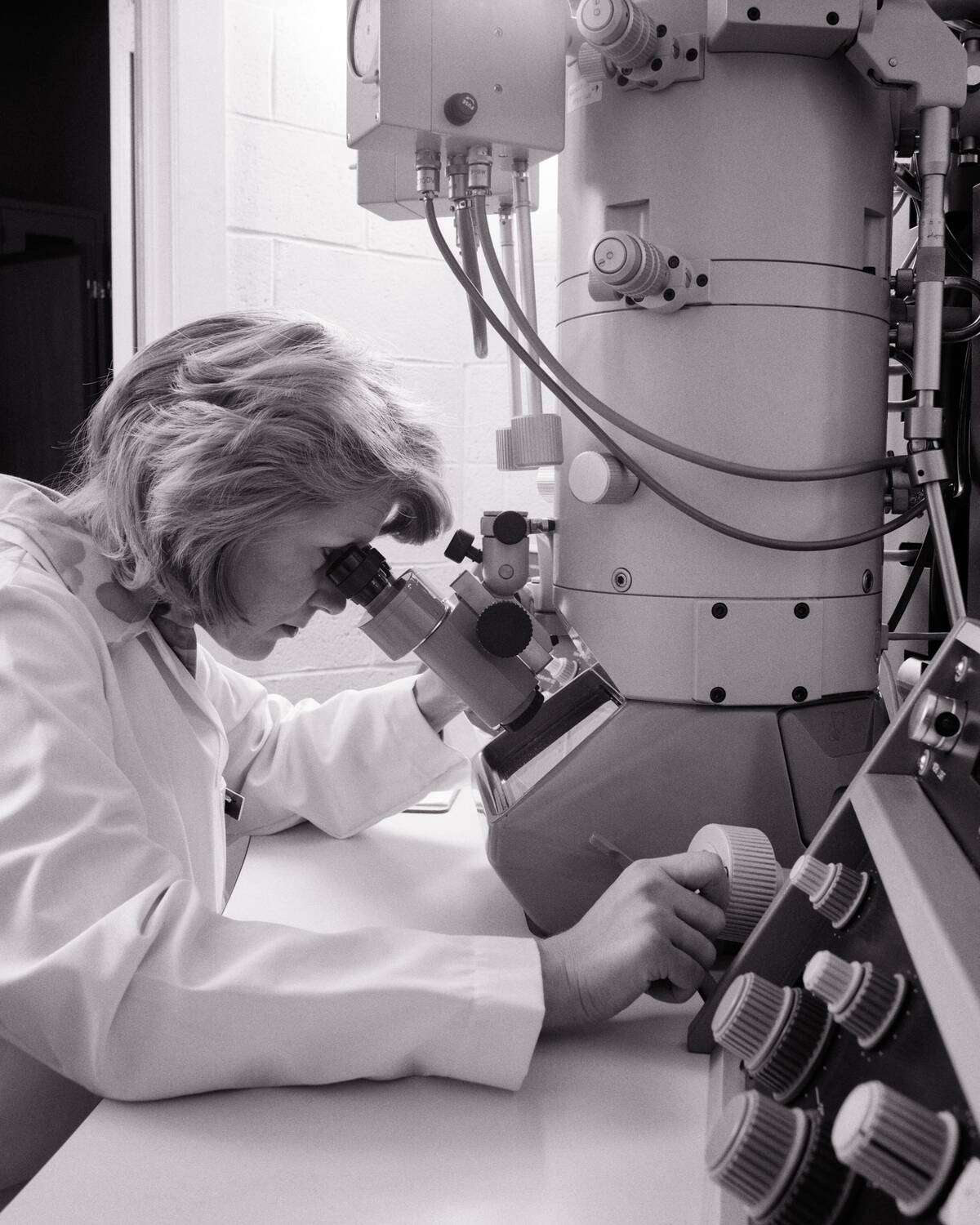
Education plays a pivotal role in nurturing the next generation of innovators. By fostering critical thinking and problem-solving skills, educational institutions prepare students to tackle future challenges.
Programs like STEM (Science, Technology, Engineering, and Mathematics) encourage young minds to explore and experiment, laying the groundwork for future breakthroughs. An educated populace is essential for sustained innovation, ensuring that we continue to push the boundaries of what’s possible.
The Role of Storytelling: Sharing Knowledge Across Generations

Storytelling has been a cornerstone of human culture, preserving knowledge and inspiring innovation across generations. Ancient myths and legends often contain kernels of wisdom that inform modern ideas.
For example, the tale of Icarus teaches the importance of understanding limitations. By sharing stories, we pass down valuable lessons and encourage creative thinking, ensuring that the spark of innovation continues to ignite the minds of future inventors.