15 Photos of ancient records still unbeaten today
The ancient world is a wellspring of human ingenuity, offering a treasure trove of achievements that continue to inspire awe. These accomplishments, ranging from architectural wonders to intellectual marvels, reflect the innovative spirit that defined early civilizations.
As we journey through history, we’ll explore some of these timeless feats, each a testament to the creativity and perseverance of our ancestors.
The Marathon of Pheidippides: A Run for the Ages
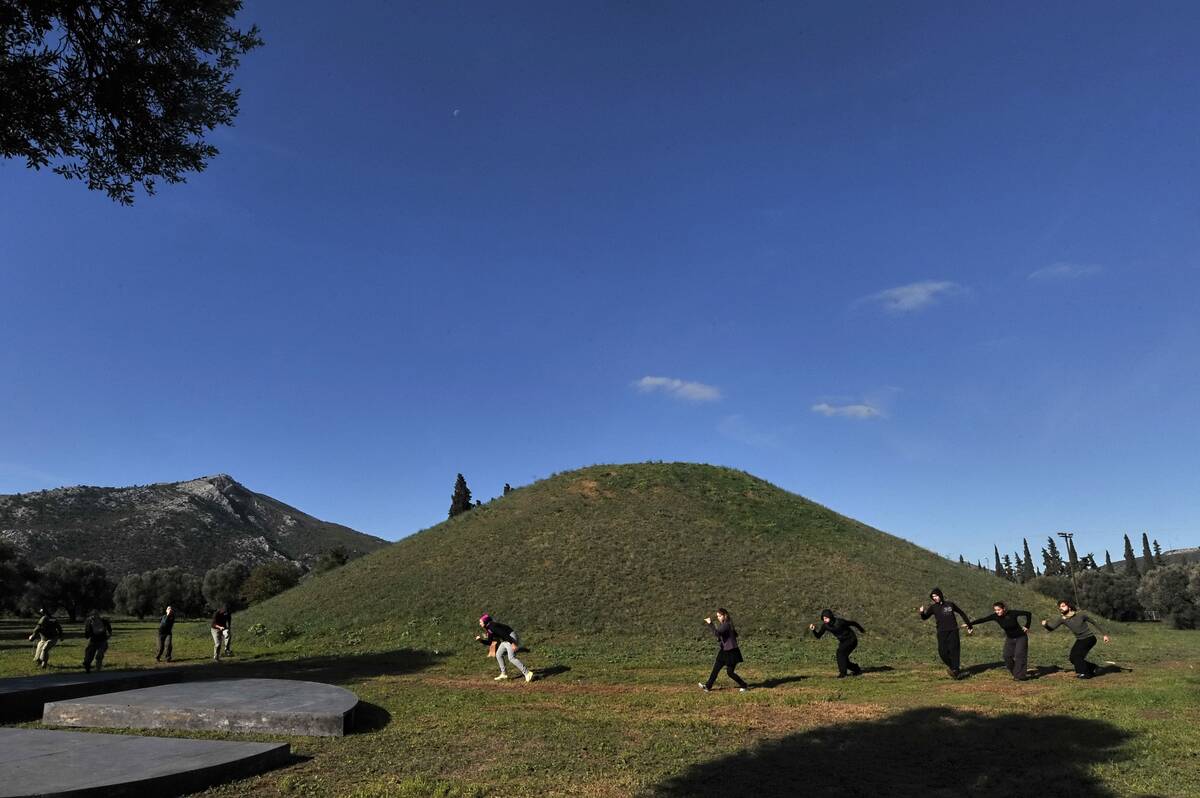
In 490 BC, the legend of Pheidippides was born. After the Battle of Marathon, he ran approximately 26 miles to Athens to announce the Greek victory over the Persians, only to collapse and die upon arrival.
This legendary run inspired the modern marathon race. The tale captures the determination and endurance of the human spirit, embodying a legacy that lives on in athletic events worldwide.
The Great Pyramid of Giza: Architectural Giant
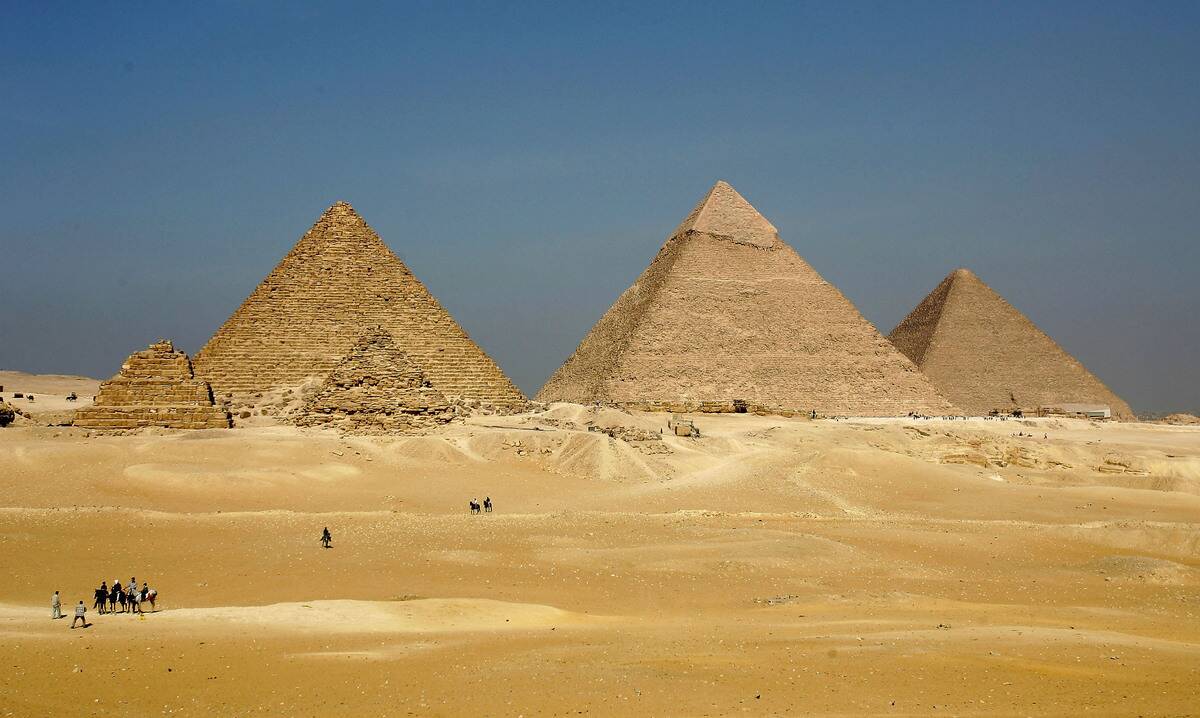
The Great Pyramid of Giza, constructed around 2560 BC, stands as one of the Seven Wonders of the Ancient World. Originally built as a tomb for Pharaoh Khufu, it was the tallest man-made structure for over 3,800 years.
Comprising approximately 2.3 million blocks, this architectural marvel continues to intrigue researchers with its precise construction methods, which remain a topic of debate and admiration.
The Hanging Gardens of Babylon: A Suspended Wonder
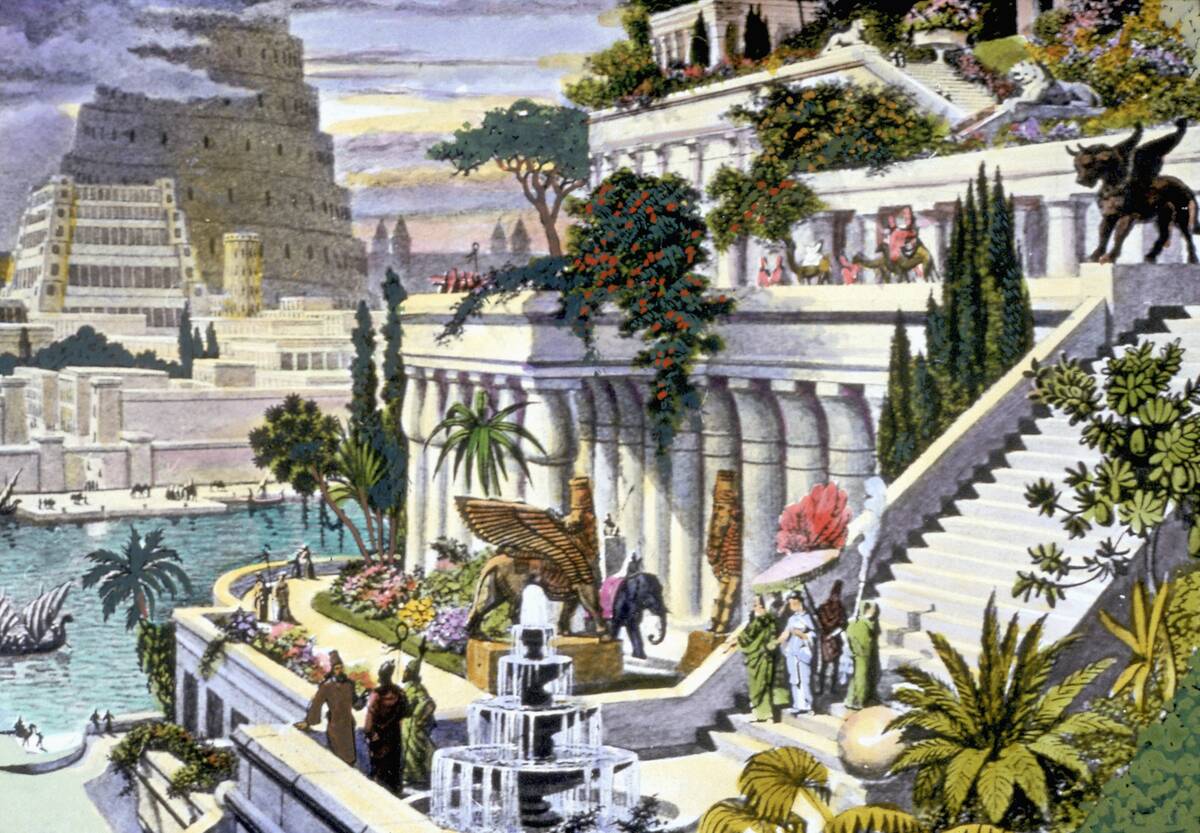
The Hanging Gardens of Babylon, one of the Seven Wonders, are said to have been created by King Nebuchadnezzar II for his wife, Amytis. Although no definitive archaeological evidence has been found, ancient texts describe lush terraces filled with exotic plants and trees.
The gardens symbolize the ability to create beauty and tranquility amidst the harsh desert environment, capturing the imagination of historians and adventurers alike.
Ancient Olympic Games: Unparalleled Athletic Feats
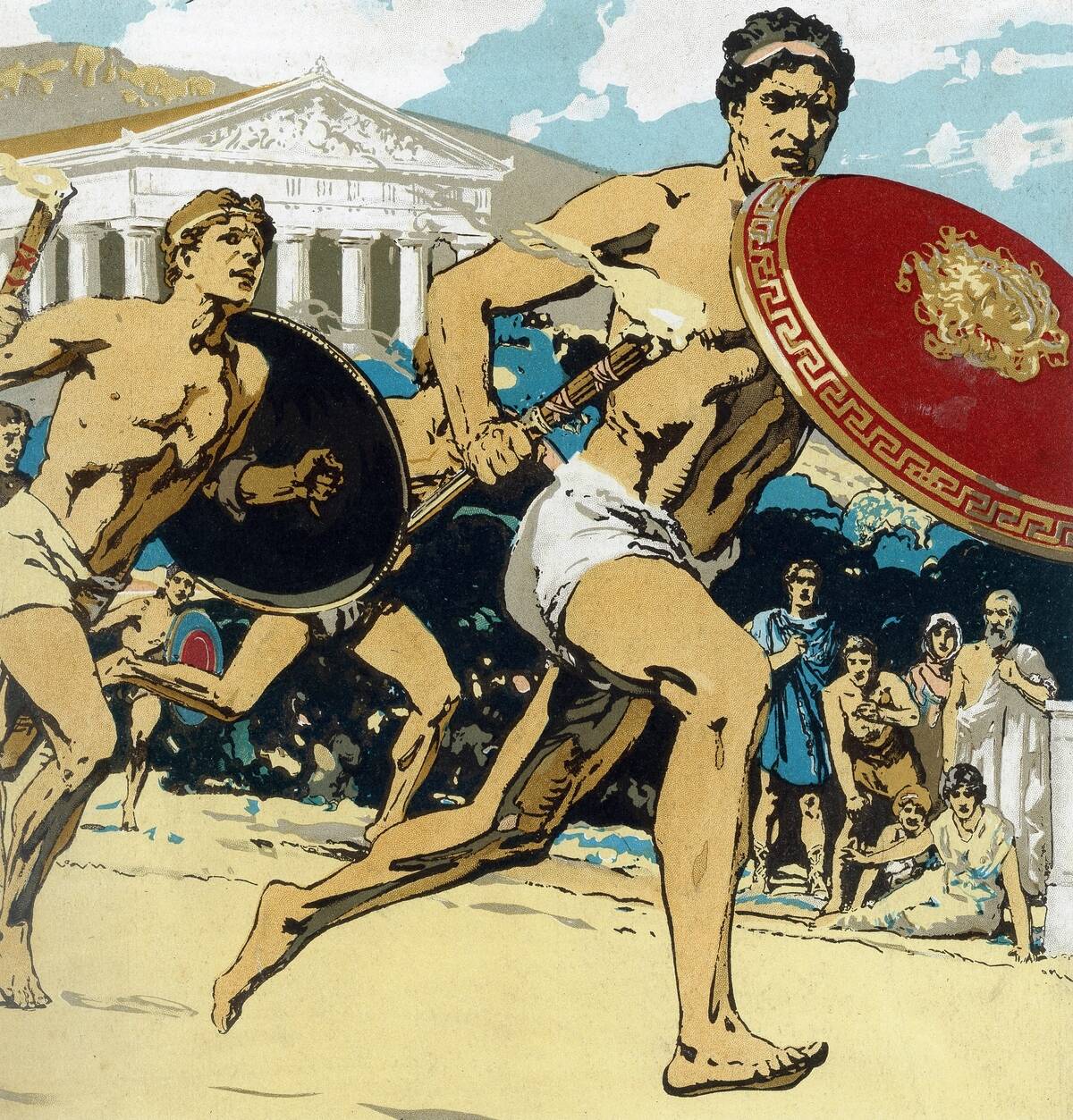
The first recorded Ancient Olympic Games took place in 776 BC in Olympia, Greece, honoring the god Zeus. These games featured events like running, wrestling, and chariot racing, drawing competitors from across the Greek world.
The tradition emphasized physical prowess and sportsmanship, fostering unity among the city-states. It laid the foundation for the modern Olympic Games, celebrated globally every four years.
The Colossus of Rhodes: An Unmatched Monument of Bronze
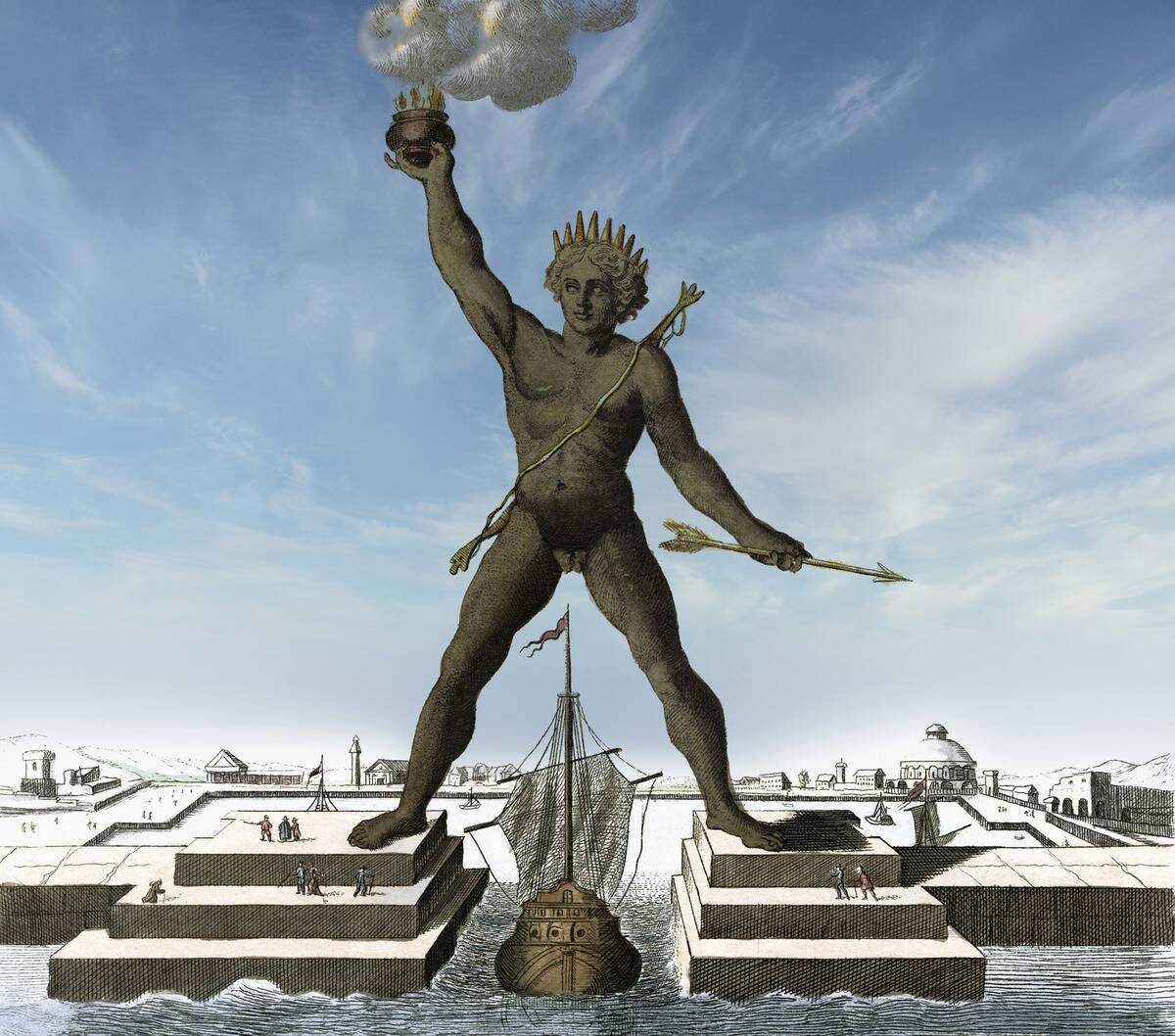
Standing approximately 108 feet tall, the Colossus of Rhodes was erected in 280 BC to celebrate Rhodes’ successfully defending their territory. This massive bronze statue of the sun god Helios was one of the Seven Wonders of the Ancient World.
Although it stood for only 54 years due to an earthquake, its awe-inspiring presence left a lasting impression, symbolizing triumph and resilience in ancient Greek culture.
The Library of Alexandria: A Pinnacle of Knowledge
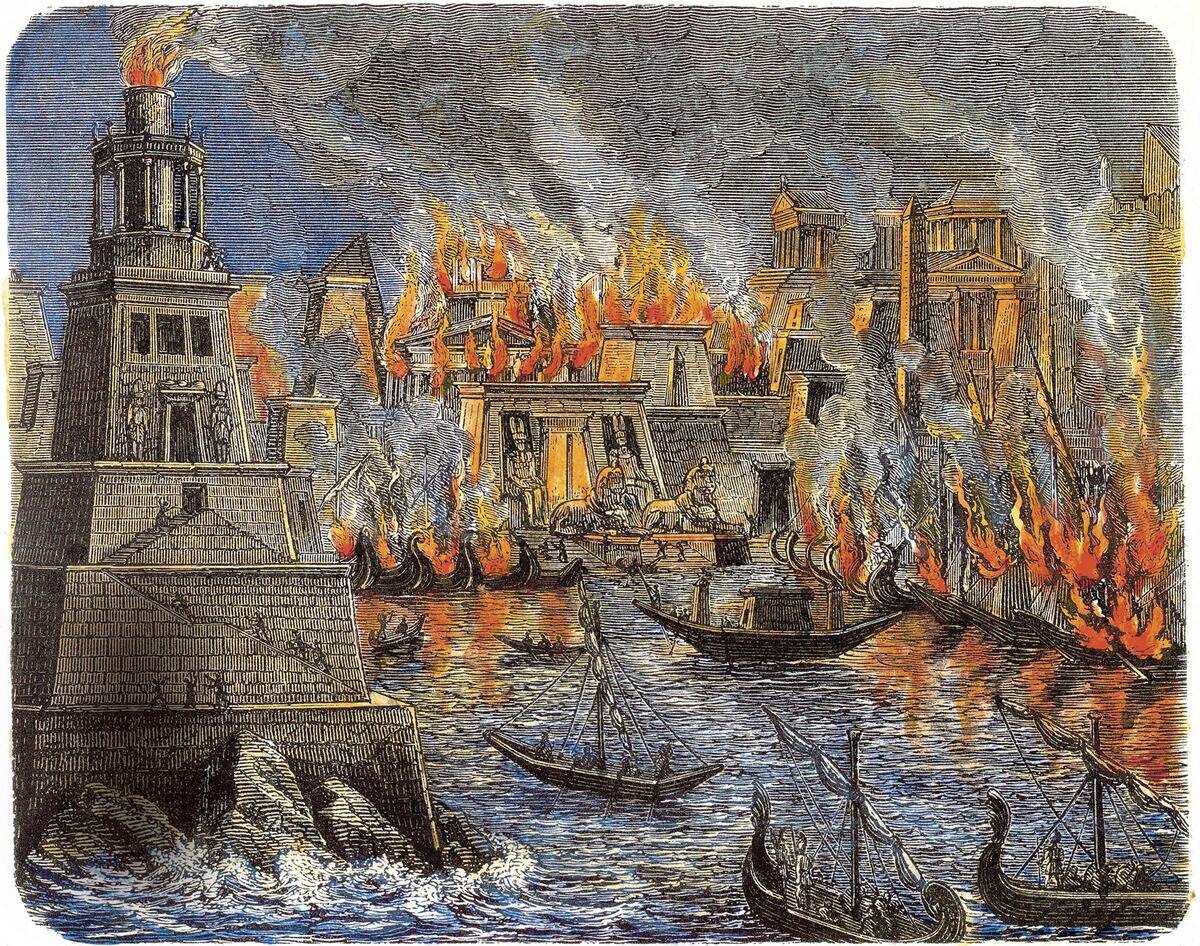
Founded in the 3rd century BC in Egypt, the Library of Alexandria was one of the most significant libraries of the ancient world. Housing hundreds of thousands of scrolls, it became a center for learning and scholarship.
Scholars from diverse backgrounds gathered here, making groundbreaking contributions to science, philosophy, and literature. Although it was tragically destroyed, its legacy endures as a symbol of intellectual pursuit and cultural exchange.
The Lighthouse of Alexandria: Guiding Light of the Seas
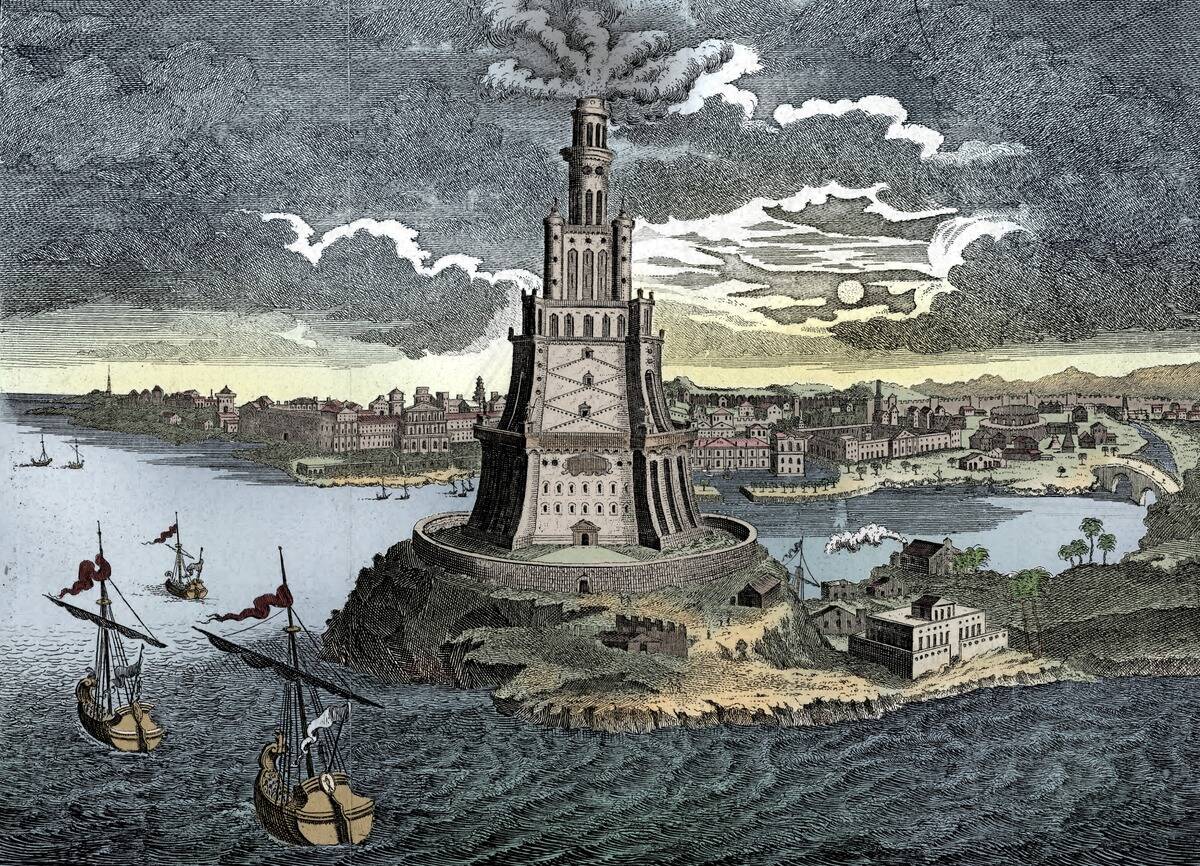
The Lighthouse of Alexandria, also known as the Pharos of Alexandria, was built in the 3rd century BC on the small island of Pharos. Standing over 100 meters tall, it guided sailors safely into the busy harbor of Alexandria.
As one of the Seven Wonders of the Ancient World, it represented a remarkable feat of engineering and served as a prototype for lighthouses worldwide, inspiring maritime navigation for centuries.
The Statue of Zeus at Olympia: A Masterpiece of Sculpture
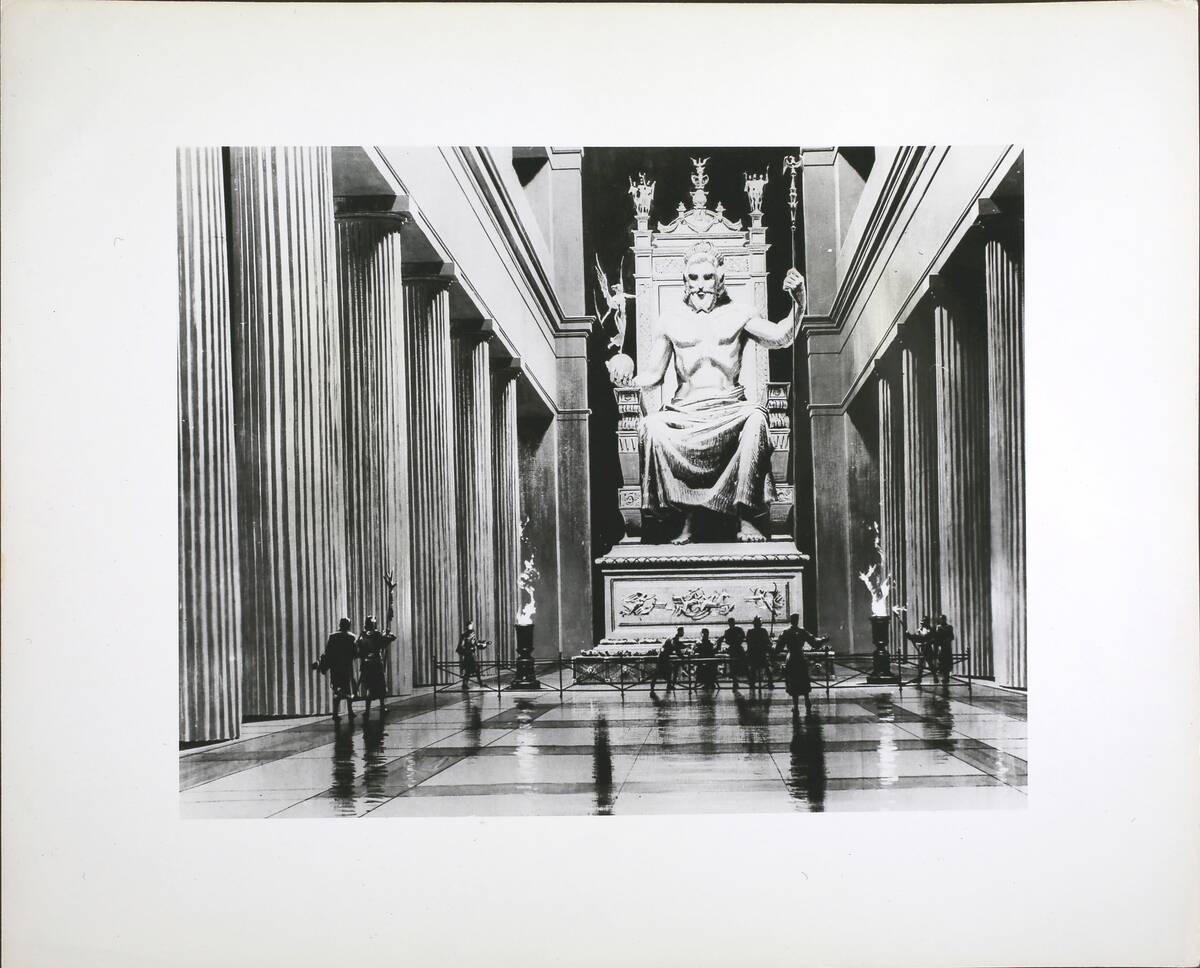
The Statue of Zeus at Olympia, crafted by the renowned sculptor Phidias around 435 BC, was a chryselephantine statue over 40 feet tall. It depicted the god Zeus seated on a magnificent throne, adorned with gold and ivory.
Considered one of the Seven Wonders, it exemplified the artistic excellence of classical Greece. Though it was lost in antiquity, its grandeur is remembered through detailed descriptions and historical accounts.
The Temple of Artemis: A Marvel of Engineering
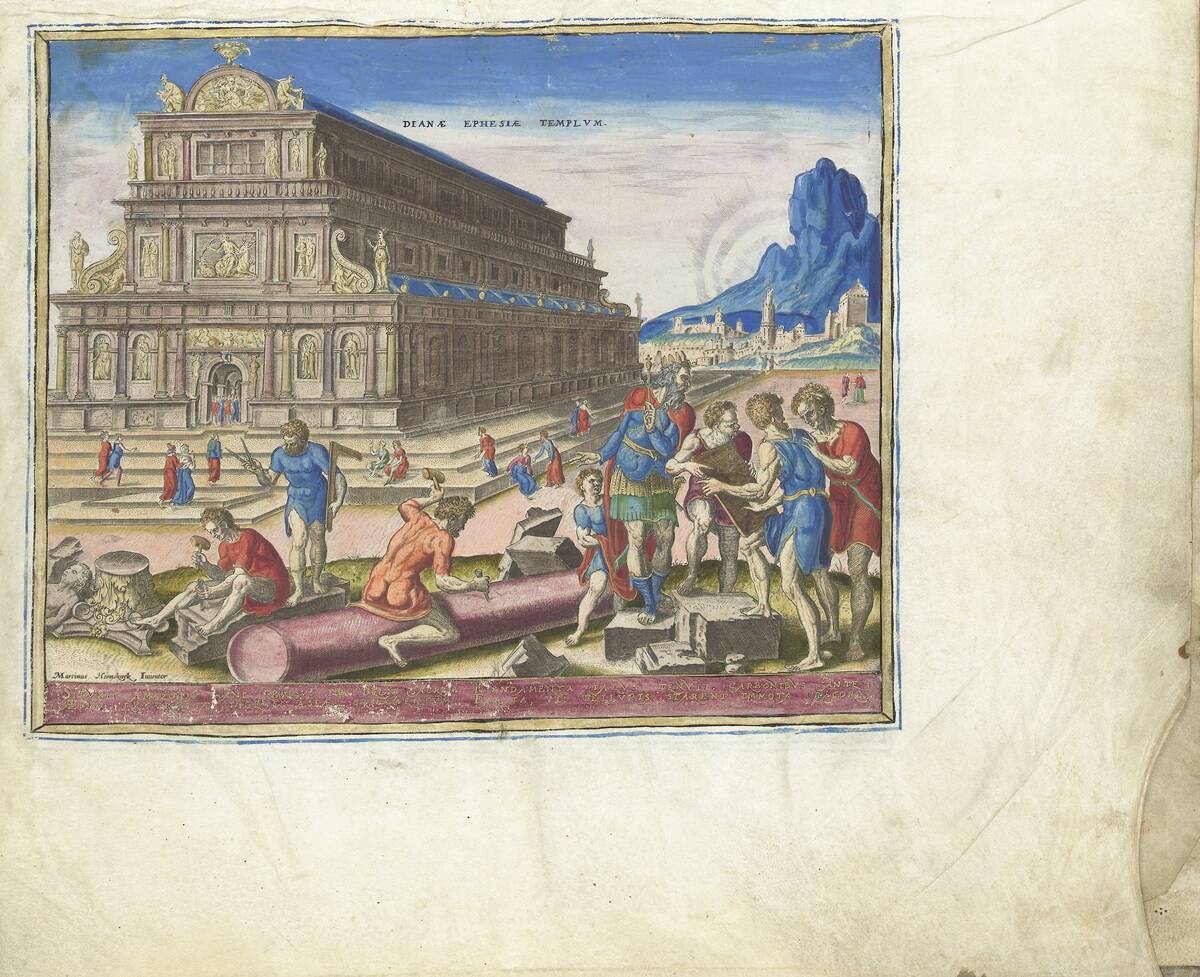
Located in Ephesus, the Temple of Artemis was one of the largest and most complex temples of the ancient world. Completed around 550 BC, it was rebuilt multiple times due to destruction.
Known for its grand scale and ornate sculptures, the temple was one of the Seven Wonders. Its architectural splendor and religious significance drew pilgrims from far and wide, symbolizing the cultural and spiritual life of ancient Ephesus.
The Ancient Silk Road: Trade Route of Epic Proportions
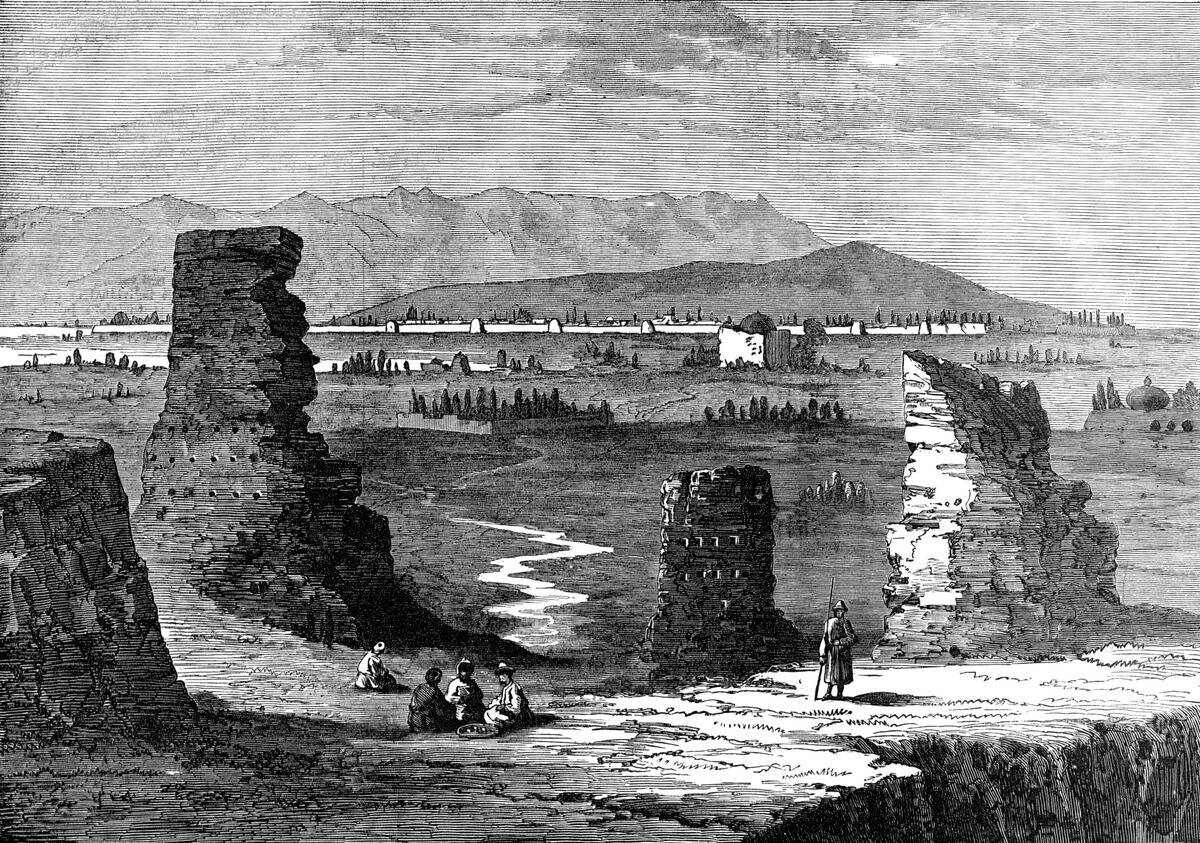
The Silk Road, established during the Han Dynasty around 130 BC, was an extensive network of trade routes connecting the East and West. It facilitated the exchange of goods, such as silk, spices, and precious metals, along with cultural and technological ideas.
This ancient route fostered economic and cultural interactions, shaping civilizations and leaving an enduring impact on global history, symbolizing the interconnectedness of diverse cultures.
The Colosseum of Rome: Arena of Spectacular Scale
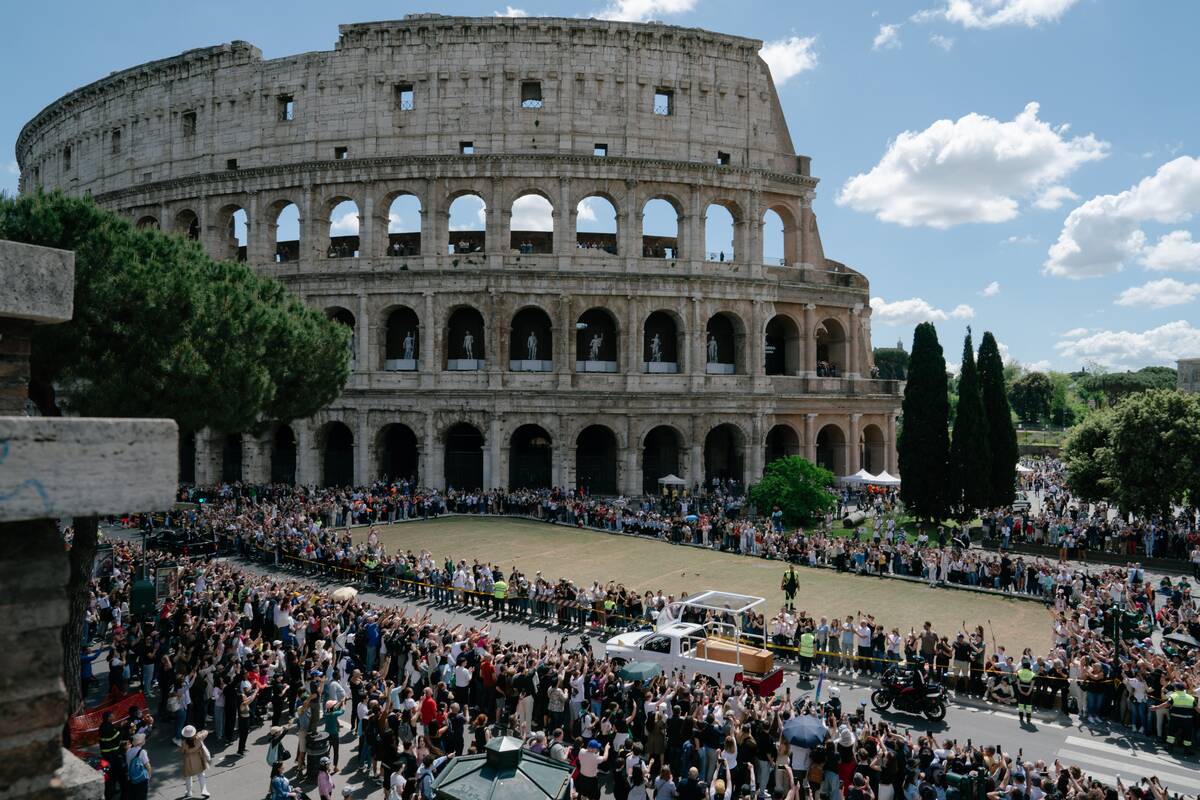
The Colosseum, completed in 80 AD under Emperor Titus, is an iconic symbol of ancient Rome. Capable of seating up to 50,000 spectators, it hosted gladiatorial contests, animal hunts, and public spectacles.
This architectural marvel, with its complex system of vaults and arches, showcased Roman engineering prowess. Despite being partially ruined, the Colosseum remains a testament to Rome’s grandeur and its enduring influence on architecture.
The Terracotta Army: An Unprecedented Burial Ensemble
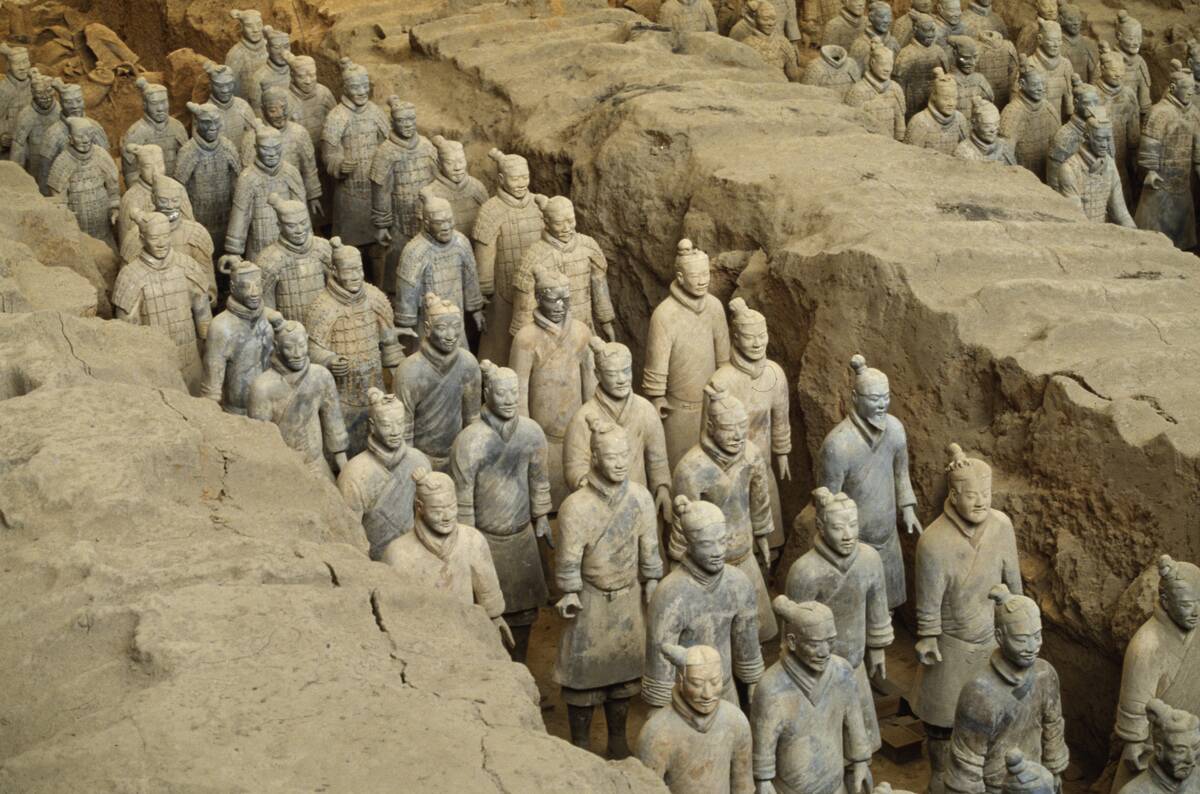
Discovered in 1974 in Shaanxi Province, China, the Terracotta Army consists of thousands of life-sized soldiers, horses, and chariots. Created to accompany the first Emperor of China, Qin Shi Huang, in the afterlife, each figure is unique, showcasing remarkable craftsmanship.
This archaeological wonder reflects the emperor’s ambition and the sophisticated artistry of ancient China, offering insight into the cultural and historical landscape of the time.
The Roman Aqueducts: A Triumph of Ancient Engineering
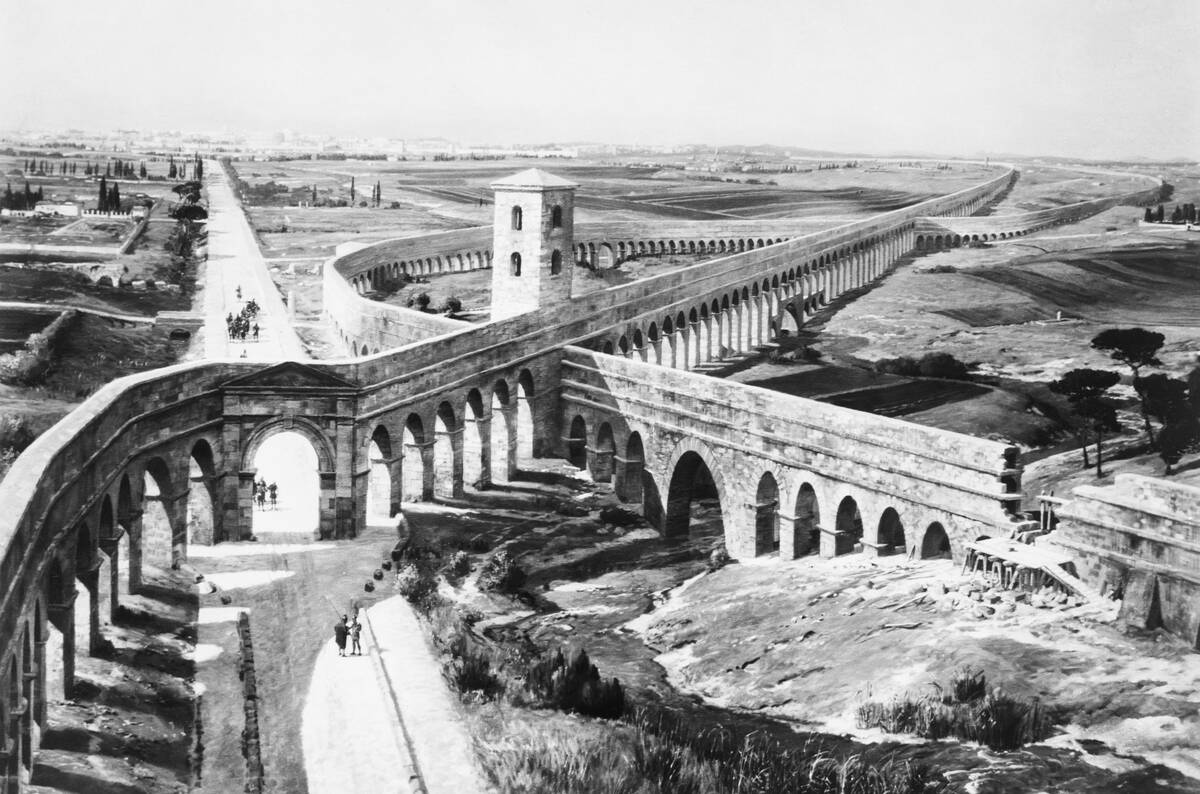
The Roman aqueducts, built from 312 BC onwards, were monumental achievements in engineering, supplying water to cities across the Roman Empire. These structures, utilizing gravity and precise gradients, extended for hundreds of miles, demonstrating the Romans’ advanced understanding of hydraulics.
Many aqueducts still stand today, a testament to their durability and the innovative spirit of Roman civilization, influencing modern water supply systems worldwide.
The Code of Hammurabi: A Legal Legacy
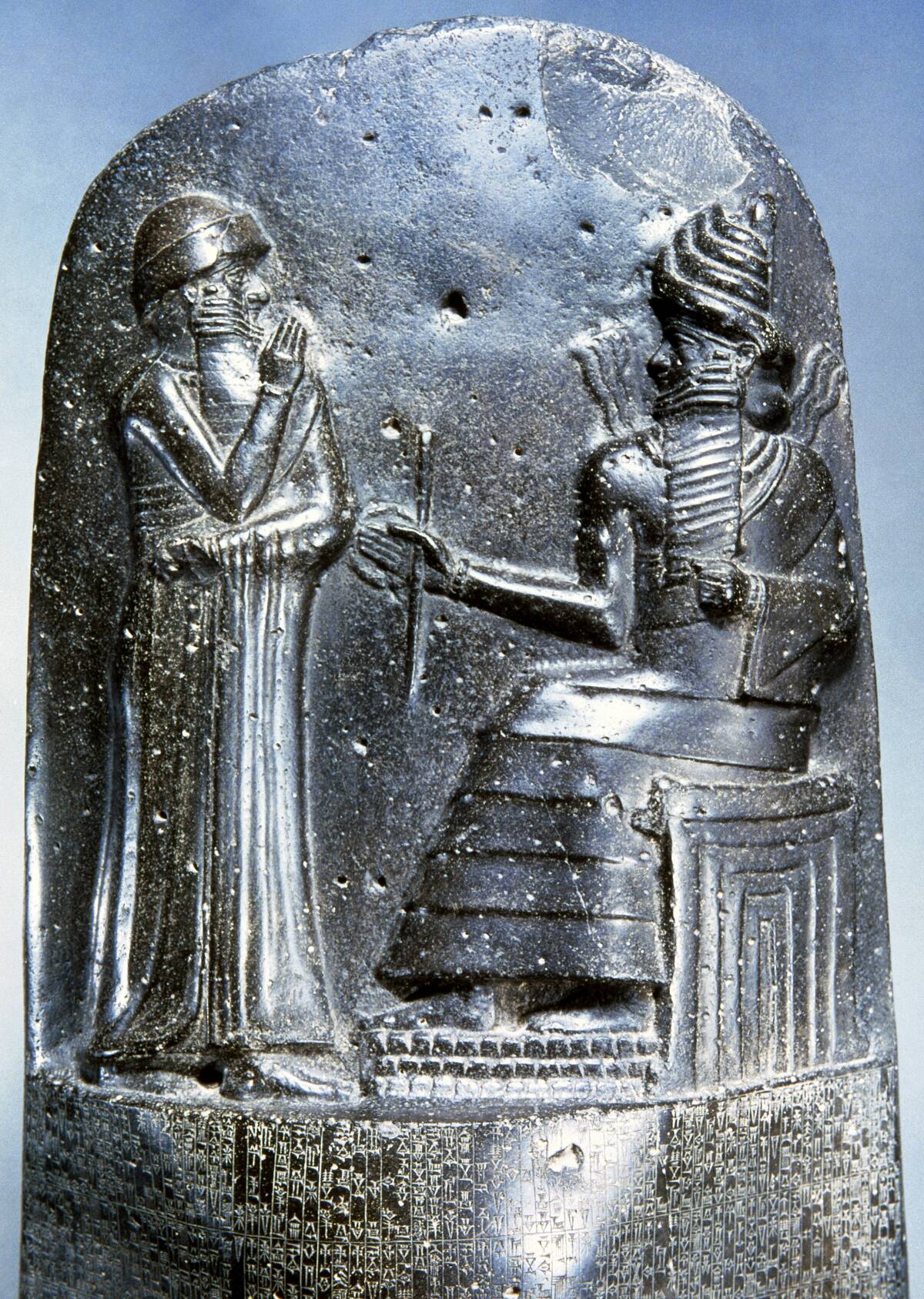
The Code of Hammurabi, enacted by the Babylonian king Hammurabi around 1754 BC, is one of the earliest and most complete written legal codes. Inscribed on a stele, it comprises 282 laws covering various aspects of society, from trade to family life.
This code established principles of justice and equality, influencing legal systems in subsequent civilizations. Its enduring legacy highlights the importance of law in maintaining social order.
The Parthenon of Athens: A Symbol of Classical Architecture
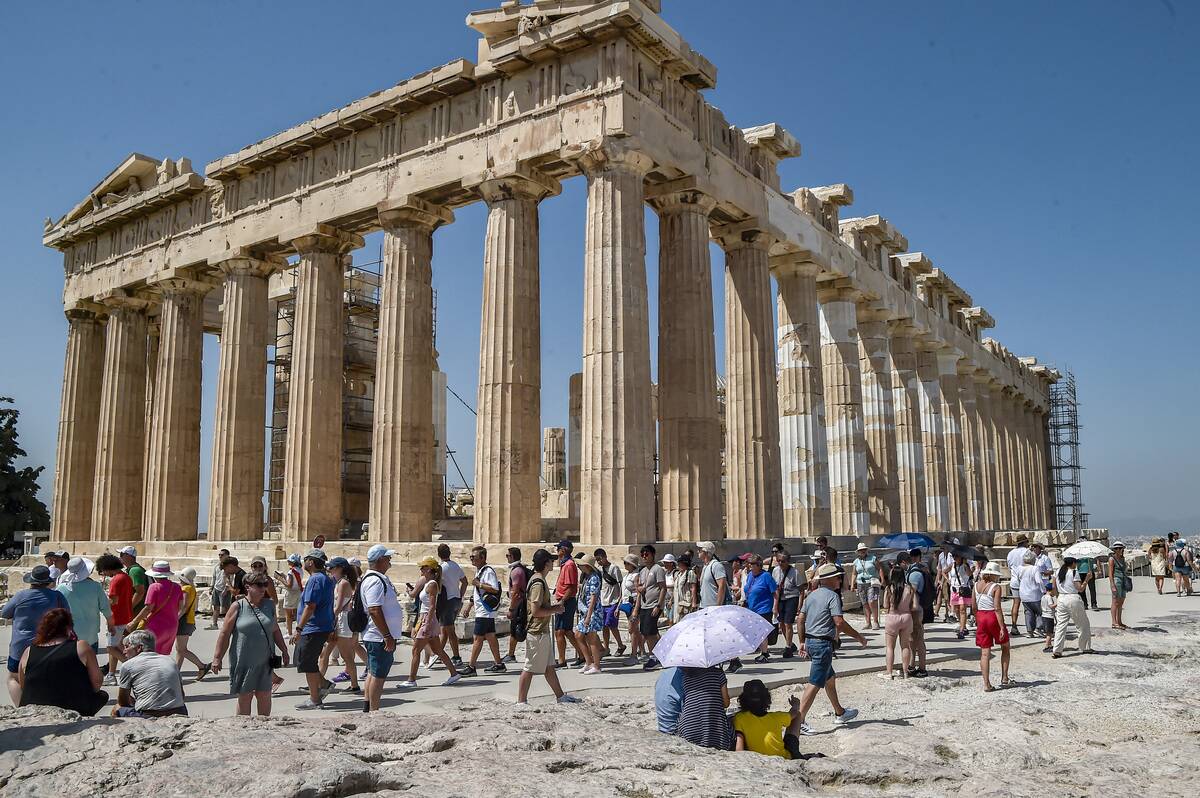
The Parthenon, completed in 438 BC, stands as a symbol of ancient Greece’s architectural brilliance. Dedicated to the goddess Athena, it exemplifies the Doric order with its harmonious proportions and intricate sculptures.
Constructed during the height of the Athenian Empire, the Parthenon reflects the cultural and political achievements of classical Athens. Despite damage over the centuries, it remains a testament to the enduring legacy of Greek architecture.




