Past predictions that are eerily accurate today
Ever wondered how some visionaries seemed to gaze into the future, predicting technological marvels and societal shifts long before they came to be? These prophets of the past, through literature, art, and invention, left us with a fascinating legacy of foresight.
Join us as we embark on a journey through the annals of history to explore the uncanny predictions that have shaped our modern world.
Nostradamus: The Master of Mystifying Predictions
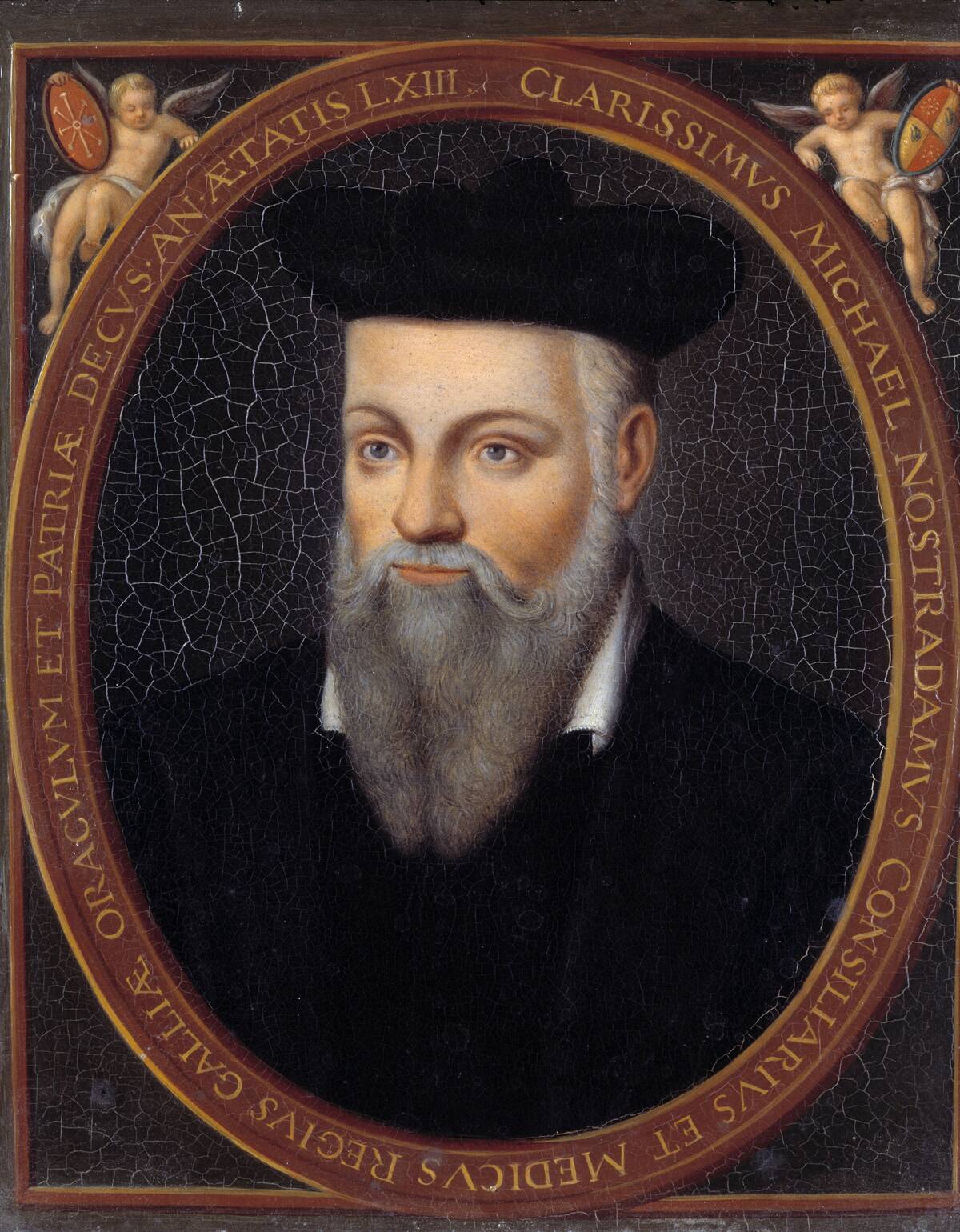
Nostradamus, the 16th-century French apothecary, is renowned for his cryptic quatrains that allegedly foretold events like the French Revolution and World War II. His enigmatic writings have kept historians and enthusiasts busy for centuries, deciphering their meanings.
While skeptics argue about their accuracy, there’s no denying the allure of Nostradamus’s mystique and the way his work continues to captivate imaginations.
Jules Verne’s Vision of the Moon Landing
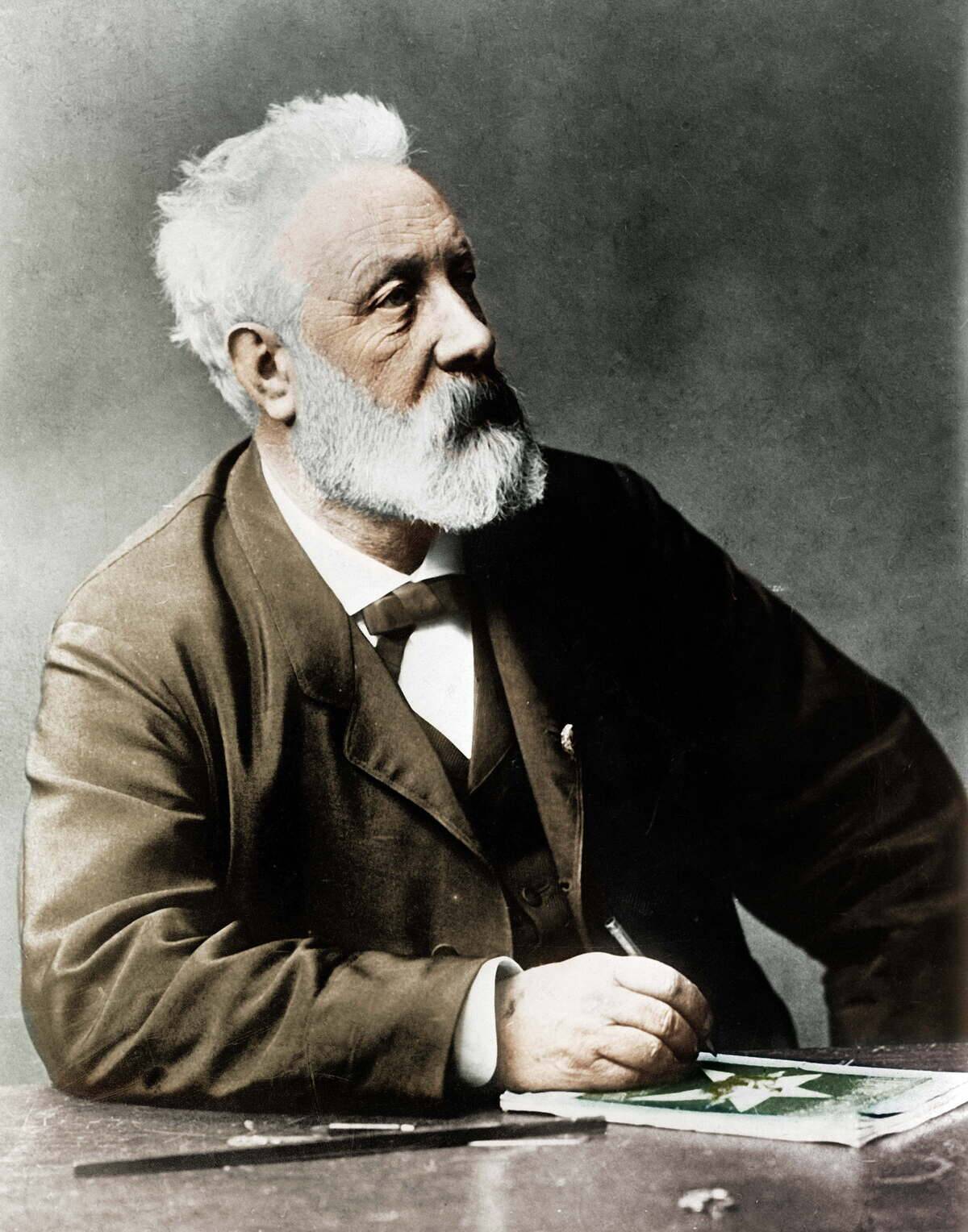
Jules Verne, often hailed as the father of science fiction, penned ‘From the Earth to the Moon’ in 1865, envisioning a journey to our celestial neighbor. Astonishingly, his fiction mirrored reality when humans set foot on the moon over a century later.
Verne’s narrative featured a spacecraft launched from Florida, remarkably similar to NASA’s Kennedy Space Center, showcasing his uncanny knack for futuristic speculation.
George Orwell’s 1984: Surveillance Society Foreseen
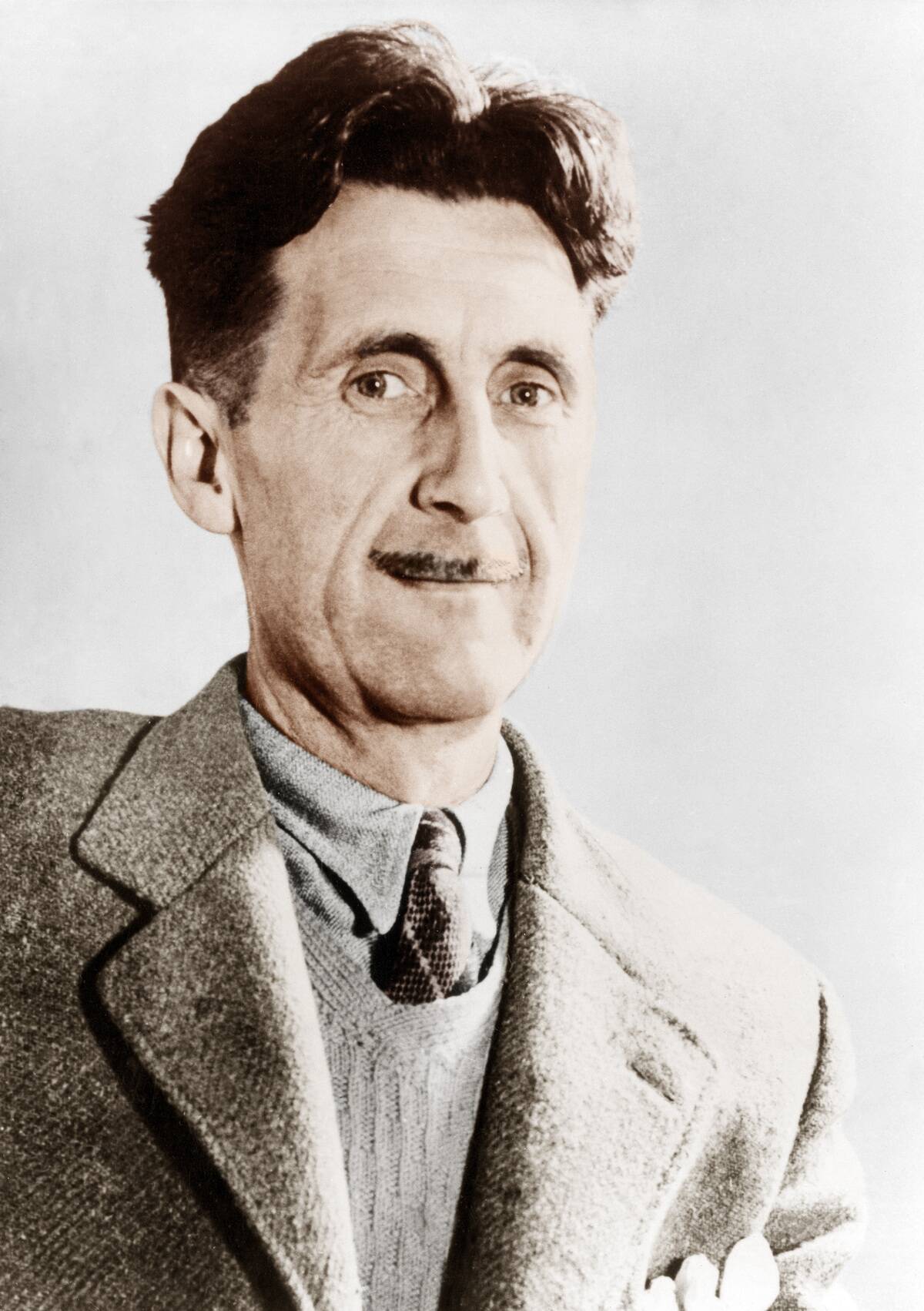
George Orwell’s dystopian novel ‘1984’ remains a chilling reflection of modern surveillance culture. Written in 1949, it introduced the concept of Big Brother and omnipresent government monitoring.
Today, with the proliferation of CCTV cameras, data collection, and social media tracking, Orwell’s cautionary tale feels eerily prescient, serving as a stark reminder of the fine line between security and privacy.
H.G. Wells’ Forecast of Atomic Power
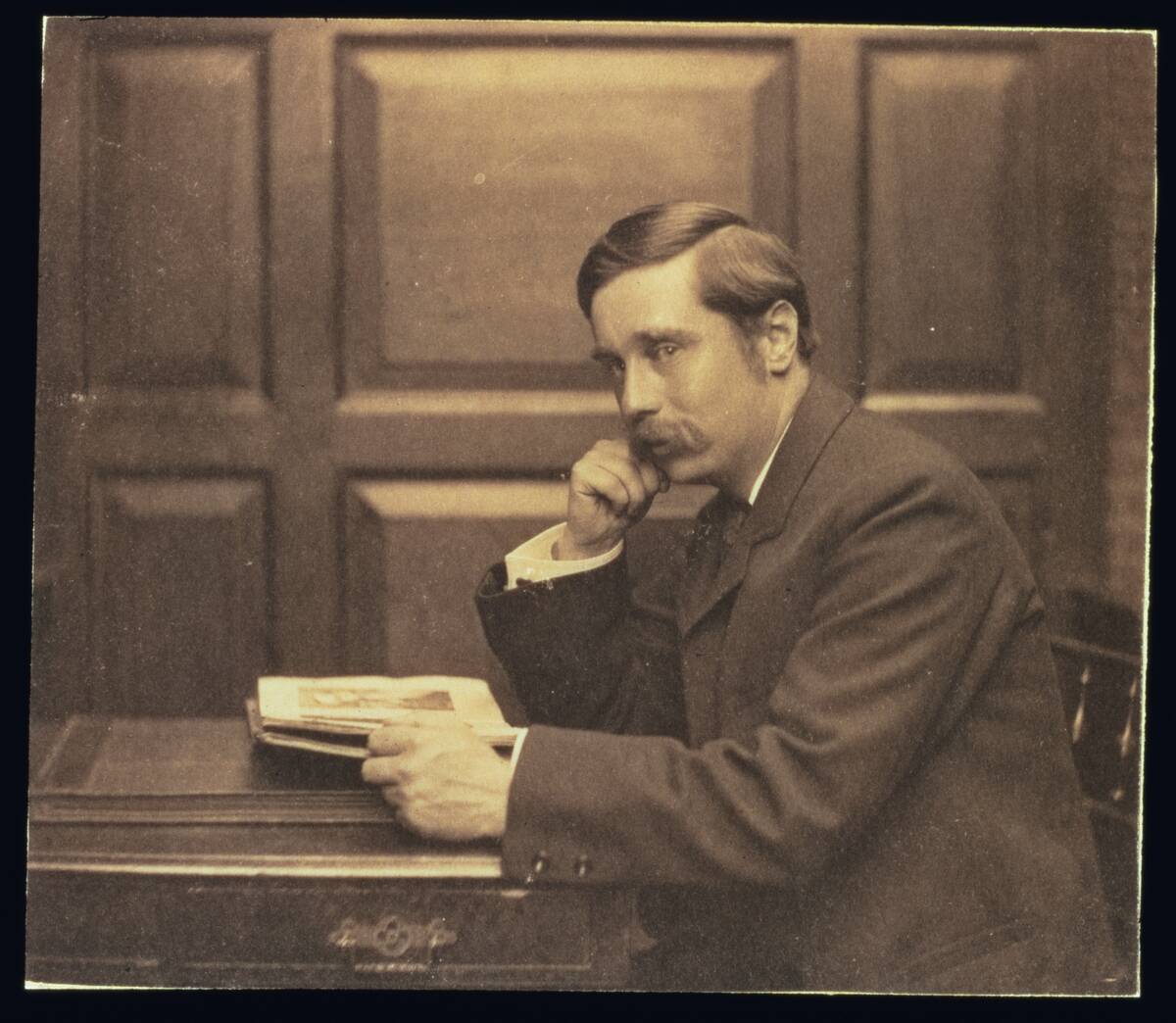
H.G. Wells, another titan of science fiction, foresaw the advent of atomic energy in his 1914 novel ‘The World Set Free.’ He described a future where humanity harnessed the destructive and transformative power of the atom.
This vision materialized with the development of nuclear technology, illustrating Wells’ remarkable ability to see beyond the scientific horizon and anticipate one of the 20th century’s most significant breakthroughs.
Mark Twain’s Prescient Prediction of the Internet
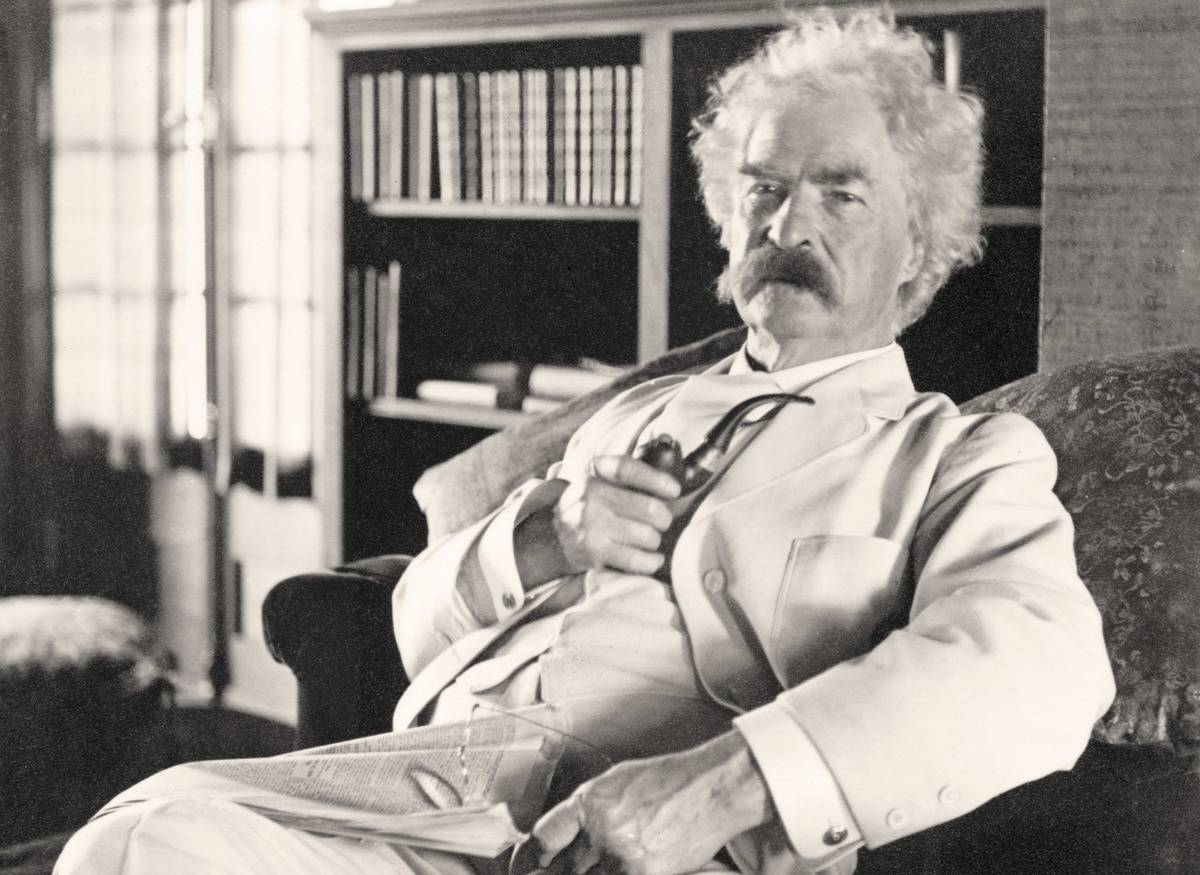
Mark Twain, known for his wit and humor, also had a futuristic vision with ‘The London Times of 1904,’ an essay written in 1898. Twain imagined a global communication network that sounds strikingly similar to the internet.
His concept of a worldwide information system highlights his forward-thinking nature and reminds us that even humorists can have a serious knack for prophecy.
Isaac Asimov’s Insight into Robotics and AI
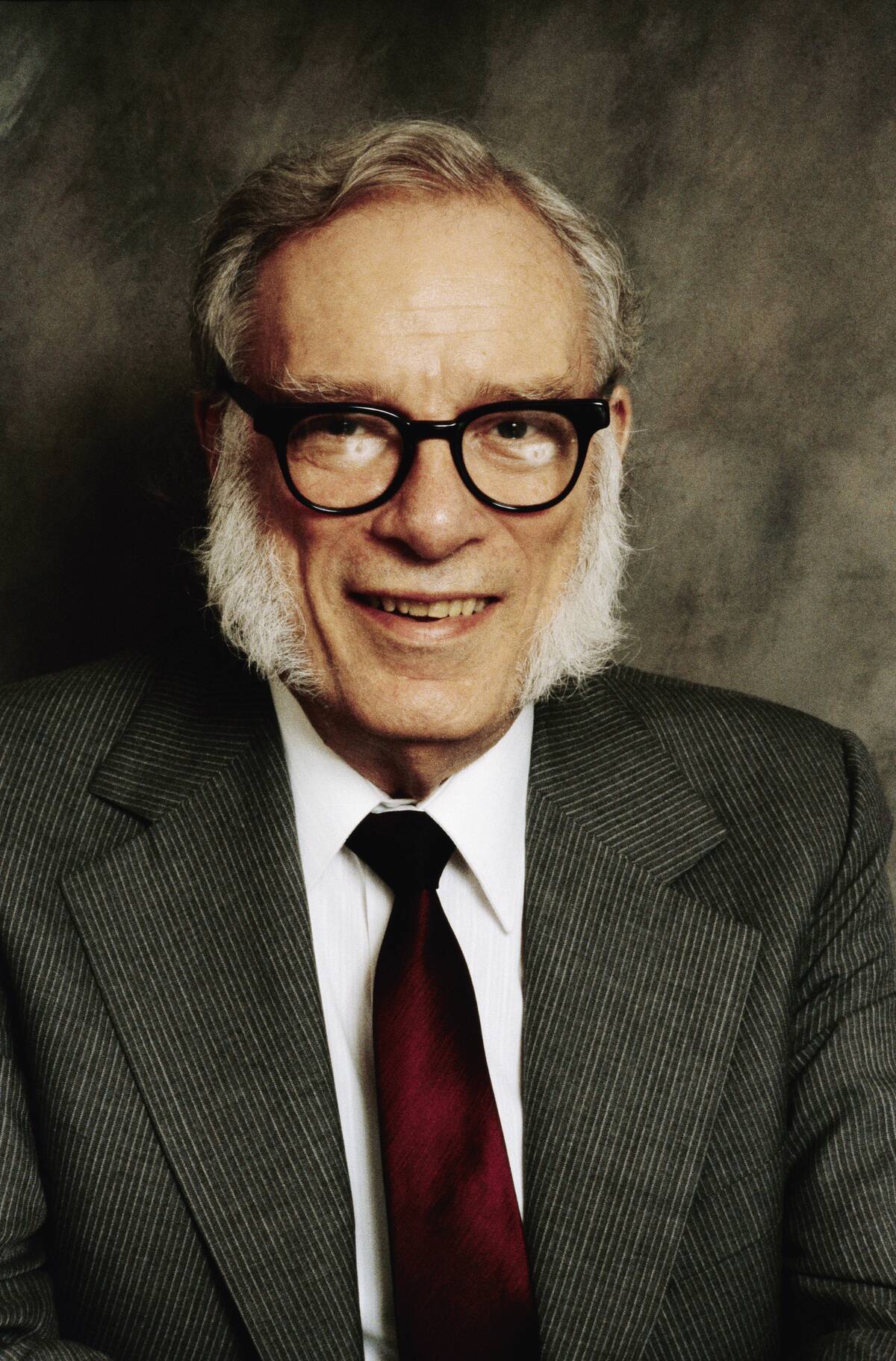
Isaac Asimov, a prolific writer and biochemist, laid the foundation for modern robotics and AI with his famous ‘Three Laws of Robotics.’ His stories, starting with ‘Runaround’ in 1942, explored ethical and societal implications of intelligent machines.
Asimov’s work continues to influence scientists and ethicists as they navigate the complexities of AI, proving that fiction can indeed shape reality.
The Simpsons: Pop Culture’s Prophet
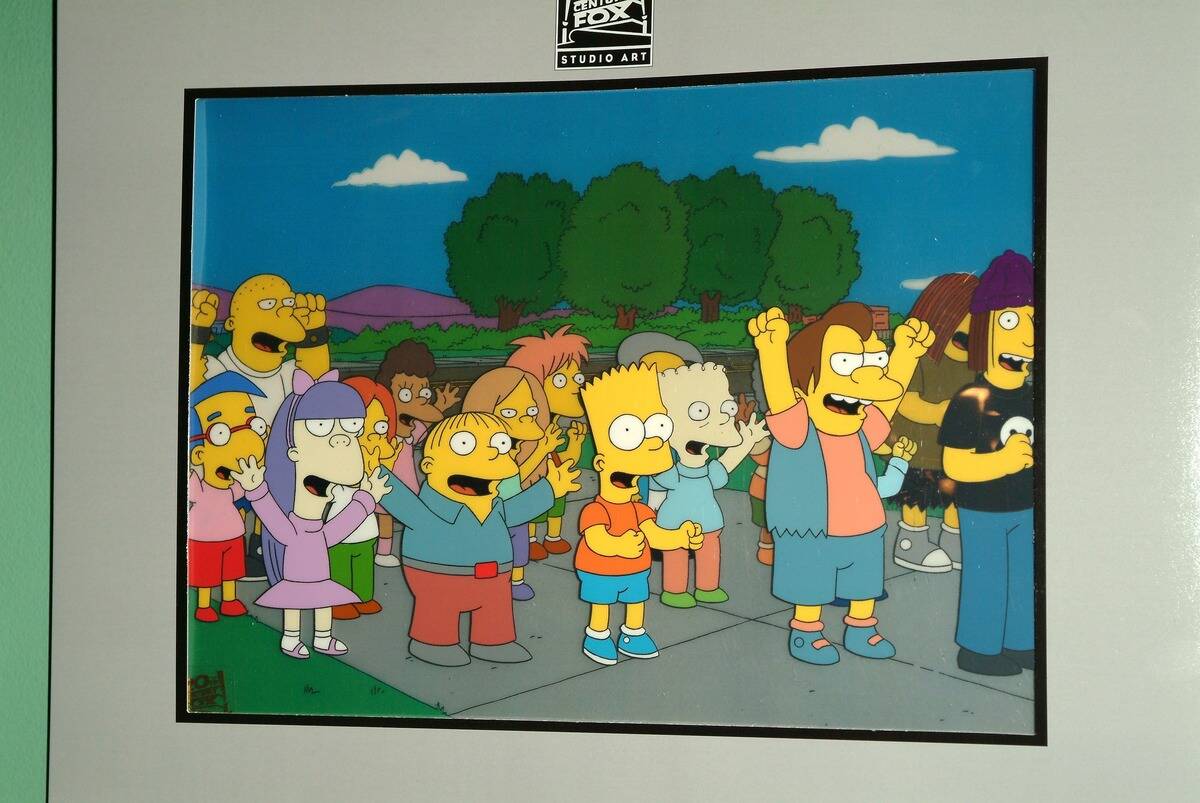
The Simpsons, an animated sitcom first aired in 1989, has gained a reputation for its uncanny ability to predict future events. From the election of Donald Trump to smartwatches, the show has made numerous eerie forecasts.
While some dismiss these as coincidences, the show’s creators seem to have an intuitive grasp of cultural and technological trends, making it a pop culture phenomenon with a prophetic twist.
The Futuristic Foresight of Star Trek’s Gadgets
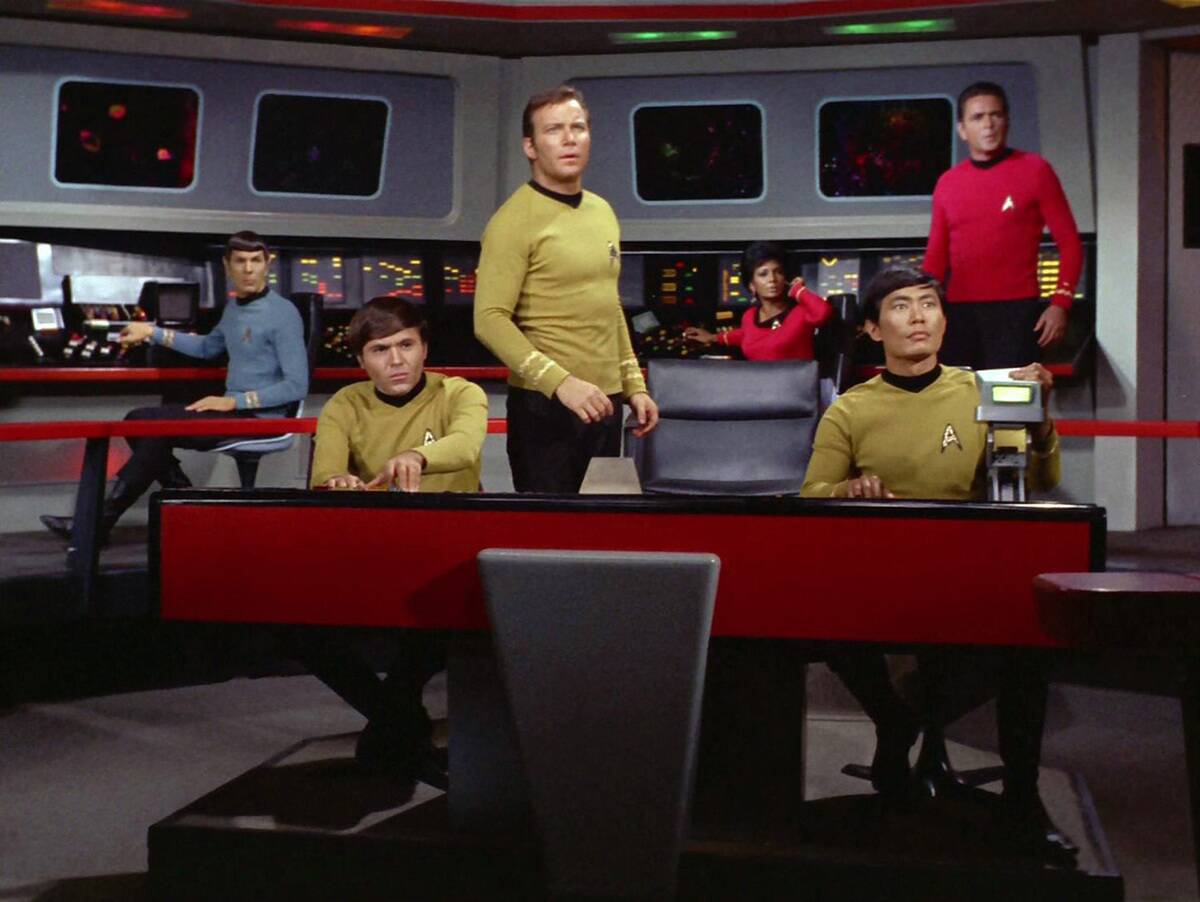
Star Trek, the iconic science fiction series, introduced audiences to a host of futuristic gadgets that later became reality. Communicators resembling modern smartphones, medical tricorders, and even tablet computers appeared on the show.
Star Trek’s vision of technology inspired generations of scientists and engineers, blurring the line between science fiction and reality in the most delightful way.
Ray Bradbury’s Warning of Virtual Reality in Fahrenheit 451
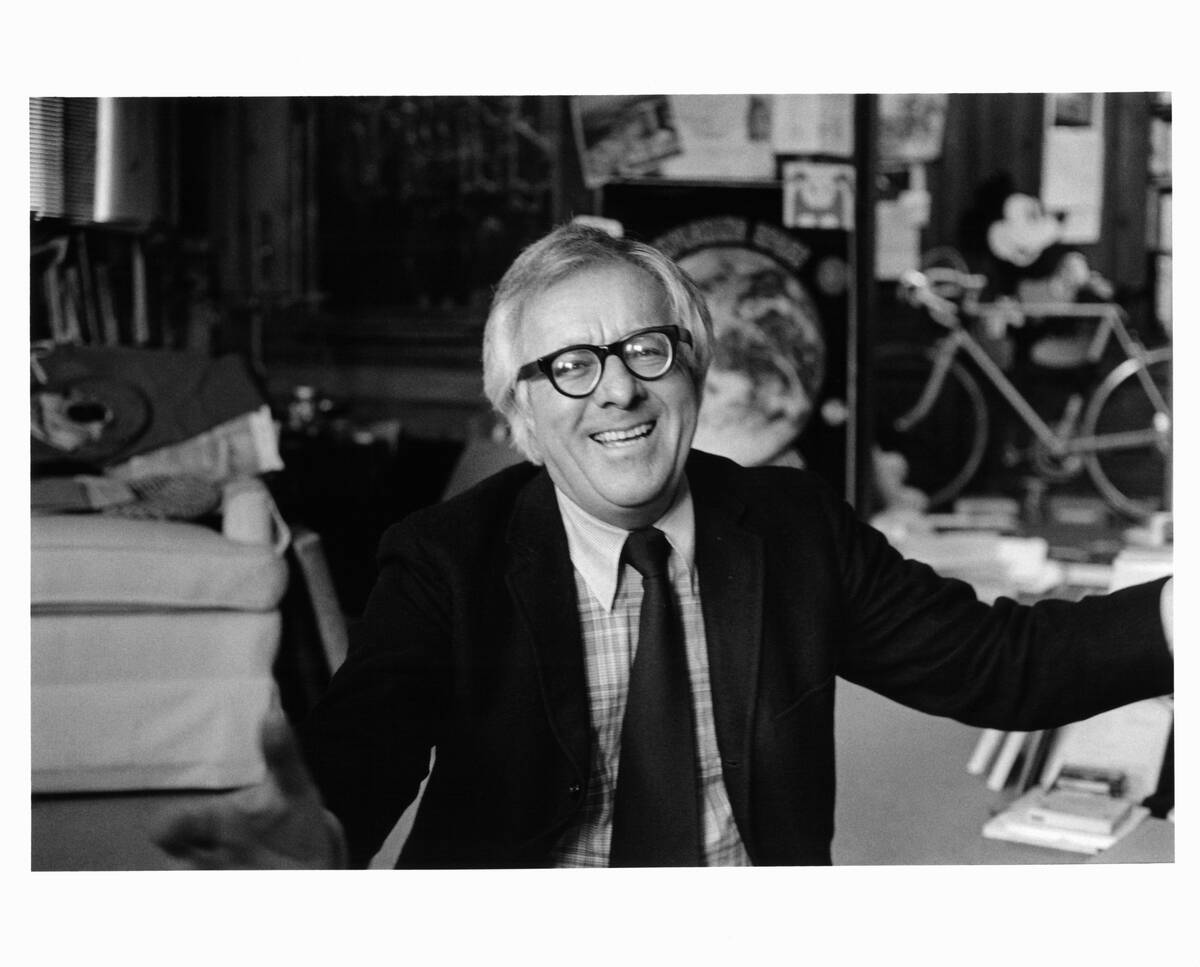
Ray Bradbury’s ‘Fahrenheit 451,’ published in 1953, depicted a world where virtual reality and immersive media dominate society.
His portrayal of ‘parlor walls’—large, interactive screens—echoes today’s virtual reality experiences and immersive home entertainment systems. Bradbury’s cautionary tale serves as a reminder of technology’s potential to isolate individuals from genuine human connections.
Arthur C. Clarke’s Prediction of Satellite Communication
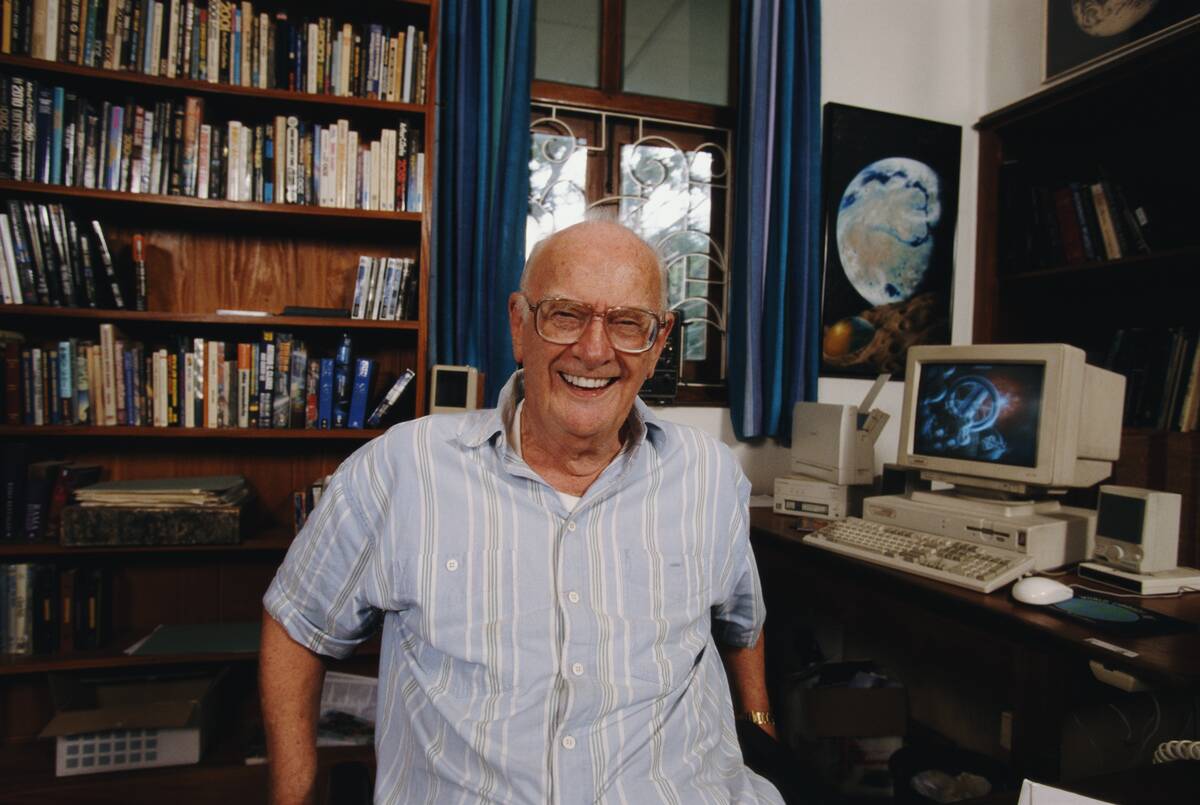
Arthur C. Clarke, a visionary science fiction writer, predicted the use of geostationary satellites for communication in 1945. His concept laid the groundwork for modern satellite technology, essential for global telecommunications and broadcasting.
Clarke’s foresight demonstrated how imaginative thinking can lead to groundbreaking technological advancements, cementing his status as a luminary in both science and fiction.
Aldous Huxley’s Brave New World and Genetic Engineering
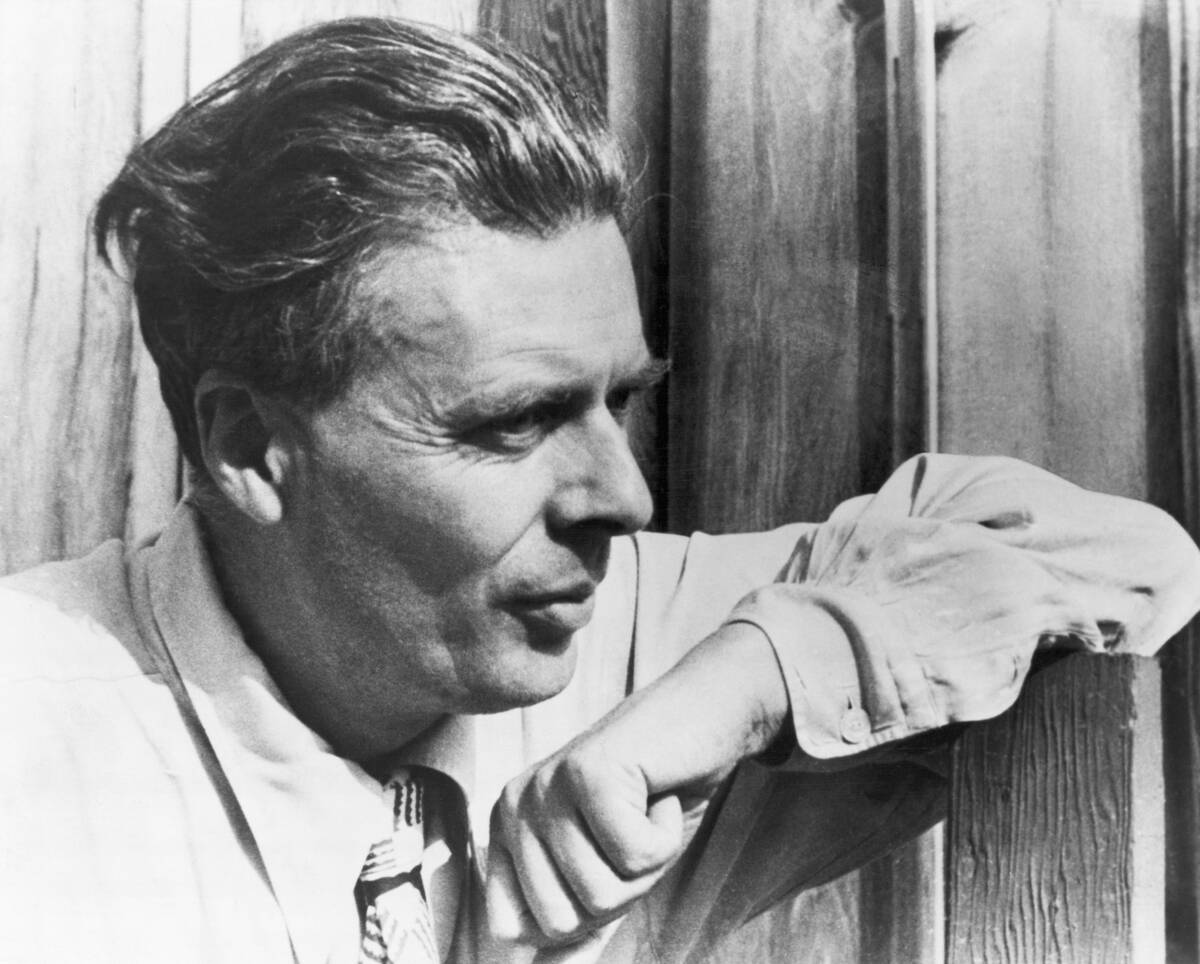
Aldous Huxley’s ‘Brave New World,’ published in 1932, explored themes of genetic engineering and reproductive technology long before they became scientific realities.
His dystopian vision of a society driven by biotechnology resonates today as we grapple with ethical dilemmas surrounding CRISPR and genetic modification. Huxley’s foresight underscores the enduring impact of literature on societal discourse.
Stanley Kubrick’s 2001: A Space Odyssey and Space Exploration
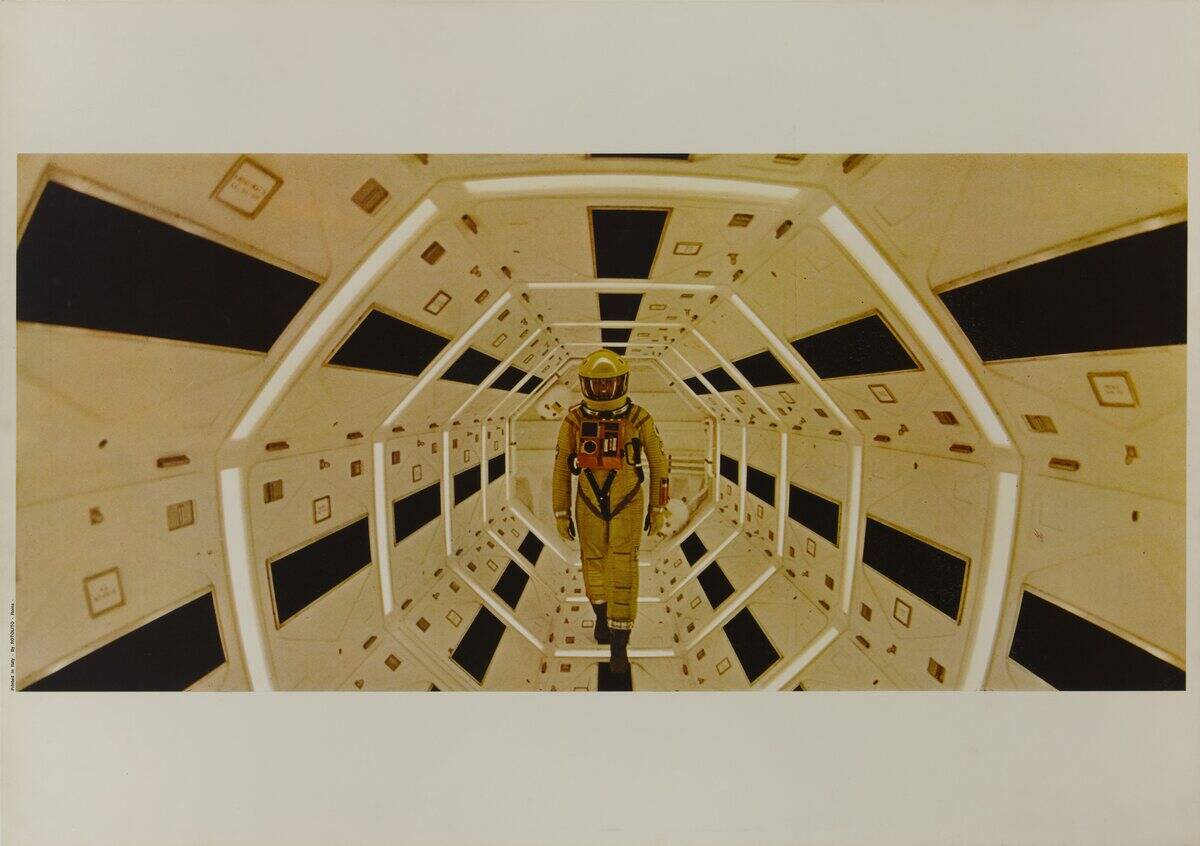
Stanley Kubrick’s 1968 film ‘2001: A Space Odyssey’ envisioned a future where space exploration was a routine endeavor. The film’s depiction of space stations, AI, and video calls foreshadowed technological advancements achieved decades later.
Kubrick’s collaboration with Arthur C. Clarke resulted in a cinematic masterpiece that continues to inspire space science and exploration, reminding us of humanity’s eternal quest for the stars.
The Jetsons’ Surprisingly Accurate Technological Advances
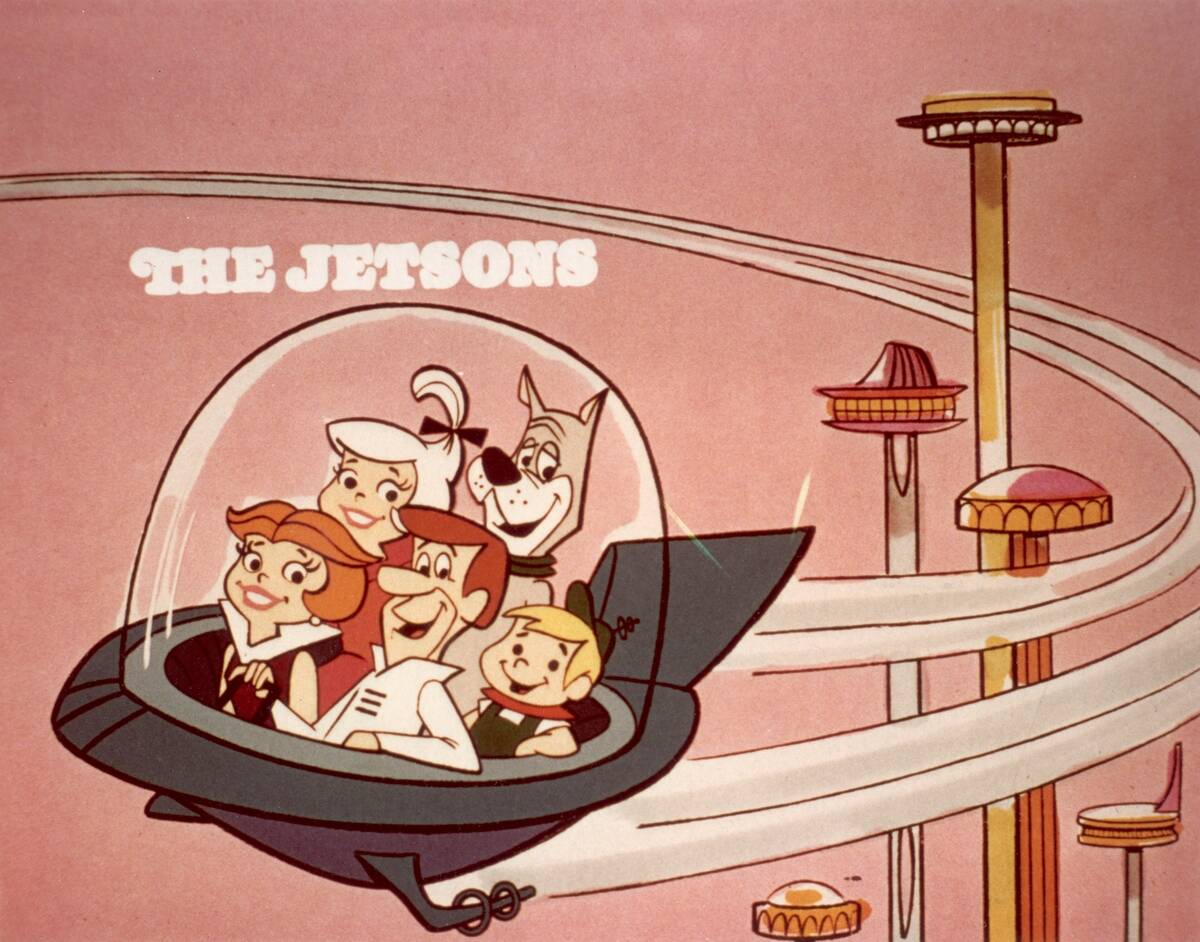
The Jetsons, a beloved animated series from the 1960s, envisioned a future filled with flying cars, video calls, and robotic assistants. While flying cars remain elusive, video conferencing and smart home devices have become everyday realities.
The Jetsons’ whimsical portrayal of future technologies highlights the show’s enduring influence on our perception of what the future might hold.
Philip K. Dick’s Predictions of Pre-Crime and Drones
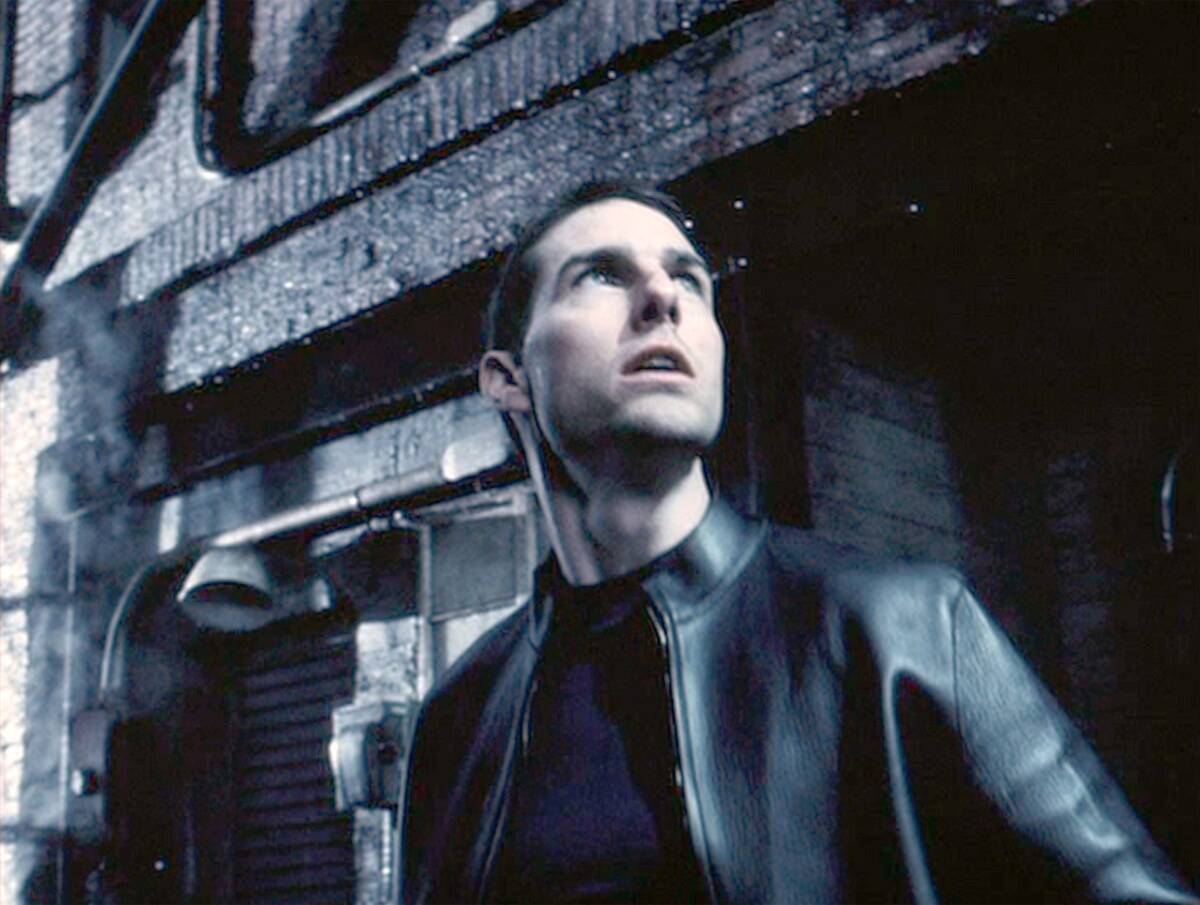
Philip K. Dick, a prolific science fiction writer, explored themes of pre-crime and surveillance in stories like ‘Minority Report.’ His work anticipated technologies like predictive policing and drones, which are increasingly prevalent in modern society.
Dick’s exploration of the ethical and moral dilemmas posed by these technologies continues to resonate, offering a cautionary lens through which to view our technological trajectory.
Nikola Tesla’s Vision of Wireless Communication
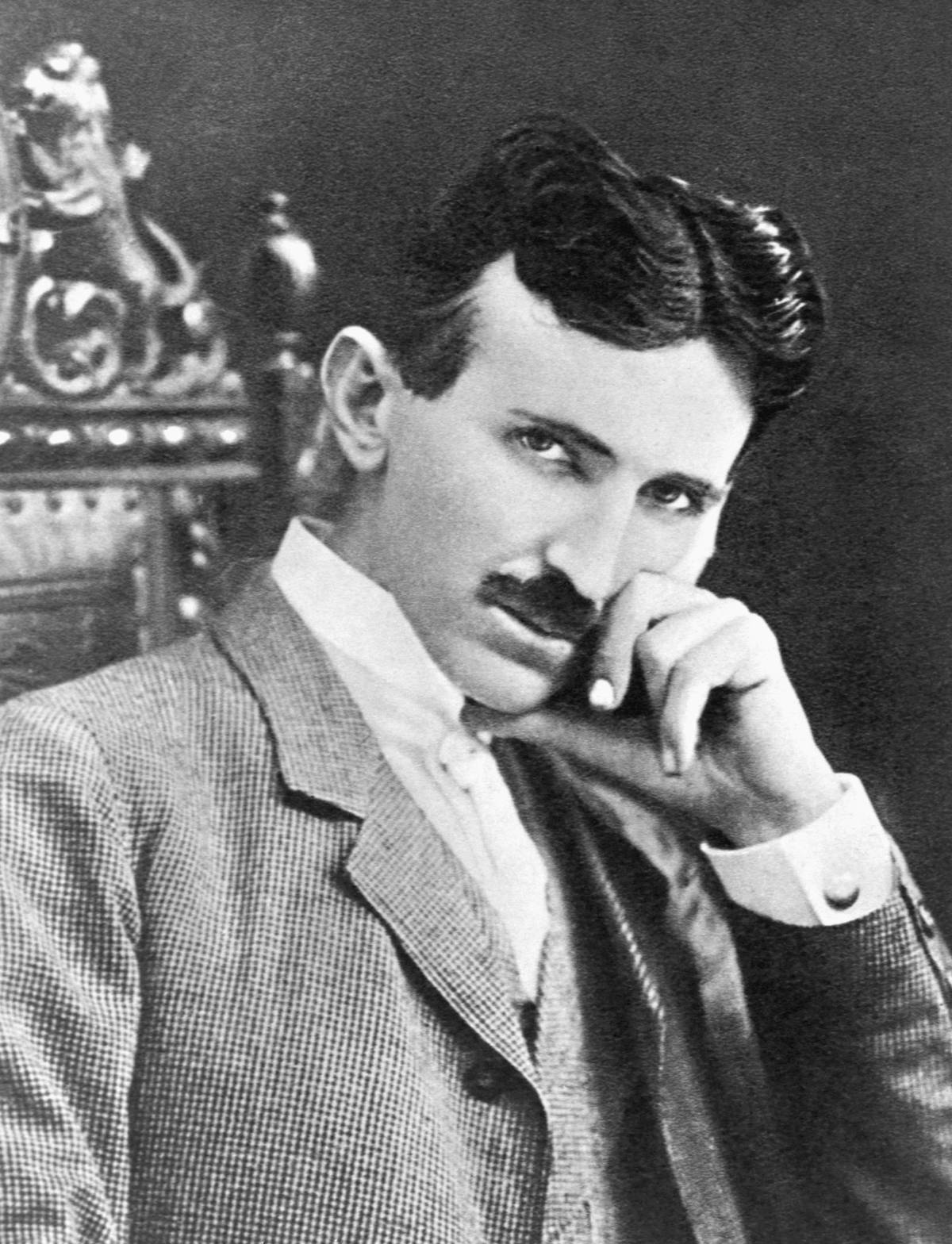
Nikola Tesla, the brilliant inventor, foresaw the potential of wireless communication at the turn of the 20th century. He imagined a world where information could be transmitted wirelessly, a vision that laid the groundwork for today’s wireless networks and mobile communication.
Tesla’s visionary ideas continue to inspire engineers and scientists, cementing his legacy as a pioneer of modern technology.
Edgar Cayce’s Predictions of Shifting Earth Changes
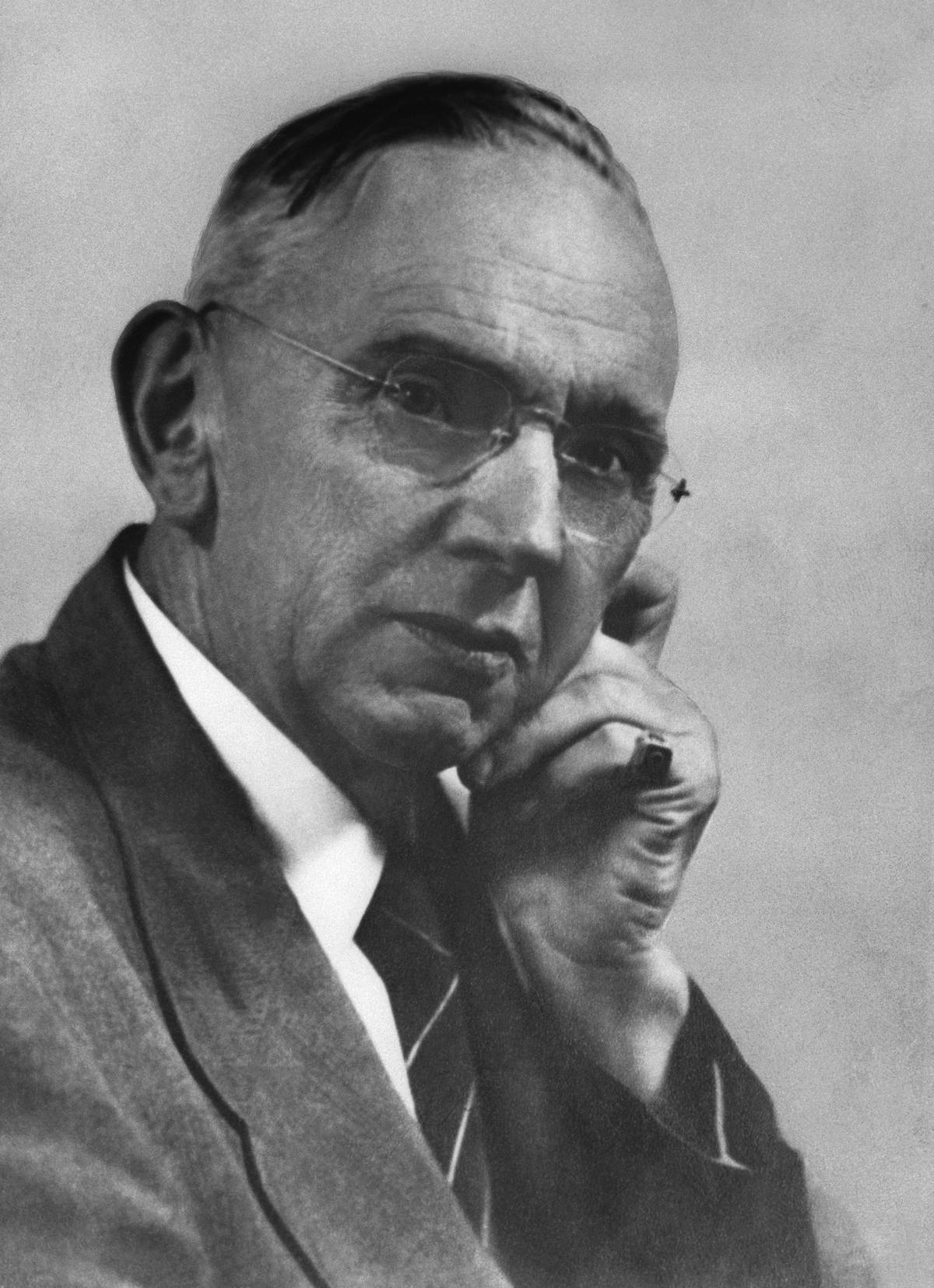
Edgar Cayce, known as the ‘Sleeping Prophet,’ made numerous predictions about earth changes and natural disasters. While many of his forecasts remain unverified, his visions of shifting coastlines and seismic activity have intrigued researchers and followers.
Cayce’s work continues to inspire discussions about the interconnectedness of human and planetary health, blending mysticism with environmental awareness.
William Gibson’s Cyberpunk Glimpses of Modern Technology
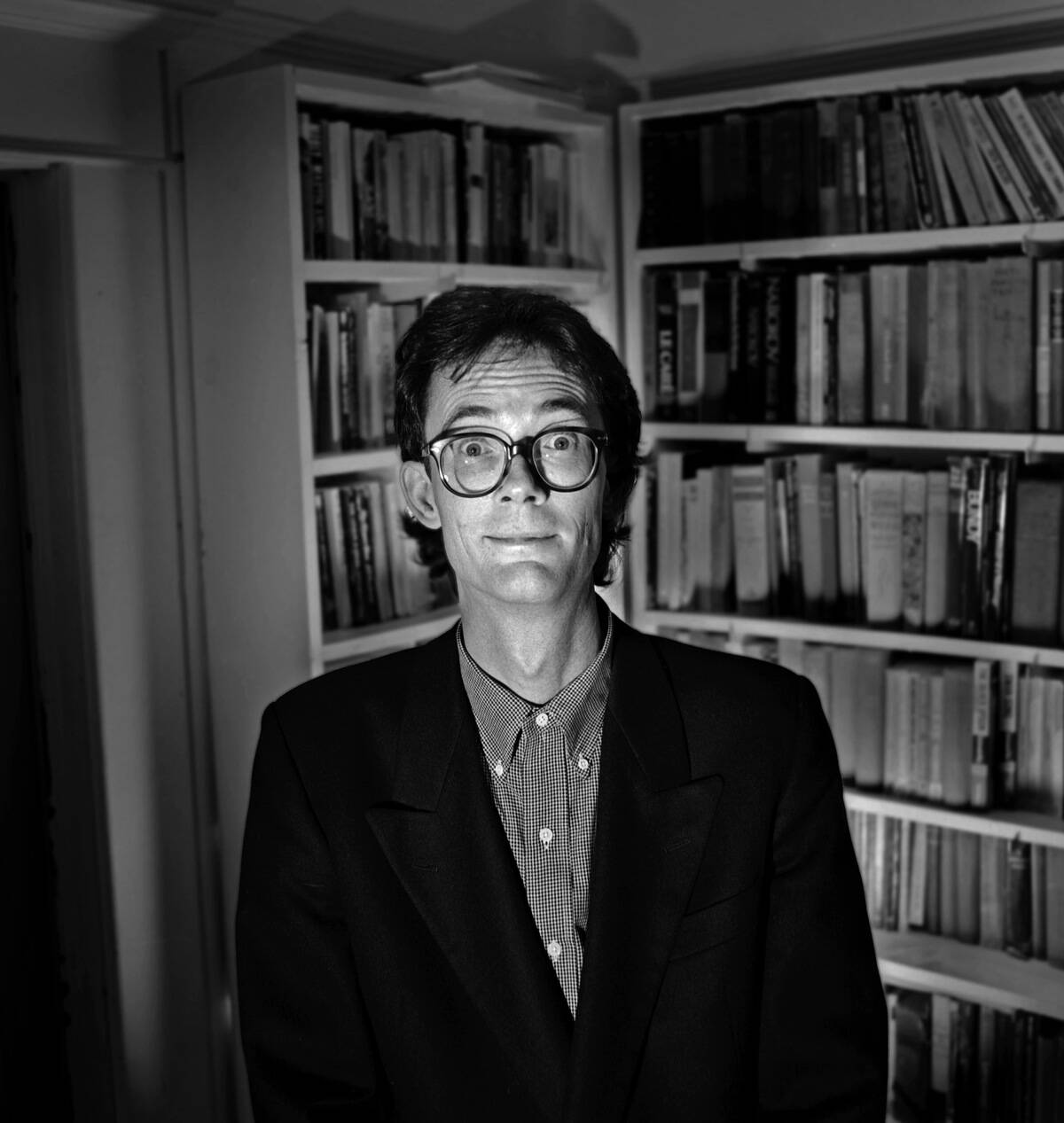
William Gibson, the father of cyberpunk, introduced readers to a high-tech, low-life future in his novel ‘Neuromancer.’ Published in 1984, it predicted the rise of cyberspace, virtual reality, and the internet.
Gibson’s work has influenced tech culture, inspiring innovators and shaping the digital landscape. His cyberpunk vision offers a gritty yet prescient glimpse into our technology-driven world.
The Eerie Accuracy of Time Capsule Predictions
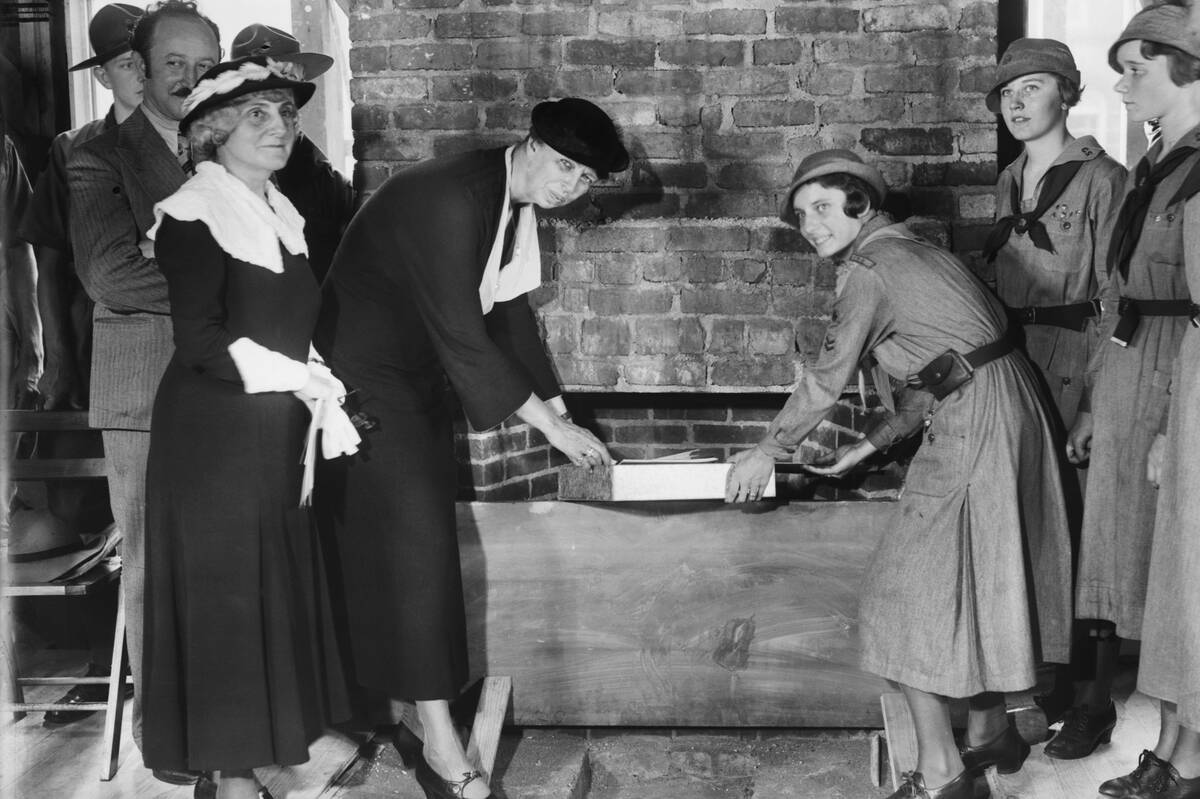
Time capsules, sealed containers filled with contemporary artifacts, have offered glimpses into the past and predictions for the future. Some capsules, like the 1939 Westinghouse Time Capsule, contained predictions about technological advancements and societal changes.
The uncanny accuracy of certain forecasts reveals humanity’s persistent curiosity about the future and our desire to connect across generations.
Leonardo da Vinci’s Renaissance Projections of Modern Machines
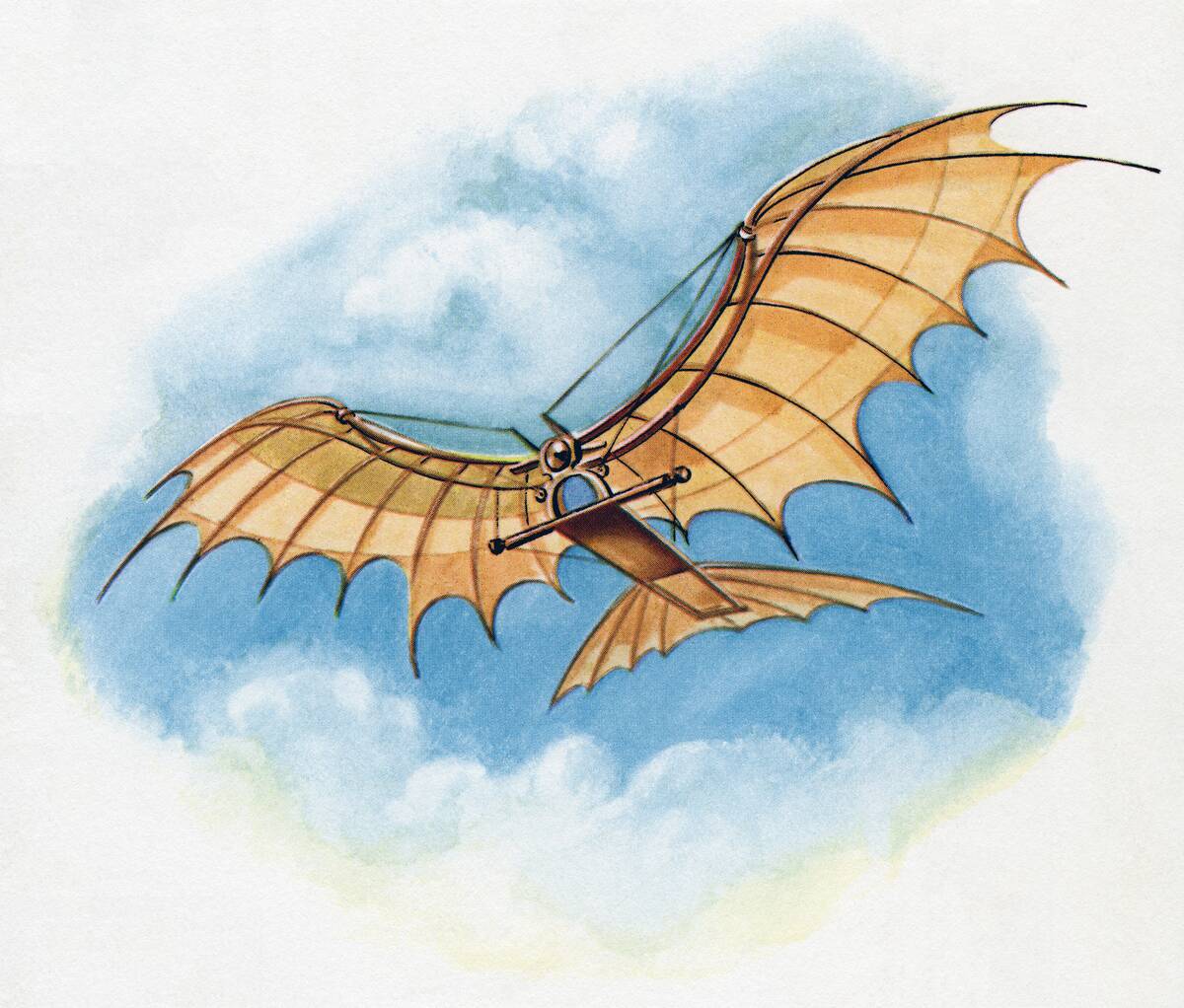
Leonardo da Vinci, the quintessential Renaissance man, sketched designs for machines that resemble modern inventions such as helicopters and tanks. His visionary drawings, created in the late 15th century, showcase a mind far ahead of its time.
Leonardo’s ability to foresee technological possibilities centuries before their realization underscores his genius and enduring impact on science and engineering.




