Political reforms sparked by unexpected events
Politics often seems a realm of careful planning and strategy, yet it is frequently shaped by the unexpected. Events that nobody saw coming can reshape policies and governments.
From sudden economic downturns to natural disasters, these unforeseen occurrences can act as catalysts for significant political reform. It’s intriguing to explore how these incidents, often disruptive at first glance, can lead to positive changes in governance and policy-making.
The Butterfly Effect: How Small Events Can Lead to Major Reforms
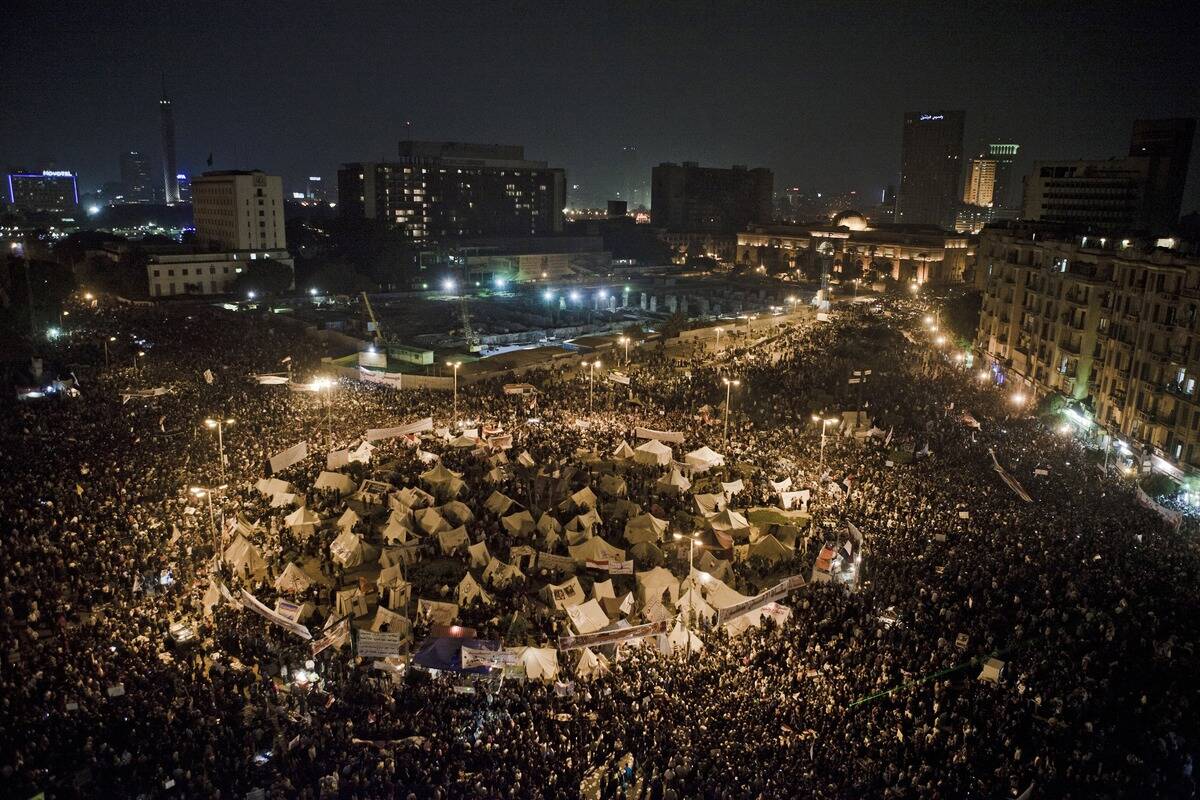
The butterfly effect suggests that minute occurrences can have vast, unforeseen consequences. In politics, a seemingly trivial event can set off a chain reaction leading to major reforms.
For example, the Arab Spring began with a single act of protest by Mohamed Bouazizi, a Tunisian street vendor, which eventually toppled governments. This illustrates how small actions can ripple through political systems, prompting significant and lasting change.
Historical Context: Unforeseen Events That Shaped Political Landscapes

History is replete with examples of unexpected events altering political landscapes. The assassination of Archduke Franz Ferdinand in 1914, for instance, ignited World War I, leading to a profound reshaping of global politics.
Similarly, the fall of the Berlin Wall in 1989 was a spontaneous event that symbolized the end of the Cold War, resulting in significant political realignment across Europe. These instances show how unforeseen events can leave indelible marks on political history.
The Role of Crisis in Catalyzing Political Change
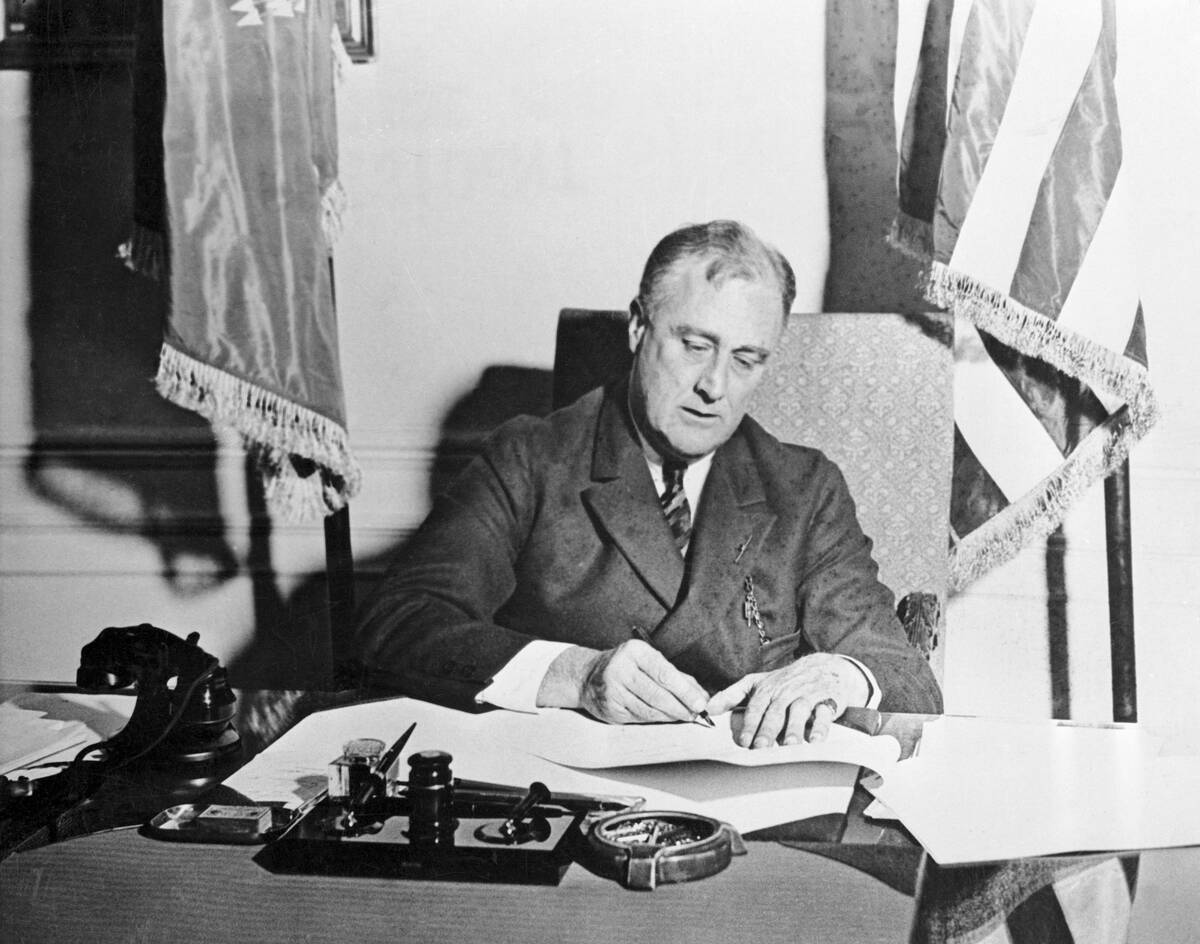
Crises often serve as catalysts for political change, forcing governments to act swiftly and decisively. The Great Depression, for example, led to sweeping economic reforms under Franklin D. Roosevelt’s New Deal in the United States.
In times of crisis, the urgency to address immediate issues can lead to significant shifts in policy, as governments seek to prevent future catastrophes and stabilize their nations. It’s a testament to how adversity can drive innovation and reform.
Natural Disasters as Catalysts for Policy Overhaul
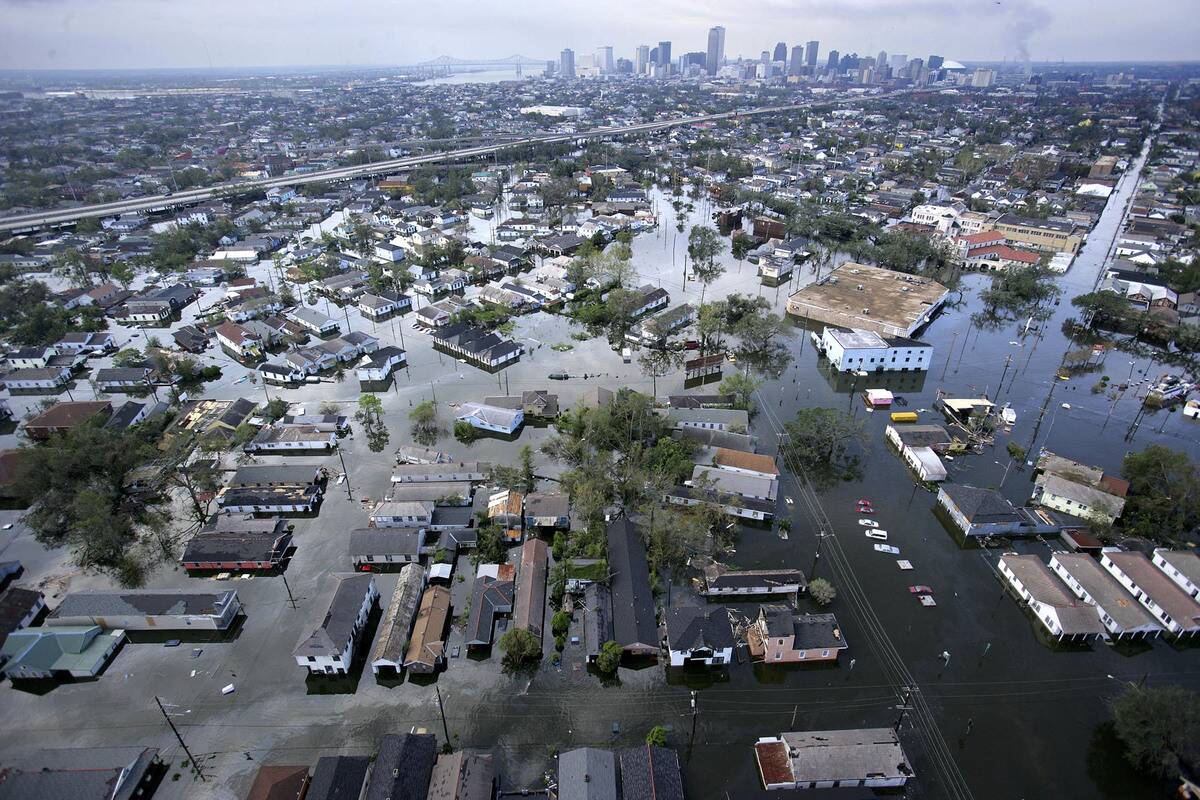
Natural disasters can be devastating, but they also prompt significant policy changes. After Hurricane Katrina in 2005, the U.S. government reformed disaster response protocols, leading to the establishment of the Post-Katrina Emergency Management Reform Act.
Similarly, Japan’s 2011 earthquake and tsunami disaster led to a reevaluation of nuclear energy policies. These events highlight how natural calamities can spur governments to rethink and improve their policies to better protect citizens.
Economic Shocks: When Financial Crises Demand Reform
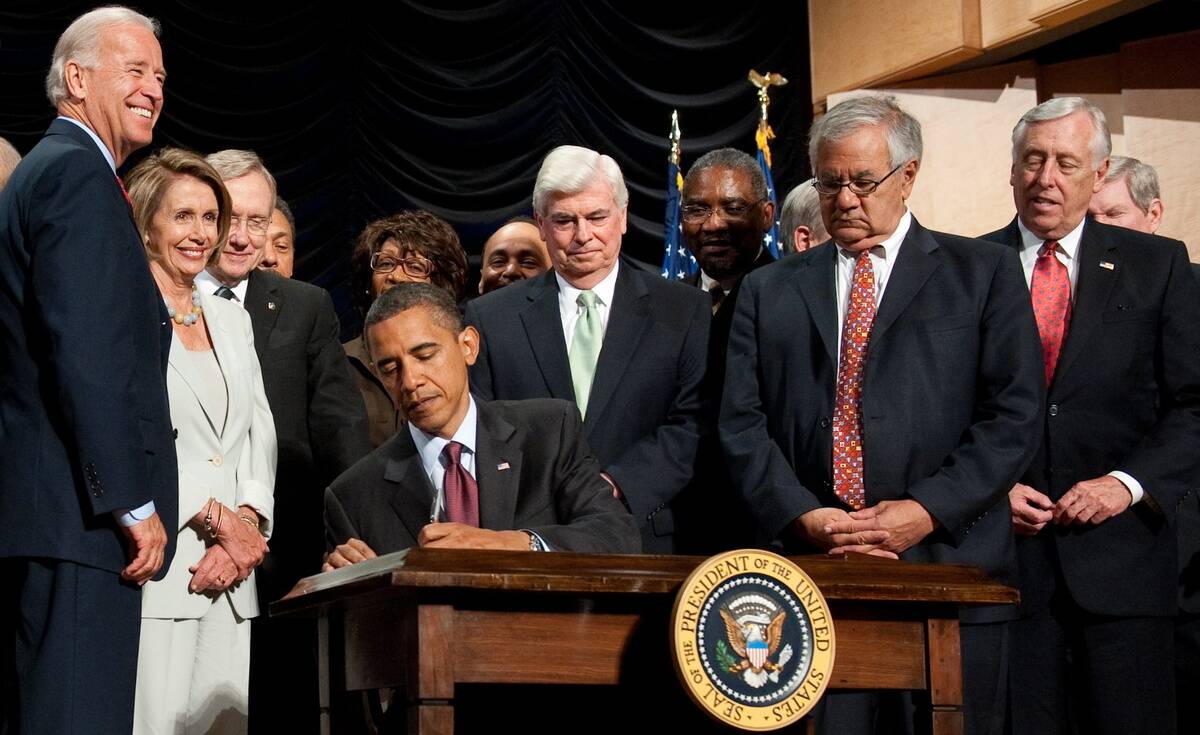
Economic shocks invariably demand political and economic reform. The 2008 global financial crisis, for instance, resulted in the Dodd-Frank Act in the United States, which aimed to prevent future financial meltdowns.
Similarly, Greece’s debt crisis led to significant austerity measures and structural reforms under the European Union’s guidance. These crises highlight the necessity for governments to adapt and create robust policies to stabilize economies and prevent future downturns.
Social Movements Sparked by Unpredictable Events
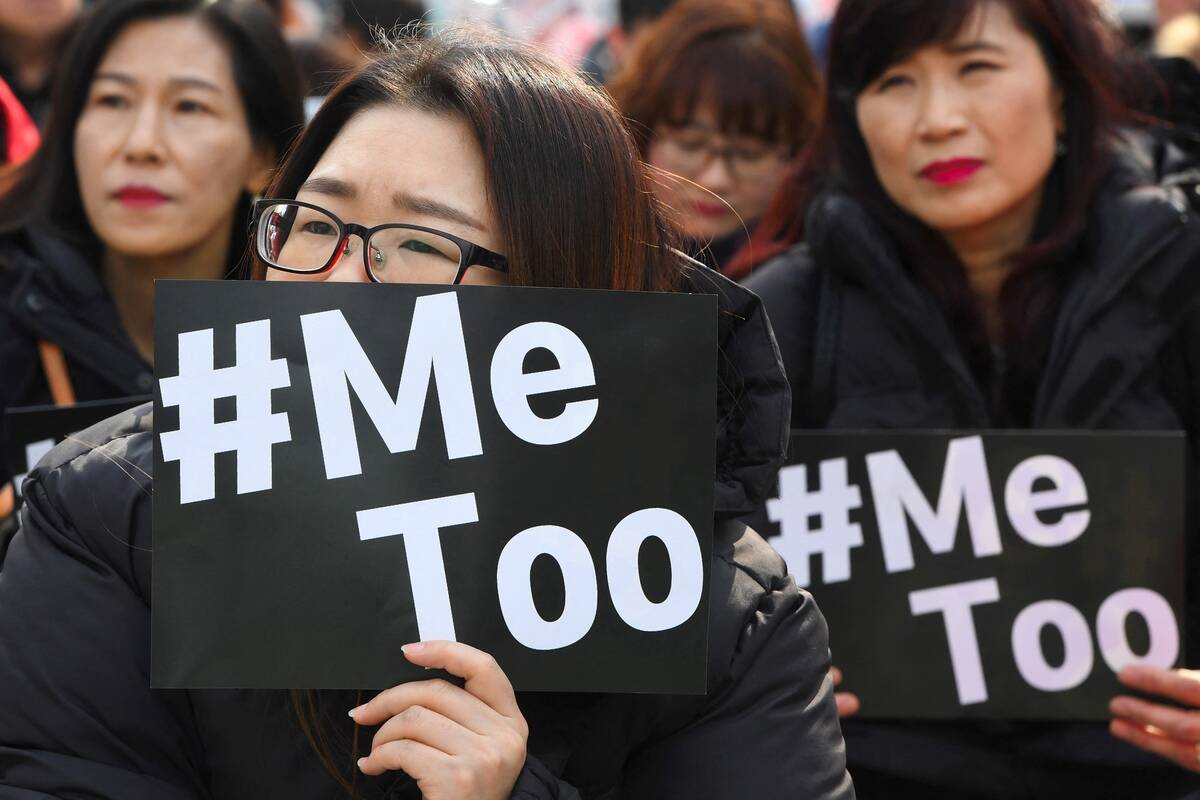
Social movements often arise from unexpected events, leading to profound political change. The #MeToo movement, which gained momentum after high-profile allegations in Hollywood, brought global attention to issues of sexual harassment and gender inequality.
Similarly, the Black Lives Matter movement was fueled by incidents of police brutality, prompting widespread calls for reform in policing and racial justice. These movements demonstrate the power of collective action in shaping political agendas.
Technological Advancements That Pushed Political Boundaries

Technological advancements have continually pushed political boundaries, often in unexpected ways. The rise of social media platforms like Twitter and Facebook has transformed political communication, enabling grassroots movements to gain traction quickly.
The Arab Spring is a prime example, where social media played a crucial role in organizing protests and disseminating information. Technology has not only changed the way politics is conducted but also how citizens engage with their governments.
Scandals and Their Unintended Consequences on Legislation

Scandals often lead to unintended legislative changes, as governments seek to restore public trust. The Watergate scandal in the 1970s led to reforms in campaign finance and increased transparency in government.
Similarly, the Enron scandal resulted in the Sarbanes-Oxley Act, which aimed to improve corporate governance and accountability. These incidents underscore how scandals can prompt legislative action, leading to greater oversight and reform in governance.
Health Crises: How Pandemics Have Reformed Public Policy

Health crises, such as pandemics, have historically led to significant public policy reforms. The COVID-19 pandemic, for instance, prompted governments worldwide to reevaluate healthcare systems and emergency response strategies.
In the United States, the Affordable Care Act was influenced by past health crises, aiming to provide broader healthcare coverage. These health emergencies highlight the necessity for adaptable and resilient healthcare policies to manage future outbreaks effectively.
Accidental Discoveries Leading to Regulatory Changes

Accidental discoveries can lead to significant regulatory changes. The discovery of penicillin by Alexander Fleming in 1928 revolutionized medicine and led to the development of antibiotics, prompting regulations to ensure safe and effective use.
Similarly, the accidental discovery of Teflon by Roy Plunkett in 1938 led to new consumer safety standards. These instances show how chance discoveries can drive progress and necessitate new regulations to protect public health and safety.
The Power of Public Opinion in Unexpected Political Shifts
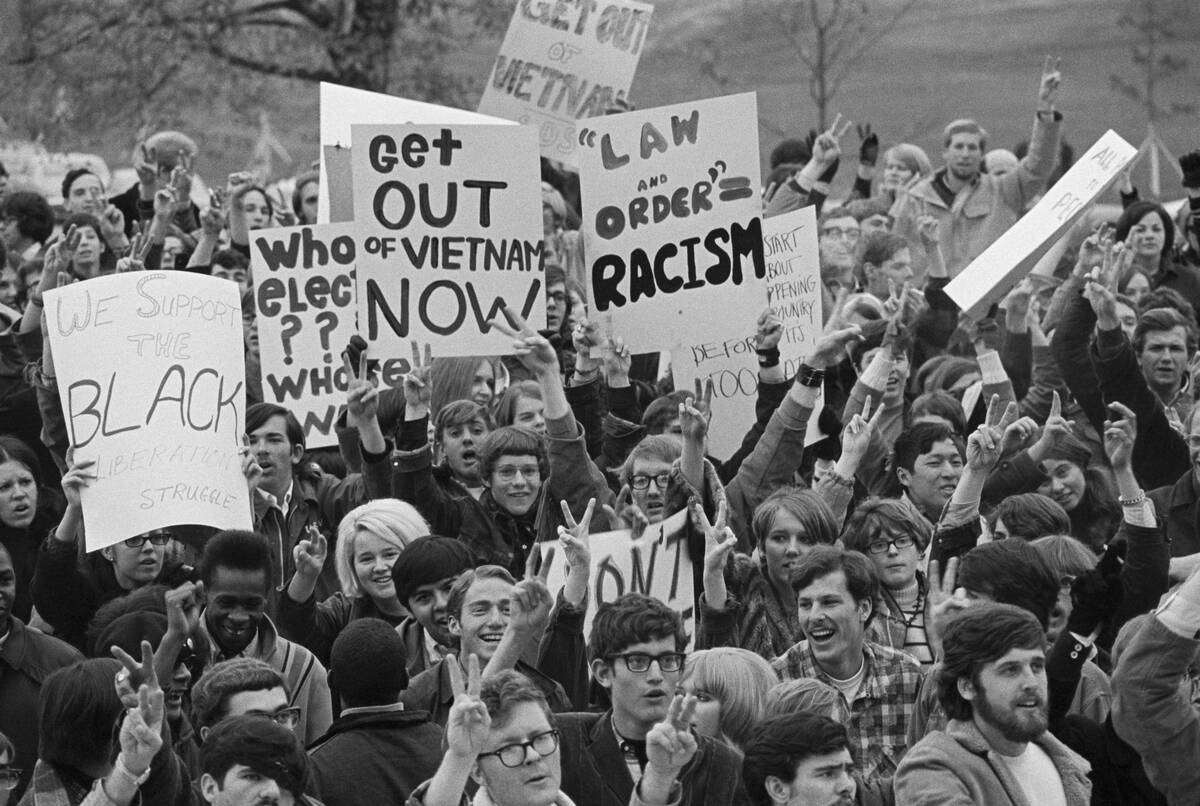
Public opinion holds immense power in driving unexpected political shifts. The Vietnam War protests in the 1960s and 70s significantly influenced U.S. foreign policy, leading to a shift towards withdrawal.
More recently, global climate strikes led by young activists have pressured governments to take action on climate change. These examples highlight how public sentiment can sway political decisions and prompt reforms, even in the face of entrenched interests.
Grassroots Movements Born from Unforeseen Circumstances
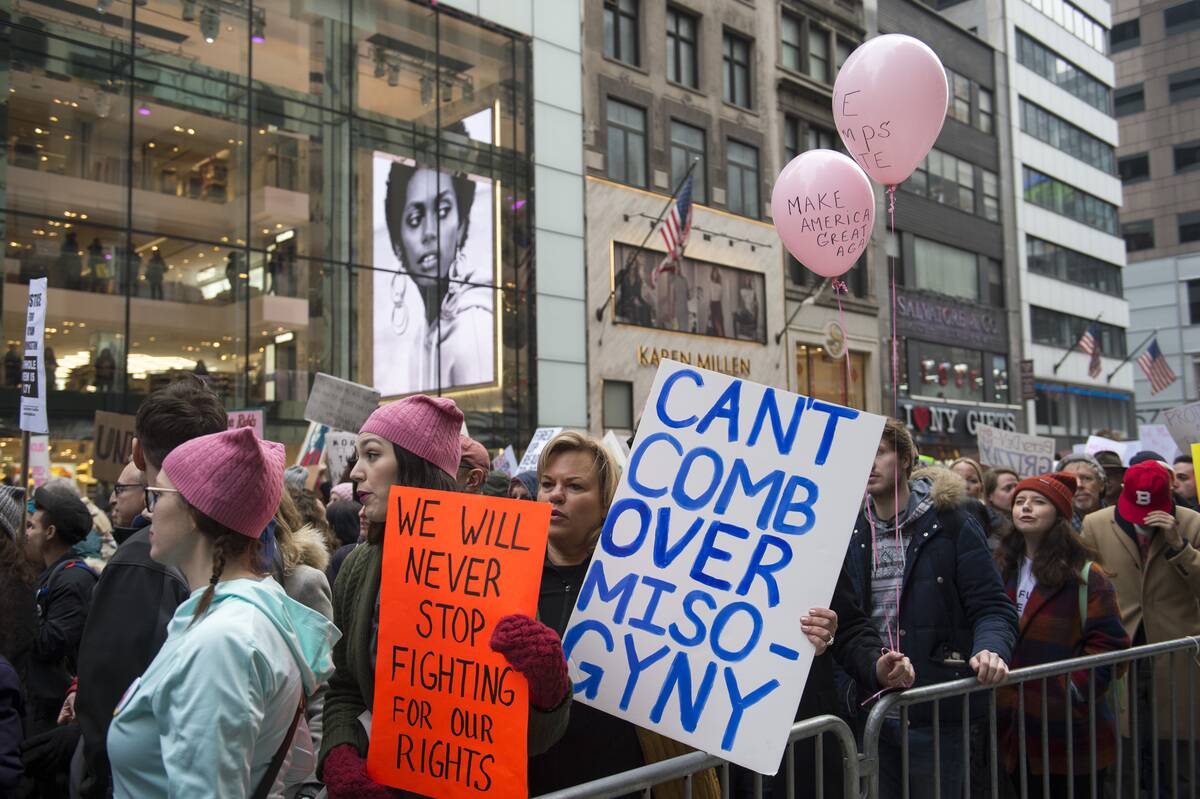
Grassroots movements often emerge from unforeseen circumstances, leading to significant political and social change. The Occupy Wall Street movement, sparked by the financial crisis, brought attention to economic inequality and corporate influence in politics.
Similarly, the Women’s March in 2017, following the U.S. presidential election, galvanized advocacy for women’s rights and social justice. These movements demonstrate the power of collective action in shaping political discourse and policy.
Unintentional Diplomatic Incidents and Their Political Repercussions

Unintentional diplomatic incidents can have far-reaching political repercussions. The downing of Malaysia Airlines Flight 17 in 2014, amid the Ukraine conflict, heightened tensions between Russia and Western nations, leading to increased sanctions.
Similarly, the U.S. spy plane incident with China in 2001 strained relations but eventually led to diplomatic negotiations. These incidents highlight how unforeseen diplomatic events can alter international relations and prompt political realignment.
Political Assassinations and the Reforms They Inspired

Political assassinations often lead to significant reforms as nations grapple with their implications. The assassination of President John F. Kennedy in 1963 led to the creation of the Warren Commission and subsequent changes in Secret Service protocols.
Similarly, the assassination of Indian Prime Minister Indira Gandhi in 1984 prompted changes in security measures for public officials. These events underscore the profound impact of political violence on governance and policy reform.
Lessons Learned: How Governments Adapt to Unexpected Events

Governments learn valuable lessons from unexpected events, adapting policies to better handle future challenges. The 9/11 attacks led to the establishment of the Department of Homeland Security and changes in global security protocols.
More recently, the COVID-19 pandemic has prompted governments to strengthen public health infrastructure and emergency preparedness. These examples illustrate how governments evolve in response to unforeseen events, striving to build resilience and protect citizens.




