Political alliances that failed faster than expected
In the realm of global politics, alliances can be as fickle as they are strategic. Nations often join forces to tackle shared threats or achieve common goals, but the durability of these unions is never guaranteed.
Just as friends can become foes, allies can swiftly turn adversaries, driven by changing interests and evolving priorities. Exploring these transient partnerships reveals much about the intricate dance of diplomacy and the ever-shifting sands of international relations.
The Brief Union of Napoleon and the Austrians
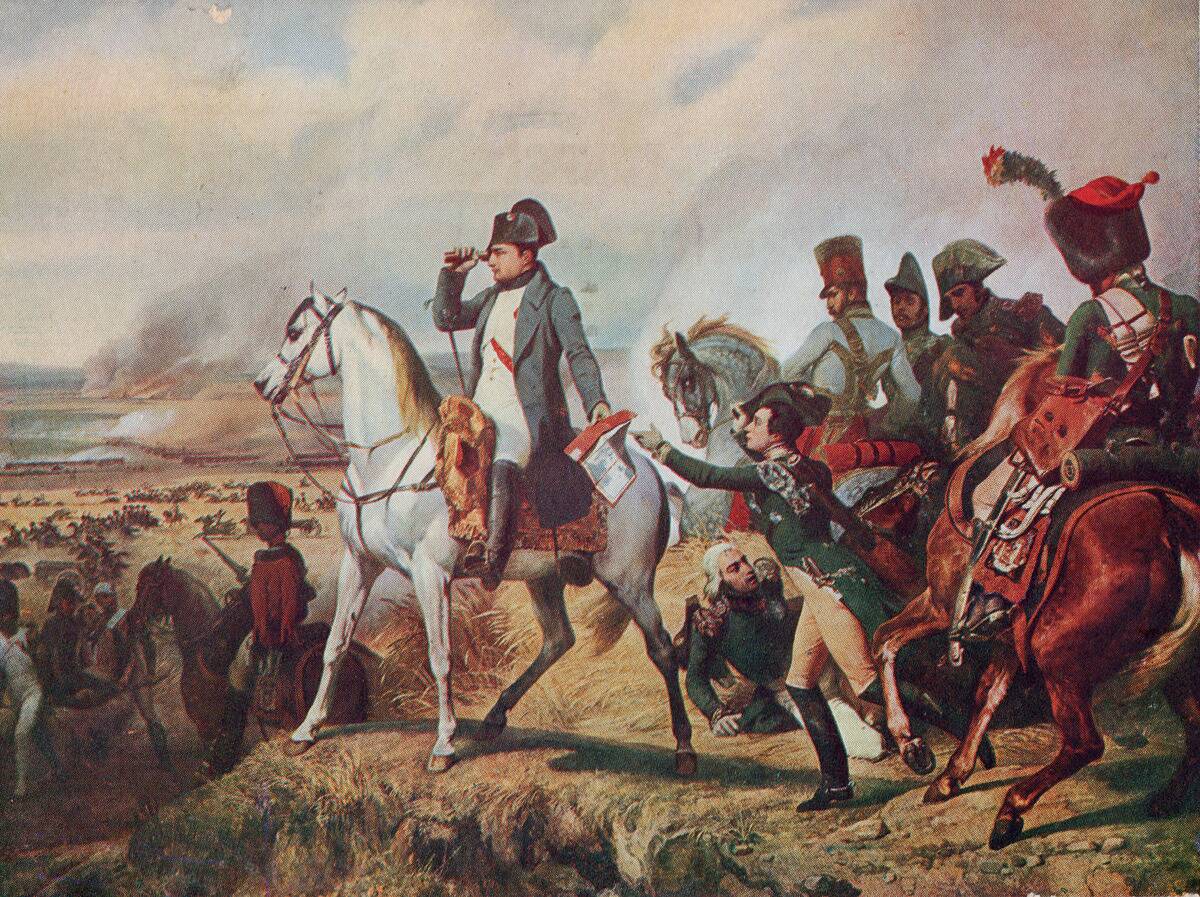
Napoleon’s alliance with Austria was as strategic as it was short-lived. In 1810, he married Marie Louise, the Austrian archduchess, cementing a temporary peace between France and Austria.
This union aimed to stabilize Napoleonic power in Europe, but the alliance faltered by 1813 when Austria joined the Sixth Coalition against Napoleon. The marriage, intended to unite empires, ultimately couldn’t withstand the pressures of war and shifting loyalties that characterized the era.
The Short-lived Pact Between Stalin and Hitler
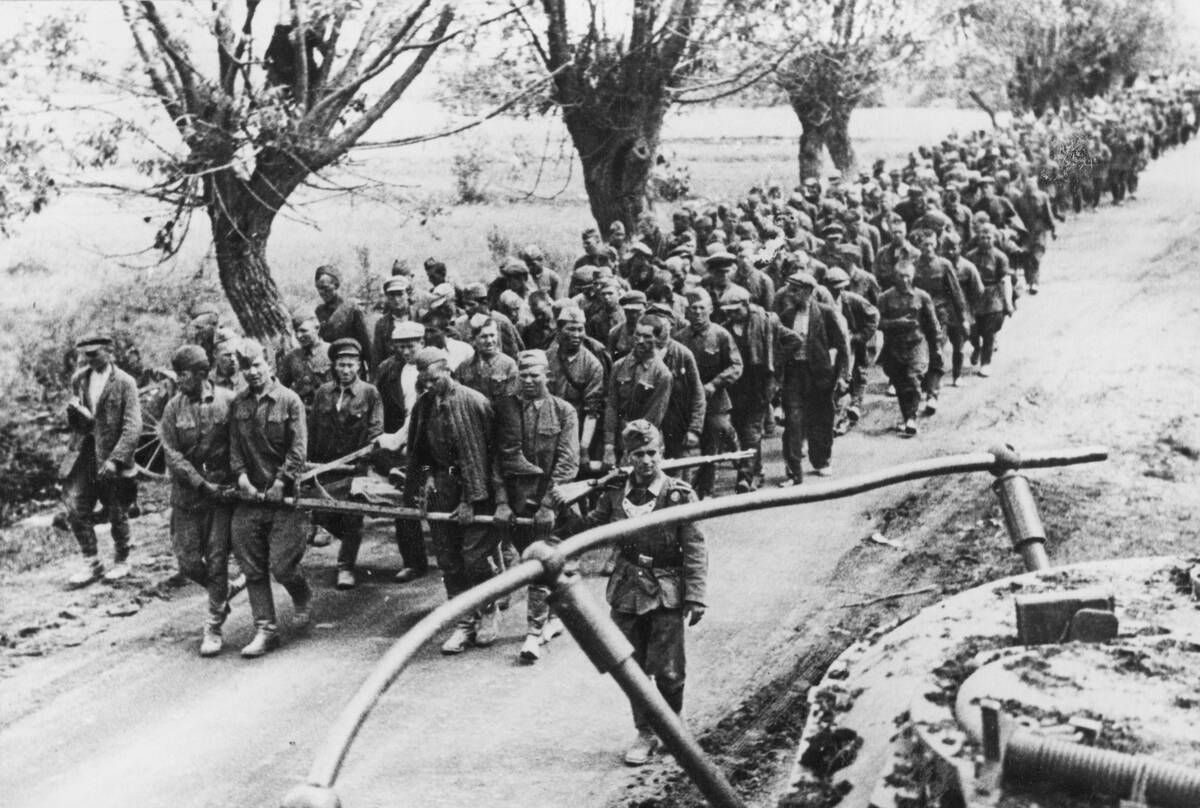
The Nazi-Soviet Non-Aggression Pact of 1939 was a political shocker. Stalin and Hitler agreed not to attack each other and secretly divided Eastern Europe into spheres of influence. However, this uneasy truce was shattered in 1941 when Hitler launched Operation Barbarossa, invading the Soviet Union.
The pact, designed to buy time for both leaders, instead laid the groundwork for one of the bloodiest conflicts in history. Trust between such ideologically opposed regimes was always destined to be fleeting.
The Rapid Dissolution of the Warsaw Pact
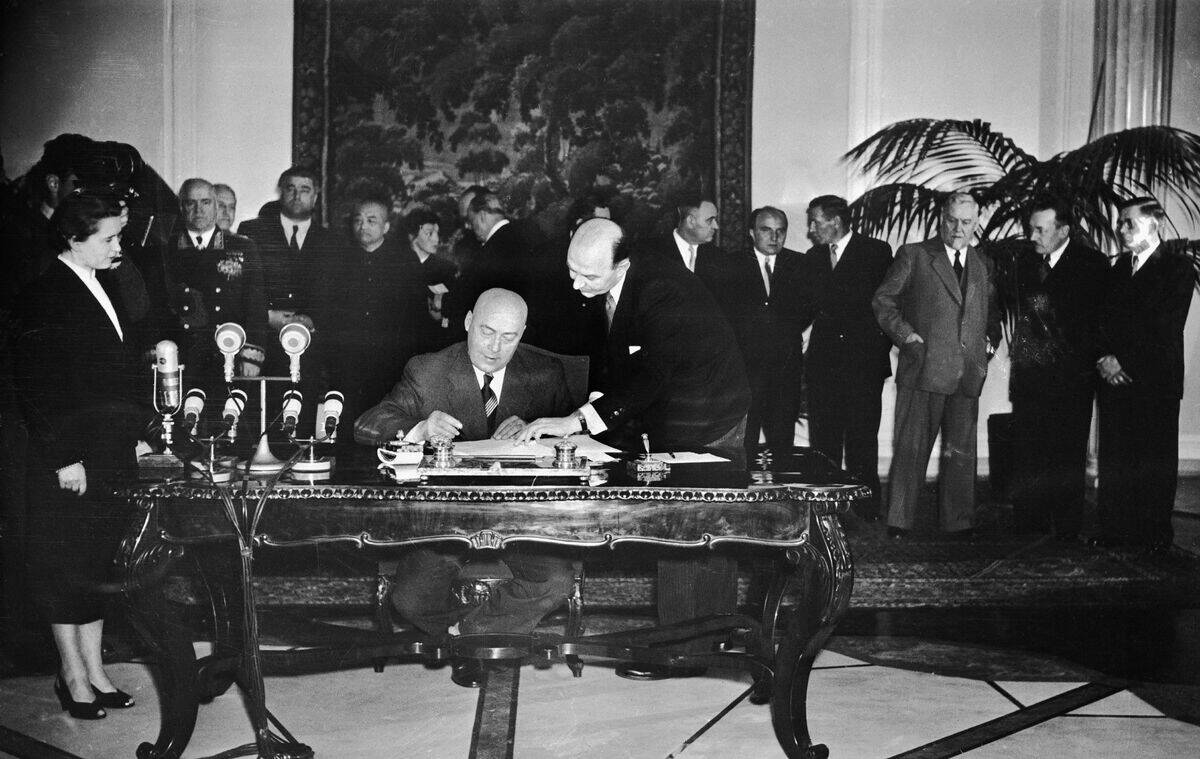
In 1955, the Warsaw Pact was formed as a counterbalance to NATO, uniting Eastern Bloc countries under Soviet influence. However, the collapse of communism in Eastern Europe led to its swift disbandment in 1991. The political changes in countries like Poland and Hungary, along with the fall of the Berlin Wall, rendered the pact obsolete. Once a formidable military alliance, it dissolved as member states sought independence and new alignments in the post-Cold War world.
The Fleeting Friendship of France and England During the Hundred Years’ War
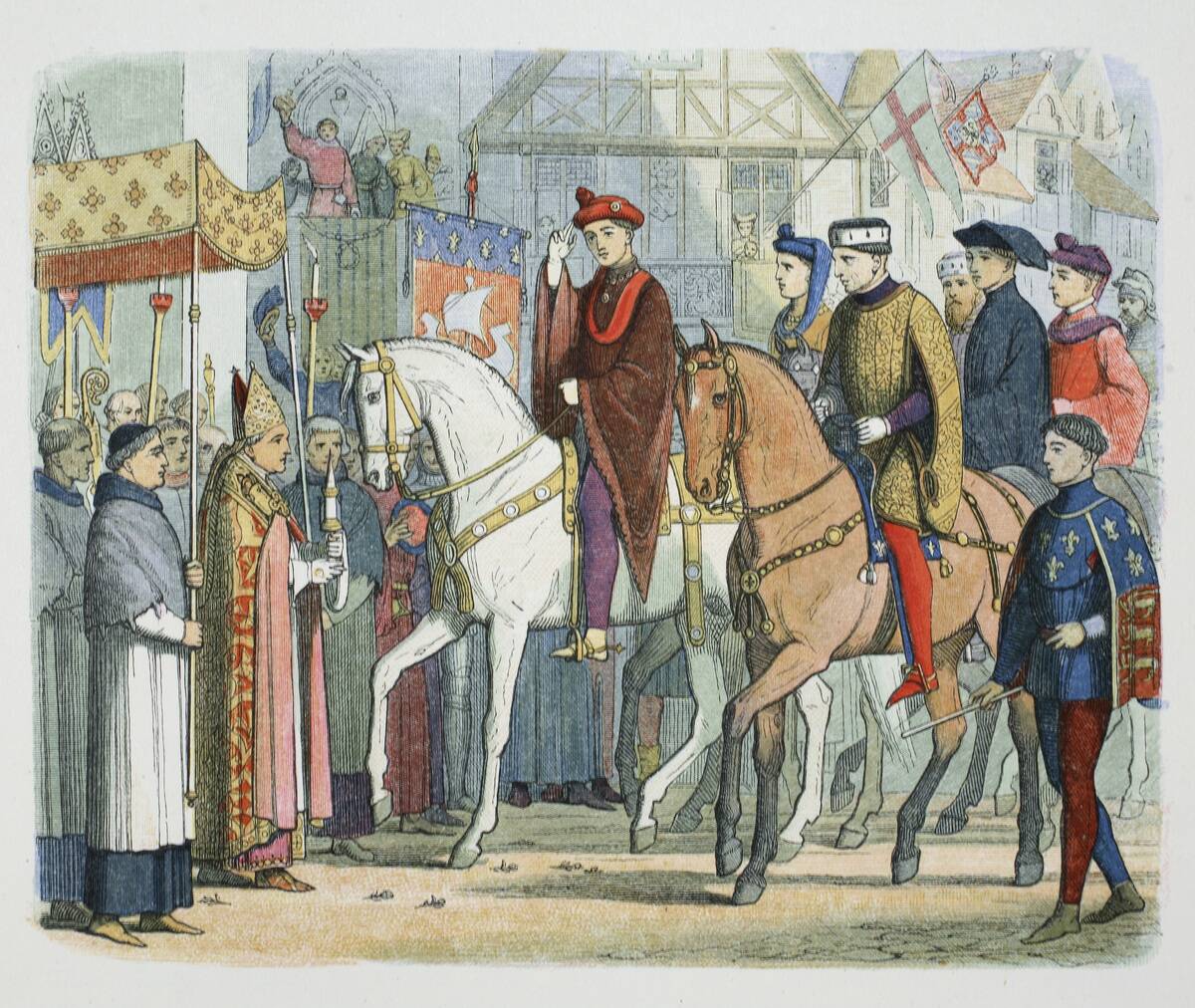
The Hundred Years’ War saw allies become enemies and vice versa. In 1420, the Treaty of Troyes seemed to unite France and England under one crown by recognizing Henry V as the heir to the French throne.
Yet, this arrangement quickly unraveled with Henry’s death in 1422 and shifting allegiances among French nobles. The dream of a united kingdom dissipated as hostilities resumed, underscoring the volatile nature of medieval geopolitics, where alliances were as fragile as they were ambitious.
The Quick Unraveling of the United Arab Republic
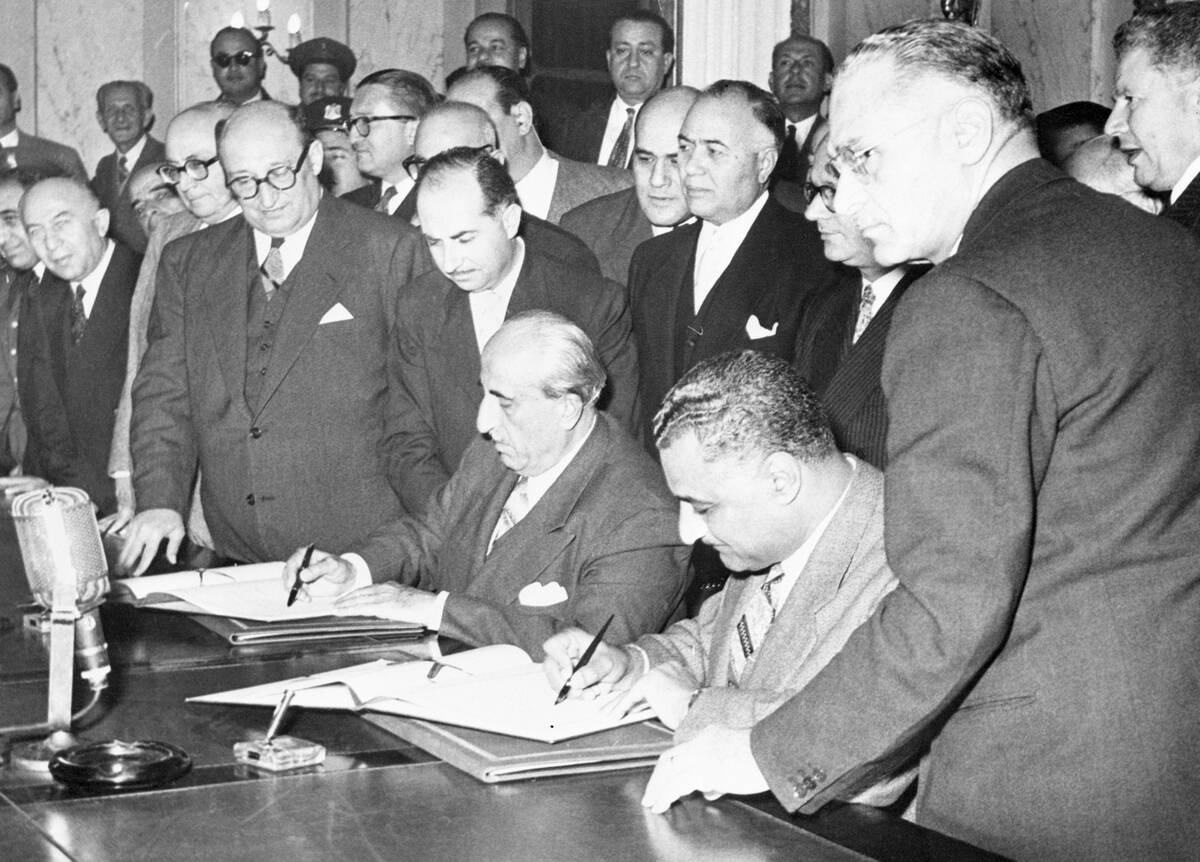
The United Arab Republic (UAR) was an ambitious attempt to unify Egypt and Syria in 1958, spearheaded by Egyptian President Gamal Abdel Nasser. Intended as the first step toward greater Arab unity, it collapsed by 1961 due to political tensions and economic disparities.
Syrian dissatisfaction with Egyptian dominance led to a coup, dissolving the union. The UAR’s brief existence highlighted the challenges of merging distinct political cultures and the difficulties of pan-Arabism in practice.
The Speedy Collapse of the Axis Powers
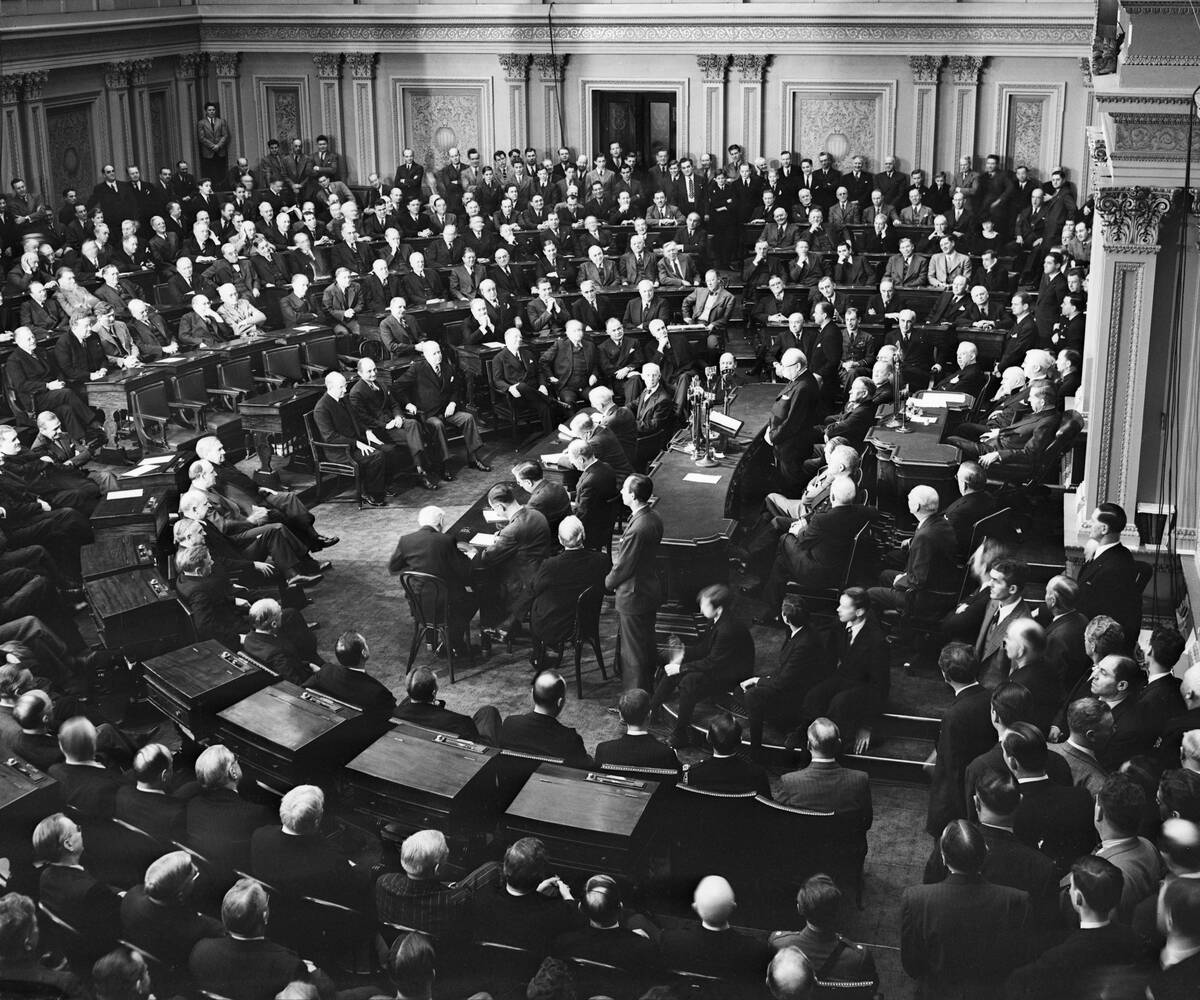
The Axis Powers of World War II—Germany, Italy, and Japan—formed a military alliance against the Allies, but internal discord and military defeats led to its rapid collapse. By 1943, Italy had surrendered to the Allies, and Germany faced mounting losses on multiple fronts.
Japan’s defeat followed in 1945 after the atomic bombings of Hiroshima and Nagasaki. The Axis, united in aggression, ultimately crumbled under the weight of its overreach and the coordinated strength of the Allied forces.
The Transient Coalition of Whigs and Tories in 19th Century Britain
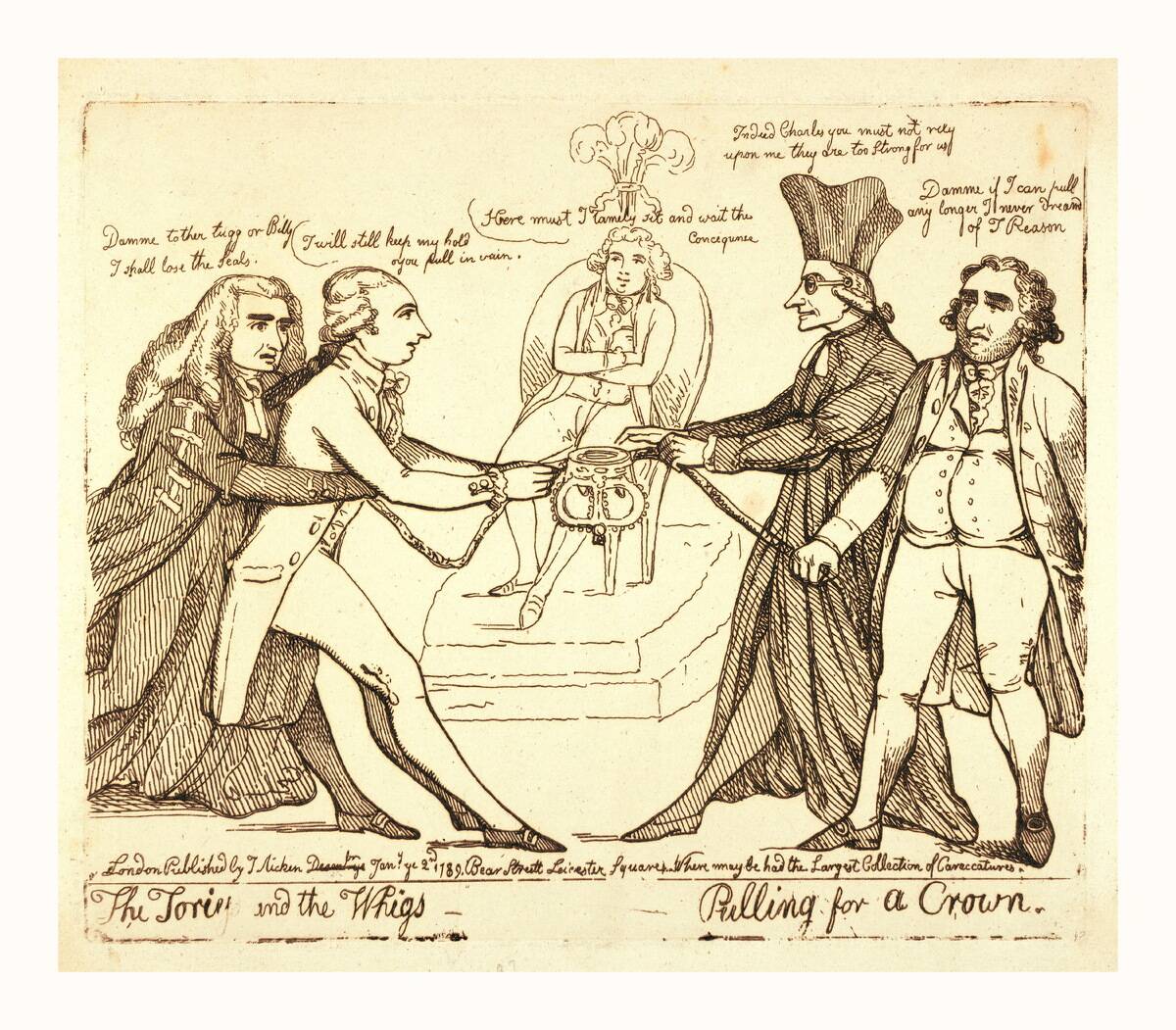
In 1852, Britain formed a rare coalition government composed mainly of Whigs, Peelites, and Radicals, led by Lord Aberdeen. This alliance aimed to address pressing issues like free trade and social reform.
However, internal disagreements over the Crimean War and other policies led to its dissolution in 1855. This brief political experiment underscored the challenges of maintaining unity in a coalition government, where divergent ideologies often clash under the pressure of governance.
The Brief Partnership of the U.S. and Taliban in the 1980s

During the 1980s, the U.S. provided support to Afghan Mujahideen fighters, including individuals that would later form the Taliban, in their struggle against Soviet occupation. This covert partnership was part of a broader Cold War strategy to counter Soviet influence.
However, once the Soviets withdrew, U.S. interest waned, and the supported groups evolved into entities that the U.S. would later combat. This illustrates the complexity and unintended consequences of geopolitical strategies driven by immediate objectives.
The Ephemeral Alliance of Rome and Carthage Against Pyrrhus
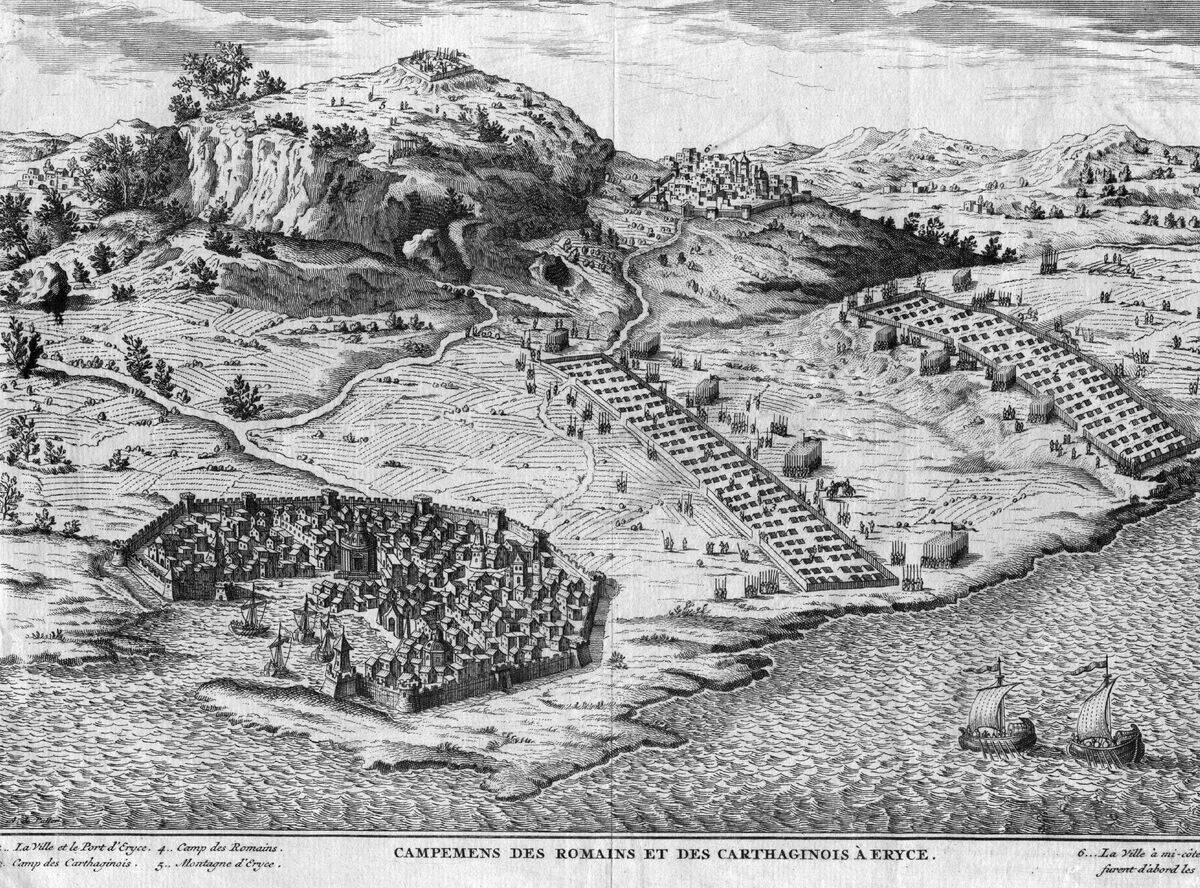
Around 280 BC, Rome and Carthage, typically adversaries, formed an unexpected alliance to combat the threat posed by King Pyrrhus of Epirus in southern Italy. This cooperation was driven by mutual interest in curbing Pyrrhus’s ambitions.
However, once Pyrrhus was defeated, the alliance quickly dissolved, and Rome and Carthage returned to their rivalrous ways, eventually clashing in the Punic Wars. This alliance exemplifies how common threats can momentarily unite even the most steadfast of foes.
The Short Tenure of the Triple Alliance in World War I
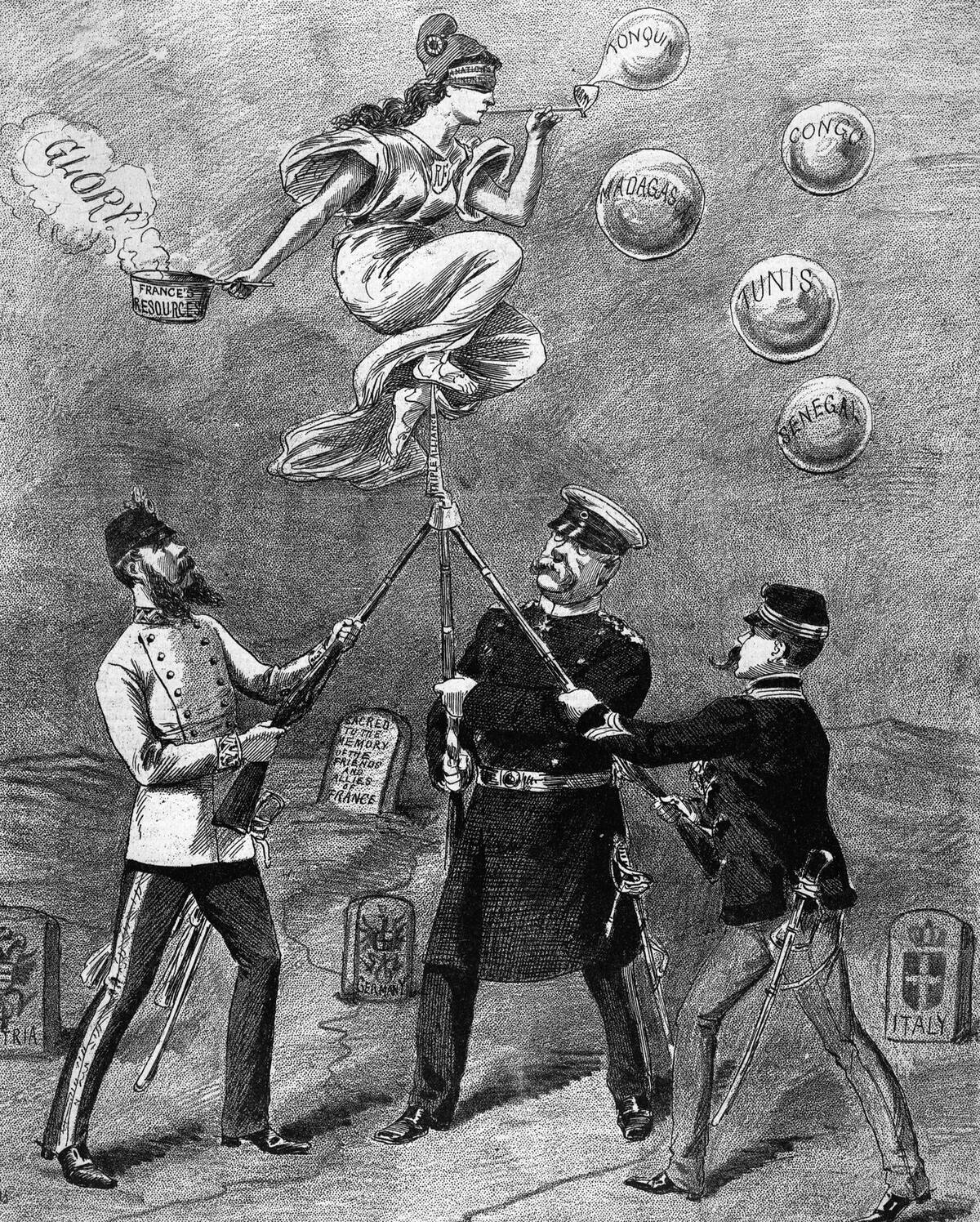
The Triple Alliance, consisting of Germany, Austria-Hungary, and Italy, was established in 1882 as a counterbalance to the rise of Russian and French power. However, when World War I broke out in 1914, Italy opted for neutrality and later joined the Allies in 1915, seeking territorial gains.
This defection marked the effective end of the alliance. The Triple Alliance’s brief tenure highlights the fluid nature of wartime alliances, where national interests can swiftly override previous commitments.
The Swift Breakdown of the Spanish-Italian Alliance in the 16th Century

In the 16th century, Habsburg Spain dominated and controlled large parts of the Italian peninsula (such as Naples, Milan, and Sicily) and worked with allied Italian states to counter French influence in Europe. This collaboration was marked by mutual military campaigns and shared interests.
However, Spanish dominance persisted into the 17th century, even as resentment and resistance grew in various Italian territories. The dissolution of this alliance underscores the difficulties of maintaining long-term partnerships when power imbalances and national interests shift.
The Momentary Accord Between the U.S. and Soviet Union During World War II
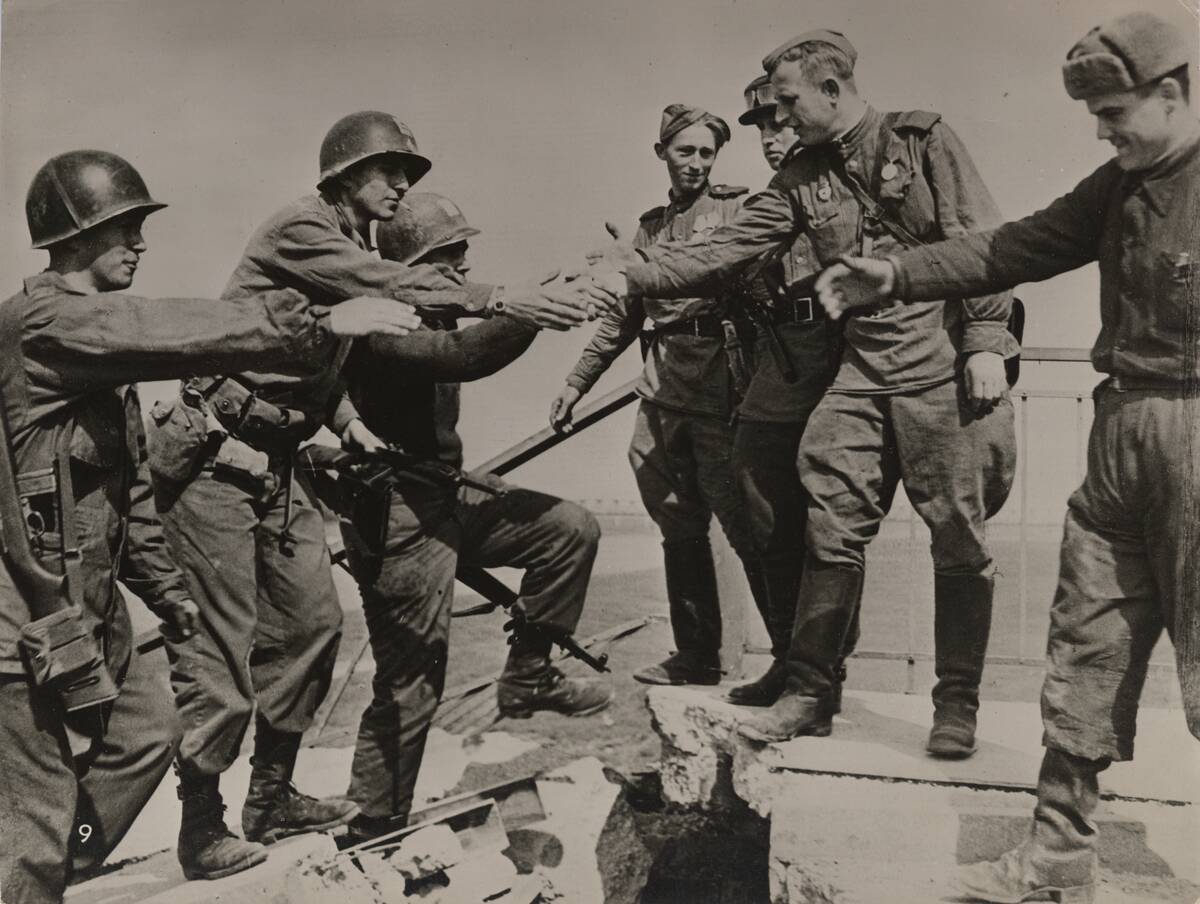
World War II saw the U.S. and Soviet Union set aside ideological differences to form an alliance against Nazi Germany. This cooperation was crucial in defeating a common enemy, but it was always tenuous, marred by mutual suspicion.
After the war, the alliance quickly gave way to the Cold War as both powers vied for global influence. This period illustrates how necessity can forge unexpected partnerships, even as underlying tensions remain poised to resurface.
The Brief Alliance Between France and Russia in the Russo-Japanese War
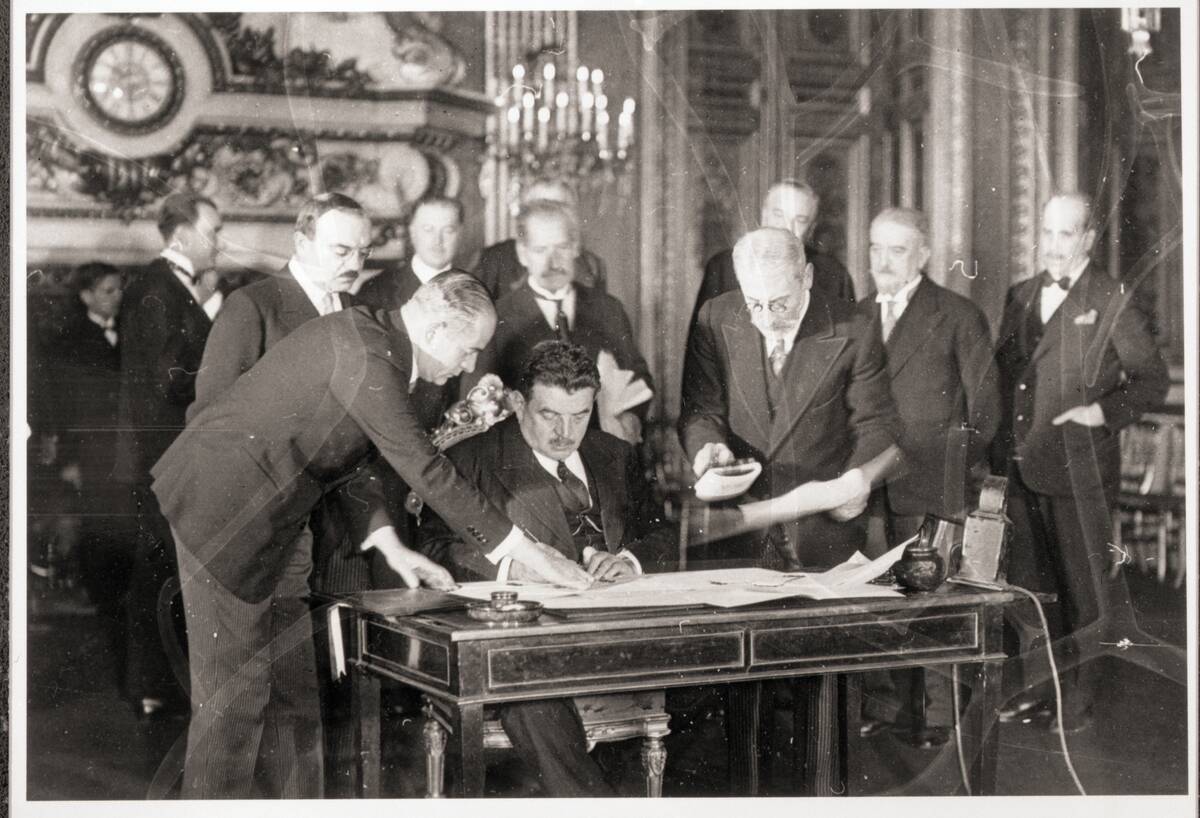
During the Russo-Japanese War of 1904–1905, Russia fought Japan largely in isolation, despite maintaining longstanding diplomatic ties with France. While France remained formally allied with Russia in Europe, it avoided direct involvement in the conflict, prioritizing stability and its improving relations with Britain.
Russia’s defeat severely strained its military and economy and triggered internal unrest, reducing its strategic value as a partner. This episode illustrates how geopolitical realities can limit alliances, revealing that shared interests in one arena do not always translate into support in another.
The Rapid Dissolution of the League of Nations
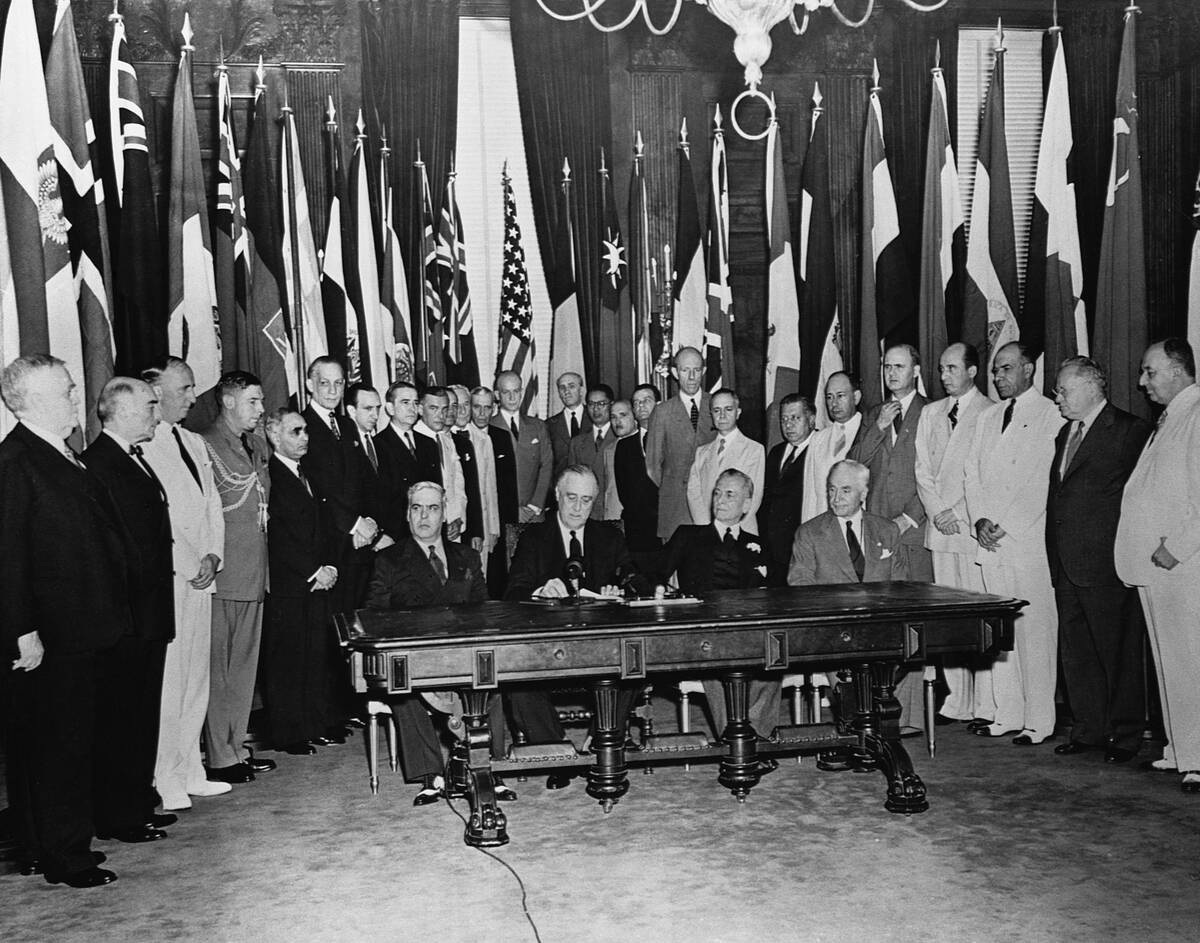
The League of Nations was established after World War I to promote peace and prevent future conflicts. However, it struggled with enforcement power and was weakened by the absence of major powers like the U.S.
By the 1930s, it became clear that the League was unable to prevent aggression by Axis powers, leading to its dissolution in 1946. The League’s failure to achieve its lofty goals underscores the challenges of collective security in the face of diverging national interests.




