Legendary places once thought as mythical
Welcome to a journey through the mythical realms that have fascinated humankind for centuries. Our world is dotted with mysterious places where legend and history intertwine, offering tantalizing glimpses into the past.
These tales have inspired countless stories and expeditions, often blurring the line between fact and fiction. As we explore these legendary locations, we delve into the heart of human curiosity and the timeless quest for discovery.
The Lost City of Troy: From Epic Tale to Archaeological Triumph
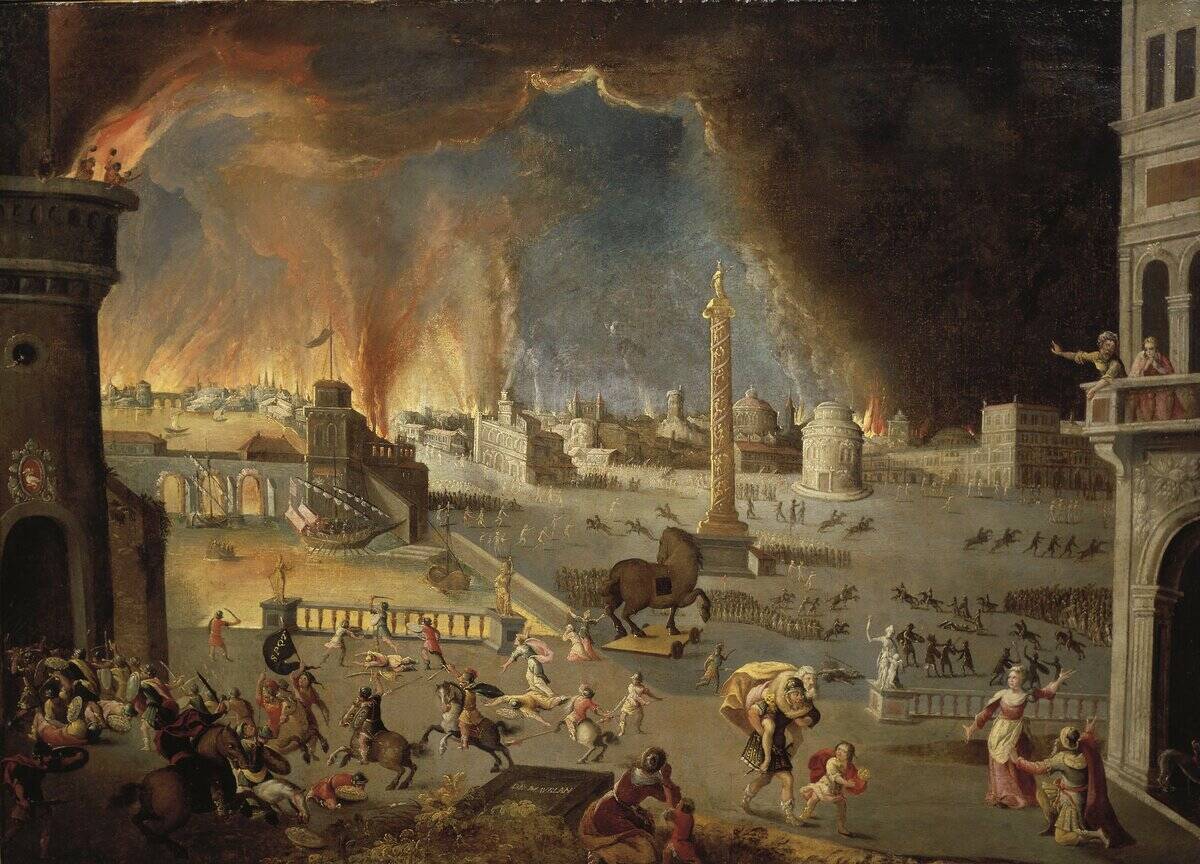
Troy, immortalized in Homer’s ‘Iliad’, was long thought to be a mere figment of poetic imagination. However, in the late 19th century, Heinrich Schliemann’s excavations in modern-day Turkey unearthed the ruins of a city that matched descriptions from ancient texts.
The discovery of Troy provided tangible evidence of a legendary war and transformed a myth into a cornerstone of archaeological study, shedding light on the Late Bronze Age civilizations.
El Dorado: Tracing the Truth Behind the City of Gold
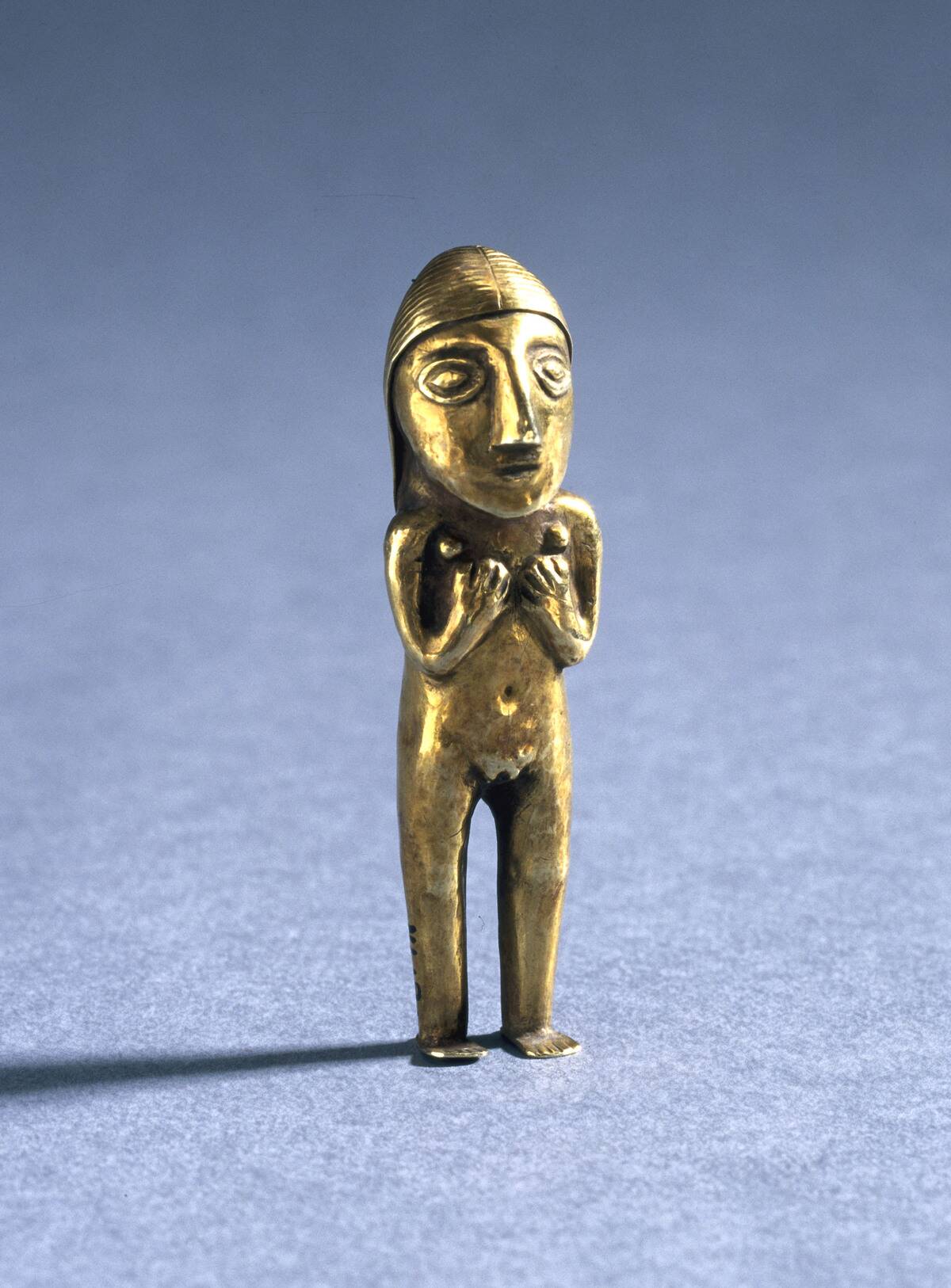
El Dorado, the city of gold, lured countless explorers into the heart of South America with promises of untold wealth. In reality, the story originated from the Muisca people of Colombia, whose ritual involved covering their leader in gold dust.
While the city itself was never found, the legend fueled expeditions that mapped vast regions of the continent, revealing rich cultures and histories that might have otherwise remained shrouded in mystery.
Shangri-La: The Earthly Paradise Hidden in Plain Sight

Shangri-La, a term popularized by James Hilton’s novel ‘Lost Horizon’, describes a utopian valley in the Himalayas. The idea of a hidden paradise has resonated with explorers and spiritual seekers alike.
While no single location has been identified as the true Shangri-La, several regions, such as the Yunnan province in China, have claimed the title. These areas are celebrated for their breathtaking landscapes and rich cultural heritage, offering a real-world glimpse of paradise.
Camelot: The Legendary Kingdom with Historical Footing
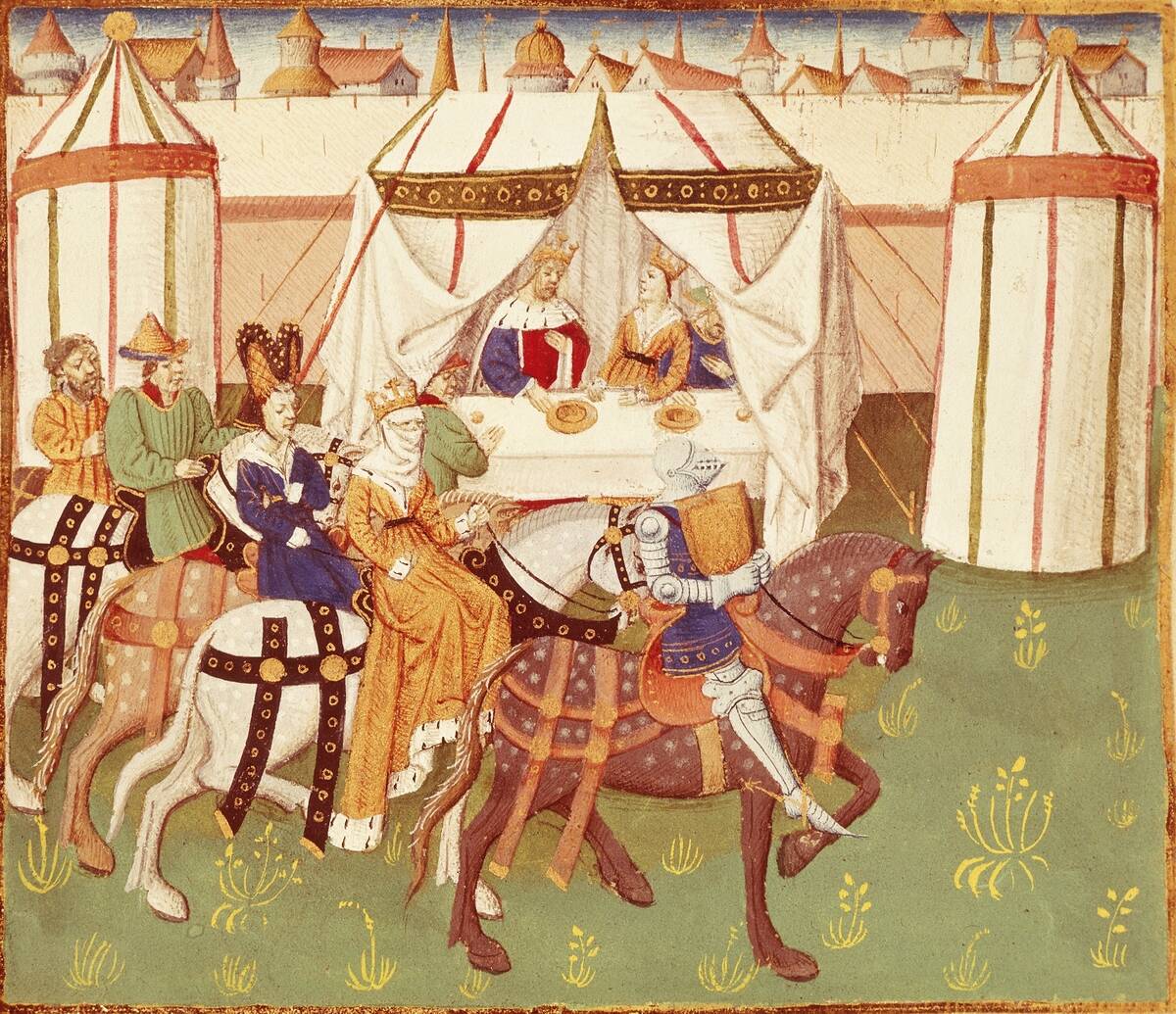
Camelot, the legendary court of King Arthur, evokes images of chivalry and romance. While its exact location remains debated, some historians suggest connections to real sites like Cadbury Castle in Somerset, England.
These historical links provide a backdrop for understanding medieval society and its values. The enduring allure of Camelot lies in its blend of myth and history, inspiring art and literature across the ages and cementing its place in cultural lore.
The Hanging Gardens of Babylon: Fact or Fiction?
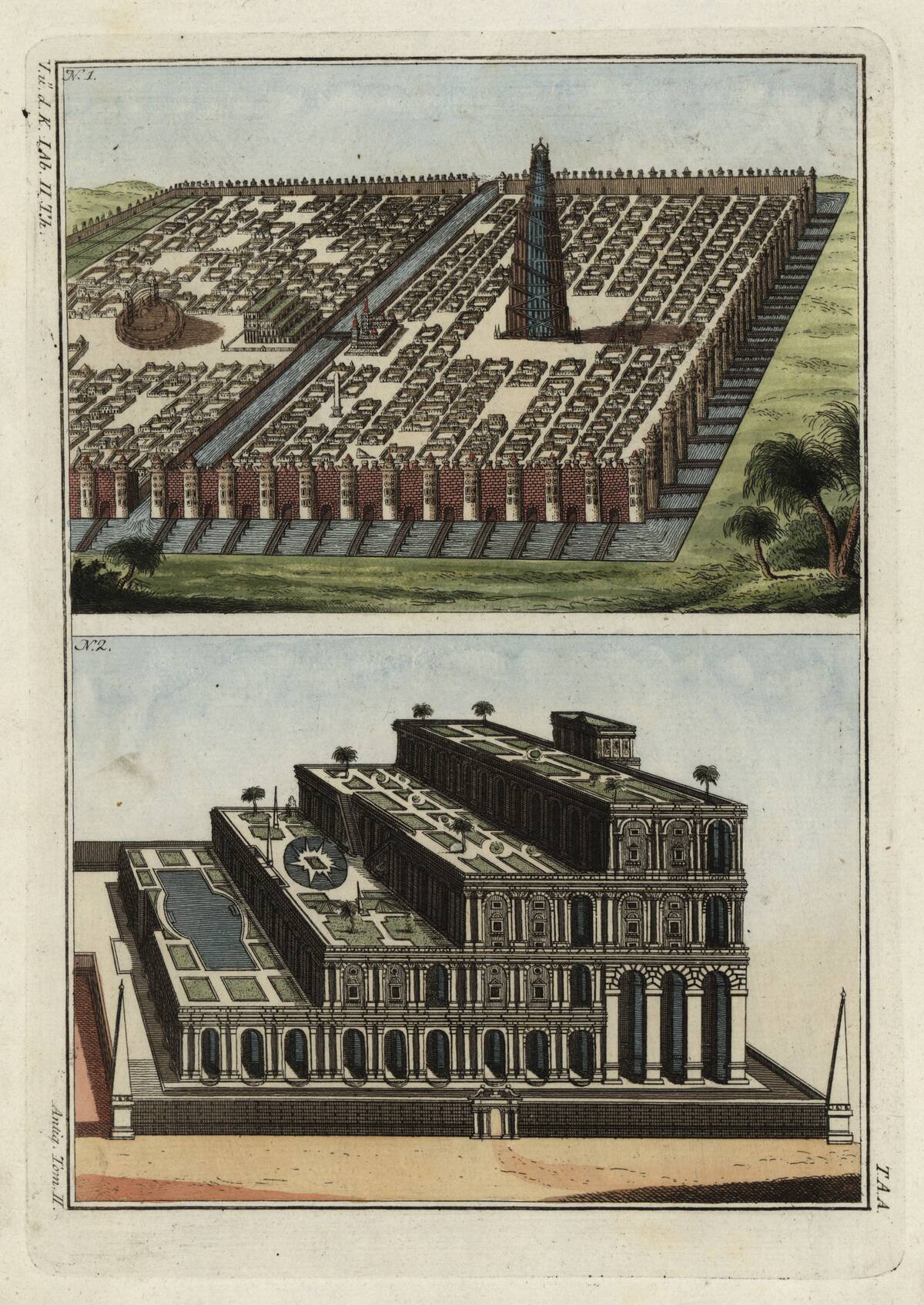
One of the Seven Wonders of the Ancient World, the Hanging Gardens of Babylon, is shrouded in mystery. Descriptions from ancient texts suggest lush, terraced gardens built by Nebuchadnezzar II for his homesick wife.
However, no definitive archaeological evidence of their existence has been found in Babylon. Some theories propose alternative locations, such as Nineveh. The gardens remain an enduring symbol of human ingenuity and the ancient desire to create beauty.
Machu Picchu: The Inca City Shrouded in Mystery
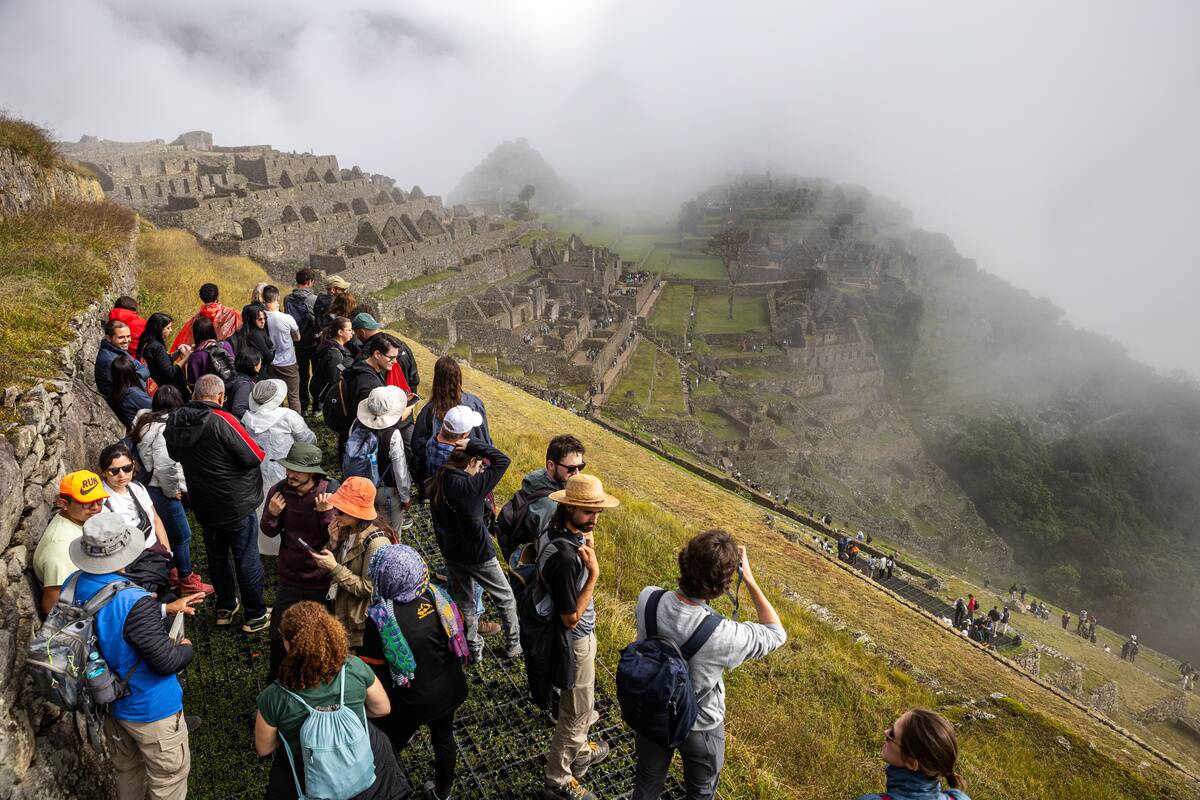
Machu Picchu, perched high in the Andes of Peru, was unknown to the outside world until 1911. This Inca city, believed to be a royal estate or religious site, continues to puzzle historians with its sophisticated architecture and astronomical alignments.
Its remote location and preservation offer insights into Inca civilization’s engineering prowess. Machu Picchu’s allure lies in its mysterious origins and the breathtaking beauty of its surroundings, making it a bucket-list destination for many.
The Fountain of Youth: Real Places That Inspired the Legend
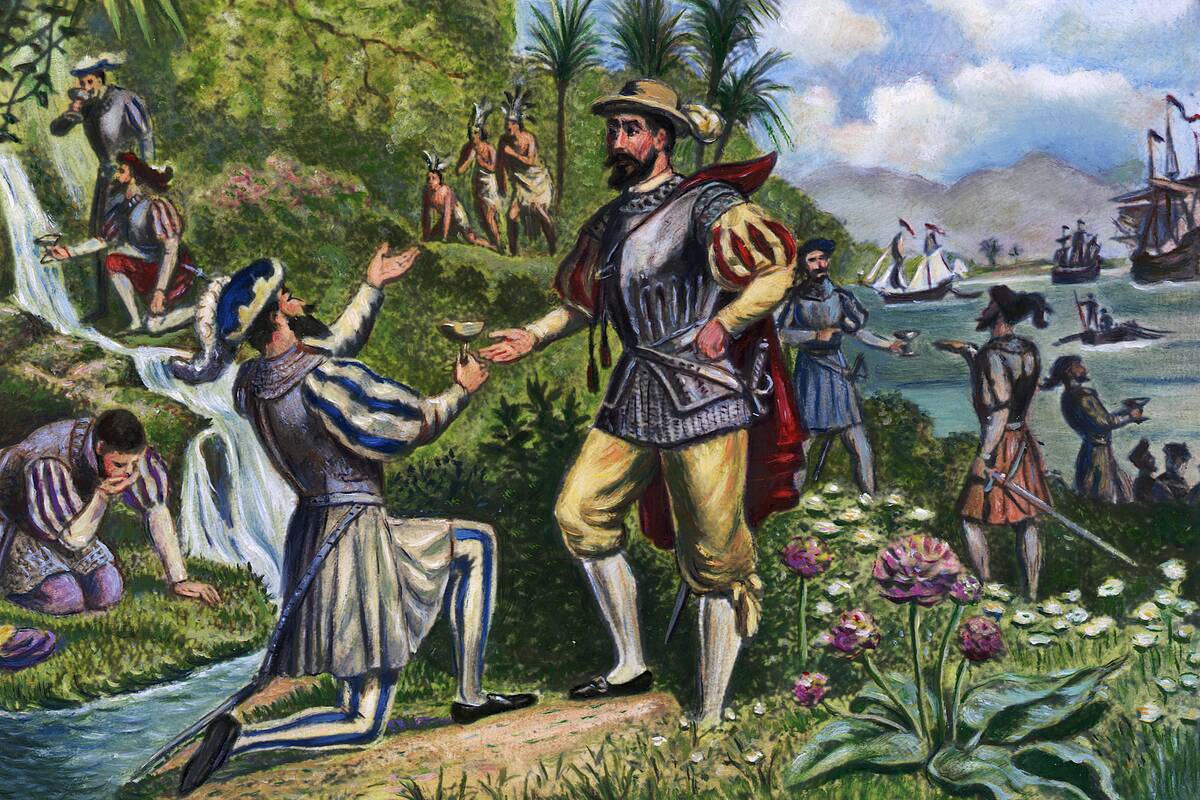
The quest for the Fountain of Youth has intrigued explorers, most famously Ponce de León in 1513. While the mythical spring promising eternal youth remains elusive, its legend is rooted in real locations.
Notably, the waters of St. Augustine, Florida, were once believed to possess rejuvenating properties. These tales highlight humanity’s timeless pursuit of longevity and the ways in which myths can influence exploration and cultural narratives.
The Island of Hy-Brasil: A Phantom Isle Revealed
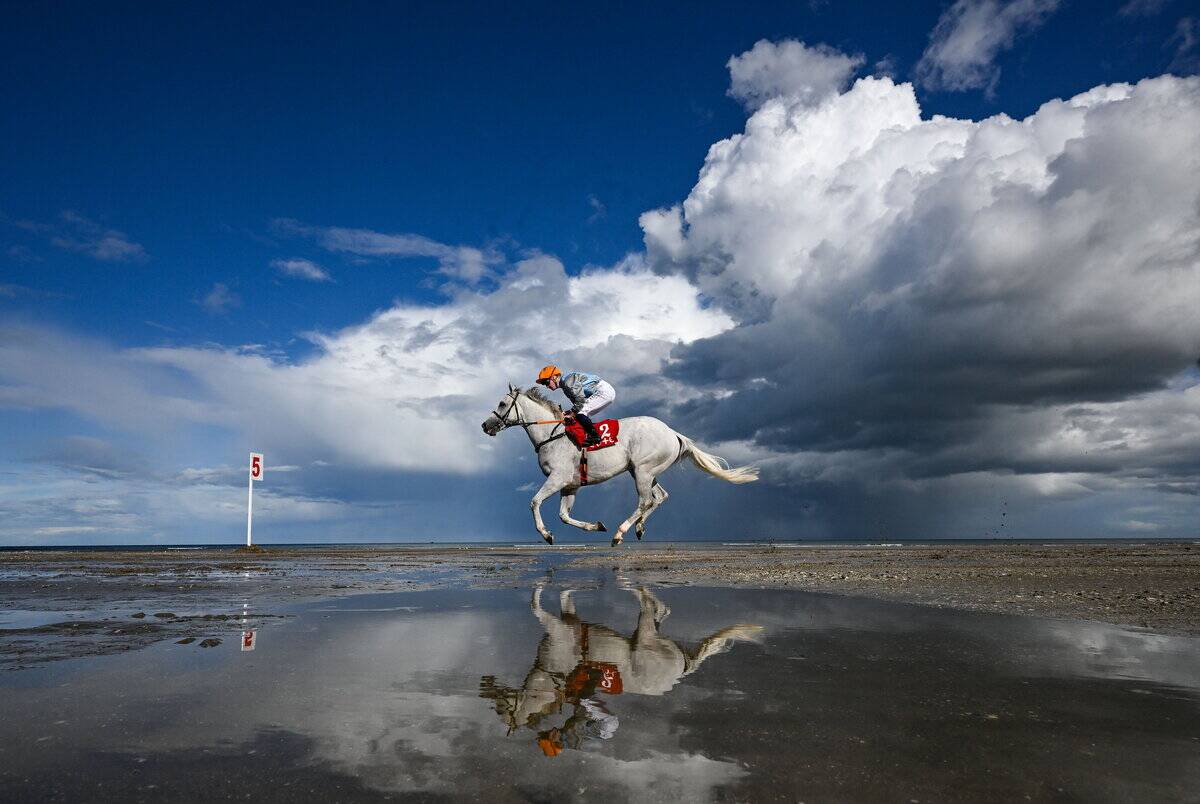
Hy-Brasil, a phantom island said to appear off the coast of Ireland once every seven years, has sparked the imagination of sailors and storytellers. While modern maps have debunked its existence, Hy-Brasil’s legend may have stemmed from misty interpretations of real geographical features.
This mythical isle underscores the power of storytelling in seafaring cultures, where tales of mysterious lands fueled exploration and inspired generations of adventurers.
The Caves of Lascaux: Prehistoric Art in a Mythical Setting
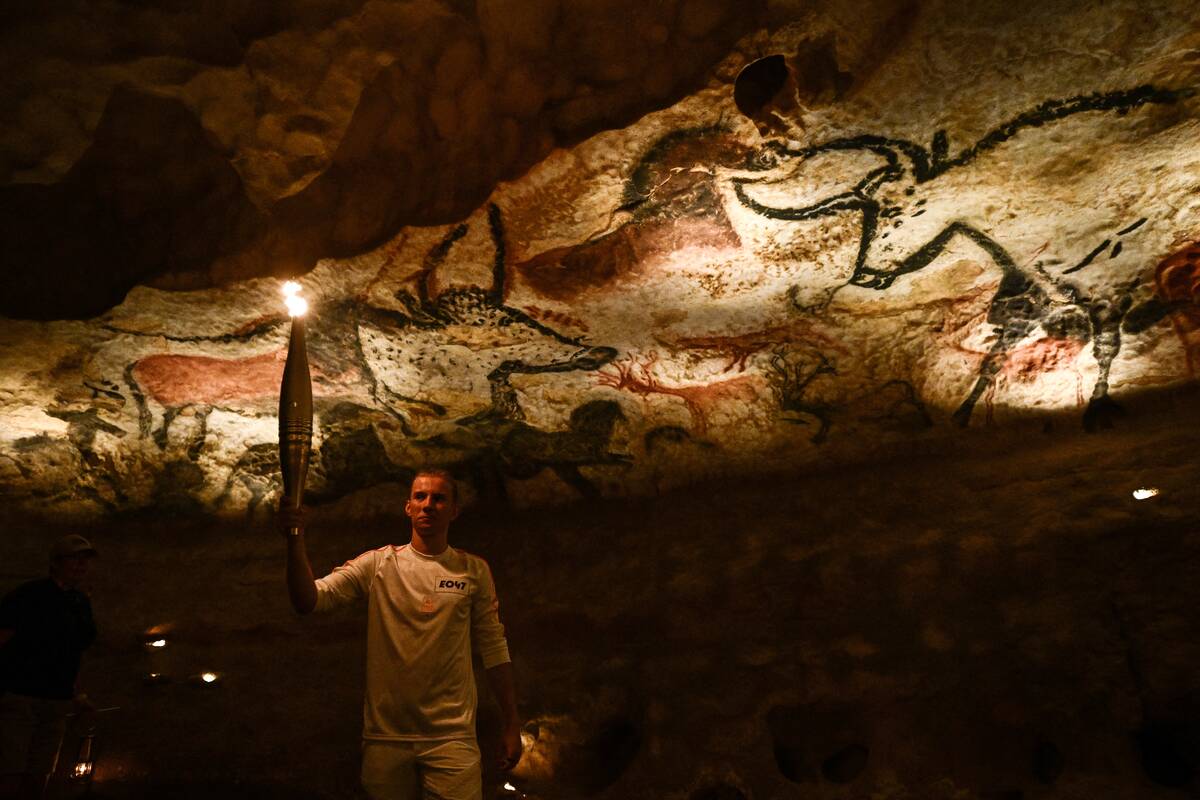
The Caves of Lascaux in southwestern France house some of the world’s most exquisite prehistoric art, dating back over 17,000 years. Discovered in 1940, the intricate paintings of animals and human figures provide a window into the lives and beliefs of early humans.
The caves’ mythic reputation is bolstered by their stunning artistry and the mystery of their creators’ intentions. They remain a testament to the enduring power of human creativity and expression.
The Ruins of Great Zimbabwe: The Truth Behind the Legend
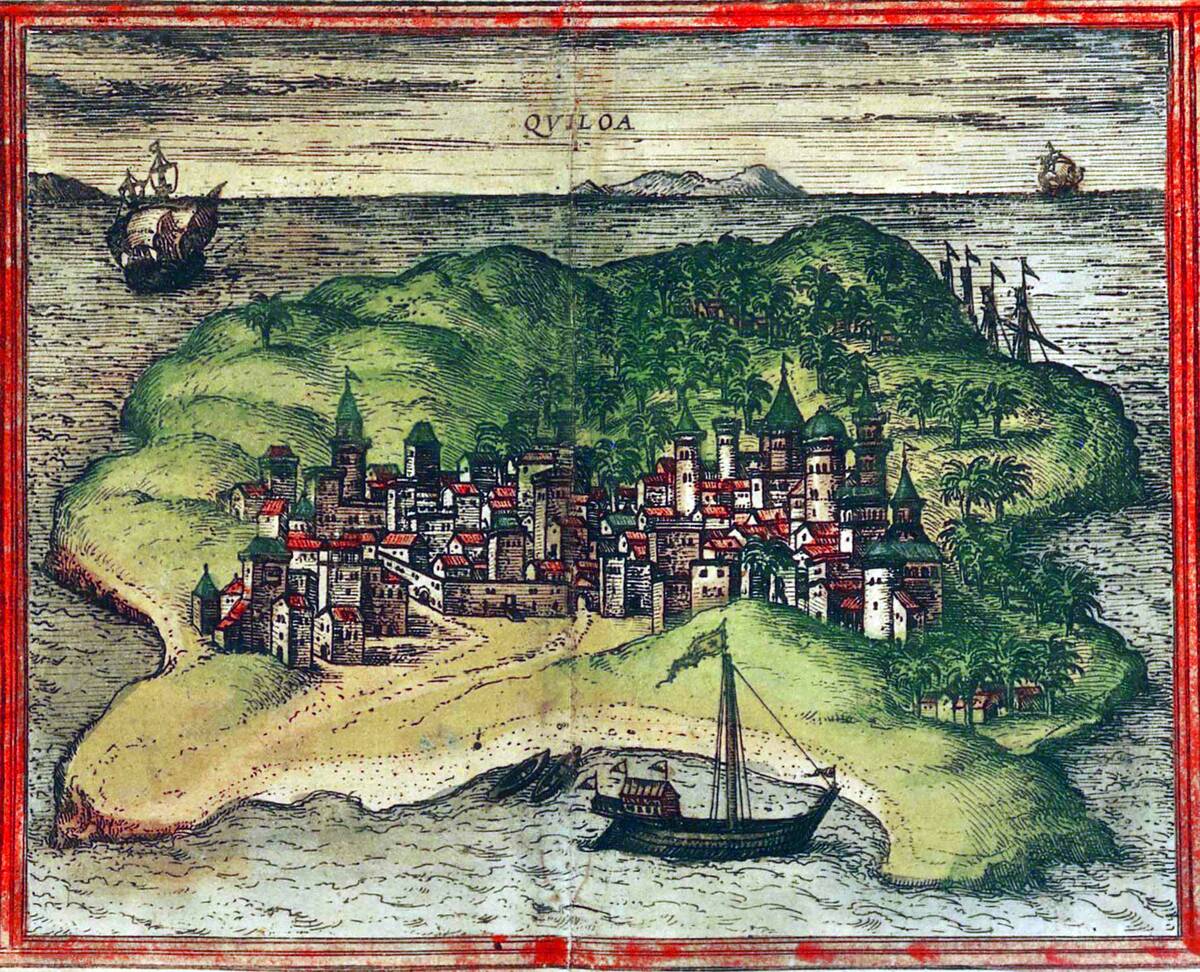
Great Zimbabwe, once the capital of a powerful kingdom, is known for its impressive stone structures. European explorers initially attributed its construction to foreign civilizations, unable to believe it was built by indigenous Africans.
Archaeological evidence has since confirmed the site’s African origins, debunking colonial myths. The ruins stand as a symbol of African heritage and ingenuity, challenging historical misconceptions and celebrating the continent’s rich cultural legacy.
The Ancient City of Petra: A Rose-Red Myth Carved in Stone
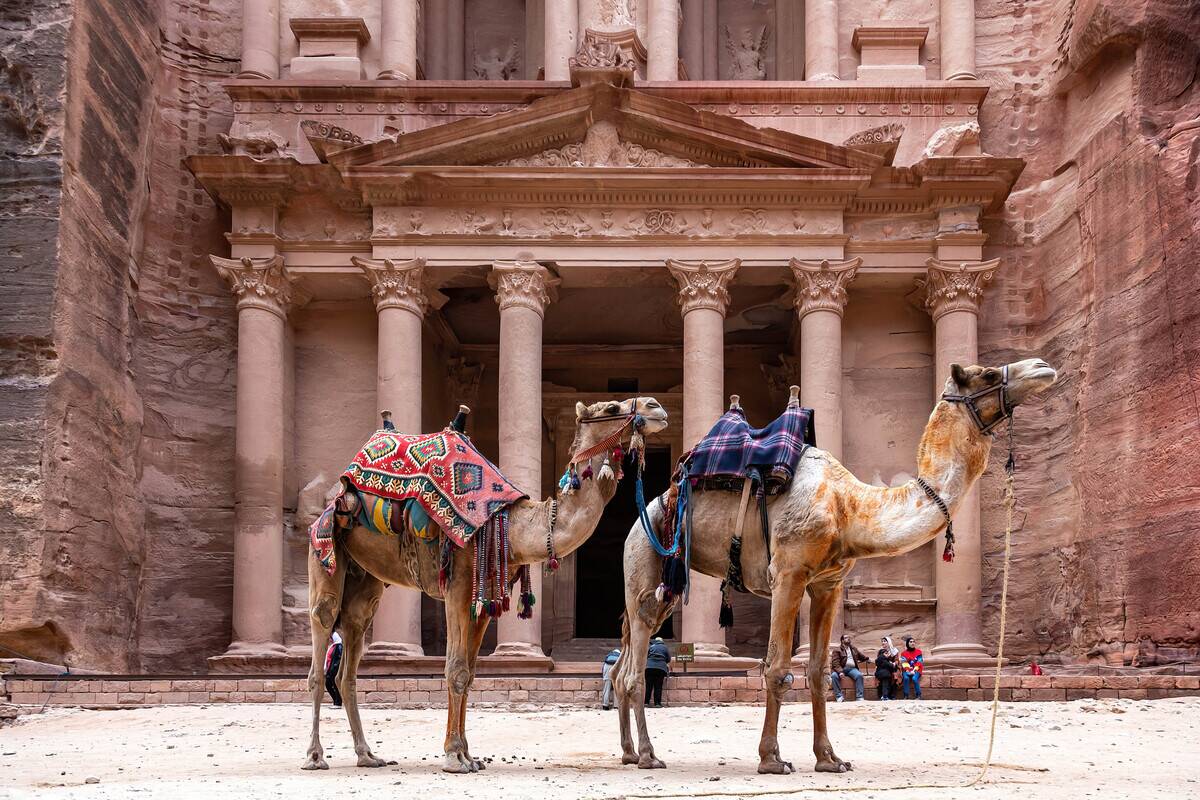
Petra, the ‘Rose City’ of Jordan, is famed for its rock-cut architecture and water conduit system. Once a thriving trade hub of the Nabataean Kingdom, it was lost to the Western world until its rediscovery in 1812.
The city’s stunning facades, carved into vibrant sandstone cliffs, captivate visitors and scholars alike. Petra’s blend of natural beauty and architectural mastery has earned it a place as one of the New Seven Wonders of the World, preserving its mythic status.
The Labyrinth of Knossos: Navigating the Myth of the Minotaur
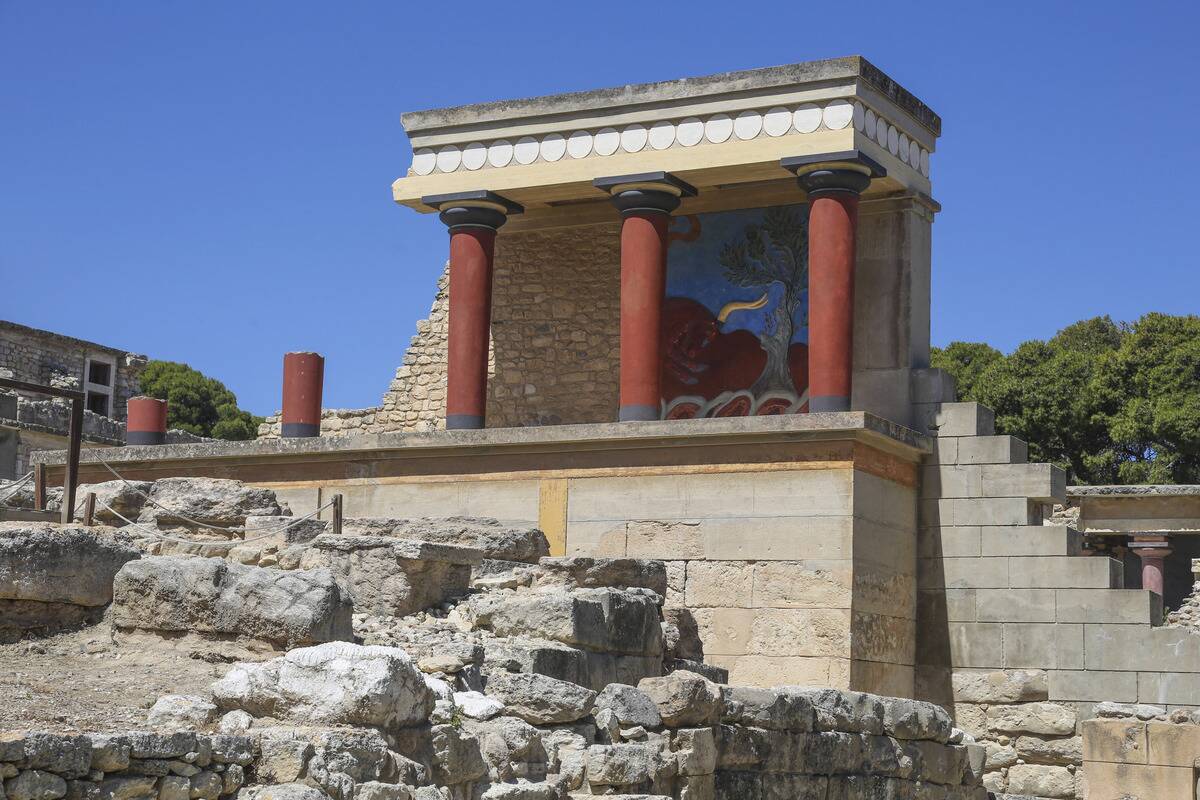
The Labyrinth of Knossos, linked to the legend of the Minotaur, is rooted in the Minoan palace complex on Crete. Excavations by Sir Arthur Evans revealed intricate designs and frescoes, sparking speculation about the myth’s origins.
The palace’s layout, with its confusing corridors and rooms, may have inspired the labyrinthine myth. Knossos illustrates how archaeological findings can illuminate ancient myths, offering a glimpse into the beliefs and practices of early civilizations.
The Oracle of Delphi: Where Myths and Reality Converge
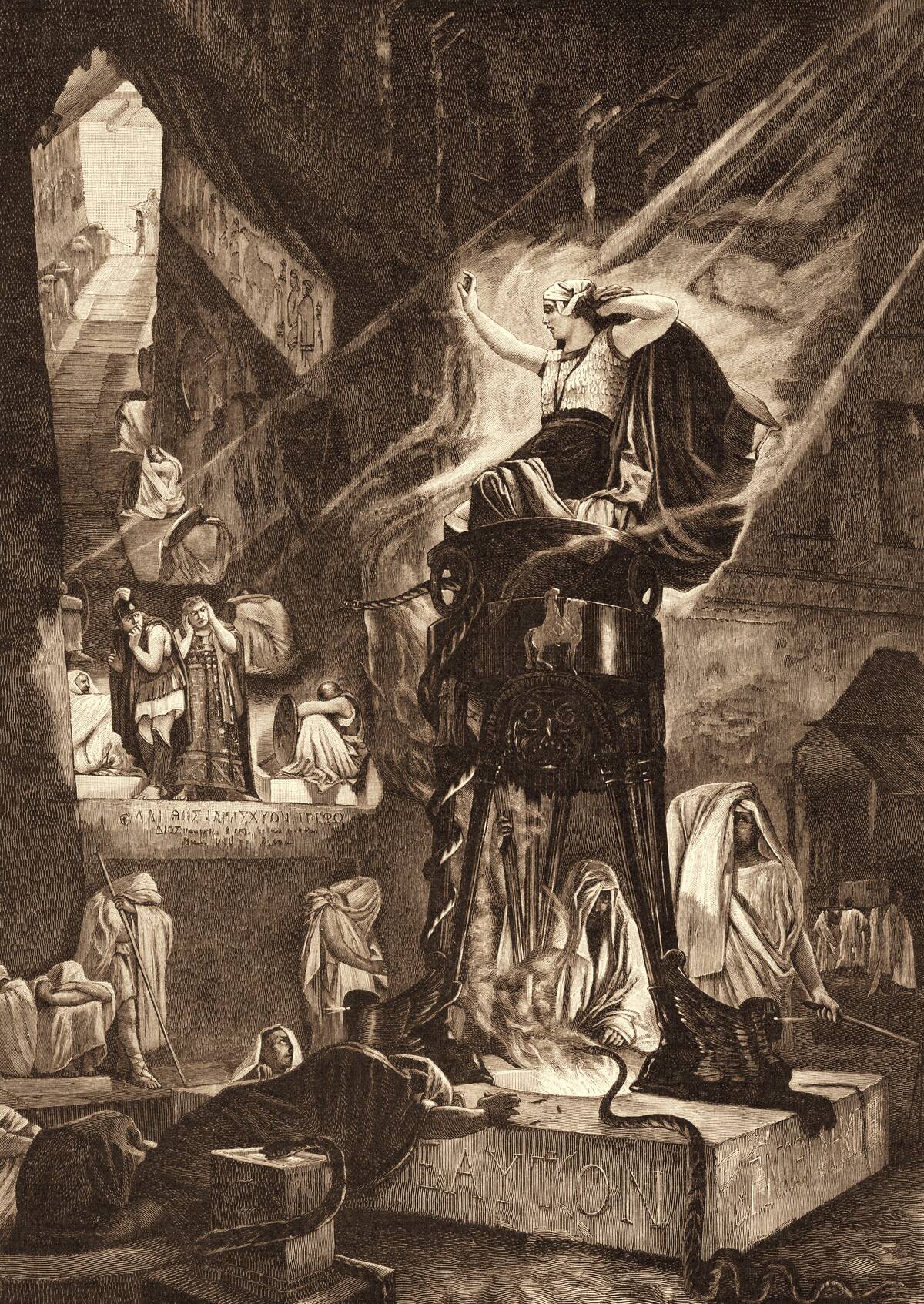
The Oracle of Delphi, nestled on the slopes of Mount Parnassus in Greece, was a revered site in the ancient world. Pilgrims sought the Pythia’s cryptic prophecies, believed to be messages from Apollo himself.
While scientific studies suggest natural gases may have induced the Pythia’s trance-like state, the Oracle remains a potent symbol of divine and human interaction. Delphi’s archaeological remains offer insight into Greek religion and the enduring allure of prophecy.
The Bermuda Triangle: Unraveling the Mystery of the Sea
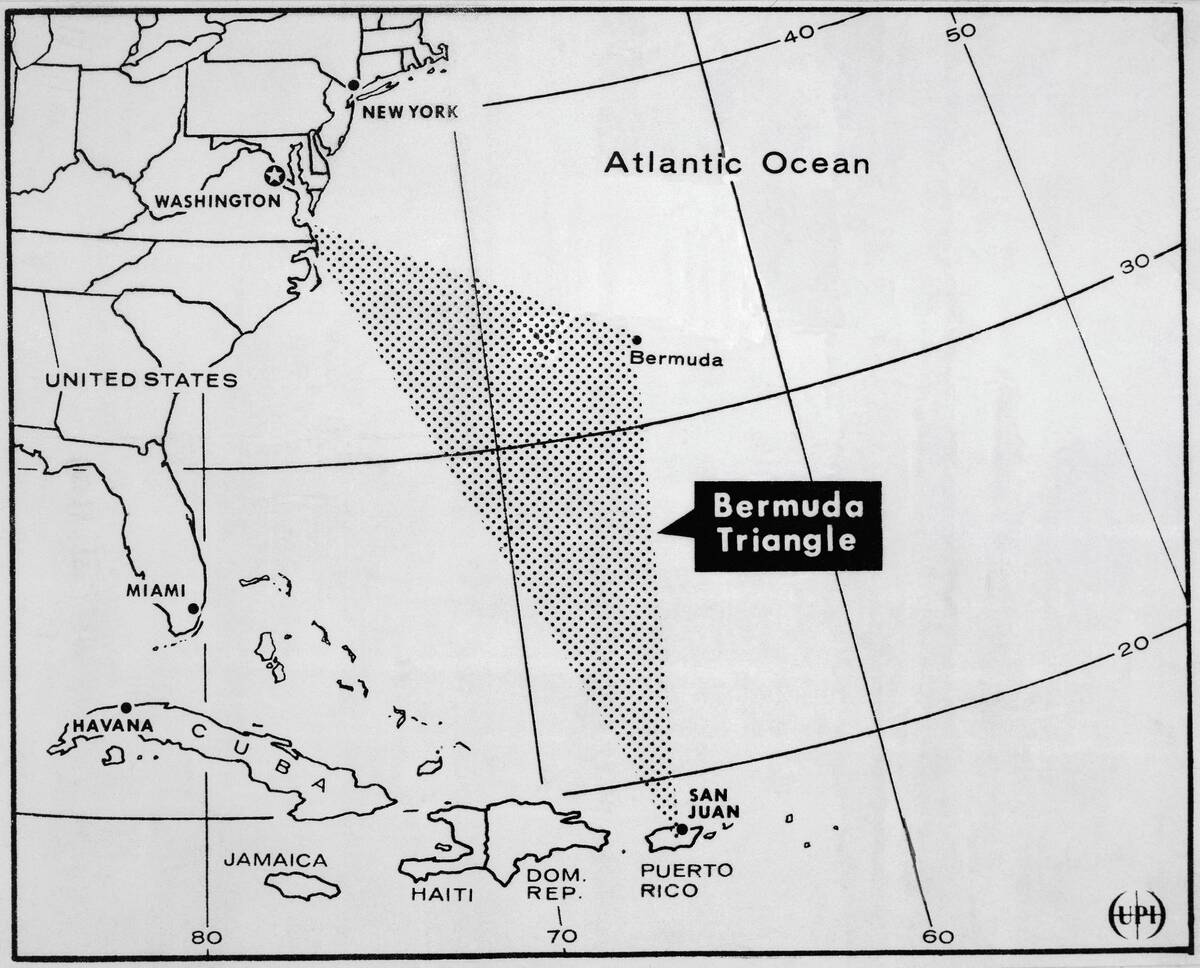
The Bermuda Triangle, a region in the North Atlantic Ocean, has been linked to numerous mysterious disappearances of ships and planes. While theories abound, ranging from magnetic anomalies to extraterrestrial activity, scientific investigations attribute the phenomena to natural environmental factors.
Despite rational explanations, the Bermuda Triangle continues to captivate imaginations, embodying the enigmatic allure of the sea and the enduring human fascination with the unknown.
The Holy City of Jerusalem: A Place of Sacred Legends
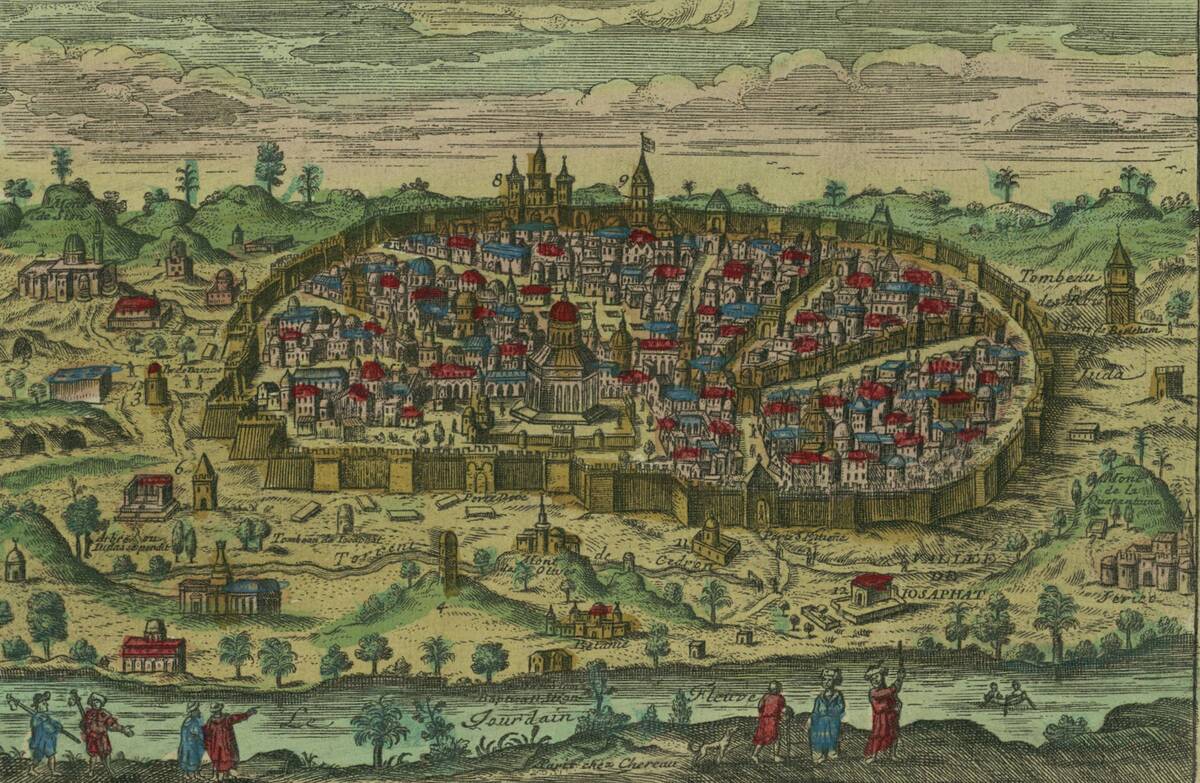
Jerusalem, a city at the heart of three major world religions, is steeped in sacred legends and historical significance. Sites such as the Western Wall, Dome of the Rock, and Church of the Holy Sepulchre are revered by millions worldwide.
The city’s complex history and spiritual importance have made it a focal point of pilgrimage and conflict. Jerusalem embodies the convergence of myth and reality, where ancient stories continue to shape contemporary beliefs and geopolitics.




