Old legends that match historical truth
Stories passed down through generations often contain a blend of fact and fiction, captivating us with their mysteries. These legends, while primarily rooted in myth, frequently have kernels of truth that invite exploration and curiosity.
As we delve into these tales, we can uncover intriguing historical and scientific insights that offer a new perspective on what we once considered mere fantasy.
The Lost City of Troy: Myth Meets Archaeology
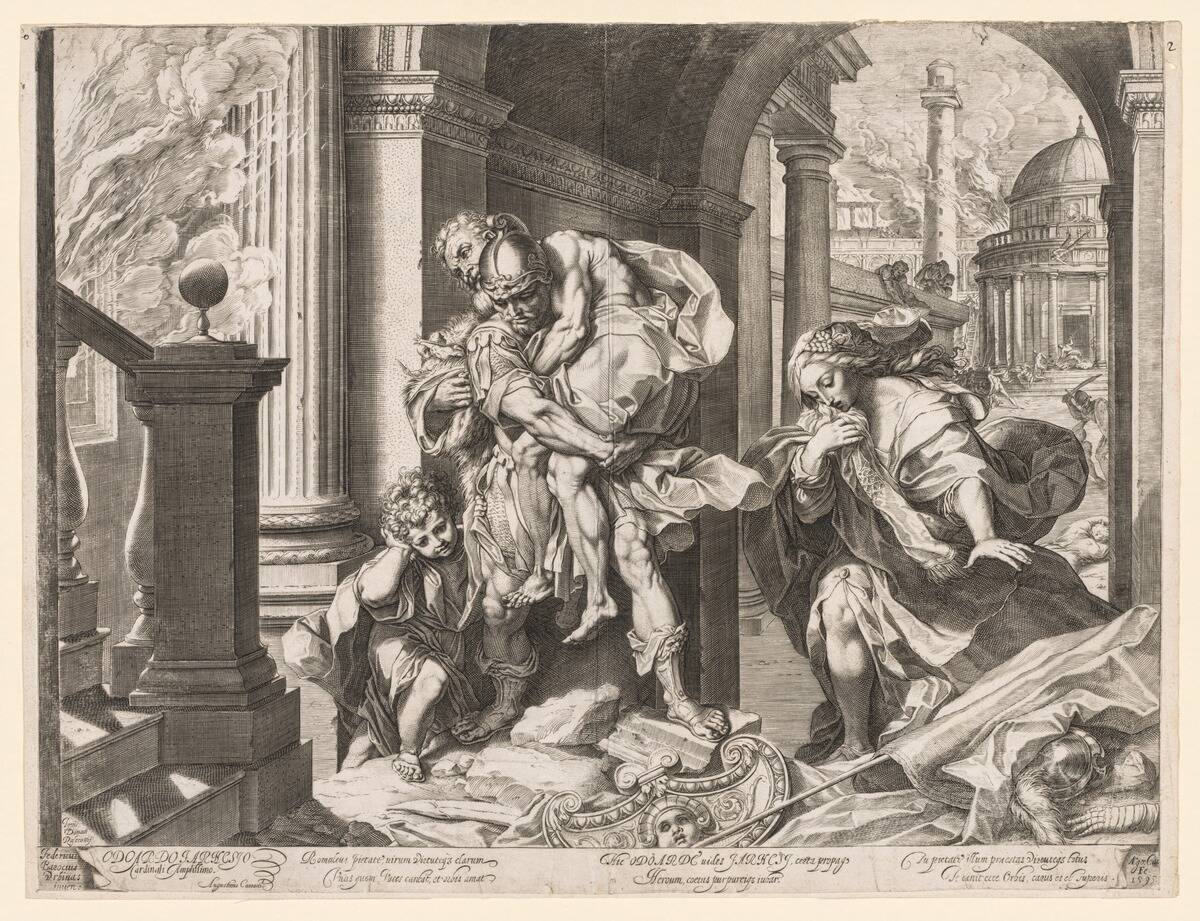
For centuries, the city of Troy was thought to be a mere figment of Homeric poetry. However, in the 19th century, Heinrich Schliemann’s excavations at Hisarlik in modern-day Turkey uncovered multiple layers of ancient settlement, one of which many scholars associate with Troy, lending historical weight to Homeric tradition.
This archaeological breakthrough confirmed that legends sometimes rest on real, tangible foundations, bridging the gap between myth and history.
The Curse of King Tutankhamun: A Mummy’s Revenge?
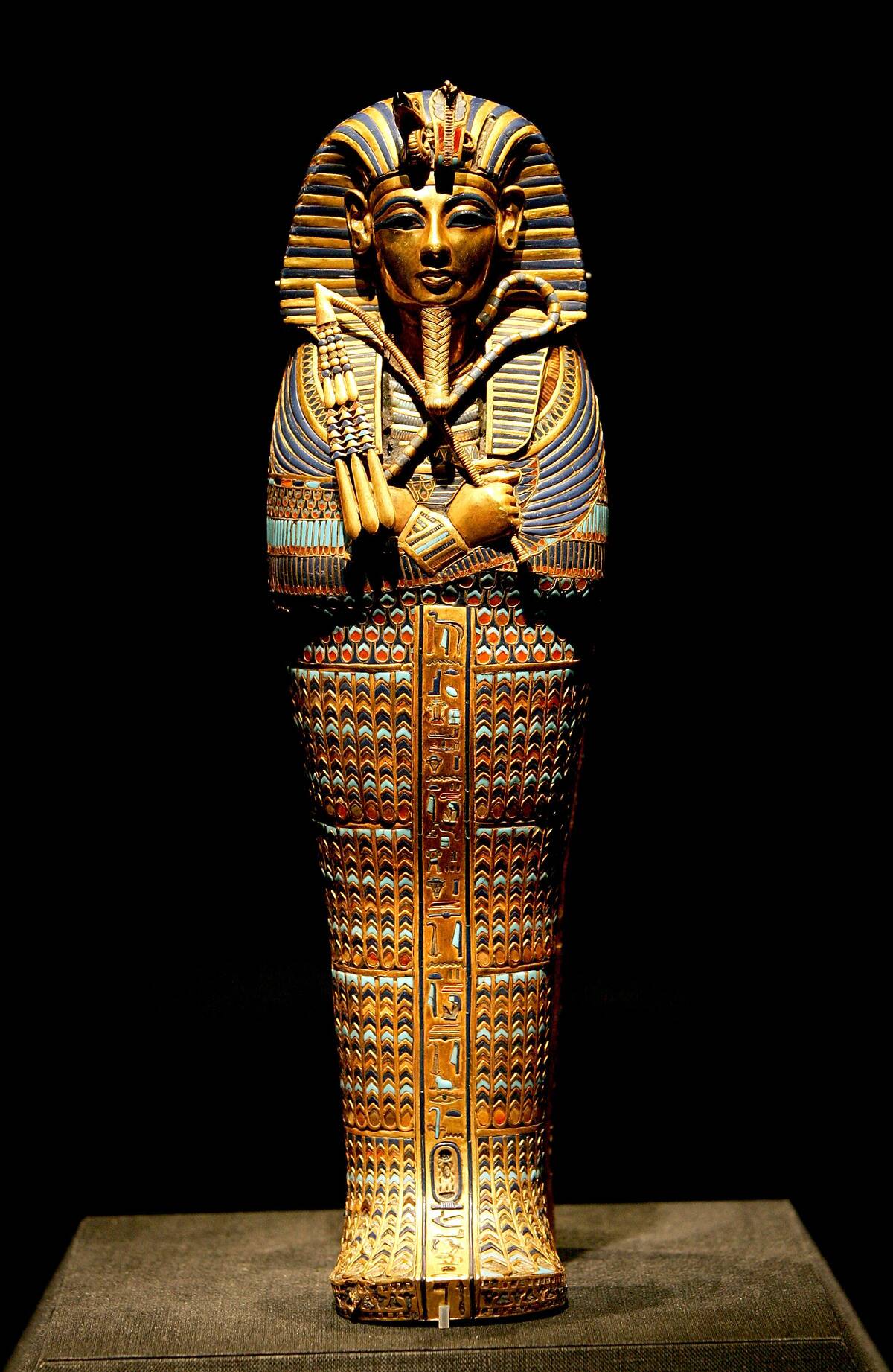
The discovery of King Tutankhamun’s tomb in 1922 by Howard Carter sparked sensational tales of a curse. Despite the mysterious deaths of several individuals connected to the tomb’s opening, modern science attributes these to natural causes.
Studies suggest that ancient molds and airborne toxins, disturbed during the excavation, could have resulted in respiratory ailments, debunking the myth of a vengeful mummy.
The Amazons: Warrior Women of Ancient Lore
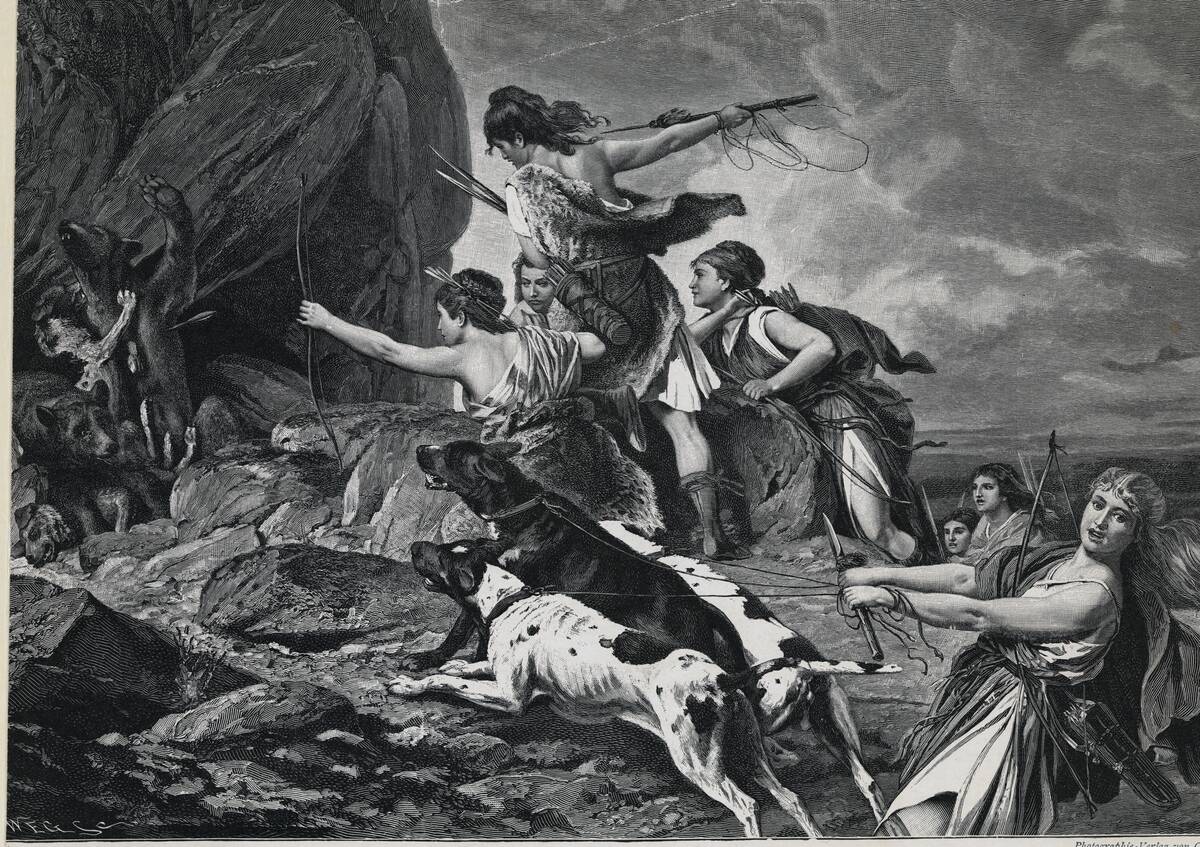
Historians once dismissed the Amazons as purely mythological, but archaeological findings tell a different story. Graves of warrior women, resembling the Amazons’ description, have been discovered in the Eurasian steppes.
These women, part of the Scythian culture, lived lives that mirrored the fierce independence and combat skills attributed to the legendary Amazons, suggesting a basis in reality for these tales.
The Great Flood: Echoes of Noah’s Ark
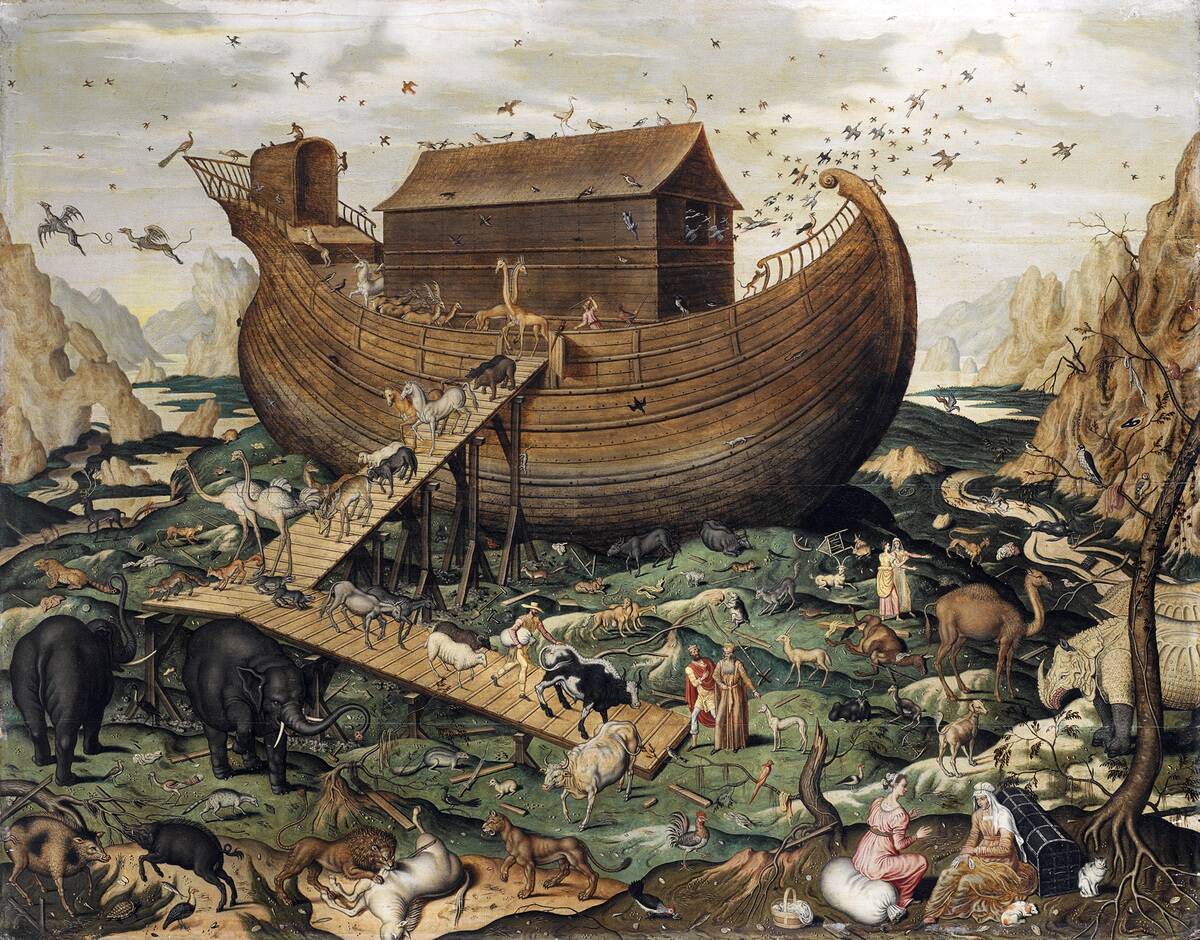
Flood myths appear in numerous cultures, including the well-known tale of Noah’s Ark. Geologists have found evidence of massive floods in ancient Mesopotamia, aligning with these stories.
The Black Sea deluge hypothesis posits a catastrophic flooding event around 5600 BCE, potentially inspiring the flood legends, offering a geological explanation for these widespread myths.
The Oracle of Delphi: Prophecies That Shaped History
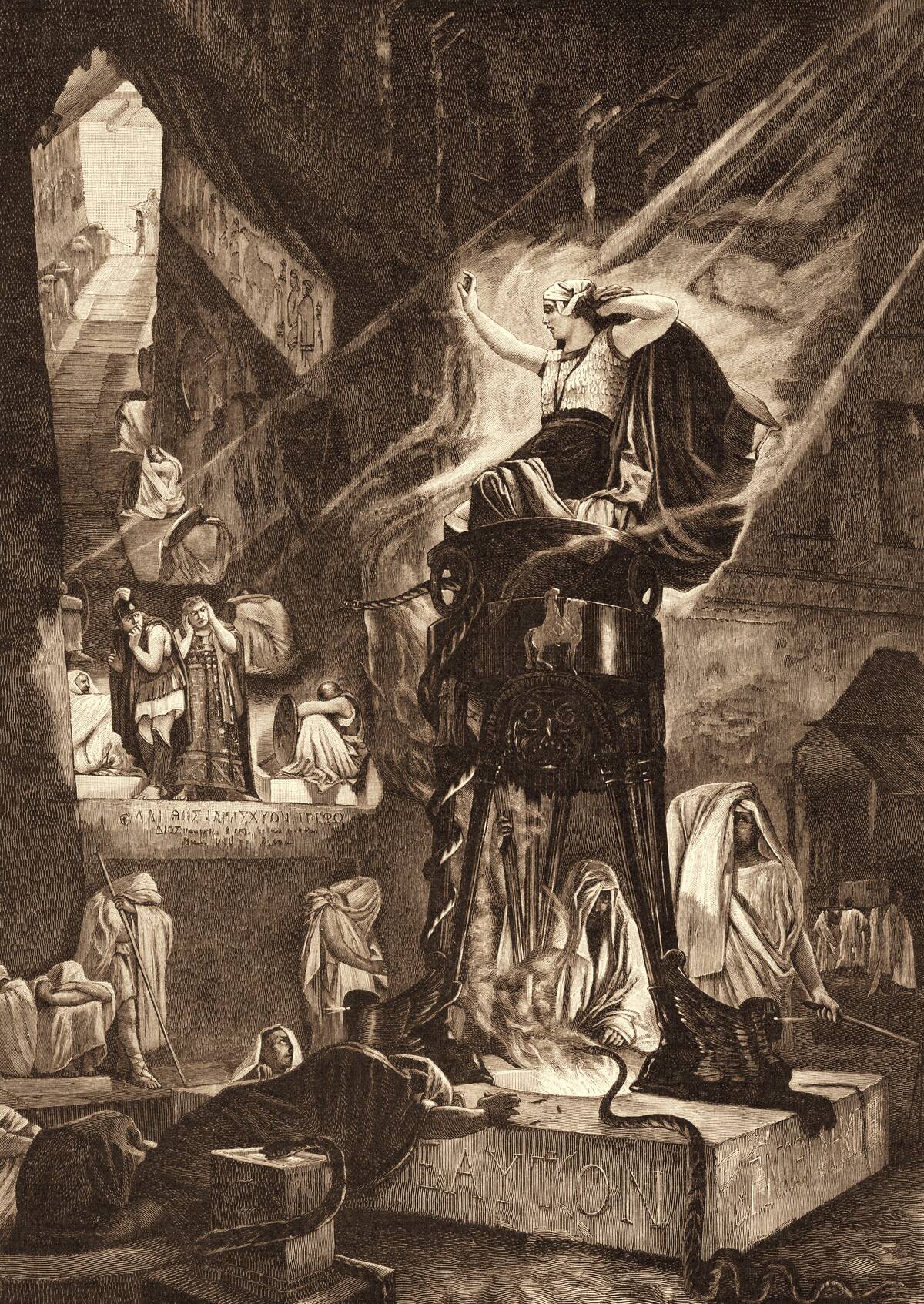
The Oracle of Delphi was revered in ancient Greece for her cryptic prophecies. Scientists have discovered fissures beneath the temple site, releasing ethylene gas, which could have induced trance-like states.
This natural phenomenon might explain the oracle’s enigmatic visions, illustrating how geological features can intertwine with legendary narratives.
King Arthur: A Hero’s Tale Grounded in Reality
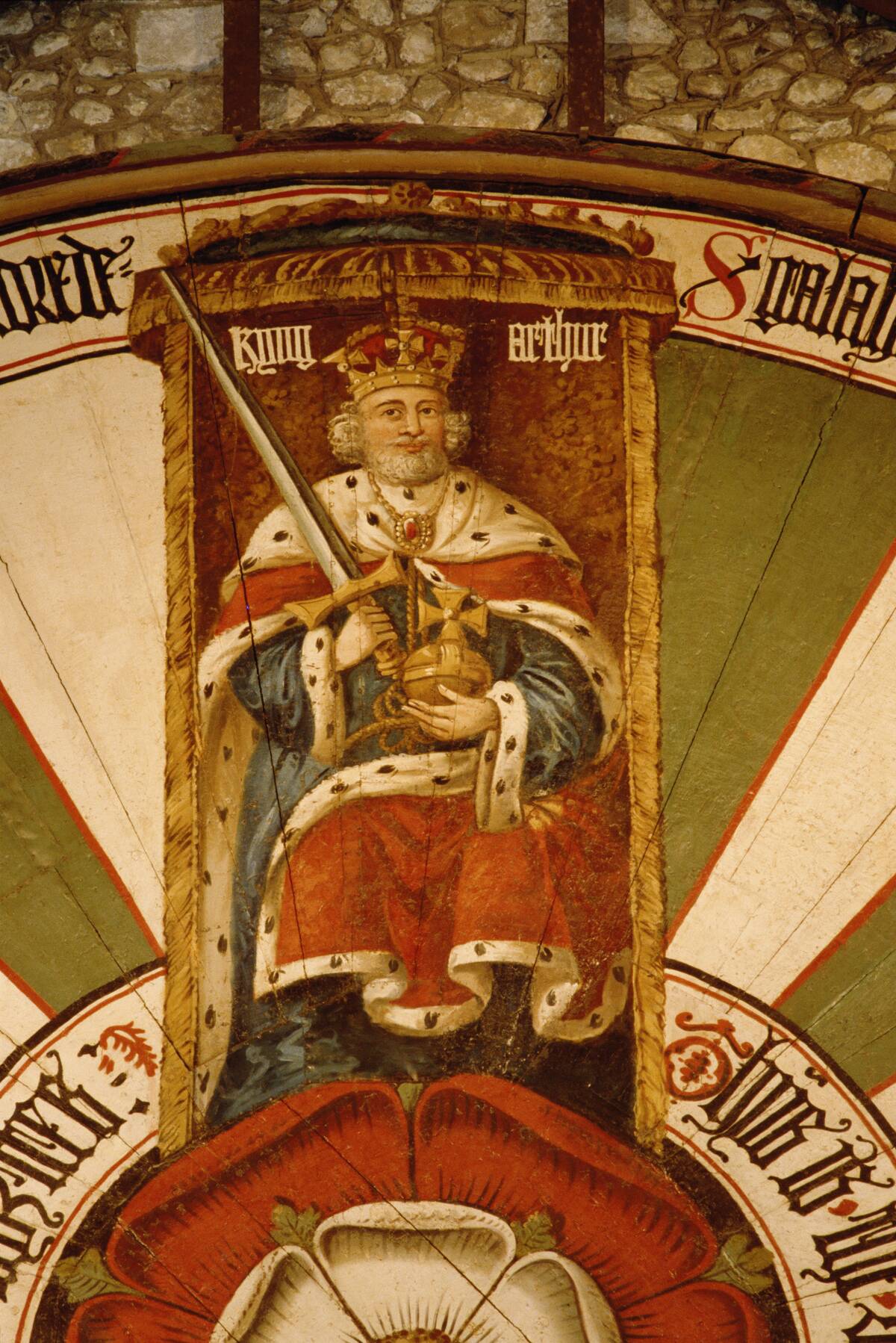
King Arthur’s legendary exploits are steeped in historic ambiguity, yet some scholars believe he might have been based on a real figure. Evidence suggests that Arthur could be a composite of several historical leaders who defended Britain against Saxon invaders.
Sites like Tintagel Castle in Cornwall fuel the debate, blending archaeological discovery with the enduring allure of Arthurian legend.
The Fountain of Youth: Searching for Eternal Life
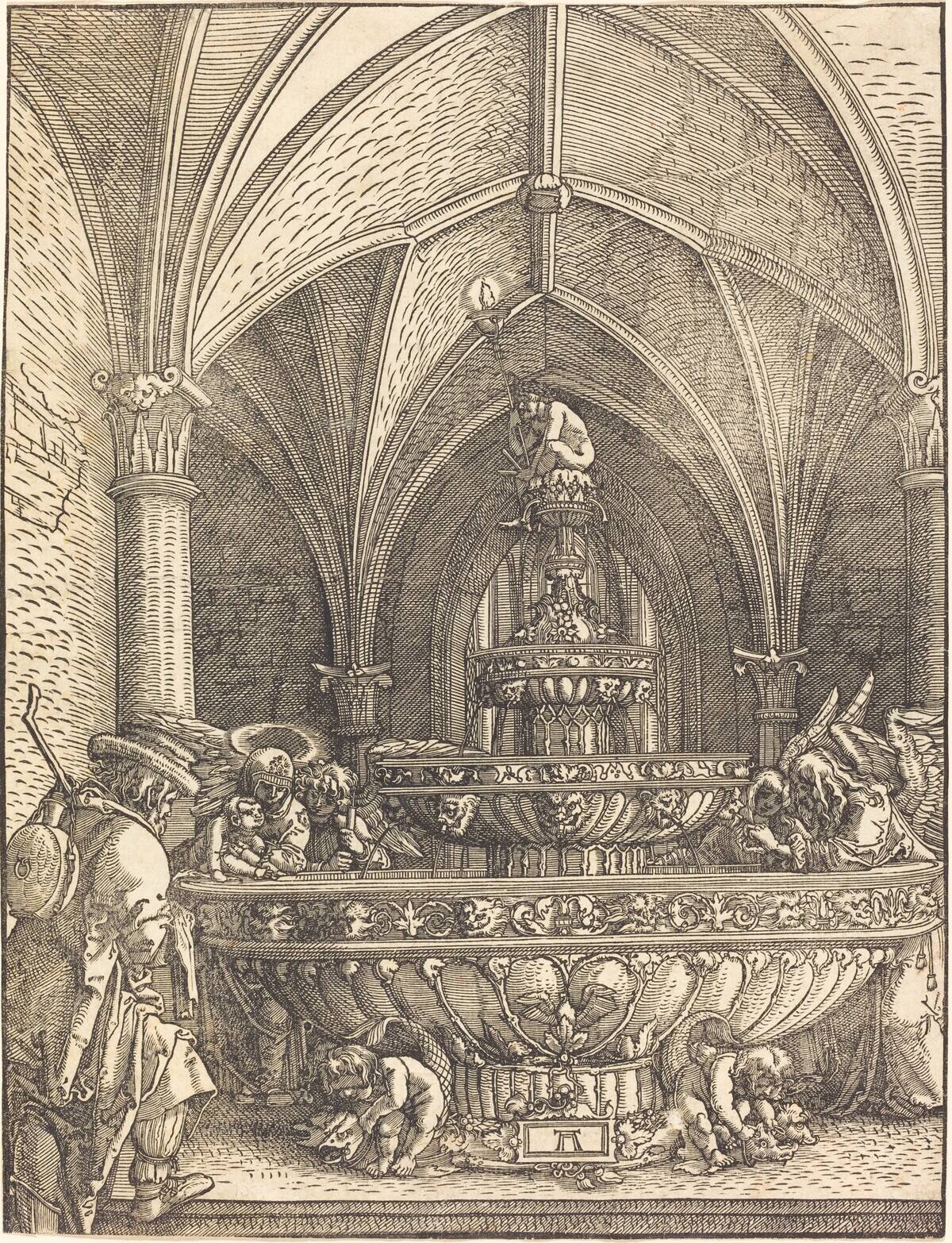
The quest for the Fountain of Youth captivated explorers like Ponce de León, though his actual intentions remain debated. Historians suggest he sought new lands and power rather than mythical waters.
While the fountain itself remains elusive, the legend persists as a symbol of humanity’s desire for longevity and renewal, echoing our eternal pursuit of health and vitality.
Atlantis: From Myth to Potential Reality
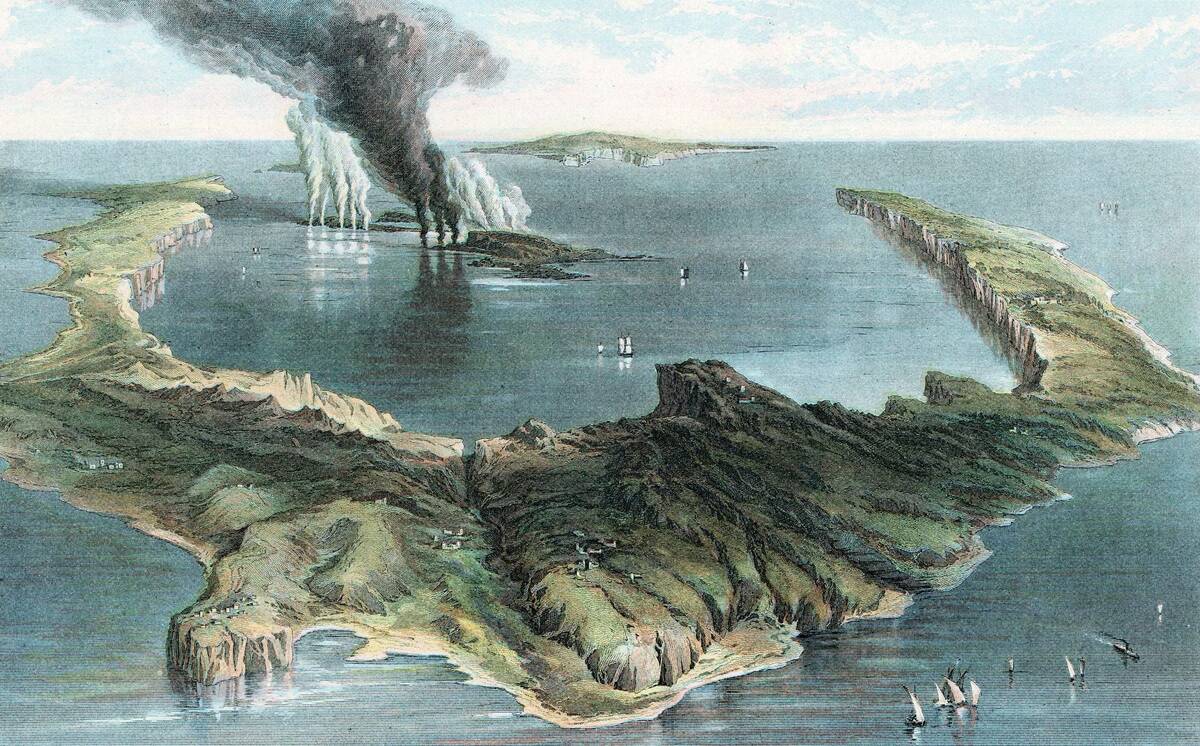
Plato’s account of Atlantis has intrigued seekers of lost civilizations for centuries. While many consider it allegorical, some researchers propose real locations, such as Santorini, as possible inspirations for the tale.
Geological evidence of cataclysmic events in the Aegean Sea region supports these theories, suggesting that Atlantis might be rooted in historical and geological truths.
Werewolves and Lycanthropy: A Case of Medical Misunderstanding

The werewolf myth, prevalent in European folklore, may have origins in misunderstood medical conditions. Porphyria, a rare genetic disorder, and hypertrichosis, known as “werewolf syndrome,” could have contributed to the myth.
These conditions, along with cultural fears and superstitions, likely fueled the transformation tales, showcasing how medical anomalies can influence mythological narratives.
Dragons Across Cultures: Mythical Beasts with Real-World Inspirations

Dragon myths span cultures, from Chinese lung to European fire-breathers. These creatures often reflect human awe of natural forces and encounters with large reptiles.
Fossils of dinosaurs and large lizards could have inspired dragon imagery, blending myth with paleontological findings. Thus, dragons symbolize humanity’s enduring fascination with the unknown and the majestic.
The Pied Piper of Hamelin: A Story with a Dark Grain of Truth
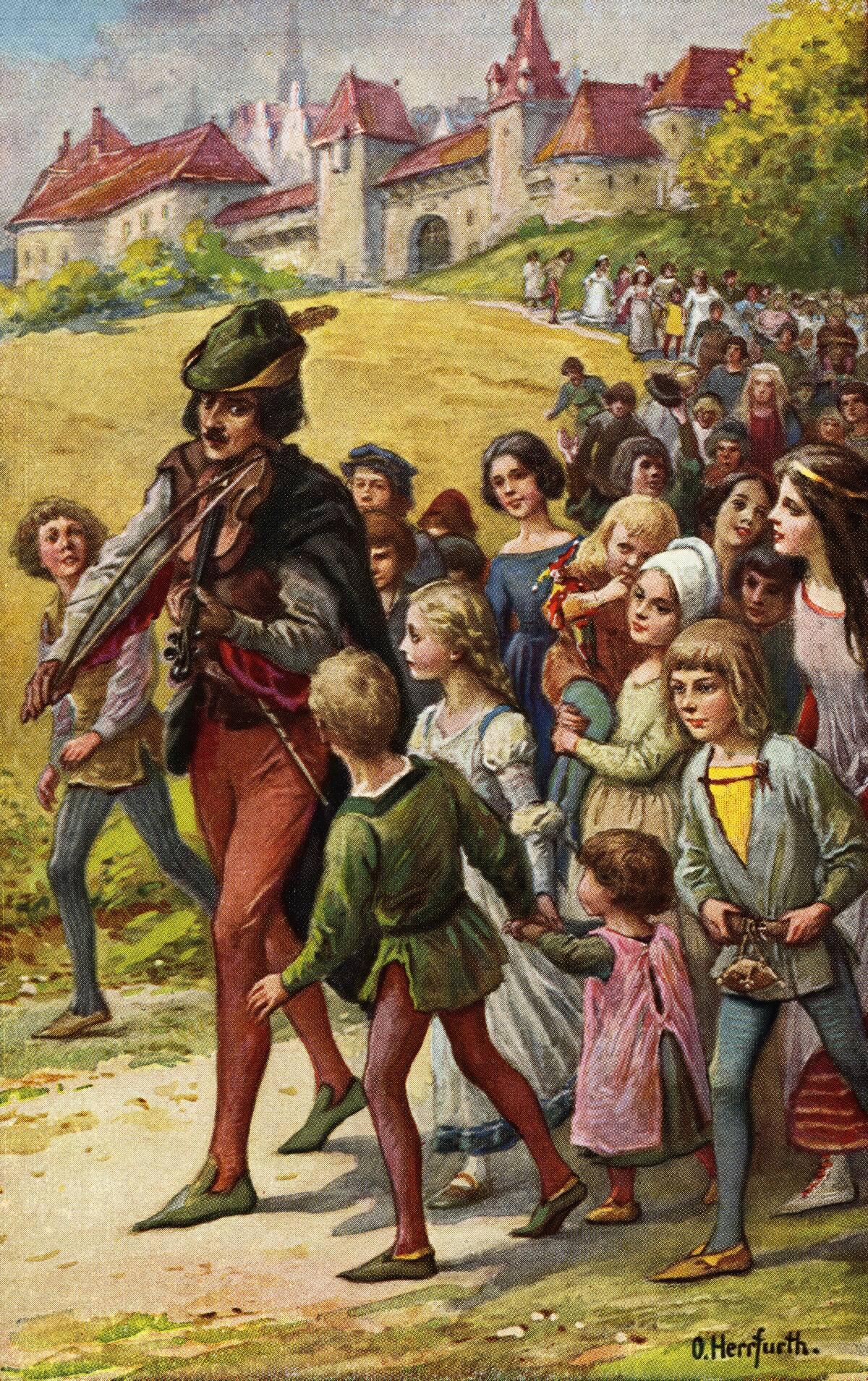
The tale of the Pied Piper, who led away Hamelin’s children, might be rooted in historical events. Records from the 13th century mention a mass departure or deaths of children in Hamelin, possibly due to disease or enlistment in a failed children’s crusade.
This dark historical context adds a somber layer to the whimsical story, revealing how folklore can mask real tragedies.
The Legend of El Dorado: Gold, Greed, and Exploration
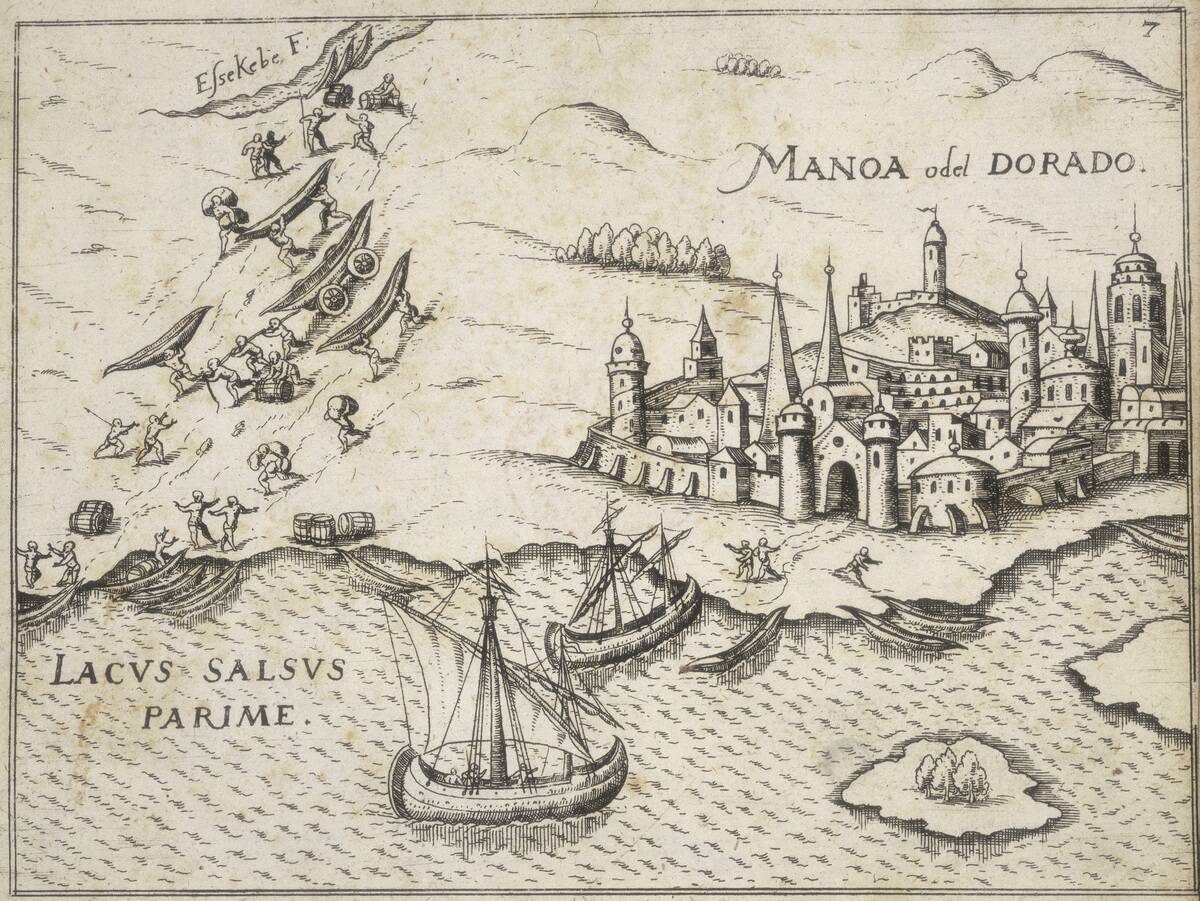
El Dorado, the city of gold, drove European explorers into the South American wilderness. The legend originated from Muisca rituals, where a chief covered in gold dust was immersed in Lake Guatavita.
Despite numerous expeditions, El Dorado remained elusive, symbolizing the perilous intersection of myth, greed, and exploration in the history of colonial expansion.
The Yeti: Unraveling the Mystery of the Abominable Snowman
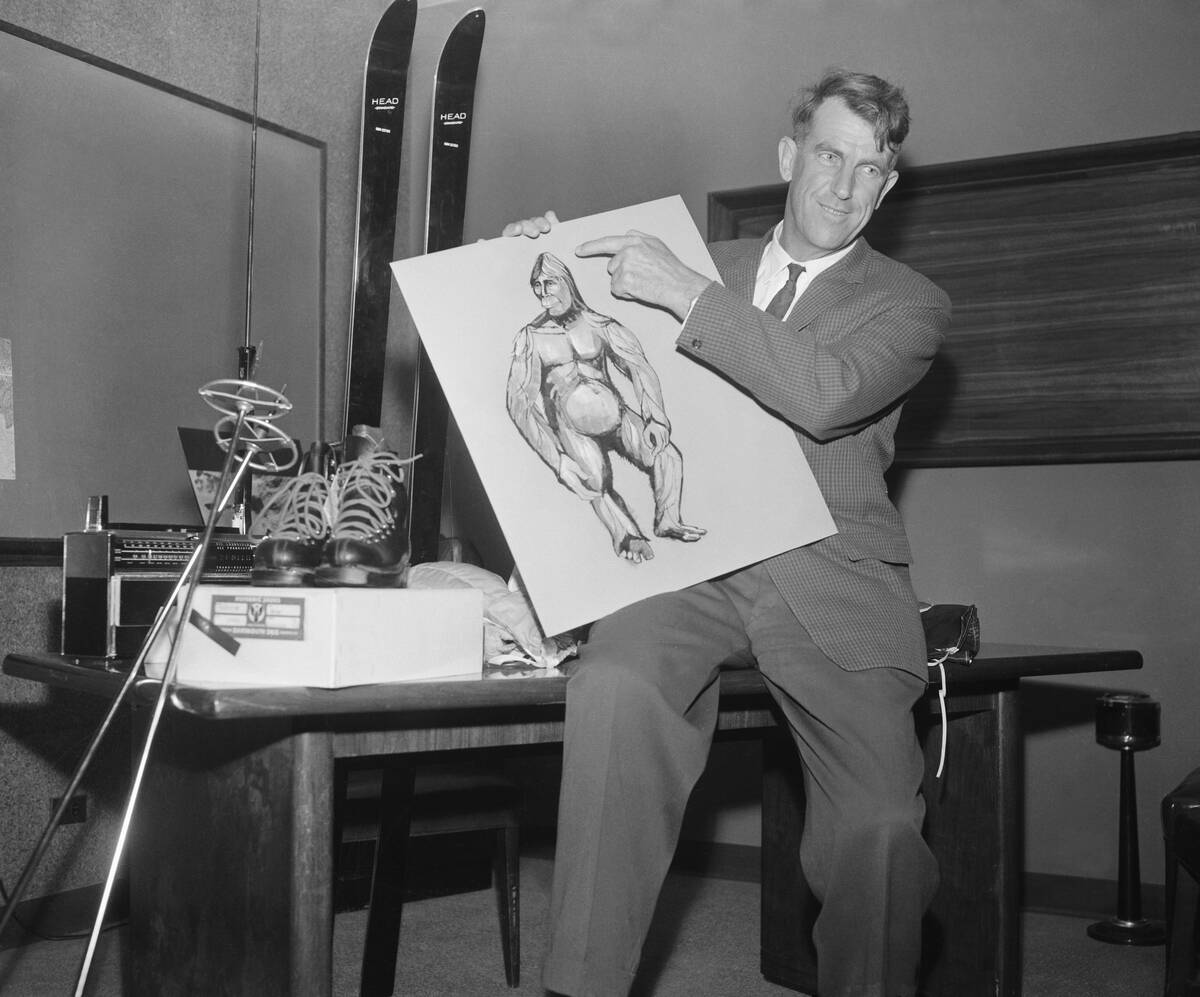
The Yeti, or Abominable Snowman, is a staple of Himalayan folklore. While no concrete evidence confirms its existence, sightings and footprints spark intrigue. Modern analysis of alleged Yeti samples often reveals common animals like bears.
These findings suggest the myth may stem from misidentifications, demonstrating how local legends can be fueled by environmental and psychological factors.
Robin Hood: Fact or Fiction in the Forests of England
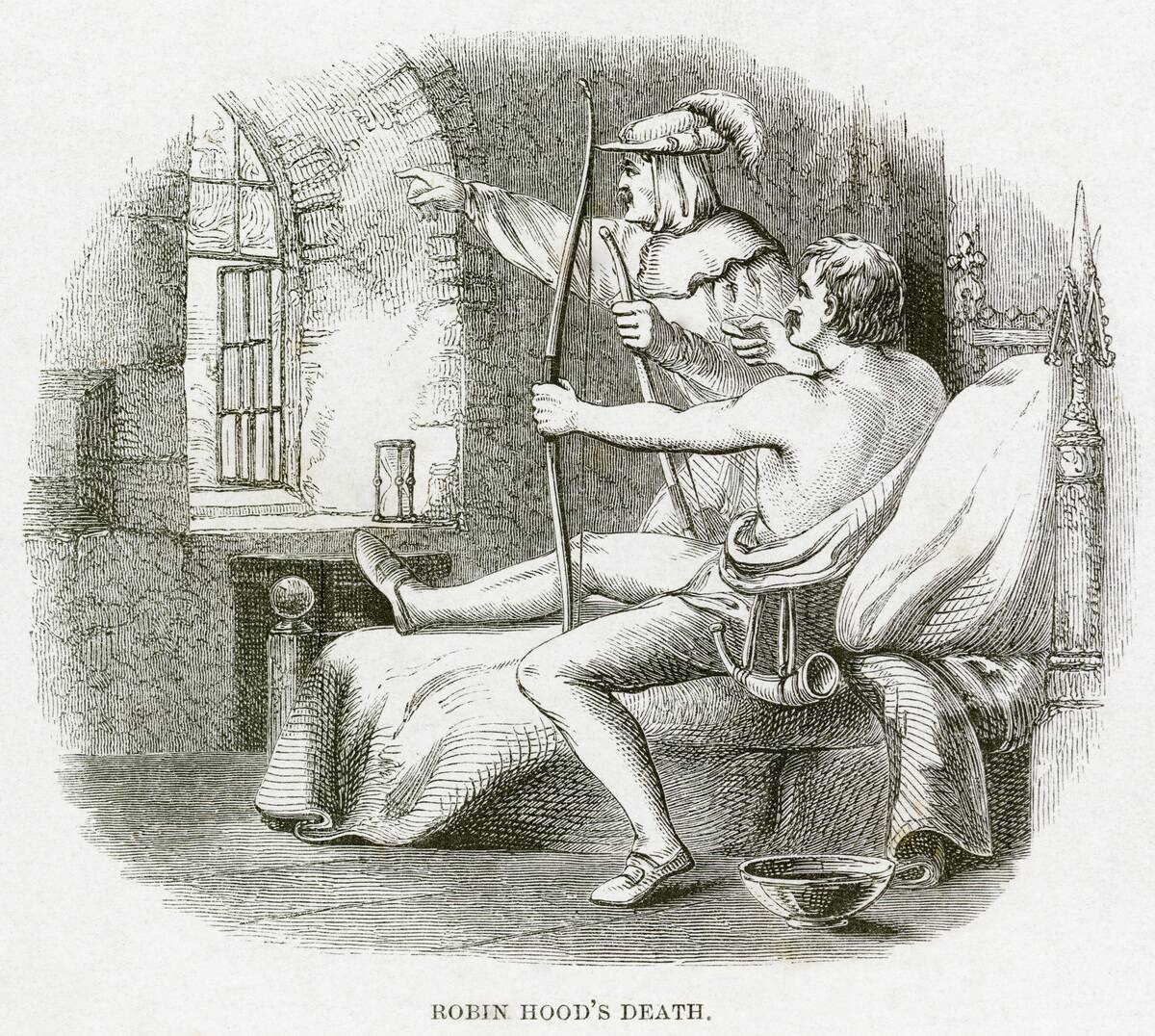
Robin Hood’s legacy as a heroic outlaw might be an amalgamation of multiple historical figures. Records from medieval England suggest individuals with Robin Hood-like traits existed, though their exploits were likely less romantic.
Sherwood Forest and Nottinghamshire serve as tangible backdrops, enriching the lore with geographical credibility, blurring the lines between heroic myth and historical reality.
The Bermuda Triangle: Navigating Through Myth and Science
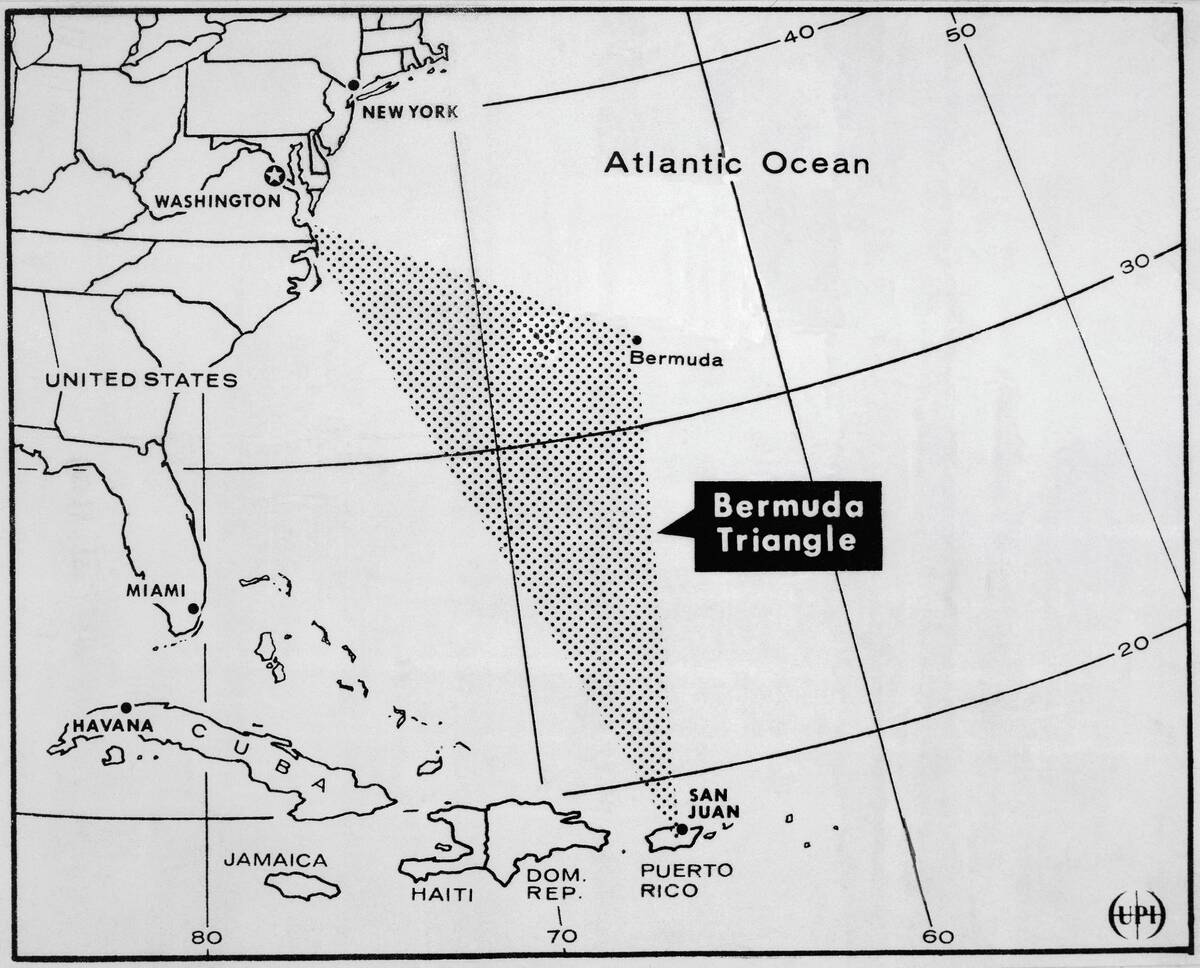
The Bermuda Triangle’s notoriety for mysterious disappearances has sparked countless theories. While sensational stories abound, scientific explanations point to natural phenomena like methane hydrates and magnetic anomalies.
The area’s busy shipping lanes and unpredictable weather further contribute to accidents, providing rational explanations for events often attributed to paranormal activities.
The Kraken: Giant Sea Monsters from the Depths of Imagination
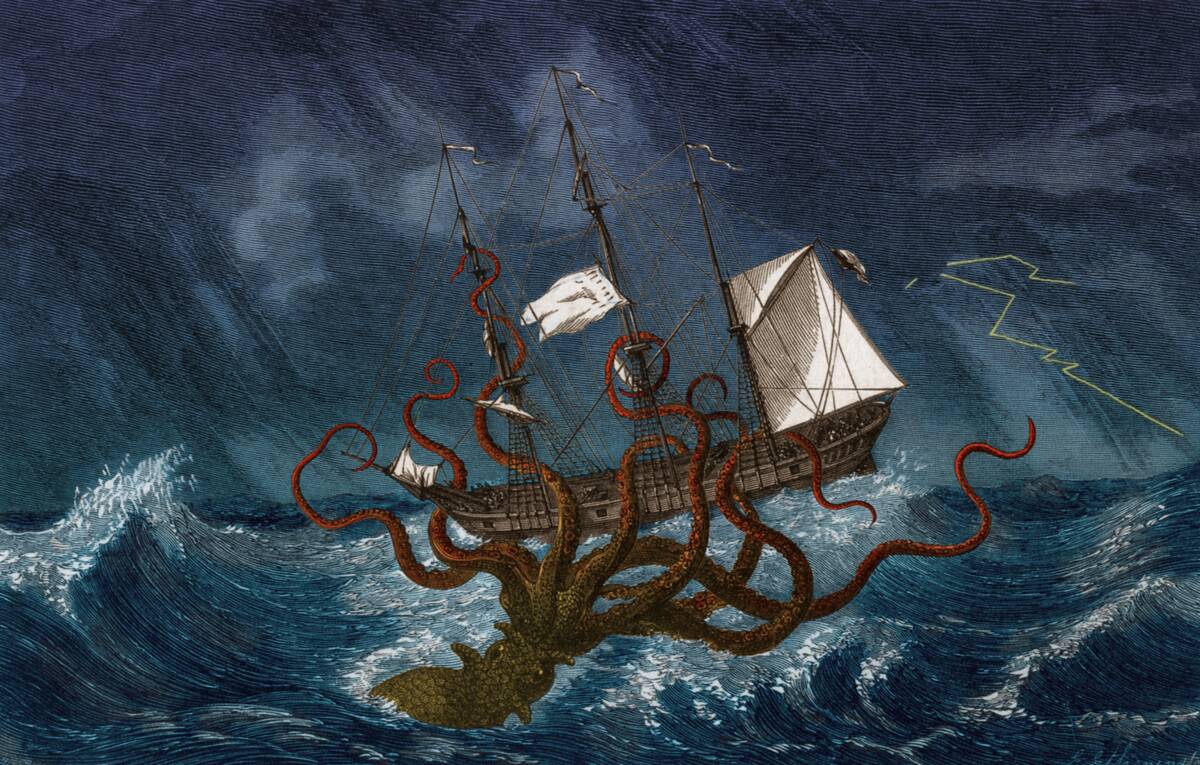
The Kraken, a colossal sea monster, haunted sailors’ imaginations in Norse mythology. Modern scientists suggest that encounters with giant squids, capable of reaching 43 feet, may have inspired these tales.
Such creatures, rarely seen by humans, could easily fuel maritime legends, illustrating how extraordinary real-life creatures can give rise to mythical beings that dominate folklore.