Unusual 19th-century jobs that no longer exist
The 19th century was a time of great innovation and industrial revolution, but it also had its fair share of unusual professions. These jobs, though odd by today’s standards, were essential to the fabric of society back then.
From collecting leeches to waking people up for work, these quirky roles highlight the ingenuity and resourcefulness of people during that era. Let’s embark on a fascinating journey through some of the most peculiar occupations of the 19th century.
The Leech Collector: Nature’s Bloodsucker Supplier
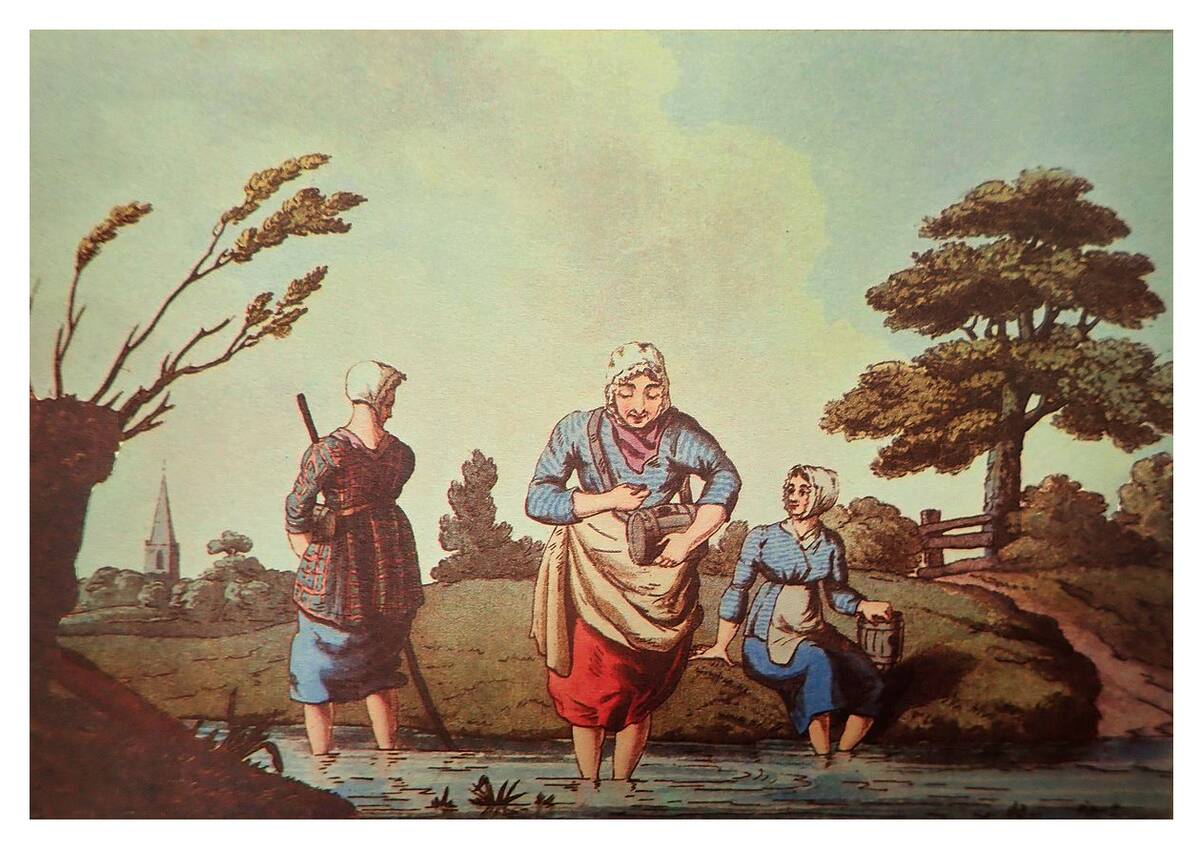
Leech collectors were essential in the 19th century, as leeches were widely used for medicinal purposes. These collectors would wade into marshes and ponds, often letting the leeches attach to their own legs.
Leeches were believed to cure a variety of ailments through bloodletting, a common medical practice of the time. Despite the unpleasant nature of the job, it was a crucial part of the healthcare system, with leeches in high demand across Europe.
The Knocker-Up: Human Alarm Clocks of the Past
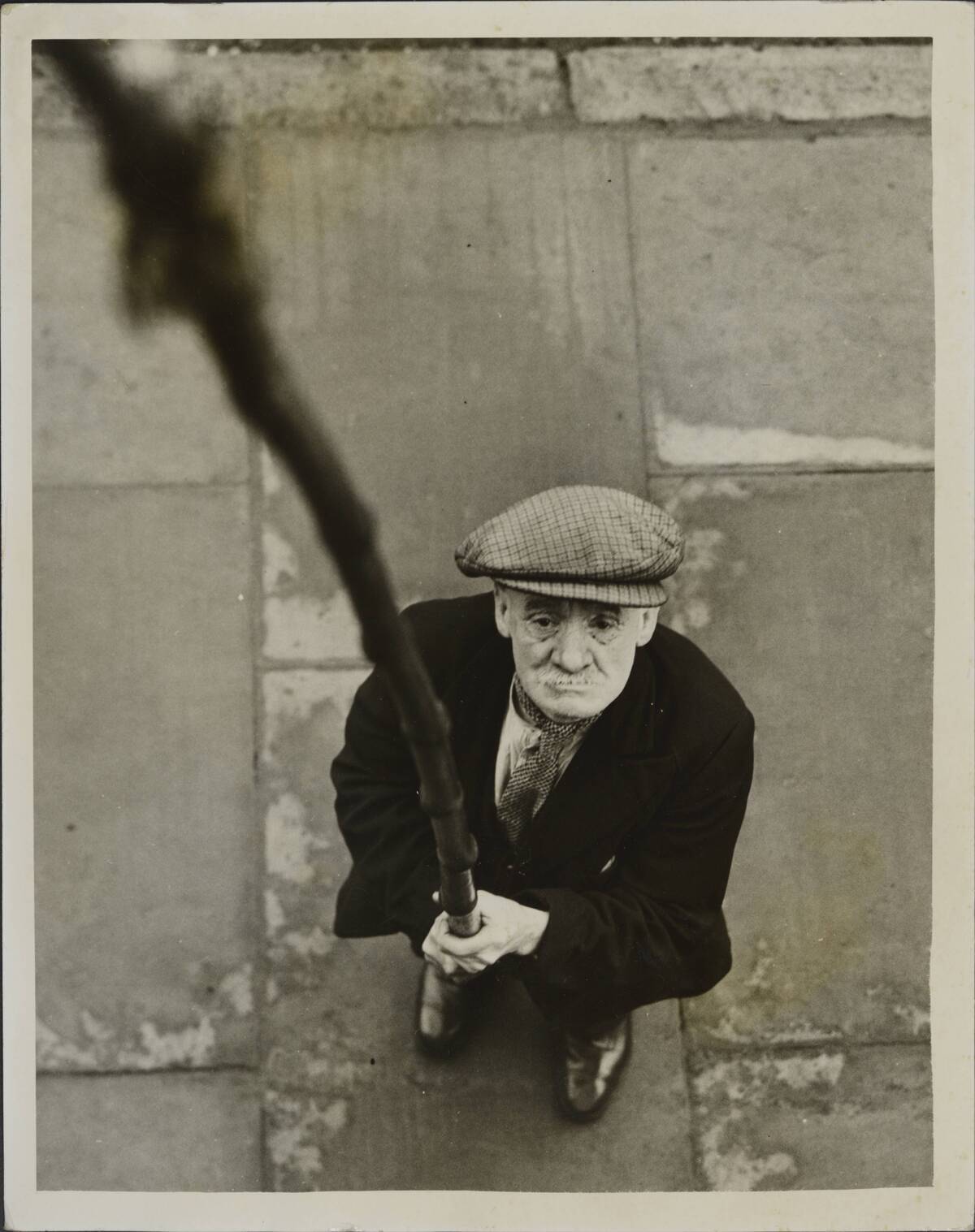
Before the invention of the alarm clock, the knocker-up was the person responsible for waking people up. Armed with a long stick or a pea shooter, they would tap on windows to rouse their clients.
This job was particularly popular in industrial towns where factory workers needed to be up early. The knocker-up was a reliable early riser, ensuring that their clients never missed a day of work, thus keeping the wheels of industry turning.
The Rat Catcher: Pest Control Before Exterminators
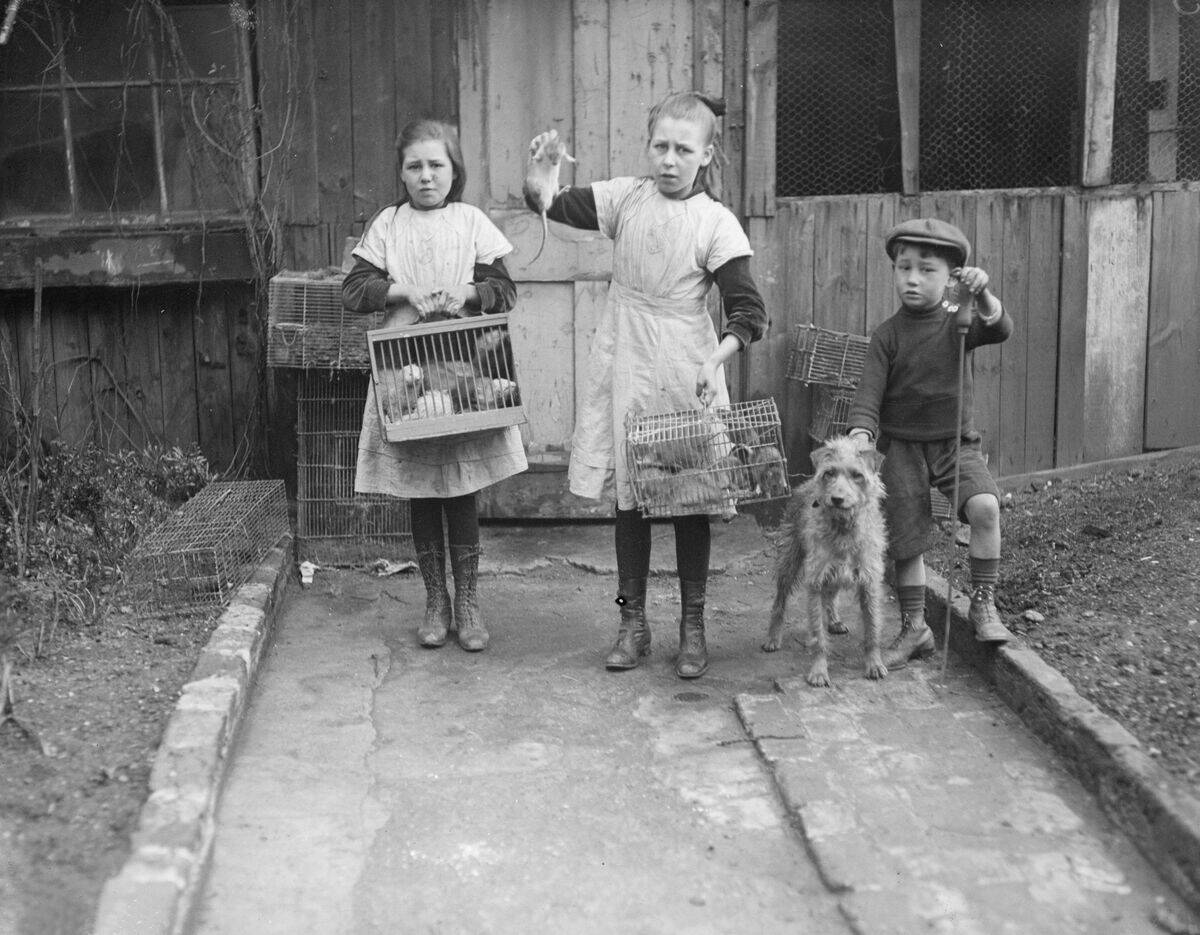
Rat catchers played a vital role in controlling the rodent population in urban areas. They used dogs and ferrets to hunt down and capture rats, which were a major problem due to their role in spreading disease.
Some rat catchers became quite famous for their skills and even sold live rats to be used in rat-baiting, a popular form of entertainment. This job was not only necessary for health reasons but also contributed to the lively culture of the time.
The Mudlark: Treasure Hunters of the Thames

Mudlarks were individuals, often children, who scavenged the muddy banks of the River Thames for valuable items. They would search for anything that could be sold, such as coal, metal, or even lost jewelry.
This was a desperate means of survival for many poor families. Despite the filthy conditions, mudlarks could sometimes find valuable treasures, making this a risky but potentially rewarding occupation in 19th-century London.
The Resurrectionist: Grave Robbers with a Scientific Twist
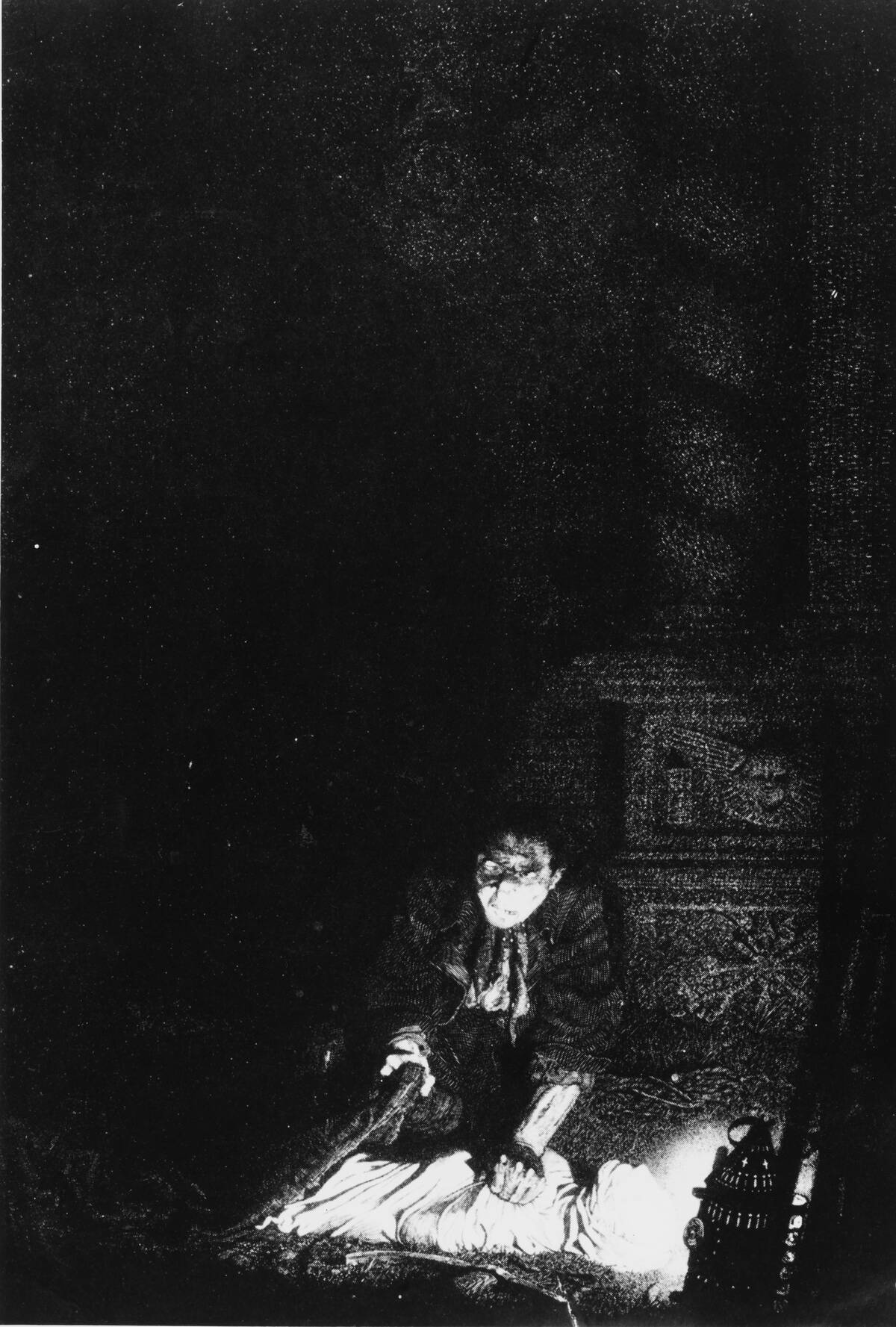
Resurrectionists, or body snatchers, supplied medical schools with cadavers for dissection. Since it was illegal to dissect bodies in many places, these individuals turned to grave robbing. The demand for bodies was high, as medical students needed them to learn anatomy.
This grim profession was fraught with danger, as resurrectionists risked being caught by authorities or angry mobs. Despite its macabre nature, it played a crucial role in advancing medical science.
The Chimney Sweep: The Sooty Reality of a Childhood Job
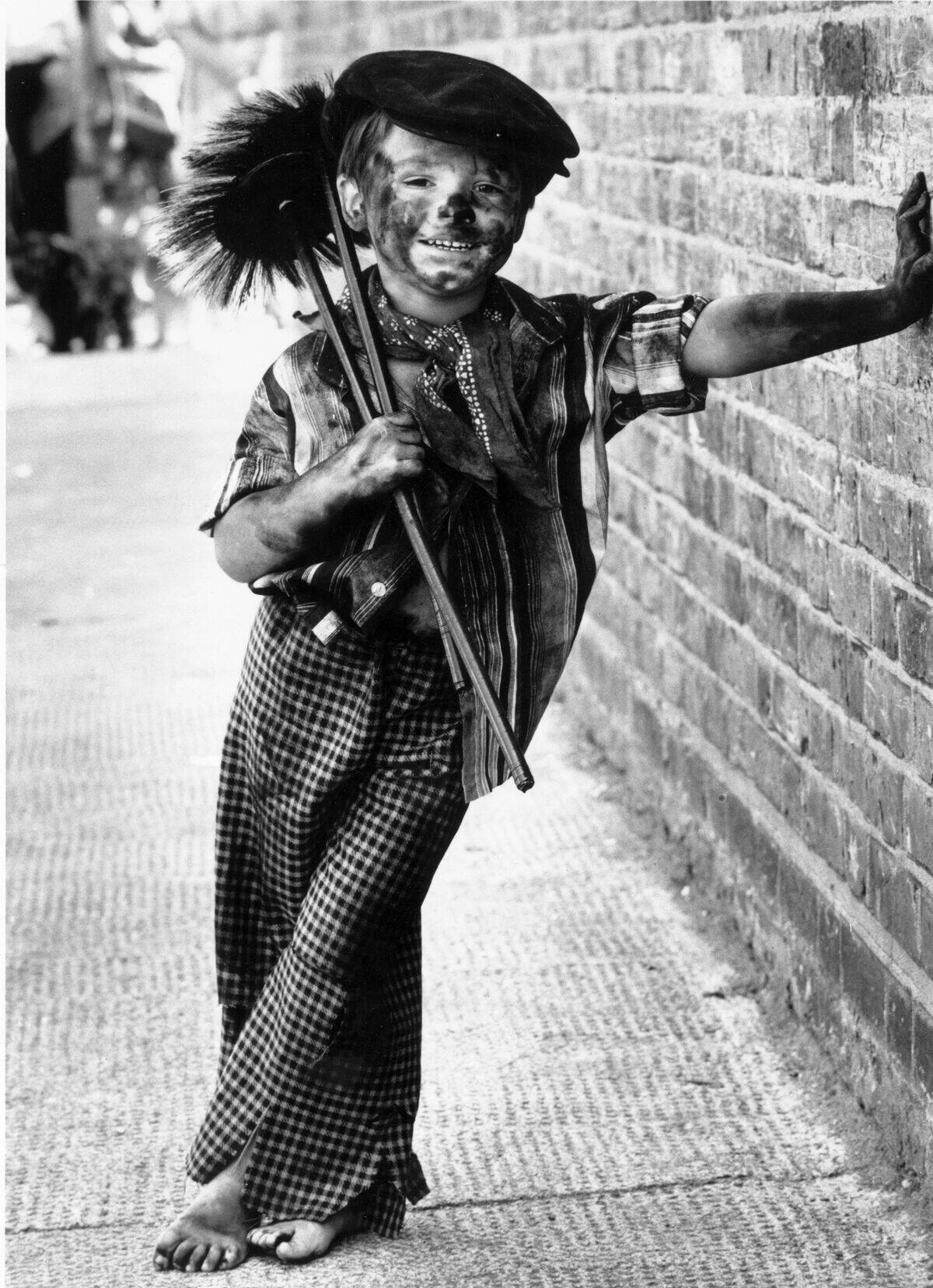
Chimney sweeps, often young boys, were tasked with cleaning soot from chimneys to prevent fires. They would climb inside the narrow flues, a dangerous and dirty job that posed significant health risks.
The work was vital, especially in urban areas where coal fires were common. While the job was hazardous, it was one of the few options available for impoverished children, highlighting the harsh realities of child labor during the 19th century.
The Lamp Lighter: Illuminating the Streets Before Electricity
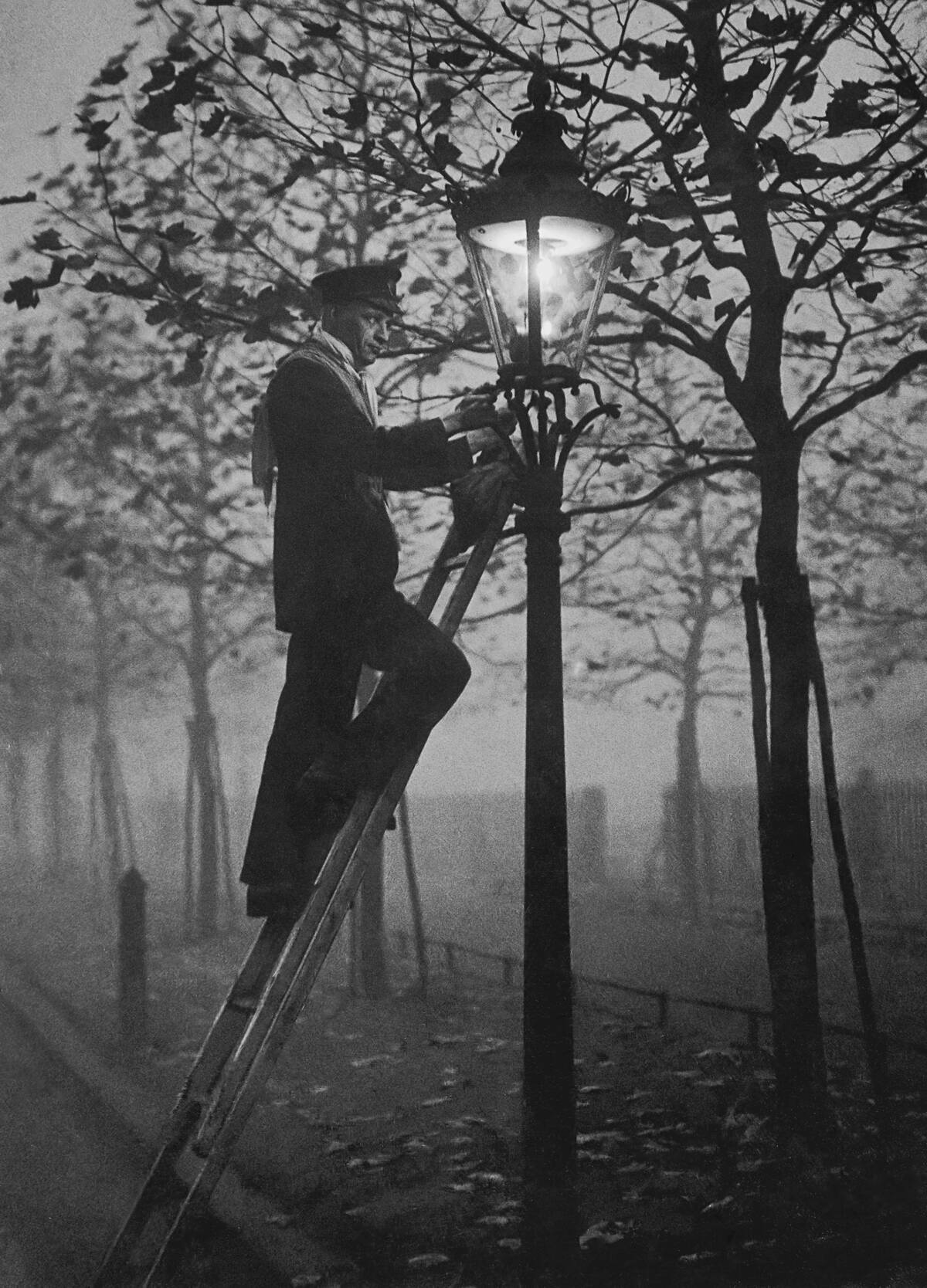
Before the widespread use of electricity, lamp lighters were responsible for lighting and extinguishing street lamps. Armed with a long pole, they would travel from lamp to lamp, ensuring that streets were illuminated at night.
This job was crucial for public safety, deterring crime and providing visibility for evening activities. As gas lighting became more common, lamp lighters became a familiar sight in cities, symbolizing the transition to modern urban life.
The Ice Cutter: Harvesting Nature’s Refrigeration
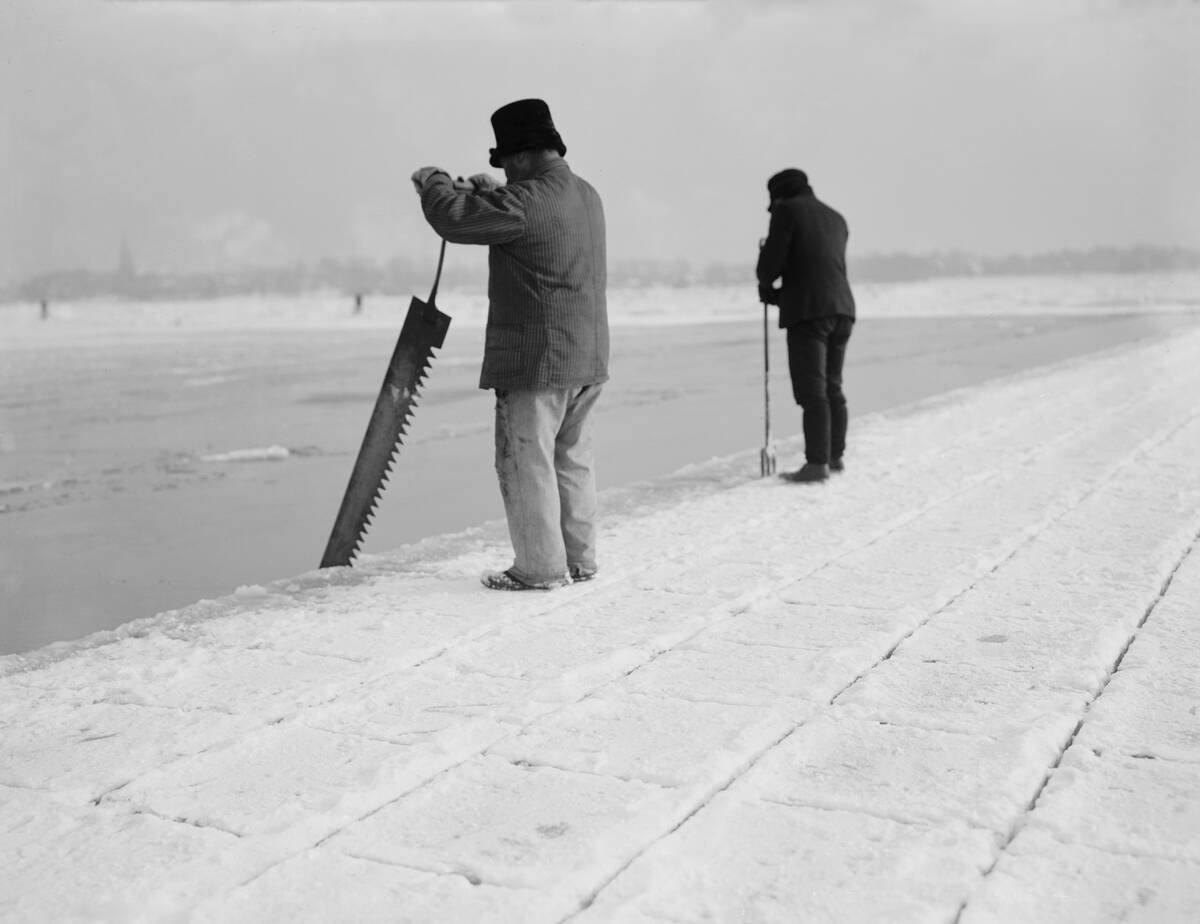
Ice cutters harvested ice from frozen lakes and rivers during winter months. This ice was then stored in icehouses and used throughout the year for refrigeration. The job required strength and skill, as workers used saws and chisels to cut large blocks of ice.
Ice was a valuable commodity, especially in warmer months, making ice cutters an essential part of the food preservation process before the advent of modern refrigeration.
The Pinsetter: Manual Labor at the Bowling Alley
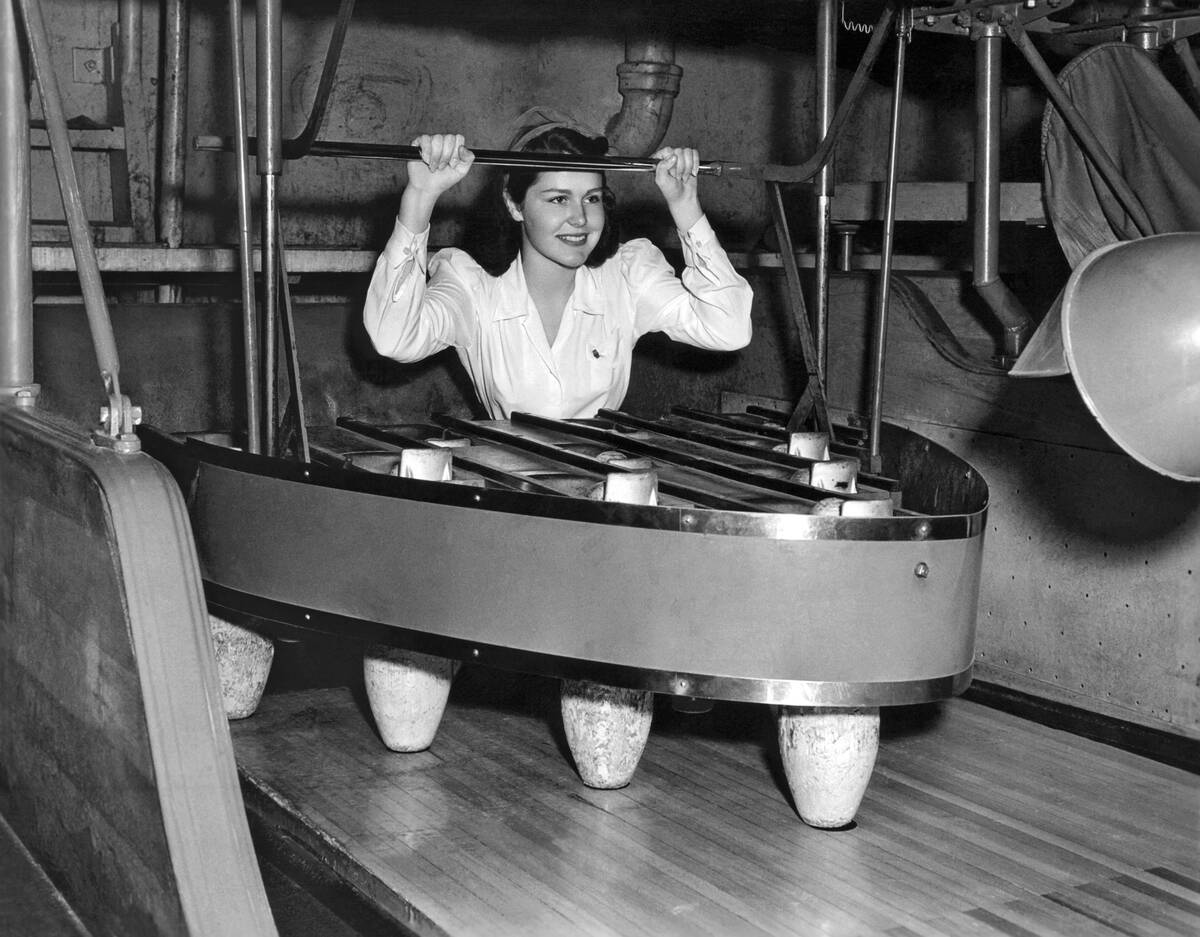
Before automated machines, pinsetters manually reset bowling pins after each round. Often young boys, they had to be quick and agile to keep up with the pace of the game. This job required constant attention and was physically demanding, as pinsetters had to dodge flying pins and balls.
Despite the challenges, it offered a source of income and a glimpse into the bustling social life of bowling alleys in the 19th century.
The Lector: Entertaining Factory Workers with a Good Read
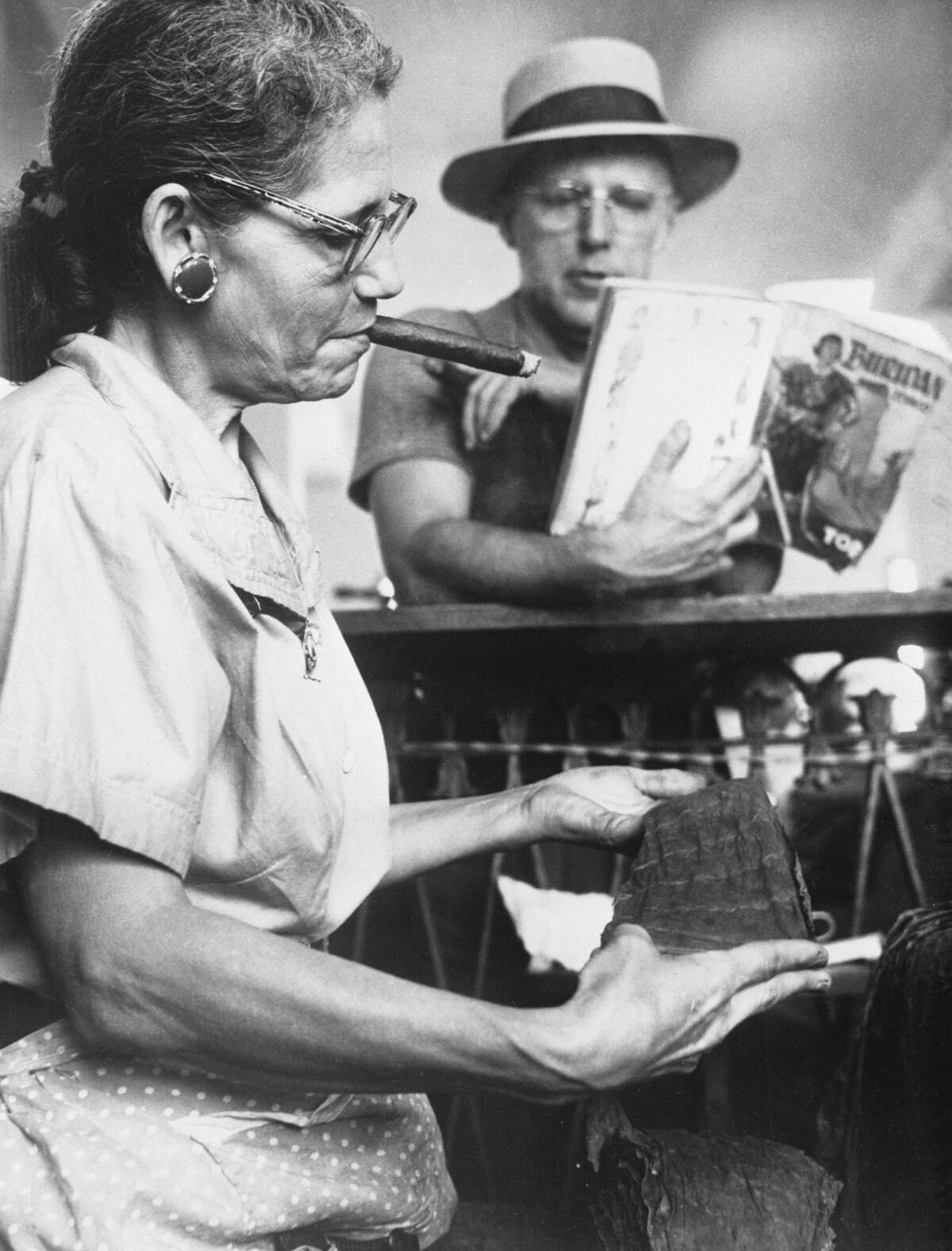
Lectors were hired to read aloud to factory workers, providing entertainment and education during long work hours. They would read newspapers, novels, and political texts, offering a mental escape from the monotonous tasks.
This practice was particularly popular in cigar factories, where workers could focus on listening while using their hands. Lectors played a crucial role in spreading literacy and awareness, making them an integral part of the factory culture.
The Powder Monkey: Young Assistants in Naval Warfare
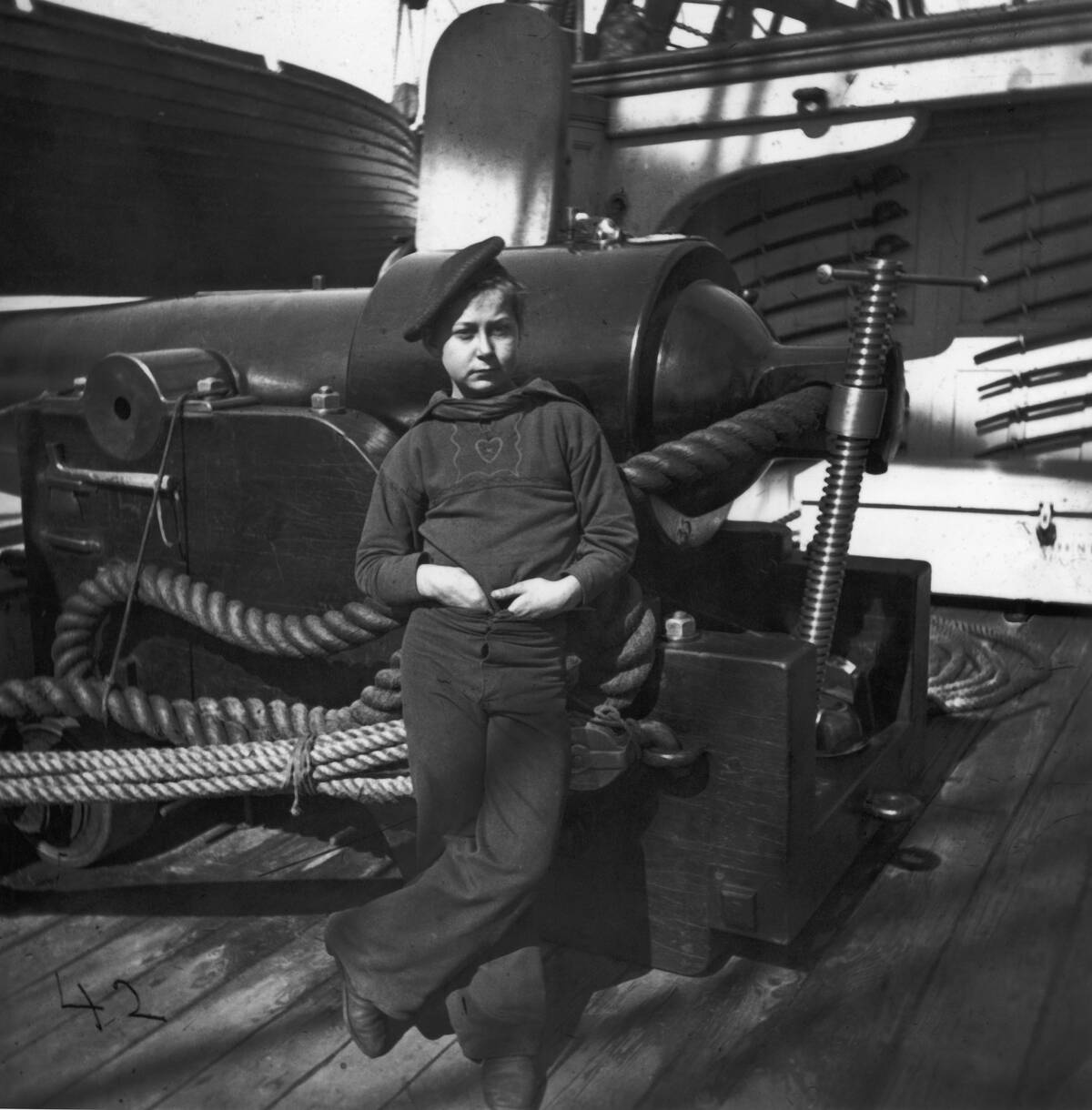
Powder monkeys were young boys who assisted in naval warfare by carrying gunpowder to the cannons. This was a dangerous job, as they had to navigate the chaos of battle while ensuring a steady supply of ammunition.
Despite their age, powder monkeys were crucial to the efficiency of naval operations. Their bravery and agility made them valuable members of the crew, highlighting the harsh realities of life at sea during wartime.
The Town Crier: The Original News Broadcasters
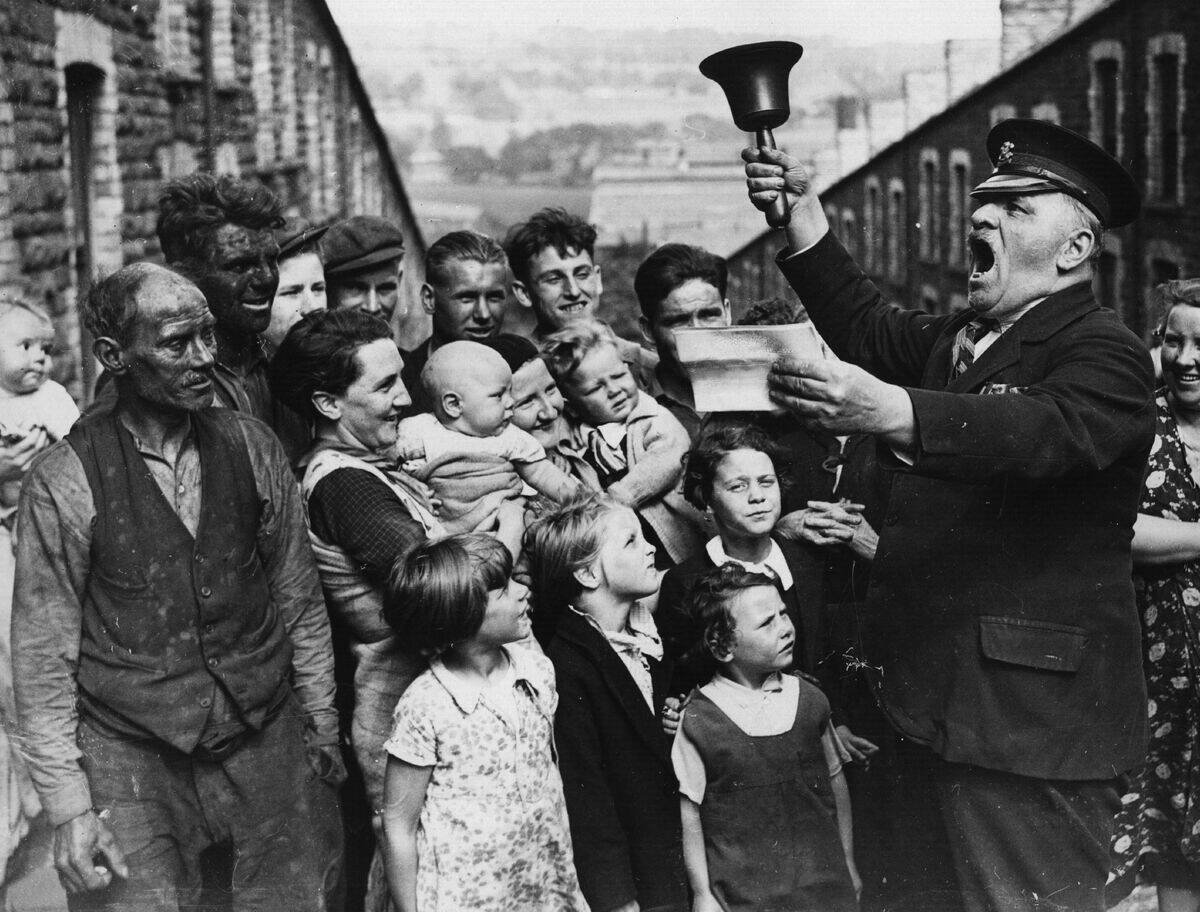
Town criers were responsible for announcing news and proclamations to the public. With a loud voice and a bell, they would walk through the streets delivering important information. Before the widespread availability of newspapers, town criers were the primary source of news for many people.
Their role was vital in keeping communities informed, and they were often well-respected figures in their towns, embodying the spirit of public communication in a pre-digital era.
The Match Girl: Striking a Light in Victorian Factories
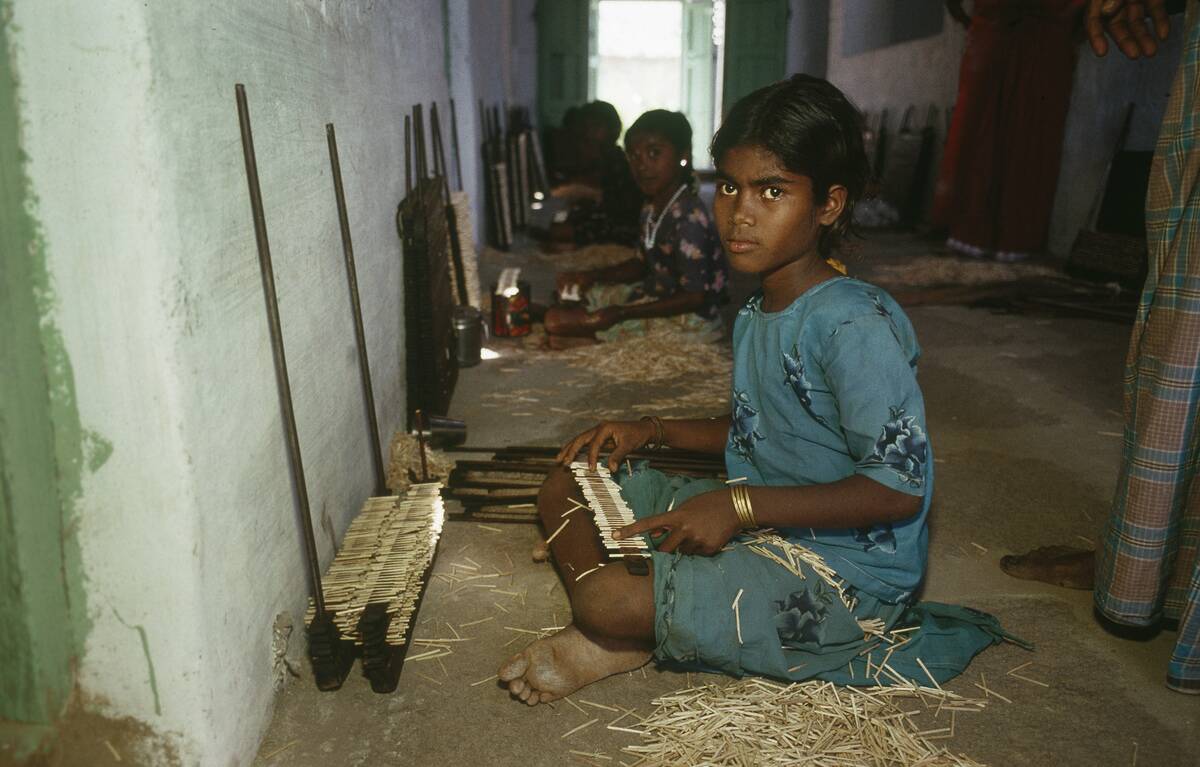
Match girls worked in factories producing matches, often in hazardous conditions. They handled chemicals like phosphorus, which could cause serious health issues such as ‘phossy jaw,’ a painful and disfiguring disease.
Despite the dangers, these young women were essential to the match industry, providing a crucial product for everyday use. The plight of match girls eventually led to labor reforms, highlighting their significant role in the history of workers’ rights.
The Whipping Boy: Taking the Punishment for Royalty
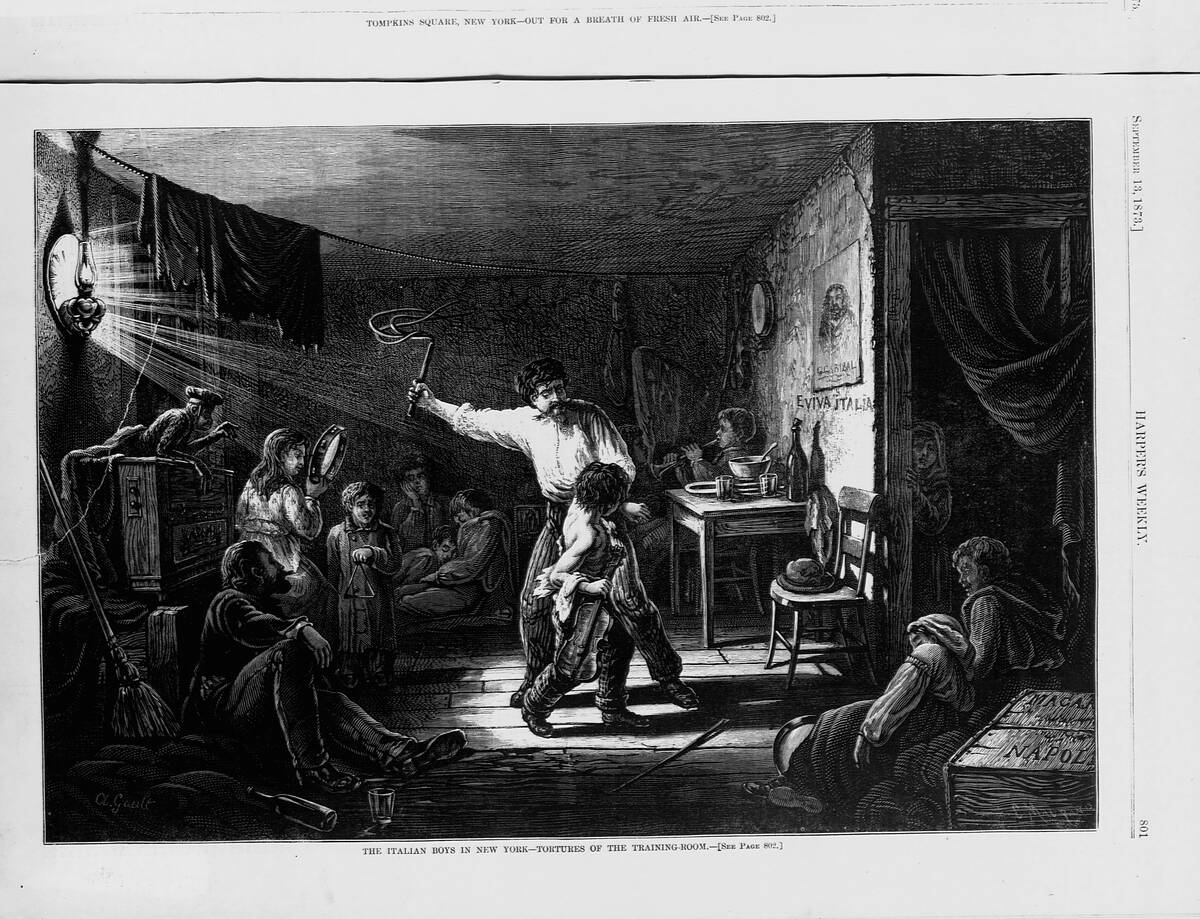
Whipping boys were young boys who took the punishment on behalf of a royal child. The idea was that a prince would not want to see his friend suffer, thereby encouraging him to behave.
This peculiar system was used to instill discipline in young royals, as it was considered inappropriate to physically punish a prince. The whipping boy was often well-treated otherwise, reflecting the unique and sometimes bizarre practices of royal upbringing.
The Bone Grubber: Recycling Bones Before It Was Cool
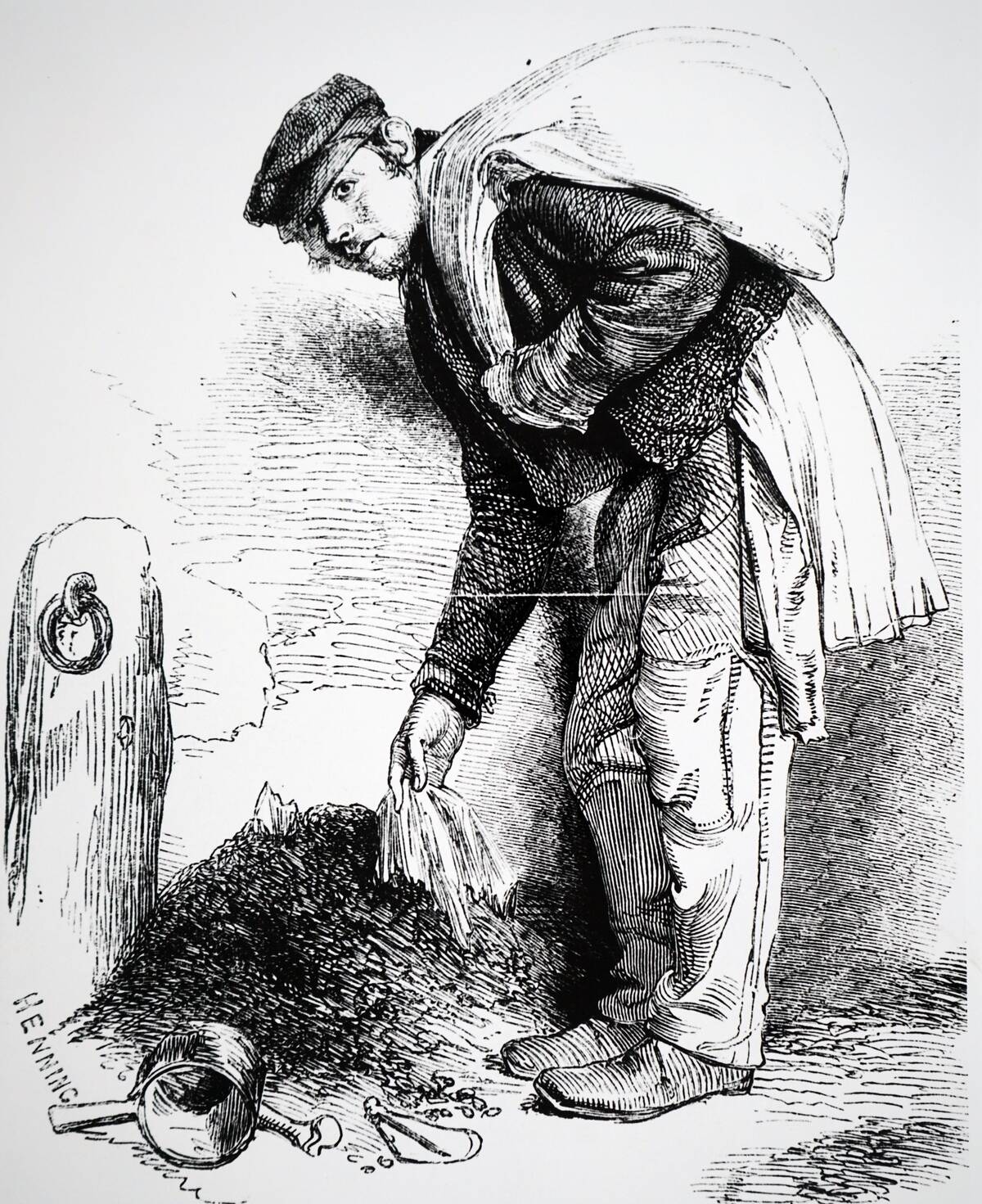
Bone grubbers collected bones from streets and waste heaps, which were then sold to be processed into glue, fertilizer, or other products. This was an early form of recycling, turning waste into valuable resources.
The job was dirty and often looked down upon, but it was a vital part of the urban economy. Bone grubbers contributed to the sustainable use of resources, long before environmental consciousness became mainstream.
The Tinker: Traveling Repairmen for Household Goods
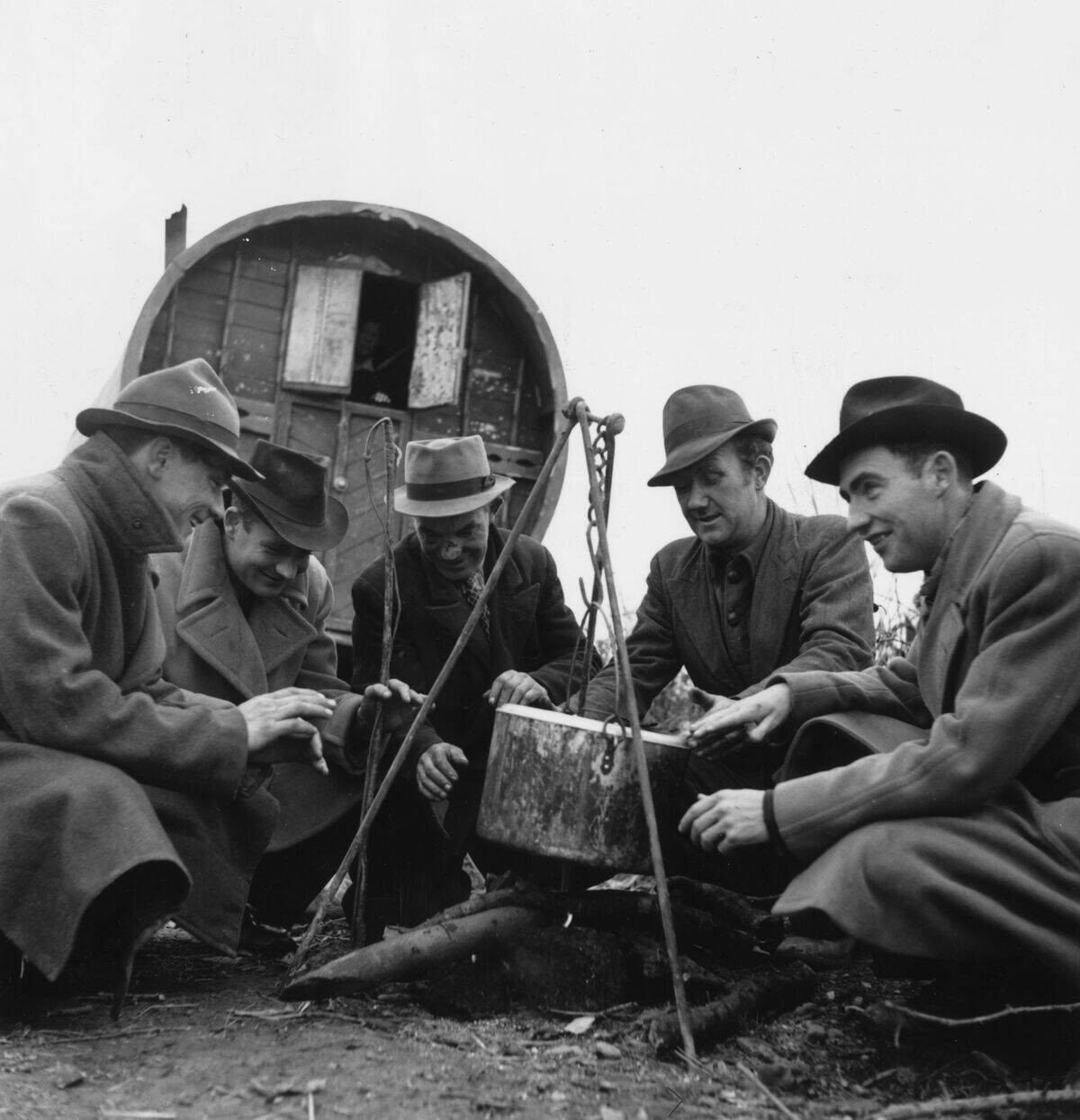
Tinkers were itinerant workers who repaired household items like pots and pans. They traveled from place to place, offering their services to rural communities. This job required skill and resourcefulness, as tinkers had to fix a variety of items with limited tools.
Despite their nomadic lifestyle, tinkers were welcomed for their practical skills, providing essential services in an era when replacing goods was not always an option.




