Photos of artists who defined the 1960s counterculture
The 1960s was a decade of transformation, and music was at the heart of this societal shift. It was a time when artists pushed boundaries and challenged the status quo, creating a soundtrack for change.
From folk to psychedelic rock, the music of the ’60s echoed the sentiments of a generation hungry for peace, love, and understanding. But what truly makes this era fascinating is how diverse musical influences came together to fuel a cultural revolution.
The Birth of the Counterculture Movement
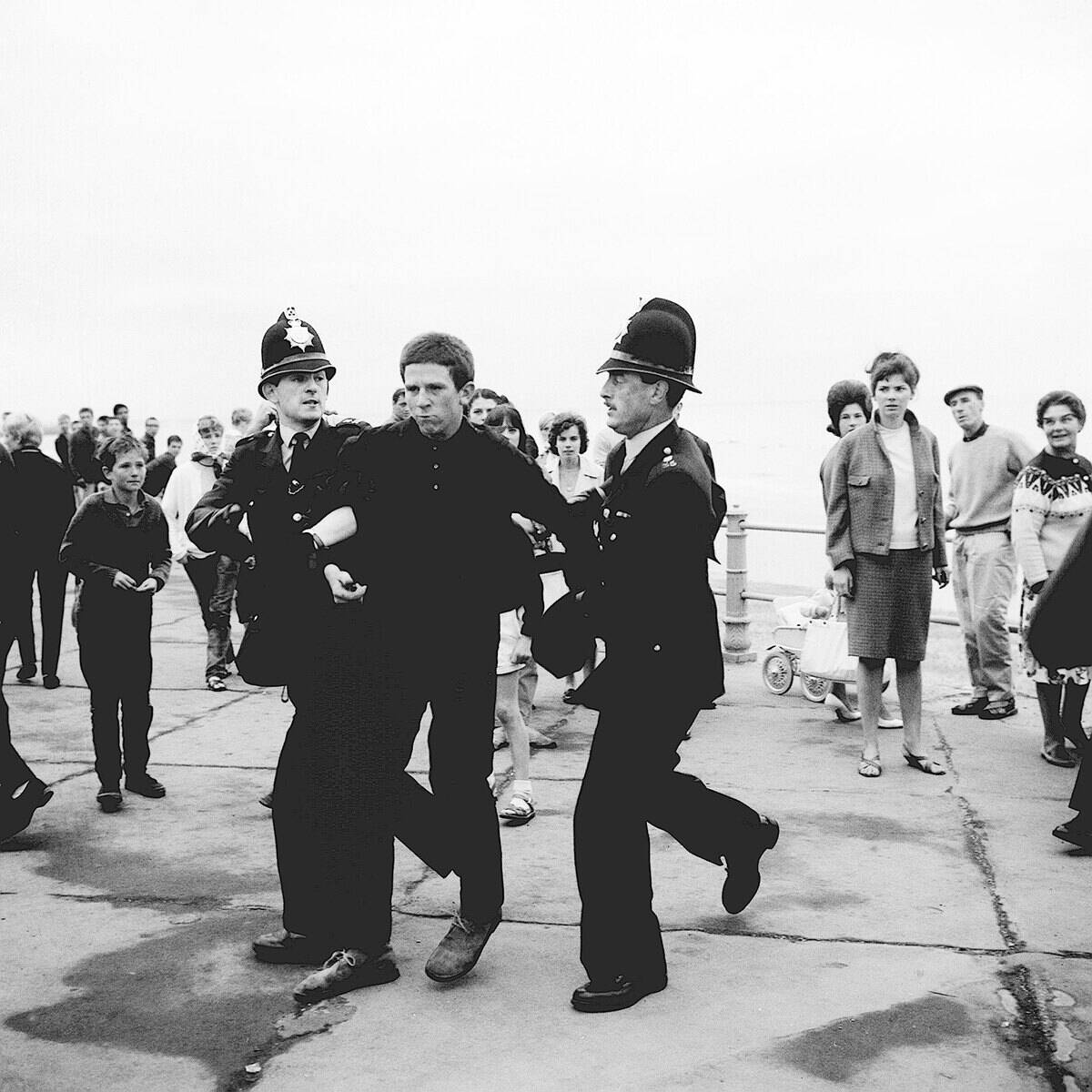
The counterculture movement of the 1960s emerged from a growing dissatisfaction with mainstream values, spurred by political, social, and economic factors. The Beat Generation of the 1950s laid the groundwork with their rejection of conventional norms, which inspired a new wave of young people to question authority and seek alternative lifestyles.
Music became a unifying force for this burgeoning movement, providing both a voice for change and an escape from the tumultuous world around them.
Bob Dylan: The Voice of a Generation
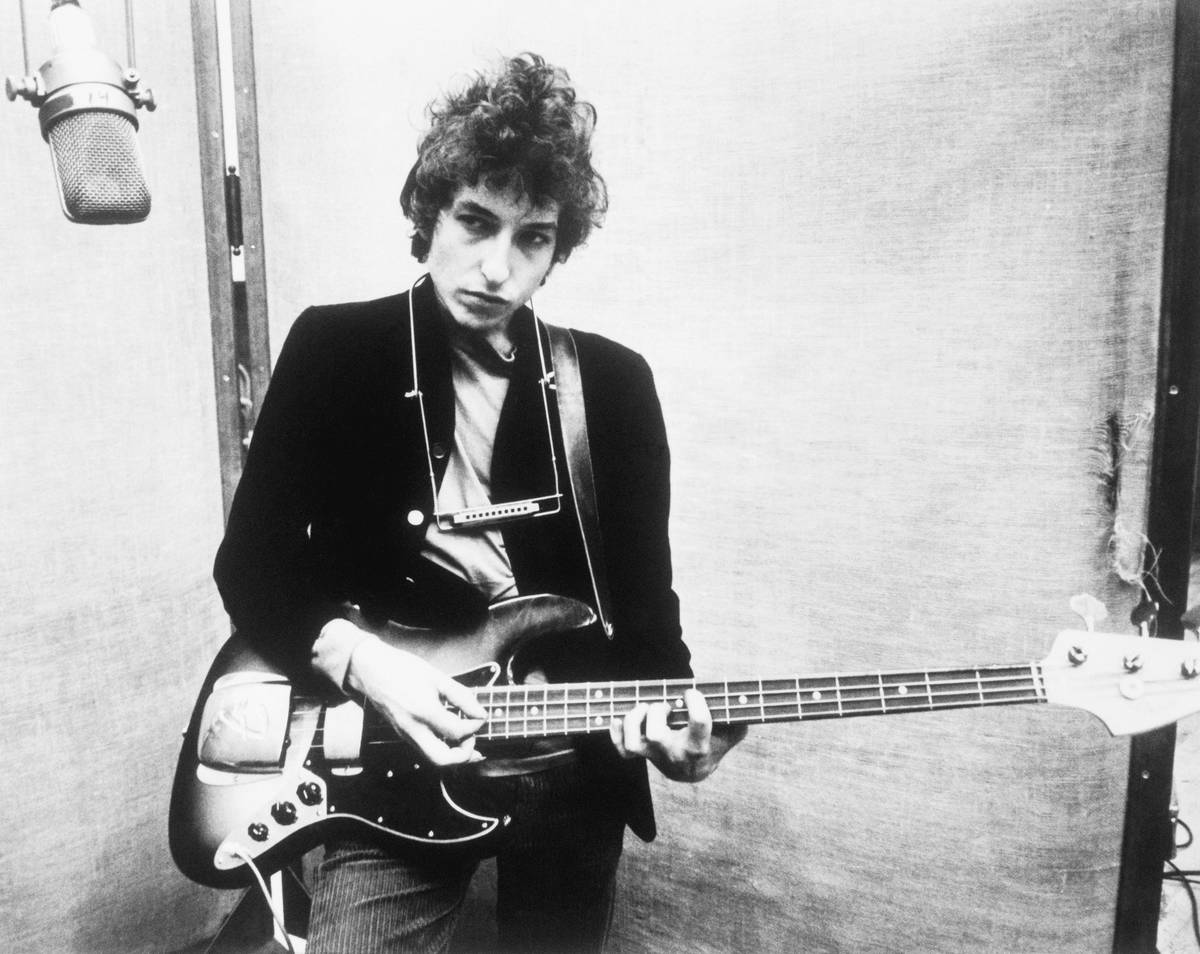
Bob Dylan’s arrival on the scene marked a pivotal moment for ’60s music. With an uncanny ability to weave intricate narratives into his lyrics, Dylan became the voice of a generation disillusioned by war and injustice.
Songs like “Blowin’ in the Wind” and “The Times They Are a-Changin'” resonated deeply, capturing the spirit of protest and hope. Dylan’s influence extended beyond music, as his bold stance on social issues inspired countless others to find their own voice.
The Beatles: From Mop Tops to Psychedelic Pioneers
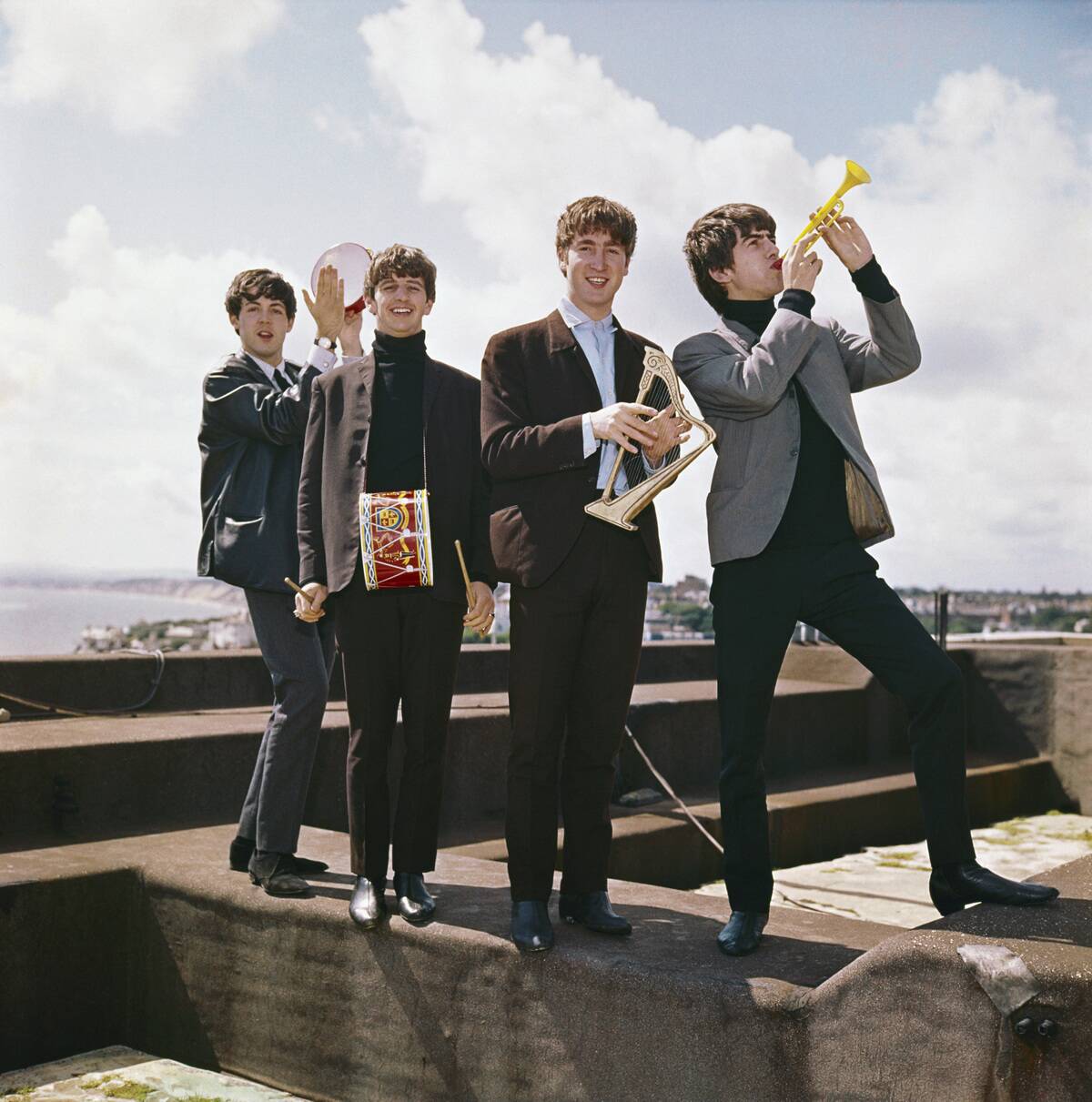
The Beatles began as a pop sensation with catchy hits like “I Want to Hold Your Hand,” but their music evolved rapidly. By the mid-’60s, they were experimenting with psychedelic sounds and lyrical complexity.
Albums like Sgt. Pepper’s Lonely Hearts Club Band showcased their innovation, blending rock with avant-garde influences. This shift mirrored the cultural changes occurring worldwide, as the band encouraged fans to explore new ways of thinking and artistic expression.
The Rolling Stones: Rebels with a Cause
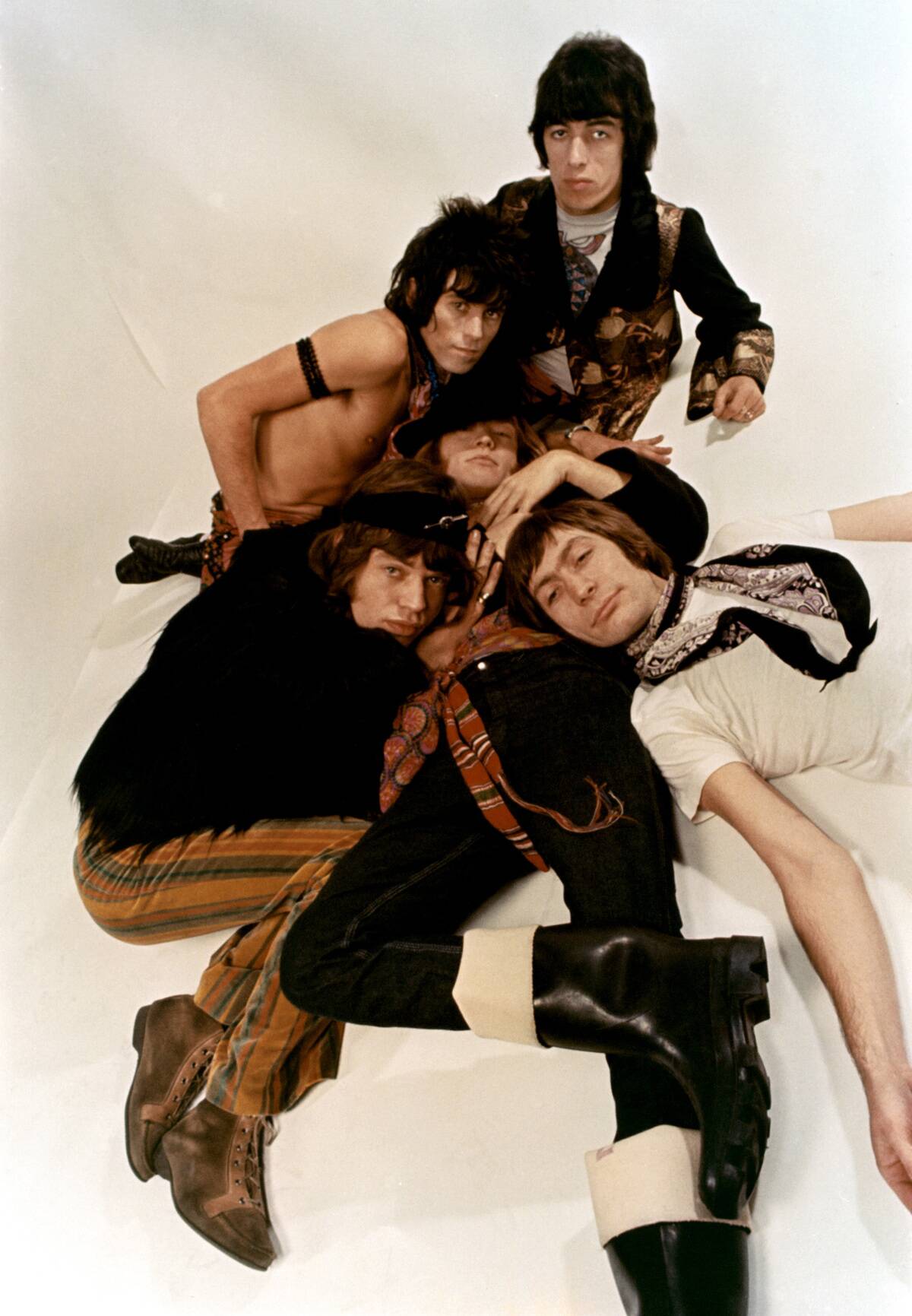
The Rolling Stones epitomized the rebellious spirit of the ’60s. With their raw, gritty sound and provocative lyrics, they challenged the norms of the music industry. Songs like “(I Can’t Get No) Satisfaction” became anthems for youthful defiance and desire for authenticity.
Their bad-boy image and bold attitude earned them both controversy and admiration, cementing their place as icons of rock and roll rebellion and champions of countercultural ideals.
Jimi Hendrix: Guitar Wizardry and Cultural Impact
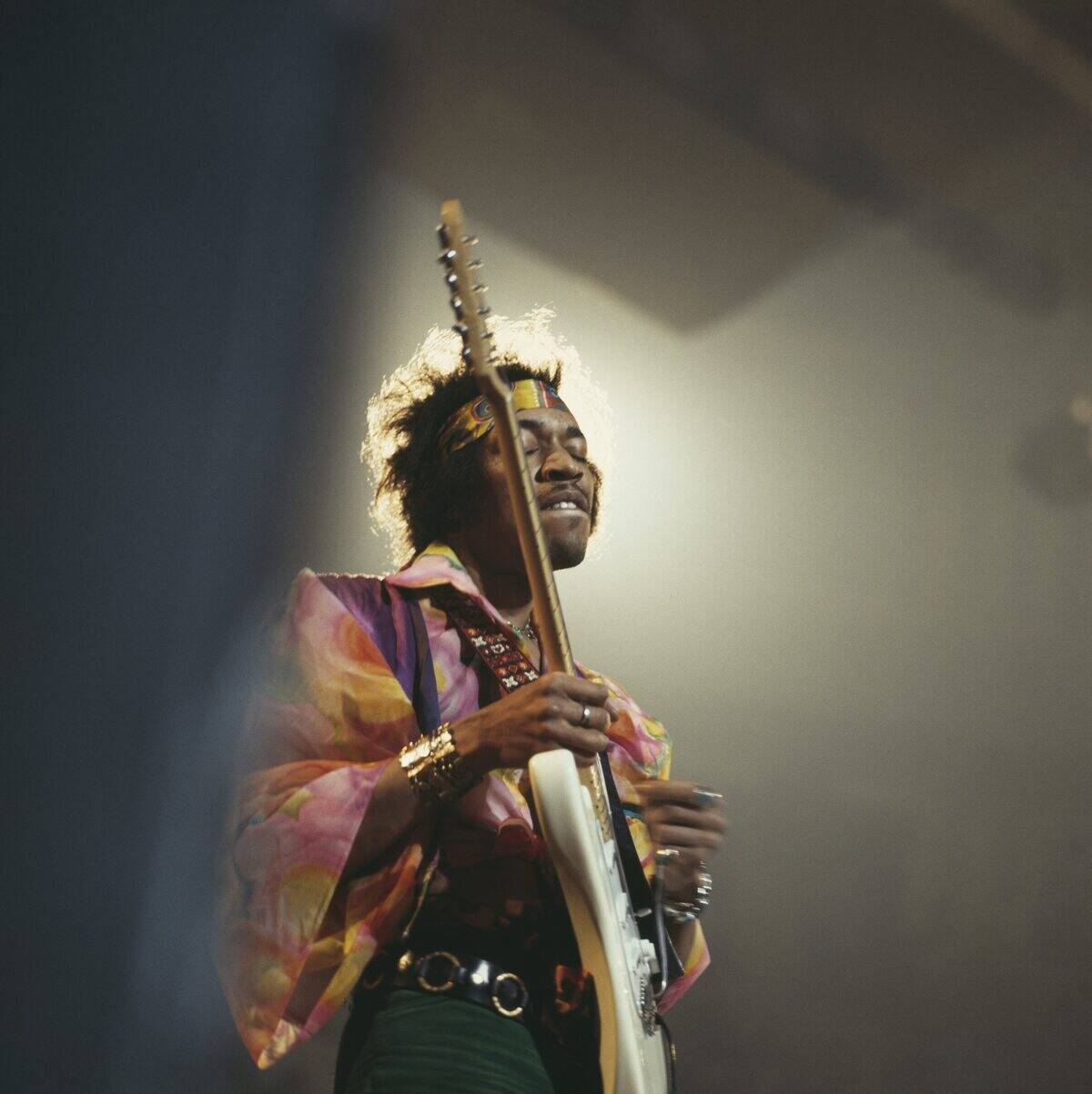
Jimi Hendrix redefined guitar playing with his electrifying performances and innovative techniques. His rendition of “The Star-Spangled Banner” at Woodstock remains a symbol of the era’s turbulence and hope for change.
Hendrix’s ability to blend blues, rock, and psychedelia created a sound that transcended traditional boundaries. Sadly, his career was cut short, but his impact on music and culture endures, influencing countless artists and inspiring a generation to embrace creativity.
Janis Joplin: A Raw and Soulful Anthem
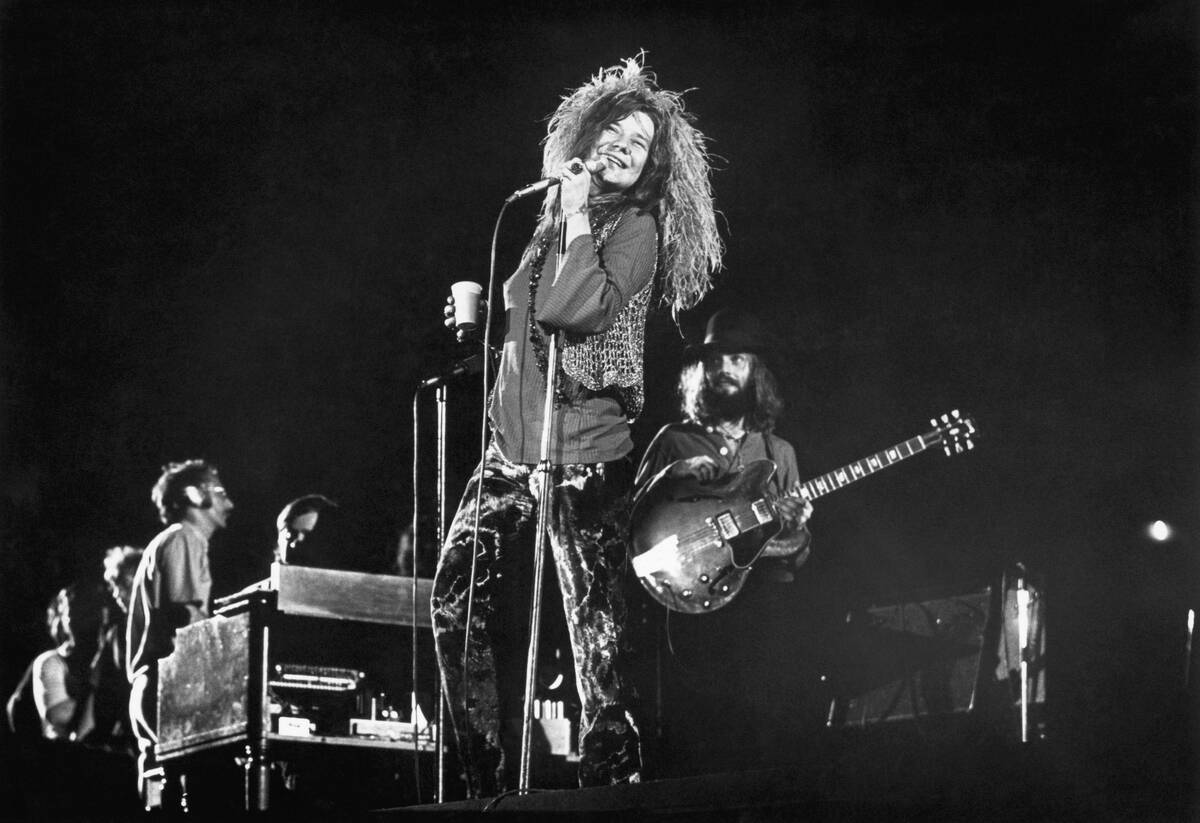
Janis Joplin’s emotive voice and raw energy made her a standout figure in the ’60s music scene. Known for her powerful performances and unrestrained style, Joplin gave voice to the struggles and passions of her time.
Hits like “Piece of My Heart” and “Cry Baby” showcased her unique blend of blues and rock. Despite her tragic early death, Joplin’s legacy lives on, as she continues to inspire with her fearless authenticity and unbridled spirit.
The Doors: Breaking on Through to the Other Side
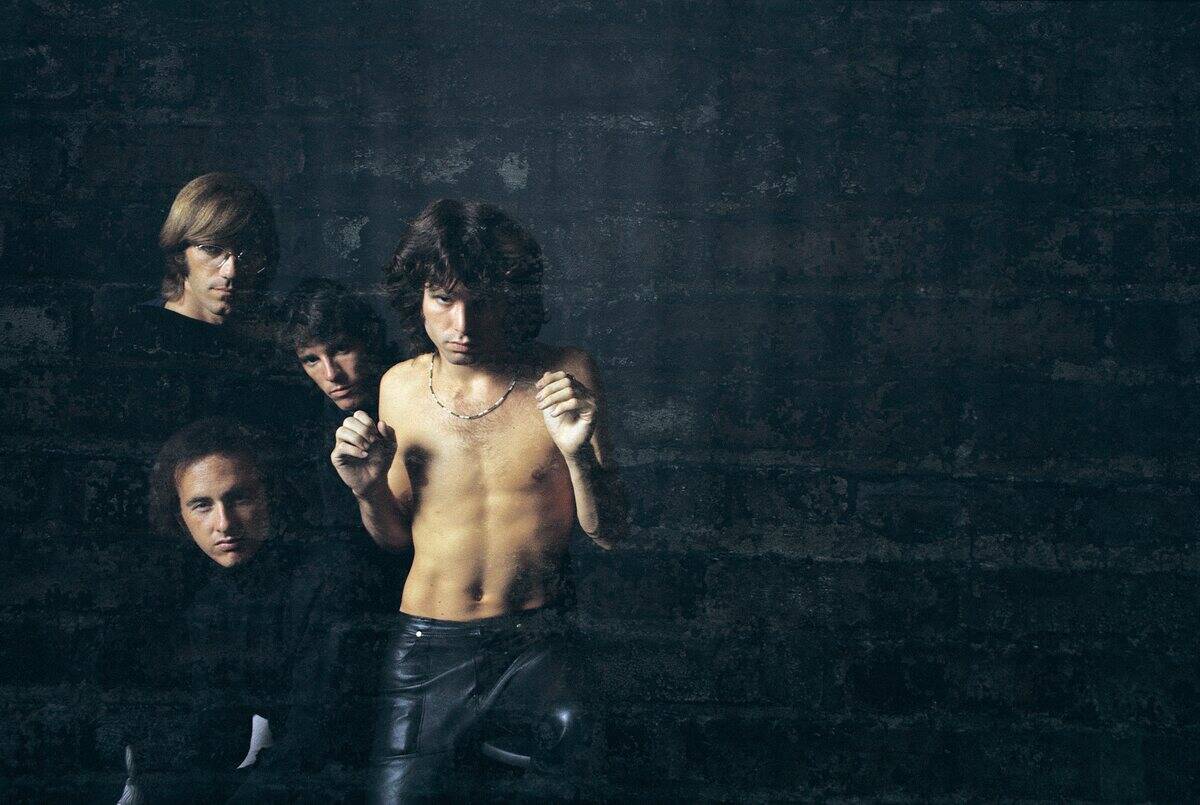
The Doors captured the darker side of the ’60s counterculture with their enigmatic music and charismatic frontman, Jim Morrison. Known for their poetic lyrics and moody soundscapes, songs like “Light My Fire” and “Break On Through” explored themes of rebellion and existentialism.
Morrison’s theatrical presence and the band’s innovative sound pushed the boundaries of rock music, leaving a lasting impact on the genre and influencing future generations of musicians.
Woodstock: The Festival That Defined an Era
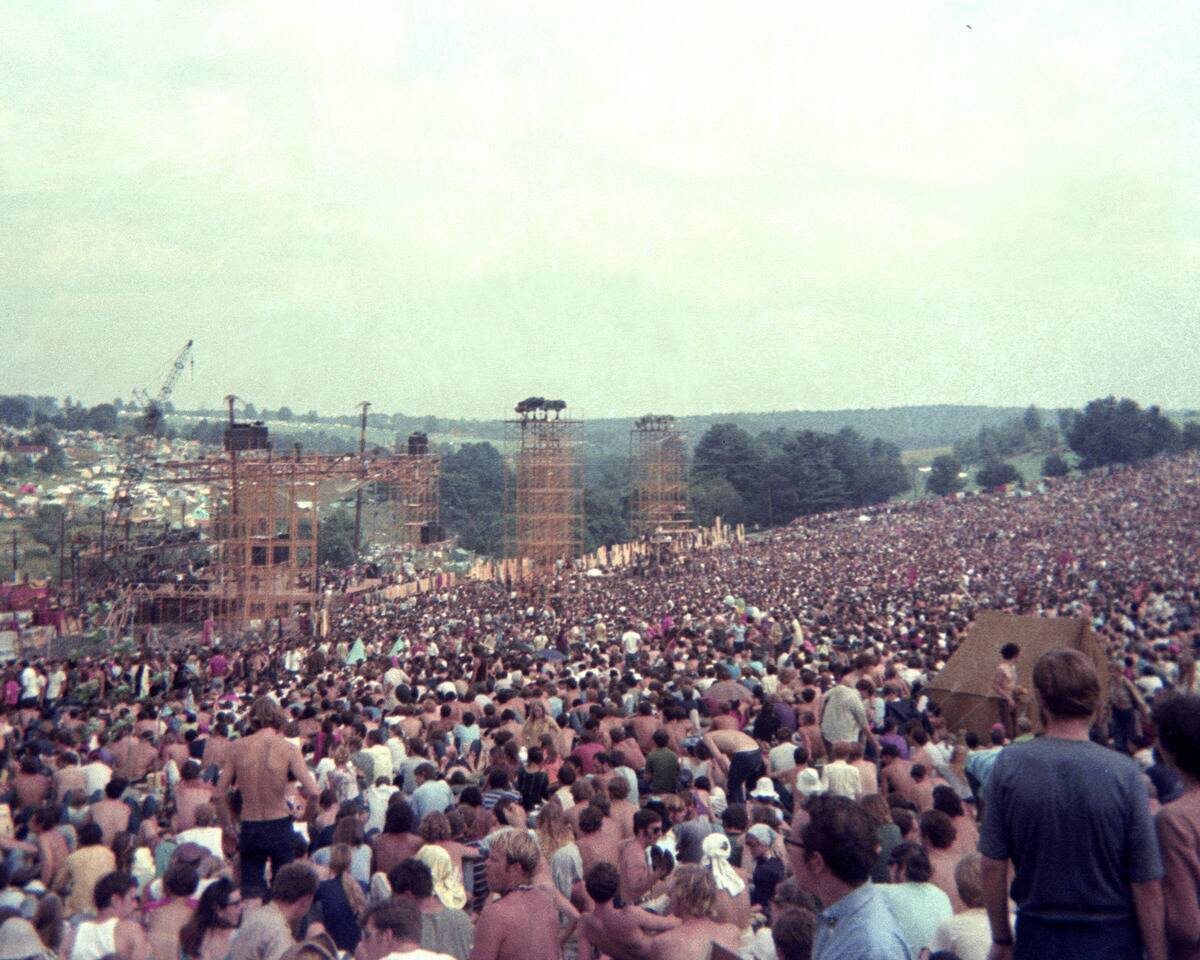
Woodstock, held in August 1969, was more than just a music festival; it was a defining moment for a generation seeking peace and unity. Over 400,000 people gathered on a farm in Bethel, New York, to experience three days of music, love, and camaraderie.
Iconic performances by artists like Jimi Hendrix, Janis Joplin, and The Who captured the spirit of the era. Despite logistical challenges, Woodstock remains a symbol of the counterculture movement’s ideals and aspirations.
Folk Music’s Influence on the Counterculture
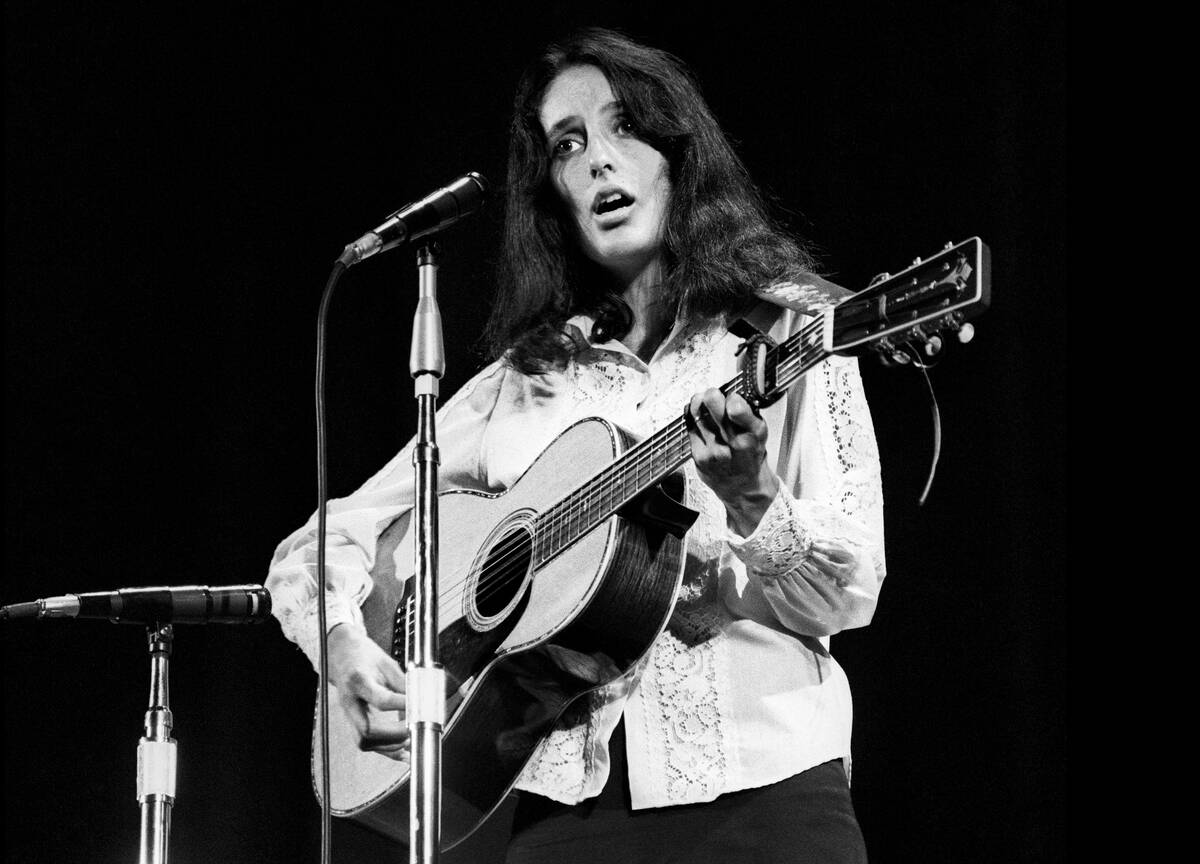
Folk music played a pivotal role in shaping the counterculture movement. With its roots in storytelling and social commentary, folk music provided a powerful platform for addressing political and social issues.
Artists like Joan Baez and Pete Seeger used their music to advocate for civil rights and protest the Vietnam War. Their songs, often simple in melody but profound in message, resonated with those seeking change and helped galvanize a generation of activists.
The Psychedelic Sound: A New Musical Frontier
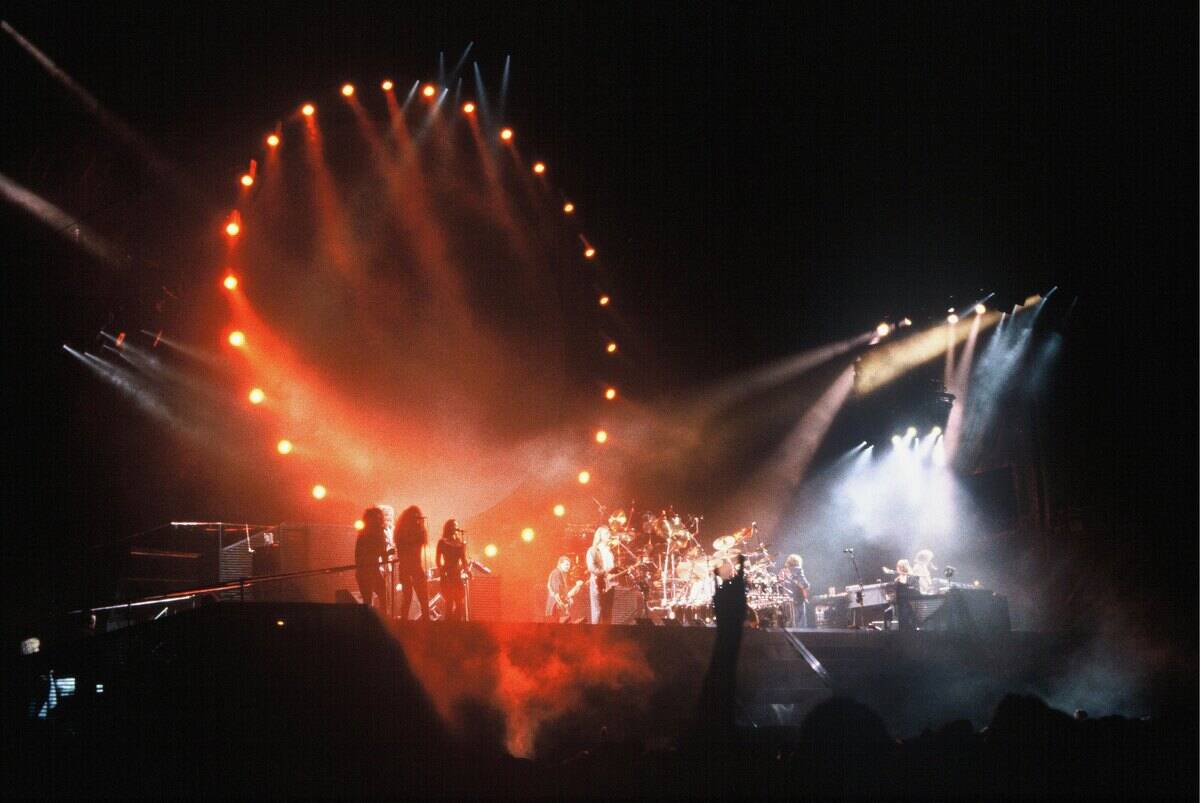
The psychedelic sound of the ’60s was characterized by its experimental approach to music, incorporating elements like reverb, distortion, and non-Western instruments. Bands such as Jefferson Airplane and Pink Floyd pushed the boundaries of traditional rock, creating immersive auditory experiences.
This new sound mirrored the era’s exploration of consciousness and alternative lifestyles, fueled by the widespread use of mind-altering substances. The psychedelic movement left a lasting legacy, influencing genres like progressive rock and electronic music.
Motown’s Role in the Cultural Shift
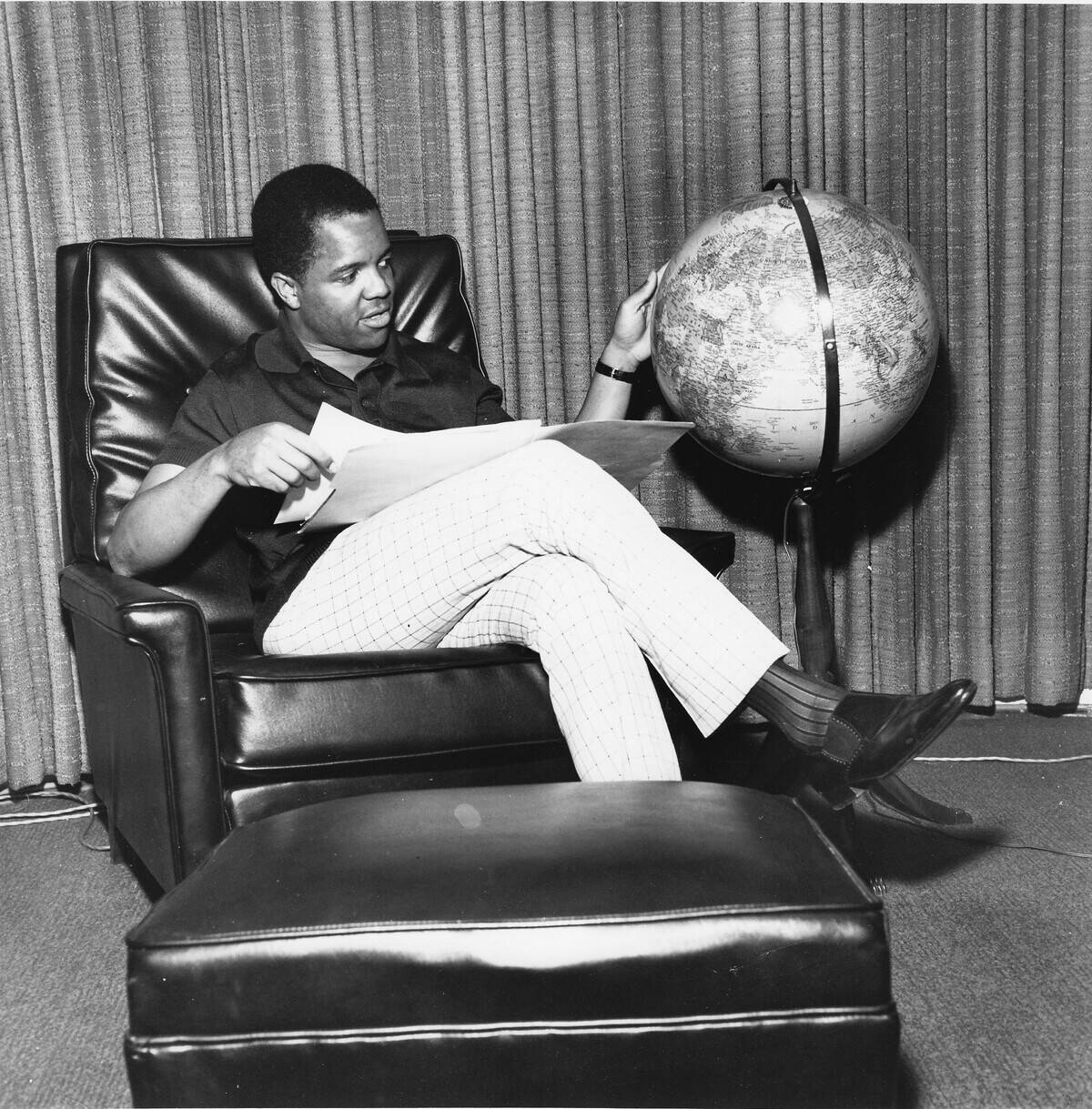
Motown Records, founded by Berry Gordy in 1959, played a crucial role in the ’60s cultural shift by breaking racial barriers in the music industry. With its catchy melodies and smooth harmonies, Motown brought African American artists into the mainstream.
Acts like The Supremes, Marvin Gaye, and Stevie Wonder gained widespread popularity, fostering greater acceptance and appreciation of black culture. Motown’s success helped pave the way for future generations of artists and contributed to the era’s spirit of inclusivity.
Protest Songs: Music as a Tool for Change
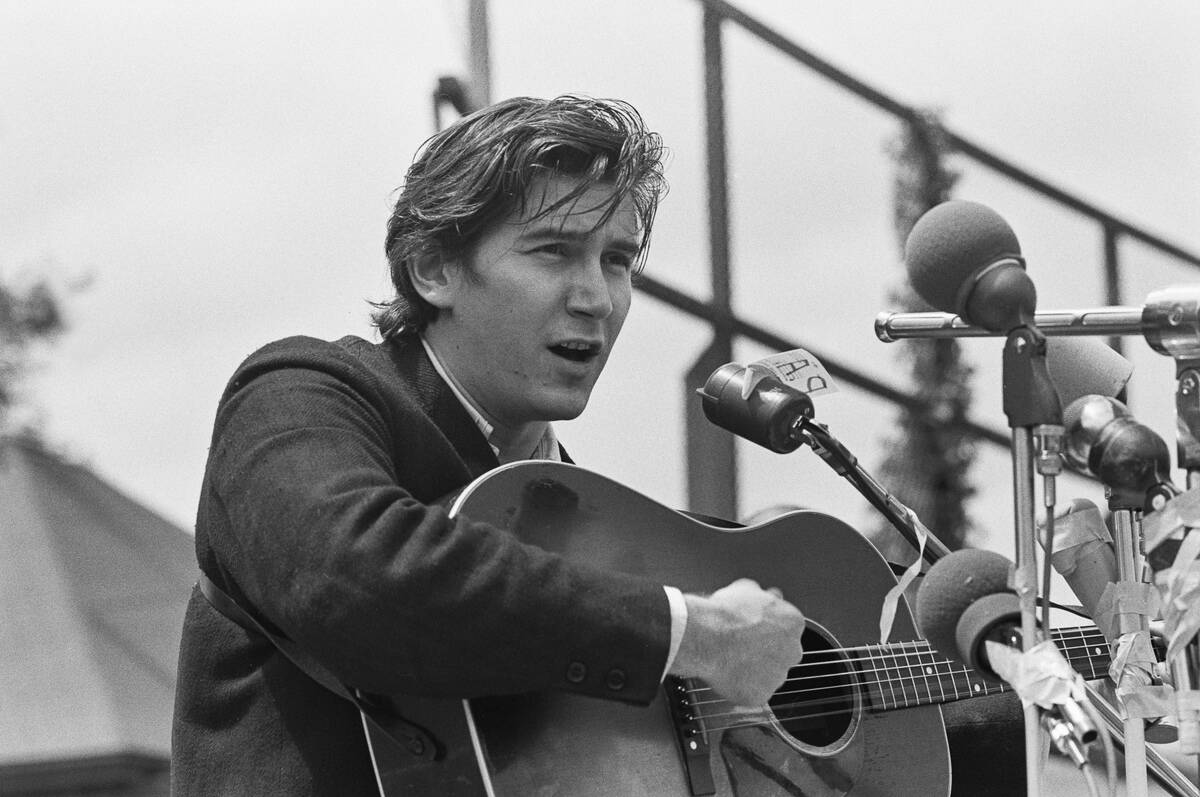
Protest songs became a powerful tool for change during the ’60s, capturing the frustrations and hopes of a generation. Artists like Bob Dylan, Joan Baez, and Phil Ochs used their music to speak out against the Vietnam War, civil rights injustices, and other social issues.
These songs served as rallying cries for those seeking reform, uniting people under a common cause. The legacy of protest music endures, reminding us of the power of art to inspire and incite change.
The Influence of Eastern Music and Philosophy
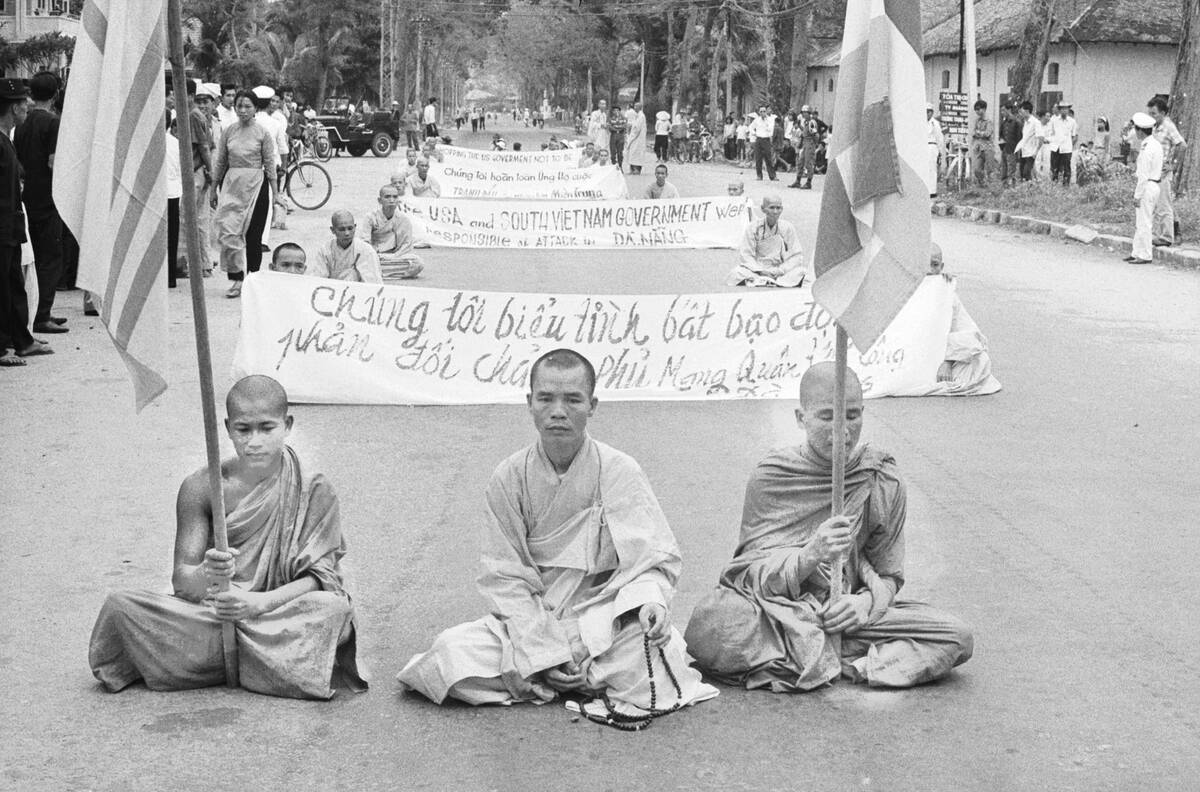
The ’60s saw a growing interest in Eastern music and philosophy, influencing both the sound and ethos of the counterculture movement. Artists like The Beatles and The Rolling Stones incorporated sitars and other Eastern instruments into their music, creating a fusion of Western and Eastern sounds.
This cultural exchange extended beyond music, as Eastern philosophies like Buddhism and Hinduism inspired many to seek spiritual enlightenment. The era’s embrace of Eastern influences contributed to its legacy of cultural diversity and exploration.
The Legacy of ’60s Counterculture Music Today
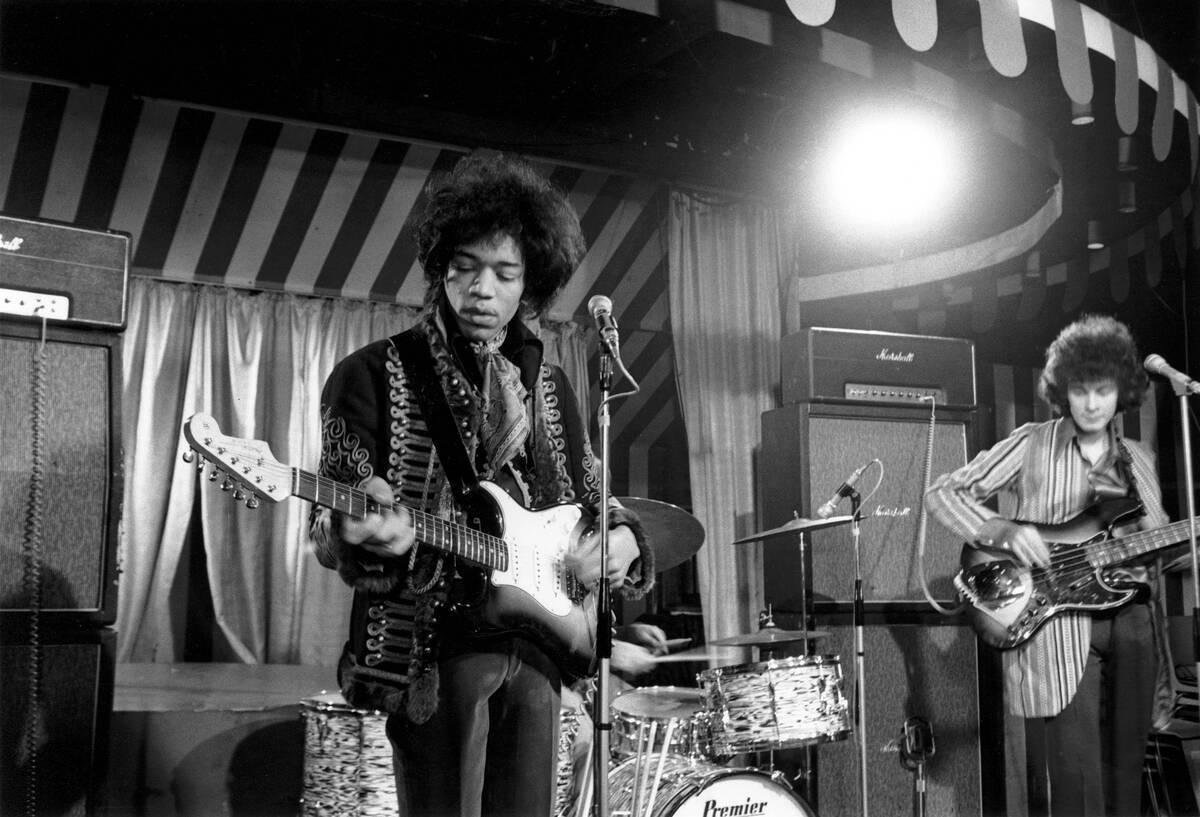
The music of the ’60s continues to resonate today, its influence evident in modern genres and social movements. Artists like Jimi Hendrix, The Beatles, and Janis Joplin paved the way for contemporary musicians to experiment and push boundaries.
The themes of peace, love, and social justice championed by ’60s musicians remain relevant, inspiring new generations to use music as a platform for change. The spirit of the ’60s lives on, reminding us of the enduring power of music to unite and transform.




