Ancient medical practices validated by modern science
In a world where science and technology reign supreme, the intersection of magic and medicine provides a fascinating perspective on healing practices. This convergence invites us to explore how ancient traditions and modern scientific methods coexist and complement each other.
From mystical rituals to clinical trials, the journey of healing is as much about the spirit as it is about the body. Let’s delve into the enchanting world where magic meets medicine, and discover how these two seemingly opposite realms intertwine to enhance our well-being.
The Ancient Art of Acupuncture: From Mysticism to Mainstream
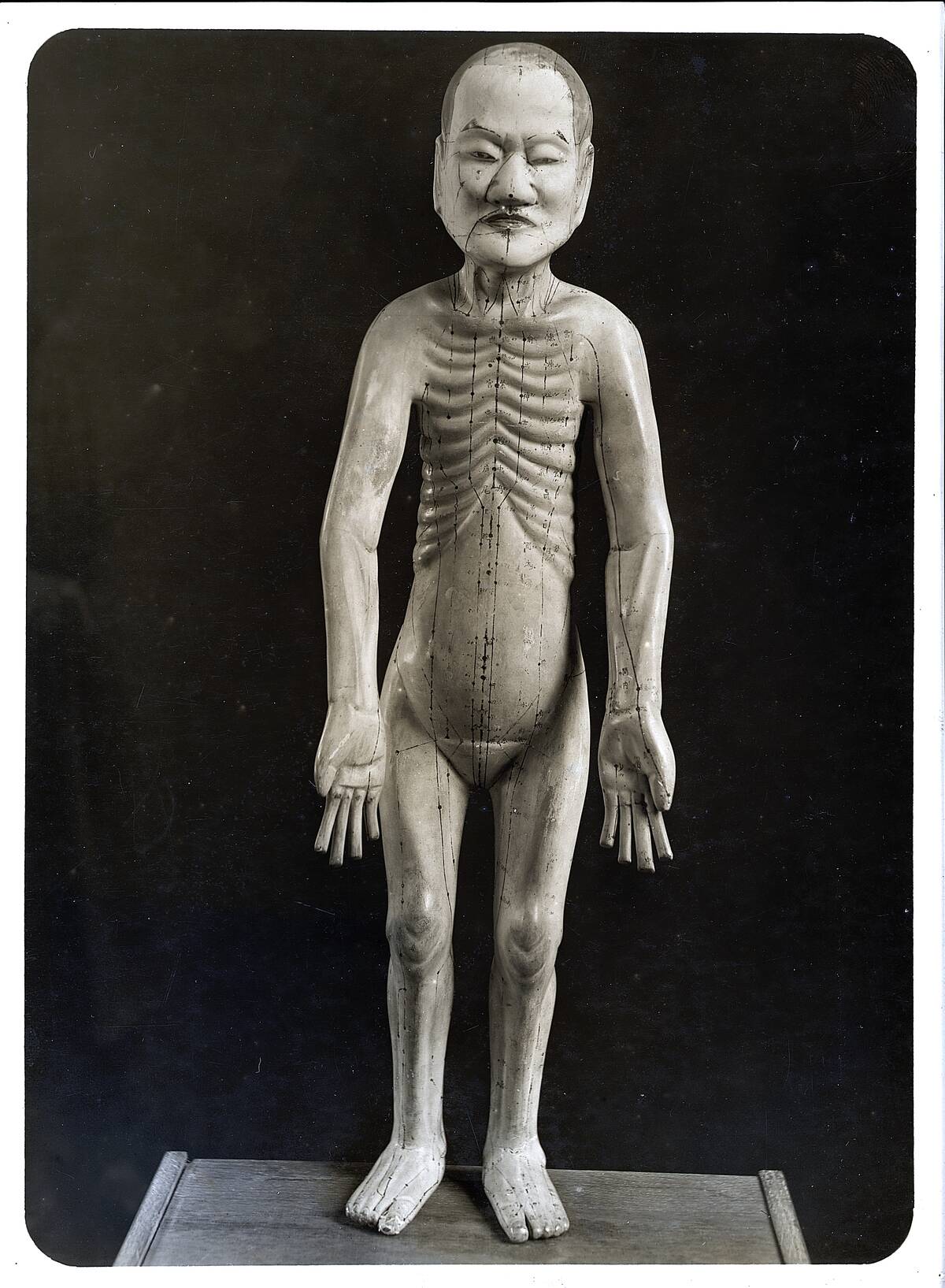
Acupuncture, once shrouded in mysticism, is now a widely accepted therapeutic practice across the globe. Originating in China over 2,500 years ago, it involves inserting thin needles into specific points on the body to balance energy flow, or Qi.
Modern science has caught up, with studies showing its effectiveness in relieving pain, reducing stress, and improving overall health. The World Health Organization even recognizes acupuncture for treating conditions like migraines and arthritis, bridging the gap between ancient practices and modern medicine.
Hypnosis: The Power of the Mind Over the Body
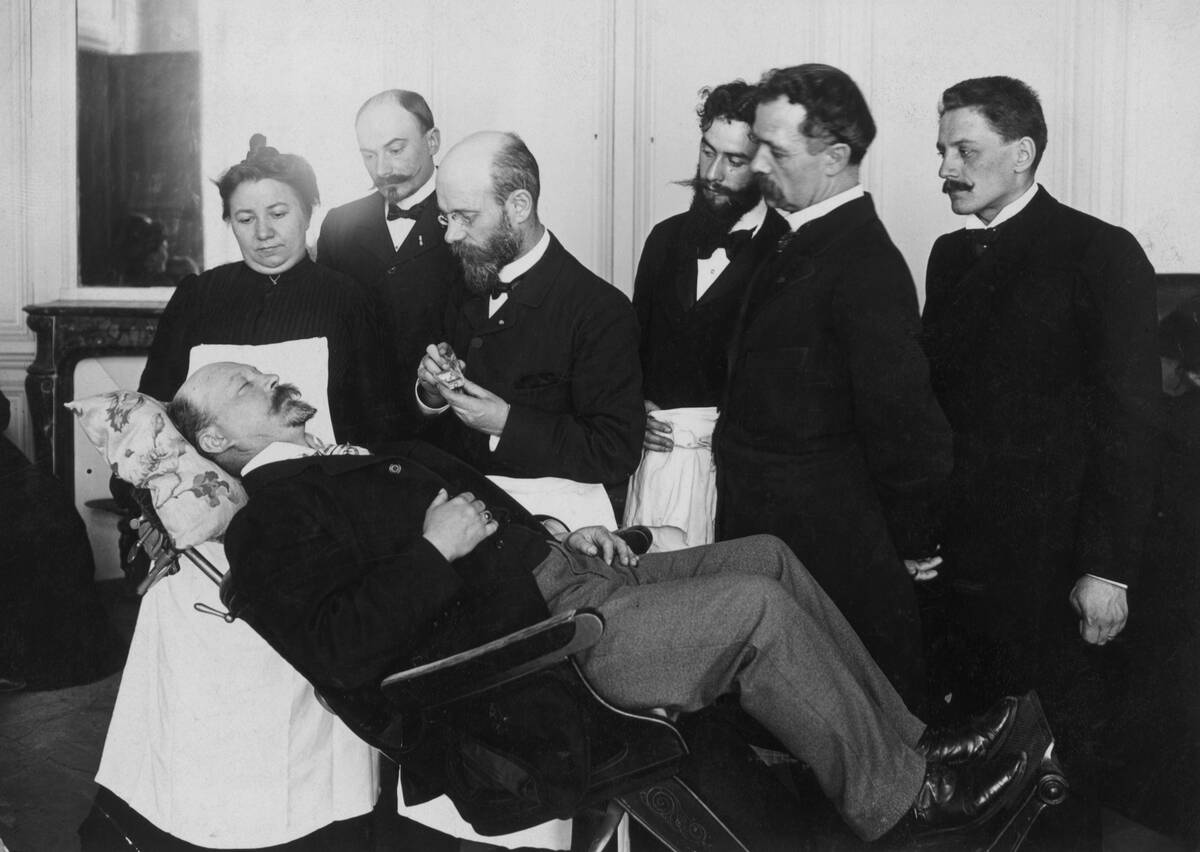
Hypnosis has long been associated with stage shows and entertainment, but its therapeutic potential is gaining recognition. It works by guiding individuals into a trance-like state, enhancing focus and suggestibility. This altered state of consciousness can help manage pain, reduce anxiety, and even aid in quitting smoking.
The American Psychological Association acknowledges hypnosis as a valid therapeutic technique, with research highlighting its ability to harness the mind’s power to influence the body’s responses, making it a compelling tool in integrative medicine.
Meditation and Mindfulness: Ancient Practices in Modern Healing
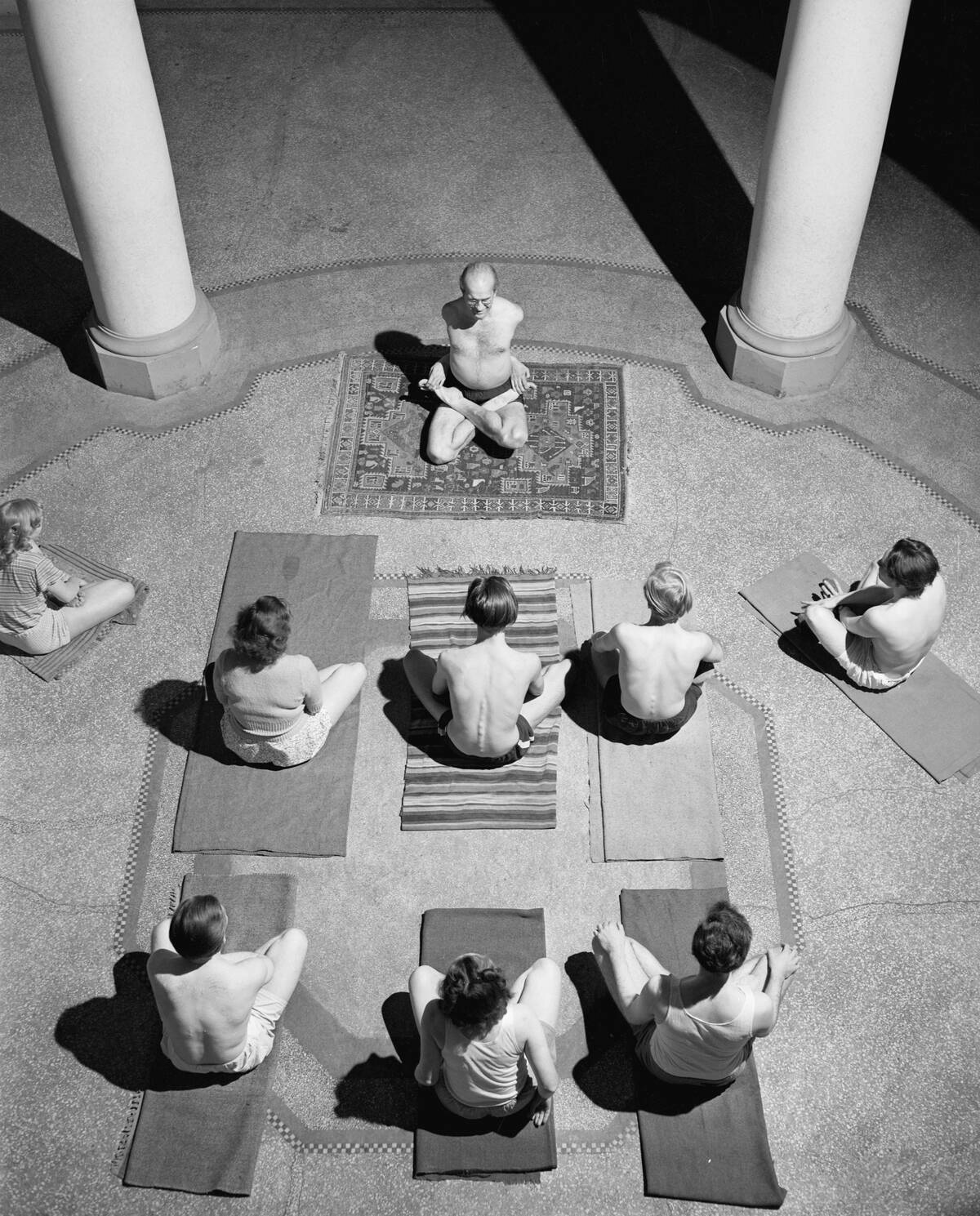
Meditation and mindfulness have transcended their spiritual origins to become mainstream methods for promoting mental and physical health. Rooted in ancient traditions, these practices focus on cultivating awareness and presence.
Scientific studies have shown that regular meditation can reduce stress, improve emotional well-being, and even enhance immune function. Mindfulness-Based Stress Reduction (MBSR) programs are now offered in hospitals and clinics worldwide, demonstrating the profound impact of these age-old practices on modern healthcare.
Herbal Remedies: Nature’s Pharmacy with Scientific Backing

Herbal remedies have been used for centuries to treat various ailments, and modern science is catching up to validate their efficacy. Plants like echinacea, ginger, and turmeric boast anti-inflammatory and antioxidant properties, supported by numerous studies.
The National Center for Complementary and Integrative Health (NCCIH) recognizes the growing body of research on herbal medicine. While it’s crucial to approach these remedies with informed caution, their potential to complement conventional treatments is undeniable, as nature’s pharmacy continues to offer healing solutions.
The Healing Touch: Reiki and Energy Medicine

Reiki, a form of energy medicine, involves the transfer of healing energy through the practitioner’s hands to the patient. This Japanese practice is based on the idea that energy imbalances can lead to physical, mental, or emotional illnesses. While skeptics question its scientific basis, many individuals report feeling relaxed and rejuvenated after Reiki sessions.
Studies have found potential benefits in reducing stress and promoting overall well-being. Interest in energy medicine is growing, as people seek holistic approaches to health that consider both the body and the spirit.
Ayurveda: Traditional Indian Medicine Meets Contemporary Science

Ayurveda, a traditional system of medicine from India, emphasizes balance in bodily systems through diet, herbal treatment, and yogic breathing. With roots dating back over 3,000 years, it considers health a harmonious balance between mind, body, and spirit.
Modern research supports some Ayurvedic practices, with studies showing the benefits of turmeric and ashwagandha. Ayurveda’s holistic approach has found a place in integrative medicine, offering a blend of ancient wisdom and contemporary science for those seeking a natural path to wellness.
The Science Behind Aromatherapy: Scent and Sensibility

Aromatherapy harnesses the power of essential oils to enhance physical and emotional health. These concentrated plant extracts are believed to influence the brain’s limbic system, responsible for emotions and memory. Research supports claims that aromatherapy can reduce anxiety, improve sleep, and even alleviate pain.
Lavender, for instance, is renowned for its calming effects. While more studies are needed to fully understand aromatherapy’s mechanisms, its popularity continues to grow as people seek natural ways to enhance their well-being through the sense of smell.
Sound Therapy: From Ancient Chants to Sonic Healing
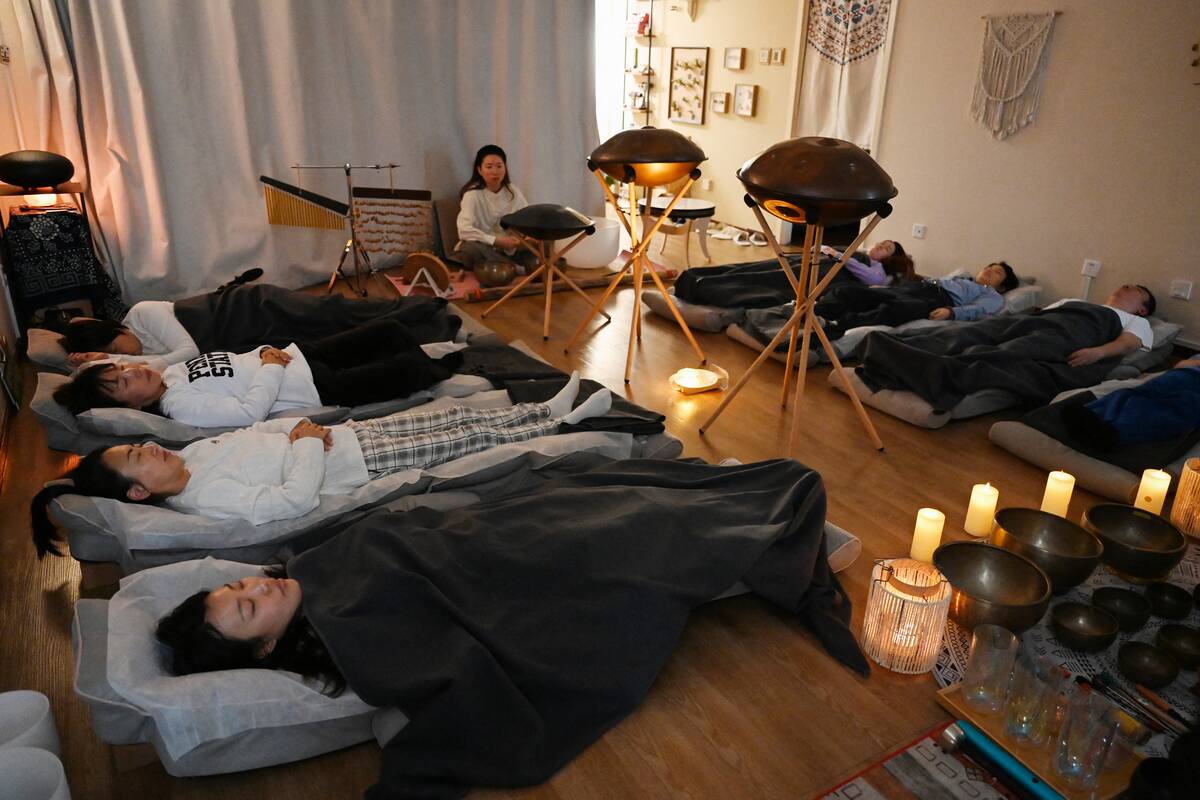
Sound therapy uses auditory stimuli to promote healing and well-being, tracing its roots to ancient chants and rituals. Modern sound therapy encompasses techniques like binaural beats and sound baths, which aim to reduce stress and enhance mental clarity.
Research suggests that sound therapy can lower blood pressure, improve sleep, and reduce anxiety. As scientific interest grows, sound therapy is being explored as a complementary treatment, offering a unique auditory approach to healing that resonates with ancient wisdom.
Yoga: The Union of Body and Mind with Scientific Validation

Yoga, an ancient practice that unites body and mind, has become a cornerstone of modern wellness routines. Originating over 5,000 years ago in India, yoga combines physical postures, breathing exercises, and meditation. Scientific studies confirm its benefits, including improved flexibility, reduced stress, and enhanced mental clarity.
The National Institutes of Health highlights yoga’s role in managing conditions like hypertension and depression. As research continues to validate its efficacy, yoga remains a powerful tool for achieving holistic health and balance.
Traditional Chinese Medicine: Balancing Qi with Modern Research
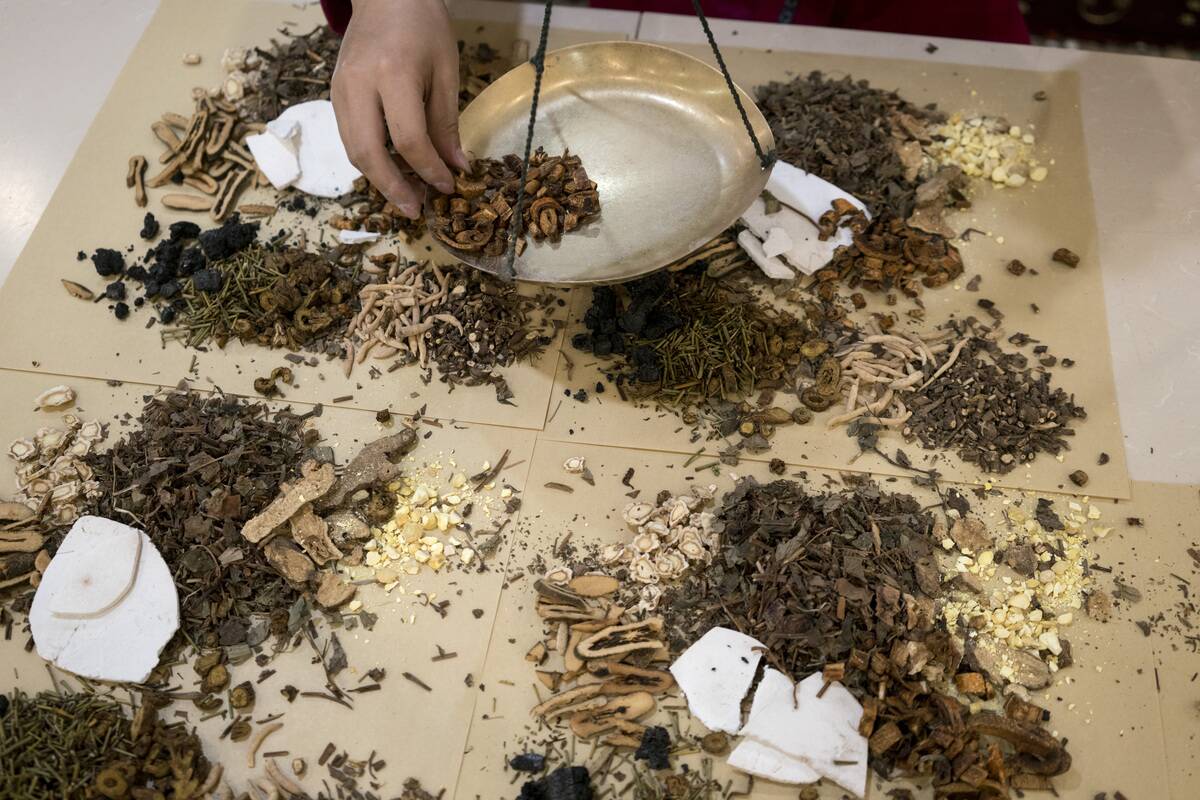
Traditional Chinese Medicine (TCM) focuses on balancing Qi, or life energy, through practices like acupuncture, herbal medicine, and Tai Chi. With a history spanning over 2,000 years, TCM offers a comprehensive approach to health. Modern research supports some TCM practices, with studies showing benefits in managing chronic pain and improving quality of life.
The integration of TCM into Western medicine is growing, as practitioners and patients alike recognize its potential to complement conventional treatments, offering a balanced approach to health and wellness.
Homeopathy: Dilution and Potentization Under the Microscope

Homeopathy, developed in the late 18th century by Samuel Hahnemann, operates on the principle that “like cures like,” using highly diluted substances to stimulate healing. Despite its widespread use, homeopathy remains controversial, with critics citing a lack of scientific evidence.
However, proponents argue that the body’s response to these remedies is a testament to the power of belief and the placebo effect. As research continues to examine its mechanisms, the debate around homeopathy highlights the ongoing dialogue between traditional practices and scientific scrutiny.
Chiropractic Care: From Skepticism to Scientific Support
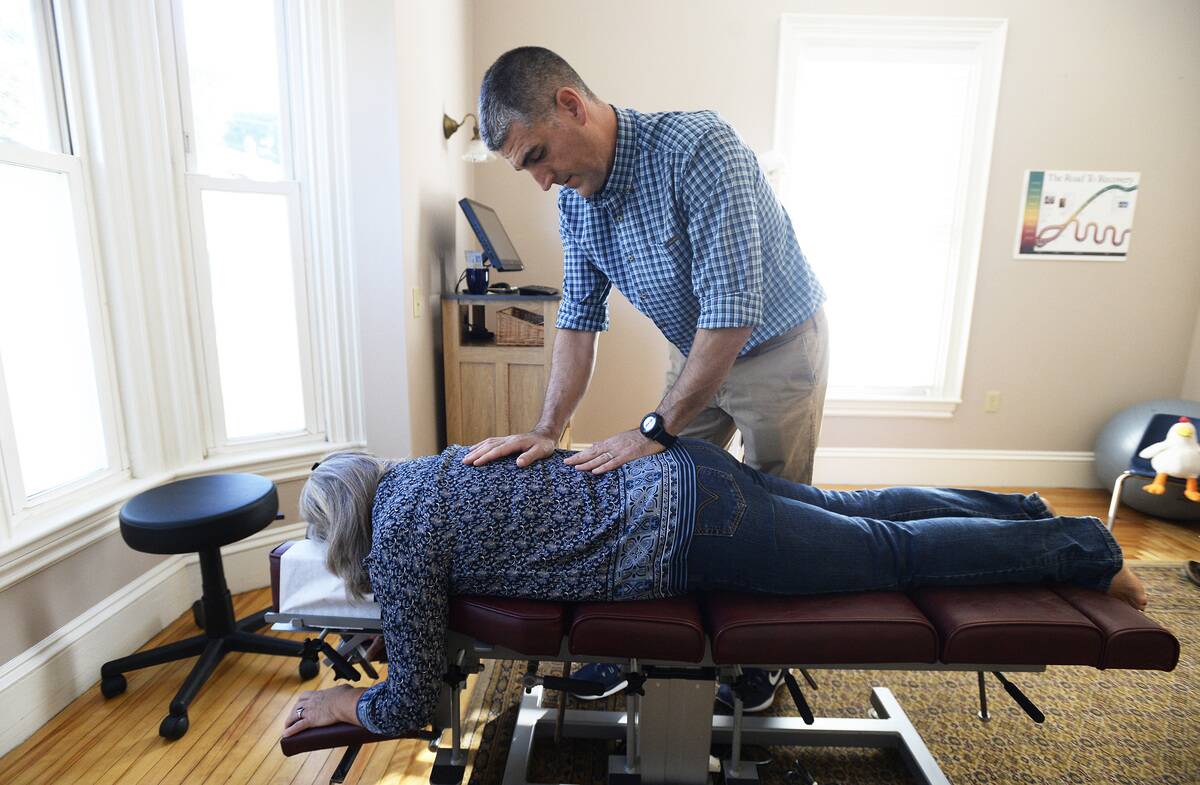
Chiropractic care, once met with skepticism, has gained recognition as a legitimate treatment for musculoskeletal issues. Focusing on spinal alignment, chiropractors aim to alleviate pain and improve function. The American Chiropractic Association notes that spinal manipulation is effective for acute lower back pain.
Research supports its benefits for conditions like headaches and neck pain. As chiropractic care becomes more integrated into mainstream healthcare, it exemplifies the shift from skepticism to acceptance within the medical community.
The Role of Biofeedback in Mind-Body Medicine
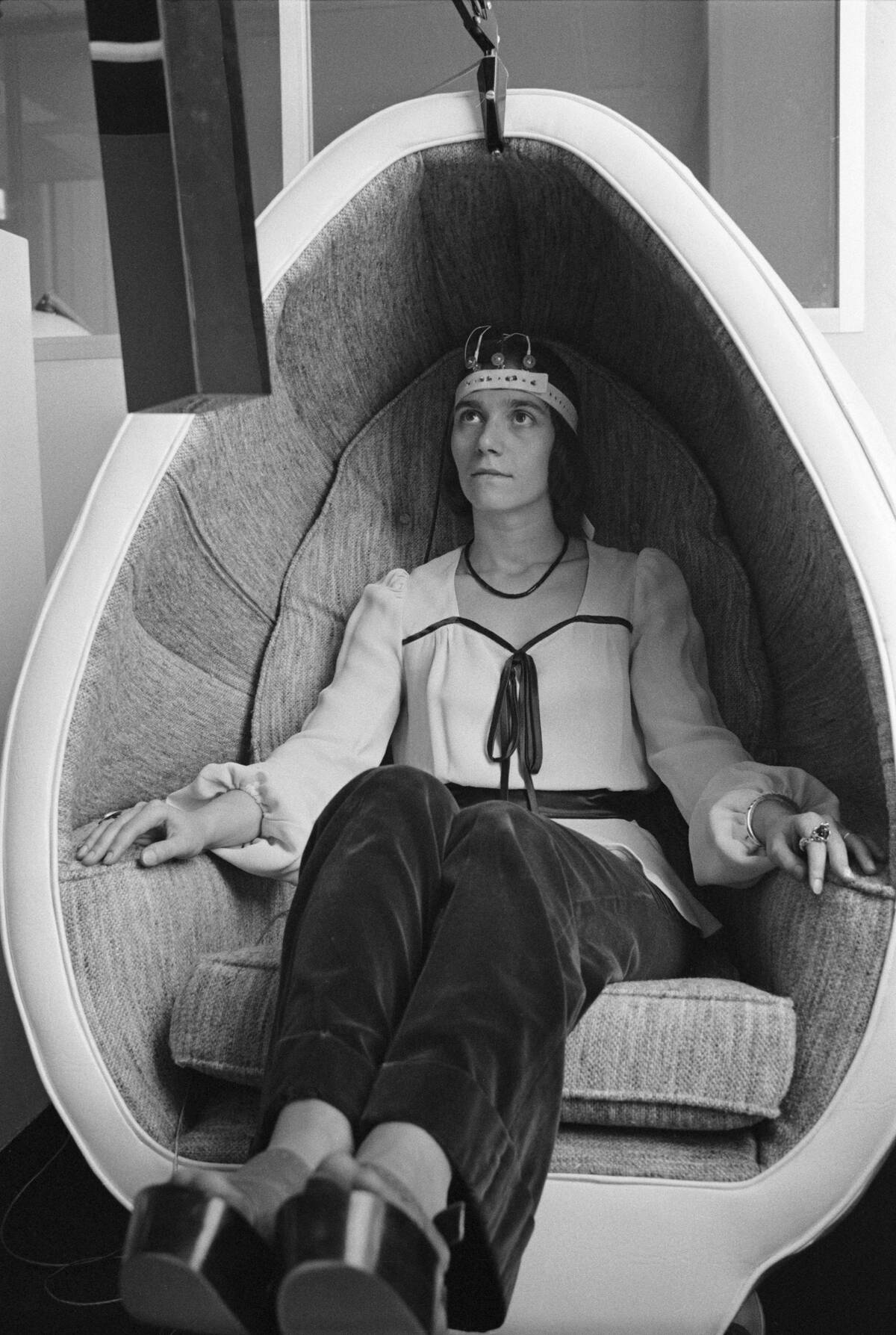
Biofeedback is a technique that trains individuals to control physiological processes, such as heart rate and muscle tension, using real-time data. By becoming aware of these bodily functions, people can learn to manage stress, anxiety, and chronic pain.
The Mayo Clinic highlights biofeedback as a valuable tool in mind-body medicine, with research demonstrating its effectiveness in improving conditions like migraines and hypertension. As a non-invasive approach, biofeedback offers a unique way to harness the mind’s power to influence physical health.
Cupping Therapy: Ancient Practice with Modern Endorsement
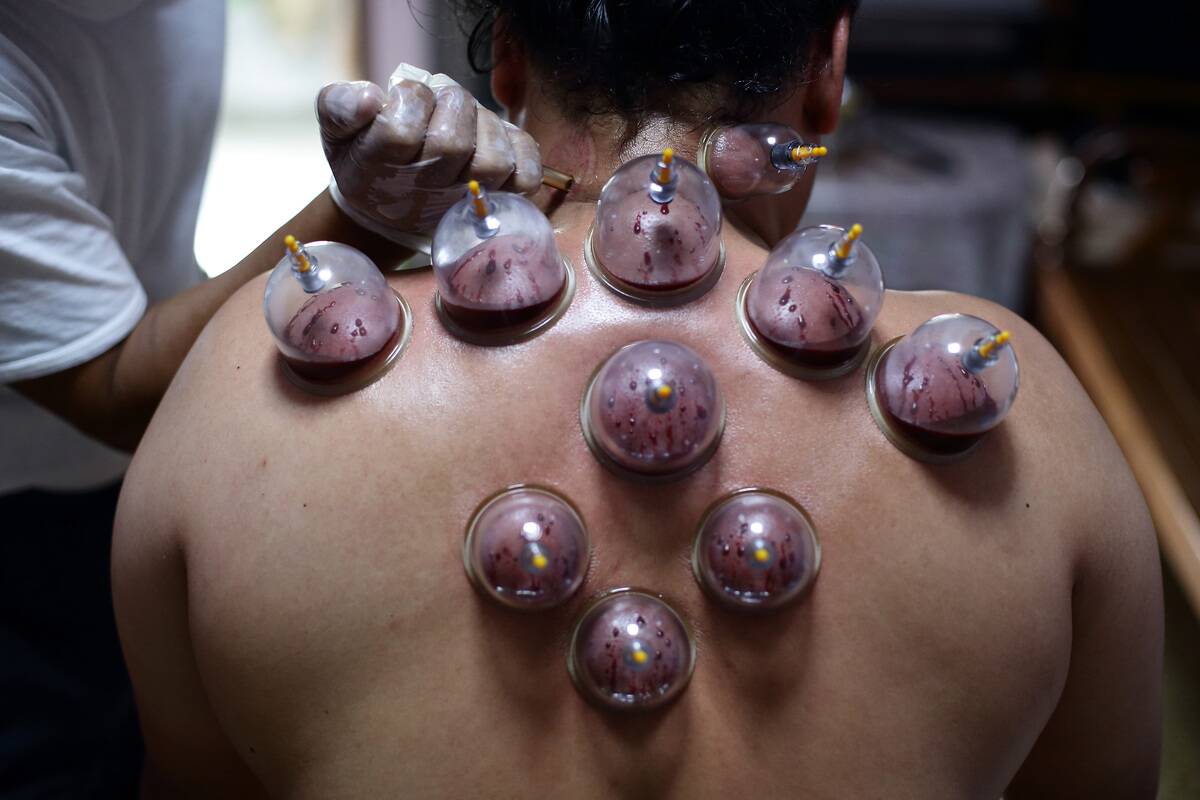
Cupping therapy, an ancient practice that involves placing cups on the skin to create suction, has gained popularity in recent years, notably among athletes. This technique is believed to improve circulation and relieve muscle tension.
While scientific evidence is limited, some studies suggest potential benefits for pain management and inflammation reduction. The increased visibility of cupping, partly due to celebrity endorsements, has sparked interest and research, bridging the gap between traditional healing methods and contemporary health practices.




