What history reveals and hides about lost civilizations
Human history is peppered with lost civilizations, each shrouded in mystery and intrigue. These ancient societies left behind enigmatic artifacts and structures that continue to baffle modern researchers.
While some civilizations vanished due to natural disasters or conquest, others faded into obscurity for reasons still unknown. The allure of these lost cultures lies in the fragments they left behind, tantalizing clues that hint at advanced knowledge and forgotten ways of life.
The Art of Deciphering Ancient Artifacts
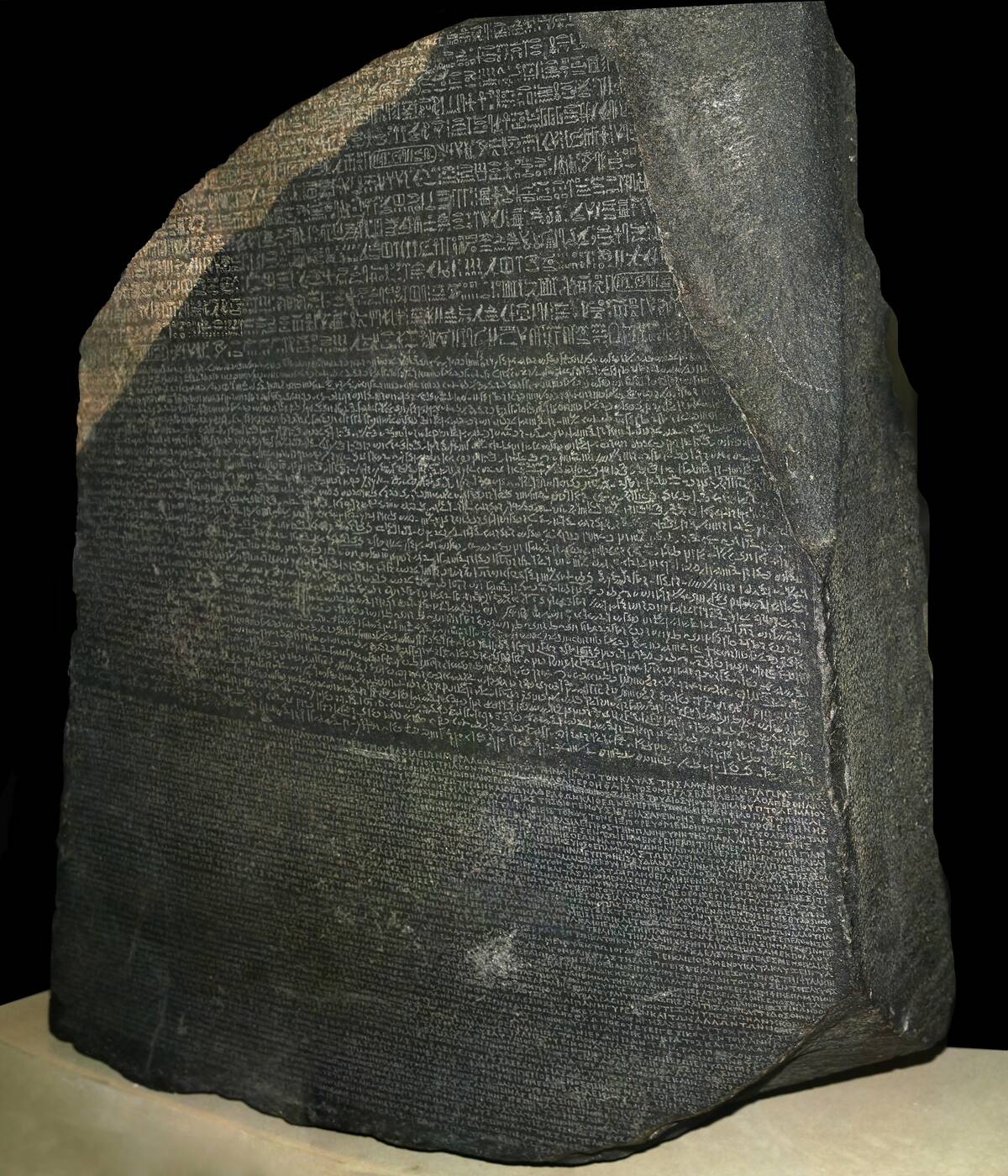
Deciphering ancient artifacts is like piecing together a puzzle with missing pieces, requiring a blend of science, intuition, and luck. Archaeologists use techniques such as carbon dating and x-ray fluorescence to determine the age and composition of artifacts.
Sometimes, the key to understanding a civilization lies in its language. The Rosetta Stone, for instance, was instrumental in deciphering Egyptian hieroglyphs, unlocking a wealth of knowledge about ancient Egypt.
Recent Breakthroughs in Archaeology
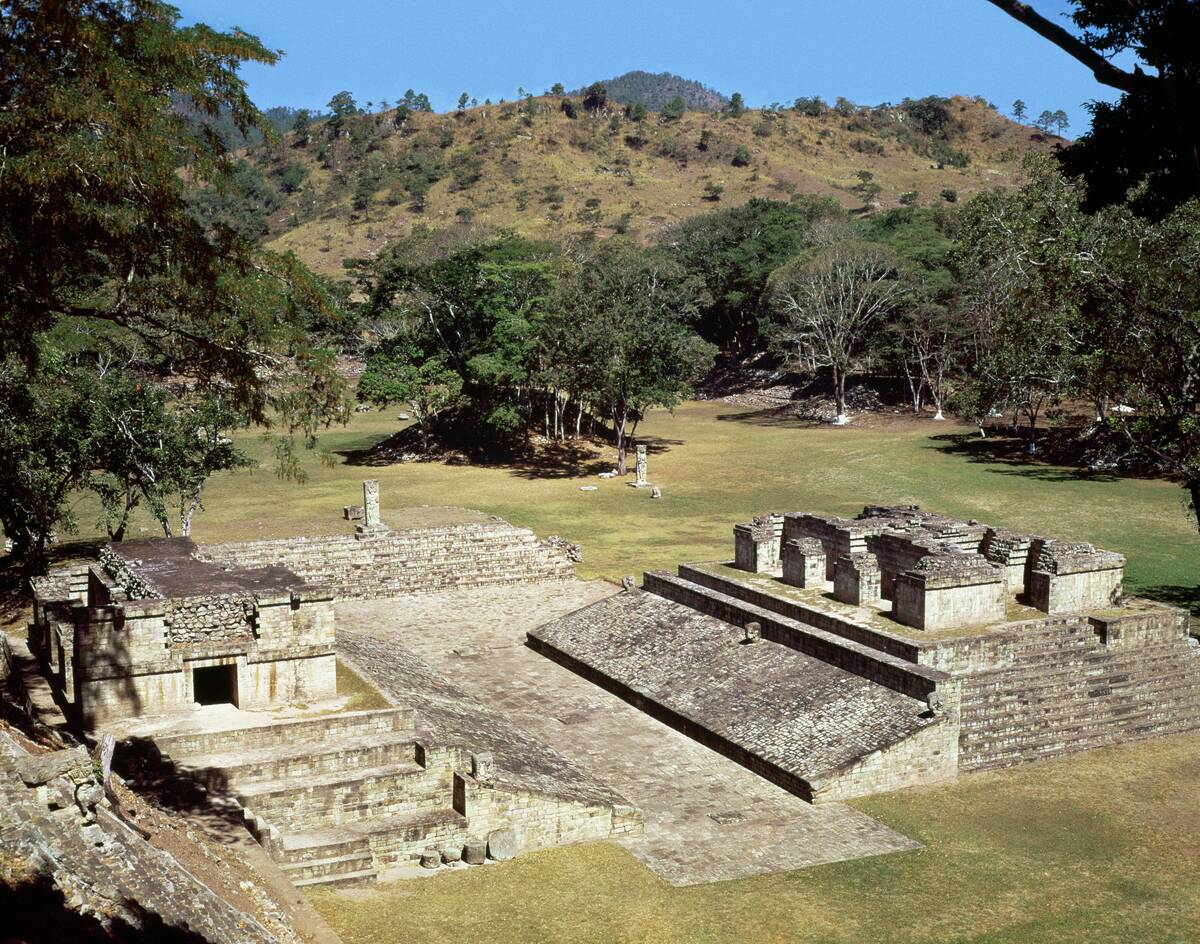
Recent breakthroughs in archaeology have been nothing short of revolutionary, thanks to technological advancements. Ground-penetrating radar and LiDAR have allowed archaeologists to discover hidden structures without disturbing the ground.
In 2020, researchers uncovered a massive ceremonial complex in Mexico using LiDAR, revealing new insights into the ancient Maya civilization. These technologies are rewriting history, offering a glimpse into the everyday lives of people long gone.
The Enigmatic Olmec Civilization
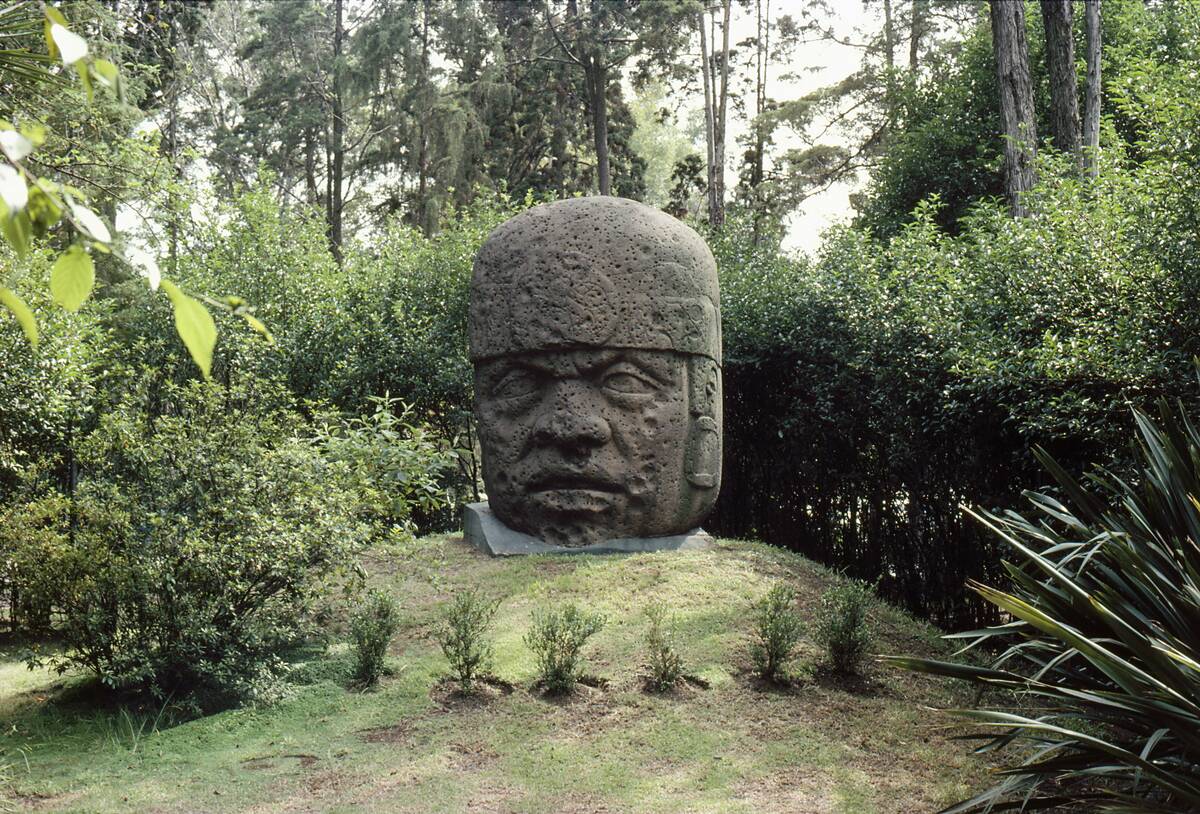
The Olmec civilization, often considered the ‘mother culture’ of Mesoamerica, is renowned for its colossal stone heads. These enormous sculptures, each weighing several tons, depict helmeted figures whose identities remain a mystery.
The Olmecs thrived from around 1200 to 400 BCE along the Gulf Coast of Mexico. Despite their influence on later cultures like the Maya and the Aztecs, much about their society, including their writing system, remains undeciphered.
Secrets of the Indus Valley Unearthed
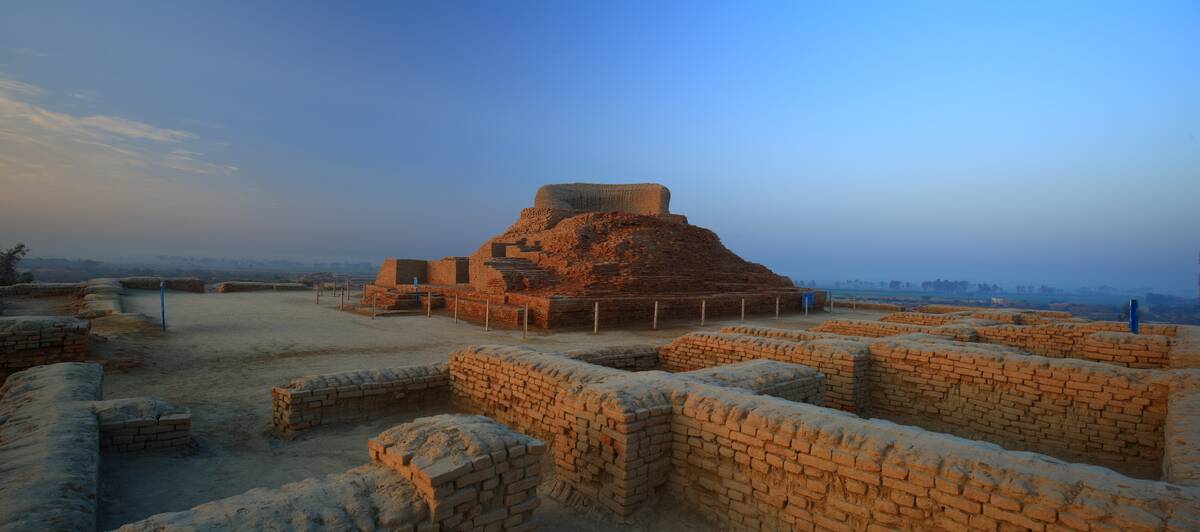
The Indus Valley Civilization, one of the world’s earliest urban cultures, flourished around 2500 BCE in what is now Pakistan and northwest India. Known for its advanced city planning and impressive drainage systems, its decline remains a puzzle.
Recent studies suggest climate change played a role, with drying rivers contributing to their downfall. Despite extensive archaeological efforts, the script of the Indus Valley people still eludes decipherment, keeping their secrets locked away.
The Hidden Treasures of the Caral Civilization
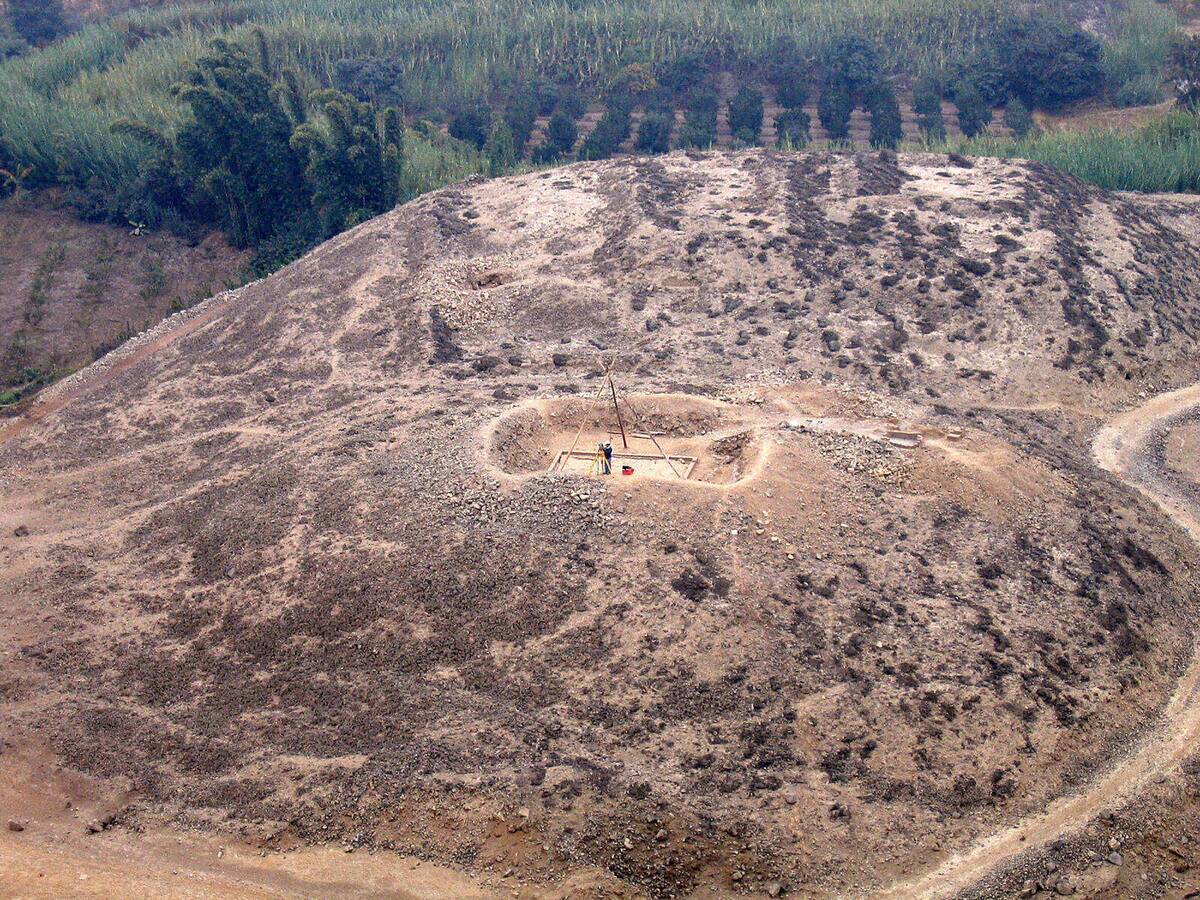
The Caral civilization, one of the oldest in the Americas, thrived in the Supe Valley of Peru around 2600 BCE. Known for their impressive pyramidal structures, Caral is often considered the cradle of Andean civilization.
Despite their early development, the Caral people left behind no evidence of warfare, suggesting a peaceful society. Recent excavations have uncovered musical instruments, indicating their appreciation for music and possibly its role in their ceremonial life.
Insights into the Nabatean Culture

The Nabateans, an ancient Arab people, are best known for their rock-carved city of Petra in modern-day Jordan. Flourishing around the 4th century BCE, they were master traders, controlling trade routes across the Arabian Peninsula.
Their hydraulic engineering skills were remarkable, allowing them to thrive in the arid desert environment. While Petra’s stunning architecture draws millions of visitors today, much about Nabatean culture, including their language and everyday life, remains a mystery.
The Rediscovery of the Hittites
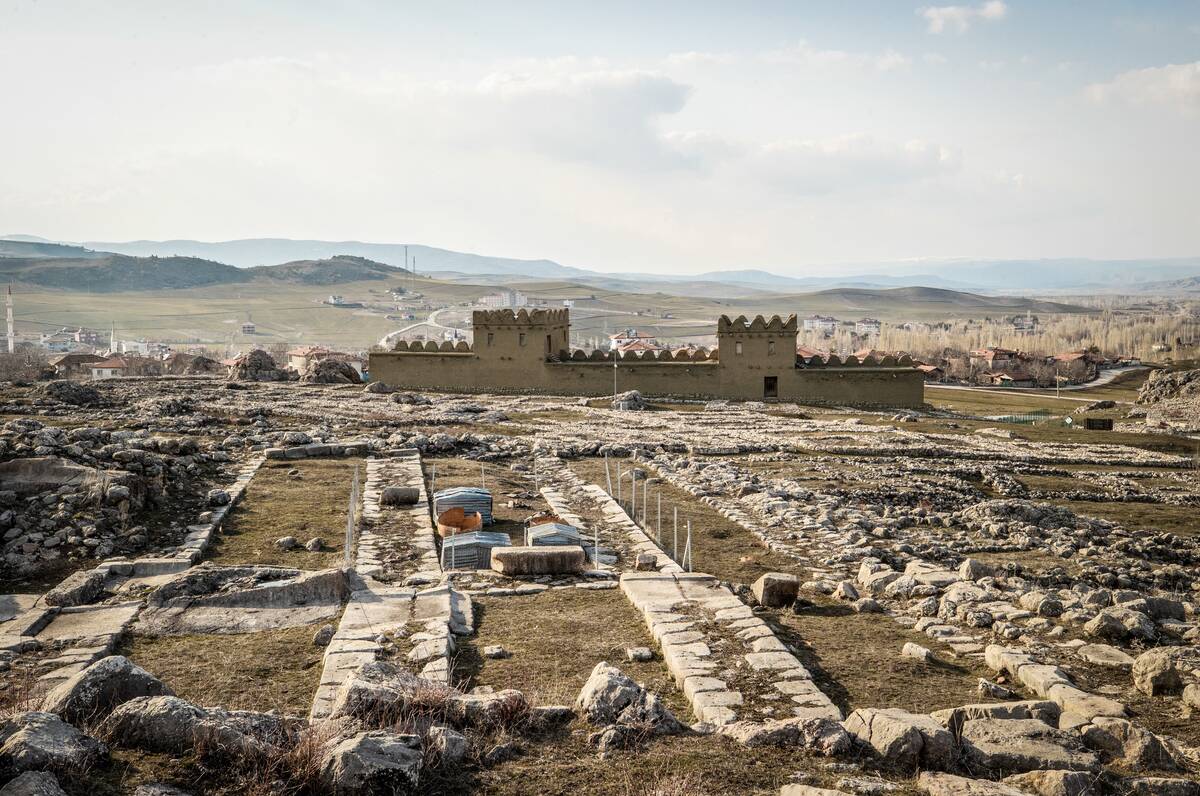
Once thought to be a biblical myth, the Hittites emerged as a powerful empire in Anatolia around 1600 BCE. They were rivals of ancient Egypt, famously clashing at the Battle of Kadesh.
The rediscovery of their capital, Hattusa, in the early 20th century, revealed a wealth of tablets written in cuneiform. These tablets provided insights into Hittite law, religion, and diplomacy, painting a picture of a sophisticated society with complex social structures.
Mystical Runes of the Norse Vikings
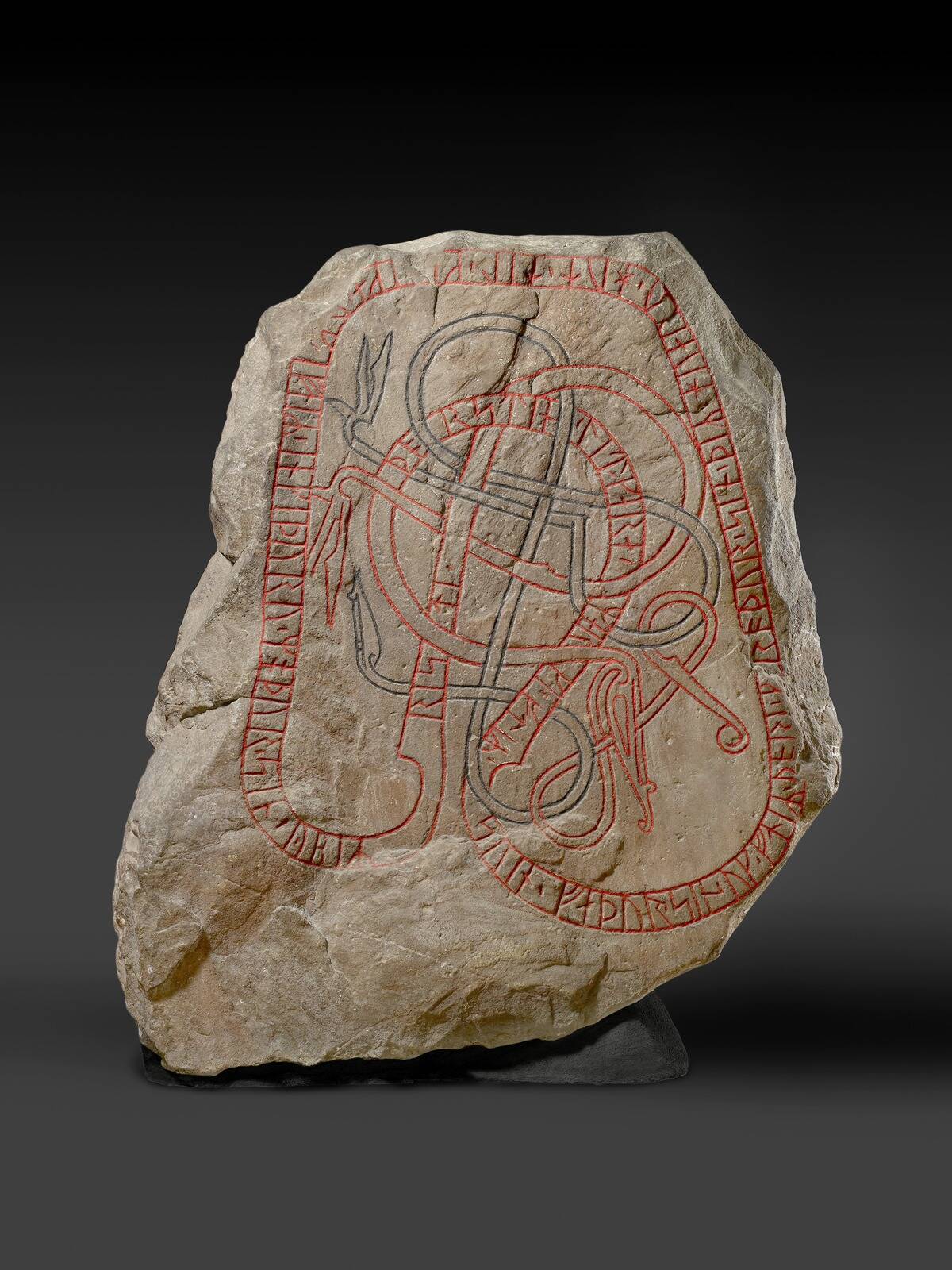
The Vikings, seafaring Norse people from Scandinavia, left behind a legacy of exploration and conquest. Their runic alphabet, used from the 2nd to the 11th century, is often misunderstood as purely mystical, but it served practical purposes such as memorials and ownership marks.
While many runestones tell of voyages and deeds, others remain enigmatic. Modern scholars continue to study these inscriptions, revealing insights into Viking society, beliefs, and their far-reaching contacts across Europe.
The Legacy of the Elusive Scythians
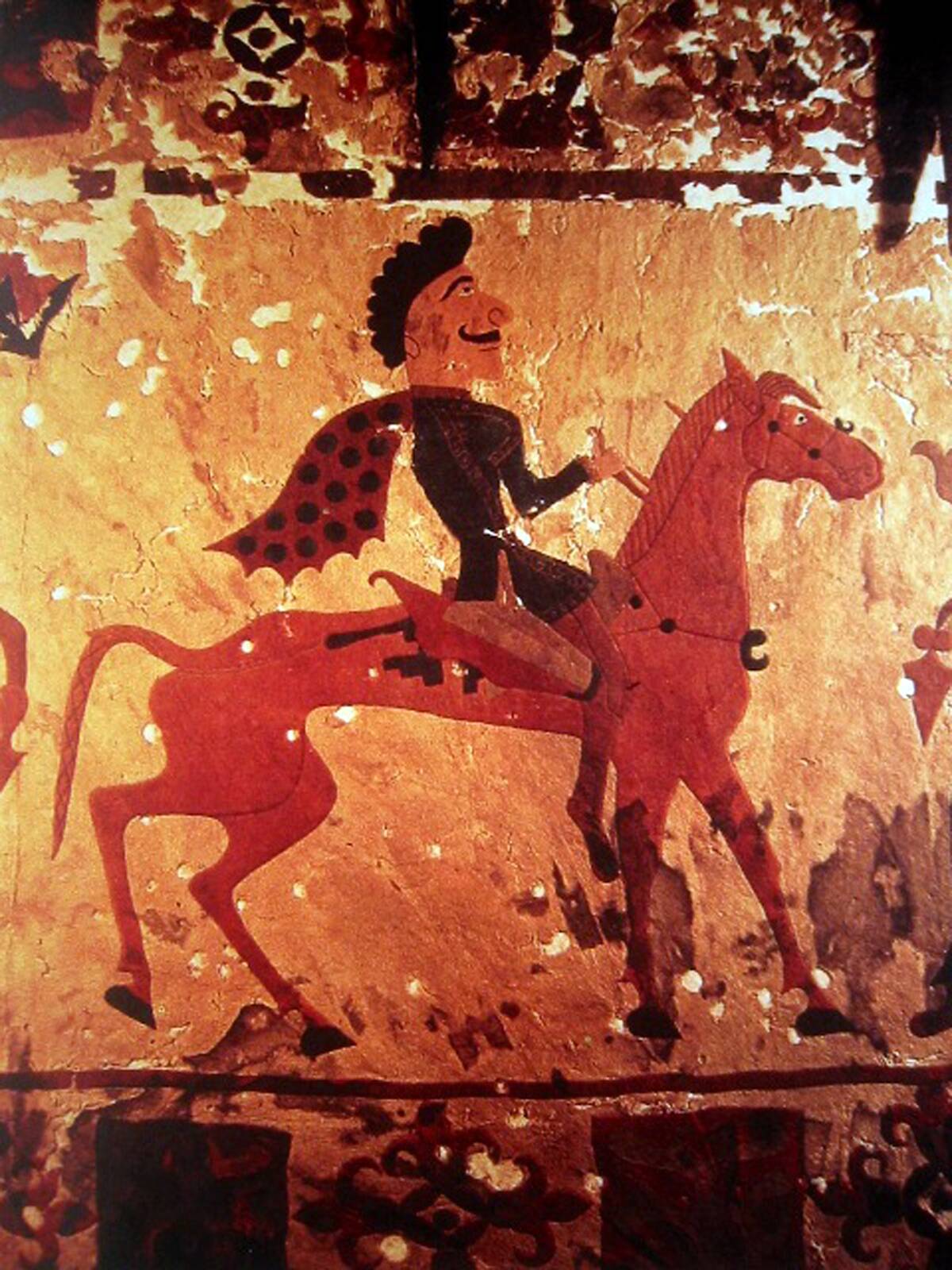
The Scythians, nomadic warriors of the Eurasian steppes, were known for their horse-riding skills and artistry in gold. Flourishing from the 9th to the 1st century BCE, they left behind no written records, yet their influence spread across the ancient world.
Archaeological finds, like the kurgans (burial mounds), reveal their rich culture and complex social hierarchy. Recent DNA studies have provided new insights into their origins and migration patterns, reshaping our understanding of these elusive people.
Unveiling the Wonders of the Mississippian Culture
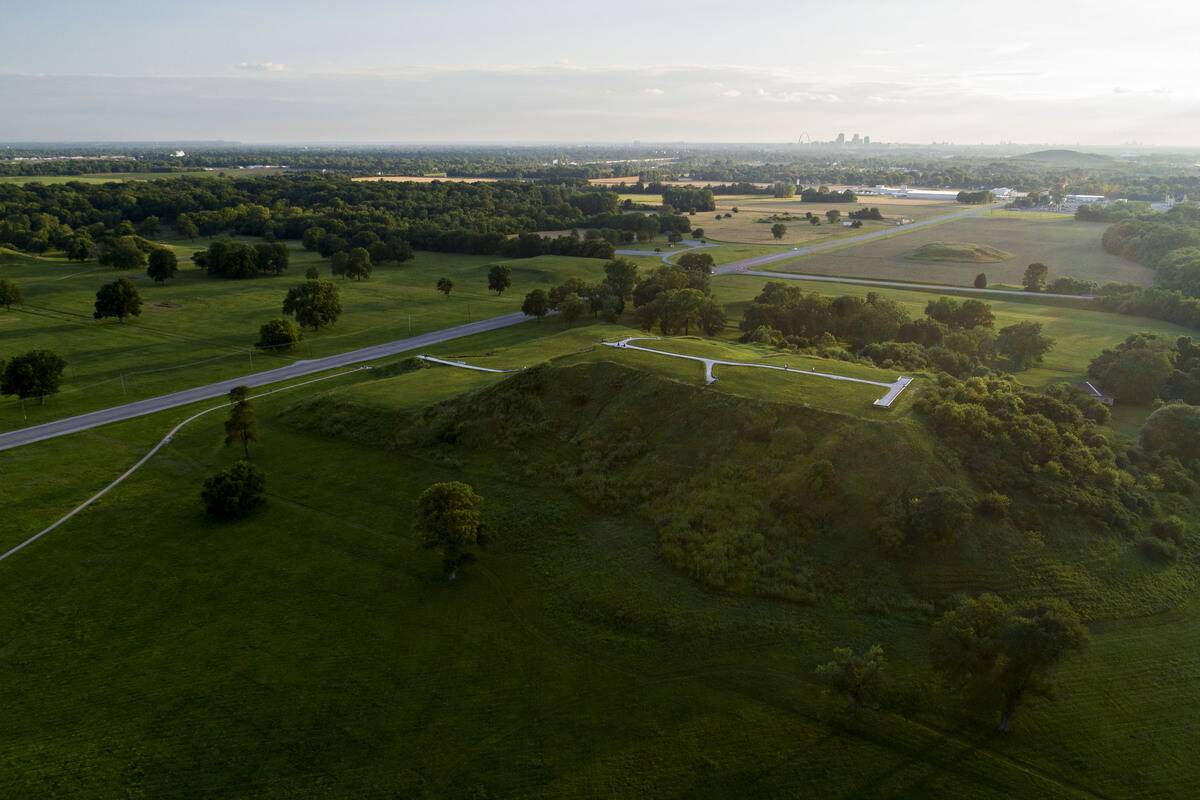
The Mississippian culture thrived in what is now the southeastern United States from 800 CE to 1600 CE. Known for their mound-building, the most famous site being Cahokia, they developed complex societies with extensive trade networks.
Their decline remains a mystery, with theories ranging from resource depletion to climatic changes. Recent excavations have uncovered artifacts that highlight the sophisticated craftsmanship and ceremonial practices of this influential pre-Columbian culture.
The Forgotten World of the Khmer Empire
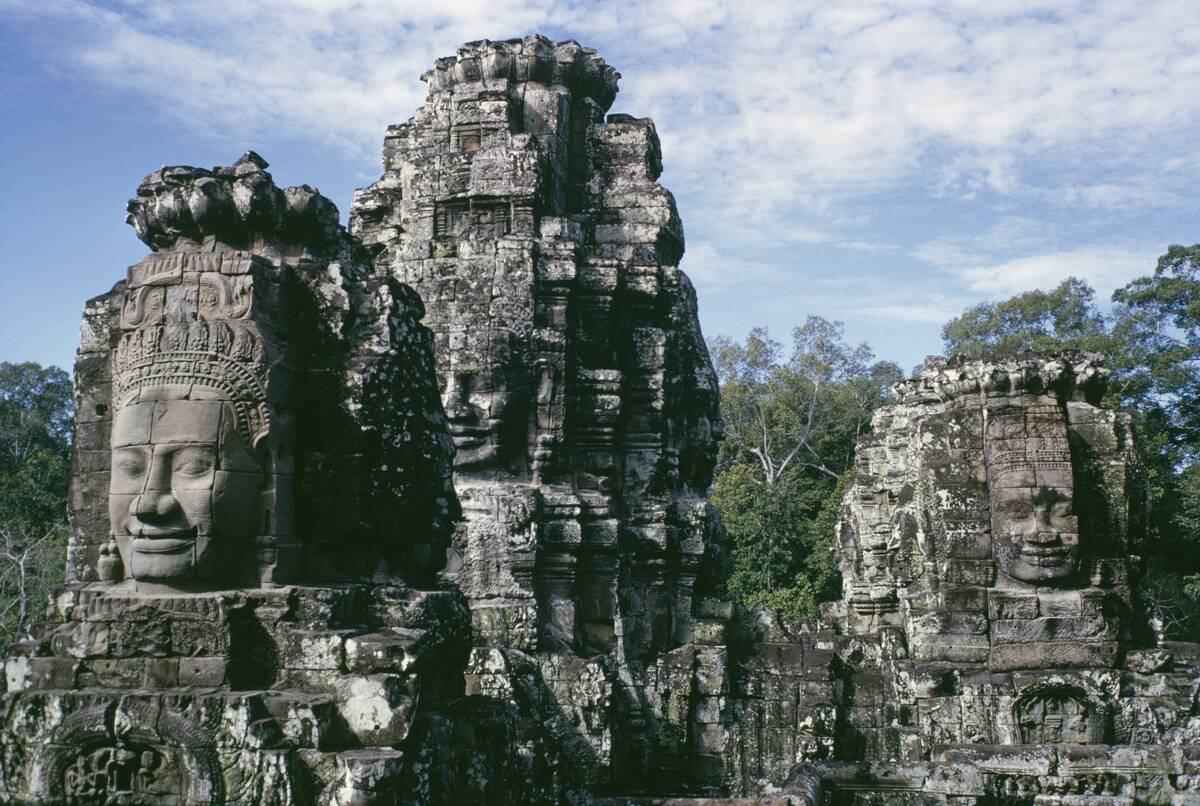
The Khmer Empire, which reached its zenith between the 9th and 15th centuries, is best known for the iconic Angkor Wat temple complex in Cambodia. This civilization was a powerhouse of culture, religion, and architecture.
The reasons for its decline are debated, with theories pointing to environmental changes and overpopulation. Recent technological advances, such as LiDAR, have revealed hidden cities beneath the jungle canopy, offering new insights into Khmer urban planning and agriculture.
The Intriguing History of the Sogdians
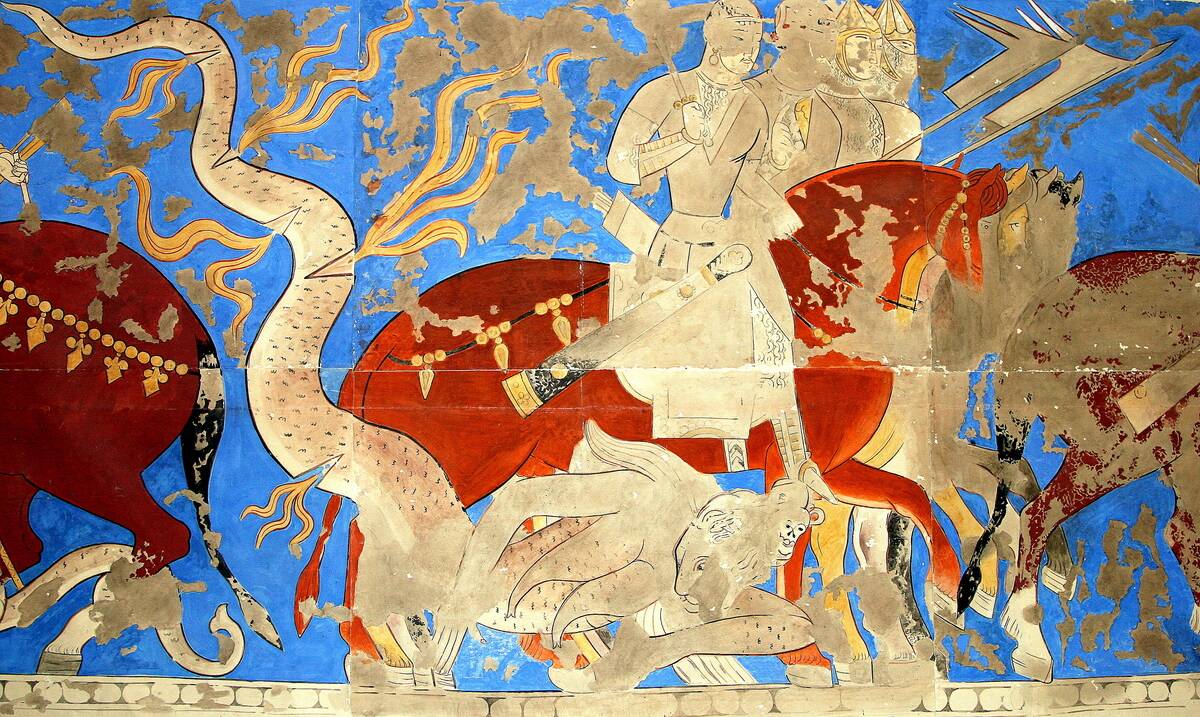
The Sogdians were influential traders along the Silk Road, connecting China and the Mediterranean from the 6th century BCE to the 11th century CE. Their capital, Samarkand, became a cultural melting pot. Known for their linguistic skills, they acted as intermediaries between diverse cultures.
Sogdian documents, discovered in the early 20th century, provide insights into their society and interactions with neighboring peoples. Despite their historical significance, the Sogdians remain relatively unknown outside academic circles.
Reviving the Lost World of the Chachapoyas
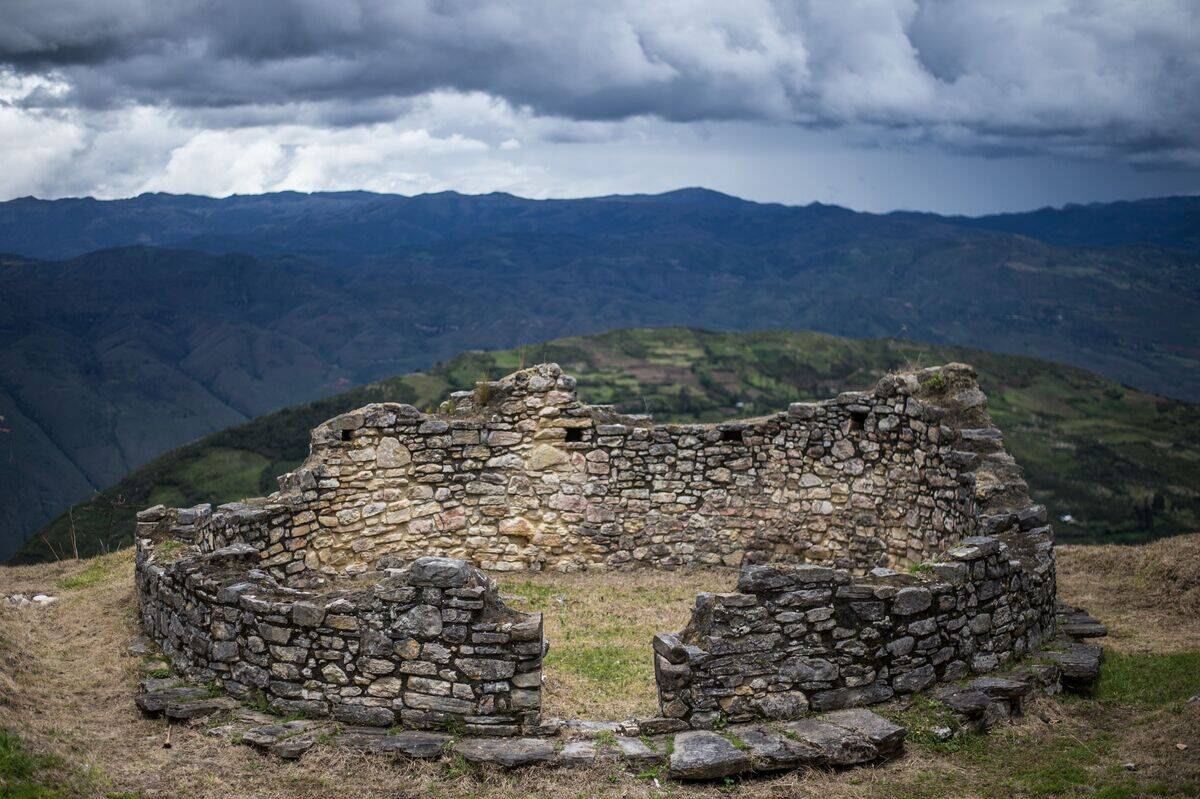
The Chachapoyas, also known as the “Cloud People,” thrived in the cloud forests of present-day Peru from around 900 to 1470 CE. Known for their circular stone buildings and cliffside tombs, they were eventually conquered by the Inca.
Recent archaeological efforts have uncovered vast settlements and intricate roads, revealing a sophisticated society. Despite their impressive achievements, much about their culture and practices remains shrouded in mystery, inviting further exploration and study.
Understanding the Ancient Lycians
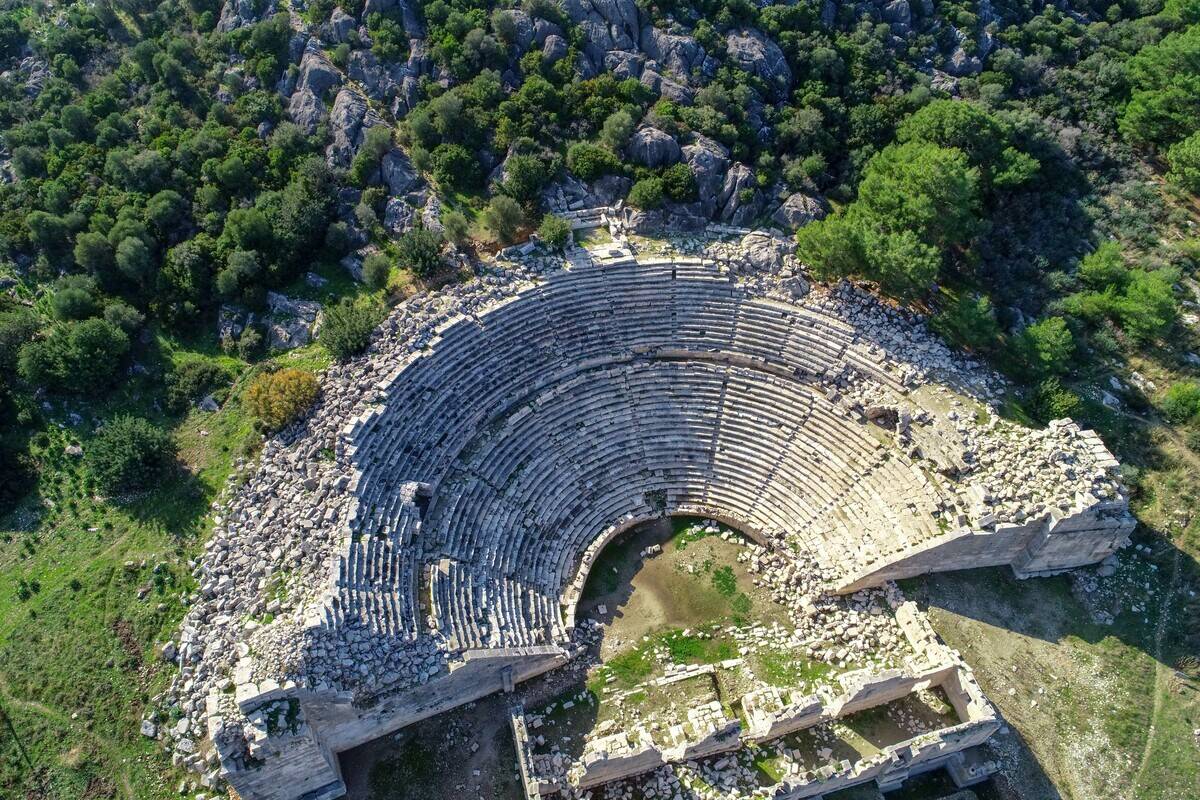
The Lycians, an ancient people of southwestern Anatolia, are known for their unique rock-cut tombs and a confederation-like government system. Flourishing during the 1st millennium BCE, they were absorbed into the Persian Empire and later the Roman Empire.
The Lycian language, part of the Anatolian branch of Indo-European languages, has been partially deciphered, revealing historical and cultural insights. Their legacy endures today in the form of well-preserved archaeological sites scattered across modern-day Turkey.