Photos of lost cities found with satellite technology
Imagine peering down from the sky and unveiling secrets long buried beneath the earth. Satellite imagery has transformed the way we discover and understand ancient civilizations.
From lost cities to forgotten roads, it’s as if we have a time machine at our disposal. This technology is not just a tool but a storyteller, revealing chapters of history that were once thought closed forever.
The Power of Satellite Imagery in Archaeology

Satellite imagery has become a game-changer in archaeology, providing a bird’s-eye view of the landscape that traditional methods cannot match. With high-resolution images, archaeologists can identify subtle changes in vegetation and soil that indicate ancient human activity.
This technology has helped uncover previously unknown sites, saving time and resources and allowing researchers to focus their efforts more effectively.
A Glimpse into the Past: How Satellites Find Lost Cities
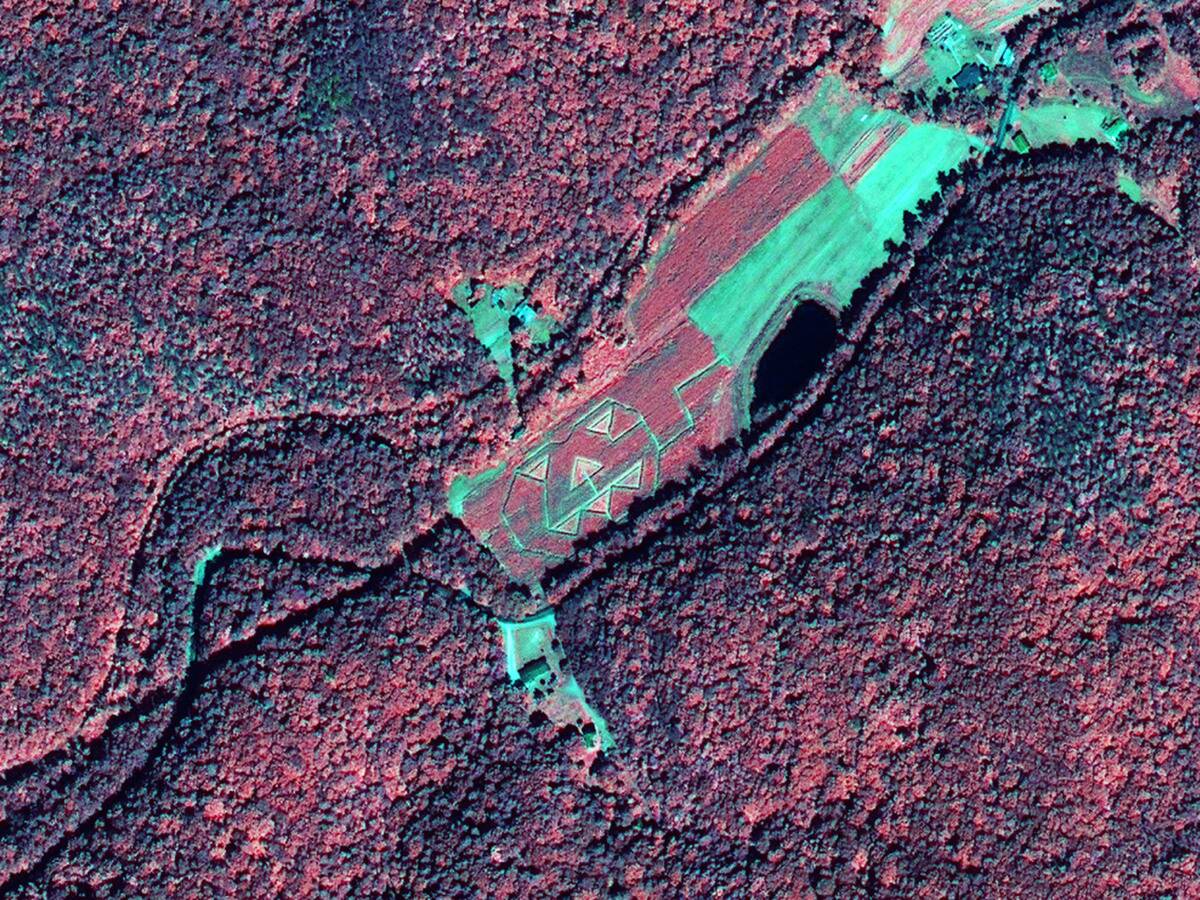
Through the lens of a satellite, the earth’s surface reveals its secrets. By analyzing patterns and anomalies in the terrain, satellites help archaeologists locate lost cities.
For example, infrared imaging can detect ancient roads and structures beneath dense forests, offering clues about forgotten civilizations. This method has been pivotal in finding cities that have been lost to history for centuries.
Angkor Wat’s Hidden Secrets Revealed
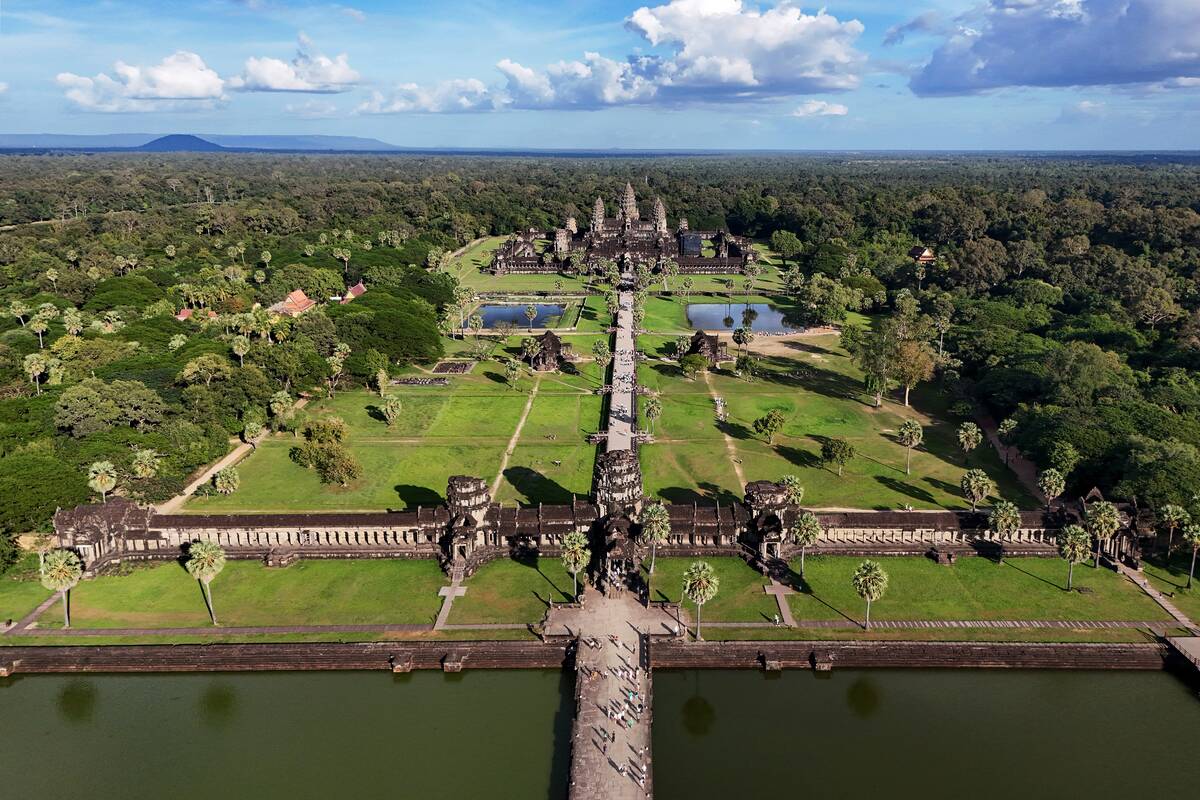
Angkor Wat, the majestic temple complex in Cambodia, holds many secrets. Thanks to satellite imagery, archaeologists have uncovered a network of previously unknown roads and canals surrounding the site.
These findings suggest a more extensive and sophisticated civilization than previously thought, shedding new light on the Khmer Empire’s engineering prowess and urban planning.
The Enigmatic City of Tanis in Egypt
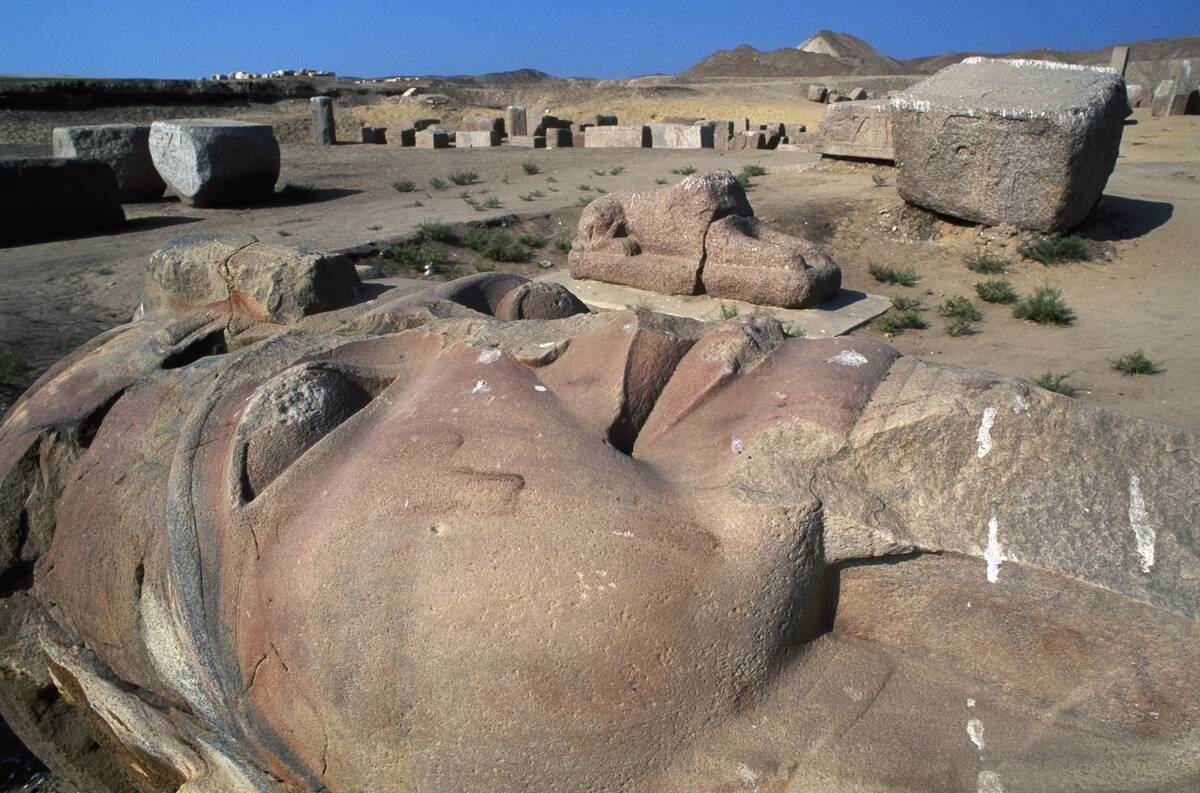
Tanis, a city shrouded in mystery, was once a bustling metropolis in ancient Egypt. Satellite imagery has revealed its vast layout, including temples and tombs, hidden beneath the sands.
These discoveries have provided valuable insights into Egypt’s history, offering a glimpse into the lives of those who once thrived along the Nile and the city’s significance in the ancient world.
Uncovering the Ancient City of Ubar, the Atlantis of the Sands
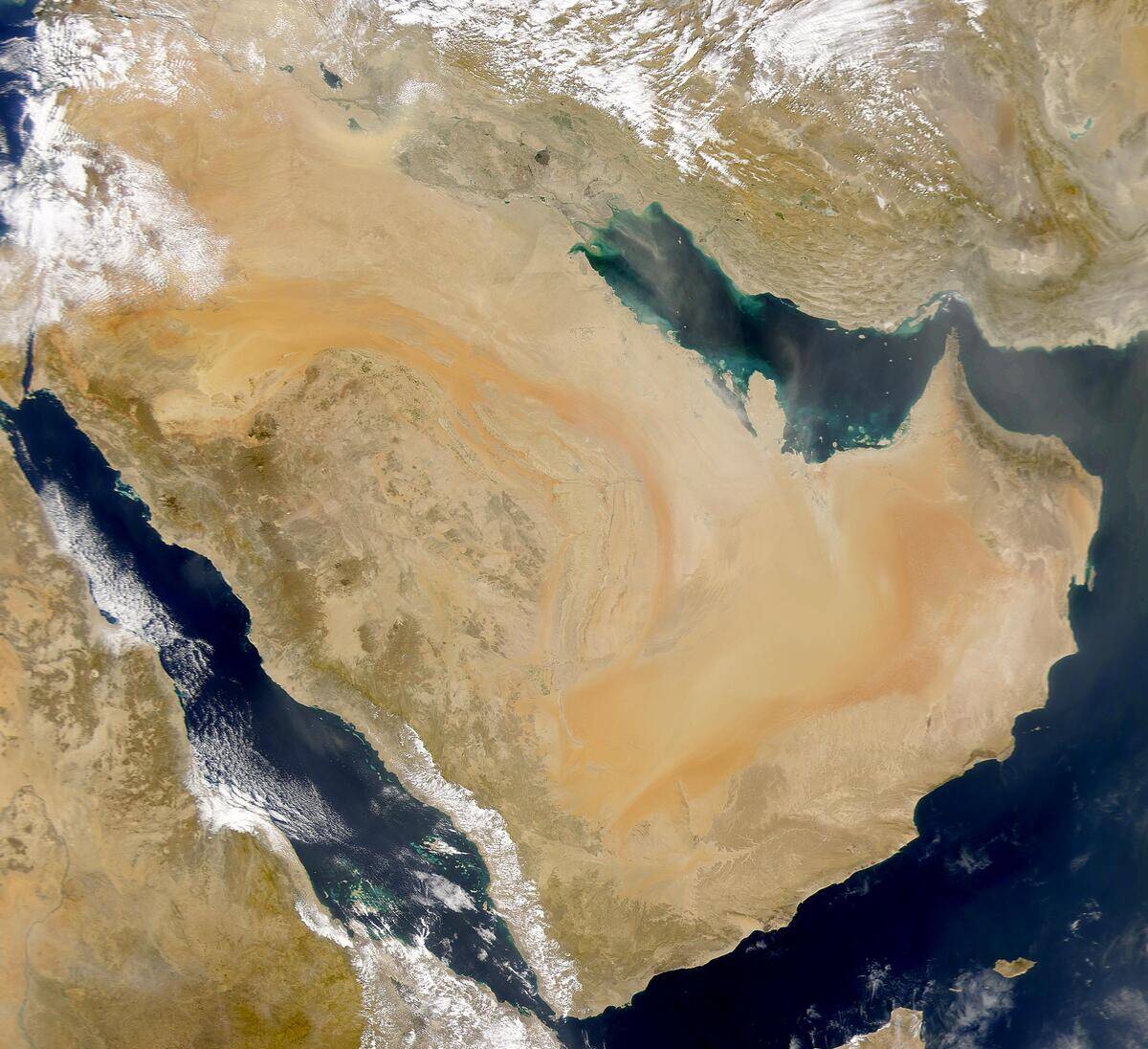
Often referred to as the Atlantis of the Sands, the ancient city of Ubar was discovered with the help of satellite technology. Buried beneath the Arabian Desert, its ruins were identified through patterns visible from above.
This discovery confirmed the city’s existence, long considered a myth, and provided new insights into the trade routes and civilizations that thrived in the harsh desert environment.
Tracking Down the Legendary Amazonian City of Z
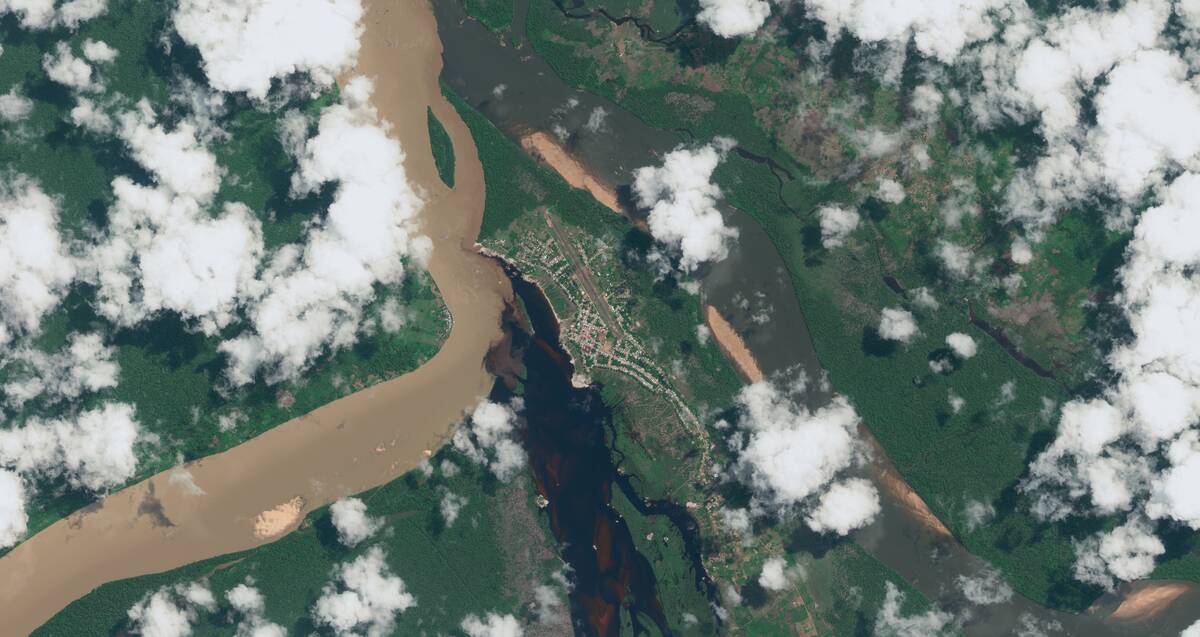
The legendary City of Z has inspired exploration for over a century, notably by Percy Fawcett. Modern discoveries of geometric earthworks and settlement patterns in the Amazon have been made primarily using LiDAR technology, which can penetrate dense forest canopy, rather than conventional satellite imagery.
These findings indicate the presence of complex pre-Columbian societies, though they do not confirm the existence of a single lost city matching the legend of the City of Z.
The Maya Civilization: Cities Emerging from the Jungle
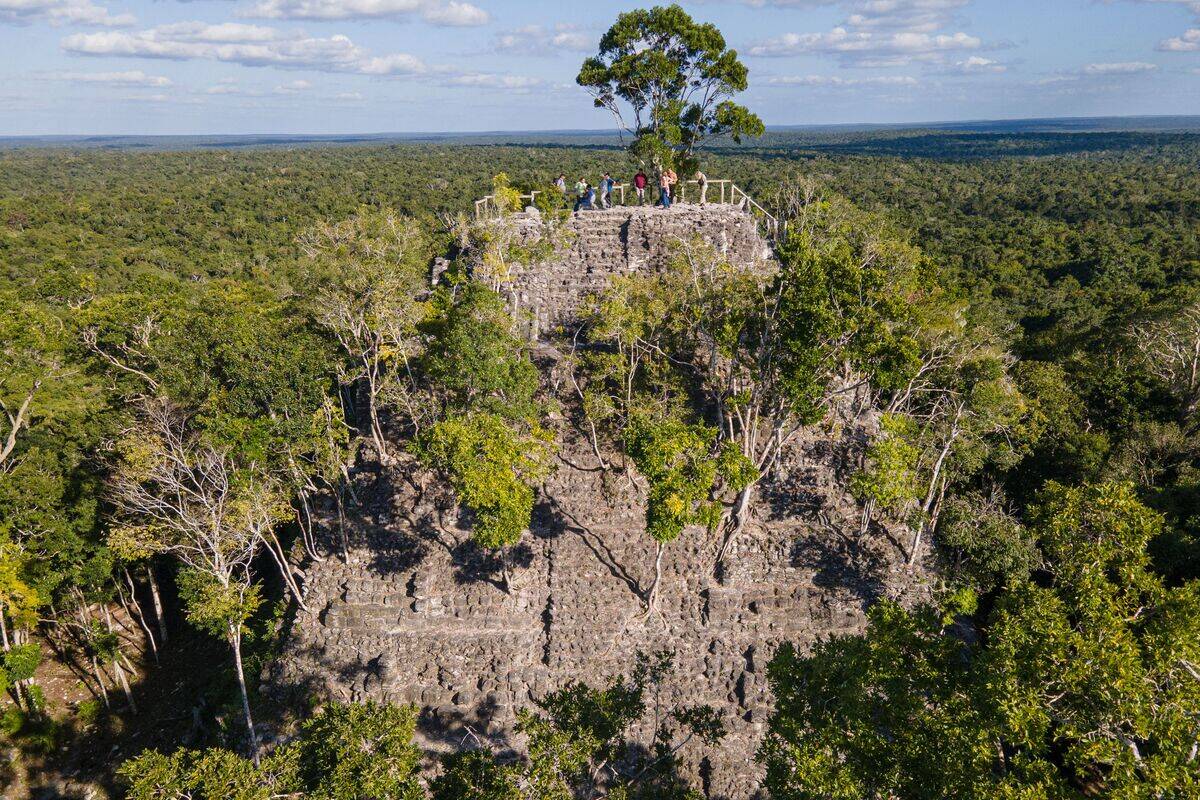
In the heart of the jungle, the Maya civilization’s cities are emerging once more, thanks to satellite imagery and LiDAR technology. This technology has unveiled intricate networks of roads and undiscovered ruins, revealing the extent of the Maya’s urban sprawl.
These discoveries have reshaped our understanding of the Maya, highlighting their architectural achievements and their ability to thrive in challenging environments.
The Lost City of Petra: New Insights from Above
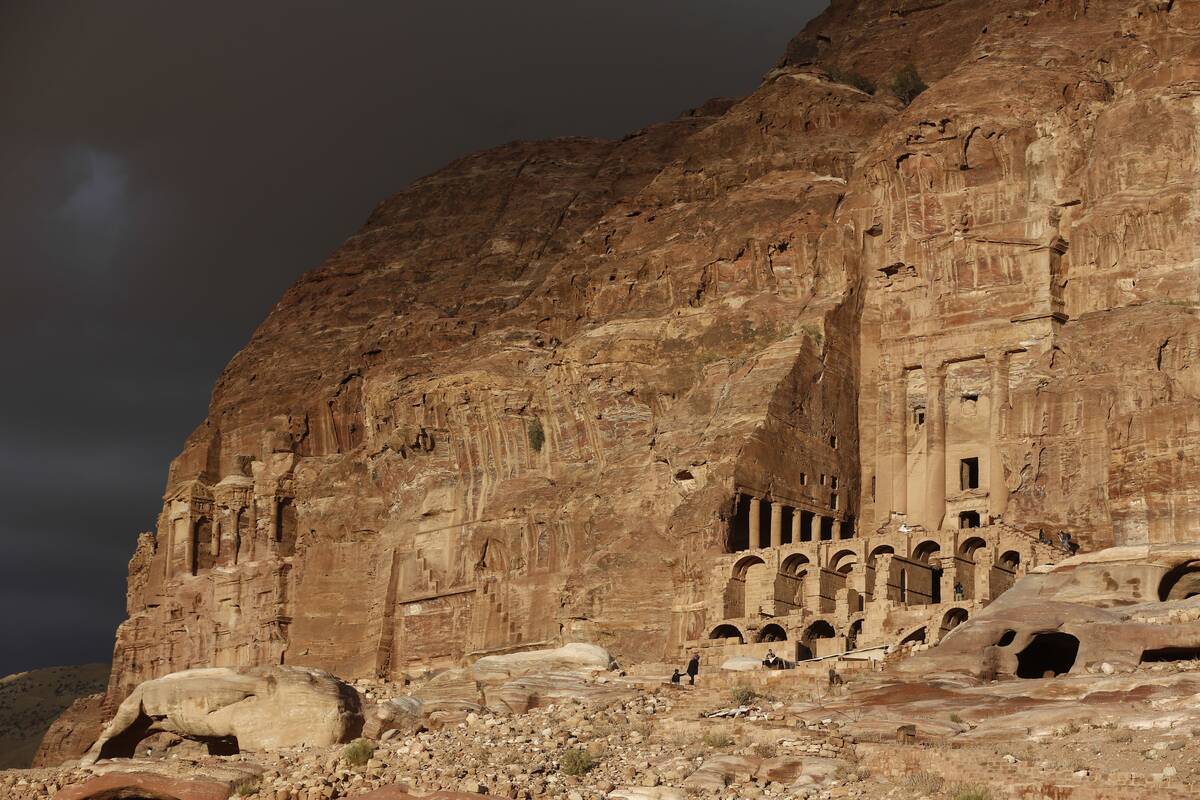
Petra, the rose-red city carved into rock, continues to astonish with new discoveries from above. Satellite imagery has revealed previously unknown tombs and structures, expanding our knowledge of this ancient Nabatean metropolis.
These findings provide clues about Petra’s role as a commercial hub and its intricate water management systems, showcasing the ingenuity of its builders.
The Story of the Ancient City of Mohenjo-daro
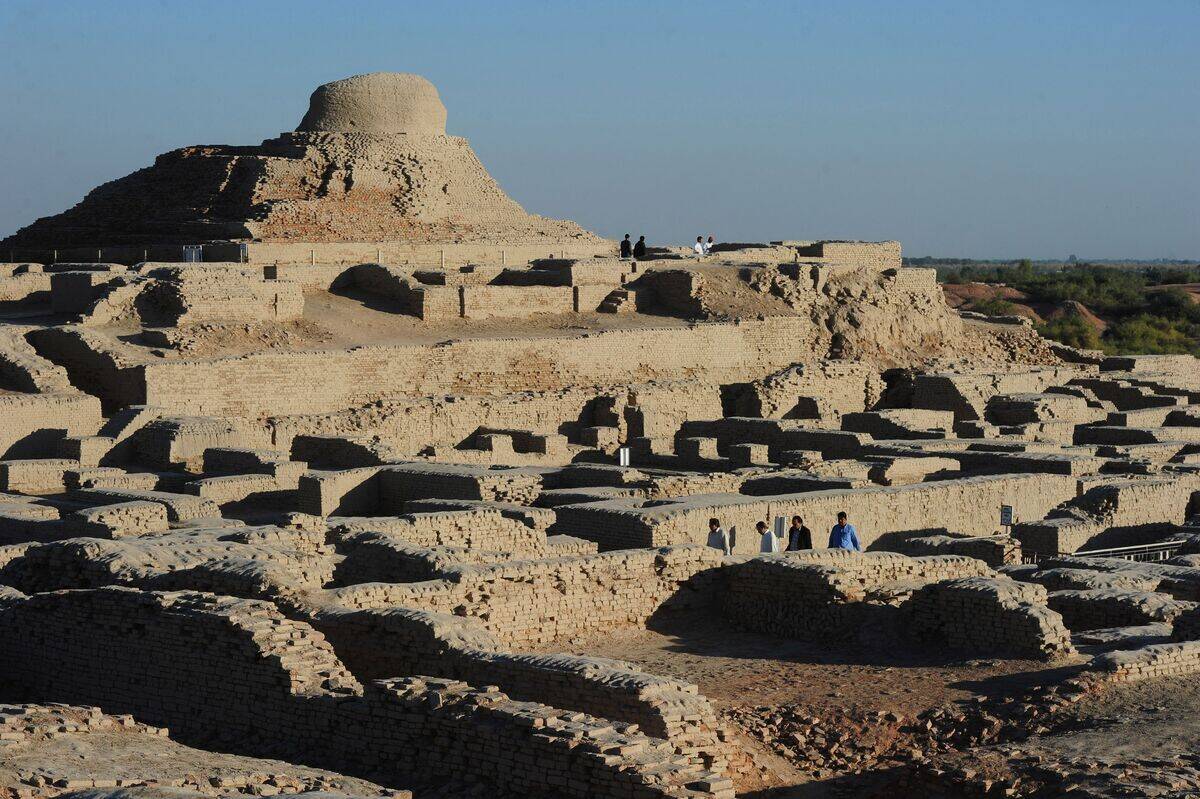
Mohenjo-daro, one of the largest settlements of the ancient Indus Valley Civilization, has been further explored with satellite technology. Images have highlighted urban planning features like grid patterns and sophisticated drainage systems.
These insights underscore the city’s advanced nature and the impressive capabilities of its inhabitants, offering a glimpse into life in one of the world’s earliest urban centers.
Peru’s Nasca Lines: Connecting the Dots from Space
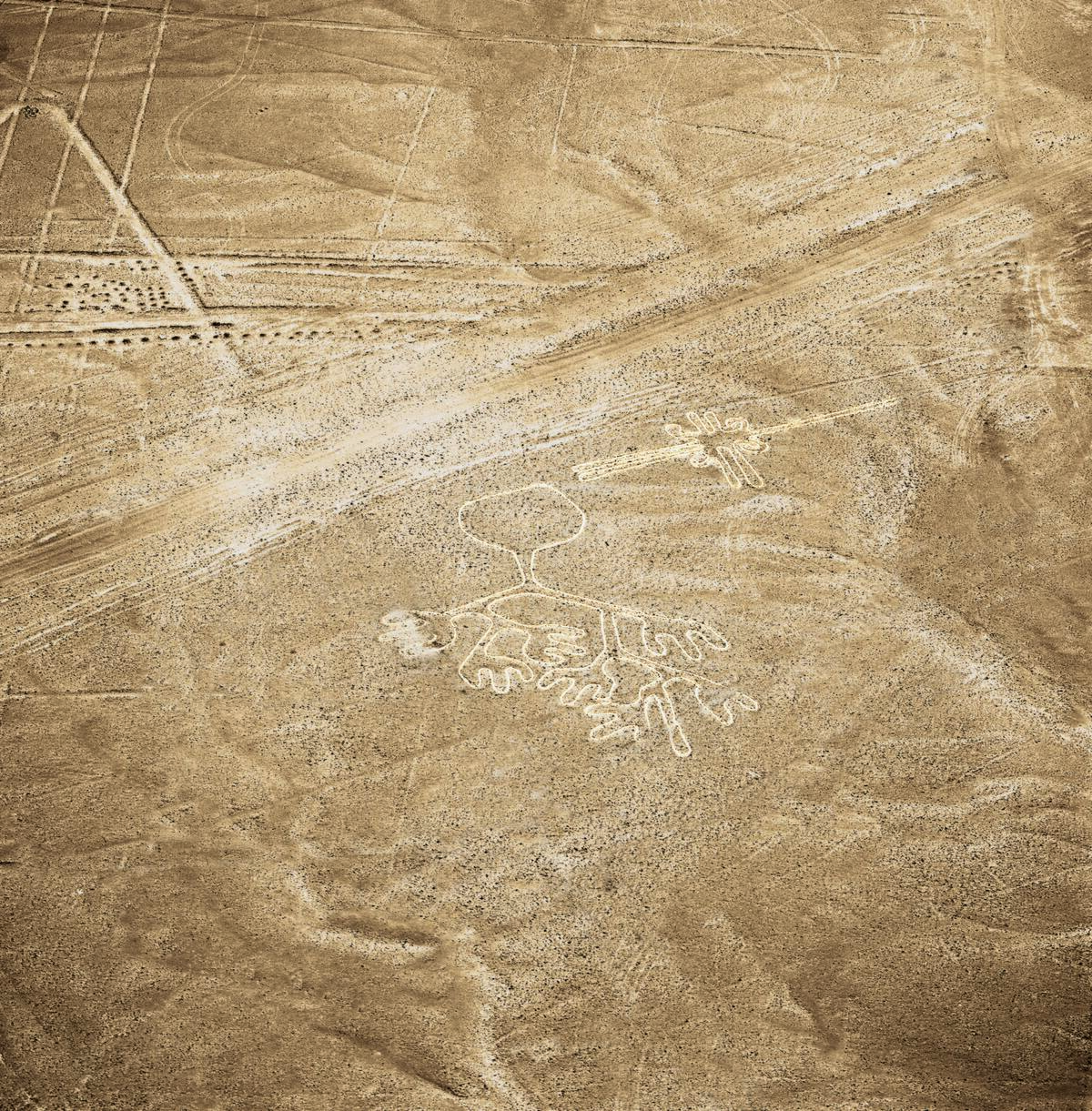
The Nasca Lines of Peru have puzzled archaeologists for decades, and satellites are helping to unravel their mysteries. From space, the intricate geoglyphs become clearer, and new lines have been discovered, providing insights into their purpose and creators.
These findings suggest a complex society with a deep understanding of art and astronomy, sparking renewed interest in their cultural significance.
The Forgotten City of Helike and Its Modern Rediscovery
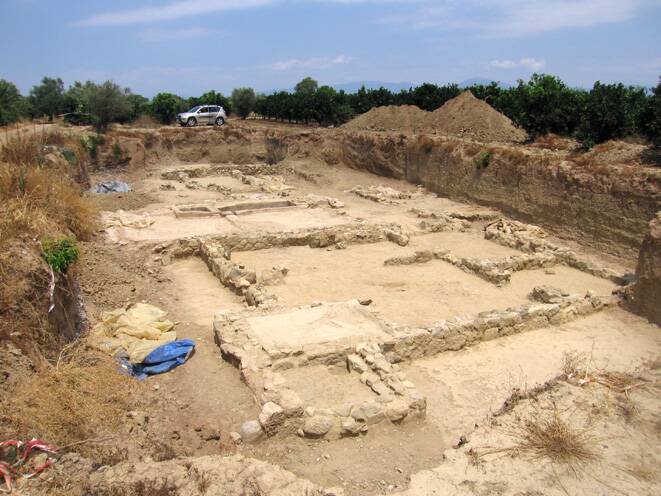
Once lost to the sea, Helike was a thriving city in ancient Greece. Satellite imagery has played a key role in its rediscovery, revealing its location beneath layers of sediment.
This modern technology has brought Helike back into the historical narrative, offering new perspectives on its destruction and its place in Greek history, while inspiring tales of Atlantis-like myths.
The Lost City of Troy: Myths and Modern Discoveries

The city of Troy, immortalized in Homer’s epics, continues to captivate with its blend of myth and archaeological reality. Satellite images have provided crucial information about the site’s ancient layout and fortifications.
These insights have helped historians and archaeologists piece together the city’s storied past, enriching our understanding of the events that may have inspired the legendary tales.
Future Prospects: What Other Lost Cities Await Discovery?

The future of archaeology is bright with the promise of uncovering more lost cities. As satellite technology advances, even more remote areas can be explored, offering the potential for remarkable discoveries.
These advancements will continue to deepen our understanding of human history, revealing stories yet untold and expanding our knowledge of ancient cultures and their achievements.




