19 occupations that disappeared over time
Time-traveling through work history is a treat—especially when you realize how many roles vanished as tech and cities changed. We’ll visit 20 bygone jobs, from street lamplighters to newsroom runners. Big shifts killed them off: cheap alarm clocks, electric lights, mechanized typesetting, switchboards going digital, and sewer systems replacing cesspits after London’s 1858 “Great Stink.”
Each had real skills, real grit, and, in some cases, real danger. Many lasted longer than you’d guess. The jobs are gone, but the stories—and the clever hacks behind them—are very much alive.
The human alarm clock: knocker-ups
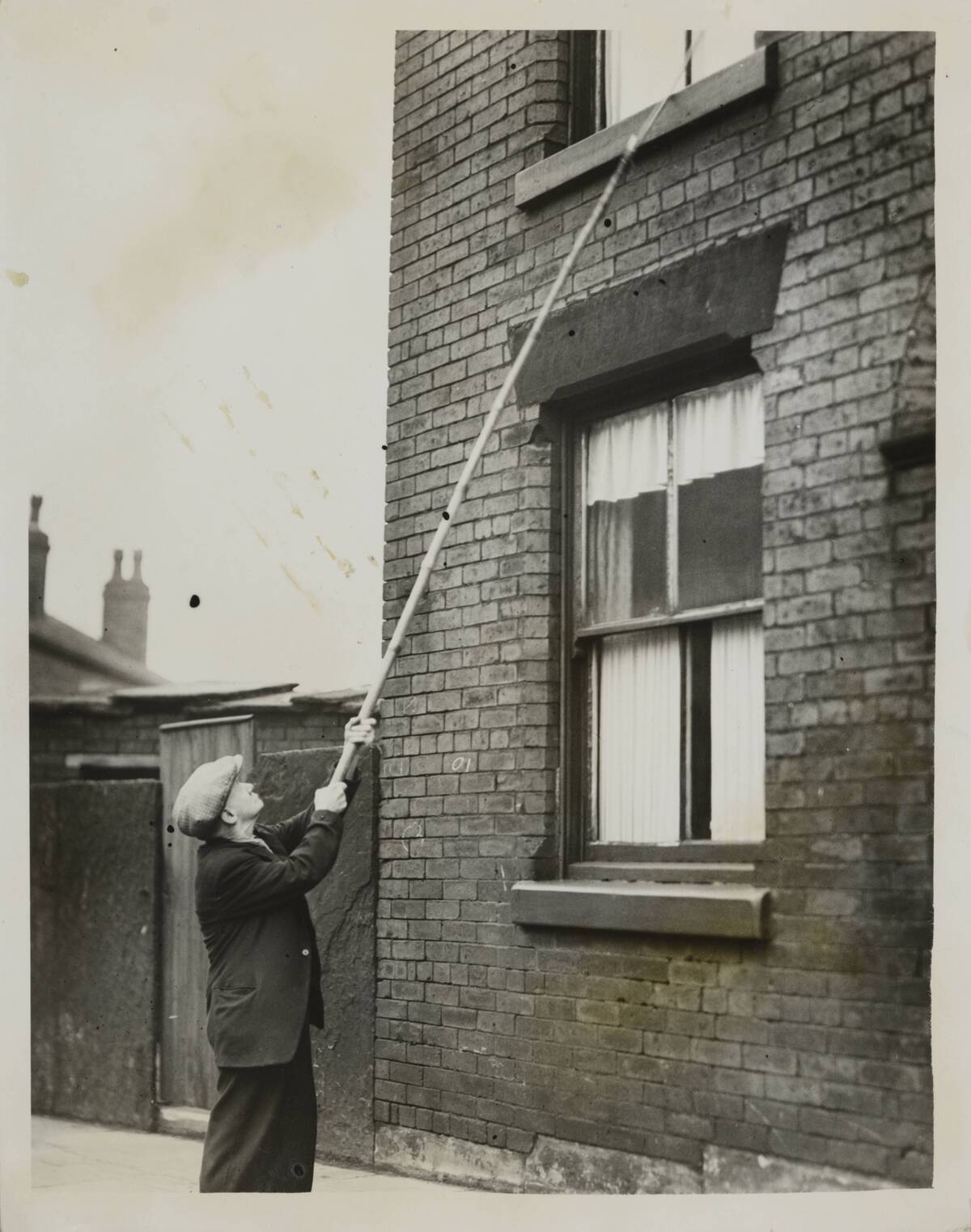
Before bedside clocks got reliable and cheap, British and Irish mill towns hired knocker-ups to wake workers. Armed with long canes, fishing rods, or pea-shooters, they tapped on bedroom windows at contracted times. East London’s Mary Smith became famous for her pea-shooter rounds, captured in early 20th‑century photos. Clients paid a few pence a week, and knocker-ups kept lists of times and addresses to hit each dawn—precision work in pre-digital scheduling.
The trade thrived from the mid‑1800s through the early 1900s and lingered in some places into the 1940s and 1950s, even as wind-up alarm clocks spread. Knocker-ups had practical tweaks—a quiet tap for early shifts, a firmer rap for heavy sleepers—and often patrolled factory districts on foot to avoid waking entire streets. Once clocks were mass-produced and reliable, demand collapsed, taking a peculiar but beloved urban rhythm with it.
Lighting the streets by hand: lamplighters

When gaslighting rolled across cities in the 19th century, lamplighters became evening fixtures—literally. In London, public gas lamps appeared on Pall Mall in 1814. Crews made rounds to ignite jets at dusk, trim wicks or mantles, fix broken fittings, and return at dawn to extinguish flames. It was meticulous outdoor work, timed to sunset charts and weather, and coordinated across thousands of lamps strung along growing streets.
Electric lighting and timers reduced the need for nightly rounds, and most lamplighters faded by the early 20th century. Yet London still preserves roughly 1,000–1,500 working gas lamps—around Westminster, St James’s, and the Royal Parks—maintained by a small team of specialists. They swap mantles, adjust clockwork timers, and keep historic glow alive for heritage districts and film shoots. The craft survives, but the citywide job—lamp by lamp, night by night—is history.
Before calculators: human “computers”
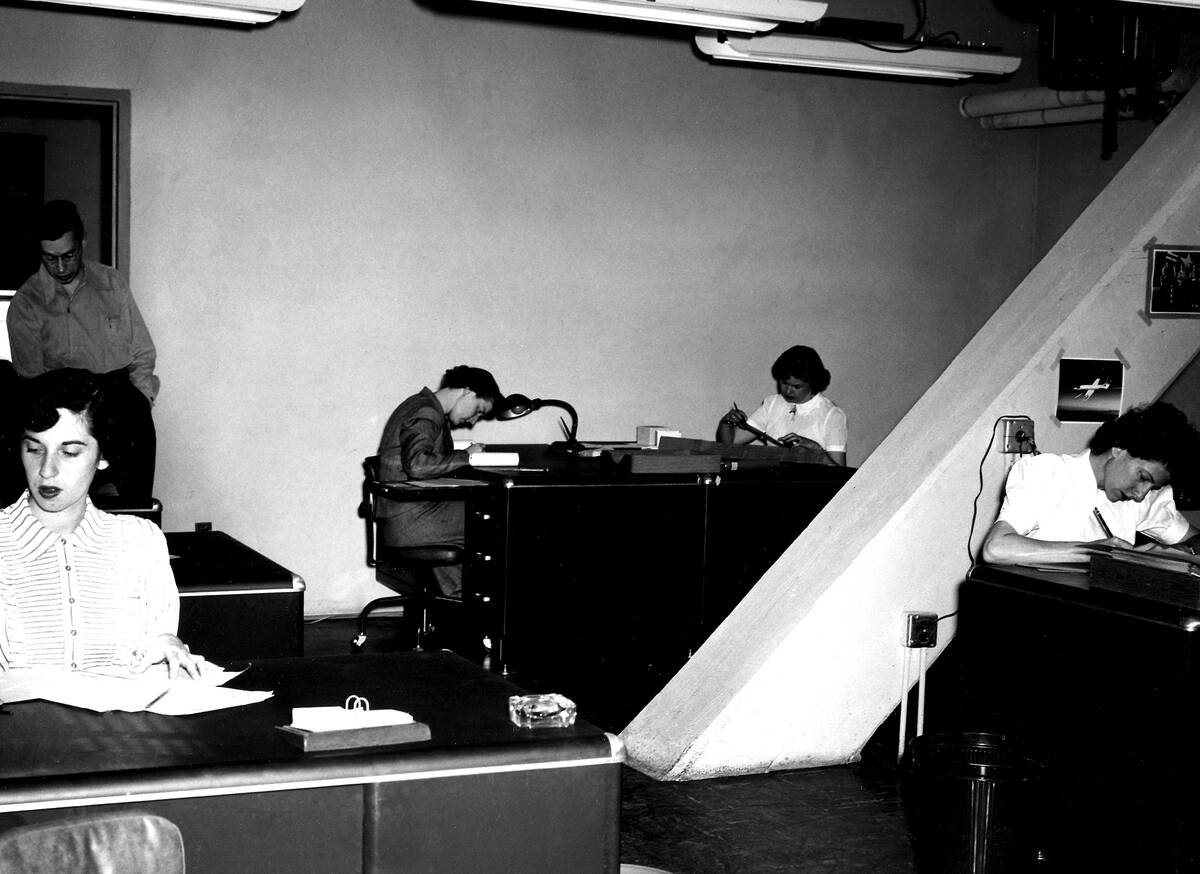
Long before silicon chips, a “computer” was a person who computed. Observatories, insurance firms, and government labs hired teams—often women—to do tables, orbits, and payrolls by hand. At Harvard College Observatory in the late 1800s and early 1900s, the “Harvard Computers” (including Annie Jump Cannon and Henrietta Swan Leavitt) classified hundreds of thousands of stars; Leavitt’s Cepheid period–luminosity relation became a cosmic distance yardstick.
In the 1940s–60s, NASA’s Langley “West Area Computers,” including Katherine Johnson, Dorothy Vaughan, and Mary Jackson, calculated flight dynamics and orbital trajectories. Johnson’s work supported the Mercury missions and the Apollo 11 landing plan. Mechanical desk calculators sped things up, but the human role remained central until electronic computers and programming displaced the job title. The people who once filled whole rooms with sharpened pencils essentially bootstrapped the Information Age.
“Operator, connect me!”: telephone switchboard operators
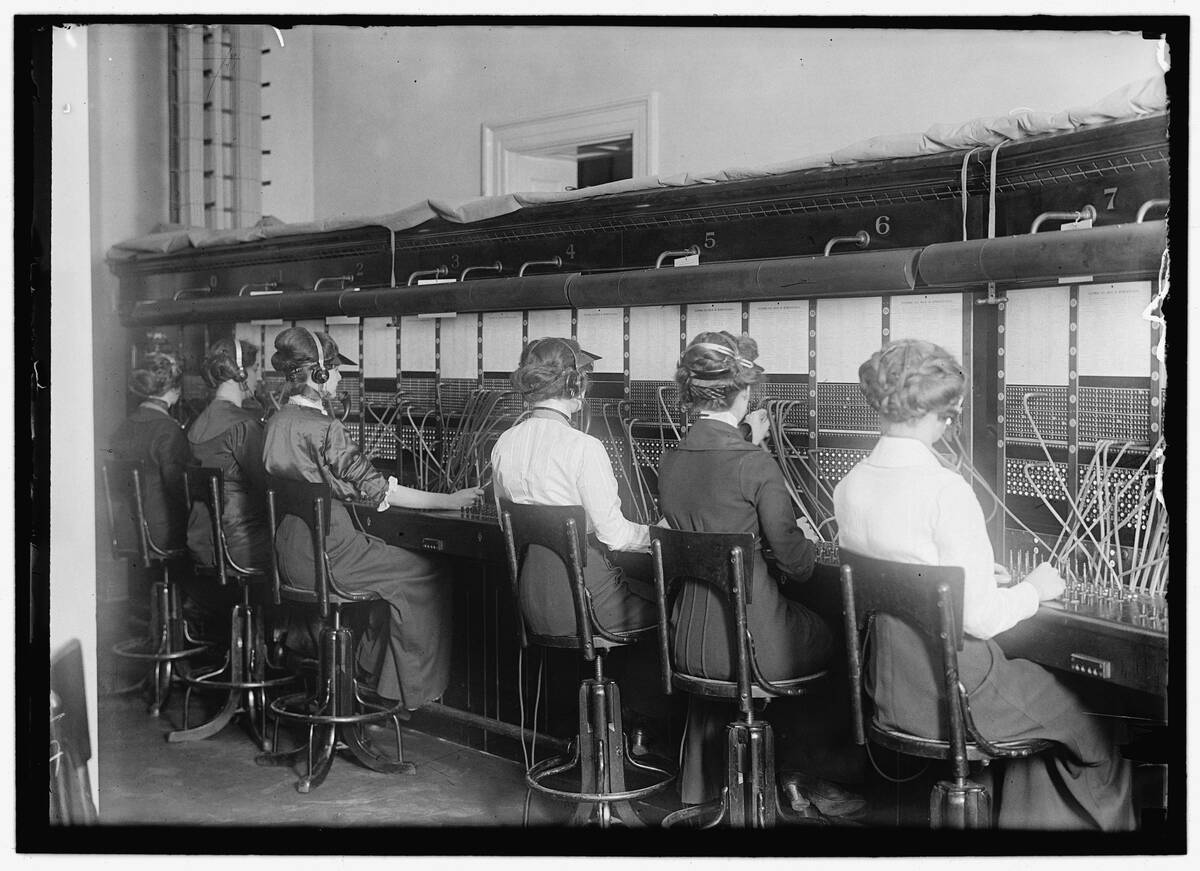
Early telephones didn’t dial strangers; they called an operator. Operators sat at cord switchboards, plugged a caller’s line into the callee’s jack, and set up long-distance routes hop by hop. The first commercial exchange opened in New Haven in 1878. Women soon dominated the role for their reputed calm and clear diction, managing floods of calls with memorized routing and lightning-fast hands.
Manual switching dwindled with automatic exchanges, but the job persisted astonishingly late. In 1983, Bryant Pond, Maine, became the last U.S. community to retire a hand-cranked, operator-assisted exchange. Operators also made history beyond the desk: in World War I, the U.S. Army Signal Corps’ bilingual “Hello Girls” handled tactical calls in France. Today, digital routing is silent and invisible—no cords, no plugs, just code replacing a century of human choreography.
Dots and dashes only: telegraph operators
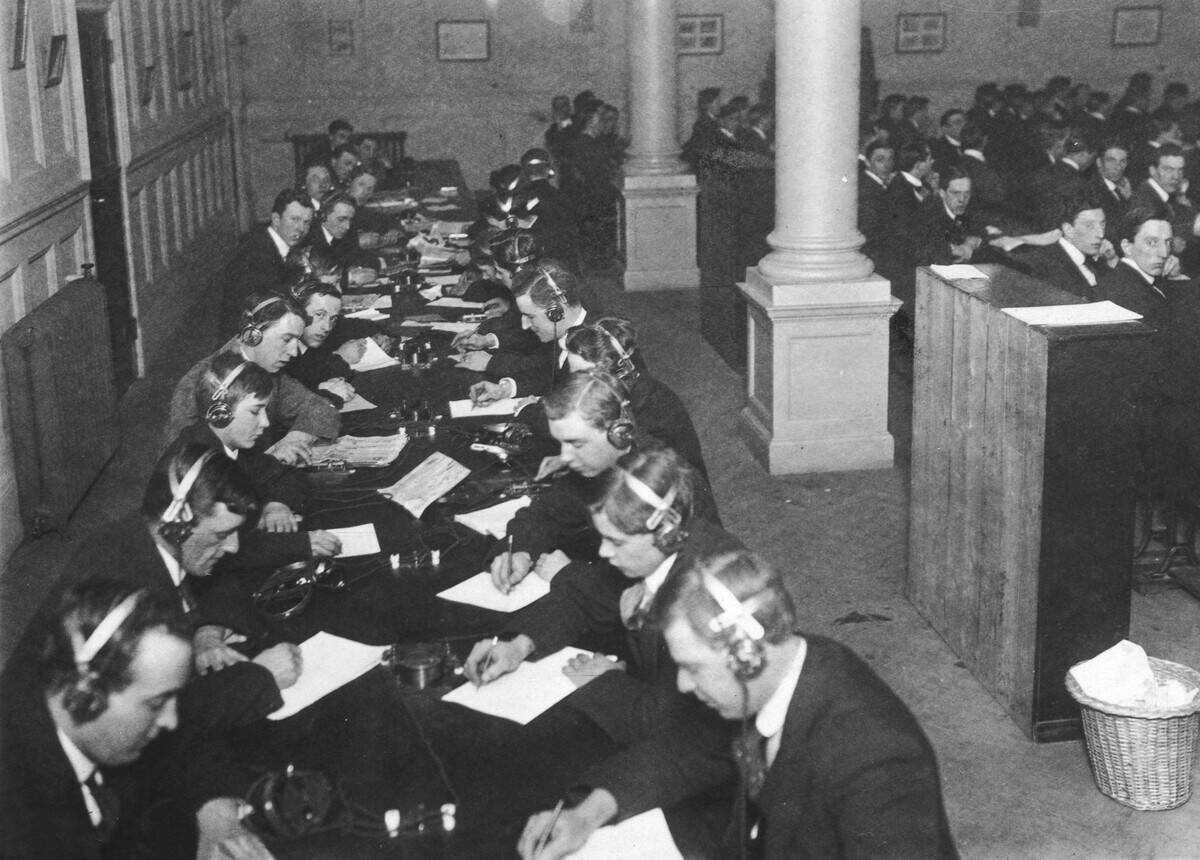
In 1844, Samuel Morse tapped “What hath God wrought” from Washington to Baltimore, launching a communications revolution. Telegraph operators learned Morse code by ear, reading rhythmic clicks at speed, then typing or handwriting the message for delivery. Networks spanned continents; the transatlantic cable, reliably operating from 1866, collapsed oceanic delays from weeks to minutes, linking markets and newsrooms in near real time.
The job required accuracy under pressure—misheard dots and dashes changed meaning. Telegrams boomed for business and personal messages, but telephony and, later, fax and email eroded demand. Western Union ended its U.S. telegram service in 2006. Amateur radio keeps Morse alive, and a few rail heritage lines still demonstrate sounders and keys, but the paid specialist at a key, decoding a city’s rhythm in clicks, has left the station.
Hot metal and headlines: linotype operators
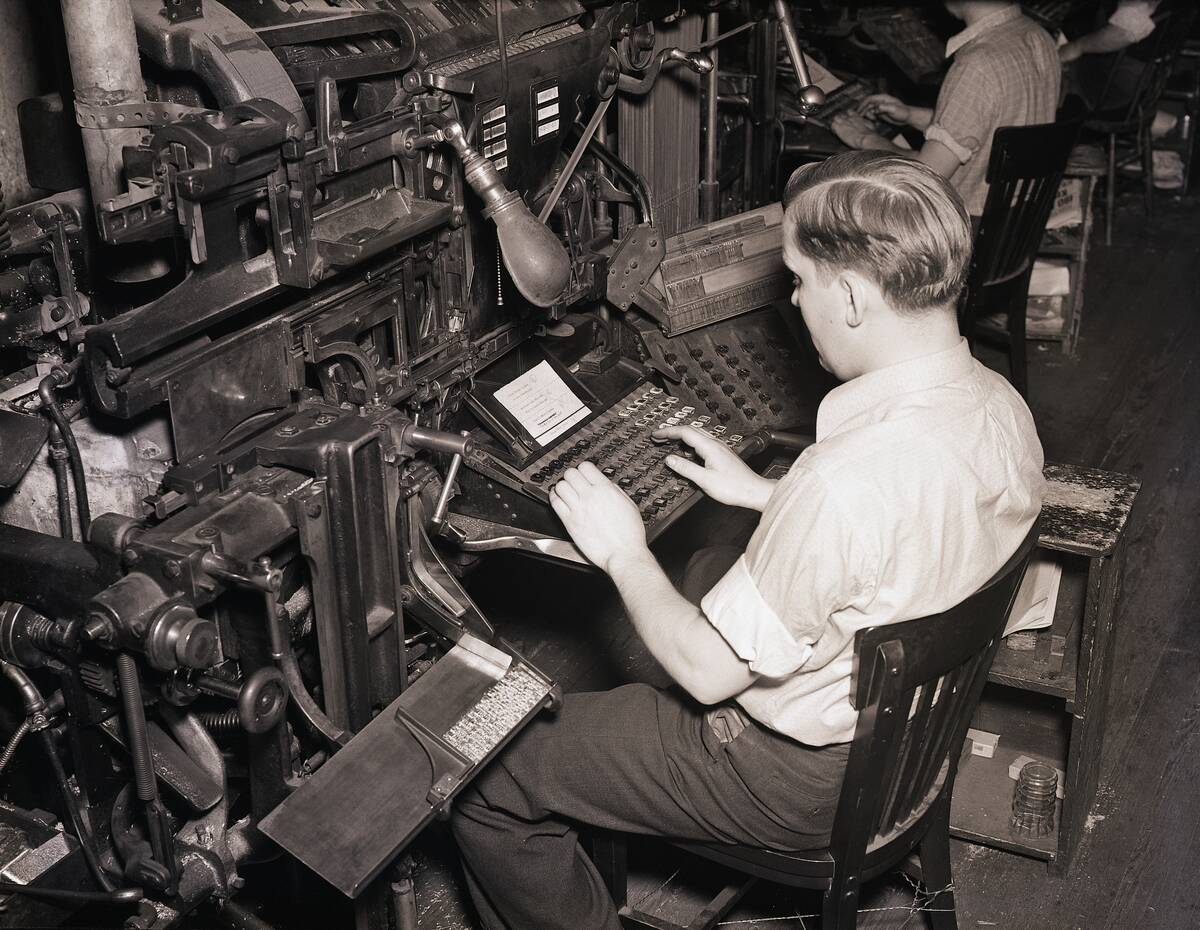
Ottmar Mergenthaler’s 1884 Linotype revolutionized printing by casting entire lines of hot-metal type at once. Operators sat at keyboards, assembled matrices, and a machine cast and cooled slugs ready for the press—fast enough to feed daily papers at industrial scale. The Times of London adopted Linotype in 1889, slashing typesetting time and costs and reshaping the economics of modern journalism and book publishing.
It was hot, loud, and exacting work: wrong keystrokes meant recasting molten metal. Phototypesetting and offset printing began displacing Linotype in the mid‑20th century. On July 1, 1978, The New York Times printed its last hot‑metal edition, retiring hundreds of machines and operators. Today, restored Linotypes still clatter in museums and letterpress shops, but the city room’s nightly chorus of keyboards, furnaces, and foundry fumes is now a memory.
Manual mayhem at the lanes: bowling alley pinsetters
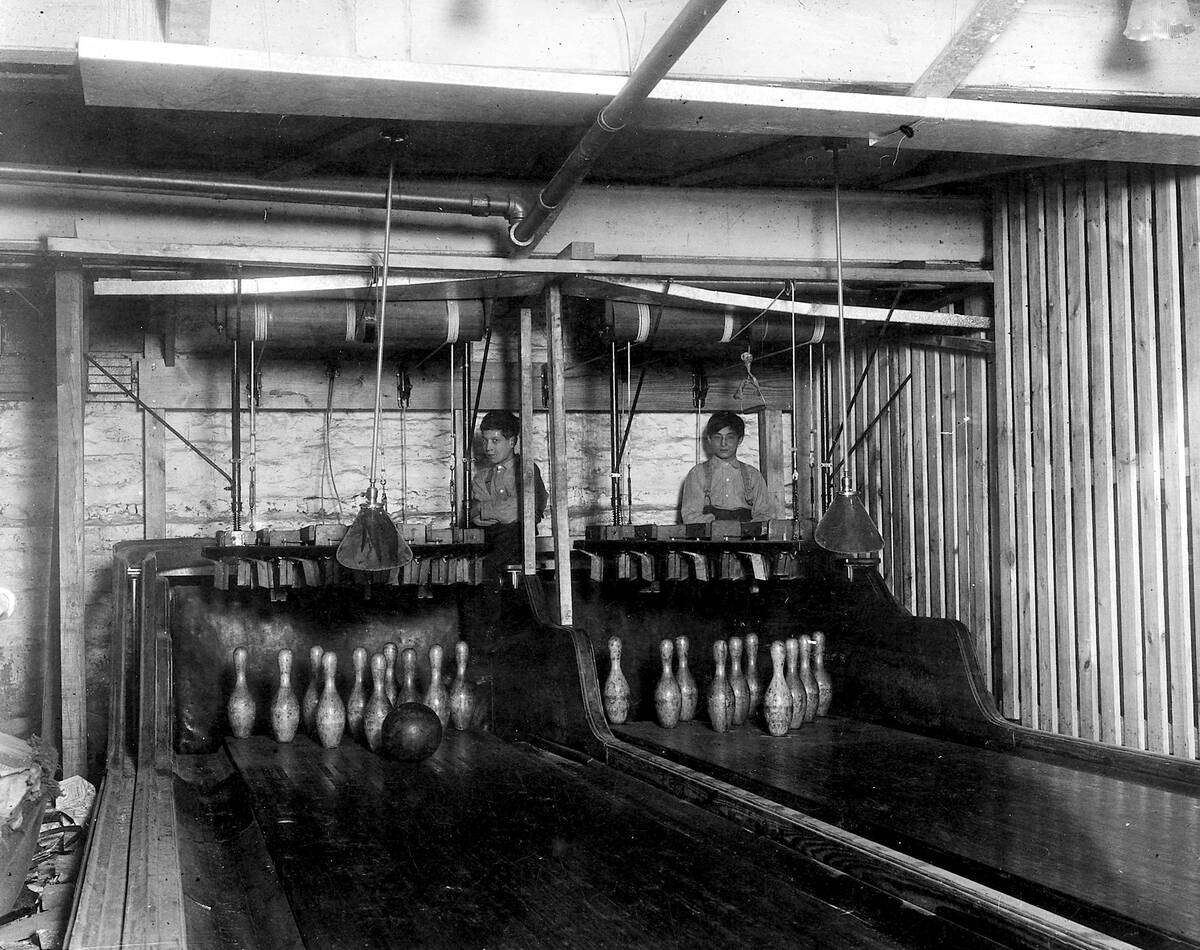
Before automation, pin boys crouched behind lanes, dodging flying wood, resetting tenpins by hand, and rolling balls back between frames. The job peaked in the 1920s–40s, often filled by teenagers working late shifts for tips and small wages. It was hazardous—splintered pins and ricocheting balls—yet essential to keep league nights humming and alley owners profitable.
Automation changed everything. AMF’s automatic pinspotter reached the market in 1952, and adoption accelerated through the 1950s bowling boom. Machines reset racks, swept deadwood, and returned balls mechanically, replacing squads of pin boys. Some small alleys kept manual setups for a while, but the economics were decisive: mechanized lanes let one mechanic oversee many pairs. Today, vintage alleys and festivals occasionally re-create the old routine—minus the bruises.
News you could hear, not read: town criers
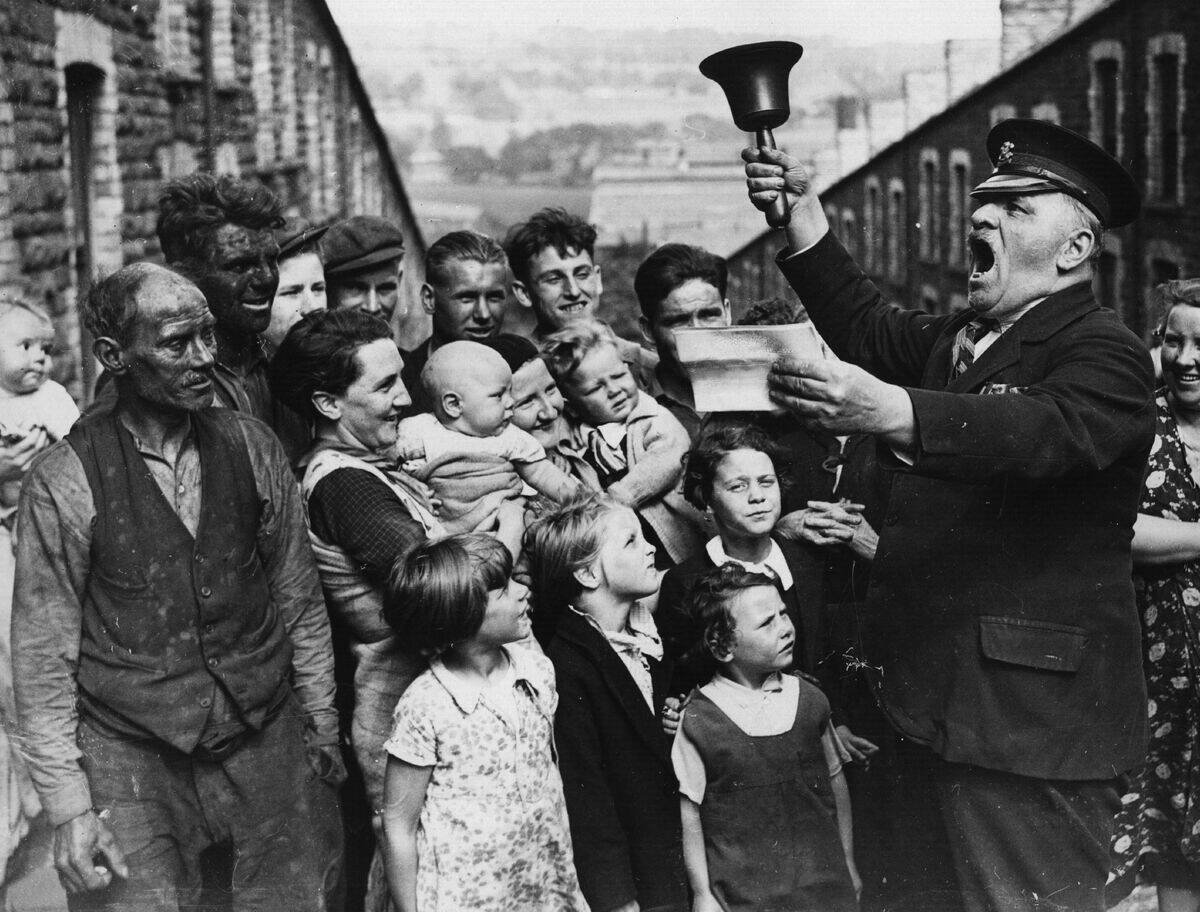
In eras of spotty literacy and scarce printing, towns relied on paid criers to deliver proclamations. Bell in hand and a loud “Oyez!” (from French for “hear ye”), they read royal edicts, market regulations, or lost-and-found notices, then posted them at central spots like church doors or town halls. Their announcements often carried legal force once proclaimed within earshot.
Criers thrived from medieval times into the 18th and early 19th centuries, fading as newspapers, posters, and mass schooling spread. They survive ceremonially—civic events in the UK, Canada, and Australia still crown champion criers with decibel-busting calls and elaborate costumes. The functional role—being your local push notification—ended when print, post, and later broadcast media took over the town square.
Ice without electricity: ice cutters and ice harvesters
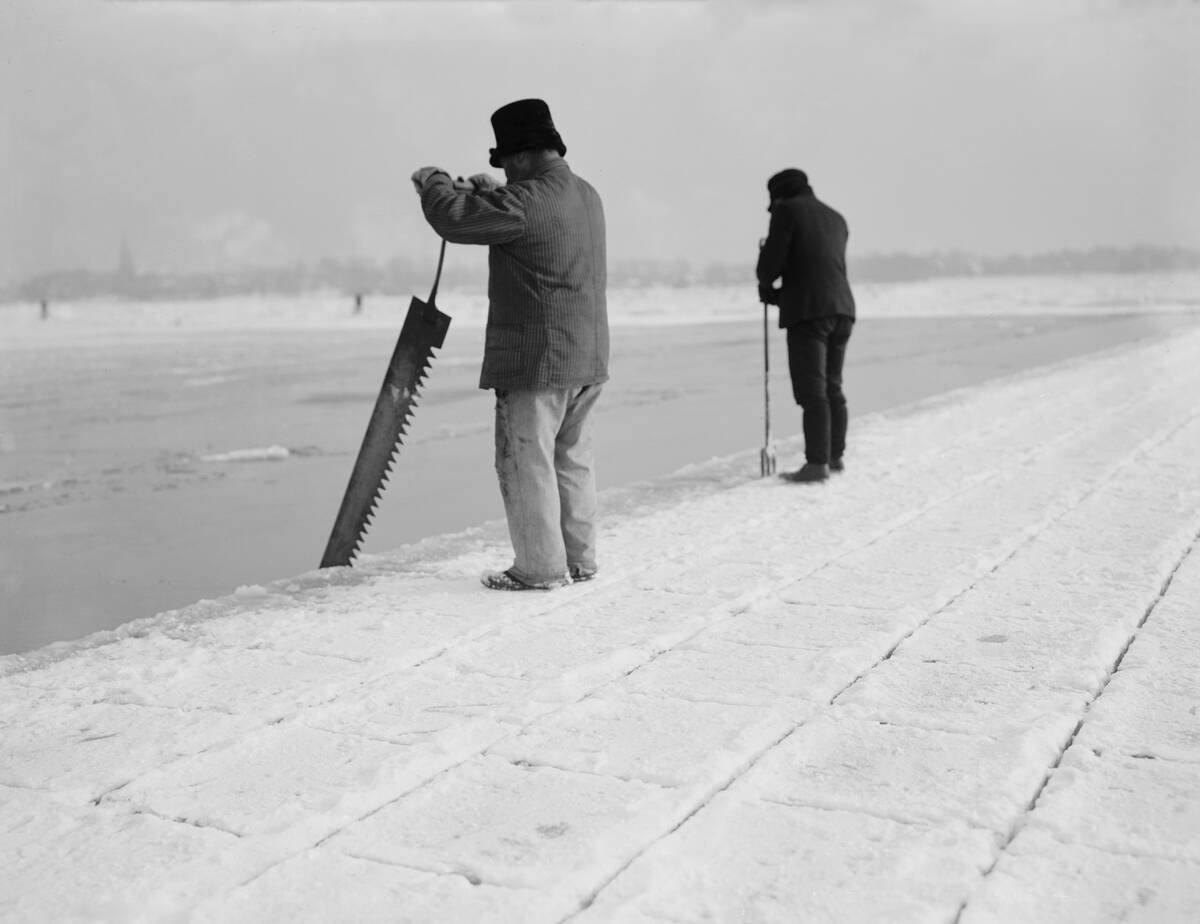
Long winters once powered a global industry. In the 1800s, crews scored and sawed gridlines into frozen ponds, used horse-drawn plows to speed cutting, and ferried blocks into insulated icehouses. Boston’s Frederic Tudor—“the Ice King”—famously shipped New England ice to the Caribbean and, in 1833, to Calcutta, proving natural ice could travel oceans wrapped in sawdust and straw.
Urban demand soared for food preservation and summertime drinks.
By the 1880s, American cities consumed millions of tons annually. Mechanical refrigeration, ice plants, and electric home refrigerators in the early 20th century undercut harvest economics. Sanitation concerns also rose as industrial runoff polluted ponds. Today, historic villages occasionally stage harvests on black ice for visitors, but your freezer makes a better—and safer—iceman.
A sticky side of medicine: leech collectors
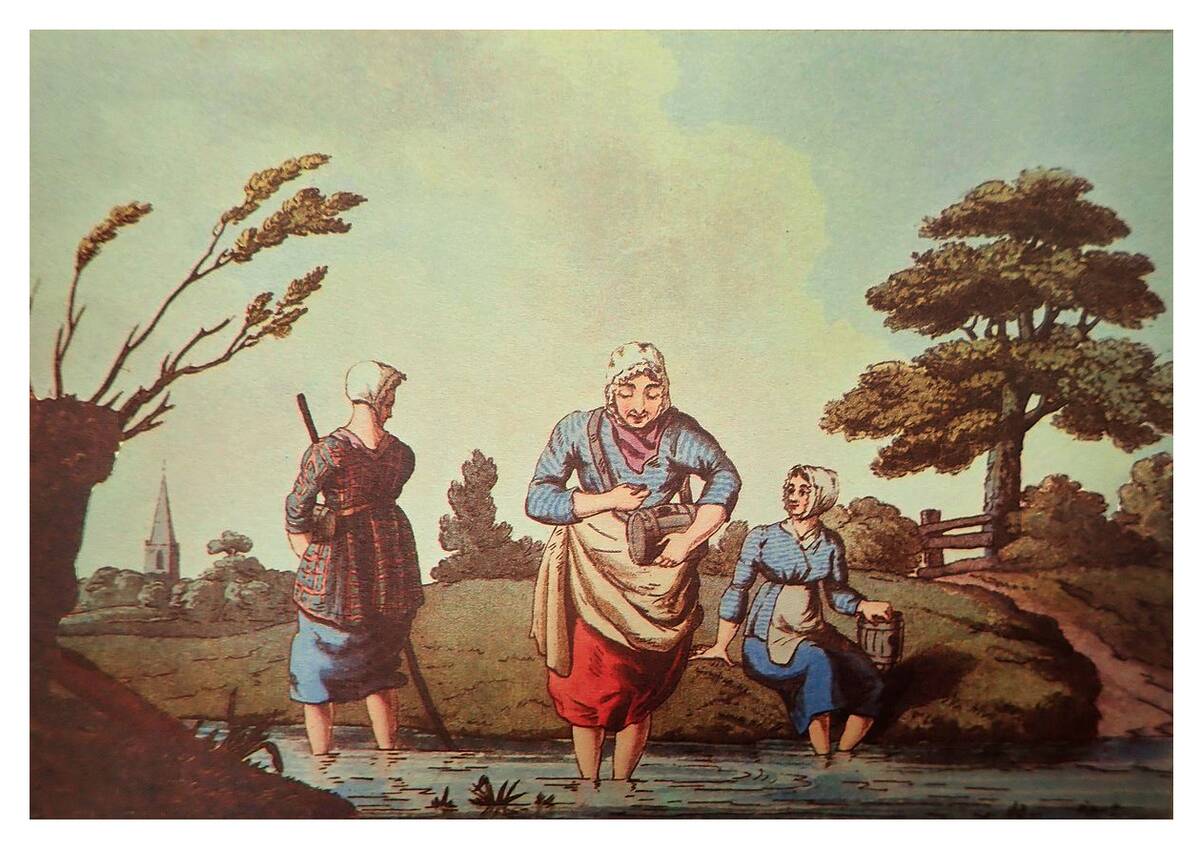
In the 18th and 19th centuries, bloodletting was mainstream therapy, and leeches were the tool of choice. Demand in Europe was enormous—France reportedly imported tens of millions annually in the 1830s; estimates cite around 33 million in 1833 alone. Leech collectors waded marshes with bare legs to lure Hirudo medicinalis, then sold their squirming harvest to apothecaries for use in hospitals and private homes.
Overuse and habitat loss depleted wild stocks, and medical fashions shifted. The trade withered in the late 19th century, though leeches never fully left medicine. Modern microsurgeons use them to relieve venous congestion after reattachment surgeries; in 2004, the U.S. FDA cleared medicinal leeches as medical devices. Today’s suppliers farm them under sterile conditions—no more bog-treading and blood-spattered sacks for a day’s wage.
Cannon fodder’s courier: naval powder monkeys
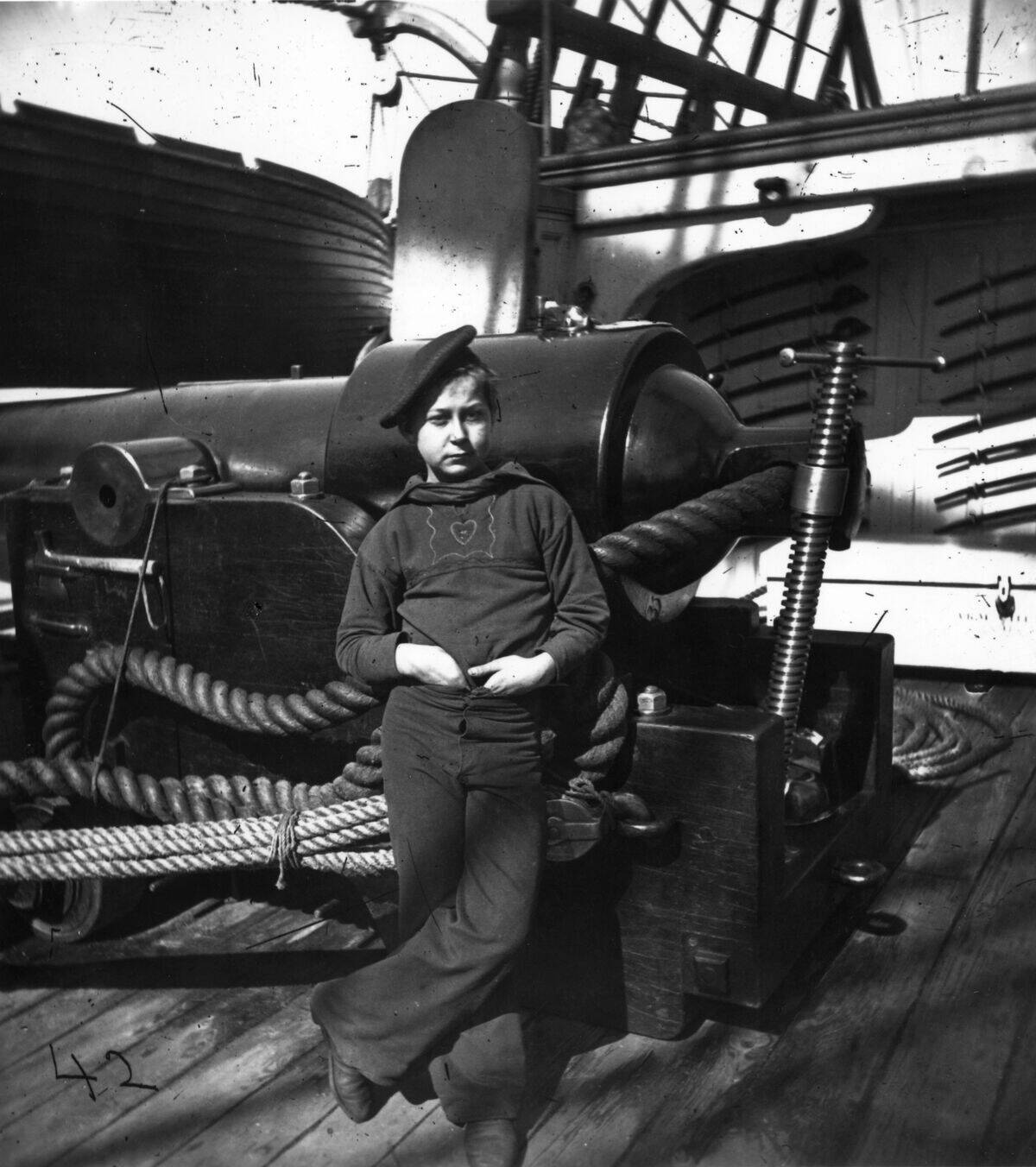
On wooden warships, cannons needed a steady stream of gunpowder during battle. Young crew—often early teens—served as powder monkeys, sprinting between the magazine and gun decks with charges in leather or canvas cases. Speed mattered; safety did too, with anti-spark clothing, careful handling, and strict magazine protocols to prevent catastrophe below decks.
The role peaked in the Age of Sail and into the Napoleonic Wars; the 1805 Battle of Trafalgar depended on rapid, disciplined gunnery. As navies adopted armored ships, safer hoists, and different ammunition systems in the later 19th century, the specific job faded. The nickname survives in lore and museum placards, but modern ordnance handling bears little resemblance to those smoke-choked, ear-splitting gun decks.
Guiding you home after dark: link-boys and torchbearers
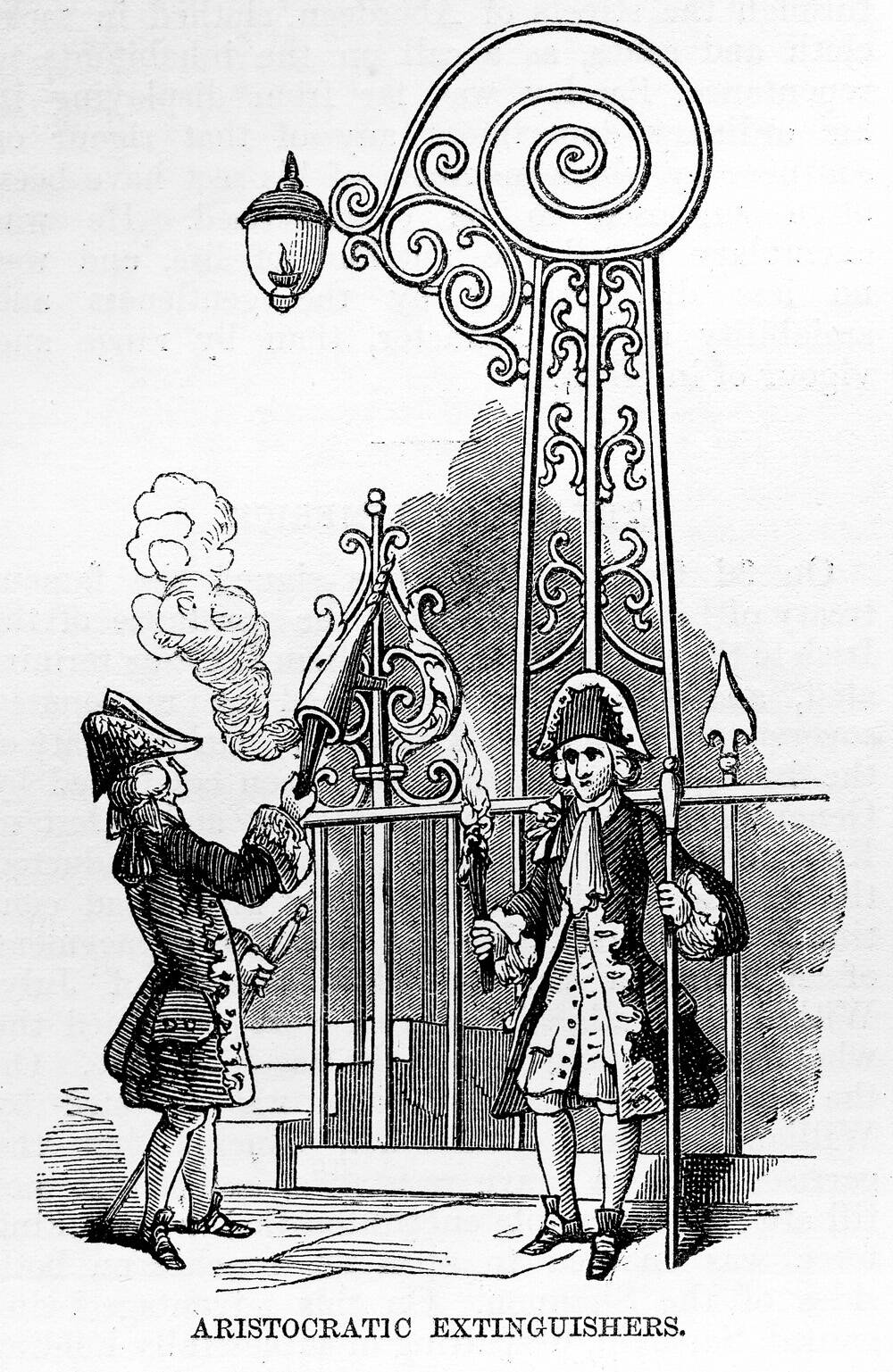
Before reliable street lighting, city nights were pitch-black. Link-boys in 17th- and 18th‑century London and other European cities carried resinous torches, guiding pedestrians to theaters, inns, or front doors for a small fee—a penny or two. They lit carriage steps, escorted late revelers, and helped navigate muddy lanes and open sewers that turned nighttime walking into a contact sport.
The job’s reputation was mixed—helpful guides to some, pickpocket accomplices to others. Oil lamps, then gaslights, gradually erased their market by brightening thoroughfares and curbing shadows where footpads lurked. By the 1800s, link-boys were cultural references—turn up in Hogarth prints and period diaries—rather than a nightly necessity. Today, handheld LEDs and lit sidewalks make the once-indispensable flame escort feel like a theatrical prop.
The sooty sorters: coal breaker boys
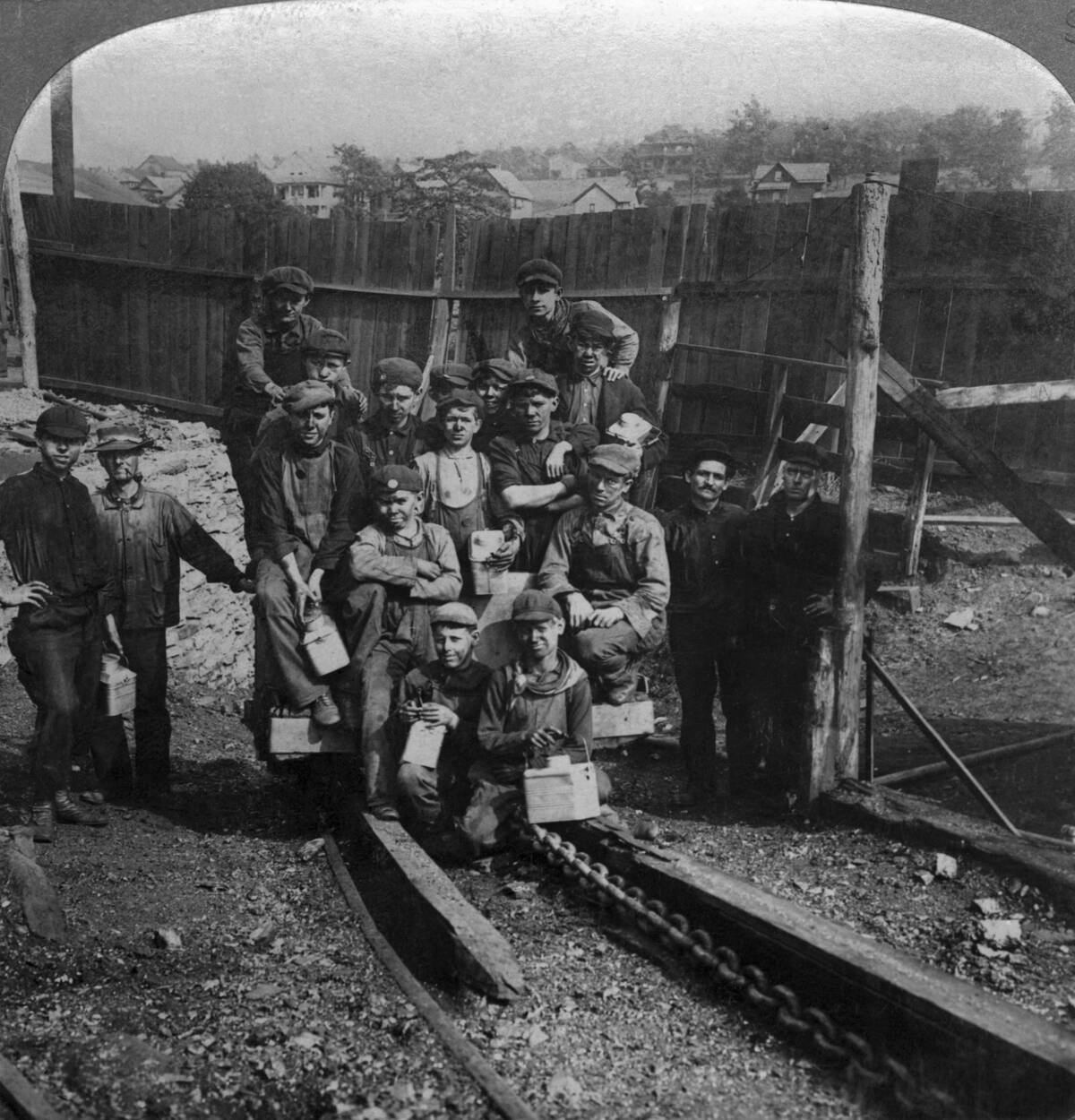
In Pennsylvania’s anthracite region, breaker boys—some as young as 8 to 12—sat along chutes, plucking slate and rock from rushing coal with torn gloves and raw fingers. A shift could run 10 hours in dust and din, with injuries from crushers and conveyors common. Photographer Lewis Hine’s 1908–1912 images brought national attention to the faces behind America’s furnaces and railroads.
Reform took time. States tightened age limits in the 1910s, and federal rules finally stuck with the Fair Labor Standards Act of 1938, which curtailed child labor and barred minors from hazardous mining jobs. Mechanized screens and washers also reduced the need for hand-sorting. The breaker—once a rite of passage for poor immigrant kids—became a stark symbol of why child labor laws exist.
Royal bathroom buddy: the groom of the stool

At the Tudor court, proximity was power, even in the privy. The Groom of the Stool assisted the English monarch with intimate necessities and managed the king’s private chambers and finances. Under Henry VIII, holders like Sir Henry Norris and Sir Anthony Denny gained exceptional access, transmitting petitions, managing spending, and shaping who stood near the throne—literally and politically.
Over time, the office evolved and shed its earthy duties, morphing into roles within the Privy Chamber and Bedchamber. As court structures professionalized in the 17th–19th centuries, the intimate grooming faded, and by the modern era the title disappeared. Still, the job’s existence underscores how royal households once blurred domestic service, fiscal control, and statecraft in a single influential post.
Nighttime… sanitation: gong farmers and night-soil men
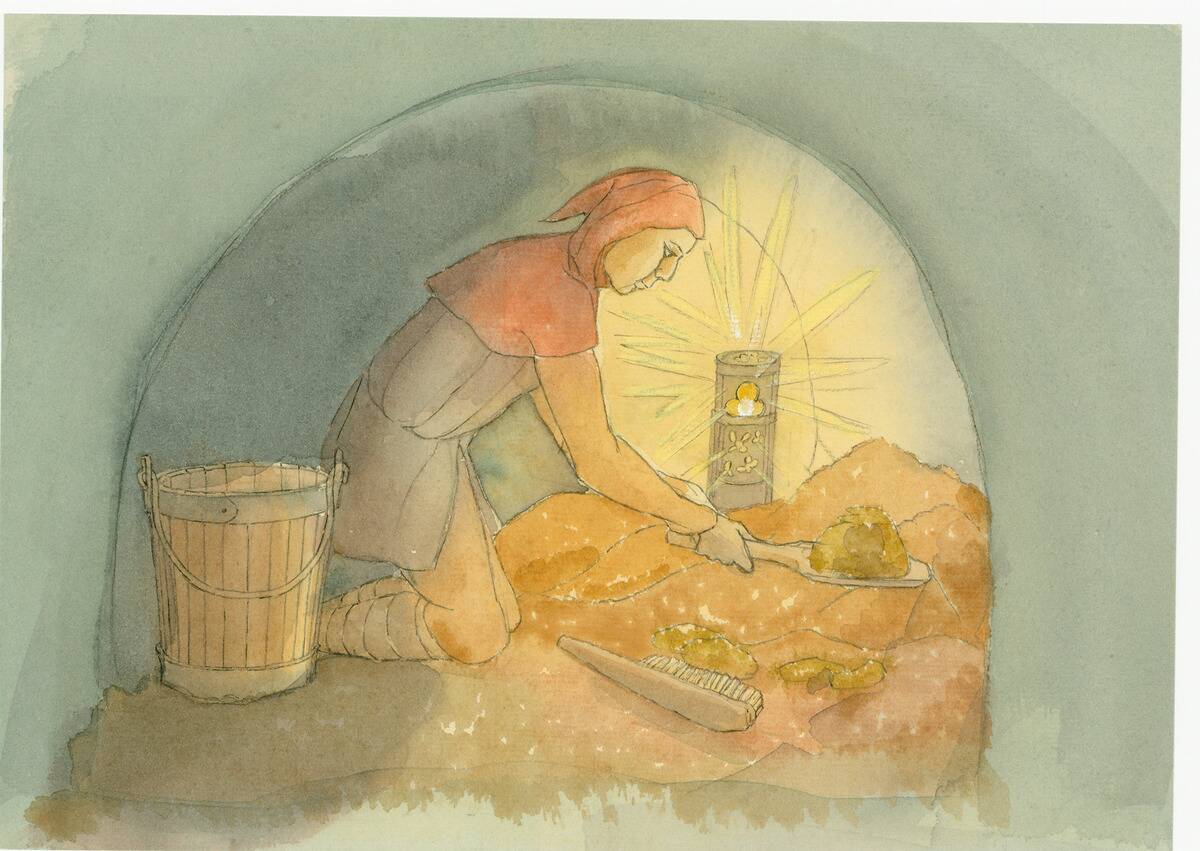
Before sewer mains, cities relied on cesspits. Gong farmers (in Tudor England) and night‑soil men emptied them after dark, hauling human waste through alleys to carts, then out to fields as fertilizer. The pay could be better than common labor, but the risks were grim—poisonous gases, cave‑ins, and disease. Regulations often required nighttime work to spare daytime noses.
Industrial urbanization made the system untenable.
London’s 1858 “Great Stink,” intensified by a hot summer and raw sewage in the Thames, spurred Joseph Bazalgette’s massive intercepting sewers (built mainly 1859–1865). As modern sanitation spread to other cities, the paid shovel-and-bucket trade shrank. Today’s wastewater engineers do the same essential job—only with pumps, treatment plants, and far less eau de cesspit.
Hurry up the copy: newsroom copy boys and runners
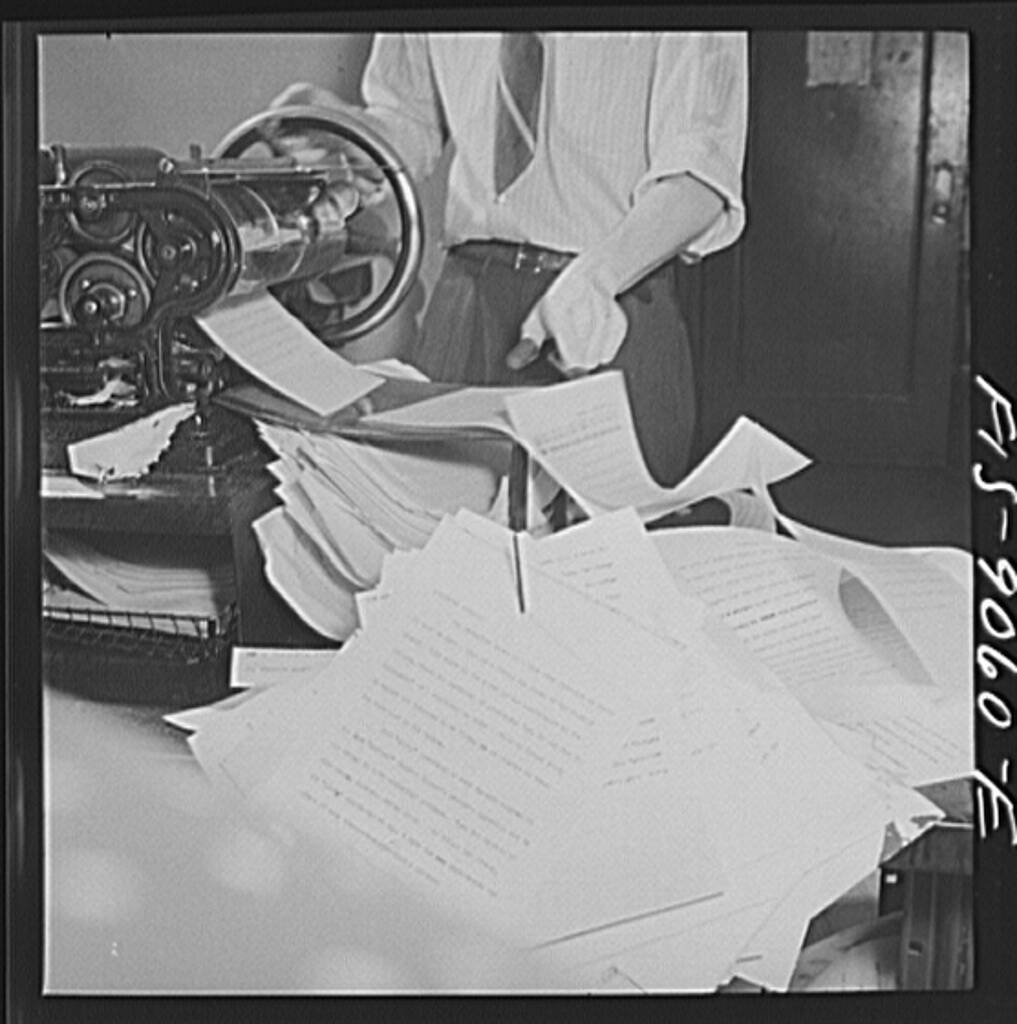
In the clattering heyday of print, copy boys (and girls) were the newsroom’s nervous system. They fetched typewritten stories, ran photos to engraving, and carried page proofs to editors and composing rooms—sometimes via in-house pneumatic tubes. Many future journalists started here; Carl Bernstein, for one, began as a teenage copy boy at the Washington Star before reporting his way to Watergate fame.
As pagination, photo processing, and layout went digital in the 1980s–90s, the need for in-house runners ebbed. Editors could zap stories straight to typesetters’ terminals, and later to desktop publishing. The role pivoted to internships and editorial assistants, then shrank again as newsrooms consolidated. Still, that first bell by the city desk once launched countless careers—with coffee runs and shouted “copy!” as the unofficial soundtrack.
Riding the river: timber log drivers
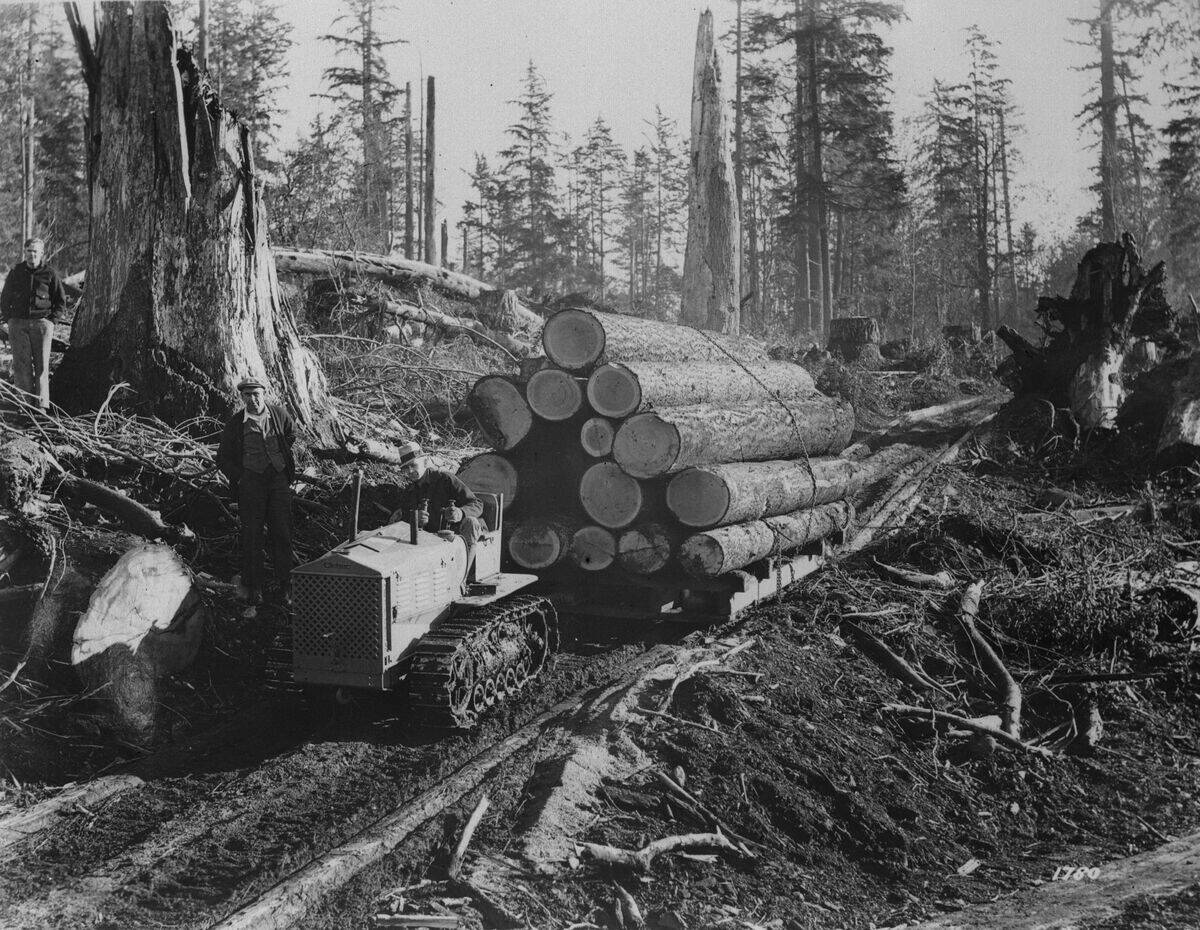
From the 19th century into the mid‑20th, log drivers (“river pigs”) steered timber down spring-swollen rivers to mills, dancing across spinning logs with peaveys and pike poles. They broke up jam-prone choke points, sprinted to free “key logs,” and worked in freezing water and current—one of the most dangerous jobs in the woods economy.
Railways and trucking, plus environmental rules, ended most drives. In Maine, the last big river log drive on the Kennebec wrapped up in 1976. North of the border, major drives on the Ottawa River ended by 1990. Heritage festivals sometimes re‑stage logrolling contests, but the annual spring torrent of bark, shouts, and splash that once defined mill towns is gone.
The letter lifeline: pneumatic tube operators
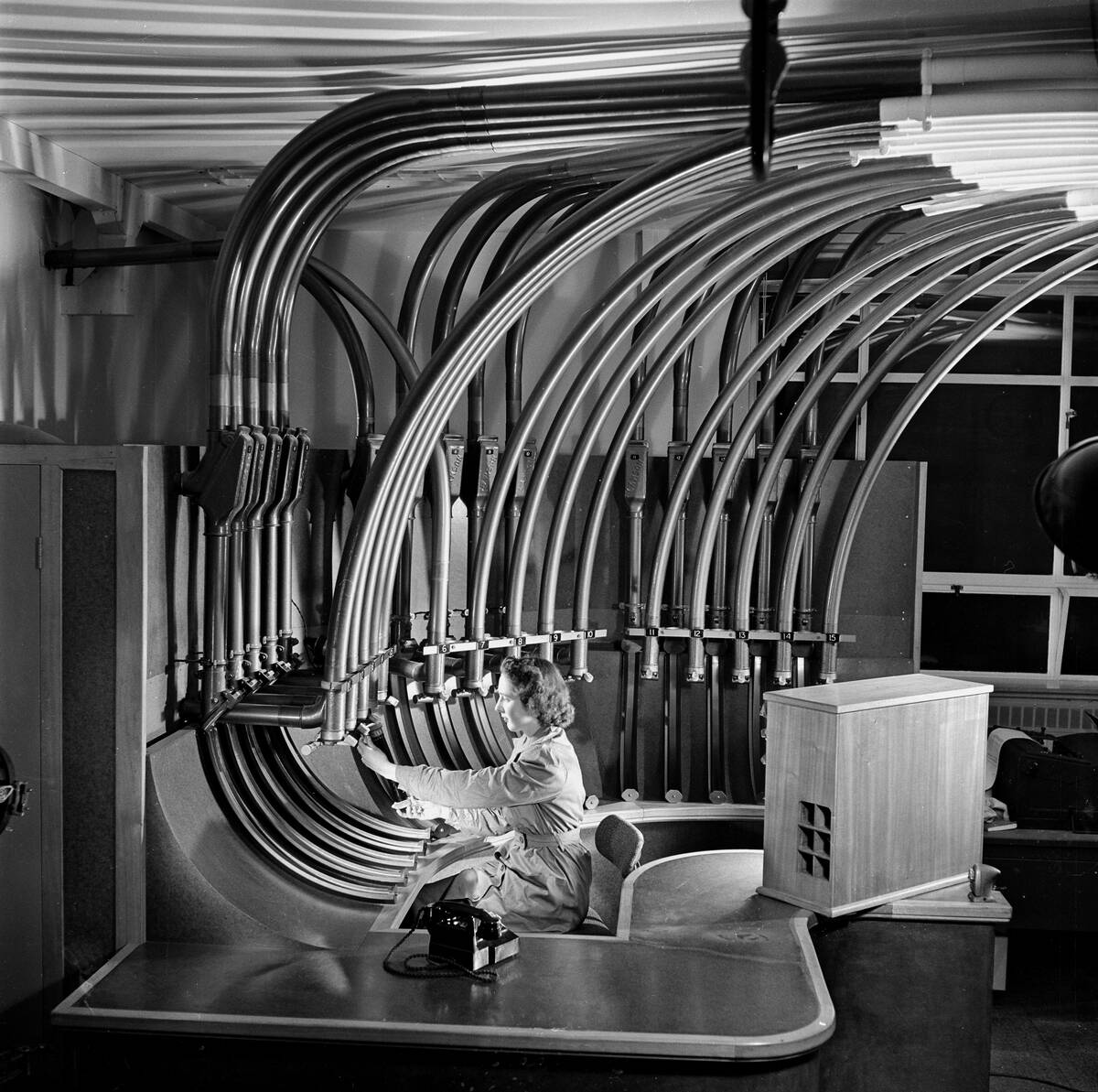
Zip—clang—thud. That was the soundtrack of pneumatic post. Starting in the late 1800s, cities and big buildings used pressurized tubes to shoot canisters holding letters, receipts, and even small parcels. U.S. postal lines ran in Boston, New York, Philadelphia, Chicago, and St. Louis; New York’s service ended in 1953. Paris’s “Le Pneu” launched in 1866 and operated, remarkably, until 1984.
Operators weighed, logged, and routed canisters, cleared jams, and kept compressors humming. In department stores and newsrooms, tube clerks whisked cash and copy between floors before elevators and email. As telephones, teletype, and robust elevators took over, citywide networks shut down, but in-building tubes still pop up in hospitals and banks. The job title vanished; the satisfying whoosh, not quite.
Street-level social media: lamplighters’ cousins, the bill posters
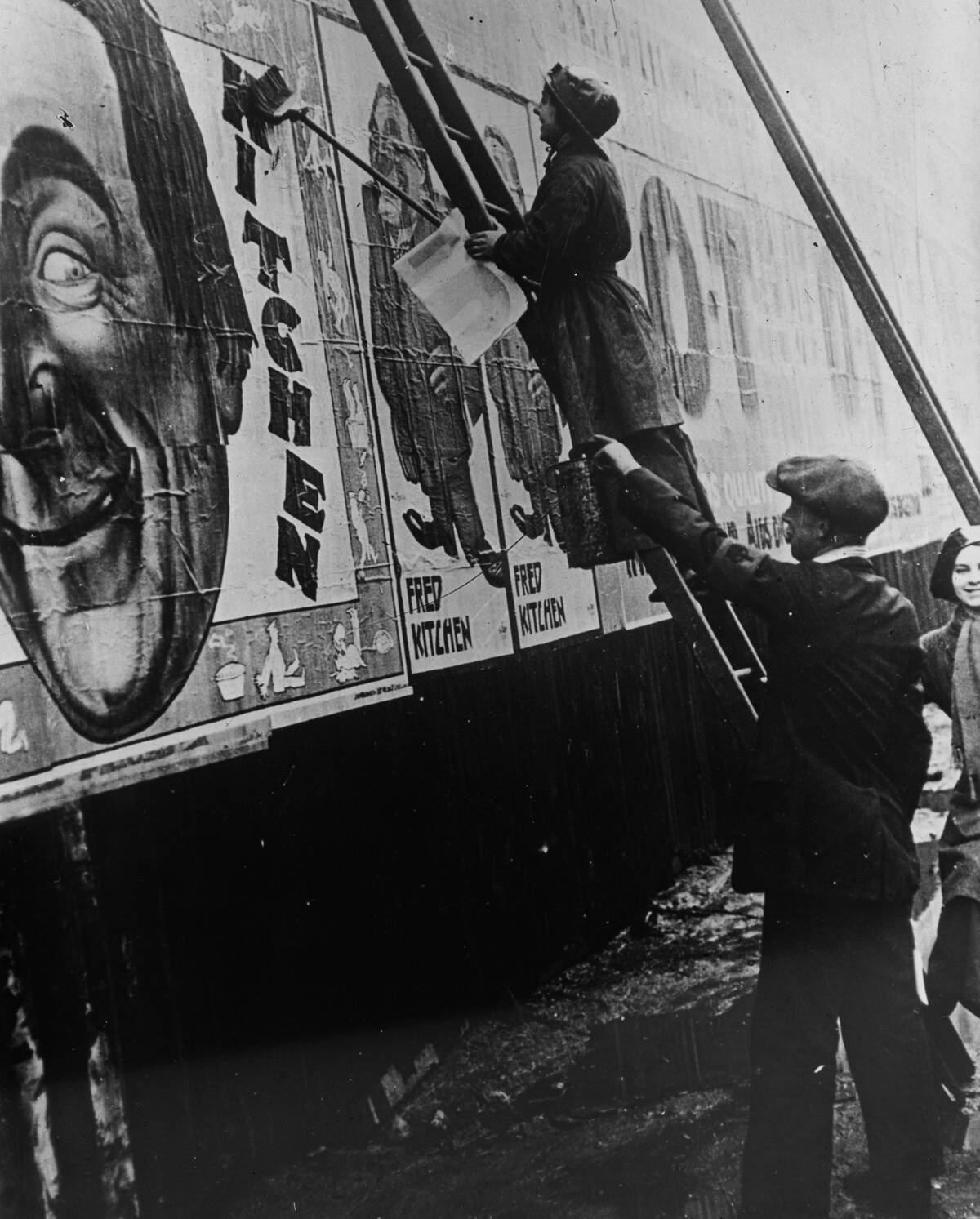
Before targeted ads, there were walls, paste, and ladders. Bill posters blanketed legal hoardings with theater bills, circus dates, and product pitches, rotating layers on tight schedules to honor contracts. Cities licensed sites and crews to keep chaos in check; the craft demanded speed, neat alignment, and rain-defying glue. The result was a living, layered feed along tram stops and market streets.
Radio, TV, and digital screens shrank the trade, and many places cracked down on flyposting. In the UK, unauthorized sticking of bills can bring fines under local bylaws and planning rules. The job survives in niches—promotions for gigs, festivals, and street art—often through permitted poster networks or outdoor advertising firms. But the citywide dawn patrol with buckets of paste? That’s mostly scrolled away.




