Inventors who transformed hobbies into innovations
Passion projects have an uncanny knack for transforming the mundane into the extraordinary. Throughout history, countless inventions that started as mere hobbies or side projects have shaped our world in unimaginable ways.
These tales of curiosity and tenacity reveal how individuals channel their creativity into groundbreaking innovations. The following stories highlight how seemingly simple pursuits led to remarkable inventions, reminding us that inspiration often strikes in the most unexpected places.
The Power of Hobbies: A Catalyst for Innovation

Hobbies not only provide joy but can also spark innovation. Engaging in activities that ignite our passion often leads to creative breakthroughs. Studies have shown that hobbies improve problem-solving skills by allowing the mind to relax, making room for new ideas.
This environment of play and exploration is the perfect breeding ground for innovation. Many inventors found their eureka moments while indulging in activities they loved, demonstrating that relaxation can be as productive as hard work.
Thomas Edison: From Telegraph Operator to Inventive Icon
![[redacted] Exhibits First Successful Incandescent Lamp](https://media.tellmebest.com/wp-content/uploads/2023/01/thomas-edison-exhibits-first-successful-incandescent-lamp.-24215.jpeg)
Thomas Edison, before becoming a household name, was a humble telegraph operator. His curiosity about electric signals led him to experiment during his off-hours, which eventually resulted in the invention of the phonograph.
Edison’s relentless tinkering also birthed the incandescent light bulb. Known for his tireless work ethic, Edison accumulated over 1,000 patents. His journey underscores the power of passion and perseverance in transforming a hobby into world-changing inventions.
Alexander Graham Bell: A Teacher’s Quest to Enhance Communication
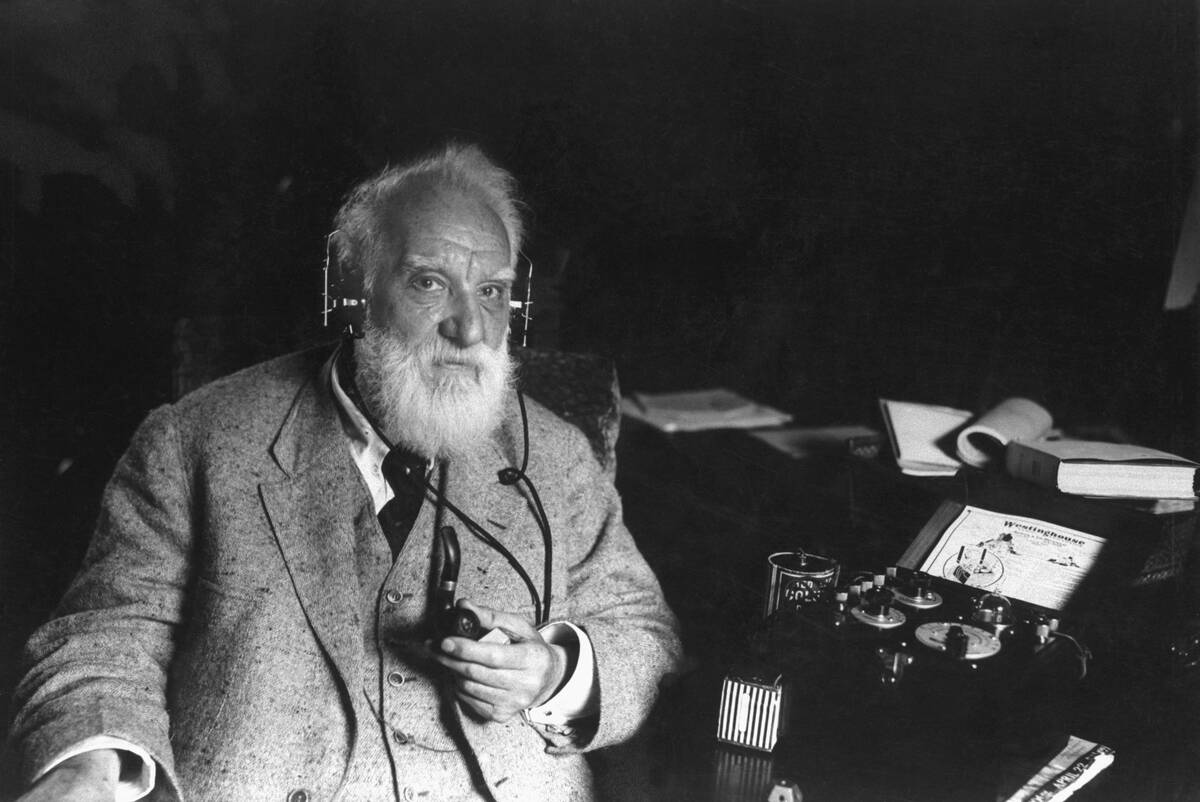
Alexander Graham Bell’s fascination with sound and speech was deeply personal, rooted in his family’s history of hearing impairment. A teacher for the deaf, Bell’s passion for helping others communicate led him to invent the telephone.
His experiments with sound transmission were initially a side project, driven by his desire to improve telegraphy. Bell’s breakthrough in 1876, when he successfully transmitted speech, redefined global communication, highlighting how personal passions can lead to universal progress.
The Wright Brothers: Bicycles, Kites, and the Birth of Aviation
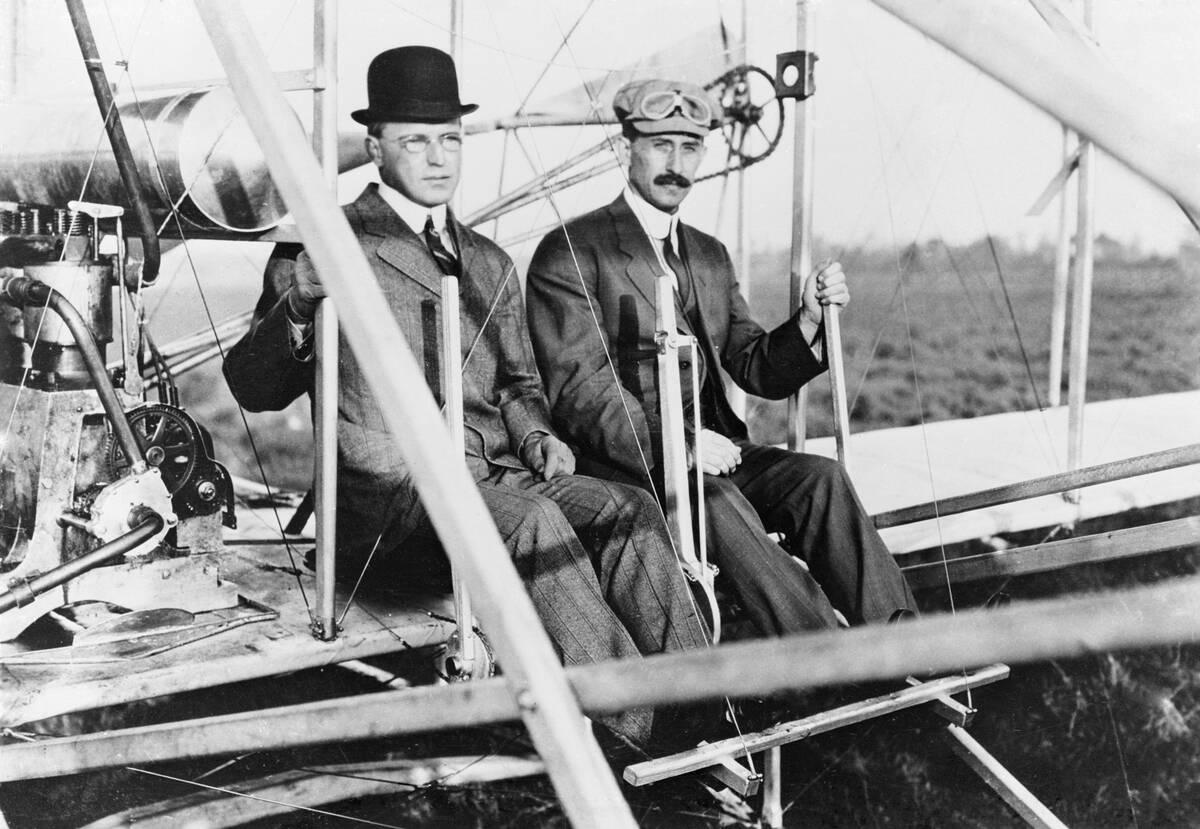
Orville and Wilbur Wright were bicycle mechanics with a shared fascination for flight. Their work with bicycles honed their understanding of balance and control, which they applied to aeronautics.
The brothers used kites to test their theories, eventually leading to the first powered flight in 1903. Their success at Kitty Hawk was a testament to how hobbies can fuel perseverance and innovation, as they defied skeptics to become pioneers of aviation.
Hedy Lamarr: Hollywood Starlet to Frequency-Hopping Pioneer

Hedy Lamarr, a glamorous Hollywood actress, harbored a secret talent for invention. Alongside composer George Antheil, she developed a frequency-hopping communication system during World War II.
This innovation aimed to prevent enemy interception of torpedo signals. Though the technology wasn’t used until decades later, it laid the foundation for modern wireless communication methods, including Wi-Fi and Bluetooth. Lamarr’s story is a fascinating blend of glamour and genius, proving that creativity knows no boundaries.
Steve Jobs and Steve Wozniak: Hobbyists in a Garage Spark a Tech Revolution
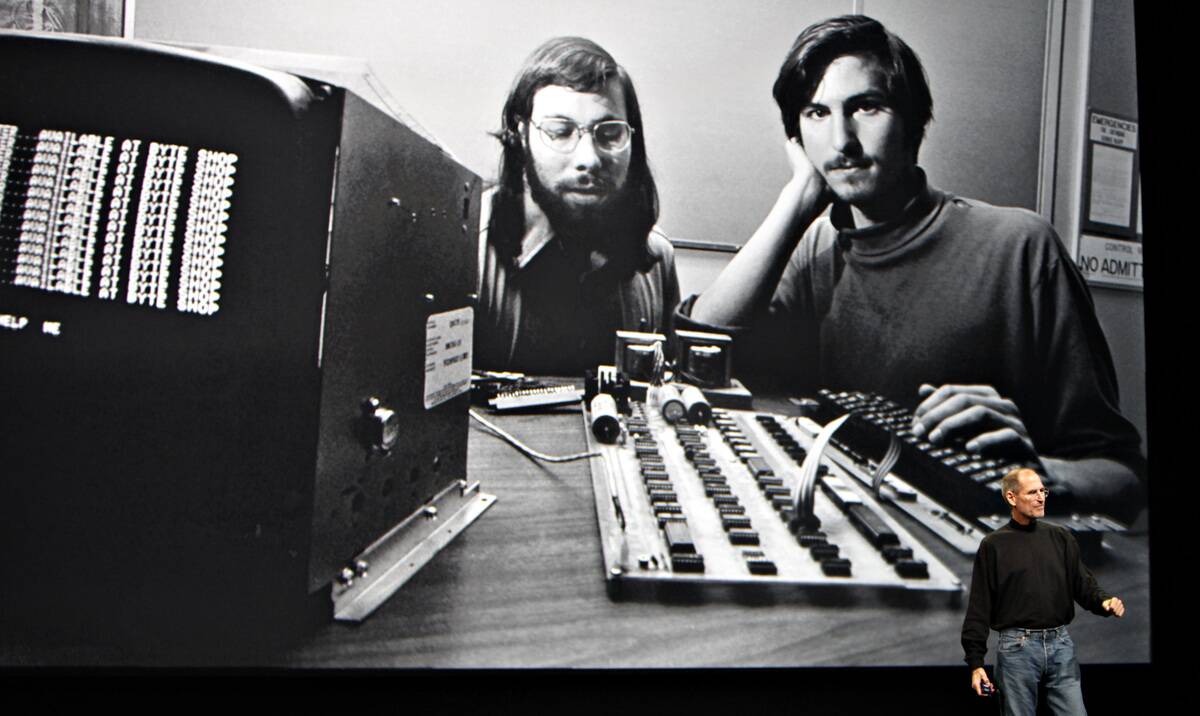
In the mid-1970s, two young engineers, Steve Jobs and Steve Wozniak, began tinkering with computers in a garage. Their hobby blossomed into Apple Inc., igniting a tech revolution. The Apple I, their first product, was a result of countless late nights spent soldering and programming.
This garage project transformed the personal computer from a hobbyist’s dream into a household necessity, demonstrating how passion and vision can reshape industries and our daily lives.
George de Mestral: A Hiking Trip That Led to Velcro
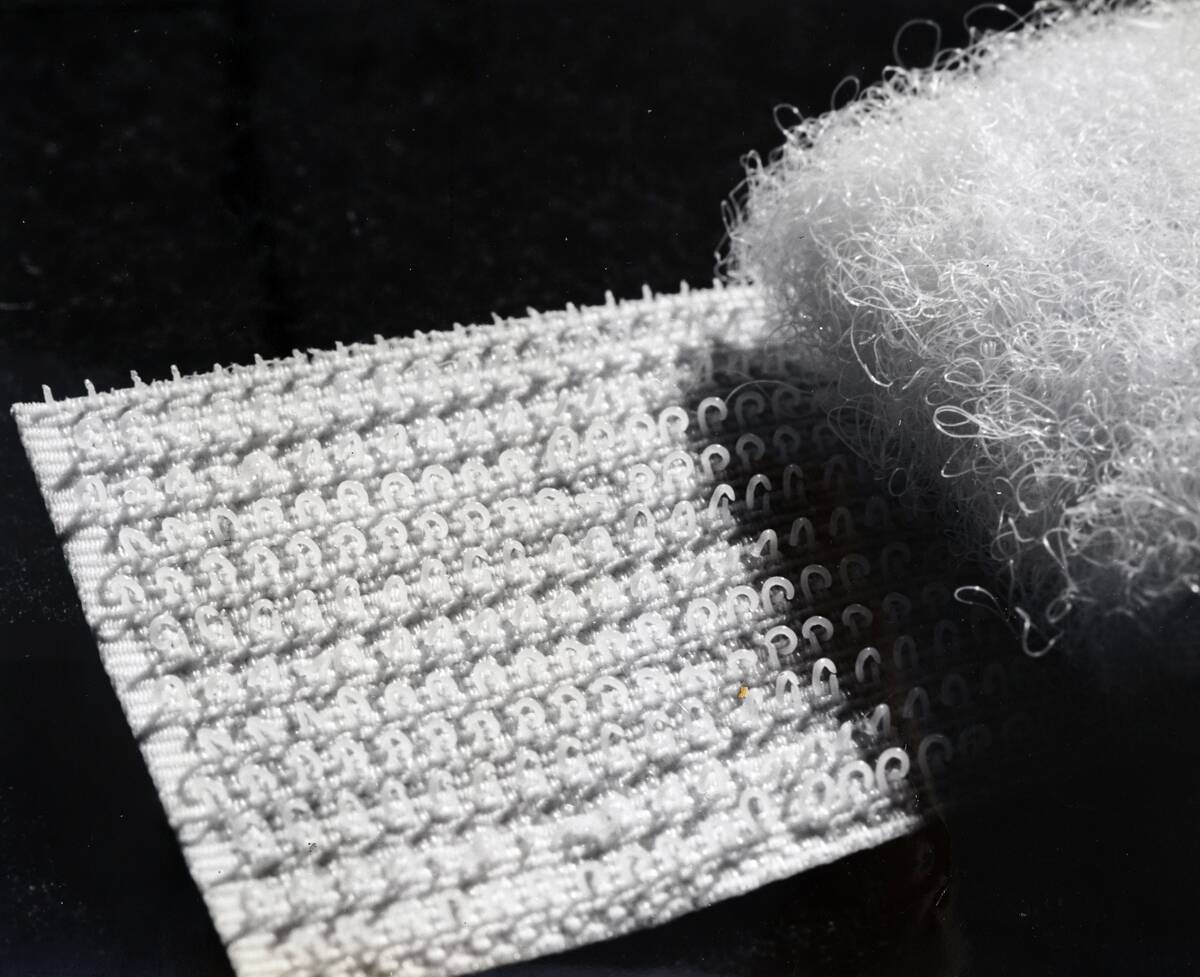
In 1941, Swiss engineer George de Mestral returned from a hike with burrs clinging to his clothes. Intrigued, he examined them under a microscope and discovered their natural hook-and-loop design.
Inspired by nature’s ingenuity, de Mestral developed Velcro, a new fastening system. It took years of refinement, but his invention eventually became indispensable, used in everything from fashion to space exploration. Velcro’s creation is a classic example of how curiosity about everyday experiences can lead to groundbreaking innovation.
James Dyson: The Vacuum Enthusiast Who Revolutionized Cleaning

Frustrated with his vacuum cleaner’s performance, James Dyson set out to create a better one. Drawing on his knowledge of industrial cyclone technology, Dyson developed a bagless vacuum cleaner that used centrifugal force to separate dust.
After 5,127 prototypes, the Dyson vacuum was born, revolutionizing the cleaning industry. Dyson’s story is one of persistence, showing how dissatisfaction with the status quo can drive innovation and lead to industry-defining products.
Lonnie Johnson: A Rocket Scientist’s Splashy Invention

Lonnie Johnson, a NASA engineer, stumbled upon a fun invention while working on a heat pump. The accidental discharge of water across his bathroom inspired the Super Soaker, a high-powered water gun.
Launched in 1990, it became one of the most popular toys in the world. Johnson’s inventive spirit and engineering skills turned a playful mistake into a multimillion-dollar success, highlighting how creativity and science can combine to create joy and entertainment.
Trevor Baylis: A TV Show Idea That Powered the World
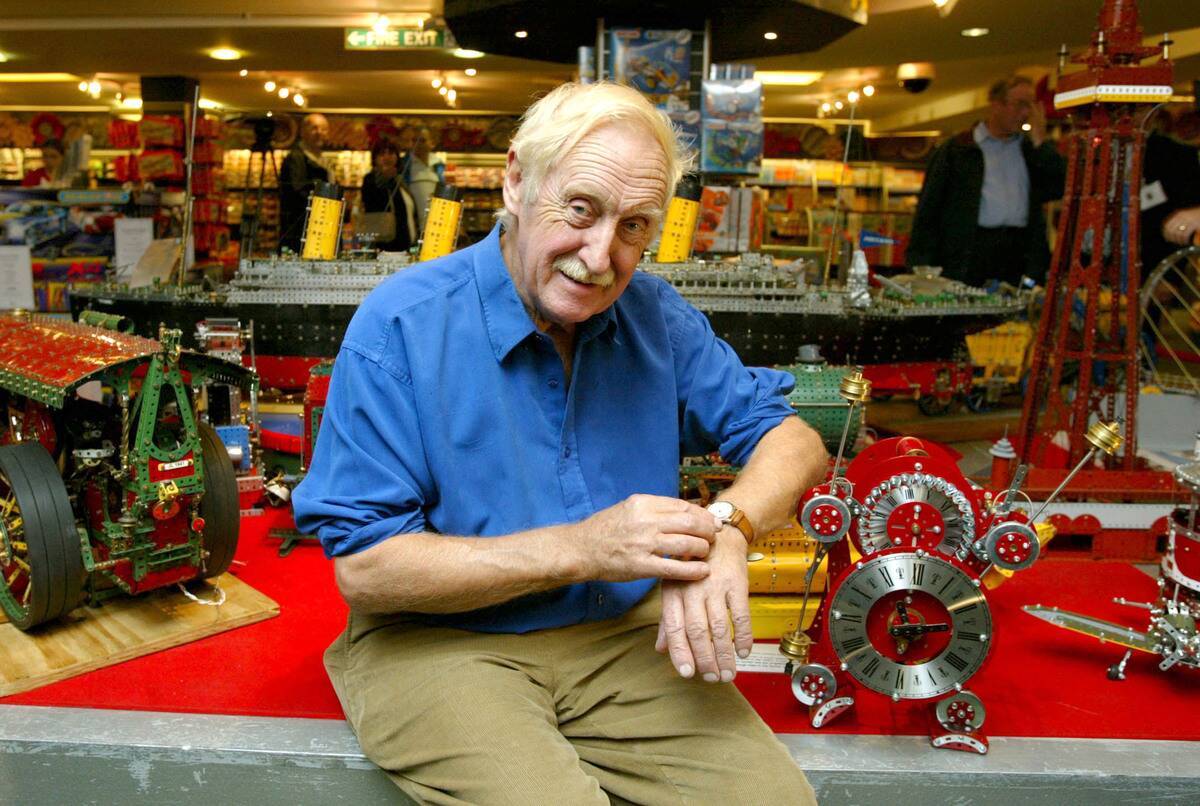
Trevor Baylis, inspired by a TV program on AIDS in Africa, invented the wind-up radio. Concerned about access to information in remote areas, he developed a radio powered by a hand crank, eliminating the need for batteries.
The device became a vital tool for communities where electricity was scarce. Baylis’s invention not only addressed a critical need but also demonstrated how media can inspire technological solutions to global challenges.
Ruth Wakefield: Baking Blunder to Chocolate Chip Cookie Delight

Ruth Wakefield, owner of the Toll House Inn, accidentally created the chocolate chip cookie in the 1930s. While baking, she added chopped chocolate to her cookie dough, expecting it to melt evenly.
Instead, the pieces held their shape, resulting in a delightful new treat. The chocolate chip cookie quickly gained popularity, becoming a beloved staple in homes worldwide. Wakefield’s happy accident is a sweet reminder of how culinary experiments can lead to delicious discoveries.
Art Fry: A Choir Singer’s Sticky Solution to Bookmark Woes

Art Fry’s frustration with bookmarks slipping out of his hymnal led to the invention of the Post-it Note. As a 3M scientist, Fry used a low-tack adhesive developed by his colleague Dr. Spencer Silver to create a repositionable note.
Introduced in 1980, Post-it Notes became an office staple. Fry’s innovative solution to a simple problem highlights how everyday inconveniences can drive creative problem-solving and result in iconic products.
Richard Drew: An Engineer’s Sticky Situation Leads to Scotch Tape

In the 1920s, Richard Drew, a 3M engineer, was tasked with finding a solution for auto painters struggling with masking tape. His work led to the creation of Scotch Tape, a transparent adhesive tape that revolutionized home and office use.
Drew’s innovation provided a simple yet effective way to tackle an industry challenge, illustrating how targeted problem-solving can lead to widespread practical applications and lasting impact.
Mary Anderson: A Day in the City Inspires the Windshield Wiper

Mary Anderson’s visit to New York City in 1903 sparked the idea for the windshield wiper. Watching drivers struggle to see through rain-soaked windshields, she envisioned a mechanical arm with a rubber blade.
Anderson patented her invention in 1903, providing a clear view for drivers. Initially met with skepticism, her windshield wiper eventually became standard on vehicles worldwide, demonstrating how firsthand observations of daily challenges can lead to essential safety innovations.
Percy Spencer: A Chocolate Bar and the Birth of the Microwave Oven
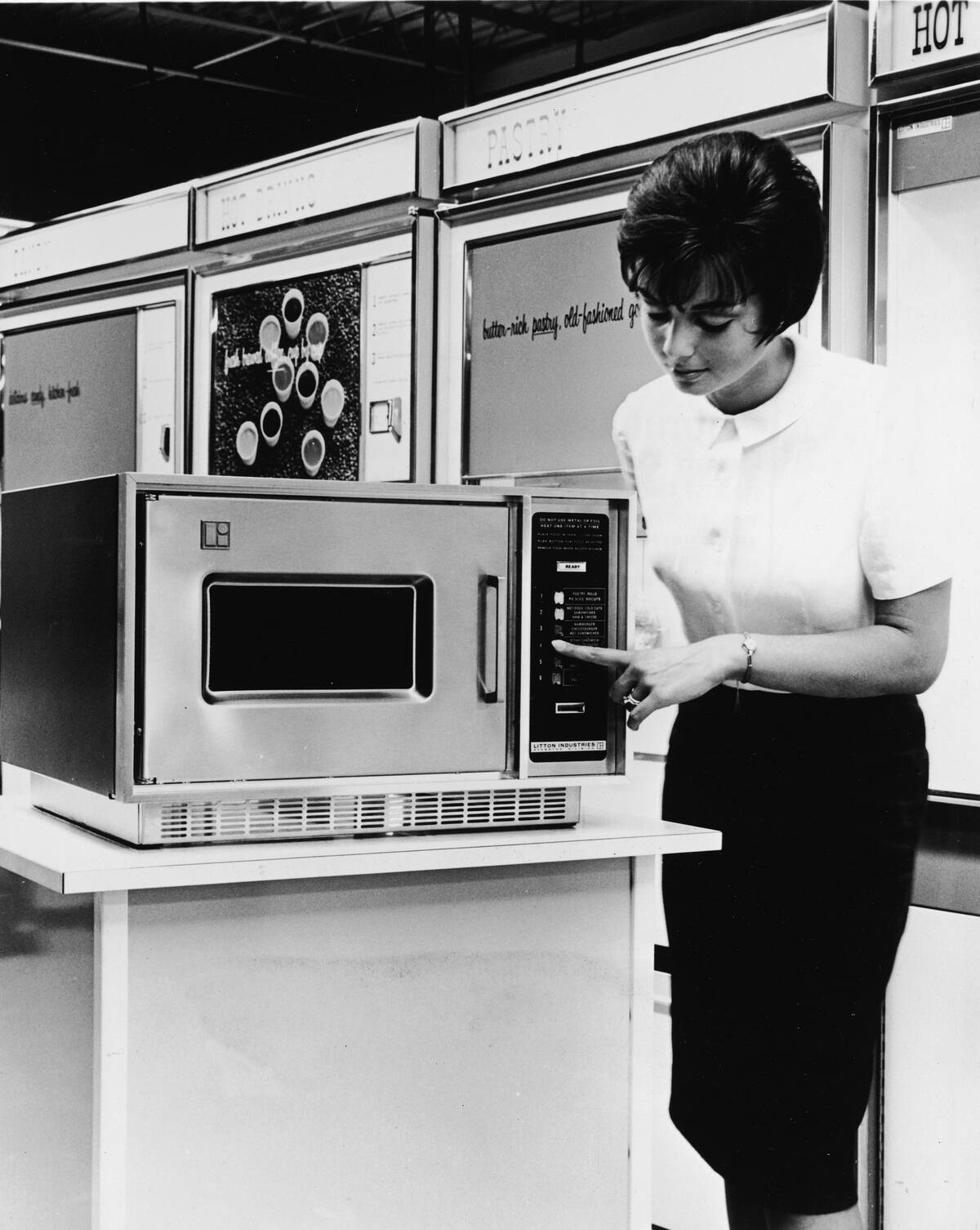
Percy Spencer, an engineer at Raytheon, discovered microwave cooking by accident. While working on radar technology, he noticed a chocolate bar in his pocket had melted. Intrigued, Spencer experimented with popcorn and eggs, leading to the creation of the microwave oven.
First sold in 1947, it transformed cooking practices and became a kitchen staple. Spencer’s serendipitous discovery exemplifies how unexpected moments can lead to revolutionary advancements in everyday life.
Conclusion: Hobby-Driven Innovations That Continue to Inspire

The stories of these inventors underscore the incredible power of hobbies and passion projects to drive innovation. From everyday frustrations to serendipitous discoveries, these individuals harnessed their interests to create solutions that continue to impact our lives.
Their legacies remind us that the seeds of innovation are often planted in the fertile ground of curiosity and play. As we pursue our own passions, we might just stumble upon the next big idea that changes the world.




