How weather changed the course of battles
Throughout history, weather has played an unexpected yet pivotal role in shaping the outcomes of battles. From torrential rains to blinding blizzards, the elements have often been the uninvited guests that decide the fate of armies.
While strategists plan for every possible scenario, the whims of nature remain a wildcard. This unpredictability adds a layer of complexity to warfare, reminding us that even the most meticulously crafted plans can be upended by a sudden change in the skies.
The Battle of Waterloo: Rainy Delays and Muddy Fields
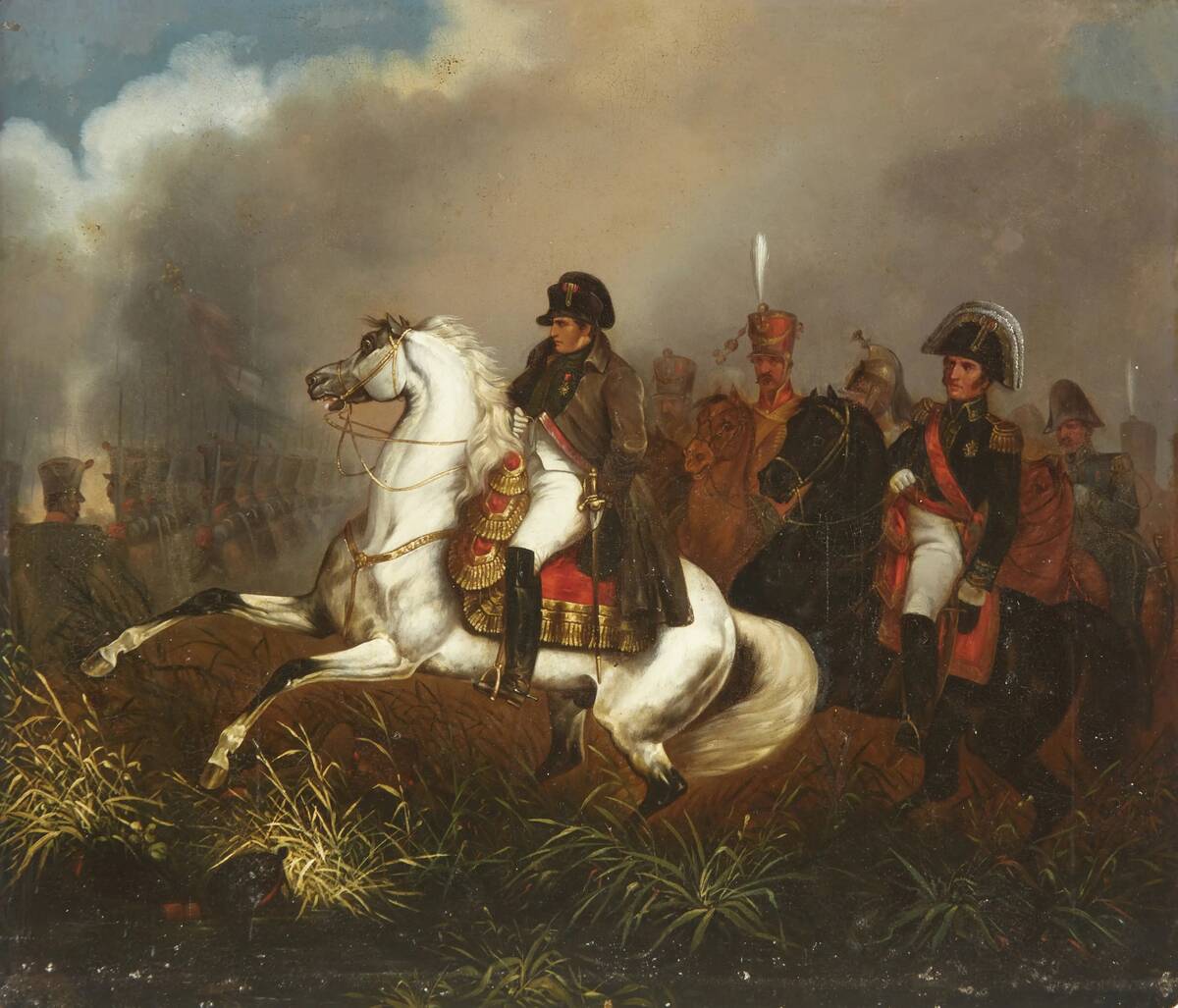
The Battle of Waterloo, fought in 1815, is a classic example where rain changed the course of history. Heavy rains the night before delayed Napoleon’s attack, giving the allied forces under Wellington crucial time to prepare.
The muddy fields slowed down Napoleon’s troops and artillery, making it difficult to maneuver and charge effectively. This delay allowed the Prussian army to join Wellington, ultimately leading to Napoleon’s defeat. The weather that day, quite literally, bogged down the ambitions of one of history’s greatest military leaders.
Blizzards and the Battle of Stalingrad
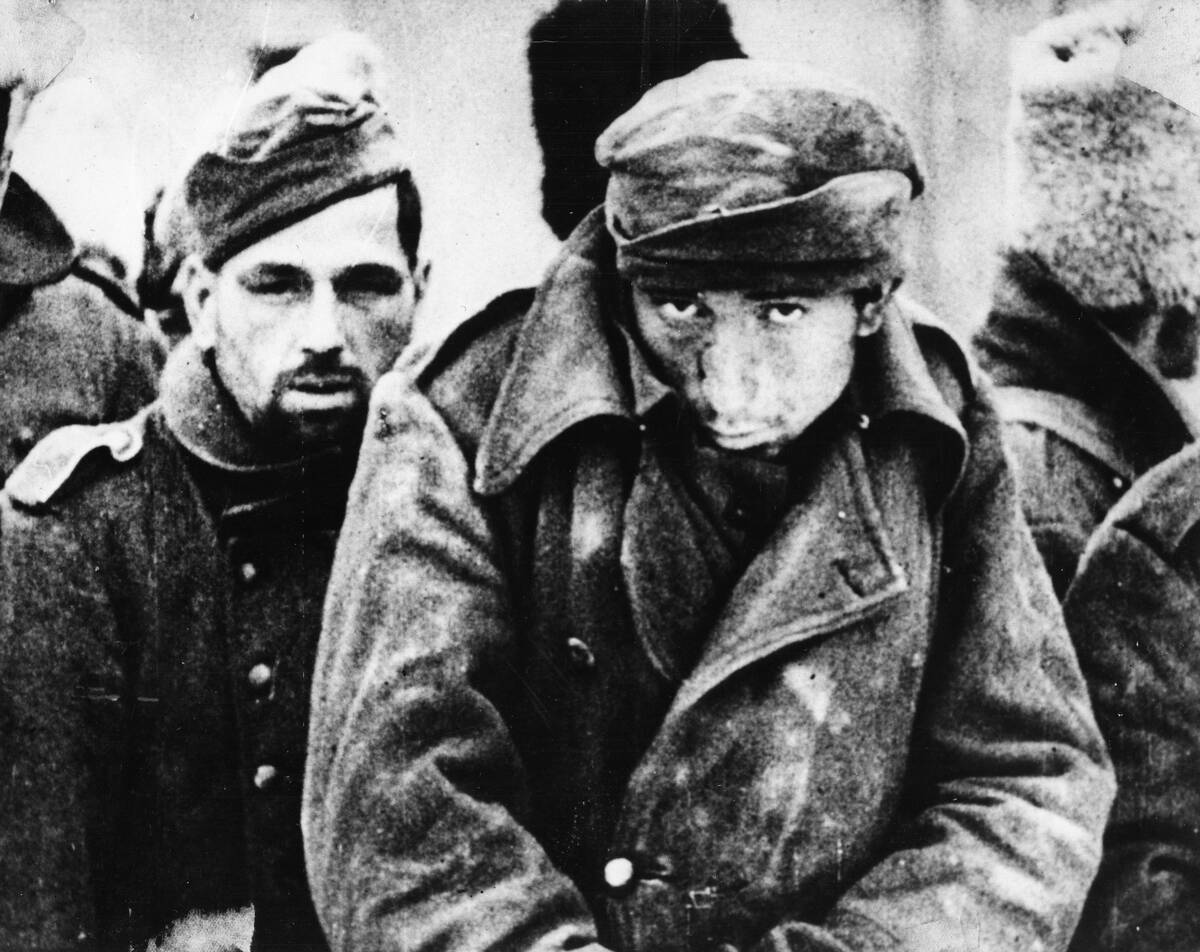
The Battle of Stalingrad during World War II is infamous for its brutal winter conditions. Temperatures plummeted, and blizzards swept through the region, taking a severe toll on the German forces.
Ill-prepared for the fierce Russian winter, the Germans suffered from frostbite and a lack of supplies, while the Soviet troops, more accustomed to the cold, launched counter-offensives. However, severe food shortages on both sides were one of the most significant factors making the battle conditions atrocious for everyone involved.
The Role of Storms in the Spanish Armada’s Defeat
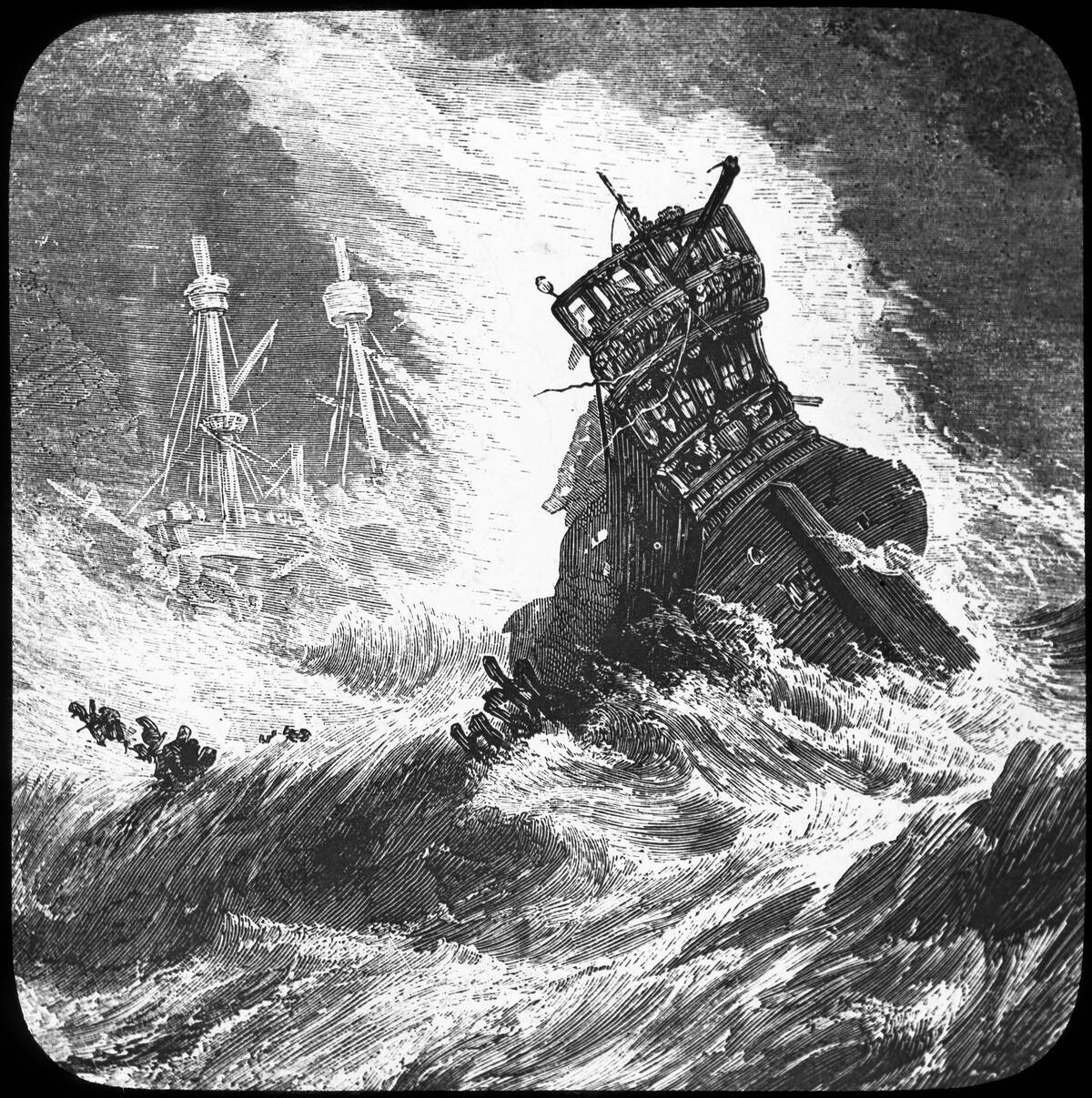
In 1588, the Spanish Armada set sail to invade England, but nature had other plans. A series of violent storms battered the fleet, causing significant damage and scattering ships off course.
These unexpected storms, dubbed the “Protestant Wind,” played a crucial role in the Armada’s defeat. The English navy, aided by favorable winds, was able to outmaneuver and attack the disarrayed Spanish ships. Despite their formidable reputation, the Armada’s fate was sealed by the capriciousness of the weather.
Hurricane Winds and the Battle of Long Island
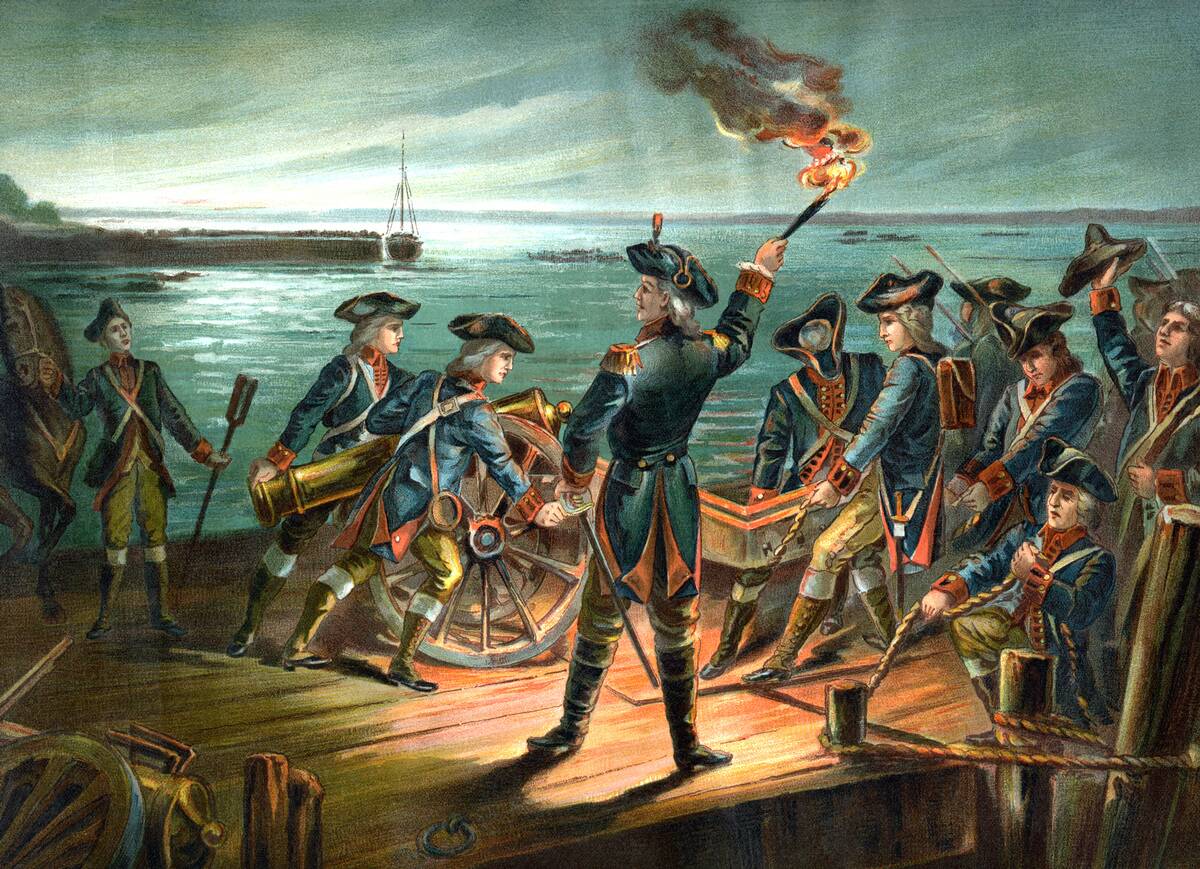
During the American Revolutionary War, the Battle of Long Island in 1776 was influenced by the weather in a surprising way. As British forces prepared to encircle the American troops, a sudden storm with hurricane-force winds disrupted their plans.
The strong winds and rain prevented the British from completing their encirclement, allowing General Washington’s troops to make a strategic retreat. This unexpected weather phenomenon provided the Continental Army with a crucial opportunity to regroup and fight another day.
Napoleon’s Russian Campaign: The Brutal Russian Winter
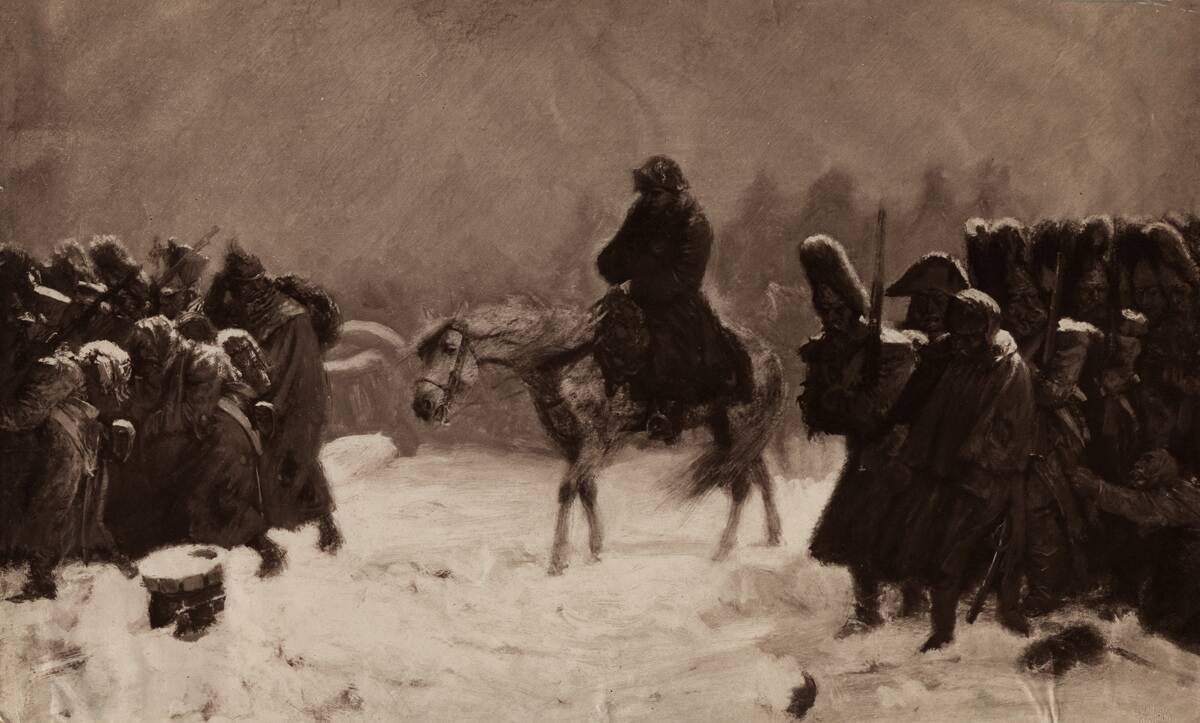
Napoleon’s ill-fated Russian campaign in 1812 is a testament to the unforgiving nature of the Russian winter. As his Grande Armée advanced into Russia, it was met with harsh winter conditions that it was ill-equipped to handle.
Temperatures plummeted, and snowstorms swept across the land, decimating the French forces. Starvation and hypothermia claimed many lives, and Napoleon’s once-mighty army was reduced to a fraction of its size. The brutal winter proved to be a formidable adversary that Napoleon could not conquer.
Typhoons and the Mongol Invasions of Japan
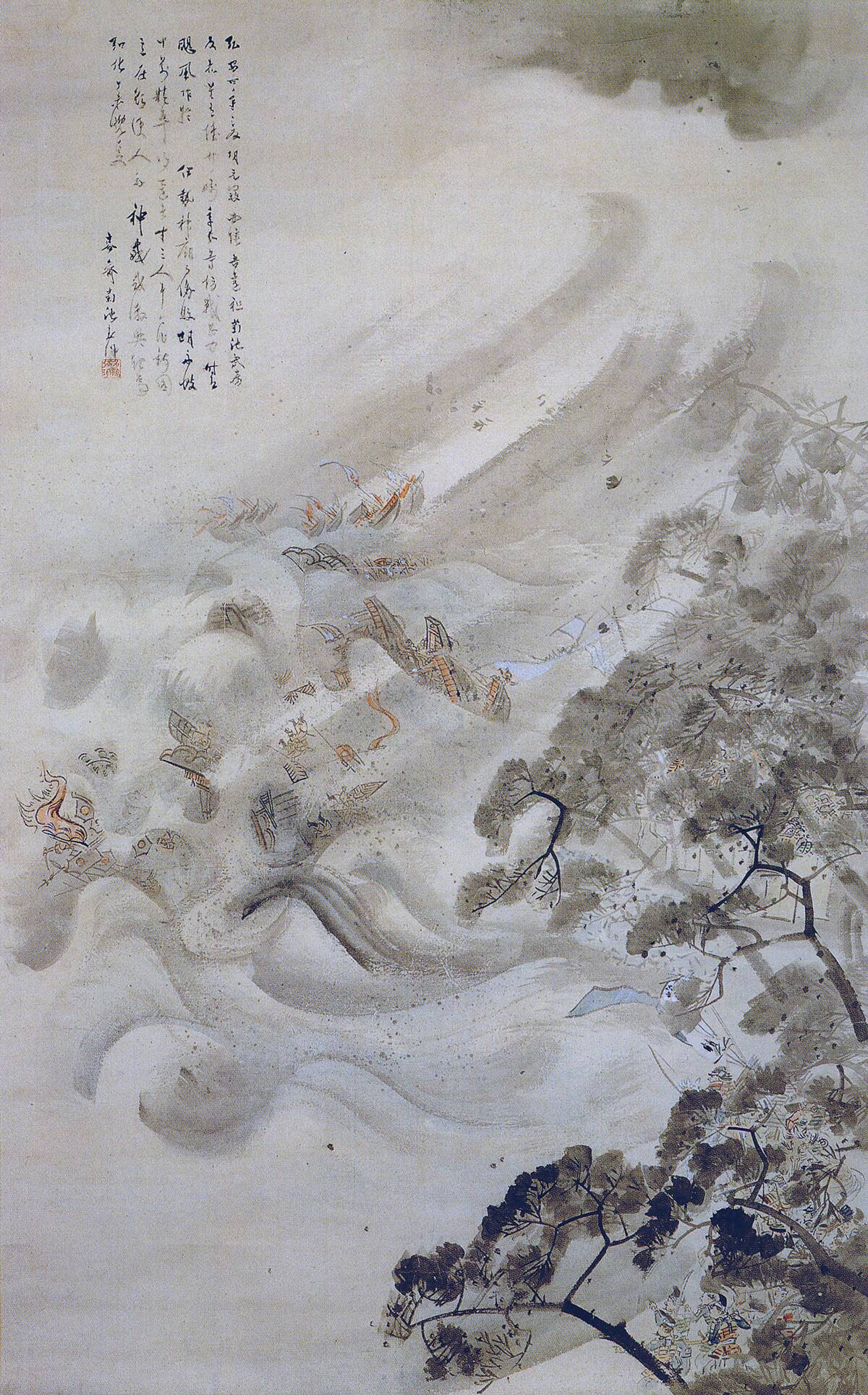
The Mongol invasions of Japan in the late 13th century were thwarted by powerful typhoons, known as “kamikaze” or “divine winds.” In 1274 and 1281, as the Mongol fleets approached Japan, these fierce storms decimated their ships, preventing successful landings.
The typhoons were seen as divine intervention by the Japanese, protecting their homeland from foreign invasion. The destructive power of these natural forces effectively ended the Mongol attempts to conquer Japan, showcasing the might of nature in warfare.
The Frigid Night Before the Battle of Trenton
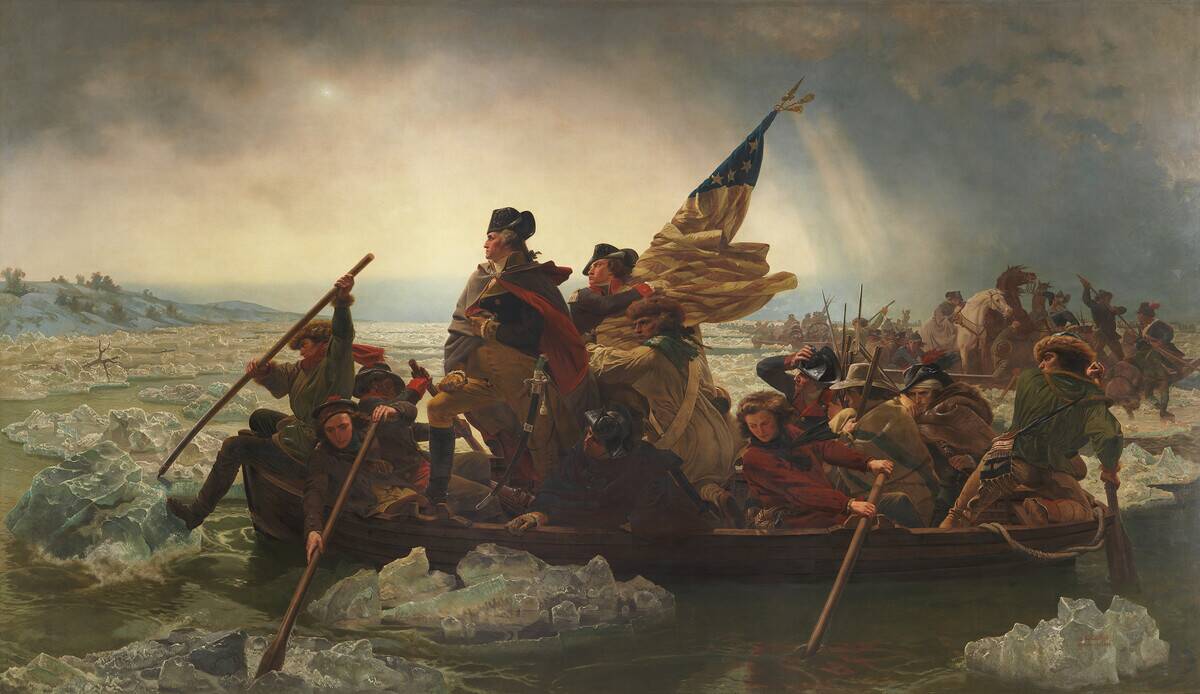
The Battle of Trenton in 1776 was a pivotal moment in the American Revolutionary War. The night before the battle, General Washington led his troops across the icy Delaware River, facing freezing temperatures and chilling winds.
The harsh weather conditions worked to the Americans’ advantage, as the Hessian forces occupying Trenton were unprepared for an attack in such conditions. The surprise and stealth of the American assault, aided by the frigid night, led to a significant and morale-boosting victory for Washington’s army.
Torrential Rains and the Battle of Passchendaele
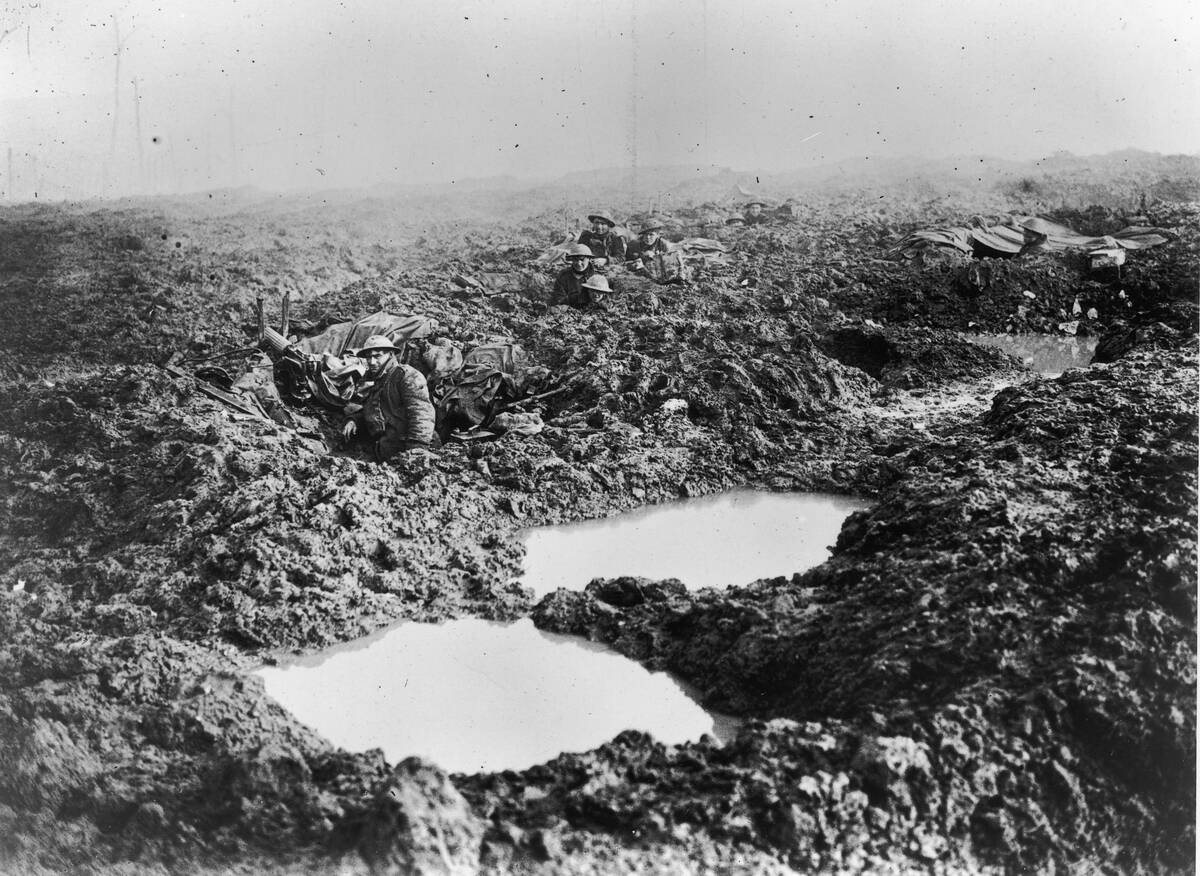
The Battle of Passchendaele in 1917, during World War I, was infamous for its horrific mud and rain. Torrential downpours turned the battlefield into a quagmire, swallowing men, horses, and equipment in a sea of mud.
The relentless rain made movement nearly impossible and created nightmarish conditions for soldiers on both sides. The battle exemplified the grim reality of warfare in the trenches, where the elements became as deadly as the enemy.
The Winter War: Finland’s Defense Against the Soviet Union
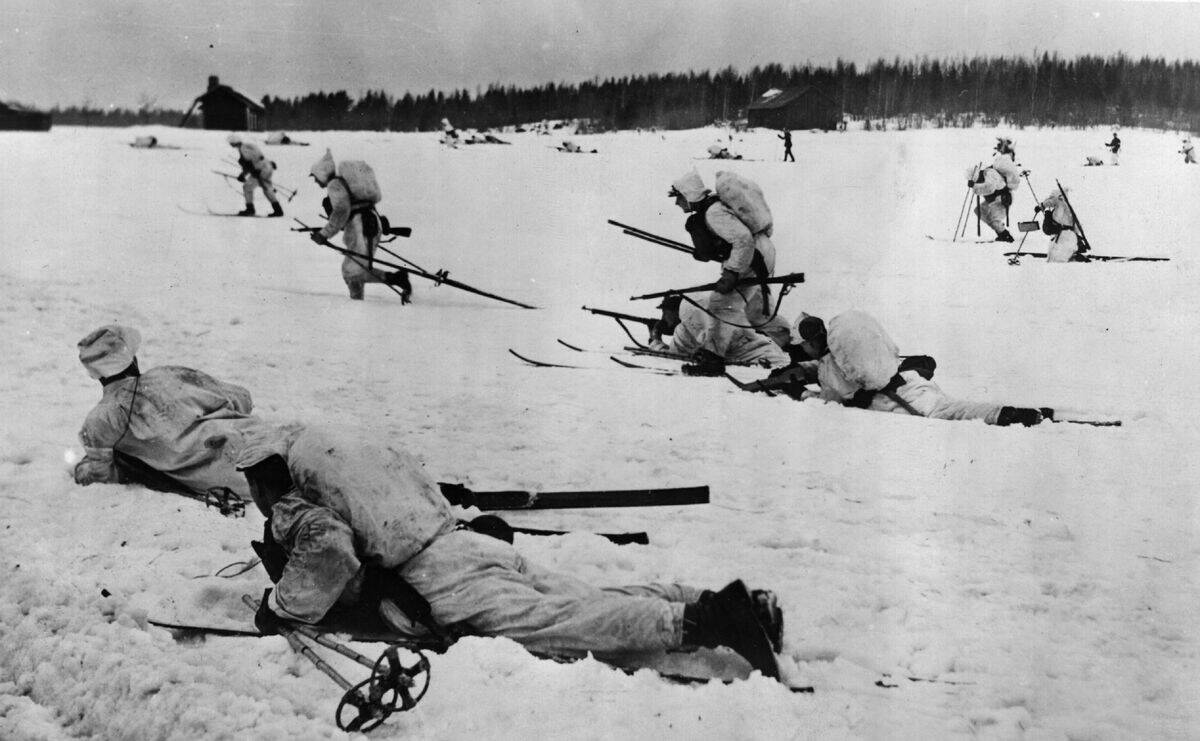
The Winter War of 1939-1940 saw Finland valiantly defending its territory against a Soviet invasion in harsh winter conditions. The Finnish forces, adept at skiing and utilizing the snow-covered terrain, used guerrilla tactics to counter the numerically superior Soviet army.
The biting cold and deep snow favored the Finnish defenders, who managed to inflict heavy casualties on the invaders. Although eventually overwhelmed, Finland’s spirited defense in the face of the relentless Russian winter remains a testament to the power of weather in warfare.
Cyclones and the Battle of the Coral Sea
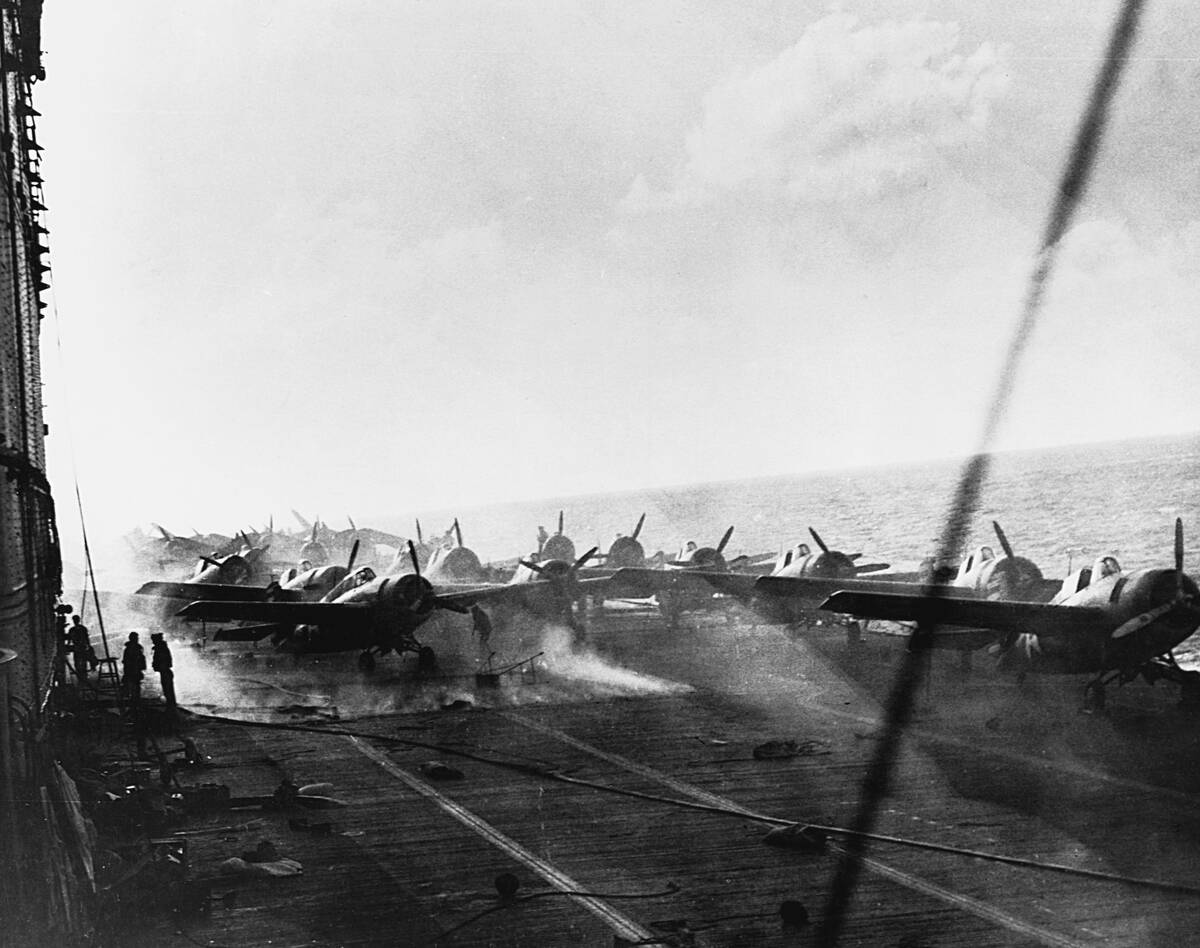
During World War II, the Battle of the Coral Sea in 1942 was influenced by tropical cyclones. As the U.S. and Japanese naval forces clashed in the Pacific, cyclonic weather disrupted reconnaissance efforts and aircraft operations.
The stormy conditions provided cover for both fleets, complicating strategies and leading to indecisive engagements. Despite these challenges, the battle marked the first time that aircraft carriers engaged each other directly. The presence of cyclones added an unpredictable layer to this pivotal naval confrontation.
The Miracle of Dunkirk: Cloud Cover and Calm Seas
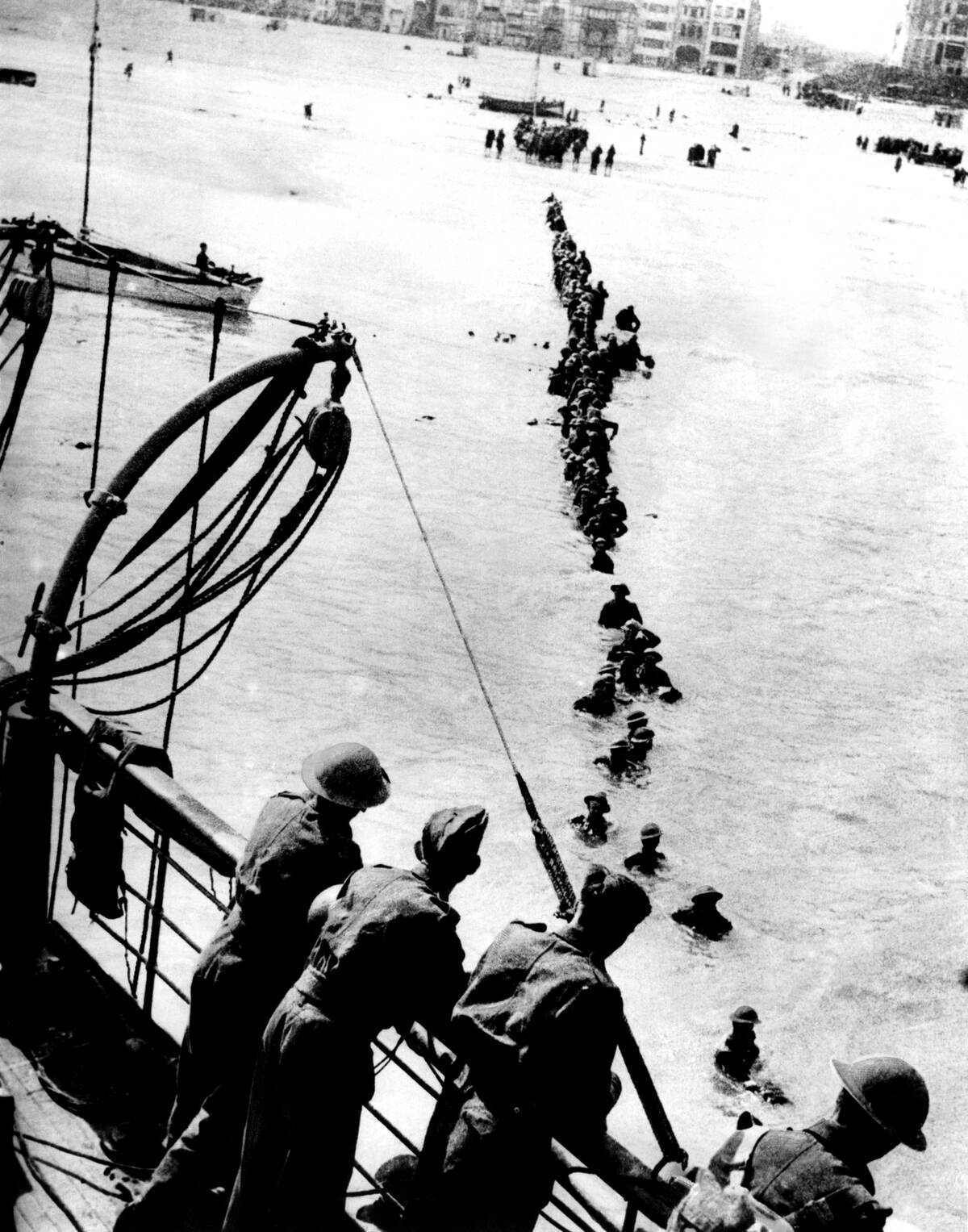
The evacuation of Dunkirk in 1940, known as the “Miracle of Dunkirk,” was aided by favorable weather conditions. Thick cloud cover provided protection from the Luftwaffe, while unusually calm seas facilitated the rescue of stranded Allied troops.
Over 338,000 soldiers were evacuated from the beaches of Dunkirk, thanks in part to the weather conditions that allowed small boats to navigate the waters safely. This remarkable evacuation became a symbol of hope and resilience during one of the darkest periods of World War II.




