How the telegraph transformed communication forever
The telegraph was a groundbreaking invention that revolutionized communication in the 19th century. Before its arrival, conveying messages over long distances was a slow and cumbersome process. The telegraph changed all that, enabling near-instantaneous communication across vast distances.
This technological leap not only transformed how people interacted but also had profound effects on commerce, journalism, and even military strategies. With its introduction, the world seemed to shrink overnight, laying the groundwork for the interconnected globe we know today.
Early Communication Methods Before the Telegraph

Before the telegraph, various methods were employed to send messages over distances. Smoke signals and drum beats were among the earliest forms, utilized by ancient cultures to convey simple messages.
In more recent history, semaphore flags were used by ships and armies for visual signaling. Although innovative for their time, these methods were limited by distance and environmental conditions. Written correspondence, while more detailed, relied heavily on the speed of horses or ships, making rapid communication nearly impossible.
The Invention of the Telegraph: A Revolutionary Leap
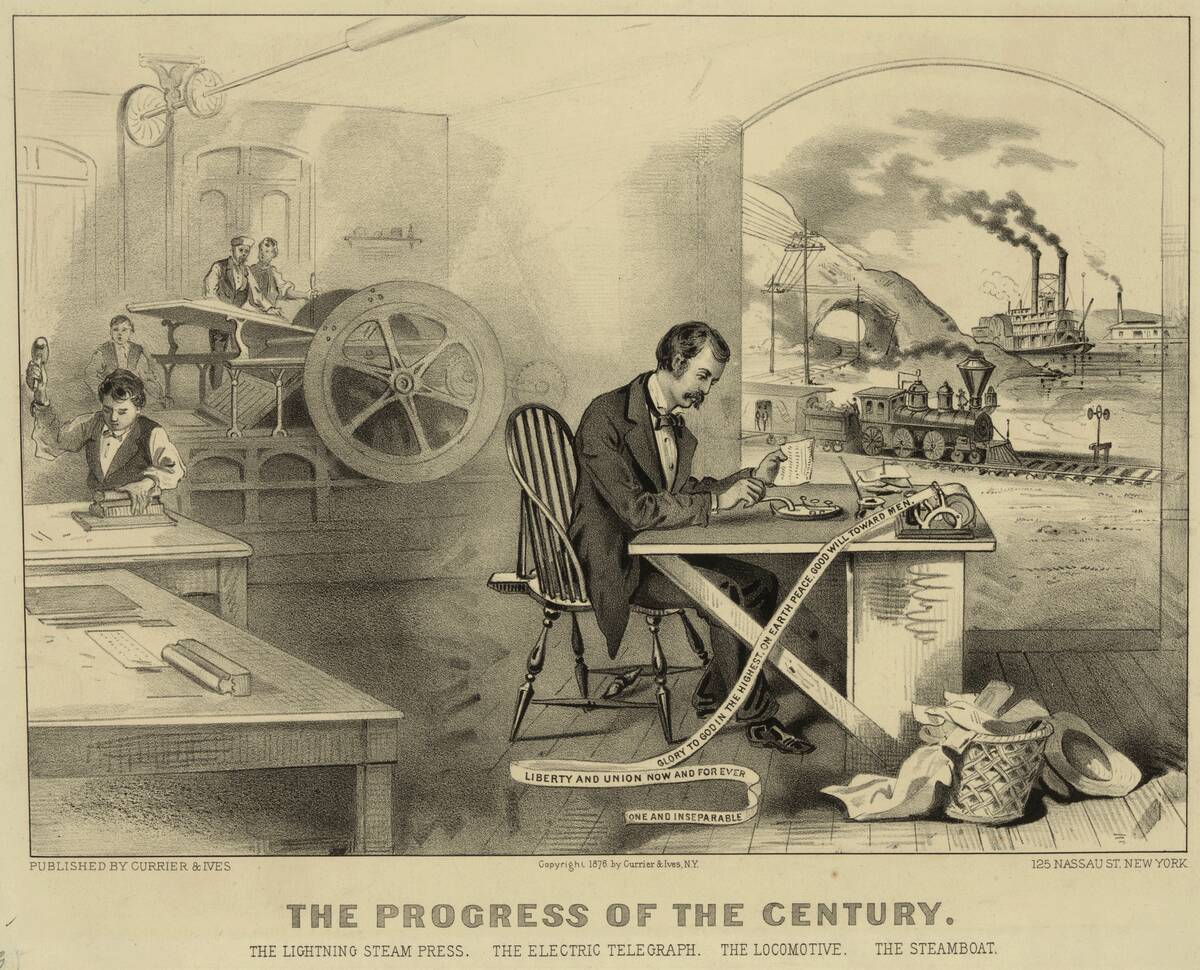
The telegraph marked a revolutionary leap in communication technology. Developed in the early 19th century, it allowed messages to be sent over wires using electrical signals. This was a radical departure from previous methods that relied on physical transportation or visual signals.
The breakthrough came with the ability to transmit coded messages across vast distances almost instantaneously, forever altering the landscape of communication. It paved the way for an unprecedented level of connectivity between cities and later, continents.
Samuel Morse: The Man Behind the Morse Code
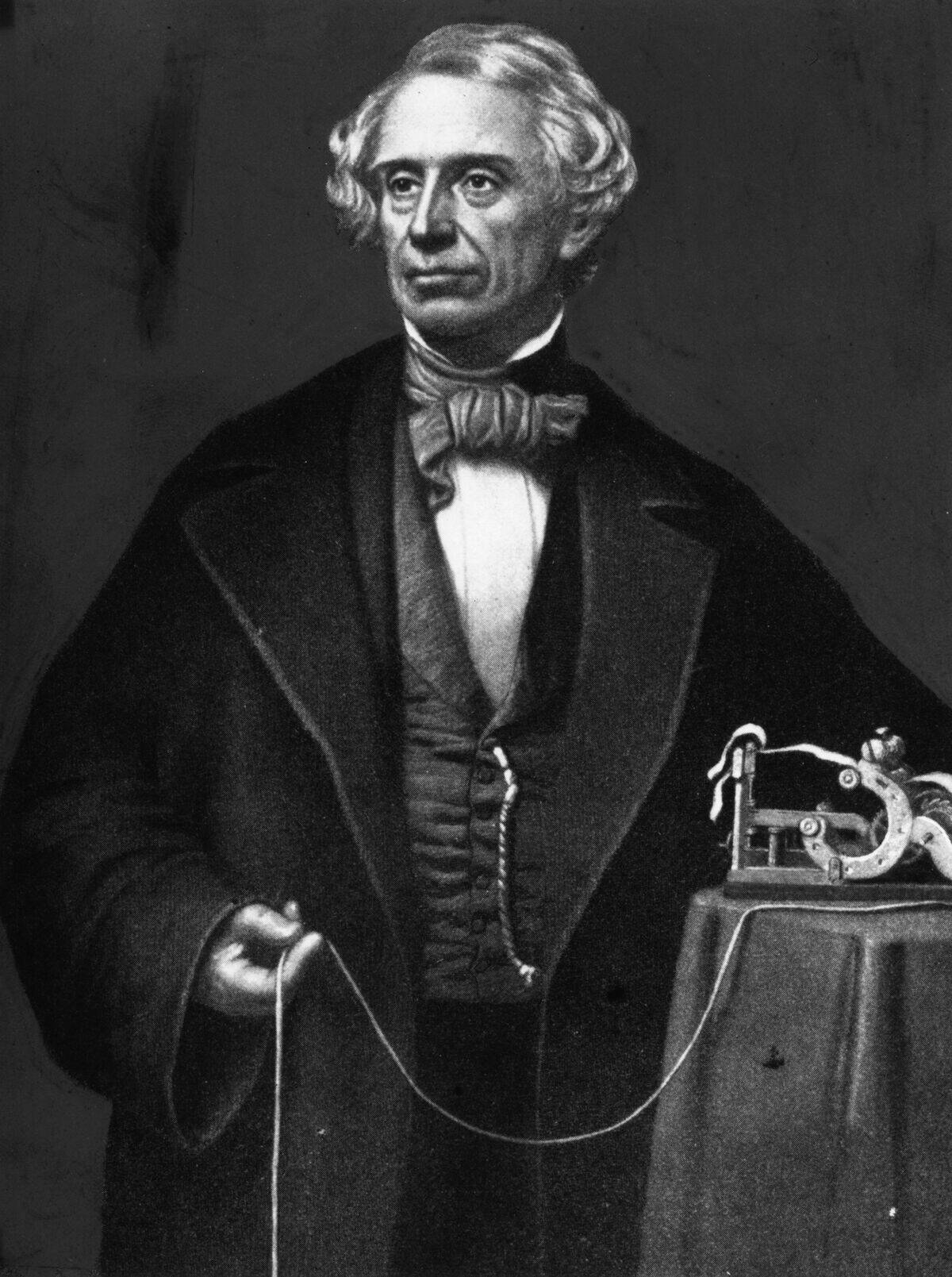
Samuel Morse, an American inventor and painter, is best known for developing Morse code, a system of dots and dashes used to encode messages on the telegraph. His journey to this invention began after a personal tragedy, which highlighted the need for faster communication.
Morse’s persistence and ingenuity led to the creation of the telegraph system and its accompanying code. His work not only made rapid communication possible but also established the foundations for future innovations in the field.
The First Telegraph Message: A Momentous Occasion
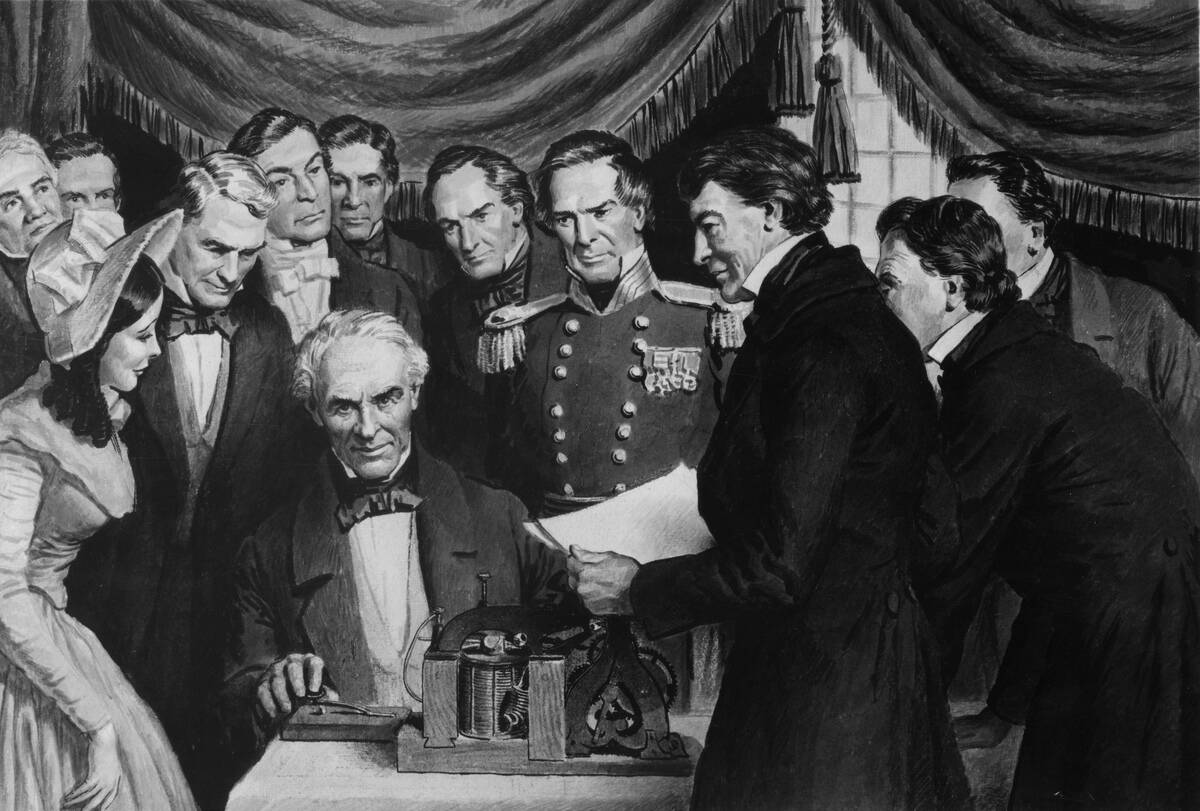
On May 24, 1844, the first official telegraph message was sent from Washington, D.C., to Baltimore. The message, “What hath God wrought,” was selected by Annie Ellsworth, the daughter of a friend of Samuel Morse. This historic moment marked the beginning of a new era in communication.
The successful transmission demonstrated the practical potential of the telegraph and garnered widespread attention. It was a clear indication of the transformative power this technology would have on society.
The Expansion of Telegraph Networks Across Countries
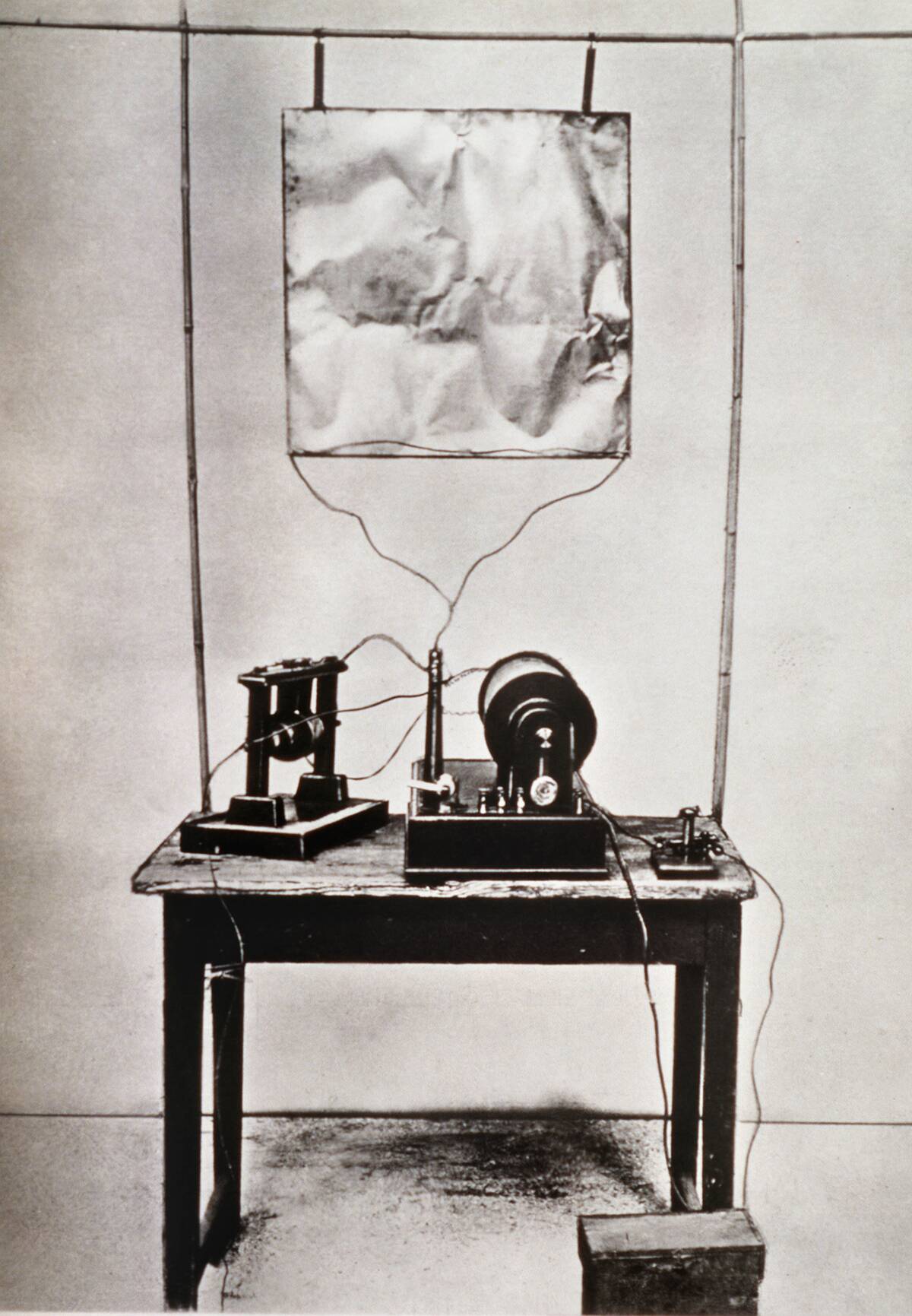
Following the success of the initial telegraph message, networks rapidly expanded across the United States and Europe. Railroads, in particular, embraced the technology, using telegraph lines to enhance coordination and safety.
By the late 19th century, telegraph lines crisscrossed continents, linking major cities and facilitating international communication. This expansion was driven by the growing demand for faster information sharing, which was vital for economic growth and political diplomacy during this era of rapid industrialization.
The Role of the Telegraph in Business and Commerce
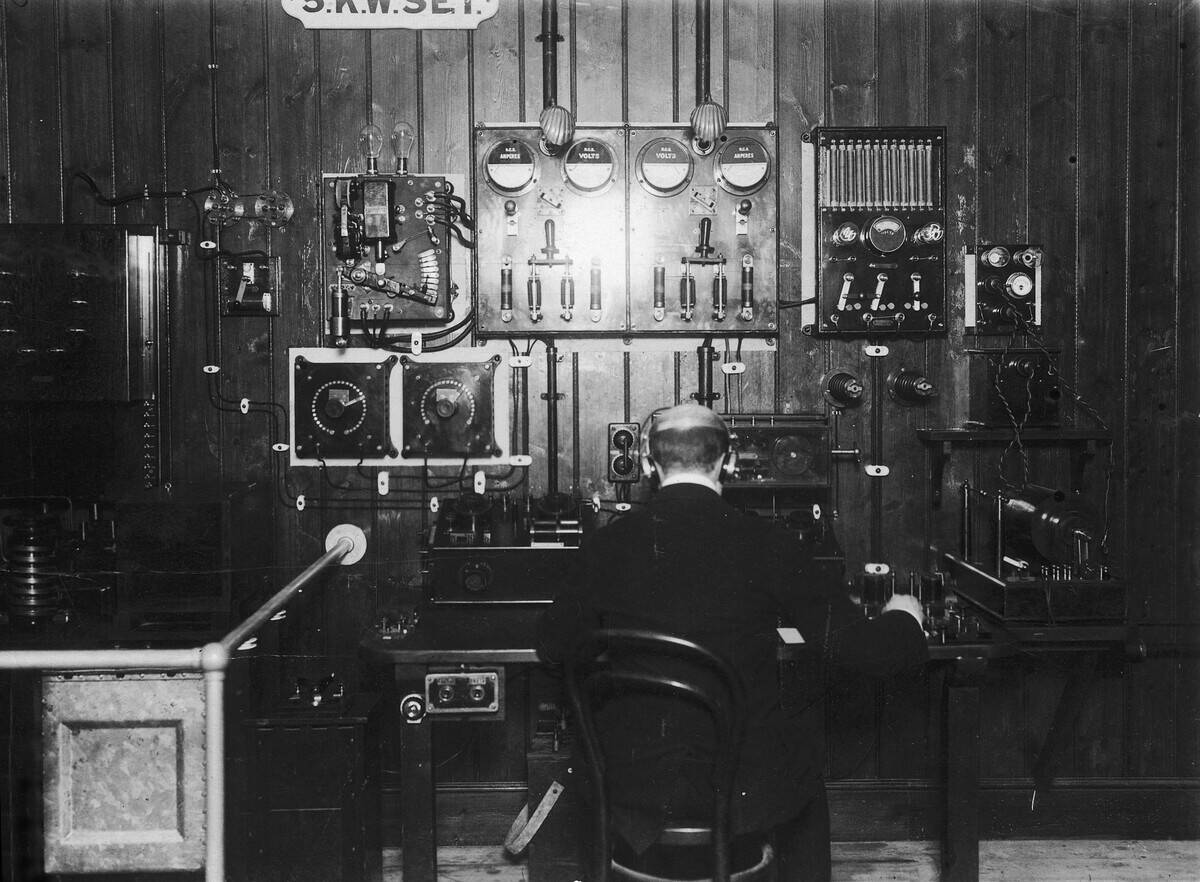
The telegraph revolutionized business and commerce by drastically reducing the time it took to send and receive information. Stock markets, for instance, benefited immensely as they could now receive real-time updates on prices and transactions.
Businesses could coordinate supply chains and manage operations with unprecedented efficiency. The telegraph’s ability to transmit information almost instantaneously allowed companies to respond swiftly to market changes and opportunities, laying the groundwork for the fast-paced commercial environment we experience today.
Telegraphy and Its Influence on Journalism
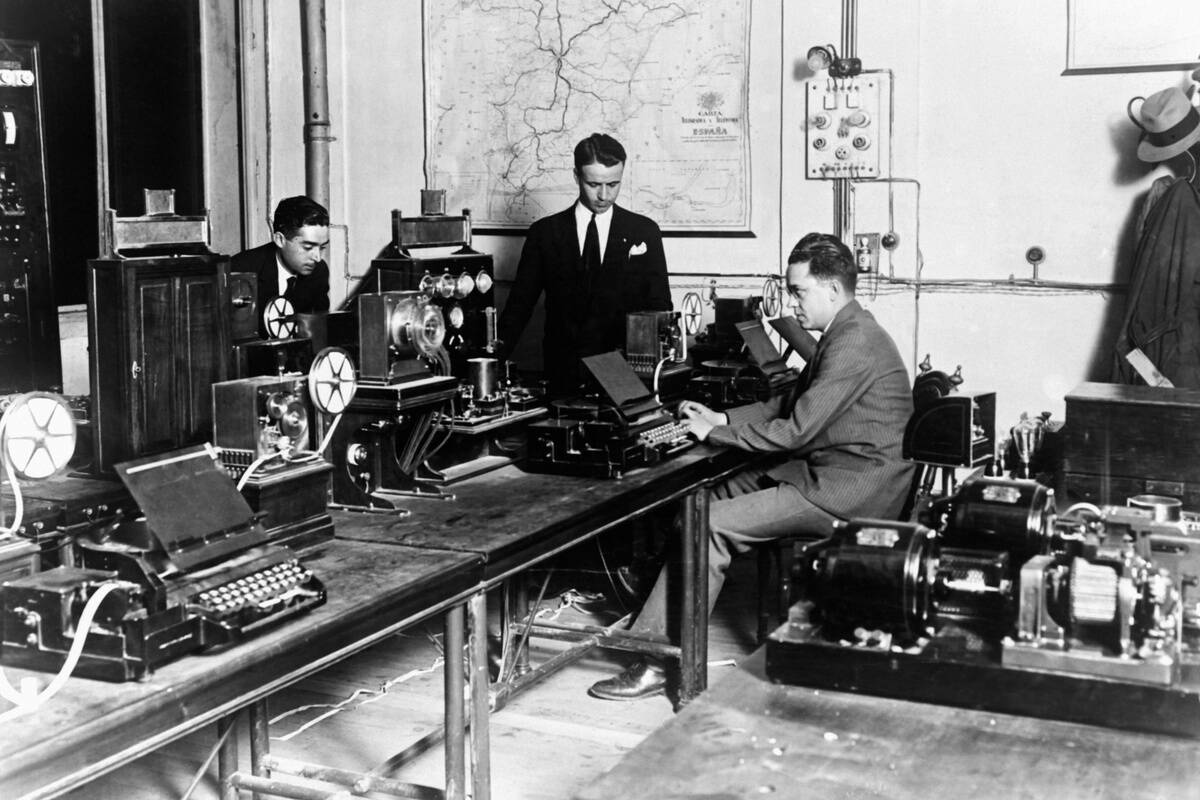
Journalism was profoundly impacted by the advent of the telegraph, which enabled news to be reported quickly and accurately from distant locations. Newspapers, previously limited by the slow pace of information delivery, could now publish timely reports on events from around the world.
This development not only increased the speed of news dissemination but also contributed to the rise of international news agencies. The telegraph allowed journalists to send dispatches from remote regions, expanding the scope and immediacy of news coverage.
The Telegraph’s Impact on Military Strategy and Warfare
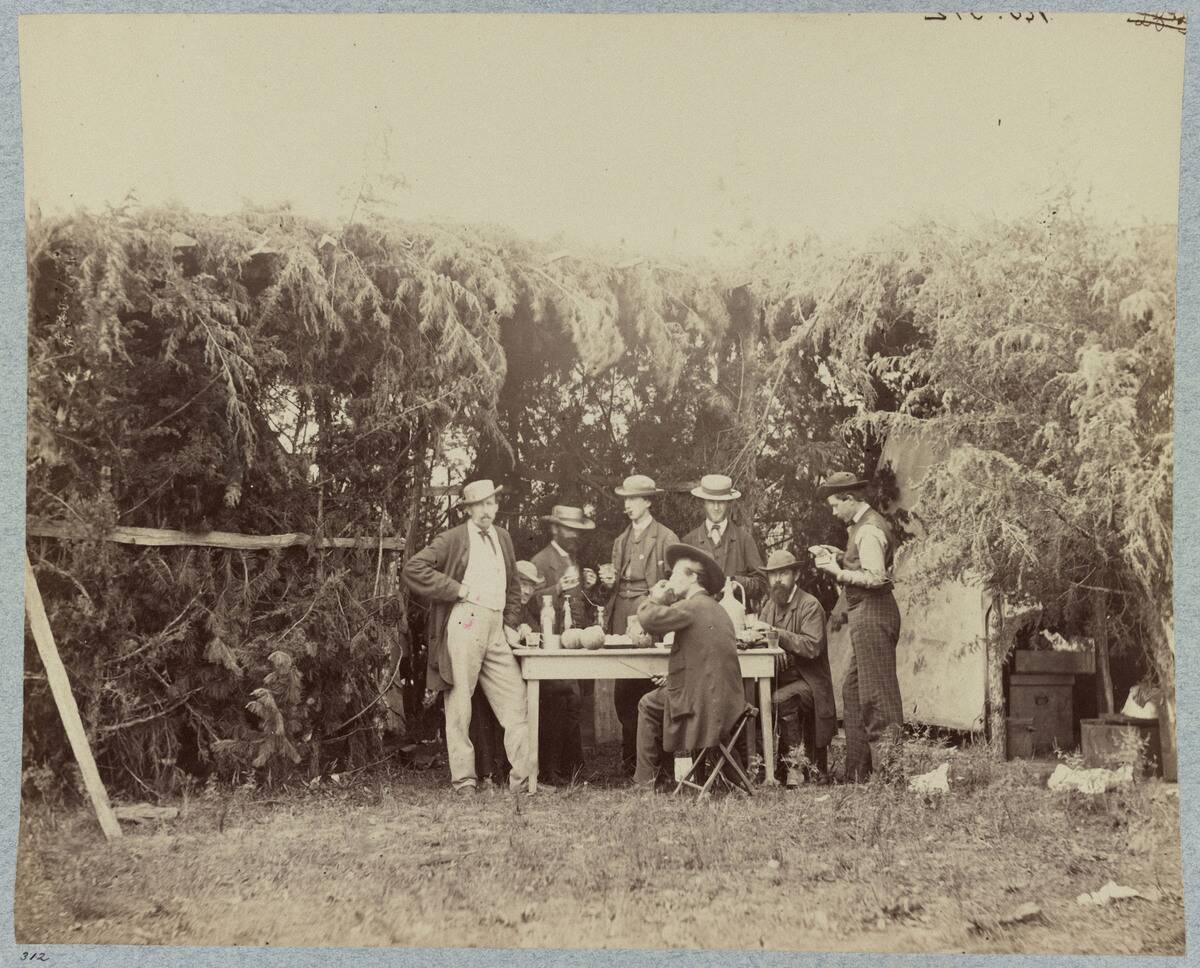
In military strategy, the telegraph became an indispensable tool for commanders. It allowed for rapid communication of orders and intelligence between distant units, enhancing coordination and strategic planning.
During the American Civil War, for example, both Union and Confederate forces utilized telegraph lines to gain tactical advantages. This technology also played a crucial role in later conflicts, providing armies with real-time updates on enemy movements and battlefield conditions, thereby transforming the nature of warfare in the 19th century.
Connecting Continents: The Transatlantic Telegraph Cable
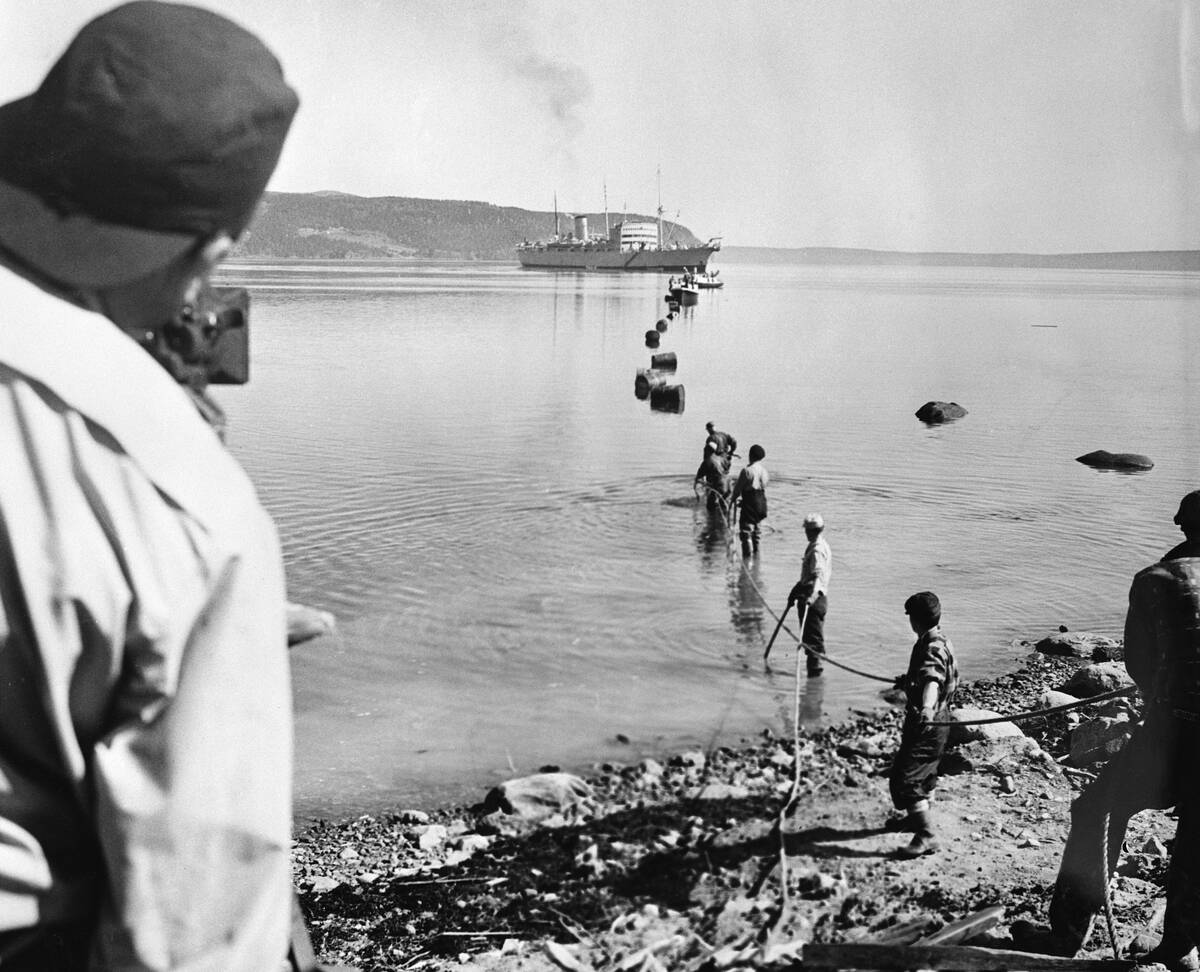
The completion of the first transatlantic telegraph cable in 1866 was a monumental achievement in communication history. Spanning from Ireland to Newfoundland, this cable connected Europe and North America, enabling messages to cross the Atlantic in minutes rather than weeks.
The project faced numerous challenges, including technical difficulties and harsh weather conditions, but its success heralded a new age of global connectivity. This cable laid the foundation for future advancements in international communication, bringing continents closer together.
How the Telegraph Changed the Pace of News Delivery
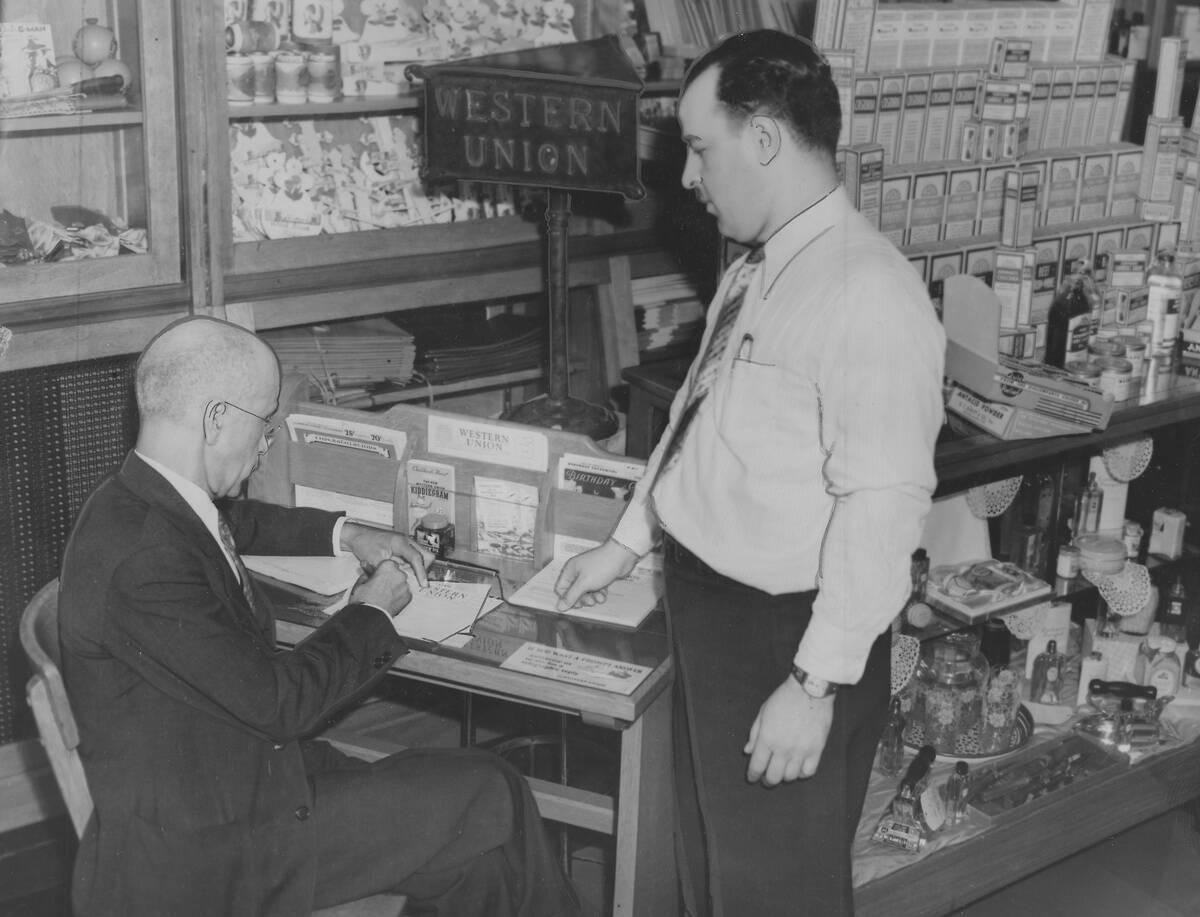
The telegraph transformed the pace of news delivery, enabling journalists to provide timely updates from around the globe. Previously, news traveled at the speed of ships or trains, but the telegraph allowed for almost instantaneous reports.
This change meant that events could be reported on the same day they occurred, fundamentally altering the public’s access to information. The ability to deliver news quickly not only enhanced the relevance of journalism but also increased the public’s interest in current affairs.
The Social Effects of Instant Communication
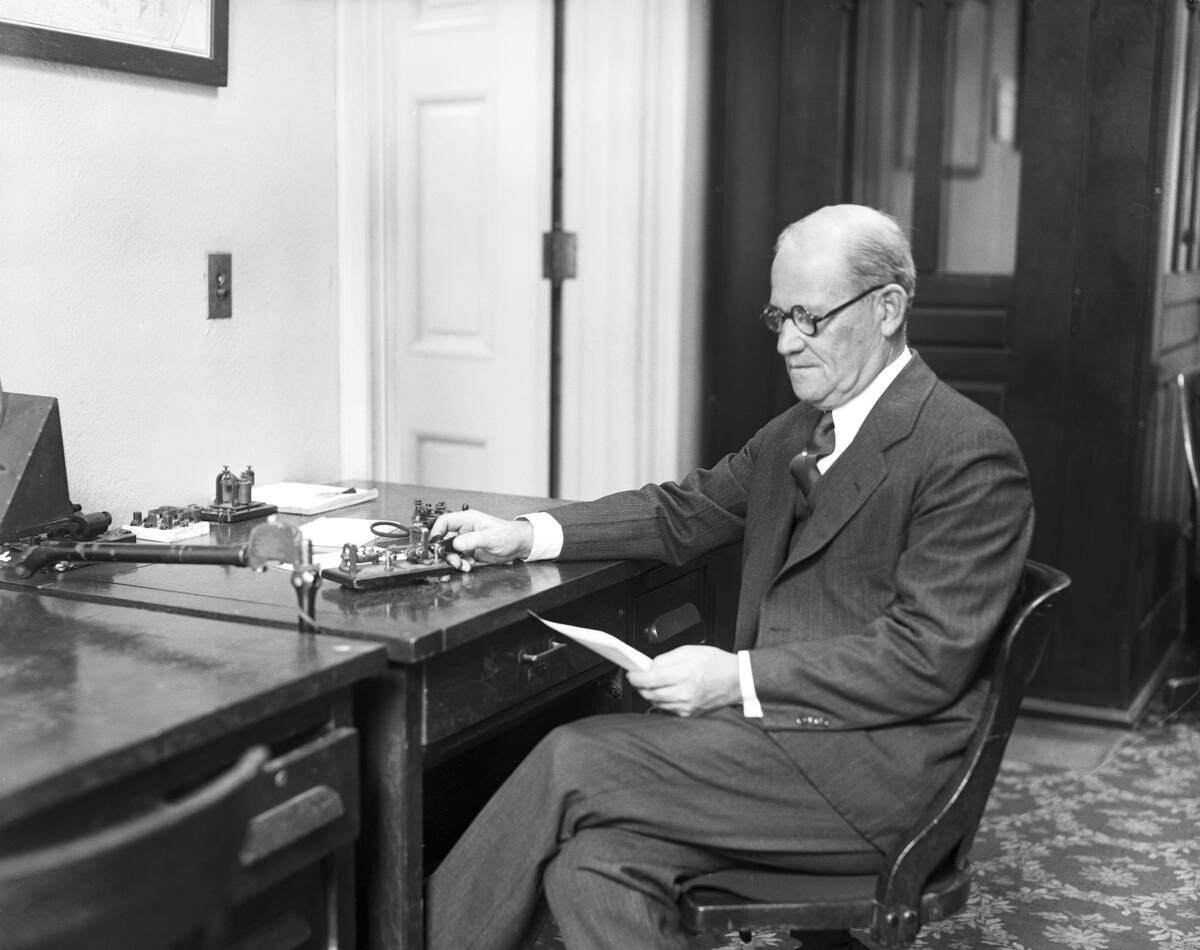
The telegraph’s introduction of instant communication had significant social effects, altering how people interacted across distances. Families could maintain closer ties with relatives living far away, sending and receiving messages in a matter of hours.
This newfound immediacy fostered a sense of global community, as people became more aware of events happening beyond their local areas. The telegraph also paved the way for future technologies that would further shrink distances and enhance global communication.
The Telegraph and the Rise of Globalization
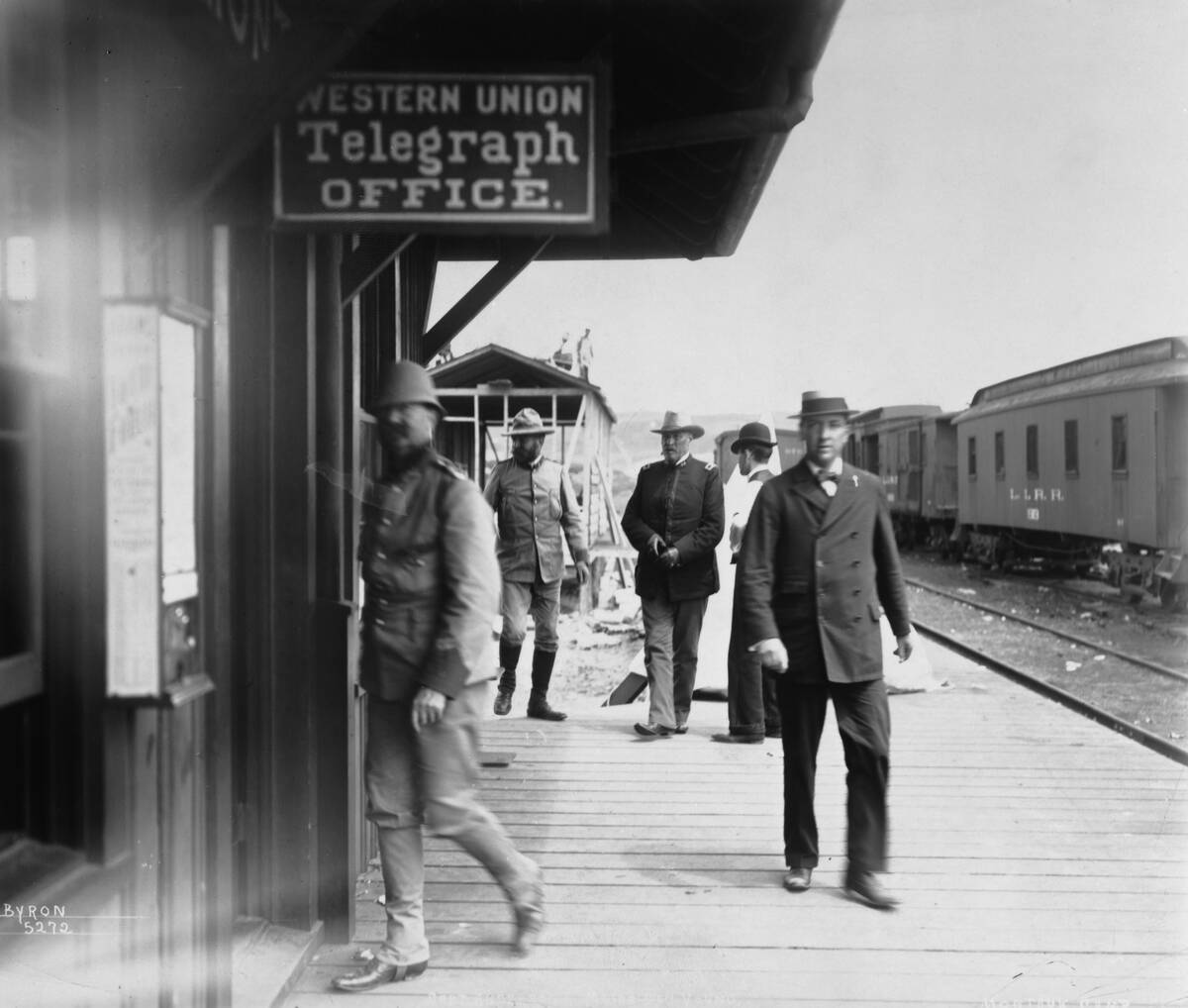
The telegraph played a crucial role in the rise of globalization by facilitating the rapid exchange of information across borders. By connecting different parts of the world, it enabled businesses to operate internationally, contributing to the growth of global trade.
The ability to communicate instantly with distant countries helped integrate economies and cultures, setting the stage for the interconnected world we live in today. The telegraph’s impact on globalization is a testament to its transformative power in shaping modern society.
The Decline of the Telegraph in the Age of the Telephone
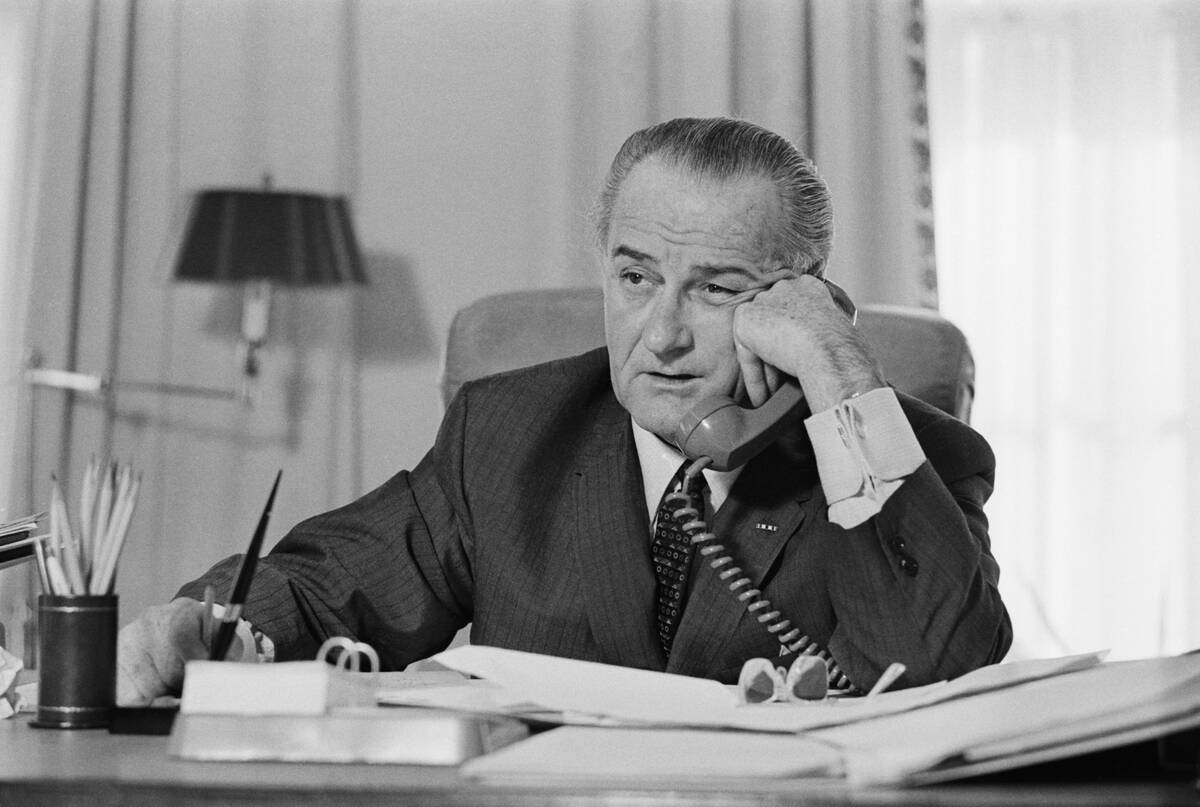
As the telephone emerged in the late 19th and early 20th centuries, the telegraph began to decline in popularity. The telephone offered the advantage of voice communication, making it a more personal and versatile option.
While the telegraph was still used for certain applications, especially in business and military contexts, it gradually became obsolete for everyday communication. The rise of the telephone marked the beginning of a new era in communication, one that would eventually lead to even more advanced technologies.
The Telegraph’s Legacy in Modern Communication Technology
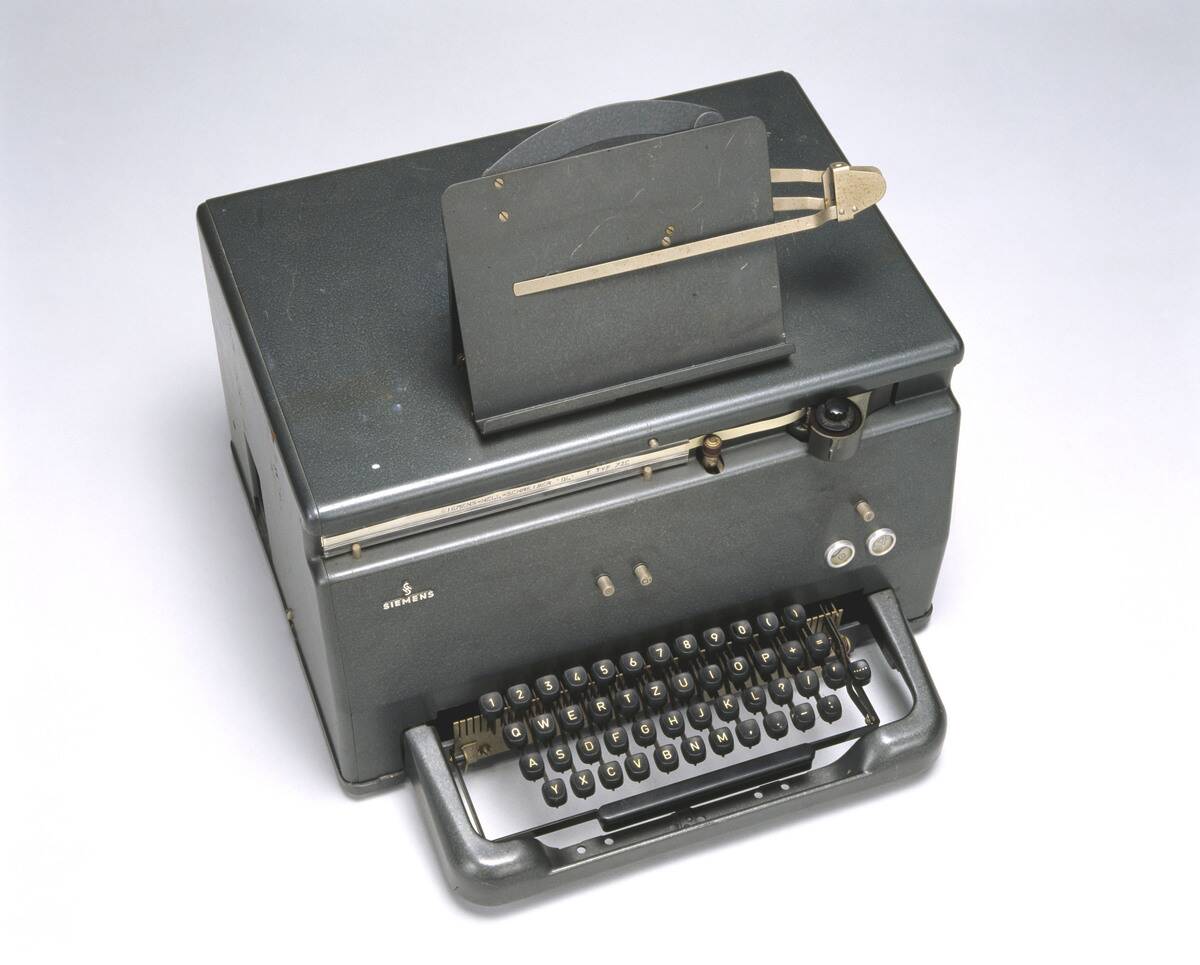
Despite its decline, the legacy of the telegraph lives on in modern communication technology. The principles of encoding and transmitting information over distances laid the groundwork for subsequent innovations, including the telephone, radio, and internet.
The telegraph demonstrated the potential of electrical signals for communication, a concept that continues to underpin today’s digital age. Its impact is evident in the way we exchange information, highlighting its lasting influence on the evolution of technology.
Fun Facts and Trivia About the Telegraph
Did you know that the telegraph was instrumental in the invention of the time zone system? Before its introduction, local mean time was used, making scheduling across distances chaotic.
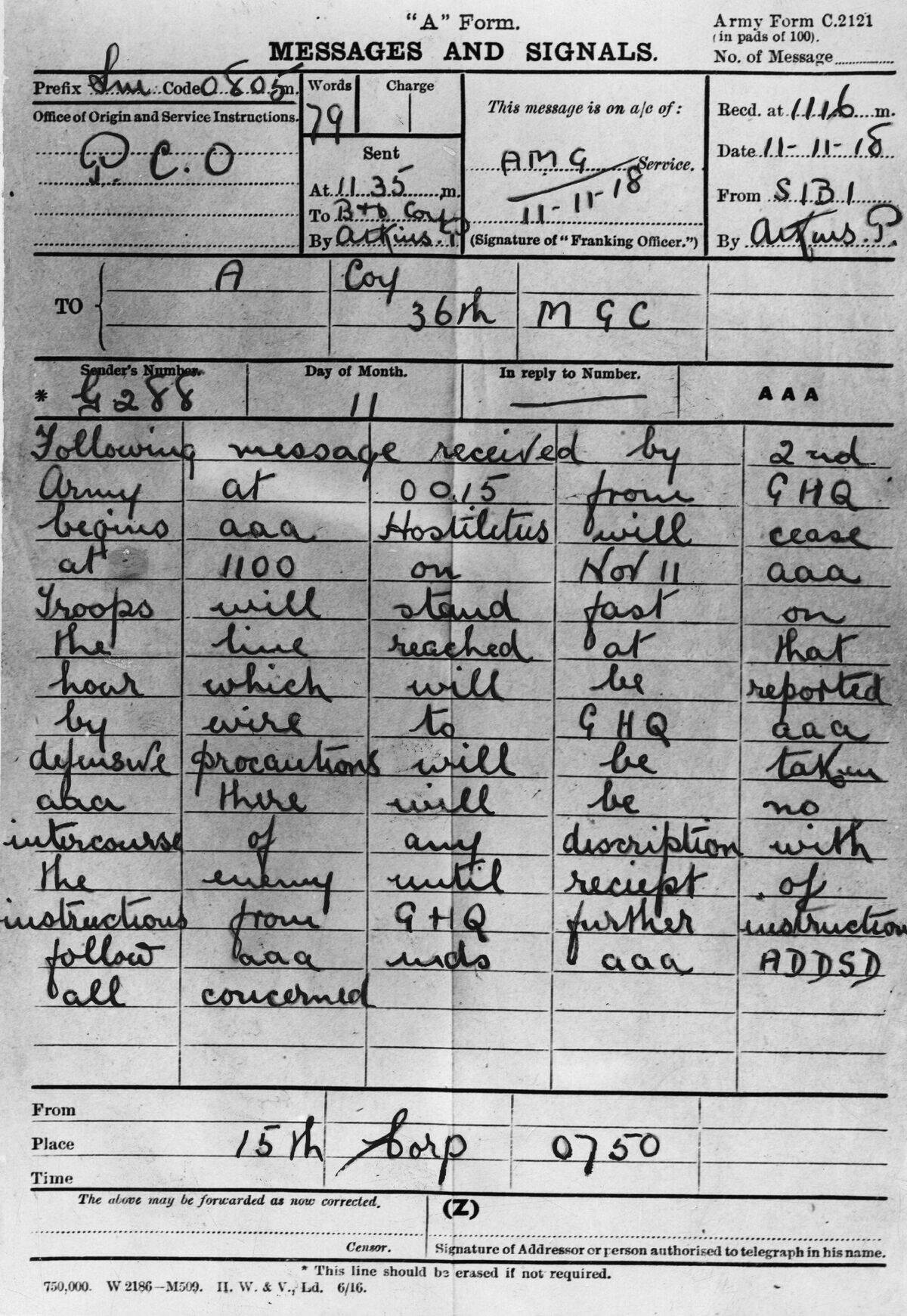
The word “STOP” was commonly used in telegraph messages in place of punctuation because early telegraph systems often omitted punctuation for clarity and simplicity. These quirky aspects of telegraphy remind us of its unique role in shaping communication history. Its influence is still felt today, even in these amusing anecdotes.




