How species bounced back from extinction threats
Wildlife sanctuaries play a pivotal role in protecting biodiversity and ensuring the survival of countless species. These havens provide a safe space away from human encroachment, allowing animals to thrive in their natural habitats.
Sanctuaries are not just about protecting species but also about maintaining ecological balance and providing invaluable research opportunities. Through the dedicated efforts of conservationists, these sanctuaries have become lifelines for species on the brink of extinction.
The Remarkable Comeback of the California Condor
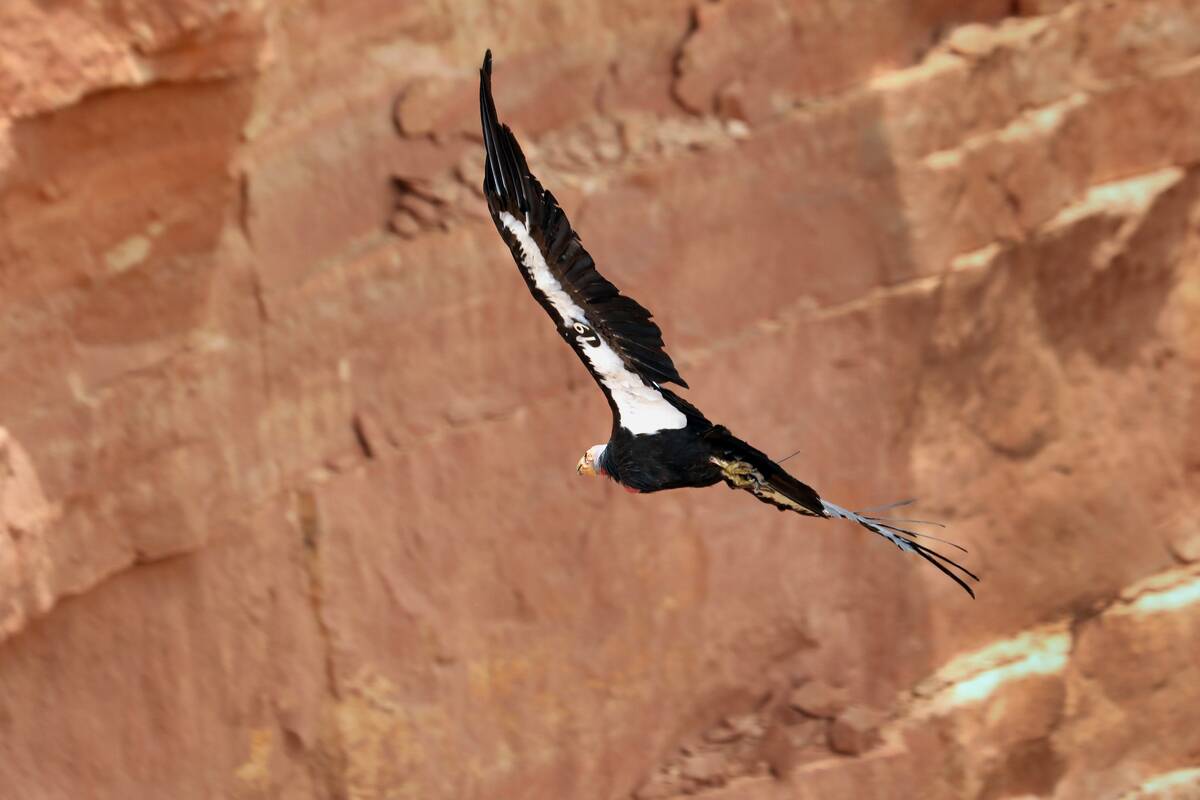
Once teetering on the edge of extinction, the California condor has made a significant comeback. In the 1980s, only 27 individuals remained in the wild, prompting urgent conservation action.
Thanks to captive breeding programs and reintroduction efforts, the population has soared to over 400. These majestic birds now soar the skies of California and Arizona, a testament to the power of conservation partnerships and dedicated efforts.
How the Black-Footed Ferret Found Its Way Back from the Brink
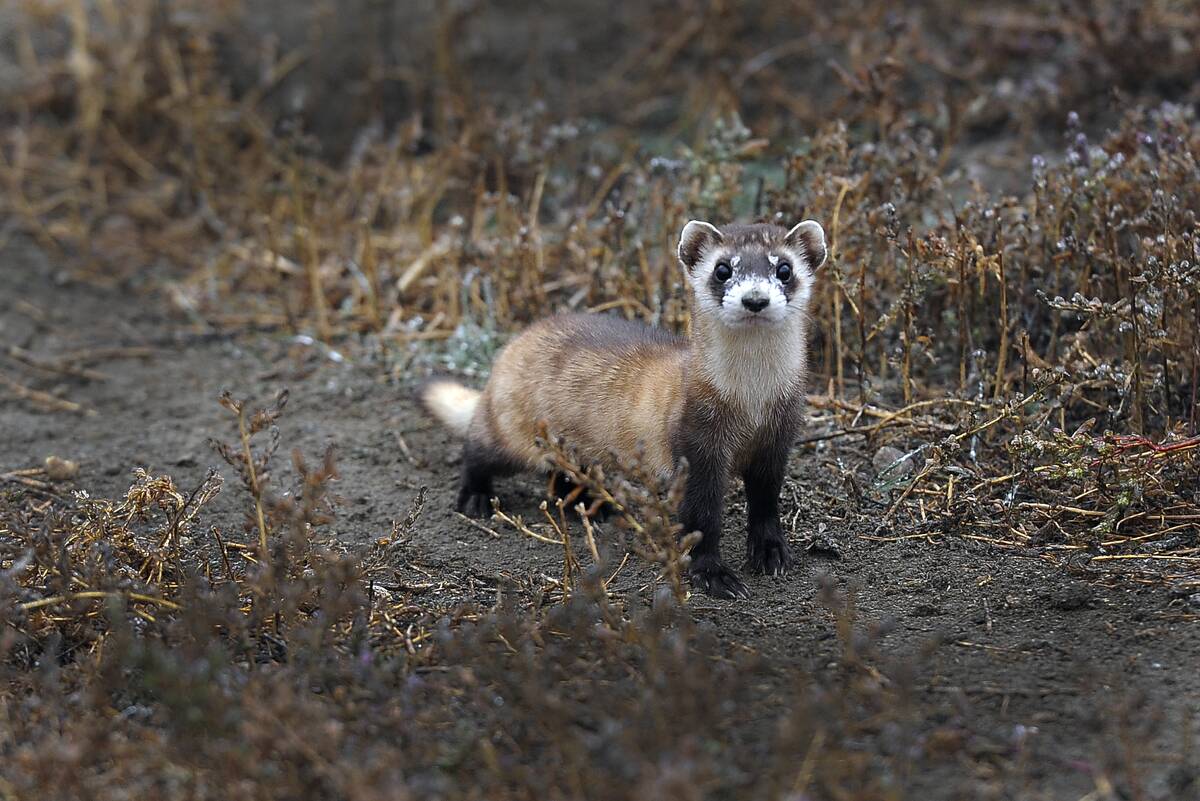
The black-footed ferret’s story is one of hope and perseverance. Declared extinct in the wild in 1987, a small population was discovered in Wyoming, sparking a dedicated recovery effort.
Through captive breeding and reintroduction initiatives, their numbers have grown to nearly 300 in the wild today. This once-lost species now inhabits parts of Wyoming, South Dakota, and Montana, showcasing the success of conservation strategies.
The Arabian Oryx: From Extinct in the Wild to Thriving Once More
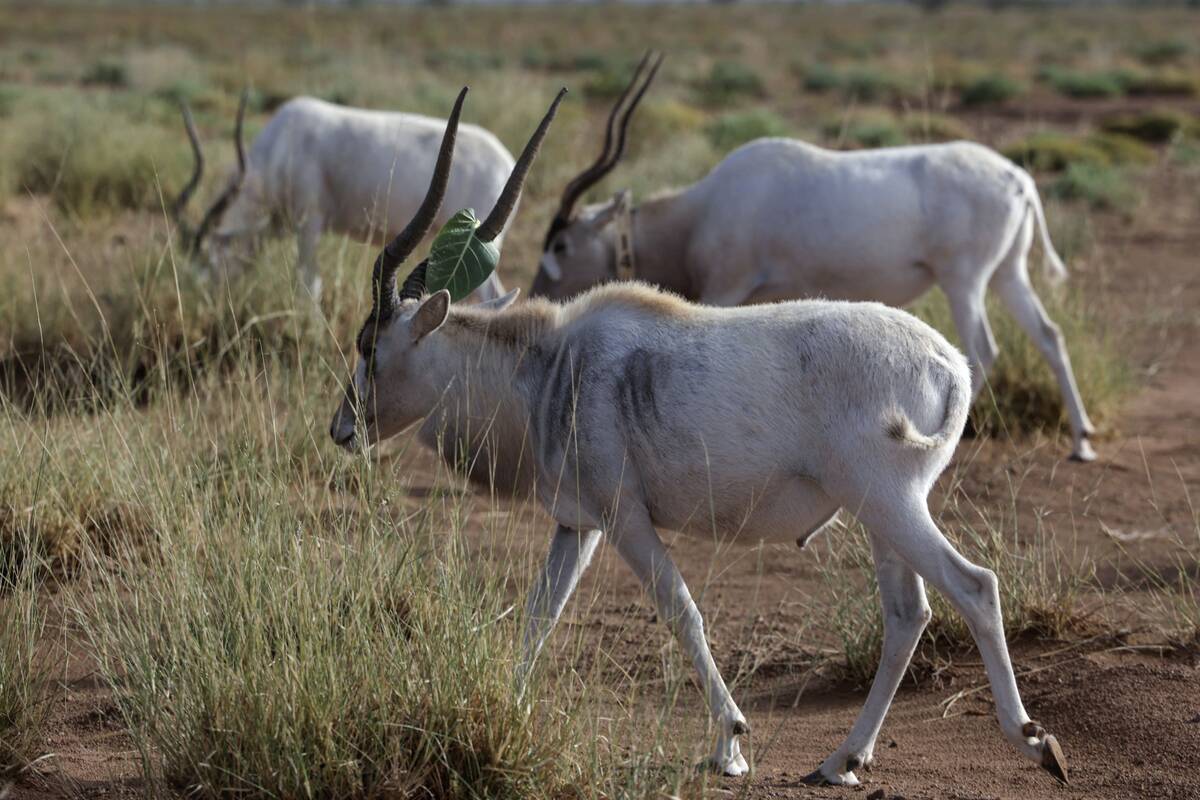
The Arabian oryx’s journey from extinction in the wild to thriving populations is a conservation triumph. By the early 1970s, this elegant antelope had vanished from its natural habitat.
Through a global captive breeding program and reintroduction into protected areas, the population now exceeds 1,000 individuals in the wild. This remarkable recovery highlights the importance of international cooperation in saving species from the brink.
The Inspiring Recovery of the Golden Lion Tamarin
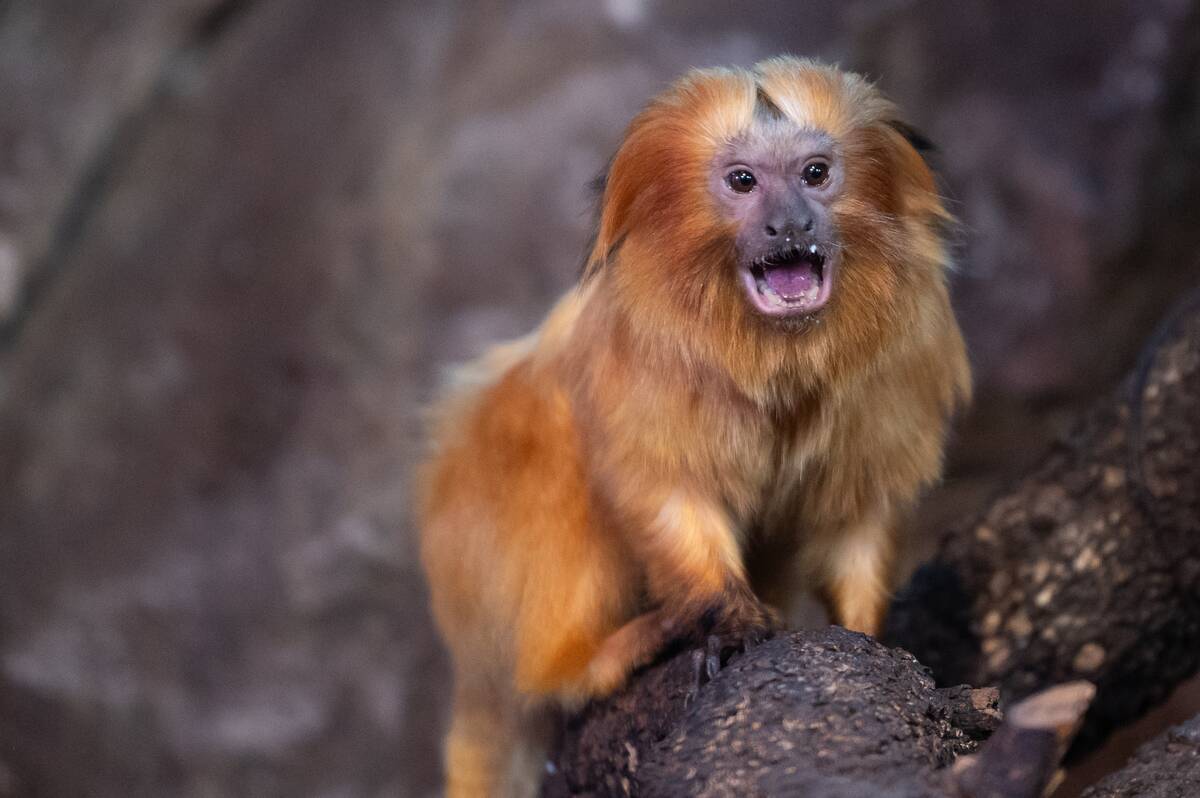
The golden lion tamarin, a small primate native to Brazil, faced near extinction due to habitat loss. In the 1970s, fewer than 200 individuals remained. Conservationists launched habitat restoration and captive breeding programs, leading to a rebound in their population.
Today, over 3,200 golden lion tamarins roam the Atlantic Forest, a result of collaborative efforts between local communities and international organizations.
The Snow Leopard’s Journey from Vulnerable to Victorious
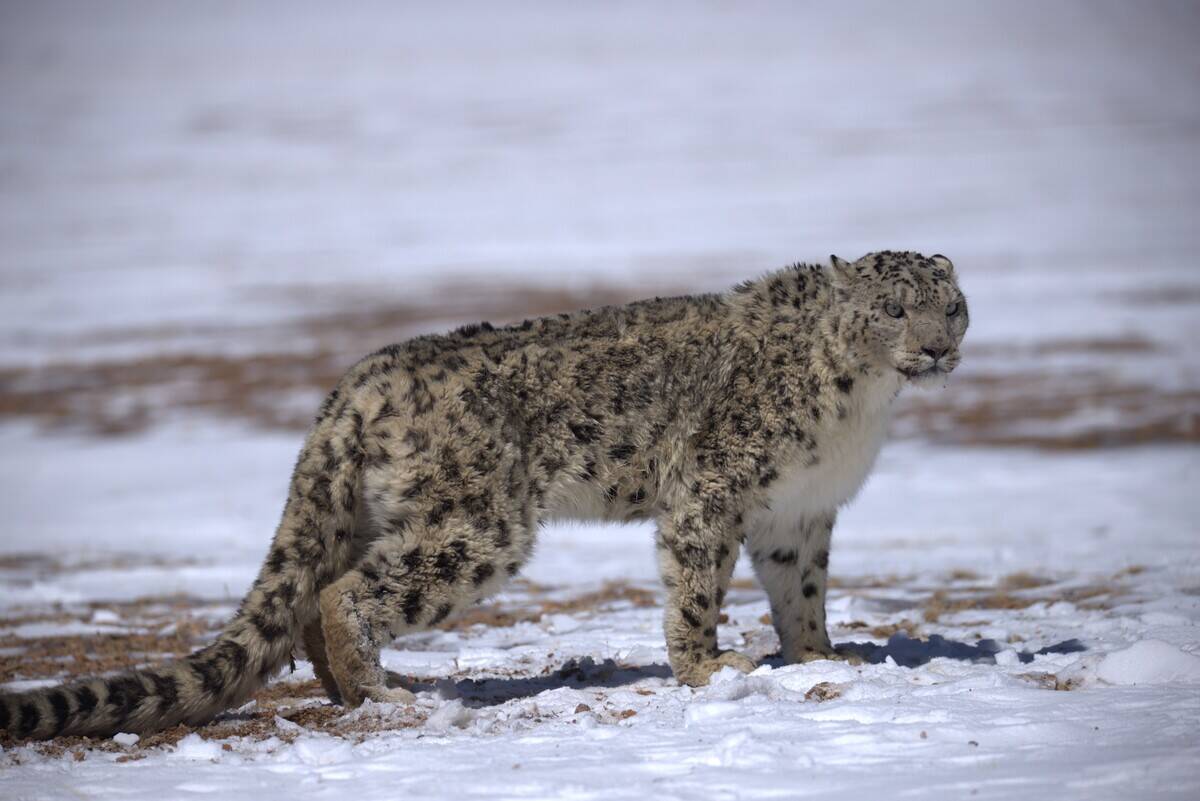
Snow leopards, often called ‘ghosts of the mountain,’ have been elusive and vulnerable for decades. Conservation efforts focusing on anti-poaching laws, habitat preservation, and community involvement have bolstered their numbers.
Estimates suggest there are now between 4,000 and 6,500 snow leopards in the wild. This increase is a promising sign that coordinated conservation and local engagement can turn the tide for these majestic cats.
The American Bison: A Symbol of Resilience and Recovery
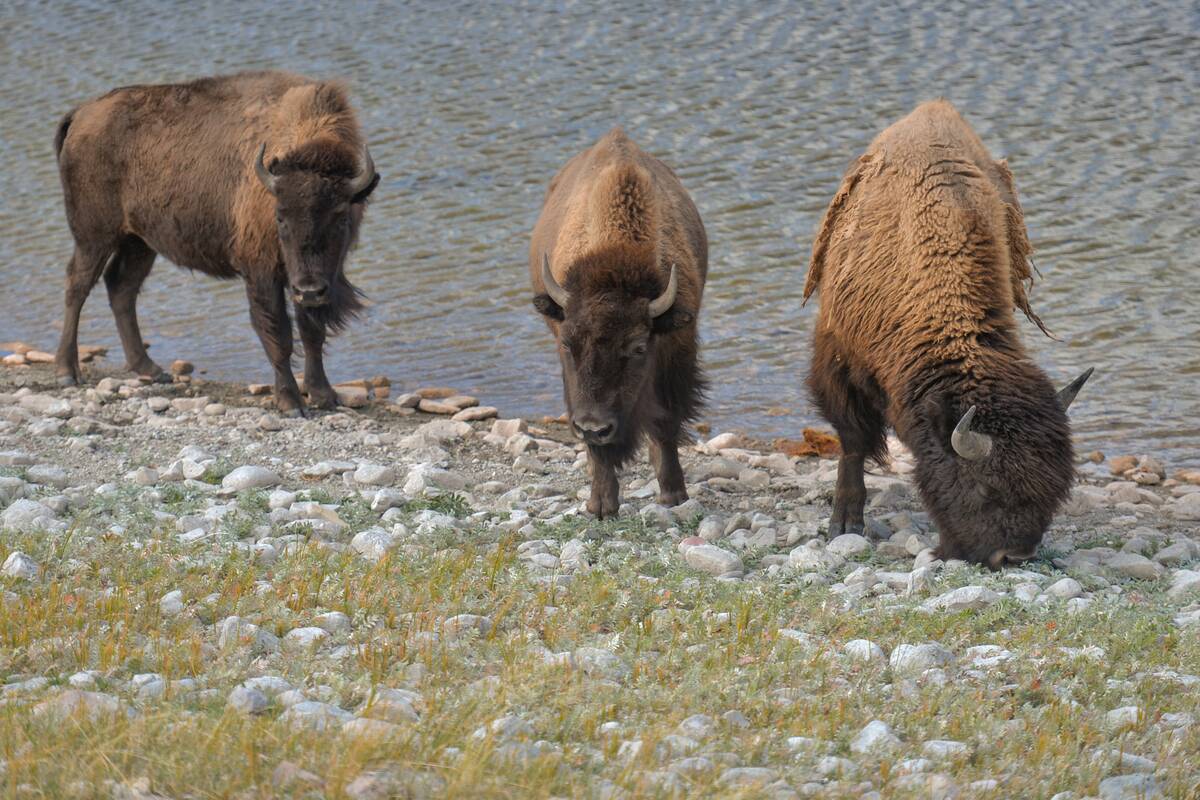
The American bison once roamed the Great Plains in massive herds, but their numbers plummeted due to overhunting and habitat loss. By the late 1800s, fewer than 1,000 bison remained.
Thanks to conservation initiatives and dedicated sanctuaries, their population has rebounded to over 500,000 across North America. The bison’s recovery is a testament to successful wildlife management and conservation policy.
The Przewalski’s Horse: A Wild Horse Tale of Survival
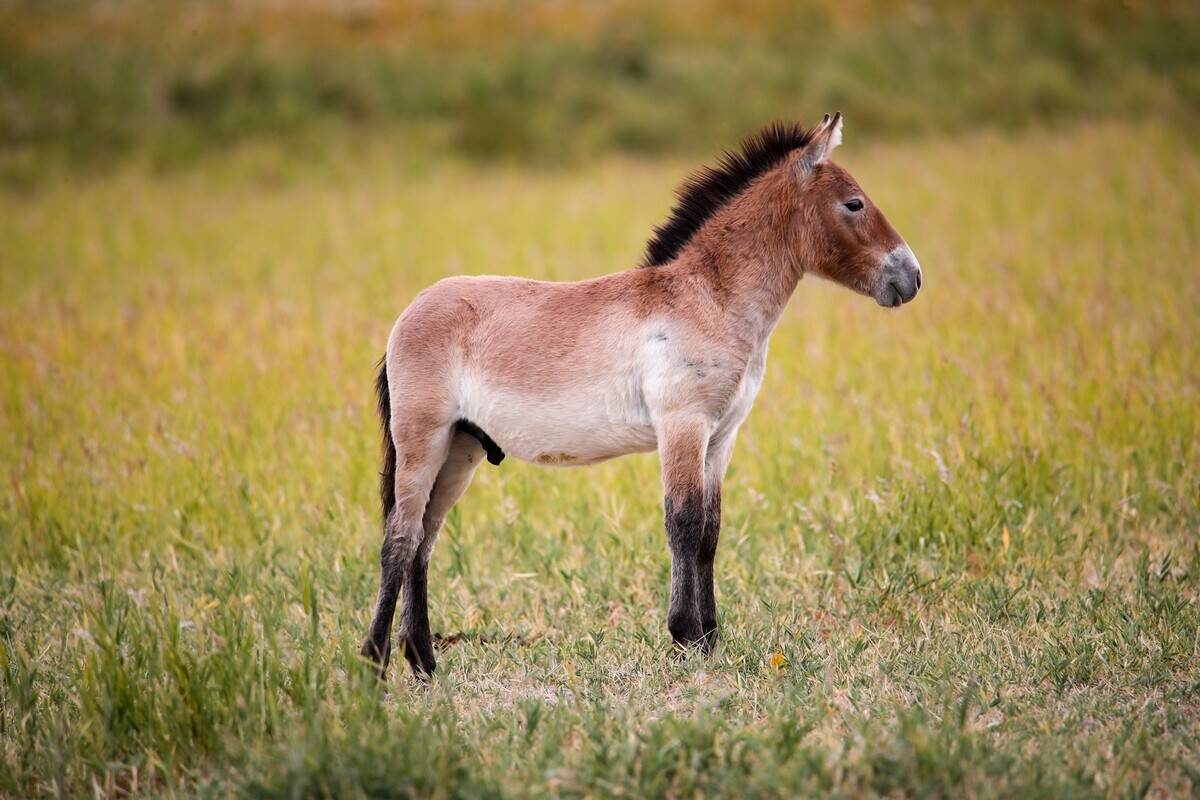
Przewalski’s horse, the only true wild horse species, faced extinction in the wild by the mid-20th century. Captive breeding programs and reintroduction efforts have brought this species back to the grasslands of Mongolia.
From a small group of individuals in captivity, there are now over 2,000 Przewalski’s horses thriving in the wild. This remarkable comeback underscores the importance of global conservation collaborations.
The Northern Bald Ibis: A Flight Towards Revival
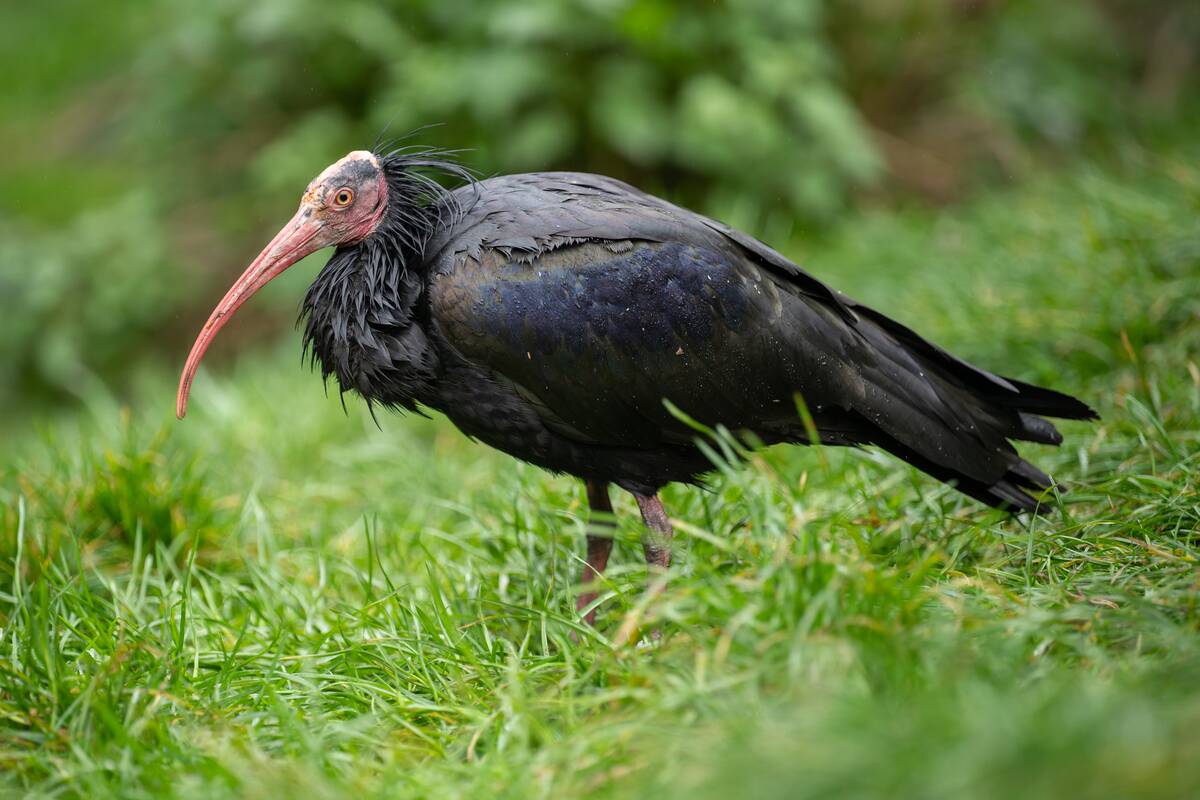
Once abundant across Europe and the Middle East, the northern bald ibis faced drastic declines due to hunting and habitat destruction. By the 20th century, they were nearly extinct in the wild.
Conservation programs in Morocco and Turkey have reintroduced populations, leading to an increase to over 700 individuals. These efforts highlight the effectiveness of targeted conservation actions in reversing the fortunes of endangered species.
The Giant Panda: From Endangered Icon to Conservation Success
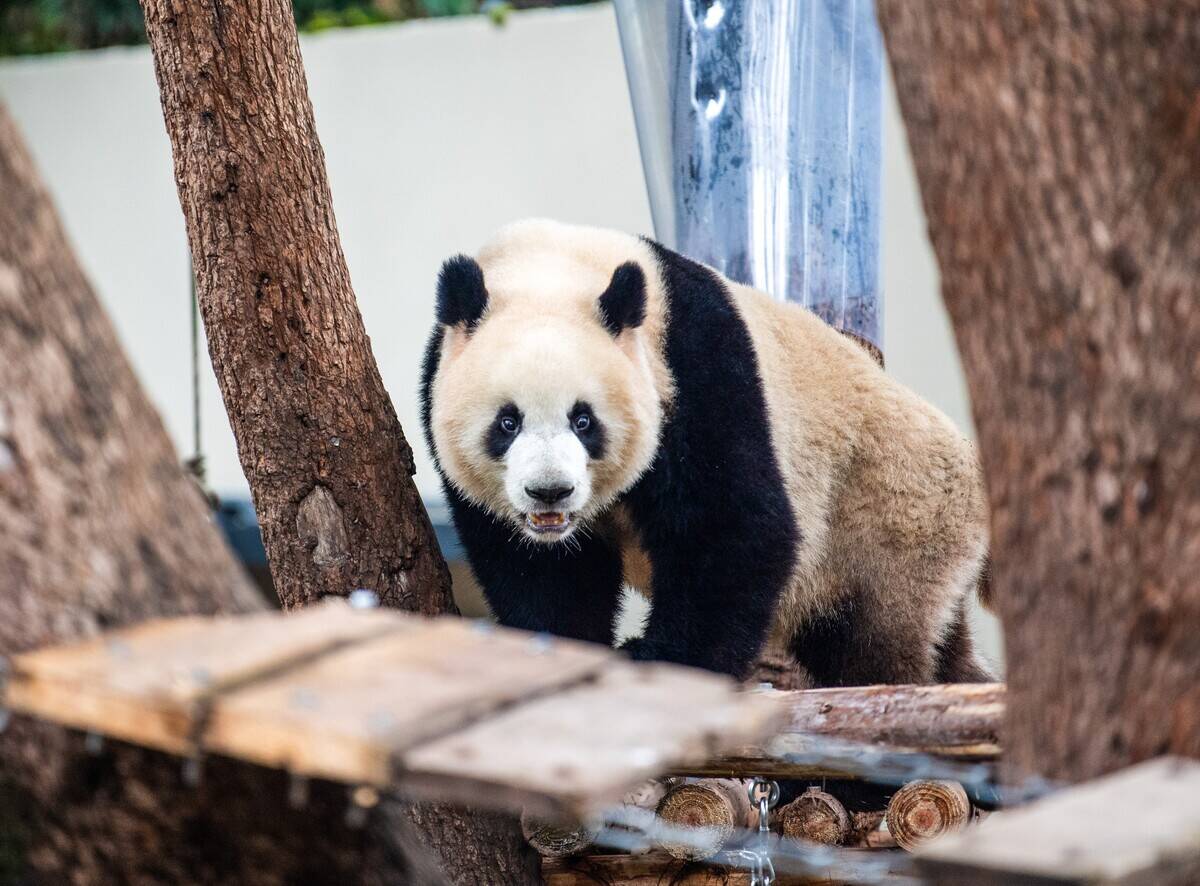
The giant panda, a global symbol of conservation, has seen its status improve from ‘endangered’ to ‘vulnerable.’ Efforts in habitat preservation and strict anti-poaching measures have led to a population of over 1,800 pandas in the wild.
China’s giant panda reserves have played a critical role in this success, demonstrating how focused conservation initiatives can make a significant impact on a species’ survival.
The Bold Return of the Bald Eagle
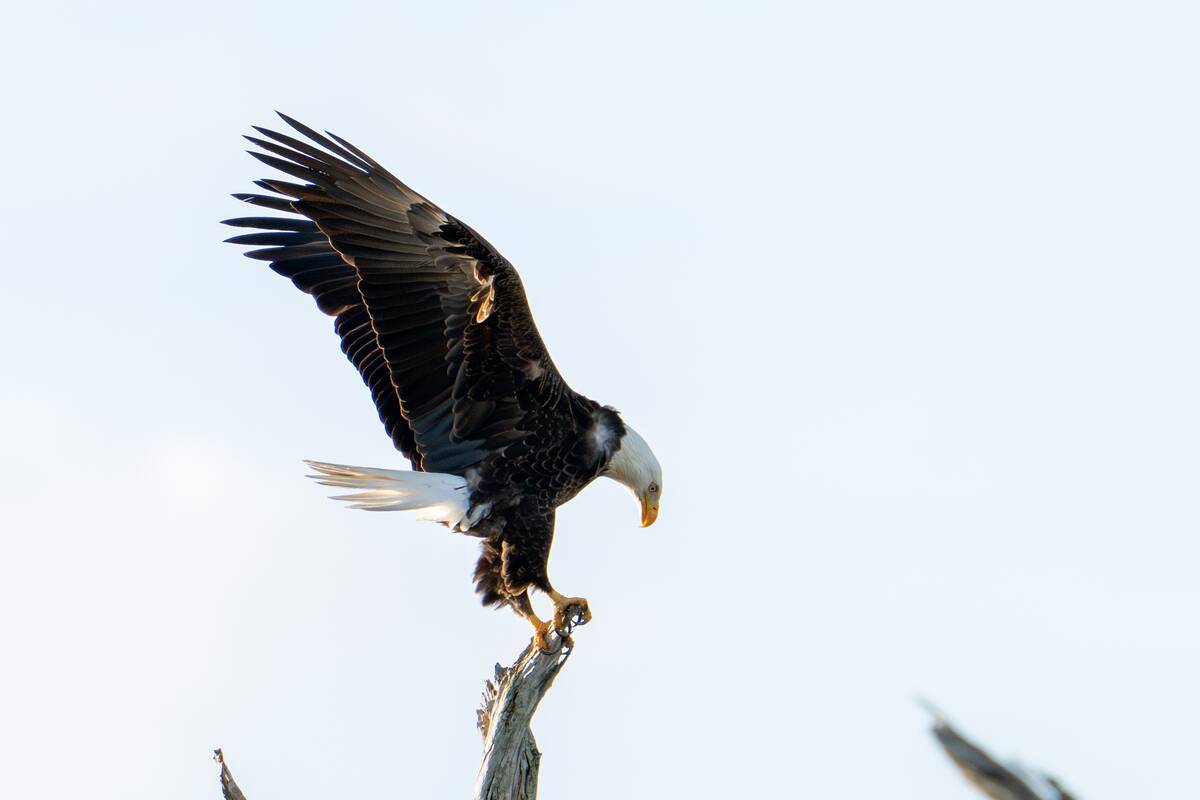
The bald eagle, once on the brink of extinction due to DDT poisoning, has made a stunning comeback. Thanks to the banning of DDT and conservation measures, their numbers have soared from just 417 nesting pairs in the U.S. in the 1960s to over 70,000 birds today.
This iconic bird’s recovery is hailed as one of the greatest conservation successes in North American history.
The Mauritius Kestrel: A Miraculous Recovery Story
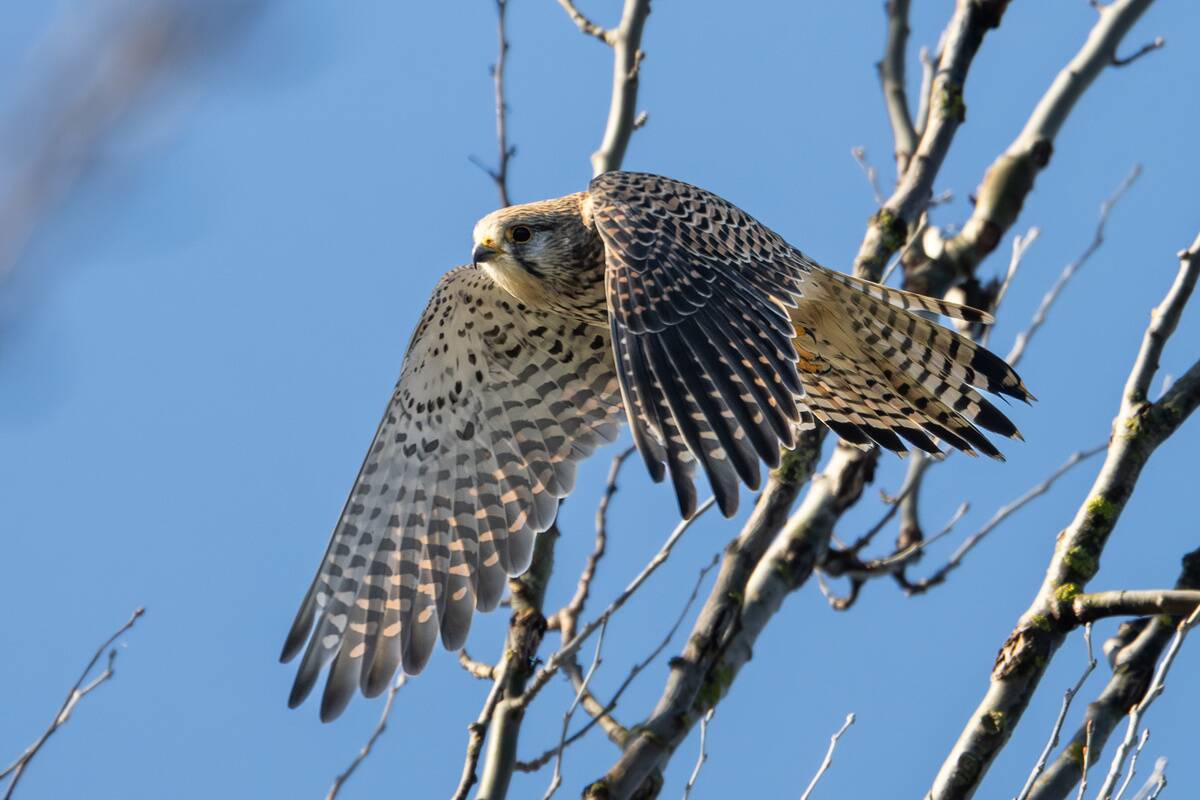
The Mauritius kestrel, once the world’s rarest bird, faced near extinction with only four individuals remaining in 1974. Intensive conservation efforts, including captive breeding and habitat management, have increased their numbers to over 300.
This incredible recovery illustrates the power of dedicated conservationists and the resilience of nature when given a chance to recover.
The European Bison: From Near Extinction to Flourishing Forests
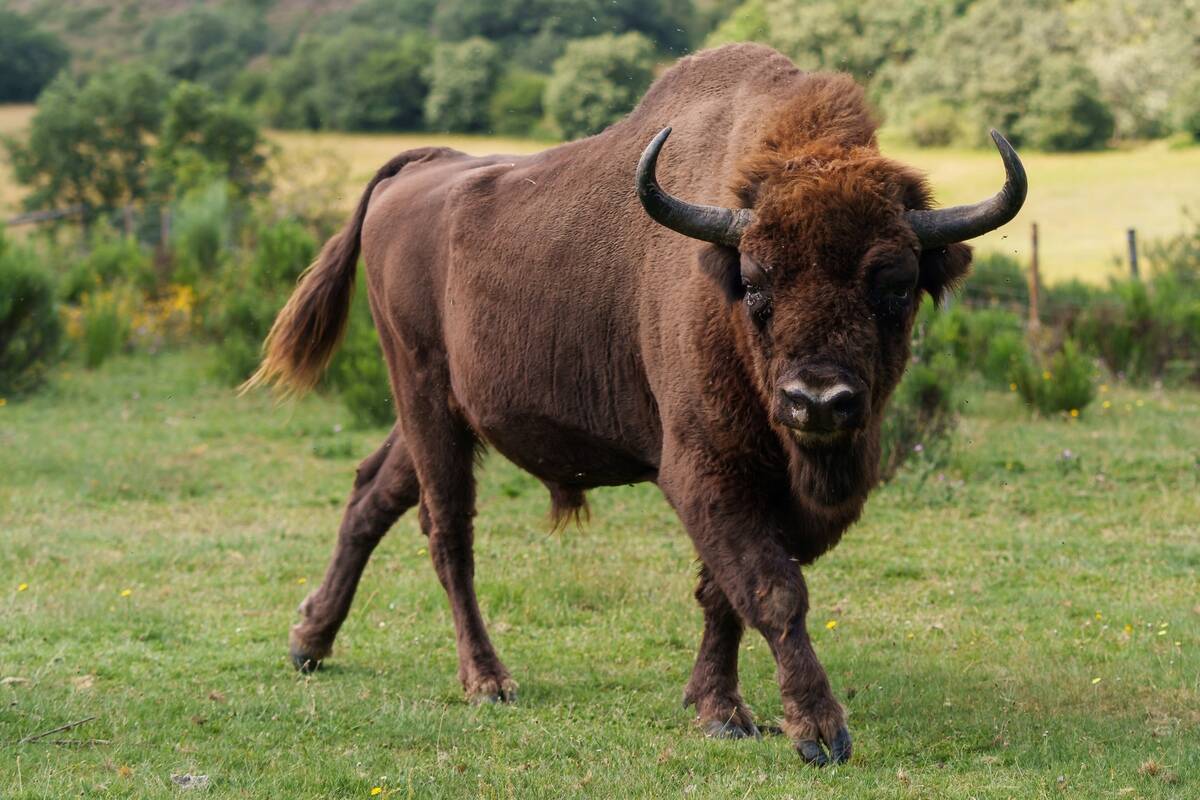
The European bison, Europe’s largest land mammal, was nearly wiped out in the wild by the early 20th century. Captive breeding and reintroduction programs have restored their populations to over 6,000 individuals across several European countries.
These majestic creatures now roam free in protected forests, a testament to successful conservation strategies and international cooperation.
The Amur Leopard: Stripes of Hope in Russia
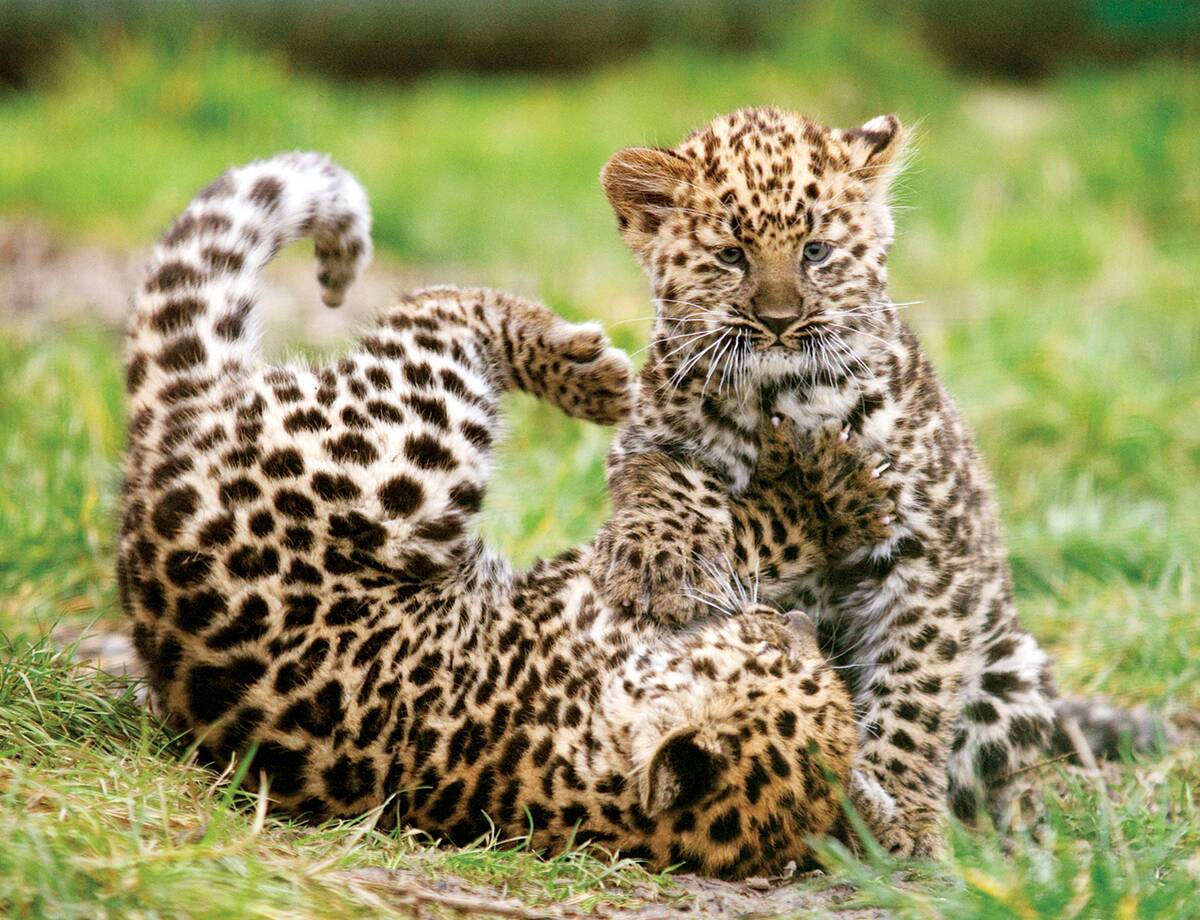
Amur leopards, among the world’s rarest big cats, are native to the forests of Russia and China. With fewer than 40 individuals left in the wild in the early 2000s, intensive conservation efforts have increased their numbers to about 100 today.
Habitat protection and anti-poaching initiatives have been crucial in this recovery, offering a glimmer of hope for these elusive felines.
The Hawaiian Crow: A Native Songbird’s Second Chance
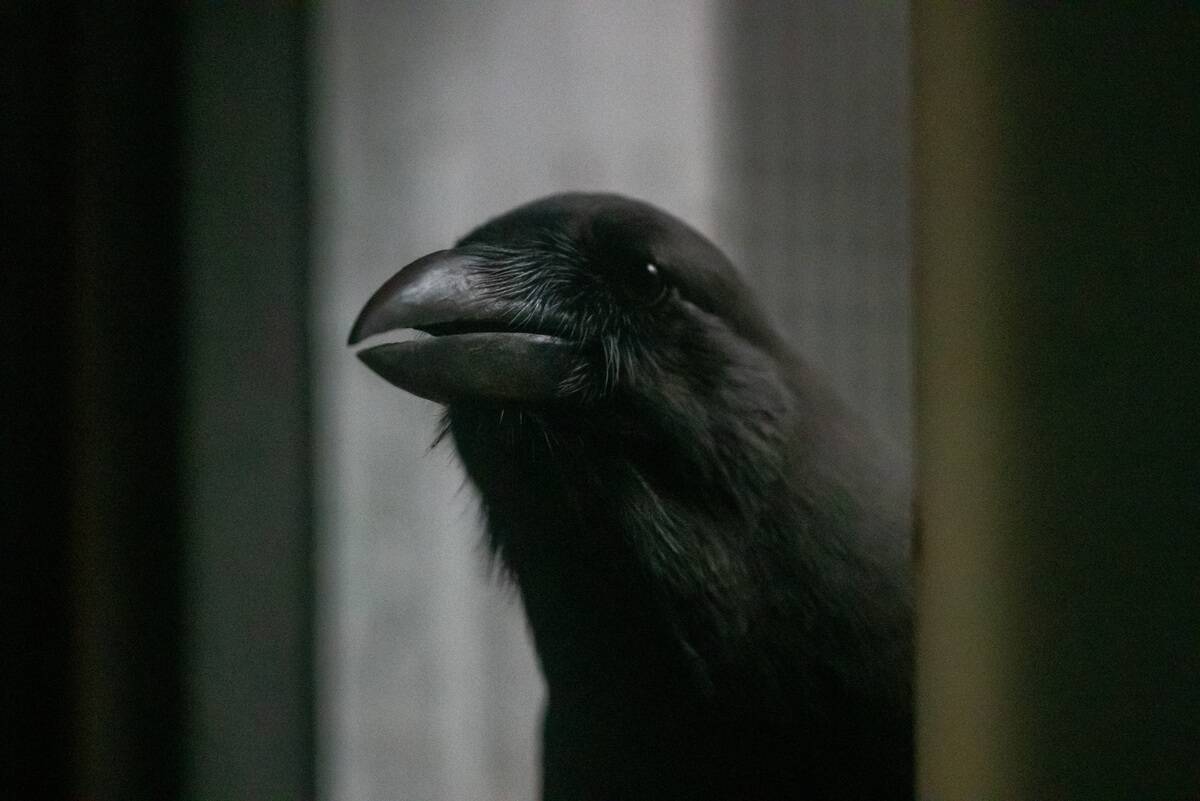
The Hawaiian crow, or ‘Alalā, faced extinction in the wild by the early 2000s due to habitat loss and disease.
A successful captive breeding program has reintroduced these intelligent birds into protected areas in Hawaii. With around 115 individuals now thriving, the ‘Alalā’s comeback is a heartening example of how targeted conservation efforts can bring species back from the brink.
Celebrating Conservation Heroes: The People Behind the Sanctuaries
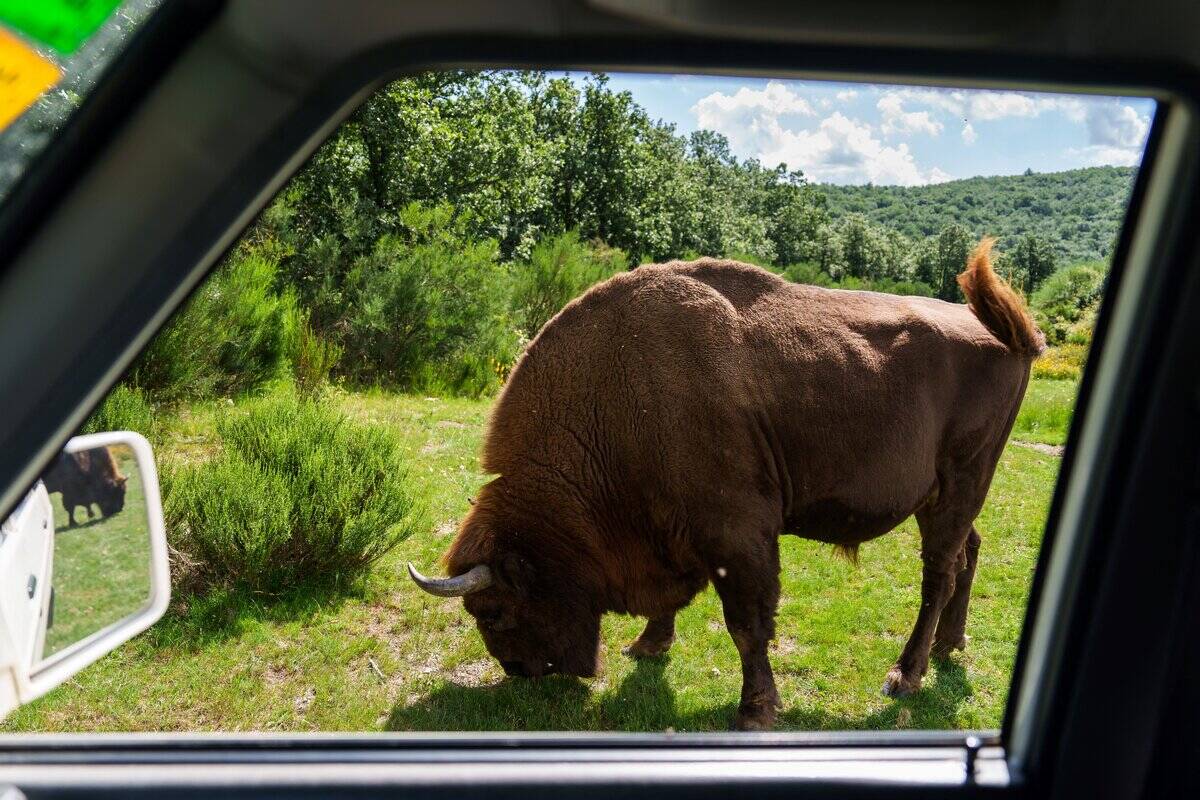
The success stories of wildlife conservation owe much to the dedicated individuals working tirelessly behind the scenes. From researchers and field biologists to local communities and international organizations, these conservation heroes are the backbone of sanctuary efforts.
Their passion and perseverance have not only saved species from extinction but have also inspired a global movement towards sustainable cohabitation with nature.




