When lighting quietly transformed American offices
Lighting has undergone a fascinating transformation in the workplace over the years. From the dim, flickering candlelit offices of the past to today’s bright, energy-efficient spaces, the evolution of office lighting is a tale of innovation.
It’s more than just illumination; it’s about creating environments that enhance productivity and well-being. As technology advances, office lighting continues to adapt, reflecting changing work habits and ecological concerns.
A Glimpse into the Early Days of Office Work

In the early days, offices relied heavily on natural light and candles, with the latter often causing eyestrain and fatigue. These workspaces were typically cramped and uninviting, with large windows being the primary source of daylight.
As more people began working indoors, the need for better lighting solutions became apparent. The transition to gas lamps in the 19th century marked a significant shift, offering a steadier light source and reducing dependence on daylight alone.
The Role of Natural Light in Traditional Workspaces

Natural light has always been a coveted feature in office design. It not only reduces the need for artificial lighting but also has a positive impact on mood and productivity. Studies have shown that employees working near windows report higher job satisfaction.
In traditional offices, large windows and skylights were integral to design, maximizing daylight exposure. This focus on natural light is making a resurgence today, with many companies prioritizing it in modern office layouts.
The Advent of Artificial Lighting: A Game Changer
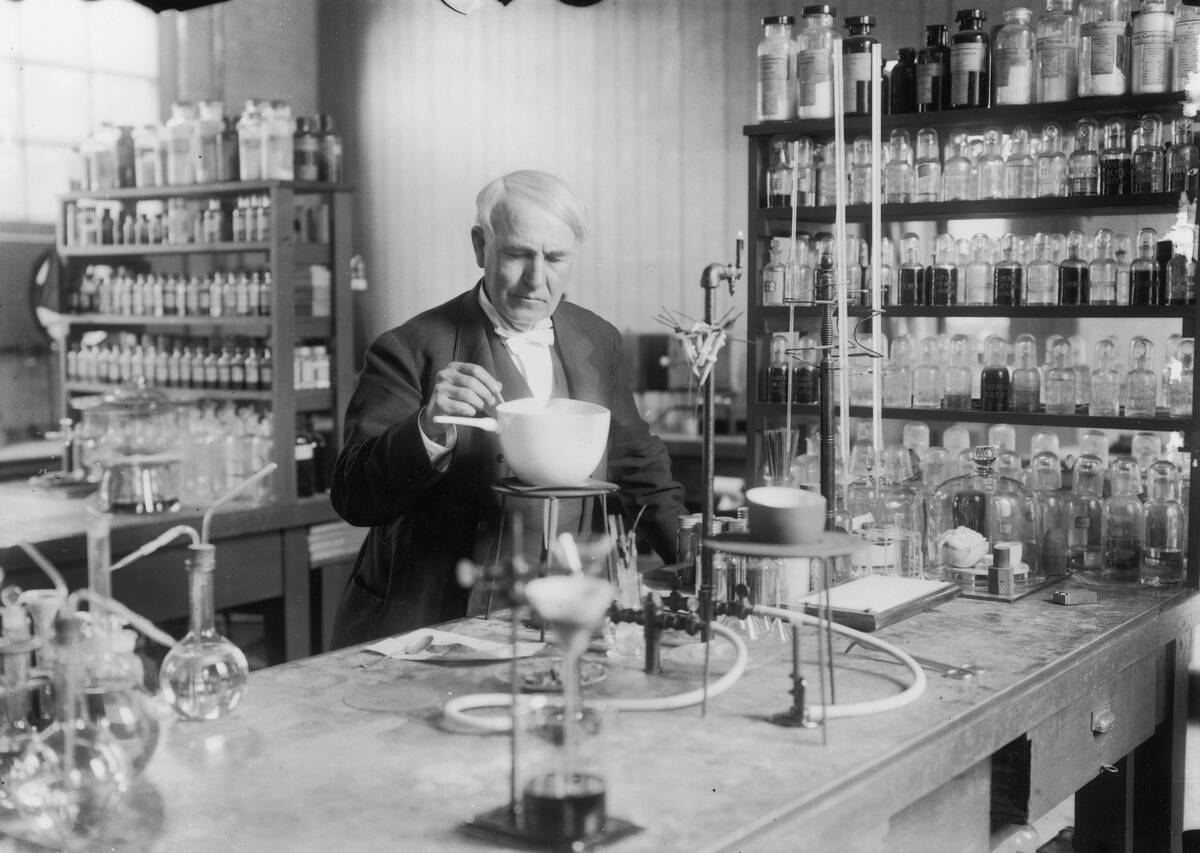
The introduction of artificial lighting revolutionized the workplace, allowing for greater flexibility in office design and working hours. Thomas Edison’s invention of the electric light bulb in 1879 paved the way for widespread use, transforming dimly lit offices into brighter, more efficient work environments.
This advancement not only extended the workday but also improved safety and productivity, as employees could now work with greater clarity and less strain on their eyes.
Fluorescent Lighting Takes Center Stage
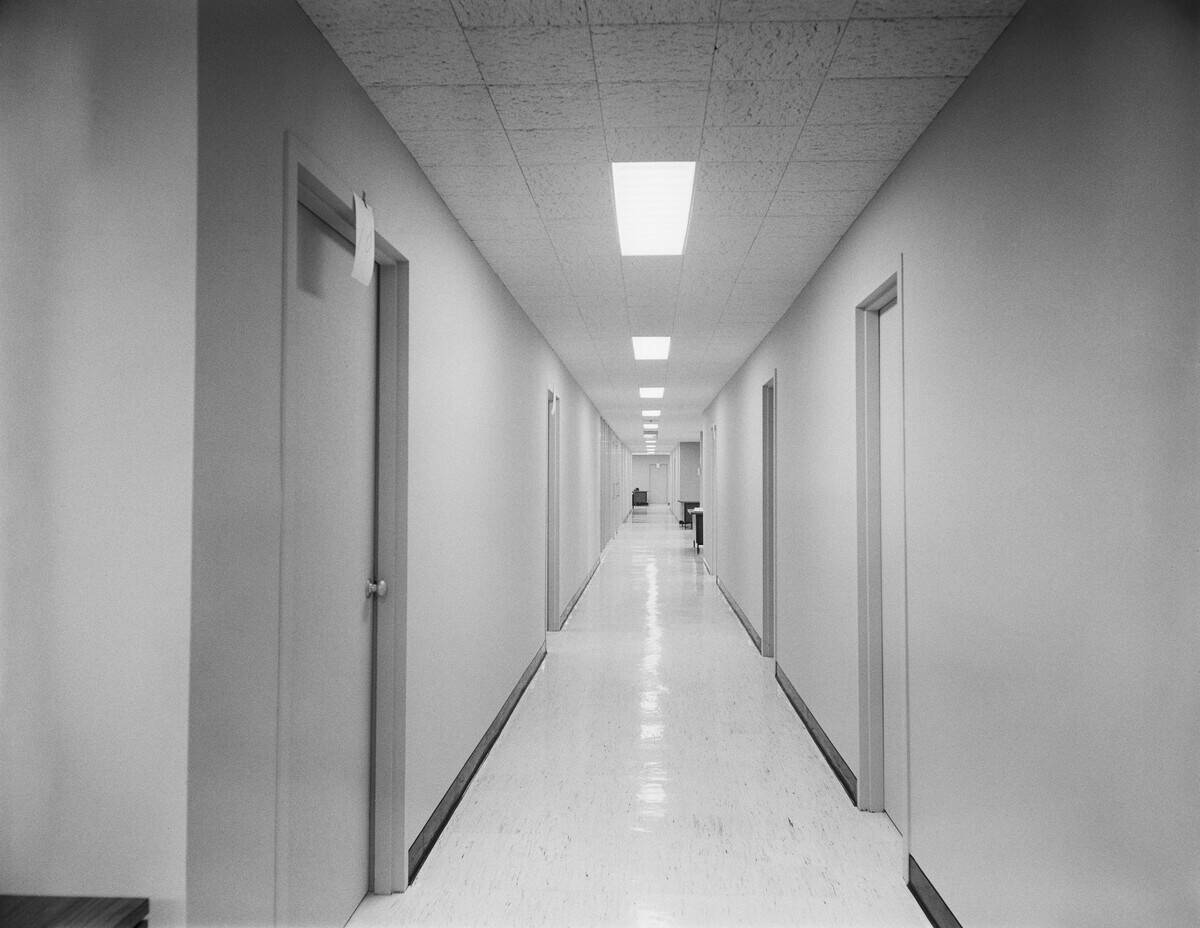
Fluorescent lighting became a staple in offices during the mid-20th century due to its energy efficiency and long lifespan. These lights offered a more consistent and brighter illumination compared to incandescent bulbs.
However, the cold, harsh quality of fluorescent light has been criticized for contributing to eye strain and headaches. Despite these drawbacks, it remained popular for decades because of its cost-effectiveness and widespread availability.
The Impact of Lighting on Employee Productivity
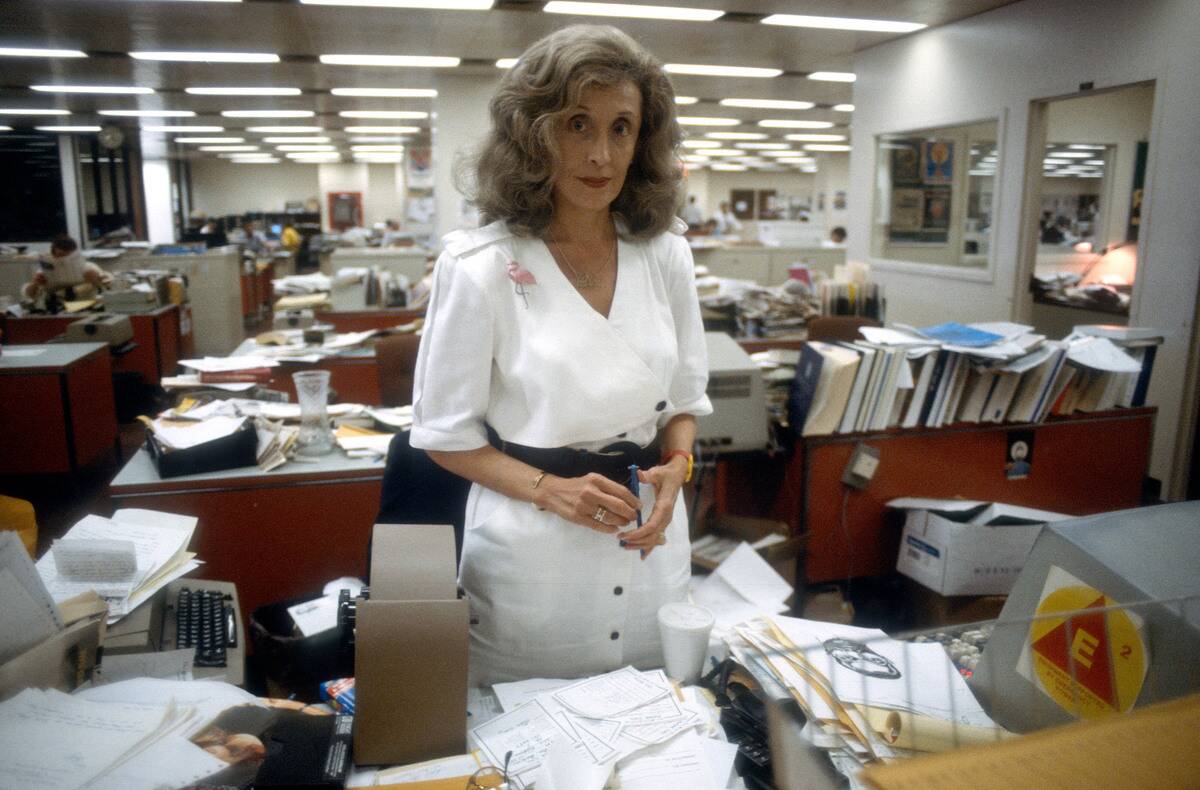
Good lighting is crucial for maintaining high productivity levels in the workplace. Poor lighting can lead to fatigue, decreased concentration, and increased error rates. Conversely, well-lit environments have been shown to boost performance and morale.
Studies indicate that exposure to natural light can increase productivity by up to 20%. Employers are increasingly aware of these benefits and are investing in lighting solutions that support employee efficiency and satisfaction.
The Science Behind Lighting and Mood
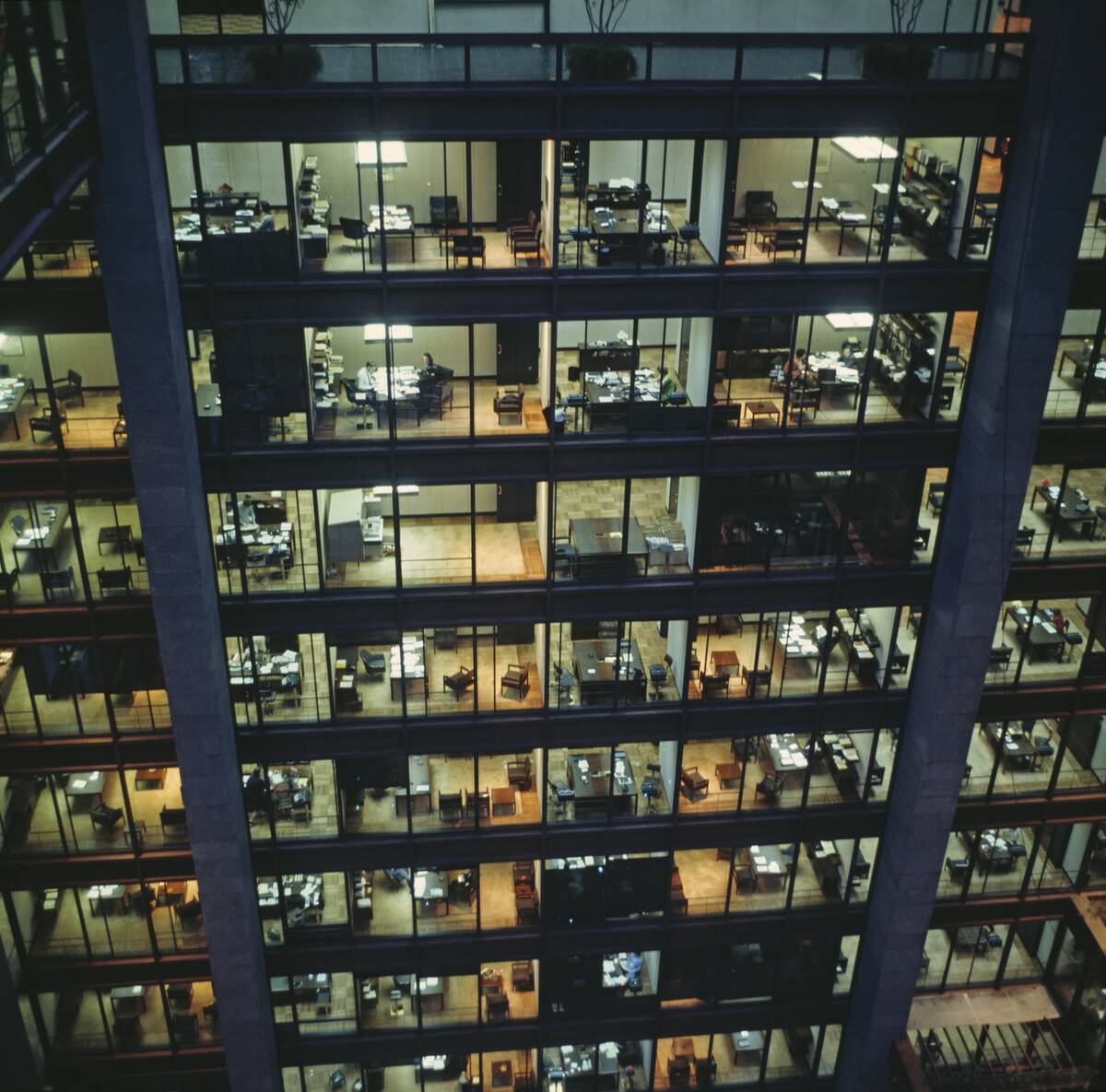
Lighting plays a significant role in regulating our circadian rhythms, which influence sleep patterns, mood, and energy levels. Blue-enriched light, similar to morning sunlight, has been found to improve alertness and cognitive function.
On the other hand, warm lighting is more conducive to relaxation and is often used in break areas. Understanding these effects enables companies to tailor lighting systems to enhance both productivity and well-being throughout the day.
The Rise of LED Lighting Solutions
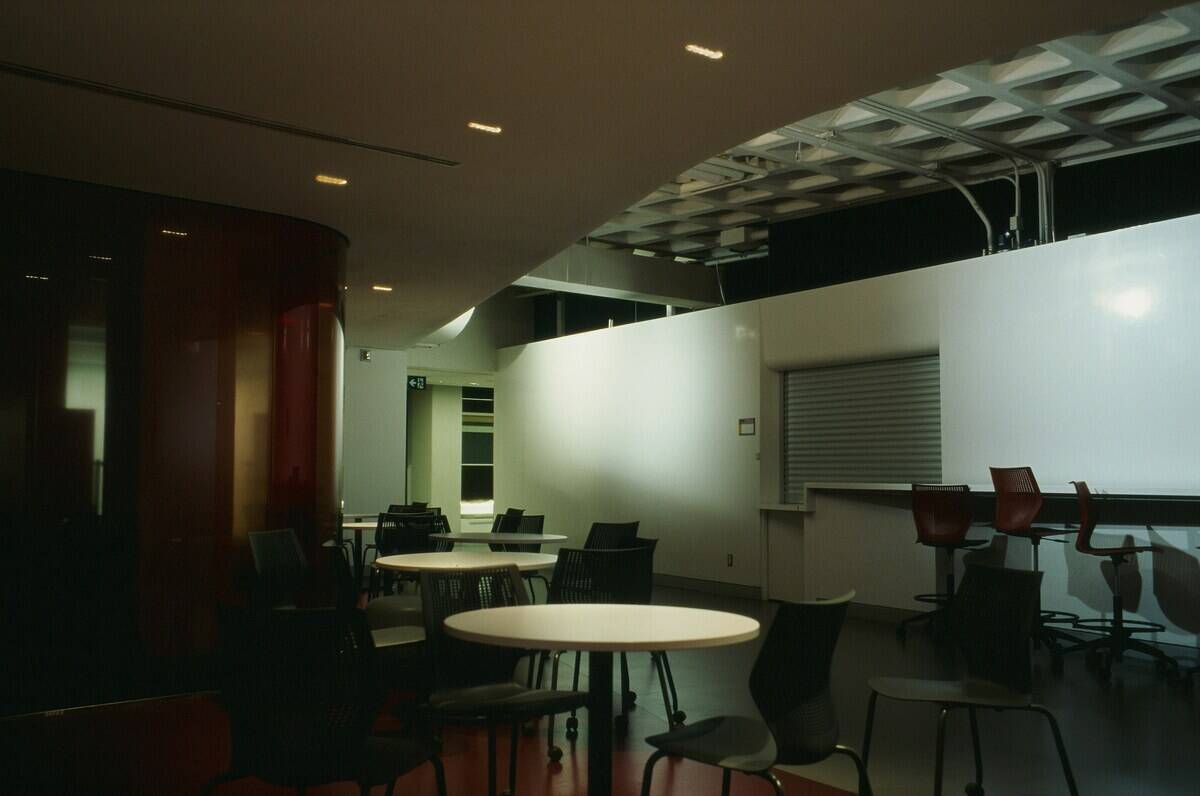
LED lighting has rapidly become the go-to choice for modern offices due to its versatility and efficiency. These lights use up to 75% less energy than incandescent bulbs and have a much longer lifespan.
Additionally, LED technology allows for customizable lighting solutions, enabling adjustments in color temperature and brightness to suit different tasks and times of day. This adaptability has made LEDs a favorite among businesses looking to create dynamic and sustainable work environments.
The Influence of Tech Companies on Office Design
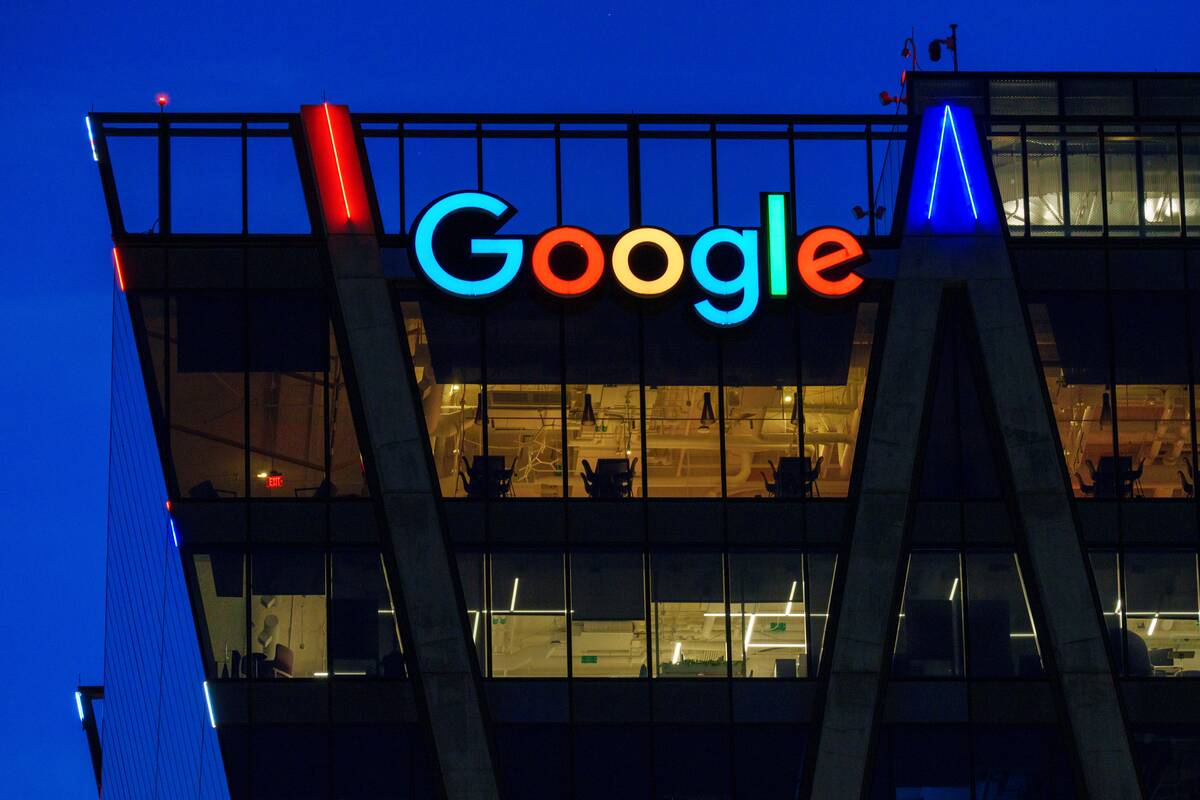
Tech companies have been at the forefront of innovative office design, often incorporating cutting-edge lighting solutions to enhance the work experience. Firms like Google and Apple prioritize natural light and flexible lighting systems to foster creativity and collaboration.
These companies often use lighting to define spaces, create ambiance, and support their brand identity. Their approach to office lighting has set new standards and inspired other industries to rethink their own workspaces.
Lighting and the Open-Plan Office Trend
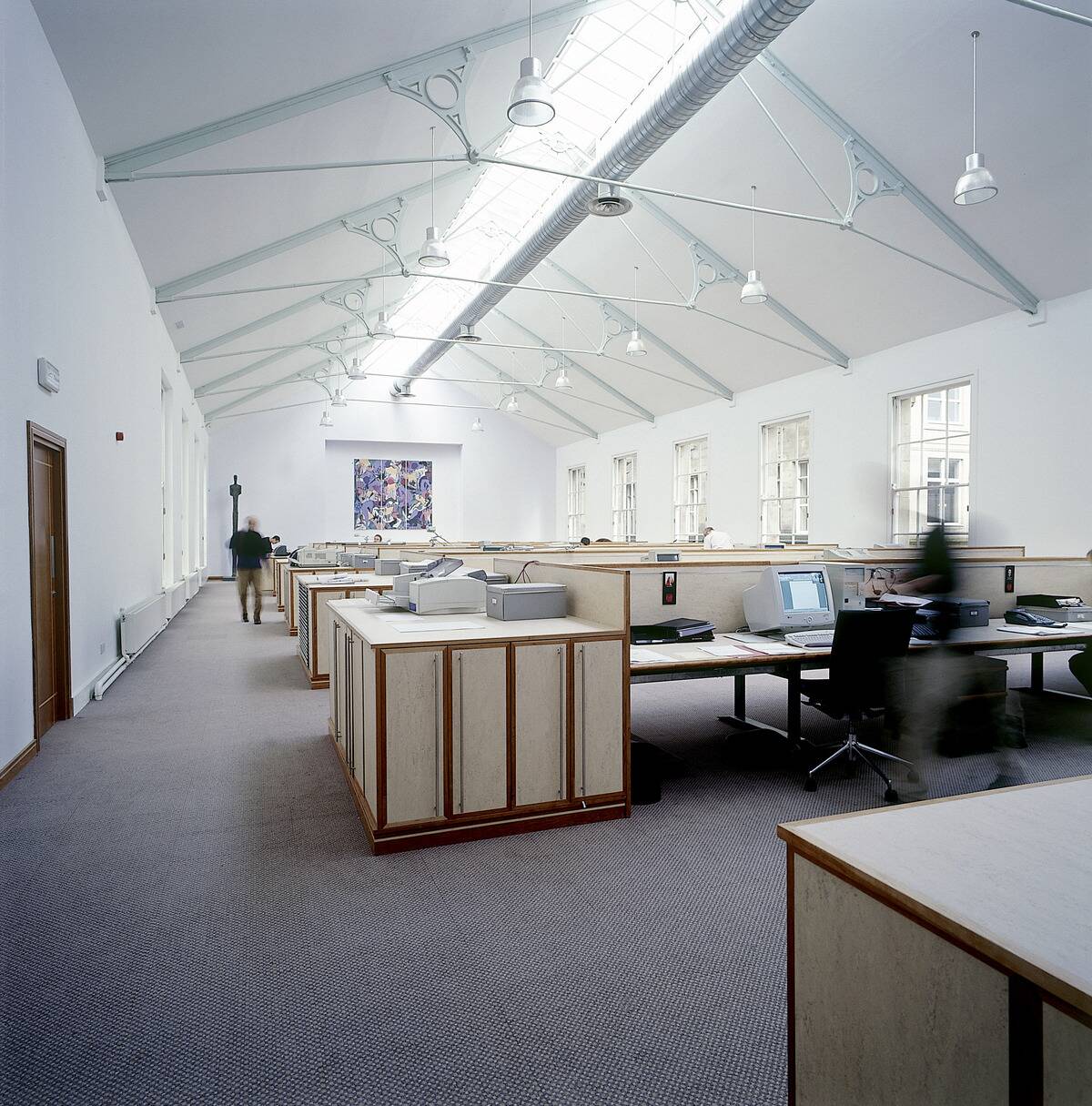
The open-plan office trend has significantly influenced lighting design, emphasizing the need for adaptable and efficient solutions. Without walls and partitions, lighting must be evenly distributed to ensure all areas are well-illuminated.
Additionally, the absence of private offices necessitates lighting that can accommodate different activities and preferences. Many open-plan offices utilize LED systems with adjustable settings, allowing employees to personalize their workspace lighting to suit their needs.
How Lighting Affects Employee Health and Well-being
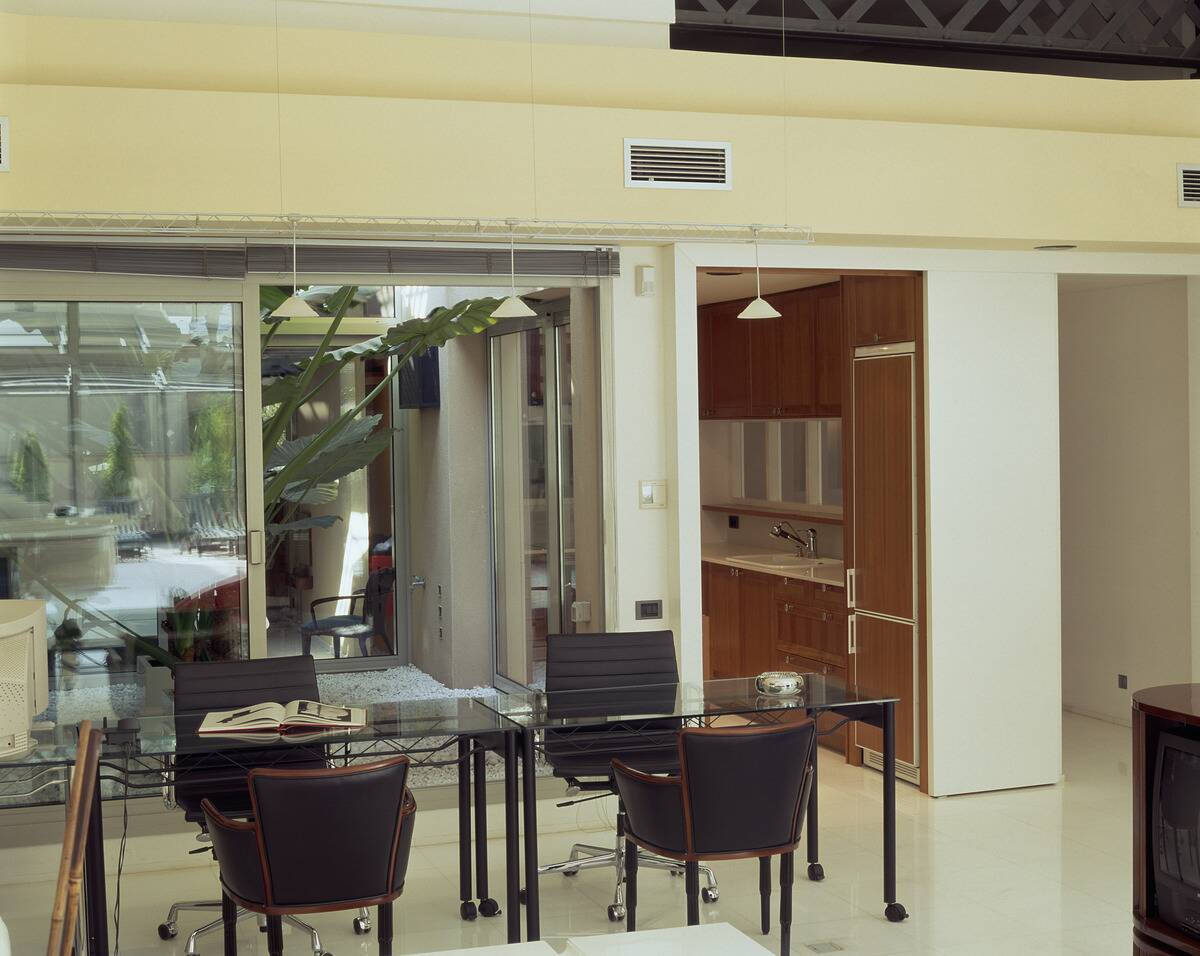
Proper lighting is essential for maintaining employee health and well-being. Insufficient or harsh lighting can lead to issues such as eye strain, headaches, and disrupted sleep patterns.
Conversely, well-designed lighting can improve mood, energy levels, and overall health. Employers are increasingly recognizing the importance of investing in lighting solutions that promote a healthy work environment, leading to happier and more productive employees.
The Role of Lighting in Flexible and Remote Workspaces
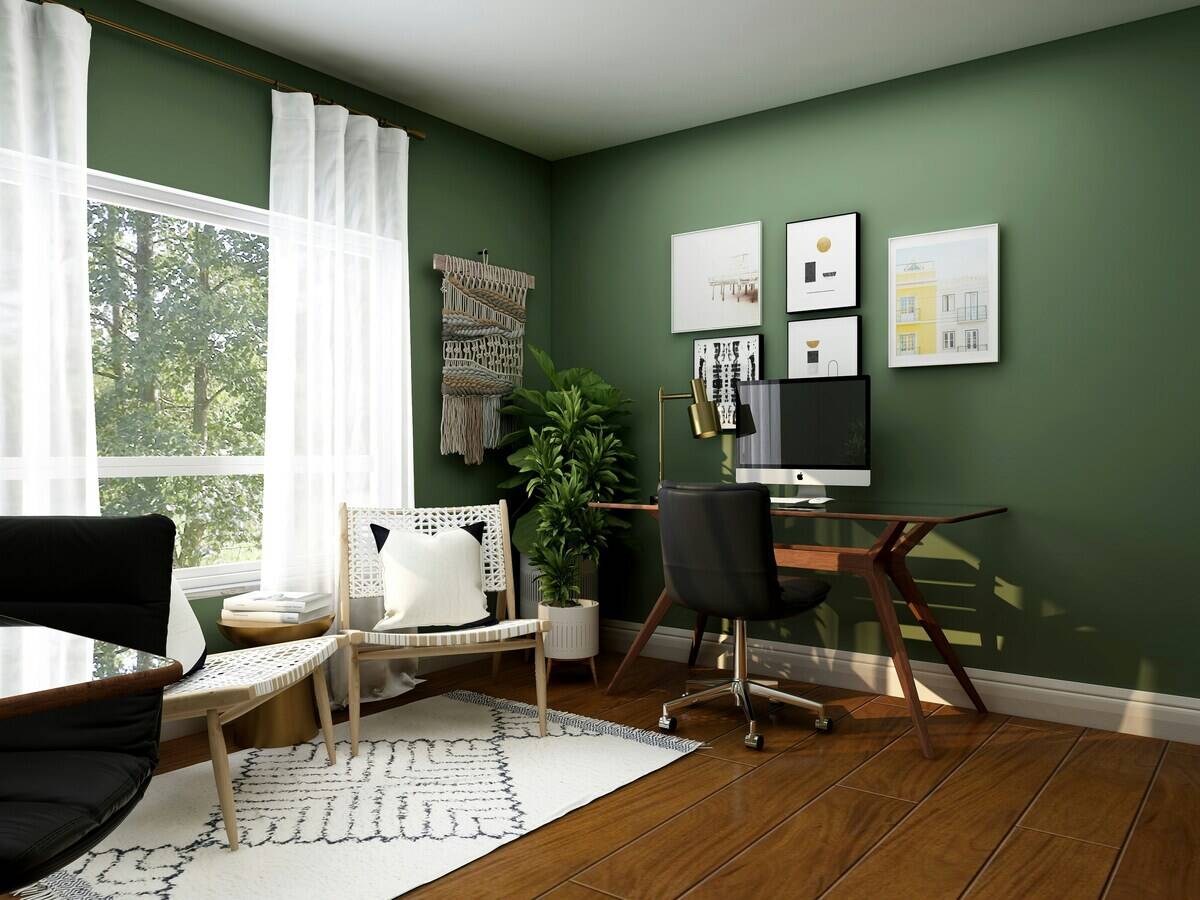
With the rise of flexible and remote work arrangements, the role of lighting has expanded beyond the traditional office. Home offices and co-working spaces require lighting that can adapt to various tasks and personal preferences.
Portable LED lamps, smart bulbs, and natural light exposure are popular choices for creating comfortable and productive home work environments. This shift highlights the need for versatile and user-friendly lighting solutions that support diverse work styles.
Case Studies: Companies Leading the Way in Innovative Lighting
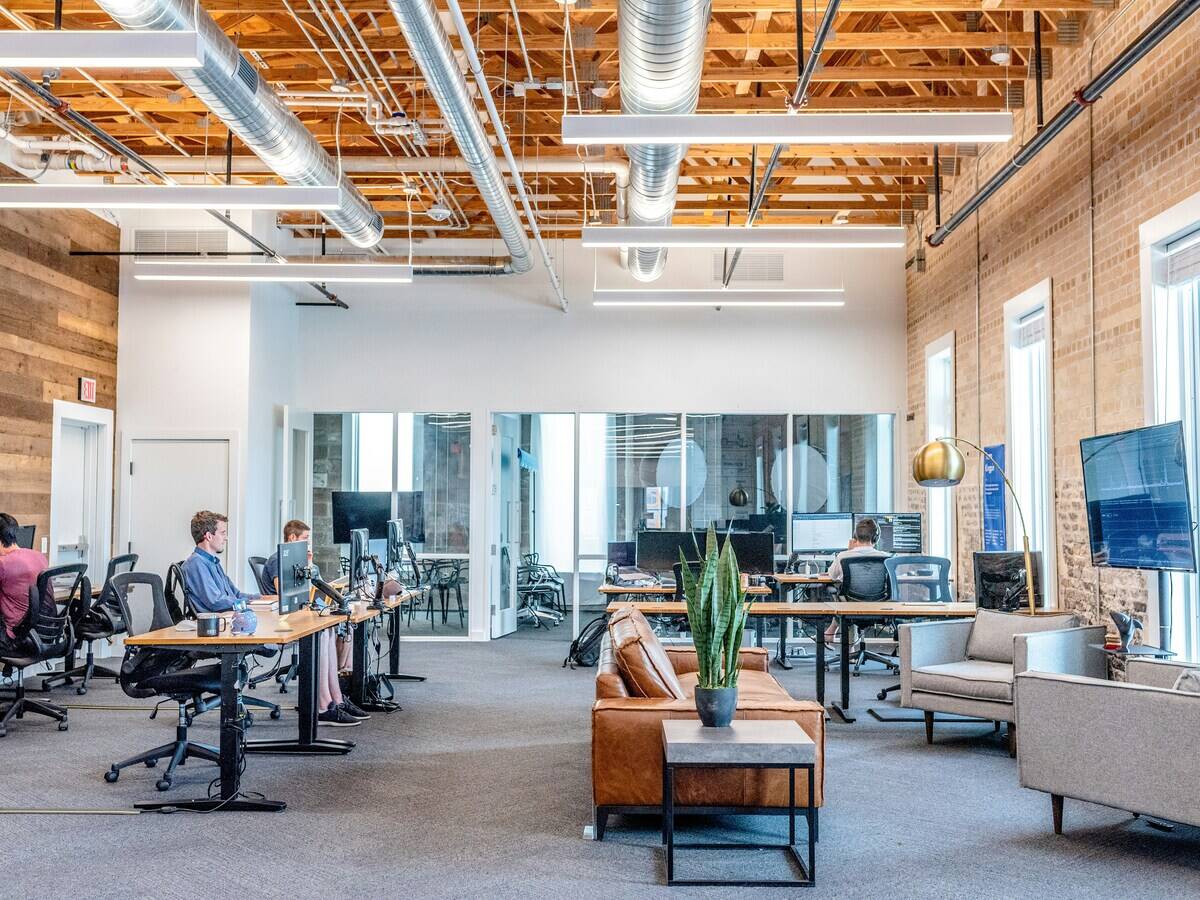
Several companies have emerged as leaders in implementing innovative lighting solutions. For example, The Edge in Amsterdam uses a smart lighting system that adjusts based on occupancy and natural light levels.
Meanwhile, Adobe’s San Jose headquarters features a daylighting strategy that maximizes natural light while minimizing glare. These case studies demonstrate how thoughtful lighting design can enhance sustainability, employee well-being, and overall workspace efficiency.
The Future of Office Lighting: What’s Next?
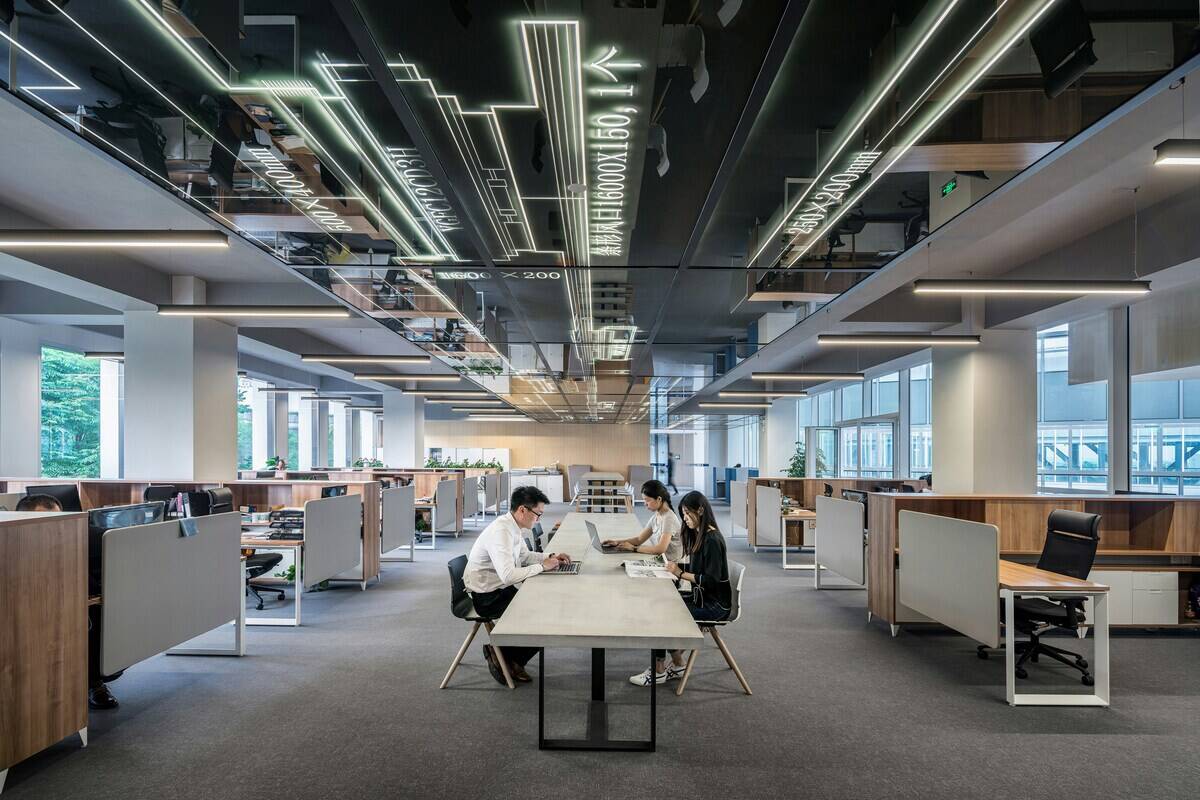
The future of office lighting promises exciting advancements, with technologies like human-centric lighting and IoT integration on the horizon. Human-centric lighting aims to mimic natural light patterns to support circadian rhythms, while IoT-enabled systems offer personalized and energy-efficient solutions.
As workplaces continue to evolve, lighting will play a crucial role in creating environments that are not only functional but also enhance the well-being and productivity of employees.