21 Methods of spreading news before radio
Long before a single voice crackled over the airwaves, Americans were already stitched into a sprawling news web. Letters rode post roads, headlines rumbled in from the next town by stagecoach, and steamboats delivered rumors upriver faster than a horse could trot. By the 1830s and 1840s, railroads and the telegraph turned once-isolated communities into regular stops on a national conversation, so a farm in Ohio could hear about a strike in New York or an election in Tennessee without waiting months.
Policy and technology teamed up to make that possible.
Congress’s Post Office Act of 1792 kept newspaper postage deliberately low to spread information widely, and editors exchanged copies through the mail to reprint far‑flung stories. The telegraph’s debut in 1844—“What hath God wrought”—made urgent dispatches travel in minutes. Steamboats like the New Orleans (1811–12) sped printed bundles along Western waters, and by 1860 the U.S. had more than 30,000 miles of track shrinking delivery times dramatically.
Word of mouth and the gossip grapevine: news with a wink
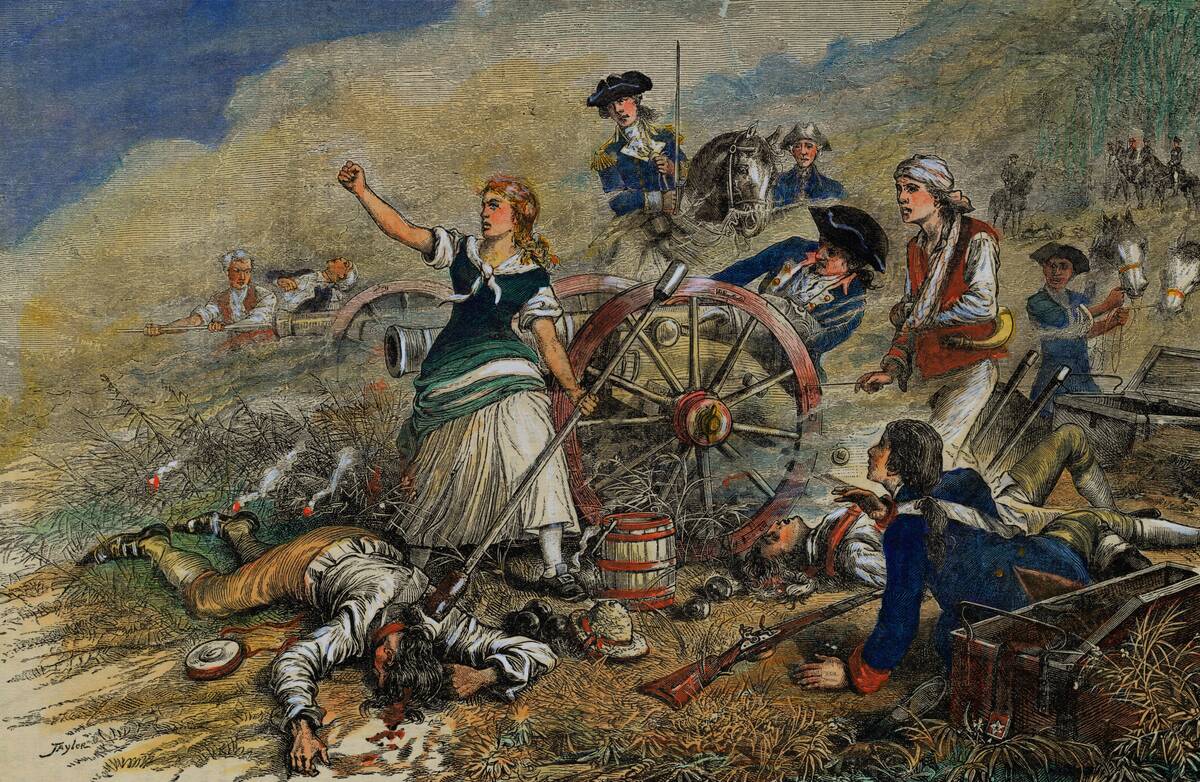
Before deadlines, there were doorsteps. People swapped news at quilting bees, barn raisings, markets, and after church services, where one traveler’s tale could ripple across a county by nightfall. Mariners carried port chatter inland, and itinerant peddlers served as rolling newsstands with opinions. It wasn’t always precise, but it was fast enough that communities often knew “something” had happened somewhere—and then waited for print, a letter, or a reliable neighbor to pin the details down.
The American Revolution itself leaned on rapid word‑of‑mouth relays supported by organized riders and committees of correspondence. In April 1775, riders fanned through Massachusetts to spread alarm of British movements within hours. During the Civil War, soldiers, civilians, and sutlers kept what many called a “grapevine telegraph”—a rumor mill that sometimes scooped official bulletins. Accuracy varied wildly, which is why towns cherished steady sources who could distinguish good intelligence from a camp joke told too well.
Town criers and courthouse steps: the original push notifications
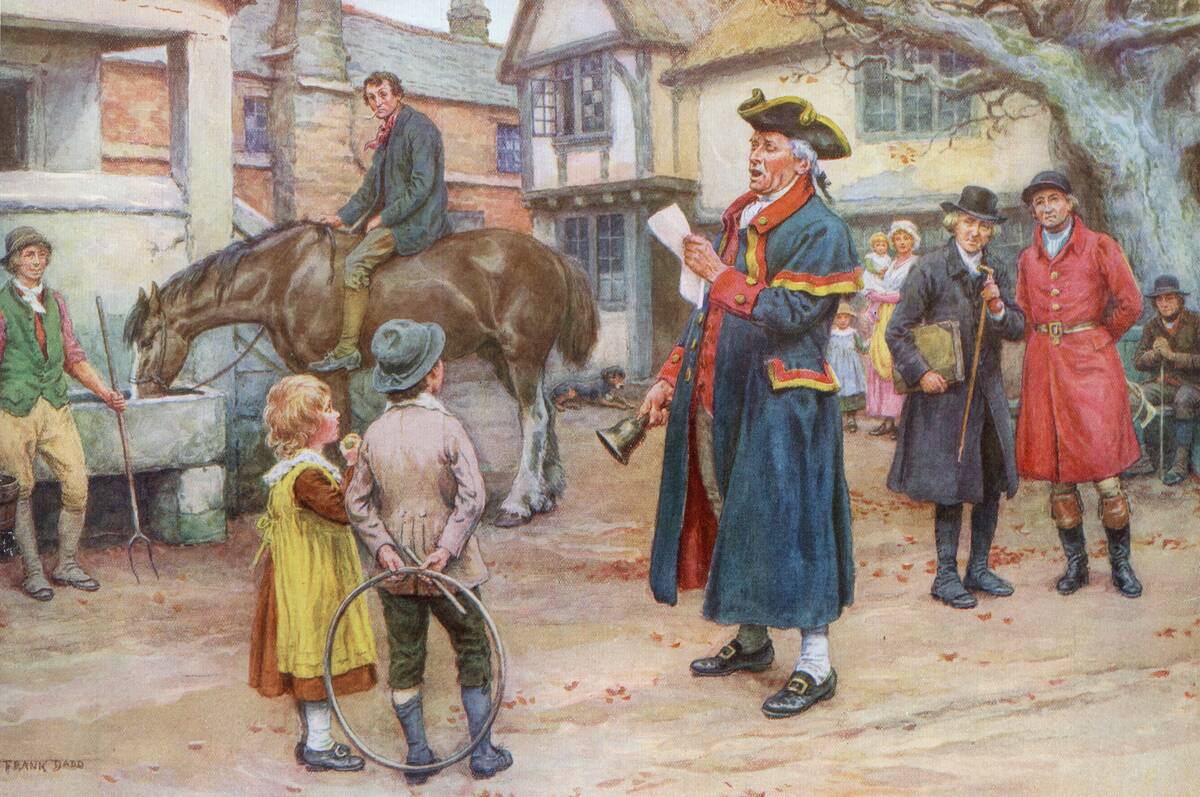
The town crier was the app alert you couldn’t mute. In colonial streets and early American towns, an official crier rang a bell and opened with “Oyez!” to announce ordinances, ship arrivals, lost property, and sales. Criers were licensed by local authorities and often posted printed versions of their calls afterward so citizens could double‑check the wording—an early nod to fact‑checking when rumors got ahead of the bell.
Courthouse steps did their share of broadcasting, too.
Sheriffs posted legal notices, upcoming trials, and auction lists in prominent places where anyone could read them for free. Calendar days drew crowds for “sheriff’s sales,” turning the steps into a news hub. Newspapers lifted items from these postings, and in turn, officials used the paper’s reach to satisfy legal requirements for public notice. The rhythm—announce, post, print—gave towns a layered system that blended voice, paper, and place.
Church bells, drums, and signals: when sound carried the headlines
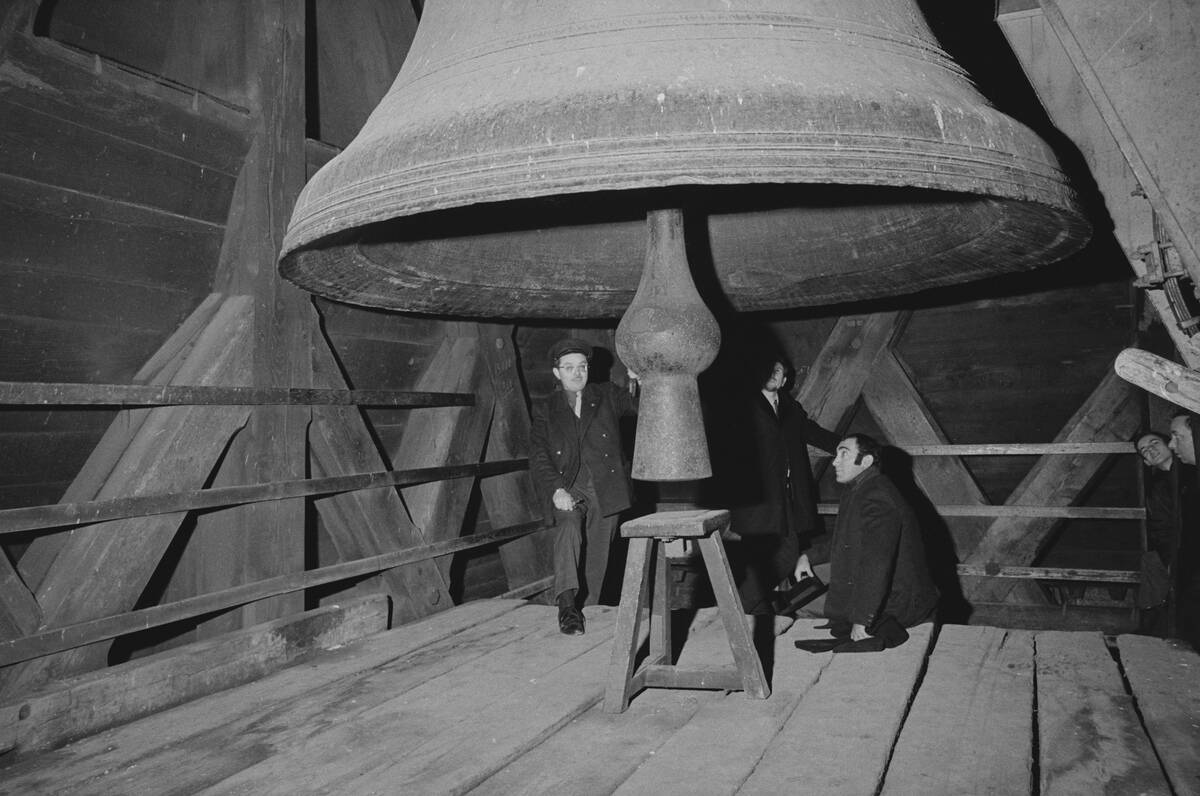
Sound was the original “breaking news” siren. Church bells rang out for emergencies, elections, and public readings, their tones carrying across fields and streets. Cities developed distinct fire‑bell codes in the 19th century, letting residents know which ward was burning. Drums mustered militias and signaled civic ceremonies, and in ports, cannon salutes or whistles announced notable arrivals, from distinguished visitors to much‑awaited ships.
These soundscapes anchored big moments.
Philadelphia’s bells pealed on July 8, 1776, when the Declaration of Independence was read publicly. On the frontier, a volley of shots or a prolonged bell toll could pull scattered residents into town within minutes. The point wasn’t nuance; it was urgency. Once gathered, people heard the details read aloud, posted on walls, or set in type for the next issue—an audio headline followed by the full story in print.
Broadsides and handbills: breaking news on the nearest wall
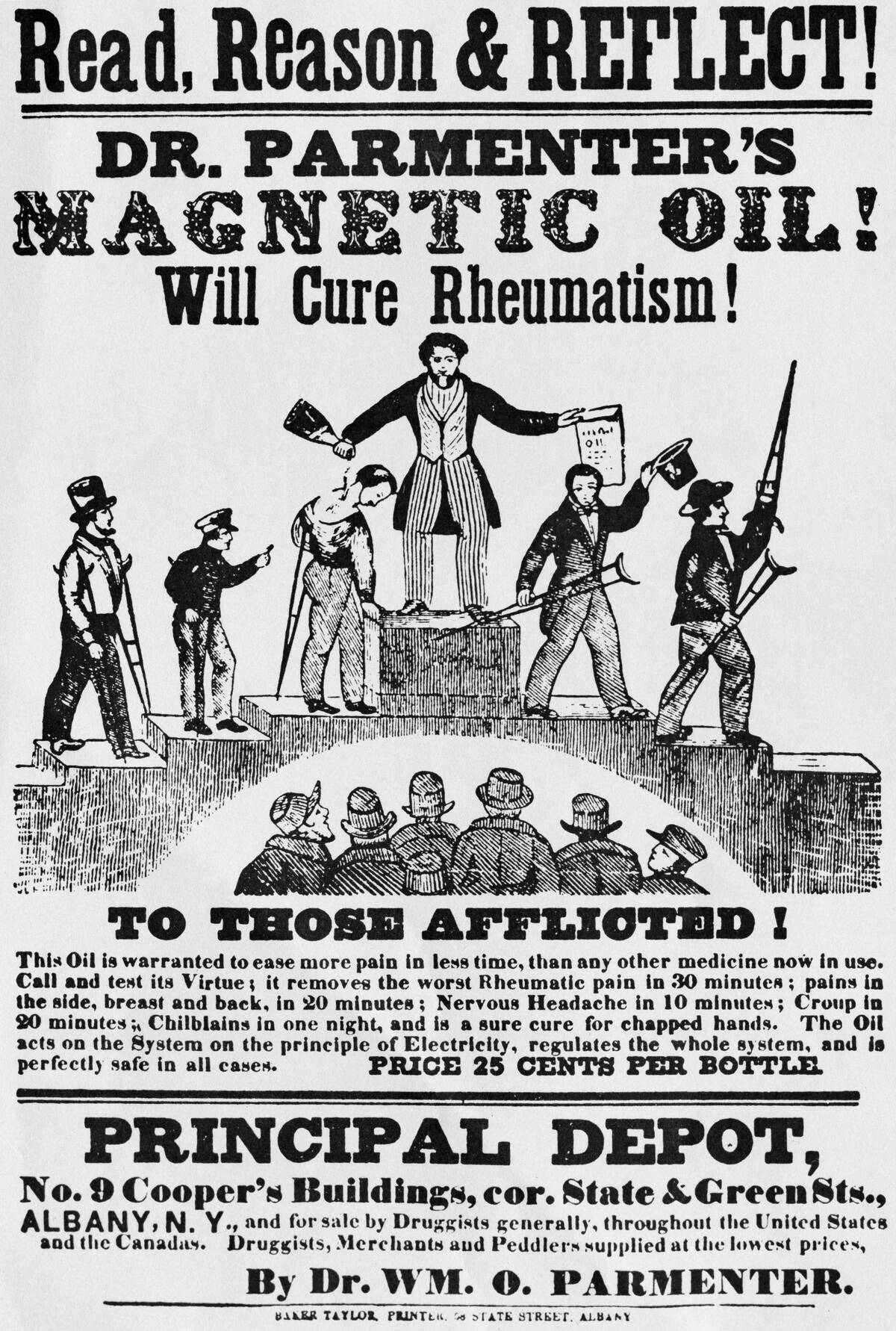
If you wanted a headline you could nail up, you printed a broadside. Single sheets—cheap to make and hard to miss—announced everything from new laws to theater openings. Printers cranked them out quickly on letterpress and plastered them on tavern doors, market posts, and courthouse boards. Handbills were the pocket version, perfect for passing along in crowds or slipping under a shop counter for later reading.
One of the most famous American broadsides was printed overnight in July 1776: the Dunlap Broadside of the Declaration of Independence. Around 200 copies were made; only a few dozen survive. Later, broadsides carried war bulletins, reward notices, abolition meetings, and runaway ads. They were meant to stop you in your tracks, and they did. Newspapers often reprinted broadside text verbatim, turning the wall post into tomorrow’s column inch.
Coffeehouses, taverns, and barbershops: the social media of the 18th and 19th centuries
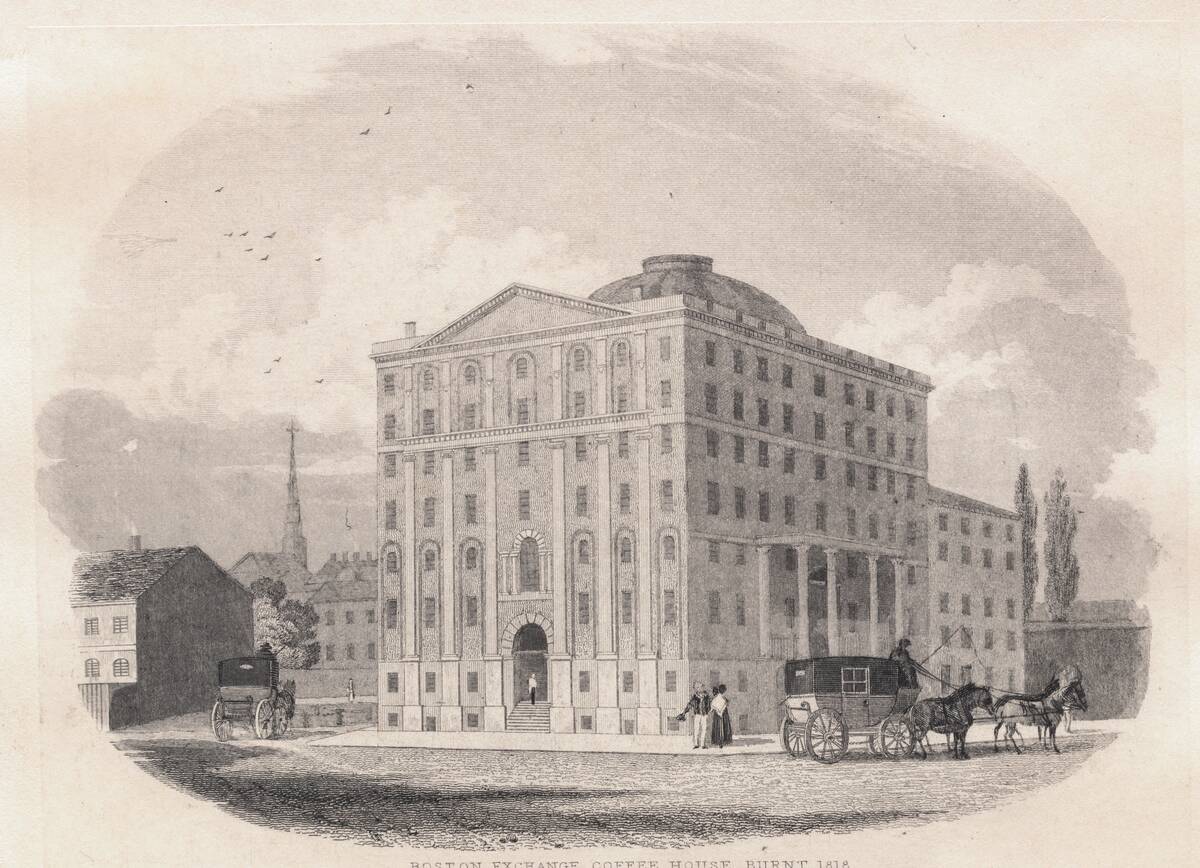
Public rooms were the original feeds and comment sections. Taverns like Boston’s Green Dragon hosted debates, posted fresh broadsides, and kept newspapers on hand for customers. Merchant coffeehouses in port cities tracked ship news and prices; New York’s Merchants’ Coffee House became a clearinghouse for commercial intelligence in the late 18th century. Barbershops stocked papers on “reading poles,” letting patrons leaf through headlines while waiting for a shave.
These were participatory spaces. A traveler might read a dispatch aloud and set off half an hour of argument. In the 1830s penny‑press era, editors placed copies where crowds formed to goose sales, and letters to the editor migrated from these tables to the page. Coffeehouse and tavern culture didn’t just spread news—it incubated it, polishing anecdotes into reports that sometimes reached the printer by nightfall.
Newspapers on the move: stagecoaches, wagons, and steamboats
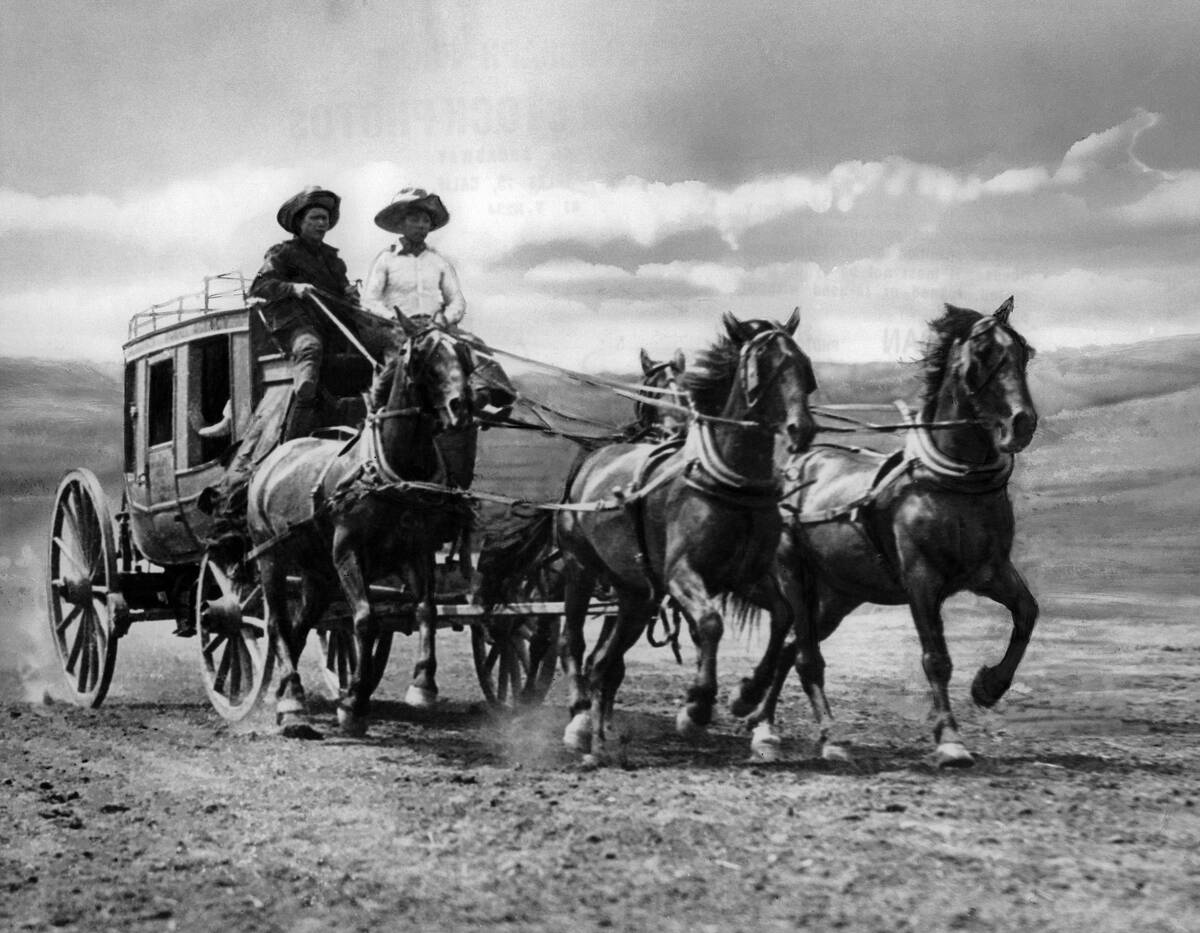
Bundles of news did a lot of bouncing. Stagecoaches and mail wagons lashed stacks of papers to roof racks and rumbled across post roads, handing off sacks at way stations. Travel times that once took a week compressed to a few days as roads improved. Steamboats after 1811 stitched river towns together, carrying the latest editions upriver and down—along with letters correcting last week’s rumors and fueling next week’s columns.
Editors leaned on an “exchange” system, mailing one another copies and quoting liberally with attribution—yesterday’s retweet, postage included.
Steamship arrivals even created a predictable rhythm: newspapers in inland cities set type for foreign and coastal news as soon as they saw a paddlewheel on the horizon. By the 1840s, printers regularly flagged “By Last Night’s Mail” or “By Steamboat” to lure readers who knew exactly how fast that line had traveled.
The U.S. Post Office: turning a young nation into a news network
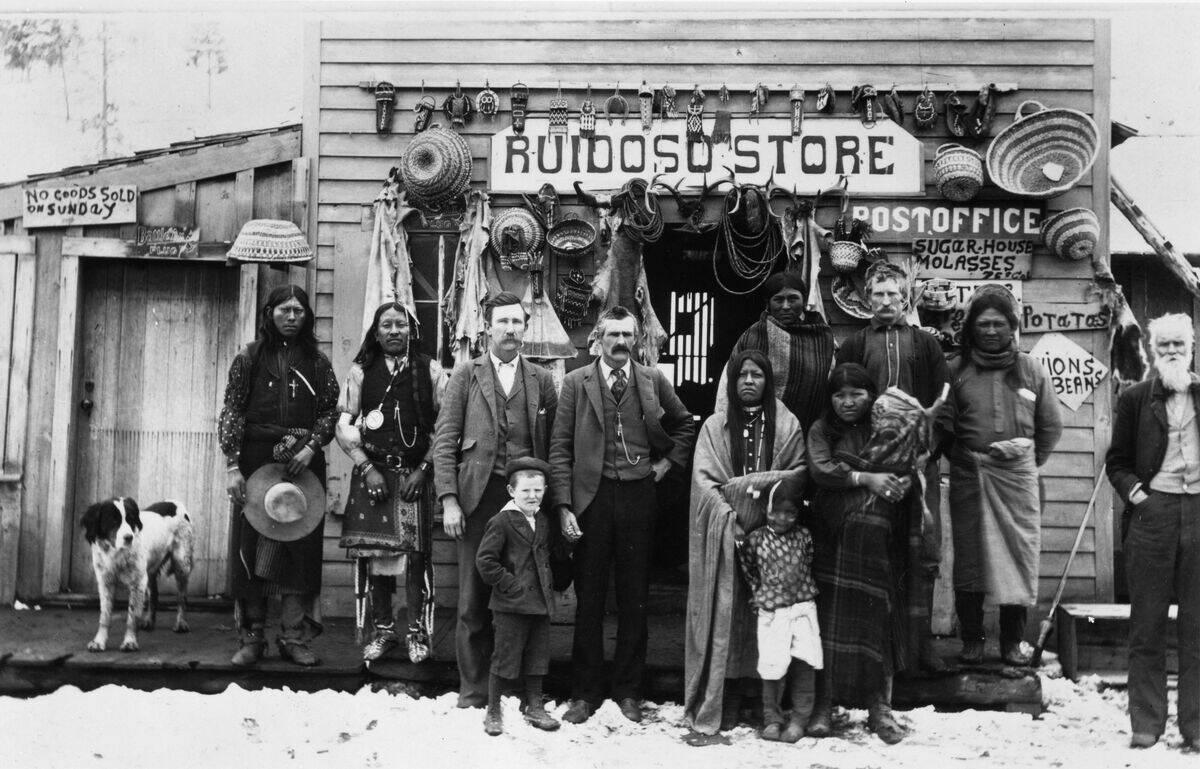
The early Post Office didn’t just tolerate newspapers; it turbocharged them. The Post Office Act of 1792 made newspaper postage low and allowed editors to exchange copies at minimal cost, a policy designed to cultivate an informed citizenry. Post roads proliferated, and with them postmasters who doubled as local news curators, pointing townsfolk to the latest arrivals stacked behind the counter.
The infrastructure exploded. From roughly 75 post offices in 1790, the network grew to more than 28,000 by 1860. In the 1830s, newspapers accounted for most of the mail by weight; historian Richard John estimates about 95% in 1832. Postal speed mattered: election results and Congressional debates traveled in official “franked” mail, while private letters and papers hitchhiked the same routes. The system knitted distant readers to big-city newsrooms with a reliability no single publisher could afford alone.
Star routes, peddlers, and traveling salesmen: wandering news carriers
When roads were rough and towns far apart, the Post Office hired freelancers. After 1845, contracts for difficult routes were marked with three stars—“celerity, certainty, and security”—and the name stuck: star routes. Carriers on horseback, in buckboards, or on snowshoes moved sacks where regular coaches wouldn’t go, turning once‑a‑week trickles of papers into something more dependable.
Meanwhile, commerce talked. Yankee peddlers crisscrossed rural New England with tinware and stories, and 19th‑century “drummers” (traveling salesmen) brought market gossip and city headlines to hotel lobbies on the prairie. They swapped copies in railroad depots, left broadsides with storekeepers, and wired tips back to home offices. Not every tale was true, but in many places these wanderers connected farms and crossroads to a wider information economy long before a telegraph pole appeared.
Pigeon post and quirky couriers: when feathers beat footwork
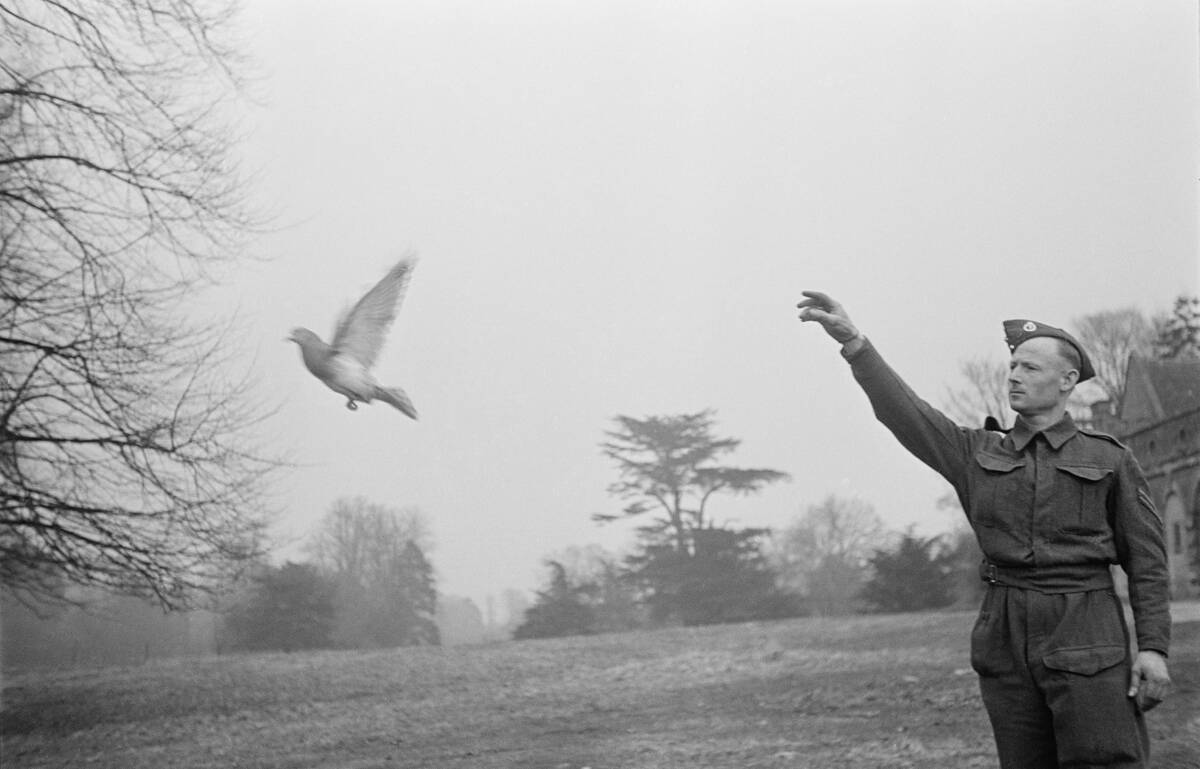
Sometimes the fastest courier had a beak. In 1850, Paul Julius Reuter famously bridged a telegraph gap between Aachen and Brussels with homing pigeons, flying stock prices to keep investors current. During the Siege of Paris (1870–71), thousands of microfilmed messages rode pigeons out of the city, a marvel of miniaturization and bird stamina that kept besieged Parisians in touch with the provinces.
American newsrooms also experimented. In the 1890s, New York papers used pigeons to relay results from yacht races held miles offshore, beating boats and tugs back to the dock. Local brokers kept small lofts for quick price updates from nearby towns. These weren’t everyday solutions, but when water, wind, or topography slowed wheels and wires, feathered freelancers sometimes scooped the competition.
Semaphore lines and heliographs: headlines by sunlight
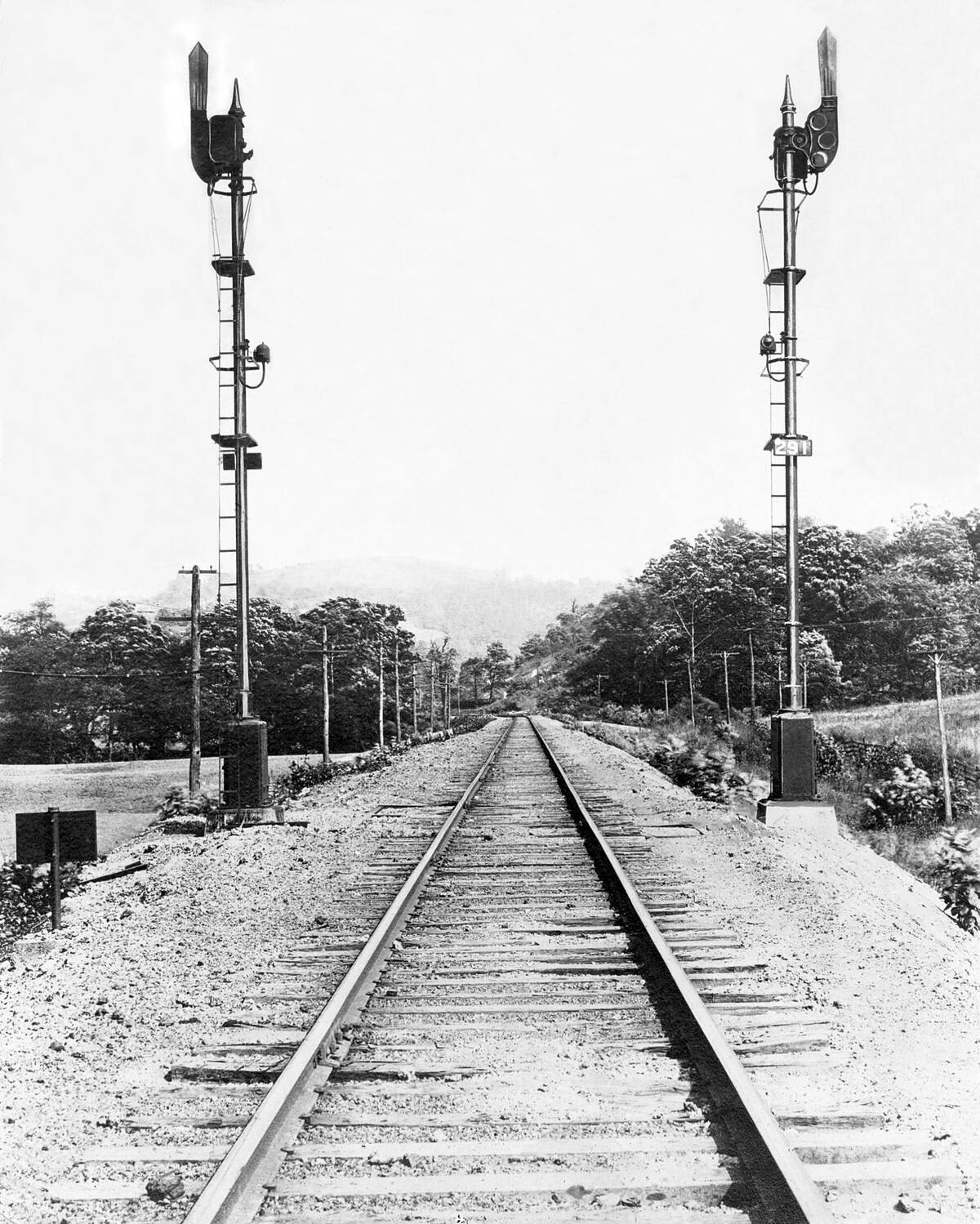
Before electricity, optics did the job. France’s national semaphore network, launched in the 1790s by Claude Chappe, moved official messages hundreds of miles in minutes. While the U.S. never built a system that vast, coastal cities set up short optical telegraphs to flag ship arrivals. By the 1840s, semaphores on hills around New York Harbor relayed a vessel’s identity to lower Manhattan so merchants—and news desks—could publish details almost on the ship’s wake.
Heliographs took it a step farther, flicking Morse‑like flashes off mirrors. The U.S. Army strung heliograph stations across the Arizona Territory in 1886 during the Geronimo campaign; stations 40 miles apart passed messages under clear skies. Though primarily military tools, these networks proved that bright sun could outpace slow roads. When a telegraph line snapped in remote country, a borrowed mirror and a good horizon sometimes got word through.
The Pony Express myth vs. reality: 18 months that became legend
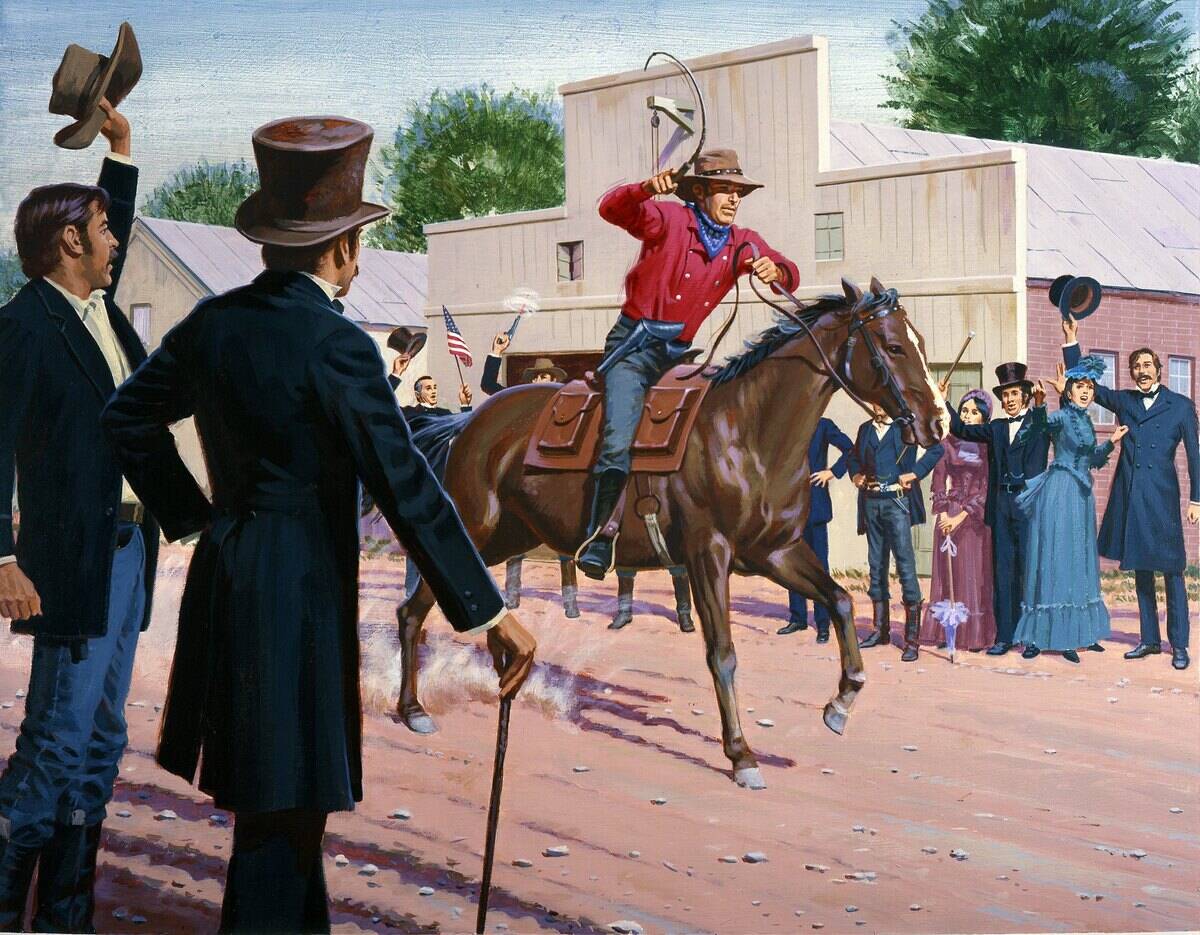
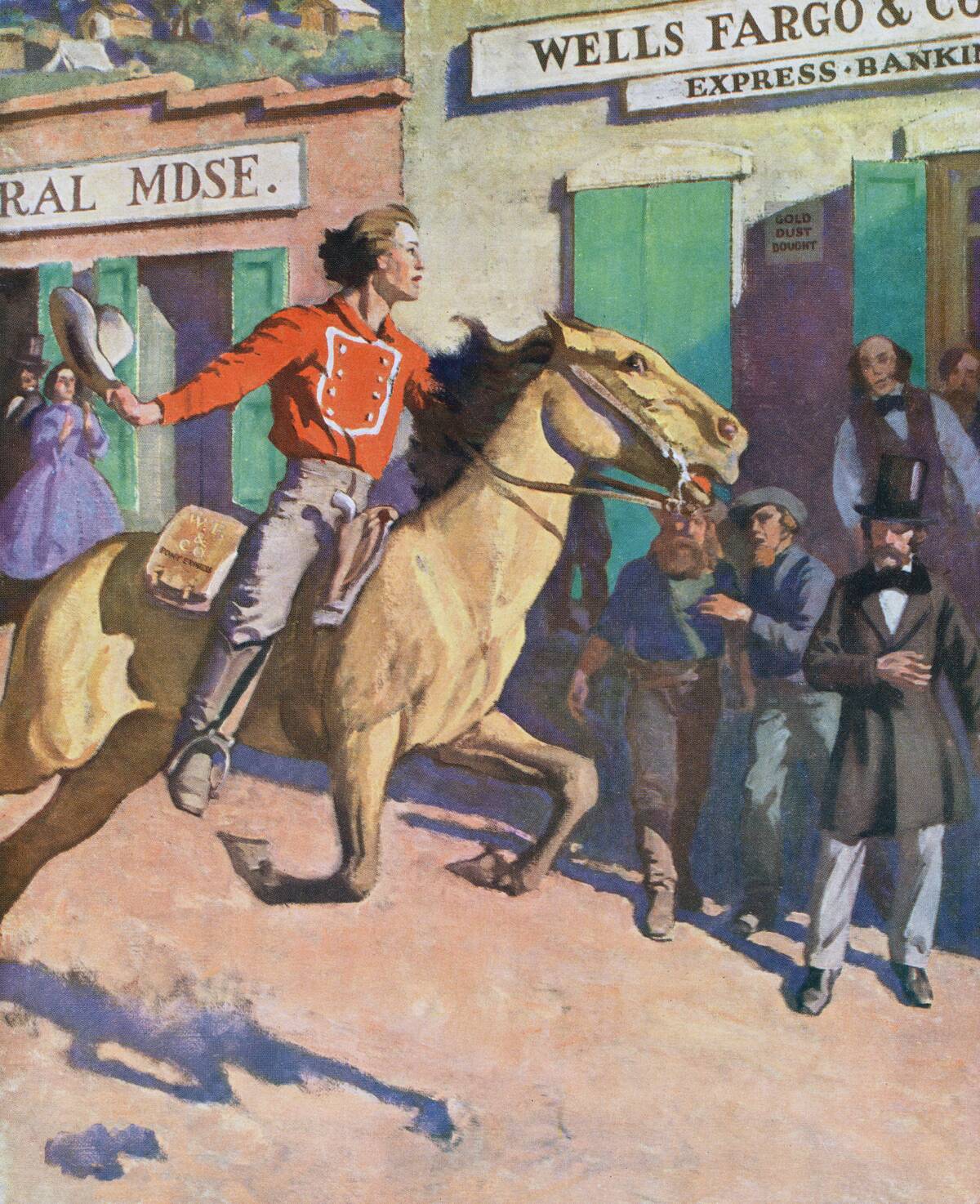
The Pony Express galloped big in memory but brief in life. Operated by Russell, Majors & Waddell from April 3, 1860, to October 26, 1861, it ran roughly 1,900 miles between St. Joseph, Missouri, and Sacramento, California, changing horses every 10–15 miles and swapping riders at stations about 75–100 miles apart. Typical trips took around 10 days—astonishing for the time—and the service carried news, business letters, and government dispatches.
It was also expensive and quickly outmoded.
Early rates hit $5 per half‑ounce before dropping; the transcontinental telegraph’s completion on October 24, 1861, ended the need almost overnight. About 190 relay stations and hundreds of horses kept the relay moving. Some riders, like “Pony Bob” Haslam, became genuine legends. Others, later claimed by dime novels, rode mostly in print. Myth aside, the service showed the appetite—and willingness to pay—for speed.
Rails to the rescue: locomotives that shrank the news map
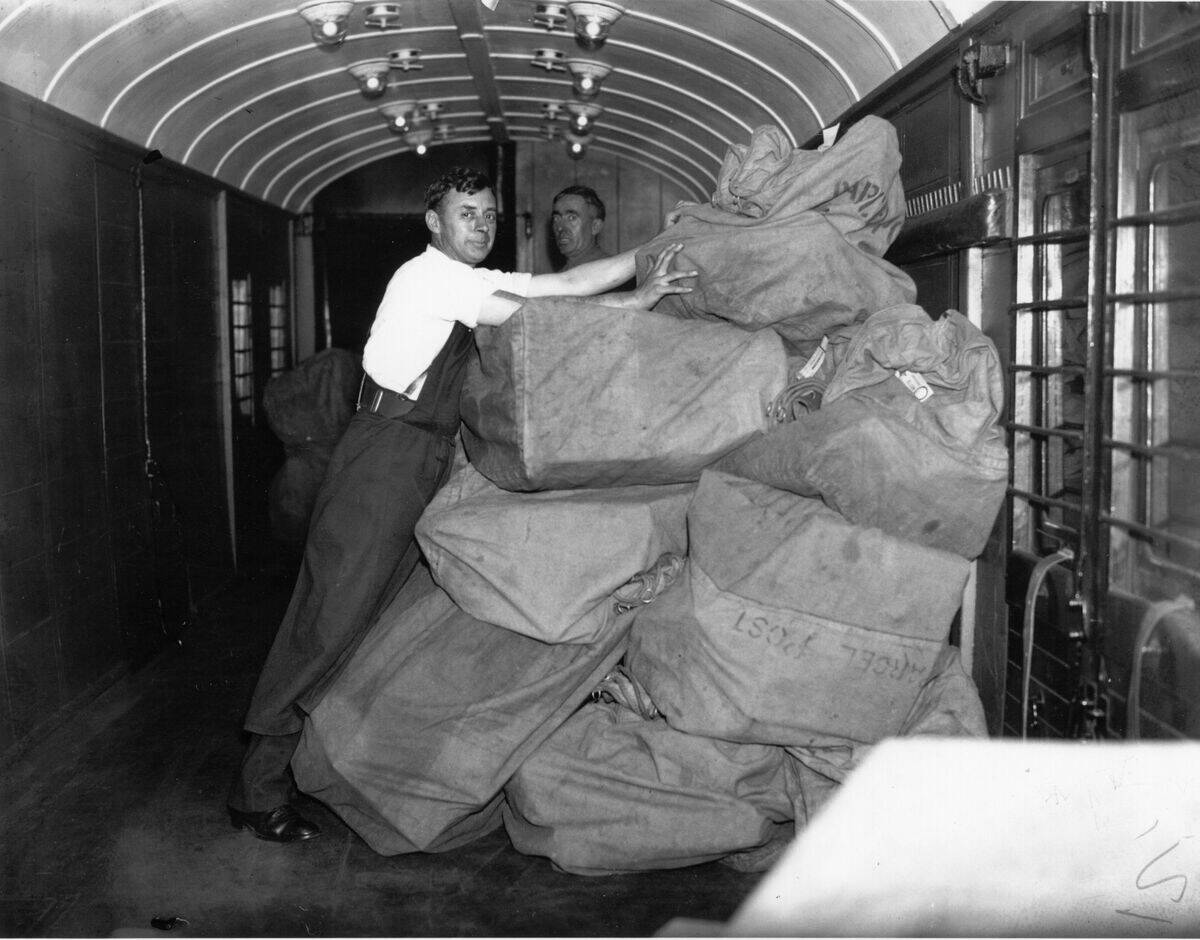
Trains turned news into a precision operation. As rail mileage surged—past 30,000 miles by 1860—publishers scheduled press runs against dependable timetables, stacking labeled bundles for specific trains and towns. Papers that once arrived in the afternoon now reached breakfast tables, and distant weeklies fattened with metropolitan pages gathered from overnight sacks.
The Railway Mail Service, formalized during the Civil War era and expanded after 1864, let clerks sort mail in moving cars, shaving hours off delivery. Private distributors like the American News Company (founded 1864) built nationwide networks to push magazines and papers through depots and newsstands. A locomotive averaging 30 miles an hour could carry today’s dispatches to a dozen towns before dark, rebalancing who got to claim “late edition” bragging rights.
The telegraph taps in: instant news in dots and dashes
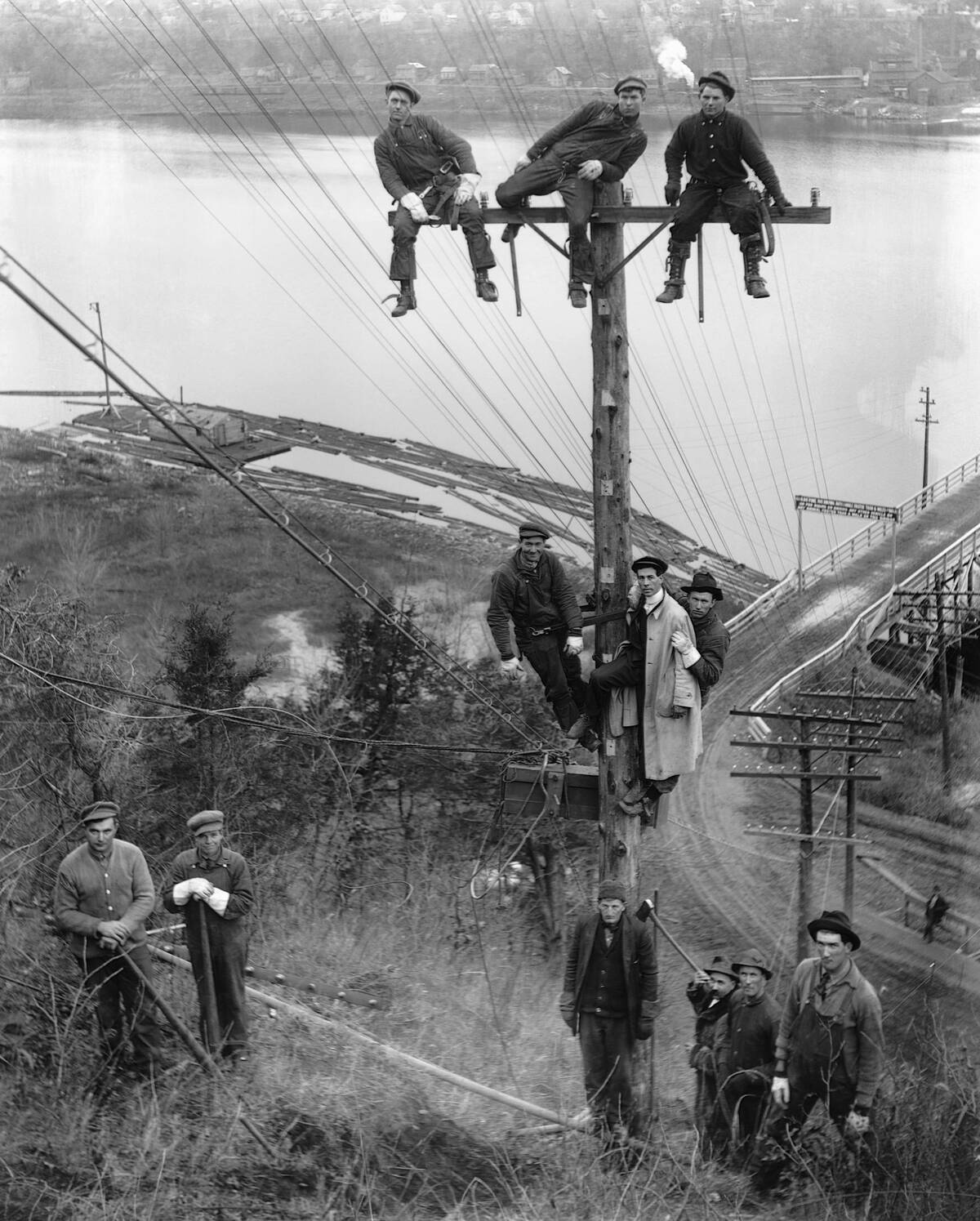
With a tap of a key, yesterday’s lag vanished. Samuel Morse’s 1844 demonstration between Washington and Baltimore sent the famous “What hath God wrought” and launched commercial telegraphy. Within a decade, lines laced together major American cities, and newsrooms installed sounders so editors could take copy straight from the wire. Urgent bulletins—fires, market shocks, election returns—jumped state lines in minutes instead of days.
Global speed followed. After repeated failures, a durable transatlantic cable finally held in 1866, stitched by the massive Great Eastern, and European dispatches became next‑day reading in U.S. papers. Wire tariffs weren’t cheap, so editors wrote tight and prioritized scoops. Telegraph operators—often hired right into newsrooms—became unsung coauthors, translating code bursts into crisp, printable lines on deadline.
Wire services and the birth of national reporting: AP and rivals
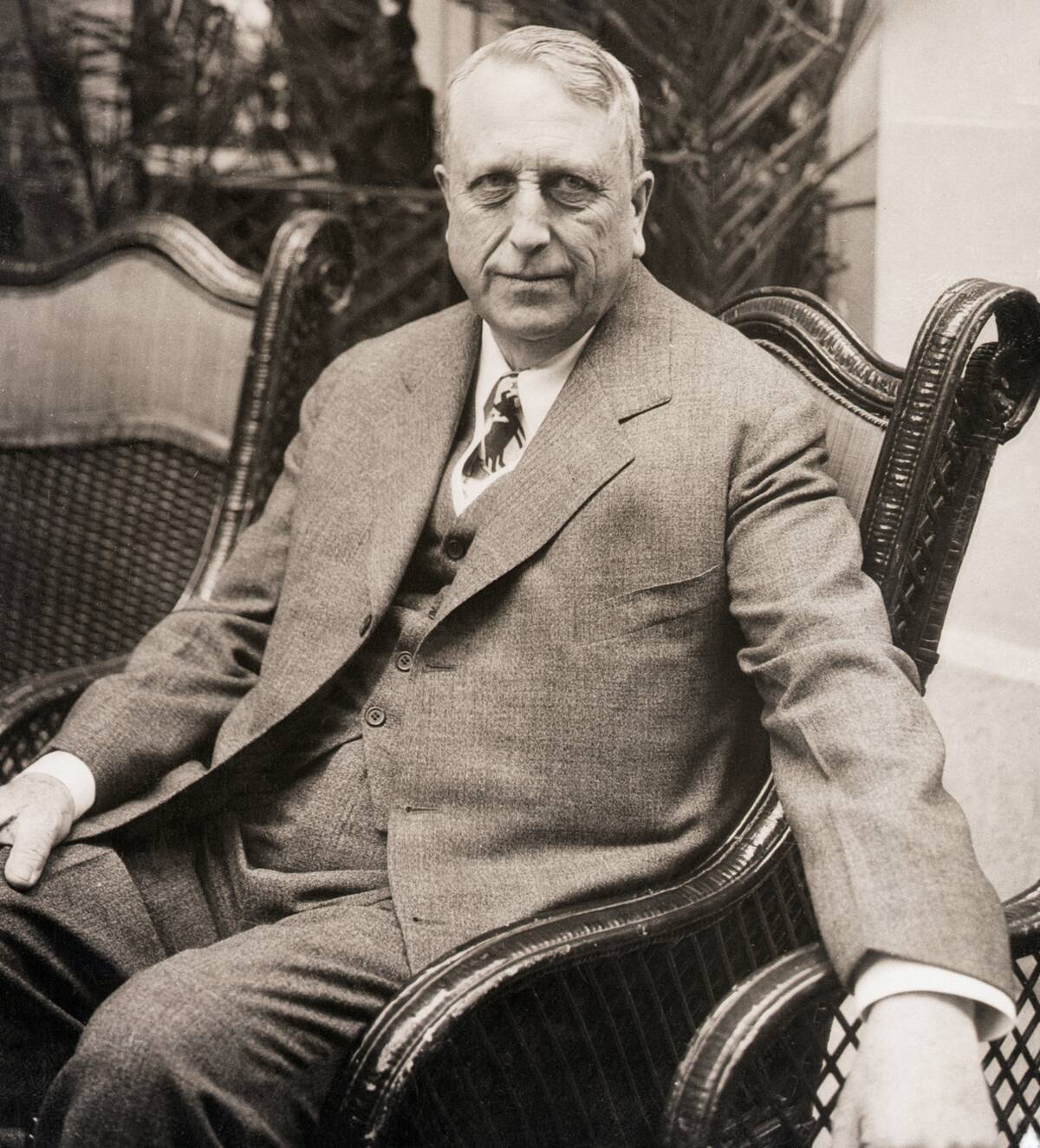
Cooperation beat redundancy. In 1846, five New York papers formed a partnership that evolved into the Associated Press to share costs of transmitting war news from Mexico. The model scaled: pooled reporting and shared wires meant a single correspondent’s dispatch could appear from Maine to Missouri by the next morning, keeping papers competitive without bankrupting them on telegraph fees.
Rivals sharpened the game. E.W. Scripps founded United Press Associations in 1907, and William Randolph Hearst launched International News Service in 1909; UP and INS later merged into UPI in 1958. The Supreme Court’s 1918 INS v. AP decision coined the “hot news” doctrine, and antitrust rulings in 1945 reshaped AP membership rules. By 1910, wire bureaus, not just local editors, were defining what counted as national news—and how fast it reached your porch.
War correspondents and battlefield dispatches: hurry-up journalism
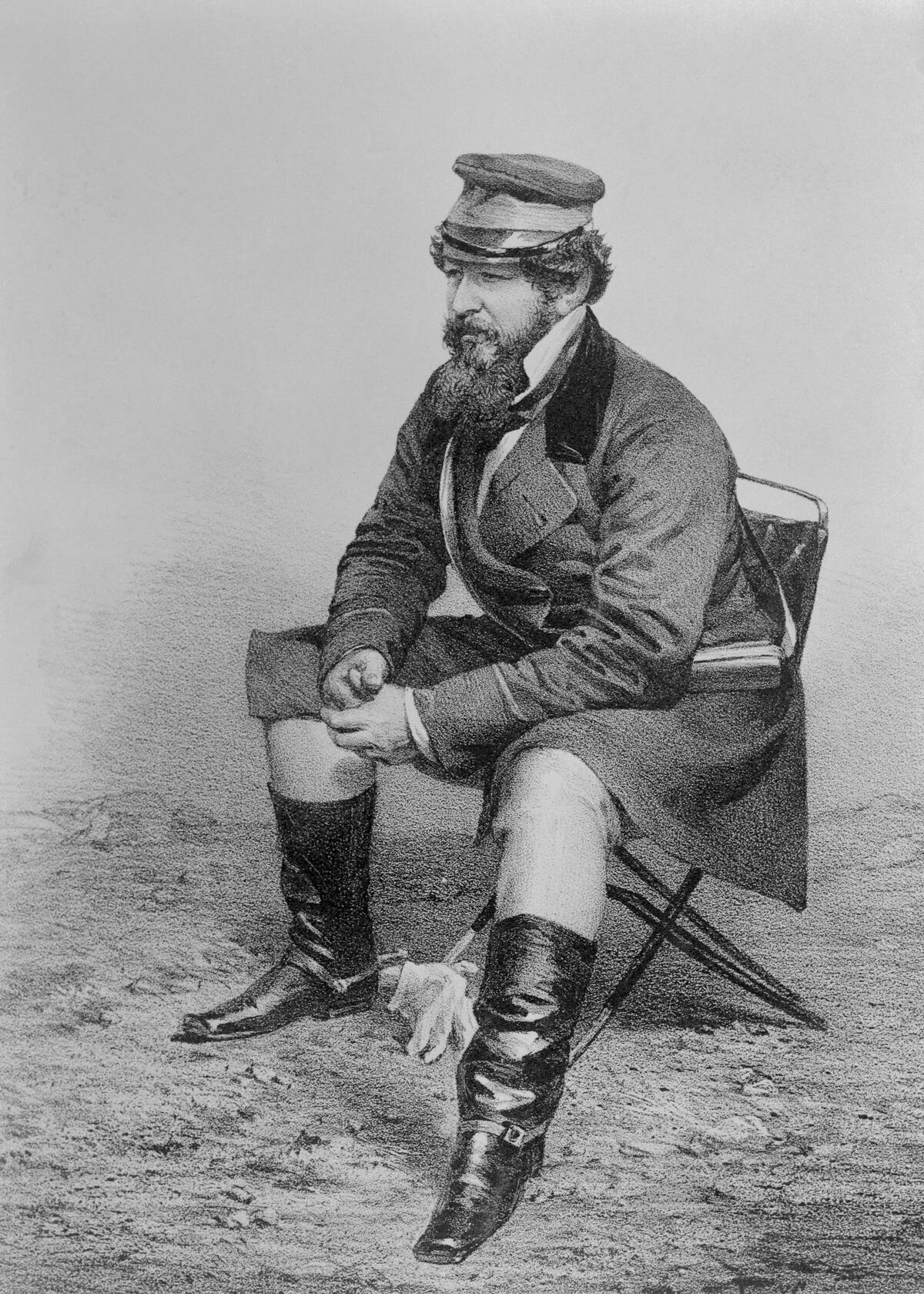
Covering war turned reporting into a contact sport. In the 1850s, William Howard Russell of The Times of London became a celebrity for his Crimean War reports, an early template for on‑the‑scene correspondence. In the U.S. Civil War, newspapers embedded dozens of reporters who battled mud, censors, and cut wires to file copy by courier or telegraph. Newsrooms learned to juggle partial reports with maps, casualty lists, and late corrections.
Technology and control danced uneasily.
The U.S. Military Telegraph Corps handled sensitive lines, and generals sometimes shut down transmitters to contain leaks. Photography added weight: Matthew Brady’s studio and Alexander Gardner’s field teams produced images that weeklies engraved for mass audiences. By the Spanish‑American War in 1898, undersea cables could carry dispatches from the Caribbean within hours, even as censors and storms tried to slow them.
Newsboys and “Extra! Extra!”: breaking stories shouted curbside
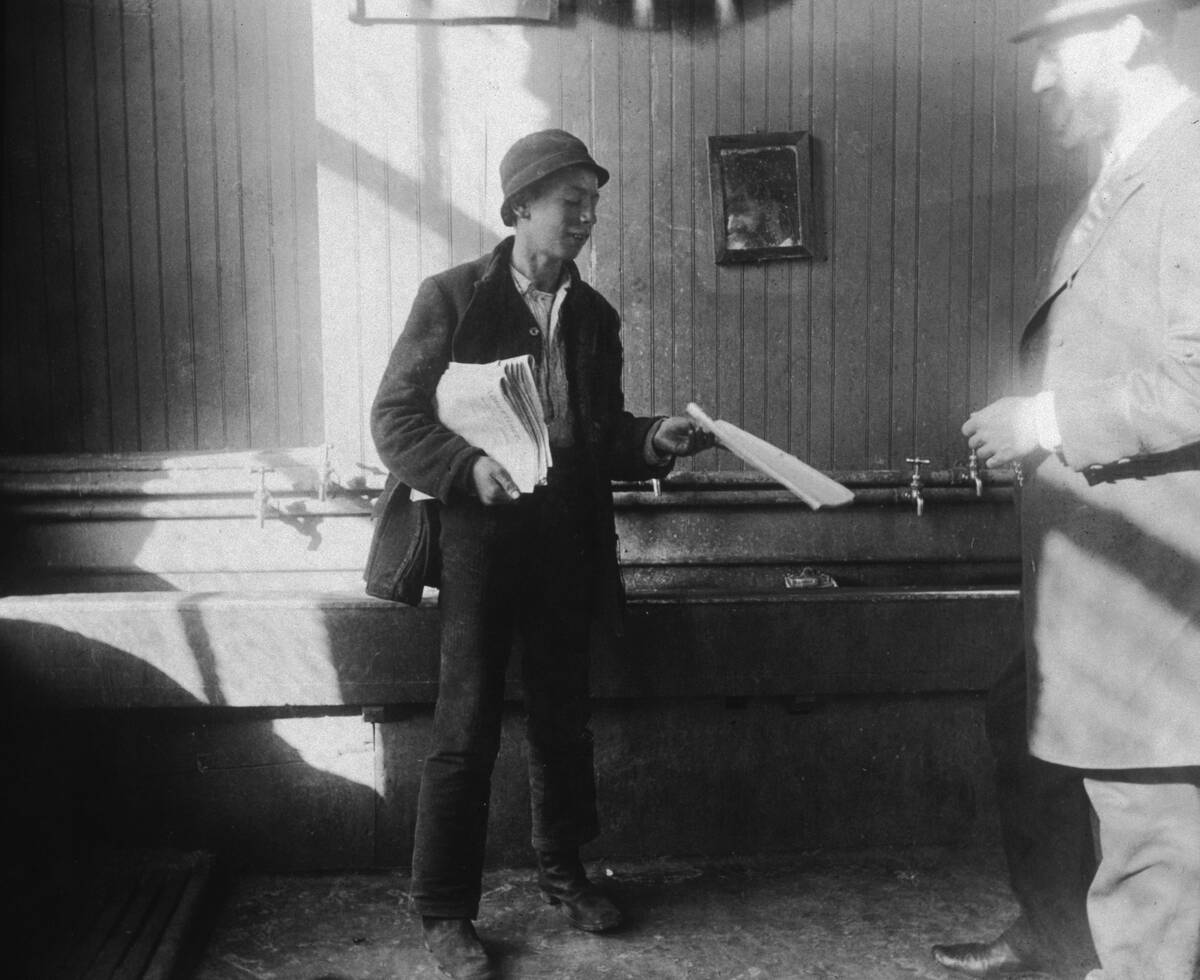
Street sales gave urgency a soundtrack. Newsboys—and newsgirls—bought stacks at a wholesale price and hawked them on corners, saving their loudest shouts for extras: surprise editions rushed out for disasters, indictments, or election swings. The penny press, launched in 1833 with The Sun, made impulse purchases possible.
A big headline plus a loud voice could turn an afternoon’s rent into a profit.
Their labor also had bite. In 1899, New York newsboys struck against Joseph Pulitzer’s World and William Randolph Hearst’s Journal over wholesale rates set during the Spanish‑American War. The strike won important concessions on unsold paper buybacks. The episode spotlighted a distribution army that made circulation figures—and a publisher’s bragging rights—rise or fall, one curbside sale at a time.
Illustrated weeklies, woodcuts, and early photos: seeing the news
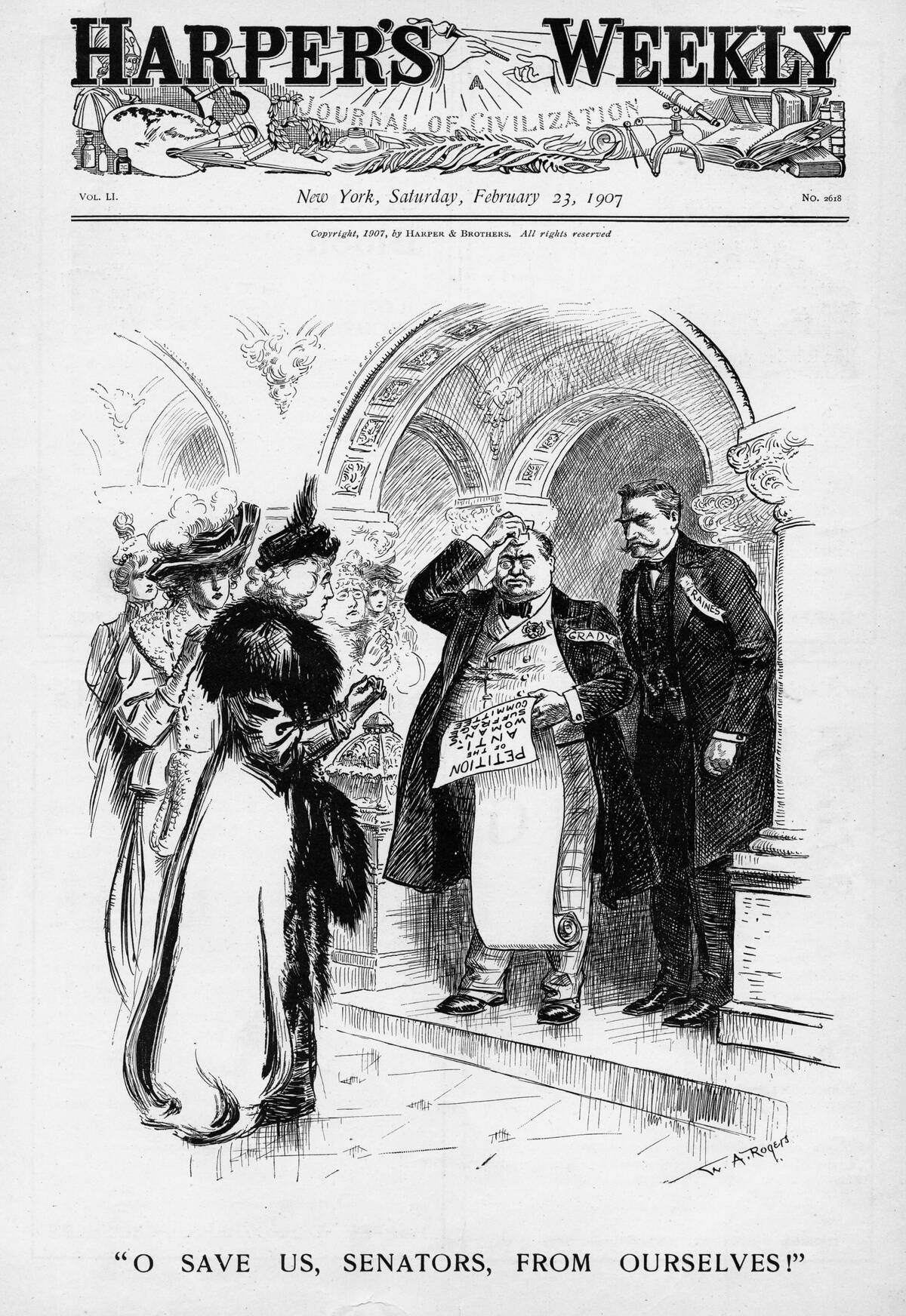
When words weren’t enough, pictures carried the day. Frank Leslie’s Illustrated Newspaper (1855) and Harper’s Weekly (1857) turned sketches and on‑the‑spot drawings into wood engravings that printers could set with type. Readers got to “see” battles, parades, new inventions, and faraway cities in an era before photography was easily reproduced on newsprint.
That changed with halftone.
On March 4, 1880, New York’s Daily Graphic ran one of the first successful halftone photographs in a newspaper, proving that dots could mimic continuous tone. Photo‑engraving rapidly improved in the 1890s, and by the early 20th century, daily papers regularly ran news photos alongside columns. The leap from carved lines to dots tightened the gap between event and image—and raised expectations for visual proof.
Telephone party lines and switchboards: gossip goes electric
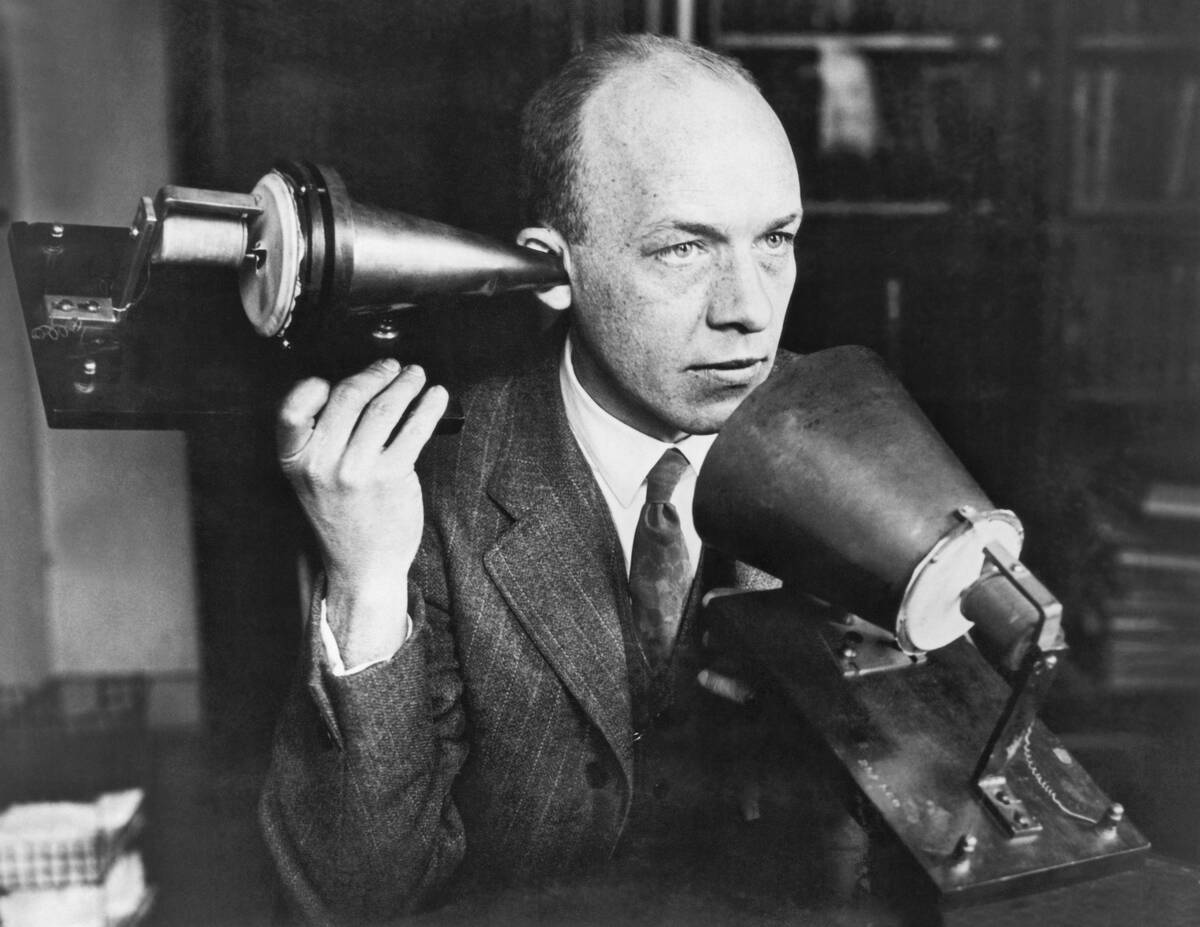
The telephone didn’t start as private. Rural party lines connected multiple households to a single circuit, and news—urgent and otherwise—traveled as quickly as someone picked up to listen. Operators at early exchanges, like the first commercial service in New Haven in 1878, became community hubs, routing calls for doctors and merchants and, not infrequently, tipping off editors when something big was brewing.
Reporters adopted the handset early. By the 1880s and 1890s, correspondents phoned in copy from depots and hotels, and city desks called police stations for blotter checks. Party lines multiplied the social effect: a barn fire or a flu outbreak could become common knowledge in minutes. The same speed that made gossip fly also helped confirm facts faster—if you knew which operator to ask.
Bottlenecks, blizzards, and tall tales: delays, rumors, and reliability
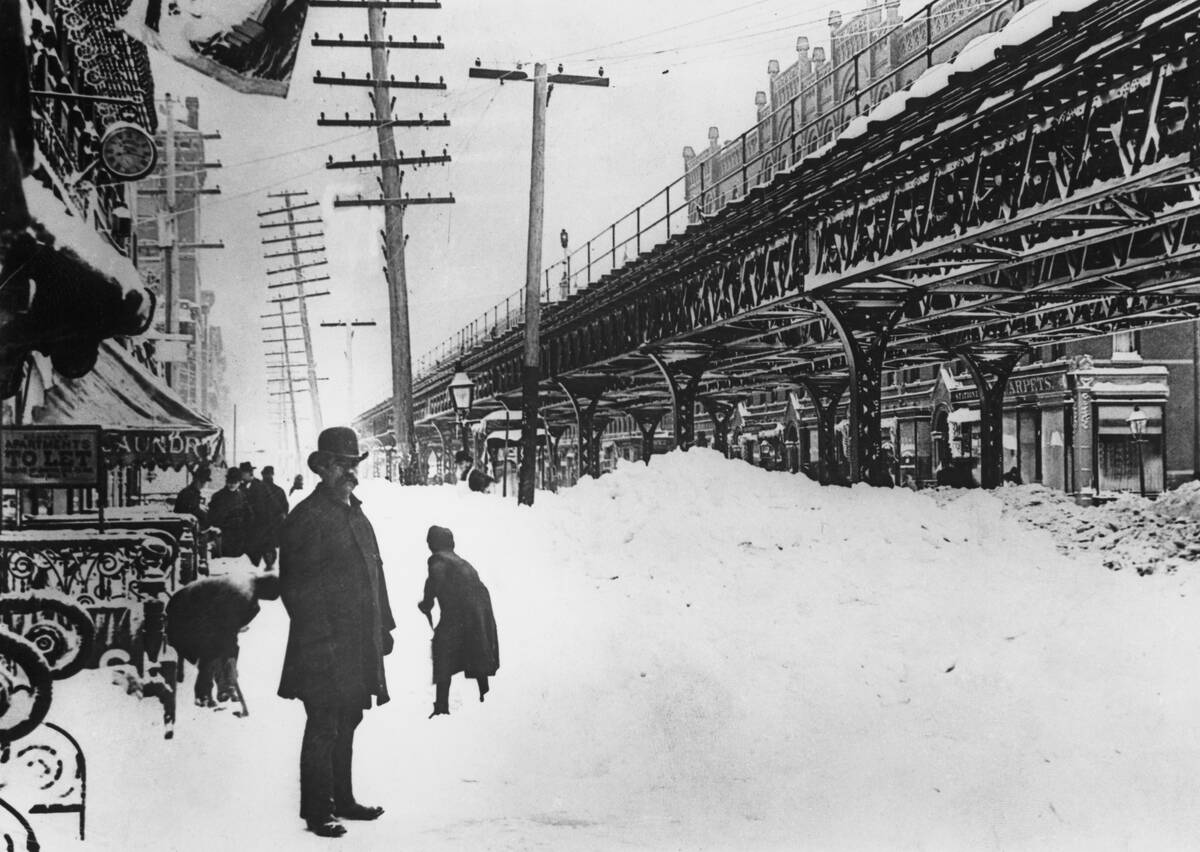
Speed met its match in weather and distance. The Great Blizzard of 1888 buried the Northeast, snapped telegraph lines, and shut rail service, leaving newspapers to fill columns with what little they could confirm by messenger. After the 1906 San Francisco earthquake, crippled wires forced reporters to hand‑carry dispatches to working lines miles away, producing delays that readers felt in blank spaces and late editions.
Gaps bred stories that weren’t so. The New York Sun’s 1835 “Great Moon Hoax” convinced many that lunar forests and bat‑men had been spotted through a powerful telescope. Sensational reporting in the run‑up to the Spanish‑American War magnified unverified claims from Havana. Editors learned—sometimes the hard way—that the faster the pipeline, the more valuable the discipline of verification became.
Markets, fairs, and courthouse auctions: news where crowds gathered
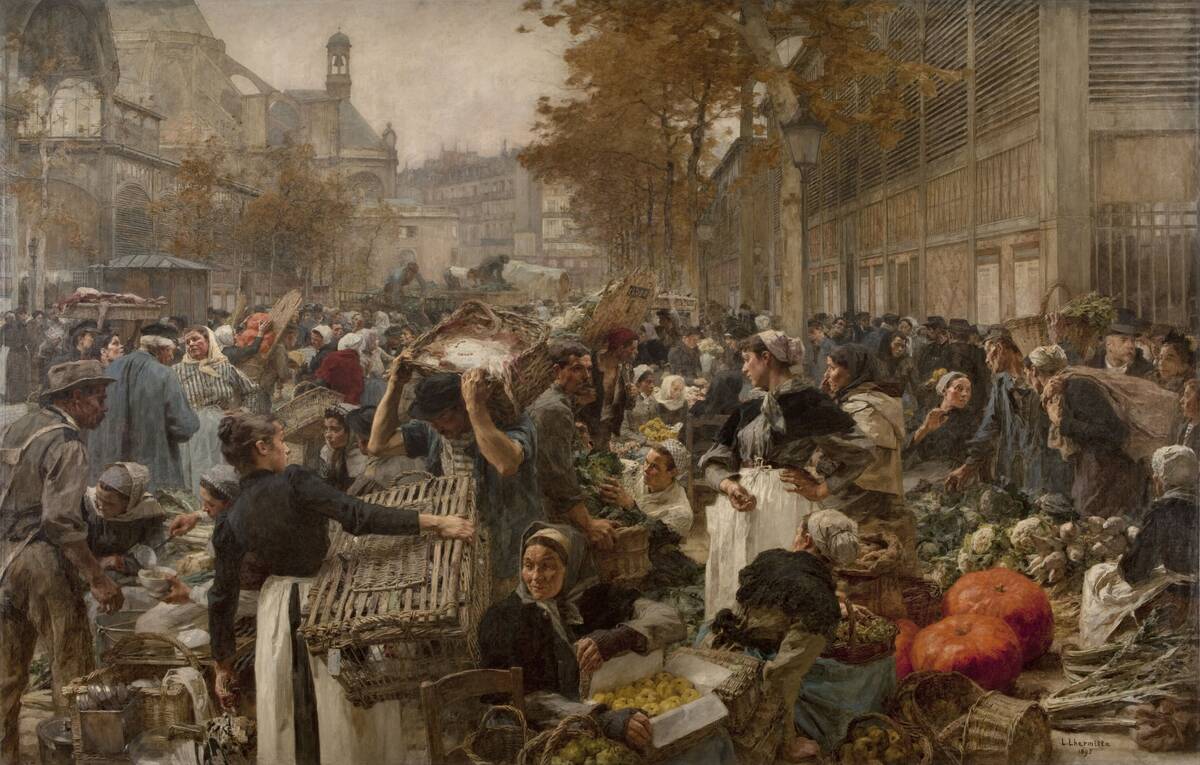
If you wanted reach, you went where people already stood shoulder to shoulder. Market days pulled farmers into town to scan posted prices and compare notes on weather and politics. Courthouse auctions drew spectators for property sales and probate notices, with legal postings tacked up for anyone to read—many later reprinted in the local weekly’s “Public Notices” column.
Fairs and trading days added color and velocity.
Showmen circulated handbills, traveling lecturers sold pamphlets, and agents for distant newspapers signed subscribers on the spot. In financial districts, brokers chalked prices on curbside boards; after 1867, stock tickers spilled quotes into broker windows that passersby peered at like headlines. Crowds didn’t just consume news in these places—they helped decide which items deserved another run in print.
On the eve of radio: newsreels, bulletin boards, and a country ready to listen
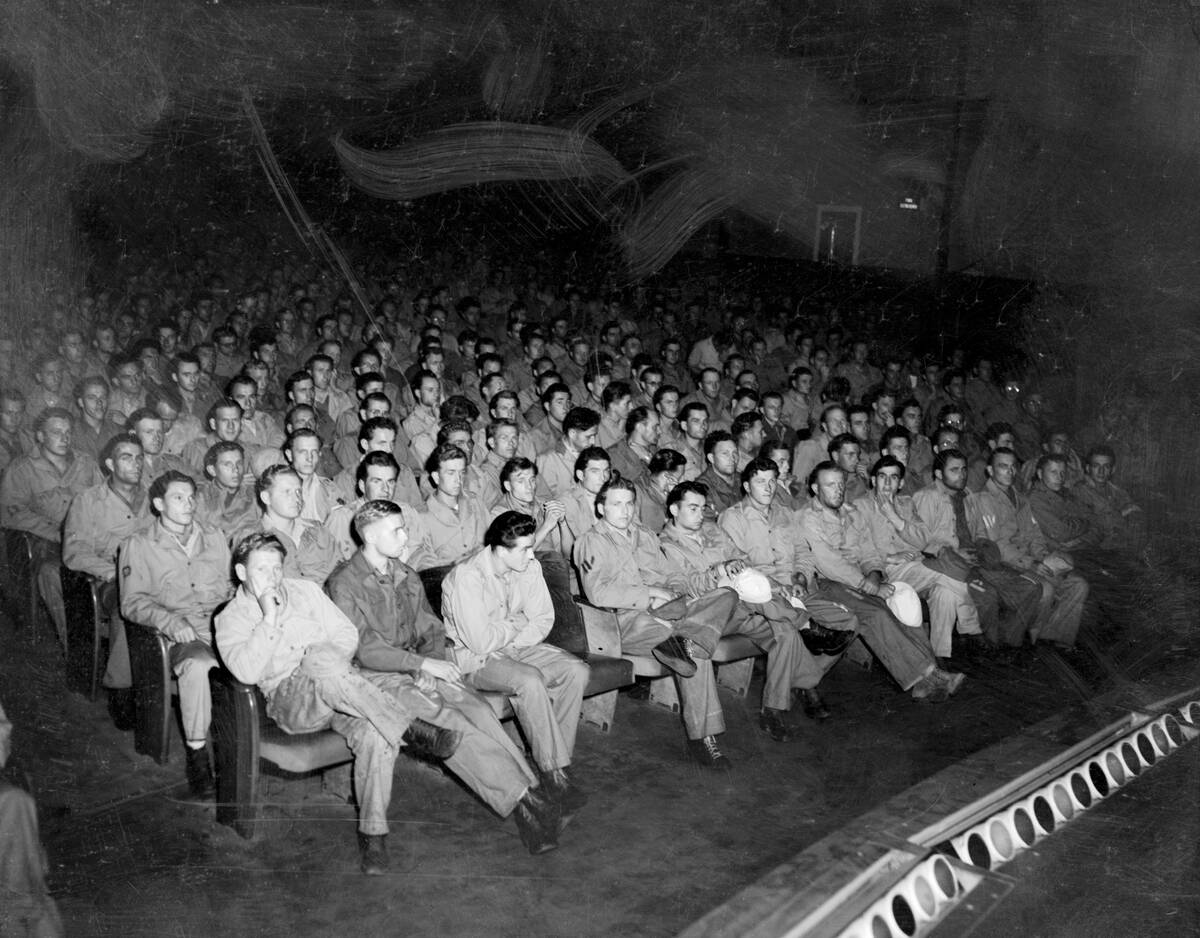
By the 1910s, the news was moving, literally. Silent newsreels from companies like Pathé (launched in the U.S. in 1910) played before features, letting audiences watch floods, parades, and wars between cartoon shorts and melodramas. Outside newspaper offices, chalked bulletin boards drew crowds for bulletins—famously during the Titanic disaster in 1912—while brokers’ tickers rattled updates to street‑level windows.
Everything pointed to ears as well as eyes.
Telephones rang with tips, wire photos were inching onto front pages, and editors were already staging election‑night spectacles for sidewalk watchers. So when KDKA in Pittsburgh broadcast 1920 election returns on November 2, the habit was in place: Americans were primed to gather, refresh, and share. Radio didn’t invent national news; it amplified a chorus the country had been singing for a century.




